- English
- French
- German
- Portuguese
- Spanish
- Russian
- Japanese
- Korean
- Arabic
- Greek
- German
- Turkish
- Italian
- Danish
- Romanian
- Indonesian
- Czech
- Afrikaans
- Swedish
- Polish
- Basque
- Catalan
- Esperanto
- Hindi
- Lao
- Albanian
- Amharic
- Armenian
- Azerbaijani
- Belarusian
- Bengali
- Bosnian
- Bulgarian
- Cebuano
- Chichewa
- Corsican
- Croatian
- Dutch
- Estonian
- Filipino
- Finnish
- Frisian
- Galician
- Georgian
- Gujarati
- Haitian
- Hausa
- Hawaiian
- Hebrew
- Hmong
- Hungarian
- Icelandic
- Igbo
- Javanese
- Kannada
- Kazakh
- Khmer
- Kurdish
- Kyrgyz
- Latin
- Latvian
- Lithuanian
- Luxembou..
- Macedonian
- Malagasy
- Malay
- Malayalam
- Maltese
- Maori
- Marathi
- Mongolian
- Burmese
- Nepali
- Norwegian
- Pashto
- Persian
- Punjabi
- Serbian
- Sesotho
- Sinhala
- Slovak
- Slovenian
- Somali
- Samoan
- Scots Gaelic
- Shona
- Sindhi
- Sundanese
- Swahili
- Tajik
- Tamil
- Telugu
- Thai
- Ukrainian
- Urdu
- Uzbek
- Vietnamese
- Welsh
- Xhosa
- Yiddish
- Yoruba
- Zulu
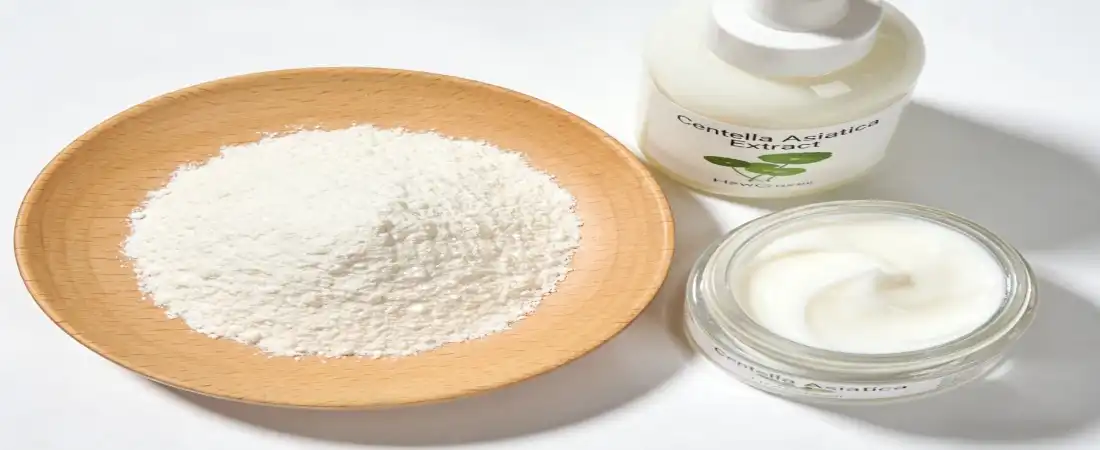
Today, gotu kola extract for skin is one of the most important ingredients in many skin care products because it helps heal wounds and slows down the aging process. Through its beneficial triterpenoids, mainly asiaticoside, madecassoside, asiatic acid, and madecassic acid, Centella asiatica extract works at the cellular level to speed up skin healing, reduce inflammation, and boost collagen production. Studies in humans have shown that it can help treat acne, rashes, scars, and hyperpigmentation while also making the skin's protection stronger. This plant extract has many uses and can help with many skin problems. It is a great raw material for sourcing professionals who need flexible, science-backed ingredients that meet regulatory standards and meet customer desire for natural solutions.
Introduction
Centella asiatica, too known as Gotu Kola, has been utilized for centuries in Ayurvedic and Conventional Chinese Pharmaceutical but is presently broadly esteemed in present day wellbeing and corrective items due to solid logical back. Industry experts progressively see it as a multifunctional definition resource or maybe than a slant fixing. At the same time, the worldwide request for plant extricates is rising as customers favor clean, characteristic, and compelling items. Its capacity to combine conventional benefits with pharmaceutical-grade measures makes it appealing for companies looking for separation and compliance in competitive worldwide markets.
Understanding Centella Asiatica Extract and Its Role in Skin Health
Botanical Origin and Extraction Technology
Centella asiatica, a part of the Apiaceae family, develops in warm, swampy districts over Asia and contains bioactive compounds in its stems, takes off, and roots. Progressed extraction strategies such as supercritical CO₂ and hydroalcoholic forms protect heat-sensitive triterpenoids. Standardization guarantees asiaticoside concentrations from 10% to 90% with controlled 80 work molecule estimate for group consistency. High-purity extricates show up as brown-yellow to off-white powders. ISO, Legitimate, and Halal certifications guarantee soundness, quality, and appropriateness for worldwide dispersion and large-scale definition applications.
Cellular Mechanisms and Active Compounds
Centella asiatica contains pentacyclic triterpenoids such as asiaticoside, madecassoside, and asiatic corrosive in Centella asiatica, which is widely used as a gotu kola extract for skin, acting on numerous organic pathways. These compounds invigorate fibroblast expansion, expanding Sort I and III collagen for moved forward skin quality and versatility. They too control Changing Development Calculate Beta, supporting wound recuperating and scar control. Asiatic corrosive gives anti-inflammatory impacts by hindering NF-κB pathways and diminishing cytokine generation. Solid antioxidant movement neutralizes free radicals, securing cells from maturing and natural damage.
Targeted Skin Conditions and Applications
Clinical thinks about appear Centella asiatica successfully treats different skin concerns. Standardized extricates move forward atrophic skin break out scars inside 8–12 weeks, diminishing profundity and discoloration. Its capacity to direct keratinization makes a difference redress hyperpigmentation and uneven skin tone. Not at all like unforgiving actives, it fortifies the skin boundary by advancing ceramide blend whereas repairing harm. This double activity makes it perfect for delicate or compromised skin. Its tender however successful nature underpins far reaching utilize in details centered on repair, alleviating, and long-term skin wellbeing improvement.
Key Benefits of Gotu Kola Extract for Skin: A Dimensional Analysis
Anti-Aging and Collagen Enhancement
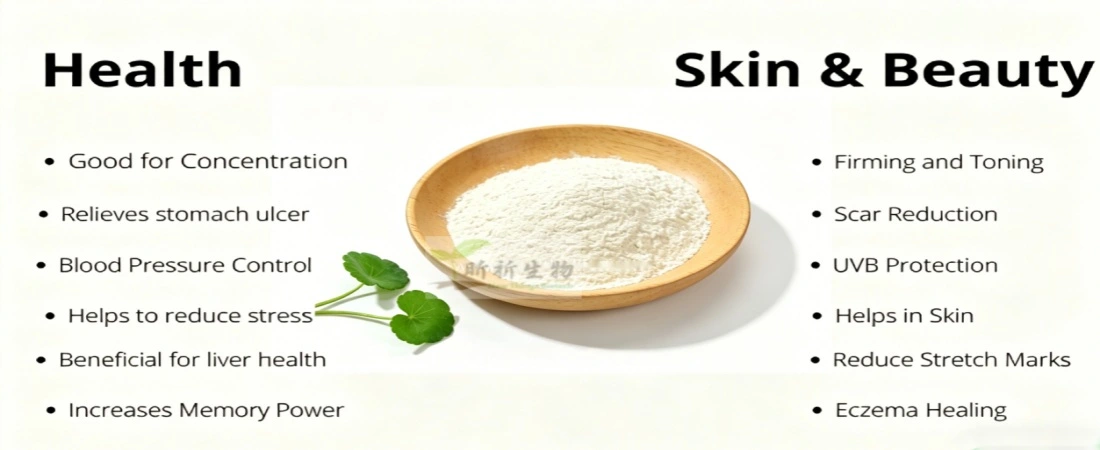
Centella asiatica extract supports anti-aging by stimulating collagen production without irritation. Fibroblast activation increases skin density and elasticity, reducing wrinkles over time. Triterpenoids also enhance glycosaminoglycan synthesis, improving hydration and skin volume. Clinical studies show improved firmness after about 60 days of consistent use with standardized concentrations. Compared to Retinoids, it offers similar structural benefits with better tolerability. This makes it highly suitable for sensitive skin and valuable in age-management skincare formulations.
Advanced Moisturization and Barrier Support
Centella asiatica improves hydration by strengthening the skin barrier rather than only providing surface moisture. It increases ceramide production in the stratum corneum, enhancing moisture retention and long-term hydration. Unlike Hyaluronic acid, which attracts water, this extract reinforces the barrier that prevents moisture loss. Studies show formulations with 2–5% extract reduce transepidermal water loss by up to 22% within four weeks. This dual function supports both immediate hydration and lasting barrier repair in skincare products.
Wound Healing and Scar Management
Centella asiatica is widely recognized for accelerating wound healing and reducing scarring. It promotes re-epithelialization, increases angiogenesis, and regulates collagen formation to prevent hypertrophic scars. Clinical research shows faster healing across various wound types compared to control groups. Its ability to limit keloid formation makes it valuable in post-surgical and therapeutic skincare. Long used in pharmaceutical applications, it now supports dermocosmetic positioning. Strong clinical evidence enables brands to confidently market products for repair, recovery, and scar management.
Anti-Inflammatory and Soothing Properties
Centella asiatica reduces inflammation, a key factor in chronic skin conditions. It inhibits pro-inflammatory pathways, helping manage eczema, psoriasis, and environmental irritation without harsh side effects. Its gentle profile makes it suitable for sensitive users. Visible soothing effects often occur within hours, reducing redness and discomfort. This immediate benefit improves customer satisfaction and repeat purchase behavior. Combined with long-term repair properties, it offers strong value for skincare brands seeking both comfort and effectiveness.
Comparing Centella Asiatica Extract with Other Popular Skincare Ingredients
Performance Analysis Against Established Actives
Centella asiatica, also known as gotu kola extract for skin, provides stronger structural repair compared to Aloe vera, which mainly soothes and hydrates. It stimulates collagen more effectively, making it suitable for anti-aging and therapeutic use. Combined with Vitamin C, it reduces inflammation while vitamin C targets pigmentation, creating a complementary brightening effect. When paired with Hyaluronic acid, it enhances barrier repair while HA improves hydration, supporting multifunctional skincare formulations.
Format Considerations for Product Development
The performance of Centella asiatica extract depends on concentration and formulation type. Serums typically use 3–8% extract for high absorption and potency, while creams use 1–5% to balance efficacy with texture and extended contact. Mass-market products often use 10–20% standardized extracts to control costs, while premium products use 70–90% for stronger differentiation. Understanding these variations helps procurement teams select appropriate grades, ensuring alignment between formulation goals, cost efficiency, and market positioning across different product categories.
Procuring High-Quality Centella Asiatica Extract for Skincare Manufacturing
Critical Quality Parameters and Certifications
Checking the purity of the extraction and the standardization of the active ingredient is the first step in quality assurance. A high-performance liquid chromatography (HPLC) test should show that the amount of asiaticoside meets the requirements, which are usually between 10% and 90%, based on the use. There should be a Certificate of Analysis (CoA) for each batch that lists the triterpenoid profile, heavy metal tests, microbial limits, and pesticide residue screens.
Certifications show that a seller is reliable and follows the rules for making things. ISO 9001 certification shows that a company has quality management systems in place, and Kosher and Halal certifications make the market more accessible to a wider range of customers. Our gotu kola extract for skin at NT Biotech meets these worldwide standards, and third-party testing shows that it is more than 98% pure for top grades. This paperwork is very important when making goods for controlled markets like the US, EU, and Asia-Pacific.
Supplier Evaluation and Partnership Criteria
Reliable providers do more than just show that they have the right certifications; they also offer expert partnerships that help with formulation development. We suggest that you judge sellers by how quickly they answer technical questions, how many samples they have available, and how willing they are to help you with your application. At NT Biotech, we promise to respond to your questions within two hours, and we keep popular extracts in stock so that you can get them shipped within one to three business days of proof of your order. When going from research to commercial production, production ability is important. Suppliers should be clear about the minimum order numbers, standard wait times, and the amount of inventory they have. Our 25kg MOQ is enough for both trial production and ongoing production. Production orders are filled within 3–10 working days, which includes getting the raw materials, extracting them, checking them, and packing them. This openness gives procurement managers the confidence to successfully plan supplies and production schedules.
Packaging and Logistics for Bulk Ingredients
Using the right packaging keeps the safety of the extract while it is being stored and shipped. Standard 25 kg fiber drums protect against moisture and make handling easier for factories, but we can also make packaging that fits the needs of our clients. Temperature-controlled storage before shipping keeps heat-sensitive triterpenoids from breaking down, so their effectiveness is kept up throughout the supply chain. When organizing foreign procurement, logistics flexibility is very important. We offer different shipping choices, such as fast, air freight, and ocean freight, so that clients can choose the one that best fits their needs in terms of speed and cost. Our established FEDEX and UPS accounts allow direct shipping from the plant with reliable tracking. For big manufacturers, trusted freight forwarders handle containerized bulk orders. This full transportation support makes buying easier for foreign buyers who have to find ingredients across borders.
How to Use Centella Asiatica Extract in Skincare Formulations?
Recommended Concentration Ranges and Applications
Formulation rules say that creams and lotions should have a content of 1% to 5% Centella asiatica extract, known as gotu kola extract for skin. This gives healing effects without making the texture difficult. Higher amounts (3–10%) can be used in serum formulas, which take advantage of the extract's ability to dissolve in water to create beautiful, light textures. Leave-on solutions for specific problems like acne or scars can use up to 15% in spot-treatment forms. Common ingredients in cosmetics, such as glycerin, niacinamide, and peptides, work very well with the extract. The pH stability runs from 4.5 to 7.0, which is a good range for most skincare recipe pH goals. To keep the triterpenoid activity, heat sensitivity needs to be handled with cold processing or additions made during the cooling steps of emulsion production. Because of these practical factors, formulators can effectively add the extract without having to make major changes to the process.
Synergistic Ingredient Combinations
Strategically mixing ingredients boosts the benefits of Centella asiatica while creating new product ideas. When combined with niacinamide, the brightness and barrier repair benefits are stronger because both ingredients help make ceramides in different ways. Using Centella with hyaluronic acid helps the skin stay hydrated in two different but complementary ways: Centella improves the skin's ability to hold on to water, and hyaluronic acid acts right away as a humectant. Combining Centella asiatica with peptides and antioxidants like vitamin E is good for anti-aging products. The plant supports collagen structure, and peptides tell specific healing processes to start. Together, these benefits help the body age more gracefully. These connections help research and development teams make goods that really work, because the extra benefits of using the right mix of active ingredients back up those claims.
Safety Profile and Regulatory Compliance
Centella asiatica extract has a great safety record, with few reports of side effects in clinical research. Patch testing methods have a low potential to make skin more sensitive, which means they can be used for hypoallergenic and sensitive skin formulations. This good safety rating makes regulatory submissions easier and backs up claims of wide customer use. Regulatory compliance is different in each market, so buying teams need to check the approval status of ingredients in target areas. For example, in the United States (FDA beauty ingredient database), the European Union (CosIng database), and China (IECIC), the extract is listed as Centella Asiatica Extract on lists of allowed ingredients. We give you paperwork to back up your regulatory entries, like safety ratings and usage level guidelines that are in line with international cosmetic regulations.
Conclusion
Gotu kola extract for skin is a flexible plant that has been proven to help with several skin problems through scientifically proven processes. The multifaceted benefits of this extract, which have been backed by clinical research and traditional use, make it a great choice for procurement workers looking for ingredients for therapeutic, anti-aging, or sensitive skin products. The ingredient works well with many different types of products, works well with other active ingredients, and is safe. These factors make it a smart choice for companies that want to use natural ingredients that give customers real benefits. Standardization, uniformity, certification compliance, and technical support skills should be given top priority when choosing a supplier. This will ensure successful formulation development and market success. We've laid out important quality criteria, practical formulation advice, and comparison positioning to help you make smart purchasing choices that improve product lines and make you more competitive in the market.
FAQ
1. What side effects should we anticipate when formulating with centella asiatica extract for sensitive skin applications?
According to clinical studies, Centella asiatica extract doesn't have many bad effects. In patch tests, the rate of sensitivity was less than 1%. People who are allergic to plants may sometimes have mild responses like swelling or itching. Formulation pH, dosage, and choice of co-ingredients have a bigger effect on comfort than the extract itself. We suggest starting with concentrations between 1% and 2% in products for sensitive skin and trying the full formulas for stability and compatibility.
2. How does gotu kola extract compare to established anti-aging ingredients like retinol in clinical effectiveness?
While retinol is still very good at stimulating collagen, Gotu kola extract does the same thing without the redness or photosensitivity that comes with it. Studies show that asiaticoside boosts collagen production by changing TGF-β, working with retinoids instead of replacing them. The extract is good for sensitive people who can't handle retinol, which means that more people can be reached. The anti-aging effects are greatest when both ingredients are used together at different times.
3. What certifications should we require when purchasing bulk centella asiatica extract for international distribution?
Some important certificates are ISO 9001 for quality control systems and Kosher and Halal for accessing a wider range of markets. Ask for certificates that show the asiaticoside content was checked using HPLC, as well as tests for microbes, heavy metals, and chemical residues. Documentation that shows GMP compliance backs up regulatory entries in markets that are controlled. At NT Biotech, our full certification package meets all of these needs, making it easier to buy things for plans that cover more than one market.
Partner with NT Biotech for Premium Gotu Kola Extract
Shaanxi New Things Biotech is ready to be your reliable gotu kola extract for skin provider. They offer pharmaceutical-grade plant ingredients that will help you make better products. Our standardized Centella Asiatica Extract has asiaticoside amounts ranging from 10% to 90%. It comes with ISO, Kosher, and Halal certificates that make sure it meets all global market regulations. We keep ready-to-ship items in stock so that orders can be filled quickly (within 2–4 days), and our free sample program lets you try it out before you decide to buy. As experienced makers of Gotu kola extract, we offer full expert support to help you choose the right concentration, make sure it works with your formulation, and get the most out of its use, all while keeping your product development goals in mind. Our 25 kg minimum order size is big enough for both test projects and mass production, and we can adjust our packaging options to fit your needs. You can email our team at info@newthingsbiotech.com to talk about your purchasing needs, get technical specs, or set up free samples that show why NT Biotech is the chosen partner for top cosmetics companies around the world.
References
1. Bylka, W., Znajdek-Awiżeń, P., Studzińska-Sroka, E., & Brzezińska, M. (2013). Centella asiatica in cosmetology. Advances in Dermatology and Allergology, 30(1), 46-49.
2. Gohil, K. J., Patel, J. A., & Gajjar, A. K. (2010). Pharmacological review on Centella asiatica: A potential herbal cure-all. Indian Journal of Pharmaceutical Sciences, 72(5), 546-556.
3. James, J. T., & Dubery, I. A. (2009). Pentacyclic triterpenoids from the medicinal herb, Centella asiatica. Molecules, 14(10), 3922-3941.
4. Ratz-Łyko, A., Arct, J., & Pytkowska, K. (2016). Moisturizing and antiinflammatory properties of cosmetic formulations containing Centella asiatica extract. Indian Journal of Pharmaceutical Sciences, 78(1), 27-33.
5. Somboonwong, J., Thanamittramanee, S., Jariyapongskul, A., & Patumraj, S. (2012). Therapeutic effects of Centella asiatica extract on wound healing in diabetic rats. Journal of the Medical Association of Thailand, 95(1), 166-170.
6. Wollina, U., Abdel-Naser, M. B., & Mani, R. (2017). A review of the microcirculation in skin in patients with chronic venous insufficiency: The problem and the evidence available for therapeutic options. International Journal of Lower Extremity Wounds, 5(3), 169-180.