- English
- French
- German
- Portuguese
- Spanish
- Russian
- Japanese
- Korean
- Arabic
- Greek
- German
- Turkish
- Italian
- Danish
- Romanian
- Indonesian
- Czech
- Afrikaans
- Swedish
- Polish
- Basque
- Catalan
- Esperanto
- Hindi
- Lao
- Albanian
- Amharic
- Armenian
- Azerbaijani
- Belarusian
- Bengali
- Bosnian
- Bulgarian
- Cebuano
- Chichewa
- Corsican
- Croatian
- Dutch
- Estonian
- Filipino
- Finnish
- Frisian
- Galician
- Georgian
- Gujarati
- Haitian
- Hausa
- Hawaiian
- Hebrew
- Hmong
- Hungarian
- Icelandic
- Igbo
- Javanese
- Kannada
- Kazakh
- Khmer
- Kurdish
- Kyrgyz
- Latin
- Latvian
- Lithuanian
- Luxembou..
- Macedonian
- Malagasy
- Malay
- Malayalam
- Maltese
- Maori
- Marathi
- Mongolian
- Burmese
- Nepali
- Norwegian
- Pashto
- Persian
- Punjabi
- Serbian
- Sesotho
- Sinhala
- Slovak
- Slovenian
- Somali
- Samoan
- Scots Gaelic
- Shona
- Sindhi
- Sundanese
- Swahili
- Tajik
- Tamil
- Telugu
- Thai
- Ukrainian
- Urdu
- Uzbek
- Vietnamese
- Welsh
- Xhosa
- Yiddish
- Yoruba
- Zulu
Bulk Resveratrol Powder represents high-purity trans-resveratrol extracted primarily from Polygonum cuspidatum roots, offering health brands a standardized, scalable ingredient solution. This natural polyphenolic compound matters significantly for health brands because it addresses critical formulation challenges while providing proven antioxidant and anti-aging benefits. Why does this matter for health brands? The answer lies in consumer demand for science-backed longevity supplements and the ingredient's versatility across nutraceuticals, functional foods, and cosmeceutical applications, enabling brands to differentiate their products in competitive markets.
What is Bulk Resveratrol Powder?
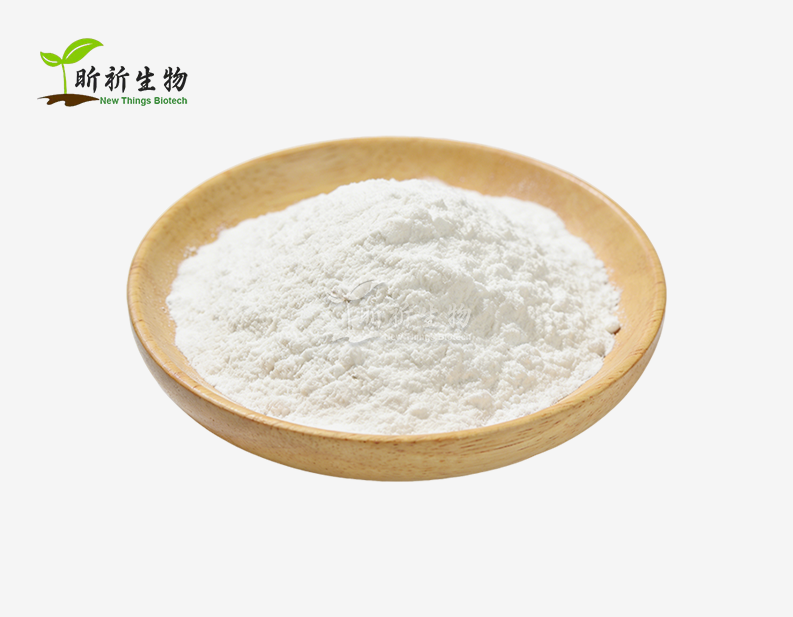
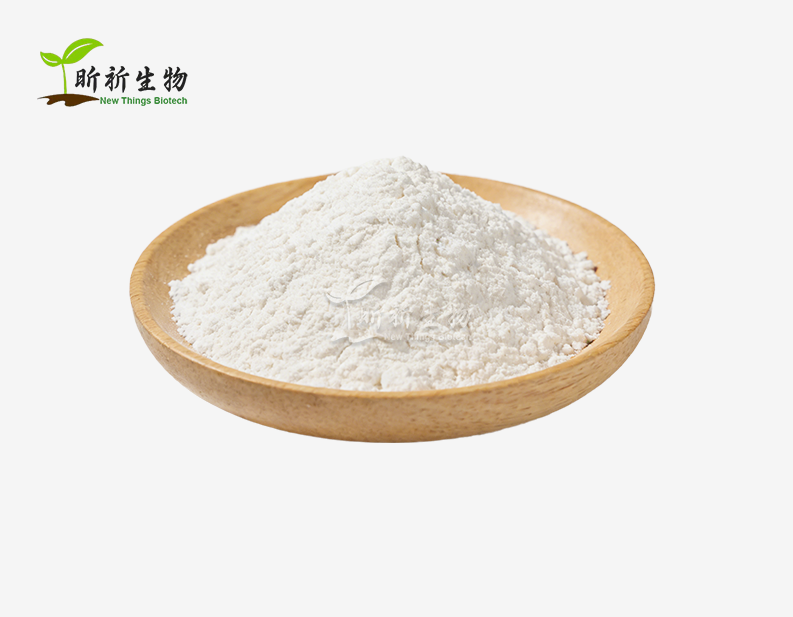
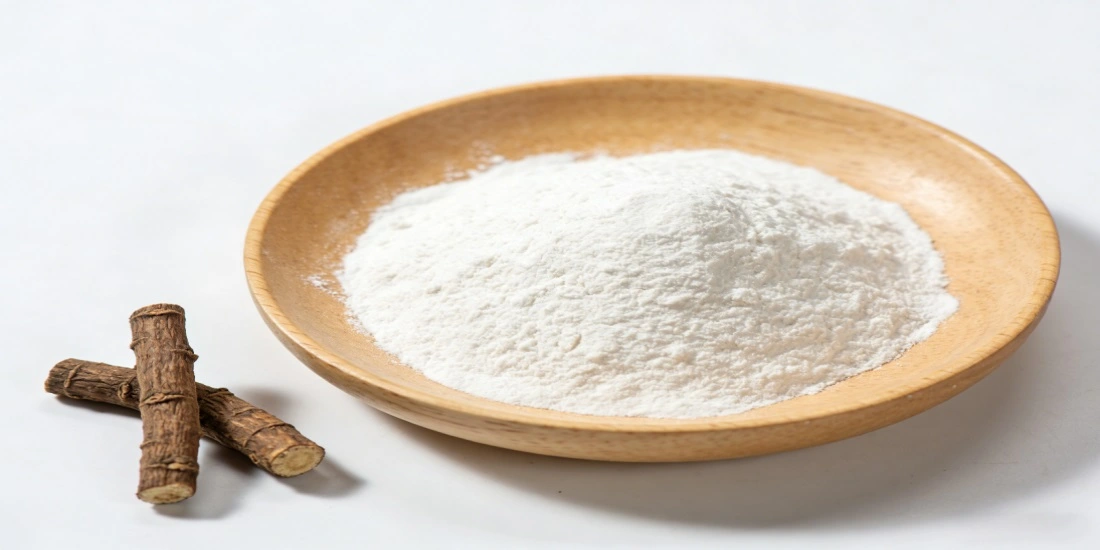
The industrial-grade form of trans-resveratrol (3,5,4'-trihydroxystilbene), a strong stilbenoid found naturally in red wine, berries, and grapes, is bulk resveratrol powder. However, because of its greater concentration levels and reliable supply, Polygonum cuspidatum root extraction is the primary method used in commercial production. This bioactive substance, which has the chemical formula C₁₄H₁₂O₃ and the CAS number 501-36-0, is a potent SIRT1 activator. Bulk powder requirements, in contrast to crude plant extracts, usually fall between 5% and 98% purity, with premium grades having a trans-resveratrol percentage of ≥98%. This concentration is far higher than what is found naturally in dietary sources, such as grape skins, which only have 50–100 micrograms per gram. Advanced extraction techniques are used in manufacturing to separate and purify the active ingredient while eliminating undesirable substances like emodin, which may cause digestive problems. When maintained correctly, the resultant white to off-white powder shows outstanding stability and offers reliable potency for commercial applications. By avoiding conversion to the less effective cis-form that happens under light exposure or incorrect processing conditions, advanced production procedures guarantee the preservation of the bioactive trans-form. Because of its technical accuracy, bulk powder is a necessary raw material for serious supplement producers.
The Problem It Solves
The competitive supplement market of today presents growing obstacles for health brands. Demand for substances that provide quantifiable health benefits has increased as consumer awareness has changed toward evidence-based components with established mechanisms of action. Conventional antioxidant sources frequently don't have the strength and uniformity needed for high-end compositions. Production schedules are disrupted by supply chain volatility caused by the seasonal availability of natural sources, such as grape skins. Many manufacturers would rather avoid the alcohol residues and processing issues that come with extraction from red wine sources. Additionally, different amounts of active chemicals are present in raw botanical materials, which makes standardization very challenging. Another major challenge is regulatory compliance.
Ingredients for health brands must have thorough documentation, consistent analytical profiles, and trustworthy certifications of analysis. Without advanced processing skills, batch-to-batch consistency is difficult due to natural differences in plant materials. Product development is further complicated by formulation issues. Bioavailability in conventional supplement formulations is limited by poor water solubility (about 0.03 mg/mL). Stability problems plague many brands, especially photo-degradation, which lowers efficacy over time. Obstacles also arise in consumer education. Even though resveratrol research has been conducted for decades, it takes precise, scientifically sound knowledge to convey intricate molecular mechanisms. Brands want trustworthy suppliers of ingredients that back up their marketing promises with sound scientific evidence.
Core Features & Functionality Deep Dive
The efficacy of premium bulk resveratrol powder in commercial applications is determined by certain physical and chemical properties. Thermal stability appropriate for a range of processing circumstances is indicated by the melting point, which is between 253°C and 255°C. Dissolution rates and bioavailability are directly impacted by the particle size distribution, which is normally regulated between 2 and 10 microns using specialized milling. Because of its lipophilic nature (LogP ~3.1), careful formulation techniques are required. Although this characteristic improves penetration of cellular membranes, lipid-based delivery systems or emulsification technologies are needed for watery applications. Dispersibility is increased without sacrificing molecule integrity thanks to sophisticated micronization processes. The main mechanism of action is SIRT1 activation. This sirtuin protein controls inflammation, DNA repair, and cellular metabolism. Studies show that by triggering these lifespan pathways, resveratrol replicates the effects of calorie restriction.
Through a variety of pathways, such as direct scavenging of free radicals and the activation of endogenous antioxidant systems, the chemical also demonstrates strong antioxidant activity. Optimizing bioavailability necessitates advanced delivery strategies. Absorption rates are greatly increased by complexation with cyclodextrins, liposomal encapsulation, and nanoparticle formulations. The compound's poor water solubility and quick metabolism are addressed by these methods. Strict limitations on heavy metals, pesticide residues, and microbiological contamination are among the quality requirements for bulk material. By verifying isomeric purity, HPLC analysis makes that the bioactive trans-form outnumbers the inactive cis-isomer. For safety and regulatory compliance, residual solvents need to adhere to pharmaceutical standards. Shelf-life predictions are obtained from stability tests conducted at accelerated temperatures (40°C/75% RH). When stored away from moisture and light, properly produced bulk powder keeps its potency for 24 to 36 months. Commercial viability across international distribution networks is supported by this stability profile.
Technology Behind Superior Extraction
High-quality Bulk Resveratrol Powder is distinguished from subpar substitutes by modern extraction technologies. Conventional solvent extraction techniques frequently leave behind contaminants and fall short of ideal purity standards. Advanced methods deliver pharmaceutical-grade material by combining many purifying stages. The gold standard for product purity and environmental safety is supercritical CO2 extraction. Toxic solvents are removed using this technique without compromising molecular integrity. The procedure leaves out undesirable plant elements and other pollutants while specifically targeting resveratrol molecules. The extraction procedure is further improved by membrane separation technology.
Reverse osmosis and ultrafiltration concentrate the active ingredient while eliminating high molecular weight contaminants. These procedures increase yield efficiency while cutting down on processing time. Particle morphology and polymorphism forms are controlled using crystallization processes. Dissolution rates and stability profiles are influenced by various crystal formations. Consistent physical characteristics that promote dependable formulation performance are guaranteed by controlled crystallization. Several testing techniques are used in analytical validation to verify quality. Resveratrol concentration and isomeric ratios are measured by HPLC-UV analysis. Molecular fingerprinting is a feature of LC-MS that helps identify degradation products or adulterants. These analytical procedures guarantee that each batch satisfies exacting requirements. Process automation reduces environmental fluctuations and human error. During extraction and purification cycles, computer-controlled devices keep an eye on temperature, pressure, and time parameters. This technology enables commercial scalability by providing reproducible quality.
Key Advantages Over Alternatives
When compared to synthetic substitutes and whole plant extracts, bulk resveratrol powder has strong benefits. The main advantage is standardization, which ensures potency levels that allow for accurate dosing estimates. The uncertainty that comes with using unrefined botanical resources is removed by this constancy. At commercial scales, economic efficiency is evident. Concentrated powder lowers handling complexity, storage needs, and shipping expenses. The resveratrol content of hundreds of kilograms of raw plant material is equal to one kilogram of 98% pure powder. Flexibility in formulation enables integration into a variety of product configurations. The powder blends evenly in capsule formulations, dissolves easily in tinctures made with ethanol, and can be adjusted for time-release uses.
This adaptability facilitates product line diversification without creating issues with the supply of ingredients. Regulatory benefits include complete documentation packages supporting marketing applications and health claims. International market approval is streamlined by ISO certification, kosher and halal approval, and comprehensive certificates of analysis. Geographical dependence and seasonal changes are eliminated via supply chain stability. Inventory control and production planning are aided by consistent availability. During times of high demand, emergency stock availability avoids expensive production delays. Application knowledge and formulation advice are provided by technical support from seasoned suppliers. This partnership assists companies in maximizing their goods while steering clear of typical supplement creation difficulties.
Potential Limitations & Considerations
Although bulk resveratrol powder has many benefits, there are some drawbacks that consumers should be aware of. Complex formulation techniques are needed to address bioavailability issues, which raises development expenses. When compared to improved delivery technologies, simple powder-filled capsules could not provide the best absorption rates. Light sensitivity necessitates cautious storage and packaging procedures. Over time, the efficacy of the active chemical may be diminished due to degradation caused by clear containers or extensive exposure to light. To preserve the integrity of the product, opaque packing materials or amber glass containers are required. Certain medications, especially blood thinners and anti-platelet therapies, have the potential to interact with one another.
For consumers taking prescription drugs, brands must include the proper cautions and advise speaking with healthcare professionals. Research findings and legal requirements must be carefully taken into account when optimizing dosage. The best human dosage is still up for debate in the scientific literature, despite the fact that research employ different dosages. Brands have to strike a balance between safety concerns and efficacy promises. Accessibility for price-sensitive market segments may be restricted by cost considerations. Compared to less expensive antioxidant compounds, high-purity resveratrol is more expensive. This posture aims to attract affluent customers who are prepared to spend money on tested substances. Smaller producers without specialist equipment may find it difficult to meet processing requirements. Not all businesses have the technical know-how and analytical skills necessary for proper handling, testing, and quality control.
Competitive Landscape Analysis
There are numerous rival supplier categories and sources in the resveratrol market. Although grape skin extracts have a natural appearance, their quality varies and their availability varies seasonally. Standardization is challenging since these extracts usually include 5–20% resveratrol along with other polyphenols. Although synthetic resveratrol is more affordable and consistently pure, consumers still prefer natural substances. Some synthetic products are less expensive than botanical extracts and reach purity levels of 99%+. However, the need for "natural" positioning creates marketing difficulties. Because of its high natural resveratrol concentration, extracts from Japanese knotweed (Polygonum cuspidatum) dominate the commercial market.
Suppliers' quality differs greatly depending on their extraction and purifying techniques. NT Biotech and other premium suppliers set themselves apart with extensive quality control and innovative procedures. An developing class of resveratrol that combines consistent quality with natural manufacturing is fermentation-derived resveratrol. High-purity material can be produced using yeast fermentation procedures without causing problems for the agricultural supply chain. Brands looking to source ingredients sustainably will find this technology appealing. While pricing is the main factor in regional supplier competition, quality standards may be compromised. Asian producers frequently offer affordable prices, but meticulous quality control is necessary. For serious brands, established suppliers with extensive testing and ISO certification offer more dependability. Although they provide comprehensive solutions, private label vendors restrict the potential for brand development. Direct communication with ingredient producers offers improved technical assistance and more options for modification to meet specific formulation needs.
Target Audience & Ideal Applications
Bulk Resveratrol Powder serves specific market segments with distinct requirements and applications. Anti-aging supplement brands represent the primary market, targeting health-conscious consumers seeking science-backed longevity support. These products typically feature premium positioning with comprehensive educational content. Cardiovascular health supplements incorporate resveratrol for heart protection benefits. Research supporting cardiovascular applications provides strong marketing foundations for targeted products. Professional healthcare practitioners often recommend these formulations for patients with risk factors. Sports nutrition applications focus on exercise recovery and mitochondrial support.
Athletes and fitness enthusiasts value ingredients that enhance cellular energy production and reduce exercise-induced oxidative stress. Time-release formulations optimize workout recovery protocols. Cosmeceutical applications utilize resveratrol's antioxidant properties for anti-aging skincare products. Topical formulations require specialized delivery systems to ensure skin penetration and stability. Premium beauty brands incorporate resveratrol in serums and anti-aging creams. Functional food manufacturers develop enhanced beverages and nutritional bars featuring resveratrol. These applications demand specialized processing to maintain stability during production and storage. Beverage applications require nano-emulsification for clear product appearance. Private label manufacturers serve diverse client needs across multiple market segments. Flexible packaging options and custom specifications support brand differentiation strategies. Technical support helps clients optimize formulations for their target markets.
Conclusion
Bulk Resveratrol Powder represents a critical ingredient for health brands seeking to differentiate their products in competitive markets. The combination of proven biological mechanisms, consistent quality standards, and formulation versatility creates compelling opportunities for innovative product development. As longevity research advances and consumer awareness grows, resveratrol applications will likely expand into new therapeutic areas and delivery formats. Successful brands will partner with reliable suppliers who provide technical expertise, regulatory support, and consistent quality that supports long-term market success. The future belongs to companies that embrace science-backed ingredients with demonstrated consumer benefits and commercial viability.
Frequently Asked Questions
Q1: How does bulk resveratrol powder differ from red wine extract?
A: Bulk resveratrol powder provides standardized, concentrated trans-resveratrol typically at 98% purity, while red wine extract contains only 1-5% resveratrol along with alcohol residues and other compounds. The powder offers precise dosing control and eliminates alcohol-related processing complications that challenge commercial formulation.
Q2: What minimum order quantities should health brands expect?
A: Professional suppliers typically require 25kg minimum orders for bulk powder, though sample quantities are usually available for formulation testing. This MOQ reflects packaging efficiency and quality control protocols necessary for maintaining pharmaceutical-grade material integrity during shipping and storage.
Q3: Can resveratrol powder be combined with other antioxidants safely?
A: Resveratrol demonstrates excellent compatibility with complementary antioxidants like quercetin, curcumin, and vitamin C. Synergistic combinations often enhance overall antioxidant capacity while providing diverse mechanisms of action. However, professional formulation guidance ensures optimal ratios and stability in finished products.
Partner with NT Biotech for Premium Bulk Resveratrol Powder Solutions
NT Biotech stands ready to support your product development goals with superior quality bulk resveratrol powder that meets the highest industry standards. Our 10 years of extraction expertise and ISO-certified manufacturing ensure consistent, pharmaceutical-grade material that enhances your brand's reputation. With guaranteed 2-4 day delivery times and comprehensive certificates of analysis, we eliminate supply chain uncertainties that compromise production schedules. Contact our team at info@newthingsbiotech.com to discuss your specific requirements and discover why leading health brands trust NT Biotech as their preferred bulk resveratrol powder supplier.
References
1. Baur, J.A., & Sinclair, D.A. (2006). Therapeutic potential of resveratrol: the in vivo evidence. Nature Reviews Drug Discovery, 5(6), 493-506.
2. Burns, J., Yokota, T., Ashihara, H., Lean, M.E., & Crozier, A. (2002). Plant foods and herbal sources of resveratrol. Journal of Agricultural and Food Chemistry, 50(11), 3337-3340.
3. Cottart, C.H., Nivet-Antoine, V., Laguillier-Morizot, C., & Beaudeux, J.L. (2010). Resveratrol bioavailability and toxicity in humans. Molecular Nutrition & Food Research, 54(1), 7-16.
4. Das, S., & Das, D.K. (2007). Anti-inflammatory responses of resveratrol. Inflammation & Allergy-Drug Targets, 6(3), 168-173.
5. Singh, C.K., Kumar, A., Lavoie, H.A., & Ahmad, N. (2013). Resveratrol and its analogs: molecular mechanisms of action in cancer prevention and therapy. Archives of Biochemistry and Biophysics, 544, 90-98.
6. Walle, T. (2011). Bioavailability of resveratrol. Annals of the New York Academy of Sciences, 1215(1), 9-15.