- English
- French
- German
- Portuguese
- Spanish
- Russian
- Japanese
- Korean
- Arabic
- Greek
- German
- Turkish
- Italian
- Danish
- Romanian
- Indonesian
- Czech
- Afrikaans
- Swedish
- Polish
- Basque
- Catalan
- Esperanto
- Hindi
- Lao
- Albanian
- Amharic
- Armenian
- Azerbaijani
- Belarusian
- Bengali
- Bosnian
- Bulgarian
- Cebuano
- Chichewa
- Corsican
- Croatian
- Dutch
- Estonian
- Filipino
- Finnish
- Frisian
- Galician
- Georgian
- Gujarati
- Haitian
- Hausa
- Hawaiian
- Hebrew
- Hmong
- Hungarian
- Icelandic
- Igbo
- Javanese
- Kannada
- Kazakh
- Khmer
- Kurdish
- Kyrgyz
- Latin
- Latvian
- Lithuanian
- Luxembou..
- Macedonian
- Malagasy
- Malay
- Malayalam
- Maltese
- Maori
- Marathi
- Mongolian
- Burmese
- Nepali
- Norwegian
- Pashto
- Persian
- Punjabi
- Serbian
- Sesotho
- Sinhala
- Slovak
- Slovenian
- Somali
- Samoan
- Scots Gaelic
- Shona
- Sindhi
- Sundanese
- Swahili
- Tajik
- Tamil
- Telugu
- Thai
- Ukrainian
- Urdu
- Uzbek
- Vietnamese
- Welsh
- Xhosa
- Yiddish
- Yoruba
- Zulu
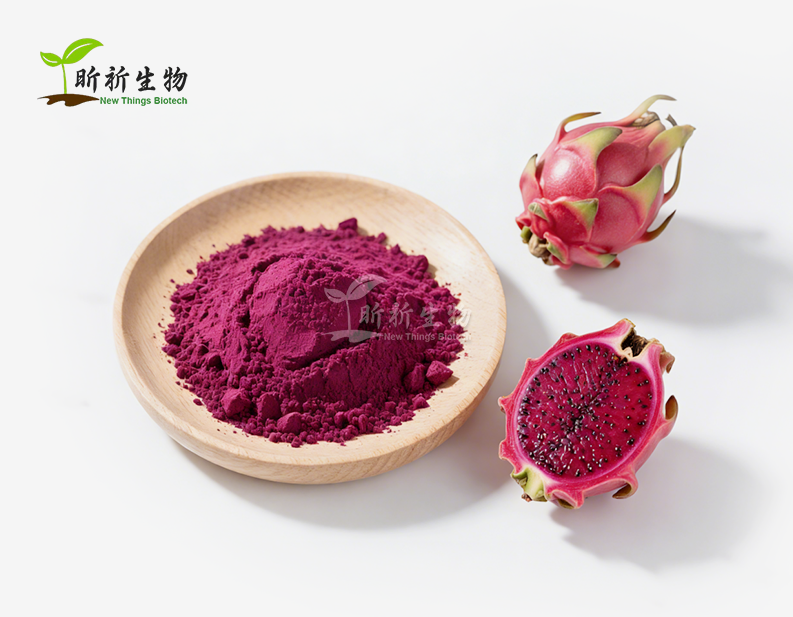
Extract from dragon fruit is now used in a lot of different products, from health drinks to high-tech skin care. The colorful pitaya fruit (Hylocereus polyrhizus or Hylocereus undatus) gives us this strong powder. Natural colorants, strong antioxidants, and important vitamins are all in it. Besides that, it has fiber. The Best Dragon Fruit Powder has scientifically proven health benefits, can be scaled up, and is stable. It can be used to make natural food colorings, supplements that boost the immune system, or superfood blends that are high in nutrients. It can be used instead of synthetic additives to make products stand out in the wellness market, which is why procurement professionals think it's important for companies that want to be innovative.
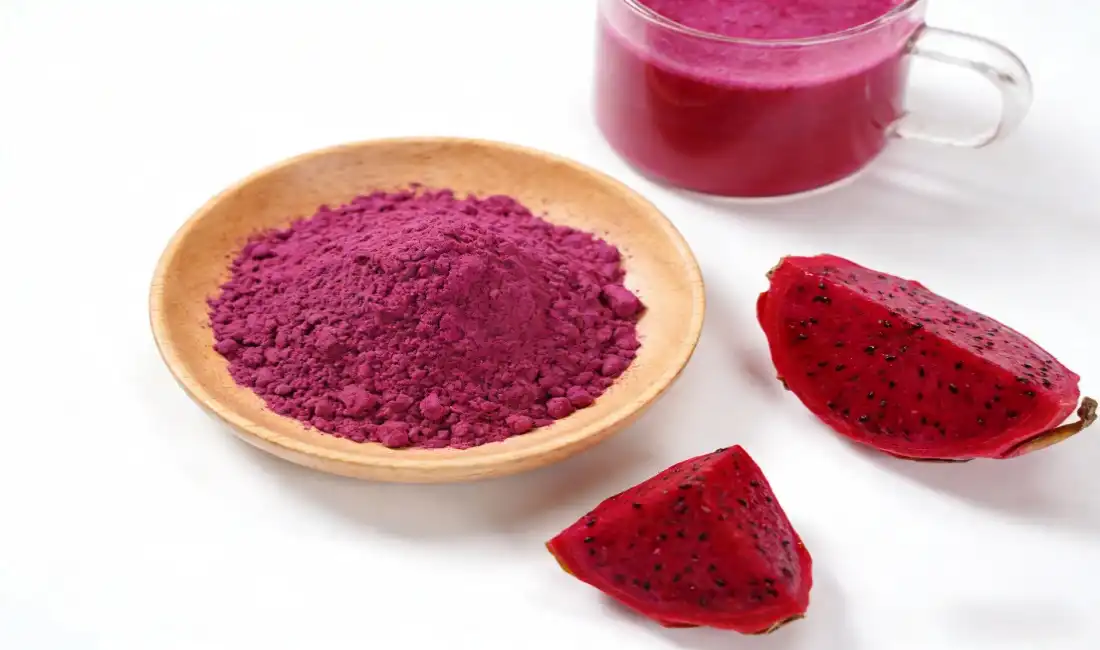
Understanding Dragon Fruit Extract: What It Is and Why It Matters?
From Fresh Fruit to Stable Powder
Getting fixings has been a issue for a long time. Winged serpent natural product extricate is a modern and valuable way to fathom this issue. Most of the time, freeze-drying or spray-drying are utilized to make the powder shape. More than 90% of the fruit's supplements are kept, and it endures longer, from 7 to 14 days for new natural product to almost 24 months. Enormous issues in the supply chain are being settled by the changes that are being made. This is something that acquirement groups regularly find.
Processing Methods and Quality Preservation
Transforming new pitaya into steady powder requires cautious taking care of to protect color and supplements. Freeze-drying (lyophilization) happens in a vacuum at temperatures underneath -40°C, keeping up heat-sensitive compounds like betalains—the maroon colors dependable for the fruit’s special color. Spray-drying is more cost-effective but requests exact temperature control to dodge debasement of bioactive components. Producers select the strategy based on the conclusion application, with freeze-dried powders ordinarily commanding higher costs due to prevalent supplement and color retention.
Certification Standards and Market Value
Organic generation is a basic figure for B2B buyers exploring administrative systems. USDA Natural or EU Natural certification requires pesticide-free cultivating, non-GMO status, and full traceability from cultivate to table. These accreditations improve brand recognition, permit passage into premium markets, and bolster eco-conscious showcasing claims, making a difference buyers legitimize higher costs for certified products.
Nutritional Profile and Application Versatility
Dragon natural product extricate is wealthy in ascorbic corrosive, fiber (especially oligosaccharides), magnesium, and press, supporting collagen blend, safe work, intestine wellbeing, and micronutrient adjust. Betalain shades offer solid antioxidant movement, neutralizing free radicals more successfully than numerous common natural products and giving logical bolster for wellbeing claims. Its steadiness in acidic situations (pH 3.0–7.0) and polysaccharide substance make it appropriate for refreshments, useful nourishments, and skin care items. Multi-industry request too empowers obtainment efficiencies: uniting providers over item lines decreases costs and leverages volume rebates whereas maximizing the ingredient’s cross-functional value.
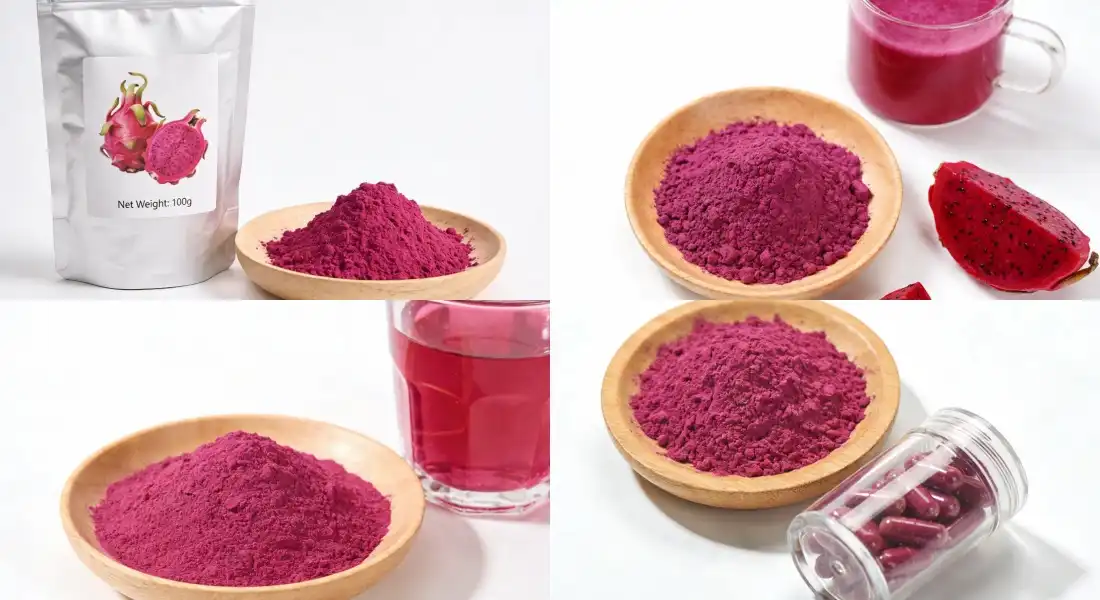
Comparing Dragon Fruit Powder: Types, Quality, and Market Options
You need analytical frameworks that balance technical needs with business realities in order to find your way around the Best Dragon Fruit Powder market. It's not enough to just compare prices when deciding what to buy. The supplier’s capabilities, the powder’s stability profile, and the scope of their certification portfolio all directly impact the quality and performance of the final product.
Fresh Fruit Versus Powder: A Logistics Perspective
Transporting new mythical beast natural product is challenging due to its tropical beginning, constrained developing locales, and affectability to temperature variances. Refrigerated coordinations with contract temperature resiliences are expensive, and up to 15–20% of new natural product may ruin amid travel, making dangers for generation plans and supply unwavering quality. Changing over the natural product into powder mitigates these issues: encompassing capacity decreases warehousing costs, concentrated powder implies littler shipment volumes (1 kg powder ≈ 10–12 kg new natural product), and lower transportation weight decreases carbon impression, making a difference multinational companies meet maintainability detailing necessities. Legitimate bundling, such as moisture-barrier packs with nitrogen flushing, expands rack soundness and permits for stock arranging that maintains a strategic distance from spot-market volatility.
Organic Certification: Weighing Premium Costs Against Market Access
Certified natural dull mythical serpent natural product powder is 30–60% more costly than routine powder due to higher generation costs, lower yields per hectare (20–30% less), and restricted supply. In any case, showcase get to can legitimize the premium. Around 40% of U.S. wellbeing nourishment stores center on common and natural items and require certified fixings for rack situation. Consumers—particularly millennials and Gen Z—are willing to pay more for certified natural items. For B2B buyers, natural sourcing bolsters premium brand expansions focusing on health-conscious clients, whereas ordinary powder may be best for value-oriented item lines without compromising security or efficacy.
Comparative Analysis: Dragon Fruit Within the Superfruit Landscape
Dragon natural product powder competes with superfruits such as pomegranate, acai, and goji. Each has particular wholesome profiles and taste impacts: acai is wealthy in lipids and omega greasy acids, moving forward flavor but diminishing oxidative steadiness in smoothies; goji is tall in protein and generally esteemed in conventional Asian medication. Mythical serpent natural product stands out due to its strongly betalain substance, darker color than beetroot, and unbiased flavor that mixes well in multi-ingredient superfood items. When assessed on an ORAC (antioxidant capacity) per-cost premise, winged serpent natural product regularly gives superior esteem than acai, permitting acquiring groups to optimize definition budgets whereas keeping up competitive antioxidant claims on item labels.
How to Choose the Best Dragon Fruit Powder for Your Business Needs?
There needs to be more than just accepting the first sample when choosing a supplier. A full risk assessment of quality systems, production capacity, and the partnership's dependability must also be part of them. When the botanical extract business plans its sourcing, it needs to think about the issues that come up with agricultural raw materials.
Certification Credentials and Traceability Documentation
Trusted providers keep up comprehensive certification portfolios that cover numerous administrative ranges. Nourishment security administration (HACCP) and ISO 9001 certification show solid quality frameworks, whereas Legitimate and Halal certifications permit businesses to reach specialty buyer bunches. Traceability is significant: best providers give full documentation from cultivate arranges to handling offices, along with batch-specific expository testing. Certificates of Investigation (CoAs) incorporate microbial tests affirming the nonattendance of pathogens and HPLC information confirming dynamic compound levels. Third-party lab testing includes additional certainty and signals a supplier’s commitment to straightforwardness and quality.
Pricing Structures and Minimum Order Quantities
Dragon fruit powder pricing varies by type and processing method. Red-fleshed Hylocereus costaricensis commands higher prices due to increased betalain content. Organic certification further raises costs, and freeze-dried vs. spray-dried processing can create a 40–70% price difference. Minimum order quantities (MOQs) typically range from 100–500 kg, which can be restrictive for pilot programs. Buyers can manage risk by seeking suppliers offering lower MOQs (25–50 kg) or sample sizes. Payment terms usually standardize at net 30 days, but larger buyers may negotiate early-payment discounts or flexible currency options to reduce exchange fees.
Evaluating Supply Chain Reliability
Lead times differ by supplier. Stocked standard specifications can ship within 1–3 business days, supporting just-in-time manufacturing, while custom orders take 3–10 days for production, testing, and packaging. Strategic stockholding indicates supplier market insight and reduces the risk of shortages during peak demand. Logistics capabilities extend beyond shipping: suppliers with accounts with carriers like FedEx or UPS can expedite and track shipments, while established freight-forwarding relationships for ocean transport demonstrate adaptability to global supply needs.
Industry Reputation and Client References
Supplier reputation mitigates risk beyond specifications. Working with multinational food or supplement brands often implies rigorous audits and validated processes. Requesting client references for similar applications helps buyers assess relevant performance, as expertise may vary between products like beverages versus cosmetics, which have different particle size and microbial requirements. Active engagement in the market—through professional platforms, trade associations like the Natural Products Association, or events such as SupplySide West—signals technical knowledge. Suppliers investing in educational content position themselves as partners who support formulation improvement rather than just selling products.
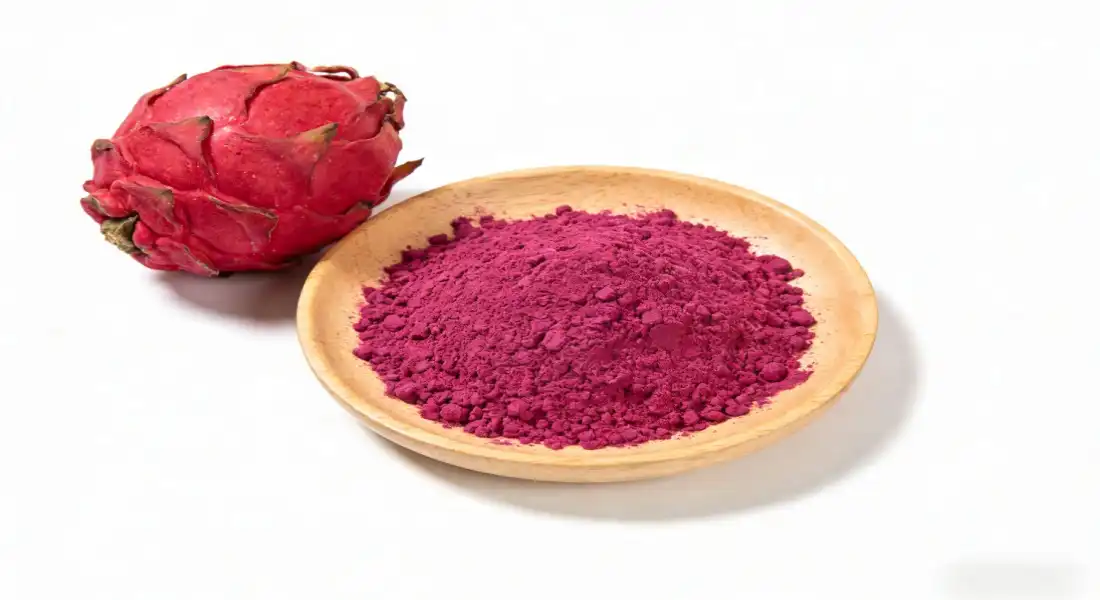
How to Incorporate Dragon Fruit Extract into Your Product Line?
Putting together ingredients that work well means finding a balance between how technically possible it is and how the product should be positioned in the market. There are good things about Best Dragon Fruit Powder that make it useful in a wide range of products. For each application, however, it needs to be handled and processed in a specific way to maintain its color, stability, and functional benefits.
Functional Beverage and RTD Applications
Dragon fruit powder is highly sought after in the beverage industry for its vibrant color, neutral flavor, and functional benefits. It works well in ready-to-drink smoothies, hydration mixes, and functional coffee blends. Its moderate hydrophilicity requires sufficient shear during mixing, ideally with industrial high-speed dispersers. For small-scale use, pre-mixing with a small amount of liquid improves incorporation. Betalains remain most stable in acidic drinks (pH 3.0–5.0), making them ideal for vinegar-based health shots, citrus beverages, and kombucha. UV-protective packaging such as opaque PET or amber glass is recommended to prevent light-induced degradation. Typical dosing ranges from 0.5–2% by weight, with concentrated shots going up to 3–5%. Shelf-life testing at elevated temperatures (e.g., three months at 40°C ≈ twelve months at room temperature) ensures consistent color during distribution.
Confectionery and Bakery Innovations
Dragon fruit powder serves as a natural colorant in macarons, frostings, glazes, vegan gummies, and other baked goods. Thermal processing above 70°C reduces betalain stability, so timing and method adjustments are necessary. Adding the powder after cooling frostings, incorporating it into no-bake energy balls, or using cold-process gummy techniques helps retain color. If heat cannot be avoided, increasing powder concentration by 20–30% compensates for color loss. In low-temperature baking (150–160°C for short durations), almond-flour macarons retain vibrant pink color while aligning with clean-label trends. The ingredient is acid- and pectin-friendly, supporting gummy systems at cooler temperatures (70–75°C) for betalain protection. For gelatin-based gummies requiring higher heat (>80°C), the powder still contributes color and fiber claims.
Nutraceutical and Supplement Formulations
Dragon fruit powder is rich in antioxidants and prebiotic fibers, commonly dosed at 300–500 mg per capsule to keep per-serving costs low. When blended with other superfoods such as spirulina, wheatgrass, or maca, its neutral flavor avoids taste clashes while providing visually appealing color contrasts. Anti-caking agents (1–2% silicon dioxide) improve flow and prevent clumping. Dietary supplement claims, such as "supports antioxidant defenses" or "promotes digestive wellness," are permissible under DSHEA in the U.S. when accompanied by required disclaimers. Encapsulation technologies enhance dosing accuracy; HPMC vegetarian capsules are compatible, though enteric coatings offer limited additional benefit for dragon fruit powder.
Cosmetic and Personal Care Integration
In cosmetics, dragon fruit powder functions as a natural colorant and antioxidant. Polysaccharides help maintain skin moisture, making it suitable for masks, cleansers, and serums. Particle size must be tailored: micronized (<200 mesh) for leave-on products to avoid rough textures, and larger (60–80 mesh) for scrubs to provide effective exfoliation. Preservation systems should be validated, especially in water-based formulations where nutrients can support microbial growth. Strong preservatives like phenoxyethanol or potassium sorbate are commonly used. Oil-based formulations, such as balms and serums, are less prone to microbial contamination. Dragon fruit powder aligns with clean beauty trends as a hybrid natural pigment in lip tints, cream blushes, and pressed powders, but strict raw material quality control ensures batch-to-batch color consistency.
How to Make Dragon Fruit Powder at Home and Ensure Quality?
Powder manufacturing is very complicated, and small-scale production helps us understand it better. But in the end, companies that want to grow their markets need to work together with other businesses to meet the needs of large-scale production. When you know the limits of home production, it's easier to see why working with established suppliers is so valuable.
Fruit Selection and Preparation Protocols
The first step in making good powder is to choose good raw materials. If you press on a ripe dragon fruit, it should give a little and show bright colors. The skin should also not be bruised or moldy. No matter how they were grown, fruits still need to be washed well under running water because pesticides can still be found on them.
Before you start, cut the fruits in half lengthwise and scoop out the flesh into clean containers. If you want to, separate the small black seeds, but most powder keeps them because they add fiber. If you blend the flesh into a smooth puree, the starting material for drying will be the same for everyone. This keeps the drying process from being uneven, which would make the final powder less good.
Drying Technologies and Equipment Requirements
There are a lot of technical issues with drying things at home compared to factory processes, and this is especially true for Best Dragon Fruit Powder. Industrial production uses controlled freeze-drying or spray-drying systems that maintain color, nutrient levels, and bioactive compounds, which is difficult to replicate with home equipment. Home drying often results in uneven moisture removal, lower stability, and loss of pigments like betalains, which affect both appearance and functional benefits. To dry something normally in an oven at 60–70°C, you have to stir it every so often for 6–8 hours. However, over time, compounds that are sensitive to heat break down. The temperature and air flow in consumer-grade dehydrators are better, so they can dry food in 4 to 6 hours instead of 8 to 10 hours and keep more of the nutrients.
The best way to do it is to freeze-dry, but most people can't do it themselves because the basic units cost more than $2,000 each. Large businesses should invest in this technology because it helps keep colors and nutrients longer and makes it easier to rehydrate things. However, small-scale experimenters shouldn't because it's too expensive. When the drying ends are set correctly, the moisture level drops below 5%. This can be seen because the material is brittle and breaks easily instead of bending. If there is still water after this point, microbes will start to grow while it is being stored, which can be bad for you and lower the quality.
Milling and Particle Size Considerations
A machine must be used to turn dried fruit into a fine powder. Coffee grinders and blenders that you can use at home can make coarse powders that are good for smoothies, but they have trouble getting to the fine mesh sizes (80–120) that food and drinks need to dissolve. To keep the motor from getting too hot, short pulses are used to make particles smaller and smaller.
Fine-mesh strainers are used to get rid of the bigger particles. This makes the powder more uniform but lowers the yield. Businesses use industrial mills with precise particle size control and classification systems to meet standards that home equipment can't.
Quality Control and Storage Limitations
There are no analytical tests for home production that can confirm the amount of nutrients, microbial safety, or heavy metal contamination. Most of the time, fresh fruit from reputable sources doesn't pose much of a risk. However, not having Certificates of Analysis raises red flags that make it impossible to create a commercial product that follows rules and covers liability.
Powder made at home will only last two to three months, but powder made in a factory will last 24 months. Keeping powder in airtight containers with desiccant packets will make it last longer. Refrigeration slows down the breakdown process, but it also makes it more likely that moisture will condense when the temperature changes.
Commercial Production Advantages
Companies that need to get ingredients for big jobs know that home production can't give them the consistency, paperwork, and volume they need to be successful in the market. Suppliers like NT Biotech offer tried-and-true processing parameters, consistent quality from batch to batch, and thorough quality documentation that lowers the risk of launching a new product.
The hardest thing about do-it-yourself methods is probably following the rules. Follow cGMP rules when making supplements. Don't use home-made ingredients that don't have documented controls and can't be traced back to their source. For the same reason, modernization rules for food safety need supplier verification programs that can't work with unofficial ways of making things. The economic analysis strongly suggests using commercial sourcing once the amounts go beyond pilot-scale amounts. Because of the way factories work, the tools they use, and the ability to buy raw materials, they can keep costs low in ways that home production can't because of the tools they have access to and the amount of work that needs to be done.
Conclusion
Dragon fruit extract powder, especially the Best Dragon Fruit Powder, is useful in functional foods, drinks, cosmetics, and nutraceuticals because it contains bioactive compounds, a natural colorant, and looks good on a clean label. Procurement professionals can stay ahead of the competition if they understand the technical differences between process methods, certification needs, and formulation issues that are specific to a given application. Companies can make new products if they pick suppliers based on many things, like the number of certifications they have, how reliable their supply chains are, how much technical knowledge they have, and how well they document their quality. Businesses can meet customer needs for natural, useful products while also meeting operational efficiency and regulatory requirements by adding this versatile ingredient in a planned way. This will also help businesses grow in the long term in global markets.
Frequently Asked Questions
1. What are the primary health benefits of dragon fruit extract?
It has a lot of antioxidants (betalains), vitamin C (which helps the immune system work), prebiotic fiber (which is good for digestive health), and minerals like iron and magnesium that your body needs. It can help the body make collagen, fight free radicals, and feed good bacteria in the gut, according to studies. This makes it useful for formulations that focus on health.
2. How does dragon fruit powder compare to fresh fruit nutritionally?
There are more than 90% of the nutrients in fresh fruit that are still in good freeze-dried powder after the water is taken out. This makes the ingredient more concentrated. Spray-dried snacks lose about 80% to 85% of their nutrients when they are heated, but they are still better for you than fresh fruit that has been shipped and stored for a long time. The powder form keeps fresh fruit from going bad and losing its value.
3. Can dragon fruit powder replace synthetic food colorants?
The magenta-pink color comes from betalain pigments in dragon fruit powder. This is a natural way to color food instead of using dyes like Red 40. Because it is stable between pH 3.0 and 7.0, it can be used in a lot of different ways in food. However, formulators need to remember that it fades in light and is sensitive to heat above 70°C, so it needs to be packed in UV-protective material for the best results.
Partner with NT Biotech for Premium Dragon Fruit Powder Solutions
NT Biotech stands ready to support your ingredient sourcing needs as a dedicated Best Dragon Fruit Powder supplier with proven expertise in plant-derived functional ingredients. Our proprietary extraction processes deliver exceptional purity exceeding 98% for key active compounds, ensuring your formulations achieve consistent performance and competitive market differentiation. Every batch includes comprehensive Certificates of Analysis verified through HPLC testing, providing the documentation your quality teams require.
We maintain strategic inventory enabling shipment within 1-3 working days for standard specifications, while custom orders complete within 3-10 working days through our integrated supply chain. Our responsive team guarantees inquiry responses within two hours, and we offer flexible payment options including transactions in your local currency. Backed by ISO9001, KOSHER, and HALAL certifications, we deliver the regulatory compliance and technical partnership that procurement professionals demand. Contact our team at info@newthingsbiotech.com to discuss how our dragon fruit extract solutions can enhance your next project to make a new product.
References
1. Wu, L.C., Hsu, H.W., Chen, Y.C., Chiu, C.C., Lin, Y.I., & Ho, J.A. (2006). "Antioxidant and antiproliferative activities of red pitaya." Food Chemistry, 95(2), 319-327.
2. Ramli, N.S., Brown, L., Ismail, P., & Rahmat, A. (2014). "Effects of red pitaya juice supplementation on cardiovascular and hepatic changes in high-carbohydrate, high-fat diet-induced metabolic syndrome rats." BMC Complementary and Alternative Medicine, 14, 189.
3. Jalgaonkar, K., Mahawar, M.K., & Bibwe, B. (2020). "Postharvest profile, processing and value addition of dragon fruit (Hylocereus spp.): A review." Journal of Food Science and Technology, 57(9), 3197-3208.
4. Tenore, G.C., Novellino, E., & Basile, A. (2012). "Nutraceutical potential and antioxidant benefits of red pitaya (Hylocereus polyrhizus) extracts." Journal of Functional Foods, 4(1), 129-136.
5. Strack, D., Vogt, T., & Schliemann, W. (2003). "Recent advances in betalain research." Phytochemistry, 62(3), 247-269.
6. Wybraniec, S., & Mizrahi, Y. (2002). "Fruit flesh betacyanin pigments in Hylocereus cacti." Journal of Agricultural and Food Chemistry, 50(21), 6086-6089.