- English
- French
- German
- Portuguese
- Spanish
- Russian
- Japanese
- Korean
- Arabic
- Greek
- German
- Turkish
- Italian
- Danish
- Romanian
- Indonesian
- Czech
- Afrikaans
- Swedish
- Polish
- Basque
- Catalan
- Esperanto
- Hindi
- Lao
- Albanian
- Amharic
- Armenian
- Azerbaijani
- Belarusian
- Bengali
- Bosnian
- Bulgarian
- Cebuano
- Chichewa
- Corsican
- Croatian
- Dutch
- Estonian
- Filipino
- Finnish
- Frisian
- Galician
- Georgian
- Gujarati
- Haitian
- Hausa
- Hawaiian
- Hebrew
- Hmong
- Hungarian
- Icelandic
- Igbo
- Javanese
- Kannada
- Kazakh
- Khmer
- Kurdish
- Kyrgyz
- Latin
- Latvian
- Lithuanian
- Luxembou..
- Macedonian
- Malagasy
- Malay
- Malayalam
- Maltese
- Maori
- Marathi
- Mongolian
- Burmese
- Nepali
- Norwegian
- Pashto
- Persian
- Punjabi
- Serbian
- Sesotho
- Sinhala
- Slovak
- Slovenian
- Somali
- Samoan
- Scots Gaelic
- Shona
- Sindhi
- Sundanese
- Swahili
- Tajik
- Tamil
- Telugu
- Thai
- Ukrainian
- Urdu
- Uzbek
- Vietnamese
- Welsh
- Xhosa
- Yiddish
- Yoruba
- Zulu
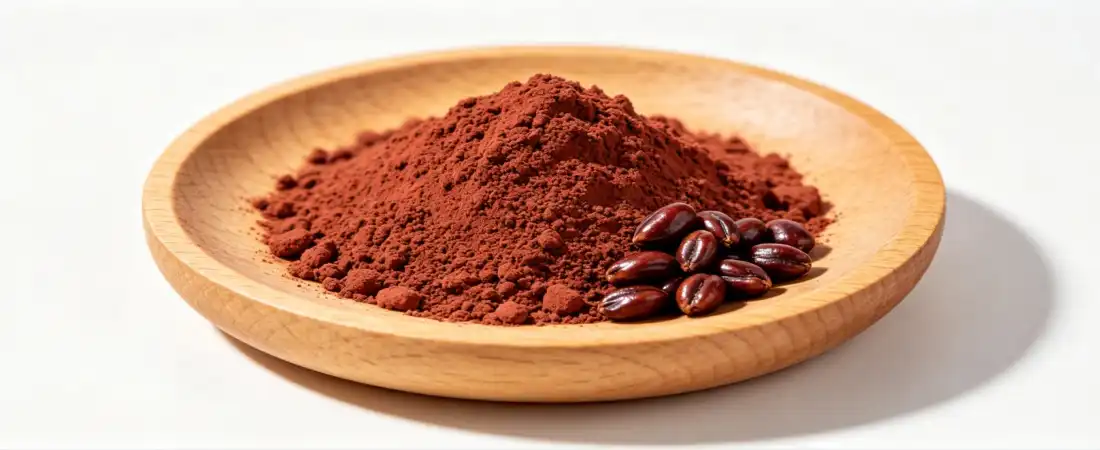
Grape seed OPC (Oligomeric Proanthocyanidins) is a beneficial fraction extracted from Vitis vinifera seeds with low-molecular-weight polyphenolic structures, notably dimers, trimers, and tetramers of flavan-3-ols like catechin and epicatechin. Generic grape seed products may include poorly absorbed high-molecular-weight tannins. Better bioavailability and water solubility allow OPC to overcome biological barriers like the blood-brain barrier. This combination fixes cosmetic and nutraceutical formulation issues. Its free radical-removing antioxidant activity is better than Vitamins C and E, meeting worldwide need for clean labelling.
Understanding Grape Seed OPC – Definition and Scientific Background
Chemical Composition and Molecular Structure
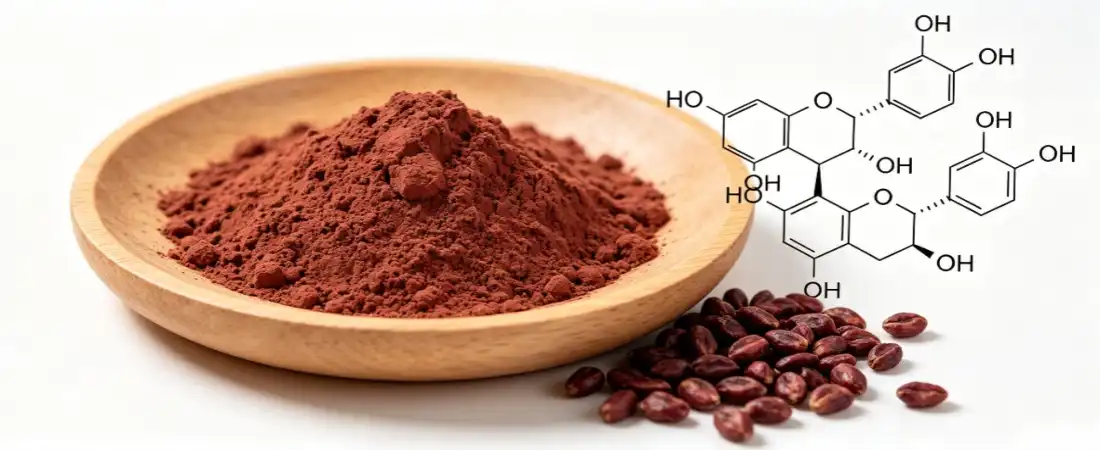
Grape seed OPCs are oligomeric strings of flavan-3-ol units with two to five monomeric units, according to scientists. This category contains proanthocyanidin flavonoids that emit anthocyanidins when acidified. Polymerisation affects bioactivity; shorter chains are better absorbed by the intestines and cells than polymerised tannins. OPCs below 1000 Daltons are more bioavailable, according to respectable journal studies. They are valuable for medicine because of this.
How OPCs Combat Oxidative Stress
Oxidative stress occurs when reactive oxygen species damage DNA, proteins, and lipids beyond antioxidant defences. Grape seed OPCs directly provide electrons, chelate metals to inhibit Fenton reactions, and boost natural antioxidant enzymes like superoxide dismutase to eliminate free radicals. Oxygen Radical Absorbance Capacity shows that standardised grape seed extracts have 20 times the antioxidant potential of Vitamin C and 50 times that of Vitamin E.
Key Polyphenolic Markers and Quality Verification
Because Grape seed OPC possesses distinct polyphenolic fingerprints, advanced analytical techniques can distinguish false from genuine. FTIR and HPTLC patterns distinguish Vitis vinifera extracts from peanut skin and pine bark extracts. Professional buyers should request certificates of analysis that indicate both the Folin-Ciocalteu assay's polyphenol content and gel permeation chromatography's OPC concentration.
Health Benefits and Functional Uses of Grape Seed OPC
Cardiovascular Support and Circulatory Health
Clinical evidence shows grape seed OPCs enhance vascular function. The National Center for Complementary and Integrative Health examined many research on supplements and blood pressure and lipids. Standardised grape seed extracts with high OPC content reduced systolic blood pressure (average 1.54 mmHg), low-density lipoprotein cholesterol, and triglycerides. This is likely because vascular endothelium produces more nitric oxide, which opens blood arteries and enhances blood flow.
Skin Health and Anti-Aging Applications
Dermatological study has shown that Grape seed OPCs protect against damage from ultraviolet rays and play a part in stabilising collagen. These chemicals attach to collagen and elastin fibres and stop collagenase and elastase from breaking them down. In cosmetics, this means that the skin will be more elastic, wrinkles will be less deep, and the protective function will be better. Both direct UV absorption and neutralisation of UV-induced reactive oxygen species that cause matrix metalloproteinase production are parts of the photoprotective system.
Additional Functional Benefits
OPCs may treat more than skin and heart issues with their anti-inflammatory properties. Researchers discovered that interleukin-6 and tumour necrosis factor-alpha may be altered. They may be important in joint health nutrition since long-term low-level inflammation breaks away cartilage. Also new: cognitive performance. Animal models demonstrate that greater cerebral blood flow and beta-amyloid neurotoxicity protection benefit this location.
Comparing Grape Seed OPC with Other Antioxidants and Supplements
OPC Versus Generic Grape Seed Extract
Standardised grape seed OPC products have a different molecular weight distribution and body absorption than typical grape seed extracts. Generic "95% polyphenols" extracts include poorly absorbed high-molecular-weight tannins. OPC-standardized products specify the oligomeric composition that ensures therapy efficacy. Gel permeation chromatography demonstrates that high-quality OPC products contain dimers to pentamers, whereas low-quality extracts have polymeric peaks exceeding 5000 Daltons.
Synergistic Effects with Other Antioxidants
Antioxidant networks work together, with different chemicals fighting different oxidative processes. Vitamin C and Grape seed OPCs work well together because OPCs can restore oxidised ascorbic acid, which makes Vitamin C's protective action last longer. This combination works especially well in drinks because ascorbic acid can be used as both an antioxidant and a protection. In the same way, mixing it with Vitamin E makes an antioxidant cover that protects both water- and fat-filled cell sections.
Powder Versus Capsule Formulations
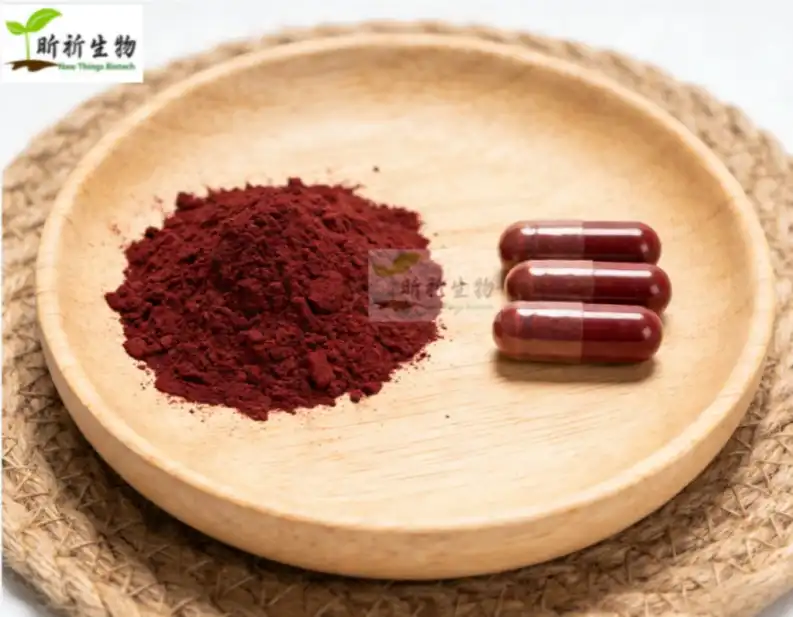
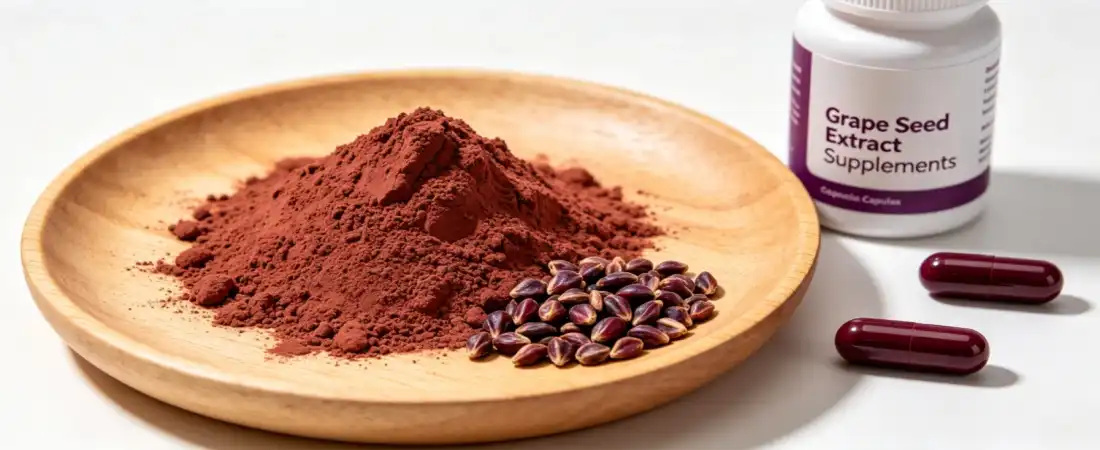
Manufacturing affects shipment method selection. Powders may be added to beverages, meals, stick packs, and drink mixes. High-quality OPC dissolves well in water, making it suitable for all pH levels. However, large amounts may be astringent, thus formulators must mask the flavour. Because they prevent oxidative degradation during storage and don't impair flavour, capsules are superior for concentrated doses exceeding 200 mg per serving.
Procurement and Sourcing Guide for Grape Seed OPC Products
Critical Quality Certifications and Standards
When buying professionally, you must verify several approval levels. ISO 9001 quality management systems demonstrate suppliers' commitment to process control and improvement. USDA Organic and EU Organic certifications demonstrate sustainable and contamination-free farming. Kosher and Halal food certifications expand markets, particularly for firms that offer a broad spectrum of clients or ship to regions where these marks influence purchase decisions.
Evaluating Supplier Reliability and Technical Support
In addition to certificates, a supplier's professional skills and responsiveness should also be looked at. Formulators can try compatibility with free samples of Grape seed OPC from companies before committing to bulk sales. Minimum order numbers (MOQs) affect both cash flow and inventory management. Suppliers like NT Biotech that offer 25 kg MOQs make it easier for new brands to get their products while still meeting the quality standards that come with bigger production runs.
Pricing Considerations and Value Assessment
Grape seed OPC price depends on raw material (organic vs. conventional, regional origin), extraction difficulty (aqueous-ethanol vs. chemical solvents), standardisation accuracy (2% vs. 5% OPC variance), and certifications. Pharmaceutical-grade OPC that is standardised to 95% and comes with complete documentation costs between $48 and $55/kg, depending on order size and certification criteria. Generic grape seed extracts cost $15 to $25/kg.
Daily Uses and Application Scenarios for Grape Seed OPC in B2B Markets
Nutraceutical Formulation Strategies
Dietary supplement companies use Grape seed OPC in a number of different types of products. Antioxidant pills that you take on their own usually have between 100 and 300 mg per dose and protect against oxidative stress and other health problems. Formulations for cardiovascular health mix OPC with coenzyme Q10, hawthorn extract, and magnesium to make full heart support profiles. Cognitive health goods combine OPC with phosphatidylserine, Bacopa monnieri, and B vitamins to help protect neurones and improve blood flow to the brain.
Cosmetic and Personal Care Integration
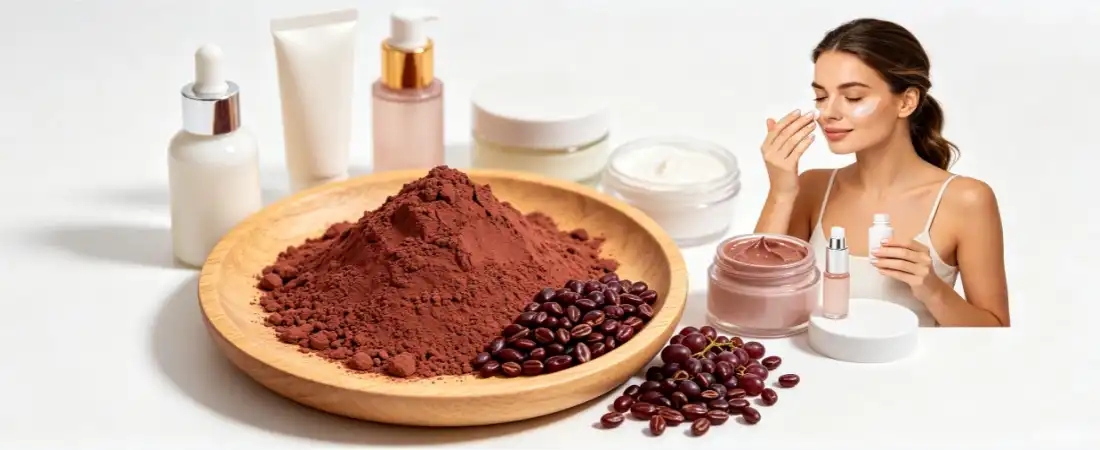
The beauty business likes Grape seed OPC for both external and internal use. Anti-aging serums and creams contain 0.5 to 2% OPC, which works with Vitamin C and hyaluronic acid to protect the skin in a more effective way. An important benefit for brands that want to take a "free-from" stance in their marketing is that the antioxidant qualities stop formulation oxidation, which could mean that fewer preservatives are needed in some systems.
Emerging Applications and Market Opportunities
Pet supplement manufacturers are adding OPC to products that treat elderly dogs with oxidative stress, a burgeoning market. Anti-inflammatory and antioxidant properties aid senior dogs with long-term health issues and are in line with humanisation tendencies that drive high-end pet product demand. OPC may increase feed economy and reduce oxidative damage in cattle and aquaculture during intensive production. These price-sensitive marketplaces need economic justification.
Conclusion
Grape seed OPC has been scientifically demonstrated to satisfy nutrition, cosmetic, functional food, and new industrial production aims. Standardised OPC products vary from typical extracts in bioavailability, efficacy, and regulatory positioning. To ensure product quality satisfies market demands, professional buyers must do chemical fingerprinting, contaminant testing, and certification evidence. Finding the proper ingredients requires balancing cost, technological performance, source reliability, and complete documentation. As the demand for clean-label functional ingredients rises, high-quality Grape seed OPC suppliers with clear traceability, technical assistance, and continuous supply are crucial partners that help firms develop innovative products and stand out.
FAQ
1. What distinguishes 95% OPC from generic grape seed extract?
Main differences include molecular weight distribution and bioavailability. Generic "95% polyphenols" extracts include mostly poorly absorbed high-molecular-weight tannins. Oligomers (dimers to pentamers) in standardised Grape seed OPC products are better absorbed in the stomach and dispersed throughout the body. HPLC study reveals superior OPC products have little polymeric material above 5000 Daltons. For OPC evaluation, procurement criteria should specify gel permeation chromatography instead of total polyphenol tests, which can't separate bioavailable fractions from non-absorbable tannins.
2. How can formulators verify authentic grape seed sourcing?
Botanical authentication needs more than one way of looking at things. HPTLC fingerprinting shows polyphenolic patterns that are unique to Vitis vinifera, and FTIR spectroscopy finds cheap substitutes like peanut skin extract that have been added. The amount of B-type to A-type proanthocyanidins and certain gallic acid esters present are used to identify the plant. Reliable sellers give out certificates of analysis from separate labs that prove the plants' organic origin. NT Biotech keeps full records of where its products come from, from the vineyard to the extraction process. These records can be viewed by legal officials or quality assurance teams that are vetting suppliers.
3. Does OPC remain stable during beverage pasteurization?
For short durations, grape seed OPC is stable at 75–85°C pasteurisation temperatures. Fruit-based beverages have acidic pH levels below 4.0, which makes this particularly true. Long-term heat exposure may break down or polymerise oligomers, reducing bioavailability. Stability testing should be done under processing parameters before mass production. Hot-filled or retorted product formulators should request stability data showing OPC remains the same following heat processing. As an antioxidant, OPC may protect sensitive substances like Vitamin C from oxidation during storage.
Partner with a Trusted Grape Seed OPC Supplier
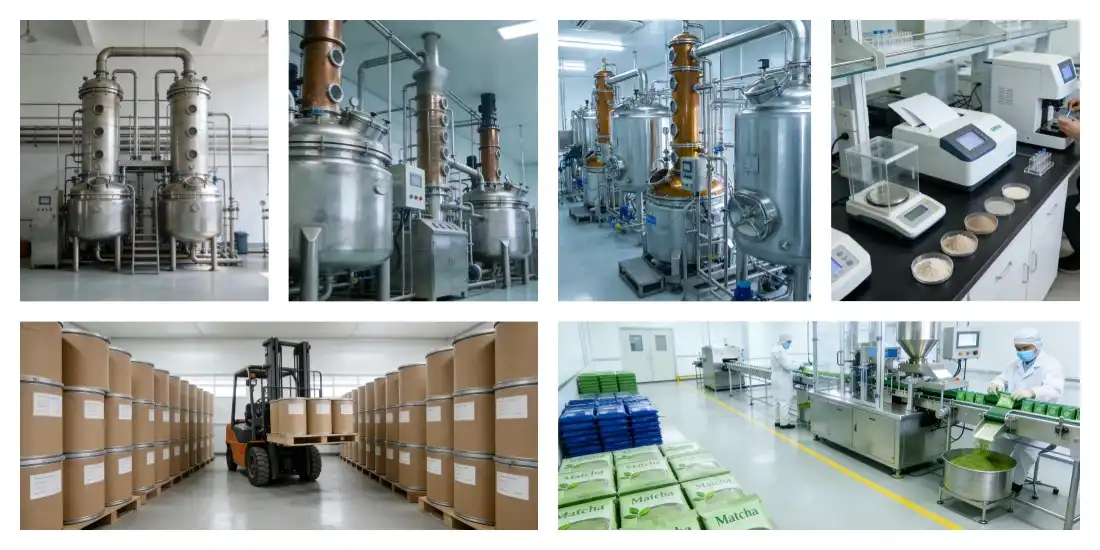
Organic Grape Seed Extract Powder from NT Biotech is pharmaceutical-grade and is standardised to contain 95% Grape seed OPC and 90% total polyphenols. It is approved by ISO9001, Kosher, and Halal standards. Our fully integrated supply chain, which starts with growing Vitis vinifera and ends with our own special extraction method, guarantees stability from batch to batch, which is very important for controlled formulations. We keep ready stock so that we can send within 2 to 4 days for orders of at least 25 kg, and we offer free samples so that you can see if they work with your needs. Our technical team helps with formulation creation for cosmetics, supplements, and drinks by providing detailed paperwork such as heavy metal screening, HPLC analysis, and application instructions. Our knowledge in plant extraction and regulatory compliance speeds up the development of your products while protecting the purity of the ingredients. This is true whether you're making supplements to support your heart health, anti-aging skin care, or functional drinks. Get in touch with us at info@newthingsbiotech.com to talk about your specific needs with our team and find out why top brands choose NT Biotech as their Grape seed OPC producer for trustworthy, traceable, and scientifically proven plant extracts.
References
1. Bagchi D, Bagchi M, Stohs SJ, et al. "Free radicals and grape seed proanthocyanidin extract: importance in human health and disease prevention." Toxicology 2000; 148(2-3): 187-197.
2. Rasmussen SE, Frederiksen H, Struntze Krogholm K, Poulsen L. "Dietary proanthocyanidins: occurrence, dietary intake, bioavailability, and protection against cardiovascular disease." Molecular Nutrition & Food Research 2005; 49(2): 159-174.
3. Sano A, Yamakoshi J, Tokutake S, Tobe K, Kubota Y, Kikuchi M. "Procyanidin B1 is detected in human serum after intake of proanthocyanidin-rich grape seed extract." Bioscience, Biotechnology, and Biochemistry 2003; 67(5): 1140-1143.
4. Shi J, Yu J, Pohorly JE, Kakuda Y. "Polyphenolics in grape seeds—biochemistry and functionality." Journal of Medicinal Food 2003; 6(4): 291-299.
5. Cos P, De Bruyne T, Hermans N, Apers S, Berghe DV, Vlietinck AJ. "Proanthocyanidins in health care: current and new trends." Current Medicinal Chemistry 2004; 11(10): 1345-1359.
6. Ferreira D, Li XC. "Oligomeric proanthocyanidins: naturally occurring O-heterocycles." Natural Product Reports 2000; 17(2): 193-212.