- English
- French
- German
- Portuguese
- Spanish
- Russian
- Japanese
- Korean
- Arabic
- Greek
- German
- Turkish
- Italian
- Danish
- Romanian
- Indonesian
- Czech
- Afrikaans
- Swedish
- Polish
- Basque
- Catalan
- Esperanto
- Hindi
- Lao
- Albanian
- Amharic
- Armenian
- Azerbaijani
- Belarusian
- Bengali
- Bosnian
- Bulgarian
- Cebuano
- Chichewa
- Corsican
- Croatian
- Dutch
- Estonian
- Filipino
- Finnish
- Frisian
- Galician
- Georgian
- Gujarati
- Haitian
- Hausa
- Hawaiian
- Hebrew
- Hmong
- Hungarian
- Icelandic
- Igbo
- Javanese
- Kannada
- Kazakh
- Khmer
- Kurdish
- Kyrgyz
- Latin
- Latvian
- Lithuanian
- Luxembou..
- Macedonian
- Malagasy
- Malay
- Malayalam
- Maltese
- Maori
- Marathi
- Mongolian
- Burmese
- Nepali
- Norwegian
- Pashto
- Persian
- Punjabi
- Serbian
- Sesotho
- Sinhala
- Slovak
- Slovenian
- Somali
- Samoan
- Scots Gaelic
- Shona
- Sindhi
- Sundanese
- Swahili
- Tajik
- Tamil
- Telugu
- Thai
- Ukrainian
- Urdu
- Uzbek
- Vietnamese
- Welsh
- Xhosa
- Yiddish
- Yoruba
- Zulu
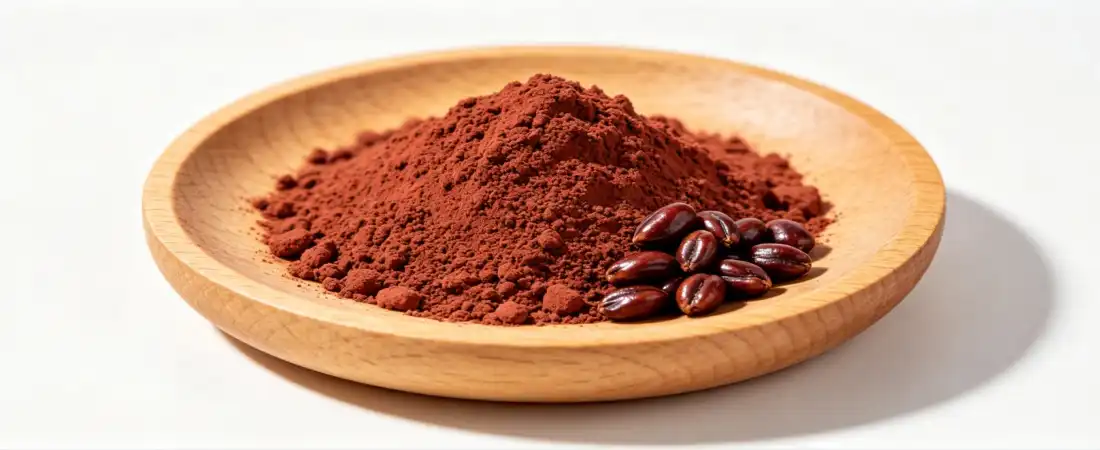
Grape Seed OPC stands for oligomeric proanthocyanidins in grape seed extract from Vitis vinifera. These polyphenolic chemicals are researched for their potential interaction with reactive oxygen species and other oxidative processes. OPC is not a “super antioxidant” but a set of structurally similar chemicals with variable effectiveness depending on the molecular framework, degree of polymerisation, extraction process and dose.
Grape seed extract is naturally high in proanthocyanidins and other phenolic substances. These chemicals have been studied in the light of oxidative stress, cardiovascular indicators and other areas of health although evidence strength differs by application. For this reason, the practical challenge for producers is not whether or whether an extract includes polyphenols but how the extract is standardised, tested, documented and suitable for the desired formulation.
Understanding Grape Seed OPC: Composition and Antioxidant Properties
The Chemical Profile of Oligomeric Proanthocyanidins
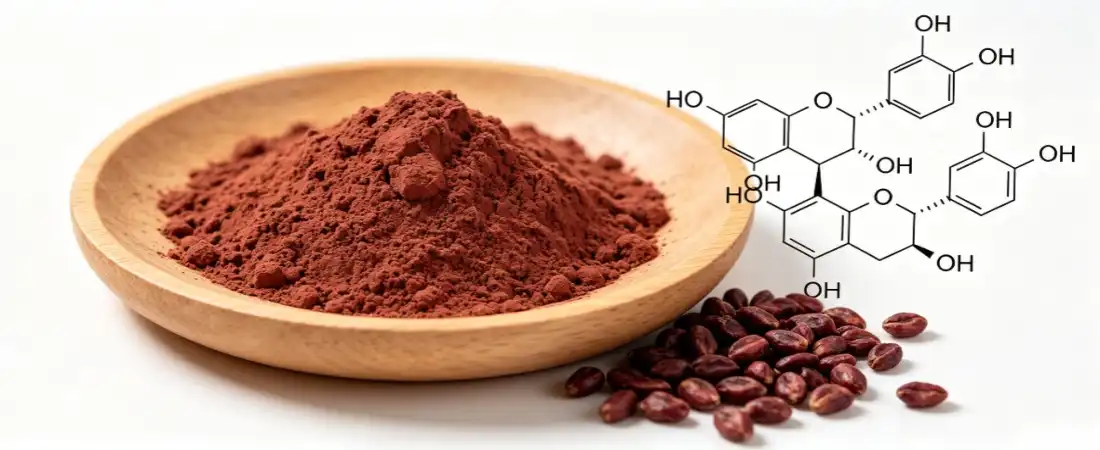
Grape seed extract includes numerous forms of polyphenols including catechin, epicatechin, and oligomeric and polymeric proanthocyanidins. These molecules vary in their molecular size and structure, which may impact how they are digested and metabolised.
Buyers often question what is oligomeric proanthocyanidins and how is it different from a generic grape seed extract. Oligomeric proanthocyanidin is a chain-like polyphenol consisting of flavan-3-ol units such as catechin and epicatechin and oligomeric proanthocyanidins are the group of connected chains of these in grape seed. The practical difference for formulators is that the phrase defines a chemical class not a guarantyd level of activity – which is why standardisation to a defined OPC % is more important than the name alone.
So standardisation is vital for B2B buyers. A product labelled as “grape seed extract” may not have the same OPC content as a standardised extract. NT Biotech’s Organic Grape Seed Extract Powder is standardised to 95% OPC and 90% total polyphenols giving a set specification for the formulator.
Rather than assuming that a larger proportion of OPC equates to better biological efficacy, the purchaser is advised to investigate the analytical technique, batch consistency, source material and planned application.
Cellular Protection Mechanisms
Oxidative stress is the state of imbalance when the production of reactive molecules is greater than the capacity of the antioxidant systems. Proanthocyanidins may have a role in antioxidant responses by interaction with reactive species and may also modulate cellular pathways involved in oxidative and inflammatory processes.
The technique is more sophisticated than “neutralizing every free radical.” Different structures of proanthocyanidins and absorption according to molecular size. While larger oligomeric and polymeric forms have limited direct absorption in the small intestine, smaller molecules and metabolites generated by gut bacteria may contribute to biological activity.
The difference is important when using Grape Seed OPC as a functional ingredient. The scientifically acceptable product description should clearly separate antioxidant activity observed in laboratory models from effects revealed in human trials.
Comparative Antioxidant Capacity
You can’t always compare antioxidant compounds with a single number rating. Vitamin C, vitamin E and proanthocyanidins from grape seeds have distinct chemical characteristics and act in diverse biological settings . Even laboratory antioxidant testing may provide varying findings depending on the test instrument.
A more helpful comparison for formulators is based on ingredient function and formulation needs. Vitamin C is soluble in water, while vitamin E is mostly found in lipids. Another possibility is to use grape seed proanthocyanidins as a plant-based polyphenol in goods where antioxidant positioning is important.
This method eschews unjustified claims of one ingredient being better than another in all respects and provides procurement teams with a clearer foundation on which to make ingredient decisions.
Key Benefits and Applications of Grape Seed OPC in B2B Markets
Cardiovascular Health Support
Grape seed extract has been studied in humans for indications of cardiovascular risk. Clinical trials have revealed probable benefits on LDL cholesterol, triglycerides, and diastolic blood pressure, but findings have varied and the research vary in product composition, dose, and duration, according to NCCIH.
Therefore, Grape Seed OPC may be promoted as an ingredient that has been investigated for its role in cardiovascular health, but not as a therapy for cardiovascular disease. Manufacturers of supplements should also verify that any finished-product claims meet standards of the intended market.
The big advantage from a formulation standpoint is having a standardised constituent from grape seed with documented composition and batch testing, vs just a general description of "grape seed extract."
Skin Health and Anti-Aging Applications
Proanthocyanidins are of study interest for skin-related applications because of their antioxidant capabilities and interactions with biological processes connected to oxidative stress. However, much of the research for the topical effects on the skin is still preclinical, and the NCCIH emphasises that human evidence for topical grape seed extract is currently inadequate.
For producers, this makes grape seed extract relevant to beauty-from-within supplements, antioxidant formulations and certain cosmetic ideas, provided finished-product claims are suitably justified.
NT Biotech offers its grape seed extract products as powders to be formulated as an ingredient. The commercial description supplied lists the substance as a reddish brown powder with a standardisation of 95% OPC .
Formulation Versatility Across Product Categories
Grape seed extract powder may be included into a wide variety of supplement and functional food forms, including capsules, tablets, powdered mixes and even beverage formulations. Colour, solubility, taste, pH, processing conditions and packaging may alter the ultimate product, hence real formulation and stability testing should be performed for the final application.
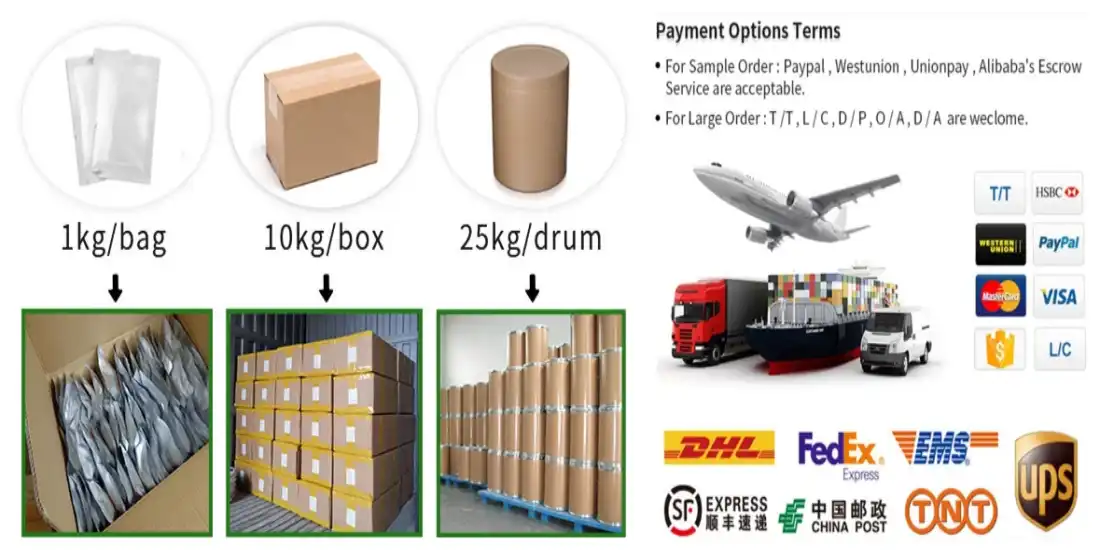
For B2B producers, the benefit of a standardised ingredient is batch-to-batch uniformity. NT Biotech offers their Organic Grape Seed Extract Powder as a 95% OPC ingredient with 90% total polyphenols in 25 kilogram drums or customised packaging.
This allows formulators a precise starting specification to work with, rather than working with an extract of variable activity content.
Comparing Grape Seed OPC with Alternative Antioxidant Ingredients
OPC Versus Standard Grape Seed Extract
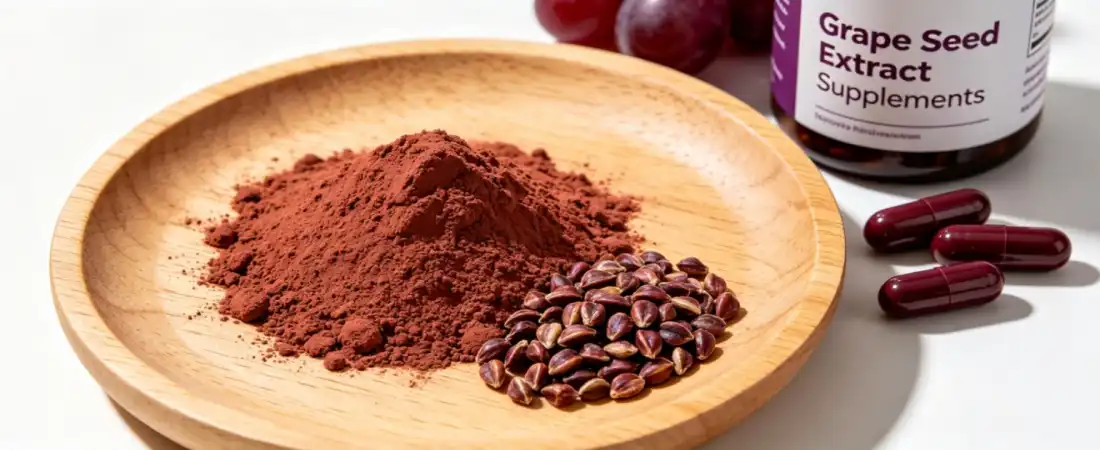
Do not instinctively equate the phrases “grape seed extract” with standardised Grape Seed OPC. A typical grape seed extract may include a combination of polyphenols of varying degrees of polymerisation, but an OPC-standardized product is characterised by its specific oligomeric proanthocyanidin concentration.
Analytical procedures are also important. Total polyphenol assays and OPC-specific analytical techniques are not measuring precisely the same thing. Buyers should thus ask the provider for their specification, test technique, Certificate of Analysis and batch details before comparing goods on percentage claims alone.
For procurement teams, the goal is consistency. The material bought should meet the specification used to formulate and quality control.
Pycnogenol and Pine Bark Extract Comparison
Proanthocyanidins are found in pine bark extracts and in grape seed extracts, however they are not interchangeable basic materials. The botanical source, extraction procedure, phenolic content, analytical profile and standardisation might be different.
So a company comparing grape seed with pine bark constituents should review the exact specification and not assume that similar polyphenol names mean same effectiveness.
The botanical identification of Grape Seed OPC is very important. NT Biotech also identifies its grape seed material as Vitis vinifera seeds and provides HPLC/UV testing information for its standardised products.
Vitamin C and E Supplementation Alternatives
However, vitamin C and vitamin E remain commonly utilised antioxidant nutrients and have distinct formulation goals with grape seed proanthocyanidins. In certain products, the blending of components may be suitable, but the choice should be driven by formulation goals, stability, dose, sensory qualities, and supported claims.
Instead of stating that Grape Seed OPC substitutes vitamins, formulators may want to determine if its polyphenol profile provides nutritional and functional benefit to other components of a completed product.
This is particularly critical when producing goods for various markets where allowed claims and ingredient restrictions may vary.
How to Choose and Procure High-Quality Grape Seed OPC for Your Business
Essential Supplier Qualifications
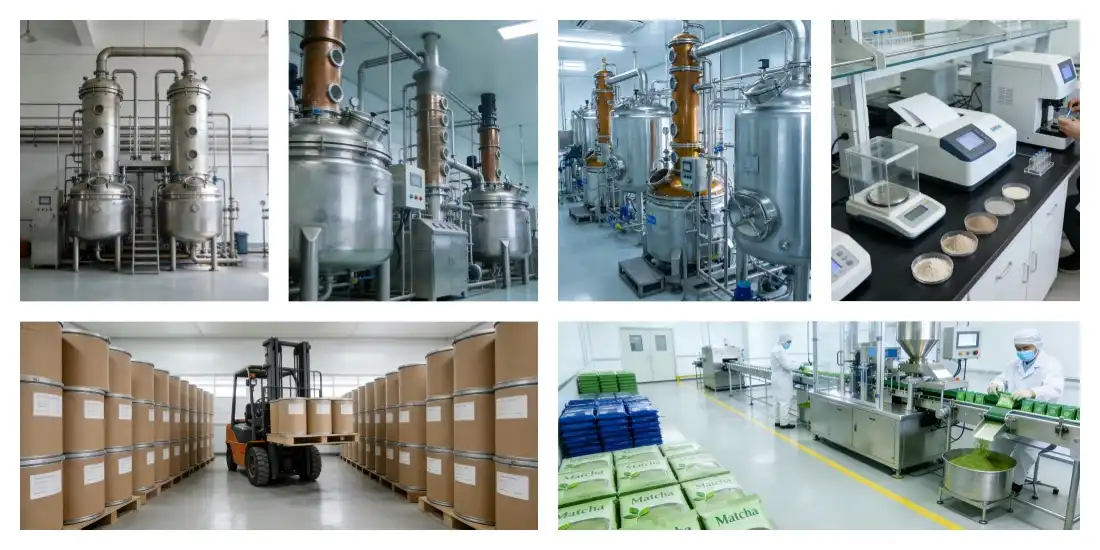
A credible botanical ingredient provider should be able to give clear information on botanical identification, specification, production controls, certifications, testing, packaging and supply arrangements.
NT Biotech's product material states its organic grape seed extract powder is certified by ISO, Kosher and Halal. Vitis vinifera seed extract 95% OPC 90% total polyphenols.
B2B customers should still check the exact paperwork for the individual material and target market. Certifications are helpful, but should be seen in conjunction with batch-level analytical data and interactions with suppliers.
Verification of OPC Content and Purity
The OPC content should be confirmed by a suitable analytical approach, rather than assumed from a generic total-polyphenol result. Buyers are urged to obtain a current Certificate of Analysis and to verify the test technique used for the determination of OPC.
Other criteria may include moisture, ash, heavy metals, pesticide residues, microbiological characteristics and residual solvents, depending on the completed product and market.
NT Biotech’s Organic Grape Seed Extract Powder is standardised to 95% OPC and comes with HPLC/UV test paperwork. The buyer may ask for a sample and supporting paperwork before authorising a large purchase.
Supply Chain Reliability and Lead Times
If a botanical element is included in a commercial product, continuity of supply is important. Buyers must confirm MOQ, Packaging, Stock, Production Capacity, Lead time, Shipping arrangements before placing order.
The grape seed extract product in the list is offered by NT Biotech, with MOQ 25 kg, package 25 kilogram drum, free samples, stock is available, delivery time is 2–4 days after payment.
For big or special orders, buyers should check availability and delivery schedules with the supplier before agreeing on a production timeline.
Best Practices for Integrating Grape Seed OPC in Your Product Portfolio
Formulation Synergies and Stability
The effectiveness of a grape seed extract relies on the whole formulation, not just the proportion of OPC. Formulators should consider pH, water activity, processing temperature, packaging, dose, flavour, colour and interactions with other constituents.
Proanthocyanidins also have complicated absorption and metabolic characteristics therefore it is preferable not to consider them as molecules that just flow unmodified into the blood stream. Research shows molecule size, gastrointestinal circumstances and microbial metabolism might influence their destiny in the body.
For new goods, rapid and real-time stability testing may assist to evaluate whether the chosen Grape Seed OPC standard is still acceptable throughout the desired shelf life.
Regulatory Compliance Across Markets
Regulatory requirements will vary on the jurisdiction, product category, ingredient status and claims used on the completed product. Regulations may vary for dietary supplements, functional foods and cosmetic products.
Manufacturers should examine the appropriate standards before using health-related language on packaging or marketing materials. Supplier papers may be helpful here, but do not relieve the finished-product maker of its regulatory responsibilities.
NT Biotech says their grape seed extract products are ISO, Kosher, and Halal certified. Buyers should ask for the documentation that is relevant to their market and application.
Marketing and Consumer Education
Consumers are more acquainted with polyphenols or antioxidants, but scientific precision is still vital. The marketing copy should describe what the substance is, where it originates from, and why it was picked, but it should not transform lab data into health claims that are guaranteed.
For B2B products, a compelling ingredient narrative might highlight botanical source, standardisation, analytical testing and intended use. For example, a Grape Seed OPC ingredient standardised at 95% OPC provides the product developer a more precise formulation narrative than a generic grape seed extract with no clear active-content specification.
Conclusion
Grape Seed OPC is an ingredient that comes from grape seed proanthocyanidins, and is available in a standardised form for use in nutritional supplements, functional foods and some cosmetic products. The usefulness lies in its specified polyphenol content and the rising corpus of research into grape seed proanthocyanidins, not in unproven claims of superiority or bioavailability over other antioxidants.
The scientific literature remains interested in grape seed extract, notably with oxidative processes and certain chosen cardiovascular indicators, but also shows that bioavailability and clinical data are more complex than simple antioxidant comparisons.
For B2B procurement, specification, analytical verification, botanical identification, certificates, MOQ, samples and supply dependability are pragmatic criteria that demand equal consideration as the headline OPC percentage.
FAQ
1. What makes grape seed OPC more bioavailable than other polyphenols?
You cannot just assume that grape seed OPC would be accessible to a greater degree than all other polyphenols. Absorption is somewhat dependent on the molecular size/degrees of polymerisations of proanthocyanidins. The smaller molecules are somewhat absorbed, but bigger oligomeric and polymeric forms are poorly absorbed directly in the small intestine. Biological activity may also be contributed to by smaller molecules from gut microbial metabolism.
2. How can I verify authentic grape seed OPC versus adulterated products?
Botanical identification, current Certificate of Analysis, declared OPC testing technique, and batch-specific analytical findings Buyers may also request information on extraction, pollutants, microbiological quality and other factors relevant to their completed product.
The purpose is to check for authenticity and consistency . Not only to see whether it says " 95 % " .
3. What stability considerations affect grape seed extract in finished products?
Stability should be considered in the final formulation. 9. pH, moisture, oxygen exposure, light, temperature, processing conditions, packaging and interactions with other components may all alter the end product.
“Supplier specification gives a baseline, but finished-product stability testing is still important before commercial launch.
4. What is oligomeric proanthocyanidins?
Oligomeric proanthocyanidins, a family of polyphenols present in grape seed extract, consist of connected flavan-3-ol units (catechin and epicatechin). Such a connected chain is referred to as an individual oligomeric proanthocyanidin. They are investigated for antioxidant-related activity but their impact in reality varies on the polymerisation degree, extraction process and dosage – therefore ingredient selection should follow a defined OPC specification, not the term.
Partner with NT Biotech for Premium Grape Seed OPC Supply
NT Biotech supplies standardized botanical ingredients for dietary supplement, functional food, and related applications. Its listed Organic Grape Seed Extract Powder is derived from Vitis vinifera seeds and standardized to 95% OPC and 90% total polyphenols, with ISO, Kosher, and Halal certifications listed for the product. The current product information also lists a 25 kg MOQ, free samples, stock availability, and 2–4 day delivery after payment.
If you are evaluating Grape Seed OPC for a supplement, functional beverage, or other formulation, NT Biotech can provide product specifications and sample information for your assessment.
For specification sheets, samples, or sourcing inquiries, contact info@newthingsbiotech.com and discuss your target application, required OPC content, packaging, and order volume with the NT Biotech team.
References
1. Bagchi, D., Bagchi, M., Stohs, S.J., Bird, D.K., Ray, S.D., Kuszynski, C.A., Joshi, S.S., and Pruess, H.G. (2000). "Free radicals and grape seed proanthocyanidin extract: importance in human health and disease prevention." Toxicology, 148(2-3), 187-197.
2. Feringa, H.H., Laskey, D.A., Dickson, J.E., and Coleman, C.I. (2011). "The effect of grape seed extract on cardiovascular risk markers: a meta-analysis of randomized controlled trials." Journal of the American Dietetic Association, 111(8), 1173-1181.
3. Sano, A., Uchida, R., Saito, M., Shioya, N., Komori, Y., Tho, Y., and Hashizume, N. (2007). "Beneficial effects of grape seed extract on malondialdehyde-modified LDL." Journal of Nutritional Science and Vitaminology, 53(2), 174-182.
4. Yamakoshi, J., Saito, M., Kataoka, S., and Kikuchi, M. (2002). "Safety evaluation of proanthocyanidin-rich extract from grape seeds." Food and Chemical Toxicology, 40(5), 599-607.
5. Cos, P., De Bruyne, T., Hermans, N., Apers, S., Berghe, D.V., and Vlietinck, A.J. (2004). "Proanthocyanidins in health care: current and new trends." Current Medicinal Chemistry, 11(10), 1345-1359.
6. Shi, J., Yu, J., Pohorly, J.E., and Kakuda, Y. (2003). "Polyphenolics in grape seeds—biochemistry and functionality." Journal of Medicinal Food, 6(4), 291-299.