- English
- French
- German
- Portuguese
- Spanish
- Russian
- Japanese
- Korean
- Arabic
- Greek
- German
- Turkish
- Italian
- Danish
- Romanian
- Indonesian
- Czech
- Afrikaans
- Swedish
- Polish
- Basque
- Catalan
- Esperanto
- Hindi
- Lao
- Albanian
- Amharic
- Armenian
- Azerbaijani
- Belarusian
- Bengali
- Bosnian
- Bulgarian
- Cebuano
- Chichewa
- Corsican
- Croatian
- Dutch
- Estonian
- Filipino
- Finnish
- Frisian
- Galician
- Georgian
- Gujarati
- Haitian
- Hausa
- Hawaiian
- Hebrew
- Hmong
- Hungarian
- Icelandic
- Igbo
- Javanese
- Kannada
- Kazakh
- Khmer
- Kurdish
- Kyrgyz
- Latin
- Latvian
- Lithuanian
- Luxembou..
- Macedonian
- Malagasy
- Malay
- Malayalam
- Maltese
- Maori
- Marathi
- Mongolian
- Burmese
- Nepali
- Norwegian
- Pashto
- Persian
- Punjabi
- Serbian
- Sesotho
- Sinhala
- Slovak
- Slovenian
- Somali
- Samoan
- Scots Gaelic
- Shona
- Sindhi
- Sundanese
- Swahili
- Tajik
- Tamil
- Telugu
- Thai
- Ukrainian
- Urdu
- Uzbek
- Vietnamese
- Welsh
- Xhosa
- Yiddish
- Yoruba
- Zulu
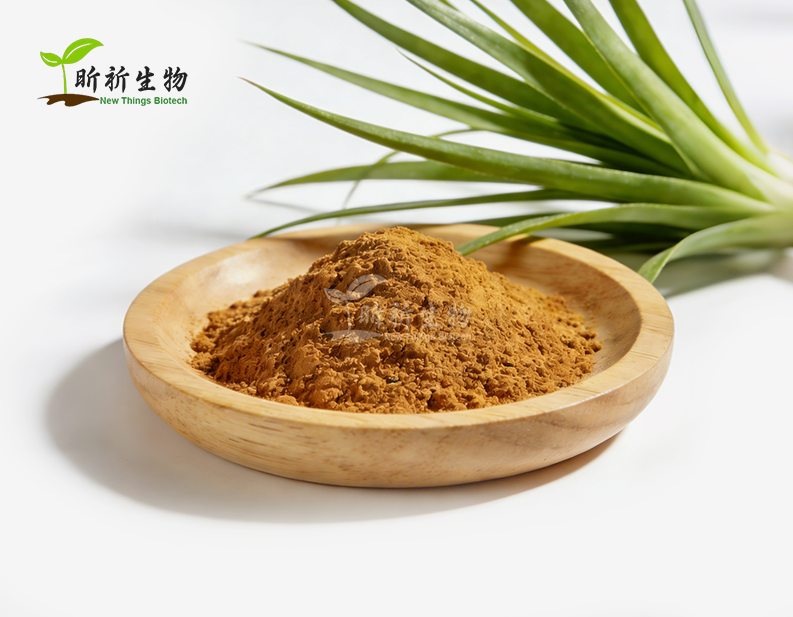
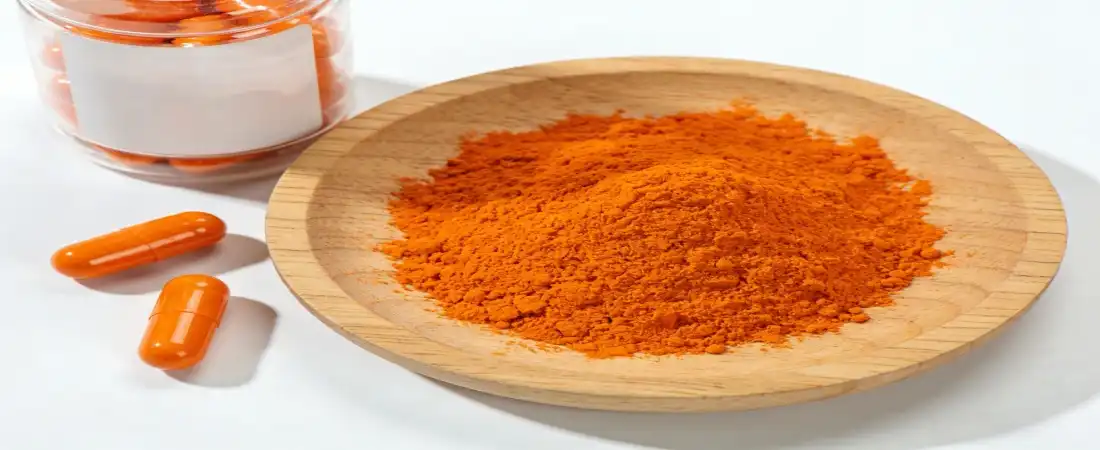
Rose Tagetes erecta L. is what is used to make pure plant-based marigold extract powder. Flowers are famous all over the world for having a lot of lutein and zeaxanthin in them naturally. These are two pigments that are good for your eyes and help protect them from damage. You can use this guide if you work for a company in the nutrition, skin care, or functional food industries and need a clear quality promise for high-quality, standardized plant extracts. We look at how the oil is extracted, how it can be used for health reasons, how to choose a seller, and shipping problems to help you make smart buying decisions that follow the rules and help your product grow.
Understanding Marigold Extract Powder
Botanical Origins and Extraction Process
Marigold lutein powder is basically determined from Tagetes erecta L. (African/Aztec marigold), whereas Calendula officinalis is utilized more in topical beauty care products. Tagetes erecta contains essentially higher lutein levels, impacted by developing conditions in districts like China, India, and Latin America. Blooms are collected at crest development, dried, and extricated utilizing ethanol or supercritical CO₂. After refinement and shower drying into 80-mesh powder, GMP guarantees consistency. HPLC testing affirms lutein substance. Zeaxanthin and minor cancer prevention agents are moreover display, but lutein remains the essential utilitarian compound for commercial applications and detailing standardization.
Key Bioactive Components
Lutein is the prevailing bioactive compound in marigold extricate, bolstered by zeaxanthin at 5–10% of carotenoids. These xanthophylls collect in the retinal macula and assimilate high-energy blue light. Their hydroxyl structure permits specific statement in eye tissues. Extra flavonoids and triterpenoid saponins exist but are auxiliary in standardized extricates. Together, lutein and zeaxanthin neutralize receptive oxygen species and decrease oxidative push. This collaboration makes strides eye and skin assurance benefits, recognizing normal marigold-derived lutein from engineered adaptations and supporting its clean-label situating and broader acknowledgment in wellbeing and corrective applications.
Industrial Applications Across Sectors
Marigold extract powder is widely used across nutraceuticals, functional foods, animal feed, and skincare. It supports eye health formulations for digital eye strain and age-related macular degeneration, delivered in capsules and tablets. Microencapsulation prevents interaction with minerals in multivitamins. In food applications, cold-water-soluble grades act as natural colorants (E161b) in beverages and baked goods. Stability under heat and acidity allows industrial versatility. In cosmetics, lutein provides antioxidant, anti-inflammatory, and photoprotective benefits, improving skin barrier health while also enhancing natural coloration without synthetic pigments in premium formulations.
Benefits and Usage of Marigold Extract Powder
Vision Protection and Retinal Health
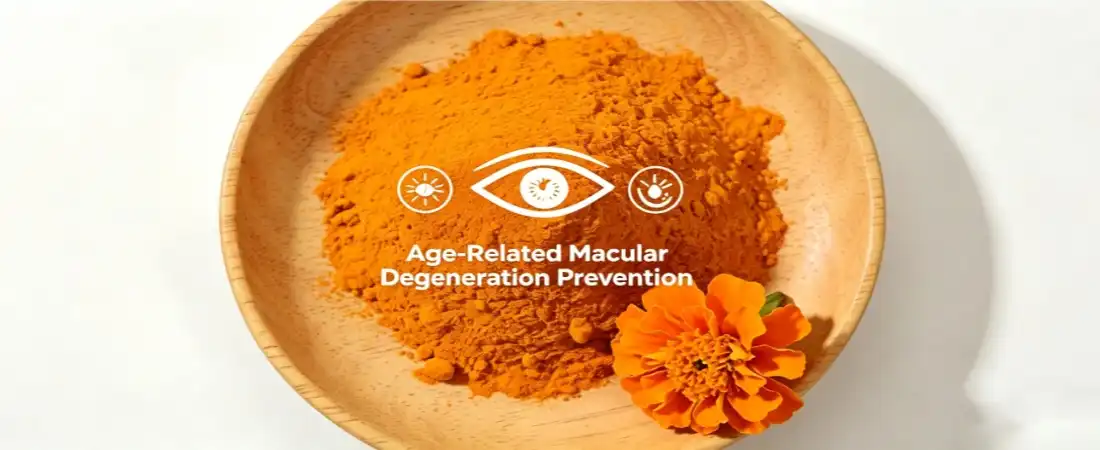
Lutein and zeaxanthin concentrate in the macula, sifting blue light between 460–480 nm and lessening oxidative harm. Day by day admissions of 10–20 mg increments macular shade thickness and brings down AMD chance. Clinical thinks about bolster dosages of 6–10 mg for eye weariness and up to 30 mg for degenerative conditions. Combined with omega-3s, vitamin E, and zinc, lutein appears upgraded defensive impacts. These definitions move forward visual execution, diminish eye strain, and bolster long-term retinal wellbeing, making marigold extricate a center fixing in eye-care nutraceutical items globally.
Antioxidant and Anti-Inflammatory Properties
Marigold extract provides strong antioxidant activity against singlet oxygen, superoxide, and lipid radicals, supported by ORAC testing. It is comparable to astaxanthin and resveratrol in free radical scavenging. It also suppresses NF-κB pathways, reducing IL-6 and TNF-α inflammatory markers. In skincare, 0.5–2% lutein improves hydration, elasticity, and UV-induced redness. These effects extend benefits beyond eye health to cardiovascular, neurological, and immune support. Its dual antioxidant and anti-inflammatory action makes it valuable in both dietary supplements and dermatological formulations targeting environmental stress and aging.
Safety Profile and Regulatory Compliance
Lutein demonstrates strong safety with high NOAEL levels exceeding 200 mg/kg in animal studies. Human trials report minimal side effects, typically mild gastrointestinal discomfort at high doses above 100 mg daily. Regulatory bodies like the FDA and EFSA classify lutein as GRAS, allowing its use in food without pre-approval. Pharmacopeias set strict limits on heavy metals and contaminants. Compliance requires ISO 17025-certified testing and verified COAs. These standards ensure safety, consistency, and regulatory acceptance, making marigold extract suitable for global markets in food, supplement, and cosmetic industries.
Comparing Marigold Extract Powder with Alternatives
Natural vs. Synthetic Lutein
Synthetic lutein offers high purity and lower cost but lacks clean-label appeal compared with marigold extract powder (natural lutein source), which is preferred for its plant-based origin and consumer-friendly positioning. Natural marigold-derived lutein is preferred due to consumer trust and co-existing carotenoids like zeaxanthin that enhance bioactivity. Absorption rates are comparable between both sources. However, natural extracts provide synergistic antioxidant benefits. Synthetic production depends on petrochemical processes, while natural sourcing relies on agricultural cycles. Market preference increasingly favors plant-based lutein for branding, sustainability, and regulatory positioning, despite higher variability and cost considerations in raw material supply chains.
Marigold Extract vs. Related Botanical Derivatives
Marigold extricate varies from calendula, which contains flavonoids and saponins but negligible lutein. Calendula is basically utilized for wound mending, not nourishment. Marigold oil requires emulsification due to lipid solvency, restricting detailing adaptability compared to spray-dried powders. Elective lutein sources incorporate green growth and paprika, but generation costs and versatility constrain selection. Marigold remains prevailing due to steady supply chains and taken a toll effectiveness. It gives the most commonsense adjust of bioavailability, adaptability, and administrative acknowledgment for commercial nutraceutical, nourishment, and restorative applications.
Natural Food Coloring: Market Demand Dynamics
Demand for normal colorants is rising due to administrative weight against engineered colors. Marigold lutein gives steady yellow-orange coloration over pH and preparing conditions, making it perfect for nourishment, refreshment, and confectionery applications. It replaces fake added substances like tartrazine whereas keeping up clean-label compliance. Advertise development surpasses 10% every year, driven by shopper inclination for characteristic fixings. Providers advertising traceability, certification, and specialized back are progressively esteemed. High-quality botanical extricates guarantee consistency, versatility, and compliance with worldwide nourishment security and labeling regulations.
How to Choose the Right Marigold Extract Powder Supplier?
Essential Quality Certifications and Documentation
Reliable suppliers maintain comprehensive certifications proving compliance with manufacturing and safety standards. ISO 9001 ensures a stable quality management system, while ISO 22000 or FSSC 22000 covers food safety risks throughout production. Kosher and Halal certifications expand market accessibility for regulated consumer groups. Each batch should include a COA verifying heavy metals, microbial limits, moisture (<5% via Karl Fischer), lutein content (HPLC), and pesticide residues. Third-party testing by labs such as SGS, Eurofins, or Intertek strengthens credibility. Regulatory export compliance (FDA, EU Novel Food) ensures smooth international customs clearance and legal market entry.
Evaluating Batch Consistency and Lutein Content
Buyers should request standardized lutein specifications (e.g., 20% ±2%) to ensure consistency. Continuous extraction and real-time analytical monitoring provide better uniformity than post-blending methods. Reviewing historical COA reports helps evaluate production stability and supplier reliability. Analytical differences also matter: some labs measure total lutein (free + esterified), while others only measure free lutein after processing steps like saponification. Clearly defining testing methods ensures accurate quality comparison. This is especially important for applications requiring specific carotenoid forms, where inconsistent analysis could affect formulation performance and regulatory compliance.
Bulk Procurement Considerations and MOQ Flexibility
Typical MOQs start around 25 kg for standard lutein products, balancing production efficiency and accessibility. Larger volume orders benefit from tiered pricing, flexible payment terms (LC or open account), and inventory strategies such as VMI or JIT delivery. OEM and private-label services enable customized formulations, packaging formats, and particle sizes tailored to production needs. Supplier R&D support can include stability testing, regulatory documentation, and compatibility studies. Logistics capabilities—stock availability, express shipping, and freight partnerships—directly influence supply chain efficiency and production planning reliability.
Ordering and Logistics: B2B Procurement Guide
Step-by-Step Procurement Process
Sending a question via email or online is usually the first step in the buying process. Be sure to include information about the amount of lutein that is needed, any licensing requirements, and the expected yearly volume. It only takes hours for respondent providers to give rough quotes that include technical information, wait times, and sample availability. You can check the physical properties, like color uniformity, solubility, and organoleptic properties, before agreeing to big orders if you ask for free samples. When the customer is satisfied with the sample, they write formal purchase orders that spell out how much they want, how it should be packed, when they need to pay, and the terms of delivery (FOB, CIF, DDP). The price of the item, packing, internal shipping, export paperwork, and freight charges are some of the costs that are broken down in proforma bills. This makes sure there are no secret costs and prices are clear. Buyers should make sure they know how the inspection works. Some contracts call for a third-party pre-shipment review (SGS, Intertek, etc.) to make sure of the quantity and quality of the goods before they are sent.
Price Determinants and Market Factors
The cost of marigold extract powder (lutein) changes based on the availability of raw materials, how efficiently they are extracted, their purity level, and regulatory or approval-related fees. Since organic production limits the use of certain chemicals and requires more controlled sourcing and supply chain management, organic powders typically cost 20–30% more. High-purity grades (≥80% lutein in marigold extract powder) require additional purification steps, so they can cost up to twice as much per kilogram compared with lower-grade materials containing around 20% lutein. Marigold flower blooms change with the seasons. In the fall, when there are the most flowers, prices drop all of a sudden. Price changes every three months as part of long-term supply deals make budgeting easier. This is good for makers whose prices are set in the market or who are fighting for contracts. Changes in exchange rates affect trade between countries. If sellers let buyers choose more than one currency, buyers should think about ways to protect themselves or talk about prices in their own currency. You can change how much it costs in the end by how you pay. You might get a deal if you pay ahead of time, but letter-of-credit terms come with bank fees.
Shipping, Storage, and Handling Best Practices
Keep the marigold extract powder away from light, heat, and water to keep the carotenoids stable. Many times, suppliers put goods in nitrogen-flushed metal foil bags and then stack them inside fiber drums to protect them physically while they're being shipped. Food doesn't have to be shipped in a fridge, but sealed packages kept at temperatures below 25°C and relative humidity below 60% will last longer than two years. For sales that don't need to be sent right away, it can save you money to ship in bulk by sea freight. Ships bring goods from China to the United States every three to four weeks. Air freight speeds up arrival to five to seven days, but costs three to five times as much. This works well for quickly restocking or putting out new items. Express shipping services like FedEx and UPS can get small packages (less than 100 kg) from one door to another in two to four days. This is great for trying samples or making small batches to see how they work. For exports, you need business records, packing lists, a certificate of origin (COA), phytosanitary certificates (for ingredients made from plants), and proof from the FDA that you were given notice before the imports came into the U.S. Suppliers who know a lot about international trade take care of these needs ahead of time, making sure that clearing customs goes quickly and that storage fees at target ports are kept as low as possible.
Conclusion
If you want to find the best marigold extract powder for your needs, you need to think about the science, the rules, and how reliable the supply chain is. Natural sources of lutein are still ahead of synthetic ones. This is because people want clean labels on their food and the government supports ingredients that come from plants. To have a successful long-term relationship with a seller, you need to check their qualifications, make sure that each batch is the same, get expert help, and be able to change to changing logistics. People all over the world are learning more about antioxidants and eye health. If you can find a reliable supplier, your products will stand out from the rest and the markets for supplements, useful foods, and makeup will grow.
FAQ
1. What is the typical lutein content in marigold extract powder?
The amount of lutein in marigold extract powder that you can buy ranges from 5 to 80%. Most people buy 20% and 40% grades as food supplements. High-purity 80% extracts are used in medicines that don't need many other ingredients. On the other hand, 5–10% grades are used to color foods and make animal feed because the big volume helps the ingredients mix properly.
2. Is long-term consumption of marigold extract powder safe?
A lot of study from a long time ago has shown that it is safe to take lutein pills in the amounts that are suggested (6–30 mg per day). Safety groups like the FDA and EFSA say that lutein is safe, and lab tests have shown that it doesn't hurt people when they eat a lot more of it than they should. As long as you only buy from approved sellers, you can be sure that the goods you receive are clean and meet pharmacopeial standards for heavy metals, pesticides, and bacteria limits.
3. How can I verify supplier authenticity and product quality?
Many pieces of paper should be asked for, such as business licenses, GMP badges, third-party audit reports, and COAs that are unique to each batch. Independent lab tests done at ISO 17025-approved sites give proof that isn't influenced by anything else. If you want even more peace of mind, you can visit the factories or hire outside testing services. Traders who are only out to make money are different from established suppliers because they don't have clear quality control systems and are open to feedback.
Source Premium Marigold Extract Powder from NT Biotech
NT Biotech sends very pure lutein powder to sourcing workers who need a dependable source for marigold extract powder. We got our Tagetes erecta L. flower extracts through a unique process used to make extracts very pure—more than 98% for key standardized goods. This means the mixtures work better as supplements, useful foods, and skin care products. There are full Certificates of Analysis and an in-depth HPLC/UV study for each batch. This is backed by certificates that say it is ISO 9001, Kosher, or Halal, which are very strict international rules. We keep enough in stock so that once we get an order, we can ship it within two to four days. We can also make products with different amounts of lutein (from 5% to 80%) and pack them in 25 kg drums or other ways that you specify. You can check the quality before you buy with free samples. Our expert team gets back to you within two hours with answers to your questions and helps you with everything from ideation to product development. You can get samples, receive competitive pricing, or talk to us about OEM solutions that meet your market's needs by emailing us at info@newthingsbiotech.com.
References
1. Abdel-Aal, E. M., Akhtar, H., Zaheer, K., & Ali, R. (2013). Dietary sources of lutein and zeaxanthin carotenoids and their role in eye health. Nutrients, 5(4), 1169-1185.
2. Bone, R. A., Landrum, J. T., & Tarsis, S. L. (1985). Preliminary identification of the human macular pigment. Vision Research, 25(11), 1531-1535.
3. Chew, E. Year, Clemons, T. E., SanGiovanni, J. P., Danis, R., Ferris, F. L., Elman, M., ... & AREDS2 Research Group. (2014). Secondary analyses of the effects of lutein/zeaxanthin on age-related macular degeneration progression. JAMA Ophthalmology, 132(2), 142-149.
4. Khoo, H. E., Prasad, K. N., Kong, K. W., Jiang, Y., & Ismail, A. (2011). Carotenoids and their isomers: color pigments in fruits and vegetables. Molecules, 16(2), 1710-1738.
5. Ranard, K. M., Jeon, S., Mohn, E. S., Griffiths, J. C., Johnson, E. J., & Erdman, J. W. (2017). Dietary guidance for lutein: consideration for intake recommendations is scientifically supported. European Journal of Nutrition, 56(Suppl 3), 37-42.
6. Stringham, J. M., & Hammond, B. R. (2007). The glare hypothesis of macular pigment function. Optometry and Vision Science, 84(9), 859-864.