- English
- French
- German
- Portuguese
- Spanish
- Russian
- Japanese
- Korean
- Arabic
- Greek
- German
- Turkish
- Italian
- Danish
- Romanian
- Indonesian
- Czech
- Afrikaans
- Swedish
- Polish
- Basque
- Catalan
- Esperanto
- Hindi
- Lao
- Albanian
- Amharic
- Armenian
- Azerbaijani
- Belarusian
- Bengali
- Bosnian
- Bulgarian
- Cebuano
- Chichewa
- Corsican
- Croatian
- Dutch
- Estonian
- Filipino
- Finnish
- Frisian
- Galician
- Georgian
- Gujarati
- Haitian
- Hausa
- Hawaiian
- Hebrew
- Hmong
- Hungarian
- Icelandic
- Igbo
- Javanese
- Kannada
- Kazakh
- Khmer
- Kurdish
- Kyrgyz
- Latin
- Latvian
- Lithuanian
- Luxembou..
- Macedonian
- Malagasy
- Malay
- Malayalam
- Maltese
- Maori
- Marathi
- Mongolian
- Burmese
- Nepali
- Norwegian
- Pashto
- Persian
- Punjabi
- Serbian
- Sesotho
- Sinhala
- Slovak
- Slovenian
- Somali
- Samoan
- Scots Gaelic
- Shona
- Sindhi
- Sundanese
- Swahili
- Tajik
- Tamil
- Telugu
- Thai
- Ukrainian
- Urdu
- Uzbek
- Vietnamese
- Welsh
- Xhosa
- Yiddish
- Yoruba
- Zulu
If you have done any research into antioxidant ingredients for a supplement, food or cosmetic recipe, you have almost likely come across the phrase pure grape seed extract and pondered what makes a really pure product different from an average one. The simple solution is confirmed chemical concentration, thorough testing and a supplier that is ready to record every stage of manufacture. NT Biotech, a technology-based plant derivatives firm, has developed its business on precisely that quality, offering formulators all over the globe a consistently pure grape seed extract, backed up by lab facts, not preconceptions. This page will explain what the ingredient is, how purity is defined and certified, what it is used for, and how to assess a source before making an order.
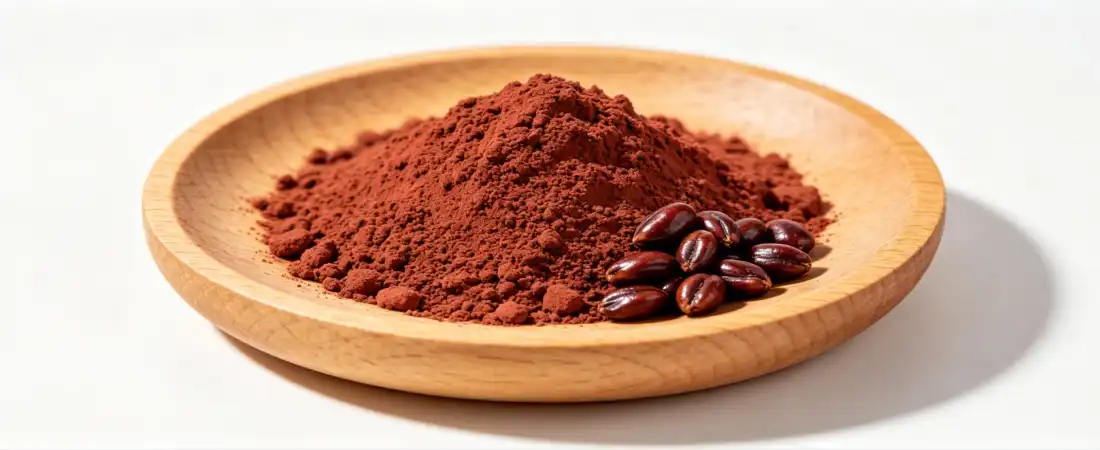
What Exactly Is Grape Seed Extract, and What Makes a Version 'Pure'?
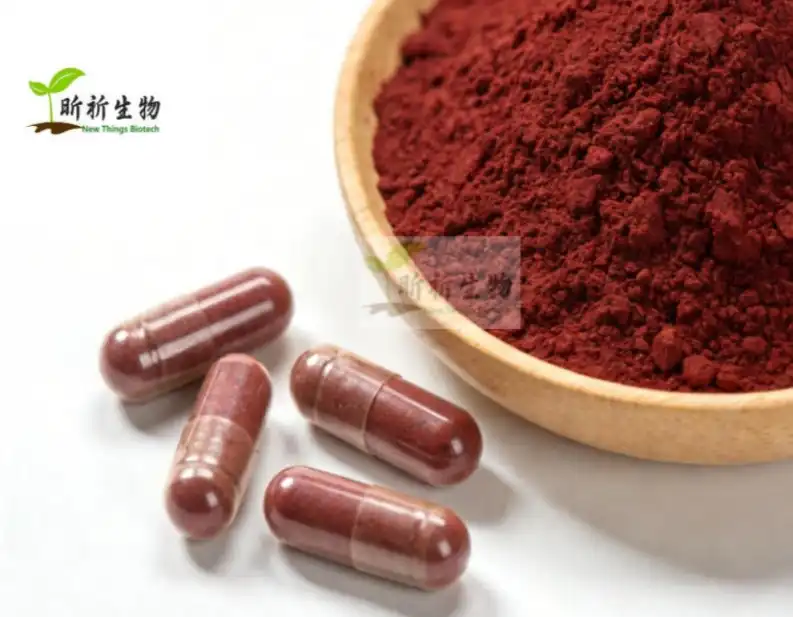
Grape seed extract is a concentrated botanical extract from the seeds of the common grape vine, Vitis vinifera, and is popular due to a family of compounds called oligomeric proanthocyanidins, or OPCs. This substance is called pure because raw seed material inherently comprises a blend of chemicals, fibres and residues, and only meticulous processing separates and concentrates the beneficial fraction without adding contaminants. In the exact definition employed by professional formulators, a pure grape seed extract denotes a standardised product with a guaranteed OPC % confirmed by laboratory examination and not just asserted on a label. At NT Biotech, this concept is uniformly used throughout the product range. Purity is a quantitative criterion, not a marketing word.
The Botanical Origin: Vitis Vinifera Seeds
The extract is derived from the seeds separated during the pressing of grapes in wine and juice making, changing an agricultural byproduct formerly considered waste into a rich source of polyphenolic chemicals.
OPCs — The Compounds That Define the Extract
The oligomeric proanthocyanidins are the key active molecules responsible for the antioxidant reputation of the extract, and their level is the most crucial quantity on any specification sheet.
What 'Pure' Actually Means in a Regulatory Sense
In regulatory and quality environments purity is defined not only as the absence of apparent impurities but as a confirmed chemical concentration with recorded limits for heavy metals, pesticide residues and microbiological contamination.
How NT Biotech Defines and Delivers Purity
NT Biotech’s patented extraction techniques have been optimised to provide the highest yield of active ingredients and purity levels of key products over 98 percent. All claims are verified by batch-specific laboratory verification.
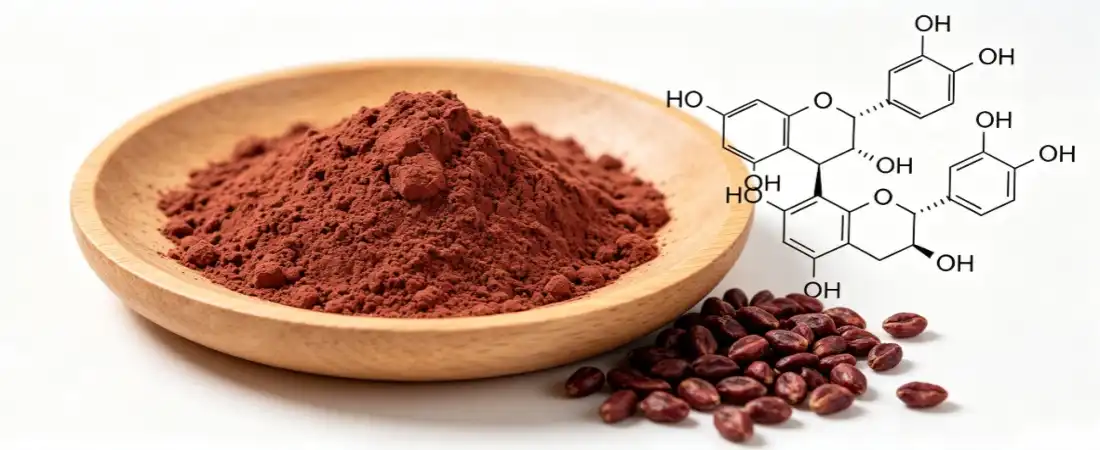
How Is Pure Grape Seed Extract Made?
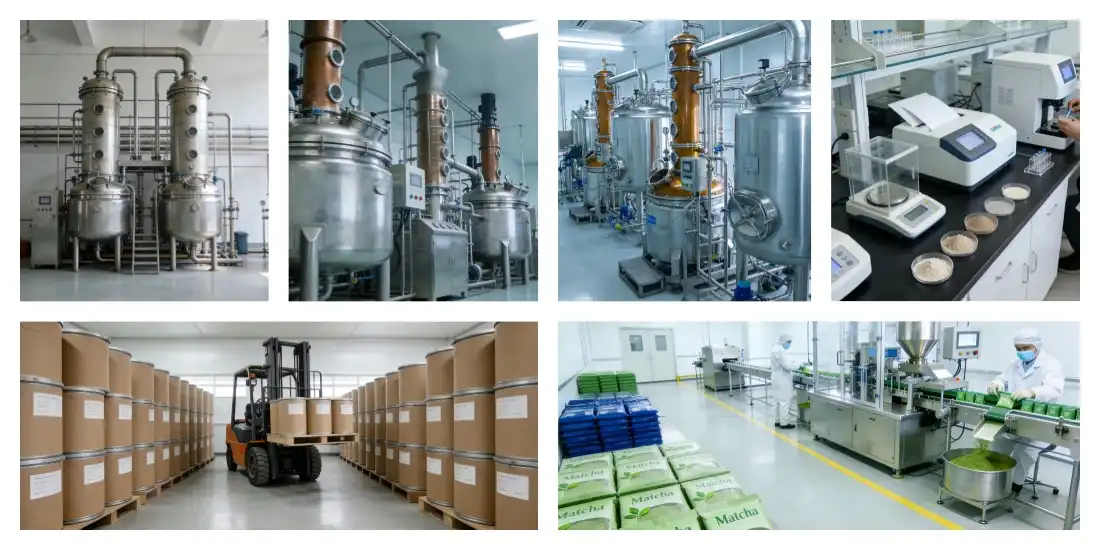
Understanding how the substance is made explains why there is so much variation in purity across vendors. It starts with the collecting of the raw seeds, then controlled extraction using specified solvents and temperatures, with the aim of protecting sensitive polyphenolic chemicals from destruction. Next is standardisation, when the extract is modified and tested until it consistently satisfies a specified level of OPCs, usually 95 percent or greater for pharmaceutical-grade material. You know it's a very pure grape seed extract when it passes lab tests, and NT Biotech employs its own extraction method with HPLC and UV testing on each and every batch before it ships out, providing customers with documentation rather than just words.
Raw Material Collection and Preparation
Quality controls are undertaken at this early step to avoid any contamination transferring through to the final extract. Seeds are harvested, washed and dried before processing starts.
Proprietary Extraction Technology
Controlled extraction conditions concentrate the OPC fraction with little undesirable plant material, and directly dictate how near the end product gets to real pharmaceutical grade purity.
Standardization to Guaranteed OPC Levels
Standardisation means that whatever the variation between harvests, each batch will produce a stable guaranteed proportion of active ingredient that formulators can depend on for correct dosage.
Lab Verification Before Release
No batch leaves the plant without HPLC and UV examination of its OPC content, making purity not a promise but a recorded testable truth.
Table 1: Grape Seed Extract 95% OPC — Typical Specification Sheet
|
Specification |
Typical Value |
Verification Method |
|
Botanical Source |
Vitis vinifera L. (grape seed) |
Botanical Identification |
|
OPC Content |
≥95% |
HPLC / UV Analysis |
|
Appearance |
Brownish red powder |
Visual Inspection |
|
Solubility |
Water and alcohol soluble |
Lab Assessment |
|
Heavy Metals / Pesticides |
Within pharmacopeial limits |
ICP-MS / GC-MS |
|
Batch Documentation |
Certificate of Analysis issued |
QC Release Record |
What Does Pure Grape Seed Extract Actually Do?
Once purity is proven, the next logical inquiry is, what can the substance truly do? Studies on OPCs show a very powerful free radical scavenging activity that is typically regarded as being much stronger than that of a number of traditional antioxidant vitamins on a gram for gram basis. This antioxidant action is the basis for most applications sought by formulators, from cardiovascular and skin supplements to cosmetic items aimed to protect against daily oxidative stress. Functional performance is directly related to verified potency, so a pure grape seed extract will usually give more consistent and predictable results in finished formulations than an unstandardised alternative. This is why documentation is just as important as the raw research behind the ingredient itself.
Antioxidant and Free-Radical Defense
The scientific basis for most of the grape seed extract formulations available in the supplement and cosmetic industries is based on the capacity of OPCs to neutralise free radicals.
Skin and Anti-Aging Support
The extract is a popular ingredient in serums and creams that assist to combat oxidative damage to collagen and elastin, to help promote a more firm, more resilient-looking skin.
Cardiovascular Wellness
Because OPCs are often connected with maintaining healthy blood vessel function and circulation, the substance is prevalent in heart-health supplement formulas.
Growing Interest in Cognitive Support
This has also increased the interest in the use of grape seed extract for cognitive support applications . There is also new study on how antioxidant chemicals interact with brain tissue .
Formulators who want to review the underlying HPLC test reports before finalizing a purchase order are welcome to request documentation directly at info@newthingsbiotech.com.
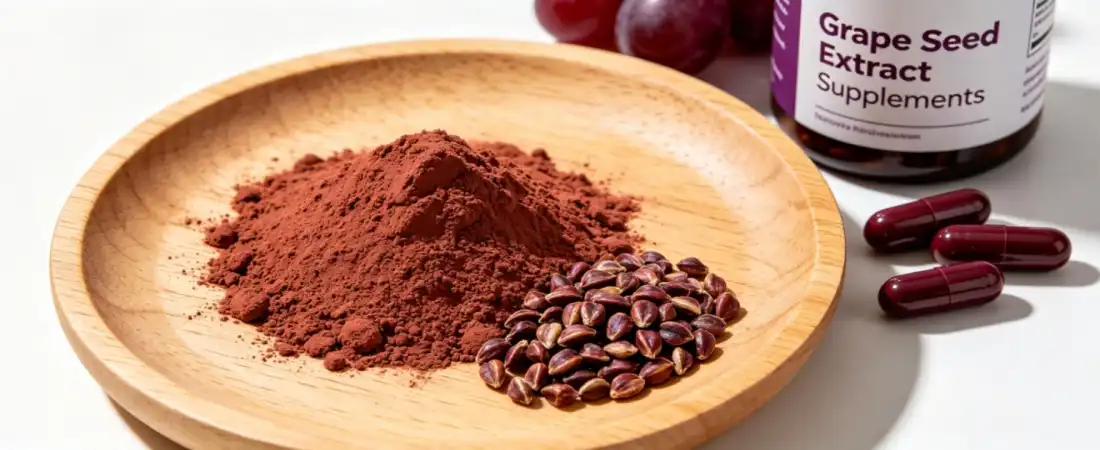
Where Is Pure Grape Seed Extract Used?
Then there’s the proven functionality and purity which lends itself to a broad scope of applications. That’s why this element has developed so fast across industries. It’s used by dietary supplement brands for antioxidant and cardiovascular product lines, functional food and beverage manufacturers love its solubility in fortified products, cosmetic formulators rely on its compatibility with topical delivery systems and animal nutrition companies are increasingly specifying it on the same antioxidant reasoning as for human products. Each category makes somewhat varied demands on the raw material, yet all of them rely on the same underlying purity criterion to work as anticipated.
Dietary Supplements
Capsules, pills and powder mixes are still the most popular format, with a set OPC percentage giving manufacturers the ability to make consistent, testable claims on labels.
Functional Foods & Beverages
Solubility in water and in alcohol renders the extract suitable for fortified beverages and functional meals with antioxidant positioning with little change in flavour.
Cosmetic Formulations
In the realm of high-end skincare, the extract’s ability to pair well with serums and creams has made it a favourite in treatments that tout environmental protection and skin resilience.
Animal Nutrition
The need for validated antioxidant potency in the human health categories is now also reflected in the animal nutrition products that increasingly use standardised grape seed extract.
Table 2: Certifications Supporting Global Market Access
|
Certification |
Why It Matters to Buyers |
|
ISO 9001 |
Confirms an audited, documented quality management system across production |
|
KOSHER |
Allows use in Kosher-certified supplement and food formulations |
|
HALAL |
Supports formulation for Halal-certified finished products |
|
Certificate of Analysis |
Batch-specific proof of identity, potency, and contaminant limits |
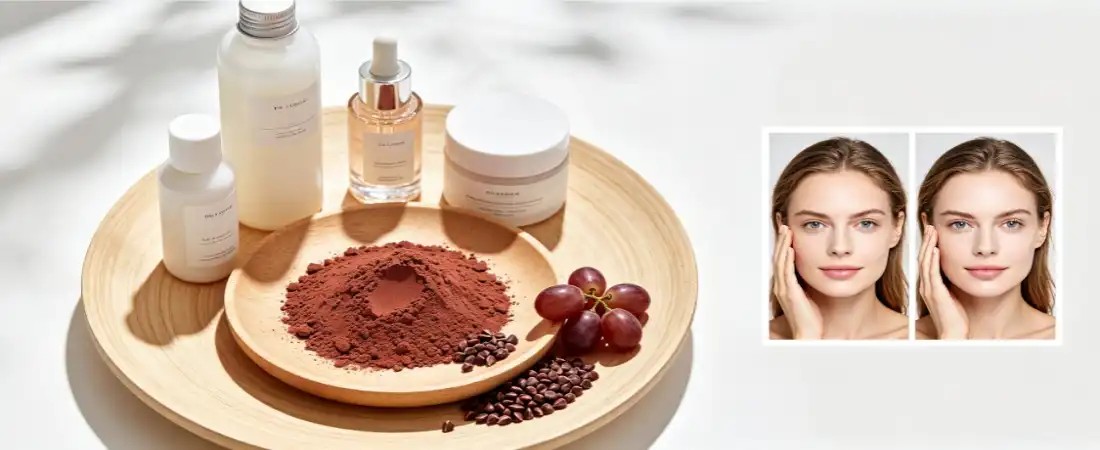
How Do You Choose a Reliable Pure Grape Seed Extract Supplier?
Even a well-researched, really pure substance is of little use if the source behind it cannot supply consistently, communicate effectively, or give proof when asked. It's not only about price per kg. When choosing a provider of pure grape seed extract, you need to look at testing transparency, stock availability, customisation ability and logistic flexibility. NT Biotech has built its business model to address these buyer requirements, removing the uncertainty that often makes sourcing ingredients internationally seem like a risk for smaller and mid-sized firms looking to break into new markets.
Documentation and Testing Transparency
Rest assured that every batch comes with a Certificate of Analysis and either HPLC or UV data verifying OPC content, limits of heavy metals and microbiological testing.
Delivery Speed and Inventory
Standardised extracts are normally in stock and ship within 1 to 3 business days following order confirmation. Custom manufacturing runs take about 3 to 10 business days from sourcing to packing.
OEM/ODM Flexibility
Customisable OEM and ODM solutions enable businesses to tailor formulation, packaging and paperwork to fit the various regulatory requirements of target markets.
Logistics and Payment Options
Express, air or sea freight shipment provides flexibility and buyer friendly payment conditions including local currency acceptance making the business aspect of dealing with an international supplier easier.
Conclusion
Pure grape seed extract is defined by verified OPC concentration, documented testing, and consistent sourcing rather than marketing language alone. From botanical origin through HPLC-confirmed extraction and global distribution, NT Biotech has built its entire operation around delivering that standard reliably. Brands searching for an antioxidant ingredient they can formulate with confidence have good reason to start that conversation soon, before their next product deadline arrives.
FAQ
1. What OPC percentage qualifies as pure grape seed extract?
Most reliable formulations are standardised to 95 percent OPC or higher, confirmed by HPLC or UV testing, not only label claims.
2. Is grape seed extract the same as grape skin extract?
No, they originate from distinct regions of the fruit and have different constituent profiles, however both include polyphenols which are related with antioxidant action.
3. Which industries rely most on pure grape seed extract?
The major application areas include dietary supplements, functional foods and drinks, cosmetics, and animal nutrition.
4. How quickly can NT Biotech fulfill an order?
In-stock standardized extracts typically ship within one to three working days, while custom production orders take about three to ten working days.
5. Does NT Biotech provide documentation for regulatory submissions?
Yes, each batch is accompanied by a Certificate of Analysis with HPLC/UV testing data. We are ISO 9001, KOSHER and HALAL certified.
Contact NT Biotech for Pure Grape Seed Extract You Can Verify
Choosing a pure grape seed extract supplier should not involve guesswork about what is actually inside the bag. NT Biotech combines verified 95 percent OPC standardization, full batch documentation, flexible OEM support, and responsive global logistics to give supplement, food, and cosmetic brands a partner they can build long-term formulations around with confidence. Whether you need in-stock inventory shipped within days or a fully customized production run built around your specifications, our technical team is ready to help. Reach out today at info@newthingsbiotech.com to request specifications, certificates of analysis, or a tailored quote for your next project.
References
1. Gupta, M., Dey, S., Marbaniang, D., Pal, P., Ray, S., & Mazumder, B. (2020). Grape seed extract: having potential health benefits. Journal of Food Science and Technology.
2. Dillon, K. N., Shariffi, B., Thompson, B., Steele, R., & Kim, J. K. (2020). Effects of acute grape seed extract supplementation on hemodynamics in normal body weight and obese males. Journal of Nutritional Science and Vitaminology.
3. Natella, F., et al. (2002). Grape seed proanthocyanidins prevent plasma postprandial oxidative stress in humans. Journal of Agricultural and Food Chemistry.
4. Bagchi, D., et al. (2000). Free radicals and grape seed proanthocyanidin extract: importance in human health and disease prevention. Toxicology.
5. Zhang, H., et al. (2016). Effects of grape seed proanthocyanidin extract on blood pressure and vascular function. Journal of Cardiovascular Pharmacology.
6. Sharif, A., et al. (2015). Topical grape seed extract and its effects on skin wound healing. Journal of Cosmetic Dermatology.