- English
- French
- German
- Portuguese
- Spanish
- Russian
- Japanese
- Korean
- Arabic
- Greek
- German
- Turkish
- Italian
- Danish
- Romanian
- Indonesian
- Czech
- Afrikaans
- Swedish
- Polish
- Basque
- Catalan
- Esperanto
- Hindi
- Lao
- Albanian
- Amharic
- Armenian
- Azerbaijani
- Belarusian
- Bengali
- Bosnian
- Bulgarian
- Cebuano
- Chichewa
- Corsican
- Croatian
- Dutch
- Estonian
- Filipino
- Finnish
- Frisian
- Galician
- Georgian
- Gujarati
- Haitian
- Hausa
- Hawaiian
- Hebrew
- Hmong
- Hungarian
- Icelandic
- Igbo
- Javanese
- Kannada
- Kazakh
- Khmer
- Kurdish
- Kyrgyz
- Latin
- Latvian
- Lithuanian
- Luxembou..
- Macedonian
- Malagasy
- Malay
- Malayalam
- Maltese
- Maori
- Marathi
- Mongolian
- Burmese
- Nepali
- Norwegian
- Pashto
- Persian
- Punjabi
- Serbian
- Sesotho
- Sinhala
- Slovak
- Slovenian
- Somali
- Samoan
- Scots Gaelic
- Shona
- Sindhi
- Sundanese
- Swahili
- Tajik
- Tamil
- Telugu
- Thai
- Ukrainian
- Urdu
- Uzbek
- Vietnamese
- Welsh
- Xhosa
- Yiddish
- Yoruba
- Zulu
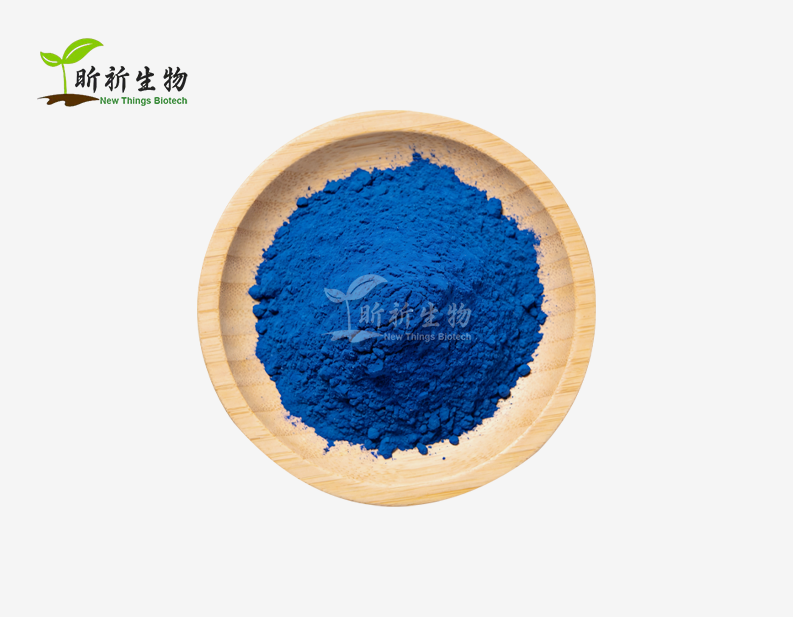
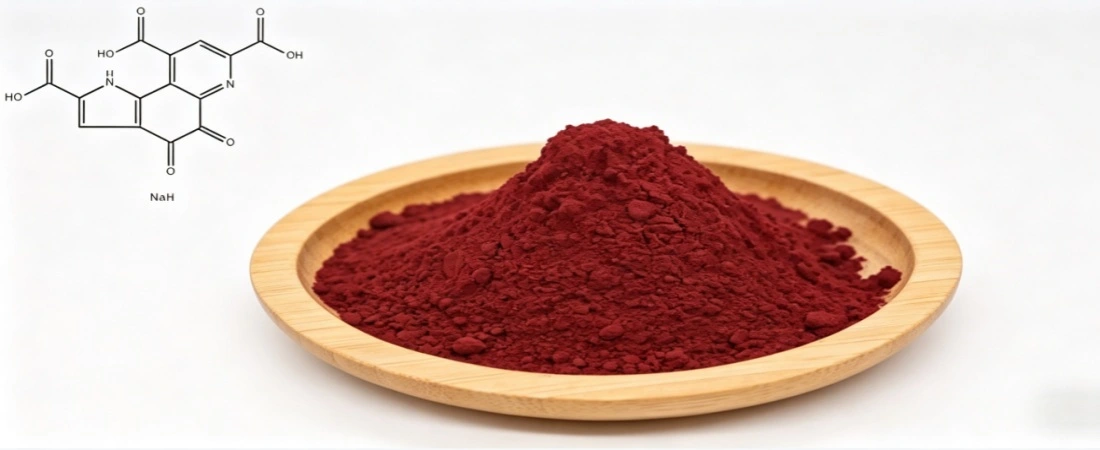
Pyrroloquinoline quinone (PQQ), C14H6N2O8, is a naturally occurring redox cofactor that has been extensively explored for its cell health benefits and free radical removal. This aromatic o-quinone helps mitochondria create energy and protect cells. Pyrroloquinoline quinone bulk powder is 99% pure. This makes it a key raw material for nutritional supplement, functional drink, and nutraceutical manufacturers seeking scientifically established constituents for cognitive, anti-aging, and metabolic health formulations.
What Is PQQ? A Direct Definition
Pyrroloquinoline quinone (PQQ) is a vitamin-like redox cofactor and micronutrient which the body cannot synthesise on its own and must be obtained by food or supplementation. What is PQQ in simple terms? It is a tiny, stable molecule (C14H6N2O8, molecular weight 330.206) which promotes mitochondrial activity and is a powerful antioxidant which helps protect cells from oxidative stress. PQQ is a popular ingredient in cognitive, anti-aging, and metabolic-health formulas because it helps stimulate mitochondrial biogenesis (generation of new mitochondria). B2B purchasers are offered with pyrroloquinoline quinone bulk powder in commercial form. It is generally provided with 99% HPLC purity for capsules, tablets, functional drinks and topical serums.
Understanding Pyrroloquinoline Quinone (PQQ) – Chemical and Functional Overview
The molecular nature of PQQ makes it more stable than other antioxidants. This impacts product quality and shelf life. The 330.206-molecular-weight molecule is adept at redox cycling and can speed up thousands of oxidation-reduction reactions without breaking down. This makes PQQ 5,000 times more potent than ascorbic acid in some cell circumstances.
Chemical Properties and Molecular Stability
Bulk powder is photosensitive and absorbs water, yet it retains its structure in regulated conditions. Storage standards need temperatures below 25°C and relative humidity below 45% to prevent water absorption and sticking. The substance is bioactive for 24 months if properly handled. The chemical dissolves well in water, especially disodium salt, therefore it may be added to liquid mixes without precipitation in pH levels from 5.0 to 9.0. PQQ may be added to functional beverages, tablets, capsules, and topical serums due to its flexibility. The 80 mesh particle size ensures that particles are properly distributed during mixing, which is essential for regular dosing in final items.
Biological Mechanisms and Metabolic Pathways
PQQ is a cofactor for bacterial dehydrogenases and helps mitochondrial biogenesis. PQQ activates energy-producing cellular signaling pathways, researchers discovered. Specifically, the PGC-1α pathway regulates mitochondrial development. PQQ is absorbed by the intestines and reaches peak plasma concentrations in two to three hours when taken orally. The liver doesn't metabolize the chemical much, thus it reaches target organs swiftly. Human studies suggest it accumulates in mitochondria-rich organs including the brain, heart, and liver. This is because oxidative stress affects cell function most there.
Clinically Supported Health Benefits
Human controlled research have examined PQQ's brain effects. It improved working memory and attention in 12 weeks of 20 mg daily use. More research has showed that inflammatory indicators like C-reactive protein are decreasing, suggesting that the benefits are spreading. In energy expenditure trials, PQQ pill users burned more fat and had better sleep. This suggests it can be utilized in goods to boost mental clarity, physical performance, and aging. Multiple clinical investigations have found no serious negative effects from 60 mg per day tolerability assessments. This proof-based profile enables formulators build products with proven health claims from peer-reviewed research.
Sources & Types of Pyrroloquinoline Quinone Powder for Industrial Use
Factory PQQ is generated via bacterial fermentation and chemical synthesis. Each technique produces a distinct quality rating that impacts market positioning and regulator acceptance.
Natural Versus Synthetic PQQ Sources
Fermented PQQ manufactured by culturing Hyphomicrobium species or related bacteria is GRAS in the US and more popular in natural ingredient-focused European markets. This manufacturing method offers superior stereo-selectivity and lesser chemical contaminants than synthetic alternatives. Fermentation requires careful nutrition management and extended plant growth—96 to 120 hours. Chromatography, crystallization, and other procedures purify the material after fermentation. Synthetic PQQ is chemically identical, but it may contain organic solvents and reaction products that make it tougher to claim cleanliness and regulatory clearance. Procurement specialists always request fermentation-source material for upmarket formulations to fulfill client natural ingredient criteria and simplify regulatory processes.
Industry-Standard Purity Grades and Certifications
According to HPLC testing, commercial pyrroloquinoline quinone bulk powder is at least 99% pure. Crystal water has a water percentage of less than 12%, heavy metal concentrations of less than 10 ppm, arsenic levels of less than 1 ppm, and microbial counts that fulfill food supplement guidelines. Trustworthy providers provide comprehensive Certificates of Analysis (COA) with these standards and batch-specific data. ISO 9001, Kosher, and Halal certificates let you enter new markets and satisfy particular clients. These certificates demonstrate that the firm utilizes GMP and quality control measures to ensure product consistency. NT Biotech maintains all licenses and receives third-party verification. Before shipping, each batch must meet high international criteria.
Global Production Centers and Quality Assurance
Due to its strong bioengineering infrastructure and low cost, China is the leading producer of fermentation-derived PQQ. Leading Chinese manufacturers have ISO-certified quality processes and R&D teams dedicated to purity and extraction yields. North American and European companies rely on smaller-scale manufacturing and higher pricing to attract regional clients who appreciate supply chain simplicity. Distinct countries have distinct quality assurance processes. Top manufacturers evaluate raw ingredients, monitor manufacturing, and analyze the finished product. Buyers should inspect factories for cleanroom standards, analytical lab instruments, and quality documentation methods when comparing vendors. The automated production lines of NT Biotech may be observed live. Separate quality control labs with HPLC, UV-Vis spectroscopy, and microbial testing instruments ensure that every item satisfies established standards.
Comparison and Selection of PQQ Bulk Powder for B2B Procurement
Choose strategic ingredients based on their efficacy and cost. Using pyrroloquinoline quinone bulk powder over completed tablets and other additives has evident advantages.
Bulk Powder Versus Ready-to-Use Capsules
Bulk powder is cheaper than pre-encapsulated items per milligram of active ingredient, making it a cheaper alternative to acquire PQQ. When output exceeds 10,000 units per month, this price difference matters. Bulk material lets companies mix PQQ with complementary compounds like Coenzyme Q10, alpha-lipoic acid, and omega-3 fatty acids to create their own mixes. Customization includes selecting the appropriate dosage, administration strategy (immediate vs. prolonged release), and excipients for stability or food limitations. Formulation independence lets businesses position their goods differently from pre-made tablets. Manufacturers can control ingredient quality, end specs, and secret recipe IP when they start with bulk powder.
Functional Comparison with CoQ10 and Other Antioxidants
While Coenzyme Q10 helps generate ATP in the electron transport chain, PQQ directly stimulates mitochondrial development and provides broader protection. Clinical studies shows that combining these drugs improves energy metabolism indicators more than each alone. PQQ is more stable than ubiquinone CoQ10 at high temperatures during pill compression and encapsulation, making processing easier. PQQ's redox cycling allows ongoing catalytic action instead of single-use oxidation like vitamins C and E. Thus, lower PQQ dosages provide longer-lasting antioxidant effects. This efficiency cleans supplement information panels and promotes products as next-generation formulae. Combining PQQ with phosphatidylserine, B-vitamins, or botanical extracts like ginkgo biloba helps firms produce brain health and active aging products that function on several pathways.
Purchasing Pyrroloquinoline Quinone Bulk Powder – A B2B Buyer's Guide
Good buying requires knowing how to evaluate suppliers, arrange orders, and monitor product quality. These factors affect product production time and reliability.
Supplier Evaluation and Certification Requirements
Qualified merchants maintain ISO 9001 accreditation, demonstrating systematic quality management. Kosher and Halal certificates are kept as needed. Buyers should request Letters of Guarantee, Allergen Statements, and BSE/TSE statements for later regulatory filings. Supplier audits should evaluate production, material management, and expert assistance. Famous firms advise on recipe, consistent testing data, and application knowledge for product creation. Free professional assistance on formulation, regulatory, and market positioning is available from NT Biotech. Our team answers technical queries in two hours and retains extensive libraries of scientific literature summaries, formulation case studies, and regulatory advisory papers. This assistance system reduces development risks and expedite product launch.
Ordering Logistics and International Shipping
Both new and established firms can order 25 kilos of pyrroloquinoline quinone bulk powder. Purchase quantity determines lead time. Custom manufacturing orders take three to ten days, while stock material arrives in two to four days. 25 kilogram fiber drums with twin polyethylene liners are one packing option. Customized designs for handling are another possibility. International delivery employs FedEx and UPS for modest orders. Freight forwarding and DDP arrangements simplify customs clearance for container exports. Some summer destinations require temperature-controlled shipment to keep products stable. Buyers should comprehend cost sharing and risk transfer before ordering. To accommodate varied nations, NT Biotech maintains shipping plans flexible and helps create commercial invoices, certificates of origin, and phytosanitary certifications.
Sample Ordering and Payment Terms
Reliable merchants give free samples, generally 50–100 grams, so you may try different mixes and check quality before buying in bulk. After approval, samples are supplied with COA documentation within 48 hours. Most payment options demand a 30% deposit with purchase confirmation and the remainder before shipment. The firm may provide net payment options to previous clients. International deals benefit from escrow or letters of credit. NT Biotech accepts all major currencies and negotiates reasonable pricing with clients based on order values and historical connections. Our transparent price reflects manufacturing costs and quality expenditures, not market speculation. This ensures consistent long-term supply strategies and helps manufacturers stay on budget.
Building Trust and Ensuring Quality in PQQ Bulk Powder Procurement
Quality assurance goes beyond norms. It also involves supplier reliability, testing, and supply chain transparency. These factors impact product market performance and relationship longevity.
Quality Control Measures and Testing Protocols
Comprehensive quality testing examines several quality factors using multiple analytical methodologies. HPLC confirms PQQ and discovers associated compounds or breakdown products. UV-Vis spectroscopy quickly verifies purity and identity. ICP-MS screening for heavy metals ensures arsenic, lead, cadmium, and mercury safety. Total plate count, yeast, mold, and pathogen screening for Salmonella and E. coli all undergo microbiological testing. Trustworthy third-party lab verification from independent testing institutions provides unbiased quality confirmation. All NT Biotech output batches are full-spectrum tested, and samples are maintained for five years for traceability. From raw material purchase to product delivery, our quality documentation system tracks the batch's history. It fulfills audit criteria and aids regulatory filings.
Evaluating Supplier Credentials and Transparency
Reliable performance, clear communication, and proactive problem-solving build long-term supplier relationships. Buyers should call current customers for references and check internet image indications to assess a supplier's performance. Factory tours teach production scale, quality methods, and organizational abilities. Honest suppliers are ready to offer technical knowledge, manufacturing flow plans, and quality management procedures. They disclose supply challenges, regulatory changes, and quality issues. Openness encourages problem-solving and reduces supply chain risks. For 10 years, NT Biotech has exported nutraceutical manufactures in North America and Europe, gaining logistical and legal expertise. We value partnerships beyond business. Sharing market data, evaluating regulatory trends, and creating new recipes are examples.
Conclusion
Scientific research suggests pyrroloquinoline quinone benefits brain, cell, and energy generation. Find the proper pyrroloquinoline quinone bulk powder sources by considering purity, production processes, seller approvals, and quality control. Successful product development relies on fermentation material that is 99% pure or higher and tested extensively. Strategic procurement balances quality and cost. Long-term supplier partnerships with reliable performance and technical support are its priority. Knowing how PQQ differs from other compounds helps you design products that stand out in a crowded market.
Frequently Asked Questions
1. What distinguishes fermentation-derived PQQ from synthetic versions?
Fermented PQQ fulfills stricter clean-label regulations since it is GRAS and has fewer chemical contaminants than synthesized equivalents. Using Hyphomicrobium species in bacterial fermentation enhances stereo-selectivity and eliminates chemical synthesis' organic liquid residues. Premium formulations should adopt this method since it matches health-conscious clients' natural-source image and simplifies foreign market regulatory clearances.
2. How should manufacturers handle PQQ's hygroscopic properties during production?
Production facilities must keep humidity below 45% while handling and mixing to prevent materials from absorbing water and sticking. Bulk powder should be packed in desiccant-filled metal foil packets between runs. Quick processing and packaging following preparation decrease air exposure. In processing regions, encapsulating equipment needs dehumidification, and completed items need moisture barrier packaging to be stable in stores.
3. Can PQQ be combined with other active ingredients in single formulations?
PQQ in solid tablets works well with most dietary elements, including CoQ10, B vitamins, and omega-3s. Because PQQ's redox activity may accelerate vitamin C breakdown, formulators should be cautious when mixing large levels with ascorbic acid in liquids. Dual-phase delivery or compartmentalization solves this while maintaining both compounds' safety and bioactivity throughout the product's shelf life.
4. What is PQQ and what does it do?
PQQ (Pyrroloquinoline quinone) is a naturally occurring redox cofactor that promotes cellular energy generation by increasing mitochondrial biogenesis and shielding cells from free radical damage. PQQ has a number of practical benefits, including: improved mental clarity, support for healthy ageing, and a role in metabolic and antioxidant defences. The majority of clinical investigations utilise 10-20 mg per day, with tolerance proven up to 60 mg daily. The PQQ is obtained by manufacturers as a bulk powder (99% pure) and is combined with substances such as CoQ10, B-vitamins or omega-3s.
Partner with NT Biotech for Premium Pyrroloquinoline Quinone Bulk Powder Supply
NT Biotech provides pharmaceutical-grade pyrroloquinoline quinone bulk powder. ISO 9001, Kosher, and Halal certifications verify its quality control. Our 99% purity, certified by HPLC testing, fulfills the demanding demands of supplement and functional food producers worldwide. We have inventory available to ship in two to four days and provide 25 kilogram drums and bespoke packing. For over 10 years, we have sold pyrroloquinoline quinone bulk powder to overseas markets and provided formulation guidance, stability data, and regulation paperwork. Request your free sample at info@newthingsbiotech.com and discuss how our consistent supply will help you meet your product development goals.
References
1. Rucker, R., Chowanadisai, W., & Nakano, M. (2009). Potential physiological importance of pyrroloquinoline quinone. Alternative Medicine Review, 14(3), 268-277.
2. Harris, C. B., Chowanadisai, W., Mishchuk, D. O., Satre, M. A., Slupsky, C. M., & Rucker, R. B. (2013). Dietary pyrroloquinoline quinone alters indicators of inflammation and mitochondrial-related metabolism. Journal of Nutritional Biochemistry, 24(12), 2076-2084.
3. Nakano, M., Ubukata, K., Yamamoto, T., & Yamaguchi, H. (2006). Effect of pyrroloquinoline quinone on mental status, sleep, and fatigue in humans. Functional Foods in Health and Disease, 6(6), 307-324.
4. Stites, T., Storms, D., Bauerly, K., Mah, J., Harris, C., Fascetti, A., & Rucker, R. (2006). Pyrroloquinoline quinone modulates mitochondrial quantity and function in mice. Journal of Nutrition, 136(2), 390-396.
5. Chowanadisai, W., Bauerly, K. A., Tchaparian, E., Wong, A., Cortopassi, G. A., & Rucker, R. B. (2010). Pyrroloquinoline quinone stimulates mitochondrial biogenesis through cAMP response element-binding protein phosphorylation. Journal of Biological Chemistry, 285(1), 142-152.
6. Akagawa, M., Nakano, M., & Ikemoto, K. (2016). Recent progress in studies on the health benefits of pyrroloquinoline quinone. Bioscience, Biotechnology, and Biochemistry, 80(1), 13-22.