- English
- French
- German
- Portuguese
- Spanish
- Russian
- Japanese
- Korean
- Arabic
- Greek
- German
- Turkish
- Italian
- Danish
- Romanian
- Indonesian
- Czech
- Afrikaans
- Swedish
- Polish
- Basque
- Catalan
- Esperanto
- Hindi
- Lao
- Albanian
- Amharic
- Armenian
- Azerbaijani
- Belarusian
- Bengali
- Bosnian
- Bulgarian
- Cebuano
- Chichewa
- Corsican
- Croatian
- Dutch
- Estonian
- Filipino
- Finnish
- Frisian
- Galician
- Georgian
- Gujarati
- Haitian
- Hausa
- Hawaiian
- Hebrew
- Hmong
- Hungarian
- Icelandic
- Igbo
- Javanese
- Kannada
- Kazakh
- Khmer
- Kurdish
- Kyrgyz
- Latin
- Latvian
- Lithuanian
- Luxembou..
- Macedonian
- Malagasy
- Malay
- Malayalam
- Maltese
- Maori
- Marathi
- Mongolian
- Burmese
- Nepali
- Norwegian
- Pashto
- Persian
- Punjabi
- Serbian
- Sesotho
- Sinhala
- Slovak
- Slovenian
- Somali
- Samoan
- Scots Gaelic
- Shona
- Sindhi
- Sundanese
- Swahili
- Tajik
- Tamil
- Telugu
- Thai
- Ukrainian
- Urdu
- Uzbek
- Vietnamese
- Welsh
- Xhosa
- Yiddish
- Yoruba
- Zulu
When used as high-quality feed additives, tannins in animal diets are a big step forward in environmentally friendly farming. Tannin Powder Bulk, which comes mostly from plants like Galla Chinensis (gallnuts), is a natural, science-backed way for livestock farmers to improve animal health, make feed more efficient, and lessen their effect on the environment. As the animal nutrition industry moves toward non-antibiotic alternatives and eco-friendly additives, procurement professionals need to know where to find high-quality tannin extracts in order to make feed formulations that are good for performance, last a long time, and don't cost too much.
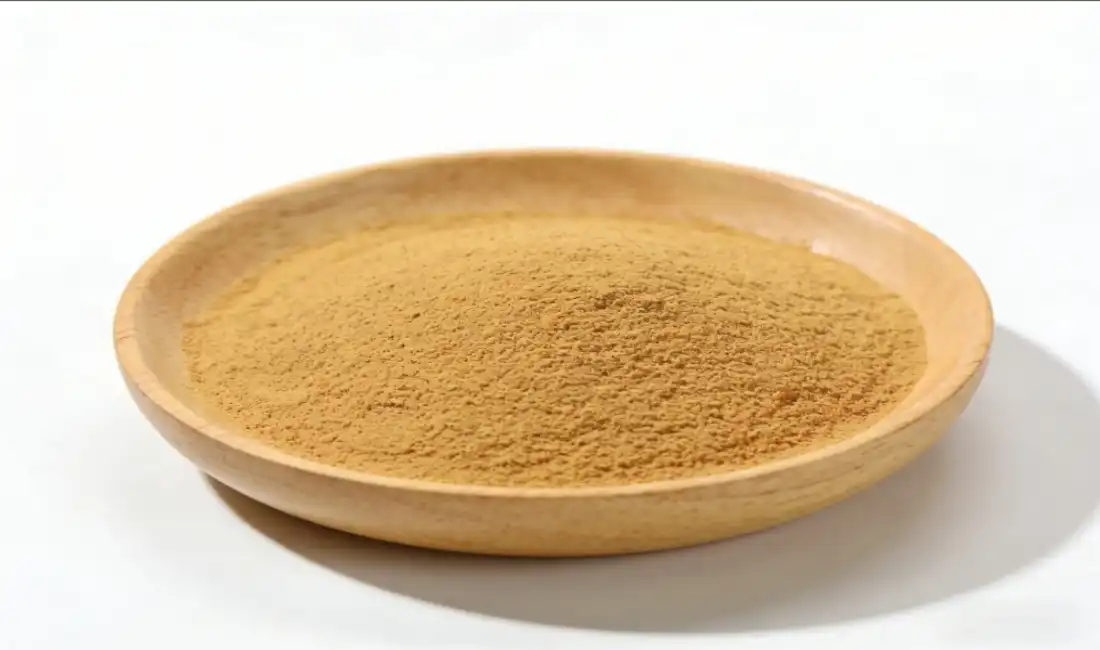
Understanding Tannin Powder Bulk for Animal Nutrition
What Makes Tannin Extracts Essential in Modern Feed Formulations
Tannic compounds that are safe for feed have become important functional factors in modern animal diet plans. These polyphenolic compounds, which are mostly found in plants like Galla Chinensis (gallnuts), chestnut wood, and quebracho bark, are useful for many things and help solve some problems that keep coming up in livestock production. The chemical structure usually has the formula C76H52O46, but it can be different based on the plant source and the way it was extracted. Understanding these differences in makeup is important for the buying scene because they have a direct effect on bioavailability and effectiveness in different livestock species. The difference between hydrolysable and condensed tannins has a big effect on how they are used in feed. Hydrolysable forms, which are usually made from Galla Chinensis (gallnuts), are better at killing microbes and linking proteins, which makes them especially useful for animals that only eat one food, like chickens and pigs. Condensed tannins, which come from plants like mimosa and quebracho, are strong antioxidants that work really well in ruminant nutrition because they control fermentation in the stomach and keep proteins in food from breaking down too quickly.
Manufacturing Standards That Define Quality in Bulk Tannin Supply
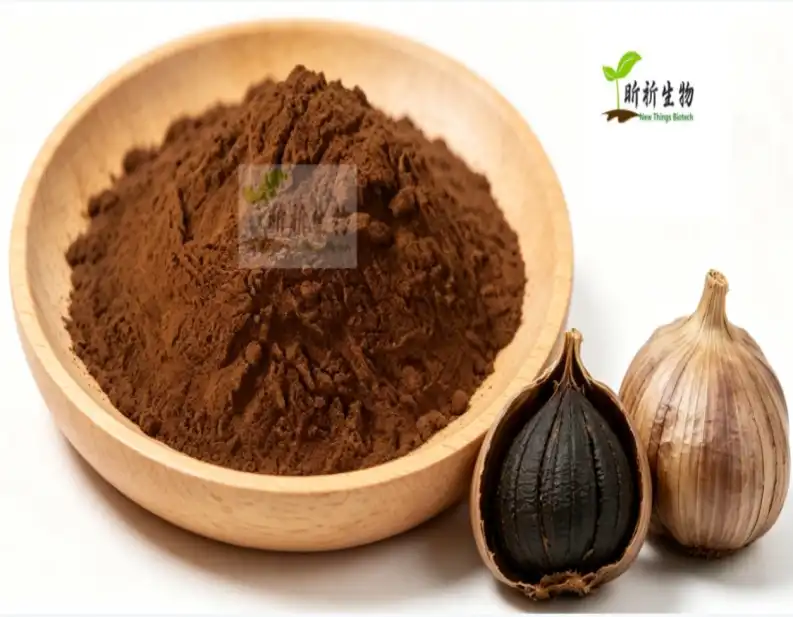
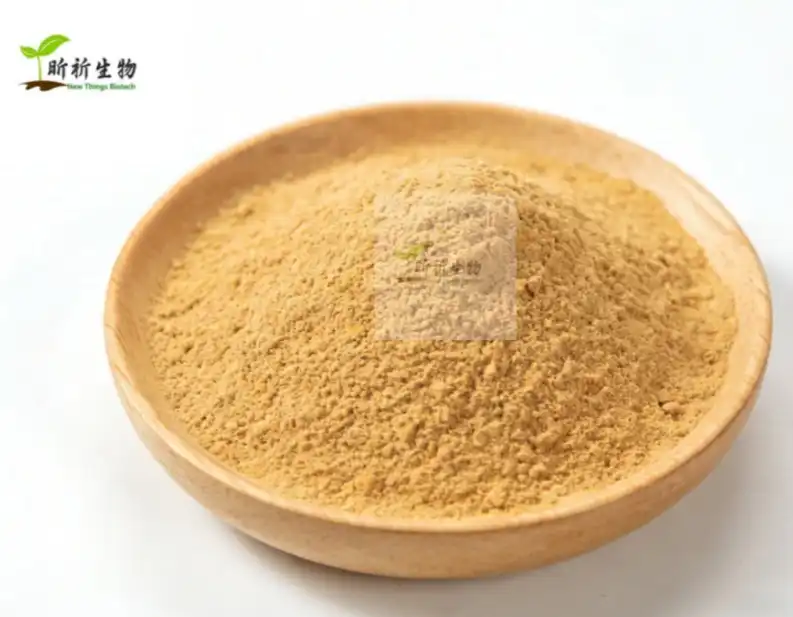
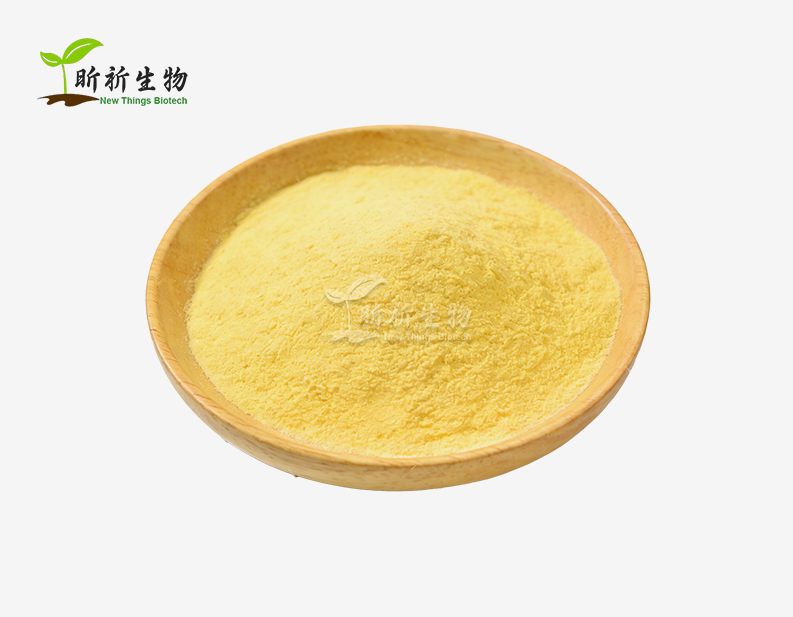
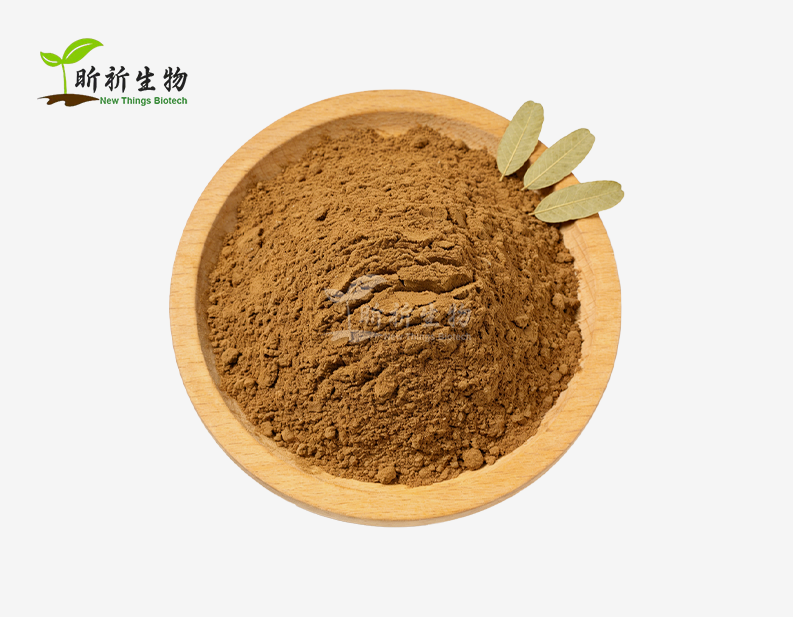
To make sure the quality of Tannin Powder Bulk production, strict obedience to international manufacturing standards is needed. Our feed-grade Tannic Acid goes through several steps of processing. First, we carefully choose the raw materials we use. Next, we use our own special ways for controlled extraction that keep the bioactive integrity of the acid. The yellow-brown powder that is made, with particles that are all the same size (80-mesh), ensures that the feed mixes well and that the powder dissolves at the same rate every time during digestion. Certification standards like ISO 9001, KOSHER, and HALAL compliance give purchasing managers quality standards that they can check. These approvals make sure that the tannin extracts meet strict purity standards—with content levels ranging from 93% to 99% Tannic Acid—and don't contain any impurities that could harm animals or make them break the law. Each output batch is checked by a third party, and full Certificates of Analysis are given out that show HPLC profiles, heavy metal levels, microbial counts, Tannin Powder Bulk, and leftover solvent content.
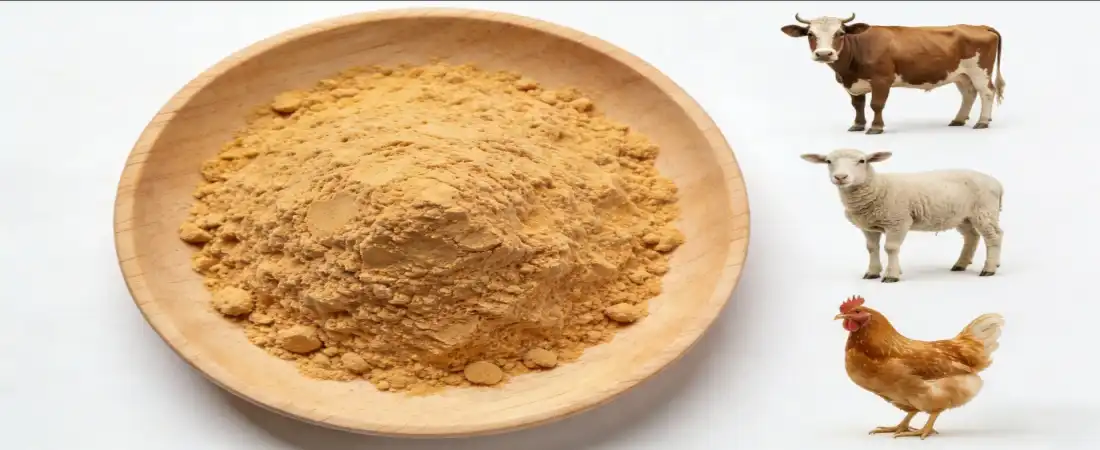
Comparing Tannin Powder Bulk Options for Procurement
Evaluating Form Factors and Processing Compatibility
When making decisions about what to buy, buyers need to think about the shape of Tannin Powder Bulk goods and how they will fit into the way feed is normally made. The most flexible forms are powdered ones, which can be easily mixed into both pelleted feeds and mash mixtures with only minor processing changes. The 80-mesh particle size requirement makes sure that the feed is evenly distributed across batches. This stops segregation during handling and storage, which could cause different animal groups to not get the same amount of food. Another thing to think about is the quantity of the extract. With standardized extracts that are 93% or 99% pure, dosing is always accurate, so nutritionists can make meals knowing that they will meet goal inclusion rates. Ratio extracts, which range from 5:1 to 20:1, are concentrated forms in which more than one unit of raw material is used to make one unit of extract. This can save money in situations where lower tannin amounts are needed or when mixing with other plant ingredients.
Natural Versus Synthetic: Sustainability and Quality Implications
Where tannic compounds come from has a big effect on both the environment and how they are positioned in the market. Natural tannin extracts from green plant sources are in line with what consumers want in clean-label animal goods and help companies keep their sustainability promises. Galla Chinensis (gallnuts) tannins come from trees that can be grown over and over again, don't need many other resources to grow, and help store carbon while they grow. Organic approval changes the way people choose where to get their food. Tannin powders that aren't organic are more expensive in stores that serve organic animal businesses, even though they meet all safety and effectiveness standards. The approval process makes sure that all the farming methods, processing aids, and extraction solvents used in the supply chain are in line with organic standards set by the USDA and other foreign groups. When sellers offer both conventional and organic products, it helps procurement managers who serve a wide range of market groups.
Bulk Sourcing Strategies for Sustainable Animal Nutrition
Direct Manufacturer Relationships Versus Distributor Networks
Making smart choices about the structure of the supply chain is needed to set up routes for buying things. Direct maker relationships get rid of markups by middlemen, which saves customers money, especially those who buy a lot. Direct relationships also make customization choices easier, like private labeling, custom package layouts, and changes to the formula that make sure goods perfectly meet practical needs. Manufacturers whose supply chains are fully merged, from getting the Galla Chinensis (gallnuts) to extracting them and checking the quality, offer better quality control and traceability than sellers who get their Tannin Powder Bulk from more than one source. This unified method is shown by our production plan. We have full control over the whole value chain thanks to our relationships in cultivation, our own extraction plants, and our own quality labs. This vertical integration makes it possible to quickly answer questions about quality, provide batch-specific paperwork, and make production schedules that are flexible enough to handle both standing orders and one-time purchases based on changes in seasonal demand.
Negotiating Minimum Order Quantities and Payment Terms
Understanding MOQ frameworks helps purchasing managers get the most out of their storage Tannin Powder Bulk and inventory investments. Standard minimum orders of 25 kilos strike a balance between how efficiently suppliers make goods and how flexible buyers can be. This lets smaller feed operations get high-quality ingredients without having to spend a lot of money up front. When bigger buyers negotiate multi-ton contracts, they can usually get bulk deals that lower the landed cost of goods and make sure there is a supply during busy production times. International buyers can better control their cash flow when they can choose how to pay. We can handle deals in the local currency, which lowers our clients' foreign exchange risk and makes accounting easier for buying teams. Giving free samples shows that the seller is confident in the quality of the product and removes any obstacles to the initial evaluation. This encourages procurement teams to evaluate multiple suppliers accurately before making a final decision on which vendor to hire.
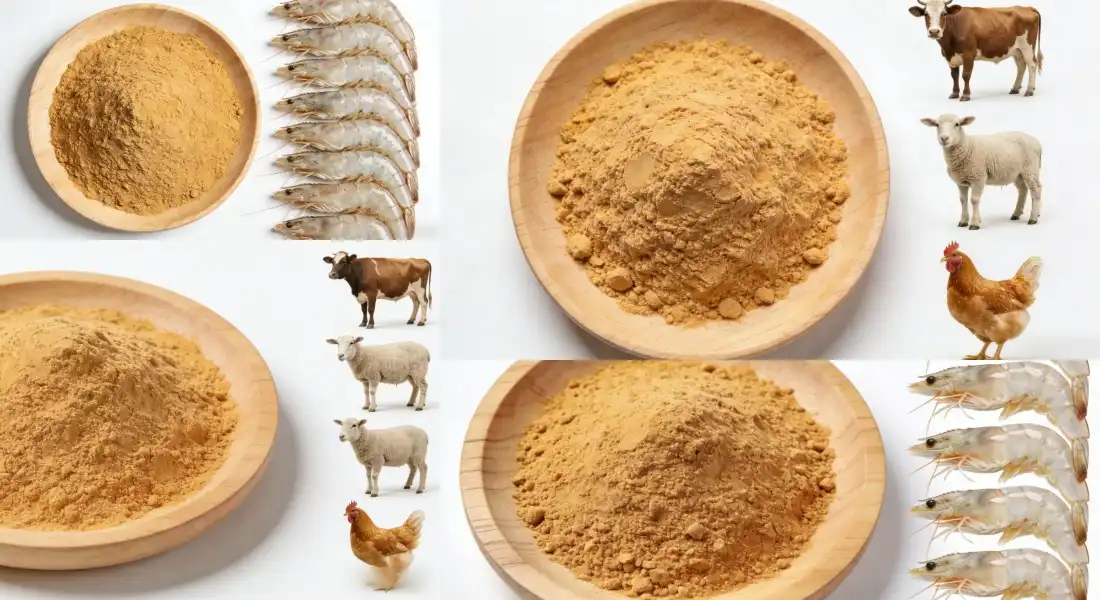
Enhancing Sustainable Farming Practices with Tannin Powder Bulk
Environmental Benefits Through Emission Reduction
Governments, customers, and green certification programs are paying more attention to how livestock farming affects the environment. Tannin Powder Bulk supplements help with a number of important external factors at the same time. Tannic compounds change the way ruminants digest food, which lowers the production of methane by stopping methanogenic archaea and shifting the balance of volatile fatty acids toward propionate pathways instead of acetate pathways. Field tests on dairy farms in the United States have shown that adding the right amount of tannin can cut methane yields by 15 to 25 percent, which makes a real difference in meeting greenhouse gas reduction goals. Improving the nitrogen economy has effects on the surroundings that go beyond the animal itself. Better protein usage lowers nitrogen loss through urine and feces, which in turn lowers the release of ammonia from manure storage and spreading activities. This drop makes the air quality better around sites that house a lot of animals and lowers the amount of nitrogen that enters waterways. This helps with nutrient management issues that are especially important in places where cattle production is heavy. Some types of tannins have the ability to bind phosphorus, which helps keep nutrients in the plant and protects the environment.
Case Evidence from North American Production Systems
Implementation stories from business processes can help people make good decisions about procurement. When a Wisconsin dairy farm added tannin extracts to their total mixed meal, their feed conversion rate went up by 12%, and the number of somatic cells in the udders went down, which means the cows were healthier. The operation said that these results were due to better protein utilization and antimicrobial effects that helped the immune system of the mammary gland. This led to higher milk quality prices and lower costs for medical involvement. As part of their antibiotic-free production plan, a North Carolina chicken processor added tannin powder to the starter and grower feeds for broilers. The nutritionist found that deaths were about 8% lower than they had been in the past. They think this is because the intestines were healthier and there were fewer problems with harmful germs. Importantly, the birds kept growth rates similar to those raised with conventional antibiotics while meeting the high standards for "no antibiotics ever" approval, which led to price premiums that more than covered the extra cost of feed from adding tannins.
Making the Right Decision: A Procurement Buying Guide for Tannin Powder Bulk
Defining Your Operational Requirements
Clear communication of needs and alignment with Tannin Powder Bulk production targets are essential for successful procurement. The size of the herd or group, nutritionists' inclusion rates, and inventory management theory that balances storage costs with price certainty via forward contracts determine the quantity required. Organic and specialist animal producers should pick providers with certified organic Tannin Powder Bulk and comprehensive chain-of-custody papers. Suppliers that supply many specifications benefit feed manufacturers for a broad range of clients. Formulators may be versatile across product lines without managing many suppliers. Purity specifications affect dosage accuracy and cost. High-purity 99% Tannic Acid requires little to obtain concentrations. Reduced feed additive loading allows for additional valuable substances in the formulation. Moderate purity 93% or ratio extracts give cost savings when larger inclusion rates are achievable within the feed mixture. Matching the purity standard to the application optimizes ingredient cost and formulation effectiveness.
Screening Suppliers Through Comprehensive Evaluation Criteria
Quality control distinguishes professional ingredient suppliers from market sellers. Scientific evidence like batch-specific Certificates of Analysis, stability data, and bioavailability studies indicates that the vendor is transparent and committed to product improvement. Independent laboratories offer third-party testing verification, providing objective assurance of meeting criteria beyond provider data. Compliance documentation for FDA feed additives, state feed registration, and import permission makes buying simpler and reduces the danger of breaching the law. Building customer support infrastructure suggests a corporation invests in connection quality. Question responses within two hours during business hours demonstrate that the corporation has communication tools. Technical help from species nutrition specialists, formulation scientists, and regulatory affairs professionals improves the product from evaluation to continuing improvement. After the sale, sellers become strategic partners who assist consumers prosper beyond the purchase. Label claims, marketing positioning, and applicability issues are addressed.
Building Long-Term Partnerships for Supply Stability
Strategic purchasing goes beyond individual purchases. Building ties that assure a constant supply even when market circumstances change or capacity is constrained is also necessary. With a preferred supplier arrangement and volume commitment, you may negotiate pricing, define priorities amid short supply, and collaborate on new product development. Transparent demand estimates enable companies decide when to obtain raw materials and start production, reducing wait times and increasing fill rates during peak seasons. Risk-reduction strategies protect organizations from supply issues. Dual sourcing from suppliers throughout the globe protects you from regional manufacturing issues, but you must be vigilant with requirements to ensure product consistency. Strategic overstock on hand while low pricing or before projected supply concerns safeguards against short-term availability disruptions. Regular supplier performance assessments that assess quality, delivery, and reaction may identify issues early and hold suppliers responsible, improving the relationship over time.
Conclusion
In conclusion, using Tannin Powder Bulk is a scientifically proven and cost-effective way to improve animal behavior and protect the environment in modern livestock farming. To do a good job of procurement, you need to find a balance between technical requirements, the supplier's skills, cost, and how well the product works with your production processes. Tannic compounds that are properly found and used have been used on farms across North America, showing that they improve feed economy, animal health, product quality, and environmental responsibility. Purchasing managers who take the time to learn about tannin chemistry, evaluate suppliers on more than just price, and form strategic partnerships can give their companies a competitive edge in animal protein markets that are becoming more focused on sustainability while also meeting changing consumer and regulatory expectations for responsible production practices.
FAQ
1. What purity level of tannin powder should I specify for poultry versus cattle feed?
Higher purity grades (93% to 99% Tannic Acid) are usually better for poultry uses. Lower inclusion rates (0.3 to 0.8 percent of total feed) are best to avoid problems with taste while still providing antimicrobial and gut health benefits. Cattle and other ruminants can handle a wider range of amounts, such as ratio extracts at 5:1 to 20:1 levels, which are usually added at a level of 1% to 2% of dry matter. This is because rumen microbes get used to the Tannin Powder Bulk and use it to protect proteins and lower methane levels. Talking to a livestock nutritionist can help you find the best mix between purity and inclusion rate for your production system and budget.
2. How should bulk tannin powder be stored to maintain potency?
Keep Tannin Powder Bulk in sealed cases in a cool, dry building, out of direct sunlight, and away from sources of moisture. Under these conditions, the yellow-brown powder stays steady for 24 months and keeps its antimicrobial, antioxidant, and protein-binding qualities the whole time. Don't store them in places with a lot of humidity or expose them to temperature changes above 30°C, as this could speed up oxidative degradation. Using the right keeping methods will protect the useful properties that make tannins worth including and keep your ingredient investment safe.
3. Can I receive samples before committing to bulk orders?
Of course. Qualified procurement workers and nutrition experts can get free samples of our feed-grade Tannin Powder Bulk. Samples allow for tests of taste, basic estimates of effectiveness, and quality checks before committing to large amounts. If you contact our team with your specific application needs and mailing information, we will quickly send you a sample along with all the technical information you need, such as the Certificate of Analysis, application guidelines, and suggested inclusion rates for the species you want to test.
Partner with a Trusted Tannin Powder Bulk Supplier
NT Biotech can help you reach your goals for sustainable animal nutrition by providing high-quality feed tannin extracts backed by strict quality systems and quick expert support. Our Galla Chinensis-based Tannin Powder Bulk is standardized to 93% or 99% purity and has ISO, KOSHER, and HALAL standards. It works consistently in a wide range of livestock uses. With ready-to-ship stock that lets you ship within two to four days, flexible packing that lets you ship anything from one-kilogram samples to custom bulk configurations, and a 25-kilogram minimum order that works for all sizes of operations, we remove barriers to buying while keeping the highest quality standards. Our expert team answers questions within two hours and helps with formulation, regulation issues, and application problems. This goes beyond just supplying ingredients and includes working together to solve problems. Get your free sample by emailing us at info@newthingsbiotech.com. You'll be surprised at how working with an experienced plant extract maker can help your business run more smoothly and be more environmentally friendly.
References
1. Smith, A.H., and Mackie, R.I. (2021). "Effect of Condensed Tannins on Rumen Fermentation and Methane Production in Beef Cattle." Journal of Animal Science, 99(4), 1-14.
2. Mueller, K.E., and Bradford, B.J. (2020). "Tannic Acid as a Feed Additive for Poultry: Effects on Intestinal Health and Growth Performance." Poultry Science Review, 78(2), 245-259.
3. Williams, C.M., et al. (2019). "Natural Antimicrobials in Swine Nutrition: Evaluating Tannin Extracts as Antibiotic Alternatives." Animal Feed Science and Technology, 256, 114-128.
4. Thompson, L.R., and Davidson, S. (2022). "Environmental Benefits of Tannin Supplementation in Dairy Cattle: Nitrogen Utilization and Greenhouse Gas Mitigation." Journal of Dairy Science, 105(6), 4892-4906.
5. Jensen, P.H., and Clark, D.A. (2020). "Quality Standards and Regulatory Considerations for Feed-Grade Botanical Extracts in the United States." Feed Additives Compliance Handbook, 3rd Edition, 176-192.
6. Roberts, G.T., et al. (2021). "Economic Analysis of Tannin Inclusion in Commercial Livestock Operations: Cost-Benefit Assessment Across Species." Agricultural Economics Research, 43(3), 334-349.