- English
- French
- German
- Portuguese
- Spanish
- Russian
- Japanese
- Korean
- Arabic
- Greek
- German
- Turkish
- Italian
- Danish
- Romanian
- Indonesian
- Czech
- Afrikaans
- Swedish
- Polish
- Basque
- Catalan
- Esperanto
- Hindi
- Lao
- Albanian
- Amharic
- Armenian
- Azerbaijani
- Belarusian
- Bengali
- Bosnian
- Bulgarian
- Cebuano
- Chichewa
- Corsican
- Croatian
- Dutch
- Estonian
- Filipino
- Finnish
- Frisian
- Galician
- Georgian
- Gujarati
- Haitian
- Hausa
- Hawaiian
- Hebrew
- Hmong
- Hungarian
- Icelandic
- Igbo
- Javanese
- Kannada
- Kazakh
- Khmer
- Kurdish
- Kyrgyz
- Latin
- Latvian
- Lithuanian
- Luxembou..
- Macedonian
- Malagasy
- Malay
- Malayalam
- Maltese
- Maori
- Marathi
- Mongolian
- Burmese
- Nepali
- Norwegian
- Pashto
- Persian
- Punjabi
- Serbian
- Sesotho
- Sinhala
- Slovak
- Slovenian
- Somali
- Samoan
- Scots Gaelic
- Shona
- Sindhi
- Sundanese
- Swahili
- Tajik
- Tamil
- Telugu
- Thai
- Ukrainian
- Urdu
- Uzbek
- Vietnamese
- Welsh
- Xhosa
- Yiddish
- Yoruba
- Zulu
The world market for sodium hyaluronate has grown at a rate that has never been seen before in the last ten years. This is because it is the best at keeping skin moist and can be used in many goods, such as drugs, cosmetics, and supplements. The best sodium hyaluronate is hyaluronic acid salt. Because it is more stable, soluble, and accessible than regular hyaluronic acid, formulators choose it when they need a strong product that will work well in a lot of different settings. Manufacturers all over the world are using this ingredient more and more because it works well in eye drops, anti-aging goods, and pills for joint health.
Understanding Sodium Hyaluronate: What Makes It So Effective?
One member of the glycosaminoglycan family is sodium hyaluronate. Your skin, joints, and eyes already have it. Its molecules are made up of N-acetyl-D-glucosamine and D-glucuronic acid disaccharide units that do not change form. They make a material that can hold up to 1,000 times its own weight in water. Due to its ability to hold a lot of water, it has become the main ingredient in many modern products that aim to keep the skin moist.
Molecular Weight Variations and Their Impact
How well sodium hyaluronate works depends a lot on how the chemicals' weights are spread out. High molecular weight forms (above 1.5 million Daltons) protect the skin's surface by creating a film that keeps the skin moist and smooth right away. Options with a middle molecular weight (between 1.0 and 1.5 million Daltons) keep the skin wet on the outside while not penetrating too deeply. This makes them good for everyday skin care products. Sodium hyaluronate with a molecular weight of less than 500 kDa can go deeper into the skin and help make collagen. This helps the skin stay young over time. Buyers can pick the right grade for their design goals if they know these differences.
Safety Profile and Regulatory Compliance
The best sodium hyaluronate is now made by growing bacteria with Streptococcus zooepidemicus instead of getting it from animals, which has been linked to contamination risks in the past.
The biotechnology method ensures steady purity levels above 99%. This means that you don't have to worry about the spread of BSE and TSE. Several drug dictionaries, like EP, USP, and JP, say that the ingredient is safe to use. Protein levels stay below 0.1%, and heavy metal levels stay below 10ppm. Because it meets such high quality standards, it can be used for both products that are put on the skin and medicines that are inserted.
Biocompatibility Across Applications
It is easy to see why sodium hyaluronate is so good for living things: it is an anionic polyelectrolyte. It makes the skin's defensive function better without hurting it, which is good for people with sensitive skin. Because it is flexible, it is used in medicine to treat eye problems and for joint injections, where it works like natural synovial fluid. It is used in nutraceutical products to raise hyaluronic acid levels that drop as people age, are exposed to stress, or make changes to their lifestyle.
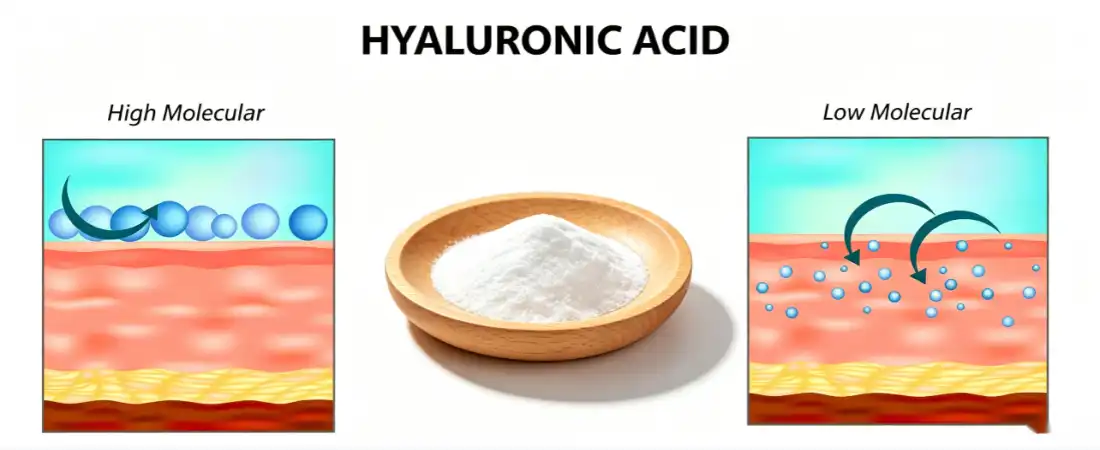
Market Comparison: Sodium Hyaluronate vs Alternative Ingredients
Managers in charge of buying things need to keep performance measures like how well the product works and how happy customers are in mind when they look at water materials for recipe development. Sodium hyaluronate is different from other humectants because it keeps more water inside.
Glycerin holds only 10–20% of its weight in water and may cause stickiness at higher concentrations. Collagen molecules are too large to penetrate skin effectively. Retinol often causes irritation and requires careful formulation. In contrast, best sodium hyaluronate delivers deep hydration without sensory drawbacks, maintains stability across pH 5.0–8.5, and demonstrates compatibility with various active ingredients, making it superior for comprehensive skincare formulations.
Current Market Adoption Trends
Leading skincare brands have increasingly incorporated sodium hyaluronate into premium product lines. Most serums have between 0.5% and 2%, which is enough to fully hydrate the skin without making it feel heavy. Versions with a lower molecular weight are used in sheet masks so that they are easier to apply. Sodium hyaluronate that is used in injectable skin fillers is of a medical grade and has been cross-linked in a certain way to add volume. Skin-loving drinks made by the functional beverage business now use food-grade sodium hyaluronate. These drinks are made for people who want to improve their health as a whole.
Procurement Insights: How to Source Sodium Hyaluronate Effectively?
To buy sodium hyaluronate, you need to make sure the seller is trustworthy and that the product meets your needs. You need to know the difference between materials made for drugs and those made for makeup before you can start making sure the quality. Sodium hyaluronate made for cosmetic use must be safe for the skin and have the right amount of endotoxin for that use. With endotoxins below 0.05 EU/mg, pharmaceutical-grade must be made in a clean space and be used for medicines that are shot or put in the eyes.
Supplier Credibility and Documentation
Sellers you can trust give you thorough records, such as Certificates of Analysis (CoAs), for every batch. The molecular weight distribution, purity lab data, and microbial tests are all shown on these CoAs. Having ISO 9001 certification means that methods for managing quality are controlled. Goods that are meant for certain groups of people can reach more customers with the help of HALAL and KOSHER approvals. People who want to buy something should ask for HPLC or UV test results that show the product has more than 46% glucuronic acid. This will show that the item is real.
Navigating Pricing and Order Quantities
When you buy from a well-known company, the lowest amount you can order is usually 25 kg. This way, medium-sized businesses can get good products without having to keep a lot of stock on hand. The molecular weight affects the price. Versions with a low molecular weight cost more because they need to be handled more carefully. You can often get a better price when you discuss long-term supply deals. This is especially helpful when the item is in high demand. When buying managers compare foreign sellers, they should look at the total landing costs, which include taxes, security, and shipping.
How to Incorporate Sodium Hyaluronate in Your Product Line for Maximum Benefit?
To make a formulation work, the doses must be carefully chosen so that they match the product's positioning and the benefits that are needed. Face serums can deeply moisturize the skin, and the best amounts are between 1% and 2%. This substance is generally found in small amounts (0.3% to 0.8%) in creams and oils that keep your skin wet. This is done to make sure that the price and how well it work are equal. Because the ingredient can reduce redness and fine lines, eye care products that use it in 0.5% to 1% amounts work best.
Technical Formulation Considerations
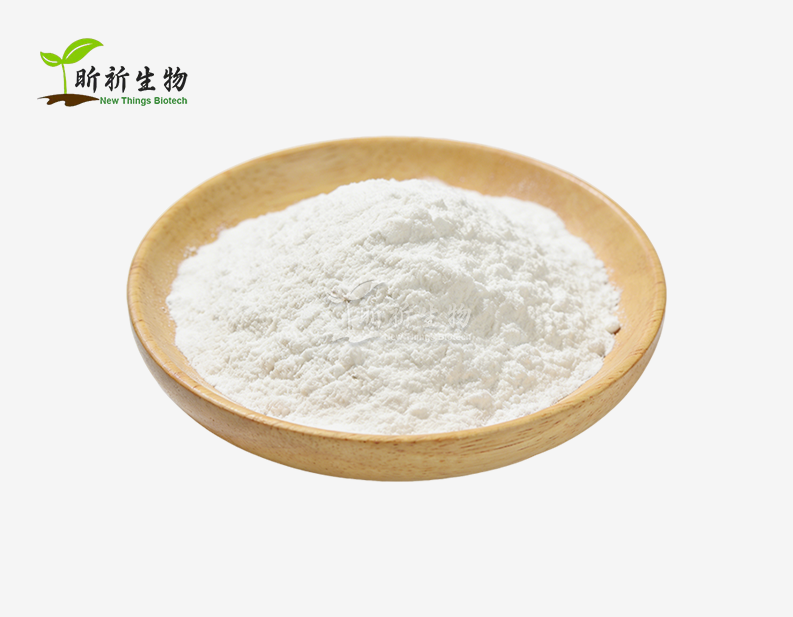
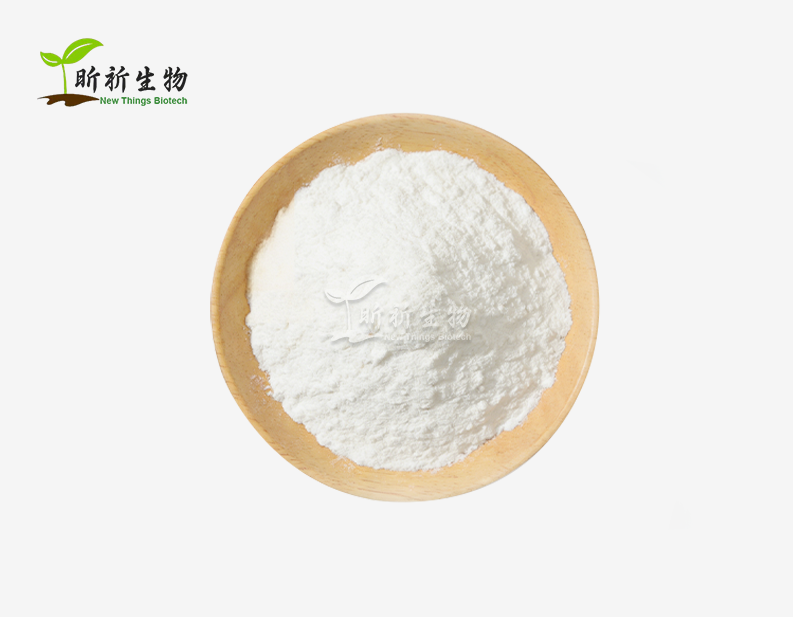
When you mix sodium hyaluronate powder, be careful that it doesn't clump or form "fish eyes." To make sure the powder is fully mixed, you should mix it at high speed in a swirl while it is slowly spread out. Adding humectants like propylene glycol or glycerin ahead of time can help the body absorb the substance better. The water should be kept between 40°C and 60°C to speed up the breakdown process without changing the structure of the polymer. For the element to work best, the pH level should be between 6.0 and 7.5. If the pH level is too high or too low, it needs balance agents.
Putting together items that work well with each other makes the whole formulation work better. Niacinamide and best sodium hyaluronate work together to improve skin barrier performance, retaining moisture more effectively. Adding peptides creates complete anti-aging treatments that address both collagen production and hydration. Best sodium hyaluronate also helps vitamin C products by keeping the active ingredient stable and preventing it from drying out.
Preservation and Stability Requirements
Microbes can grow in sodium hyaluronate solutions that have been mixed with water again, so strong methods are needed to keep them safe. Formulators often mix phenoxyethanol and ethylhexylglycerin, or they find other ways to keep the product fresh that work for the market they want to reach. The thickness of a substance should be measured over time to see how stable it is, since chemical breakdown can happen if it gets contaminated. Powder stays whole for a long time if it is kept in cool, dry places out of direct sunlight.
Future Trends and Opportunities in the Sodium Hyaluronate Market
As new technologies come out that make things last longer and work better, the global sodium hyaluronate market is always changing. The study of oligomeric hyaluronic acid fragments (less than 10 kDa) reveals that they have unique molecular signaling properties that help cells fix themselves in more ways than one. Green chemistry tries to make fermentation processes better so they hurt the environment less while keeping the quality of the product the same.
Personalized skin care is a big market opportunity. By changing the molecular weight of their goods, brands can make products that help with specific skin problems. Trying to make rules more consistent across big markets is speeding up the approval process for new uses, mainly in the medical device and drug businesses. For example, controlled-release systems and new packing technologies could be made better when sodium hyaluronate is mixed with them. This could lead to better ways to give ingredients that work longer.
People who care about the earth want to know more and more about where goods' ingredients come from and how they are made. You can get an edge in the market when sellers spend money on environmental licenses and supply lines that can be watched. To make makeup more "clean," sodium hyaluronate is often used because it is safe, comes from plants, and there aren't any man-made alternatives that work as well.
Conclusion
Best sodium hyaluronate's popularity stems from its unmatched versatility, safety, and proven efficacy across multiple applications. As consumer awareness of ingredient quality intensifies, procurement workers must prioritize suppliers offering full quality documentation, regulatory compliance, and technical support. The ingredient's continued popularity reflects its ability to meet basic needs like hydration, anti-aging, and tissue support in a logical, understandable way. Strategic partnerships with reputable sources ensure formulation consistency, helping brands stay competitive and build customer trust in global markets.
FAQ
1. What distinguishes sodium hyaluronate from hyaluronic acid in formulation performance?
Sodium hyaluronate takes less time to dissolve in water and is more stable than hyaluronic acid. It breaks down quickly in water because it is a sodium salt and doesn't cause the problems with precipitation that pure hyaluronic acid can. The mix will be easier to work with now that it dissolves better, and the end result will be the same in every run.
2. How should procurement managers evaluate molecular weight specifications?
What the product is meant to do should help you pick the right chemical weight. High molecular weight types make creams work better because they quickly hydrate the skin and form a film. Low molecular weight options get deeper into the skin, which backs up claims of anti-aging by keeping the top layer of skin wet. A lot of the new formulas have more than one weight ratio so they can help people in the short and long term, which meets a lot of different buying needs.
3. What factors prevent clumping when dissolving sodium hyaluronate powder?
When powder particles on the outside wet too fast, they block water from getting to the middle, which leads to lumps. This doesn't happen when powder is mixed slowly into a swirl that was made by shaking it quickly. When mixed with glycerin first, however, a slurry is created that makes melting more even. The process goes faster when heated to 40°C to 60°C, but the structure of the polymer stays the same. That being said, you should avoid temperatures that are too high so the material doesn't break down.
Partner with NT Biotech for Premium Sodium Hyaluronate Supply
Nutrition, skincare, and drug companies all over the world have relied on NT Biotech as a reliable and best sodium hyaluronate supplier for more than ten years. We sell sodium hyaluronate powder that is 99% pure and can be used in food and medicine. There are strict rules for making it that are based on ISO 9001, KOSHER, and HALAL to meet the needs of different regulatory bodies in foreign markets. All of our packages come with full HPLC records and Certificates of Analysis. Our unique extraction methods make sure that every batch is exactly the same.
NT Biotech is different because we are committed to quick service and partnerships that can change. These things are ready to ship, so you can get them two to four days after we confirm your payment. The least you can buy is 25 kg, and there are different ways to pack it to suit your needs. Our focused research and development team helps you with preparation, making sure that the right amounts of ingredients and concentrations are used for the job. Customers in the business world who meet certain criteria can get free samples to try out before placing big orders.
Connect with our technical team at info@newthingsbiotech.com to discuss your sodium hyaluronate requirements and discover how our reliable supply chain solutions support your product innovation goals while maintaining competitive pricing structures for long-term partnerships.
References
1. Sudha, P.N., and Rose, M.H. (2014). "Beneficial Effects of Hyaluronic Acid." Advances in Food and Nutrition Research, Volume 72, Academic Press.
2. Papakonstantinou, E., Roth, M., and Karakiulakis, G. (2012). "Hyaluronic Acid: A Key Molecule in Skin Aging." Dermato-Endocrinology, 4(3), 253-258.
3. Stern, R., Asari, A.A., and Sugahara, K.N. (2006). "Hyaluronan Fragments: An Information-Rich System." European Journal of Cell Biology, 85(8), 699-715.
4. Litwiniuk, M., Krejner, A., Speyrer, M.S., Gauto, A.R., and Grzela, T. (2016). "Hyaluronic Acid in Inflammation and Tissue Regeneration." Wounds: A Compendium of Clinical Research and Practice, 28(3), 78-88.
5. Bukhari, S.N.A., Roswandi, N.L., Waqas, M., Habib, H., Hussain, F., Khan, S., Sohail, M., Ramli, N.A., Thu, H.E., and Hussain, Z. (2018). "Hyaluronic Acid, a Promising Skin Rejuvenating Biomedicine: A Review of Recent Updates and Pre-clinical and Clinical Investigations on Cosmetic and Nutricosmetic Effects." International Journal of Biological Macromolecules, 120, 1682-1695.
6. Fallacara, A., Baldini, E., Manfredini, S., and Vertuani, S. (2018). "Hyaluronic Acid in the Third Millennium." Polymers, 10(7), 701-728.