- English
- French
- German
- Portuguese
- Spanish
- Russian
- Japanese
- Korean
- Arabic
- Greek
- German
- Turkish
- Italian
- Danish
- Romanian
- Indonesian
- Czech
- Afrikaans
- Swedish
- Polish
- Basque
- Catalan
- Esperanto
- Hindi
- Lao
- Albanian
- Amharic
- Armenian
- Azerbaijani
- Belarusian
- Bengali
- Bosnian
- Bulgarian
- Cebuano
- Chichewa
- Corsican
- Croatian
- Dutch
- Estonian
- Filipino
- Finnish
- Frisian
- Galician
- Georgian
- Gujarati
- Haitian
- Hausa
- Hawaiian
- Hebrew
- Hmong
- Hungarian
- Icelandic
- Igbo
- Javanese
- Kannada
- Kazakh
- Khmer
- Kurdish
- Kyrgyz
- Latin
- Latvian
- Lithuanian
- Luxembou..
- Macedonian
- Malagasy
- Malay
- Malayalam
- Maltese
- Maori
- Marathi
- Mongolian
- Burmese
- Nepali
- Norwegian
- Pashto
- Persian
- Punjabi
- Serbian
- Sesotho
- Sinhala
- Slovak
- Slovenian
- Somali
- Samoan
- Scots Gaelic
- Shona
- Sindhi
- Sundanese
- Swahili
- Tajik
- Tamil
- Telugu
- Thai
- Ukrainian
- Urdu
- Uzbek
- Vietnamese
- Welsh
- Xhosa
- Yiddish
- Yoruba
- Zulu
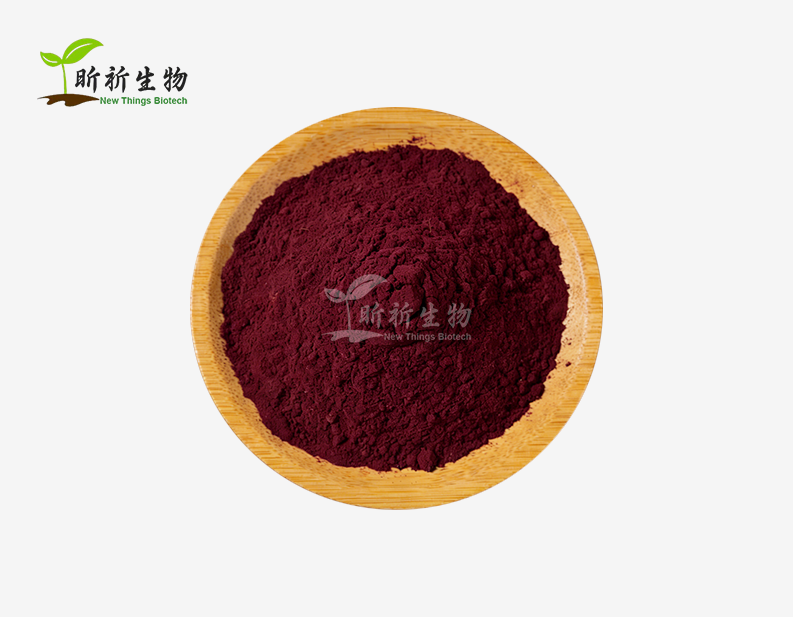
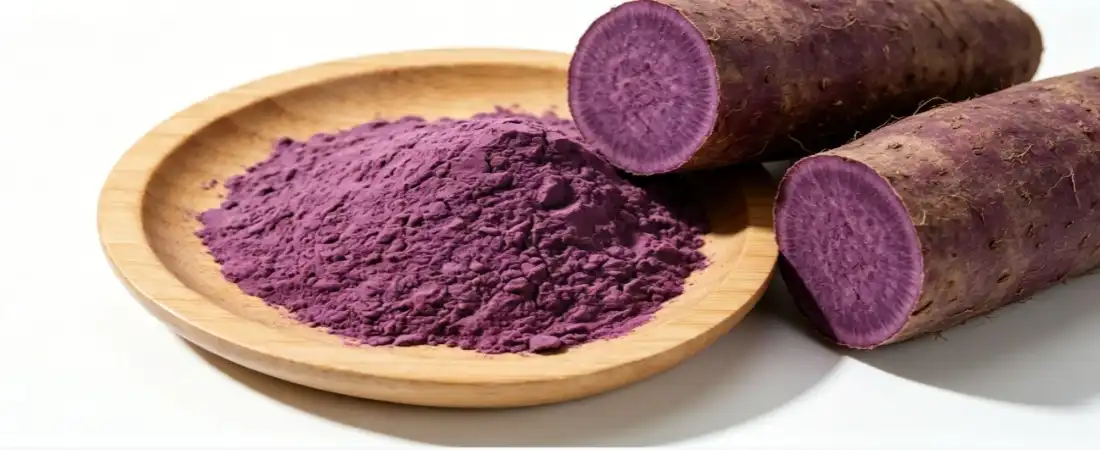
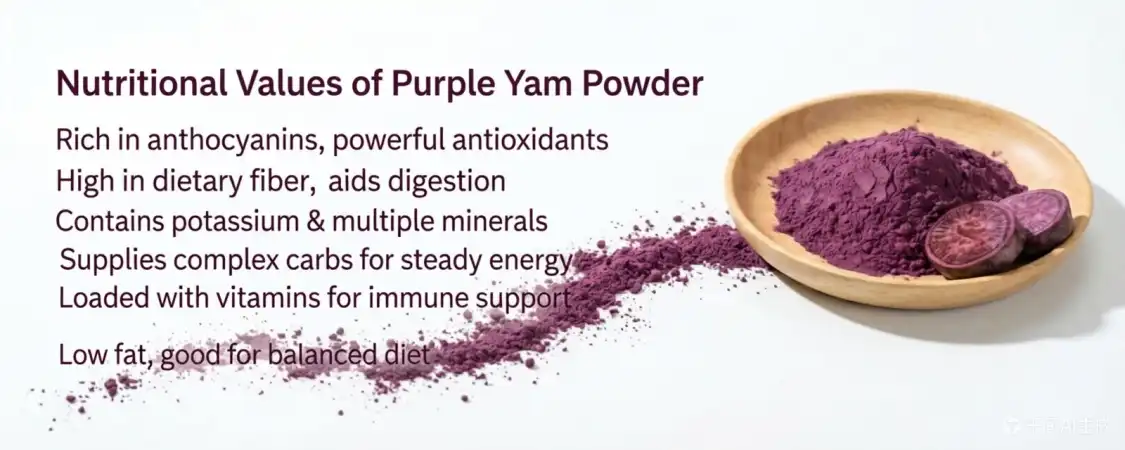
Pure purple yam powder is a particularly antioxidant rich meal. This is mainly because it is full of anthocyanins, which are the natural hues that give it it’s vibrant purple color . This plant powder is produced from Dioscorea alata L. and is processed at low temperature following the rigorous procedures for preserving the naturally occurring bioactive compounds in purple yam root. The anthocyanins in this cuisine are powerful antioxidants that combat free radicals and support healthy cells. This substance includes antioxidants like vitamin C, polysaccharides and other phytochemicals. It will be liked by formulators wanting plant-based, clean-label choices for beneficial meals, beverages and nutritional supplements.
Understanding Global B2B Procurement Trends in Botanical Ingredients
The landscape for sourcing plant ingredients has changed significantly over the past 10 years. Buyers in the nutrition, beauty and food sectors are now more likely to trust suppliers that are honest online and ecologically conscious. Since 2020, demand for natural colorants and functional compounds in North American markets has increased by over 23%. That's because consumers are looking for clean label and plant-based formulations that originate from plants.
Digital Transformation in Ingredient Sourcing
R&D managers and procurement directors have more sophisticated sourcing tools at their disposal to swiftly compare technical requirements, verify supplier certificates and see quality documents in real time. That means that it is faster to purchase something and simpler to make excellent judgments. Companies who employ AI-driven data to assess suppliers claim they see a 15 to 20 percent increase in cost efficiency and risk reduction. Digital technologies help make it simpler to trace plant extracts, such pure purple yam powder, from farm to completed product. This helps to comply with the regulations of international marketplaces which have to be complied with.
Sustainability and Supply Chain Optimization
Major producers increasingly include sustainability factors like carbon footprint, water consumption and ethical sourcing in supplier scorecards. The production of pure purple yam powder has been performed for a long time in Southeast Asia. These regions have long-standing agricultural techniques that safeguard the environment and assure a constant supply. Procurement teams want partners who can demonstrate they follow sustainable harvesting practices and have scalable production capability. Therefore they can ensure that ingredients are always accessible to product development processes.
Key Challenges in International Procurement of Plant-Derived Ingredients
Getting botanical ingredients from other countries comes with its own set of practical challenges that buying experts must carefully manage. Regulatory systems are very different between markets, especially when it comes to approving food additives, making safety statements, and getting organic certifications. Changes in currencies can have an effect on price structures, and coordinating operations needs knowledge of how to ship goods at the right temperature and fill out customs forms.
Regulatory Compliance and Quality Assurance
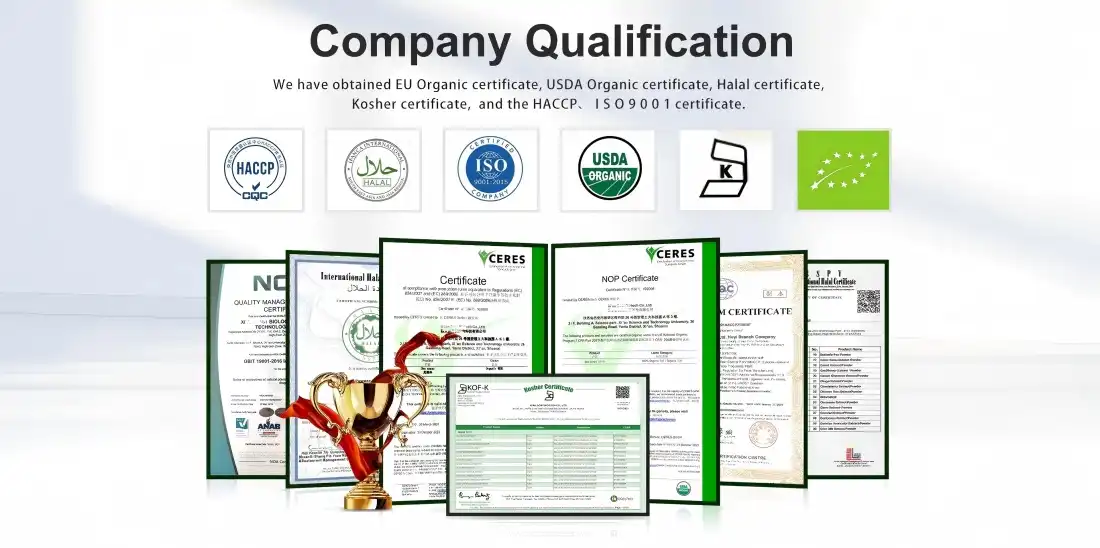
In the US market, plant-based ingredients are closely inspected because the FDA has rules about their identity, purity, and labels. As a food item, pure purple yam powder has to meet certain standards for the amount of heavy metals, microbes, and pesticides that are still in it. Buyers are much less likely to not follow the rules when suppliers give full Certificates of Analysis (CoA) with HPLC/UV verification data. ISO 9001, Kosher, and Halal are all widely accepted certifications that make the approval process easier for a wide range of market segments and customer groups.
Logistics and Communication Strategies
To do foreign buying well, you need to be able to communicate through multiple channels that take into account language and time zone differences. Suppliers who guarantee rapid response times—ideally within two hours for first questions—show that they are committed to a reliable relationship. Procurement teams can find the best mix between cost and inventory management needs by using a variety of shipping choices, such as fast courier services and consolidated sea freight. Being able to ship popular standardized extracts within 1-3 working days from existing stock gives you important flexibility for product launch dates and changes in seasonal demand.
Strategic Supplier Relationship Management for Botanical Extract Procurement
Having open and cooperative relationships with food providers gives you a competitive edge that goes beyond just saving money on transaction costs. Strategic partnerships enable co-development opportunities, customized formulations, and preferential access to innovation pipelines. When using pure purple yam powder, working closely with suppliers can lead to custom specs. For example, particle size optimization can help drinks mix better, or color stability enhancements can help baked goods look better.
Supplier Segmentation and Performance Evaluation
Based on technical skills, quality consistency, and service responsiveness, procurement directors divide botanical sellers into three groups: strategic, preferred, and transactional. Strategic suppliers show that they can work together on research and development by providing recipe support and application knowledge that shortens the time it takes to make a new product. Quality consistency (batch-to-batch variation), on-time delivery rates, accurate paperwork, and proactive communication about supply chain delays or raw material availability should all be part of performance measures.
Collaborative Planning and Risk Monitoring
Leading providers of botanical ingredients use shared planning systems to make sure that production plans are in line with what buyers think they will want. This way of working together cuts down on the costs of keeping goods while making sure there is a steady supply during busy times. Technology-enabled supplier portals let you see the state of production, the progress of quality testing, and the whereabouts of shipments in real time. Risk tracking methods find possible supply weaknesses, like changes in crops caused by weather or changes in regulations. This lets companies come up with proactive ways to fix the problems and keep their formulation deadlines and market promises.
Leveraging Technology for Procurement Excellence in Natural Ingredients
The botanical ingredients industry has sped up the use of procurement technology by a huge amount. This is because handling multiple supply networks and strict quality standards is very hard. Digital platforms make it easier to handle contracts, do spend analysis, and streamline sourcing processes. This leads to measurable changes in business efficiency and the speed at which decisions are made.
AI-Driven Analytics and Blockchain Traceability
Applications of AI in buying allow predictive analytics for predicting prices, evaluating source risk, and looking at quality trends. Machine learning algorithms can find links between things like the weather, when the plants are harvested, and the amounts of active compounds they contain. This is especially useful for anthocyanin-rich ingredients, since the color strength affects how well the product works. Blockchain-based traceability systems keep permanent records of all the steps in the supply chain, from growing the pure purple yam powder to extracting it, testing it, and packing it. Because of this, clean-label marketing claims are supported, and the food and supplement markets are meeting stricter regulatory requirements.
Automated Sourcing and Spend Management
Routine tasks like sending out RFQs, comparing quotes, and making buy orders are automated by procurement software. This cuts down on administrative work by 30-40%. Spend analysis dashboards bring together buying information from different types of products, showing chances for consolidation and the chance for big discounts. Automatic systems can show when plant extracts don't meet specifications, when certificates expire, and when to reorder based on how quickly the inventory moves. This keeps stock from running out, which could mess up production plans. With these technological tools, procurement teams can be strategic contributors to new product development instead of just processing orders.
How NT Biotech Empowers Your Botanical Ingredient Procurement
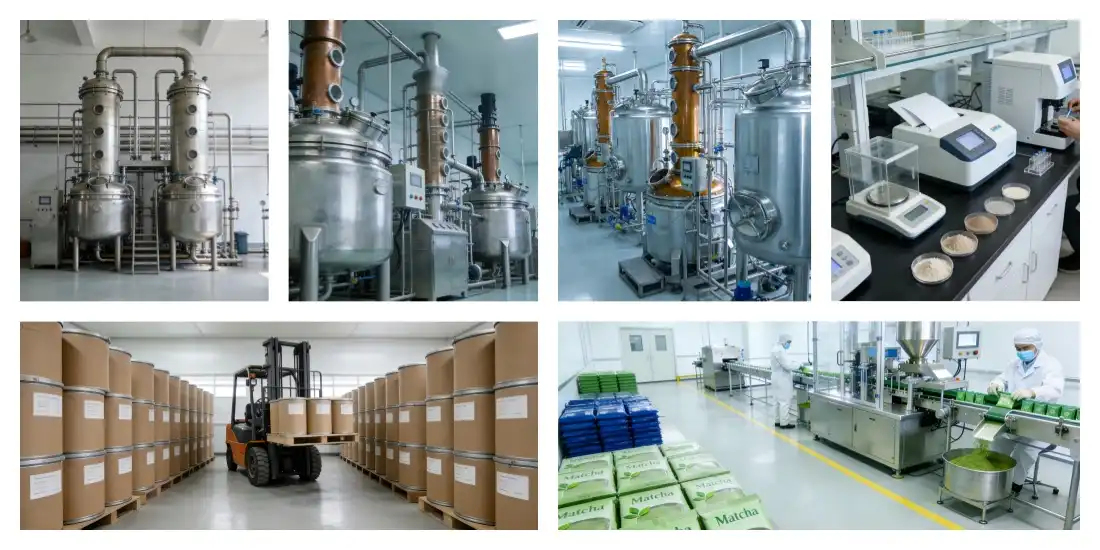
NT Biotech addresses the specific challenges highlighted throughout this discussion by combining botanical expertise with customer-centric service infrastructure. Our 80-mesh pure purple yam powder is 100% pure (Dioscorea alata L. root). It shows how committed we are to quality consistency and technical transparency. Each production batch goes through a lot of tests, and the full CoA documentation includes checking the flavonoid level, analyzing microbes, and looking for heavy metals.
Real-Time Quality Data and Customizable Specifications
Our digital customer portal gives you quick access to batch-specific test results, certification documents (ISO 9001, Kosher, Halal), and specification sheets. This transparency eliminates procurement uncertainty and accelerates internal approval processes. We maintain ready inventory of popular standardized extracts, enabling shipment within 2-4 days after payment confirmation—a critical advantage for time-sensitive product launches. Production orders follow a streamlined 3-10 day cycle from premium raw material procurement through proprietary extraction, laboratory testing, and customized packaging (available in 1kg bags, 10kg boxes, or tailored configurations).
Technical Partnership and Application Support
NT Biotech does more than just offer ingredients; they also act as a technical partner with you as you create your product. Our experienced R&D team offers formulation guidance for diverse applications—functional beverages, baked goods, meal replacement powders, dairy alternatives, and cosmetic formulations. We collaborate on stability testing, color optimization, and flavor masking strategies that maximize the functional benefits of pure purple yam powder's anthocyanins, resistant starch, and polysaccharides. This consultative approach accelerates time-to-market while reducing formulation trial costs.
Flexible Commercial Terms and Global Logistics
We meet a range of purchasing needs by offering flexible minimum order quantities (10kg MOQ) and complimentary sampling programs that enable thorough evaluation before commitment. Our logistics framework combines direct factory shipment via dedicated FedEx/UPS accounts for express orders and trusted freight forwarder networks for bulk containers. This dual approach optimizes cost-efficiency while maintaining delivery reliability across North American destinations. Payment flexibility, including local currency acceptance, simplifies international transaction complexity and budgeting predictability.
Conclusion
Pure purple yam powder is a great source of antioxidants thanks to its high anthocyanin content and other phytochemicals that work well with it. This makes it a valuable ingredient for health-focused product innovation. To successfully buy botanical products, you have to deal with complicated international challenges and use technology for transparency and efficiency. Strategic supplier partnerships built on quality consistency, technical collaboration, and responsive service create lasting competitive advantages. NT Biotech combines over 10 years of botanical ingredient expertise with certified manufacturing infrastructure and customer-centric support systems, positioning us as your trusted partner for pure purple yam powder and comprehensive plant extract solutions.
FAQ
1. What makes pure purple yam powder particularly rich in antioxidants?
The rich purple colour is strongly associated with large amounts of anthocyanins, flavonoid molecules with shown antioxidant action. These anthocyanins act efficiently in combination with vitamin C and polysaccharides naturally contained in Dioscorea alata L., to neutralize free radicals and to boost the cellular defense systems.
2. How should I evaluate purple yam powder quality when comparing suppliers?
Look for vendors that can supply batch-specific Certificates of Analysis, including HPLC verification of anthocyanin content, microbiological test findings and heavy metal screening. International certifications ( ISO 9001, Kosher, Halal ). Ask about extraction procedures. Low temperature processing results in better preservation of bioactive chemicals than high heat.
3. Can purple yam powder maintain stability in various formulation types?
The pure purple yam powder properly processed has excellent stability in the pH neutral to slightly acid environment, which is appropriate for drinks, yoghurt and baked items. In very alkaline settings the anthocyanin colour may change. Partner with application support vendors to fine-tune stability for your unique formulation characteristics.
Partner with NT Biotech: Your Trusted Pure Purple Yam Powder Supplier
NT Biotech stands ready to support your botanical ingredient requirements with premium pure purple yam powder that meets the rigorous standards of North American food, beverage, and supplement manufacturers. Our ISO 9001-certified facility produces 100% pure natural ube powder (80 mesh, sourced from Dioscorea alata L. root) with full traceability, comprehensive quality documentation, and flexible packaging options. As an established pure purple yam powder supplier with over a decade of industry experience, we guarantee rapid inquiry responses (within two hours), competitive lead times (2-4 days for stock items), and dedicated R&D collaboration for custom formulations. Whether you're developing functional beverages, clean-label snacks, or plant-based nutrition products, our technical team provides application expertise that accelerates your innovation timeline. Contact us today at info@newthingsbiotech.com to request your complimentary sample and discover how our botanical ingredient solutions can differentiate your product portfolio.
References
1. Lila, M.A. (2004). Anthocyanins and Human Health: An In Vitro Investigative Approach. Journal of Biomedicine and Biotechnology, Volume 2004, Issue 5, pp. 306-313.
2. Rodriguez-Amaya, D.B. (2019). Natural Food Pigments and Colorants. Current Opinion in Food Science, Volume 7, pp. 20-26.
3. Oki, T., Masuda, M., Furuta, S., Nishiba, Y., Terahara, N., & Suda, I. (2002). Involvement of Anthocyanins and Other Phenolic Compounds in Radical-Scavenging Activity of Purple-Fleshed Sweet Potato Cultivars. Journal of Food Science, Volume 67, Issue 5, pp. 1752-1756.
4. Prior, R.L., Wu, X., & Schaich, K. (2005). Standardized Methods for the Determination of Antioxidant Capacity and Phenolics in Foods and Dietary Supplements. Journal of Agricultural and Food Chemistry, Volume 53, Issue 10, pp. 4290-4302.
5. Terahara, N., Konczak, I., Ono, H., Yoshimoto, M., & Yamakawa, O. (2004). Characterization of Anthocyanin Pigments from Sweetpotato (Ipomoea batatas L.) Varieties. Journal of Agricultural and Food Chemistry, Volume 52, Issue 5, pp. 1060-1065.
6. Yoshimoto, M., Okuno, S., Yamaguchi, M., & Yamakawa, O. (2001). Antimutagenicity of Deacylated Anthocyanins in Purple-Fleshed Sweetpotato. Bioscience, Biotechnology, and Biochemistry, Volume 65, Issue 7, pp. 1652-1655.