- English
- French
- German
- Portuguese
- Spanish
- Russian
- Japanese
- Korean
- Arabic
- Greek
- German
- Turkish
- Italian
- Danish
- Romanian
- Indonesian
- Czech
- Afrikaans
- Swedish
- Polish
- Basque
- Catalan
- Esperanto
- Hindi
- Lao
- Albanian
- Amharic
- Armenian
- Azerbaijani
- Belarusian
- Bengali
- Bosnian
- Bulgarian
- Cebuano
- Chichewa
- Corsican
- Croatian
- Dutch
- Estonian
- Filipino
- Finnish
- Frisian
- Galician
- Georgian
- Gujarati
- Haitian
- Hausa
- Hawaiian
- Hebrew
- Hmong
- Hungarian
- Icelandic
- Igbo
- Javanese
- Kannada
- Kazakh
- Khmer
- Kurdish
- Kyrgyz
- Latin
- Latvian
- Lithuanian
- Luxembou..
- Macedonian
- Malagasy
- Malay
- Malayalam
- Maltese
- Maori
- Marathi
- Mongolian
- Burmese
- Nepali
- Norwegian
- Pashto
- Persian
- Punjabi
- Serbian
- Sesotho
- Sinhala
- Slovak
- Slovenian
- Somali
- Samoan
- Scots Gaelic
- Shona
- Sindhi
- Sundanese
- Swahili
- Tajik
- Tamil
- Telugu
- Thai
- Ukrainian
- Urdu
- Uzbek
- Vietnamese
- Welsh
- Xhosa
- Yiddish
- Yoruba
- Zulu
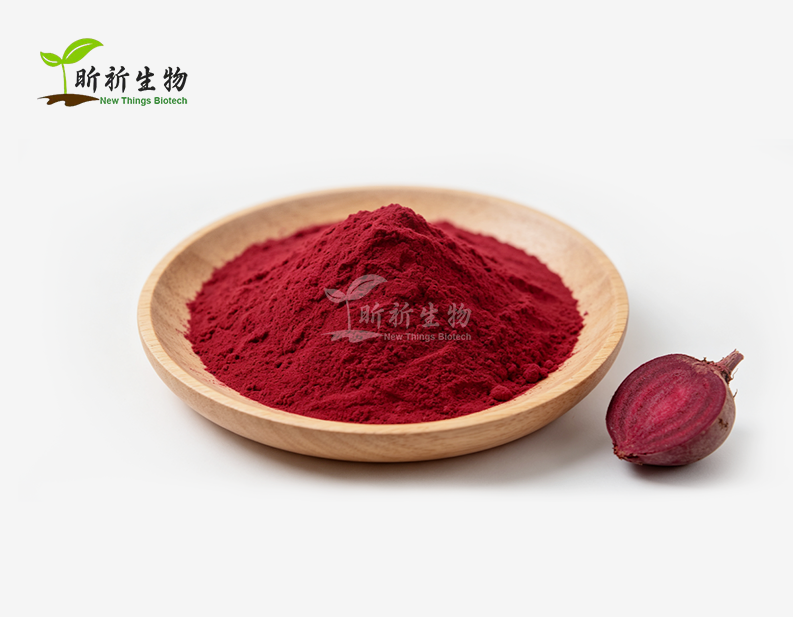
The food industry is experiencing a profound transformation driven by consumers who increasingly scrutinize ingredient labels with the attentiveness once reserved for pharmaceutical packaging. Synthetic dyes that dominated food manufacturing for decades now face mounting rejection from parents concerned about children's consumption, wellness-focused adults seeking cleaner diets, and regulatory bodies worldwide tightening requirements around artificial additives. Within this shift lies a remarkable opportunity for manufacturers willing to embrace natural alternatives that satisfy both aesthetic demands and the ethical expectations of modern shoppers. Red beet root extract emerges as the standout solution in this revolution, delivering the vivid crimson and magenta tones that make products visually irresistible while simultaneously providing genuine nutritional benefits that synthetic colors fundamentally cannot offer. NT Biotech has established itself as the definitive source for premium red beet root extract, combining proprietary extraction technology with certified organic sourcing and rigorous quality verification that ensures every batch meets the demanding specifications commercial applications require.
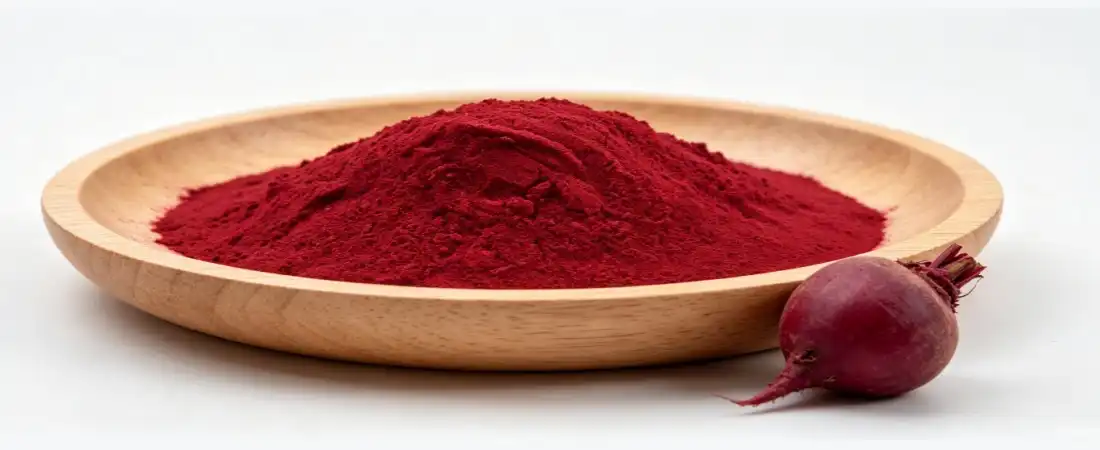
The Rise of Clean Label Consciousness
Never before has consumer knowledge of food components been so high and this is changing the way buying choices are made in all retail categories where colour effects attractiveness and purchase intent. Understanding this cultural change helps explain why natural colourants like red beetroot root extract have moved from specialised speciality products to critical ingredients in production.
Consumer Rejection of Synthetic Additives
Much of the impetus behind the opposition to artificial food colouring is driven by media attention, social media campaigns, and word-of-mouth among parent groups worried about the impact of synthetic dye on children’s behaviour and long-term health. Parental worry and desire for items without colours with strange chemical names have increased due to growing concern about possible links between certain artificial colours and hyperactivity in susceptible groups. Parents are more likely to regard “artificial colors” on ingredient labels as a red flag, rather than a harmless addition, and they are actively seeking alternatives that match their health ideals. This consumer backlash presents immense market possibilities for firms that can foresee and cater to these changing demands.
Regulatory Pressure and Labeling Requirements
In addition to consumer demand, regulatory agencies have reacted to the increasing evidence and public concern by establishing stronger standards for artificial colour disclosure and warnings. In the European Union, items that contain specific synthetic dyes must be labelled as such, which makes customers aware of the dyes’ existence and encourages reformulation to natural alternatives. In certain countries, some artificial colours have been outlawed outright, while others require batch certification and testing that synthetic alternatives to natural colourants do not have to meet. Manufacturers who operate across many markets are starting to see that moving to natural colours makes compliance easier and helps future-proof goods against more stringent limitations.
Brand Reputation and Trust Preservation
Food businesses who are investing in a health and wellness positioning understand that the use of fake ingredients contradicts the authenticity they want to create. The use of synthetic pigments with petroleum-based origins on the ingredient lists of products being sold as natural, organic or clean-label remains a paradox. Criticism of ingredient labelling may do considerably more reputational harm than any cost savings from cheaper artificial colours, especially for firms with a premium pricing point based on ingredient quality positioning. Red beetroot root extract allows businesses to retain visual attractiveness without compromising on ingredient purity, supporting their market positioning and customer confidence.
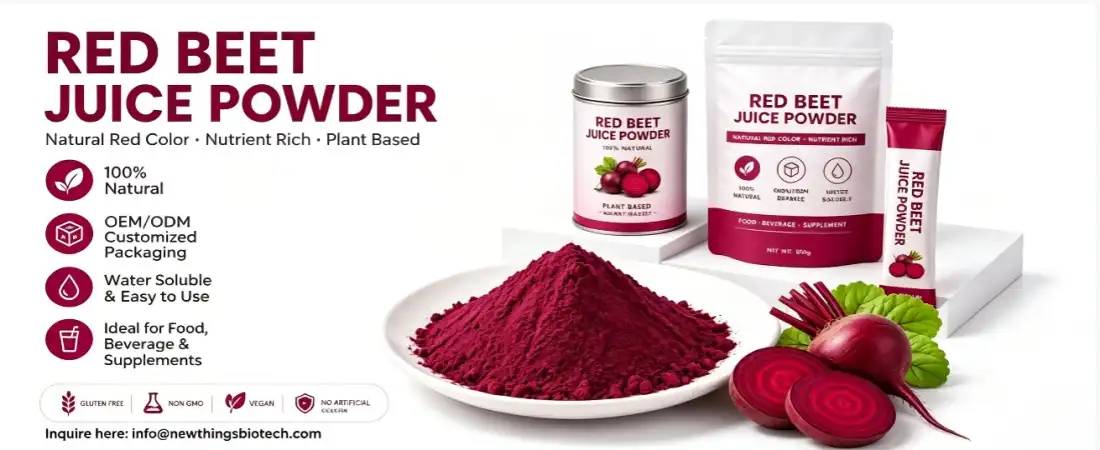
Understanding the Nutritional Advantages of Red Beet Root Extract
Beyond addressing consumer concerns about artificial ingredients, red beet root extract delivers positive nutritional value that transforms color from mere aesthetic addition into functional ingredient contribution. This dual-purpose nature distinguishes natural colorants from synthetic alternatives that provide only visual appeal.
Betalain Pigments as Antioxidant Compounds
Beet-based extracts are bright red due to the betalain pigments, which are chemicals that serve as potent antioxidants in the human body. Betacyanins and betaxanthins neutralise damaging free radicals, which are responsible for cellular damage, persistent inflammation and accelerated ageing. Unlike synthetic colours which are just for cosmetic appeal and have no nutritional benefit, betalains provide real health-supporting benefits in addition to their beauty. Careful preparation of quality red beetroot root extract retains structural integrity and biological activity of these antioxidant chemicals.
Dietary Nitrates Supporting Cardiovascular Wellness
Beetroot is very rich in dietary nitrates, which are converted to nitric oxide when ingested. Nitric oxide is a signalling molecule that promotes blood vessel dilatation, and hence improves blood circulation across the body. Published research in peer-reviewed publications shows that consistent intake of beetroot may help to maintain blood pressure levels, with results equivalent to other dietary adjustments indicated for cardiovascular health. Beetroot is high in nitrate, which has been shown to boost workout efficiency and minimise oxygen usage during physical activity, thus athletes really love it. The red beetroot root extract concentrates these functional nitrates and the visual pigments, so producers may make goods with dual advantages .
Essential Micronutrients and Phytonutrients
Beetroot extracts are also a good source of folate (important for cell activity and DNA synthesis), potassium (important in nerve transmission and muscular contraction), iron (needed for oxygen transport) and vitamin C (that helps immunological function and iron absorption). These micronutrients boost the nutritional profile of goods containing red beetroot root extract, turning colouring agents into ingredients with real health credentials. The synthetic alternatives remain nutritionally inactive. Natural beetroot extracts provide these complementing advantages, with no additional formulation effort or marketing hype.
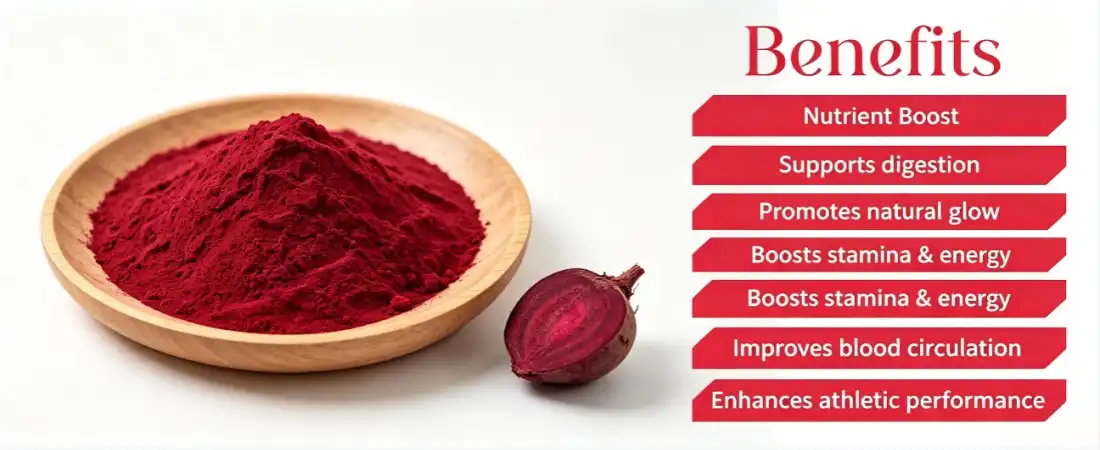
Performance Characteristics and Application Versatility
Natural colourants need to behave consistently under different production settings and product forms for successful commercial application. Red beetroot root extract is versatile enough to be used into a number of applications while yet keeping the visual uniformity required by brand requirements.
pH Compatibility Across Product Categories
The colour presentation of betalain food items is quite sensitive to the hydrogen ion concentration, with optimum results often obtained in the pH range of 4.0 to 7.0, typical of food applications. In this collection, beetroot derived extracts provide a bright pink to deep ruby-red colour that is attractive to customers across demographics. Formulators should ensure their product pH is in this favourable range and change formulations as needed to optimise colour results. Buffering adjustments or alternate selection of colourant may be required for optimum visual effects in strongly acidic or alkaline situations.
Thermal Processing Considerations
Heat is a factor that impacts the stability of betalain during manufacture, however excellent extracts may withstand food processing conditions if handled properly. The introduction of extracts in the latter stages of thermal processing, the application of lower temperatures for long times rather than short exposure to high heat and quick cooling after thermal treatments are some of the strategies to maintain maximum colour intensity . Premium red beetroot root extract has excellent colour stability in most standard manufacturing methods so you can rely on us to meet commercial production deadlines.
| Application Type | Recommended Inclusion | Optimal pH Range | Heat Stability | Shelf Stability |
|---|---|---|---|---|
| Beverages | 0.5-3.0% | 3.5-6.5 | Good with addition timing | Excellent protected |
| Dairy products | 1.0-4.0% | 6.0-7.0 | Excellent | Very good |
| Confectionery | 2.0-5.0% | 5.5-7.0 | Good with optimization | Excellent low moisture |
| Baked goods | 1.0-3.0% | 6.0-7.0 | Moderate, add late | Good sealed storage |
| Frozen products | 1.0-4.0% | 6.0-7.0 | Excellent | Excellent frozen |
| Dry applications | 0.5-2.0% | Any | Not applicable | Excellent ambient |
Shelf Life and Storage Requirements
The stability of betalains during storage is strongly affected by moisture content and the exposure to the surrounding environment. Quality extracts can preserve their potency for long periods of time under the right settings. The red beetroot root extract is processed to a moisture content of less than 5%. When kept in sealed containers away from heat and light, the shelf life is 24-36 months. The opacity of the packaging offers extra shielding from light to retain colour intensity throughout both store display and customer storage. These stability qualities enable inventory management procedures and production scheduling that would be impossible with less stable alternatives.
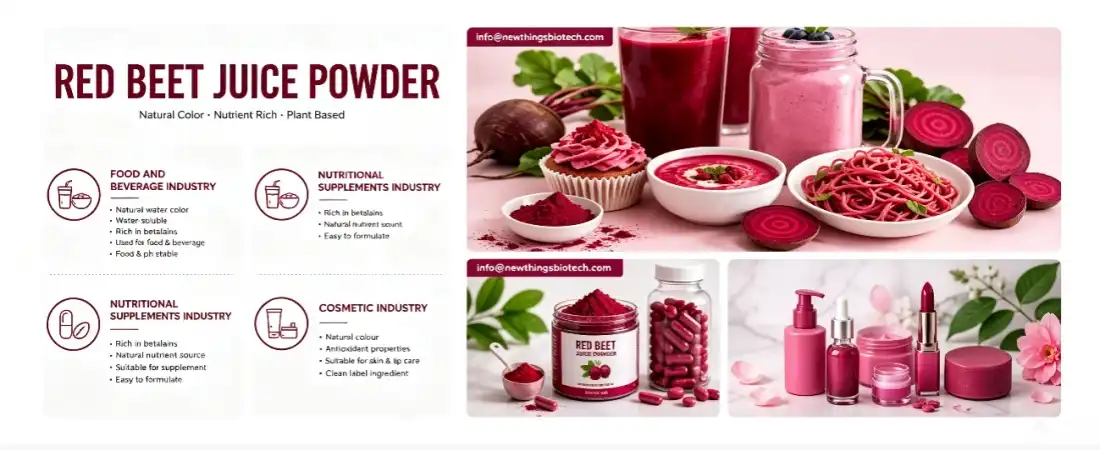
Regulatory Advantages and Market Positioning
The regulatory environment increasingly favors natural colorants over synthetic alternatives, creating compliance simplifications and market access advantages for manufacturers choosing red beet root extract.
Simplified Regulatory Compliance
In most major markets, beet-based colourants are classified as natural colours and are not subject to the certification criteria that synthetic dyes must meet. This exemption relieves the necessity for batch-by-batch testing, certification costs and paperwork constraints of approved synthetic colours. Products using red beetroot root extract may list the ingredient as "beetroot colour" or "beetroot juice concentrate" without the number designations that indicate artificial colours and may cause customer worry. This easy regulation translates into factory efficiency and lower compliance costs.
Organic Product Eligibility
Organic certification programmes limit the use of synthetic colourants, thus natural alternatives are crucial for firms who want to portray themselves as organic. Red beetroot root extract from certified organic sources. Organic product formulations unachievable with artificial colours. Having access to organic-certified extracts is strategically important for businesses operating in premium sectors, since organic goods cost a premium price and many categories are seeing a rising customer preference for organic options.
Global Market Access Facilitation
The manufacturer operating in various worldwide markets benefits from natural colourants that meet different regulatory requirements without the need for reformulation in each country. “Red beetroot root extract meets requirements in the US, EU and Asian markets, allowing for simplified global product strategies that single-source natural colourants instead of regional formulations. This regulatory alignment helps decrease complexity, inventory needs and compliance costs while expediting market growth timeframes.
Selecting Premium Red Beet Root Extract for Commercial Applications
The colouring performance of low quality red beetroot root extract goods varies greatly and so the selection of the provider is an important choice for manufacturers. Understanding what differentiates authentic premium extracts informs knowledgeable purchases that safeguard manufacturing efficiencies and completed good qualities.
Extraction Methodology and Pigment Concentration
The extraction process used for beetroot compounds affects the quality of the final products in ways that go beyond simple assessment of concentration. Premium manufacturers such as NT Biotech use patented extraction processes that deliver the maximum amount of betalain and preserve the integrity of the pigments throughout processing. This difference in technology results in extracts with a standardised betacyanin concentration over 0.8% as confirmed by HPLC measurement, therefore leading to a consistent colouring performance and functional advantages across production lots. Less advanced extraction methods provide goods with poor colour stability and lower nutrient richness which are disappointing for producers and customers alike.
Organic Certification and Source Verification
The key to a quality extract is organic cultivation, since beetroot tends to absorb whatever substances are around it in its growing environment. Certified organic farming means no more worries about pesticide residues, heavy metal build-up and other toxins that may be present in conventional agriculture. Besides safety, the organic agriculture procedures also give rise to raw materials with better phytochemical profile. Plants develop more sophisticated natural defences when they are cultivated without the help of synthetic chemicals. NT Biotech only obtains from certified organic farms that fulfil verification criteria for soil health and agricultural methods via regular third-party audits.
Comprehensive Quality Documentation
Quality suppliers supply full Certificates of Analysis that detail specifications so that manufacturers may verify that supplied items fulfil specified criteria. Critical documentation includes HPLC verification of betalain content, ion chromatography verification of nitrate concentration, ICP-MS screening for heavy metals, and microbiological safety testing. Documentation supports regulatory compliance, substantiates marketing claims and offers quality assurance on which production schedules and brand image rely.
For technical specifications, certification documentation, or custom requirement discussions, reach out directly to info@newthingsbiotech.com where knowledgeable specialists provide detailed consultation and responsive support.
The NT Biotech Advantage: Red Beet Root Extract Supplier Excellence
Having examined the considerations that distinguish premium red beet root extract, NT Biotech emerges as the clear choice for manufacturers and brands seeking reliable supply and genuine partnership.
Vertically Integrated Production Infrastructure
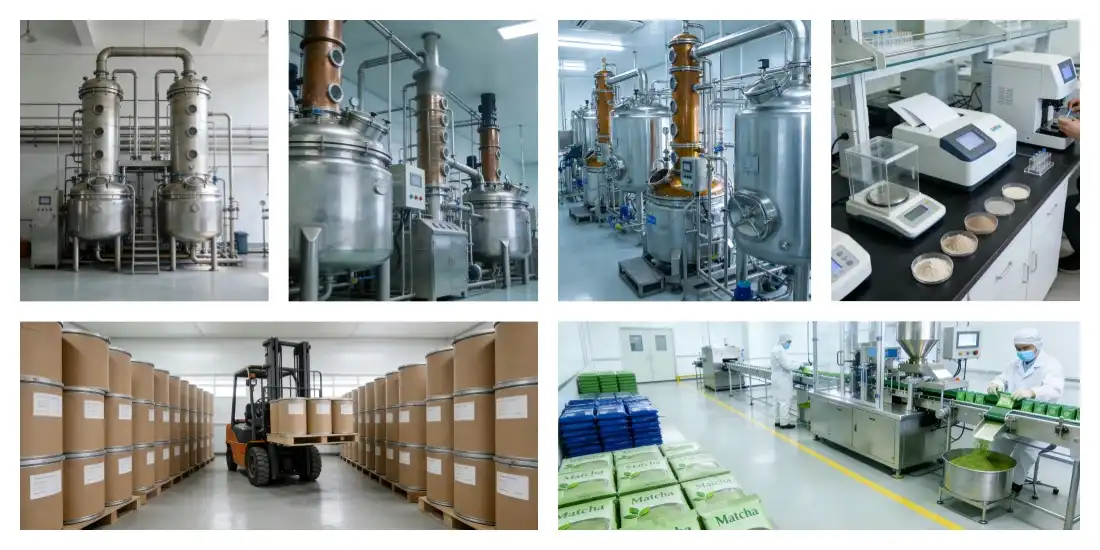
NT Biotech oversees the whole manufacturing cycle, starting with the choice of organic seeds and finishing with extraction and the final packaging. This vertical integration guaranties a consistency in quality that is unattainable when numerous contractors do distinct processing steps. Their autonomous agricultural relationships provide the ingredient traceability that sophisticated brands are increasingly demanding, while innovative extraction facilities maintain ideal settings for each manufacturing run. This ensures specification consistency that protects formulation integrity, and allows confidence scaling from development samples to commercial quantities.
Technology-Driven Quality Differentiation
NT Biotech’s proprietary extraction method provides the company with the capacity to manufacture red beetroot root extract with extraordinary purity levels over 98% of essential chemicals together with the stability required for commercial applications. All batches are fully lab tested by separate labs, allowing for independent verification of the self-reported specs. Betalain concentrations were confirmed by HPLC analysis, nitrate levels were documented by ion chromatography and heavy metal safety was verified by ICP-MS screening. Such technological rigour guaranties the functionality that research indicates and customers need.
Partnership-Focused Service Excellence
But it’s not only the product quality; it’s the service infrastructure that turns transactions into long-term relationships. Their 2 hour response promise, 1-3 business day standard fulfilment and flexible 3-10 business day bespoke manufacturing lead times meet a range of company needs. ISO9001, KOSHER and HALAL certifications provide access to the market in all countries worldwide and obviate the need for reformulation. Flexible OEM capabilities assist brands in their development path, from first prototype to mature commercial production.
Conclusion
Choosing red beet root extract over artificial colors represents more than ingredient substitution; it embodies a strategic decision aligning products with evolving consumer values, regulatory trends, and the growing demand for functional ingredients delivering genuine health benefits. The betalain pigments providing beetroot's visual appeal simultaneously deliver antioxidant protection and cardiovascular support that synthetic alternatives fundamentally cannot match. Red beet root extract simplifies regulatory compliance, enables organic certification, and supports the authentic brand positioning that contemporary consumers increasingly demand. NT Biotech's commitment to proprietary extraction technology, certified organic sourcing, and comprehensive quality verification ensures their extract delivers the performance and consistency that commercial success requires.
FAQ
1. How does red beet root extract compare to artificial colors in terms of visual intensity?
Quality red beet root extract provides comparable or superior color intensity in most applications while delivering functional nutritional benefits that artificial alternatives cannot provide.
2. What inclusion rates should manufacturers use for optimal coloring results?
Typical inclusion rates range from 0.5% to 5% depending on application, with beverages requiring less and confectionery products demanding higher concentrations for optimal visual impact.
3. Does red beet root extract require special storage conditions?
Store in airtight containers away from heat and light to maintain color potency; quality extracts remain stable for 24-36 months under appropriate conditions.
4. Can red beet root extract be used in organic certified products?
Yes, organic-certified extract from NT Biotech enables organic product formulations that would be impossible using synthetic colorants prohibited under organic standards.
5. What documentation should suppliers provide with red beet root extract shipments?
Complete Certificates of Analysis including HPLC verification, heavy metal screening, microbial testing, and organic certification documentation.
Partner with NT Biotech for Premium Red Beet Root Extract Supply
Transform your natural color strategy with red beet root extract that delivers genuine dual functionality backed by comprehensive quality verification. NT Biotech combines certified organic farming partnerships, proprietary extraction technology, and rigorous third-party testing to produce extracts with standardized betalain content exceeding 0.8% and exceptional stability throughout food processing and storage. Our vertically integrated operations ensure specification consistency from initial samples through commercial-scale production, protecting your formulations and brand reputation alike. With ISO9001, KOSHER, and HALAL certifications, we support your market access across global jurisdictions without reformulation complications. Our dedicated technical team provides formulation guidance, regulatory consultation, and troubleshooting support that accelerates product development. Two-hour response commitment, 1-3 business day fulfillment, and flexible payment options in your local currency make NT Biotech the supplier serious buyers choose. Reach out today at info@newthingsbiotech.com to discuss your red beet root extract requirements, request samples for evaluation, or explore how our expertise and infrastructure can elevate your natural color applications and brand positioning.
References
1. Azeredo, H.M.C. (2009). Betalains: Properties, sources, applications, and stability. International Journal of Food Science and Technology, 44(12), 2365-2376.
2. Khan, M.I., Giridhar, P., & Bettadaiah, B.K. (2014). Chemistry and food applications of betalains. Food Chemistry, 162, 443-450.
3. Rodriguez, E.B., & Mendoza, D.B. (2019). Natural food pigments: Chemistry, sources, and applications in the food industry. Comprehensive Reviews in Food Science and Food Safety, 18(2), 312-326.
4. Hord, N.G., Tang, Y., & Bryan, N.S. (2009). Food sources of nitrates and nitrites: The physiologic context for potential health benefits. American Journal of Clinical Nutrition, 90(1), 1-10.
5. Clifford, T., Howatson, G., West, D.J., & Stevenson, E.J. (2015). The potential benefits of red beetroot supplementation in health and disease. Nutrients, 7(4), 2801-2822.
6. Hobbs, D.A., Kaffa, N., George, T.W., et al. (2012). Blood pressure-lowering effects of beetroot juice and novel beetroot-enriched bread products in normotensive male subjects. British Journal of Nutrition, 108(11), 2066-2074.