- English
- French
- German
- Portuguese
- Spanish
- Russian
- Japanese
- Korean
- Arabic
- Greek
- German
- Turkish
- Italian
- Danish
- Romanian
- Indonesian
- Czech
- Afrikaans
- Swedish
- Polish
- Basque
- Catalan
- Esperanto
- Hindi
- Lao
- Albanian
- Amharic
- Armenian
- Azerbaijani
- Belarusian
- Bengali
- Bosnian
- Bulgarian
- Cebuano
- Chichewa
- Corsican
- Croatian
- Dutch
- Estonian
- Filipino
- Finnish
- Frisian
- Galician
- Georgian
- Gujarati
- Haitian
- Hausa
- Hawaiian
- Hebrew
- Hmong
- Hungarian
- Icelandic
- Igbo
- Javanese
- Kannada
- Kazakh
- Khmer
- Kurdish
- Kyrgyz
- Latin
- Latvian
- Lithuanian
- Luxembou..
- Macedonian
- Malagasy
- Malay
- Malayalam
- Maltese
- Maori
- Marathi
- Mongolian
- Burmese
- Nepali
- Norwegian
- Pashto
- Persian
- Punjabi
- Serbian
- Sesotho
- Sinhala
- Slovak
- Slovenian
- Somali
- Samoan
- Scots Gaelic
- Shona
- Sindhi
- Sundanese
- Swahili
- Tajik
- Tamil
- Telugu
- Thai
- Ukrainian
- Urdu
- Uzbek
- Vietnamese
- Welsh
- Xhosa
- Yiddish
- Yoruba
- Zulu
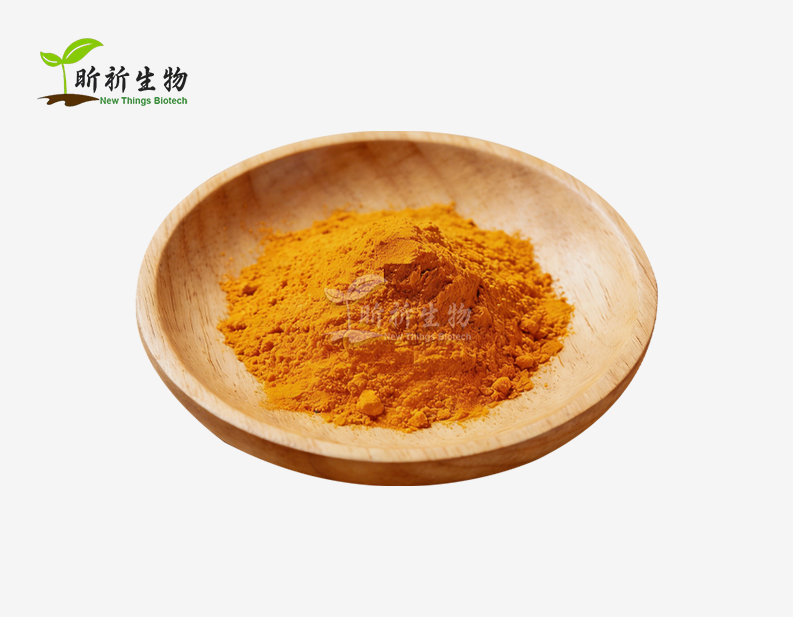
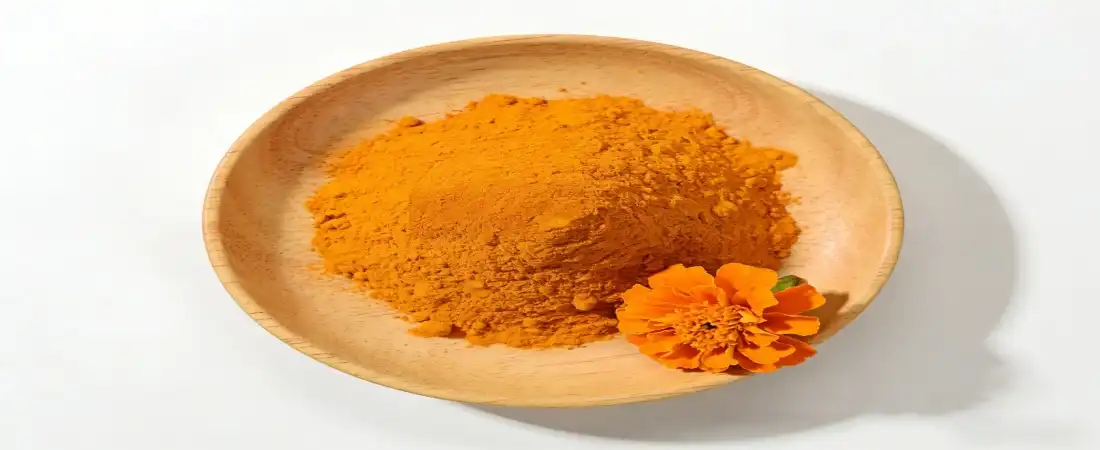
When looking for the best marigold extract powder for nutritional uses, buyers should focus on providers that offer high-concentration lutein (between 5% and 80%), strict third-party testing, and certifications like ISO, Kosher, and Halal. Tagetes erecta L. flowers are where the best powder comes from using tested methods for extraction that keep the beneficial carotenoids and make sure that each batch is the same, that regulations are followed, and that deliveries happen quickly. Good providers offer clear paperwork, flexible MOQs starting at 25kg, and expert help to solve formulation problems in natural colorants, functional foods, and dietary supplements.
Introduction
Marigold extract powder has become an important ingredient in the nutrition industry around the world because it contains a lot of lutein, zeaxanthin, and other carotenoids that are scientifically proven to be good for your eyes and skin. Product formulators and sourcing specialists are under more and more pressure to find raw materials that are both clinically effective and compliant with regulations and reliable in the supply chain. This is because consumers are becoming more aware of preventive healthcare. There is a lot more to choosing the right extract than just looking at prices. To make the right choice, you need to know a lot about where the plants come from, how they are extracted, how they are standardized, and what the provider can do. As a B2B procurement worker, R&D manager, or technical expert, this guide gives you an organized way to look at extracts based on important factors like quality certifications, production openness, and the ability to quickly move products. Our goal is to give you useful information that helps you make buying choices that are in line with your goals for new products and strategies for standing out in the nutritional market.
Understanding Marigold Extract Powder for Nutraceutical Applications
Botanical Origins and Active Compounds
The main source of marigold extract powder is Tagetes erecta L., which is also known as African marigold. It is a flowering plant that is grown a lot in mild areas. There are a lot of xanthophyll carotenoids in the flower petals, mostly lutein and zeaxanthin. These are lipid-soluble pigments that give the petals their orange-yellow color. These bioactive chemicals naturally build up in the macula of the eye. There, they block dangerous blue light and fight oxidative stress, which improves vision and lowers the chance of age-related macular degeneration.
Extraction Techniques and Product Forms
Lutein extraction commonly uses ethanol or hexane solvents due to cost efficiency and scalability, yielding 5–20% concentrations. Supercritical CO₂ extraction offers higher purity (up to 80%) and removes solvent residues, making it suitable for clean-label products. This method also preserves heat-sensitive compounds. Premium brands prefer it for safety and quality. The choice of extraction directly affects lutein stability, bioavailability, and suitability for different applications such as supplements, beverages, or cosmetic formulations targeting health-conscious consumers.
Nutritional Profile and Health Benefits
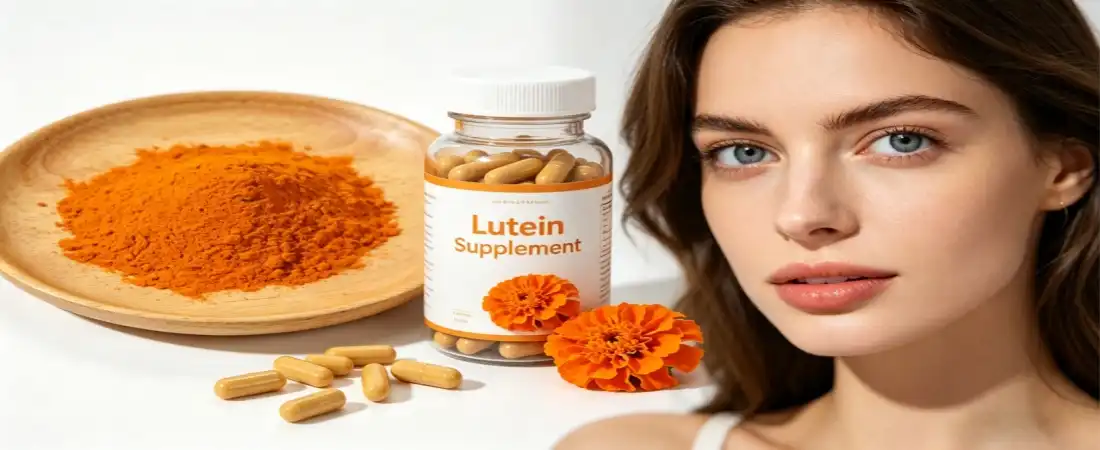
Derived from Marigold, marigold extract powder is naturally rich in carotenoids such as Lutein and zeaxanthin. These compounds are widely valued for supporting eye health, especially in maintaining visual clarity and filtering blue light exposure. In nutraceutical applications, it also contributes to antioxidant defense, helping protect cells from oxidative stress. Additionally, its role in skin health and overall wellness makes it a versatile and popular ingredient in dietary supplement formulations.
How to Choose the Best Marigold Extract Powder for Nutraceutical Use?
Establishing Procurement Criteria Aligned with Product Goals
Defining end-product type and regulatory requirements is the first step in procurement. U.S. products must comply with FDA 21 CFR Part 111 and cGMP standards, with CoAs confirming heavy metal, microbial, and pesticide limits. EU markets require EFSA compliance, MRL adherence, and often organic certification, adding sourcing and solvent restrictions. These frameworks ensure safety, traceability, and legal compliance across markets while shaping supplier selection and qualification standards.
Evaluating Key Quality Metrics
The main way to tell if marigold extract powder is good is by how much lutein it has, but purity is more than just percentages. A High-Performance Liquid Chromatography (HPLC) test should be used to prove the ratio of all-trans-lutein to cis-isomers, since the trans form is more bioactive. Zeaxanthin makes up about 3–5% of all the carotenoids found in natural marigold products. It needs to be measured separately to back up label claims and dosing estimates. Karl Fischer titration can be used to find moisture levels below 5%. This stops microbes from growing and keeps chemicals stable while they are being stored. The particle size distribution affects both how well the mixture works and how quickly it dissolves. Powders that are meant to be directly compressed need stricter requirements (D90 ≤ 150 microns) than powders that have already been mixed with excipients.
Comparing Supplier Offerings and Cost Considerations
Market prices vary from low-grade 5–10% lutein ($180–$250/kg) to high-purity 80% extracts (> $800/kg). Mid-range 20–40% solvent-extracted powders dominate nutraceutical use due to cost and flexibility balance. Procurement teams should request production-equivalent samples and conduct stability testing under stress conditions. Suppliers providing dissolution and degradation data demonstrate higher reliability and technical capability, supporting long-term partnerships and consistent product quality assurance.
Production Process and Quality Assurance of Marigold Extract Powder
Raw Material Sourcing and Sustainable Farming
The field is where quality starts. Premium suppliers work directly with marigold farmers to control watering, fertilization, and pest control without leaving behind too many agrochemical residues. These suppliers use Good Agricultural Practices (GAP). When the petals are picked has a big effect on the amount of carotenoids they contain; petals picked at peak bloom have 30–40% more lutein than petals picked later. Handling after harvesting includes quick drying to stop enzymes from breaking down the food and keeping the temperature below 60°C to protect thermolabile chemicals.
Advanced Extraction and Purification Technologies
After solvent extraction, oleoresins undergo saponification to remove waxes and chlorophyll. Further purification via crystallization or chromatography isolates lutein esters or free lutein, achieving purities above 98%. In-process testing ensures compliance at every stage. These advanced methods maximize active compound yield while minimizing oxidation, producing high-quality extracts suitable for premium nutraceutical and pharmaceutical applications requiring high purity standards.
Rigorous Quality Control Systems
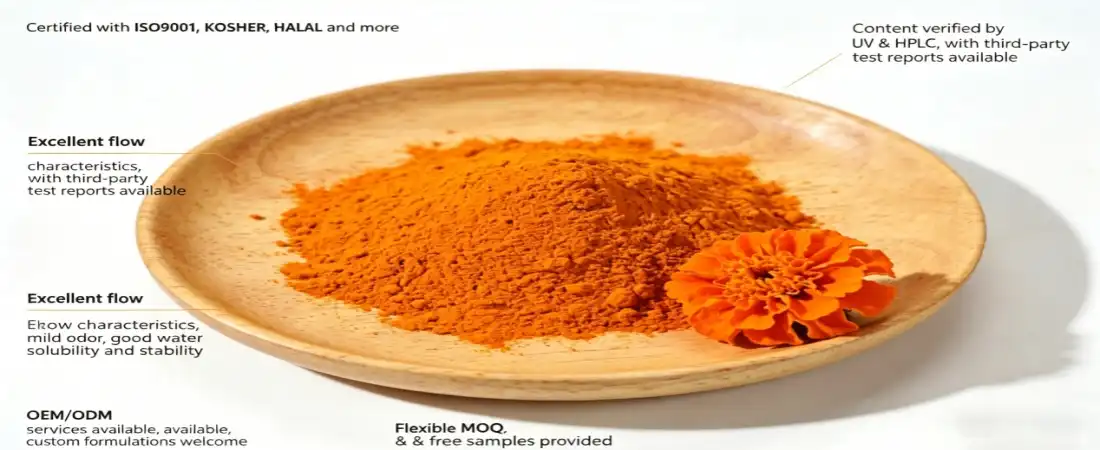
Quality control includes multi-layer testing to ensure safety and consistency. UV-Vis spectroscopy confirms lutein identity via 445–450 nm absorption, while HPLC with PDA detection quantifies content accurately. Safety testing screens for aflatoxins, heavy metals (lead, cadmium, mercury), and microbial contamination. ISO 9001 ensures standardized workflows from raw material quarantine to final release, supported by batch traceability. Third-party lab verification strengthens credibility for exports. Kosher and Halal certifications further expand market access and regulatory compliance readiness.
Market Insights: Leading Brands and Reliable Suppliers for Marigold Extract Powder
Identifying Quality-Driven Suppliers in a Competitive Landscape
There are both vertically integrated botanical extract specialists and contract producers that get their raw materials from outside sources in the global market. Leading providers set themselves apart with their own extraction methods, advanced analysis tools, and quick-response technical support teams. This method is used by Shaanxi New Things Biotech, which has self-sufficient farming networks, cutting-edge research and development centers, and flexible supply lines that can meet customer needs within two hours of being asked. When buying teams look at possible partners, they should check to see if they are financially stable by looking at business credit records and see if they have enough production capacity to meet their needs as they grow. Site checks, whether they are real or virtual, show how to keep operations clean, maintain equipment, and train staff. Suppliers who are honest and willing to handle formulation-specific issues should be open about where their raw materials come from, the solvents they use for extraction, and the results of any residual analyses of the marigold extract powder.
Practical Considerations for Global Procurement
Ordering samples is the first and most important step in qualifying a seller. Reliable suppliers offer free samples (usually 50–100g) with Certificates of Analysis (CoA) that show the scientific results for each batch. Not only should the amount of lutein in samples be checked, but also their color uniformity, lack of off-odors, and how well they work in trial formulas. Logistics skills have a big effect on the total cost of ownership. When suppliers keep stock on hand, they can quickly restock, which keeps production running as smoothly as possible when demand goes up. Shaanxi New Things Biotech uses specialized FedEx and UPS accounts for fast shipments (2-4 days around the world), while trusted freight forwarders handle big sea freight and help with all the paperwork needed to clear customs. Shipping choices that are flexible can handle both new brands buying 25kg drums and established brands needing deliveries in multi-ton containers. Payment terms show how confident the seller is in the customer and how old the relationship is. For new partnerships, you usually need to pay ahead of time or set up a letter of credit. For existing partnerships, you may be able to get net-30 or net-60 terms. International buyers will find it easier to settle their bills if you accept payments in USD, EUR, or the local currency.
Application Case Studies and Best Practices in Nutraceutical Formulation
Eye Health Supplements: Optimizing Bioavailability
A well-known U.S. supplement company changed the recipe of its eye health product by switching from a 10% lutein powder to a 20% micronized grade from NT Biotech. The higher concentration allowed for a smaller pill size while keeping the clinically effective amount of 20mg of lutein, which made it easier for people to take their medicine as prescribed. Stability tests showed that microencapsulation with antioxidant co-ingredients stopped degradation over a 24-month shelf life, keeping the drug's effectiveness above 95% of what it said on the label even when stored in a building with temperatures above 25°C. Formulation tips for softgel uses include pre-dispersion of marigold extract powder in medium-chain triglycerides or sunflower oil ahead of time can help the lipid matrix integrate better. When mixing at high temperatures, don't use mineral materials like zinc oxide or calcium carbonate because they can speed up the breakdown of carotenoids. During encapsulation, nitrogen washing saves oxygen-sensitive actives even more.
Functional Beverages: Addressing Solubility and Stability Challenges
A European beverage designer made ready-to-drink orange juice with 5mg of lutein added to each 250ml serve to appeal to millennials who spend a lot of time in front of screens. The cold-water-soluble extract encased in gum acacia kept its visual appeal and active ingredients during 12 months of keeping at room temperature. The natural yellow-orange color meant that no artificial colorants were needed, which backs up marketing promises of "clean labels." Important things to think about when making a juice include making sure the pH is just right (3.5 to 4.5 for juice matrices) to keep the carotenoids from breaking down and using light-blocking packing (amber glass or dark PET) to keep photodegradation to a minimum. To keep thermolabile chemicals safe, homogenization forces should not go above 200 bar and pasteurization should not go above 72°C for more than 15 seconds.
Emerging Trends and Future Directions
Since 2020, the market for eye health goods has grown by 18% every year. This is because more people are using digital devices and the population is getting older. Improvements in extraction technology, like using enzymes to help the process and green solvent alternatives, offer higher outputs and better environmental effects. People who are interested in personalized nutrition are looking at solutions that combine lutein with omega-3 fatty acids, resveratrol, or astaxanthin to protect neurons in a way that works better than either one alone. To stay ahead of these trends, formulators can form relationships with suppliers that give them information about the market, lists of ingredients that work well together, and help with co-developing new delivery methods like nano-emulsions or sublingual films. When sellers work together in these ways, they become strategic enablers of product diversity and competitive edge.
Conclusion
To find the best marigold extract powder for nutritional uses, you need a thorough evaluation system that looks at more than just unit price. It should also consider the supplier's technical skills, response to logistics, and quality assurance standards. When evaluating a supplier's financial stability and production scalability, procurement professionals must put the accuracy of the lutein concentration, the openness of the extraction method, and the trustworthiness of the certification at the top of their list of priorities. Partners who understand each other's legal environments, formulation problems, and market factors are more likely to work together. By using the structured decision criteria in this guide, R&D managers and sourcing directors can make sure they have steady supplies of high-quality powder that meet strict standards, help innovation pipelines, and give consumers better health outcomes in global markets that are very competitive.
FAQ
1. What are the typical lutein content ranges in marigold extract powder, and how do they impact product efficacy?
The amount of lutein in marigold extract powder can be anywhere from 5% to 80%. For low-cost uses like coloring animal feed, lutein products with 5–10% concentrations work well. On the other hand, 20–40% concentrations are common for eye health vitamins. When capsule size limits or high dose needs (20mg or more per serve) call for highest concentration, premium formulas use 60–80% lutein extracts. Bioavailable lutein delivery is more important than raw number when it comes to effectiveness. This means that both the formulation matrix and the delivery method are important things to think about.
2. How can I verify supplier quality certifications and authenticate product claims?
Get copies of the ISO 9001, Kosher, and Halal certificates directly from the sellers. Then, use the certificate numbers to call the organizations that issued the certificates to make sure the copies are real. Ask for Certificates of Analysis that are special to each batch and include HPLC chromatograms, heavy metal screening results, and microbial tests. Unbiased validation comes from testing by a third party, such as by approved labs like Eurofins or SGS. Site audits, which are being done digitally more and more, check that operations are in line with cGMP standards and tracking systems. Suppliers with a good reputation accept openness and quickly answer technical questions.
3. Is marigold extract powder safe for long-term nutraceutical use?
In the US, lutein from marigold extract is Generally Recognized as Safe (GRAS). It has been studied in great detail in clinical studies at doses of up to 20mg daily for more than five years without any negative affects. EFSA safety reviews show that it is safe for a wide range of people. Responsible formulation practices include following the dose rules and making sure that final goods are stability tested to stop oxidative breakdown that could produce dangerous results.
Partner with NT Biotech for Premium Marigold Extract Powder Supply
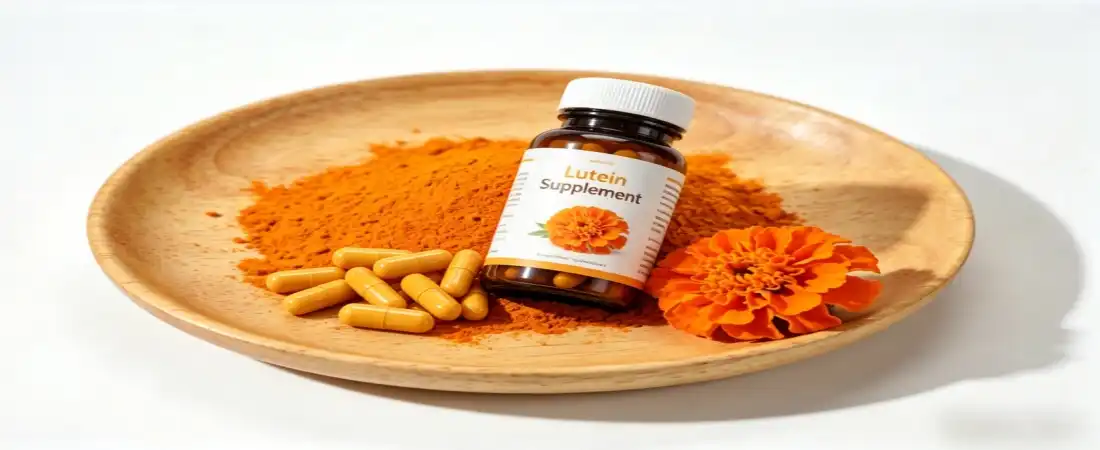
When purchasing managers need a dependable marigold extract powder provider, they can rely on Shaanxi New Things Biotech to provide standardized lutein powder (5% to 80% specs) that is backed by ISO, Kosher, and Halal certifications. Because we grow marigolds in a way that doesn't harm the environment and use our own special extraction methods, we can be sure that every batch is pure and consistent. We keep ready stock so that we can ship anywhere in the world within two to four days. Our minimum order quantity (MOQ) is 25kg, and we offer free samples. We also provide full technical paperwork, including HPLC analysis and regulatory support that is suited to your formulation needs. You can reach our helpful team at info@newthingsbiotech.com, and we promise to answer your questions within two hours. We also offer unique OEM solutions for natural colorants, useful foods, and dietary supplements. Experience the difference when you work with a company that is focused on technology and is dedicated to open quality control and long-term partnerships.
References
1. Abdel-Aal, E.M., Akhtar, H., Zaheer, K., & Ali, R. (2013). Dietary sources of lutein and zeaxanthin carotenoids and their role in eye health. Nutrients, 5(4), 1169-1185.
2. Buscemi, S., Corleo, D., Di Pace, F., Petroni, M.L., Satriano, A., & Marchesini, G. (2018). The effect of lutein on eye and extra-eye health. Nutrients, 10(9), 1321.
3. Landrum, J.T., & Bone, R.A. (2001). Lutein, zeaxanthin, and the macular pigment. Archives of Biochemistry and Biophysics, 385(1), 28-40.
4. Ma, L., & Lin, X.M. (2010). Effects of lutein and zeaxanthin on aspects of eye health. Journal of the Science of Food and Agriculture, 90(1), 2-12.
5. Nolan, J.M., Loughman, J., Akkali, M.C., Stack, J., Scanlon, G., Davison, P., & Beatty, S. (2011). The impact of macular pigment augmentation on visual performance in normal subjects. Vision Research, 51(5), 459-469.
6. Perry, A., Rasmussen, H., & Johnson, E.J. (2009). Xanthophyll (lutein, zeaxanthin) content in fruits, vegetables and corn and egg products. Journal of Food Composition and Analysis, 22(1), 9-15.