- English
- French
- German
- Portuguese
- Spanish
- Russian
- Japanese
- Korean
- Arabic
- Greek
- German
- Turkish
- Italian
- Danish
- Romanian
- Indonesian
- Czech
- Afrikaans
- Swedish
- Polish
- Basque
- Catalan
- Esperanto
- Hindi
- Lao
- Albanian
- Amharic
- Armenian
- Azerbaijani
- Belarusian
- Bengali
- Bosnian
- Bulgarian
- Cebuano
- Chichewa
- Corsican
- Croatian
- Dutch
- Estonian
- Filipino
- Finnish
- Frisian
- Galician
- Georgian
- Gujarati
- Haitian
- Hausa
- Hawaiian
- Hebrew
- Hmong
- Hungarian
- Icelandic
- Igbo
- Javanese
- Kannada
- Kazakh
- Khmer
- Kurdish
- Kyrgyz
- Latin
- Latvian
- Lithuanian
- Luxembou..
- Macedonian
- Malagasy
- Malay
- Malayalam
- Maltese
- Maori
- Marathi
- Mongolian
- Burmese
- Nepali
- Norwegian
- Pashto
- Persian
- Punjabi
- Serbian
- Sesotho
- Sinhala
- Slovak
- Slovenian
- Somali
- Samoan
- Scots Gaelic
- Shona
- Sindhi
- Sundanese
- Swahili
- Tajik
- Tamil
- Telugu
- Thai
- Ukrainian
- Urdu
- Uzbek
- Vietnamese
- Welsh
- Xhosa
- Yiddish
- Yoruba
- Zulu
The food and supplement industries are converging on a singular truth that is reshaping ingredient selection across every category: consumers no longer accept the false choice between visual appeal and wholesome ingredients. They want both, and they want them in the same product. Red beet root extract answers this demand with remarkable elegance, providing the vivid crimson and magenta tones that make products irresistible while simultaneously delivering a concentrated source of bioactive compounds that support cardiovascular wellness, exercise performance, and antioxidant protection. This dual functionality has transformed beetroot from a humble root vegetable into an indispensable ingredient for manufacturers pursuing clean-label strategies that resonate with modern shoppers. NT Biotech has positioned itself at the vanguard of this movement, producing premium red beet root extract through proprietary extraction technology that maximizes betalain pigment concentration while preserving the nutritional integrity that discerning brands require. Their vertically integrated approach, combining certified organic farming with state-of-the-art processing and rigorous quality verification, ensures every batch delivers the consistency and potency that commercial success demands.
Defining Excellence: What Sets Premium Red Beet Root Extract Apart
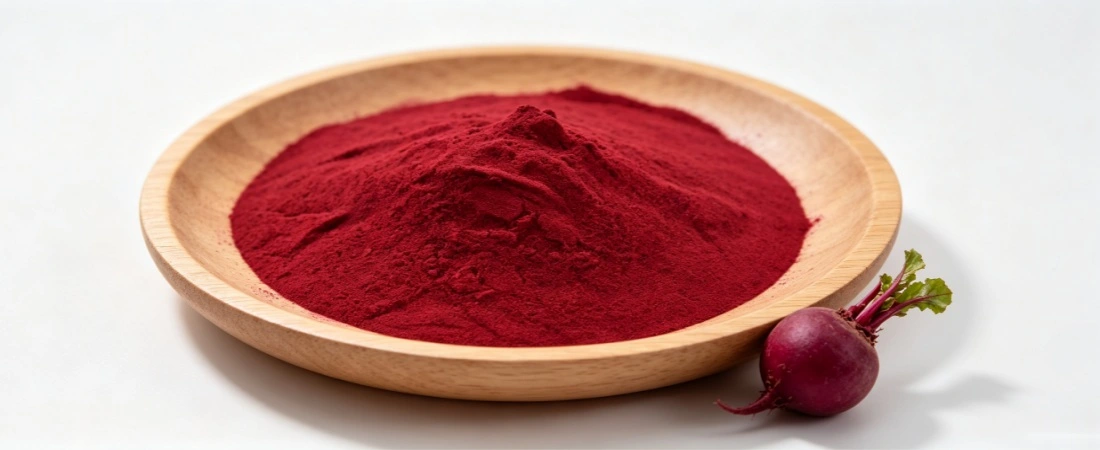
The red beetroot root extract industry has a broad selection of goods, from top-tier pharmaceutical-grade concentrates to watered-down knockoffs that are a letdown for makers and customers. Understanding the qualities that really separate premium extracts will help you make buying choices that safeguard product quality and the reputation of the business.
Extraction Technology and Compound Preservation
The technique used to extract the bioactive chemicals from beetroot essentially affects the quality of the final extract. Traditional water and heat extraction destroys heat sensitive betalain pigments that give colouring power and antioxidant efficacy. These pigments are easily degraded at high temperatures, which results in extracts with low colour intensity, low stability in storage and low nutritional value. To produce a premium red beetroot root extract needs modern technologies to maximise the output of compounds while preserving the structure of sensitive elements. NT Biotech utilises patented extraction procedures that are performed at strictly regulated temperatures to preserve the betalain content and to achieve excellent purity levels above 98% for essential constituents. This is what sets their extract apart from other companies that are willing to compromise quality to make processing easier.
Bioactive Compound Standardization
actual quality is shown by stable, proven criteria that forecast the way completed items will behave in the actual world. The colouring power and health advantages of beetroot extract are wholly dependent on the presence of certain bioactive chemicals, namely betacyanins and betaxanthins which belong to the betalain pigment family. Premium extracts have standardised betacyanin concentrations of more than 0.8% validated by High Performance Liquid Chromatography analysis, which ensures accurate formulation work and consistent results throughout batches of manufacture. Less complex goods could claim nebulous "high pigment" status with no objective proof, leaving producers exposed to specification creep that compromises formulation integrity. NT Biotech provides a full Certificate of Analysis documenting all important parameters including HPLC verification of betalain content, nitrate levels by ion chromatography, heavy metal screening by ICP-MS and microbiological safety testing.
Organic Certification as Quality Foundation
The beetroot's capacity to pick up substances from its surroundings is so profound that organic culture is needed for the manufacture of quality extract. Conventional agricultural methods use synthetic pesticides, herbicides, and fertilisers that may collect in the roots that are harvested and become concentrated during extraction, possibly adding unwanted substances to the final extracts. Such problems are removed with certified organic agriculture, and the raw materials obtained tend to have improved phytochemical profiles, since the plants tend to produce more complex natural defence chemicals when cultivated without chemical interference. If a firm is attempting to promote itself as organic, or even if it just wants to use the best ingredients it can find, organic certification is the proof its marketing claims need.
Health Applications: Beyond Visual Appeal
Red beet root extract delivers functional benefits that extend far beyond its role as a coloring agent, providing scientifically validated health support that differentiates products in crowded supplement and functional food markets.
Cardiovascular Function and Blood Pressure Support
Cardiovascular health via conversion of dietary nitrate to nitric oxide is the most studied effect of beetroot eating. Bacteria in the mouth turn nitrates into nitrites, which are subsequently converted to nitric oxide in the blood, a signalling molecule that causes vasodilation and increased blood flow. Clinical studies have shown that consuming beetroot regularly may help support blood pressure and the benefits are similar to several dietary changes advocated by health specialists. Athletes have taken these chemicals expressly for performance improvement, since the increased utilisation of oxygen is directly correlated to increased endurance and recovery rate. The ability to concentrate these useful nitrates combined with visual colours makes premium red beetroot root extract an ideal ingredient for producers to design products that simultaneously target cardiovascular health and exercise performance.
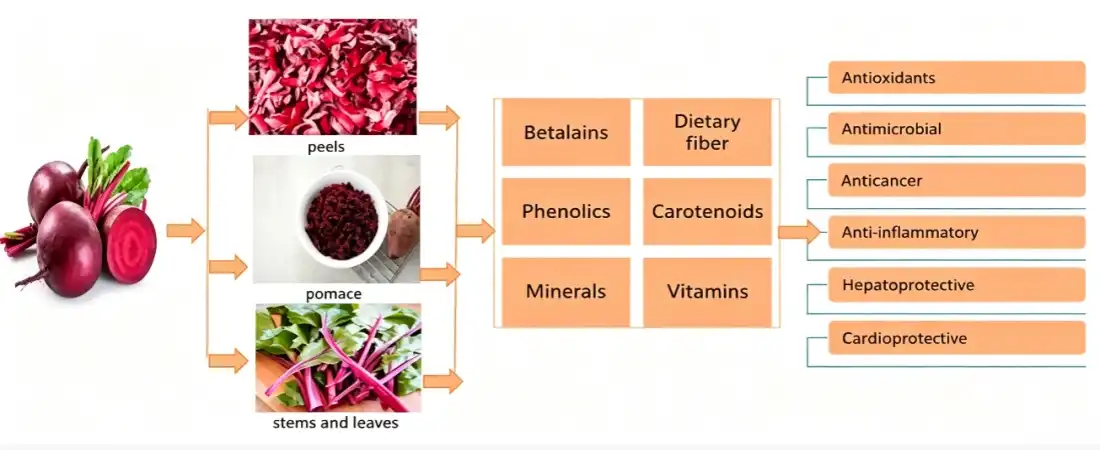
Antioxidant Protection and Cellular Health
The bright red colour of beetroot comes from betalain pigments, which are also potent antioxidants for the human body. Betacyanins and betaxanthins fight damaging free radicals that cause cellular damage, persistent inflammation and accelerated ageing. Research shows these substances may be particularly beneficial to liver function, helping the organ’s natural detoxifying processes and guarding against oxidative damage. Beetroot extract offers real defensive properties that may justify premium positioning and targeting health-conscious consumers, unlike synthetic colorings that are just used for aesthetics.
Essential Nutrient Contribution
In addition to headline chemicals, micronutrients from red beetroot root extract also contribute to the key functional effects. Folate promotes cell activity and DNA production, whereas iron helps carry oxygen throughout the body. Potassium is necessary for nerve transmission and muscle contraction. Vitamin C is needed for immunological function and helps to increase iron absorption. These nutrients synergize with the betalains and nitrates to provide a whole health support that single components can’t provide.
| Health Benefit Category | Key Compounds | Scientific Support | Product Positioning Opportunities |
|---|---|---|---|
| Cardiovascular support | Dietary nitrates → nitric oxide | Strong (multiple RCTs) | Heart health, blood pressure support |
| Exercise performance | Nitrates, betalains | Strong (athletic studies) | Pre-workout, endurance, recovery |
| Antioxidant protection | Betacyanins, betaxanthins | Moderate (preclinical) | Anti-aging, wellness, detoxification |
| Liver function | Betaine, betalains | Preliminary (emerging research) | Detox supplements, liver support |
| Energy metabolism | Folate, iron, B-vitamins | Well-established | Daily wellness, energy support |
Food Color Applications: Natural Solutions for Visual Excellence
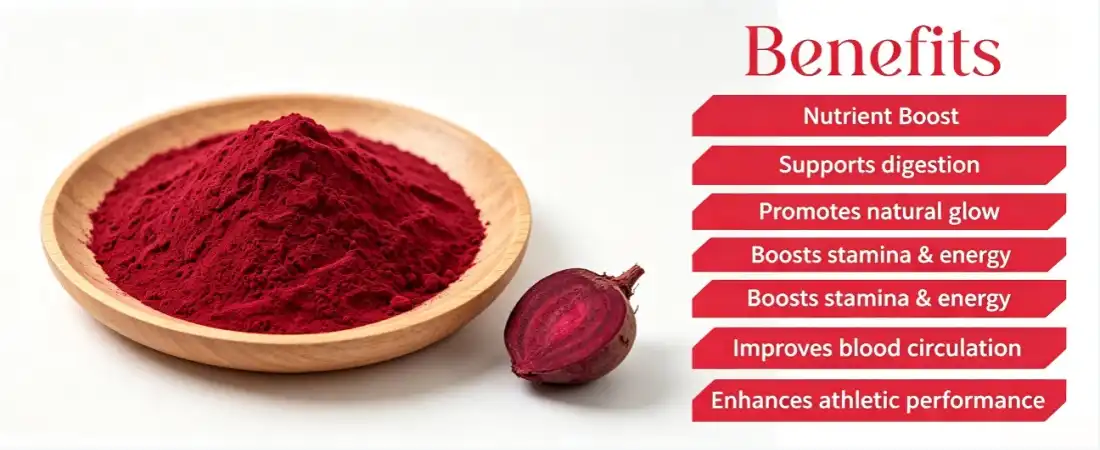
The food industry faces mounting pressure to replace synthetic dyes with natural alternatives that satisfy consumer preferences without sacrificing the visual appeal that drives purchase decisions. Red beet root extract provides the solution that forward-thinking manufacturers increasingly adopt.
Beverage Sector Opportunities
High-growth categories like functional beverages, protein drinks and wellness elixirs get a lot of value out of red beetroot root extract. The extract is water soluble for easy integration into clear or opaque liquid formulations providing an eye catching pink to ruby red colour that photographs well and appeals to social media savvy customers. Its stability at ordinary beverage pH levels makes the extract well suited for ready-to-drink products and the mild flavour profile is compatible with fruit, berry and tropical flavour systems that are common to the category. Beetroot extract is used to improve colour and provide functional advantages to support premium pricing in competitive retail situations such as protein shakes and meal replacement drinks.
Confectionery and Dessert Applications
As demand for artificial-dye-free goodies is driven by parental concern, sugar-based confectionery products such as hard candies, gummies, marshmallows and chewy candies are adopting natural colourants. Red beetroot root extract gives the bright colour needed for celebratory events, while providing the ingredient transparency contemporary parents want. Bakery and restaurant companies may use beetroot extract to generate appealing pink to coral tones in frostings, icings and dessert coatings, and provide naturally coloured alternatives without the difficulty of reformulation. The extract is compatible with gelatine and pectin systems, allowing for confectionery creation and retaining the visual uniformity that brand standards need.
Savory and Functional Food Development
Red beetroot root extract is not only for sweet applications, but it also performs well in savoury items that are looking for visual uniqueness and nutritional boost. Pasta, rice meals, extruded snacks, and tortilla products use beet-derived colour to provide presentations that are attractive and that show excellent ingredients and no synthetic chemicals. The functional food category benefits greatly from beetroot extract as producers may make claims about adding items with known whole-food constituents and not obscure artificial compounds. This clean-label posture speaks to health-conscious customers who scrutinise ingredient labels and appreciate businesses that provide clear, nutritious formulas.
Regulatory Landscape and Certification Requirements
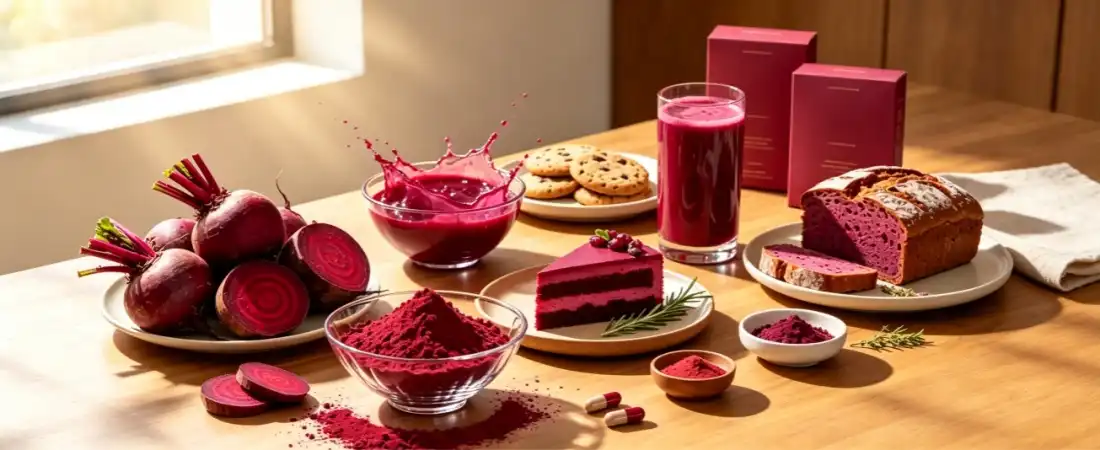
Manufacturers picking ingredients for the worldwide market confront a broad array of regulatory regimes, which differ greatly from one jurisdiction to another. Understanding these rules allows compliant market entrance without expensive reformulation delays.
United States Food Safety Compliance
The FDA recognises colourants generated from beetroots as natural colours and exempts them from the certification standards imposed on synthetic dyes like Red 40 or Allura Red AC. Red beetroot root extract may be labelled as “beetroot color,” “beet juice concentrate,” or “red beetroot root extract” without the number designations for artificial colours. This regulatory flexibility permits clean-label positioning and maintains complete compliance with federal food safety laws. NT Biotech’s extract satisfies all relevant FDA regulations for use in food and supporting documentation is available for use in regulatory filings and quality assurance verification.
International Market Access
European Union laws also allow beetroot colourants as allowed natural sources, however particular approvals differ by application category and organic status claims. Certified organic extract is required in the manufacture of organic products, while synthetic substitutes are specifically forbidden. KOSHER and HALAL Certifications offer access to markets where religious dietary needs affect purchase choices, with large customer sectors, notably in South East Asia, the Middle East and increasing European populations. NT Biotech is ISO9001 certified, KOSHER and HALAL certified and has been pre-verified by third party audits which supports market access in many countries across the globe.
Claim Substantiation and Marketing Compliance
Claims of health and wellbeing for goods containing beetroots must be substantiated with sufficient scientific evidence in support of the ingredient’s recognised nutritional profile. The nitrate content, responsible for cardiovascular and performance advantages, has been demonstrated in several peer-reviewed scientific research, which provide a solid basis for qualified health message. Brands should work with regulatory experts to ensure that claim wording is compatible with relevant legislation in target areas and conveys advantages effectively.
Sourcing Strategies: Selecting Your Red Beet Root Extract Supplier
The supplier connection has a major impact on success of formulation, manufacturing efficiency and long-term growth of the brand. Strategic supplier selection should be given the same careful consideration as formulation development and market positioning.
Quality Consistency and Supply Reliability
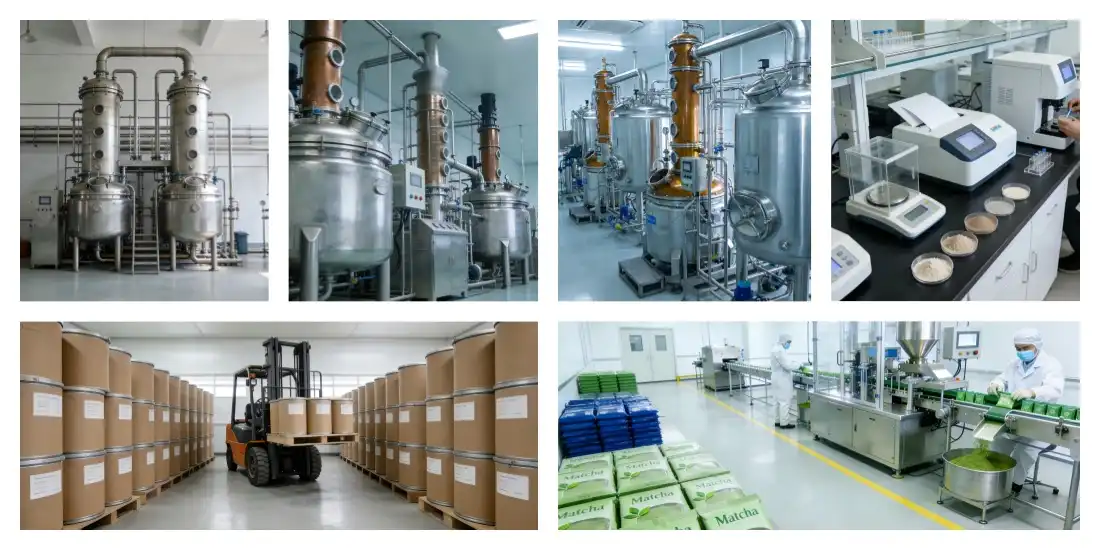
The ingredients must be the same regardless of when the order is placed, how much is ordered, or when it was produced for sustainable manufacturing. It also protects producers from having to reformulate products if a drift in the specification occurs. The customer expects a consistent experience and a drift in specification might cause expensive production breaks. NT Biotech is able to manage the organic cultivation through to final extraction and packaging providing specification uniformity that other contractors cannot consistently provide. They invest in infrastructure so that expanding brands may boost quantities without the supplier changes that disruptive scaling typically requires.
Technical Support and Formulation Partnership
Premium supplier partnerships provide continuing technical assistance to help manufacturers improve their products and fix problems throughout development and manufacturing. NT Biotech’s technical staff can help you formulate, navigate regulatory requirements, and solve issues that can speed up your product development and avoid expensive errors. This collaborative approach to ingredient procurement moves the emphasis from transactional purchase to strategic alliances with a focus on mutual success and market expansion.
Customization and Flexibility
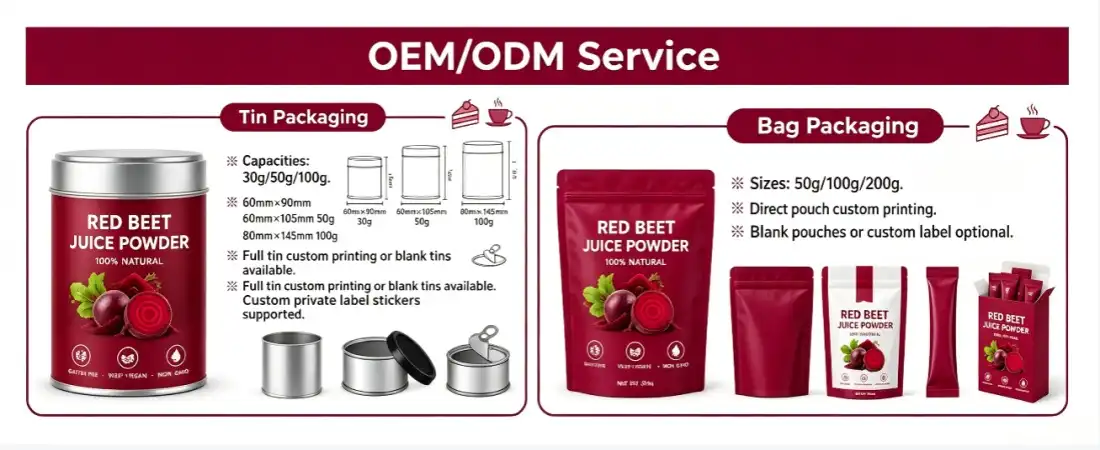
Flexible supplier skills are required for diverse product needs such as different specifications, package configurations and order quantities. NT Biotech offers OEM and ODM services for specific particle sizes, proprietary mixes and customised packaging that brand positioning demands. Whether creating new innovative goods or customising formulas to suit particular markets, their skilled staff interacts closely with brand partners to create tailor-made solutions for exacting needs.
For detailed specifications, certification documentation, or custom requirement discussions, reach out directly to info@newthingsbiotech.com where knowledgeable specialists provide detailed consultation and responsive support.
Maximizing Value: Implementation Strategies for Manufacturers
Understanding best practices for red beet root extract utilization enables manufacturers to optimize formulations for performance, cost efficiency, and consumer acceptance.
Inclusion Rate Optimization
The ideal level of inclusion is a compromise between colour intensity, flavour effect, cost efficiency and nutritional contribution. Starting with formulations at prescribed rates and then altering depending on visual and sensory assessment allows for accurate calibration for individual applications. As the inclusion level increases, both colour saturation and nutrient density will rise, but the beetroot flavour will be more apparent and will need to be masked by complimentary flavour systems. Premium extracts of standardised concentration provide predictable formulation behaviour, simplifying this optimisation procedure and assuring consistent outcomes from batch to batch.
Flavor System Integration
By strategically choosing flavours, you may make beetroot extract more acceptable, and complimentary flavours might hide any residual earthiness that sensitive customers might taste. The sweet earthiness of beetroot pairs well with the fruit flavours of strawberry, raspberry and cherry. Tropical fruits provide a sparkling brightness to brighten the darker notes of beetroot. Vanilla and caramel bring in comfort qualities that hit broad preferences. Citrus inclusions liven up formulas and may even enhance colour intensity via acid interaction. Testing these combinations in tiny quantities before committing to them helps to avoid expensive formulation mistakes and builds intuition for effective flavour pairings.
Storage and Handling Best Practices
Proper extract quality storage and handling safeguards the investment producers make in premium ingredients. Potency is retained in cold, dark, airtight containers throughout shelf life. Exposure to humidity adds moisture, which contributes to breakdown and microbiological development. Monitoring the temperature in the supply chain logistics ensures that the handling conditions are adequate, especially for shipments across regions with different ambient temperatures. Clear handling rules from supplier delivery to final product consumption preserve the purity of the extract.
Conclusion
Red beet root extract represents one of the most versatile and valuable ingredients available to food and supplement manufacturers pursuing natural positioning without sacrificing visual appeal or functional benefits. The combination of vivid betalain pigmentation, scientifically validated health support, and regulatory acceptance makes beetroot-derived extracts indispensable for brands navigating the clean-label transformation reshaping consumer expectations. NT Biotech's commitment to proprietary extraction technology, certified organic sourcing, and comprehensive quality verification ensures their red beet root extract delivers the standardized performance and reliability that commercial success demands. Their vertically integrated operations, responsive technical support, and flexible partnership capabilities position them as the ideal long-term supplier for brands building sustainable natural product lines.
FAQ
1. What specification levels should quality red beet root extract achieve?
Premium products should provide betacyanin content above 0.8% verified through HPLC analysis, with nitrate concentrations exceeding 2.5% and complete Certificates of Analysis documenting all relevant parameters.
2. How does red beet root extract perform in acidic beverage applications?
Quality extracts maintain excellent color stability in acidic conditions (pH 3.5-5.5), producing vibrant pink to ruby tones suitable for most beverage formulations.
3. Can red beet root extract be used in organic certified products?
Yes, certified organic extract enables organic product formulations that would be impossible using synthetic colorants prohibited under organic certification standards.
4. What documentation should suppliers provide with extract shipments?
Complete Certificates of Analysis including HPLC verification, heavy metal screening through ICP-MS, microbial testing, and organic certification documentation for compliant products.
5. How should red beet root extract be stored to maintain quality?
Store in airtight containers in cool, dark locations away from moisture and direct light to preserve color intensity and nutritional potency throughout shelf life.
Partner with NT Biotech: Your Premier Red Beet Root Extract Supplier
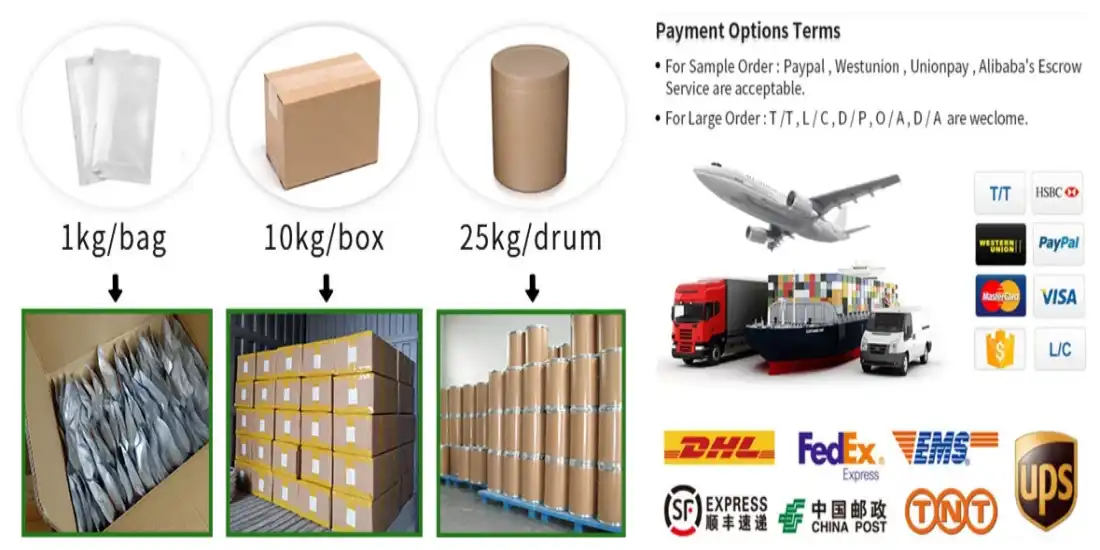
Transform your natural product line with red beet root extract that delivers genuine dual functionality backed by comprehensive quality verification. NT Biotech combines certified organic farming partnerships, proprietary extraction technology, and rigorous third-party testing to produce extracts with standardized betalain content exceeding 0.8% and exceptional stability throughout food processing and storage. Our vertically integrated operations ensure specification consistency from initial samples through commercial-scale production, protecting your formulations and brand reputation alike. With ISO9001, KOSHER, and HALAL certifications, we support your market access across global jurisdictions without reformulation complications. Our dedicated technical team provides formulation guidance, regulatory consultation, and troubleshooting support that accelerates product development. Two-hour response commitment, 1-3 business day fulfillment, and flexible payment options in your local currency make NT Biotech the supplier serious buyers trust. Reach out today at info@newthingsbiotech.com to discuss your red beet root extract requirements, request samples for formulation evaluation, or explore how our expertise and infrastructure can elevate your natural color and health product applications.
References
1. Hord, N.G., Tang, Y., & Bryan, N.S. (2009). Food sources of nitrates and nitrites: The physiologic context for potential health benefits. American Journal of Clinical Nutrition, 90(1), 1-10.
2. Bailey, S.J., Winyard, P., Vanhatalo, A., et al. (2009). Dietary nitrate supplementation reduces the O2 cost of low-intensity exercise and enhances tolerance to high-intensity exercise in humans. Journal of Applied Physiology, 107(4), 1144-1155.
3. Hobbs, D.A., Kaffa, N., George, T.W., et al. (2012). Blood pressure-lowering effects of beetroot juice and novel beetroot-enriched bread products in normotensive male subjects. British Journal of Nutrition, 108(11), 2066-2074.
4. Azeredo, H.M.C. (2009). Betalains: Properties, sources, applications, and stability. International Journal of Food Science and Technology, 44(12), 2365-2376.
5. Clifford, T., Howatson, G., West, D.J., & Stevenson, E.J. (2015). The potential benefits of red beetroot supplementation in health and disease. Nutrients, 7(4), 2801-2822.
6. Khan, M.I., Giridhar, P., & Bettadaiah, B.K. (2014). Chemistry and food applications of betalains. Food Chemistry, 162, 443-450.