- English
- French
- German
- Portuguese
- Spanish
- Russian
- Japanese
- Korean
- Arabic
- Greek
- German
- Turkish
- Italian
- Danish
- Romanian
- Indonesian
- Czech
- Afrikaans
- Swedish
- Polish
- Basque
- Catalan
- Esperanto
- Hindi
- Lao
- Albanian
- Amharic
- Armenian
- Azerbaijani
- Belarusian
- Bengali
- Bosnian
- Bulgarian
- Cebuano
- Chichewa
- Corsican
- Croatian
- Dutch
- Estonian
- Filipino
- Finnish
- Frisian
- Galician
- Georgian
- Gujarati
- Haitian
- Hausa
- Hawaiian
- Hebrew
- Hmong
- Hungarian
- Icelandic
- Igbo
- Javanese
- Kannada
- Kazakh
- Khmer
- Kurdish
- Kyrgyz
- Latin
- Latvian
- Lithuanian
- Luxembou..
- Macedonian
- Malagasy
- Malay
- Malayalam
- Maltese
- Maori
- Marathi
- Mongolian
- Burmese
- Nepali
- Norwegian
- Pashto
- Persian
- Punjabi
- Serbian
- Sesotho
- Sinhala
- Slovak
- Slovenian
- Somali
- Samoan
- Scots Gaelic
- Shona
- Sindhi
- Sundanese
- Swahili
- Tajik
- Tamil
- Telugu
- Thai
- Ukrainian
- Urdu
- Uzbek
- Vietnamese
- Welsh
- Xhosa
- Yiddish
- Yoruba
- Zulu
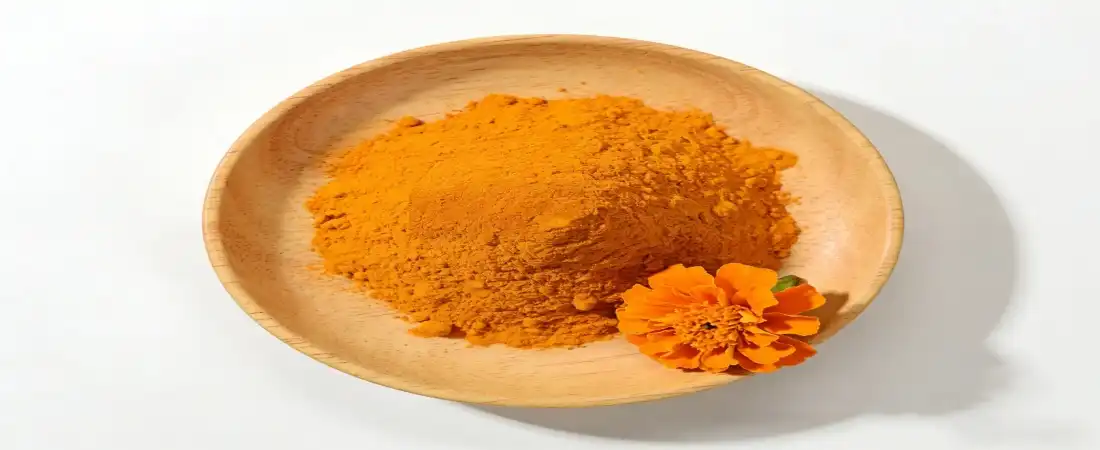
Zeaxanthin and Lutein Powder Bulk are two popular carotenoids used in nutraceutical formulations and useful food uses. Although these two plant-based chemicals come from similar plants and have similar health benefits, it is important to know the differences between them at the molecular level, as well as their bioavailability profiles and market availability, in order to make cost-effective buying choices. Lutein Powder Bulk, which is usually made from Marigold flowers (Tagetes erecta L.), is a type of antioxidant that protects against a wide range of harmful substances. It is commonly found in eye-healthy vitamins. Zeaxanthin is structurally close to Lutein, but it has different optical qualities and tissue diffusion patterns that make it useful in certain formulations. This detailed guide gives R&D managers, sourcing directors, and technical procurement specialists the information they need to compare suppliers' skills, check quality standards, and make sure that the ingredients they choose are in line with global market regulations and goals for product differentiation.
Understanding Lutein Powder Bulk and Zeaxanthin
Lutein and Zeaxanthin are both carotenoids from the xanthophyll family. These are natural pigments that give flowers, fruits, and veggies their bright yellow and orange colors. Both substances are mostly found in commercially available Marigold extract, with Lutein being the main type of carotene. These compounds are separated from Marigold oleoresin by makers during the extraction, purification, and drying processes. This allows them to make uniform powder ingredients with a purity range of 5% to 80%.
Natural Sources and Chemical Structure
Lutein Powder Bulk begins from Tagetes erecta L., developed for tall carotenoid substance. Extraction employments solvents, crystallization, and micronization to accomplish uniform ~80 work particles. Lutein and zeaxanthin co-occur in marigolds at moo extents, approximately 5–10% of add up to carotenoids. Both contain C40 polyene chains with ionone rings, but vary in double-bond course of action influencing structure, soundness, and optical properties. These atomic contrasts impact bioavailability, tissue conveyance, and antioxidant behavior in natural frameworks and commercial applications advertise definitions today.
Health Benefits and Safety Profile
Lutein and zeaxanthin collect in the macula, sifting blue light and diminishing oxidative push. Lutein concentrates in fringe macular districts, whereas zeaxanthin is prevailing in the fovea, supporting complementary visual security. Clinical ponders affirm solid antioxidant and visual benefits. Both compounds appear fabulous security indeed at tall admissions levels. Administrative bodies such as EFSA and the FDA classify marigold-derived lutein as GRAS. This guarantees secure large-scale acquirement for supplements, nourishment items, and pharmaceutical definitions around the world reliably proven.
Industrial Application Considerations
Lutein solidness is basic in mechanical utilize, as light, warm, and oxygen can trigger isomerization and oxidative corruption. To move forward rack life, providers utilize micro-encapsulation or beadlet innovation, securing dynamic compounds inside a stabilizing framework. This improves resistance to natural push and progresses compatibility with tablets, capsules, softgels, and refreshments. Item frame choice depends on definition objectives, capacity conditions, and conveyance frameworks. Legitimate stabilization guarantees reliable power and solid execution in commercial applications over businesses worldwide markets.
Core Differences Between Lutein Powder Bulk and Zeaxanthin
There are a lot of similarities between these carotenoids, but there are also some technical differences that affect their economic worth, formulation needs, and buying strategies.
Molecular and Bioavailability Distinctions
Because their twofold bonds vary in position, lutein and zeaxanthin have unmistakable 3D structures. Lutein has three stereoisomers due to its asymmetry, whereas zeaxanthin highlights a meso shape with two indistinguishable ionone rings. These basic contrasts impact absorption, protein interaction, and intestinal assimilation. Zeaxanthin appears marginally higher bioavailability, in spite of the fact that lipid carriers decrease this hole. Commercial zeaxanthin incorporates common (marigold, paprika) and engineered shapes, with 3R,3'R being closest to human tissue, whereas manufactured variations may have lower natural activity.
Typical Specifications and Dosage Parameters
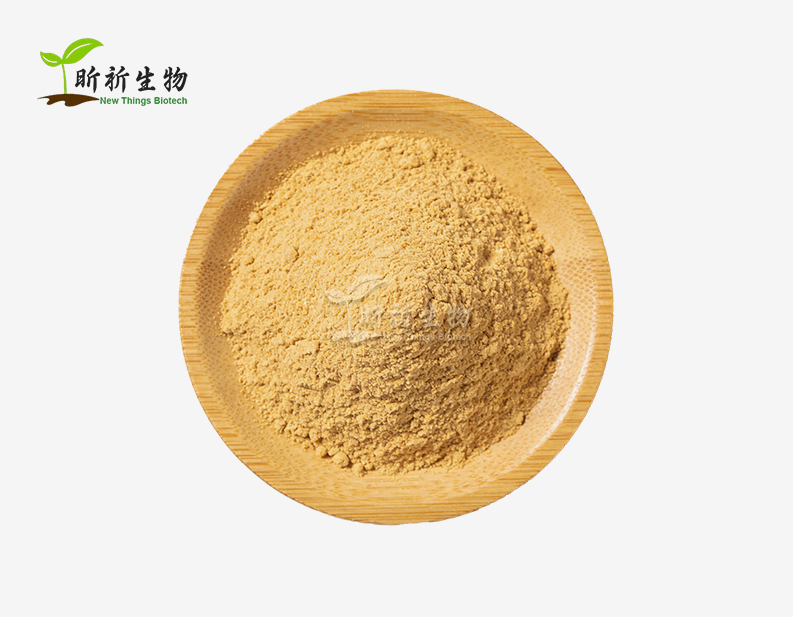
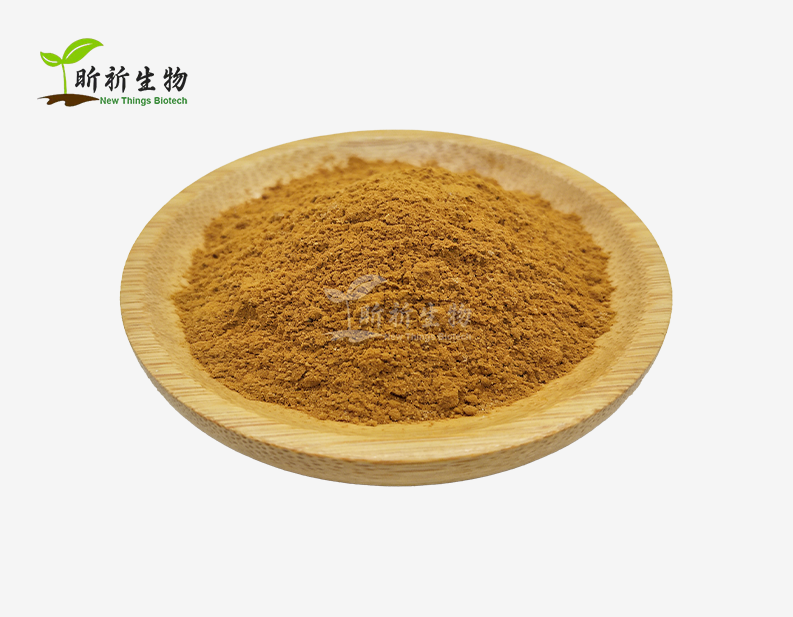
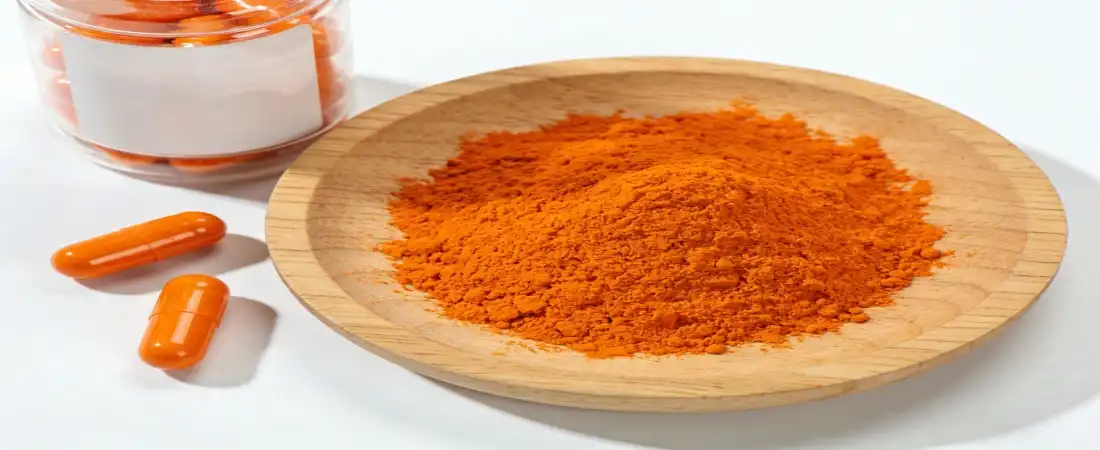
Lutein Powder Bulk is ordinarily accessible in 5%–80% concentrations, with 10%, 20%, and 40% most common for supplements. It shows up as orange-yellow particles, frequently 80-mesh screened. Zeaxanthin is more often than not created at 3%–10% due to restricted characteristic plenitude. Detailing considers frequently utilize 10–20 mg lutein and 2 mg zeaxanthin in a 5:1 proportion, reflecting dietary designs. This proportion is critical for cost-per-dose calculations and acquirement arranging when assessing provider citations and detailing efficiency.
Pricing Trends and Commercial Availability
Price contrasts are noteworthy due to generation complexity. Zeaxanthin costs three to five times more per kilogram than Lutein Powder Bulk since of lower extraction surrender and filtration trouble. This impacts detailing methodologies, with producers favoring lutein-heavy mixes with little zeaxanthin increments for taken a toll control and clinical viability. Lutein benefits from large-scale marigold development in India and China, guaranteeing steady supply. Zeaxanthin generation is more restricted, expanding chance of deficiencies amid tall request periods.
Procurement Insights for Lutein Powder Bulk and Zeaxanthin
To successfully source bulk ingredients, you need to carefully look at the qualifications of the suppliers, the product specs, and the logistics plans. There are many providers of carotene ingredients in the global market, and their quality standards and customer service skills range.
Supplier Selection and Certification Requirements
When sourcing Lutein Powder Bulk, priority should be given to suppliers with strong quality systems. ISO 9001 ensures process consistency, while ISO 22000 or FSSC 22000 focuses on food safety. Kosher and Halal certifications expand market access. Buyers should require CoA documents with HPLC data, solvent residue results, heavy metal tests, and microbial reports. cGMP compliance indicates pharmaceutical-grade standards. Third-party audits from NSF or SGS provide additional verification of facility controls and manufacturing reliability.
Minimum Order Quantities and Logistics
MOQ planning is essential for managing inventory and cash flow. Many suppliers offer Lutein Powder Bulk trial orders starting at 25 kg for testing stability and formulation performance. Stock items typically ship within 2–4 business days, while custom or high-purity orders may take 7–14 days. Shipping options vary: express couriers like DHL or FedEx are faster but costlier, while sea freight is more economical for shipments above 500 kg, balancing cost and delivery time.
Quality Verification Strategies
Quality assurance begins with requesting representative samples and COA documentation for third-party verification. Key tests include HPLC carotenoid analysis, particle size distribution, moisture content, and accelerated stability testing. Procurement teams should build approved supplier lists based on performance history and lab results. Vendor scorecards tracking delivery reliability, specification compliance, documentation quality, and responsiveness help maintain long-term consistency. These systems ensure raw material reliability, regulatory compliance, and stable product quality across production batches.
Application and Usage Guidelines for Bulk Lutein and Zeaxanthin
To turn the specs of raw materials into the performance of a finished product, you need to know the rules for creation, the limits of processes, and the quality control standards that are specific to each application sector.
Formulation Techniques for Dietary Supplements
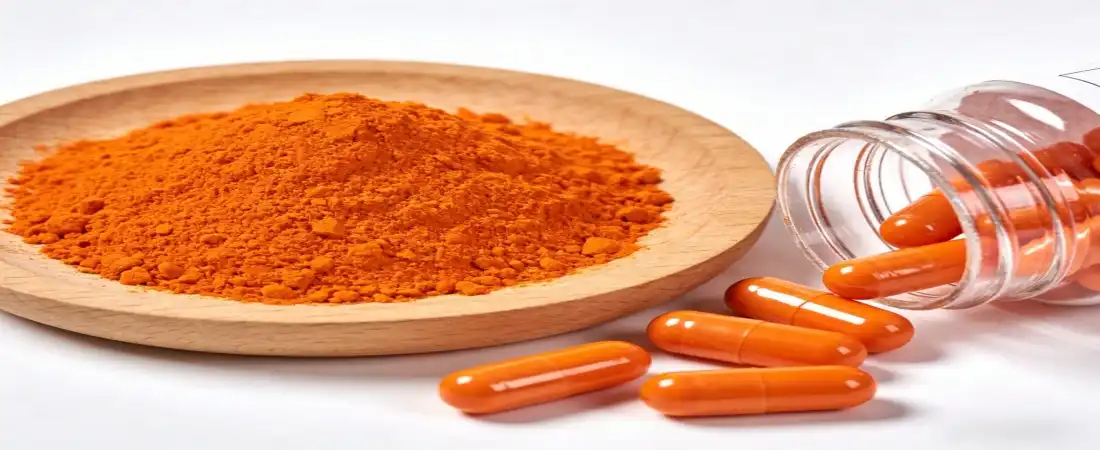
Direct compression types of Lutein Powder Bulk have special ingredients and processes that make it possible to make tablets quickly without having to do wet granulation steps. The carotenoid core is surrounded by protected frameworks made of modified food starch, sugar, or cellulose in these beadlet forms. The particles that are made can flow and be compressed very well, and they keep their color while they are stored. When companies make softgels, they usually make oil solutions by mixing micronized carotenoid powder with carrier oils like olive oil, sunflower oil, or medium-chain triglycerides. To get a smooth solution without sedimentation, you need to pay close attention to how the particles are sized and add dispersing agents or viscosity modifiers. The suspension needs to stay stable during the high temperatures that happen during softgel encapsulation. It also needs to keep its goal strength throughout the product's shelf life.
Stability Optimization Approaches
Oxidative breakdown is the main problem that makes it hard for carotenoid formulas to stay stable. Using more than one protection strategy makes a product last longer. Adding natural antioxidants like mixed tocopherols or ascorbyl palmitate makes a substitute oxidation substrate that keeps carotenoids stable for longer. Choosing packing materials that are good at blocking moisture and air can help protect the environment. Standard plastic bottles don't protect as well as aluminum foil laminates or amber glass cases. Controlling the storage temperature has a big effect on how quickly things break down. Keeping storage temperatures below 25°C and keeping finished goods out of direct sunlight helps them stay potent while they are being shipped and displayed in stores. As part of quality control procedures, goods should be tested for stability on a regular basis using representative retention samples to make sure that the claims on the label are still true during the shelf life that is mentioned.
Sector-Specific Application Examples
Lutein Powder Bulk is used more and more in useful food and drink products, in addition to its usual use as a dietary supplement. Cold-water-soluble grades can be added to dairy products, meal replacement drinks, and protein shakes without changing the texture or taste of the product. The natural orange-yellow coloring gives it color on its own, so no artificial dyes are needed. As an animal nutrition application, chicken farmers add Lutein to layer feed to make egg yolks more colorful, since consumers like rich golden yolks. Carotenoid supplements are used in aquaculture to make bred salmon and trout more marketable by making their skin color better. Because these industry uses need inexpensive chemical solutions, Lutein grades with lower concentrations (5–10%) can be sold.
Why Lutein Powder Bulk Is a Reliable Choice for B2B Clients?
The global market for goods with Lutein keeps growing because people are living longer, spending more time in front of screens, and becoming more aware of ways to keep their eyes healthy. Because of this steady demand, there are chances for companies that make unique formulas and use good products and trustworthy supply partnerships to make money.
Market Demand and Versatility
Market growth in North America, Europe, and the Asia-Pacific region has been sped up by epidemiological studies that show higher Lutein intake is linked to a lower chance of age-related macular degeneration. In response to this demand, companies have made multivitamins with added Lutein, eye health pills that work on their own, and mix formulas that deal with a number of health issues. The ingredient can be used in a lot of different ways, like pills, capsules, softgels, gummies, chewables, and liquid solutions. This formulation freedom lets brand owners divide their product lines into groups based on what customers want, how they want to price their products, and the needs of their marketing channels. Private label supplement makers do better when they work with providers that offer flexible specs and packaging options that cut down on development costs and speed up time to market.
Quality Assurance and Certification Standards
Shaanxi New Things Biotech has full quality control systems that cover every step of the production process, from getting the raw materials to releasing the finished product. Our Lutein Powder Bulk has ISO 9001 certification, which shows that the manufacturing process is controlled in a planned way. Kosher and Halal certifications let us sell to specific groups of people. Each production batch goes through strict testing procedures, such as identity confirmation using HPLC, potency verification against labeled specifications, microbiological screening to make sure there are no pathogens, and heavy metal analysis to make sure it meets regulatory limits for lead, arsenic, mercury, and cadmium. This multi-layered approach to quality gives procurement teams faith that the materials they buy will meet the specifications for the end product and the rules that apply in all foreign markets.
Technical Support and Customization Capabilities
Our expert team does more than just provide standard ingredients; they also work with clients during the entire product creation cycle. We offer formulation advice that addresses problems with stability, suggest the right grades for different uses, and provide proof to back regulatory reports and label claims. Our OEM/ODM services can be customized to meet a wide range of needs, such as changing concentration levels, mesh sizes, custom package arrangements, and private labels. This adaptability is especially helpful for new brands that don't have their own expert staff or for established brands that are adding new lines that need different specs. Minimum order amounts starting at 25 kg make it easier to test the market and improve the recipe without having to commit to too much inventory.
Conclusion
Understanding the chemical differences, bioavailability profiles, and market dynamics of Lutein Powder Bulk and Zeaxanthin is necessary to tell them apart. While both Zeaxanthin and Lutein are carotenoids that help eye health in different ways, Lutein is the better choice for most nutritional uses because it can be used in more ways, is easier to get, and costs less. Zeaxanthin is a useful extra ingredient that can be added at smaller amounts, making the recipe more biologically relevant without having a big effect on the cost. Procurement strategies that work well focus on qualifying suppliers, making sure they meet specifications, and building long-term partnerships with makers who can show consistent quality and technical knowledge. As the market for eye health goods keeps growing, it's becoming more and more important to build relationships with trustworthy ingredient suppliers in order to stay competitive and meet customer standards.
FAQ
1. What are the primary health differences between Lutein Powder Bulk and zeaxanthin?
Both types of carotenoids build up in retinal tissue and protect against free radicals, but they do so in different parts of the macula. Lutein is mostly found in the edges of the retina, while Zeaxanthin is mostly found in the fovea. Because these two substances are distributed in a way that complements each other, the best eye health formulas usually contain both of them instead of just one.
2. How can I verify the quality of Lutein Powder Bulk before committing to large purchases?
By asking for typical samples and the Certificates of Analysis that go with them, an independent lab can check the samples. Some important testing factors are HPLC analysis for confirming identity and potency, measuring particle size distribution, figuring out moisture content, and checking for microbes. By comparing the supplier's COA data with test results from a third party, you can be sure that the specifications are correct.
3. Are there safety concerns with high-dose lutein or zeaxanthin supplementation?
A lot of toxicological study has shown that both substances are very safe, even at doses higher than what is normally found in supplements. EFSA and FDA, among others, have given GRAS status to Lutein that comes from Marigolds. Aside from worries about the carotenoids themselves, the most important thing is to make sure the ingredients are pure and free of any impurities.
Partner with a Trusted Lutein Powder Bulk Supplier
NT Biotech's main business is sending high-quality Marigold extract to sourcing professionals who are looking for trusted botanical ingredient sources. Our Lutein Powder Bulk stays within the range of 5% to 80% strength and comes in a standard orange-yellow powder form that is approved to ISO 9001, Kosher, and Halal standards. We can help with both recipe development projects and full-scale production needs because we keep an inventory that lets us send stock items in two to four days and our minimum orders start at just 25 kg. Our expert team answers all of your questions within two hours and gives you personalized quotes, free samples, and all the information you need to support your quality assurance processes. We can be your long-term partner in natural ingredient sourcing, whether you need standard specs or unique OEM solutions with private labeling. This is because we are experts in extraction and have a flexible supply chain. Get in touch with our team right away at info@newthingsbiotech.com to talk about your unique needs and get low prices on your next order.
References
1. Bone, R.A., Landrum, J.T., and Tarsis, S.L. (1992). "Preliminary Identification of the Human Macular Pigment." Vision Research, 32(5), 789-795.
2. Hammond, B.R., Johnson, E.J., Russell, R.M., et al. (1997). "Dietary Modification of Human Macular Pigment Density." Investigative Ophthalmology & Visual Science, 38(9), 1795-1801.
3. Landrum, J.T. and Bone, R.A. (2001). "Lutein, Zeaxanthin, and the Macular Pigment." Archives of Biochemistry and Biophysics, 385(1), 28-40.
4. Seddon, J.M., Ajani, U.A., Sperduto, R.D., et al. (1994). "Dietary Carotenoids, Vitamins A, C, and E, and Advanced Age-Related Macular Degeneration." Journal of the American Medical Association, 272(18), 1413-1420.
5. Sommerburg, O., Keunen, J.E., Bird, A.C., and van Kuijk, F.J. (1998). "Fruits and Vegetables that are Sources for Lutein and Zeaxanthin: the Macular Pigment in Human Eyes." British Journal of Ophthalmology, 82(8), 907-910.
6. Yeum, K.J. and Russell, R.M. (2002). "Carotenoid Bioavailability and Bioconversion." Annual Review of Nutrition, 22, 483-504.