- English
- French
- German
- Portuguese
- Spanish
- Russian
- Japanese
- Korean
- Arabic
- Greek
- German
- Turkish
- Italian
- Danish
- Romanian
- Indonesian
- Czech
- Afrikaans
- Swedish
- Polish
- Basque
- Catalan
- Esperanto
- Hindi
- Lao
- Albanian
- Amharic
- Armenian
- Azerbaijani
- Belarusian
- Bengali
- Bosnian
- Bulgarian
- Cebuano
- Chichewa
- Corsican
- Croatian
- Dutch
- Estonian
- Filipino
- Finnish
- Frisian
- Galician
- Georgian
- Gujarati
- Haitian
- Hausa
- Hawaiian
- Hebrew
- Hmong
- Hungarian
- Icelandic
- Igbo
- Javanese
- Kannada
- Kazakh
- Khmer
- Kurdish
- Kyrgyz
- Latin
- Latvian
- Lithuanian
- Luxembou..
- Macedonian
- Malagasy
- Malay
- Malayalam
- Maltese
- Maori
- Marathi
- Mongolian
- Burmese
- Nepali
- Norwegian
- Pashto
- Persian
- Punjabi
- Serbian
- Sesotho
- Sinhala
- Slovak
- Slovenian
- Somali
- Samoan
- Scots Gaelic
- Shona
- Sindhi
- Sundanese
- Swahili
- Tajik
- Tamil
- Telugu
- Thai
- Ukrainian
- Urdu
- Uzbek
- Vietnamese
- Welsh
- Xhosa
- Yiddish
- Yoruba
- Zulu
knowledge
Not many ingredients are as useful and adaptable as sodium hyaluronate when it comes to getting high-performance skin care ingredients. People who work in cosmetics call the best sodium hyaluronate a "hydration magnet" because it holds water better than anything else, stays fixed longer, and can be used in a lot of different ways. Personal care product R&D managers and buying specialists need to know about this bioactive ingredient if they want to make competitive goods that follow the law and meet customers' growing needs for clean, effective skin care.
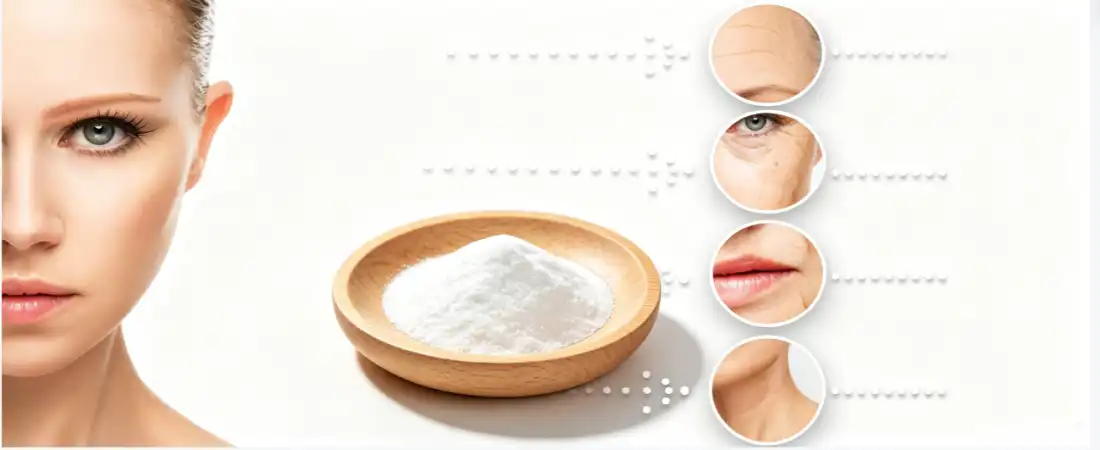
Understanding Sodium Hyaluronate: Properties and Skin Benefits
The sodium salt form of hyaluronic acid is called sodium hyaluronate. Glycosaminoglycans like hyaluronic acid are found naturally and are made up of disaccharide units that repeat. It is easier for sodium hyaluronate to dissolve in water because it is smaller than its parent molecule. This makes it great for moisturizing the skin deep down.
The Chemistry Behind Superior Hydration
Sodium hyaluronate can hold up to 1,000 times its own weight in water because of how its molecules are set up. In this way, the skin is a hidden water store. It can stick together very well because it is an anionic polyelectrolyte and is bendable. It is very important for success to know the molecular weight. Types with a high molecular weight (above 1.5 MDa) protect the top layer of skin, while types with a low molecular weight (below 500 kDa) work deeper to bring about more collagen production and less inflammation.
Multi-Functional Skin Benefits
The skin layer gets better with sodium hyaluronate, and it also moisturizes the skin right away. This keeps the skin from losing water through its surface and keeps it safe from outside stresses. Animal tests have shown that it slows down the aging process by making skin more flexible and smoothing out fine lines. The ingredient works well with all skin types, even sensitive and acne-prone skin, because it doesn't clog pores and doesn't react with living things. Sodium hyaluronate is great for vegan, halal, and kosher products because it works gently but effectively. Retinol and collagen, on the other hand, can hurt the skin.
Safety Profile and Regulatory Acceptance
The best sodium hyaluronate has been approved by the FDA, European Pharmacopoeia, and other global regulators. Produced via bacterial fermentation of plant matter, it is animal-free with no disease transmission risk, meeting clean beauty standards. Toxicological studies consistently show low risk of allergic reactions or adverse effects, enabling use across diverse products from daily lotions to medical eye drops.
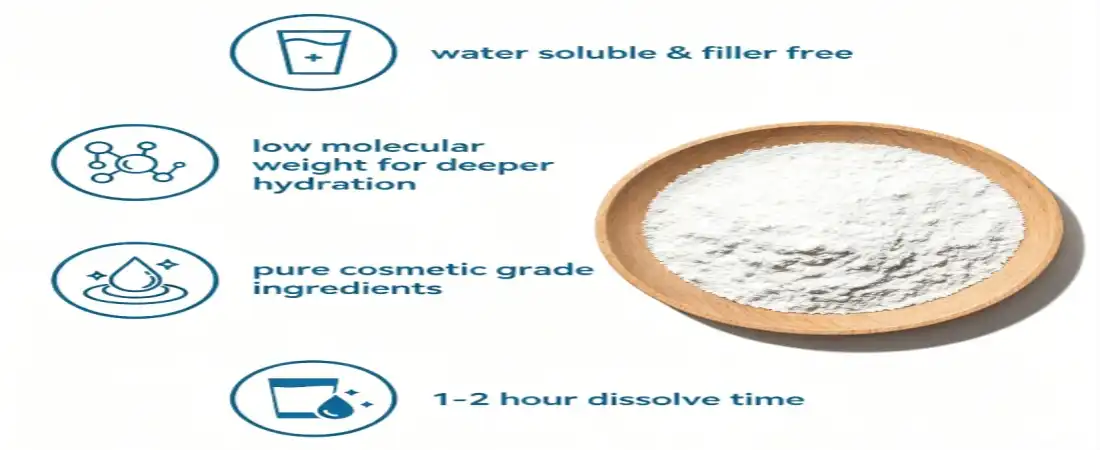
Optimizing Sodium Hyaluronate Use: Formulation and Application Insights
To make a good recipe, you need to give careful thought to the molecular weight distribution, the amount of material, and how the items work together to get the best results for the least amount of money.
Concentration Guidelines by Product Type
The amount of sodium hyaluronate that works in each type of food is very different. Every day creams have emollients like squalane and ceramides mixed in with 0.1% to 0.5%. Hydrating serums, on the other hand, have 1% to 2% to release a lot of wetness. When it comes to eye creams, 0.5% to 1% types work best because they don't make the area around the eyes swell up. Sheet masks can use up to 3% for short-term, strong treatments.
Molecular Weight Strategy for Enhanced Performance
These days, recipes use mixes of different weights to work on both the top and bottom layers of skin more and more. A type of sodium hyaluronate with a high molecular weight immediately smooths and protects the skin. Other types with a low molecular weight get into the stratum corneum and fight aging for a long time. Small pieces of oligomeric hyaluronic acid (less than 10 kDa) can even tell cells how to make collagen and heal wounds. To make sure that every run is the same, buying teams should ask for analysis results that show the molecular weight distribution and intrinsic viscosity.
Synergistic Ingredient Combinations
Peptides, vitamin C, and niacinamide all work really well with sodium hyaluronate. It helps them get into cells and stay there. If you mix polymers with acidic actives like glycolic acid or retinol, you need to make sure the pH stays between 6.0 and 7.5. To find out how long something will last, formulators should add stabilization agents and test it quickly (40°C, 75% RH). It is possible to keep the product from sticking or getting "fish eyes" by mixing sodium hyaluronate with humectants like glycerin or propylene glycol before adding water.
How to Choose the Best Sodium Hyaluronate Products and Ingredients?
How well the product works, how well it meets legal standards, and how much money you make all depend on the type of sodium hyaluronate in question and the company that sells it.
Powder Versus Liquid Forms: Manufacturing Considerations
Compared to pre-diluted solutions, the best sodium hyaluronate powder offers longer shelf life, better concentration control, and lower shipping costs, making it ideal for bulk manufacturers. Very pure powder (99% purity, 80 mesh) disperses easily in water-based systems, allowing formulation flexibility for each product. Pre-diluted liquid forms may contain stabilizers or preservatives that reduce formulation versatility.
Quality Indicators and Testing Protocols
Its dry test content should be between 95% and 105%, its glucuronic acid content should be above 46%, its protein content should be below 0.1%, and its heavy metals content should be below 10 ppm. Any more than those amounts are not good sodium hyaluronate. HPLC chromatograms that show the molecular weight distribution, pH tests, bacteria counts, and endotoxin levels should be included on certificates of analysis from approved labs. This is especially important for medicinal uses. Providers you can trust keep track of where the raw materials come from and give you paperwork for every batch.
Supplier Evaluation Framework
Buyers should think about a number of important things when they look at different companies. Manufacturing certifications like ISO 9001, GMP, KOSHER, and HALAL show that a business cares about quality. Have been in the market for a long time (probably over ten years). This shows that the supply line is safe. On top of offering raw materials, technical support services like helping with formulas and legal advice are very valuable. Reliable partnerships let you talk to them freely, answer quickly (within 24 to 48 hours), and are ready to give samples with all the necessary papers.
One company that meets these standards is NT Biotech. They sell 99% pure sodium hyaluronate powder (CAS 9004-61-9) that has all the appropriate approvals from other countries. The company keeps stock on hand so it can ship quickly (within two to four days). It also offers a variety of packing choices, and 25 kg is the minimum order size. Formulators can use free samples that come with certificates of analysis to make sure the product is right for them before making big orders.
Procuring Sodium Hyaluronate for B2B: Best Practices and Market Insights
Before you buy sodium hyaluronate, you should know how the market works, how much it costs, and what new trends are happening in the field that might change prices and supply.
Global Supply Chain Landscape
China makes most of the world's fermentation-derived sodium hyaluronate—over 80% of the total supply. This is because it has a well-developed biotechnology system and lower costs. There are some big companies that have spent money on vertical integration, which means doing everything from growing bacteria to cleaning and checking the quality. When buying teams know about this focus, they can get ready for problems that could happen and negotiate better terms. If you keep your main relationships with providers strong while building new ones, you'll be able to stay in business when demand is high or freight issues arise.
Cost Factors and Pricing Structures
The price of the best sodium hyaluronate depends on purity level (pharmaceutical grade costs more than cosmetic grade), molecular weight specification (custom ranges require more work), order volume (bulk purchases above 500 kg receive discounts), and packaging format (custom labeling and special containers cost extra). Cosmetic-grade powder currently ranges from $120 to $400 per kilogram. Long-term contracts with committed volumes often secure better pricing and priority access during supply shortages.
Regulatory Compliance and Documentation
If you want to do business abroad, you need to pay close attention to all the legal paperwork. They should give you Material Safety Data Sheets (MSDS), certificates of origin, allergy statements, GMO status statements, and guarantees that the product is free of BSE and TSE. When cosmetics come into the US, they have to follow the rules set by the FDA. The EU Cosmetics Regulation 1223/2009 says they need to be registered with REACH and follow its rules. Keeping your paperwork in order speeds up the customs process and makes it easier to check that your goods can be tracked.
Sustainability and Ethical Sourcing Trends
More people are becoming aware of the need for items that come from sources that don't hurt the earth and have clear supply chains. This can be done with sodium hyaluronate that is made from fermentation. It is vegan and cruelty-free because it doesn't have any ingredients that come from animals. Ahead of the curve suppliers make things in ways that are good for the earth, such as by returning water, saving energy, and throwing away less trash. They can make their names stand out when they work with sellers who offer sustainability studies and third-party environmental certifications.
Conclusion
As of now, sodium hyaluronate is an important part of many skin care products. It keeps skin moist, slows down the aging process, and is generally safe to use. R&D teams and people who buy things can make better decisions that lead to better products and more sales if they know about the molecular properties of the material, the best ways to make it, and the best ways to buy it. Your recipes containing the best sodium hyaluronate will be safe as long as they follow government rules and meet rising customer expectations in an increasingly selective market. Work with well-known suppliers who can demonstrate technical expertise, consistent quality, and responsive service.
FAQ
1. What is the difference between sodium hyaluronate and hyaluronic acid?
There is a sodium salt of hyaluronic acid that is called sodium hyaluronate. It stays solid longer and mixes better with water than hyaluronic acid. Hyaluronic acid is naturally acidic, so it is easy for it to break down and hard to mix. On the other hand, sodium hyaluronate doesn't change when the pH level changes and can handle being processed. Sodium hyaluronate is better for commercial goods because it is easy to make and lasts longer. Both ingredients can help keep skin moist.
2. How can I verify the authenticity and quality of supplied sodium hyaluronate?
Full certificates of analysis from different labs are given by trustworthy buyers. These certificates show that the test was pure and that the molecular weight distribution was checked using HPLC. The certificates also include tests for bacteria and heavy metals. Instead of general specs, you should ask for information that is unique to the batch. The seller's claims are proven by using standard pharmacopoeia methods (USP, EP, or JP) on samples received to check the source claims. Strong quality control means that the same thing works the same way on different runs. When buying something, don't buy it from someone who won't give you specific information about how it was made.
3. Can sodium hyaluronate be combined with retinol or acids in formulations?
Sodium hyaluronate works well with retinol and chemical exfoliants if they are mixed the right way. Taking care of pH is the most important thing to do. Sodium hyaluronate doesn't change when the pH level is between 6.0 and 7.5, but many acids need a lower pH to work. Putting on different serum layers in a certain order (acids first, then sodium hyaluronate) will keep them from not working together. Instead, buffer systems and containment technologies allow for safe ways to mix things. Before starting mass production, make sure everything works by testing it under stress. By adding, you can get more benefits and keep the active ingredients from breaking down.
Partner with NT Biotech for Premium Sodium Hyaluronate Supply
The company NT Biotech has more than ten years of experience in the field and has pharmaceutical-grade sodium hyaluronate. They can help you with your product research and production needs. When it comes to technical preparation, our research and development (R&D) team can help you find the best ratios and molecule weights for your product goals. Each batch is carefully checked for quality and comes with full records of its analysis. The product will always work the same way and be in line with ISO 9001, KOSHER, and HALAL rules.
We understand how important it is to finish products on time. We can ship within two to four days of getting an order because we keep our stock in good shape. Our flexible packing options can be used for both small-scale production runs and large-scale production needs, with a 25 kg minimum order. We are easy to talk to, answer questions quickly (within two hours), and offer competitive prices for large orders. Procurement managers looking for reliable best sodium hyaluronate providers will like these things.
You can use our 99% pure sodium hyaluronate powder (80 mesh, CAS 9004-61-9) to make anti-aging serums, hydrating creams, or beauty-from-within products. It works well and consistently for your business. Send us an email at info@newthingsbiotech.com to get free samples with all the scientific paperwork and to talk about how NT Biotech can become your long-term partner for ingredients.
References
1. Papakonstantinou E, Roth M, Karakiulakis G. "Hyaluronic Acid: A Key Molecule in Skin Aging." Dermato-Endocrinology, 2012.
2. Bukhari SNA, Roswandi NL, Waqas M, et al. "Hyaluronic Acid, a Promising Skin Rejuvenating Biomedicine: A Review of Recent Updates and Pre-clinical and Clinical Investigations on Cosmetic and Nutricosmetic Effects." International Journal of Biological Macromolecules, 2018.
3. Stern R, Maibach HI. "Hyaluronan in Skin: Aspects of Aging and its Pharmacologic Modulation." Clinics in Dermatology, 2008.
4. Pavicic T, Gauglitz GG, Lersch P, et al. "Efficacy of Cream-Based Novel Formulations of Hyaluronic Acid of Different Molecular Weights in Anti-Wrinkle Treatment." Journal of Drugs in Dermatology, 2011.
5. Ghazi K, Deng-Pichon U, Warnet JM, Rat P. "Hyaluronan in the Extracellular Matrix: Structure, Function, and Impact in Cosmetic Dermatology." Journal of Cosmetic Dermatology, 2012.
6. Farwick M, Gauglitz G, Pavicic T, et al. "Fifty-kDa Hyaluronic Acid Upregulates Some Epidermal Genes without Changing TNF-α Expression in Reconstructed Epidermis." Skin Pharmacology and Physiology, 2011.
Hyaluronic acid powder is now an important ingredient for companies that make beauty products, food vitamins, and functional drinks. Hyaluronic acid powder bulk is a naturally occurring polysaccharide that is very good at binding water. It provides buying workers with a stable and affordable way to make a lot of things. Compared to liquid forms, powdered forms are better at staying stable on shelves, making operations easier, and allowing for precise dosing control. These are all very important benefits for brands that want to keep the quality of their products consistent across foreign markets. Knowing its uses, benefits, and safety profile helps R&D managers and buying directors make smart choices that balance how well a product works with following the rules.

What Is Hyaluronic Acid Powder Bulk and How Is It Made?
Hyaluronic acid, which is officially known as sodium hyaluronate when it's in powder form, is a linear polysaccharide made up of D-glucuronic acid and N-acetyl-D-glucosamine disaccharide units that repeat. This naturally occurring chemical is very important for keeping the skin moist, lubricating the joints, and healing tissues all over the body.
Manufacturing Process and Purity Standards
Modern HA production uses bacterial fermentation with Streptococcus zooepidemicus, replacing animal extraction. This ensures uniform molecular weight and eliminates animal contaminants. The process includes controlled fermentation, multi-step filtration, and spray-drying. Quality bulk HA exceeds 99% purity with strict microbial limits meeting pharmaceutical standards. NT Biotech produces 99% pure powder with ISO9001, Kosher, and Halal certifications. Each batch tests for glucuronic acid above 44% and moisture below 10%.
Powder Form Advantages Over Liquid Alternatives
Bulk powder reduces shipping weight and freight costs. Powder needs no preservatives, enabling cleaner ingredient lists. Manufacturers can adjust dosage and blend sodium hyaluronate with vitamins or peptides without compatibility concerns. Store bulk powder at 2–8°C below 60% RH. Properly packed in sealed aluminum bags or fiber drums, powder avoids moisture absorption that changes flow and dissolution from warehouse to factory floor.
Benefits and Uses of Hyaluronic Acid Powder Bulk in B2B Applications
Hyaluronic acid powder bulk (sodium hyaluronate) has many uses that make it popular in the medicinal, cosmetic, and nutritional industries. Its special chemical structure makes it useful for many things, from anti-aging skin care to supporting joint movement.
Deep Hydration and Skin Health Support
HA holds 1,000 times its weight in water, creating a moisture reserve in skin cells. Oral intake of 120–240 mg daily increases skin hydration and reduces fine lines per clinical studies. Beauty-from-within supplements target stressed consumers. HA with collagen peptides enhances elasticity and strengthens extracellular matrix in capsules or powders. This combination fights multiple aging signs. Powder form enables exact doses needed for efficacy claims and regulatory compliance across different markets for premium beauty supplements.
Joint Lubrication and Mobility Enhancement
HA is a major component of synovial fluid that cushions joints during movement. Supplements improve joint comfort for active adults and seniors experiencing natural cartilage wear. The molecule's viscoelastic properties maintain joint smoothness and may alleviate mild exercise-related pain. Joint health formulas often combine sodium hyaluronate with glucosamine, chondroitin, and MSM. Powder form enables easy incorporation into tablets, capsules, or drink mixes for tailored joint nutrition products with proven safety.
Tissue Repair and Barrier Function
Sodium hyaluronate supports cell signaling and tissue regeneration within the extracellular matrix beyond simple hydration. This biological activity helps maintain healthy tissues, wound healing, and protective barriers. Wellness formulas with HA address multiple health dimensions, marketing products as all-around daily vitamins. Biological action differs between low and high molecular weights, letting formulators choose specific grades for specific uses. This makes HA powder bulk useful for diverse product creation strategies across categories.
Industrial Applications Across Sectors
Sodium hyaluronate powder works well for capsules and tablets due to good flowability and tap density for automatic filling. For beverages, excellent solubility produces clear liquids without settling, making particle size specification important. The powder blends uniformly with gelatin or pectin matrices for gummies. Cosmetic formulators use pharmaceutical-grade HA in serums, creams, and masks. Medical device makers need ultra-pure types for eye drops and injectables, each requiring specific molecular weight ranges and purity levels.

Understanding Side Effects and Dosage Guidelines
Hyaluronic acid has a great safety rating with few side effects. However, procurement workers need to be aware of the possible risks to make sure that products are developed responsibly and that consumers are protected.
Known Side Effects and Mitigation
Oral hyaluronic acid powder bulk (sodium hyaluronate) is well tolerated at recommended doses. Rare gastrointestinal effects like mild abdominal pain resolve spontaneously. Allergic responses are very rare with fermentation-derived materials containing no animal proteins. Standard allergen warnings and usage directions should appear on labels. Most topical uses don't irritate skin; optimal pH range is 5.0–7.0. Proper product testing during development identifies potential allergies before market launch, ensuring consumer safety across all applications.
Recommended Dosage Ranges
Nutraceutical uses typically require daily doses of 80–200 mg for skin hydration; some joint health formulas use up to 240 mg. Clinical proof of effectiveness comes from consistent use over 8–12 weeks, guiding dosage recommendations and suggested usage duration on packaging. Cosmetics use HA at 0.1–2.0% based on molecular weight and desired penetration depth. Higher molecular weight forms create surface films at lower concentrations; lower molecular weight needs higher ratios for similar effects.
Regulatory Compliance and Certifications
HA is GRAS for cosmetics and foods per FDA, though health claims require substantiation. European EFSA regulations set similar guidelines; some member states require novel food applications. ISO9001 certification demonstrates quality management including production controls, raw material sourcing, and batch records. Kosher and Halal licenses enable market access in Southeast Asian and Middle Eastern markets. NT Biotech maintains these certifications following USP and EP guides for worldwide delivery of pharmaceutical-grade HA powder.
How to Choose the Best Hyaluronic Acid Powder Bulk Supplier?
To find a trusted partner for buying raw materials, you need to look at more than just the price quotes they give you at first. Strategies for sourcing affect the standard of the product, how well it meets regulations, and the stability of the supply chain in the long run.
Quality Assurance and Testing Protocols
Premium suppliers provide full Certificates of Analysis with each batch showing molecular weight distribution, purity assay, heavy metals, and microbial results. HPLC or UV spectroscopy verifies identity and potency. Endotoxin levels below 0.5 EU/mg ensure safety for injectable medicines. Request sample batches before bulk orders to test solubility, color consistency, and compatibility with current formulations. Comparative testing prevents expensive re-formulation work and production delays.
Certifications and Regulatory Documentation
Beyond ISO9001, suppliers serving international markets should maintain current GMP certification for pharmaceutical manufacturing. Allergen statements, BSE/TSE pledges, and GMO-free certifications meet legal standards across jurisdictions. Suppliers with regulatory expertise can assemble documentation packages facilitating product registration in target markets. NT Biotech provides regulatory support and formulation advice. Our ISO9001, Kosher, and Halal standards ensure materials work across wide markets. Our R&D team helps brands create proprietary formulas.
Supply Chain Reliability and Logistics
Ensure supplier MOQ matches production plans to optimize inventory management and cash flow. NT Biotech offers 25 kg MOQ with various packaging options serving both emerging brands and established manufacturers. In-stock inventory enables order fulfillment within 2–4 days of payment confirmation, minimizing production delays. Evaluate shipping options including freight forwarding relationships and customs clearance expertise. Dedicated freight partnerships ensure safe handling of hygroscopic products requiring climate-controlled transport.
Value-Added Services
OEM and private brand services for hyaluronic acid powder bulk help you find suppliers ready as strategic partners rather than transactional vendors. Custom formulation creation, stability testing, and packaging design support all accelerate time-to-market for new products. Technical advice on dosage optimization and ingredient compatibility provides inherent value, enabling manufacturers to maximize efficacy while maintaining stability. These services transform raw material sourcing into a collaborative development partnership.
NT Biotech takes payments in local currencies, which makes doing business across borders easier and lowers the risk of exchange rates for buying budgets. Our expert team answers questions within two hours, which makes contact quick and easy and makes it easier for everyone to work together. These service parts add to the total cost of ownership, which is different from the price per kilogram.

Pricing and Procurement Strategies for Bulk Hyaluronic Acid Powder
Procurement workers can negotiate better terms and keep the supply chain safe by understanding what drives prices and how markets work.
Cost Factors Influencing Market Prices
Specification of molecular weight has a big effect on production costs and market prices. When compared to regular beauty grades, ultra-high molecular weight grades that need special cleaning are more expensive. Cost models reflect the fact that handling steps need to be longer when the purity level is above 98%. Baseline production costs change with the price of commodities because they depend on fermentation rates, raw material inputs, and energy costs.
Pharmaceutical-grade approval needs proven production methods and a lot of paperwork, which is why it costs more than food-grade options. During the RFQ process, buyers should say what quality level they need to make sure that quotes from different providers are similar. When you commit to a certain amount of goods, you can often get lower prices per kilogram as long as you buy more than 500 to 1000 kg per year.
Negotiation Tactics and Order Optimization
Set up long-term supply deals with agreed-upon yearly amounts to get better prices and a guaranteed share during times of market shortage. Multi-year contracts make it easier to plan your budget and give providers a reason to keep quality and service levels uniform. Ask for payment terms that work with your cash flow cycles. This will help you meet the needs of your suppliers while also making the best use of your working capital.
For hyaluronic acid powder bulk procurement, group orders together to reach higher volume tiers instead of making many small purchases. However, weigh carrying costs against price savings for hygroscopic materials requiring climate-controlled storage. Working with sellers on OEM packaging optimization reduces handling steps and lowers total landing cost. This strategic approach balances inventory expenses with bulk discounts while maintaining material stability and quality standards.
Authenticity Verification and Supply Chain Transparency
Raw materials that are fake or have been tampered with are very dangerous to both consumers and brands. Instead of depending only on supplier paperwork, set up testing processes for incoming materials that use spectroscopic methods to confirm identity. Third-party lab research is an independent way to confirm that promises of purity and the lack of contaminants are true.
Ask your suppliers to do facility checks or look over inspection records from a third party that prove their manufacturing skills and quality systems. Traceability paperwork that connects finished powder to fermentation batches makes sure that everyone in the supply chain is responsible. Suppliers with a good reputation accept openness as proof of their dedication to quality, while vague answers could mean there are problems.
Strategic Sourcing Case Example
When a medium-sized supplement company switched from using liquid hyaluronic acid to bulk powder, they saved 23% on the cost of raw materials and made their products more stable. By combining with a single qualified provider that offered bulk savings and technical formulation support, the company cut down on unnecessary qualification costs and made it easier to keep track of its inventory. The partnership method included business reviews every three months to make sure that everyone was on the same page about quality standards and planning for capacity. This shows that strategic sourcing goes beyond just buying things and includes managing relationships with others.
Conclusion
Hyaluronic acid powder bulk is a useful and valuable raw material that can be used in many ways in the pharmaceutical, skincare, and nutritional industries. Because it hydrates very well, is safe, and can be made in a variety of ways, it is important for companies making high-end beauty supplements, joint health formulas, and useful skin care products. The success of procurement rests on choosing suppliers with stable quality, knowledge of regulations, and quick service—all of which are just as important as low prices. The best results for product development and market positioning come from strategic sourcing methods that focus on long-term relationships, clear quality documents, and technical cooperation.
FAQ
1. What molecular weight should I specify for my hyaluronic acid powder?
Choosing the right molecular weight relies on the biological activity you want and the purpose you want to use it for. Low molecular weight types (10–50 kDa) are better at penetrating the skin to provide deep hydration in beauty products, while high molecular weight forms (800 kDa–2 MDa) help form a film on the skin's surface and lubricate joints. A lot of products use a mix of different molecular weight parts to get multi-depth activity. Talk to the technical experts at NT Biotech to find the best specs that match your product idea and promises of effectiveness. Based on clinical research and recipe experience across a wide range of supplement categories, our R&D team can suggest grades.
2. How should bulk hyaluronic acid powder be stored?
Powder stays good for a long time if it is stored correctly. Keep sealed packages in climate-controlled spaces that are kept between 2 and 8°C and have a relative humidity below 60%. Sodium hyaluronate is hygroscopic, which means it absorbs water easily. If it gets too wet, it can clump together and dissolve slowly. Once the powder is opened, put it in sealed cases with desiccant packets and use it within six months. Stay away from changes in temperature that cause condensation. By following these steps, the flowability, stability, and strength of powder can be kept for use in manufacturing.
3. Is hyaluronic acid safe for daily supplementation?
Oral hyaluronic acid supplements in usual doses of 80 to 240 mg per day have been shown to be safe in clinical studies. Researchers who followed the same people for 12 weeks found that there were few bad effects, and that mild stomach problems happened very rarely. Because the molecule is naturally found in human cells, it has a high tolerance level. But women who are pregnant or nursing should talk to their doctors before starting supplements. Products should have the right usage directions and warnings about when not to use them, so that they can be used safely by consumers, as required by regulations.
Partner with NT Biotech for Reliable Hyaluronic Acid Powder Bulk Supply
NT Biotech can help you find pharmaceutical-grade hyaluronic acid powder bulk that meets the highest international standards. Our sodium hyaluronate powder (CAS 9004-61-9) is 99% pure and has ISO9001, Kosher, and Halal standards to make sure it meets all the rules in all global markets. We have been exporting nutritional ingredients for more than ten years, so we know what paperwork North American and European brands need and what quality they expect. Our in-stock items can be delivered within two to four days, and our 25 kg minimum order size makes it possible for jobs of all sizes. We offer full technical support, including formulation advice, stable testing suggestions, and custom OEM development services, as a reputable hyaluronic acid powder bulk provider. Email us at info@newthingsbiotech.com to get a free taste and talk about how our useful ingredients that come from plants can help your next product launch.
References
1. Kawada, C., Yoshida, T., Yoshida, H., Matsuoka, R., Sakamoto, W., Odanaka, W., & Sato, T. (2014). Ingested hyaluronan moisturizes dry skin. Nutrition Journal, 13(1), 70-78.
2. Oe, M., Sakai, S., Yoshida, H., Okado, N., Kaneda, H., Masuda, Y., & Uenishi, K. (2017). Oral hyaluronan relieves knee pain: a review. Nutrition Journal, 16(1), 11-19.
3. Becker, L. C., Bergfeld, W. F., Belsito, D. V., Hill, R. A., Klaassen, C. D., Liebler, D. C., & Snyder, P. W. (2009). Final report of the safety assessment of hyaluronic acid. International Journal of Toxicology, 28(4), 5-67.
4. Fallacara, A., Baldini, E., Manfredini, S., & Vertuani, S. (2018). Hyaluronic acid in the third millennium. Polymers, 10(7), 701-728.
5. Gupta, R. C., Lall, R., Srivastava, A., & Sinha, A. (2019). Hyaluronic acid: molecular mechanisms and therapeutic trajectory. Frontiers in Veterinary Science, 6, 192-206.
6. Tashiro, T., Seino, S., Sato, T., Matsuoka, R., Masuda, Y., & Fukui, N. (2012). Oral administration of polymer hyaluronic acid alleviates symptoms of knee osteoarthritis: a double-blind, placebo-controlled study over a 12-month period. The Scientific World Journal, 2012, 167928.
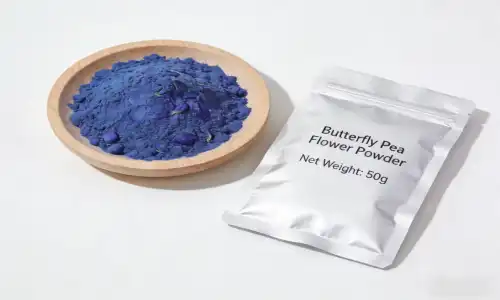
Powdered butterfly pea flower has become one of the most useful natural products in the beauty and food businesses. This bright blue powder comes from Clitoria ternatea and does more than just look good—it contains useful bioactive chemicals that health-conscious people all over the world love. Brands looking for clean-label alternatives to synthetic dyes and active ingredients have asked us for more than ever before. This is especially true in the US market, where regulations are getting stricter and customer standards are rising.
It is very important for procurement managers, R&D leaders, and sourcing experts in the food, cosmetics, and nutrition ingredient supply chains to understand this plant ingredient's strategic value. This guide looks at why powdered butterfly pea flower should be in your product lines. It talks about what it is made of, its proven benefits, quality standards, and buying tips. More and more people want plant-based chemicals that can be tracked and proven by science. This powder is a great option for brands that want to set their products apart while still following the rules and making sure their supply chain is reliable.

Understanding Powdered Butterfly Pea Flower: Composition and Uses
What Makes Butterfly Pea Powder Unique?
Butterfly pea powder is a concentrated form of Clitoria ternatea flower, made by low-temperature drying and grinding to preserve bioactivity. The 80-mesh powder disperses instantly without solvents, maintaining potency. Rich in anthocyanins (especially delphinidin-based compounds), it displays pH-driven color changes from blue (neutral) to purple (acidic) to greenish (alkaline). Flavonoids, polyphenols, and amino acids provide functional benefits beyond coloring.
Primary Applications Across Industries
Butterfly pea powder serves as a natural colorant in foods and beverages, staying stable above 100°C during pasteurization. It outperforms fruit-based blues that oxidize during baking. The cosmetic industry uses it in anti-aging and skin-rejuvenating products. Its antioxidant capacity (measured by ORAC) supports claims of reducing oxidative stress. The 100% pure standard with no carriers ensures formulators maintain control over ingredient ratios without unexpected additives.

Top 7 Health and Beauty Benefits of Powdered Butterfly Pea Flower
Knowing that powdered butterfly pea flower can be used for many things makes it easier for business-to-business buyers to explain the value to their end customers and helps them set their products apart in competitive markets.
Potent Antioxidant Activity
Powdered butterfly pea flower's polyphenolic ingredients and anthocyanins are very good at getting rid of free radicals. High ORAC levels are always seen in the lab, which is linked to cells being protected against oxidative stress. This group of antioxidants can be used to make fitness claims about dietary supplements and functional foods that aim to boost the immune system and general health. As more people learn about how oxidative damage contributes to aging and chronic conditions, brands that want to put their goods in the preventive health area find this ingredient to be very useful.
Natural Blue Colorant Without Synthetic Risks
People's dislike of man-made colors like Blue #1 has made a big demand for natural substitutes. Powdered butterfly pea flower gives food bright colors without the problems with labeling or government rules that come with fake colors. The fact that the ingredient is FDA-approved for certain types of food gives procurement teams legal trust and meets clean-label standards. Unlike spirulina-based blues that settle in acidic drinks, this powder stays stable over a wider pH range, so it looks good in everything from lemonades to fizzy drinks.
Skin Elasticity and Anti-Aging Properties
The beneficial chemicals in the powder are used by cosmetic formulators to help the skin make collagen and keep it healthy. Because it has anthocyanins and flavonoids, it can be used in high-end skin care lines to help make formulas that lessen the signs of age. The ingredient has been successfully added to sleeping masks and serums, where its antioxidant qualities work well with other actives like hyaluronic acid and peptides to make the product work better overall.
Hair Strengthening and Scalp Health
The amino acid makeup and mineral content support hair care treatments that focus on making hair stronger and giving it more shine. Product makers put the powder in shampoos, conditioners, and treatment masks for sensitive scalps because it is gentle enough to work with those ingredients. The natural blue tint adds visual interest to clear or white-based products and has practical benefits related to protecting hair proteins from environmental damage.
Anti-Inflammatory Potential
Studies of the powder's flavonoid content show that it has strong anti-inflammatory properties that can be used both internally and topically. This ingredient is used in dietary supplements to help with joint health and general wellness, and in skin care products to help reduce swelling and itching. Its ability to be used in both ingestible and topical goods makes it more useful in a wide range of product lines.
Cognitive Function Support
New research on butterfly pea extracts suggests that they might have nootropic benefits connected to acetylcholine activity in brain pathways. Even though more study needs to be done, early results suggest that companies that make supplements for brain health should look into this ingredient. Because it comes from plants and is safe, it's a good choice for products that aim to improve mental clarity and focus, especially in markets that focus on plant-based health solutions.
Heat and pH Stability for Formulation Flexibility
Technical performance distinguishes natural colorants with poor stability from quality butterfly pea powder. Unlike other plant pigments that fail during high-temperature processing, this powder maintains color throughout baking. This stability reduces batch failures and expands product categories that can benefit from thermal processing. Cost savings from fewer rejected batches make it economically attractive for manufacturers.

Butterfly Pea Flower Benefits for Skin: What Formulators Need to Know
The major reason cosmetic firms include butterfly pea flower to serums, masks and lotions is because of its skin advantages. It is rich in anthocyanins and flavonoids, which assist to produce collagen and minimize the look of age lines, while antioxidants protect the skin cells from daily oxidative stress.
Other benefits of butterfly pea flower for skin include soothing inflamed or sensitive complexions and supporting the scalp microbiome in hair-care formats. The powder is water soluble and carrier free, providing formulators with total control over concentration and the potential to blend it with established actives as hyaluronic acid, peptides, vitamin C, or niacinamide for layered effectiveness.
The commercial aspect matters to purchasers, too. Butterfly pea flower advantages for skin are straightforward to express on clean-label goods, and the natural blue-to-purple color change adds shelf appeal that synthetic colors can’t match. Brands that support these advantages with solid, batch-specific CoA data make stronger and more valid marketing claims.
Health Benefits of Butterfly Pea: What Supplement Brands Should Communicate
The butterfly pea’s hue is just the start of its health advantages. Potent antioxidant activity related with immunological and general wellness support is associated with its polyphenol and anthocyanin composition. Anti-inflammatory substances lend themselves to joint and internal health formulations.
New nootropic study on butterfly pea extracts hints to cognitive-support potential linked to cholinergic circuits, making the substance intriguing for brain-health supplements. Companies need to support butterfly pea health claims with clinical references, and avoid overhyping early-stage results in their communication.
From a sourcing perspective, the health advantages of butterfly pea are best safeguarded by low temperature processing and validated anthocyanin content. Buyers who want HPLC-tested, food-grade material may place the ingredient in functional meals, beverages and nutricosmetic lines with confidence.
Powdered Butterfly Pea Flower for B2B Buyers: Quality, Sourcing, and Procurement Insights
Quality Indicators and Certification Standards
Powdered butterfly pea flower that is professional-grade has certain technical features that set it apart from lesser-quality products. A moisture level below 5% keeps the product stable during storage and stops microbes from growing, which could damage the batch's structure. Ashes with an ash content less than 5% show little mineral pollution and good processing. Limits on heavy metals below 10ppm meet international safety standards, which is important for export markets and sensitive uses like makeup where strict rules still apply.
The 80-mesh particle size standard guarantees full solubility in water without sedimentation, which is very important for beverage uses where clarity affects how customers see the product. Anthocyanin concentration is checked by a third party using HPLC analysis. This gives buying teams concrete quality standards to use when comparing suppliers. Certifications like ISO9001, Kosher, and Halal standards make it easier for brands to get into new markets, especially for those that cater to a wide range of consumers with specific food needs.
Sourcing Considerations and Supply Chain Transparency
Organic certification commands premium pricing but provides access to natural product lines where ingredient provenance directly impacts brand credibility. Our integrated approach combining proprietary farming with processing expertise enables full traceability from harvest to packaging. Maintaining ready stock solves the unpredictability of botanical ingredients, enabling shipment within 2–4 days of payment confirmation and preventing costly production delays from ingredient shortages.
MOQ and Pricing Structures
The 10kg minimum order quantity enables product development teams to test formulations without significant upfront investment. This relatively low barrier serves both small and medium brands testing market acceptance and larger companies diversifying sourcing. Packaging options including 1kg bags, 10kg boxes, and custom configurations accommodate various operational scales. Understanding that concentration levels affect cost-per-application helps negotiation, as higher pigment density often provides better value than dried flowers despite higher per-kilogram pricing.
How to Maximize the Use of Powdered Butterfly Pea Flower in Food & Beauty Product Development?
Dosage Optimization and Formulation Guidelines
To use powdered butterfly pea flower effectively, you must first understand how much focus is needed to get the results you want. Use rates in food and drinks are usually between 0.05% and 0.5% by weight. Lower numbers are enough for pale blue tints, while higher amounts give saturated colors. Cosmetics usually have 0.01% to 0.1% of an ingredient, based on whether it's mostly used as a colorant or for functional bioactive effects. The powder is cost-effective because of these low dose rates, since small amounts have big effects on how it looks and works.
Stability Considerations During Processing
Unlike options like beets or red cabbage extracts that break down quickly during cooking, powdered butterfly pea flower stays stable at high temperatures, making it very useful in many situations. But long-term exposure to temperatures above 150°C may cause slow fading, which suggests that the time of addition is important in high-heat situations. The best way to keep the color is to add the powder while the mixture is cooling or mix it into no-bake parts. Standard mixing methods keep the full strength of cosmetic cold-process formulas without any special handling needs.
Synergistic Ingredient Combinations
Because powdered butterfly pea flower changes based on pH, it provides both possibilities and problems. To add visual interest, drink makers use the color shift by mixing the powder with citrus fruits to make "magic" drinks that turn from blue to purple when lemon is added. On the other hand, products that need a stable blue color must keep the pH balanced, which means they need to carefully choose ingredients that work well together. During development, testing across expected pH ranges stops finished goods from changing colors in ways that were not expected.
Combining the powder with plants that go well with it makes it more useful and easier to sell. When you mix it with turmeric, you get beautiful green colors and the pain-relieving benefits of both ingredients. Blending adaptogens like ashwagandha or rhodiola into health drinks is popular with people who want all-around stress relief. The flavor profile is mild and earthy, and it goes well with sweets, lemon, and herbal notes without being the main taste. Cosmetic formulators get better results when they mix the powder with well-known active ingredients like peptide complexes, vitamin C, or niacinamide.

Conclusion
Powdered butterfly pea flower represents a good ingredient choice for brands that want to meet both customer desire for natural products and organizational need for reliable, useful raw materials. The scientific benefits—stability at high temperatures, pH ranges, and high bioactive content—combine with the clean-label appeal to solve a number of manufacturing problems with just one ingredient addition. When procurement pros look at ingredient portfolios, the fact that they can be used for more than one thing makes them more valuable than regular colorants or fillers that are only used for one thing.
Businesses-to-business (B2B) buyers increasingly value suppliers who offer more than just good products. They also value suppliers who offer full support, such as quick responses, clear documentation, and expert collaboration. From growing the plants to delivering them, NT Biotech uses an integrated method that makes sure of continuity, which protects your brand's image and allows for new ideas. This ingredient is both useful right away and useful for long-term product growth plans because it has a reasonable price, an easy-to-achieve MOQ, and a wide range of certifications.
FAQ
1. Why Choose Butterfly Pea Powder Over Spirulina Blue?
Acid stability and heat resistance are the most important differences. Phycocyanin from spirulina separates and loses its color in acidic settings below pH 4.5. This means it can't be used in carbonated drinks, lemon drinks, or many baked goods. Powdered butterfly pea flower turns purple when it comes in contact with acid while still being fully soluble. This means that it can be used in more product categories than spirulina can.
2. How Should Storage Be Managed to Prevent Degradation?
Anthocyanins are still affected by UV light and air for a long time. For storage to work right, it needs to be cool and dry, and the cases need to be covered and out of direct light. If stored properly, powdered butterfly pea flower can last longer than twelve months without losing much of its color or effectiveness. Quality is maintained throughout the use period by packaging in smaller pieces that limit air contact after opening.
3. What Documentation Supports Regulatory Compliance?
Professional providers give a lot of paperwork, like Certificates of Analysis, allergen statements, non-GMO certifications, and legal status letters that are special to each country. The FDA's approval of butterfly pea extract as a color additive under 21 CFR 73.69 for certain food applications gives regulators trust in the US market, though it is still best to check each formulation's compliance for powdered butterfly pea flower.
4. What are the main butterfly pea flower benefits for skin?
Skin advantages of using butterfly pea flower include antioxidant protection, collagen support and obvious anti-aging effects. The powder’s anthocyanins and flavonoids aid to neutralize free radicals and soothe sensitive or irritated skin. The powder is water-soluble and carrier-free, allowing formulators to easily couple it with hyaluronic acid, peptides or vitamin C. These advantages are straightforward to establish with batch-specific CoA data for B2B purchasers and transfer nicely onto clean-label beauty claims.
5. What are the key health benefits of butterfly pea?
Health Benefits of Butterfly Pea Strong antioxidant activity to boost immunity and wellbeing Anti-inflammatory properties helpful in joint and internal formulas Nootropic studies to assist early-stage cognitive support Since most research is still emerging, supplement companies should base claims on clinical references and indicate HPLC-verified, food-grade content. Butterfly pea’s health advantages make it a useful food ingredient for drinks, nutricosmetic products, and more.
Partnering with NT Biotech: Your Trusted Butterfly Pea Powder Supplier
NT Biotech is ready to help you come up with new products by giving you high-quality powdered butterfly pea flower that meets the strict standards that markets around the world expect. Our unique low-temperature method keeps the whole range of bioactive chemicals while getting the 80-mesh particle size that makes sure your formulas mix perfectly. In addition to providing you with high-quality raw materials, we also act as your professional partner as you build your product.
Our system for quality control includes thorough testing. Each batch comes with a Certificate of Analysis that lists the amount of anthocyanin, heavy metals that were screened for, and microbial safety factors. The ISO, Kosher, and Halal standards take away legal hurdles for a wide range of market groups. We keep a lot of goods on hand so that orders can be filled quickly—within two to four days—and there is no supply uncertainty to mess up production plans. The 10kg minimum order amount works for both testing new recipes and regular output needs.
Email our team at info@newthingsbiotech.com to talk about your particular needs. We give you free samples of our powdered butterfly pea flower so that you can directly test how well it works in your own combinations. Our OEM skills are very flexible, so we can make packaging and specs that are specific to your needs. Whether you're working on the next big health drink or a new line of cosmetics, NT Biotech has the high-quality ingredients, reliable supplies, and technical know-how to turn your ideas into goods that are ready for the market. Find out why big brands choose us to make their powdered butterfly pea flowers.
References
1. Chusak, C., et al. (2018). "Acute Effects of Clitoria ternatea Flower Beverage on Glycemic Response and Antioxidant Capacity in Healthy Subjects: A Randomized Crossover Trial." BMC Complementary Medicine and Therapies, 18(1), 6-14.
2. Nair, V., Bang, W.Y., Schreckinger, E., Andarwulan, N., and Cisneros-Zevallos, L. (2015). "Protective Role of Ternatin Anthocyanins and Quercetin Glycosides from Butterfly Pea against Lipopolysaccharide-Induced Inflammation." Journal of Agricultural and Food Chemistry, 63(28), 6355-6365.
3. Jeyaraj, E.J., Lim, Y.Y., and Choo, W.S. (2021). "Extraction Methods of Butterfly Pea (Clitoria ternatea) Flower and Biological Activities of Its Phytochemicals." Journal of Food Science and Technology, 58(6), 2054-2067.
4. Srichaikul, B. and Bunsang, R. (2020). "Stability of Natural Blue Colorant from Butterfly Pea Flowers Under Different Processing Conditions." International Food Research Journal, 27(2), 265-272.
5. Lakshan, S.A., Jayanath, N.Y., Abeysekera, W.P., and Abeysekera, W.K. (2019). "A Commercial Potential of Clitoria ternatea as a Natural Food Colorant and Antioxidant." Evidence-Based Complementary and Alternative Medicine, 2019, Article ID 2916914.
6. Rabeta, M.S. and Lai, S.Y. (2017). "Effects of Drying, Fermented and Unfermented Tea from Clitoria ternatea Flowers on Antioxidant Potential and Manganese Mineral Content." Sains Malaysiana, 46(1), 133-140.
In 2026, people who work in global business-to-business buying will find that the best sodium hyaluronate is a useful ingredient that can be used in medicine, makeup, and nutrition. Because it stays steady in recipes and is bioavailable, sodium hyaluronate is a key ingredient in many new skin care serums, joint health supplements, eye drops, and improved wound care products. It keeps the skin moist very well. More and more people want ingredients with clean labels that are backed by science. To make their goods stand out and meet strict government rules, companies need to know about the technical benefits, buying strategies, and quality standards of premium sodium hyaluronate.

Understanding Sodium Hyaluronate and Its Benefits for Skincare and Pharmaceuticals
The naturally occurring sodium salt of hyaluronic acid is called sodium hyaluronate. Hyaluronic acid is a glycosaminoglycan that is made up of repeating disaccharide units of D-glucuronic acid and N-acetyl-D-glucosamine. Hyaluronic acid is naturally fragile and can be broken down by air. Sodium hyaluronate, on the other hand, has more stable molecules, dissolves better in water, and can handle pressures from the outside better. Formulators who work in the food, beauty, and medicine businesses choose it over others because of this.
Molecular Structure and Superior Absorption
Something that makes sodium hyaluronate different is that its molecules aren't as big as hyaluronic acid molecules. At this point, it can reach further into the stratum corneum and other layers of skin. Because of this structure benefit, the nutrient is more bioavailable. This means that it can hydrate both the top layer of skin and the lower layers of tissue. The molecule can hold up to 1,000 times its own weight in water. This creates a long-lasting water store that helps keep skin flexible, joints hydrated, and eyes comfortable.
Core Benefits for Product Developers
A lot of different fields need sodium hyaluronate because it can be used in a lot of different ways. A lot of people call it the "hydration magnet" since it can hold so much water. The best thing about it is that it hydrates deeply. It's amazing how well this function helps with dry skin, dry eye disease, and joint pain. Sodium hyaluronate does more than just keep skin moist. Also, it helps keep the skin's wetness level just right, which smooths out the skin's structure and makes fine lines caused by stress and age look less noticeable.
The biocompatible nature of the element means that it can be used on even sensitive skin. This makes it less likely that the skin will react badly, like burning. Others that keep the skin moist are glycerin (which mostly acts as a humectant on the surface) and ceramides (which make the lipid barrier stronger). Sodium hyaluronate is not like these. It's the only one that can keep the skin moist on the outside and support the cells deep inside. It is the best ingredient for high-performance products that want to fight aging, speed up healing, and improve skin health over time because it works in two ways.

Comparative Analysis: Choosing the Best Sodium Hyaluronate for Your Specific Needs
Different grades of sodium hyaluronate have different molecular weights. You also need to know where the material comes from and how well it works with other substances. Every one of these things has a big impact on how well the final product works, tastes, and meets the rules.
Molecular Weight Variations and Penetration Efficiency
It is possible to divide the best sodium hyaluronate into three groups based on its molecular weight: high (>1.5 million Daltons), medium (1.0–1.5 million Daltons), and low (<500,000 Daltons). High molecular weight types of the best sodium hyaluronate stay on the skin's surface and make a protective film that feels good and smooths the skin right away. These work great for face masks, lotions, and post-sun skin repair products. Low molecular weight best sodium hyaluronate penetrates deeply into the skin, helping reduce inflammation, accelerate collagen production, and deliver long-term anti-aging benefits. Many modern formulations use a blend of molecular weights of the best sodium hyaluronate to provide both immediate and sustained hydration.
It's better to use sodium hyaluronate instead of retinol or collagen peptides, which need to be broken down by enzymes before they can be taken. Retinol speeds up cell turnover but can hurt the skin. Because it works well with other active ingredients, it can be put together in recipes that work better together. For instance, it can be mixed with vitamin C to make antioxidants work better or with peptides to make collagen support work better.
Sourcing Origin: Fermentation vs. Synthetic
A lot of sodium hyaluronate is made these days by bio-fermentation with bacteria such as Streptococcus zooepidemicus. This way of making an item is okay with vegan, halal, and kosher groups because it doesn't come from animals. Older ways of getting the element from rooster combs were less likely to be pure and full of viruses. This way is also more pure. Fermentation makes sodium hyaluronate that meets strict standards for use in medicines and cosmetics. Because of this, it is the best choice for global markets that want sources that are honest and clear.
Concentration Guidelines and Product Forms
Topical forms usually have amounts between 0.1% and 2.0%, depending on how thick and moist the skin needs to be. Sodium hyaluronate that is safe for food is used in vitamins like "beauty from within" pills, "hydration drink mixes," and "joint support" items. The part comes as a fine white powder with an 80-mesh size that melts quickly in water-based systems. This makes mixing easy and makes sure that each batch works the same way every time.
Best Practices for Procurement: A Global Buyer's Guide to Sourcing Sodium Hyaluronate
If you want to find good sodium hyaluronate, you need a plan that makes the supply chain work as smoothly as possible while also making sure that laws are followed. Buyers from other countries should give more weight to suppliers who can show they know what they're doing technically, are honest about how they run their business, and can get things to them on time.
Key Certifications and Quality Standards
The best sodium hyaluronate used in medicine and cosmetics must meet high-quality standards set by pharmacopoeias such as EP, USP, and JP. ISO 9001 certification for quality management systems helps identify the best sodium hyaluronate. Halal and Kosher certifications matter for the best sodium hyaluronate intended for specific consumer groups. To avoid immunogenic reactions, the protein content of the best sodium hyaluronate should stay below 0.1%, and residual nucleic acid levels must be carefully controlled. Buyers can make smart decisions when suppliers of the best sodium hyaluronate provide full Certificates of Analysis with HPLC and UV test data.
Practical Procurement Considerations
The lowest amount that can be ordered (MOQ) is 25 kg. This is a good balance between making it easy for medium-sized producers to get what they need and making sure that operations for large transfers work well. Prices vary based on the molecular weight, purity grade, and size of the order. Sodium hyaluronate made from fermentation costs more because it is of higher quality. For ingredients to stay stable while they move across countries, transport logistics are very important. Sodium hyaluronate powder that comes from a reliable source is packed in strong outer boxes or fiber drums with sealed main bags inside. This keeps light, water, and germs from getting into the powder.
Lead times for things that are already in stock are often only two to four days. Custom orders or different chemical weights, on the other hand, can take anywhere from three to ten business days. People who want to buy something should make sure it's in stock and ask for free samples to make sure it works the way they thought it would.
Value-Added Services for Product Differentiation
Brands can make their goods stand out from the rest without having to build their own plants if they work with suppliers that offer private labeling and product customization. It's very helpful for buyers to get technical support services like formulation advice and application tests. These help them get the most out of their materials and fix formulation problems. When people have access to expert research and development teams, they can work together to make a product and make sure that it meets all legal standards and meets the needs of the market.

Top Sodium Hyaluronate Brands and Manufacturers in 2026
The world market for sodium hyaluronate in 2026 is made up of well-known companies from the US, China, and Europe. Each is good for different things when it comes to making new things, following the rules, and making production.
Evaluating Supplier Credibility
There are a lot of good ways to tell if a possible supplier of the best sodium hyaluronate is good at quality control and running their business well. It's clear that a supplier cares about quality control and ethical production when they have certifications like ISO 9001, GMP (Good Manufacturing Practice), and Halal/Kosher for the best sodium hyaluronate. You can find out more about how reliable, responsive, and good at technical help a supplier is by reading verified customer reviews and case studies about the best sodium hyaluronate.
The NT Biotech Advantage
Some people from all over the world trust NT Biotech (Shaanxi New Things Biotech) to help them buy pure sodium hyaluronate powder. The people at NT Biotech have worked with plant products and biological materials for more than ten years. They offer a full value-chain service system that includes buying raw materials, doing unique extractions, keeping strict quality control, and managing the supply chain in a flexible way. The sodium hyaluronate that the company sells can be used in food and drugs without any problems. They are 99% pure (CAS: 9004-61-9) and come in the form of an 80-mesh fine powder that is easy to mix with other things.
The certifications that NT Biotech has, like ISO 9001, halal, and kosher, show that they follow the rules in many areas. Since the business keeps a lot of items in stock, they can ship quickly—within two to four days of getting an order. They also offer different types of packaging to meet the needs of all buyers, such as 25 kg drums or unique designs. You can try the product for free to make sure it works, and the company has a research and development team that can help you improve the recipe and come up with new uses for it.
Strategic Partnership Benefits
Getting information from trusted sources like NT Biotech can help your business in many ways. Formulations work as intended when the quality is the same from batch to batch, and following the rules is less likely when there is clear COA paperwork and tracking methods. It takes less time to make a product when you have access to technical experts. This helps brands get new ideas on the market faster. There are many ways for international buyers to pay, such as deals in the buyer's own currency, which makes the buying process even easier.

Conclusion
It will still be important for businesses that make high-performance drugs, supplements, and cosmetics to use sodium hyaluronate in 2026. For brands that want to make their products stand out and meet changing customer needs, this ingredient is a good buy because it can hold water in a unique way and is biocompatible. When buyers want to buy something, they need to show that they know how to do it, follow the rules, and can send the goods on time.
When buyers around the world work with certified manufacturers of the best sodium hyaluronate, they can be sure of stable quality, lower supply chain risks, and get the professional help they need to grow their businesses and make their products more successful.
FAQ
1. What is the difference between sodium hyaluronate and hyaluronic acid?
Salt of hyaluronic acid in the form of sodium is called sodium hyaluronate. And it doesn't break down as fast. It is more solid and dissolves more easily. Hyaluronic acid is found in nature, but it is not steady. Sodium hyaluronate, on the other hand, has smaller molecules that help it get into tissues more easily. This means that it works better when on the skin or taken by mouth.
2. How do I select the appropriate molecular weight for my product?
A sodium hyaluronate with a molecular weight of more than 1.5 MDa is great for keeping the skin's surface wet and for making films in serums and lotions. The ones with a molecular weight of less than 500 kDa go deeper and help with joint health, anti-aging, and inflammation. A lot of current recipes select a range of molecular weights that work best together.
3. Is sodium hyaluronate suitable for vegan and halal products?
These days, bacteria ferment starches to make sodium hyaluronate. It's plant-based, halal, or kosher, and doesn't come from animals. You should look at a supplier's license to make sure they have the right ones for the job.
Partner with NT Biotech for Premium Sodium Hyaluronate Supply
This is the best sodium hyaluronate powder that NT Biotech sells. It is 99% pure, 80 mesh, and has the CAS number 9004-61-9. The powder has been approved by ISO 9001 and is also safe and kosher. We can send quickly (within two to four days) because we keep a lot of products in stock and use special extraction methods that ensure high batch accuracy. Our trained research and development (R&D) team can help you make your formulas better, whether you're making anti-aging serums, beauty products, or things for joint health. Before you buy the item, you can try it out for free to make sure it works. Contact us at info@newthingsbiotech.com to talk about your needs with a dependable sodium hyaluronate supplier and learn how our adaptable OEM solutions can help you speed up the development of your product while still following all international laws.
References
1. Papakonstantinou, E., Roth, M., & Karakiulakis, G. (2012). Hyaluronic acid: A key molecule in skin aging. Dermato-Endocrinology, 4(3), 253-258.
2. Stern, R., Asari, A. A., & Sugahara, K. N. (2006). Hyaluronan fragments: An information-rich system. European Journal of Cell Biology, 85(8), 699-715.
3. Becker, L. C., Bergfeld, W. F., Belsito, D. V., Hill, R. A., Klaassen, C. D., Liebler, D., Marks, J. G., Shank, R. C., Slaga, T. J., Snyder, P. W., & Andersen, F. A. (2009). Final report of the safety assessment of hyaluronic acid, potassium hyaluronate, and sodium hyaluronate. International Journal of Toxicology, 28(4 Suppl), 5-67.
4. Necas, J., Bartosikova, L., Brauner, P., & Kolar, J. (2008). Hyaluronic acid (hyaluronan): A review. Veterinarni Medicina, 53(8), 397-411.
5. Gupta, R. C., Lall, R., Srivastava, A., & Sinha, A. (2019). Hyaluronic acid: Molecular mechanisms and therapeutic trajectory. Frontiers in Veterinary Science, 6, 192.
6. Bukhari, S. N. A., Roswandi, N. L., Waqas, M., Habib, H., Hussain, F., Khan, S., Sohail, M., Ramli, N. A., Thu, H. E., & Hussain, Z. (2018). Hyaluronic acid, a promising skin rejuvenating biomedicine: A review of recent updates and pre-clinical and clinical investigations on cosmetic and nutricosmetic effects. International Journal of Biological Macromolecules, 120(Pt B), 1682-1695.
"What are the best Hyaluronic Acid products on the market?" is a question that procurement experts often ask when they need to find ingredients for drugs, cosmetics, or dietary supplements. Someone way to find the best pure hyaluronic acid is to look for sources that offer it and have full certifications like ISO9001, Kosher, and Halal compliance, as well as steady production capacities. Hyaluronic acid powder that is the best has particles that are 80 meshes small and look like white crystals. Its molecular weight makes it good for many uses, from anti-aging serums to joint health supplements. Getting Certificates of Analysis from reliable suppliers who keep stock on hand for quick rollout and send them within two to four days is a good way to support rapid product development.
Understanding Pure Hyaluronic Acid: Benefits and Mechanism
The Molecular Foundation of Hyaluronic Acid
HA (C14H21NO11)n consists of repeated D-glucuronic acid and N-acetyl-D-glucosamine units. It holds up to 1,000 times its weight in water via hydroxyl groups forming hydrogen bonds. High molecular weight (>1.0 MDa) forms protective films reducing water loss. Low molecular weight (200–800 kDa) penetrates deeper, activating fibroblasts and natural collagen production for comprehensive anti-aging effects.
Benefits Across Skin Types and Physiological Systems
Pure HA restores moisture balance and elasticity, reducing fine lines. Its biocompatibility suits sensitive skin without irritation. It hydrates without clogging pores, making it ideal for oily and acne-prone skin. Beyond skincare, HA supports joint health by improving synovial fluid lubrication. It is used in eye drops for dry eyes and in pharmaceutical applications for wound healing and drug delivery systems.
Pure Hyaluronic Acid versus Sodium Hyaluronate
Pure HA and Sodium Hyaluronate (its salt form) differ significantly. Sodium Hyaluronate forms when carboxylic acid groups convert to sodium carboxylate, offering better water solubility and stability across pH 5.0–8.5. Pure HA can degrade in acidic conditions. Sodium Hyaluronate offers better bioavailability for clear drinks, serums, and injectables. Pure HA powder suits water-free systems requiring specific flow properties.

Top Pure Hyaluronic Acid Products in 2026: Performance and Use Cases
Product Categorization by Formulation Requirements
That which the best pure hyaluronic acid items do and how they can be used in 2026. There are many different kinds of Hyaluronic Acid on the market in 2026, each made for a different purpose. Microbial fermentation is a common way that cosmetic-grade HA powder is made. This method is vegan-friendly and keeps protein waste below 0.1%, which is a key part of lowering immunogenic reactions. Pharmaceutical-grade Sodium Hyaluronate is made to meet the strict standards set by the European Pharmacopoeia and the Japanese Pharmacopoeia. Endotoxin levels have been checked, and it has been shown to be clean enough to use for shots. When it comes to food, food-grade HA has been given GRAS status in the US and Novel Food approval in the EU. As a result, it can be used in healthy drinks, sweets, and beauty items.
More groups can be made with the help of molecular weight measurements. The very small size of oligo-HA (less than 5 kDa) allows it to get inside cells and help them fix themselves by sending signals. Molecular weights between 300 and 800 kDa are good for daily lotions and anti-aging serums because they have a good mix of surface water and middling penetration. High-molecular-weight HA (1.5–2.5 MDa) works right away on the skin's surface and is great for deep-hydrating masks and joint health products that are made to look like synovial fluid in the body.
Serum Formulations versus Cream Applications
Serums contain 1–2% Sodium Hyaluronate with blended molecular weights for surface and deep hydration. Their thin texture allows adding vitamin C or peptides without pilling. Creams combine HA with lipids in emulsion systems for extended moisture retention, ideal for overnight therapy. The challenge is maintaining HA stability during heat and mechanical stress. Formulators should use heat-stable grades or add HA during cooling.
Brand Authentication and Supplier Verification
Fake HA products are common. Real suppliers provide batch-specific Certificates of Analysis showing glucuronic acid (>46%), protein residues, heavy metal screens, and microbial tests. HPLC fingerprinting verifies molecular weight distribution and detects adulterants. ISO9001, Kosher, Halal, and GMP certifications ensure quality management. Buyers should conduct facility visits or third-party inspections before signing major contracts.
How to Select and Procure Pure Hyaluronic Acid Products: A Decision Support Framework
Aligning Product Specifications with Application Needs
Cosmetic buyers must specify molecular weight bands based on penetration and feel. Joint health requires high molecular weight (>1.0 MDa) with proven bioavailability. Pharmaceutical uses need consistent molecular weight distribution (CV <5%). Medical injectables require protein <0.05% and endotoxins <0.5 EU/mg. Food additives need allergen-free documentation and heavy metal compliance with California Prop 65 and EU standards.
Evaluating Supplier Reliability and Production Capacity
Established manufacturers set MOQ around 25 kg. Reliable suppliers keep popular specs in stock for 1–3 day shipping. Custom molecular weight blends take 3–10 days. Strategic partners provide formulation guidance, recommended concentrations, and stability data for different pH and temperature conditions. Access to FDA GRAS notices or EU Novel Food dossiers accelerates regulatory approval and market entry.
Bulk Purchasing Strategies and Cost Optimization
Bulk purchases often see 8–15% price reductions at 100kg, 500kg, and 1,000kg tiers. However, high-molecular-weight HA requires climate-controlled storage (20–25°C, <60% RH), adding carrying costs. New customers typically pay 50% deposit; repeat customers may get net-30 terms. Letters of credit protect international buyers. Suppliers accepting local currency eliminate foreign exchange risk.

Optimizing Pure Hyaluronic Acid Use: Guidance for B2B Clients
Formulation Integration and Processing Considerations
Slowly add best pure hyaluronic acid powder to liquid phase under light stirring to prevent clumping. Pre-mix with glycerin or polyols for easier dispersion. Maintain pH 6.5–7.5 for stability. Ultra-high-molecular-weight HA chains break above 80°C, especially in acidic conditions. Add heat-stabilized grades during cooling below 60°C. Chelating agents like EDTA prevent metal-catalyzed oxidative degradation during storage, ensuring long-term product stability and performance.
Synergistic Combinations with Complementary Actives
HA's water matrix stabilizes vitamin C while maintaining hydration, enabling dual anti-aging benefits. Low-molecular-weight HA helps peptides penetrate deeper. In beauty-from-within drinks, hydrolyzed collagen provides amino acids while HA maintains moisture. Joint health products combine HA with glucosamine and chondroitin sulfate for comprehensive cartilage support through structural reinforcement and improved lubrication.
Quality Control and Stability Monitoring
Infrared spectroscopy confirms material identity. Gel permeation chromatography verifies molecular weight distribution. Glucuronic acid tests (>46%) prove HA purity and detect adulterants. Stability monitoring includes viscosity readings and pH tracking. Microbial testing is critical as HA's hygroscopic nature supports bacterial growth if preservatives fail. Accelerated aging at 40°C for 90 days predicts real-time stability for shelf-life determination.
Where and How to Purchase Pure Hyaluronic Acid: Market Insights and Deals
Direct Manufacturer Relationships versus Distributor Networks
Direct ties with manufacturers like NT Biotech enable full traceability from fermentation to packaging, eliminating middleman markups. Distributors benefit small buyers needing multiple ingredients, offering local stock and smaller pack sizes for product testing. However, distributors rarely provide technical formulation expertise—this comes from manufacturers with application experience and deep product knowledge.
Negotiation Strategies and Value-Added Services
Total value creation for the best pure hyaluronic acid goes beyond price per unit. Free samples of 100–500 grams let you test entire recipes without upfront investment. Different packaging options add value: standard 25 kg fiber drums suit most uses, while smaller units or nitrogen-flushed barrels improve stability. These considerations help procurement teams make informed decisions that balance cost, quality, and formulation performance.
How the goods are shipped has a big impact on the costs of landing. Air packages can be tracked more accurately and for less money if the supplier has a unique account with FedEx, UPS, or DHL. When you move more than 500 kg, it's cheaper to do it by sea, but it takes 20 to 45 days to get there, so you need to plan ahead and make sure your building has enough room. Some sellers offer delivered duty paid (DDP) terms, which mean that they clear customs for the buyer and give them an accurate estimate of how much the whole deal will cost. This is very helpful for people who have never imported before.
Market Trends and Future Procurement Considerations
There are always new trends in the market for Hyaluronic Acid that affect how people buy it. Thanks to improvements in biofermentation technology, it is now possible to make ultra-pure HA with more even changes in molecular weight. This makes the performance more consistent. Stories about healthy sources are becoming more important as brands talk more about how they care about the environment. For instance, eco-friendly people are interested in HA made from non-GMO microbial strains and reusable platforms. RGA growth speeds up as more places accept food-grade HA. This makes the market for healthy drinks and foods bigger.
Recently, there have been problems in the world that have made supply chain stability important. Purchasing professionals are using dual-sourcing more and more. This means finding qualified backup providers to lower the risk of quality issues or production delays. Even though having a lot of different regions lowers the risk of concentration, China is still the biggest provider in the world because it is cheap and good at making technology. Prices for raw materials can change over time, but long-term supply deals with price adjustment terms protect against this and make sure that capacity is used when demand is high.
Conclusion
That being said, technical specs, seller name, and total value delivery are the things you should look at to find the best Hyaluronic Acid goods. It is 99% pure, has all the right approvals, and has molecular weight profiles that can be used for medicine, vitamins, and beauty products. A big part of strategic buying is getting to know sellers who can give you technical know-how, consistent quality, quick responses, and open payment terms. HA is a smart chemical investment that helps with product creation and market difference because rules are changing and it can be used for more things.
By using the choice models mentioned here, purchasing managers can safely select suppliers for the best pure hyaluronic acid, make it easier for formulations to work together, and build strong supply chains that will help them stay competitive in the long term across pharmaceutical, nutraceutical, and cosmetic markets.
FAQ
1. What molecular weight of hyaluronic acid works best for anti-aging formulations?
Mixing molecules of different weights is the best way to slow down age. High-molecular-weight HA (1.5–2.0 MDa) instantly softens and plumps up the skin's surface. Within hours, fine lines can be seen to be less obvious. Parts with a low-molecular-weight (200–800 kDa) go deeper to increase the activity of fibroblasts and the production of natural collagen. This fixes the ways that structures age. A lot of expensive serums have a mix of 0.5 to 1.0% high MW and 0.3 to 0.5% low MW HA. This helps with many things, from keeping the skin's surface wet to changing the shape of the dermis.
2. How can I verify the authenticity of hyaluronic acid powder from suppliers?
Ask for Certificates of Analysis that show the molecular weight distribution using gel permeation chromatography, that have more than 46% glucuronic acid, and that have less than 0.1% protein residues. Real providers give paperwork that is unique to each batch and has lot numbers that can be used to keep track of it. In the case of ISO9001 certification, quality control is done in a planned way. For Kosher/Halal certification, the ingredients are clean. Third-party testing by fair labs that use HPLC analysis to find man-made polymer adulterants that are sometimes used instead of real HA is something you might want to do.
3. What storage conditions maintain hyaluronic acid powder stability?
Do not open the packages that hold HA powder. Store them between 20 and 25°C and below 60% relative humidity. HA attracts water because it is hygroscopic. If it is left in wet conditions for a long time, it can clump together and let germs grow. Once a package is opened, desiccant bags should be quickly put back inside to keep the contents dry. Because of how it is stored, HA powder will stay steady for 24 to 36 months. However, you should check it every so often to make sure the molecular weight stays the same and there is no degradation.
Partner with NT Biotech for Premium Hyaluronic Acid Supply
You can trust NT Biotech to be the best pure hyaluronic acid manufacturer. They sell ISO9001, Kosher, and Halal products to companies all over the world that make medicines, supplements, and cosmetics. We have full Certificates of Analysis to prove that our Hyaluronic Acid powder is 99% pure and has particles that are exactly 80 mesh in size. It also meets molecular weight standards. We keep a lot of goods in stock so that we can send them within 2 to 4 days. We've been in this business for more than 10 years. Along with open OEM customization, we also give specialized technical help for the whole process of formulation. Email us at info@newthingsbiotech.com to get free samples from our staff. Find out how our special ways of extracting Hyaluronic Acid, our strict quality standards, and our openness to relationships can help you with the development of your products with reliable, high-performance Hyaluronic Acid solutions.
References
1. Stern, R., Asari, A.A., & Sugahara, K.N. (2006). Hyaluronan fragments: An information-rich system. European Journal of Cell Biology, 85(8), 699-715.
2. Papakonstantinou, E., Roth, M., & Karakiulakis, G. (2012). Hyaluronic acid: A key molecule in skin aging. Dermato-Endocrinology, 4(3), 253-258.
3. Bukhari, S.N.A., Roswandi, N.L., Waqas, M., Habib, H., Hussain, F., Khan, S., Sohail, M., Ramli, N.A., Thu, H.E., & Hussain, Z. (2018). Hyaluronic acid, a promising skin rejuvenating biomedicine: A review of recent updates and pre-clinical and clinical investigations on cosmetic and nutricosmetic effects. International Journal of Biological Macromolecules, 120(Part B), 1682-1695.
4. Kogan, G., Šoltés, L., Stern, R., & Gemeiner, P. (2007). Hyaluronic acid: a natural biopolymer with a broad range of biomedical and industrial applications. Biotechnology Letters, 29(1), 17-25.
5. Zhu, J., Tang, X., Jia, Y., Ho, C.T., & Huang, Q. (2020). Applications and delivery mechanisms of hyaluronic acid used for topical/transdermal delivery – A review. International Journal of Pharmaceutics, 578, 119127.
6. Oe, M., Sakai, S., Yoshida, H., Okado, N., Kaneda, H., Masuda, Y., & Uenishi, K. (2017). Oral hyaluronan relieves wrinkles: a double-blinded, placebo-controlled study over a 12-week period. Clinical, Cosmetic and Investigational Dermatology, 10, 267-273.
These days, people who buy makeup want more than just water. They want to find ingredients that can truly moisturize, fight aging, and make the skin's barrier work better again. These ingredients should have been scientifically proven to work, and they have done so in the past. In this area, hyaluronate skin care has become the gold standard, giving buyers a tried-and-true choice that meets both technical needs and demand. This polymer is found naturally and quickly grabs and holds water molecules. Formulators need it to make serums, creams, and treatment systems for a wide range of goods. One of the most trusted and sought-after skin care products can help your brand if you know what it does, where to get it, and how to use it in skin care products.
Understanding Hyaluronic Acid and Hyaluronate in Skincare
The Chemical Distinction That Matters for Formulation
A lot of people who work in buying things can't tell the difference between hyaluronic acid and sodium hyaluronate. In both terms, the basic chemical is the same: it is a glycosaminoglycan, which is naturally found in human connective tissue. But the elements that make up these molecules are not at all the same. Hyaluronic acid is the acid form, and sodium hyaluronate is the salt form. This is a key difference because sodium hyaluronate absorbs better in water and stays stable at a neutral pH in a variety of preparation conditions. Because of this, it is the best material for making skin care items for sale. At 80 mesh, our sodium hyaluronate powder (CAS: 9004-61-9) is 99% pure. This means it will work well in many makeup bases and spread out evenly.
Molecular Weight Determines Functional Depth
Hyaluronic acid's molecular weight determines how well it can get into cells and what it does. High molecular weight versions (above 2,000 kDa) make safe sheets on the skin's surface that stop water loss through the epidermis. This makes the skin soft and smooth right away, which is great for masks and creams that moisturize. Medium-sized molecules (500–2,000 kDa) mix water on the skin's surface with average entry. They make skin more flexible and help anti-aging and firming serums work better. Hyaluronic acid with a molecular weight less than 500 kDa can get deeper into the skin and help fix the barrier while reducing inflammation. This is important for skin care products that help people heal after treatment. It's possible to get molecular weights that are just right for your formulation goals at NT Biotech, whether you want to wet the surface or fix the deep barrier.
Safety Profile and Regulatory Compliance
A lot of the time, sodium hyaluronate doesn't make skin sensitive or swell up. This means it can be used on all skin kinds, even skin that is sensitive, acne-prone, dry, or greasy. It is biocompatible because it is found naturally in human flesh. This makes it less likely to cause immune response. For our B2B clients in hyaluronate skin care who need to follow regulations, our hyaluronate ingredients are ISO9001, Kosher, and Halal certified, permitting them in many international markets. Each lot undergoes third-party quality testing and includes full documentation like Certificates of Analysis and HPLC proof. This ensures product traceability and trust while meeting US and other countries’ legal standards for pharmaceutical, nutraceutical, and cosmetic applications.
Comparing Hyaluronate with Other Popular Skincare Ingredients
Synergistic Combinations for Differentiated Product Lines
Vitamin C fights free radicals and retinol speeds up the renewal of cells. Together with these active ingredients, hyaluronate keeps the skin at the right level of wetness, which makes it less painful and more effective. When mixed together in night serums, sodium hyaluronate and retinol can make the anti-aging benefits stronger while lowering the redness that retinoids often cause. Hyaluronate and vitamin C are added to day creams to help keep the skin's wetness level steady and speed up the cell growth process. Collagen molecules are too big to get through skin that isn't broken, but because their molecular weights are different, hyaluronic acid molecules can get to specific places in the dermis. When brands use these strategies together, they can make skin care lines that fight many signs of aging at once, which is very useful for customers.
Formulation Format Considerations
What hyaluronate serums and creams to use depend on the weather and the people you want to reach. In light bases, serums usually have more hyaluronate with a low to medium molecular weight. People who live in wet places or want goods that they can add, like serums, like how well they treat the whole body. High molecular weight changes are used by moisturizers to make thicker emulsions that protect and hydrate, which is why people with dry skin or older skin like them. When buying teams know about these different forms, they can better choose ingredients that meet the needs of local markets and new goods that come out at certain times of the year.
Natural Versus Synthetic Sourcing Perspectives
Today, most sodium hyaluronate is made by bio-fermenting non-GMO plant products. This method is better at controlling purity and molecular weight than methods that use animal products. This way of making things is better for the earth and meets the requirements for vegan products. This is becoming more and more important for brands that want to sell in North America and Europe. NT Biotech's unique extraction methods get the most active chemicals from the ingredients while keeping the quality of key products above 98%. This gives formulators accurate information about how well their products work and thorough records of their quality, which helps them market their high-end names and stand out from the rest.
How to Incorporate Hyaluronate Products into Your Skincare Routine?
Application Guidelines for Optimal Results
To get the most out of hyaluronate, you need to understand how its hydrophilic system works. It works best when the ingredient is put on skin that is just slightly damp. This way, it can soak up any extra or external moisture before an occlusive layer seals it in. When you use a hyaluronate serum, a moisturizer, and a hydrating wash in this way, the skin is better able to hold on to water and not lose it too fast. Performance can also be changed by temperature and humidity. For instance, formulations made for dry areas should have higher amounts of high molecular weight versions that work better as barriers. Things made for wet places, on the other hand, can use lighter textures and lower molecular weight versions to get deeper without making the top heavy.
Segment-Specific Recommendations for OEM Development
For each type of customer, the best preparation method will depend on what they want and how likely they are to buy again. Simple one-step products that mix hyaluronate with humectants that work well together, like glycerin, are good for newbies because they make practices easier and make the skin look and feel more hydrated. Skin that is sensitive needs items that don't have a lot of other ingredients that work. This way, hyaluronate's ability to relax and fix barriers can shine through without the risk of irritating the skin from complicated ingredient structures. Customers who are pregnant want options that are safe and work well. For this careful group, sodium hyaluronate is a great element because it is found naturally and has a high safety rate. The results of this study help OEM partners make customized product lines with clear messages that address specific buyer concerns.
The B2B Success Metrics
To add multi-weight hyaluronate mixes to their hyaluronate skin care line, a medium-sized cosmetics brand worked with an honest ingredient source. Within six months, products showed 34% higher customer hydration satisfaction and 28% higher repeat sales. A startup used low molecular weight sodium hyaluronate for a post-procedure healing serum, achieving first-year profitability through dermatology clinic placement and professional referrals. Material quality directly links to market success and financial returns.

Procurement Guide for Hyaluronate Skincare Ingredients and Products
Essential Supplier Evaluation Criteria
When procurement workers look at possible hyaluronate sources, they should pay attention to a few key factors that have a direct impact on how well the product works and how stable the supply chain is. Quality certifications from well-known international groups, such as ISO9001, Kosher, and Halal, give you basic peace of mind about how goods are made and how they can be tracked. You should ask for more than just certificates. For example, you could ask for a molecular weight distribution analysis, proof of purity through HPLC testing, and proof of microbial limit papers. Suppliers who are honest about where their raw materials come from and how they are removed show that they care about quality and help buyers figure out how to talk about sustainability in a smart way. NT Biotech controls the whole value chain, from the plant source to the end product. They do this by mixing cutting edge research and development with self-sufficient planting. This makes sure that the batch stays stable and that technical questions are answered quickly.
Lots of real factors that affect operational efficiency and cost should be considered by buying teams before choosing a provider for hyaluronate skin care ingredients. These include production capacity, inventory management, quality documentation, shipping reliability, and technical support availability to ensure consistent formulation performance. It's tough for new businesses to enter the market when there are minimum order amounts. Small brands can try our free samples and 25 kg MOQ to see if the product works with their recipes before they place larger orders. NT Biotech always has a lot of well-known standardized extracts on hand. This lets them ship within two to four days of getting paid, which saves a lot of money and cuts down on production delays. Different packing options can be used for different production sizes. For example, our standard 25 kg drum form is good for bulk production, and you can use personalized packing options for unique handling needs. When you accept local currency as payment, your foreign exchange risk goes down, and it's easier to plan your budget for buying things in other countries.
Logistics Solutions and Emerging Market Trends
When the logistics work well, they remove reliable sources from ties that cause problems. We choose the best sending method for you based on how quickly you need your package, how much you want to ship, and how much it costs, whether it's fast, air freight, or ocean container. We can quickly send goods from our warehouse because we have direct accounts with both FEDEX and UPS. Freight forwarder networks that people trust handle big orders safely and on time. Usually, it takes three to ten working days to get a production order ready. To do this, they need to get the best raw materials, treat them in a special way, test them in a lab, make a certificate of analysis (CoA), and then pack them. This helps you plan your production because it lets you know exactly when everything needs to be done. Animal-friendly and vegan recipes are becoming more popular, and our bio-fermentation production methods are in line with that. This means that your brand can change with the tastes of your customers without affecting the quality of the ingredients or the reliability of your supply.
Conclusion
Sodium hyaluronate is a key part of modern hyaluronate skin care because it keeps skin wet, slows aging, and repairs barriers with proven scientific efficacy. Its variety of molecular weights enables specific formulation goals from surface protection to deep-layer repair. Purchasing and formulating professionals can turn ingredient sourcing into a business success driver by working with suppliers offering quality guarantees, flexible supply options, and technical expertise. Reliable ingredients, regulatory compliance, and customer service ensure new product success in the global beauty market.
FAQ
1. Does Hyaluronate Effectively Reduce Wrinkles?
Instead of changing cells directly, hyaluronate makes lines look less noticeable by keeping skin very moist. Because it pulls and holds on to water molecules in the dermal layers, it temporarily makes the skin look thicker. This makes fine lines that are caused by lack of moisture look less obvious. When you use it regularly, it keeps moisturizing your skin, which makes it smoother. Hyaluronate works better in anti-aging products that combine it with collagen-boosting ingredients like vitamin C or peptides. This is because they work together to stop moisture loss right away and support the skin's structure over time.
2. Is Sodium Hyaluronate Safe for Sensitive or Acne-Prone Skin?
Because it is naturally biocompatible and doesn't cause acne, sodium hyaluronate is great for sensitive and acne-prone skin. Some chemicals that are heavy and occlusive can trap oil and make acne worse. Hyaluronate, on the other hand, makes layers of wetness that let air through and keep skin moist without clogging pores. Because it reduces inflammation, it helps calm the skin, which makes it useful in products for times when the skin's barrier is weak. Stick to the right amounts and don't use any other ingredients that might be annoying. The right amounts are usually between 0.5 and 2% to keep things moist without sticking.
3. What are the changes between Sodium Hyaluronate and Hyaluronic Acid when it comes to formulas?
There is a sodium salt of hyaluronic acid that is called sodium hyaluronate. It breaks down better in water and stays stable in a range of manufacturing conditions and pH levels. This makes it easier to mix with emulsion and water-based systems. This speeds up the process and makes each batch more stable. Also, the sodium form works better with common makeup preservatives and penetration boosters. This gives manufacturers more ways to make new goods.
Partner with NT Biotech for Premium Hyaluronate Skin Care Ingredients
NT Biotech has pharmaceutical-grade sodium hyaluronate that meets the high standards of beauty companies around the world. They can help you come up with your next idea for a skin care product. You can change the molecular weight of any of our products, and they are more than 99% pure. We also provide all the paperwork needed for ISO9001, Kosher, and Halal approvals. Our global team of research and development experts is ready to help you with anything, whether you need big ingredients for production lines that are already in place or tips on how to make new products. Email us at info@newthingsbiotech.com to talk about your project, get free samples, or find out how you can work with a hyaluronate skin care provider that cares about your formula's success and the growth of your market.
References
1. Papakonstantinou, E., Roth, M., & Karakiulakis, G. (2012). Hyaluronic acid: A key molecule in skin aging. Dermato-endocrinology, 4(3), 253-258.
2. Bukhari, S. N. A., Roswandi, N. L., Waqas, M., Habib, H., Hussain, F., Khan, S., ... & Hussain, Z. (2018). Hyaluronic acid, a promising skin rejuvenating biomedicine: A review of recent updates and pre-clinical and clinical investigations on cosmetic and nutricosmetic effects. International Journal of Biological Macromolecules, 120, 1682-1695.
3. Necas, J., Bartosikova, L., Brauner, P., & Kolar, J. (2008). Hyaluronic acid (hyaluronan): a review. Veterinarni Medicina, 53(8), 397-411.
4. Gao, X. H., Zhang, L., Wei, H., & Chen, H. D. (2008). Efficacy and safety of innovative cosmeceuticals. Clinics in Dermatology, 26(4), 367-374.
5. Sparavigna, A., Tenconi, B., & De Ponti, I. (2012). Antiaging, photoprotective, and brightening activity in biorevitalization: a new solution for aging skin. Clinical, Cosmetic and Investigational Dermatology, 5, 159-165.
6. Jegasothy, S. M., Zabolotniaia, V., & Bielfeldt, S. (2014). Efficacy of a new topical nano-hyaluronic acid in humans. Journal of Clinical and Aesthetic Dermatology, 7(3), 27-29.
Hyaluronic acid is now a big part of many skin care items because it has so many benefits. When you know these perks, you can change how you create new things. This naturally occurring molecule does a great job of attaching water to skin cells. This keeps the skin moist and supports its structure and flexibility. When you are shopping for hyaluronate skin care ingredients, you should know that this chemical is very important in many different types of goods, from everyday lotions to advanced anti-aging treatments. You can use this guide to help you pick the right ingredients for your products by going over the technical basics, the health benefits, and planning your sources.
Understanding Hyaluronic Acid and Hyaluronate in Skin Care
There is one helpful ingredient that is hyaluronic acid and another that is sodium hyaluronate. Hyaluronic acid is the parent molecule that is found in elastic tissue in humans. Sodium hyaluronate is hyaluronic acid in the form of a sodium salt. It stays steady and dissolves better in makeup.
Molecular Weight Matters for Penetration
A big part of how hyaluronate works with skin is its molecular weight. Different types of the protein with a molecular weight of more than 2000 kDa cover the skin's surface and keep water from escaping through the epidermis. Medium molecular weight forms (500–2000 kDa) keep the skin's surface from getting too wet by letting only a small amount of water in. This makes the skin stiffer and more pliable. Molecular weights less than 500 kDa can get deeper into the skin and help hold the barrier in place. They also add water to the skin's cells, which is where it has the most important effect on health.
Clinical Evidence Supporting Efficacy
A lot of research has shown that hyaluronic acid can make skin up to 96% more moist in just a few hours. Some changes that can be seen in the skin after regular use are in the number of lines, its elasticity, and its general appearance. The chemical is safe since it can be found in human flesh. This means it won't make people sick and can be used in skin care items for sensitive skin. This scientific proof gives buying teams peace of mind when they ask for hyaluronate to be used in products that say they will keep skin moist, fight age, or remove hurdles.
Core Benefits of Hyaluronic Acid for Skin Health
Another good thing about hyaluronic acid for your face is that it keeps it moist. It's good for a lot of different health problems at the same time.
Exceptional Water Retention Capacity
In hyaluronate skin care, hyaluronic acid holds 1,000 times its weight in water, instantly plumping skin and smoothing fine lines. It is essential for dry, dehydrated, or environmentally stressed skin due to its water-binding capacity. The molecule does not block pores but creates an open moisture mesh that keeps skin hydrated all day while allowing normal breathing and natural barrier function.
Anti-Aging and Wrinkle Reduction
As we get older, our bodies naturally make less hyaluronic acid. This makes wrinkles, fine lines, and loss of volume stand out more. Putting hyaluronate on your skin changes the balance of how wet it is. This makes your skin stronger and less wrinkled. This vitamin or mineral helps your body make collagen and keep the structure of the extracellular matrix in good shape. This makes you look younger over time. Hyaluronate is a key part of high-end anti-aging goods as it helps keep skin fresh and supports its structure.
Safety Profile and Skin Compatibility
A lot of people with sensitive, acne-prone, or reacting skin say that hyaluronic acid is safe for them. Because it is non-comedogenic, it hydrates without making acne or pain worse. Studies in clinical dermatology show that there is a very small chance of bad reactions. Because of this, hyaluronate is a chemical that can be mixed in a lot of different ways and used in a lot of different things.
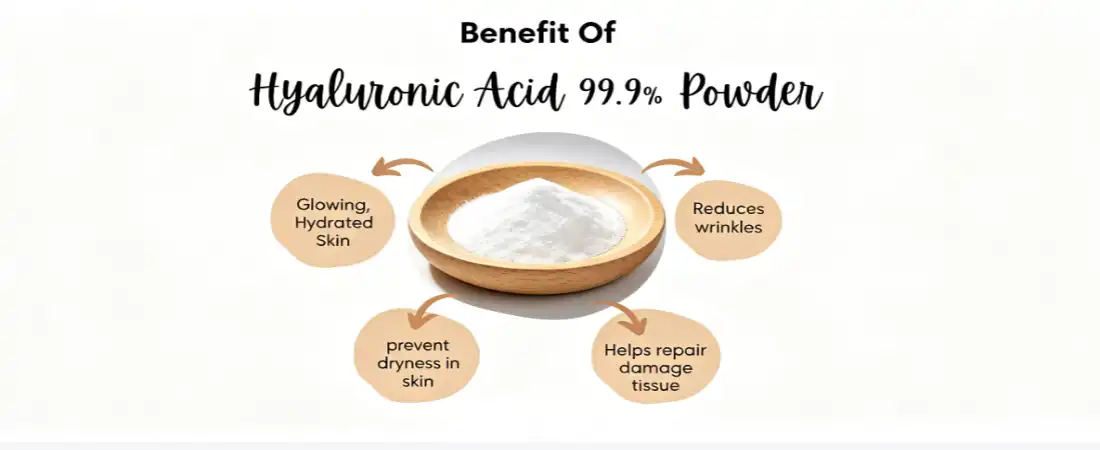
Sodium Hyaluronate Skin Benefits: Why the Salt Form Performs
Sodium hyaluronate skin benefits are the same as hyaluronic acid since they are the same active chemical in various forms. Sodium hyaluronate, the salt form of hyaluronic acid, also offers intense hydration and skin barrier support and helps minimize the look of fine wrinkles. In terms of practical use, the salt form is stable in water and across a range of pH, thus formulators may employ it at effective concentrations without losing activity throughout manufacturing.
The most important skin advantages of sodium hyaluronate for product makers come down to its reliability: it dissolves fast, penetrates reliably at low molecular weights, and plays well with multi-weight systems. It is non-comedogenic and is well accepted by sensitive and acne-prone skin, making it a safe default active for daily serums, creams and aftercare treatments.
Sodium hyaluronate, from a procurement standpoint, guaranties that the proven hyaluronic acid advantages will be consistently delivered in the completed product. The sodium hyaluronate skin advantages your clients read about become benefits they really feel: plumper, calmer, and better-hydrated skin. It’s a 99% pure powder with a validated molecular-weight distribution.
Comparing Hyaluronic Acid with Other Hydrating Ingredients
If people who work in buying know how hyaluronic acid compares to other humectants, they can build products that meet user needs and the needs of the market.
Hyaluronic Acid versus Glycerin
Hyaluronic acid makes your face feel and look more wet than glycerin, which is good at pulling moisture from the air. Glycerin can sometimes feel heavy or sticky, but hyaluronate absorbs quickly and leaves a lovely finish. The two things work better when mixed together than when used separately. This helps keep the skin's surface wet, and hyaluronate takes care of the skin's deep moisture needs. It is possible for formulators to make goods that work better because these two things go well together.
Hyaluronic Acid and Collagen Synergy
Hyaluronic acid gives collagen the water it needs to do its job. Collagen is a structural protein that makes skin tight. People who want all-around anti-aging treatments will like goods that contain these ingredients because they protect the skin from drying out and keep it healthy. Hyaluronic acid can get deeper into the skin than collagen because its molecules are smaller. This means that it can work faster and more clearly.
Formulation Considerations: Serums versus Creams
Sessions with more low molecular weight hyaluronic acid are better for deep hydration treatments because they can reach more of the skin's surface. Creams with a range of molecular weights protect the skin's surface for a long time and are good for daily use. The buying team should remember these recipe differences when making product lines for different customer needs and times of use. This way, they can be sure that each product provides the right benefits for its purpose.
Procurement Insights: Sourcing and Buying Hyaluronic Acid Products
You should not only look at price when you are planning where to get hyaluronic acid. You need to think about things like how reliable the provider is, how much help you can get, and how consistent the quality is.
Key Supplier Selection Criteria
Certificates of quality are very important for making sure that goods are clean and made to the right standards. ISO9001 certification makes sure that methods for quality control are always the same. Kosher and Halal certifications help more people buy from a business. Providers should show all the proof they have, such as Certificates of Analysis with HPLC test results that show molecular weight standards and purity levels higher than 99%. This paper work helps people follow the rules in global markets and keeps track of what's going on.
Understanding Molecular Weight Options
Because molecular weight specs can be adjusted from 5,000 to 20,000,000 Daltons, NT Biotech lets buying teams choose the best forms for their hyaluronate skin care manufacturing goals. Very pure sodium hyaluronate powder (CAS: 9004-61-9, 80 Mesh, 99% purity) works well across many product types. Formulators can create complex multi-weight hyaluronic acid systems that hydrate top skin layers, support middle layers, and repair deep barrier function simultaneously.
Evaluating Supply Chain Reliability
Having a store that you can trust helps keep product launches on track and cuts down on production delays. You can be sure that your production plans will go smoothly if your suppliers keep things in stock and can send them within two to four business days. There is a 25 kg minimum order size, which means that both new and well-known manufacturers can get their goods. There are also many custom packing options to meet different storage and handling needs. You can try something out before getting a lot of it when you get free stuff. This lowers the risk of shopping.
How to Effectively Use Hyaluronic Acid Products in Skin Care Routines?
When you know how to use a product properly, it works better and makes people happier. This makes them more likely to buy from you again and builds trust in your brand.
Application Timing and Layering
In hyaluronate skin care, hyaluronic acid works best when applied to already damp skin, as it pulls water from the air into the skin. Teach consumers to apply products to slightly moist skin for maximum hydration benefits. HA should be added after cleansing and toning but before heavier creams and oils in multi-step routines. This allows its light molecular structure to penetrate before occlusives lock in moisture.
Customization by Skin Type
For dry skin, formulas with a mix of different molecular weights work best because they soothe the skin's surface right away and keep it moist for a long time. Hyaluronic acid serums that are light to medium in molecular weight are good for oily and mixed skin types because they moisturize without adding oil or weight to the skin's surface. When making products for sensitive skin, only use high-quality sodium hyaluronate and a few other active ingredients. This will lower the chance of discomfort while still giving the skin what it needs: moisture.
Managing Potential Side Effects
The side effects of hyaluronic acid are pretty rare, but if it's used wrong in places that are very dry, it can pull moisture from the skin's lower layers if the air isn't warm enough. You can escape this rare problem by putting the product on wet skin first and then covering it with a lotion. For B2B clients, these rules help them make clear customer education tools that help people get the most out of their goods and cut down on returns and bad reviews.
Conclusion
Hyaluronic acid is an important part of current skin care products because it has been shown to moisturize, fight aging, and support the skin's protective function for all skin types. Sourcing workers need to add it to their competitive product lines because it is safe, comes in different weights, and has been shown to work in clinical studies. When you buy from reliable sources with full quality certifications, flexible molecular weight options, and fast supply lines, you can be sure that your recipe will work and stand out in the market.
If sourcing teams understand how hyaluronate works in the lab and its real-world applications in hyaluronate skin care, they can safely add this powerful ingredient to products that meet growing consumer demand for scientifically proven, effective skincare solutions that deliver visible results across hydration, anti-aging, and barrier repair.
FAQ
1. What is the difference between hyaluronic acid and sodium hyaluronate in formulations?
Sodium hyaluronate is the sodium salt of hyaluronic acid, which is the main molecule. In most skin care products, sodium hyaluronate is used because it dissolves better and stays stable in makeup for longer. Some chemicals in sodium hyaluronate make it last longer and work better in a wider range of pH levels and preparation conditions. Both are good for your skin.
2. Can hyaluronic acid genuinely reduce wrinkles?
Regular use of hyaluronic acid has been shown to greatly improve the look of fine lines and wrinkles by keeping the skin wet and improving the extracellular matrix (the outer layer of cells). It has been shown in studies that regular use can make the skin more elastic and less wrinkled. Aside from making your skin smoother and less wrinkled, hyaluronic acid can't get rid of deep static lines. However, it can make you look younger.
3. What quality benchmarks should procurement teams evaluate when selecting hyaluronic acid suppliers?
It is important for buyers to make sure that the purity level is more than 99%. This can be done with HPLC testing and is written down in Certificates of Analysis. Having an international license like ISO9001, Kosher, or Halal on a product means that it meets high quality standards. They should give clear molecular weight specs, keep their stock levels stable, reply quickly, and give a lot of specific information so that their target markets know how to follow the rules.
4. What are the skin benefits of sodium hyaluronate compared to hyaluronic acid?
The skin advantages of sodium hyaluronate are very much the same as hyaluronic acid: deep hydration, barrier support and obvious anti-aging benefits. Sodium hyaluronate advantages include delivery-the salt form is more soluble and stable than the free acid, thus the skin benefits of sodium hyaluronate reach the formula more dependably. For most B2B skincare brands, such stability is what makes lab findings consistent on-skin performance.
Partner with NT Biotech for Premium Hyaluronate Skin Care Solutions
NT Biotech has sodium hyaluronate powder that is very pure and meets strict international standards. This powder is ready to help you reach your industrial goals. As a hyaluronate skin care supplier, we can offer different molecular weight options. Our products are also certified as ISO9001, Kosher, and Halal, and we can ship them quickly—within two to four business days—from our well-stocked warehouse. Before you decide to buy in bulk, you can get free samples of our goods to fully test them out. We also offer a range of flexible packing options to meet your unique production needs. Our expert team can help you with the whole creation process and help you pick the best molecular weight options for where you want to put your product. No matter if you're making daily lotions or advanced anti-aging treatments, our consistent quality, unique extraction methods, and full paperwork will help your brand do well in the very competitive global markets. Talk to our sourcing experts about your hyaluronate needs by emailing info@newthingsbiotech.com. You can also learn how our stable supply chain and technical know-how can help you make new goods more quickly.
References
1. Papakonstantinou E, Roth M, Karakiulakis G. "Hyaluronic acid: A key molecule in skin aging." Dermato-Endocrinology, 2012.
2. Bukhari SNA, Roswandi NL, Waqas M, et al. "Hyaluronic acid, a promising skin rejuvenating biomedicine: A review of recent updates and pre-clinical and clinical investigations on cosmetic and nutricosmetic effects." International Journal of Biological Macromolecules, 2018.
3. Stern R, Maibach HI. "Hyaluronan in skin: aspects of aging and its pharmacologic modulation." Clinics in Dermatology, 2008.
4. Pavicic T, Gauglitz GG, Lersch P, et al. "Efficacy of cream-based novel formulations of hyaluronic acid of different molecular weights in anti-wrinkle treatment." Journal of Drugs in Dermatology, 2011.
5. Jegasothy SM, Zabolotniaia V, Bielfeldt S. "Efficacy of a New Topical Nano-hyaluronic Acid in Humans." Journal of Clinical and Aesthetic Dermatology, 2014.
6. Keen MA. "Hyaluronic Acid in Dermatology." Skinmed: Dermatology for the Clinician, 2017.
When it comes to makeup these days, people want more than just plain water. They want to stay hydrated, slow down the aging process, and get their moisture layer back in place. All of this should be based on science and how well the ingredients work. Because it helps keep water in the skin, supports structures, and fixes barriers, hyaluronate skin care has become a significant chemical in the makeup industry. Natural polymers like this one are found in skin and joint tissues. They have changed how brands deal with issues like stiffness, lack of flexibility, and signs of aging. Hyaluronic acid and its salt form, sodium hyaluronate, are used in many goods. Procurement workers can choose better places to get these products, which directly affects how well they work and how satisfied customers are with them.

Understanding Hyaluronic Acid and Hyaluronate: Key Concepts and Benefits
Hyaluronic acid and sodium hyaluronate are often thought to be the same, but they are not. Understanding the difference is important for product development. Hyaluronic acid is a naturally occurring glycosaminoglycan with formula (C14H21NO11)n. Sodium hyaluronate is its salt form, which is more stable and soluble. This matters because sodium hyaluronate offers longer shelf life, better skin compatibility, and improved pH stability.
How Hyaluronic Acid Works in the Skin?
Each hyaluronic acid molecule can hold up to 1,000 times its weight in water. This protects the skin's surface, forming a flexible, breathable layer that doesn't clog pores. Unlike occlusive agents that simply block moisture loss, HA actively pulls water from the air and deeper skin layers, creating an adaptive moisture reservoir that responds to changing environmental conditions.
Benefits Across Different Skin Types
People with sensitive or oily skin can use types of sodium hyaluronate that have a low molecular weight because they can get deeper into the skin. As long as the ingredient doesn't cause acne or other skin problems, it can be used to moisturize skin. Skin that has grown all the way through is more flexible and full, while broken skin layers heal more quickly. Hyaluronate skin care is an important part of many goods, from daily moisturizers to strong treatment serums, because it can be shaped to fit different needs.

Comparing Hyaluronic Acid to Other Popular Skincare Ingredients
If research and development teams know how hyaluronic acid works with other actives, they can come up with better ways to make formulations and mix ingredients.
Hyaluronic Acid vs. Retinol
Retinol speeds up the turnover of skin cells and makes more collagen, but it can dry out and irritate the skin. By adding wetness to the skin, hyaluronic acid and retinol work together to fight these side effects. They are now used together in many new recipes. Hyaluronic acid helps the retinoids get to the skin and keeps it moist, which makes it easier for the body to handle them.
Hyaluronic Acid vs. Collagen
Hyaluronic acid, especially types with a low molecular weight, can get deeper into the skin than collagen molecules, which are usually too big to work well when put on directly. Both of these help the structure of the skin, but hyaluronic acid works faster because it moisturizes and fills out the skin. Wearing hyaluronic acid on your skin has direct effects on both the top and bottom layers of skin. Collagen products work on the inside.
Hyaluronic Acid vs. Vitamin C
As an antioxidant and a bleaching agent, vitamin C fights damage and staining caused by free radicals. Hyaluronic acid is mostly used to protect skin from damage and keep it moist. Hyaluronic acid and vitamin C work well together to make anti-aging goods that really work. The right amount of moisture is kept in the skin by hyaluronic acid. This helps the other ingredients work better and makes the skin tougher.
Serums vs. Creams: Choosing the Right Format
Most of the time, serums have more active ingredients that are made up of smaller molecules so they can get deeper into the skin. Serums with hyaluronic acid truly and quickly refresh the skin, which makes them great for putting on top of moisturizers. Hyaluronic acid, emollients, and occlusives are all mixed together in creams to keep the skin's surface wet and safe. Your choice will rely on the formulation goals. Serums are better for targeted care, while creams are better for general barrier support.

Cosmetic Uses of Molecular Weight Forms
How well and how deeply hyaluronic acid works depend on its molecular weight, so picking the right molecular weight is an important part of making.
High Molecular Weight Hyaluronic Acid (Above 2000 kDa)
High molecular weight forms stick to the skin's surface and stop the epidermis from losing water. This layer keeps the product safe and gives it the smooth, high-end feel that people expect from expensive items. Products that moisturize, makeup for the face, daily moisturizers, and skin care that protects against bad weather are all popular uses. There are a lot of high-end creams that use this form because it makes the skin feel "soft and silky" right away.
Medium Molecular Weight Hyaluronic Acid (500-2000 kDa)
There is a light depth to this form, and it works well for all skin types. A medium molecular weight hyaluronic acid makes skin more flexible, stretchy, and physically stable. This makes it great for high-tech skin care products. It's often found in serums that lift, moisturize, and fight wrinkling, as well as other products that help with both feeling good right away and getting deeper into the skin.
Low Molecular Weight Hyaluronic Acid (Below 500 kDa)
The low molecular weight types get deeper into the skin, keeping it moist and helping to fix the barrier at the level of the cells. This form is very important in skin care items that heal after a treatment, soothe sensitive skin, and deeply moisturize the skin. In advanced beauty studies, this molecular weight range is getting more and more attention because it works better on skin health signs and is easier for the body to use.

Hyaluronic Acid in Cosmetics: Where and How Brands Use It
Procurement teams can match the ingredient to the proper product format by understanding what hyaluronic acid truly offers in cosmetics. Hyaluronic acid in cosmetics is more than serums in the beauty and personal-care aisle. Here are the most typical uses B2B formulators need to understand before they brief a manufacturer.
Facial Serums and Treatment Essences
Most often used in leave-on serums, low- to medium-MW grades of hyaluronic acid (HA) give immediate apparent plumping in cosmetic applications. These are the highest concentration forms (usually 0.5-2% sodium hyaluronate) and the simplest to ramp from pilot to production.
Daily Moisturizers, Masks, and Eye Care
The mid- and high-MW versions are appropriate for creams, sheet masks and eye gels in which surface coatings maintain the moisture barrier and a premium sensory feel. At this level, hyaluronic acid is prized in cosmetics for comfort and instant hydration, not deep delivery, making it appropriate for everyday and post-treatment usage.
Makeup, Sun Care, and After-Sun Products
Hyaluronic acid is now a staple in cosmetics for a dewy finish and post-exposure soothing, included in foundations, BB creams and after-sun gels. Its film-forming characteristic also increases spreadability in tinted formulations and contributes to colored products feeling less drying on the skin.
Note on procurement: the numerous forms of hyaluronic acids in cosmetics need matching molecular-weight selection and Certificates of Analysis with the stated benefit of each product. NT Biotech has standardized ratings for each of the following categories with technical documents to assist in claim substantiation.
Best Practices for Using Hyaluronate Skincare Products
Formulations with hyaluronate skin care need to be used and kept in a way that keeps the ingredients pure for them to work best.
Application Frequency and Layering
When you put hyaluronic acid serum on skin that is just slightly damp, it works best. This gives the element the water atoms it needs to stick together well. In procedures with more than one step, water-based hyaluronic acid products should be used before oils or creams. This building order makes sure that the best absorption takes place and that occlusive ingredients don't stop the absorption. Even if you use it too much, every day in the morning and at night, it will still work well.
Storage Conditions for Bulk Ingredients
Buying pros who are in charge of moving things need to make sure they have the right storage. Hyaluronate skin care powder should be kept in a cool, dry place away from direct sunlight. Even though the element is very solid at different pH levels, it may not work as well when it is introduced to high or low temperatures or water. That NT Biotech sells is 99% pure sodium hyaluronate powder that comes with all the right papers. In other words, each batch will work the same way as long as it is stored the way it says to.
Addressing Side Effects and Sensitivities
Hyaluronic acid is generally safe, but if the source is dirty or not very good, it can sometimes make you feel bad or cause allergic responses. When you buy from approved sellers who have strict quality control, these risks are kept to a minimum. Bugs can be found quickly when new methods are tested on small groups of people before they are used on a large scale. With our ISO, Kosher, and Halal licenses, you can be sure that we follow strict cleaning rules that lower the risk of bad responses.
Procurement Guide: Sourcing High-Quality Hyaluronate for B2B Applications
How well the product works, how well it meets laws, and how well the name is known all depend on which provider you choose. When people who work in buying compare hyaluronate skin care sources, these are the things that they look at most closely.
Compliance Certifications and Quality Standards
You can trust a supplier if they have a lot of different certifications that show they follow international rules. Look for the ISO 9001 quality control mark. It makes sure that the process is consistent and that the goods can be watched. Products that are certified as Kosher or Halal can be sold more easily in places where people have special needs. NT Biotech has all three certificates, which shows that we are committed to following the laws of all over the world's markets.
Ingredient Purity and Manufacturing Practices
As long as the sodium hyaluronate is 99% pure or higher, it works better and is easier to prepare. Our unique extraction methods keep the structure of the material while getting the most powerful chemicals out of it. For example, HPLC/UV analysis and Certificates of Analysis are part of every batch. This lets brands that care about quality be honest the way they need to be. This level of technical detail directly leads to recipes that always work and give you an edge over other people.
Logistics and Supply Chain Considerations
In hyaluronate skin care, efficient supply chains reduce waste and inventory costs. We maintain stock of popular standardized extracts for 2–4 day shipping after payment. Custom molecular weight orders or larger production runs require 3–10 working days including raw material processing, lab testing, and packaging. Shipping options include express, air, or sea freight based on speed, volume, and budget requirements.
Sample Availability and Technical Support
You can lower the chance of getting something by making sure it works well before you buy a lot of it. This is sodium hyaluronate powder that we give away for free so that your research and development teams can see if it works and try out different mixes. Some of the things we do are more than just give you raw materials; we also help you make things and are here to help you right away. We promise to answer your first message in two hours. So, this shows that we want to be a trustworthy and easy-to-reach help for you as you build your product.
Trends and Future Outlook for Hyaluronic Acid in Skincare
New technologies and shifting consumer tastes cause hyaluronic acid to change all the time. This gives brands that are ready to think outside the box new ways to make money.
Advanced Delivery Systems and Formulation Innovations
Scientists are making new kinds of bioengineered hyaluronic acid that work better and stay stable longer. Cross-linked hyaluronic acid technologies change the way materials look and make them last longer. Hyaluronic acid mixed with peptides, ceramides, and plant substances is used to make products that help more than one skin problem at the same time. This meets the needs of customers who want practices to be easier to use without losing their usefulness.
Sustainability and Clean Beauty Movements
These days, people care more and more about the environment and knowing where their food comes from. Bio-fermented hyaluronic acid made from plants meets standards for clean beauty and works as well as or better than traditional sources. We use non-GMO plant materials in our production, which backs up brands' claims that their products are good for the environment without lowering the quality or value. This link to environmental values becomes a competitive edge in places like Europe and the US where people buy things because they like how clean and beautiful they are.
Market Growth Drivers and Regional Demand
Hyaluronic acid sales are rising all over the world, but they are rising the fastest in North America and Europe. People over 50 are looking for effective anti-aging products, more people are learning about the science behind skin care ingredients, and there are now more professional skin care systems on the market. Purchasing managers will be able to get a steady supply at a good price if they build relationships with reliable suppliers who are ready for this growth.

Conclusion
Scientists have shown that hyaluronic acid and sodium hyaluronate hydrate, slow aging, and repair barriers in hyaluronate skin care, making them essential ingredients. Knowing proper usage, molecular weight variations, and formulation compatibility with other actives helps brands maximize ingredient benefits and maintain customer satisfaction. Procurement professionals can turn raw material sourcing into long-term relationships driving innovation by choosing suppliers with proven quality standards, full certifications, and responsive technical support for competitive advantage.
FAQ
1. What makes sodium hyaluronate different from hyaluronic acid in cosmetic formulations?
There is a sodium salt of hyaluronic acid that is called sodium hyaluronate. It stays solid longer, melts better, and works better with each pH level. Lysozyme and sodium hyaluronate can both keep your skin moist, but sodium hyaluronate can go deeper into the skin because its molecules are smaller. Because of this, it works great in treatment and serums that need to fully hydrate. It works for both types to bind water, but sodium hyaluronate is more stable and is often used in commercial products.
2. Can hyaluronic acid be used on all skin types, including sensitive or acne-prone skin?
Hyaluronic acid is good for all skin types, even those that are sensitive or prone to acne. It keeps skin wet without clogging pores or making acne worse because it's non-comedogenic. Because the element naturally works with skin biology, it makes it less likely that you will feel uncomfortable. Hyaluronic acid can help even oily skin stay moist because just the right amount of water can stop the skin from making too much sebum. To stay away from pollution that could cause allergies, it is important to only buy high-purity items from trusted sources.
3. How can I verify the quality of hyaluronic acid ingredients before bulk purchasing?
Many pieces of paper should be shown, such as Certificates of Analysis, HPLC/UV test results, and proof of approval (ISO, Kosher, Halal). Reliable suppliers give away free samples for R&D testing, so you can see how well it dissolves, how it feels, and how well it works with other ingredients before you place a large order. Find out how the provider checks for quality, keeps track of orders, and makes things. It's safe to trust suppliers that have been in business for more than ten years and have foreign approvals. They also meet regular quality standards that protect your brand's image.
4. What is hyaluronic acid used for in skin care?
In skin care, hyaluronic acid has three major actions: it hydrates the skin (it can hold up to 1,000 times its weight in water), it helps with anti-aging (plumps fine wrinkles and improves elasticity by targeting the molecular weight for delivery), and it repairs the barrier (calms and reinforces the moisture layer). What other functions do we utilize hyaluronic acid for in skin care besides these fundamental tasks? It also doubles as a delivery enhancer, helping partner actives like Vitamin C, retinol, and peptides work better. The molecular-weight grade is chosen by formulators to provide the specific effect a product promises – high for surface hydration, low for deeper healing. Product forms containing it : See above in the cosmetics applications section.
Partner with NT Biotech for Premium Hyaluronate Skin Care Ingredients
As a trusted hyaluronate skin care supplier, NT Biotech has supplied high-purity sodium hyaluronate powder to global pharmaceutical and skincare brands for over ten years. We offer 99% pure products (CAS: 9004-61-9) in 25 kg drums or custom packaging. ISO, Kosher, and Halal certifications ensure quality. We maintain stock for 2–4 day shipping after payment and provide free samples for R&D testing before bulk commitment.
Write to us at info@newthingsbiotech.com to talk about where to get hyaluronate and how our special ways of processing, open OEM options, and friendly customer service can help you with your next skin care idea.
References
1. Papakonstantinou, E., Roth, M., & Karakiulakis, G. (2012). Hyaluronic acid: A key molecule in skin aging. Dermato-Endocrinology, 4(3), 253-258.
2. Bukhari, S. N., Roswandi, N. L., Waqas, M., Habib, H., Hussain, F., Khan, S., & Sohail, M. (2018). Hyaluronic acid, a promising skin rejuvenating biomedicine: A review of recent updates and pre-clinical and clinical investigations on cosmetic and nutricosmetic effects. International Journal of Biological Macromolecules, 120, 1682-1695.
3. Pavicic, T., Gauglitz, G. G., Lersch, P., Schwach-Abdellaoui, K., Malle, B., Korting, H. C., & Farwick, M. (2011). Efficacy of cream-based novel formulations of hyaluronic acid of different molecular weights in anti-wrinkle treatment. Journal of Drugs in Dermatology, 10(9), 990-1000.
4. Stern, R., & Maibach, H. I. (2008). Hyaluronan in skin: aspects of aging and its pharmacologic modulation. Clinics in Dermatology, 26(2), 106-122.
5. Essendoubi, M., Gobinet, C., Reynaud, R., Angiboust, J. F., Manfait, M., & Piot, O. (2016). Human skin penetration of hyaluronic acid of different molecular weights as probed by Raman spectroscopy. Skin Research and Technology, 22(1), 55-62.
6. Jegasothy, S. M., Zabolotniaia, V., & Bielfeldt, S. (2014). Efficacy of a new topical nano-hyaluronic acid in humans. Journal of Clinical and Aesthetic Dermatology, 7(3), 27-29.
In the skin, hyaluronic acid pulls and holds water to the top and bottom layers of skin. Within this, water is stored, which helps support, smooth, and fill out the extracellular matrix. Each molecule can hold up to 1000 times its own weight in water because of how they are built. This moisturizes the skin right away and makes its natural barrier function stronger. Formulators and finding experts who want to find trustworthy hyaluronate skin care ingredients need to know how this process works so they can make goods that customers will love and want to buy again.

What Is Hyaluronic Acid and Hyaluronate?
Hyaluronic acid and sodium hyaluronate are two important makeup ingredients that work in different ways even though they are physically linked. One type of glycosaminoglycan that is found naturally in skin, soft tissues, and joints is hyaluronic acid. It controls the body's shape and level of moisture. Because its molecules are smaller, sodium hyaluronate, which is a sodium salt, dissolves better in water and goes deeper into the skin. This makes it the best choice for most skin care uses that are put on the face.
Chemical Structure and Functional Differences
It is made up of D-glucuronic acid and N-acetyl-D-glucosamine disaccharide chains that are repeated many times. The formula for its molecules is (C14H21NO11)n. It's still there in sodium hyaluronate, but it's in a more stable, charged form that mixes with water more easily and goes deeper into the stratum corneum. Because it dissolves better, there are more cooking choices. It can be used in serums, gels, creams, and emulsions by research and development teams without changing the structure or stability.
Molecular Weight Variations and Their Impact
When used in hyaluronate skin care items, molecular weight plays a big role in how well hyaluronic acid works. Types with a molecular weight of more than 2000 kDa form a film that lets air pass over the skin's surface. This stops the skin from losing water through the surface, so it becomes soft right away. Molecular weight forms with a molecular weight of 500 to 2000 kDa support both flexibility and hardness by keeping surface water from penetrating too deeply. Very small molecules of hyaluronic acid (less than 500 kDa) can get deeper into the epidermis and help fix the barrier. This keeps the skin moist for a long time. The people who buy things should check that the sellers have certifications like ISO 9001, Kosher, and Halal to make sure that all of the goods are of the same quality and meet international standards.

How Does Hyaluronic Acid Hydrate and Benefit the Skin?
What makes hyaluronic acid work is that it can hold water in its three-dimensional structure and is hydrophilic. It is made up of HA molecules that connect to each other in a way that traps water molecules. This adds wetness to the skin and keeps it firm and flexible. It helps the extracellular matrix stay in place by holding on to water. This makes it easier for nutrients to move and for cells to talk to each other, which are both important for a healthy skin metabolism.
Benefits Across Different Skin Types
Hyaluronic acid is good for many face issues. It helps dry, parched skin right away by restoring the right balance of moisture and loosening up tight skin. Its gentle, non-irritating makeup is good for sensitive skin because it calms heat and inflammation without making the skin react badly. Hyaluronic acid keeps skin moist without making pores smaller or adding more oil, which is good for acne-prone skin. Since HA makes up for the moisture that skin naturally loses as it ages, fine lines, wrinkles, and the skin's ability to stretch can all get better.
Recommended Concentrations and Synergistic Ingredients
Hyaluronic acid levels that work well in cosmetics are generally between 0.1% and 2%, but this can change depending on the product and the effects that are needed. Creams and lotions use smaller amounts (0.5–1%) that are matched with occlusives and emollients. Serums, on the other hand, tend to have higher amounts (1-2%) for strong hydration. The effects are greater when peptides, ceramides, niacinamide, or vitamin C are mixed in a way that makes them work better together. This helps fix the barrier, make collagen, and protect against free radicals. Product makers should think about these combos when they are making formulas that address more than one customer worry at the same time.
It is 99% pure, comes in 80 mesh particles, and has the CAS number 9004-61-9 to show it. You can buy it from NT Biotech. Our white powder form promises great solubility and texture performance in a large variety of preparation materials. At all pH levels, it has the same effect on water absorption. Our material is ISO, Kosher, and Halal approved, which means it meets the strict international standards for chemicals used in cosmetics.
Comparing Hyaluronate Skin Care Products and Delivery Methods
A look at different hyaluronate skin care items and how they are delivered: How hyaluronic acid is packed has a big effect on how well it keeps skin moist. Serums have a lot of active ingredients packed into a small amount of water, so they are light and work fast. Because of this, they are great for some very powerful treatments. For creams and balms, hyaluronic acid, lipids, and emollients are all mixed together to make a thick layer of moisture that covers both short-term and long-term needs for moisture. When buying teams know these differences, they can make sure that their product lines fit with how the market is set up and how people use goods.
Absorption Rates and Duration of Effects
Most serums quickly refresh the skin, hitting their peak in 30 to 60 minutes. After that, they lose some of their power over the course of several hours. Things are released more slowly and over a longer length of time in creams. By making an occlusive layer, they keep skin moist for longer. The pH of the mixture, the preservatives used, and the way the product is packed all affect how stable it is. Dangerous, airtight cases keep HA pure by stopping rust and microbe contamination. Keeping the layer smooth without making it sticky is a texture problem that needs to be carefully mixed with emollients, strengthening agents, and humectants.
Hyaluronic Acid versus Collagen in Formulations
Both of these ingredients slow down the aging process, but they do it in different ways. The hyaluronic acid in your face keeps water in it, which makes it look and feel better right away. Collagen helps building proteins do their job whether it's eaten or put on the skin. It is hard for it to get through the skin, though, because its molecules are so big. For people who want all-around anti-aging help, putting these two ingredients together in recipes helps with both water and structure support at the same time. People who are planning to buy things should think about getting both actives and professional help from sellers who offer strong quality guarantee.
Critical Product Selection Criteria
Business-to-business users of hyaluronate should look for molecular weight ratios that fit their production goals when they are looking at different providers. Supplier approvals, like ISO 9001 for quality control and Kosher/Halal for more market entry, show that the manufacturing process can be trusted. Marketing claims and the product are more likely to be true if there is validation proof from a clinical study or testing by a third party. When sellers get bigger orders, they need to show that they can handle them without dropping quality or missing delivery dates. NT Biotech can make molecular weights that are unique to each customer and offer different ways to pack (25 kg drums or custom solutions) to meet the needs of different regions and production levels.

Procurement Considerations for Hyaluronic Acid and Hyaluronate Products
The first step to good buying is to find providers with expert know-how, open quality control, and a steady supply chain. Many bulk sellers who you can trust give buyers a lot of information to make sure the goods they sell are real and pure. This includes Certificates of Analysis (CoA), HPLC/UV test results, and batch tracking. Common molecular weight types are kept in stock by well-known sources. This cuts down on wait times and makes sure that urgent production needs can be met.
Market Dynamics and Supplier Landscape
The market for hyaluronic acid keeps growing because more and more people want health ingredients that work and are backed by science. The best sources stand out by using their own extraction methods, having better purity levels (often up to 98%), and following all the rules. There may be cheap prices for new companies, but they need to be carefully checked out to make sure they always deliver on time and well. Before making long-term deals with a seller, procurement workers should check out the company by calling references in the same field, reading audit reports, and trying samples.
Cost Considerations and Supply Chain Stability
Price depends on volume, purity grade, and molecular weight. MOQ is typically 25 kg. Economies of scale benefit large buyers while enabling small manufacturers. Supply chain security relies on raw material sourcing, production capacity, and logistics. Suppliers with diversified sourcing and inventory management face less disruption risk. NT Biotech maintains standard samples in stock for 2–4 day shipping after payment, minimizing production downtime.
Logistics and Storage Requirements
Keeping hyaluronic acid in the right conditions is important for making sure it stays useful and lasts longer. Hyaluronate powder should be kept somewhere cool and dry, out of direct sunlight and away from water. Most of the time, it should be kept below 25°C. Hygroscopic absorption and microbe contamination are not possible in sealed cases. This means that the product's purity stays the same throughout the supply chain. How easy they are to handle and how often they are used should determine the packing options, such as 25 kg drums with moisture covers or custom forms. Delivery partners you can trust use a range of shipping methods, including fast, air freight, and ocean cargo, to make sure packages get delivered on time and safely. These methods can be changed depending on the size and urgency of the order.
Addressing Common Concerns and Misconceptions About Hyaluronic Acid
Hyaluronic acid is used a lot and is generally thought to be safe, but there are still some confusions in the groups that buy it and make it. When these mistakes are fixed, people can make decisions with more trust and pick the right parts for the job.
Potential Side Effects and Sensitivity
In hyaluronate skin care, hyaluronic acid is generally safe for all skin types and rarely causes irritation or allergic reactions. Rare side effects typically come from impurities, preservatives, or fragrances in formulations rather than HA itself. Buyers targeting sensitive skin consumers should verify supplier purity and request allergen-free certifications. Patch testing during development detects issues before market launch, building consumer trust and ensuring product safety.
Dispelling Myths About HA and Sodium Hyaluronate
A common mistake is that sodium hyaluronate and hyaluronic acid do not work in the same way. If made right, sodium hyaluronate works about the same to keep skin moist, but it dissolves and penetrates better. There is another myth that says things always work better when there are more of them. However, amounts above 2% might make things stickier without making them work better. These details make buying easy and build trust in the app by teaching those in the supply chain about them.
Optimal Usage Frequency and Application Techniques
Hyaluronic acid products work best on skin that is just slightly damp. This lets the ingredient bind wetness from the air to the skin's layers. How often you use it depends on the recipe and the condition of your skin. It's fine to use it once a day for most people, but twice a day may be better for long-term treatments. Putting HA serums on top of face oils or creams keeps the skin wet and makes the effects last longer. Customers are happy with a product and more likely to buy it again if they can easily figure out how to use it.
Conclusion
Hyaluronic acid is an important part of modern skin care because it keeps the skin moist, is safe, and can be used in many different ways. People who work in procurement can pick high-quality sodium hyaluronate that meets customer standards and product development goals if they know about the molecular processes, changes in molecular weight, and formulation problems.
In hyaluronate skin care, your products will always work well and your business will be successful long-term if you work with suppliers who have technical expertise, transparent quality assurance, and stable supply chain performance. As demand grows for scientifically proven, effective skincare, smart hyaluronic acid sourcing helps brands capture market opportunities while delivering real benefits to end users.
FAQ
1. Can hyaluronic acid be used with chemical exfoliants like AHAs or BHAs?
Chemical peels like glycolic acid, lactic acid, and salicylic acid do work well with hyaluronic acid. For a short time, exfoliants can break down the skin's barrier. HA helps lock in moisture and calm inflammation. The pH levels of both types of ingredients need to be carefully balanced so that they stay stable and work well.
2. What is the optimal hyaluronate concentration for maximum hydration?
The best way to keep the product moist without changing how it feels is to use concentrations between 0.5% and 2%. Things that have more than 2% may feel sticky or tacky without adding any benefits. No matter what you want to achieve, the molecular weight you pick should match your taste and the amount of entry.
3. How can buyers verify supplier authenticity and product quality?
Ask for Certificates of Analysis (CoA), HPLC or UV test results, and proof that you can keep track of each batch. Do not buy from someone who does not have certificates like ISO 9001, Kosher, or Halal. Have samples checked by a third party to make sure they are pure, have the right molecular weight, and don't have any contamination before you place big orders.
Partner with NT Biotech for Premium Hyaluronate Skin Care Ingredients
A company called NT Biotech can help you find high-purity sodium hyaluronate powder that will work better in makeup recipes. Our hyaluronate skin care supplier capabilities include flexible molecular weight customization, ISO/Kosher/Halal certifications, and rapid delivery within 2 to 4 days for things that are in stock. For more than ten years, we've been serving the makeup and medicine markets in other countries. We offer regular batch quality, full technical help, and clear paperwork that makes it easier for you to buy from us. The email address for our team is info@newthingsbiotech.com. You can use it to get free samples, talk about your needs for custom formulas, or place big orders beginning at 25kg MOQ. Boost your skin care line with reliable, science-backed items from a partner you can count on and who wants your success.
References
1. Papakonstantinou, E., Roth, M., & Karakiulakis, G. (2012). Hyaluronic acid: A key molecule in skin aging. Dermato-Endocrinology, 4(3), 253-258.
2. Bukhari, S. N., Roswandi, N. L., Waqas, M., Habib, H., Hussain, F., Khan, S., ... & Zahoor, A. F. (2018). Hyaluronic acid, a promising skin rejuvenating biomedicine: A review of recent updates and pre-clinical and clinical investigations on cosmetic and nutricosmetic effects. International Journal of Biological Macromolecules, 120, 1682-1695.
3. Keen, M. A. (2016). Hyaluronic acid in dermatology. Skinmed, 14(5), 328-332.
4. Goa, K. L., & Benfield, P. (1994). Hyaluronic acid: A review of its pharmacology and use as a surgical aid in ophthalmology, and its therapeutic potential in joint disease and wound healing. Drugs, 47(3), 536-566.
5. Pavicic, T., Gauglitz, G. G., Lersch, P., Schwach-Abdellaoui, K., Malle, B., Korting, H. C., & Farwick, M. (2011). Efficacy of cream-based novel formulations of hyaluronic acid of different molecular weights in anti-wrinkle treatment. Journal of Drugs in Dermatology, 10(9), 990-1000.
6. Jegasothy, S. M., Zabolotniaia, V., & Bielfeldt, S. (2014). Efficacy of a new topical nano-hyaluronic acid in humans. Journal of Clinical and Aesthetic Dermatology, 7(3), 27-29.
When getting a lot of Pyrroloquinoline Quinone for functional foods or supplements, people who do the buying need to know about quality, compliance, and how reliable the seller is. Looking for high-quality products that come from nature and help mitochondria stay healthy and brain function? Organic PQQ powder wholesale is all you need. Buyers can make smart decisions that meet formulation goals and market standards when they know the chemistry needs, the rules that apply, and the real issues that come up. How well your products work and how much people believe them will depend on what makes good organic PQQ different from fake versions. This is especially true if you're making brain health pills or antioxidant drinks.

Understanding Organic PQQ Powder: Key Information Every Buyer Needs
You should know these important things before you buy organic PQQ powder.
What Is Pyrroloquinoline Quinone and Why It Matters?
PQQ is an aromatic ortho-quinone that supports mitochondrial biogenesis and energy metabolism. Unlike most antioxidants that lose potency after one use, PQQ continues through redox cycling, making it highly effective at scavenging free radicals. Its stable structure (C14H6N2O8) supports neuroprotection and cognitive function by activating the PGC-1α pathway, helping cells produce more mitochondria for sustained energy production.
Organic Versus Synthetic: Distinctions That Influence Formulation Quality
Organic PQQ from fermentation using Hyphomicrobium denitrificans yields bio-identical crystals with >99% purity by HPLC. Synthetic production is cheaper but may introduce impurities affecting bioavailability and shelf life. Procurement teams should verify Certificates of Analysis for purity, heavy metals, and residual solvents. Fermentation-derived PQQ offers better water solubility, making it easier to incorporate into capsules, tablets, and powder formulations.
Health Benefits Backed by Scientific Evidence
Clinical studies demonstrate that PQQ powder wholesale quality provides neuroprotective effects by increasing nerve growth factor production, supporting memory and cognitive function. Enhanced antioxidant defenses reduce cellular stress, benefiting cardiovascular health. The ingredient improves metabolic efficiency, making it valuable in energy supplements for active adults and seniors. R&D managers can leverage these mechanisms for product positioning in competitive markets while meeting regulatory substantiation standards for health claims.
Dosage Benchmarks and Integration Strategies for Manufacturers
Effective supplements typically use 10–20 mg doses, enabling low-cost formulations with easy-to-take serving sizes. Micro-dose efficiency maintains efficacy while reducing raw material costs. Synergistic combinations with Coenzyme Q10, DHA, or phosphatidylserine enhance energy and cognitive support. Manufacturers must verify stability testing and compatibility with other actives and excipients, particularly regarding light and moisture sensitivity. Proper packaging in moisture-barrier materials ensures long-term potency.

Comparing Organic PQQ Powder Wholesale Options: Making the Right Choice
Not only the unit price should you choose a service, but other things should too. There can be big differences in how well recipes follow the rules and how reliable they are from one seller to the next. Buyers should look at more than one factor to make sure the partnership will be worth it in the long run and to lower their risk.
Quality Indicators and Certification Standards
Top suppliers hold ISO9001 certification for quality management. Kosher or Halal approval expands market access. US GRAS or EU Novel Food status confirms regulatory acceptance, simplifying market entry. Third-party lab reports for each batch provide full disclosure of heavy metals (lead, arsenic, mercury), microbial contamination, and residual solvents. Suppliers offering extensive documentation demonstrate commitment to accountability and traceability.
Evaluating Supplier Credentials and Manufacturing Standards
Manufacturing capability is demonstrated by production capacity and technical support. Companies with over ten years of botanical extraction experience typically have refined methods for extracting bioactive compounds without structural damage. Proprietary extraction processes distinguish premium suppliers. R&D teams provide formulation assistance for ingredient compatibility and dosage optimization. Look for in-house QC labs capable of HPLC, UV spectroscopy, and particle size analysis to verify 80-mesh specifications.
Price Trends and Value Assessment
Pricing depends on purity grade, order volume, and availability. Bulk orders starting at 25 kg MOQ generally offer better per-unit pricing. Price should not outweigh quality assurance and supply reliability. Extremely low pricing may indicate compromised quality or unstable supply chains. Requesting samples before bulk orders allows laboratory testing and formulation trials, reducing financial risk. Transparent pricing structures including shipping, duties, and production costs enable accurate budgeting.
Navigating the Procurement Process for Organic PQQ Powder Wholesale
It's important to know how to talk to sources and set up clear ways to figure out how to buy things. By making mistakes in order specs or paperwork, product starts can be pushed back and costs can go up.
Minimum Order Quantities and Flexible Packaging Solutions
Standard MOQ of 25 kg in drum packaging works for mid-sized manufacturers. Larger wholesalers may secure better pricing with container shipments. Custom packaging options accommodate private labeling and brand identity. Suppliers offering 1kg trial packs facilitate formulation development without substantial inventory commitment. Packaging materials must be food-grade with light and moisture protection to maintain product stability and extend shelf life.
Payment Terms and International Transaction Methods
In B2B deals for PQQ powder wholesale, wire transfers, letters of credit, and trade assurance systems protect both parties. Paying in the buyer's local currency simplifies tracking and reduces exchange rate risk. A deposit upon order approval with balance before shipment helps maintain steady cash flow. For long-term relationships, ask about extended payment terms—this can ease working capital challenges during growth phases while securing reliable supply.
Shipping Modalities and Customs Considerations
It only takes two to four days for FedEx and UPS to send small to medium-sized packages, which is great when you need to make something fast. You can get the best of both speed and price with air freight for small amounts. Sea freight, on the other hand, can handle big packages, but you have to wait longer. Providers who offer DDP (Delivered Duty Paid) services take care of clearing customs, which makes daily tasks easier. Make sure sellers give you business bills, packing lists, and Certificates of Analysis. This will speed up the customs process. You won't have to pay any extra fees if you know the HS codes and prices for Pyrroloquinoline Quinone.
Sample Evaluation and Laboratory Verification
If you ask for free samples, you can try them out on your own to make sure they work before you place a big order. Taste it, see if it dissolves well, and see if it works well with other ingredients to make sure the recipe's goals are met. What the seller says is true because a third-party test of cleanliness, moisture content, and bacteria numbers backs it up. Setting rules for how to evaluate samples helps people make choices and builds trust in sellers.

Market Trends and Future Outlook for Organic PQQ Powder Wholesale
The global nutritional market needs more chemicals that help the brain stay healthy and help people age well. People who work in buying can spot problems with supply and new opportunities before they happen if they know how markets work.
Growth Drivers in Supplements and Functional Foods
There is a lot more knowledge about mitochondrial health now, especially among older people who want to stay healthy. People who like to work out and are mentally tired will like how the ingredient helps the body use energy. The ingredient is being used in more ready-to-drink drinks and powdered protein mixes, which means it is being used in more useful drinks. Market study shows that the business will grow at rates higher than 8% per year until 2030. This is because science backs it up and health media talk about it a lot.
Emerging Applications in Cosmetics and Personal Care
Because of stories about how cells can be renewed, more and more skin care products that fight aging have drugs in them that help mitochondria work better. The substance's antioxidant properties are in line with clean beauty trends that focus on using natural ingredients that have been proven to work by science. Teams that buy cosmetics should look at forms that dissolve in water and can be used with masks, serums, and creams. It's important to be very careful when using lists of makeup chemicals and doing safety checks because the rules for cosmetics are different from those for food supplements.
Strategic Advantages of Long-Term Supplier Relationships
Making deals with your favorite sellers saves prices and makes sure that when supplies are low, they are sent out first. If a supplier wants to keep a customer for a long time, they may offer market study, recipe help, and chances to work together on new goods. When you offer a lot of business, you can use tiered prices and flexible payment terms to make more money. Businesses can adapt to changes in the market more quickly when they work together. That is, they could come out with mix products that have the ingredient along with nootropics or adaptogens that work well with it.
Ensuring Safety, Quality, and Compliance in Organic PQQ Powder Wholesale
Strict quality control for PQQ powder wholesale keeps customers safe and protects brand reputation. Procurement workers must ensure suppliers have robust controls in place for manufacturing and marketing. This includes verified testing protocols, batch traceability, and compliance with international standards. Strong quality assurance systems enable reliable product performance and maintain consumer trust in finished goods.
Storage and Handling Protocols
This part of the recipe needs to be kept in cool, dry places where the humidity stays below 60% because it soaks up water. In order to keep it from going bad, it needs to be stored in places that are safe from UV light and protective packaging. When packages are sealed, oxygen and water can't get inside, which keeps the useful action going. When it comes to packages that need to stay at a certain temperature, especially in warm places, people in the cold chain should follow the rules. Making it clear how to do things cuts down on waste and keeps the batch's cleanliness from the plant to the finished product.
Batch Testing and Quality Control Measures
Using HPLC to show that the sample is at least 99% pure, microbe plate counts to look for contamination, and heavy metal screening according to USP standards are all parts of full testing. If suppliers want to make sure the percentage stays the same over the expected shelf life, they should store the goods in a certain way. If samples from each batch are asked to be kept, they can be used as a guide for future tests in case there are quality issues. Testing is accurate when source labs are checked to make sure they have trained workers and tools that are properly regulated.
Regulatory Compliance Across Major Markets
Inside the US, the FDA says it can be used in food, but in the EU, it needs to be approved by Novel Food. The rules in Canada are the same as the ones set by the Natural Health Products Directorate of Health Canada. Suppliers should tell target markets about legal state details, like the highest doses that are allowed and rules about how to identify drugs. If you know the differences between the states, you won't have to make pricey changes to the recipe or take it off the market. Hiring regulatory experts while a product is being made makes the compliance options more clear.
Addressing Common Misconceptions About Organic Variants
Some buyers think that "organic" approval means "organic chemistry" instead of "organic farming." To prevent confusion, it should be made clear that the term refers to drugs made through fermentation. Another false belief is that all service providers offer the same level of quality. In fact, the materials are taken out of the ground, where they come from, and how the quality is checked are all very different. You can get rid of uncertainty by being open and honest with your sellers about how you test and keep records for tracking.
Conclusion
To get a lot of high-quality Pyrroloquinoline Quinone, you need to find a mix between the needs of science, the dependability of the source, and the ease of operations. Buyers can be sure that the product is pure by having a third party try it. They can also make sure that it follows the rules for the target market and build relationships with sellers who can offer full technical support. Knowing the differences between versions that are made in a lab and versions that come from fermentation in nature directly impacts how well formulations work and how well people accept them.
As the market for functional foods, dietary supplements, and cosmetics grows, businesses can strategically source PQQ powder wholesale to take advantage of its expanding applications. These procurement choices help businesses comply with regulations and ensure product safety while meeting increasing consumer demand for science-backed ingredients that support energy, cognition, and healthy aging.
FAQ
1. What is the typical minimum order quantity for bulk purchases?
In general, the smallest amount that most sellers will take as payment for a big deal is 25 kg. The things are put in drums to make them easy to ship and store. This amount is just right for mid-sized producers because it is both cheap and easy to get into. Larger sellers may be able to get better deals when they buy 100 kg or 500 kg. You can try out 1 kg samples of some sellers' products before you decide to buy more. In this way, you can get test proof without putting too much stock at risk.
2. How can buyers verify purity and authenticity?
Ask third-party labs that do HPLC tests for Certificates of Analysis to make sure the sample is at least 99% clean. See what the tests found about germs and heavy metals that could be dangerous. When an independent lab checks something, it's more than just what the provider says it is. As early quality marks, things like the fact that it looks like a dark red powder, dissolves easily in water, and has particles that are 80 mesh in size can be used.
3. Which certifications should reputable suppliers possess?
With Kosher and Halal standards, goods can be sold in more places. ISO 9001 shows that quality management is done in a planned way. Getting Novel Food status in the EU and GRAS status in the US shows that officials agree with the food. Following Good Manufacturing Practices (GMPs) is what it means to be GMP certified. These things show that a seller thinks about safety, quality, and following the rules.
Partner with NT Biotech for Reliable PQQ Powder Wholesale Supply
NT Biotech can help you buy Pyrroloquinoline Quinone. A managed brewing process gives it to them. We can ship within two to four days of getting payment confirmation because we have a lot of items in stock. This won't affect your production plans. We keep a close eye on quality and include tracking paperwork with every batch. We follow ISO 9001, Kosher, and Halal rules. We are a PQQ powder wholesaler for sale with a lot of experience, so we can offer a variety of packing choices, from 25 kg drums to unique designs, to help with both large-scale production and private label projects. To get the most out of bioavailability and chemistry interaction, our research and development team helps with getting ready. We offer free samples at info@newthingsbiotech.com right now so you can see if our high standards are met. You can also call us to talk about bulk prices that work for you. We answer all questions within two hours, which shows that we want to build a connection based on openness.
References
1. Stites, T.E., Mitchell, A.E., and Rucker, R.B. "Physiological Importance of Quinoenzymes and the O-Quinone Family of Cofactors." Journal of Nutrition, vol. 130, no. 4, 2000, pp. 719-727.
2. Chowanadisai, W., Bauerly, K.A., Tchaparian, E., Wong, A., Cortopassi, G.A., and Rucker, R.B. "Pyrroloquinoline Quinone Stimulates Mitochondrial Biogenesis through cAMP Response Element-binding Protein Phosphorylation and Increased PGC-1alpha Expression." Journal of Biological Chemistry, vol. 285, no. 1, 2010, pp. 142-152.
3. Harris, C.B., Chowanadisai, W., Mishchuk, D.O., Satre, M.A., Slupsky, C.M., and Rucker, R.B. "Dietary Pyrroloquinoline Quinone (PQQ) Alters Indicators of Inflammation and Mitochondrial-Related Metabolism in Human Subjects." Journal of Nutritional Biochemistry, vol. 24, no. 12, 2013, pp. 2076-2084.
4. European Food Safety Authority. "Scientific Opinion on the Safety of Pyrroloquinoline Quinone Disodium Salt as a Novel Food Ingredient." EFSA Journal, vol. 16, no. 1, 2018, e05058.
5. Nakano, M., Ubukata, K., Yamamoto, T., and Yamaguchi, H. "Effect of Pyrroloquinoline Quinone (PQQ) on Mental Status of Middle-Aged and Elderly Persons." FOOD Style 21, vol. 13, no. 7, 2009, pp. 50-53.
6. Akagawa, M., Nakano, M., and Ikemoto, K. "Recent Progress in Studies on the Health Benefits of Pyrroloquinoline Quinone." Bioscience, Biotechnology, and Biochemistry, vol. 80, no. 1, 2016, pp. 13-22.
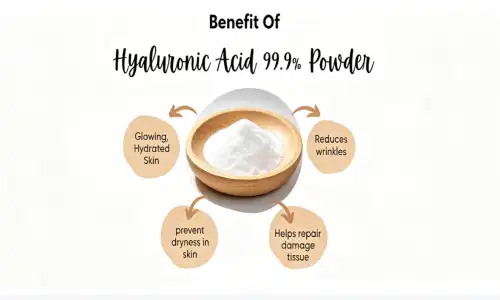
Hyaluronic acid powder is a game-changing material for companies making high-tech skincare products and food supplements. When you buy hyaluronic acid powder bulk, you have exact control over the concentration, molecular weight, and formulation adjustment that pre-mixed serums simply cannot provide. This naturally occurring carbohydrate is known for holding up to 1,000 times its own weight in water. When properly made, it provides the best hydration performance available. Knowing the right way to mix, formulate, and apply sodium hyaluronate powder will give you the best skin results while keeping your production lines running smoothly and saving you money.

Understanding Hyaluronic Acid Powder Bulk: Basics and Benefits
What Makes Bulk Hyaluronic Acid Powder Different?
Sodium hyaluronate powder is a concentrated form of hyaluronic acid that has been dried out. It is mostly made through improved microbial fermentation instead of animal extraction. This way of making sure that the material is vegan-friendly, very clean, and the quality of each batch is the same. The bulk version has many benefits over liquid solutions, including lower shipping costs, longer shelf life, no need for preservatives, and full formulation freedom. NT Biotech offers 99% pure pharmaceutical-grade material (CAS: 9004-61-9), which meets ISO9001, KOSHER, and HALAL standards and meets the needs of markets in North America, Europe, and Asia.
Molecular Weight Variations and Their Impact
Formulators can target specific skin layers and physiological results when they know how to classify molecular weights. Variants with a molecular weight of more than 1,000 kDa form protective surface films that keep moisture in and give instant plumping effects. Medium molecular weight grades (100–1,000 kDa) get deep into the skin to help it stay flexible and smooth out small lines. Low and oligo-molecular weight forms (below 100 kDa) get deeper into the skin and help make collagen and fix tissues over time. When making skin moisturizers, anti-aging serums, or joint support supplements that need to be absorbed by the whole body, procurement teams should define molecular weight ranges.
Safety Profile and Regulatory Compliance
While being made in controlled settings, high-quality hyaluronic acid is very safe for all skin types. Because sodium hyaluronate is biocompatible, it reduces the risk of allergic responses. This makes it a good choice for products for people with sensitive skin. The FDA and other regulatory bodies say that hyaluronic acid is generally recognized as safe (GRAS) for use in food and cosmetics. NT Biotech follows strict quality control procedures throughout the entire production process. Each batch comes with a Certificate of Analysis that shows the purity, endotoxin levels, and microbe tests. These complete paperwork packages make it easier for foreign buyers who have to deal with complicated regulatory environments to import goods and register their products.

How to Properly Mix and Make Hyaluronic Acid Powder for Optimal Skin Results?
Step-by-Step Dissolution Protocol
The final product's appearance, stability, and absorption depend on proper preparation of the hyaluronic acid powder bulk. Start with room temperature pure or deionized water (20–25°C). Sprinkle powder slowly onto the water surface while stirring gently—never dump in chunks to avoid gel pockets. Allow 2–4 hours for full dissolution; high molecular weight grades may need overnight hydration. Avoid excessive mixing which creates air bubbles or shear force that breaks polymer chains. This method ensures consistent solutions with optimal viscosity.
Concentration Guidelines for Various Applications
Formulation concentration has a direct effect on how well a product works and how the customer feels about it. Most lightweight serums have between 0.5 and 1 percent sodium hyaluronate in them. This helps the product go on smoothly and absorb quickly without leaving behind a sticky film. At 1.5 to 2.0% ratios, intensive hydration treatments and sleeping masks work well and give you noticeable plumping results. Joint health vitamins usually have daily doses of 80 to 200 mg, and beauty-from-within capsules usually have 100 to 150 mg with collagen peptides. NT Biotech helps R&D teams find the best dosages for each product's positioning, customer standards, and cost factors, all while keeping the effectiveness that is backed by clinical research.
Storage and Handling Best Practices
Keeping the integrity of the powder throughout the supply chain saves your investment and makes sure that the results of production are always the same. Keep packages that haven't been opened away from direct sunlight and sources of wetness in cool, dry places that are below 25°C. Because sodium hyaluronate absorbs water, it needs to be packed in a way that keeps air out. NT Biotech provides material in drums that keep out wetness and fill with nitrogen to keep it stable for longer. Once it's opened, put any leftovers in containers that can be sealed and consume them within six months for the best results. Reconstituted solutions need to be kept cool and stable for two to three months, but this depends on the pH of the mixture, the choice of stabilizer, and the storage temperature.
Hyaluronic Acid Formulation: Building Stable, Effective Finished Products
A workable dissolving procedure is necessary to create a base solution, but a final hyaluronic acid formulation is more than hydrated powder. Formulators must choose which actives to combine it with, maintain the proper pH window and protect the reconstituted solution from microbial development. This is real formulation science turning raw sodium hyaluronate powder into a stable product ready for the market.
Choosing Compatible Actives for Your Hyaluronic Acid Formulation
Sodium hyaluronate is extremely compatible and can be layered with most substances in the water phase. Vitamin C (ascorbic acid) and niacinamide naturally couple for brightening and barrier support while peptides and ceramides provide firming and repair signals and glycerin and panthenol enhance the humectant cascade. Keep oil soluble actives (retinol, CoQ10) in the emulsion phase (not the HA water phase) to prevent precipitation. That means a well-designed hyaluronic acid compound has a hydration backbone that enhances (not competes with) your other actives.
pH and Preservative Considerations
Hyaluronic acid is most stable in the range of pH 5.0 to 7.5 which is the natural pH of the skin's acid mantle. Polymer chains may breakdown below pH 4 and above pH 8 and viscosity decreases. Reconstituted solutions are nutrient rich and stimulate microbial development, therefore any hyaluronic acid formulation with a shelf life beyond two weeks needs an authorized preservative system (e.g., phenoxyethanol with caprylyl glycol, or a wide range eco-certified mix). However, preservative-free claims are warranted for single use, refrigerated applications.
A Basic Hyaluronic Acid Serum Formulation Template
The table below is a starting point for a 1% sodium hyaluronate serum that you can adapt to your own claims and texture targets:
• Water (deionized): 90.4%
• Sodium hyaluronate powder, high MW: 0.5%
• Sodium hyaluronate powder, low MW: 0.5%
• Glycerin: 5.0%
• Niacinamide: 2.0%
• Preservative system: 1.0%
• pH adjuster (citric acid): q.s. to pH 6.0
Disperse the HA powders slowly in room-temperature water, add humectants, then cool-phase actives and preservative. Adjust pH last. Scale the percentages linearly for bulk production, and validate stability with your contract manufacturer before launch.
Common Hyaluronic Acid Formulation Mistakes to Avoid
Do not drop powder into liquid (gel pockets), over-shear (break polymer chains and thin viscosity), or combine HA with high-ethanol or strong-acid phases that precipitate the polymer. The most prevalent reason for batch failures in a hyaluronic acid formulation is the lack of preservative validation. Most B2B buyers use a template like this with their contract manufacturer and then tweak molecular weight blends and actives to meet the claims they wish to make. NT Biotech technical team can provide a tailor made hyaluronic acid formulation sheet with stability and compatibility data for your target market.
Comparing Bulk Hyaluronic Acid Powder with Other Forms for Procurement Decisions
Powder Versus Liquid Concentrates
When looking at costs, powder forms are always the best choice for medium to large-scale manufacturing. Liquid hyaluronic acid products only have 1% to 2% active ingredient, which means you're buying and shipping 98% water, which makes shipping costs and storage room much higher. In powder forms, the active ingredient is concentrated, which cuts down on shipping costs by up to 70% and increases the shelf life from 12 months for liquids to 24–36 months for powders when stored properly. The advantage of stability is especially useful for producers who keep their supplies low or serve customers in different areas. Formulators can change the viscosity and hydration strength across product lines with custom concentration control instead of getting different grades that have already been reduced.
Molecular Weight Selection Criteria
Choosing the right molecular weight for hyaluronic acid powder bulk helps the product work well with the benefits that marketers claim it will deliver to customers. Brands that want you to see results right away like high molecular weight versions that moisturize the skin and add volume right away, making it photo-ready within hours. Blended molecular weight profiles are good for anti-aging products because they combine high MW for quick action with low MW for long-term collagen stimulation and wrinkle reduction over 4 to 8 weeks. Joint health products only use low molecular weight types (10–50 kDa), which show that they are bioavailable when taken by mouth and can be incorporated into synovial fluid. NT Biotech keeps a wide range of molecular weights in stock, and they have technical paperwork to back up specific clinical claims and help sourcing teams match ingredient requirements to marketing goals.
Supplier Evaluation Framework
Choosing trustworthy manufacturing partners helps keep the supply chain running and protects the quality of the products and the image of the business. Give more weight to suppliers who can show clear production methods, thorough testing routines, and a history of exporting. NT Biotech has been doing business internationally for more than ten years, providing steady quality and shipping services to cosmetic and nutraceutical makers in more than forty countries. Some important things to look at when judging a company are its certifications (ISO9001, KOSHER, HALAL), wait times (NT Biotech: 2–4 days for stock items, 3–10 days for production orders), minimum order numbers (25 kg for trials without having too much inventory), and how quickly the company can help with technical issues. Having samples available lets you test the recipe before committing to large amounts of production, which lowers the risk of development.

Procurement Guide: How to Source and Order Bulk Hyaluronic Acid Powder?
Essential Supplier Qualifications
Telling the difference between professional makers and trade middlemen has a big effect on the success of long-term partnerships. Real makers have their own research and development teams, use approved production facilities, and give detailed records for each batch, including HPLC analysis, molecular weight distribution, and heavy metal screening. From fermentation to final packaging, NT Biotech controls quality by combining its own production skills with fully integrated supply chains. Vertical integration for hyaluronic acid powder bulk ensures batch-to-batch consistency, critical for products facing strict regulations or discerning consumer preferences. When evaluating suppliers, verify certifications and request customer references from established brands. Ask for specific specifications including mesh size (NT Biotech recommends 80 mesh), appearance, and functional testing results confirming water-binding capacity. These quality indicators help procurement teams select reliable partners who deliver consistent, high-performance material.
Packaging and Logistics Considerations
The right packaging keeps things safe while they're being shipped internationally and makes office work go more smoothly. Standard bulk packing uses 25 kg fiber drums with two polyethylene liner bags, but special designs can be made to fit particular methods for handling or government rules. NT Biotech provides adaptable packing options that work with customers' warehouses and usage rates. This keeps reworking costs and contamination risks to a minimum. Express services (FedEx, UPS) are available for quick samples and small orders. Air freight is available for production materials that need to be delivered quickly, and ocean freight is the most cost-effective way to ship large amounts of goods. The company keeps direct accounts with carriers to get cheap rates, clear tracking, and quick handling of customs documents.
Building Strategic Supplier Relationships
There is more value in long-term relationships than just lower prices. Collaborative providers put time and effort into learning about your product problems, market positioning, and growth plans. This way, they can help you before problems happen instead of after they happen. The expert team at NT Biotech helps with formulation, suggests stable tests, and gives legal advice that is specific to target markets. Offering choices for payments in local currencies lowers the risk of foreign exchange and makes tracking easier. As your output grows, having established relationships makes it easier to give priority when supplies are low, create unique packaging, and possibly come up with new formulations that are only available to your company. Set up regular review meetings to talk about quality performance, market trends, and new ingredient technologies. This will help you stay ahead of the competition in the personal care and supplement markets, which are changing quickly.
Conclusion
Hyaluronic acid powder bulk gives companies that make high-end skincare products and useful vitamins more options than any other product on the market. When you mix this nutrient the right way, choose the right quantity, and match the molecular weights strategically, you can get the most out of it for hydration, anti-aging, and joint health. The powder format is better than liquid options when it comes to cost, formulation control, and security. This makes it the best choice for quality-focused brands that want to stand out from the competition. When you work with experienced suppliers like NT Biotech, you can be sure of consistent material quality, legal compliance, and technical support as you develop your product. This lets you confidently come up with new ideas in global markets that are very competitive.
FAQ
1. Is hyaluronic acid powder safe for all skin types?
Additionally, sodium hyaluronate is very safe for all skin types, even sensitive and acne-prone skin, because it is non-toxic and does not cause acne. When the ingredient comes from a reputable producer that follows pharmaceutical-grade purity standards, it rarely causes allergic responses. For use as a food supplement, clinical tests show that normal doses (80–200 mg daily) are safe with few side effects. Manufacturers should check the licenses of their suppliers and ask for proof of batch testing that shows there are no contaminants, the right amount of endotoxin, and no microbial safety issues.
2. How long does hyaluronic acid powder remain effective after opening?
When stored properly, sodium hyaluronate powder that has not been opened stays fully active for 24 to 36 months from the date it was made as long as it is kept cool and dry below 25°C. Once the package is opened, put any leftover items in containers that won't let air in or water in. For best results, use within 6 to 12 months. Once reconstituted into solutions, their durability relies on the pH of the formulation, the preservative systems used, and the storage temperature. Usually, they are stable for two weeks (unpreserved and cold) to three months (preserved systems). Before making claims about a product's shelf life, you should always do stability tests to make sure that your formulation conditions are correct.
3. What molecular weight should I choose for my formulation?
Choosing the right molecular weight depends on what the product is supposed to do and how it is supposed to be used. High molecular weight grades work well with surface-hydrating products like daily lotions and sheet masks, giving you plumping results right away that you can see within hours. Anti-aging serums work better when they contain medium molecular weight versions that can get into the skin and smooth out fine lines over time. Low and oligomolecular weight forms work best for deep skin repair treatments or oral vitamins that need to be absorbed by the whole body for joint health uses. Talk to NT Biotech's expert team about how to match molecular weight requirements with how you want to market your product and what customers expect.
4. How do I build a stable hyaluronic acid formulation?
The 1% serum template in the hyaluronic acid formulation section above is a good place to start. Slowly distribute high- and low-MW sodium hyaluronate into room-temperature water at pH 5.0–7.5, then add glycerin and niacinamide as humectant and brightening partners. Reconstituted solutions stimulate microbial development, thus always include an approved preservative if the product will stand for more than two weeks. Retinol and other oil soluble actives should be kept in a separate emulsion phase and avoid high ethanol or strong acid phases that cause the polymer to precipitate. Together with stability testing at your contract manufacturer, this process results in a completed hyaluronic acid formulation that is safe, repeatable, and ready for scale up.
Partner with NT Biotech for Premium Hyaluronic Acid Powder Bulk Supplier Solutions
Pharmaceutical-grade hyaluronic acid powder bulk is available from NT Biotech to help you with the creation of your formulas. This powder is made under strict quality controls and is approved by ISO9001, KOSHER, and HALAL standards. Our 99% pure sodium hyaluronate powder (CAS: 9004-61-9) ships within two to four days from our maintained stock. Our MOQ is flexible and starts at 25 kg, and we offer free samples for recipe validation. We are more than just a provider; our skilled expert team can help you with formulation, regulatory issues, and making solutions that fit the needs of your market. You can talk to our sourcing specialists at info@newthingsbiotech.com about your project needs, get detailed specs, or set up sample packages to help you come up with your next skincare, supplement, or functional food product idea.
References
1. Papakonstantinou, E., Roth, M., & Karakiulakis, G. (2012). Hyaluronic acid: A key molecule in skin aging. Dermato-Endocrinology, 4(3), 253-258.
2. Bukhari, S. N., Roswandi, N. L., Waqas, M., Habib, H., Hussain, F., Khan, S., & Sohail, M. (2018). Hyaluronic acid, a promising skin rejuvenating biomedicine: A review of recent updates and pre-clinical and clinical investigations on cosmetic and nutricosmetic effects. International Journal of Biological Macromolecules, 120, 1682-1695.
3. Keen, M. A. (2016). Hyaluronic Acid in Dermatology. Skinmed, 14(6), 441-448.
4. Göllner, I., Voss, W., von Hehn, U., & Kammerer, S. (2017). Ingestion of an Oral Hyaluronan Solution Improves Skin Hydration, Wrinkle Reduction, Elasticity, and Skin Roughness: Results of a Clinical Study. Journal of Evidence-Based Complementary & Alternative Medicine, 22(4), 816-823.
5. Oe, M., Sakai, S., Yoshida, H., Okado, N., Kaneda, H., Masuda, Y., & Uenishi, K. (2017). Oral hyaluronan relieves knee pain: a review. Nutrition Journal, 16(1), 11.
6. Juhlin, L. (1997). Hyaluronan in skin. Journal of Internal Medicine, 242(1), 61-66.
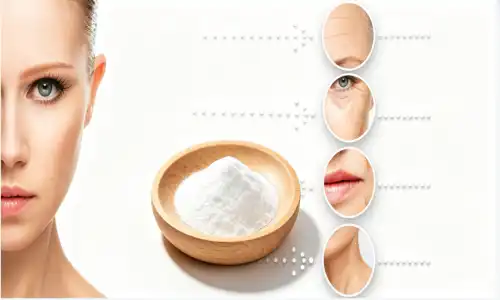
Hyaluronic acid powder bulk is frequently used as the primary ingredient in recipes that aim to moisturize, fight aging, and fix skin when beauty brands want to expand their product offerings. Firms can change the dosage amounts, mix it with active ingredients that work well together, and keep prices low while still getting results that have been shown in clinical trials. You can use high-purity sodium hyaluronate in more serums, creams, masks, and beauty products if you can find it as a powder. This is in response to the growing need among customers for effective goods that keep skin and mouth wet.

Understanding Bulk Hyaluronic Acid Powder: Properties and Benefits
What Makes Bulk Powder Different from Other Forms?
Hyaluronic acid appears as liquid concentrates, pre-made serums, capsules, and injectable solutions. The powder form works best for beauty brand development teams. Sodium hyaluronate is hyaluronic acid in salt form. One gram holds 1,000 times its weight in water. Molecular weight ranges affect performance: low (10,000-100,000 Da) aids collagen synthesis; high (>1,000,000 Da) forms protective films; medium (100,000-1,000,000 Da) balances penetration and surface hydration.
Core Benefits Driving Market Demand
Hyaluronic acid's primary benefit is skin hydration, restoring moisture balance to make dry, stressed skin appear plumper and softer. It significantly reduces transepidermal water loss whether ingested or applied topically. Anti-aging benefits are equally strong: maintaining skin hydration makes fine lines and wrinkles less noticeable. Over time, it improves skin strength and elasticity by enhancing natural repair systems. Sodium hyaluronate also supports barrier function and intercellular communication.
Storage Stability and Formulation Considerations
Powder form offers greater stability than liquid forms, which can develop bacterial contamination and degrade over time. Store powder in sealed containers away from direct sunlight and moisture for extended stability, reducing waste and maintaining batch consistency. Topical solutions use 0.1-2% concentrations depending on desired viscosity and hydration. Products thicken as concentrations increase, potentially requiring emulsifier adjustments. Oral supplements typically contain 80-200 mg hyaluronic acid per serving.

How Beauty Brands Can Incorporate Bulk Hyaluronic Acid into Their Product Lines?
Identifying Consumer Expectations and Market Opportunities
Today's beauty consumers demand transparency, efficacy, and natural sourcing. They read ingredient lists carefully, seek scientific evidence, and prefer brands prioritizing sustainability. Hyaluronic acid meets these requirements as a safe, non-irritating ingredient increasingly produced via microbial fermentation rather than animal extraction, appealing to vegans and clean beauty enthusiasts. Market research confirms hyaluronic acid ranks among the top five most-searched skincare ingredients.
Avoiding Common Formulation Pitfalls
Selecting wrong molecular weight for the application is a common mistake. Using only high molecular weight in a deep-penetration serum may underperform; using only low molecular weight in a surface cream may not plump as desired. Blending multiple weights creates multi-depth hydration. Incorrect dosing is another issue: too low yields minimal results; too high alters texture or leaves tacky film. Stability testing and consumer panels ensure performance and sensory standards.
Best-Practice Checklist for Streamlined Development
First, brands should identify target skin concern and consumer demographic to select appropriate molecular weight and concentration. Formulation teams make test batches verifying dissolution, feel, and ingredient interactions before full production. Stability testing under accelerated conditions identifies degradation or separation issues early. Microbial testing confirms preservative efficacy. Sensory panels assess texture, absorption rate, and after-feel. Documentation throughout development enables quality tracking and regulatory compliance.

Comparing Bulk Hyaluronic Acid to Other Forms: Making the Right Procurement Decision
Evaluating Powder Against Liquid and Pre-Made Solutions
Pre-made liquid solutions offer convenience but limit formulation flexibility and may contain preservatives conflicting with clean beauty positioning. Hyaluronic acid powder bulk provides greater control: brands adjust concentration precisely and blend molecular weights for unique combinations. Pure hyaluronic acid powder bulk requires no additional preservatives, allowing formulators to maintain freshness aligned with brand values. Hyaluronic acid powder bulk also offers superior shelf stability compared to liquid forms, reducing inventory costs and waste.
Cost-Efficiency and Manufacturing Flexibility
Sodium hyaluronate powder generally delivers superior unit economics over time. Powder shipping costs less than pre-dissolved liquids due to higher concentration. Brands achieve significant savings through bulk purchasing without sacrificing quality. Manufacturing flexibility extends beyond cost: powder works across diverse product formats from lightweight serums to rich creams and powder-to-liquid forms. This versatility enables rapid product development, allowing brands to respond quickly to market changes or seasonal demands.
Organic Versus Fermentation-Derived Sources
Historically, hyaluronic acid was extracted from rooster combs, concerning vegans and cruelty-free consumers. Most production now uses microbial fermentation with specific bacterial strains, producing consistent high-purity material free from endotoxins and animal proteins. Fermentation-derived hyaluronic acid supports clean beauty, vegan, and cruelty-free positioning. Procurement teams should request documentation proving fermentation origin and absence of animal products, particularly important for brands with ethical sourcing commitments.
Procurement Best Practices for Bulk Hyaluronic Acid Powder
Establishing Essential Specifications and Standards
Clear quality specifications are essential for procurement success. Quality hyaluronic acid powder should contain at least 95% sodium hyaluronate with low protein, nucleic acid, and heavy metal content. Each batch requires Certificate of Analysis with HPLC or UV results confirming purity and molecular weight distribution. Regulatory requirements vary by market: US brands need FDA-compliant products; the EU requires Ph. Eur. compliance; nutraceutical applications demand food-grade certifications with heavy metal and microbial monitoring.
Evaluating Supplier Reliability and Certification Transparency
Supplier selection should consider reputation, production capacity, and quality control beyond price alone. Companies with ten-plus years experience demonstrate operational maturity and customer commitment. Robust quality control tests both raw materials and finished goods ensuring batch consistency. Supply chain security links directly to production capacity. Suppliers maintaining substantial inventory and scalable manufacturing fill urgent orders without extended lead times. NT Biotech maintains ISO9001, Kosher, and Halal certifications demonstrating quality management.
Logistics and Packaging Innovations
The ingredients need to be carefully packed so that they stay pure while they are being shipped. Hyaluronic acid powder bulk in large amounts is hygroscopic, which means it takes in water from the air very easily. This could make it harder to move and break down faster. Powder from good sources is put in drums with sealed inner cases that are made of multiple layers and can't hold water. And this stops the powder from getting wet while it's being shipped and kept.
There are different order numbers and ways to handle them because of the customization options. Drums that hold 25 kilograms are common packing. They are easy to move and make good use of space. If a brand wants to test their goods or make fewer of them, they can ask for sample amounts or split packages. On the other hand, big manufacturers might be able to get special large bins that can work directly with machines that make things.
Through agreements, you can send things faster and for less money. They can speed up orders through FedEx or UPS when sellers use their own fast shipping accounts. This makes sure that the goods get to you quickly from the companies. On the other hand, freight forwarders handle bigger packages by air or sea. They figure out how to save money on huge orders while still following safety rules that keep things from getting dirty or broken.
Cost Optimization and Negotiation Tactics
When you buy strategically, you cut costs while still making sure quality. Economies of scale work really well for popular ingredients like hyaluronic acid. It costs less per unit when you buy more, so you can get more for your money. Brands that want to make or sell a lot of goods might want to sign supply deals that last for a year. In this way, they can lock in good prices and be sure that their goods will always be available during the term of the deal.
You can save even more if you have more ways to pay. If sellers accept payments in the local currency, there is no need for changes in the exchange rate, and transaction fees are smaller. This has a direct effect on how much people can spend on goods. If you can get longer payment terms or savings based on sales, you can get even better cash flow. This is very helpful for new brands that are having trouble keeping their cash flow up.
When you ask for free samples before you place a big order, you take less risk. Teams that work on formulas can try samples to see how well the substance melts, mixes with other substances, and works in real life. Before getting a lot of it, they can be sure that it meets technical standards this way. Trustworthy sellers, like NT Biotech, give away free samples to show that they are sure of the quality of their goods and to help customers make smart purchases.

Future Trends and Opportunities in Using Bulk Hyaluronic Acid for Beauty Brands
Molecular Weight Customization and Advanced Delivery Systems
New hyaluronic acid formulas are being made faster because customers want better results and different body sensations. It is possible to change the molecular weight, and brands can work with suppliers to make mixes that are best for certain skin problems or product forms. Putting together very small molecules with long strings of molecules creates multi-layered moisture that can both instantly fill out the skin and fix its barrier function over time.
New ways of delivering hyaluronic acid make its benefits even stronger. With encapsulation methods, the ingredient doesn't break down, and the rate of release can be controlled. This keeps the product more stable, even when it is hard to work with, and keeps it moist for longer. Hyaluronic acid can get deeper into the skin with the help of liposomal release. There, it helps make collagen and boosts cell growth. These new features make high-priced lines stand out, which lets them charge more and improves their brand's place in markets that are very competitive.
Strategic Opportunities for OEM and Private Label Manufacturers
OEM and private label partnerships help brands make new products faster while also cutting down on the cost of building up production facilities. Finding suppliers who can do everything along the value chain, from finding raw materials to creating, making, and packing, makes it easier to bring an idea for a product to market. NT Biotech is a good example of this type of business because it offers flexible OEM solutions with separate R&D teams and smart production powers that can change based on what the customer needs.
When you buy hyaluronic acid powder bulk, you can react faster to the market. Brands can quickly make samples of new recipes, test them with customers, and then start making a lot of them. They don't have to wait for small orders or deal with complicated supply chains. This is very helpful in categories that are growing quickly, like clean beauty or ingestible skincare, where being the first to market gets you a lot of attention and makes you the leader in that category.
Evolving Supplier Roles and Collaborative Partnerships
It is no longer just about doing business between brands and ingredient sellers; they are now working together. Forward-thinking providers offer professional help throughout the whole process of making a new product and are happy to share what they know about how to make formulas better, follow rules, and spot market trends. This way of working together lowers the risks of development, speeds up the process of getting a product to market, and sparks new ideas by letting people share what they know.
Having more licensing options shows that the needs of the market are changing. Customers expect brands to do more for the environment and society. When sellers get organic certifications, carbon-neutral labels, or sustainable source verifications, they can meet these higher standards. These credentials help market the brand better and support claims that appeal to smart shoppers and make products stand out in busy stores.
It will no longer be a nice-to-have to have hyaluronic acid that comes from fermentation ways that are good for the earth as the clean beauty and sustainable movements grow. Being able to protect their product lines from changes in laws and customer tastes is easier for brands when they work with approved providers.
Conclusion
Beauty companies that buy hyaluronic acid powder bulk have more control over their recipes, can save money, and can use it in any kind of product, whether it's for the skin or the body. To get high-purity materials that make products work better and make customers happier, procurement teams should learn about changes in molecular weight, stay away from common recipe mistakes, and pick reliable sources with clear quality systems. In order to take advantage of new trends in clean beauty and improved delivery systems, brands should focus on clear licensing, efficient logistics, and relationships with providers that work well together. As the market for hydrating products that work keeps growing, businesses that buy good sodium hyaluronate in bulk will be able to make their products stand out and gain loyal customers.
FAQ
1. What is the minimum order quantity for bulk hyaluronic acid powder?
How much hyaluronic acid powder bulk do I need to buy to get a discount? You need to buy at least 25 kilograms from most companies, like NT Biotech. This is the same amount that is packed in a standard drum. The price at this level is just right for mid-sized brands who want to buy the product while also making sure that operations run easily and costs are kept low. People who want samples or special orders may be able to get smaller amounts, but the price per unit generally goes up when the order size is below the minimum.
2. How should bulk hyaluronic acid powder be stored to maintain stability?
Things that don't let air in should be kept in cool, dry places that aren't in full sunlight. Sodium hyaluronate is hygroscopic, which means it can easily take in water from the air. This can cause it to clump together and break down slowly. To keep the quality of the powder, keep the storage temperature below 25°C and the relative humidity below 60%. This can last up to two years longer if it is properly wrapped.
3. Can hyaluronic acid powder be used in both topical and oral formulations?
There are various uses for each grade. Cosmetic-grade powder is safe to use on the skin in serums, creams, and masks because it is made to be put on the skin. Supplemental powder that is food-grade or nutraceutical-grade goes through extra tests before it can be taken. These tests make sure that the amounts of heavy metals and bacteria don't go over what's allowed in supplements. Procurement teams have to make sure that the grade standards are right for the job in order to follow the rules and keep customers safe.
Partner with NT Biotech for Premium Hyaluronic Acid Powder Bulk Supply
NT Biotech provides excellent value when searching for a reliable hyaluronic acid powder bulk supplier. Our sodium hyaluronate is 99% pure and has been confirmed as ISO 9001, Kosher, and Halal. It gives your goods the quality stability they need. For more than ten years, we've been sending goods to places all over the world. We keep a lot of stock on hand so that we can send as soon as we get payment proof. Everything from picking out the best items to making the best mix is something our team can help you with. They also give you all the paperwork you need, like proof of analysis for each batch. Food-grade and cosmetic-grade hyaluronic acid powder from us works well in many situations, such as making new beauty-from-within products and serums that keep your skin hydrated. Send us an email at info@newthingsbiotech.com to get your free sample and learn how our production know-how can help you get your product made faster and for less money.
References
1. Papakonstantinou, E., Roth, M., & Karakiulakis, G. (2012). Hyaluronic acid: A key molecule in skin aging. Dermato-Endocrinology, 4(3), 253-258.
2. Kawada, C., Yoshida, T., Yoshida, H., et al. (2014). Ingested hyaluronan moisturizes dry skin. Nutrition Journal, 13(1), 70.
3. Stern, R., Asari, A., & Sugahara, K. (2006). Hyaluronan fragments: An information-rich system. European Journal of Cell Biology, 85(8), 699-715.
4. Bukhari, S.N.A., Roswandi, N.L., Waqas, M., et al. (2018). Hyaluronic acid, a promising skin rejuvenating biomedicine: A review of recent updates and pre-clinical studies. International Journal of Biological Macromolecules, 120(Pt B), 1682-1695.
5. Fallacara, A., Baldini, E., Manfredini, S., & Vertuani, S. (2018). Hyaluronic acid in the third millennium. Polymers, 10(7), 701.
6. Gupta, R.C., Lall, R., Srivastava, A., & Sinha, A. (2019). Hyaluronic acid: Molecular mechanisms and therapeutic trajectory. Frontiers in Veterinary Science, 6, 192.