- English
- French
- German
- Portuguese
- Spanish
- Russian
- Japanese
- Korean
- Arabic
- Greek
- German
- Turkish
- Italian
- Danish
- Romanian
- Indonesian
- Czech
- Afrikaans
- Swedish
- Polish
- Basque
- Catalan
- Esperanto
- Hindi
- Lao
- Albanian
- Amharic
- Armenian
- Azerbaijani
- Belarusian
- Bengali
- Bosnian
- Bulgarian
- Cebuano
- Chichewa
- Corsican
- Croatian
- Dutch
- Estonian
- Filipino
- Finnish
- Frisian
- Galician
- Georgian
- Gujarati
- Haitian
- Hausa
- Hawaiian
- Hebrew
- Hmong
- Hungarian
- Icelandic
- Igbo
- Javanese
- Kannada
- Kazakh
- Khmer
- Kurdish
- Kyrgyz
- Latin
- Latvian
- Lithuanian
- Luxembou..
- Macedonian
- Malagasy
- Malay
- Malayalam
- Maltese
- Maori
- Marathi
- Mongolian
- Burmese
- Nepali
- Norwegian
- Pashto
- Persian
- Punjabi
- Serbian
- Sesotho
- Sinhala
- Slovak
- Slovenian
- Somali
- Samoan
- Scots Gaelic
- Shona
- Sindhi
- Sundanese
- Swahili
- Tajik
- Tamil
- Telugu
- Thai
- Ukrainian
- Urdu
- Uzbek
- Vietnamese
- Welsh
- Xhosa
- Yiddish
- Yoruba
- Zulu
Tanino milteliai, which is also known as tannin powder, is a revolutionary option for procurement workers looking for natural ingredients that can be used in both food and industry. These polyphenolic chemicals come mostly from plants, like Galla Chinensis (Chinese gall nuts). They offer antimicrobial protection, antioxidant activity, and processing efficiency that help solve important problems in product development and shelf life extension. As regulations get stricter and more people want products with clean labels, tanino milteliai has become an important raw material for companies that want to be environmentally friendly without sacrificing performance. This detailed guide talks about the technical makeup, proven business benefits, buying strategies, and quality standards that R&D managers and sourcing leaders need to think about when adding tannin powder to their supply chains.
Understanding Tanino Milteliai: Composition and Health Benefits
Natural Polyphenolic Structure and Source Materials
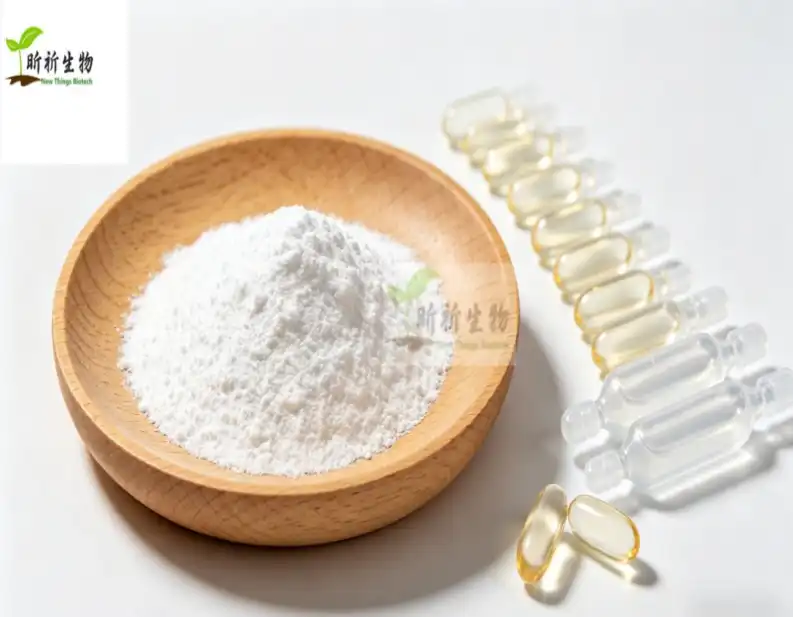
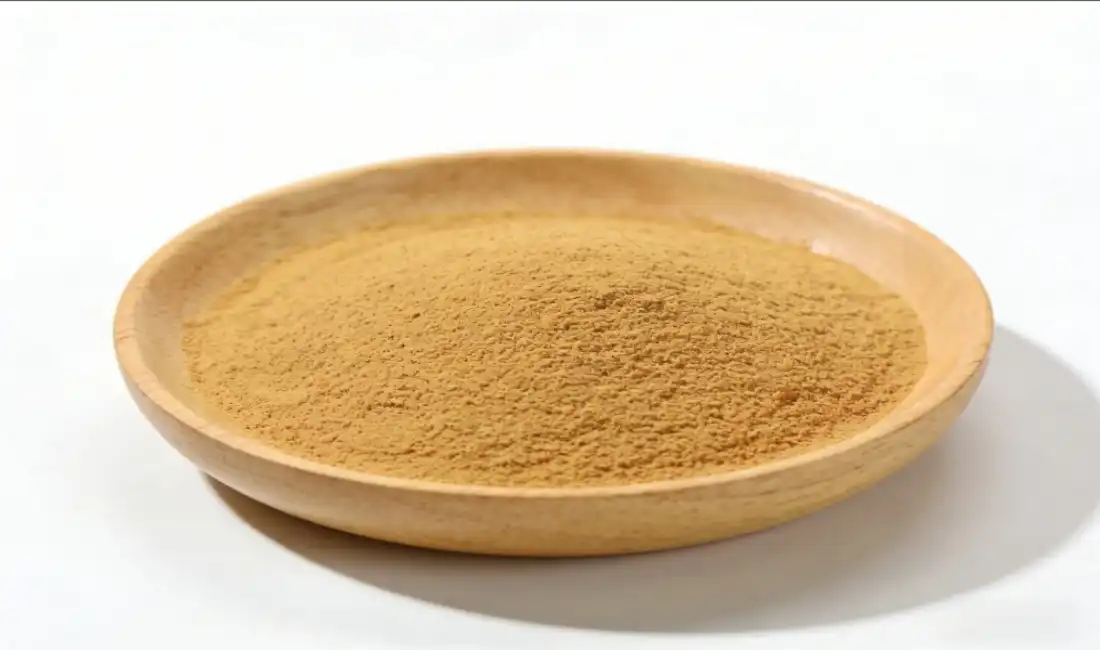
Tanino milteliai comprises of complex polyphenolic particles with different hydroxyl bunches empowering authoritative to proteins, chemicals, and metal particles. Chemical equation approximates C₇₆H₅₂O₄₆, changing by plant source. Galla Chinensis gives hydrolyzable tannins wealthy in gallic corrosive subordinates with predominant antimicrobial movement versus condensed tannins. Quality tannin powder shows up as yellow-brown 80-mesh particles for simple scattering. Details extend 93–99% virtue for exact dosing, whereas 5:1 to 20:1 proportion extricates serve cost-effective mechanical applications requiring composition control.
Scientifically Validated Health and Functional Properties
Research affirms tanino milteliai shows quantifiable antioxidant action through free radical rummaging and pro-oxidant metal chelation, securing supplements and amplifying nourishment freshness. Antimicrobial properties infer from tannins authoritative microbial proteins and disturbing cell film judgment, anticipating bacterial and contagious defilement without engineered additives. Feed-grade applications illustrate stomach related wellbeing benefits by specifically repressing pathogenic microbes whereas supporting advantageous intestine microbiota. These utilitarian highlights position tannin powder as a regulatory-compliant, clean-label elective to engineered additives.
Sustainable Extraction and Quality Assurance
Modern extraction uses alcohol or water-based solvents to isolate tannins while preserving bioactive structure and minimizing environmental impact. Sustainable sourcing standards enable cultivation-to-processing traceability—essential for procurement teams managing corporate responsibility obligations. Certified facilities follow ISO9001, Kosher, and Halal requirements, ensuring systematic quality control and facilitating regulatory compliance across international markets. Third-party testing verifies purity levels, heavy metal content, and microbial limits, generating Certificates of Analysis procurement professionals need for supplier qualification and batch acceptance protocols.
The Benefits of Tanino Milteliai in Food and Industry
Because tannin powder can be used in a lot of different ways, it has real practical benefits in a wide range of industrial settings. When purchasing, experts look at tanino milteliai; they should keep these benefits in mind because they have been shown to have a direct effect on product performance, cost-effectiveness, and market positioning.
Enhanced Shelf Life Through Natural Antimicrobial Action
Tannin powder inhibits spoilage organisms and pathogens via enzyme deactivation and protein precipitation, extending shelf life of meat, dairy, and prepared foods. Multiple studies demonstrate 0.1–0.5% tannin extract reduces microbial counts by 2–3 log cycles in refrigerated meat products, delaying spoilage while maintaining taste quality. This preservation capability reduces waste, lowers cold chain costs, and improves food safety without consumer concerns about synthetic antimicrobials. Measurable ROI makes tannin powder attractive for clean-label product lines.
Improved Product Taste and Texture Characteristics
At appropriate usage levels, tanino milteliai contributes astringency and mouthfeel valued in beverages—particularly wine, where tannins affect color stability and aging potential. Protein-binding capabilities clarify liquids by precipitating haze-causing proteins, improving appearance and shelf stability in fruit juices and fermented products. In meat applications, tannins interact with myofibrillar proteins to increase water-holding capacity and improve cooked texture, addressing quality issues that undermine consumer acceptance and premium positioning.
Eco-Friendly Processing in Leather and Textile Industries
Vegetable tanning using tanino milteliai offers sustainable alternative to chromium-based leather processing, eliminating heavy metal residues and simplifying biodegradable waste management. Tannin-processed leather exhibits natural coloring, breathability, and aging properties valued in premium goods while meeting environmental standards restricting chromium discharge. As natural mordants, tannins improve dye fixation on textiles, reducing synthetic chemical usage and supporting clean production certifications increasingly required by global brands and regulatory bodies.
Cost-Effectiveness for Bulk Procurement Operations
Tannin powder’s concentrated format and superior shelf stability reduce handling and inventory costs compared to liquid extracts or encapsulated products. Bulk packaging options from 1 kg bags to 25 kg drums accommodate different production scales while optimizing storage space and freight economics. Competitive volume pricing paired with reliable supply from established sources enables procurement teams to negotiate favorable terms and ensure continuity, preventing production schedule disruptions from raw material shortages.
Cross-Industry Adaptability Spanning Multiple Applications
Beyond food and leather industries, tanino milteliai serves as binding and coating agent in pharmaceuticals, astringent and antioxidant in cosmetics, and feed ingredient enhancing gut health and growth performance in animal nutrition. This versatility allows multi-product manufacturers to consolidate suppliers and leverage volume agreements across business units, simplifying vendor management and strengthening negotiation position. Customized specifications and packaging for specific applications add strategic value for companies seeking differentiated product portfolios.

Comparing Tanino Milteliai with Other Tannin Products
Powder versus Liquid Extract Formats
Tanino milteliai powder has a higher percentage per unit weight than liquid extracts. It usually has 93% to 99% active tannins, while water-based solutions only have 30% to 50%. This focus benefit lowers shipping costs, storage space, and the number of times an item needs to be handled. This is especially helpful for facilities that handle multiple ingredient SKUs. Powder forms have longer shelf lives—more than 24 months at room temperature—than liquid extracts, which need to be kept cold and have shorter useful lifetimes because they are more likely to be broken down by microbes and oxygen. Processors can make working solutions with specific concentrations because of reconstitution freedom. This improves dosing accuracy and cuts down on waste in batch operations.
Bulk Powder versus Encapsulated Retail Forms
Encapsulated tannin products serve consumer supplement markets but prove too expensive and format-inappropriate for industrial applications. Bulk tannin powder avoids packaging costs and enables direct incorporation into food, feed, and industrial processes without intermediate processing steps. Industrial procurement choosing bulk formats achieves 40–60% cost savings versus encapsulated equivalents, delivering competitive advantage in price-sensitive markets while maintaining equivalent active ingredient effectiveness for intended applications.
Quality Assessment Parameters for Supplier Evaluation
Key specifications include particle size distribution (80 mesh for optimal dispersibility), moisture content (below 5% preventing caking and microbial growth), and heavy metal limits meeting regulatory standards. HPLC-verified purity must meet or exceed claimed levels with botanical identity and extraction method documentation. Certifications including ISO9001, Kosher, Halal, and third-party testing provide tangible evidence of manufacturing capability and compliance. Procurement should utilize free sample programs for application testing before volume commitments.
How to Procure Tanino Milteliai: Buying Guide for B2B Clients
Defining Application Requirements and Volume Projections
Purchase success requires clarity on intended applications, target dosage levels, and annual volume requirements to guide supplier selection and price negotiation. Food preservation typically uses 0.1–0.5% inclusion rates; feed-grade applications use 0.5–2%. Leather tanning processes require significantly higher volumes, necessitating evaluation of supplier production capacity and inventory depth. Clear volume projections ensure uninterrupted supply and appropriate lead times for tanino milteliai procurement.
Supplier Qualification Criteria and Documentation Review
Evaluate suppliers on technical expertise, quality system maturity, and service responsiveness. NT Biotech utilizes proprietary extraction methods maximizing bioactive compounds while ensuring batch-to-batch consistency verified by comprehensive testing. Rapid response protocols (two-hour inquiry guarantee) demonstrate customer service commitment. Inventory availability enabling 1–3 business day shipment meets urgent procurement needs sustaining production continuity. Documentation should include business licenses, certifications, and third-party test results.
Sample Testing and Validation Protocols
Free sample programs enable application testing, analytical verification, and quality assessment before supply agreement execution. Sample testing should include HPLC purity verification, organoleptic evaluation in end-use applications, and functional performance measurement through controlled trials assessing antimicrobial effectiveness or processing characteristics. Suppliers providing batch-specific Certificates of Analysis with samples demonstrate transparency and product expertise, supporting informed purchasing decisions prior to commercial volume commitments.
Order Execution and Logistics Coordination
Minimum order sizes of 25 kg strike a balance between how efficiently the seller makes goods and how efficiently the buyer manages their stock. Customized packaging choices meet specific handling needs and usage trends. Lead times for production orders range from three to ten working days. This includes getting the raw materials, processing them, checking for quality, and finally packing them. This means that you need to plan ahead and make sure that your schedules work with the production schedules. Depending on the type of order and where it's going, flexible shipping plans that use express services for small, urgent orders or freight forwarding for large packages get the best arrival times and lowest costs.
Case Studies and Industry Applications Showcasing Tanino Milteliai Benefits
Meat Processing: Extending Shelf Life and Enhancing Safety
Based on microbial plate counts and taste evaluation, a regional meat grinder added 0.3% tanino milteliai to ground beef recipes, which increased the shelf life in the fridge by four days compared to control samples. The antibacterial effect cut down on the number of Escherichia coli and Salmonella bacteria while keeping the color stable and reducing lipid oxidation, which makes tastes go bad. A cost study showed that an investment of $0.08 per kilogram in ingredients led to $0.35 per kilogram in reduced waste and higher prices for goods that stay fresh for longer, creating a measurable return on investment (ROI) and a competitive edge in retail channels.
Leather Manufacturing: Environmental Compliance and Product Quality
An international leather goods company switched from chromium tanning to vegetable tanning using tanino milteliai. This completely stopped the release of heavy metals and made them eligible for eco-certification programs, which gave them more access to markets with consumers who care about the environment. The vegetable-tanned leather had unique looks that are valued in high-end fashion items and met the standards of both the European Union's REACH rules and California's Proposition 65. Making changes to the production cycle and training staff paid off within 18 months through higher prices and lower costs for treating trash, which proves the business case for using sustainable ingredients.
Animal Nutrition: Improving Feed Efficiency and Gut Health
An industrial chicken farm added 1% of feed-grade tannic acid to the food of broilers. They saw a 5% increase in feed conversion rates and a 5% drop in mortality rates, which they said was because the acid helped intestinal health and killed pathogens. The natural antibacterial qualities changed the gut microbiology by reducing the number of Clostridium perfringens bacteria and increasing the number of good Lactobacillus bacteria. This made it easier for the plants to absorb nutrients and grow. An economic study showed that the $12 per ton increase in feed costs led to $28 per ton in value through better weight gain and lower medication costs, showing a clear financial benefit and backing wider adoption across production facilities.
Conclusion

Tanino milteliai is a good choice for an ingredient for buying workers who have to deal with a lot of different needs, such as meeting legal requirements, being environmentally friendly, and improving performance. The natural polyphenolic composition from Galla Chinensis has been shown to have antimicrobial, antioxidant, and functional effects in the storage of food, the preparation of food, and the feeding of animals. Reliable sourcing that protects production continuity and supports corporate responsibility goals is made possible by quality providers who offer high purity standards, thorough certifications, and quick service. Procurement strategies that work well focus on qualifying suppliers by trying samples, going over paperwork, and running application trials to make sure there is a good technical fit and good performance before committing to large amounts. As consumers continue to demand clean-label ingredients and environmentally friendly production methods, businesses that get their tannin powder from reliable partners will be able to meet these changing needs while also improving their efficiency and standing out from the competition.
FAQ
1. What dosage levels of tanino milteliai are recommended for food preservation applications?
Tanino milteliai is usually used to keep food fresh at amounts ranging from 0.1% to 0.5% by weight, based on the type of food, how long it needs to be stored, and how it was processed. For antibiotic activity to work, meat products usually need higher inclusion rates of 0.3% to 0.5%. Beverages and dairy products, on the other hand, may only need 0.1% to 0.2% to keep proteins stable and control microbes. Application tests with samples supplied by the seller allow for the optimization of dosage levels that balance how well the product preserves while also being palatable to the senses and cost-effective. To make sure that the maximum amounts of tannin additives in certain food categories are followed, regulatory rules in target markets should be looked at.
2. How can procurement teams verify the authenticity and quality of tannin powder suppliers?
To check a supplier, you should first ask for all of their paperwork, such as business licenses, manufacturing certifications (ISO9001, Kosher, Halal), and third-party testing results that prove the product's specs. Free sample programs let independent labs test samples using HPLC to make sure that purity claims are true and heavy metal screens to make sure that regulations are followed. Audits of the production facilities look at how well they can make things, their quality control systems, and the rules for getting raw materials that affect accuracy and tracking. Setting up multiple points of contact, such as technical questions and sample evaluations, for communication shows how responsive and technically competent the provider is, which predicts long-term relationship trustworthiness.
Partner with NT Biotech for Premium Tannin Powder Supplier Solutions
NT Biotech provides pharmaceutical-grade tanino milteliai from Galla Chinensis. They get it from the plant using special extraction methods that get it to 93% to 99% purity, which is confirmed by a full HPLC analysis. Our ISO9001, Kosher, and Halal certifications make sure that we follow all local and international rules. We also keep a large stock of bulk tannin powder, so we can ship it within two to four days of receiving an order. Our flexible packaging choices, which range from 1 kg bags to 25 kg drums, are useful for procurement workers because they can be tailored to meet specific application needs and handling preferences. We give you free examples with full Certificates of Analysis so that you can fully evaluate them before committing to a large order. This way, you can protect your technical and business goals. Our expert team answers questions within two hours and helps with application advice, formulation support, and paperwork. This speeds up the qualification process and lowers the risk of procurement. Competitive pricing for large orders and dependable logistics partnerships that use both rush and freight services ensure cost-effective supply chain solutions that help businesses run more efficiently. As a fully integrated plant extract producer, NT Biotech oversees quality from the time the plants are grown until they are packed. This ensures that the products are always the same and meet the high standards of the food, cosmetics, medicinal, and animal feed industries. Email NT Biotech at info@newthingsbiotech.com right now to get samples, talk about specs, or look into OEM customization options that fit with your goals for product innovation. Find out how our tannin powder for sale can improve the performance of your formulations while also helping you meet legal requirements and your promises to sustainability.
References
1. Chung, K. T., Wong, T. Y., Wei, C. I., Huang, Y. W., & Lin, Y. (1998). Tannins and human health: A review. Critical Reviews in Food Science and Nutrition, 38(6), 421-464.
2. Frutos, P., Hervás, G., Giráldez, F. J., & Mantecón, A. R. (2004). Review: Tannins and ruminant nutrition. Spanish Journal of Agricultural Research, 2(2), 191-202.
3. Hagerman, A. E., & Butler, L. G. (1991). Tannins and lignins. In Rosenthal, G. A., & Berenbaum, M. R. (Eds.), Herbivores: Their Interactions with Secondary Plant Metabolites (Volume 1, pp. 355-388). Academic Press.
4. Pizzi, A. (2008). Tannins: Major sources, properties and applications. In Belgacem, M. N., & Gandini, A. (Eds.), Monomers, Polymers and Composites from Renewable Resources (pp. 179-199). Elsevier.
5. Scalbert, A. (1991). Antimicrobial properties of tannins. Phytochemistry, 30(12), 3875-3883.
6. Silanikove, N., Nitsan, Z., & Perevolotsky, A. (1994). Effect of daily supplementation of polyethylene glycol on intake and digestion of tannin-containing leaves by sheep. Journal of Agricultural and Food Chemistry, 42(12), 2844-2847.