- English
- French
- German
- Portuguese
- Spanish
- Russian
- Japanese
- Korean
- Arabic
- Greek
- German
- Turkish
- Italian
- Danish
- Romanian
- Indonesian
- Czech
- Afrikaans
- Swedish
- Polish
- Basque
- Catalan
- Esperanto
- Hindi
- Lao
- Albanian
- Amharic
- Armenian
- Azerbaijani
- Belarusian
- Bengali
- Bosnian
- Bulgarian
- Cebuano
- Chichewa
- Corsican
- Croatian
- Dutch
- Estonian
- Filipino
- Finnish
- Frisian
- Galician
- Georgian
- Gujarati
- Haitian
- Hausa
- Hawaiian
- Hebrew
- Hmong
- Hungarian
- Icelandic
- Igbo
- Javanese
- Kannada
- Kazakh
- Khmer
- Kurdish
- Kyrgyz
- Latin
- Latvian
- Lithuanian
- Luxembou..
- Macedonian
- Malagasy
- Malay
- Malayalam
- Maltese
- Maori
- Marathi
- Mongolian
- Burmese
- Nepali
- Norwegian
- Pashto
- Persian
- Punjabi
- Serbian
- Sesotho
- Sinhala
- Slovak
- Slovenian
- Somali
- Samoan
- Scots Gaelic
- Shona
- Sindhi
- Sundanese
- Swahili
- Tajik
- Tamil
- Telugu
- Thai
- Ukrainian
- Urdu
- Uzbek
- Vietnamese
- Welsh
- Xhosa
- Yiddish
- Yoruba
- Zulu
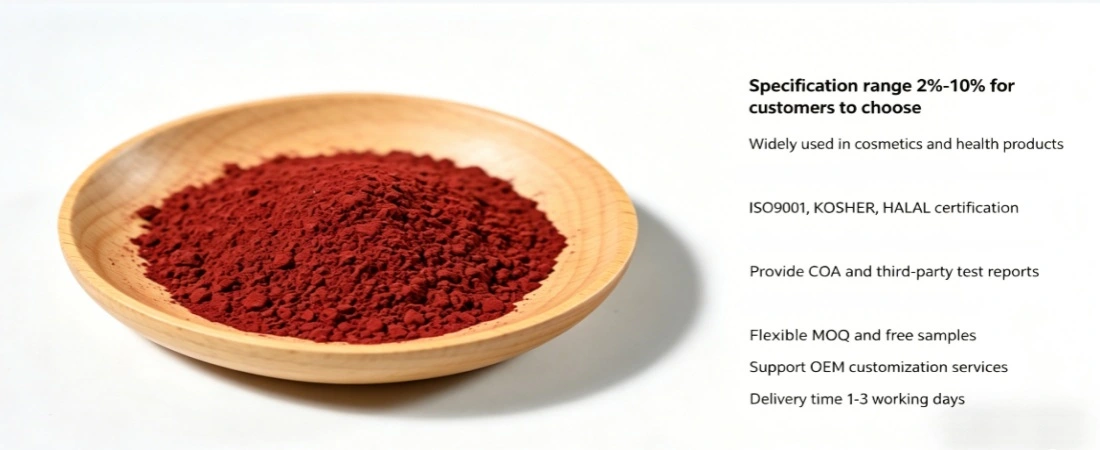
Partnering with reputable makers who comprehend the nuances of B2B buying is necessary to source high-quality astaxanthin powder bulk at affordable prices. At Shaanxi New Things Biotech, we only sell high-quality natural astaxanthin that comes from Haematococcus pluvialis. Our products have full ISO, Kosher, and Halal certifications and range in active content from 2% to 10%. Our fast supply chain makes sure that you get your order quickly—within two to four days—while still meeting strict quality standards that are required by international law. Finding out where and how to buy in bulk can have a big effect on your production prices and the quality of your goods, whether you're making dietary supplements, functional foods, or cosmetics.
Understanding Astaxanthin Powder Bulk: Key Insights for Buyers
What Makes Natural Astaxanthin a Superior Raw Material
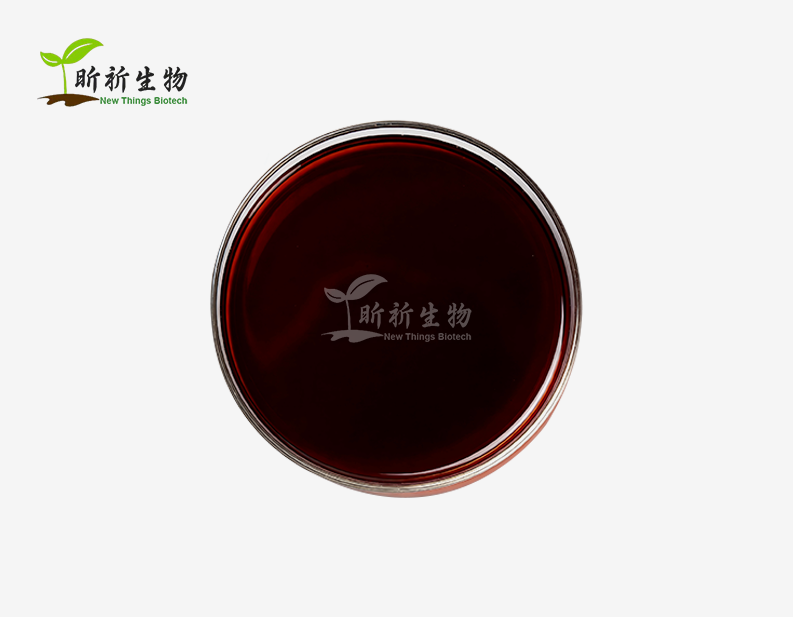
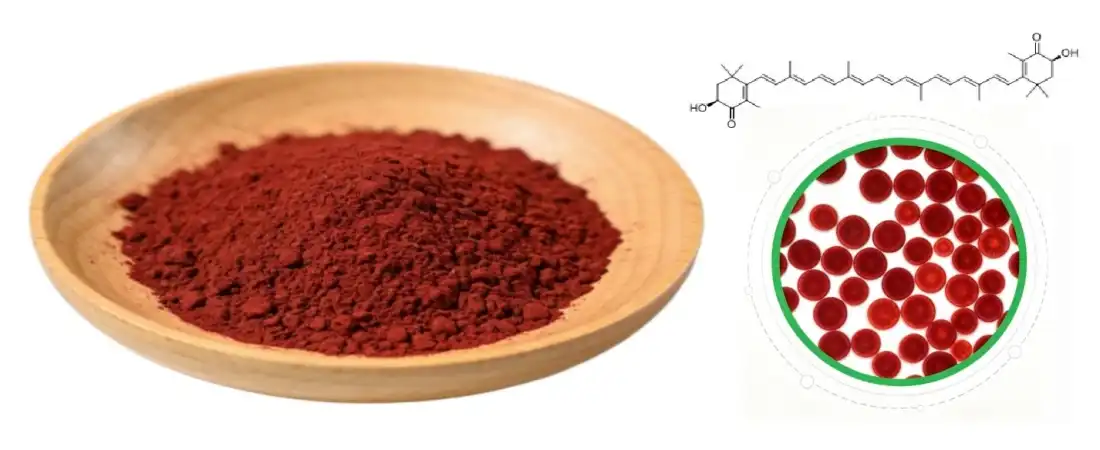
Natural astaxanthin is one of the most powerful antioxidants found in nature. In fact, study has shown that it is about 6,000 times more powerful than Vitamin C. This keto-carotenoid is mostly taken from the microalgae Haematococcus pluvialis. It is a dark red powder that has amazing biological activity. Instead of manufactured versions made from petrochemicals, natural astaxanthin mostly has the (3S, 3'S) stereoisomer, which is better for absorption and antioxidant activity in finished products. Astaxanthin's molecules are made up of conjugated double bonds and hydroxyl groups that cross cell membranes and protect cells from oxidative stress in a wide range of ways. This one-of-a-kind quality makes it very useful in nutritional products that aim to improve eye health, joint function, skin flexibility, and heart health.
Primary Application Scenarios in B2B Markets
astaxanthin powder bulk is used by procurement workers in many different businesses for a wide range of manufacturing needs. It is used a lot in the nutraceutical industry in softgel pills and tablets, where its stability and strength help make formulas that improve sports performance and fight cellular damage caused by getting older. It is used by cosmetic companies in anti-aging serums and creams because it protects against UV rays and helps collagen production, which reduces fine lines. More and more, companies that make functional drinks are looking for types that can be mixed with cold water and keep their color stable across a range of pH levels without separating or sedimenting. Animal nutrition companies add astaxanthin to farm feeds to help fish and shrimp get darker and their immune systems work better. For each use, the powder needs to have certain properties like solubility, particle size, and packaging technology. Choosing the right source is very important for the success of the product.
Dosage Standards and Safety Profiles
According to clinical tests, the best amount of active astaxanthin for humans to take every day is between 4mg and 12mg. Manufacturers have to figure out inclusion rates based on powder test levels. For example, 120mg of bulk material is needed per serve to get 6mg of active ingredient from a 5% powder. Different markets have different rules for regulations. For example, the European Food Safety Authority and the FDA have different rules for new food products and dietary additives. Several tests on toxicity have shown that astaxanthin is very safe. Even at high supplement amounts, no negative effects were seen. This broad healing window gives formulators more options while keeping consumers safe. To make sure that sellers follow Good Manufacturing Practices, buyers should make sure that they provide full paperwork, such as Certificates of Analysis with heavy metal testing, microbial screens, and allergen statements.
Evaluating Astaxanthin Powder Bulk Suppliers: Criteria for Smart Procurement
Certification Standards That Signal Quality Assurance
Checking a supplier's quality control certifications is the first step in finding a trusted one. An ISO9001 certification shows that quality is controlled in a planned way throughout the whole production process. An organic certification shows that strict standards for growing and extracting are followed. Kosher and Halal approvals make the market bigger, especially for brands that want to reach a wide range of people with specific nutritional needs. In addition to basic certificates, the best providers include proof of testing by a third party with every batch. High-Performance Liquid Chromatography (HPLC) research accurately measures the amounts of active compounds, telling the difference between natural and synthetic goods. The chiral HPLC method precisely finds the stereoisomer composition, which shows whether astaxanthin comes from real microalgae or chemical production. When vetting suppliers, procurement teams should ask for these technical papers to make sure the products are real and consistent.
Production Capacity and Supply Chain Reliability
Scalability is an important thing for makers to think about when they are planning new product launches or growing their marketing networks. If suppliers keep enough of the most-requested specs in stock, they can fill urgent orders within one to three business days, avoiding production delays that affect market timelines. Finding out how a provider gets their raw materials—for example, if they grow Haematococcus pluvialis themselves or rely on biomass from outside sources—can show where supply consistency might be weak. Shaanxi New Things Biotech has combined cultivation facilities and modern extraction technology, which makes sure that materials are always available all year long. Our special supercritical CO2 extraction method gets the most out of the fluid while getting rid of any leftover solvents. This results in standardized extracts that are purer than 98%. Because we're vertically integrated, we can keep our prices low without lowering the quality, which is especially helpful when the market changes and smaller companies that depend on outside sources are hit hard.
Packaging Flexibility and Minimum Order Quantities
Most business buyers are happy with standard packing in 25kg fiber drums, but for certain uses, customization choices are necessary. For pilot testing, some recipes need smaller batch sizes, while bulk packages help large producers make the most of their warehouse space. Suppliers with customizable MOQs (minimum order quantities) starting at 25kg make it possible for smaller brands to get high-quality astaxanthin powder bulk without having to spend a lot of money. Microencapsulation technology solves the stable problems that come with using raw astaxanthin. Using food-grade matrices in beadlet formulations keeps the active ingredient from breaking down during storage and processing, which means that when kept properly, they can last for 24 to 36 months. Grades that can be dispersed in cold water use starch or gum arabic packing to make stable emulsions that don't separate in water. Buyers should be clear about the dispersibility and particle size distributions they need so that the material can be used with their production tools and make the product they want.
Price Comparison and Market Trends for Bulk Astaxanthin Powder
Current Wholesale Pricing Dynamics Across Global Markets
Natural astaxanthin powder bulk has a wide range of wholesale prices that depend on its content, how it was extracted, and its approval status. Prices usually range from modest to high-end, based on the level of purity and how complex the processing is. Synthetic options are much cheaper, but they don't have as much biological activity. This means they can't be used in high-end nutraceutical and skincare products where effectiveness is what keeps customers coming back. Because of the controlled growing conditions and smaller results compared to normal production, certified organic astaxanthin costs more. But this spending usually leads to a better brand position and customers who are willing to pay more at the store. Costs are also affected by where the suppliers are located. For example, suppliers near farms or big shipping ports have better logistics, which lowers the landing costs for buyers from other countries. Shaanxi New Things Biotech keeps its prices low by integrating the whole value chain. This makes our operations more efficient. Because we work directly with growers, we don't have to pay markups to middlemen. Also, our improved extraction technology lets us get higher yields, which lowers the cost per unit. We have clear pricing systems and thorough quotes that include specification needs, order amounts, and delivery terms. This lets procurement teams correctly predict how much ingredients will cost while a product is being developed.
Forecasting Future Market Developments
Analysts in the industry think that the demand for natural astaxanthin will continue to rise, thanks to its growing use in nutricosmetics and useful foods. The market is growing because more people are learning about photoaging and how to protect cells. This is especially true in North America and Europe, where populations are getting older. Concerns about sustainability are pushing providers to show that they use closed-loop photobioreactor systems that grow plants in a way that doesn't harm the environment. As food safety officials put in place stricter name verification rules, changes in regulations may have an effect on sourcing tactics. Blockchain-based tracking systems are becoming more popular as a way to keep track of a product from the time it is grown to the time it is delivered. This gives buyers peace of mind because everything is clear. Procurement experts should encourage sellers to invest in these technologies so that their supply lines can adapt to changing compliance requirements in the future.
Optimizing Logistics for Cost Efficiency
Shipping methods have a big effect on the total cost of buying something, especially for orders that come from other countries. Express companies like FedEx and UPS can quickly send small to medium amounts, usually within 5 to 7 days to places in North America. This makes them perfect for sending samples or restocking quickly. For moderate numbers, air freight is the fastest and least expensive option. Ocean shipping, on the other hand, is the most cost-effective way to ship big orders over several hundred kilograms, but it takes 3–4 weeks to get there. We offer various shipping options and use our established accounts with carriers to get better rates for our clients. The operations team at our company chooses the best shipping way for each order based on its urgency and size, and we keep you updated on the delivery process at all times. For buyers who manage goods in more than one location, we can send separate packages to different places. This speeds up distribution while keeping the price benefits of a single shipment.
How to Buy Astaxanthin Powder Bulk Online: Step-by-Step Procurement Process
Conducting Thorough Supplier Verification
Before starting the buying process, all suppliers must be carefully evaluated. Buyers should look at the qualifications of the manufacturer and ask for copies of the building certifications and production licenses. Reviewing audit results from outside groups like SGS or Intertek is a way to make sure that quality control systems are working properly. Checking the details of a business's registration and its past of operations can help you figure out how stable and reliable it is for long-term relationships. Asking for samples of the product is an important part of the screening process because it lets the lab check that the specs match what the seller says they are. When you test samples from different sellers using the same methods, you can see differences in quality that might not be shown in marketing materials. For approved buyers, we offer free samples of our astaxanthin powder bulk so they can try it out before committing to large amounts. This transparency reflects our confidence in product quality and supports informed purchasing decisions.
Negotiating Terms That Protect Your Interests
Negotiations that go well include more than just unit price. They also include payment terms, shipping schedules, and promises of quality. Buyers should make sure that the prices they are given include shipping costs or are based on Incoterms like FOB or CIF, which spell out who is responsible for what. Setting clear requirements in buy deals stops disagreements. Specifying accepted ranges for moisture content, active compound concentration, and physical characteristics makes acceptance standards that are objective. Payment structures should combine the buyer's need to handle risk with the supplier's need to get cash quickly. We can work with a variety of payment methods, such as letter of credit for first orders, and as ties grow, we can move toward open account terms. As normal, we promise to answer all questions within two hours. This shows that we are committed to relationship-building rather than transactional interactions. This responsiveness is very important in pressing buying situations where problems need to be solved quickly.
Ensuring Regulatory Compliance for International Trade
When doing business across borders, regulations become more complicated, so it's important to keep track of all the paperwork carefully. Different countries have different rules about what can be imported. Some need pre-market approvals for new ingredients, while others will accept source certifications. To keep shipments from being held up or turned away at ports of entry, buyers must make sure that goods meet local rules on food additives, labels, and customs classification codes. We help our customers deal with these problems by giving them complete paperwork packages that include Non-GMO declarations, Certificates of Origin, and Health Certificates. Because we've shipped to North American and European markets before, we know the unique needs of those areas. This makes it easier for buying teams to do their jobs. This help is especially helpful for smaller businesses that don't have their own import experts. It gives them the confidence to buy products from other countries.
Comparing Astaxanthin Powder Forms and Packaging for Procurement Efficiency
Evaluating Different Physical Forms for Manufacturing Compatibility
astaxanthin powder bulk is the most flexible shape for producers because it can be directly added to a number of different dosage forms. Oil suspensions provide pre-dispersed solutions ideal for softgel filling, eliminating dispersion steps that introduce processing complexity. Microencapsulated beadlets offer better stability and controlled release, but they are more expensive because they need to be processed more thoroughly. Choosing the right form depends on the skills of the manufacturing tools and the format of the finished product. Tablet presses work well with powders that don't stick together, but liquid filling systems need preparations that are fully dissolved or mixed. Our technical team works with clients to suggest the best forms for their production environment. Often, they provide trial numbers in different formats so that real manufacturing trials can find the best fit.
Storage Stability and Shelf Life Considerations
Because astaxanthin is easily damaged by light, heat, and air, it needs to be stored in the right way to keep its effectiveness. When powder is exposed to air without being sealed, it breaks down quickly and loses its protective properties within weeks. Products that are properly sealed and kept in cool, dark places in vacuum-sealed aluminum foil bags stay stable for 24 to 36 months. This protects the investment value for buyers who are handling inventory. Monitoring temperatures along the whole supply chain stops damage from happening during transport. When we send things to warm places, we use insulated cases and package things with desiccants to make sure they get there in perfect condition. Giving customers clear storage instructions with every package helps them keep the quality of the goods during their own storing and production cycles, which extends the time that they can be used.
Innovative Packaging Solutions for Bulk Handling
Standard 25kg fiber drums are good for general storage, but they might not be the best choice in all situations. Lined drums that are flushed with nitrogen keep food fresh longer by limiting air exposure, which is especially helpful for high-purity grades. Larger amounts can be shipped in multi-layer kraft bags inside of cardboard cases, which lowers the cost of packing per unit for buyers who have the right tools. Custom packaging choices meet the needs of each customer; for example, smaller sub-divided portions inside master cases make quality control sampling easier without having to open the main containers. Private labeling services let buyers get materials already marked with their company's information on them. This makes it easier to check new items and keep track of inventory. These services that add value show that our dedication to partnership goes beyond just supplying materials.
Conclusion
To find the best place to buy astaxanthin powder bulk at the best price, you need to look at several factors, such as production skills, technical help, and the ability to adapt to changing logistics. The biological activity of natural astaxanthin from Haematococcus pluvialis is higher than that of synthetic options. This is why it is important to buy from sources that have been checked out and meet strict quality standards. For procurement to go well, suppliers need to be carefully screened, standard deals need to be clear, and relationships need to be long-term and not just transactional. The market for natural antioxidants is growing, which means that brands can stand out by using high-quality products that have been backed by science and come from safe sources.
FAQ
1. How can I verify astaxanthin powder purity before large-scale purchase?
Ask for Certificates of Analysis that include HPLC test results that prove the quantity and stereoisomer makeup of the active ingredient. Reliable sellers send each batch with a report from a third-party lab that not only shows how effective it is but also checks for heavy metals, chemicals, and microbial contamination. When you order samples, your quality assurance lab can test them on their own and compare what the seller says with readings that were taken using standard analytical methods.
2. What storage conditions maximize bulk astaxanthin shelf life?
Keep containers that are tightly sealed in cool places (below 25°C) that are shielded from direct sunlight. Putting things in vacuum-sealed containers with oxygen filters makes them much more stable. Once containers are opened, keep air exposure to a minimum by closing them back up quickly and using the contents within the time frames suggested. Don't let changes in temperature cause condensation inside the package, which could add moisture that breaks down this sensitive ingredient faster.
3. Can suppliers accommodate private labeling for bulk orders?
A lot of well-known sellers, like NT Biotech, offer private labeling services that let buyers get goods that are packaged under their own brand name. This includes custom label design, ingredient lists that follow the rules, and identity codes that are unique to each batch. Standard MOQs and minimum order numbers (MOQs) are often the same for private labeling. This means that even mid-sized brands can use this option to build a unique market position without having to spend in packaging operations.
Partner with NT Biotech: Your Trusted Astaxanthin Powder Bulk Supplier
For procurement workers looking for astaxanthin powder bulk suppliers with a reputation for quality, dependability, and scientific know-how, NT Biotech is the best choice. Our fully combined processes, ranging from growing microalgae to advanced supercritical CO2 extraction, make sure that our customers always have access to high-quality materials that are more than 98% pure for standardized extracts. We keep a lot of stock on hand so that we can ship pressing orders within one to three days. Custom production orders are finished in three to ten days and come with full quality paperwork. Our ISO9001, Kosher, and Halal certifications are in line with international rules, and each shipment comes with a full Certificate of Analysis to back them up. In addition to providing high-quality materials, we also act as technical partners by helping you with formulation, making samples, and coming up with custom packing solutions that fit your manufacturing needs. Email our team at info@newthingsbiotech.com to get free samples and talk about how our OEM skills can help you reach your product development goals with competitive price and quick service that cuts down on time to market.
References
1. Ambati, R.R., Phang, S.M., Ravi, S., and Aswathanarayana, R.G. "Astaxanthin: Sources, Extraction, Stability, Biological Activities and Its Commercial Applications—A Review." Marine Drugs 12(1), 2014, pp. 128-152.
2. Guerin, M., Huntley, M.E., and Olaizola, M. "Haematococcus astaxanthin: Applications for Human Health and Nutrition." Trends in Biotechnology 21(5), 2003, pp. 210-216.
3. Capelli, B., Bagchi, D., and Cysewski, G.R. "Synthetic Astaxanthin is Significantly Inferior to Algal-Based Astaxanthin as an Antioxidant and May Not be Suitable as a Human Nutraceutical Supplement." NutraFoods 12(4), 2013, pp. 145-152.
4. Higuera-Ciapara, I., Felix-Valenzuela, L., and Goycoolea, F.M. "Astaxanthin: A Review of its Chemistry and Applications." Critical Reviews in Food Science and Nutrition 46(2), 2006, pp. 185-196.
5. Yuan, J.P., Peng, J., Yin, K., and Wang, J.H. "Potential Health-Promoting Effects of Astaxanthin: A High-Value Carotenoid Mostly from Microalgae." Molecular Nutrition & Food Research 55(1), 2011, pp. 150-165.
6. Lorenz, R.T. and Cysewski, G.R. "Commercial Potential for Haematococcus Microalgae as a Natural Source of Astaxanthin." Trends in Biotechnology 18(4), 2000, pp. 160-167.