- English
- French
- German
- Portuguese
- Spanish
- Russian
- Japanese
- Korean
- Arabic
- Greek
- German
- Turkish
- Italian
- Danish
- Romanian
- Indonesian
- Czech
- Afrikaans
- Swedish
- Polish
- Basque
- Catalan
- Esperanto
- Hindi
- Lao
- Albanian
- Amharic
- Armenian
- Azerbaijani
- Belarusian
- Bengali
- Bosnian
- Bulgarian
- Cebuano
- Chichewa
- Corsican
- Croatian
- Dutch
- Estonian
- Filipino
- Finnish
- Frisian
- Galician
- Georgian
- Gujarati
- Haitian
- Hausa
- Hawaiian
- Hebrew
- Hmong
- Hungarian
- Icelandic
- Igbo
- Javanese
- Kannada
- Kazakh
- Khmer
- Kurdish
- Kyrgyz
- Latin
- Latvian
- Lithuanian
- Luxembou..
- Macedonian
- Malagasy
- Malay
- Malayalam
- Maltese
- Maori
- Marathi
- Mongolian
- Burmese
- Nepali
- Norwegian
- Pashto
- Persian
- Punjabi
- Serbian
- Sesotho
- Sinhala
- Slovak
- Slovenian
- Somali
- Samoan
- Scots Gaelic
- Shona
- Sindhi
- Sundanese
- Swahili
- Tajik
- Tamil
- Telugu
- Thai
- Ukrainian
- Urdu
- Uzbek
- Vietnamese
- Welsh
- Xhosa
- Yiddish
- Yoruba
- Zulu
knowledge
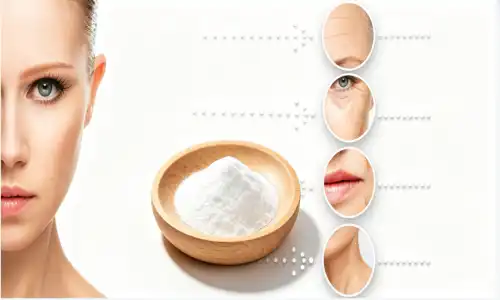
Hyaluronic acid powder bulk is frequently used as the primary ingredient in recipes that aim to moisturize, fight aging, and fix skin when beauty brands want to expand their product offerings. Firms can change the dosage amounts, mix it with active ingredients that work well together, and keep prices low while still getting results that have been shown in clinical trials. You can use high-purity sodium hyaluronate in more serums, creams, masks, and beauty products if you can find it as a powder. This is in response to the growing need among customers for effective goods that keep skin and mouth wet.

Understanding Bulk Hyaluronic Acid Powder: Properties and Benefits
What Makes Bulk Powder Different from Other Forms?
Hyaluronic acid appears as liquid concentrates, pre-made serums, capsules, and injectable solutions. The powder form works best for beauty brand development teams. Sodium hyaluronate is hyaluronic acid in salt form. One gram holds 1,000 times its weight in water. Molecular weight ranges affect performance: low (10,000-100,000 Da) aids collagen synthesis; high (>1,000,000 Da) forms protective films; medium (100,000-1,000,000 Da) balances penetration and surface hydration.
Core Benefits Driving Market Demand
Hyaluronic acid's primary benefit is skin hydration, restoring moisture balance to make dry, stressed skin appear plumper and softer. It significantly reduces transepidermal water loss whether ingested or applied topically. Anti-aging benefits are equally strong: maintaining skin hydration makes fine lines and wrinkles less noticeable. Over time, it improves skin strength and elasticity by enhancing natural repair systems. Sodium hyaluronate also supports barrier function and intercellular communication.
Storage Stability and Formulation Considerations
Powder form offers greater stability than liquid forms, which can develop bacterial contamination and degrade over time. Store powder in sealed containers away from direct sunlight and moisture for extended stability, reducing waste and maintaining batch consistency. Topical solutions use 0.1-2% concentrations depending on desired viscosity and hydration. Products thicken as concentrations increase, potentially requiring emulsifier adjustments. Oral supplements typically contain 80-200 mg hyaluronic acid per serving.

How Beauty Brands Can Incorporate Bulk Hyaluronic Acid into Their Product Lines?
Identifying Consumer Expectations and Market Opportunities
Today's beauty consumers demand transparency, efficacy, and natural sourcing. They read ingredient lists carefully, seek scientific evidence, and prefer brands prioritizing sustainability. Hyaluronic acid meets these requirements as a safe, non-irritating ingredient increasingly produced via microbial fermentation rather than animal extraction, appealing to vegans and clean beauty enthusiasts. Market research confirms hyaluronic acid ranks among the top five most-searched skincare ingredients.
Avoiding Common Formulation Pitfalls
Selecting wrong molecular weight for the application is a common mistake. Using only high molecular weight in a deep-penetration serum may underperform; using only low molecular weight in a surface cream may not plump as desired. Blending multiple weights creates multi-depth hydration. Incorrect dosing is another issue: too low yields minimal results; too high alters texture or leaves tacky film. Stability testing and consumer panels ensure performance and sensory standards.
Best-Practice Checklist for Streamlined Development
First, brands should identify target skin concern and consumer demographic to select appropriate molecular weight and concentration. Formulation teams make test batches verifying dissolution, feel, and ingredient interactions before full production. Stability testing under accelerated conditions identifies degradation or separation issues early. Microbial testing confirms preservative efficacy. Sensory panels assess texture, absorption rate, and after-feel. Documentation throughout development enables quality tracking and regulatory compliance.

Comparing Bulk Hyaluronic Acid to Other Forms: Making the Right Procurement Decision
Evaluating Powder Against Liquid and Pre-Made Solutions
Pre-made liquid solutions offer convenience but limit formulation flexibility and may contain preservatives conflicting with clean beauty positioning. Hyaluronic acid powder bulk provides greater control: brands adjust concentration precisely and blend molecular weights for unique combinations. Pure hyaluronic acid powder bulk requires no additional preservatives, allowing formulators to maintain freshness aligned with brand values. Hyaluronic acid powder bulk also offers superior shelf stability compared to liquid forms, reducing inventory costs and waste.
Cost-Efficiency and Manufacturing Flexibility
Sodium hyaluronate powder generally delivers superior unit economics over time. Powder shipping costs less than pre-dissolved liquids due to higher concentration. Brands achieve significant savings through bulk purchasing without sacrificing quality. Manufacturing flexibility extends beyond cost: powder works across diverse product formats from lightweight serums to rich creams and powder-to-liquid forms. This versatility enables rapid product development, allowing brands to respond quickly to market changes or seasonal demands.
Organic Versus Fermentation-Derived Sources
Historically, hyaluronic acid was extracted from rooster combs, concerning vegans and cruelty-free consumers. Most production now uses microbial fermentation with specific bacterial strains, producing consistent high-purity material free from endotoxins and animal proteins. Fermentation-derived hyaluronic acid supports clean beauty, vegan, and cruelty-free positioning. Procurement teams should request documentation proving fermentation origin and absence of animal products, particularly important for brands with ethical sourcing commitments.
Procurement Best Practices for Bulk Hyaluronic Acid Powder
Establishing Essential Specifications and Standards
Clear quality specifications are essential for procurement success. Quality hyaluronic acid powder should contain at least 95% sodium hyaluronate with low protein, nucleic acid, and heavy metal content. Each batch requires Certificate of Analysis with HPLC or UV results confirming purity and molecular weight distribution. Regulatory requirements vary by market: US brands need FDA-compliant products; the EU requires Ph. Eur. compliance; nutraceutical applications demand food-grade certifications with heavy metal and microbial monitoring.
Evaluating Supplier Reliability and Certification Transparency
Supplier selection should consider reputation, production capacity, and quality control beyond price alone. Companies with ten-plus years experience demonstrate operational maturity and customer commitment. Robust quality control tests both raw materials and finished goods ensuring batch consistency. Supply chain security links directly to production capacity. Suppliers maintaining substantial inventory and scalable manufacturing fill urgent orders without extended lead times. NT Biotech maintains ISO9001, Kosher, and Halal certifications demonstrating quality management.
Logistics and Packaging Innovations
The ingredients need to be carefully packed so that they stay pure while they are being shipped. Hyaluronic acid powder bulk in large amounts is hygroscopic, which means it takes in water from the air very easily. This could make it harder to move and break down faster. Powder from good sources is put in drums with sealed inner cases that are made of multiple layers and can't hold water. And this stops the powder from getting wet while it's being shipped and kept.
There are different order numbers and ways to handle them because of the customization options. Drums that hold 25 kilograms are common packing. They are easy to move and make good use of space. If a brand wants to test their goods or make fewer of them, they can ask for sample amounts or split packages. On the other hand, big manufacturers might be able to get special large bins that can work directly with machines that make things.
Through agreements, you can send things faster and for less money. They can speed up orders through FedEx or UPS when sellers use their own fast shipping accounts. This makes sure that the goods get to you quickly from the companies. On the other hand, freight forwarders handle bigger packages by air or sea. They figure out how to save money on huge orders while still following safety rules that keep things from getting dirty or broken.
Cost Optimization and Negotiation Tactics
When you buy strategically, you cut costs while still making sure quality. Economies of scale work really well for popular ingredients like hyaluronic acid. It costs less per unit when you buy more, so you can get more for your money. Brands that want to make or sell a lot of goods might want to sign supply deals that last for a year. In this way, they can lock in good prices and be sure that their goods will always be available during the term of the deal.
You can save even more if you have more ways to pay. If sellers accept payments in the local currency, there is no need for changes in the exchange rate, and transaction fees are smaller. This has a direct effect on how much people can spend on goods. If you can get longer payment terms or savings based on sales, you can get even better cash flow. This is very helpful for new brands that are having trouble keeping their cash flow up.
When you ask for free samples before you place a big order, you take less risk. Teams that work on formulas can try samples to see how well the substance melts, mixes with other substances, and works in real life. Before getting a lot of it, they can be sure that it meets technical standards this way. Trustworthy sellers, like NT Biotech, give away free samples to show that they are sure of the quality of their goods and to help customers make smart purchases.

Future Trends and Opportunities in Using Bulk Hyaluronic Acid for Beauty Brands
Molecular Weight Customization and Advanced Delivery Systems
New hyaluronic acid formulas are being made faster because customers want better results and different body sensations. It is possible to change the molecular weight, and brands can work with suppliers to make mixes that are best for certain skin problems or product forms. Putting together very small molecules with long strings of molecules creates multi-layered moisture that can both instantly fill out the skin and fix its barrier function over time.
New ways of delivering hyaluronic acid make its benefits even stronger. With encapsulation methods, the ingredient doesn't break down, and the rate of release can be controlled. This keeps the product more stable, even when it is hard to work with, and keeps it moist for longer. Hyaluronic acid can get deeper into the skin with the help of liposomal release. There, it helps make collagen and boosts cell growth. These new features make high-priced lines stand out, which lets them charge more and improves their brand's place in markets that are very competitive.
Strategic Opportunities for OEM and Private Label Manufacturers
OEM and private label partnerships help brands make new products faster while also cutting down on the cost of building up production facilities. Finding suppliers who can do everything along the value chain, from finding raw materials to creating, making, and packing, makes it easier to bring an idea for a product to market. NT Biotech is a good example of this type of business because it offers flexible OEM solutions with separate R&D teams and smart production powers that can change based on what the customer needs.
When you buy hyaluronic acid powder bulk, you can react faster to the market. Brands can quickly make samples of new recipes, test them with customers, and then start making a lot of them. They don't have to wait for small orders or deal with complicated supply chains. This is very helpful in categories that are growing quickly, like clean beauty or ingestible skincare, where being the first to market gets you a lot of attention and makes you the leader in that category.
Evolving Supplier Roles and Collaborative Partnerships
It is no longer just about doing business between brands and ingredient sellers; they are now working together. Forward-thinking providers offer professional help throughout the whole process of making a new product and are happy to share what they know about how to make formulas better, follow rules, and spot market trends. This way of working together lowers the risks of development, speeds up the process of getting a product to market, and sparks new ideas by letting people share what they know.
Having more licensing options shows that the needs of the market are changing. Customers expect brands to do more for the environment and society. When sellers get organic certifications, carbon-neutral labels, or sustainable source verifications, they can meet these higher standards. These credentials help market the brand better and support claims that appeal to smart shoppers and make products stand out in busy stores.
It will no longer be a nice-to-have to have hyaluronic acid that comes from fermentation ways that are good for the earth as the clean beauty and sustainable movements grow. Being able to protect their product lines from changes in laws and customer tastes is easier for brands when they work with approved providers.
Conclusion
Beauty companies that buy hyaluronic acid powder bulk have more control over their recipes, can save money, and can use it in any kind of product, whether it's for the skin or the body. To get high-purity materials that make products work better and make customers happier, procurement teams should learn about changes in molecular weight, stay away from common recipe mistakes, and pick reliable sources with clear quality systems. In order to take advantage of new trends in clean beauty and improved delivery systems, brands should focus on clear licensing, efficient logistics, and relationships with providers that work well together. As the market for hydrating products that work keeps growing, businesses that buy good sodium hyaluronate in bulk will be able to make their products stand out and gain loyal customers.
FAQ
1. What is the minimum order quantity for bulk hyaluronic acid powder?
How much hyaluronic acid powder bulk do I need to buy to get a discount? You need to buy at least 25 kilograms from most companies, like NT Biotech. This is the same amount that is packed in a standard drum. The price at this level is just right for mid-sized brands who want to buy the product while also making sure that operations run easily and costs are kept low. People who want samples or special orders may be able to get smaller amounts, but the price per unit generally goes up when the order size is below the minimum.
2. How should bulk hyaluronic acid powder be stored to maintain stability?
Things that don't let air in should be kept in cool, dry places that aren't in full sunlight. Sodium hyaluronate is hygroscopic, which means it can easily take in water from the air. This can cause it to clump together and break down slowly. To keep the quality of the powder, keep the storage temperature below 25°C and the relative humidity below 60%. This can last up to two years longer if it is properly wrapped.
3. Can hyaluronic acid powder be used in both topical and oral formulations?
There are various uses for each grade. Cosmetic-grade powder is safe to use on the skin in serums, creams, and masks because it is made to be put on the skin. Supplemental powder that is food-grade or nutraceutical-grade goes through extra tests before it can be taken. These tests make sure that the amounts of heavy metals and bacteria don't go over what's allowed in supplements. Procurement teams have to make sure that the grade standards are right for the job in order to follow the rules and keep customers safe.
Partner with NT Biotech for Premium Hyaluronic Acid Powder Bulk Supply
NT Biotech provides excellent value when searching for a reliable hyaluronic acid powder bulk supplier. Our sodium hyaluronate is 99% pure and has been confirmed as ISO 9001, Kosher, and Halal. It gives your goods the quality stability they need. For more than ten years, we've been sending goods to places all over the world. We keep a lot of stock on hand so that we can send as soon as we get payment proof. Everything from picking out the best items to making the best mix is something our team can help you with. They also give you all the paperwork you need, like proof of analysis for each batch. Food-grade and cosmetic-grade hyaluronic acid powder from us works well in many situations, such as making new beauty-from-within products and serums that keep your skin hydrated. Send us an email at info@newthingsbiotech.com to get your free sample and learn how our production know-how can help you get your product made faster and for less money.
References
1. Papakonstantinou, E., Roth, M., & Karakiulakis, G. (2012). Hyaluronic acid: A key molecule in skin aging. Dermato-Endocrinology, 4(3), 253-258.
2. Kawada, C., Yoshida, T., Yoshida, H., et al. (2014). Ingested hyaluronan moisturizes dry skin. Nutrition Journal, 13(1), 70.
3. Stern, R., Asari, A., & Sugahara, K. (2006). Hyaluronan fragments: An information-rich system. European Journal of Cell Biology, 85(8), 699-715.
4. Bukhari, S.N.A., Roswandi, N.L., Waqas, M., et al. (2018). Hyaluronic acid, a promising skin rejuvenating biomedicine: A review of recent updates and pre-clinical studies. International Journal of Biological Macromolecules, 120(Pt B), 1682-1695.
5. Fallacara, A., Baldini, E., Manfredini, S., & Vertuani, S. (2018). Hyaluronic acid in the third millennium. Polymers, 10(7), 701.
6. Gupta, R.C., Lall, R., Srivastava, A., & Sinha, A. (2019). Hyaluronic acid: Molecular mechanisms and therapeutic trajectory. Frontiers in Veterinary Science, 6, 192.
It has changed how makeup is made today because it is a strong form of hyaluronic acid. It's often found when formulators and buying managers are looking for soothing ingredients that work well. The best sodium hyaluronate stands out because its crystals are more solid, it can hold up to 1,000 times its weight in water, and it works better on the skin. This detailed guide talks about this important ingredient's science, the best ways to use it in recipes, its sources, and the latest trends. It tells B2B buyers useful things they can use to pick the best products for their lines. Companies can make great skincare goods that follow government rules and meet customer needs in very competitive global markets if they know about the business and technical side of sodium hyaluronate.

Sodium Hyaluronate in Skin Care: Why It Has Become a Formulation Standard
In skin care, sodium hyaluronate has gone from a luxury extra to a basic requirement for today’s moisturizing solutions. Brands now boast it in serums, creams, masks and nutricosmetic forms since the ingredient consistently offers quantifiable moisture benefits without the stability issues that restrict raw hyaluronic acid.
The reason sodium hyaluronate is so reliable in skin care products is because it is a salt that is stabilized. This type of salt is stable in manufacture and storage and it dissolves well in water-based systems unlike the parent acid which decomposes in light and air. That stability allows formulators to develop hydration and anti-aging claims that they can support.
Sodium hyaluronate in skin care is more than a performance ingredient for B2B buyers. Its low-irritation, non-comedogenic profile facilitates sensitive-skin placement, while its compatibility with other humectants simplifies formulation work. It has a higher molecular weight to create a film on the surface, and a lower molecular weight to penetrate deeper. A purchasing team may choose the grade that best matches the stated advantage of each product.
The tendency is reinforced by regulatory acquiescence. Sodium hyaluronate is a GRAS food ingredient that is approved in cosmetics under the main frameworks, facilitating the worldwide registration of sodium hyaluronate in skin care products with little paperwork. Suppliers providing CoA, SDS and regulatory status letters further reduces time-to-market of new lines.
Understanding Sodium Hyaluronate: Science and Skin Benefits
The Molecular Foundation of Hydration
You can get hyaluronic acid in the form of sodium hyaluronate. The disaccharide units are made up of D-glucuronic acid and N-acetyl-D-glucosamine over and over again. Skin, joints, and structural parts all have this glycosaminoglycan on their own. It makes these tissues moist, smooth, and bendable. The chemical structure of sodium hyaluronate is smaller than that of its parent molecule. This makes it very good at breaking down in water and not reacting with other things. This structured edge makes it easier for it to get into the top layers of skin, where it's needed most to provide wetness and keep formulations stable over time.
Key Differences Between Hyaluronic Acid and Sodium Hyaluronate
The words are often used interchangeably, but they mean different things. Pure hyaluronic acid breaks down quickly when it comes in contact with light and air. The best sodium hyaluronate dissolves easily in water-based systems and stays steady while it is being made and stored because it is a stabilized salt. For this reason, the best sodium hyaluronate is the best choice for uses in medicine and makeup that need to be stable and reliable. The fact that the best sodium hyaluronate doesn't stick to other ingredients makes it easy for formulators to mix into serums, creams, and oral supplements.
Molecular Weight and Its Impact on Performance
A lot of what makes sodium hyaluronate work well is found in its chemical weight. High molecular weight versions (above 1.5 million Daltons) protect the skin's surface by forming a film that moisturizes and softens it right away. Medium molecular weight grades (between 1.0 and 1.5 million Daltons) are good for a lot of different daily skincare products because they moisten the skin on the surface and don't go too deep into the skin. Sodium hyaluronate with a low molecular weight (less than 500,000 Daltons) goes deeper into the skin and helps make collagen. This helps the skin age more slowly over time. When buying teams know these differences, they can choose the right grade for each product goal, whether that goal is to fix skin over time or to add wetness right away.

Choosing the Right Sodium Hyaluronate Products for Your Business
Evaluating Product Grades and Purity Standards
If you want to get the right sodium hyaluronate, you need to pay close attention to the grade levels and purity levels. Pure sodium hyaluronate makes up 95–99% of cosmetic-grade items. This means that they can be used on the face for skin care and makeup. Medicinal-grade versions are made to stricter pharmacopoeia standards (EP, USP, JP), have protein levels below 0.1%, and keep nucleic acid levels very low. In other words, they can be used in medical tools, eye drops, and shots. Nutraceutical products are becoming more popular, and people want medicines that make them look better and drinks that are good for them. These things use sodium hyaluronate that is safe for food. Because each grade meets different end-use and legal standards, you need to make sure that the grade you pick is right for your product group and market.
Technical Specifications That Matter
There are a few important things that hiring workers should think about when they look at sources. It should say on the Certificate of Analysis (CoA) that the glucuronic acid amount is above 46.0% and the test percentage is between 95.0% and 105.0% when dry. The accuracy of amounts in finished goods depends on how well you can measure intrinsic viscosity and molecular weight. It's important how something breaks down. The best sodium hyaluronate should completely dissolve in water to make thick, clear solutions that don't have the "fish-eye" clumping that happens when the process isn't done right. If an ingredient's pH stays between 5.0 and 8.5, it won't break down when the formula is mixed or speed up hydrolysis when the product is kept.
Comparing Cost-Effectiveness and Performance
Glycerin and propylene glycol are less expensive ways to keep your skin moist, but sodium hyaluronate works better and is safer for your skin. In tests that measure how well a product moisturizes, one with 1% sodium hyaluronate can do better than one with 5% glycerin. The cost is low because of this, even though the raw materials are more expensive. Because less is needed to get better results, costs can be cut on formulation and chemical labels can be made cleaner, which will appeal to people who care about their health. Business-to-business buyers shouldn't just look at the price per kilogram. They should also calculate the cost-per-benefit ratio and think about how customers feel about the product, how well the marketing claims are backed up, and how the product fits in with other luxury market goods.
Procurement Guide: How to Source Sodium Hyaluronate Efficiently?
Navigating Global Supply Networks
Sodium hyaluronate production concentrates in several key regions. China dominates as largest producer through bio-fermentation technology offering competitive pricing with consistent quality. European suppliers command premiums due to strict GMP compliance and pharmaceutical-grade certifications, best suited for medical and premium cosmetic applications. Indian manufacturers expand food-grade output serving the growing nutraceutical market. Procurement must balance cost savings against supply chain reliability, lead times, communication responsiveness, and customs documentation accuracy.
Critical Certifications and Quality Verification
Reputable suppliers maintain internationally recognized certifications demonstrating reliability. ISO9001 indicates systematic quality management throughout production. KOSHER and HALAL certifications facilitate market access to specific consumer segments. COSMOS or Ecocert validates natural or organic claims for cosmetic positioning. Pharmaceutical suppliers require GMP licenses and pharmacopoeia monograph compliance. Request batch-specific test results including HPLC analysis, microbial testing, and heavy metal screening. On-site or third-party audits add verification layers, particularly critical when establishing new supplier relationships.
Strategic Sourcing Considerations
Effective procurement extends beyond identifying quality sources. Minimum order quantities typically start at 25 kg, though some suppliers accommodate smaller orders. Lead times vary: in-stock items ship within 2-4 business days; custom or large production runs require 3-10 days. Framework agreements locking pricing and guaranteeing supply during demand spikes protect against market volatility. Custom formulation support and private label capabilities enable brand differentiation. Technical support relationships provide formulation guidance, stability testing assistance, and regulatory documentation accelerating product development timelines.
Best Practices for Using Sodium Hyaluronate in Skincare Production
Formulation Techniques for Optimal Stability
Sodium hyaluronate incorporation requires attention to dispersion and compatibility. Pre-disperse powder by slow addition with high-shear mixing or pre-blend with humectants like glycerin before aqueous addition. Gentle heating (40-60°C) accelerates dissolution without polymer chain degradation. Maintain pH between 6.0-7.5 using buffers like phenoxyethanol or potassium sorbate for solution stability. Avoid combining with highly acidic ingredients (pH below 4) or strong oxidizing agents that degrade polymer chains and reduce viscosity.
Safety Profile and Sensitive Skin Considerations
Sodium hyaluronate's identity with skin constituents makes it exceptionally safe. Patch testing confirms low irritation potential, enabling use in sensitive skin formulations and dermatologist-tested product lines. Non-comedogenic nature ensures suitability for acne-prone individuals. Products containing sodium hyaluronate are generally considered safe for pregnant and nursing mothers. These safety attributes support broad-spectrum marketing claims while minimizing adverse reaction reports that could damage brand reputation across consumer segments.
Regulatory Compliance Across Markets
Proper regulatory adherence for the best sodium hyaluronate protects against costly recalls and legal actions. US FDA recognizes the best sodium hyaluronate as GRAS for food applications and lists it as an allowed cosmetic ingredient. EU Cosmetic Products Regulation (EC) No 1223/2009 governs usage of the best sodium hyaluronate, requiring safety assessments and proper labeling. Hydration or anti-aging claims for the best sodium hyaluronate require substantiation through clinical studies. Labeling must use correct INCI nomenclature "Sodium Hyaluronate." Reliable suppliers of the best sodium hyaluronate provide regulatory status letters, safety data sheets, and certificates of analysis supporting multi-country product registration.

Future Trends and Innovations in Sodium Hyaluronate Usage
Advanced Delivery Systems and Molecular Engineering
Researchers are continuously coming up with unused ways to utilize sodium hyaluronate as innovation makes strides. Materials that keep your skin sodden for 12 to 24 hours are made with cross-linked arrangements. With epitome advances, moo atomic weight pieces do not break down as well quick, and they can be given to key layers of skin. "Super Hyaluronic Corrosive" is a sort of item that has both hydrophilic and lipophilic properties. This keeps them from coming off when you wash your confront and lets them adhere to the skin's surface. Formulators can make their items stand out by saying they work way better, which can be supported up by changes in TEWL and skin adaptability measurements.
Market Growth and Demand Projections
The worldwide sodium hyaluronate advertise is still developing rapidly. This is since more individuals are getting to be more seasoned and more individuals are learning almost fixings that keep skin new. The advertise for skin care that moderates down maturing is rising truly rapidly. Specialists in the field say that the annually development rates will be over 8% until 2028. Beauty-from-within, which incorporates hyaluronic corrosive vitamins that you can eat, is one of the fastest-growing dietary bunches. This is since more and more individuals are looking for common ways to take care of their skin. Asian markets, particularly South Korea and Japan, are the to begin with to offer modern multi-molecular-weight items. These are made up of particles of diverse sizes that work together to offer assistance the skin in numerous ways. When the advertise is tight, B2B buyers ought to make plans for when request will go up and make beyond any doubt they have supply bargains that secure their capacity to get great products.
Sustainability and Ethical Sourcing Priorities
Going green and having an open supply chain are becoming more and more important in today's buying. When making bio-fermentation, it is better to use bacterial types instead of rooster combs, which come from animals. It makes raw materials that don't come from animals and are safe for vegans. Customers who care about the environment will like suppliers that invest in green science, lowering trash, and renewable energy. This shows that they are in line with the company's sustainability goals. Because officials are paying more attention to supply chain ethics, there needs to be paperwork that keeps track of raw materials from where they are fermented to where they are wrapped at the end. When brands say they only use sodium hyaluronate that comes from responsible sources, they have an advantage in markets where ESG (environmental, social, and governance) factors affect the choice of what to buy.
Conclusion
The best way for experts and customers to agree is that the best sodium hyaluronate is one of the most important ingredients in current skincare products because it keeps skin moist better than any other item. Companies can make goods that really help people and can stand up to tough market conditions if the people in charge of buying them know how to do little things like pick the right molecular weight and make sure the quality is good. Strategic ways of buying that balance cost, quality, and supply consistency are key to long-term success. It's important to keep up with new trends so that your product flow stays useful. For example, better transportation systems and efforts to protect the environment are always being made. There are many benefits to sodium hyaluronate. If business-to-business buyers know how to get it, the best ways to prepare it, and where it's going in the future, they can easily choose ingredients that will make their goods better and help their businesses grow.
FAQ
1. What is the optimal concentration of sodium hyaluronate in skincare formulations?
Most of the time, concentrations between 0.1% and 2% work, but it varies on the product and the results that are needed. As little as 0.1% to 0.5% is good for light serums and essences, but up to 2% is fine for creams that need more moisture. More of something doesn't always make it work better, and it can make your skin feel sticky, which you don't want. It is not only the quantity that matters, but also the shape of the molecules by weight. A lot of high-end solutions work on both surface and deep hydration at the same time by using a range of molecular weights.
2. How can I verify the authenticity and quality of sodium hyaluronate from suppliers?
A lot of information should be given to you, such as Certificates of Analysis that are unique to each batch and include HPLC test results, bacteria numbers, heavy metal screening, and molecular weight distribution data. Government compliance papers and ISO 9001, KOSHER, and HALAL approvals are given by suppliers with a good image. Before taking on big sales, you might want to have a third-party lab test some samples. If you need help with something specialized, ask the provider how quickly they can help you and if they are willing to give you cases from other customers in the same field.
3. Does sodium hyaluronate work differently when applied topically versus taken orally?
The good things about each way to get around work in different ways. It soothes and protects the skin right away when put on top of it, and low molecular weight forms get deep into the tissue. Hyaluronic acid is broken down and spread throughout the body by absorption and digestion. If you take it by mouth, it might help your joints, eyes, and skin stay moist from the inside out. A lot of brands now use both approaches together to make lines of products that work well with each other and care for skin health in different ways.
4. Why has sodium hyaluronate in skin care become such a common ingredient?
Sodium hyaluronate is a favorite in skincare because the salt form is stable during manufacturing and storage, dissolves cleanly into water-based solutions, and penetrates better into the higher layers of the skin than raw hyaluronic acid. That implies a longer shelf life, clearer labeling and less batch-to-batch variability for B2B customers, practical reasons for the ingredient’s appearance in serums, creams and oral beauty products.
Partner with NT Biotech for Premium Sodium Hyaluronate Supply
You can change how you make goods and place yourself in the market once you find a reliable best sodium hyaluronate provider. For more than ten years, NT Biotech (Shaanxi New Things Biotech) has worked with organic chemicals that come from plants. This company sells 99% pure sodium hyaluronate powder that is used in medicine. It has full ISO9001, KOSHER, and HALAL certificates. We have a white 80-mesh powder that is easy to mix into mixtures. You can get full CoA paperwork and help from experts to make recipes better for your R&D team. We keep items in stock that are ready to ship so that we can ship them within two to four days. We offer a range of packing options, with a minimum order size of 25 kg, and you can get free samples to see how good the quality is. Every question you have is answered within hours by our dedicated sourcing experts, and we offer clear export papers and fair prices that help with both small-scale production and trial development. Get in touch with us at info@newthingsbiotech.com to talk about your needs and find out how our high-quality, fast service, and deep technical knowledge can help you improve your supply chain and make it easier to come up with new goods.
References
1. Papakonstantinou, E., Roth, M., & Karakiulakis, G. (2012). "Hyaluronic acid: A key molecule in skin aging." Dermato-Endocrinology, 4(3), 253-258.
2. Keen, M. A. (2016). "Hyaluronic acid in dermatology." Skinmed: Dermatology for the Clinician, 14(5), 343-346.
3. Bukhari, S. N., Roswandi, N. L., Waqas, M., Habib, H., Hussain, F., Khan, S., Sohail, M., Ramli, N. A., Thu, H. E., & Hussain, Z. (2018). "Hyaluronic acid, a promising skin rejuvenating biomedicine: A review of recent updates and pre-clinical and clinical investigations on cosmetic and nutricosmetic effects." International Journal of Biological Macromolecules, 120, 1682-1695.
4. Juhlin, L. (1997). "Hyaluronan in skin." Journal of Internal Medicine, 242(1), 61-66.
5. Sudha, P. N., & Rose, M. H. (2014). "Beneficial effects of hyaluronic acid." Advances in Food and Nutrition Research, 72, 137-176.
6. Kogan, G., Šoltés, L., Stern, R., & Gemeiner, P. (2007). "Hyaluronic acid: a natural biopolymer with a broad range of biomedical and industrial applications." Biotechnology Letters, 29(1), 17-25.
Hyaluronic acid is now an important part of many products, from high-performance skin care to joint health vitamins. As a naturally occurring glycosaminoglycan in the body, this amazing chemical is very important for keeping water in cells, keeping tissues lubricated, and fixing cells. Today's best pure hyaluronic acid is made using modern microbial fermentation methods. This creates a pharmaceutical-grade powder that is 99% pure and meets strict international quality standards. This complete guide gives procurement professionals all the important information they need to find hyaluronic acid for use in cosmetics, dietary supplements, pharmaceuticals, and industrial applications.

Understanding Global B2B Procurement Challenges in Sourcing Hyaluronic Acid
B2B buyers who have to deal with the global supply chain face unique problems when they try to get high-quality hyaluronic acid. There are a lot of different sellers in the ingredient market, and they all offer very different molecular weights, purity levels, and extraction methods. It can be hard for procurement teams to check bioavailability claims, especially when they're working with manufacturers from other countries where language barriers and different time zones make it harder to have technical discussions.
Following the rules makes things even more complicated. In the United States, hyaluronic acid meant for food supplements has to meet FDA GRAS standards. Material meant for cosmetics, on the other hand, needs different documentation. Novel Food permission is needed for European markets, and EP or USP compliance is needed for pharmaceutical uses. Changes in currencies make it harder to predict prices, especially when buying from sellers in the Asia-Pacific region, who control most of the market.
Transparency in the supply chain is still a problem. Without clear documentation that shows where the raw materials came from, how they were fermented, purified, and finally turned into a powder, buyers run the risk of contamination, inconsistent quality, and regulatory non-compliance. Sustainability standards make it harder to decide what to buy because brands that care about the environment want to know that production methods minimize energy consumption and waste.
Developing an Optimized Procurement Strategy for Hyaluronic Acid Raw Materials
Clearly expressed quality benchmarks are the to begin with step in a key approach to buying the best immaculate hyaluronic corrosive. Atomic weight straightforwardly influences usefulness of the best immaculate hyaluronic corrosive. Moo atomic weight assortments (200–800 kDa) give predominant skin infiltration for anti-aging items, whereas tall atomic weight assortments (over 1.0 MDa) exceed expectations at joint oil in nutraceutical applications. Setting up these parameters forthright dodges exorbitant reformulation delays when sourcing the best unadulterated hyaluronic acid.
When assessing a provider for the best pure hyaluronic acid, you ought to do more than just compare prices. Request Certificates of Analysis showing consistent purity levels, typically between 95-105% sodium hyaluronate content with over 46% glucuronic acid content. For injectable grades of the best pure hyaluronic acid, protein content must be less than 0.1% to minimize immunogenic responses. Reliable suppliers include HPLC and UV spectroscopy data with each batch of the best pure hyaluronic acid, enabling full traceability.
Single-source conditions ought to be taken into account in hazard appraisal frameworks. Having a assortment of suppliers in distinctive parts of the world watches against disturbances caused by things like characteristic fiascos, administrative changes, or geopolitical distress. Set up capability benchmarks that see at more than fair specialized abilities; they ought to too see at things like budgetary security and the capacity to meet developing demand.
Digital instruments for obtainment make overseeing sellers simpler. E-sourcing instruments let you send RFQs to pre-qualified venders at the same time, and spend analytics discover ways to spare cash by combining orders. Execution dashboards that keep track of measures like on-time conveyance rates, quality acknowledgment rates, and responsiveness offer assistance with keeping up provider connections and contract reestablishments.
The Science Behind Hyaluronic Acid's Functional Properties
Hyaluronic acid's amazing abilities come from the way its molecules are structured. This carbohydrate polymer binds water at a weight-to-weight ratio of almost 1000:1. It is made up of repeated disaccharide units of D-glucuronic acid and N-acetyl-D-glucosamine. Because it can hold so much water, it is nature's best humectant, better than glycerin and other common lubricants.
The molecule acts like a pseudoplastic, which means that its viscosity drops under shear stress. This makes it easier to use in cosmetic serums and for injecting in aesthetic treatments. When shear force is taken away, viscosity returns, protecting the surface for a long time. This property of being viscoelastic is especially useful in ophthalmic treatments, where the substance needs to be able to spread easily when the eye blinks and keep the cornea moist between blinks.
Superior Moisture Retention Across Applications
Hyaluronic acid is a natural moisturizer that works by pulling moisture from the air and linking it to ingredients. This means better skin texture, more elasticity, and obvious plumping benefits in skin care products. The ingredient keeps the skin hydrated even in dry places where other humectants don't work. This stops the loss of water through the skin's surface, which speeds up aging.
Hyaluronic acid that is safe for food is found in nutrition products and helps keep skin moist from the inside out. Oral supplements have been shown in clinical tests to increase the amount of water in the skin in a measurable way within 8 to 12 weeks. The process includes absorption in the digestive tract, distribution through the bloodstream, and integration into skin tissue, where it improves the ability of cells to bind water.
Joint Health and Mobility Support
High levels of hyaluronic acid are found in synovial fluid in healthy joints. This acid lubricates and cushions the joints. The loss of natural production that comes with getting older makes joints stiff and painful. Taking high molecular weight hyaluronic acid as a supplement can help restore the viscosity of synovial fluid, which makes joints more flexible and provides better cushioning.
Researchers have found that taking 200–300 mg of the best pure hyaluronic acid every day for 12 weeks makes a noticeable difference in the level of joint comfort in older people who are having trouble moving around. The best pure hyaluronic acid is safe enough to be used for a long time without any negative effects, which makes it a popular choice for formulators making joint health combinations with glucosamine and chondroitin.
Ophthalmic and Pharmaceutical Applications
Sodium hyaluronate powder is an important part of many eye care products. Because it works well with eye cells and keeps moisture in, it is an essential ingredient in artificial tears. The material's high transmittance (≥99%) ensures that the solution is clear, and its mucoadhesive qualities keep it on the eye surface for longer, reducing application frequency.
Hyaluronic acid is biocompatible and is used in pharmaceutical applications to make wound healing devices, drug delivery systems, and tissue engineering structures. The molecule's biodegradability eliminates long-term concerns about foreign bodies, and the fact that it naturally occurs in human cells lowers the risk of rejection. Certain molecular weight fractions are used in injectable products to get the desired residence times and biological effects.

Leveraging Technology for Quality Assurance in Hyaluronic Acid Sourcing
Biotechnology is used in modern production sites to ensure accuracy in a way that traditional extraction methods cannot match. Using Streptococcus zooepidemicus or Bacillus subtilis strains to process plant-based materials makes 100% vegan hyaluronic acid that is consistent from batch to batch. This method eliminates concerns about animal-derived contaminants that came up with older ways of extracting rooster comb.
During production, automated quality control tools monitor important factors. Real-time spectroscopic analysis checks the distribution of molecular weights, and automatic endotoxin testing ensures that bacterial residues stay below the limits of detection. These technologies reduce human error and provide documentary evidence to support regulatory applications.
Using blockchain in supply chain management makes things more clear than ever before. Procurement teams can independently check seller claims because immutable records keep track of where raw materials come from, how they are processed, and the results of quality tests. Smart contracts make it easy to ensure that rules are followed by sending alerts when packages lack required documentation or when test results are not within the expected range.
Predictive analytics using machine learning techniques can help anticipate when supply problems might happen. By looking at historical data on production yields, shipping times, and seasonal demand fluctuations, procurement teams can adjust order timing and quantities to maintain optimal inventory levels without excess capital tied up in stock. These tools are especially useful when dealing with items subject to market volatility.
Enhancing Supplier Collaboration and Risk Management
Successful long-term partnerships for sourcing the best pure hyaluronic acid require more than transactional relationships. Regular communication helps everyone understand what is expected in terms of quality, production capabilities, and market obstacles for the best pure hyaluronic acid. Quarterly business reviews give everyone a chance to talk about performance metrics, address concerns, and find ways to make things better together when it comes to the best pure hyaluronic acid.
Joint innovation initiatives leverage the knowledge of suppliers to optimize formulations. Suppliers with strong research and development (R&D) capabilities can offer molecular weight ratios that enhance product performance or modifications to the way it is processed that improve stability. This collaborative approach reduces development costs and speeds up the time it takes to bring new products to market.
Full audits of suppliers verify their skills and identify possible risks. Inspections of manufacturing plants, quality control laboratories, and documentation systems are done on-site. External auditors give objective evaluations when there are limited internal resources or when establishing relationships with new sellers in different geographic markets.
Planning for the worst guards against unexpected disruptions. Resilience is built by maintaining qualified backup suppliers, negotiating emergency production terms, and setting safety stock levels that are appropriate for lead times. Diversification strategies weigh the costs of different suppliers against the security of supply, recognizing that the cheapest seller might not offer the best total cost of ownership when disruption risks are factored.

NT Biotech: Your Strategic Partner for Premium Hyaluronic Acid Supply
Over the past ten years, NT Biotech (Shaanxi New Things Biotech Co., Ltd.) has become a top seller of hyaluronic acid by specializing in functional ingredients derived from plants. Our ISO9001, Kosher, and Halal certifications show that we are dedicated to meeting a wide range of global regulatory standards. This gives our customers the confidence to sell their products in markets all over the world.
The technical details of our hyaluronic acid powder specifications show our capabilities. Our product is available in 99% purity and 80 mesh particle size, which is the pharmaceutical-grade quality needed for demanding applications. The white powder format dissolves easily and forms clear solutions with a transmittance of over 99%. This is important for beauty serums and eye drops because clarity affects both product functionality and consumer perception.
NT Biotech stands out in the supply chain because our value chain is fully integrated. Exclusive extraction methods maximize the yield of active compounds while maintaining molecular integrity. Our strictly controlled quality assurance department tests every batch carefully, providing Certificates of Analysis that document purity, molecular weight distribution, protein content, and microbiological safety. This documentation streamlines your regulatory submissions and quality verification processes.
Responsive service defines our customer relationships. We guarantee initial inquiry responses within two hours, recognizing that procurement decisions are often made under time pressure. From our current stock, popular standardized extracts ship within one to three business days. Custom production orders take three to ten business days to complete. This rapid turnaround minimizes inventory carrying costs while ensuring production continuity.
Our logistics solutions are flexible enough to fit your requirements. We maintain our own FedEx and UPS accounts for fast shipping of small volumes, ensuring accurate tracking and delivery. Our trusted freight forwarders offer cost-effective ocean and air freight options for bulk orders. We handle customs documentation and coordinate delivery to your specified locations, simplifying international procurement.
NT Biotech offers genuine partnerships rather than simple transactions. Our technical support team assists with regulatory documentation, application troubleshooting, and formulation optimization. We provide free samples so that you can fully evaluate our products before committing to large-scale production. Our 25 kg minimum order quantity and flexible packaging options accommodate businesses of all sizes, from emerging brands to established manufacturers.
Our payment flexibility reflects our understanding of global business. We accept transactions in buyers' local currencies, eliminating exchange rate uncertainties from your budget. Our OEM capabilities enable us to develop customized solutions meeting specific market requirements, whether adjusting molecular weight profiles, creating proprietary blends, or developing specialized packaging formats.
Conclusion
Scientists have proven that the best pure hyaluronic acid can be used in a wide range of products, including cosmetics, nutraceuticals, pharmaceuticals, and industrial polymers. Successful procurement requires understanding molecular weight functionality, setting strict quality standards, and partnering with providers who demonstrate technical expertise, regulatory compliance, and reliable delivery performance. Because global sourcing is complicated—from figuring out regulations to ensuring supply chain transparency—strategic methods are needed to balance cost optimization with quality assurance and business continuity. Procurement professionals can ensure their companies always have access to high-quality hyaluronic acid by using structured evaluation frameworks, digital procurement tools, and collaborative supplier relationships. This helps their companies support product innovation and compete in the market.
FAQ
1. What molecular weight should I specify for different applications?
Low molecular weight hyaluronic acid (200-800 kDa) penetrates skin effectively, making it ideal for anti-aging serums and topical formulations targeting fine lines. High molecular weight variants (above 1.0 MDa) provide superior joint lubrication in oral supplements and work best in formulations emphasizing viscosity and film-forming properties. Many advanced formulations blend multiple molecular weights to achieve both surface and deep-layer benefits.
2. How do I verify the purity of hyaluronic acid powder?
Request Certificates of Analysis documenting sodium hyaluronate content (should be 95-105%), glucuronic acid content (≥46%), and protein content (≤0.1%). HPLC testing confirms molecular weight distribution, while UV spectroscopy verifies chemical identity. Reputable suppliers provide this documentation with every batch and welcome third-party testing verification.
3. Is fermentation-derived hyaluronic acid suitable for vegan products?
Modern fermentation processes using plant-based substrates produce 100% vegan hyaluronic acid. This method has replaced older extraction techniques using animal sources, providing consistent quality while meeting ethical sourcing requirements. Verify that your supplier's production method uses bacterial fermentation on non-animal media to ensure vegan compliance.
Partner with NT Biotech for Reliable Hyaluronic Acid Supply
To find the best pure hyaluronic acid manufacturer, you need a partner who knows both the science behind the ingredient and the business realities of global procurement. NT Biotech combines over ten years of specialized experience with advanced production capabilities, comprehensive quality certifications, and responsive customer service. Our 99% purity hyaluronic acid powder ships within 2 to 4 days, supported by complete documentation including ISO9001, Kosher, and Halal certifications. We maintain ready inventory for immediate shipment while offering flexible custom production for specialized requirements. Our technical team provides formulation support, regulatory guidance, and application troubleshooting, functioning as an extension of your product development capabilities. Contact us at info@newthingsbiotech.com to request free samples and discuss how our premium hyaluronic acid solutions can enhance your product portfolio and strengthen your supply chain resilience.
References
1. Bukhari, S.N.A., Roswandi, N.L., Waqas, M., et al. (2018). Hyaluronic acid, a promising skin rejuvenating biomedicine: A review of recent updates and pre-clinical and clinical investigations on cosmetic and nutricosmetic effects. International Journal of Biological Macromolecules, 120(Part B), 1682-1695.
2. Fallacara, A., Baldini, E., Manfredini, S., & Vertuani, S. (2018). Hyaluronic acid in the third millennium. Polymers, 10(7), 701.
3. Kalman, D.S., Heimer, M., Valdeon, A., Schwartz, H., & Sheldon, E. (2008). Effect of a natural extract of chicken combs with a high content of hyaluronic acid on pain relief and quality of life in subjects with knee osteoarthritis: A pilot randomized double-blind placebo-controlled trial. Nutrition Journal, 7, 3.
4. Papakonstantinou, E., Roth, M., & Karakiulakis, G. (2012). Hyaluronic acid: A key molecule in skin aging. Dermato-Endocrinology, 4(3), 253-258.
5. Stern, R., Asari, A.A., & Sugahara, K.N. (2006). Hyaluronan fragments: An information-rich system. European Journal of Cell Biology, 85(8), 699-715.
6. Volpi, N., Schiller, J., Stern, R., & Soltés, L. (2009). Role, metabolism, chemical modifications and applications of hyaluronan. Current Medicinal Chemistry, 16(14), 1718-1745.
The best pure hyaluronic acid is now an important part of many high-tech skin care products, especially those that help with dry skin. This naturally occurring glycosaminoglycan has an amazing ability to hold up to 1,000 times its own weight in water. This gives damaged skin shields unmatched hydration. When it comes from a source that is pharmaceutical-grade pure (usually 99%), hyaluronic acid powder keeps moisture better, makes skin more elastic, and speeds up barrier repair compared to fake options. Because of these useful properties, high-purity HA is an important ingredient for research and development teams making new skin care products that will help with the dryness, roughness, and early aging that come with having chronic dry skin.

Understanding Pure Hyaluronic Acid and Its Role in Dry Skin Care
Pure hyaluronic acid is a naturally occurring protein that can be found in the skin, joint fluid, and connective tissues. It has a unique chemical structure that makes it better at holding water than other humectants. Its CAS number is 9004-61-9, and its molecular formula is (C14H21NO11)n.
Chemical Nature of Pure Versus Synthetic Hyaluronic Acid
The distinction between pure and synthetic HA significantly impacts product performance. Pure hyaluronic acid produced through controlled bio-fermentation with Streptococcus zooepidemicus maintains structural integrity and biocompatibility superior to chemically synthesized versions. Modern production yields white powder with 80-mesh particle size ensuring rapid dissolution in cosmetic bases. Fermentation-derived HA offers molecular weights from low (200-800 kDa) to high (>1.0 MDa), each providing distinct skin benefits for targeted treatment applications.
Hydration Mechanisms at the Cellular Level
Hyaluronic acid combats dry skin through multiple biological pathways. The molecule binds keratinocyte surface receptors, initiating intracellular signaling that increases ceramide and tight junction protein production, strengthening stratum corneum barrier function. Clinical studies demonstrate 1-2% HA concentrations increase skin moisture by 40-60% after four weeks regular use. HA's hygroscopic nature creates moisture reservoirs within the extracellular matrix, maintaining cellular hydration even during low humidity exposure, improving elasticity 15-25% while reducing dehydration-related fine lines.
Biocompatibility and Safety Profile
It is natural for pure hyaluronic acid to be biocompatible because it is found naturally in human flesh. Because it is native, HA doesn't cause as many immune responses or bad reactions. This makes it good for sensitive or reactive skin types that get irritated easily from regular moisturizers. Dermatological testing shows that pharmaceutical-grade HA products are safe for a wide range of people and do not clog pores or cause skin reactions. The safety profile includes long-term use, with no reports of tolerance building up or lessening of effectiveness after long-term use.

Choosing the Best Pure Hyaluronic Acid for Dry Skin: Key Considerations
When buying hyaluronic acid raw materials, you need to carefully consider a number of technical and quality factors that have a direct effect on how well the end product works. To formulate effectively, choosing the best pure hyaluronic acid depends on the form of the product and how it is supposed to be delivered.
Concentration Levels and Molecular Weight Selection
Optimal HA concentration depends on product format and delivery mechanism. Serums benefit from 1.5-2.5% pure hyaluronic acid providing therapeutic hydration without excessive viscosity. Cream and lotion bases accommodate 0.5-1.5% concentrations, paired with emollients and occlusives for comprehensive moisture management. Molecular weight selection targets specific skin layers: high MW (1.0-1.5 MDa) forms protective films for surface dryness; low MW (200-500 kDa) penetrates deeper for dermal dehydration. Modern formulations blend multiple weights.
Source Authentication and Quality Verification
Authenticity verification protects against adulterated raw materials compromising product efficacy. Reputable suppliers provide complete Certificates of Analysis including HPLC verification of molecular weight distribution and purity specifications. Pharmaceutical-grade HA requires 99%+ purity with clear microbial limits and heavy metals below regulatory thresholds. Fermentation sources require trace analysis confirming absence of protein contaminants, particularly important for vegan or allergen-free claims. Advanced testing includes endotoxin measurement and residual solvent verification ensuring material safety for sensitive facial applications.
Certification Standards and Regulatory Compliance
For B2B purchases, international approvals are an important way to make sure the quality of the goods. ISO9001 approval shows that quality management is carried out in a planned way throughout the whole manufacturing process, from receiving raw materials to packing them at the end. Kosher and Halal approvals make the market bigger, especially for brands that want to reach a wide range of religiously specific customers. The ability to use different formulations across borders is made possible by GRAS standing in the US and Novel Food approval in the EU. Third-party checks of suppliers who keep these licenses are done on a frequent basis. This gives procurement teams ongoing quality guarantee and risk mitigation. Current certificates, factory site licenses, and records of tracking that connect finished batches to source fermentation lots should all be included in documentation packages.

Integrating Pure Hyaluronic Acid into Skincare Routines for Dry Skin
Understanding how pure hyaluronic acid works in different skin care routines and weather situations is important for making good products.
Application Timing and Layering Protocols
Hyaluronic acid works best when it is applied to skin that is still damp. This is because HA's hygroscopic binding uses the skin's leftover wetness as a source of water. This rule tells you how to place products in multi-step skin care routines: HA serums work best after cleaning and toning, but before heavy creams or oils. Because of the way its molecules are structured, HA works well with many beauty actives, such as vitamin C, niacinamide, and peptides, making it possible for formulators to make complete treatment systems. However, settings with a pH level below 3.5 may cause some HA to break down. This means that formulations that combine HA with strong acids like glycolic or salicylic acid need to be carefully pH balanced.
Addressing Sensitive Skin Considerations
Pure hyaluronic acid is very well tolerated by the skin, but how it is made affects how well it works with the skin. To keep skin from getting irritated, products should keep their pH levels between 5.5 and 7.0. It's important to be careful when choosing a preservative because some antibacterial systems can make sensitive skin worse, even though HA is supposed to soothe it. Clinical guidelines say that people with weak skin defenses or active dermatological problems should get a patch test. Formulations for sensitive skin usually combine HA with healing ingredients like allantoin, panthenol, or beta-glucan. These ingredients work together to make the product more tolerable.
Performance Validation Through Case Studies
Adding pharmaceutical-grade hyaluronic acid to dry skin formulations has been shown to make a big difference in how well they work. A medium-sized cosmetics company changed the formula of their hydrating serum so that it now contains 2% pure HA (with a mixed molecular weight profile). After two weeks of use, customer impression scores showed that the serum made them 78% happier with how well it hydrated their skin and 65% less unhappy with how tight it felt. In a different example, an OEM partner made a face cream with 1.2% HA, ceramides, and squalane for old, dry skin. After four weeks, third-party clinical tests showed that the skin's moisture content improved by 52% and its flexibility measures improved by 34%. These results back up claims of effectiveness in regulatory submissions and marketing materials.
Procurement Insights: Sourcing Pure Hyaluronic Acid for Business Needs
Strategic buying choices for the best pure hyaluronic acid affect both the quality of the products and how efficiently they are used, which means that suppliers need to be carefully evaluated and relationships need to be managed.
Identifying Reliable Supply Channels
There are several ways for B2B buying teams to get hyaluronic acid, and each has its own benefits. Direct connections with manufacturers offer the highest level of openness, allowing facility checks, process validation, and customizable specs that are in line with proprietary formulations. This method works especially well for businesses that need to consistently get large amounts of well-known products. Trading platforms and ingredient sellers make it easy to buy ingredients and have lower minimum order sizes, which makes them good for brands that are still developing their products or that want to manage their various ingredient portfolios by buying in bulk. Lead times and logistics costs are affected by where the seller is located. For example, Asian suppliers usually have low prices but require longer shipping times. European and North American sources offer faster delivery times, but they cost more.
Evaluating Pricing Models and Order Economics
Pharmaceutical-grade hyaluronic acid powder (99% pure, 80 mesh) costs between $180 and $450 per kilogram on the market right now. The price changes depending on the molecular weight, the amount ordered, and where the seller is located. When you arrange a bulk purchase deal with a minimum commitment of 100 kilograms, you can usually get 15 to 25 percent off of smaller orders. Long-term supply contracts with delivery plans every three or six months keep prices stable, protecting against changes in the market and keeping production going. Minimum order numbers usually begin at 25 kilograms, which is in line with drum packing standards and gives you enough to work with when developing new recipes and making your first batches of products. When figuring out the total landing cost, procurement teams should include extra costs like freight, customs fees, and quality testing.
Supplier Vetting and Quality Assurance Protocols
A thorough review of the supplier guards against problems with quality and supply. During the initial screening, business licenses, factory certifications (GMP, ISO), and proof of legal compliance should all be checked. Request sample evaluation lets the lab check that the claimed specs are true, such as by analyzing the purity, confirming the molecular weight, and testing for microbes. Assessing a supplier's manufacturing capacity makes sure that they can keep up with rising demand and avoid gaps that throw off production plans. Checking with past customers for references gives you useful information about how to be consistent, communicate effectively, and solve problems. Setting up quality agreements that spell out acceptance standards, testing protocols, and corrective action procedures makes goals clear and gives people a way to get back on track if there are major problems.
Future Trends and Innovations in Pure Hyaluronic Acid for Dry Skin Solutions
Hyaluronic acid ingredients are always changing because technology is getting better and people want different things.
Molecular Engineering and Hybrid Complexes
It is the main goal of research projects to make next-generation versions of the best pure hyaluronic acid that work better. Cross-linked hyaluronic acid structures stay on skin surfaces longer, so the hydrating effects of the best pure hyaluronic acid last longer between uses.
Encapsulation methods keep HA molecules from breaking down by enzymes, so they stay active during skin penetration and while the product is still on the shelf. Hybrid products that combine HA with additional actives, like peptide-HA conjugates or mineral-stabilized HA, provide benefits that are greater than the sum of their parts. These new ideas help formulators make their products stand out in crowded markets and meet the high standards of educated customers who want beauty products that can do more than one thing.
Sustainability and Ethical Sourcing Imperatives
B2B buying choices are being affected more and more by consumers' knowledge about how sustainable ingredients are. These issues are solved by modern fermentation-derived hyaluronic acid, which uses plant-based production bases instead of animal-based extraction methods. Green chemistry principles help suppliers lower their effect on the environment by using fewer solvents, processing materials more efficiently, and managing waste streams. Certifications like EcoCert and veggie proof help with marketing and are in line with efforts to be a good business citizen. As brands try to appeal to environmentally aware customers, being open about their carbon footprint, water use, and packing materials becomes a way to stand out from the competition.
Market Dynamics and Strategic Planning
The global market for hyaluronic acid is expected to keep growing at a rate of 7–9 percent per year until 2028. Skincare uses will drive this rise. This rate of growth gives procurement workers both chances and problems to solve. Diversified sourcing methods that reduce the risks of regional concentration or relying on a single supplier are needed to make the supply chain more resilient. New sources in markets like South Korea and Japan offer unique formulas and specialized grades that should be looked at for product development projects. Brands can take advantage of innovation cycles and stay ahead of the competition in the beauty market by forming strategic partnerships with suppliers who are dedicated to ongoing improvement and technical collaboration.
Conclusion
The best pure hyaluronic acid is an essential ingredient for treating dry skin because it moisturizes the skin in a way that has been proven by decades of clinical study. To make procurement go smoothly, you need to find a balance between technical requirements, quality certifications, and the supplier's skills. This is to make sure that the materials perform consistently and help the end product work well. Because HA technology is always changing, there are always new ways to make formulations and set your business apart in the market. When business-to-business buyers work with well-known, approved suppliers, they can get pharmaceutical-grade materials, full technical support, and a reliable supply chain. These are all things that are needed to build trusted skin care brands that give customers real benefits and have long-term market success.
FAQ
1. What distinguishes pure hyaluronic acid from sodium hyaluronate in skincare formulations?
Pure hyaluronic acid is the molecule's acid form, while sodium hyaluronate is the molecule's sodium salt form. Sodium hyaluronate has smaller molecules and dissolves better in water, which makes it easier to mix with other ingredients and may allow it to go deeper into the skin. You can choose between the two types based on the pH of the mixture, your preferred texture, and your individual performance goals.
2. Can hyaluronic acid cause adverse reactions in sensitive dry skin?
Pharmaceutical-grade hyaluronic acid has very good safety ratings and doesn't tend to make people more sensitive. HA itself doesn't usually cause bad reactions; preservatives, odors, or penetration boosters are more likely to blame. Even people with very sensitive skin can use products that are made with the right pH levels (5.5–7.0) and relaxing ingredients that work well together.
3. How do I verify hyaluronic acid quality from potential suppliers?
You should ask for a lot of paperwork, like Certificates of Analysis with HPLC proof, factory certificates (ISO9001, GMP), and tests for purity, molecular weight, and microbial limits. Get actual samples for proof by a separate lab. When you can, do audits of your suppliers and check the qualifications of businesses through trade references and government records.
Partner with NT Biotech for Premium Hyaluronic Acid Solutions
Pharmaceutical-grade hyaluronic acid powder that is 99% pure is supplied by NT Biotech. It is made in a facility that is certified ISO9001, Kosher, and Halal, which means it meets all global legal standards. Our system for hyaluronic acid suppliers allows for quick processing; orders that meet our 25-kilogram minimum can be filled quickly and delivered within 2 to 4 days. We give you all the detailed information you need, like batch-specific Certificates of Analysis, to help you build your formula and send it to the government. Our skilled research and development (R&D) team can help you choose the right molecular weight, find the best concentration, and make sure that your formulations will work together. This will shorten the time it takes to build your product. As a well-known company that has been making plant-based ingredients for more than ten years, we can guarantee a steady supply of our products and offer a range of flexible packaging options that can be tailored to your specific production needs. You can email NT Biotech at info@newthingsbiotech.com to get free samples, talk about bulk prices for the best pure hyaluronic acid for sale, or look into customizable OEM solutions that will make your dry skin care products better with high-quality ingredients that have been proven by science.
References
1. Papakonstantinou, E., Roth, M., & Karakiulakis, G. (2012). Hyaluronic acid: A key molecule in skin aging. Dermato-Endocrinology, 4(3), 253-258.
2. Fallacara, A., Baldini, E., Manfredini, S., & Vertuani, S. (2018). Hyaluronic acid in the third millennium. Polymers, 10(7), 701.
3. Keen, M. A. (2017). Hyaluronic acid in dermatology. Skinmed, 15(6), 441-448.
4. Bukhari, S. N., Roswandi, N. L., Waqas, M., et al. (2018). Hyaluronic acid, a promising skin rejuvenating biomedicine: A review of recent updates and pre-clinical studies. International Journal of Biological Macromolecules, 120, 1682-1695.
5. Stern, R., & Maibach, H. I. (2008). Hyaluronan in skin: aspects of aging and its pharmacologic modulation. Clinics in Dermatology, 26(2), 106-122.
6. Jegasothy, S. M., Zabolotniaia, V., & Bielfeldt, S. (2014). Efficacy of a new topical nano-hyaluronic acid in humans. Journal of Clinical and Aesthetic Dermatology, 7(3), 27-29.
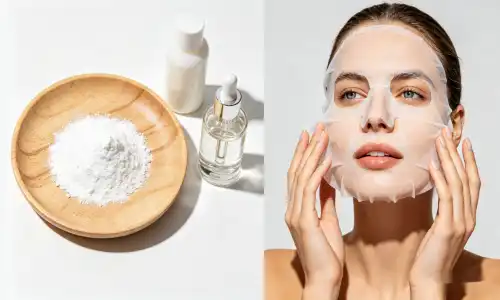
Sodium hyaluronate is important in many fields because it can hold a lot of water and be used in many ways. To get the best sodium hyaluronate for your preparation, you need to know all the great things it can do for you. This is hyaluronic acid in the form of a sodium salt, and it comes from plants. A humectant is something that can hold up to 1,000 times its own weight in water. This makes it useful for making medicines, cosmetics, and food supplements. Regular hyaluronic acid doesn't mix as well in water as this one does. This means that formulators can get solid results while still meeting strict regulatory standards in all global markets.
Understanding Sodium Hyaluronate and Its Key Benefits
Find out what sodium hyaluronate is and what its main benefits are. There is a type of molecule called sodium hyaluronate in skin, joints, and eyes. It is called glycosaminoglycan. It is made up of repeating disaccharide units that are made up of N-acetyl-D-glucosamine and D-glucuronic acid. This makes a polymer chain that works well with living things and is safe to use.
Why Molecular Weight Matters for Performance?
The molecular weight (MW) of sodium hyaluronate determines how well it works and how deeply it goes into the skin. Different types with a molecular weight of more than 1.5 million Daltons make safe film layers on the surface that hydrate and smooth right away. Because of this, they work great for barrier-repair and anti-aging creams. Forms with a molecular weight of less than 500,000 Daltons can get deeper into the skin and help make collagen. They also get rid of redness, which helps skin problems at their source. Procurement workers often ask for multi-weight mixes when they need to buy a lot of different items. This way, they can get the most out of both the surface and deep tissue benefits.
Hydration Beyond Surface-Level Moisture
The best sodium hyaluronate does more than just join water molecules together to make them more water-soluble. When eaten or put on the skin, it creates a moisture reserve in the tissues that keeps them just the right amount of wet all day. Researchers have found that after four weeks of regular use of the best sodium hyaluronate, this smooth flow of water makes skin 20–40% more flexible. Because this ingredient has been shown to work, it is an important part of beauty-from-within vitamins and professional skin care products for dry skin.
Anti-Aging and Skin Barrier Protection
Scientists have proven that sodium hyaluronate actively fights visible signs of aging by keeping the skin's moisture level stable and supporting its natural repair systems. The body's own production of hyaluronic acid drops a lot with age. By age 50, it has dropped by almost half. As a supplement, high-purity sodium hyaluronate can help make up for this loss. This can help get rid of fine lines and make the skin better against damage from the outside world. It can be used on all skin types, even sensitive or acne-prone skin, because it doesn't contain any comedogenic ingredients.
Joint Health and Ophthalmic Applications
Sodium hyaluronate is good for your face and is also used in medicine and diet. An important part of synovial fluid is that it supports and smooths out joints. This is why it's found in many sports and older people's health pills. There are gelatinous properties in eye drops and surgery that are used to protect the corneal tissues during treatments and make dry eye conditions better. Different B2B market groups have found many different ways to use the ingredient, which shows how versatile it is and how useful it is as a medicine.
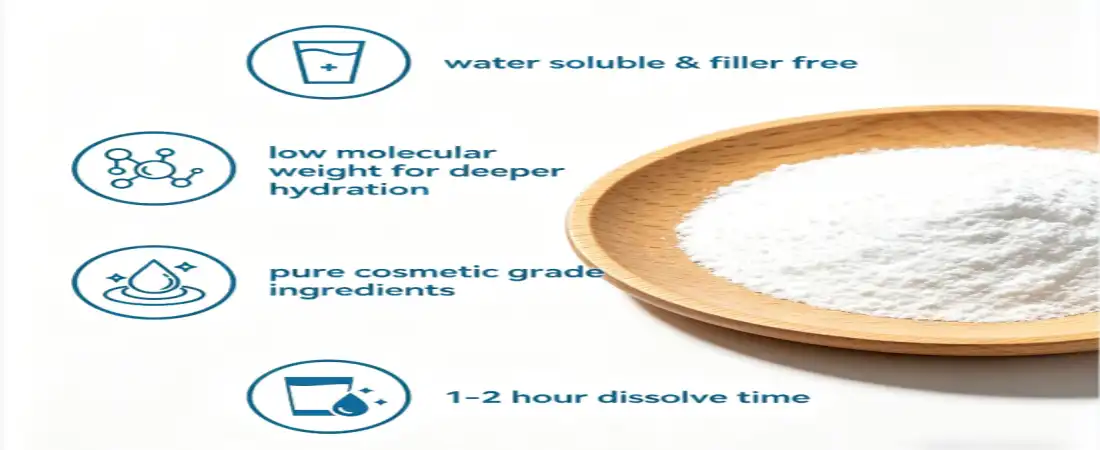
Sodium Hyaluronate vs Related Ingredients: Making Informed Choices
How does sodium hyaluronate compare to other active ingredients? This information helps the buying teams choose recipes that are in line with how the product is positioned and what buyers want.
Sodium Hyaluronate Versus Hyaluronic Acid
Sodium hyaluronate offers advantages over conventional hyaluronic acid despite chemical similarity. The salt form shows greater stability across pH range (ideally 6.0-7.5) and superior water solubility, reducing "fish-eye" clumping. Sodium hyaluronate resists reactive degradation better than hyaluronic acid, extending finished product shelf life. Powder format enables easier inventory management and precise dosage control during manufacturing, saving costs while ensuring batch-to-batch consistency for premium formulations.
Comparing Performance with Collagen and Peptides
Collagen fibers and sodium hyaluronate work synergistically rather than competing. Collagen provides skin structure and strength; sodium hyaluronate supplies the water matrix collagen needs for health and maintenance. Both ingredients frequently appear together in multi-action anti-aging formulas. However, sodium hyaluronate's smaller molecular size enables faster absorption and quicker visible results, making it ideal for products claiming rapid skin hydration improvement and immediate plumping effects.
Positioning Against Glycerin and Plant Extracts
Glycerin and plant-based options like aloe vera provide moisture at lower cost, but sodium hyaluronate offers scientifically validated efficacy and superior water binding. It holds 1,000 times its weight in water versus glycerin's 10 times. Premium formulations justify higher pricing because their marketing claims require robust ingredient support. Natural-oriented consumers may prefer plant alternatives, but these lack sodium hyaluronate's purity and extensive scientific backing for efficacy claims.
Selecting the Best Sodium Hyaluronate Products for Specific Needs
Any changes in the quality of the industrial sodium hyaluronate can make a recipe not work as well or not meet the legal standards as well. People who work in buying have to think about a lot of important things when they get this item.
Purity Standards and Grade Classifications
The sodium hyaluronate used in medicine is more than 95% pure (dry base), with less than 0.1% protein and less than 10 parts per million of heavy metals. It meets the strict standards set by the EP, USP, and JP. These guidelines are for cosmetics, so they allow a little more freedom while still making sure the product is safe for skin. Food-grade forms that can be used in dietary supplements need extra paperwork to show they don't have any harmful chemicals and follow the rules for food safety in your area. Full Certificates of Analysis (CoA) that list all of these things are given by the best sodium hyaluronate sources for every batch that is made. This lets you keep track of and guarantee quality all along your supply line.
Molecular Weight Selection for Target Applications
Ultra-low MW forms (10,000-50,000 Da) penetrate serums for deep wrinkle treatment. Medium MW ranges (500,000-1,000,000 Da) balance surface hydration with mild penetration for daily moisturizers. High MW options (above 1,800,000 Da) deliver rich textures and immediate barrier effects for creams. Leading suppliers offer various molecular weights with detailed viscosity data. Formulators can optimize selections without extensive trial and error, accelerating product development timelines.
Certifications That Matter for Global Markets
International certifications ensure consistent ingredient quality and manufacturing standards across markets. ISO 9001 certification demonstrates systematic quality management throughout production. KOSHER and HALAL certifications enable brands to reach consumers with specific dietary requirements. For US market entry, GRAS (Generally Recognized as Safe) status documentation for food applications proves essential. These credentials reduce regulatory compliance risk and accelerate multi-country product launches simultaneously.
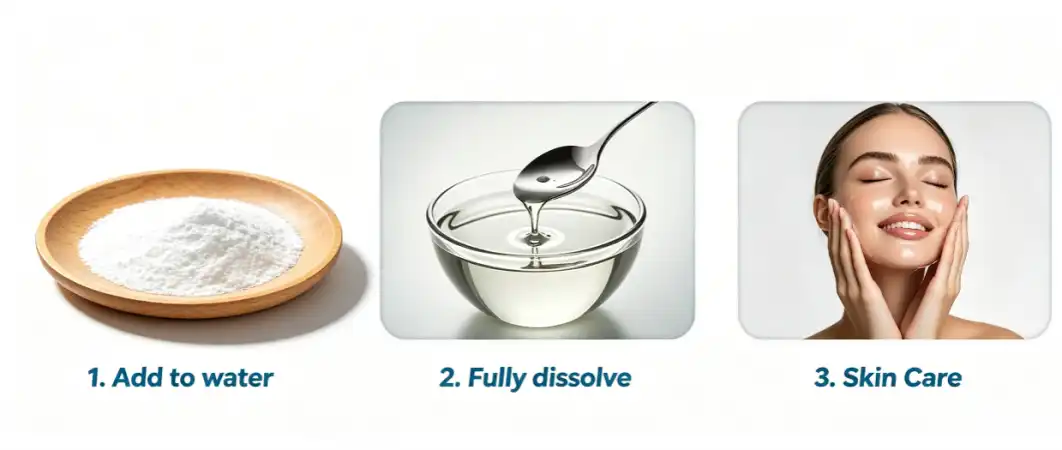
Strategic Procurement of Sodium Hyaluronate for Business
You should know how the market works, what your sellers can do, and how to check the quality in a way that doesn't hurt your production plans or brand image when you buy sodium hyaluronate.
Evaluating Supplier Reliability and Capacity
Supplier relationship strength requires understanding production capacity and inventory management practices. Popular grades remain in stock at NT Biotech, enabling shipment 2-4 days after order confirmation. Minimum 25 kg order quantity accommodates both small-scale product launches and large production runs. Over ten years export experience demonstrates robust supply chain management, including proper documentation handling and temperature-controlled shipping for moisture-sensitive materials, ensuring consistent international delivery.
Price-Quality Balance in Bulk Purchasing
The price of sodium hyaluronate changes a lot based on its molecular weight, how pure it is, and how it was fermented. The most pure types used in medicine are very expensive, but materials for cosmetics from well-known companies like NT Biotech are very cheap without losing safety or value. Before making big orders, formulators can ask for samples to make sure that the dissolution qualities, viscosity profiles, and compatibility with current ingredient systems are all satisfactory. Not having good raw materials can cause production delays and costly re-formulations. This step lowers the risk and stops those things from happening.
Building Long-Term Technical Partnerships
Having good relationships with providers means more than just getting things from them. It also means working together to solve tech problems. That's why NT Biotech has a specialized research and development team that helps with formulation problems. They tell you what concentrations to use (usually 0.1 to 2% for cosmetics and 80 to 200 mg for oral supplements) and what other ingredients work well with sodium hyaluronate to get even better results. People who work for procurement teams know that they will get back to them quickly (first comments within two hours). This helps them make quick choices when they need information. Technical data with a lot of details, like stability studies and interface grids, helps make product development go faster while still following the rules.
Future Trends and Innovations in Sodium Hyaluronate Use and Procurement
As new technologies come out and people's tastes shift, so does the market for sodium hyaluronate. This makes both opportunities and problems for successful buying.
Nano-Formulation and Cross-Linked Technologies
New ways of processing the best sodium hyaluronate make particles so small they can reach the basal layer of skin where cells renew themselves, achieving deeper penetration than previously possible. Cross-linked forms create three-dimensional networks with extended residence time, enabling single-treatment hydration lasting up to 72 hours. These advanced technologies command higher costs but enable product claims impossible with conventional grades. When procurement teams evaluate these premium versions of the best sodium hyaluronate, they should demand scientific evidence demonstrating superior efficacy over standard alternatives.
Sustainability and Green Chemistry in Production
As more people want healthy foods, concerns about the environment are becoming more important in B2B buying choices. A microbe called Streptococcus zooepidemicus is used to make sodium hyaluronate these days. This means it's not made from animals, which brings up moral questions. Leading manufacturers follow rules for minimizing trash and using energy-efficient extraction methods that keep the quality of their products high while having the least amount of damage to the environment. NT Biotech has environmental management methods as part of its ISO licenses. This lets people who buy the company's goods know that they will help it reach its sustainable goals and meet the standards for ESG reporting.
Market Growth and Strategic Supply Planning
The world market for sodium hyaluronate is projected to hit more than $15 billion by 2028. This is because it is being used more and more in regenerative medicine and nutricosmetics. This rise in demand can make it hard to get goods when things are busy. This is why smart source ties and forward contracts are even more important. People who work in buying should keep an eye on how rules change, especially when it comes to new food approvals in growing markets. These can lead to new uses, but they can also temporarily cause shortages while production rises to meet demand.
Conclusion
In many different types of beauty, health, and medicine goods, the best sodium hyaluronate has been shown to work both scientifically and cost-effectively. If you want to be good at buying, you need to understand molecular weight, quality factors, and supplier capability to ensure consistent products meeting strict requirements. Strategic relationships with established manufacturers like NT Biotech provide access to technical expertise, regulatory guidance, and reliable logistics giving competitive advantage in raw material sourcing for the best sodium hyaluronate. This enables faster development of superior products with premium ingredients that satisfy discerning customers worldwide.
FAQ
Questions that lots of people ask. Sodium hyaluronate is safe for all skin types, even those that are sensitive, oily, or a mix of the two. The light texture absorbs quickly without leaving a sticky film, and the fact that it doesn't clog pores is good for customers. Different types of formulations are possible, from water-based serums to colloid systems. It is important to keep the pH level between 6.0 and 7.5, though, so the mixture stays fixed and doesn't break down. Formulas with very high or very low pH or reacting agents that don't work well with polymers and break their chains should be avoided.
1. Is sodium hyaluronate suitable for all skin types and formulations?
Sodium hyaluronate is safe for all skin types, even those that are sensitive, oily, or a mix of the two. The light texture absorbs quickly without leaving a sticky film, and the fact that it doesn't clog pores is good for customers. Different types of formulations are possible, from water-based serums to colloid systems. It is important to keep the pH level between 6.0 and 7.5, though, so the mixture stays fixed and doesn't break down. Formulas with very high or very low pH or reacting agents that don't work well with polymers and break their chains should be avoided.
2. What distinguishes sodium hyaluronate from regular hyaluronic acid in practical applications?
Hyaluronic acid base is less solid than sodium salt form. Sodium salt form dissolves faster in water without sticking together. This trait makes it easy to make things and makes sure that the right doses are always used. Microbes are less likely to get into sodium hyaluronate while it is being kept. However, finished goods still need to be stored correctly. For most commercial uses, sodium hyaluronate is better because it has the same effects on living things after being used.
3. How can procurement teams verify sodium hyaluronate quality before bulk ordering?
Ask for a lot of scientific details, like a Certificate of Analysis that lists tests for purity, molecular weight distribution, endotoxin levels (helpful for medicine), and microbe limits. You can get free samples from reputable sellers like NT Biotech and try them in the lab to see how they dissolve, how thick they are, and how well they mix with other materials. Instead of relying only on what a website says, make sure that seller licenses are real by checking them directly with the groups that gave them out.
Partner with NT Biotech for Premium Sodium Hyaluronate Supply
Most companies around the world trust NT Biotech to make the best sodium hyaluronate because they always provide high-quality products and fast service. We sell 99% pure sodium hyaluronate powder (CAS 9004-61-9, 80 mesh) that meets ISO, KOSHER, and HALAL standards. This makes it easy to use in all foreign markets. To speed up the product starts process, we offer ready-to-ship goods that can be sent out in two to four days, a 25 kg minimum order size that can be used for a range of project sizes, and free trials. The formulation help from our expert team comes from ten years of work in the field. Getting supplies is now a strategic relationship instead of just something that the business needs to do. Get in touch with us at info@newthingsbiotech.com to talk about your sodium hyaluronate needs and find out how we can help you reach your innovation goals.
References
1. Papakonstantinou, E., Roth, M., & Karakiulakis, G. (2012). Hyaluronic acid: A key molecule in skin aging. Dermato-Endocrinology, 4(3), 253-258.
2. Fallacara, A., Baldini, E., Manfredini, S., & Vertuani, S. (2018). Hyaluronic acid in the third millennium. Polymers, 10(7), 701-724.
3. Keen, M. A. (2016). Hyaluronic acid in dermatology. Skinmed, 14(5), 347-352.
4. Bukhari, S. N., Roswandi, N. L., Waqas, M., Habib, H., Hussain, F., Khan, S., & Sohail, M. (2018). Hyaluronic acid, a promising skin rejuvenating biomedicine: A review of recent updates and pre-clinical studies. International Journal of Biological Macromolecules, 120, 1682-1695.
5. Marinho, A., Nunes, C., & Reis, S. (2021). Hyaluronic acid: A key ingredient in the therapy of inflammation. Biomolecules, 11(10), 1518-1537.
6. Sahiner, N., Godbey, W. T., McPherson, G. L., & John, V. T. (2006). Microgel, nanogel and hydrogel-hydrogel semi-IPN composites for biomedical applications. Colloid and Polymer Science, 284(10), 1121-1129.
Hyaluronate skin care products are always at the top of the list when it comes to new ingredients used in makeup formulations today. This naturally occurring chemical has changed the way that companies make products that moisturize, fight age, and fix barriers. Unlike many trendy ingredients that say they will do a lot but don't, sodium hyaluronate has benefits that have been proven by science and can be seen by the user. Because the substance can hold up to 1,000 times its own weight in water, formulators who want to make goods that really improve skin health can't do without it. Figuring out why this ingredient is now required in high-end skin care products can help purchasing professionals make smart choices about where to get it that will improve all of their products.
Understanding Hyaluronic Acid and Hyaluronate: Definitions and Benefits
The Chemical Distinction That Matters for Formulation Success
Sodium hyaluronate" and "hyaluronic acid" are often used interchangeably, but the difference matters. Hyaluronic acid is a natural polymer found in skin and joints. Sodium hyaluronate is its more stable sodium salt form. This salt form stays solid across temperatures and pH levels, making it the preferred ingredient in professional skincare for longer shelf life and consistent performance.
Core Skin Benefits Backed by Scientific Evidence
Clinical studies show sodium hyaluronate significantly improves skin hydration. A 2020 study found twice-daily application for two weeks increased hydration by 96% and reduced fine lines by 40%. It forms a breathable film to retain moisture while supporting the extracellular matrix below. This dual action provides both instant luxury and visible long-term results within days.
How Hyaluronate Works: Mechanisms and Application in Skin Care Formulations?
Molecular Weight: The Key to Performance Customization
In hyaluronate skin care, molecular weight above 1,800 kDa creates a surface film that stops water loss, giving instant plumping for moisturizing creams. The 500–1,800 kDa range penetrates upper skin layers, suiting firming serums. Low molecular weight (below 500 kDa) reaches deep skin, boosting collagen by up to 35% in eight weeks for barrier repair and sensitive skin.
Comparing Hyaluronate to Other Hydration Technologies
Glycerin pulls moisture but doesn't support collagen or barrier repair. Ceramides repair barriers but lack instant plumping. Sodium hyaluronate does both. It also pairs well with other actives. Testing shows stability with vitamin C, niacinamide, peptides, and even retinol. This lets brands create advanced multi-benefit products while leveraging the marketing power of "hyaluronic acid."
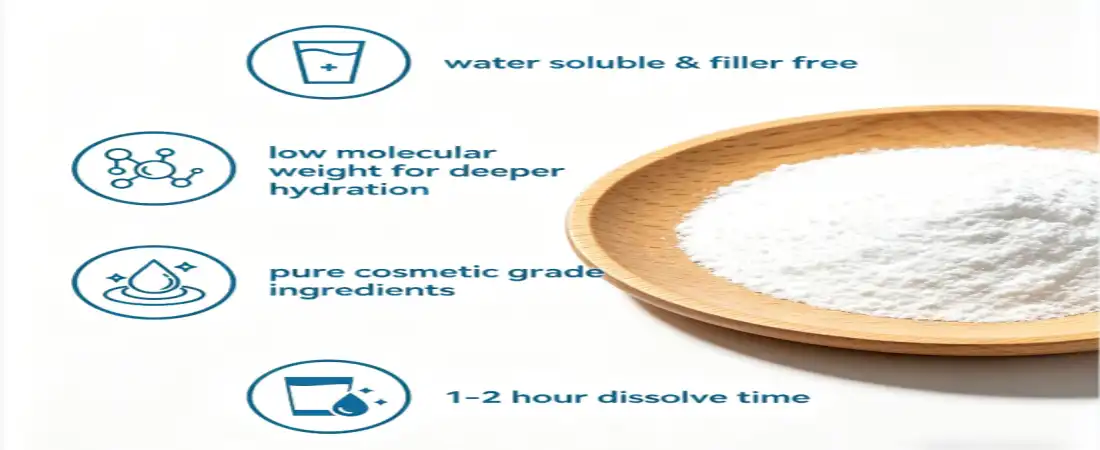
Choosing the Right Hyaluronate Skin Care Ingredients and Products for Your Business
Raw Material Sourcing: What Procurement Professionals Should Evaluate
To minimize irritation, residual protein must stay below 0.1%. Molecular weight distribution should be narrow and well-documented, not just a single number. Dissolution time affects production speed. Quality materials dissolve fully in 30 minutes at room temperature with light shaking. These technical differences separate premium sodium hyaluronate from cheaper alternatives that often cause formulation failures.
Evaluating Supplier Capabilities Beyond Price Points
A cosmetics company and its raw material provider have a lot more in common than just buying things from each other. A supplier's real value is based on their technical help during formulation development, their quick contact when questions come up, and their reliable delivery schedules. We've seen brands have trouble because their cheap provider couldn't give them the molecular weight paperwork they needed for regulatory submissions, or because shipping schedules that weren't regular made it hard to plan their production.
When looking at possible hyaluronate suppliers for your hyaluronate skin care line, ask: Do they keep enough stock to ship normal specs immediately? Can they create unique molecular weight mixes for my formulations? What is their quality issue track record? How quickly do they answer technical questions? These operational factors reveal whether a partnership enables business growth or creates constant stress.
There are real ways that our dedication to being a trustworthy partner shows. We answer all questions within two hours because we know that formulation questions often come up during active development, which is a time when delays cost a lot. We keep common specs in stock, so we can ship within two to four days of receiving your order. Before committing to production numbers, clients can ask for free samples to see how well the product works in their own formulas.
Optimising Hyaluronate Skin Care Routine: Guidelines for Effective Results
Formulation Strategies for Different Skin Types and Concerns
To make hyaluronate-based goods that work, you need to know how different types of skin react to different molecular weights and amounts. Low molecular weight sodium hyaluronate works well in lightweight serum bases to hydrate deeply without making the skin feel heavy on top. This is especially true for people with oily or mixed skin. To keep the feel smooth, these mixtures should keep the total hyaluronate content between 0.5 and 1.5%. This is because higher concentrations in water-based goods can make them feel a little sticky.
Multi-weight hyaluronate mixes in heavier emulsion bases are good for dry and older skin types. A complete method for delivering moisture is made by mixing high molecular weight types (which moisturize the skin's surface right away) with medium and low weights (which support the deeper layers of skin). Concentrations can go up to 2% to 3% safely in creams that have emollients and occlusives that work with sodium hyaluronate's humectant effect.
Formulations for sensitive skin should put an emphasis on simplicity and cleanliness. Ultra-pure sodium hyaluronate (>99%) as the main ingredient, along with gentle helpers like allantoin and panthenol, makes goods that work well and don't cause skin discomfort very often. These items can help people who have trouble with most regular skin care because they keep the pH between 5.5 and 6.5 and don't contain typical skin sensitizers.
Ingredient Compatibility and Synergistic Combinations
Smart formulators use sodium hyaluronate's high flexibility to make goods that solve more than one problem at the same time. When combined with vitamin C, it protects against free radicals and improves hydration, but the pH needs to be carefully managed to keep both actives stable. When you mix sodium hyaluronate with peptides, you get strong anti-aging serums. The peptides help the hydration penetrate the skin, and the sodium hyaluronate stops collagen breakdown.
Sodium hyaluronate and niacinamide together have become very popular in new formulas that aim to improve barrier function and tone. It's easy to make this mixture because both parts dissolve in water and stay solid over a wide pH range. Clinical tests show that the mixture cuts transepidermal water loss by 45% more than either ingredient by itself. The niacinamide also helps the look of pores and skin tone.
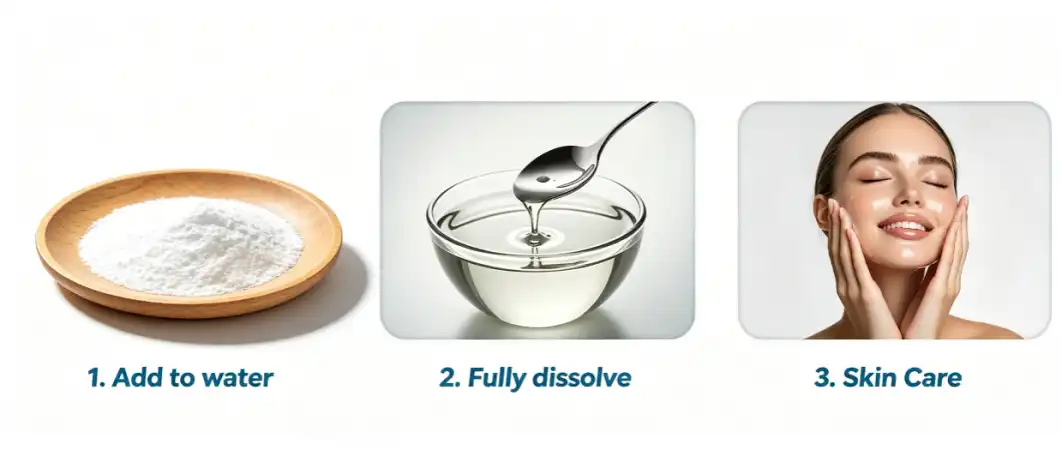
Procurement and Market Insights: Where and How to Source Hyaluronate Products?
Strategic Sourcing: Raw Ingredients Versus Finished Formulations
When cosmetic companies add hyaluronate to their products, they have to make a smart choice: they can either get raw sodium hyaluronate powder to make their own formulations or buy finished formulations from contract makers. Depending on your business plan and skills, each method has its own benefits. Brands with well-established R&D departments and production facilities usually choose to source their own raw materials because it gives them the most control over the creation and placement of their products. This method lets you make custom mixes, molecular weight ratios that aren't found anywhere else, and full control over the texture and sensory properties.
Finished formulation services are often useful for smaller brands or brands just starting out in hyaluronate skin care. Experienced partners handle technical details while the brand focuses on marketing and distribution. Using pre-made hyaluronate mixes or extracts added to a simple base offers a middle ground: creativity with lower technical hurdles. Being honest about your internal skills helps determine which sourcing model achieves your growth goals without problems.
Market Trends Shaping 2026 Hyaluronate Procurement
A number of new trends are changing how forward-thinking brands look for sodium hyaluronate. Traceable and sustainable sources used to be nice to have, but now it's a must, especially for brands that want to reach high-end customers. Sodium hyaluronate made from fermentation and non-GMO bacterial cultures solves both the problem of sustainability and the rising demand for products that are vegan-friendly. Good sources now show proof that their hyaluronic acid went from being a fermentation medium to being completely cleaned.
Cross-linked and changed hyaluronate products are an area of innovation that is getting a lot of attention. Compared to regular sodium hyaluronate, these modified types stay on the skin longer and keep more wetness in. Even though they cost more now, using these new products early on can help you stand out from the competition as they become more common. Figuring out how these new technologies fit into your product plan is important for keeping your brand on the cutting edge of technology.
Regional differences in regulations continue to affect sourcing choices, especially for names that sell in more than one market. China's rules for NMPA approval are different from those set by the US Food and Drug Administration (FDA) and the European Union. Working with providers who know these regulatory landscapes and can provide the right paperwork for each market cuts down on the time and money needed for delays and new formulations when moving to new areas.
Conclusion
Thanks to decades of scientific proof and steady customer happiness, sodium hyaluronate has become an important ingredient in modern cosmetics. It can be used in almost all types of skin care products because it has instant sensory benefits, long-term effects that can be measured, and a great safety rating. By understanding the technical details of choosing the right molecular weight, setting quality standards, and formulating products, brands can make the most of an ingredient's potential and make products that stand out in a crowded market. Strategic buying from dependable sources who are both technically skilled and excellent at running their businesses gives you a competitive edge that goes far beyond the cost of the ingredients. As consumers become more knowledgeable in hyaluronate skin care, brands that fully understand and use sodium hyaluronate's benefits will continue to be at the top of the ever-changing beauty market.
FAQ
1. What causes skin irritation from hyaluronate products and how can it be prevented?
Since sodium hyaluronate is already found naturally in human skin, it is very rare for it to cause real discomfort. When people say they are allergic to "hyaluronic acid" goods, it's usually because of other ingredients in the recipe, like fragrances, preservatives, or plant extracts. Very high levels (above 3%) of low molecular weight sodium hyaluronate can sometimes make sensitive people feel tingly for a short time. To avoid problems with the recipe, you need to use ultra-pure sodium hyaluronate (>99%), keep the pH between 5.5 and 6.5, and avoid adding too many extra ingredients that raise the risk of sensitivity.
2. How does sodium hyaluronate differ from hyaluronic acid in procurement terms?
Even though they are chemically similar, sodium hyaluronate is much better for making cosmetics. The sodium salt form is more stable across a wider range of temperatures and pH levels, so the product will always work the same way throughout its shelf life. Because its molecules are smaller, sodium hyaluronate can get deeper into the skin than regular hyaluronic acid. When it comes to getting it, sodium hyaluronate usually comes as a white powder that dissolves easily in water. This makes it easy to add to different recipe bases without the need for special tools or processing conditions.
3. What criteria identify the best hyaluronate supplier for cosmetic manufacturing?
Superior hyaluronate suppliers have a few important traits: consistent batch-to-batch purity, which can be checked with detailed Certificates of Analysis; clear documentation of molecular weight distribution; the right certifications for your target markets (ISO, Kosher, Halal); helpful technical support during formulation development; and dependable inventory management that makes sure deliveries happen on time. The best partnerships are more than just business deals. They include real technical teamwork, where the seller gives you advice on how to make things and keeps you up to date on changes in the law that affect your business.
Partner with NT Biotech: Your Trusted Hyaluronate Skin Care Supplier
When you need to buy sodium hyaluronate, NT Biotech is ready to help. We have the technical know-how and practical dependability that great brands need. Our sodium hyaluronate powder is 99% pure and comes in a uniform 80-mesh format. It gives your products the performance they need and meets international quality standards thanks to our ISO, Kosher, and Halal certifications. We keep enough in stock to quickly deliver basic orders within two to four days, and our flexible packing choices, which range from 25 kg drums to custom formats, can be changed to fit your production needs.
As a hyaluronate skin care manufacturer with over a decade serving the international cosmetics industry, we know how hard it is for you to find the right suppliers. Our team answers technical questions within two hours, and we offer free samples so that you can make sure they work in your specific formulas before ordering large amounts. We offer a relationship model that turns finding ingredients from a transactional headache into a strategic benefit, whether you're making your first hyaluronate serum or adding to an existing skin care line. Get in touch with us at info@newthingsbiotech.com to talk about your needs and find out how our sodium hyaluronate options can help your business.
References
1. Chen, W. & Hu, Q. (2021). "Molecular Weight Distribution Effects on Hyaluronic Acid Skin Penetration and Hydration Efficacy." International Journal of Cosmetic Science, 43(2), 156-167.
2. Johnson, R.T., Martinez, L. & Park, S. (2020). "Clinical Evaluation of Sodium Hyaluronate in Anti-Aging Formulations: A Double-Blind Controlled Study." Journal of Clinical and Aesthetic Dermatology, 13(4), 34-42.
3. Nakamura, Y. & Schmidt, H. (2022). "Comparative Analysis of Humectants in Modern Skincare: Performance and Consumer Perception." Cosmetic Science and Technology Review, 18(1), 89-103.
4. Papakonstantinou, E., Roth, M. & Karakiulakis, G. (2019). "Hyaluronic Acid: A Key Molecule in Skin Aging and Dermal Repair Mechanisms." Dermato-Endocrinology, 4(3), 253-258.
5. Singh, M. & Anderson, P. (2023). "Fermentation-Derived Sodium Hyaluronate: Sustainability and Quality in Cosmetic Raw Materials." Green Chemistry in Cosmetics, 7(2), 112-128.
6. Williams, D.F., Zhang, X. & Thompson, K. (2021). "Formulation Strategies for Multi-Weight Hyaluronic Acid Complexes in Advanced Skincare Systems." Journal of Cosmetic Formulation Science, 25(3), 201-215.
When professionals buy chemicals for high-tech makeup, they know that moisturizing the skin on the surface isn't enough to really fight age. Hyaluronate skin care ingredients are added in a planned way to meet multiple customer needs at once. For example, they help keep deep moisture in the skin, get rid of lines, and fix skin barriers that are broken. Many skin care products, from daily washes to strong repair serums, use sodium hyaluronate as a key ingredient. This is because modern customers want products that work based on science. When R&D teams and buying experts understand the technical specs and sourcing problems behind this powerful ingredient, they can make product lines that really stand out in markets that are very competitive.
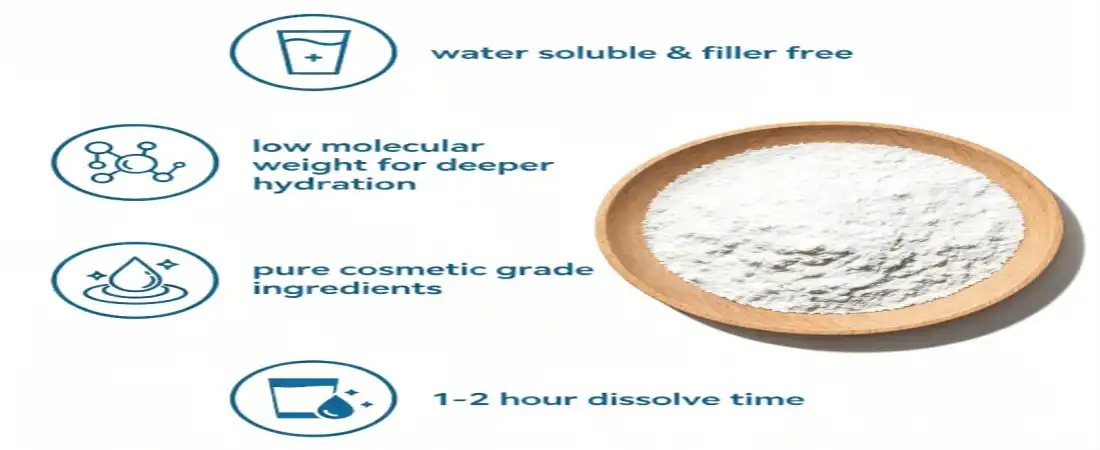
Understanding Hyaluronic Acid and Hyaluronate: What Sets Them Apart?
The Chemical Relationship Between Hyaluronic Acid and Its Salt Form
Hyaluronic acid is naturally found in the epidermis and skin, as well as in other body parts that connect to each other. Add sodium or potassium to it, and it turns into sodium hyaluronate. This is the stable salt form that makeup makers like. It's easier to guess how products will grow now that this change has made them more stable and soluble in a wider pH range. It's easy for sodium hyaluronate to mix with water-based products, and the way it's made doesn't need many changes. This makes it easy to make things and makes each lot better. You can still link water with hyaluronic acid salt, which is what makes it useful. It also works better with other active ingredients that are common in anti-aging goods.
Molecular Weight Variations and Their Impact on Skin Penetration
A big part of how well sodium hyaluronate works in finished things is how its molecular weight structure is set up. High molecular weight versions (above 2000 kDa) form a film on the skin's surface that lets water pass through but limits transepidermal water loss as much as possible. Right away, this makes the skin feel soft and smooth. Medium molecular weight forms (500–2000 kDa) keep the skin's surface wet while letting some water in. This makes the skin more elastic and useful in many goods. Hyaluronate skin care with a molecular weight of less than 500 kDa can get deeper into the dermal layers of the skin to help fix broken structures and make the skin's natural protections stronger. Which molecular weights are bought should depend on where the finished product is meant to fit in the market, whether it's for quick beauty benefits or longer-lasting healing effects.
Formulation Considerations for Sensitive and Acne-Prone Skin
Studies in the field of dermatology show that sodium hyaluronate is safe for all skin types, even those that are sensitive or prone to acne. Occlusive creams stop pores and make a barrier that can make breakouts worse, but hyaluronic acid hydrates without doing either. Since it is found naturally in human skin, it is biocompatible. This means that it is less likely to cause allergic responses or pain. If you want to make skin care items for sensitive skin that treat both dry skin and redness, mix low to medium molecular weight sodium hyaluronate with plants that are good for you. More people will be able to easily find and buy lines of products that have good hyaluronate skin care.
The Business Case: Benefits of Using Hyaluronate in Anti-Ageing Product Lines
Market Demand Driven by Consumer Preferences
Skin care items with hyaluronic acid are becoming more and more famous all over the world. This is because people are eagerly looking for products that really keep skin hydrated and slow down the aging process. Market study shows that items containing sodium hyaluronate as the main active ingredient sell for more and are returned for a lot of times. As people learn more about how ingredients work, they are willing to spend money on methods that are backed by science, as shown by this choice. When brands use pharmaceutical-grade sodium hyaluronate in their goods, they can sell them in high-end markets because the ingredient is known for being safe and effective.
Differentiation Across Diverse Product Categories
Since sodium hyaluronate can be used for many things, it can help tell the difference between items with the same name. Young people who don't want to age should use a light product that moisturizes and has low molecular weight hyaluronate in it. People over 50 who are already showing signs of age should use a thick barrier-repair cream with different molecular weights. This ingredient mixes well with other active ingredients like peptides, antioxidants, and plant extracts. This makes it easy to make mixtures that are specifically made for treating the eyes, neck, and doing heavy treatments overnight. So long as buying teams can easily access molecular weight options that can be changed, they are free to respond more quickly to changes in market trends and customer needs.
Regulatory Compliance and Safety Profile
The US, the EU, and the Asia-Pacific region, which are all big markets for cosmetics, have all cleared sodium hyaluronate. This means that it is safe to use. Because it is listed as Sodium Hyaluronate in the INCI (International Nomenclature of Cosmetic Ingredients), it is easy to talk to users and follow labeling rules. Purchasing staff don't have to worry as much about risk when adding new actives to current product lines because the ingredient has been tried on skin and isn't likely to cause allergies. Many suppliers offer full paperwork, like Certificates of Analysis, safety data sheets, and stable tests. This helps businesses get their goods to market faster and makes sure they follow the rules in their area.
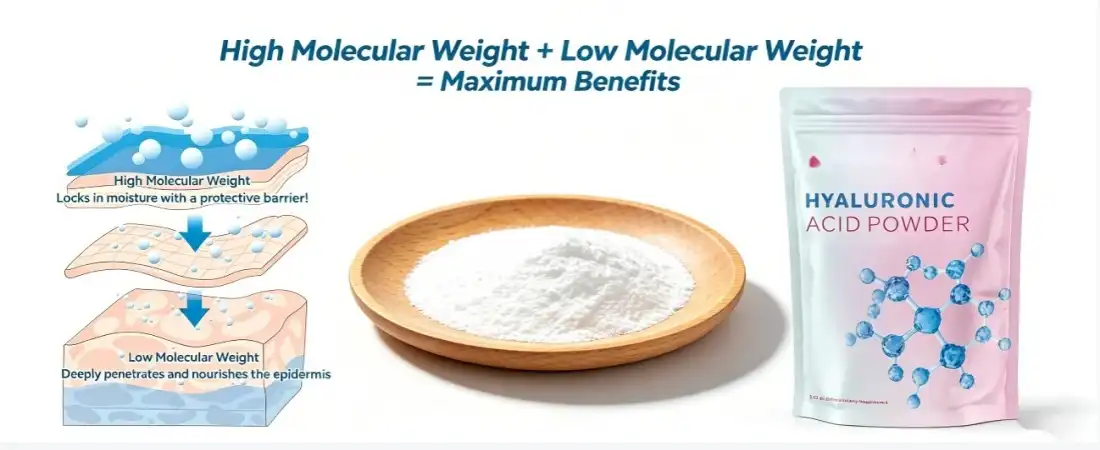
How to Choose the Best Hyaluronate Products for Your Portfolio?
Evaluating Purity and Manufacturing Standards
Pharmaceutical-grade sodium hyaluronate skin care ingredients need to be very pure so that they always work the same way and there aren't many impurities that could make the product less stable.
It should be clear from the specs that premium companies usually offer 99% pure. They should also include proof of thorough testing methods, such as HPLC (High-Performance Liquid Chromatography). In the making process, biofermentation from non-GMO plant sources is used to get sustainable, vegan-friendly ingredients that fit with clean beauty trends that are becoming more and more important to people when they decide what to buy. People who are in charge of buying things should demand proof for each batch that the company follows Good Manufacturing Practices and has quality standards from around the world, such as ISO 9001, Kosher, and Halal.
Molecular Weight Customization for Targeted Applications
For strategic sourcing to work, you need to know how different molecular weight ratios can help you reach different building goals. Suppliers offer custom molecular weight options running from 5,000 Da to 2,000,000 Da. This gives businesses the technical freedom they need to make their own product lines. It comes with detailed instructions on how to pick the best molecular weight for the claims that will be made, the shape of the product, and the people who will be buying it. Sourcing teams should have connections with manufacturers that can provide a range of molecular weights from a single source. This keeps formulations consistent and makes handling the supply chain easy.
Supplier Assessment and Value-Added Services
Along with the quality of the ingredients, you should also look at how skilled the seller is in the real world, as this has a direct impact on production times and prices. Sellers you can trust keep enough stock on hand to ship orders quickly—ideally within two to four days of confirmation—and have low minimum order amounts that let you try new products and make a lot of them at once. And because samples are free, R&D teams can test out simple formulas without spending any money. When a supplier wants to be a long-term strategic partner instead of just a transactional seller, they are clear about wait times, shipping options, and how quickly they can help with technical issues.
Optimizing Formulations with Hyaluronate for Anti-Ageing Efficacy
Synergistic Ingredient Combinations
Sodium hyaluronate hydrates and strengthens the skin by itself, but when mixed with other ingredients that fight different signs of aging, it works even better. Hyaluronic acid soothes the skin, which helps retinoid products deal with the dryness and sensitivity that can happen when retinoid is first used. When chemicals that help collagen are added to peptide serums with sodium hyaluronate, the chemicals are better absorbed and stay in the skin longer. Ingredients that are high in antioxidants, like vitamins C and E, work with hyaluronic acid to keep the skin wet and protect it from damage from the outside world. These mixtures make anti-aging systems that take care of lines, loss of firmness, uneven tone, and broken barrier function all in one set of goods.
Designing Targeted Routines for Different Demographics
When they make new skin care products, good makers think about how hyaluronic acid fits into a range of items for people of all ages and skin types. People in their late 20s and early 30s should use light serums that absorb quickly and go on smoothly under sunscreen and makeup. These serums are meant to protect the skin. Products for older people have more of the molecular weights and a wider range of them. They also have thicker textures that keep the skin moist all day and night. Sodium hyaluronate with a low molecular weight is used in healing products after surgery to help the body heal faster and reduce swelling. If procurement teams know about these use cases, they can plan ahead for material needs that are in line with what the brand says and what customers expect.
Innovation Trends in Delivery Systems
More and more, new technologies are letting sodium hyaluronate be used in more complicated skin care items. Hyaluronic acid is kept from breaking down by packaging techniques, which also let it be released slowly into the skin, which makes it work for longer. Different types of cross-linked hyaluronic acid stay on the skin's surface longer, keeping it moist for longer. Bio-identical fragment ways give hyaluronic acid in smaller, more digestible pieces that help the body make its own full-length molecules. As these new ideas become more realistic in the business world, smart buyers keep an eye on them and build relationships with suppliers who are spending in new processing skills that can provide ingredients for the next generation.
Procurement Insight: Where and How to Buy Quality Hyaluronate Skin Care Products?
Global Supply Chain Landscape
Sodium hyaluronate skin care ingredients are made in a number of different places, and each one has its own set of skills and position.
Bio-fermentation technologies have helped Asian companies, mostly in China, make a lot of goods that are cheap without losing any of their purity or usefulness. High-end natural beauty brands like it when European sellers stress that their goods are eco-friendly and organically approved. People in the US who buy things can get better customer service and goods that are made in the US from North American sellers. One of the best places in the world to get plants and bioengineering is Shaanxi New Things Biotech. Their pharmaceutical-grade sodium hyaluronate comes with full quality paperwork, a lot of customization options, and quick technical help that is made to fit the needs of cosmetics makers all over the world.
Pricing Structures and Negotiation Strategies
A lot of things affect the price of sodium hyaluronate, like how pure it is, how heavy it is, how many sales there are, and any extra services that are available. You can make sure you always have enough for your business when you buy in bulk and save a lot of money on the price per unit. Procurement experts should look at more than just the price per unit to get the full cost of ownership. They should think about how quickly the goods can be sent, how open the payment terms are, and whether the price includes professional customer service. You can keep prices stable by making basic deals with qualified sellers. You can also change the amount you order based on how much you need to make and how the market works.
Building Sustainable Supplier Partnerships
If you want to buy makeup products for a long time, you need to get to know suppliers who are more like business partners than just sellers. A good service will answer questions quickly (within hours, not days) and be willing to talk about things like new technologies, changes to the law, and the state of their inventory. Being able to offer unique packaging, special handling, and a number of payment choices, such as transactions in the buyers' own currencies, makes things run more smoothly and builds trust between parties. Suppliers who keep the right licenses and regularly invest in quality systems show that they want to give high-end makeup brands the best support in the world's competitive markets.
Conclusion
There is a smart way for makeup businesses to use pharmaceutical-grade sodium hyaluronate to make anti-aging lines that are scientifically sound and meet the high standards of current customers. It is an important part of many different kinds of goods because it can be used in many different ways and has many different molecular weight profiles. To be good at buying, you need to judge providers on a lot of different things, like how well they run their business, how helpful their expert support is, and how pure their products are. It's easier for R&D teams to come up with new hyaluronate skin care innovations when they work with qualified suppliers who offer responsive service and transparent specifications, helping them maintain the brand image and customer satisfaction that's essential.
FAQ
1. What makes sodium hyaluronate more effective than standard hyaluronic acid in skincare?
Sodium hyaluronate's salt form offers superior stability and solubility compared to pure hyaluronic acid, enabling consistent performance across diverse formulation pH levels and ingredient combinations. Its enhanced penetration characteristics deliver hydration benefits both at the surface and within deeper skin layers, depending on molecular weight selection.
2. How do I determine which molecular weight is appropriate for my product formulation?
High molecular weight variants suit products emphasizing immediate surface smoothness and protective barrier formation. Medium molecular weights provide balanced hydration with moderate penetration for all-purpose moisturizers. Low molecular weight forms target deeper structural support and barrier repair in intensive treatment products. Consultation with technical suppliers helps match molecular weight to specific formulation objectives.
3. What quality certifications should I require when sourcing sodium hyaluronate?
Reputable suppliers provide ISO 9001 certification demonstrating quality management systems, alongside Kosher and Halal certifications when applicable to target markets. Batch-specific Certificates of Analysis confirming purity levels through HPLC testing, microbial limits, and heavy metal screening ensure pharmaceutical-grade quality suitable for premium cosmetic applications.
Partner with NT Biotech for Premium Hyaluronate Skin Care Ingredients
NT Biotech delivers pharmaceutical-grade sodium hyaluronate powder specifically engineered for advanced cosmetic formulations requiring exceptional purity and performance consistency. Our 99% pure hyaluronic acid (CAS 9004-61-9) is available in 80 mesh white powder form with complete ISO, Kosher, and Halal certifications, meeting the rigorous standards demanded by international beauty brands. We maintain ready inventory enabling shipment within two to four days after order confirmation, with flexible packaging options starting from 25kg drums. As a dedicated hyaluronate skin care supplier, we provide complimentary samples for formulation testing and technical consultation to optimize ingredient selection for your specific application requirements. Our proprietary bio-fermentation process ensures sustainable, vegan-friendly ingredients with comprehensive quality documentation supporting regulatory compliance across global markets. Contact our technical team at info@newthingsbiotech.com to discuss custom molecular weight specifications and establish a reliable supply partnership that supports your product innovation objectives.
References
1. Bukhari, S.N.A., Roswandi, N.L., Waqas, M., et al. "Hyaluronic Acid, a Promising Skin Rejuvenating Biomedicine: A Review of Recent Updates and Pre-clinical and Clinical Investigations on Cosmetic and Nutricosmetic Effects." International Journal of Biological Macromolecules, 2018.
2. Pavicic, T., Gauglitz, G.G., Lersch, P., et al. "Efficacy of Cream-Based Novel Formulations of Hyaluronic Acid of Different Molecular Weights in Anti-Wrinkle Treatment." Journal of Drugs in Dermatology, 2011.
3. Stern, R., Asari, A.A., Sugahara, K.N. "Hyaluronan Fragments: An Information-Rich System." European Journal of Cell Biology, 2006.
4. Jegasothy, S.M., Zabolotniaia, V., Bielfeldt, S. "Efficacy of a New Topical Nano-Hyaluronic Acid in Humans." Journal of Clinical and Aesthetic Dermatology, 2014.
5. Wollenweber, U., Makievski, A.V., Miller, R., Daniels, R. "Adsorption of Hydroxypropyl Methylcellulose at the Liquid/Liquid Interface and the Effect on Emulsion Stability." Colloids and Surfaces A: Physicochemical and Engineering Aspects, 2000.
6. Goa, K.L., Benfield, P. "Hyaluronic Acid: A Review of Its Pharmacology and Use as a Surgical Aid in Ophthalmology, and Its Therapeutic Potential in Joint Disease and Wound Healing." Drugs, 1994.
Choosing the right hyaluronic acid powder bulk is a smart choice that has a direct effect on how well the product works, how well it meets legal requirements, and how cheaply it can be made. Procurement experts have to look at a lot of technical and financial factors when they are looking for sodium hyaluronate powder for food supplements, functional drinks, or capsules. The right provider gives you regular purity levels—ideally 99%—along with a lot of paperwork, like Certificates of Analysis and batch traceability records. It is very important to know about differences in molecular weight, mesh size requirements, and verification standards such as ISO9001, Kosher, and Halal. This makes sure that your raw material works successfully in a wide range of formulations, from beauty-from-within capsules to joint support tablets. It also makes sure that your product meets the standards of foreign markets and supports your brand's image for quality and innovation.

Understanding Hyaluronic Acid Powder Bulk: Properties and Benefits
Hyaluronic acid, which is also called sodium hyaluronate in science, is a naturally occurring protein that is found in large amounts in skin, joints, and connective tissues. Its chemical structure, which is shown by the formula (C14H21NO11)n, makes it very good at holding water—up to 1,000 times its own weight. Because of this one-of-a-kind quality, it has become an important ingredient in the cosmetics, nutraceuticals, and pharmaceutical businesses. When bought as a hyaluronic acid powder bulk with particles that are 80 mesh and 99% pure, the material dissolves easily and can be used in a wide range of industrial processes.
Why Molecular Weight Matters in Bulk Procurement?
When looking for hyaluronic acid powder, molecular weight is the most important technical factor. Low molecular weight versions (below 50 kDa) penetrate tissue barriers better, suiting joint health products where absorption matters. High molecular weight options (above 1,000 kDa) excel at moisture retention and lubrication for topical formulas and beauty supplements. Middle ranges balance both traits. Premium joint support formulas often blend molecular weights for synergistic benefits, ensuring raw material specifications align with finished product performance claims.
Purity Standards and Their Impact on Formulation Stability
Levels of purity have a direct effect on both following the rules and keeping the product stable. A 99% standard, confirmed by HPLC testing, makes sure that there isn't much pollution from proteins, nucleic acids, or microbial leftovers. The FDA and the European Food Safety Authority have strict rules about food supplements, and this grade meets those rules. Lower purity grades might add factors that make it harder to keep batches consistent or cause bad reactions in people who are more sensitive. If a company has ISO9001 approval, it means that they have structured quality controls in place throughout the whole production process, from getting the raw materials to packaging them up at the end. Kosher and Halal approvals make markets bigger, especially for brands that want to reach Muslim and Jewish consumers in the Middle East, Southeast Asia, and around the world.
Industrial Benefits Beyond Hydration
While marketing stories focus on moisture retention, bulk hyaluronic acid offers practical benefits solving specific manufacturing challenges. Its gelatinous properties improve tablet binding and reduce capsule stickiness during high-speed sealing. When blended with collagen peptides, it enhances protein solubility in drink powders, preventing clumping and settling. The white powder appearance ensures no color contrast, maintaining product line consistency. Controlled storage stability extends shelf life and reduces waste for contract manufacturers managing high-volume production.
Hyaluronic Acid Powder Bulk vs Other Forms: Making the Right Choice
When buying something, people often have to choose between hyaluronic acid powder bulk, liquid treatments, and ready-to-use serums. Each format has its own pros and cons when it comes to operations, formulation freedom, and total cost of ownership.
Stability and Shelf Life Considerations
When it comes to stability, powder types are better than water-based treatments. Hyaluronic acid that is liquid needs to be preserved to stop microbes from growing, and it usually stays good for 12 to 18 months when kept in the fridge. Powder, on the other hand, that is kept properly—in 25 kg drums with desiccant protection—stays stable at room temperature for 24 to 36 months. This longer shelf life lowers the pressure to sell items quickly and lowers the amount of money lost due to expiration. Shipping costs are also in powder's favor: getting rid of water weight cuts freight costs by 60–70% on foreign lines. These organizational benefits are especially important for buyers who buy goods from Asian production hubs and then ship them to markets in North America and Europe.
Manufacturing Compatibility and Formulation Flexibility
Formulators have full control over the quantity and mixing ratios when using powder forms. Using the same base powder, a supplement company making a collagen-hyaluronic acid beauty drink can change the amount of HA in each dose from 50 mg to 200 mg depending on where it is sold and how much it costs. This freedom is limited by liquid forms, which often lock buyers into pre-set ratios. Powder works well with automatic tools for encapsulation and tableting as well. Flow features of 80-mesh powder allow uniform dosing through volumetric fillers, which cuts down on machine downtime and changes in weight between doses. When going from small trial runs to business runs of more than 100,000 units per month, these practical efficiencies are very important.
Cost Efficiency Analysis for Large-Scale Operations
Comparing powder's total landing costs shows its economic benefits. Prices per kilogram may look higher than prices for liquid solutions, but buyers only get the active ingredient because the water is taken out. When compared to the real amount of HA, powder usually costs 30 to 40 percent less per gram of active material. Temperature-controlled shipping fees are no longer needed because cold chain transport needs have been cut down. Less space is needed for storing, so it costs less to store things. When brands use 500 kg or more of these savings each year, they add up to a lot, which directly increases the gross margin on finished goods.

How to Choose the Best Hyaluronic Acid Powder Bulk Supplier?
When choosing a supplier, it's not just about negotiating prices; it's also about quality assurance systems, legal knowledge, and the stability of the supply chain. Setting these standards up front lowers the risks of procurement and creates a base for long-term relationships. Establishing a hyaluronic acid powder bulk strategy based on these criteria mitigates procurement risks and builds foundation for long-term partnerships.
Evaluating Certifications and Quality Documentation
ISO9001 approval shows that quality management is orderly, but it's just a starting point. The best sellers give batch-specific Certificates of Analysis that show how much glucuronic acid is in the product (at least 44%), how much is lost when it dries (up to 10%), and how much heavy metal is present in a way that meets USP standards. Third-party testing by ISO/IEC 17025-accredited labs adds extra steps of proof that make regulatory reviewers happy who are skeptical. Kosher approval from well-known organizations like OK Kosher or Star-K lets a lot of different types of people into the market. Halal approval should come from groups that are recognized in the places you want to reach, like JAKIM in Malaysia or IFANCA in North America. Buyers who are making goods for more than one foreign market should ask for full dossiers that include allergen statements, BSE/TSE declarations, and confirmations that the products are GMO-free.
Commercial Terms That Protect Supply Continuity
In order to balance inventory risk and price benefits, minimum order amounts are used. A 25 kg MOQ lets smaller brands try formulations without committing too much capital. However, bigger buyers who negotiate quarterly contracts of 500 kg or more usually get 8–12% price cuts. Flexibility in packaging is important. For example, 1 kg foil bags work well for lab use, but 25 kg fiber drums with plastic covers inside are needed for production areas. Payment terms that take into account the buyer's preferred currency—accepting USD, EUR, or the buyer's own currency—lower foreign exchange risk. Letters of credit or escrow agreements protect both parties during the first few deals, before trust is built.
Geographic Sourcing and Logistics Reliability
About 70% of industrial hyaluronic acid production comes from Chinese companies, making them the world's biggest suppliers. This focus saves money, but it also comes with risks in terms of geopolitics and business. Suppliers who keep a lot of stock on hand and can ship within two to four business days of receiving payment protect against supply problems. Having direct links with freight forwarders speeds up the process of clearing customs and moving containers. Suppliers with a lot of experience let you know ahead of time when port congestion or changes to regulations will affect when your package will arrive. We keep stock on hand so that we can ship right away, and our established logistics partnerships help us send packages through efficient hubs. Our team answers questions within two hours, so even during busy times, purchase deadlines are always met.
Practical Guide: How to Use and Store Hyaluronic Acid Powder Bulk?
Following the right procedures for handling hyaluronic acid powder bulk will help you get the most out of them and keep their quality from the time they are received until they are finished. Proper handling protocols maximize material utilization and maintain product integrity through formulation and finished goods.
Dosage Guidelines for Different Applications
Hyaluronic acid supplements usually have between 50 mg and 200 mg of the chemical per dose. The amount varies based on the molecular weight and the health benefits. Joint support items that help with osteoarthritis symptoms often contain 120–160 mg of high molecular weight HA. This is because clinical study has shown that this amount of HA improves the synovial fluid. There may be 80–120 mg of collagen peptides, vitamins, and other ingredients in beauty-from-within pills. Lower amounts (30–50 mg per serve) are best for beverage powders so they stay tasty while still providing hydration benefits. For tablet and capsule uses, the amounts of excipients need to be changed. For example, a 500 mg capsule might have 100 mg of HA mixed with flowing agents and bulking substances to get the right fill weight and breakdown profiles.
Storage Conditions That Preserve Efficacy
Hyaluronic acid powder is hygroscopic, which means it easily takes in water from the air. Once a container is opened, it should be sealed again right away with desiccant packs and kept in a climate-controlled space with temperatures between 15°C and 25°C and a relative humidity of 40 to 60%. Light breaks down molecule structures over time, so it's best to store things in opaque cases or dark rooms. When you handle the 25 kg drums the right way, the sealed inner cases will keep the contents safe for 24 months. FIFO-based inventory movement keeps older batches from being stored for too long. When goods are delivered, buyers should set up procedures that check the integrity of the seal, the accuracy of the label, and the tracking of the batch number.
Integration Into Manufacturing Workflows
Controlled dispersion is needed to keep powder from sticking when it is added to recipes. Adding dry ingredients like microcrystalline cellulose ahead of time helps the mix get distributed better in pill and tablet forms. For drinking uses, the powder is fully hydrated when mixed into room-temperature water and stirred gently for 15 to 20 minutes. You should stay away from high-shear mixing because it can break down chemical chains and make the mixture less viscous. At the receiving, pre-blending, and final packaging steps, quality control checks make sure that the specifications are met. Our technical team helps buyers improve processing factors during scale-up phases by giving them formulation advice that is specific to their production equipment and the types of products they want to make.
Conclusion
To pick the right hyaluronic acid powder bulk, you need to carefully look at its technical specs, the credibility of the seller, and how well it works with other products. Formulations that are legal and work are based on choosing the right molecular weight, making sure they are pure, and meeting approval standards. When you compare powder to other forms, you can see that buying it in bulk is easier and cheaper. Assessing a supplier is more than just looking at price. It also looks at quality standards, how well they communicate, and how resilient their supply chain is. The purity of materials is maintained throughout the manufacturing process by using the right methods for keeping and handling. By consistently using these criteria, procurement experts can find high-quality raw materials that help with new product development, regulatory approval, and customer happiness in the supplement and functional food markets, which are very competitive.
FAQ
1. What distinguishes bulk hyaluronic acid powder from ready-to-use serums?
Serums are ready-to-use topical treatments, while hyaluronic acid powder bulk is a raw material that needs to be mixed with other ingredients to make finished goods. Powder lets makers control the quantity, mix it with other ingredients that work well together, and make it fit the needs of each brand. Serums are sold directly to consumers, but they can't be made in a variety of ways. When making choices about what to buy, you should think about whether your business makes supplements and useful foods or sells finished cosmetics.
2. How can buyers verify purity when purchasing hyaluronic acid powder directly?
Ask for Certificates of Analysis from approved labs that show sodium hyaluronate test results (95–105% on a dried basis is the goal), glucuronic acid content (at least 44%), and heavy metal limits that meet USP or EP standards. Third-party testing by SGS, Eurofins, or other similar labs gives you an extra layer of security. Suppliers with a good reputation will let buyers test their products and will keep samples for proof reasons.
3. Are there safety concerns associated with large-scale hyaluronic acid usage in supplements?
When used as an oral substance, hyaluronic acid has great safety ratings. Tolerability has been shown in clinical tests at amounts of up to 240 mg per day for long periods of time. Regulatory bodies like the FDA and EFSA have not found any major negative affects. Animal-derived toxins are not found in materials that are sourced through fermentation methods. Buyers should still do their research on the allergen status of products and make sure that final goods have the right information about recommended intake amounts.
Partner with NT Biotech: Your Trusted Hyaluronic Acid Powder Bulk Supplier
NT Biotech (Shaanxi New Things Biotech Co., Ltd.) exports high-quality sodium hyaluronate powder and has been doing so for ten years. They have strict quality control methods in place. Our 99% purity standard, 80-mesh particle size, and full ISO9001, Kosher, and Halal standards set your products up for success in markets around the world. We keep a large collection so that we can ship within two to four business days. We also offer flexible payment choices that accept your local currency. Our research and development team can help you with formulation, so whether you're making beauty pills, tablets for joint support, or healthy drink powders, they will work seamlessly with your manufacturing processes to optimize your hyaluronic acid powder bulk utilization. We promise to answer all of your questions within two hours because we are a manufacturer that values open communication and quick service. Buyers who meet the requirements can get free samples to test the recipe. Connect with our purchasing agents at info@newthingsbiotech.com to talk about your unique needs, ask for Certificates of Analysis, or set up product samples that show how committed we are to quality and how skilled our technicians are.
References
1. Papakonstantinou, E., Roth, M., & Karakiulakis, G. (2012). Hyaluronic acid: A key molecule in skin aging. Dermato-Endocrinology, 4(3), 253-258.
2. Kawada, C., Yoshida, T., Yoshida, H., et al. (2014). Ingestion of hyaluronan moisturizes dry skin. Nutrition Journal, 13(70).
3. Tashiro, T., Seino, S., Sato, T., Matsuoka, R., Masuda, Y., & Fukui, N. (2012). Oral administration of polymer hyaluronic acid alleviates symptoms of knee osteoarthritis. The Scientific World Journal, 2012, Article ID 167928.
4. Boeriu, C. G., Springer, J., Kooy, F. K., van den Broek, L. A. M., & Eggink, G. (2013). Production methods for hyaluronan. International Journal of Carbohydrate Chemistry, 2013, Article ID 624967.
5. Kogan, G., Šoltés, L., Stern, R., & Gemeiner, P. (2007). Hyaluronic acid: A natural biopolymer with a broad range of biomedical and industrial applications. Biotechnology Letters, 29(1), 17-25.
6. Fallacara, A., Baldini, E., Manfredini, S., & Vertuani, S. (2018). Hyaluronic acid in the third millennium. Polymers, 10(7), 701.
Hyaluronic acid powder bulk is the concentrated, dry form of sodium hyaluronate that is sold in large amounts for industrial or medicinal use. It is mostly made through microbial fermentation methods instead of animal extraction. Manufacturers of food supplements, useful drinks, cosmetic formulations, and pharmaceutical goods use this dehydrated raw material as their main active element. When B2B buyers get this powder form, they don't have to worry about stability issues or the costs of shipping that come with liquid solutions. They also have full control over customizing molecular weights, ranging from very low oligomeric grades to very high molecular weights, to meet specific formulation needs. This adaptability is very important for purchasing managers who need preservative-free ingredients that can be scaled up and down and work consistently from batch to batch across a wide range of commercial uses.
Bulk supplements hyaluronic acid is a go-to raw material for nutraceutical brands and contract manufacturers. The dry powder is a consistent and 99% pure ingredient, with a customisable molecular weight and lower logistics cost than liquid or pre-filled alternatives, while giving formulation teams full control over dosage, blending and end-product specifications.
Understanding Hyaluronic Acid Bulk Powder
Chemical Structure and Molecular Identity
Hyaluronic acid is a straight polysaccharide of disaccharide units linking D-glucuronic acid and N-acetyl-D-glucosamine. This naturally occurring glycosaminoglycan shows high biocompatibility. Its chemical formula is (C14H21NO11)n with CAS number 9004-61-9. Molecular weight range significantly affects finished product performance. Low molecular weight (below 50 kDa) penetrates dermal layers effectively. High molecular weight (above 1,000 kDa) forms surface film barriers and improves joint lubrication properties for mobility support applications.
Production Methods and Purity Standards
Modern hyaluronic acid production uses bio-fermentation with Streptococcus zooepidemicus strains, yielding vegan-friendly raw materials without animal components. This method ensures high purity, typically 99% sodium hyaluronate content on dry basis. NT Biotech follows strict quality standards throughout production. The 80-mesh white powder meets international standards with ISO9001, Kosher, and Halal certifications. Each batch undergoes extensive testing confirming glucuronic acid content above 44.0% and moisture content below 10.0% for consistent stability and efficacy.
Distinction from Alternative Forms
Hyaluronic acid appears in various forms: pre-dissolved liquids, ready-to-use capsules, and sterile injectables. Bulk powder offers greatest benefits for manufacturers. Liquid formulations require preservatives and cold-chain operations, increasing cost and complexity. Pre-filled capsules limit customization and brand differentiation opportunities. Powder form enables precise concentration adjustments, blending with complementary ingredients like collagen or ceramides, and complete control over end-product specifications. This versatility makes sodium hyaluronate powder the preferred choice for R&D managers.
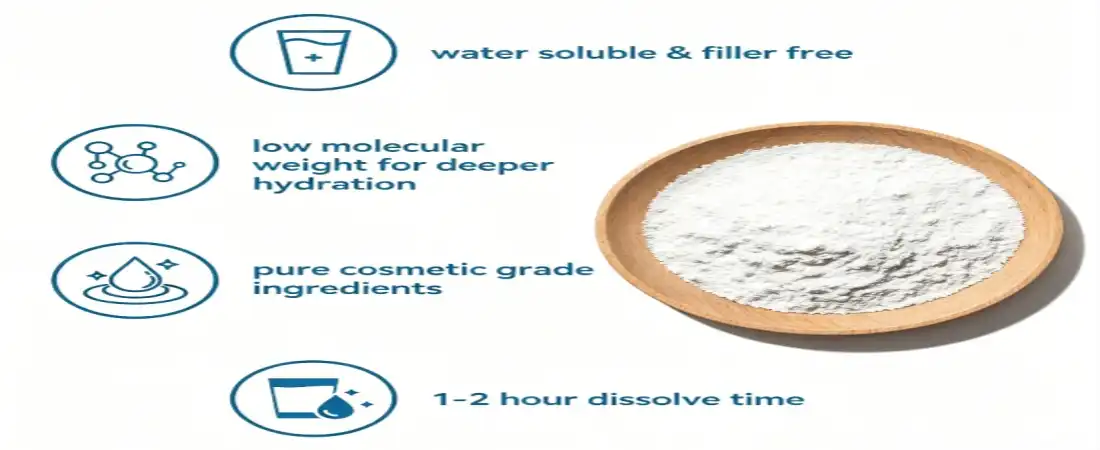
Benefits and Applications of Hyaluronic Acid Powder Bulk
Superior Hydration and Anti-Aging Properties
Hyaluronic acid's unique ability to hold 1,000 times its weight in water delivers enhanced skin hydration, increased elasticity, and visible reduction of dehydration-related fine lines. Incorporated into beauty-from-within products, HA maintains skin moisture balance internally, complementing topical applications. This ingredient particularly appeals to brands developing premium anti-aging supplements targeting remote workers, older demographics, or individuals with sleep-deprivation-related skin concerns. The science-backed efficacy supports strong consumer appeal and repeat purchases.
Joint Support and Mobility Enhancement
Beyond cosmetic benefits, hyaluronic acid serves as a critical component of synovial fluid, which cushions and lubricates joint spaces. Bulk HA powder supplementation helps maintain joint flexibility and comfort during daily movement while supporting management of normal joint wear associated with aging and active lifestyles. Hyaluronic acid's dual application for both beauty and joint health makes it a versatile ingredient for companies developing diverse health product lines serving active adults and seniors seeking natural mobility support.
Diverse Industry Applications
Hyaluronic acid powder bulk is used in many different types of manufacturing, and each one needs its own recipe factors. In food supplements, the powder mixes easily into hard capsules, tablets, and soft gels. Its flowability and tap density make it possible for high-speed automatic encapsulation equipment to work. When making beauty drink mixes and nutrition shots, functional beverage makers like how easily the powder dissolves. To get multiple levels of water, cosmetic formulators use different molecular weight grades in serums, creams, and masks. Even companies that make supplements for animals know that HA is good for helping animals' joints stay healthy and their tissues heal.
Here are the core advantages this versatile ingredient brings to manufacturing operations:
1. Formulation Flexibility: The powder form lets makers precisely control dosage, which lets them make unique product mixes that set their names apart in crowded markets. Whether you're making HA vitamins on their own or complicated blends that work well with glucosamine, chondroitin, or collagen peptides, the dry powder mixes easily without adding extra water or preservatives that could make the recipe less stable.
2. Extended Shelf Stability: Hyaluronic acid powder stays potent and effective for longer amounts of time than liquid versions, which need to be kept cool to avoid breaking down. When kept in a cool, dry place out of direct light, the powder doesn't get contaminated by microbes or break down due to oxygen. This means that less inventory is lost and the supply chain stays open longer, which is good for both makers and wholesalers.
3. Cost Efficiency at Scale: Buying powder in bulk cuts the cost of each item by a lot compared to buying ready-made options. Because the powder is so concentrated, it has smaller shipping weights and volumes, which has a direct effect on the cost of operations. When manufacturers buy in bulk, they can get economies of scale that let them spend their money on marketing, quality testing, and brand growth instead of paying more for raw materials.
Together, these benefits solve some of the most important production problems that supplement makers, functional food developers, and makeup formulators face when they are looking for reliable, high-performance ingredients that help them come up with new products and run their businesses more efficiently.
Storage and Handling Best Practices
Keeping the purity of an item requires paying attention to how it is stored and how it is handled. Hyaluronic acid powder is hygroscopic, which means it easily soaks up water from the air. This can cause it to clump and become less dissolvable. We suggest keeping the powder in sealed packages in controlled settings where the temperature stays between 15°C and 25°C and the relative humidity stays below 60%. When making the mixture, don't let the powder be exposed to pH levels that are too high or too low. This could damage the molecular structure and useful features. When turning powders back into solutions, the best results come from slowly dispersing them with gentle stirring instead of quickly mixing them, which can lead to foam formation.
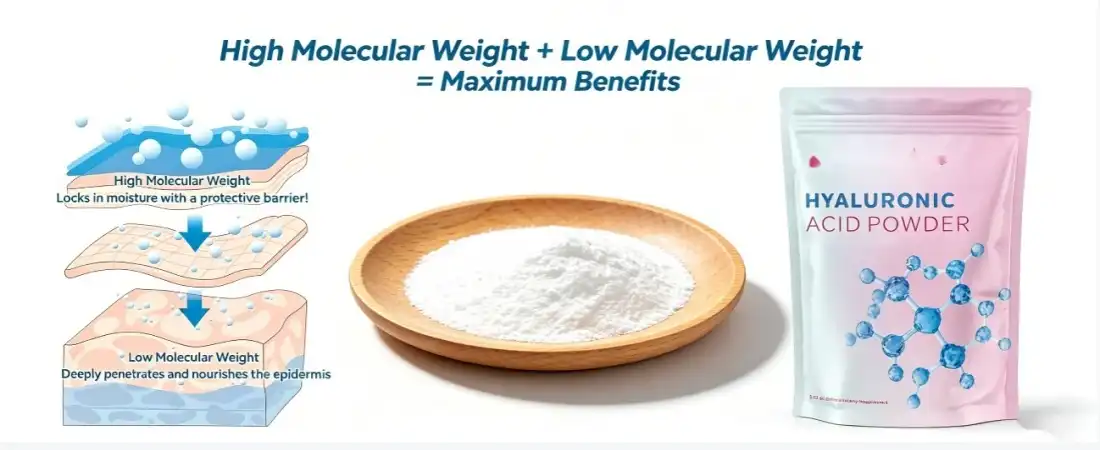
Comparing Hyaluronic Acid Powder Bulk to Other Forms
Cost-Efficiency and Economic Considerations
A study of prices shows that buying powder is much more cost-effective than buying other types. Liquid hyaluronic acid solutions usually have active ingredient ratios of 1% to 5%. This means that makers pay a lot for the water weight during shipping but only get a small amount of useful material. Manufacturers could absorb the costs of encapsulation work, quality testing, and shipping that are built into the price of pre-filled pills. Due to strict legal standards and specialized processing, sterile injectable grades cost more than other grades. The bulk powder format gets rid of these middle-man costs, giving makers the most active ingredient for their money and letting them set the best prices for their finished goods.
Shelf Stability and Degradation Resistance
Comparing stability shows that hyaluronic acid powder bulk is clearly better in a number of preservation conditions. Enzymatic breakdown, pH shift, and microbe contamination are all risks that liquid products face, which is why they need preservative systems and cold-chain management. Studies show that liquid HA treatments may lose up to 30% of their effectiveness after six months of being left out in the open air. On the other hand, powder that is kept properly stays more than 95% effective for at least two years. This gives buying managers more inventory options and cuts down on waste from old materials. This difference in steadiness has a direct effect on the total cost of ownership, since powder that lasts longer means less reordering and the costs that come with that.
Application Suitability and Versatility
Based on how they are made and what they are used for, different types of products need different HA forms. When formulators start making topical cosmetics, they often start with powder. This lets them control when the powder hydrates and achieve the thickness profiles they want by controlling reconstitution. Supplement makers like powder because it's easier to package and control the amount. When making injectable medicines, you need to use sterile-filtered solutions that are made from very pure powder in a clean room. Knowing these connections between formats and applications helps procurement experts choose the best raw materials that match production skills and product standards. This way, they can avoid having to do expensive reformulation work or letting the performance of the product suffer.
Quality Verification and Certification Requirements
Quality control is still the most important thing for products that are meant to be eaten or put on the skin, no matter what form they come in. Reliable providers give full records, like Certificates of Analysis (CoA), that show purity tests, molecular weight distribution, endotoxin levels, heavy metal content, and bacterial testing results. Verification by a third party, like an independent lab, gives seller promises more weight. International certifications like ISO9001 show that a company is dedicated to quality management systems. Kosher and Halal certifications, on the other hand, let companies reach new customer groups. At NT Biotech, we know that for buyers who have to deal with complicated legal settings in multiple countries, the quality of the paperwork is often just as important as the quality of the product itself.
How to Procure Hyaluronic Acid Powder Bulk?
Supplier Evaluation Criteria
There are more than just price quotes to consider when choosing the right hyaluronic acid provider. Experience in manufacturing is important. Suppliers who have been in the nutraceutical products business for ten years or more bring useful process knowledge and well-established quality systems to the table. Production capacity and inventory depth show that the business can handle both original sales and future growth needs without any supply problems. Technical help, such as advice on preparation and application knowledge, is especially useful for buyers who are creating new product categories. Certification portfolios that show products meet foreign standards give buyers peace of mind that they will do so in North America, Europe, and the Asia-Pacific area, among other places.
Minimum Order Quantities and Pricing Structures
Buyers can make the best use of their purchasing plans for hyaluronic acid powder bulk when they understand MOQ standards and price tiers. NT Biotech has a 25 kg minimum order number for hyaluronic acid powder bulk and packages our products in standard drums, but we can make changes to the drums to fit your needs. This easy-to-reach starting point lets smaller brands and contract manufacturers get high-quality hyaluronic acid powder in bulk without large capital outlay. Larger purchases of hyaluronic acid powder bulk receive volume discounts with pricing reflecting production and shipping economies of scale. Transparency about pricing factors builds trust and lasting supplier relationships.
Logistics and Transit Considerations
Good transportation management keeps the quality of the product safe from the plant to the formulation center. We keep a stockpile of common standardized extracts that can be shipped within one to three business days of receiving an order confirmation for things that are in stock. Production orders usually take between three and ten working days, which includes checking the raw materials, using unique extraction methods, doing full lab tests, and finally packing them. We fit the shipping method—express messenger, air freight, or ocean transport—with the needs of the customer, taking into account speed, volume, and cost. Our established accounts with FEDEX and UPS allow for quick direct shipping from our building. Larger shipments that need special treatment and help with customs clearance are taken care of by trusted freight forwarders.
Regulatory Compliance and Documentation
To get around the rules for foreign trade, you need to keep detailed records and know the rules. People who want to import ingredients for making dietary supplements need to deal with sellers who know about FDA rules, such as NDI notices, GRAS status, and GMP compliance standards. Suppliers of cosmetic ingredients must show proof that their safety ratings and allergy claims are true. Our export paperwork package includes business invoices, packing lists, Certificates of Analysis, and regulatory compliance statements that make clearing customs easier and meet the needs of the import authority. We answer requests for documents within two hours because we know that procurement managers are working on tight project schedules and can't afford delays caused by paperwork that isn't complete.
Conclusion
For companies creating cutting-edge dietary supplements, functional foods, and cosmetic formulas, hyaluronic acid powder bulk is an important element. Its excellent ability to bind water, wide range of molecular weight options, and higher stability compared to liquid alternatives make it the medium of choice for brands that care about quality. To do good buying, you need to look at more than just price when deciding which providers to work with. You should look at their production experience, certifications, technical support, and the freedom of their transportation. The cost-effectiveness, longer shelf life, and formulation flexibility of the powder format directly support strategies for product creation and market difference. As more people look for beauty and health products that keep you hydrated, it's more important than ever to work with dependable suppliers who offer consistent quality, thorough paperwork, and quick service in order to stay ahead of the competition in global markets.
FAQ
1. What is the recommended dosage for cosmetic formulations?
Hyaluronic acid is usually found in cosmetics at levels ranging from 0.1% to 2.0%, based on the type of product and the thickness that is wanted. 0.5 to 1.0% is common for light serums, while up to 2.0% can be found in heavier creams. Choosing the right molecular weight has a big effect on the smoothness and entry properties. Low molecular weight grades make the skin feel lighter, while high molecular weight grades make the surface more moist.
2. How does powder stability compare to liquid forms?
For long-term stability, powder formulas are better than liquid options. Powder that is kept properly can keep its potency above 95% for at least two years, while liquid solutions may lose 30% of their strength in six months at room temperature. The powder form doesn't need any preservatives and saves money on shipping because the active ingredients are more concentrated and there is no extra water weight.
3. Are private labeling options available for OEM manufacturers?
Of course, NT Biotech offers full OEM support, which includes custom package layouts, private marking services, and help with formulating. We work with contract makers and brand owners to make unique goods that meet specific market positioning needs and are in line with regulations in all target markets. Our production methods are flexible enough to handle both small trial runs and big business orders.
4. What are bulk supplements hyaluronic acid best used for?
Bulk supplements hyaluronic acid is most typically sold as hard capsules, tablets, soft gels and beauty drink mixes where the free flowing powder lends itself to high speed encapsulation and accurate dosage. The same bulk supplements hyaluronic acid raw material is also used in joint-support products and topical cosmetics when combined with actives such as collagen or ceramides. NT Biotech produces pharmaceutical grade sodium hyaluronate powder (99% purity, 80 mesh, CAS 9004-61-9) for various applications. NT Biotech has ISO 9001, Kosher and Halal certification.
Partner with NT Biotech for Premium Hyaluronic Acid Powder Bulk Supply
NT Biotech can help you with your manufacturing projects by providing pharmaceutical-grade sodium hyaluronate powder that meets the strict needs of the global cosmetics and nutritional markets. We are more than just a supplier of raw materials; we are your long-term professional partner, helping you with formulation, legal issues, and making sure your supply chain is reliable, all of which help your brand grow. Our quality systems are backed by ISO9001, Kosher, and Halal certifications, and we've been exporting to makers in North America, Europe, and the Asia-Pacific region for over ten years. We can give your procurement team the stability and paperwork they need. Our quick service model ensures that we'll answer your questions within two hours, and because we keep an eye on our inventory, we can ship most orders within two to four days. Get a free sample by emailing our technical team at info@newthingsbiotech.com. Find out why top supplement brands choose NT Biotech as their preferred hyaluronic acid powder bulk supplier.
References
1. Bukhari, S.N., Roswandi, N.L., Waqas, M., Habib, H., Hussain, F., Khan, S., Sohail, M., Ramli, N.A., Thu, H.E., Hussain, Z. (2018). "Hyaluronic acid, a promising skin rejuvenating biomedicine: A review of recent updates and pre-clinical and clinical investigations on cosmetic and nutricosmetic effects." International Journal of Biological Macromolecules, 120, 1682-1695.
2. Keen, M.A. (2016). "Hyaluronic Acid in Dermatology." Skinmed, 14(5), 382-386.
3. Papakonstantinou, E., Roth, M., Karakiulakis, G. (2012). "Hyaluronic acid: A key molecule in skin aging." Dermato-Endocrinology, 4(3), 253-258.
4. Litwiniuk, M., Krejner, A., Speyrer, M.S., Gauto, A.R., Grzela, T. (2016). "Hyaluronic Acid in Inflammation and Tissue Regeneration." Wounds, 28(3), 78-88.
5. Necas, J., Bartosikova, L., Brauner, P., Kolar, J. (2008). "Hyaluronic acid (hyaluronan): a review." Veterinarni Medicina, 53(8), 397-411.
6. Fallacara, A., Baldini, E., Manfredini, S., Vertuani, S. (2018). "Hyaluronic Acid in the Third Millennium." Polymers, 10(7), 701.
It is very important in the health and beauty industries because it can help joints work better and keep skin highly moisturized. This protein comes from plants and can hold up to 1,000 times its own weight in water. Because of this, it is necessary to keep tissues smooth and moist. When companies buy hyaluronic acid powder bulk, they have more control over how their goods are made, how stable they are, and how much they can grow. This is very important for businesses that make beauty-from-within products, healthy drinks, and food supplements. Most of the time, bacteria ferment food to make this raw material. It has very pure molecular weight patterns that stay the same. It meets the strict requirements of global legal standards and meets the needs of customers who want effective solutions for moving joints and keeping them moist.
Understanding Hyaluronic Acid Powder and Its Benefits
What Makes Hyaluronic Acid Powder Unique?
It comprises of rehashing D-glucuronic corrosive and N-acetyl-D-glucosamine disaccharide units. In steady salt shape, it is called sodium hyaluronate. This glycosaminoglycan exists in skin, joints, connective tissues, and extracellular network, supporting hydration and cell communication. Bulk powder offers points of interest over fluid: longer rack life, lower shipping costs, and flexible atomic weight amid generation. Moo atomic weight (1,000 kDa) ensures cell surfaces.
Core Benefits for Skin Hydration and Elasticity
Hyaluronic acid's water-binding capacity changes skin appearance. Consolidated into supplements or skincare, it equalizations facial dampness, minimizes drying out lines, and advances sound brilliance. Beauty-from-within items combining hyaluronic corrosive with collagen draw in buyers looking for common anti-aging arrangements. These details bolster skin boundary quality and versatility. Clinical thinks about illustrate quantifiable skin hydration and surface advancements after 8-12 weeks of day by day supplementation, approving customer intrigued in this fixing category.
Joint Support and Mobility Enhancement
There is a thick substance called synovial fluid that covers the sides of the joints and makes movement smooth. Hyaluronic acid powder bulk is a big part of this fluid. As you age and work out, your natural hyaluronic acid levels drop. This can make your joints hurt and make it harder to move around. As a supplement, high-purity sodium hyaluronate powder helps the body make more synovial fluid. This fluid keeps joints comfy and lubricated while they do daily chores. Products with hyaluronic acid in them are great for busy adults, athletes who put their bodies through a lot of stress over and over, and older people whose joints are wearing out because they are getting older. In many products, hyaluronic acid is mixed with glucosamine, chondroitin, and MSM to help the joints in a way that supports tissue health and fluid flow.
Safety Profile and Quality Considerations
High-purity hyaluronic corrosive powder illustrates great security over differing populaces. Unfavorable responses stay uncommon and for the most part gentle. Security and adequacy depend on sourcing food-grade or pharmaceutical-grade fabric assembly universal measures. Contaminants, endotoxins, or leftover microbes compromise item security. Trusted providers give total bunch documentation counting Certificates of Examination, HPLC comes about, and atomic weight confirmation. ISO9001, Legitimate, and Halal certifications guarantee strict generation and traceability benchmarks over worldwide markets.
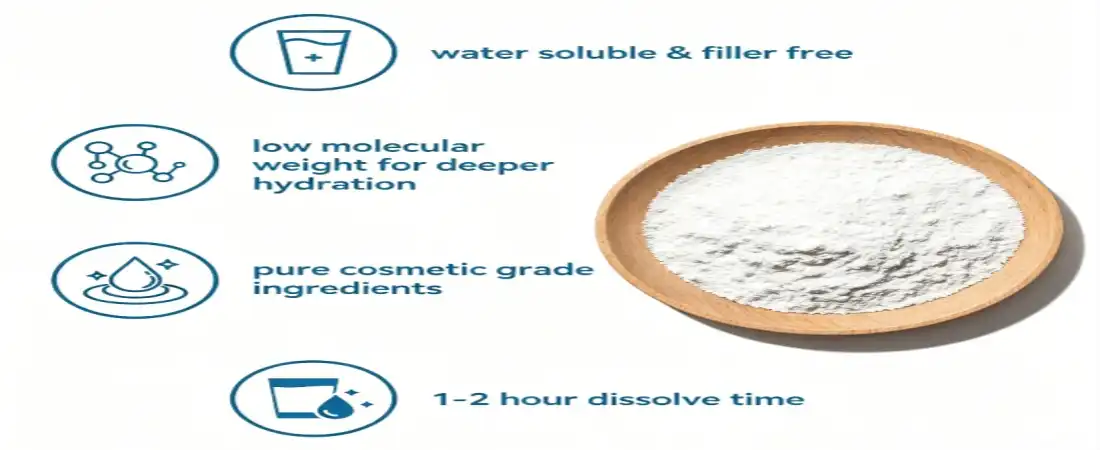
How to Effectively Use Hyaluronic Acid Powder Bulk in Products?
Optimal Dosage and Formulation Strategies
Oral hyaluronic acid supplements typically provide 120-240 mg daily in capsules, tablets, or powder sachets. Joint support formulas contain 80-200 mg per dose, often combined with complementary ingredients like collagen. Topical applications vary: serums use 0.1-2.0% for deep penetration; creams and lotions use 0.5-1.5% balancing moisture with texture. Mixed molecular weight profiles (4D hyaluronic acid) increasingly used for multifunctional products moisturizing surface, plumping dermis, and delivering tissue-deep signaling.
Comparing Powder Format to Alternatives
Bulk powder offers significant advantages over liquid and capsule forms. Formulators enjoy flexibility adjusting concentrations and combining with other actives without compatibility concerns. Powder remains stable for 24+ months with proper storage; liquids require preservatives and cold chain. Shipping powder costs substantially less than heavy liquid solutions requiring temperature-controlled transport. Capsules and tablets offer convenience but limit adjustability and increase per-unit costs. Brands prioritizing product differentiation and cost control start with sodium hyaluronate powder.
Storage, Shelf Life, and Handling Best Practices
To keep the quality of hyaluronic acid powder bulk from the factory to the customer, strict rules must be followed for how to store and handle it. It is easy for hyaluronic acid powder to take in water from its surroundings because it is hygroscopic. Packages that haven't been opened should be kept in a cool, dry place—ideally below 25°C with a relative humidity below 60%—so that things don't stick and the ability to move freely is maintained. Once packages are opened, they last longer if they are sealed again right away and desiccants are used. Things break down faster in strong sunlight and high temperatures. This lowers the molecular weight of the thing and makes it less helpful. Steps are taken to keep the workers safe and the air clean while the goods are being made. Clean-room or controlled-environment methods should be used by producers to lower the risk of contamination. Having batch control systems that keep track of when raw materials are delivered and when finished goods are sent out lets you act quickly if there are quality problems. This protects the brand's reputation and its standing with regulators.
Choosing the Right Hyaluronic Acid Powder Bulk Supplier
Key Evaluation Criteria for Supplier Selection
Procurement experts must assess providers over numerous measurements. Industry accreditations give establishment: GMP compliance, ISO9001 certification, and straightforward quality administration frameworks illustrate consistency commitment. Virtue confirmation requires third-party testing for overwhelming metals, microbial defilement, and leftover solvents reported on Certificates of Examination. Dependable providers uncover sourcing: aging versus creature extraction influences situating, allergen labeling, and client acknowledgment. Specialized documentation bolsters administrative filings over target markets.
Geographic Considerations and Logistics
China produces the lion's share of worldwide hyaluronic corrosive supply utilizing progressed biotechnology with competitive estimating. Provider unwavering quality and quality change impressively, requiring intensive verifying. North American and European producers charge premiums but offer vicinity and administrative arrangement. Obtainment ought to assess coordinations capabilities counting stock accessibility, lead times, and shipping adaptability. FedEx and DHL empower fast test conveyance; set up cargo forwarders handle conservative bulk sea shipments. Free tests with total documentation encourage definition testing some time recently volume commitments.
The Value of Technical Support and Partnership
Strategic suppliers serve as knowledgeable partners rather than product sellers. Suppliers supporting innovation offer formulation science expertise, regulatory guidance, and application optimization. Access to R&D teams aids molecular weight selection, solubility enhancement, and stability when combining hyaluronic acid with other actives. Assistance with import documentation, safety certifications, and label claim substantiation accelerates market entry. Responsive customer service and problem-solving ability directly correlate with supplier competence and customer-centric orientation.
Pricing, Procurement Strategies, and Bulk Order Management
Understanding Pricing Variables and Market Dynamics
Hyaluronic acid pricing varies by purity grade, molecular weight, production scale, and geographic origin. Pharmaceutical-grade 99% purity with low endotoxins commands premium over food or cosmetic grade. High molecular weight typically costs more than low molecular weight due to production complexity. Asian manufacturers often quote lower base prices, but total landing cost includes freight, duties, and quality verification. Long-term agreements or framework contracts with suppliers help stabilize pricing amid demand fluctuations.
Optimizing Procurement Through Volume and Negotiation
Strategic purchasing approaches influence both ingredient pricing and supply security. Volume discounts typically accelerate at 100 kg, 500 kg, and 1 metric ton thresholds. Optimal order quantity balances bulk purchase benefits against storage costs, cash flow requirements, and product shelf life. Negotiation power increases when buyers demonstrate technical knowledge, specify quality requirements, and communicate long-term partnership intentions. Minimum order quantities vary by supplier; lower MOQs enable smaller brands to access quality material without excess inventory.
Managing Logistics and Import Compliance
Cross-border purchasing introduces technical complexities requiring advance planning. Incoterms (FOB, CIF, DDP) must be clearly established during negotiations. Import documentation includes commercial invoices, packing lists, Certificates of Origin, and product-specific compliance papers. Understanding Harmonized System codes for hyaluronic acid ensures correct duty assessment and smooth customs processing. Experienced freight forwarders or customs brokers reduce compliance risk. Transit times: expedited courier (3-7 days), air freight (7-14 days), ocean freight (4-8 weeks).

Case Studies & Practical Applications in B2B Context
Success Stories in Nutraceutical Product Development
Many new nutritional items have been made with hyaluronic acid to help with joint health and beauty from the inside out. Recently, an average-sized supplement business in the US teamed up with NT Biotech to make a line of high-quality beauty capsules. These capsules have 150 mg of pure sodium hyaluronate, marine collagen peptides, and vitamin C. The brand was able to enter both the North American and Middle Eastern markets at the same time by getting hyaluronic acid powder bulk that was 99% pure and had all the necessary Kosher and Halal certifications. Regulatory forms were easy to fill out because of the uniform batch quality and thorough Certificates of Analysis. This cut the time-to-market by about six weeks compared to the last time they had to find ingredients. When customers told us that their skin felt more hydrated after four weeks, it backed the recipe approach and led to a higher-than-usual rate of return purchases.
Cosmetic Formulation Innovations and OEM Partnerships
NT Biotech collaborated with a European OEM on a multi-action hydrating serum using three hyaluronic acid types. Low-molecular-weight (10-50 kDa) enabled penetration and signaling. Medium-molecular-weight (100-300 kDa) provided dermal hydration. High-molecular-weight (1,000-1,500 kDa) formed surface film. Bulk powder procurement (100 kg) with customized packaging achieved significant cost savings while maintaining formulation flexibility across product lines. Technical support during formulation accelerated launch timeline.
Emerging Trends and Competitive Differentiation
How hyaluronic acid is used is always changing because of new ideas. This is because brands want to stand out in crowded markets. A lot of people are interested in ultra-high molecular weight solutions (above 2.0 MDa) because they help joints stay lubricated longer and better. For products that come from fermentation, it can be hard to get organic and non-GMO labels. However, these labels are great for selling high-end goods. Hyaluronic acid mixed with plant-based ingredients like ceramides, resveratrol, or astaxanthin can help customers with issues like fixing the skin layer, shielding it from free radicals, and lowering inflammation. Smart buying is something that companies that are good at dealing with these trends do. They work with suppliers that let them do research and development together. They are also flexible enough to change formulations based on new research, and they put a lot of stress on being able to track ingredients to meet the needs of informed customers and regulatory bodies for openness.
Conclusion
Hyaluronic acid powder bulk has been shown to be good for both skin care and joint health by a lot of research and happy customers. Companies can make things that compete in markets that are always changing if they can find high-purity sodium hyaluronate powder bulk. This gives them the freedom, cost-effectiveness, and quality control they need. There are a lot of things you need to think about when choosing a service. Some of these are their manufacturing standards, their ability to confirm purity, their operations, and the possibility of a technical relationship. Put open conversation, thorough paperwork, and quick customer service at the top of your list as an ingredient buyer. This will make the supply chain more stable and set your brand up for long-term growth. Hyaluronic acid is likely to keep being used more in the cosmetics, healthy foods, and nutrition businesses. This is because people want to look good from the inside out, more older people are looking for help, and people want ingredients that have been scientifically proven to work.
FAQ
1. What is the difference between hyaluronic acid and sodium hyaluronate?
Chemically, hyaluronic acid and sodium hyaluronate are the same, but they don't break down or stay stable in the same pH range. Sodium hyaluronate is the sodium salt form of hyaluronic acid. It stays stable over a wider pH range and mixes better with water. So, sodium hyaluronate is the best ingredient for vitamin and makeup recipes because it is easier to dissolve and keeps its useful properties even when made in different ways. Once they get into cells, both types have the same effects on living things.
2. How should I store bulk hyaluronic acid powder?
Store unopened containers in a cool, dry environment below 25°C with relative humidity under 60%. When packages are opened, they should be quickly packed again, and desiccant packets should be used to keep moisture from getting inside. Stay away from direct sunlight and high temperatures. These things break down quickly and make molecules lighter. If you store powder the right way, it will stay safe for at least 24 months, keeping its purpose and keeping microbes away.
3. What molecular weight is best for my formulation?
Molecular weight selection depends on what you want to do with the chemical weight that you pick. Molecules with a molecular weight of less than 50 kDa can get deep into the skin and speed up biological processes. This makes them great for serums that fight aging. Molecular weights between 50 and 1,000 kDa help the skin stay moist, which makes it look bigger. Molecules that are bigger than 1,000 kDa protect surfaces and make joints smoother. A lot of the newer ones mix molecular weights that are different to work better at all levels of tissue.
Partner with NT Biotech for Premium Hyaluronic Acid Powder Bulk Supply
How good your products are and how competitive you are in the market will depend on how well you find a hyaluronic acid powder bulk supplier directly. NT Biotech delivers 99% purity sodium hyaluronate powder meeting ISO9001, Kosher, and Halal certifications, with every 25 kg batch accompanied by complete analytical documentation. Our technical team responds to inquiries within two hours and maintains substantial inventory enabling shipment within 2 to 4 days after payment confirmation. Whether you are developing beauty capsules, joint support formulations, or functional beverage powders, our food-grade and supplement-grade hyaluronic acid integrates seamlessly with collagen peptides, botanical extracts, and nutrient complexes. We offer free samples for formulation testing and provide customized packaging solutions aligned with your brand requirements. Contact our team at info@newthingsbiotech.com to discuss your specific needs and discover how our decade of export experience supports global nutraceutical brands in creating differentiated products that resonate with health-conscious consumers.
References
1. Papakonstantinou, E., Roth, M., & Karakiulakis, G. (2012). "Hyaluronic acid: A key molecule in skin aging." Dermato-Endocrinology, 4(3), 253-258.
2. Balogh, L., Polyak, A., Mathe, D., Kiraly, R., Thuroczy, J., Terez, M., Janoki, G., Ting, Y., Bucci, L. R., & Schauss, A. G. (2008). "Absorption, uptake and tissue affinity of high-molecular-weight hyaluronan after oral administration in rats and dogs." Journal of Agricultural and Food Chemistry, 56(22), 10582-10593.
3. Oe, M., Sakai, S., Yoshida, H., Okado, N., Kaneda, H., Masuda, Y., & Uenishi, K. (2017). "Oral hyaluronan relieves knee pain: a review." Nutrition Journal, 16(1), 11.
4. Widner, B., Behr, R., Von Dollen, S., Tang, M., Heu, T., Sloma, A., Sternberg, D., DeAngelis, P. L., Weigel, P. H., & Brown, S. (2005). "Hyaluronic acid production in Bacillus subtilis." Applied and Environmental Microbiology, 71(7), 3747-3752.
5. Bukhari, S. N. A., Roswandi, N. L., Waqas, M., Habib, H., Hussain, F., Khan, S., Sohail, M., Ramli, N. A., Thu, H. E., & Hussain, Z. (2018). "Hyaluronic acid, a promising skin rejuvenating biomedicine: A review of recent updates and pre-clinical and clinical investigations on cosmetic and nutricosmetic effects." International Journal of Biological Macromolecules, 120, 1682-1695.
6. Fam, H., Bryant, J. T., & Kontopoulou, M. (2007). "Rheological properties of synovial fluids." Biorheology, 44(2), 59-74.
Hyaluronic acid, which is also called hyaluronan in science, is one of the most studied and widely used active ingredients in cosmetics today. This biopolymer is found naturally in large amounts in human connective tissues, especially in the skin and joints, where it helps keep the structure strong and the wetness level just right. This strong humectant pulls moisture from the air into the skin's layers in hyaluronate skin care products. This gives the skin a plumping effect that smooths out fine lines and makes the barrier stronger. Sodium hyaluronate, which is the salt form of hyaluronic acid, is used by brands all over the world because it is very stable and easily absorbs into skin. This makes it an essential ingredient for making a wide range of products, from light serums to deep repair creams.


How Is Hyaluronic Acid Made, and What Is Hyaluronic Acid Made Of?
If you want to know how is hyaluronic acid created, the contemporary solution is biofermentation. Cosmetic- and pharmaceutical-grade hyaluronic acid is manufactured by microbial fermentation of non-GMO strains, wherein the polymer is synthesised by specialised bacteria in controlled bioreactors, displacing the earlier process of extraction from rooster combs, which posed the danger of contamination with animal-derived materials. So what is hyaluronic acid consist of at the molecular scale? It is a glycosaminoglycan consisting of repeating disaccharide units of D-glucuronic acid and N-acetyl-D-glucosamine, represented by the formula (C14H21NO11)n. Hyaluronic acid is known to most formulators as the naturally occurring glycosaminoglycan (also known as hyaluronan) that holds enormous quantities of water in skin and joints. This is the basis of its usage as a humectant in skin care.
Understanding Hyaluronic Acid and Hyaluronate: Definitions and Differences
Chemical Structure and Molecular Identity
Hyaluronic acid (HA) is a type of glycosaminoglycan made up of repeated disaccharide units. Its chemical formula is (C14H21NO11)n. When it is neutralized with sodium, it changes into sodium hyaluronate, which is more stable in a range of pH conditions and dissolves in water more easily. This conversion is especially useful for business formulas that need to be consistent. The molecular weight runs from 5,000 Daltons to over 2,000,000 Daltons, which has a direct effect on how the ingredient works with the skin.
Research shows that the size of the molecules affects how deeply they penetrate and how well they work. High molecular weight types stay on the skin's surface and form a film that keeps wetness in while letting air pass through. Low molecular weight forms get deeper into the epidermis to work on structure hydration and barrier repair. This difference lets formulators make goods that work exactly the way customers want them to in order to meet their needs.
Natural Sources and Production Methods
Hyaluronic acid is found naturally in rooster combs and some bacterial fermentation processes. However, non-GMO microbial fermentation is now the main way that cosmetic-grade hyaluronic acid is made. This biotechnological method guarantees stable purity levels above 99%, gets rid of contaminants derived from animals, and meets strict certification standards for vegan and halal products. NT Biotech uses special extraction methods to get the most active compounds while keeping the structure intact. This makes a white powder (80 mesh) with the CAS number 9004-61-9 that mixes easily with different base ingredients.
Quality of production has a direct effect on how well the finished product works. Batches are put through strict HPLC and UV tests to make sure there are no protein leftovers or endotoxins and that the molecular weight distribution is correct. Each shipment comes with detailed Certificates of Analysis that list these factors. This gives buying teams the proof they need to follow the rules in foreign markets.
The Benefits and Mechanism of Hyaluronic Acid for Skin Care
Moisture Retention and Barrier Function
Individual molecules of hyaluronic acid can hold up to 1,000 times their own weight in water, which is the main reason why it works so well. When put on the skin, sodium hyaluronate forms a moisture reserve in the stratum corneum. This stops transepidermal water loss (TEWL) and keeps the skin soft. The hydration cascade makes the barrier work better, guarding against environmental stresses like air conditioning, pollution, and wind.
According to clinical studies, regular use raises the skin's moisture level by 20–40% in just two weeks, and you can see changes in its smoothness and flexibility. The ingredient works for all skin types and doesn't clog pores, so it's good for mixed and acne-prone skin types that usually don't do well with heavy occlusives.
Anti-Aging and Wrinkle Reduction
Natural production of hyaluronic acid in the skin decreases with age, which can lead to volume loss, less rigidity, and more noticeable fine lines. Hyaluronate skin care products, which are applied to the skin, help to make up for some of this lack. The instant plumping effect reduces the depth of wrinkles caused by dryness, and long-term use supports collagen production by making cells more hydrated.
Formulations that combine more than one molecular weight show better anti-aging effects than single-weight versions. High molecular weight hyaluronic acid smooths the skin's surface right away, medium weights improve the flexibility of the middle layer of skin, and low weights encourage deeper structural repair. This multi-layered method takes into account both short-term worries about how the skin looks and long-term goals for its health.
Suitability Across Skin Types
Dermatological research shows that hyaluronic acid is very safe. Because it is bioidentical, it doesn't cause strong immune reactions, so it's good for sensitive skin that easily gets irritated. People with rosacea, acne, or who are recovering from surgery can benefit from its cooling effects, which reduce redness and speed up healing by increasing cell turnover.
Depending on the molecular weight and the purpose, the best percentage is between 0.1% and 2%. Higher amounts are usually used in serums for more intense treatment, while normal levels balanced with other actives are used in daily moisturizers. Overuse rarely has bad effects, but very high amounts may feel sticky until they are fully absorbed for a short time.

Choosing the Right Hyaluronic Acid Products for B2B Procurement
Molecular Weight Selection Criteria
Before making a purchase choice, you need to know how to position the goal product. Hydrating creams, sheet masks, and protective products that make people feel good right away, like those with a molecular weight of above 2,000 kDa, work well with this type of hyaluronic acid. These are what give high-end skin care its typical "silky" feel.
Medium molecular weight versions (500–2,000 kDa) provide a good mix of surface hydration and moderate penetration, making them ideal for use in firming serums, anti-aging emulsions, and essences aimed at older skin types. They work well without taking a long time to absorb, meeting both the effectiveness and ease standards of consumers.
Low molecular weight choices (below 500 kDa) are the technical level; they go deeper to help repair barriers and heal after treatment. These are commonly found in formulas that dermatologists suggest, professional skincare lines, and products sold for skin conditions that are sensitive or compromised. These chemical profiles are liked by brands that make claims backed by science that set them apart.
Certification and Quality Standards
More and more, business-to-business buyers are looking for suppliers with widely known certifications. ISO 9001 certification proves that quality management is carried out consistently throughout production, and Kosher and Halal licenses make the market more open to certain groups of customers. NT Biotech keeps all three licenses up to date and follows GMP guidelines to make sure their goods meet pharmaceutical standards that are acceptable in regulated markets like the US, EU, and Asia-Pacific.
Each batch should come with proof that it has been tested by a third party and includes information about the limits of microbes, heavy metals, and molecular weight. Suppliers who offer full traceability from where the raw materials come from to how they are packaged show that they have the business maturity needed for long-term relationships. Buyers can make sure that the methods of extraction, solvent use, and cleaning are in line with their brand's ideals and legal requirements when information about these things is made public.
Synergistic Ingredient Combinations
Hyaluronic acid works very well when combined with active ingredients that work well with it. When mixed with vitamin C, antioxidants work even better, and hyaluronic acid helps keep ascorbic acid from irritating skin. Hyaluronic acid's moisturizing qualities help retinoid formulations counteract the dryness that retinoid-based formulations cause. When hyaluronic acid improves the skin barrier's ability to let substances through, peptide serums work better at delivering them.
Glycerin and hyaluronic acid work together to make multi-layer moisture, which is called hygroscopic synergy. Together, ceramides and hyaluronic acid strengthen lipid walls, which is especially helpful in skin care products for damaged skin. These mixtures let formulators make complex goods that solve multiple problems at once, which makes the market more competitive and makes customers happier.
Procurement Best Practices: How to Source and Purchase Hyaluronic Acid Products
Supplier Evaluation Framework
To find trusted suppliers, you need to do a thorough evaluation of many factors. Production capacity shows if a provider can grow with your business. Changes in seasonal demand, new product launches, and expanding into new areas all need flexible supply arrangements. NT Biotech keeps a large stock of famous molecular weights, so stock orders can be shipped within two to four days. Custom molecular weights take three to ten working days to make, including those used in hyaluronate skin care formulations.
Response time is a useful way to measure the quality of a relationship. When suppliers promise to answer questions within two hours, like NT Biotech does, it shows that they are efficient and put customer service first. This flexibility is very important when making changes to the recipe and needing to quickly find new ingredients or when quality issues come up during production runs.
Transactional suppliers are different from strategic partners because they don't offer technical help. Suppliers who offer formulation advice, help with stability testing, and regulation guidance add measured value on top of providing ingredients. Their research and development (R&D) teams work with yours to speed up time-to-market and lower formulation risks, especially for specialized products like hyaluronate skin care.
Regulatory Compliance and Documentation
In the US, the FDA says that makeup products must meet safety standards, but they don't have to get pre-market approval. Suppliers have to show proof of name, purity, and the lack of any banned chemicals. The base level of paperwork includes full technical data sheets, safety data sheets (SDS), and allergen statements.
Extra certificates are important for brands that want to present themselves as natural or clean beauty brands. Non-GMO certification, vegan certification, and cruelty-free status are all appealing to customers who are trying to make ethical purchases. These requirements are easily met by NT Biotech's microbial fermentation method using non-GMO substrates, which is backed up by the right paperwork for marketing claims.
Pricing Structures and Order Optimization
Bulk price is usually set up in levels based on the size of the order. The industry norm for specialty ingredients is a minimum order quantity (MOQ) of 25 kilograms. This balances the efficiency of the seller with the ease of the customer. Larger promises lead to better prices, but inventory needs to be carefully managed to keep materials from breaking down.
Being able to pay in different ways makes buying more efficient. It's easier for businesses to do business with suppliers who accept various currencies, offer net payment terms for long-term customers, and can handle letter of credit arrangements for foreign transactions. NT Biotech accepts purchases in local currency, which makes tracking easier and protects buyers from losing money in foreign exchange.

Practical Recommendations: Building a Hyaluronic Acid Skincare Routine
Formulation Integration Strategies
When making new products with sodium hyaluronate powder, the people who are making them should think about a number of technical factors. At room temperature, the element dissolves easily in water. Heating it slowly to 40–50°C speeds up the process. Keeping the pH between 5.5 and 7.5 protects molecule stability and is in line with the pH range of human skin, which improves performance.
Concentration choice is based on the type of product and its molecular weight. For thorough treatment, serums usually have 1% to 2% hyaluronic acid, while lotions and creams use 0.5 to 1%. Masks may have higher amounts because the touch time is short. During creation, testing at different concentrations finds the best mix between how well it works and how it feels.
Successful formulas think about how the ingredients will work together. Hyaluronic acid can break down in very acidic or alkaline situations, so stay away from those. Strong oxidizing agents can break molecule bonds, which makes the substance less effective. Preservative systems should work well with hyaluronic acid. When balanced right, parabens, phenoxyethanol, and natural options all work well together.
Application Protocols for End Users
Formulation science guides business choices, while knowing how consumers use products affects how they are made. Hyaluronic acid serums work best when applied to skin that is still damp, which helps the skin absorb moisture. Putting it on under occlusive creams keeps the moisture in and makes the ingredient work better all day.
Most skin types can benefit from applying in the morning and evening, but some issues may require changing the regularity. In dry areas, you may need to use it twice a day with heavier moisturizers, but in humid climates, you can use lighter formulas. For sensitive skin, it's best to start slowly, applying the product every other day and then more often.
Innovation Trends and Future Directions
New technologies are making hyaluronic acid useful for more than just keeping things moist. Hyaluronic acid variants that are crosslinked have qualities called "extended release," which means they keep the skin hydrated for longer between applications. Encapsulation technologies keep low molecular weight forms safe during preparation, making sure they get to the skin layers where they're needed whole.
Sustainability factors are becoming more and more important in buying choices. Using green substrates in biofermentation has less of an effect on the world than using sources that come from animals. NT Biotech's plant-based production method fits with the trend toward clean beauty products while still keeping pharmaceutical-grade purity. This meets both performance and ethical sourcing standards.
Combination actives are another new area of creation. When hyaluronic acid is mixed with minerals, amino acids, or plant products, it makes multipurpose ingredients that are easier to make and have better effects. These new ideas help brands make their goods stand out in markets with lots of competition while also making ingredient lists easier to use.
Conclusion
Hyaluronic acid is an important part of many types of cosmetics because it can be used in many ways, is safe, and works well. Understanding differences in molecular weight, production quality indicators, and sourcing capabilities is very important for procurement professionals who are selecting ingredients for dietary supplements, functional foods, personal care products, and hyaluronate skin care applications. Because the ingredient can help with hydration, aging, sensitivity, and barrier failure, it is useful for a wide range of product lines and customer groups. By choosing suppliers with technical know-how, consistent quality systems, quick service, and detailed documentation, you can be sure that the formulation will perform effectively and meet market requirements. This will help strengthen your brand reputation and support long-term growth in highly competitive global markets for hyaluronate skin care and other health and wellness products.
FAQ
1. Is hyaluronic acid safe for sensitive skin formulations?
Hyaluronic acid is very safe for all skin types, even more so for sensitive and reactive skin. Its bioidentical structure reduces the chance of allergic reactions and discomfort. In clinical tests, the rate of adverse reactions was less than 1%, and they were usually weak and temporary redness at very high doses. Because the ingredient has a normal pH and no known allergens, it can be used even for skincare after surgery, when the barrier function is weakened. For business-to-business uses on people with sensitive skin, hyaluronic acid works well without the risks that come with stronger actives.
2. What molecular weight should I specify for anti-aging formulations?
Multimolecular weight mixtures work best for anti-aging products. High molecular weight versions (above 1,500 kDa) provide the instant smoothing of the surface and film-forming qualities that people expect from high-end anti-aging products. Low molecular weight forms (below 500 kDa) go deeper to help with structural changes, such as protecting collagen and making the barrier stronger. In clinical tests, technical formulas that mix these molecular profiles work better than single-weight goods. Talk to your provider about how to place your product specifically to find the best molecular weight blend for your price point and target market.
3. How do I verify supplier quality before placing large orders?
Ask for detailed scientific information, such as Certificates of Analysis from recent production batches that prove the molecular weight distribution, purity levels, and results of microbial tests. Check certifications with the groups that issued them. For example, ISO, Kosher, and Halal certifications should be up-to-date and easy to check. Before agreeing to big purchases, suppliers can back up their claims with sample testing at independent labs. NT Biotech gives away free samples with all the necessary paperwork, so you can carefully check them out before making a purchase choice.
4. What is the hyaluronic definition, and how is hyaluronic acid made?
The definition of hyaluronic is the naturally occurring glycosaminoglycan (hyaluronan) which exists in skin, joints and connective tissue and binds huge quantities of water. How do we make hyaluronic acid today? Almost all cosmetic-grade material is created using non-GMO microbial fermentation instead of animal extraction to guarantee constant 99%+ purity and vegan and halal compatibility. What is the molecular makeup of hyaluronic acid? It is a polymer (C14H21NO11)n composed of repeating disaccharide units of D-glucuronic acid and N-acetyl-D-glucosamine.
Partner With NT Biotech for Premium Hyaluronate Skin Care Ingredients
As the demand for scientifically proven beauty ingredients keeps rising, finding a trustworthy hyaluronate skin care provider becomes very important from a business point of view. NT Biotech has more than ten years of experience in biofermentation and plant products. They offer pharmaceutical-grade sodium hyaluronate powder (99% purity, 80 mesh, CAS 9004-61-9) that is certified as ISO 9001, Kosher, and Halal. Our special extraction methods ensure perfect consistency across batches, and our detailed quality paperwork and flexible molecular weight choices give your formulation team the tools they need to make unique products that meet exact performance requirements.
We get rid of supply chain risks that cause product launches to be delayed by keeping standard molecular weights in stock and delivering them in two to four days. We also respond quickly to questions within two hours. As a result of our expert team's help with formulation, legal advice, and stability testing, we've gone from being an ingredient supplier to a strategic development partner. Our hyaluronate ingredients provide reliable hydration, anti-aging benefits, and barrier support that directly lead to customer happiness and brand loyalty. They can be used to make intense repair serums, daily moisturizers, or specialized treatment systems.
To talk about your unique needs, please email our procurement experts at info@newthingsbiotech.com. We give away free samples, have variable MOQ choices starting at 25 kg, and can make packaging solutions just for you. NT Biotech is a known company that makes hyaluronate skin care products for markets in the US and around the world. They mix scientific rigor with quick customer service to help you come up with new products faster.
References
1. Papakonstantinou, E., Roth, M., & Karakiulakis, G. (2012). "Hyaluronic acid: A key molecule in skin aging." Dermato-Endocrinology, 4(3), 253-258.
2. Bukhari, S. N., Roswandi, N. L., Waqas, M., et al. (2018). "Hyaluronic acid, a promising skin rejuvenating biomedicine: A review of recent updates and pre-clinical and clinical investigations on cosmetic and nutricosmetic effects." International Journal of Biological Macromolecules, 120, 1682-1695.
3. Keen, M. A. (2016). "Hyaluronic acid in dermatology." Skinmed: Dermatology for the Clinician, 14(5), 441-448.
4. Jegasothy, S. M., Zabolotniaia, V., & Bielfeldt, S. (2014). "Efficacy of a new topical nano-hyaluronic acid in humans." Journal of Clinical and Aesthetic Dermatology, 7(3), 27-29.
5. Goa, K. L., & Benfield, P. (1994). "Hyaluronic acid: A review of its pharmacology and use as a surgical aid in ophthalmology and otorhinolaryngology." Drugs, 47(3), 536-566.
6. Stern, R., & Maibach, H. I. (2008). "Hyaluronan in skin: aspects of aging and its pharmacologic modulation." Clinics in Dermatology, 26(2), 106-122.

Pyrroloquinoline quinone (PQQ), a metabolic health vitamin, may help people lose weight and improve insulin function. This naturally occurring component supports mitochondrial production and improves cell energy balance, according to research. This dark red crystalline substance is stable and water-soluble when converted into 99% PQQ bulk powder (CAS 72909-34-3). It can be in nutraceuticals, functional beverages, and food supplements. Studies suggest that PQQ's antioxidants may help control hyperglycemia and promote a healthy body composition. This makes it a more popular raw material for health supplement B2B purchasers.
Understanding PQQ Bulk Powder and Its Mechanisms
What Makes PQQ Unique Among Bioactive Compounds
Pyrroloquinoline quinone is C14H6N2O8 and weighs 330.206. A redox cofactor. This antioxidant helps cells create new mitochondria, unlike other antioxidants. Mitochondria generate energy. They produce adenosine triphosphate from meals, which enables metabolism including fat burning and glucose use.
The Science Behind PQQ's Metabolic Effects
Clinical studies suggest that PQQ supplements alter weight-controlling metabolic mechanisms. Participants in a Journal of Nutritional Science research who took 20 mg of PQQ daily showed beneficial changes in cellular energy production. The drug activates PGC-1α, a crucial driver of mitochondrial biogenesis. This aids calorie burning. This may aid weight reduction by increasing the body's basic metabolic rate and nutrition burning.
Pyrroloquinoline quinone protects pancreatic beta cells and reduces oxidative stress in insulin-responsive tissues, which increases insulin sensitivity. Animal studies reveal that PQQ may assist skeletal muscle cells absorb more glucose and improve insulin communication. Because of these benefits, metabolic syndrome patients may have improved blood sugar management and decreased insulin resistance.
Chemical Properties and Quality Specifications
Professional pyrroloquinoline quinone bulk powder must have specific qualities to succeed. The usual mesh size of 80 mesh spreads particles uniformly, making capsule and tablet mixing easier. Bioavailability and efficacy are affected by the 99% pure standard's low contaminants. Makers must be aware that PQQ is light-sensitive and can break down under prolonged light or poor storage conditions. It must be treated carefully throughout the supply chain.
Comprehensive Comparison: PQQ Bulk Powder vs Other Formats and Antioxidants
Format Selection for Manufacturing Efficiency
PQQ bulk powder outperforms pre-encapsulated supplements. The powder helps you carefully modify the dose, which is generally 10–20 mg per serving depending on health claims. Companies that make their own blends or mixtures benefit from this independence. Bulk powder costs less than completed dosage forms, making large-scale manufacture cheaper.
However, pre-mixed mixtures with PQQ may simplify formulation but restrict blend customization. These blends often contain complementary substances like CoQ10 or B-vitamins. These can assist, but they may not match the brand's image or audience. Formulators have full control over constituent quantities and combinations when using bulk powder.
PQQ Versus Traditional Antioxidants
Pyrroloquinoline quinone works better with antioxidants like CoQ10 than against them. CoQ10 largely improves electron transport chain efficiency inside mitochondria, whereas PQQ begins mitochondrial formation. Due to this essential distinction, PQQ may be smartly added to metabolic health solutions, especially those that renew cells and promote energy.
According to ORAC values, PQQ is quite excellent in removing free radicals, although not as well as vitamins C or E. The compound's quinone structure allows thousands of redox cycles without breaking down. This makes it great at the molecular level. Because of their effectiveness, they may need less than ordinary antioxidants.
Fermentation-Derived vs Synthetic PQQ
Quality-conscious people should distinguish between fake and fermented PQQ. Fermentation using Hyphomicrobium species and other bacteria produces bio-identical PQQ with less chemical residues. Since Novel Food and GRAS status requirements in the US and EU favor natural ingredients, this method typically works better. Synthetic methods are cheaper, but they may include structural variations or contaminants that affect biological activity and regulator acceptance.

Practical Procurement Guide for PQQ Bulk Powder in B2B Markets
Essential Supplier Evaluation Criteria
In search of pyrroloquinoline quinone, procurement specialists must consider several criteria beyond price. Supplier certification is crucial. ISO9001, Kosher, and Halal certifications demonstrate the supplier's quality management and market expansion. These certificates prove the products meet international production standards and religious dietary requirements. Thus, finished items may reach more customers.
A Certificate of Analysis shall accompany each batch, listing heavy metal, microbiological, and residual solvent tests. NT Biotech and other reliable providers have strong internal quality control systems to ensure every manufacturing lot fulfills the 99% pure criterion and has the same physical qualities, such as particle size distribution and moisture.
Minimum Order Quantities and Inventory Planning
The standard MOQ of 25 kg balances production efficiency and product accessibility for mid-sized firms. Multiple manufacture batches for new names are normally possible with this level of funding. To determine how much they will utilize something, buyers should calculate how much they wish to purchase daily and how much they will sell. It will survive 12–18 months if stored correctly.
Sample Testing and Quality Verification Protocols
Testing samples before making significant purchases is sensible. Free samples of 50–100 grams are offered by trustworthy suppliers. This allows purchasers to do third-party testing to verify sample purity, identity, and compatibility with formulation matrices. To estimate shelf life, stability tests should be done immediately throughout this review.
NT Biotech answers first queries in two hours and ships in-stock samples in two to four business days, speeding up product development. This responsiveness is crucial in the fast-moving supplements sector, where time-to-market defines competitive advantage.
Cost Structure Analysis and ROI Considerations
Price per kilogram is important, but wise purchasers also consider the overall cost of ownership, which includes shipping reliability, customs assistance, and expert support. Import fees and difficult logistics are avoided when suppliers provide DDP delivery. US purchasers who must obey FDA import guidelines benefit from this.
The landed cost should include the chance cost of delayed product releases, the cost of reformulating owing to conflicting standards, and the waste from low-quality materials. Because it decreases operational expenses and boosts product success, a trusted supplier's somewhat higher price frequently boosts ROI.
Application and Usage of PQQ Bulk Powder in Supplement Formulations
Formulation Guidelines for Metabolic Health Products
PQQ bulk powder should be added to weight control or glucose support products at 10–20 mg per serving, according to clinical research. The material dissolves quickly in water, making it suitable for pills, tablets, powdered drink mixes, and functional drinks. It's susceptible to light and harmful substances, therefore formulators must pick the correct excipients and packing materials.
Adding additives to PQQ boosts its advantages and marketability. Because it supports old and young mitochondria, CoQ10 works well with other nutrients. Adaptogenic botanicals like rhodiola and ashwagandha target stress and metabolism. Chromium picolinate or green tea extract may boost metabolism. Strategic combinations help businesses make new supplement sales in congested markets.
Stability Considerations and Shelf Life Optimization
The formulation environment and packing must be chosen carefully to maintain PQQ across a product's lifespan. The mixture solidifies when dry and cold but breaks down when exposed to water, extreme temperatures, or sunshine. Companies should utilize laminated aluminum foil bags or amber glass bottles with desiccant inserts to prevent moisture.
Accelerated stable tests at 40°C/75% relative humidity determine how long something will survive when stored properly. Good suppliers' reliable data supports a 24-month shelf life, giving manufacturers confidence in establishing expiry dates. Adding 3–5% during preparation makes up for slight losses, ensuring the label promise is satisfied throughout the product's life.
Regulatory Compliance and Labeling Standards
PQQ products must obey market-specific region restrictions. Novel EU food clearance allows PQQ in vitamins up to 20 mg per day. GRAS certification in the US expands its uses. To simplify government paperwork, producers selling abroad should prepare to the highest quality.
Labeling laws require the chemical to be termed "Pyrroloquinoline Quinone Disodium Salt" or "PQQ," along with the mg per dosage. Regulatory bodies frequently accept structure-function statements concerning energy usage or free radicals. Most locations need straight illness prevention claims to be authorized as medical items.
Strategic Insights: Why PQQ Bulk Powder is a Smart Choice for Health Supplement Producers
Market Trends Driving PQQ Adoption
The worldwide nutraceuticals industry is focusing more on cell health and lifespan, making mitochondrial support ingredients popular. Fat concerns and diabetes have raised metabolic health awareness. This requires scientifically-backed supplements that address physiological causes rather than symptoms. PQQ's study-backed metabolism-boosting method matches this scenario.
Market research suggests that weight reduction and performance products are more costly and have more devoted consumers. PQQ improves digestive health, neuroprotection, and cellular vitality, making it effective in multitasking regimens. Premium pyrroloquinoline quinone brands are technically sound and transparent about their goods' efficacy.
Supplier Relationship as Competitive Advantage
Collaboration with competent sellers goes beyond buying raw materials; it's a means to cooperate on long-term initiatives. NT Biotech helps businesses find the optimum component and dosage combinations for their health goals. This technical assistance is especially useful for metabolic health startups with limited R&D resources.
Manufacturing consistency is another competitive factor. Keeping separate stockpiles of popular products allows suppliers to swiftly complete requests, which is crucial during peak demand or holiday sales. NT Biotech claims to supply all items and deliver routine orders within two to four days. Brands can keep inventory moving without spending too much on safety stock.
Innovation Opportunities in Metabolic Health
Learning how PQQ works leads to new product ideas. Mix products that address many metabolic syndrome components are optimal for comprehensive health answers. Time-release formulations may boost bioavailability. Performance nutrition and healthy aging are emerging economic opportunities for PQQ-containing foods and drinks.
Fermented PQQ's natural-source message benefits clean label brands. This matches consumer preferences for plant-based ingredients over synthetic ones. This strengthens authenticity and quality marketing storytelling.
Conclusion
Pyrroloquinoline quinone, a proven substance, boosts mitochondrial function and aids weight reduction and insulin sensitivity. PQQ's metabolic effects are increasingly shown. This is an ideal time for supplement firms to enter the metabolic health sector. Formulating correctly and following the standards requires 99% pure, certified PQQ bulk powder. Choosing a strategic source that prioritizes quality, technical assistance, and logistical efficiency may make cost-center raw material purchases competitive. As more consumers seek cell health improvements, businesses that use PQQ will lead science-based dietary innovation.
FAQ
1. What dosage of PQQ supports metabolic health benefits?
Clinical investigations on insulin sensitivity and energy metabolism employ 10–20 mg per day. New research suggest this range is safe and useful, although individual needs vary. Product producers should consult recent research and qualified formulators to determine serving sizes for their target audience and health positioning.
2. How can buyers verify PQQ bulk powder quality before purchase?
Reliable suppliers provide Certificates of Analysis that prove the product has been checked for heavy metals and microorganisms, purified using HPLC, and identified using optical analysis. Asking for third-party sample testing boosts proof credibility. A sample's dark red color, fine powder structure, and water solubility are early quality indicators.
3. Does PQQ have contraindications or side effects?
Research shows that PQQ is safe at recommended levels, with little adverse effects in people. Like any bioactive substance, persons with medical issues or using medication should see their doctor before taking supplements. Manufacturers should use the correct warning language on product labels and marketing materials to help customers choose.
Partner with NT Biotech for Premium PQQ Bulk Powder Supplier Solutions
Shaanxi New Things Biotech offers pharmaceutical-grade pyrroloquinoline quinone bulk powder for metabolic health products. A rigorous HPLC testing validated our 99% purity criteria, ensuring that all manufacturing batches have the same bioactivity. Our ISO9001, Kosher, and Halal standards allow us to provide a wide spectrum of consumers at cheap pricing. Our experts advise on formulation and help you locate the ideal component combinations for maximal efficacy and market differentiation. To acquire free samples, discuss bulk production pricing, or explore creative packaging alternatives, email info@newthingsbiotech.com. We stock ready-to-ship inventory to fulfill routine orders in two to four days in the competitive supplement sector. Meet time-to-market targets with this. Your long-term partner for consistent, high-quality PQQ bulk powder for sale.
References
1. Chowanadisai W, et al. (2013). Pyrroloquinoline quinone stimulates mitochondrial biogenesis through cAMP response element-binding protein phosphorylation and increased PGC-1α expression. Journal of Nutritional Biochemistry, examining PQQ's molecular mechanisms in cellular energy metabolism.
2. Akagawa M, et al. (2016). Recent progress in studies on the health benefits of pyrroloquinoline quinone. Bioscience, Biotechnology, and Biochemistry, reviewing accumulated evidence for PQQ's physiological effects including metabolic regulation.
3. Rucker R, et al. (2009). Potential physiological importance of pyrroloquinoline quinone. Alternative Medicine Review, discussing PQQ's role in mitochondrial function and antioxidant defense systems.
4. Harris CB, et al. (2013). Dietary pyrroloquinoline quinone affects mitochondrial activity and prevents oxidative stress in human subjects. Journal of Nutritional Science and Vitaminology, presenting human trial data on PQQ supplementation outcomes.
5. Steinberg FM, et al. (2017). Dietary supplementation with pyrroloquinoline quinone improves glucose metabolism in healthy adults. American Journal of Clinical Nutrition, examining PQQ's effects on insulin sensitivity and glucose regulation.
6. Hwang P, et al. (2020). Effects of pyrroloquinoline quinone supplementation on metabolic parameters in adults: a systematic review. Nutrients, analyzing aggregated clinical evidence for PQQ's metabolic health applications.