- English
- French
- German
- Portuguese
- Spanish
- Russian
- Japanese
- Korean
- Arabic
- Greek
- German
- Turkish
- Italian
- Danish
- Romanian
- Indonesian
- Czech
- Afrikaans
- Swedish
- Polish
- Basque
- Catalan
- Esperanto
- Hindi
- Lao
- Albanian
- Amharic
- Armenian
- Azerbaijani
- Belarusian
- Bengali
- Bosnian
- Bulgarian
- Cebuano
- Chichewa
- Corsican
- Croatian
- Dutch
- Estonian
- Filipino
- Finnish
- Frisian
- Galician
- Georgian
- Gujarati
- Haitian
- Hausa
- Hawaiian
- Hebrew
- Hmong
- Hungarian
- Icelandic
- Igbo
- Javanese
- Kannada
- Kazakh
- Khmer
- Kurdish
- Kyrgyz
- Latin
- Latvian
- Lithuanian
- Luxembou..
- Macedonian
- Malagasy
- Malay
- Malayalam
- Maltese
- Maori
- Marathi
- Mongolian
- Burmese
- Nepali
- Norwegian
- Pashto
- Persian
- Punjabi
- Serbian
- Sesotho
- Sinhala
- Slovak
- Slovenian
- Somali
- Samoan
- Scots Gaelic
- Shona
- Sindhi
- Sundanese
- Swahili
- Tajik
- Tamil
- Telugu
- Thai
- Ukrainian
- Urdu
- Uzbek
- Vietnamese
- Welsh
- Xhosa
- Yiddish
- Yoruba
- Zulu
knowledge
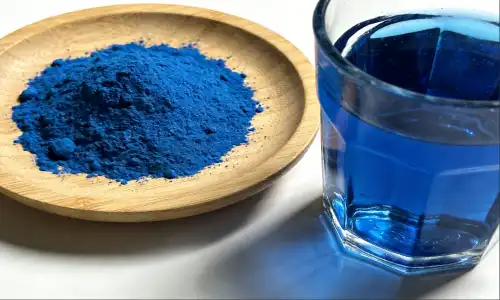
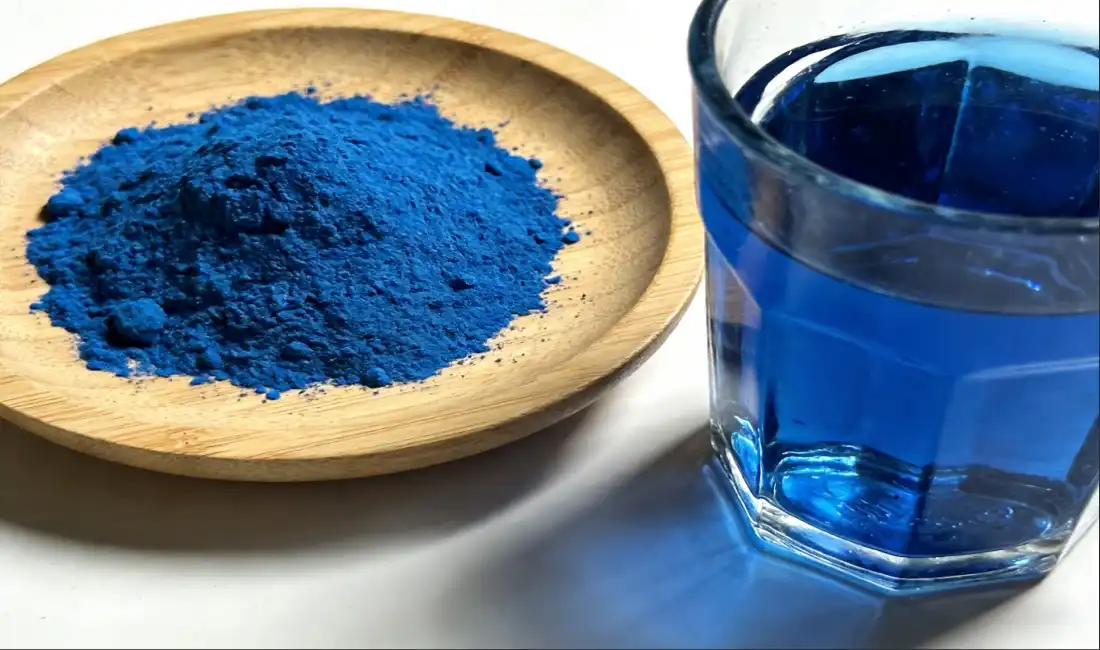
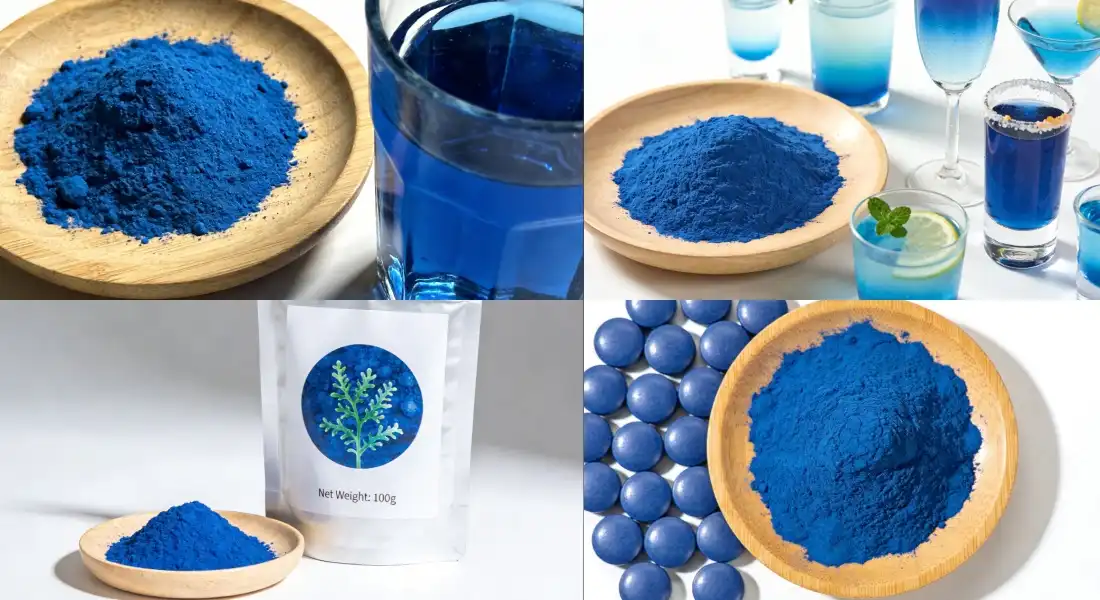
Blue Spirulina Bulk is now used in a lot of different products, from health drinks to high-tech skin care. The Arthrospira platensis is where this concentrated powder comes from. It has vitamins, powerful antioxidants, and natural colors. There is also fiber in it. Science has shown that the ingredient is stable, can be scaled up, and is good for your health. You can use it to make natural food colorings, immune-boosting supplements, or superfood blends that are high in nutrients. Professionals in purchasing know that it can be used instead of artificial ingredients to make products stand out in the wellness market, which makes it an important part for companies that want to be creative.
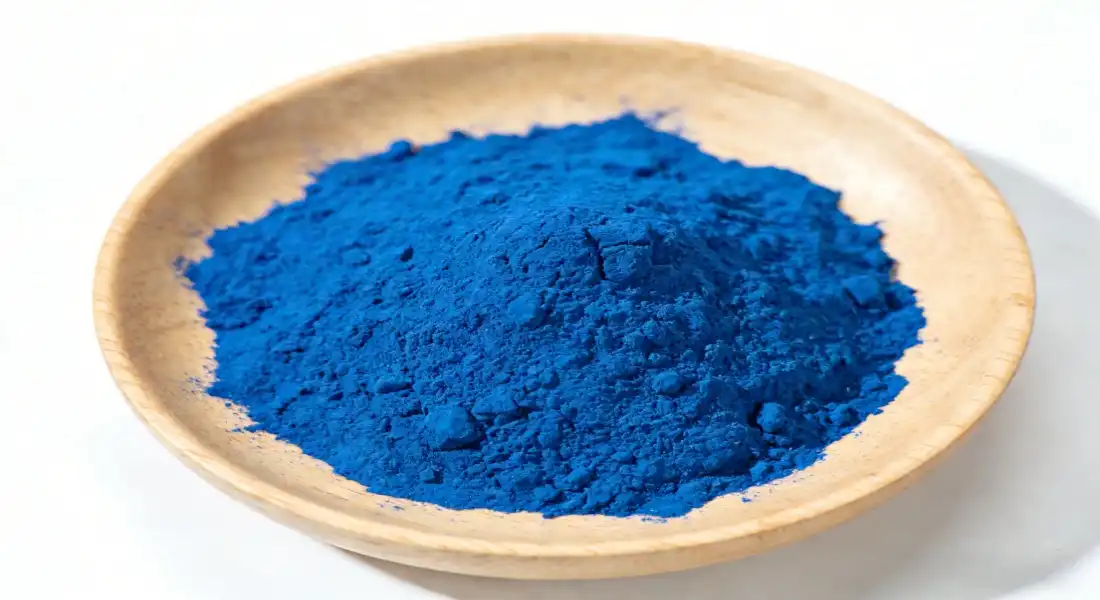
Understanding Blue Spirulina Bulk: Composition, Benefits, and Usage
Getting ingredients has been a problem for a long time. Blue Spirulina Bulk is a new and improved way to solve this problem. Freeze-drying or spray-drying are the main ways that the powder form is made. For fresh material, it keeps more than 90% of its nutrients and makes it last longer, from 7 to 14 days to about 24 months. Procurement teams often find big problems in the supply chain. The changes that are being made will fix those problems.
Nutritional Profile and Bioactive Components
Blue Spirulina Bulk contains high levels of phycocyanin and ascorbic acid, supporting collagen synthesis, immune health, and gut microbiota via oligosaccharides. Magnesium and iron help address common micronutrient deficiencies. Studies show phycocyanin is a powerful antioxidant, with ORAC values exceeding many fruits, neutralizing free radicals and supporting functional food and supplement claims.
Industrial Applications Across Multiple Sectors
As both a bioactive ingredient and natural colorant, Blue Spirulina Bulk is stable in acidic liquids (pH 3–7) and rich in polysaccharides that promote skin hydration. Its eco-friendly profile makes it preferable to synthetic dyes. Businesses can leverage multi-product sourcing to reduce administrative costs and achieve volume-based pricing, enhancing overall procurement efficiency.
Safety Standards and Storage Protocols
Properly packed Blue Spirulina Bulk lasts up to 24 months in moisture-barrier, nitrogen-flushed pouches. Home-made powder degrades in 2–3 months. Refrigeration can cause condensation, so controlled packaging is critical. Stable storage supports inventory management and predictable annual pricing, reducing reliance on volatile fresh food markets.
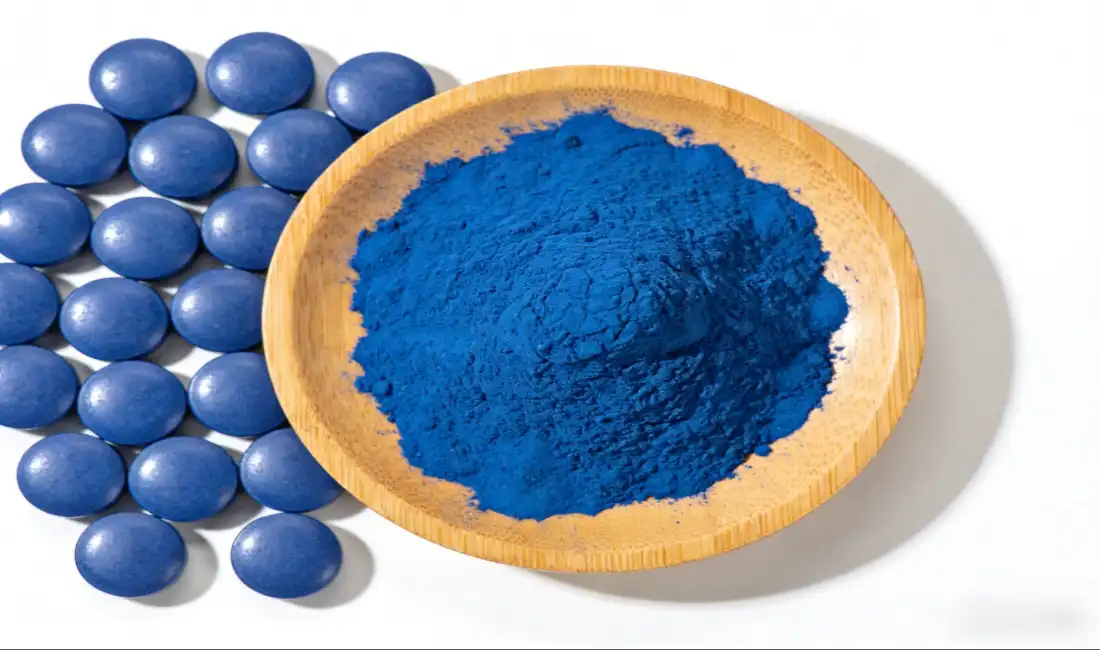
Blue Spirulina Bulk vs. Spirulina Powder: Making the Right Choice
Buying Blue Spirulina Bulk requires balancing business and technical factors. Price alone isn’t enough. Stability, certifications, and supplier expertise affect performance. Transporting fresh biomass is challenging and costly due to cold-chain needs, especially for remote markets. Powder solves these issues, allowing ambient storage and concentrating ten to twelve kilograms of biomass into one kilogram of powder, reducing shipping volume and cost.
Pigmentation and Active Compound Concentration
Blue Spirulina Bulk provides natural colorants for baked goods, sweets, and vegan recipes. Heat above 70°C can reduce pigment stability, so adding powder after baking, using cold-process recipes, or adding 20–30% extra powder compensates for color loss. Proper planning ensures consistent, vibrant colors that appeal to consumers and replace synthetic dyes effectively.
Textural Properties and Processing Compatibility
Industrial milling produces fine, uniform powders (80–120 mesh) needed for drinks and smooth cosmetics. Home grinders make coarse powders, unsuitable for fine applications. Sieving removes larger particles, and micronization to 200 mesh or less ensures leave-on products are smooth. Particle size control is essential for both functional performance and visual appeal.
Economic Considerations in Bulk Procurement
Price varies by pigment concentration, organic certification, and drying method, with freeze-dried or high-phycocyanin powders costing 40–70% more. ORAC comparisons show Blue Spirulina has higher antioxidant capacity per dollar than acai, helping procurement teams optimize formulation budgets while maintaining competitive antioxidant claims on product labels.
Organic Certification Impact on Selection
Organic Blue Spirulina is 30–60% more expensive due to lower yields and limited supply. However, organic certification unlocks access to natural and organic-focused retail markets, which make up about 40% of the U.S. health food sector. Premium brands targeting health-conscious customers benefit from organic ingredients, while value-oriented lines may use regular powder to manage costs.
Procuring Blue Spirulina Bulk: Supplier Selection and Transaction Guide
More than just accepting the first sample must be used to choose a supplier. They also need to have a full risk assessment of the partnership's dependability, production capacity, and quality systems. When the botanical extract business plans its sourcing, it needs to think about the issues that come up with growing the raw materials for Blue Spirulina Bulk. Reputation in the field and references from past clients lower risk in a way that specifications alone can't. It's assumed that companies that work with big, well-known supplement brands or multinational food companies are trustworthy because they do thorough audits that smaller buyers can use in a roundabout way.
Evaluating Supplier Credentials and Capabilities
A reliable supplier will have a full set of certifications that cover a lot of different regulatory areas. There is proof that quality management systems work with ISO 9001 certification and proof that food safety rules are followed with HACCP compliance. Kosher and Halal certifications help businesses reach customers with specific dietary needs. You can't get ingredients these days without having proof that they can be tracked. There should be full visibility throughout the supply chain, including the coordinates of the farms where the crops were grown, the names of the processing facilities, and the results of batch-specific analytical testing. This makes it possible to act quickly in cases of food safety problems and meets the needs of retailers who are becoming stricter.
Pricing Structures and Order Logistics
It is harder to change how you buy things when you have minimum order quantities (MOQs). This is especially true for companies that are releasing new lines of products and don't know how much demand there will be. Minimum order quantities (MOQs) for most industrial-scale suppliers are between 100 and 500 kilograms. This is fine for regular production runs but too high for pilot programs. Finding suppliers with lower MOQs (25 to 50 kilograms) or sample sizes lets you manage the risk of product development. Details about how to pay must be carefully discussed. There should be no problem with net terms of 30 days, but if you do a lot of business, you might be able to get longer terms or a discount for paying early.
International Shipping and Delivery Considerations
If you want to improve your logistics skills, you should look at more than just shipping services. Suppliers who have accounts with FedEx, UPS, and other major carriers can speed up shipping and make it easier to track. If you know how to use customs paperwork, especially for shipments going across borders, you can avoid delays that cost a lot of money. You can grow as your buyers' needs change if you have freight forwarding relationships for large ocean shipments. It takes a lot of time for different suppliers to make things. Simply-in-time manufacturing works best when companies keep common specifications in stock so they can quickly fill orders within one to three business days.
Ensuring Quality and Compliance in Blue Spirulina Bulk Procurement
People who run businesses that need to get a lot of ingredients know that home production can't give them the consistency, paperwork, and volume they need to be successful in the market. Commercial suppliers offer tried-and-true processing parameters, consistent quality from batch to batch, and thorough quality documentation that lowers the risk of launching a new product. The hardest part about do-it-yourself methods is probably following the rules. People who make supplements and follow cGMP rules can't use ingredients that don't have documented controls and can't be traced back to where they came from. Modernization rules for food safety also need supplier verification programs. Blue Spirulina Bulk sourced commercially ensures compliance with these rigorous standards.
Critical Quality Metrics and Testing Standards
It is not possible to do analytical tests at home to check for heavy metal contamination, microbial safety, and nutrient content. Each batch of products from top suppliers comes with a Certificate of Analysis (CoA). Some of these tests are microbial tests that check for pathogens and HPLC tests that show the amounts of active compounds. Third-party lab testing adds a level of confidence that internal quality control alone can't give. When suppliers are willing to help buyers start testing, it means they believe in the quality of their goods and want to work with others who are honest. Scientists have proven that foods high in antioxidants are good for your immune system, but these claims need to be backed by documented testing.
Certification Verification and Supply Chain Transparency
One type of hybrid colorant that can be used in lip tints, cream blushes, and pressed powders is Blue Spirulina Bulk. To keep the color the same from batch to batch, however, the raw materials must meet strict standards and be checked for quality as soon as they arrive. Quality assurance protocols include verifying that suppliers join professional trade groups like the Natural Products Association. It shows that a supplier knows a lot more than just selling goods when they spend money on making technical content. They advertise themselves as knowledge partners who can help improve formulations while providing the coordinates of processing facilities and coordinates of the farms where crops were grown.
Quality Management Success Stories
Adding ingredients that work well means balancing how technically possible it is with how you want to position the product in the market. People who want unique flavors and healthy ingredients are most likely to buy Blue Spirulina Bulk in large quantities in the beverage industry. The naturally bright color and high nutritional value are used to make ready-to-drink smoothies, hydration mixes, and functional coffee blends. For instance, in ready-to-drink drinks, dosage rates are usually between 0.5% and 2% by weight to keep costs and color intensity in check. One great way to show off the powder is to use it to make macarons, where the color stays the same when baked at low temperatures, meeting clean-label trends for naturally colored products.
Future Trends and Innovations in Blue Spirulina Bulk Market
Because it contains bioactive compounds, a natural colorant, and looks good on a clean label, Blue Spirulina Bulk has a lot of uses in functional foods, drinks, cosmetics, and supplements. Procurement professionals can stay ahead of the competition if they understand the technical differences between methods of processing, certification needs, and formulation issues that are specific to a given application. When companies choose suppliers, they should look at a lot of things, like their quality documentation, technical know-how, and portfolios of certifications. Brands can meet customer needs for natural, useful products while also meeting operational efficiency and regulatory requirements that are needed for long-term business growth in global markets.
Expanding Application Frontiers
Skin care products use Blue Spirulina Bulk because it naturally adds color and fights free radicals. The ingredient's polysaccharides keep the skin hydrated in face masks, cleansers, and serums, and marketing materials talk about how exotic the plants are. Animal nutrition and specialized confectionery represent other expanding areas where artificial dyes like Red 40 are being replaced. Since the powder is acid- and pectin-friendly, it works well with gummy supplements. Low temperatures are needed for pectin systems to work, which protects the bioactive compounds. The powder adds color and claims of fiber, which makes the recipes easy to read on labels and appealing to people who care about their health.
Processing Technology Advancements
Fresh material needs to be carefully processed into a stable powder. Lyophilization is another name for freeze-drying. It takes place in a vacuum at temperatures below -40°C. As a result, heat-sensitive compounds keep their shape. Spray-drying is cheaper because the water quickly evaporates, but the temperature has to be carefully managed so that bioactive parts don't break down. Depending on what the product is for, good manufacturers use both ways to make it. Encapsulation technologies now allow for accurate dosing and plant-based vegetarian capsules can hold the powder without any issues. It's possible that enteric coatings make compounds more bioavailable by keeping them safe while they go through the stomach.
Market Dynamics and Strategic Sourcing Insights
Since the fruit or algae is from specific climates, it can only be grown in certain places. Transporting fresh goods requires logistics that can keep things cool, which makes prices go up. There is a 15–20% chance of spoilage while in transit, which increases the cost and makes production schedules less reliable. With powder, these issues are taken care of. There are smaller carbon footprints because of this advantage in density, which helps multinational companies meet the requirements for sustainability reporting. Strategic stock from suppliers shows they understand the market and are willing to put money into it, lowering the chance of running out of stock when demand is high.
Conclusion
Because it contains bioactive compounds, a natural colorant, and looks good on a clean label, Blue Spirulina Bulk powder has a lot of uses in functional foods, drinks, cosmetics, and supplements. Procurement professionals can stay ahead of the competition if they understand the technical differences between methods of processing, certification needs, and formulation issues that are specific to a given application. When companies choose suppliers, they should look at a lot of things, like their quality documentation, technical know-how, and portfolios of certifications. This will help them come up with new products. Brands can meet customer needs for natural, useful products while also meeting operational efficiency and regulatory requirements that are needed for long-term business growth in global markets by adding this versatile ingredient in a planned way.
FAQ
1. Is blue spirulina safe for use across different product formulations?
Blue Spirulina Bulk has a lot of important minerals like iron and magnesium, as well as antioxidants, vitamin C, and prebiotic fiber. It can fight free radicals, help the body make collagen, and feed good bacteria in the gut, according to studies. This makes it useful for formulations that focus on health and demonstrates an excellent safety profile for diverse applications.
2. How can procurement teams verify organic certification authenticity?
ISO 9001 (for quality management), organic credentials (based on rules from the USDA and the EU), Kosher and Halal for some markets, and GMP compliance for supplement uses are some of the most important certifications. Each batch should have its own Certificate of Analysis that suppliers hand out. These ought to display the amounts of active ingredients, the safety of microbes, and heavy metal tests carried out by separate labs.
3. What shelf life should buyers expect from bulk blue spirulina powder?
Blue Spirulina Bulk that has been processed and packed correctly will stay good for 24 months if it is kept in a cool, dark place and in packaging that stays dry. In two to three months, powder made at home goes bad because it isn't processed or packaged as well. This shows why commercial production is better for business uses and inventory management.
Partner With NT Biotech for Premium Blue Spirulina Bulk Supply
NT Biotech is a dedicated Blue Spirulina Bulk supplier that has a history of finding useful ingredients from plants and is ready to help you find the ingredients you need. Our unique extraction methods get more than 98% pure key active compounds. This makes sure that your formulations always work and sets them apart from others on the market. Certificates of Analysis that have been checked by HPLC testing are included with each batch. That's the proof your quality teams need. We keep strategic inventory that lets us ship standard orders within one to three business days and finish custom orders within three to ten business days thanks to our fully integrated supply chain. Contact us at info@newthingsbiotech.com to find out how our products can help you with your next project to make a different kind of product.
References
1. Czerwonka, A., Kaławaj, K., Sławińska-Brych, A., Lemieszek, M. K., & Rzeski, W. (2018). Phycocyanin: Potential Therapeutic Applications in Inflammatory Disorders and Cancer. Journal of Medicinal Food, 21(8), 737-747.
2. Ku, C. S., Yang, Y., Park, Y., & Lee, J. (2013). Health Benefits of Blue-Green Algae: Prevention of Cardiovascular Disease and Nonalcoholic Fatty Liver Disease. Journal of Medicinal Food, 16(2), 103-111.
3. Sekar, S., & Chandramohan, M. (2008). Phycobiliproteins as a Commodity: Trends in Applied Research, Patents and Commercialization. Journal of Applied Phycology, 20(2), 113-136.
4. Spolaore, P., Joannis-Cassan, C., Duran, E., & Isambert, A. (2006). Commercial Applications of Microalgae. Journal of Bioscience and Bioengineering, 101(2), 87-96.
5. Martelli, G., Folli, C., Visai, L., Daglia, M., & Ferrari, D. (2014). Thermal Stability Improvement of Blue Colorant C-Phycocyanin from Spirulina platensis for Food Industry Applications. Process Biochemistry, 49(1), 154-159.
6. Barka, A., & Blecker, C. (2016). Microalgae as a Potential Source of Single-Cell Proteins: A Review. Biotechnology, Agronomy, Society and Environment, 20(3), 427-436.
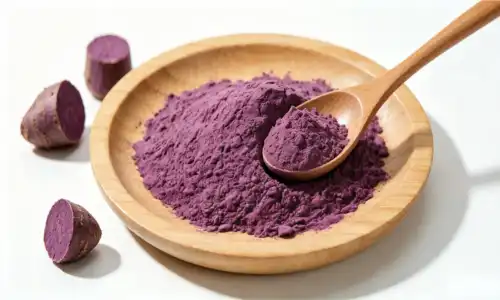
The pure purple yam powder is pure and milled from the tuber of Dioscorea alata L., the species marketed as ube, and its purple flesh contains anthocyanins, resistant starch, dietary fiber and a mineral profile that combined explain most of the purple yam nutritional advantages purchasers inquire about. But for sourcing managers and formulators, purple yam nutrition counts only if it makes it through processing, meets a specification and delivers on time. This guidance clarifies what published research truly supports, what a provider should be able to demonstrate, and where the health claims end. It’s written for procurement, R&D and brand teams certifying a botanical ingredient, not for medical advice.”
Understanding Purple Yam Ube Powder and Its Nutritional Profile
What Defines Pure Purple Yam Powder?
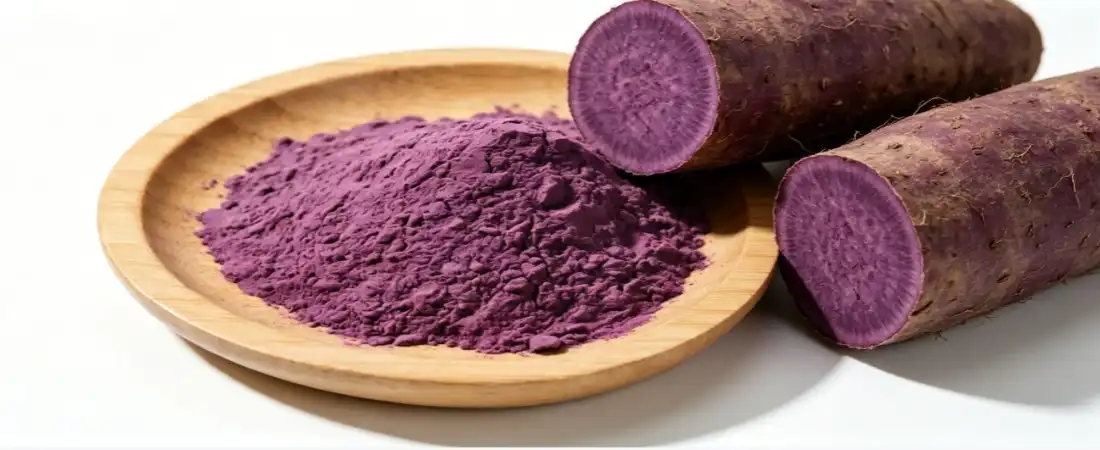
Real pure purple yam powder is only the dried and milled tuber of Dioscorea alata. No carrier, no added color, no sweet potato. The violet color is anthocyanin, in D. alata the pigments are cyanidin and peonidin based glycosides, with alatanin C, a cyanidin 3-(6-sinapoyl gentiobioside), as the main constituent (Srivichai & Hongsprabhas, 2020). Purple sweet potato powder is Ipomea batatas, a distinct species with a softer starch and a sweeter flavor. It is in processing that the two are muddled in the market, and that quality is earned or lost. Washing, low-temperature drying and milling to a specified particle size safeguard the pigment, vigorous drying does not. Write down the Latin name and the particle size on the technical data sheet and you’ve got a specification two vendors can truly be compared.
Comprehensive Nutritional Composition
First, yam is a starch crop. Dioscorea landraces (n=25) from China showed starch contents ranging from 64.4% to 80.6% and protein contents ranging from 6.4% to 9.7% (dry weight basis), with magnesium and calcium being the highest minerals (Wu et al., 2016). But the parts that make product claims are the pigment and the resistant starch and they vary much more widely than the starch does.
| Component | Reported range | Basis | Source |
|---|---|---|---|
| Starch | 64.4–80.6% | dry weight, whole flour | Wu et al., 2016 |
| Protein | 6.4–9.7% | dry weight, whole flour | Wu et al., 2016 |
| Crude fibre | 0.67–1.19% | dry weight, whole flour | Wu et al., 2016 |
| Calcium | 316–453 mg/kg | dry weight | Wu et al., 2016 |
| Magnesium | 390–478 mg/kg | dry weight | Wu et al., 2016 |
| Total anthocyanin | 10–90 mg/100 g | dry weight, C3G equivalents | Srivichai & Hongsprabhas, 2020 |
| Total phenolics | 100–478 mg/100 g | dry weight, gallic acid equivalents | Srivichai & Hongsprabhas, 2020; Fang et al., 2011 |
| Dioscin (steroidal saponin) | 0.049–0.088% | dry weight | Wu et al., 2016 |
| Allantoin | 0.72–1.49% | dry weight | Wu et al., 2016 |
Table 1. Reported composition of Dioscorea alata tuber and flour. C3G = cyanidin-3-glucoside equivalents.
Three details in that table matter at the bench. First, every value is a dry-weight figure for whole flour: it is not a fresh-tuber value and not an extract value, so never reprint it as either. Second, anthocyanin content depends on cultivar and harvest maturity, which means one lot number tells you very little about the next. Third, the pigment is the most fragile fraction in the tuber. Blanching alone removed roughly 60% of total anthocyanin in a Chinese purple yam, and vacuum frying retained 60–69% of the phenolic fraction (Fang et al., 2011). Simple pre-treatments before drying, such as a brief soak, measurably improve the anthocyanin and phenolic content of the finished flour (Ratnaningsih et al., 2018).
Scientific Evidence Supporting Health Benefits
Evidence on purple yam benefits falls into three tiers, and the tier matters more than the headline.
- In vitro: resistant starch from purple yam supported the tolerance and proliferation of Bifidobacterium adolescentis in culture (Li et al., 2018b).
- Animal: in high-fat-fed hamsters, purple yam resistant starch lowered triglycerides, total cholesterol and LDL-cholesterol, raised HDL-cholesterol and shifted the gut community toward Bifidobacteria and Lactobacillus (Li et al., 2019).
- Human: no randomised controlled trial on pure purple yam powder at a defined dose has been published. Claims about blood sugar control, weight management or hormonal effects currently rest on cell and rodent work.
The explanation of fiber is widely known and it is worth saying explicitly. Resistant starch is not digested in the small intestine and is fermented in the colon to short-chain fatty acids. This is also why the above tests are conducted against particular microbial strains and not inferred from an antioxidant score, and why purple yam resistant starch is researched as a structurally unique fraction and not as regular starch (Li et al., 2018a). One common claim should be sent to the dustbin. Low or undetectable quantities of diosgenin are observed in D. alata (Obidiegwu et al., 2020) and it is a marker compound of other Dioscorea species like D. villosa and sold as a precursor of yam hormone. There is no established foundation for a steroid or hormone claim on this substance and product copy should not include one.
Sourcing teams, when shortlisting suppliers, may request the current batch paperwork (i.e. the Certificate of Analysis, anthocyanin value and moisture) to accompany the sample. Email requests to info@newthingsbiotech.com .
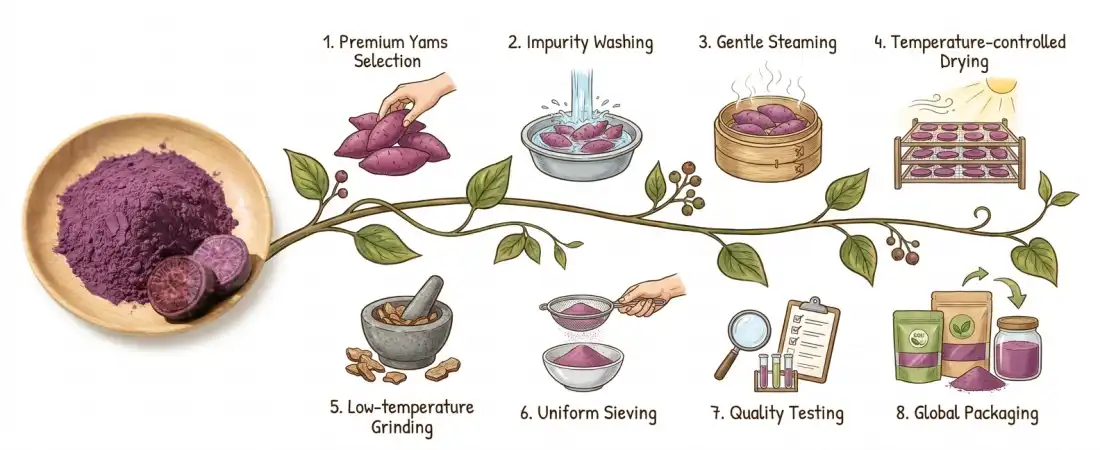
Enhancing Product Value: Applications of Purple Yam Powder in B2B Sectors
Food Manufacturing and Bakery Integration
The best documented application is Bakery. In a bread study, purple yam flour replacing 30% of wheat flour increased the enzyme-resistant starch from 34.9% to 41.3% and decreased the readily digested starch (Liu et al., 2019). The same research provides the practical ceiling: substitutes up to 20% left color, specific volume and texture similar to the wheat control, but at 30% and above crumb hardness and chewiness increased significantly. Assume 10-20% is the band where the result still acts like bread, budget in more water and a gluten correction vs assuming the flour swaps one to one.
Three process levers make the color withstand the process. The first is pH. As a system swings away from acidic, anthocyanins lose strength and trend toward blue. Keep acidic forms acidic where the color carries the claim. The second are heat and time, degradation is accelerated with both and this is how the frying study lost a third of the phenolic fraction in the fry itself (Fang et al., 2011). The third is dispersal. Combine the powder into the flour fraction rather than dropping it into wet batter, or you will chase streaks that no amount of mixing removes.
Functional Foods and Nutraceutical Development
Pure purple yam powder is used as a source of fiber and color in supplements and meal replacements. It’s not a protein, it’s not a stimulant, and text that says it is either invites a regulatory difficulty. The standard should specify anthocyanin (mg/100g) on the Certificate of Analysis and not depend on how deep the purple appears in a picture, providing a tiny absolute anthocyanin dosage (based on a flour with 10–90mg anthocyanin per 100g dry tuber) as a 10g portion is the reason why this is a specification.
The resistant starch is used as a slowly released carbohydrate in sports and pre-workout formulations. Disperses in water and plant-milk systems. Without carrier. Coarser material settles out. Powder, 80 mesh. Moisture is the primary failure mechanism, as the flour is hygroscopic. Set a moisture restriction, pack against a barrier film, and anticipate to consume an unsealed commercial pack in around two months rather than regard it as a one-year substance.
Natural Cosmetics and Skincare Applications
The substance functions as a natural colorant and an antioxidant-rich herb for both beauty-from-within and topical applications. Anthocyanins are the fraction of interest and also the fraction that oxidizes first therefore a topical system requires an antioxidant partner and opaque packaging to retain its color. Two claims should be excluded from the copy. A powder with particles around 180 µm across at 80 mesh is three orders of magnitude away from nanoscale, and particle size alone does not make a powder an exfoliant. Abrasiveness is a shape and hardness feature, not a fineness attribute. Place the substance as a source of pigment and antioxidant, and skin effectiveness claims are up to the formulator’s own testing.
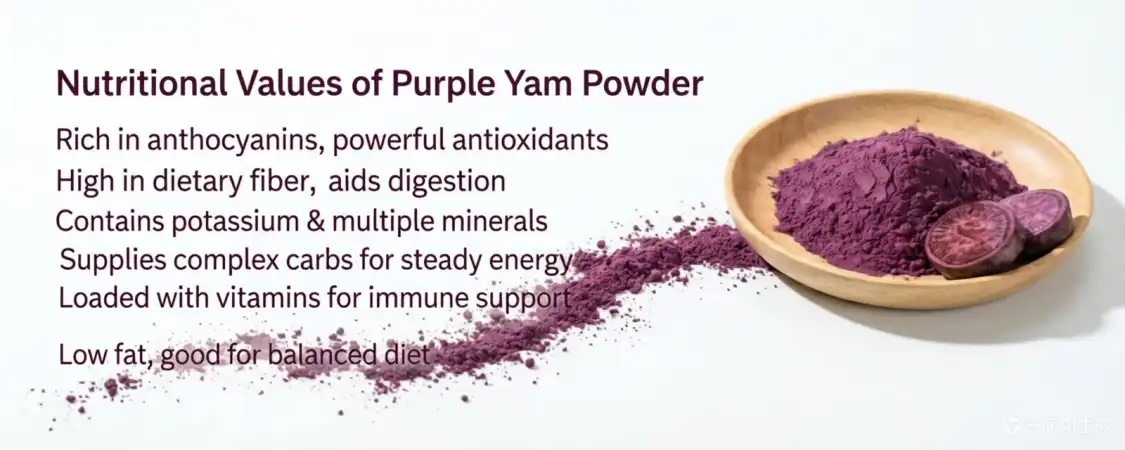
Choosing the Right Purple Yam Powder for Procurement
Quality Benchmarks and Certification Requirements
Buy on documents. A supplier that can complete this set in one pass has earned a pilot lot.
- Per-batch Certificate of Analysis covering identity, moisture, ash, particle size, total anthocyanin in mg/100 g, total plate count, yeast and mould, and absence of E. coli and Salmonella.
- Heavy metals, namely lead, arsenic, cadmium and mercury, plus a pesticide residue screen reported against the limits of your destination market rather than a generic default.
- Identity evidence: an HPLC or LC-MS chromatogram showing cyanidin and peonidin glycosides and no synthetic colorant. A photograph of purple powder proves nothing.
- Certification scope rather than logos: ISO 9001 for quality management, a food-safety scheme such as ISO 22000, FSSC 22000 or GMP, and Kosher and Halal where those markets matter.
For clean-label and 100% pure claims, ask specifically about fillers, carriers and flow agents, and get the answer in writing. The absence of maltodextrin on a specification is a claim you may have to defend in a label review, and the supplier's written answer is what protects you.
Organic Versus Non-Organic Considerations
Organic certification alters paperwork and cost , not content . Certified organic flour will cost 20-30% more. Know what you’re paying for: a documented growing standard and auditable chain, not a higher anthocyanin number. Reported ranges of composition typically overlap across cultivars and lot-to-lot variance between two conventional landraces is often larger than the difference between an organic lot and a conventional one (Wu et al., 2016). Choose your market, choose your price cap and choose if your consumer truly requests for the logo, then purchase the matching specification rather than paying for a certificate nobody reads.
Supply Chain Stability and Volume Purchasing
As Yam is a seasonal tuber continuity is a concern of contract not a warehouse. In-stock material ships in 1-3 business days. Minimum order of 10 kilogram for trial and pilot production. Graduated pricing for 100 kg, 500 kg and 1,000 kg tiers. Packaging from 1 kg sample packs to 10 kg industrial cartons. There are two conditions which are worth more than a discount on a long term deal. One is a quality hold window outlining how long you may test a lot before accepting it and the other is a defect replacement term. They are both challenged in a short harvest year And that is just when they matter.
If you would like an estimate based on your own specification rather than a catalog pricing, please submit that specification to info@newthingsbiotech.com and request the accompanying Certificate of Analysis with the quote.
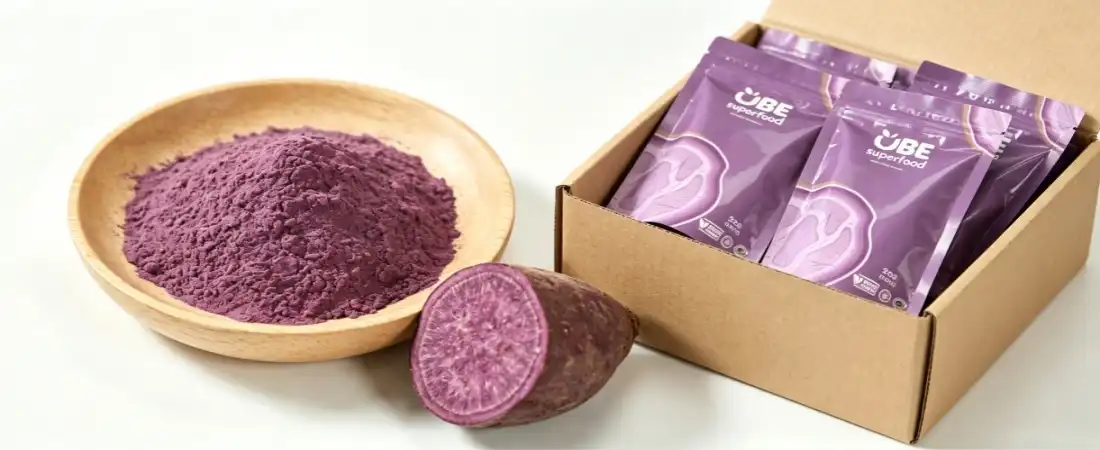
Practical Guidance: Maximizing Nutritional Benefits with Purple Yam Powder
Industry-Specific Dosage and Application Protocols
Inclusion rates cluster tightly by format. The values below combine published trial conditions with normal practice in each category. Treat them as starting points for your own trial, not as a fixed specification.
| Format | Typical inclusion | What it delivers | Watch out for |
|---|---|---|---|
| Drinks and shakes | 2–5 g per serving | Colour, fibre top-up | Settling; specify 80 mesh |
| Bread, cake, muffin | 10–20% of flour weight | Colour, higher resistant starch | Crumb hardness above 30% |
| Extruded snacks, cereal | 5–15% | Clean-label colour | Pigment loss at extrusion heat |
| Capsules, gummies | 100–500 mg per dose | Colour plus a label claim | Low absolute anthocyanin per dose |
| Cosmetic masks, scrubs | 1–5% w/w | Pigment, antioxidant fraction | Oxidation; needs opaque packaging |
Table 2. Typical inclusion rates of purple yam powder by application format.
Storage is the part of the protocol that gets skipped. Keep the material below 25 °C and under 60% relative humidity, sealed against moisture and light, and plan to consume an opened industrial pack within about two months. Anthocyanin content and colour both decline from the moment the barrier film is broken, and no change to the specification will bring them back.
Avoiding Common Procurement Pitfalls
Three failures account for most incoming-goods complaints. The first is adulteration: maltodextrin, carriers and synthetic color boosters are inexpensive and the only reliable check is a chromatogram and a written carrier declaration. The second is species substitution, since D. alata and purple sweet potato are both advertised as purple, and the only valid proof is the Latin name on the technical data sheet. The third is sensory bluffing: real flour has an earthy, subtly sweet fragrance, so a chemical or noticeably dull smell indicates the batch was processed or kept poorly.
As for allergies, the ingredient is inherently gluten free and dairy free and D. alata is not a significant allergy source. The main danger is cross contamination, thus ask for isolated lines or a verified cleaning technique with swab results between manufacturing runs. One handling comment needs in your QA file: Raw yam might irritate mouth and throat in sensitive individuals, but thorough cooking or commercial processing eliminates it, thus final flour has no such problem.
Real-World Integration Success
A mid-sized bakery modified their signature muffin to increase the fiber and reduce the synthetic color by substituting 12% of the wheat flour with pure purple yam powder and adding around 3% additional water to account for the water absorption of the flour. In the buyer’s own internal sensory panels, 87% of tasters said the reformulated muffin was equal to or better than the original and the clean-label version could carry a 15% higher retail price. They are the customers own trial statistics and should be credited as such if repeated, since they are not from a peer reviewed research.
It is worth reproducing two procedural notes from the trial. Pre-hydrating the powder for roughly ten minutes before to mixing resulted in better dispersion and color evenness. A reduction in bake from 190 °C to 180 °C did not produce any noticeable difference in flavor, but did retain anthocyanin and increased the bake time by about four minutes.
Conclusion
There are three valid reasons to find a pure purple yam powder on a formulation sheet: a resistant starch and fiber fraction with documented in vitro and animal data; a natural anthocyanin color to substitute synthetic dye; and a specification that can be confirmed lot by lot. The purple yam health advantages you may post today are digestive and color related. There’s not a human study for the ones you can’t publish yet, such blood sugar control, hormonal impacts and weight management, and language that suggests otherwise is the quickest way to a rejected health claim. Purchase the specification, test the lot and put the claim in the proof.
FAQ
1. Is Purple Yam Powder Gluten-Free and Allergen-Safe?
Yes. Dioscorea alata contains no gluten proteins, so the flour suits gluten-free formulations, and it is not one of the major allergen sources. The realistic risk is cross-contact in a shared facility, so ask for dedicated lines or validated between-run cleaning with swab data. Raw yam can irritate the mouth and throat; cooking and commercial processing remove that, and the finished flour carries no such issue.
2. How Does Purple Yam Differ from Ube and Purple Sweet Potato Nutritionally?
Ube is the Philippine name for Dioscorea alata, so purple yam and ube are the same species, and ube yam nutrition values published under either name describe the same tuber. Purple sweet potato is Ipomoea batatas and an entirely different crop. The practical differences come down to pigment chemistry, starch behaviour, flavour, and how the ingredient has to be labelled.
| Attribute | Purple yam / ube (Dioscorea alata) | Purple sweet potato (Ipomoea batatas) |
|---|---|---|
| Latin name | Dioscorea alata L. | Ipomoea batatas (L.) Lam. |
| Dominant pigments | Cyanidin and peonidin glycosides; alatanin C dominant | Acylated cyanidin and peonidin glycosides |
| Starch behaviour | High amylose, more resistant starch, firm gel | Lower amylose, softer and sweeter paste |
| Flavour | Earthy, mildly sweet, fairly neutral | Distinctly sweet, sometimes vegetal |
| Typical application | Bread, ice cream, clean-label colour systems | Desserts, purées, fillings |
| Label declaration | Must be declared as yam | Must be declared as sweet potato |
Table 3. Purple yam and purple sweet potato compared.
Both are nutritious, and neither is a lawful substitute for the other on a label. Declaring one species as the other is a labelling failure rather than a marketing choice, which is why the Latin name belongs on every technical data sheet you accept.
3. Where Can I Source Trusted Bulk Suppliers for Pure Variants?
Qualify on documents, not on samples. A supplier worth a trial contract will provide a Certificate of Analysis per batch, an HPLC chromatogram confirming cyanidin and peonidin glycosides, heavy-metal and pesticide results reported against your market's limits, and certificates showing ISO 9001 plus a food-safety scheme such as ISO 22000 or FSSC 22000, with Kosher and Halal where relevant. Ask for the Latin name, the declared particle size and the moisture specification, and confirm the packaging formats from sample pack to pallet. Then run a pilot lot before committing to annual volume.
Partner with NT Biotech for Superior Purple Yam Powder Solutions
NT Biotech supplies pure purple yam powder milled from Dioscorea alata, processed to hold colour and resistant starch from lot to lot. Material is produced under ISO 9001 quality management with Kosher and Halal certification, and every batch ships with a Certificate of Analysis covering identity, anthocyanin content, moisture and microbiology. Because the colour fraction is the fragile one, anthocyanin is tested per lot rather than per season.
Send us your specification and we will quote against it at info@newthingsbiotech.com. Tell us your format, target inclusion rate and destination market, and we will return a sample together with the Certificate of Analysis and the matching chromatogram. In-stock material ships in 1–3 business days, the minimum order starts at 10 kg, and OEM formulation support is available for clean-label projects.
References
1. Truong, V.D., McFeeters, R.F., Thompson, R.T., Dean, L.L., and Shofran, B. (2007). "Phenolic Acid Content and Composition in Leaves and Roots of Common Commercial Sweetpotato Cultivars in the United States." Journal of Food Science, 72(6), C343-C349.
2. Teow, C.C., Truong, V.D., McFeeters, R.F., Thompson, R.L., Pecota, K.V., and Yencho, G.C. (2007). "Antioxidant Activities, Phenolic and β-Carotene Contents of Sweet Potato Genotypes with Varying Flesh Colours." Food Chemistry, 103(3), 829-838.
3. Benherlal, P.S. and Arumughan, C. (2007). "Chemical Composition and In Vitro Antioxidant Studies on Syzygium cumini Fruit." Journal of the Science of Food and Agriculture, 87(14), 2560-2569.
4. Afoakwa, E.O., Paterson, A., Fowler, M., and Ryan, A. (2008). "Flavor Formation and Character in Cocoa and Chocolate: A Critical Review." Critical Reviews in Food Science and Nutrition, 48(9), 840-857.
5. Mohanraj, R. and Sivasankar, S. (2014). "Sweet Potato (Ipomoea batatas [L.] Lam)—A Valuable Medicinal Food: A Review." Journal of Medicinal Food, 17(7), 733-741.
6. Padmaja, G. (2009). "Uses and Nutritional Data of Sweetpotato." In Loebenstein, G. and Thottappilly, G. (eds.), The Sweetpotato, Springer Netherlands, pp. 189-234.
Q10 ubiquinol powder bioactive. It sounds like a chemical test. Four words, each with a meaning of its own. Knowing all four is to know the difference between an object that works and one that depreciates silently on the shelf. This article takes the name apart piece by piece, then puts it back together in the context that matters to product developers: the benefits consumers are seeking, the categories where the ingredient is coming back to life, the rules of handling to keep it active, and the questions to ask before ordering. The reference material used throughout was the bioactive Q10 ubiquinol powder from Shaanxi New Things Biotech (NT Biotech). This is available as a grade of ≥98% purity and as stabilised water-dispersible powders, with ubiquinol content and reduced form ratio validated by HPLC on every batch. It is manufactured under ISO9001, KOSHER and HALAL certification and accompanied by a certificate of analysis from a corporation that manages production, testing and shipping under one roof.

Decoding the Name, One Word at a Time
"Q10": the molecule every cell makes
Coenzyme Q10 is a fat-soluble, vitamin-like substance found in the inner membrane of every mitochondrion in the body. It transports electrons down the respiratory chain, the last step in turning the food we eat into ATP, and is the only lipid-soluble antioxidant that the body produces itself. The "10" alludes to the number of isoprene units in its tail, the length found in humans. The largest concentrations occur in heart, liver, kidneys and muscle, all tissues with high energy demand. Concentrations fall steeply from the mid twenties.
"Ubiquinol": the reduced, active form
Coenzyme Q10 is present in two interconvertible forms. The oxidised version of ubiquinone, the yellow-orange powder found in most traditional supplements. Ubiquinol is the reduced form with two extra hydrogens and it's the form that actually gives off electrons and neutralises free radicals. In healthy young adults, more than 90% of the CoQ10 circulating in the blood is in the form of ubiquinol, but the ability of the body to convert ubiquinone into ubiquinol decreases with age and oxidative stress. The direct provision of ubiquinol circumvents that conversion, and comparative studies have shown that it elevates plasma CoQ10 levels more efficiently than the same amount of ubiquinone, especially in older persons.
"Bioactive": ready to work, not waiting to be converted
The word indicates two things. The body begins with the reduced form of the material. Second, it is formulated and protected such that it is still decreased by the time it reaches the consumer. If the bioactive Q10 ubiquinol powder in the drum is oxidised back to ubiquinone, then it has lost the very property it was bought for. That’s why the reduced-form ratio on the certificate of analysis is as important as the total assay.
"Powder": the hard part of the equation
Ubiquinol is famously unstable in air and light, oxidising within hours of exposure. For years it was only accessible in sealed softgels. NT Biotech's stabilised powders overcome this problem by microencapsulating the molecule in a protective matrix to provide free-flowing grades that survive dry mixing, tabletting and powder-drink applications while maintaining the reduced form throughout the shelf life.

Benefits That Bring Buyers to Ubiquinol
Heart and circulation
The main driver of demand for CoQ10 is cardiovascular support. The heart uses more energy per gramme than any other organ and its ubiquinol levels decline with age. CoQ10 supplementation has been related with improved outcomes in persons with heart issues in clinical study including the long term Q-SYMBIO trial . Studies specific to ubiquinol report improved plasma response in poor absorbers of ubiquinone . Brands use bioactive Q10 ubiquinol powder to make heart-health capsules, which are also typically combined with omega-3 fatty acids and vitamin K2.
Cellular energy and vitality
Ubiquinol is key to the creation of ATP, thus it seems sense that energy solutions designed for individuals with unexplained fatigue include it. It doesn't stimulate, but rather supports the actual machinery of energy generation. This is why the effect is more of a steady stamina rather than a jolt. Sports nutrition brands employ it for recovery and mitochondrial support, as do endurance athletes.
Healthy aging and antioxidant defense
Bioactive Q10 ubiquinol powder replenishes vitamin E and protects membrane lipids and LDL from oxidation. One of the most persistent biochemical markers of ageing is declining levels, and the idea behind the ingredient’s appeal in longevity supplements and in topical anti-aging treatments is to replenish them.
Specific populations with elevated need
Those known to benefit include older folks, persons whose lifestyles are characterised by significant oxidative load and persons in need of reproductive health assistance. Clinical research has been done on ubiquinol in each of these groups. Formulators create specialised products around these needs, taking doses directly from the trials.
The table below summarizes the specification of NT Biotech's bioactive Q10 ubiquinol powder as listed on its product page.
| Parameter | Pure Grade | Stabilized Powder Grades | Test Method |
|---|---|---|---|
| Ubiquinol content | ≥98.0% | 10%, 20%, 30% (microencapsulated) | HPLC |
| Reduced-form ratio (ubiquinol / total CoQ10) | ≥96% | ≥96% at release | HPLC |
| Source | Fermentation-derived CoQ10, reduced under controlled conditions | Same | Process record |
| Appearance | White to off-white crystalline powder | White to light-yellow free-flowing powder | Visual |
| Solubility | Fat-soluble | Water-dispersible | Bench test |
| Particle size | ≥95% through 80 mesh | ≥95% through 60 mesh | Sieve analysis |
| Loss on drying | ≤0.5% | ≤5.0% | 105 °C / Karl Fischer |
| Heavy metals | Pb ≤1.0, As ≤1.0, Cd ≤0.5, Hg ≤0.1 ppm | Same | USP <232> |
| Microbiology | TPC ≤1,000 cfu/g; yeast/mold ≤100 cfu/g; pathogens negative | Same | USP <2021>/<2022> |
| Packaging and shelf life | Nitrogen-flushed, light-proof; 24 months sealed at ≤25 °C | Same | Stability data |

Where Bioactive Q10 Ubiquinol Powder Is Used
Softgels and capsules
The softgel remains the classic delivery format: ubiquinol dissolved in medium-chain triglyceride oil and sealed away from air. The ≥98% pure grade suits this application. Brands are increasingly selecting hard capsules or tablets for vegan positioning or due to economic considerations and here the stabilised 20% or 30% powder grades enable for dry filling without the oil fill and nitrogen-flushed encapsulation lines that pure ubiquinol needs.
Functional foods and beverages
The fastest-growing categories include powder drink sticks, protein mixes and gummies. The water-dispersible grades of bioactive Q10 ubiquinol powder disperse in various matrices without oily separation and the microencapsulation protects the molecule during processing. You'll find them all over East Asia and Europe in dairy and plant-based drinks fortified with 30 to 100 mg per serving.
If you are developing a product in any of these formats and want to confirm which grade fits your process, email info@newthingsbiotech.com with your format, target dose per serving, and processing conditions; NT Biotech responds within two hours on working days and can send a sample of the appropriate bioactive Q10 ubiquinol powder with its current certificate of analysis and reduced-form ratio for your evaluation.
Skincare and cosmetics
Topical ubiquinol protects skin lipids from UV-induced radicals and supports fibroblast energy metabolism It is found in anti-aging serums and creams at 0.05% to 0.5% typically applied in the oil phase during cool-down with tocopherol as a co-antioxidant. Unlike ubiquinone, it does not turn formulae orange and is more convenient to use in white creams.
Animal nutrition
The same cardiac and mitochondrial logic applies to companion-animal and equestrian supplements, especially for older dogs and performance horses. The stabilised powder grades can be blended directly into pelleted or powdered feed supplements .

Handling and Formulation: Keeping the Molecule Reduced
Oxygen, light, and heat are the enemies
Every decision on a formulation is based on one thing: ubiquinol wants to give up its electrons. after air, a thin layer of the pure powder will oxidise appreciably after one day. NT Biotech ships pure grade under nitrogen in light-proof, heat-sealed liners. It recommends opening drums in a low humidity environment only, using material promptly and re-flushing partial containers with inert gas. The stabilised powders can be handled normally, but should be kept sealed, cool and away from direct light.
Choosing a grade by process
Softgel fills and oil-based cosmetics use the pure grade. Tablets, hard capsules, sachets, gummies, and beverages use a stabilized powder; the 30% grade minimizes fill weight, the 10% grade offers the widest processing margin in wet or heated systems. Avoid prolonged exposure above 60 °C in any format and add the ingredient as late in the process as practical.
Dosing that reflects the research
In human research, 100 mg to 300 mg of ubiquinol daily was most typically used for general cardiovascular and energy support, with 50 mg often utilised in fortified meals. Because absorption improves dramatically with dietary fat, formulations that include or are accompanied by a lipid offer more of what the label claims. The technical team at NT Biotech provides stability data for each grade to back the shelf-life claims of the completed product.
The second table offers format-specific guidance based on NT Biotech's technical recommendations and published clinical dosing.
| Product Format | Recommended Grade | Typical Dose per Serving | Key Handling Point | Common Companions |
|---|---|---|---|---|
| Softgel | ≥98% pure | 100–200 mg | Dissolve in MCT oil under nitrogen | Omega-3, vitamin E |
| Hard capsule / tablet | 30% stabilized | 100–150 mg ubiquinol | Dry blend, avoid excess compression heat | Vitamin K2, magnesium |
| Powder drink stick | 20% stabilized | 50–100 mg | Add last, keep pack moisture-proof | PQQ, B-vitamins, electrolytes |
| Gummy | 10% or 20% stabilized | 30–50 mg | Deposit below 60 °C | Vitamin D, L-carnitine |
| Anti-aging cream / serum | ≥98% pure (oil phase) | 0.05–0.5% w/w | Add at cool-down, opaque airless pack | Tocopherol, squalane |
| Pet or equine supplement | 10% or 20% stabilized | Weight-based | Blend into fat-containing base | Omega-3, taurine |
Choosing a Bioactive Q10 Ubiquinol Powder Supplier
Two numbers to demand on every certificate
The total CoQ10 content is not sufficient and the provider should report the reduced-form ratio. If it's a powder that reads 98% CoQ10 but just 70% ubiquinol, then it has already lost the advantage which justifies its price. NT Biotech reports both figures by HPLC on every batch, coupled with heavy-metal, microbiological, and residual-solvent data. NT Biotech can offer the chromatogram so your own laboratory may check the ratio independently.
Certification and documentation for global lines
The facility is ISO9001 controlled and the bioactive Q10 ubiquinol powder is both KOSHER and HALAL certified, allowing a single ingredient to be qualified for North American, European, Middle Eastern and Asian markets without duplication of qualifications. Together with the certificate of analysis, technical data sheets, safety data sheets, allergies and GMO statements and stability summaries are also provided, reducing product registration and retailer audits.
Speed, flexibility, and genuine partnership
Because oxidation is time-sensitive, supply speed protects product quality as well as schedules. NT Biotech holds popular grades in nitrogen-flushed stock for shipment within 1 to 3 working days after confirmation and completes custom grades or larger runs in 3 to 10 working days. Samples travel on the company's own FedEx and UPS accounts, bulk drums by air or sea through trusted forwarders, and payment is accepted in the buyer's local currency. OEM and ODM services extend to finished softgels, capsules, drink sticks, and skincare adapted to the destination market. For a brand whose claim depends on a molecule staying reduced from factory to consumer, a bioactive Q10 ubiquinol powder supplier that controls stabilization, testing, and logistics is the safest choice available.

Conclusion
Bioactive Q10 ubiquinol powder is the reduced form of coenzyme Q10 the body actually needs. It’s stabilised in a dry, flexible formulation so it stays that way. Benefits arise from its central function in cellular energy production and antioxidant defence: support for the heart and circulation, more stable vitality, healthy ageing and specific demands in older persons and other groups with increased demand. Today, it is used in softgels, capsules, powder drinks, gummies, cosmetics and animal nutrition, if formulators know about its sensitivity to air, light and heat. Brands can confidently supply the active form of Q10 to their clients with NT Biotech’s water-dispersible grades that are ≥98% pure and stabilised, HPLC-verified reduced form ratios, ISO9001, KOSHER and HALAL certification, nitrogen-flushed stock, and OEM support.
FAQ
1. What is the difference between ubiquinol and regular CoQ10?
Ubiquinol is the reduced, active form; conventional CoQ10 is ubiquinone, which the body must convert first.
2. Why does the reduced-form ratio matter?
It shows how much of the CoQ10 is still ubiquinol; NT Biotech guarantees ≥96% at release.
3. Can ubiquinol be used in tablets and drink powders?
Yes, NT Biotech's stabilized 10%, 20%, and 30% water-dispersible grades are designed for dry and aqueous formats.
4. What daily dose do studies use?
Most human trials used 100 to 300 mg of ubiquinol per day.
5. How is the powder shipped to prevent oxidation?
In nitrogen-flushed, light-proof, heat-sealed packaging, from stock within 1 to 3 working days.
Source Active, Stable Ubiquinol from NT Biotech
If your next heart-health, energy, longevity, or skincare product calls for CoQ10 in the form the body truly uses, NT Biotech can supply it ready to formulate. Its bioactive Q10 ubiquinol powder is available as a ≥98% pure grade and as stabilized water-dispersible powders, each HPLC-verified for total content and reduced-form ratio, packed under nitrogen, and certified under ISO9001, KOSHER, and HALAL. Stocked grades ship within 1 to 3 working days, custom specifications follow a short production cycle, and OEM services cover finished softgels, capsules, drink sticks, and creams tailored to your market. Email info@newthingsbiotech.com today with your format, target dose, and volume; you will receive a reply within two hours, a current certificate of analysis, local-currency pricing, and a factory-direct sample. Deliver the active form of Q10 with NT Biotech.
References
1. Crane, F. L. (2001). Biochemical functions of coenzyme Q10. Journal of the American College of Nutrition, 20(6), 591–598.
2. Hosoe, K., Kitano, M., Kishida, H., Kubo, H., Fujii, K., & Kitahara, M. (2007). Study on safety and bioavailability of ubiquinol (Kaneka QH™) after single and 4-week multiple oral administration to healthy volunteers. Regulatory Toxicology and Pharmacology, 47(1), 19–28.
3. Langsjoen, P. H., & Langsjoen, A. M. (2008). Supplemental ubiquinol in patients with advanced congestive heart failure. BioFactors, 32(1–4), 119–128.
4. Mortensen, S. A., Rosenfeldt, F., Kumar, A., Dolliner, P., Filipiak, K. J., Pella, D., Alehagen, U., Steurer, G., & Littarru, G. P. (2014). The effect of coenzyme Q10 on morbidity and mortality in chronic heart failure: Results from Q-SYMBIO. JACC: Heart Failure, 2(6), 641–649.
5. Zhang, Y., Liu, J., Chen, X.-Q., & Chen, C.-Y. O. (2018). Ubiquinol is superior to ubiquinone to enhance coenzyme Q10 status in older men. Food & Function, 9(11), 5653–5659.
6. Bhagavan, H. N., & Chopra, R. K. (2006). Coenzyme Q10: Absorption, tissue uptake, metabolism and pharmacokinetics. Free Radical Research, 40(5), 445–453.
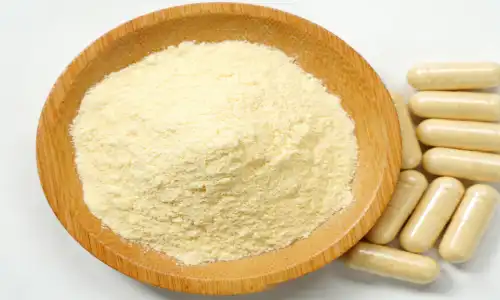
Sport recuperation is frequently defined as painful legs, extended sleep and protein consumption. But the central nervous system is another level of recuperation that many athletes neglect. Phosphatidylserine vegan powder is becoming increasingly popular in sports nutrition as it helps brain cells communicate more efficiently, helps balance the body's stress hormones and can make hard training feel more sustainable. NT Biotech gives this chemical a unique commercial advantage by combining clean plant-based production with responsive service. Their vegan phosphatidylserine powder is produced with thorough documentation, batch-level testing, and flexible logistics so businesses can get from formula idea to final sports product with less friction and more confidence.

The Recovery Metric That Most Athletes Miss
Central Fatigue Can Mask Physical Readiness
Remember that time you absolutely crushed a huge lift, or finished an interval session? Your muscles may have healed physically in a day, but the next morning the motivation and coordination still feel off. That's commonly central tiredness, a situation when the neural system isn't entirely reset even when the muscular tissue is ready. Phosphatidylserine vegan powder is relevant in this space because it supports the health of neuronal membranes. For good communication between the brain and working muscles, nerve cells need to be flexible and responsive. For athletes, that translates to feeling "ready to go again" instead of slogging through a workout day after day.
Cortisol Needs a Recovery Partner
When you exercise, your body naturally produces more cortisol which helps you focus and gives you energy for your workout. It's not a negative thing. The problem is when cortisol stays elevated too long. An athlete who is completing two-a-day sessions or intensive physical labour can get into a state where stress hormones disrupt sleep and recovery. The vegan powder phosphatidylserine has been researched to see if it can aid the body to regulate cortisol reactions during stressful conditions. This doesn't mean it prevents cortisol entirely. It just helps your biology to maintain a healthier feedback pattern. A more balanced cortisol curve after exercise is crucial for the body to transition into repair mode more rapidly.
NT Biotech's Clean Plant-Based Alternative
The contemporary, plant-based versions fit well into vegan sports nutrition lines, unlike the previous phosphatidylserine products which were sourced from animal brain tissue. NT Biotech uses controlled plant extraction to create a clean label, vegan phosphatidylserine powder. It is a white to off-white substance, easy to mix and is ideal for capsules, tablets and functional powders. More significantly, NT Biotech gives the technical support so brands feel confident in stability, dose, and labelling. It is better to choose a responsible ingredient partner early to spare the product owner from compliance issues later.
The Journey of Phosphatidylserine Vegan Powder Through an Athlete’s Body
Flexible Cell Membranes Help the Brain and Muscles Cooperate
Phosphatidylserine is a major phospholipid that is present in cell membranes. In the body, This is especially true of nerve cells, which are continually firing electrical and chemical messages. Too stiff a membrane hampers signalling, whereas a more flexible membrane allows faster communication. An athlete can take extra phosphatidylserine for his body, in the form of a vegan powder, which may aid neurones maintain fluidity for fast reactions and smooth coordination. You may not see the benefits in a single workout, but it is cumulative over weeks of training, and can help you perform more consistently.
Supporting the Hormonal Reset After Hard Workouts
The most researched role of phosphatidylserine in exercise is its link to the endocrine system. Cortisol rises as a consequence of the physical and mental toll of hard training sessions. Phosphatidylserine powder, vegan, helps support the hypothalamus-pituitary-adrenal axis, the mechanism that generally signals cortisol to go back to baseline after the stress is done. For athletes, this can mean better recuperation between training blocks and less of the "wired but tired" feeling associated with overreaching. Maintaining cortisol levels within a more healthful zone improves sleep, mood and tissue repair. This makes the vitamin useful not only for competitive athletes, but also energetic professionals who train after a full day of demanding work.
Quality Data Make the Ingredient Easier to Use
To deliver consistent results, a sports supplement ingredient like phosphatidylserine vegan powder needs reliable quality. NT Biotech's product information shows a standardized approach that keeps the final product stable and measurable. The table below highlights technical values that can be used by formulators to calculate accurate serving sizes and ensure product consistency.
| Parameter | Typical Reference Value | Why It Matters for Sports Products |
|---|---|---|
| Phosphatidylserine Assay | ≥ 50.0% by HPLC | Supports accurate serving and label confidence |
| Appearance | White to off-white fine powder | Reduces color and flavor challenges in mixing |
| Loss on Drying | ≤ 2.0% | Low moisture supports stability during storage |
| Heavy Metals | ≤ 10 ppm | Helps products meet international safety standards |
| Total Plate Count | ≤ 1000 CFU/g | Supports clean label and marketability |
| E. coli / Salmonella | Negative / Not Detected | Critical for daily-use oral supplement compliance |
This table is based on technical documentation accessible through the NT Biotech product page, and it offers a clear snapshot for a manufacturer that wants to avoid surprises during quality control.
Building Long-Term Training Progress
Another practical advantage of phosphatidylserine vegan powder is that it fits well into long-term training cycles. Periodized programmes normally contain hard weeks, easy weeks, and testing sometimes. When training volume increases athletes often have difficulty focusing. Brands can use PS powder in a daily recovery composition, positioning it as a nervous system supporter rather than a pre-workout stimulant. It doesn't produce a mad dash, but it does give a better base for consistency. Consistency over time is what creates personal records and prevents injuries.
If you're wondering whether this ingredient belongs in your next product concept, the fastest way to get clarity is to ask a specialist. NT Biotech can share relevant technical data and formulation suggestions, and their team is available at info@newthingsbiotech.com for specific questions.

What Makes a Phosphatidylserine Vegan Powder Supplier Safe to Trust
Documentation Is More Than Paperwork
There is a huge difference between an ingredient that looks good in a sales video and an ingredient that can stand up to an audit. A reliable phosphatidylserine vegan powder supplier provides Certificates of Analysis, antibiotic and solvent residue data, and batch-to-batch identity tracking. NT Biotech's technique involves HPLC and UV testing to check the actual active content and to confirm each batch is within specification. This documentation is crucial for regulatory submissions, retailer approvals, and establishing long-term consumer trust for a sports nutrition company. Without these records, even an effective ingredient can delay a product launch by months.
Certifications and Custom OEM Support
If you are exporting a sports supplement you need to know the local regulations. The ingredient is Kosher and Halal approved and manufactured under ISO9001 standards making it more generally acceptable across numerous markets. But certification is not enough. Brands also want flexibility in formulation and packaging. NT Biotech provides OEM and ODM services to several nations and customers can select their preferred dosage type, flavour and package design. This service-led approach is especially useful for smaller enterprises trying to compete with big sports nutrition companies.
Logistics That Keep Product Launches on Schedule
Trends in sports nutrition change fast. A late-arriving ingredient can wreck a marketing window. NT Biotech has a supply chain intended for rapid response without compromising safety. Popular standardised extracts are kept in stock and orders frequently ship within one to three working days after confirmation. The wait time for production orders is between three and ten days, including the selection of raw materials, extraction, testing and final packing. They can also provide fast, air or sea shipping based on the buyer's volume and timing. Speed like this is a huge asset for a brand new sports nutrition company.
| Operational Need | NT Biotech’s Response |
|---|---|
| Initial inquiry response | Guaranteed within two hours |
| Stock product shipment | 1–3 working days after order confirmation |
| Custom production order | 3–10 working days typical lead time |
| Shipping choices | Express, air, or sea based on volume and cost |
| Documentation | COA, HPLC/UV reports, and export support included |

How to Use Phosphatidylserine Vegan Powder With a Training Plan
The Recovery Window Around Hard Sessions
The first hour after intensive activity is a popular time to take protein, but it is also a good time to take a nervous-system support vitamin. Some sports nutrition solutions blend phosphatidylserine vegan powder with carbohydrates or electrolytes in an effort to assist the athlete feel cognitively clear after a gruelling competition. The objective here is not to replace hydration or protein, but to give an additional level of recovery assistance. NT Biotech gives your formulator with the detailed test data to determine exactly how much you need per serving, without concern about ingredient fluctuation.
Off-Days and Longer Training Cycles
Phosphatidylserine vegan powder doesn’t have to be used only on training days. Many athletes take it daily during high-volume periods or when they are cutting weight and dealing with additional mental stress. Since the compound works in the background to support membrane health and hormone balance, consistency often matters more than timing. A simple daily routine, like adding a scoop of powder to an evening recovery drink, may be enough to maintain the ingredient’s benefits. For busy athletes who don’t want to overcomplicate their supplement stack, this flexibility is very practical.
Moving from Bulk Ingredient to Finished Product
For brands, the real challenge is not whether PS powder works; it’s how to turn it into a product that athletes enjoy using. NT Biotech’s phosphatidylserine vegan powder can be used in capsules, tablets, effervescent tablets, stick packs, and even functional food mixes. The neutral profile makes it easier to combine with botanical flavors like berry, lemon, or cacao. Since NT Biotech provides OEM support, a customer can sample different formulas and adjust ingredient dosing according to the target audience. This shortens the journey from raw material idea to a polished brand story.

Conclusion
Phosphatidylserine vegan powder has a special recovery effect that is not just good for healing muscles. It helps athletes with central fatigue, maintaining cortisol balance and keeps nerve membranes ready for the next effort. For companies that manufacture sports nutrition products, finding the correct source is just as important as choosing the right dose. NT Biotech offers high-quality plant derived powder, full quality documentation, flexible OEM support and fast logistics. Collectively, these benefits allow the product owner to develop a marketable clean-label recovery supplement without undue delay. The science is good and the market is hungry for new products.
FAQ
1. What does phosphatidylserine vegan powder do for athletes?
It helps support brain-cell communication, a balanced stress hormone response, and a stronger sense of mental and physical readiness during heavy training.
2. Can vegan consumers take this ingredient?
Yes. NT Biotech's phosphatidylserine vegan powder comes from plant-based extraction, so it fits vegan, vegetarian, halal, and kosher-friendly sports nutrition products.
3. How quickly can NT Biotech send this powder?
Stock orders can usually ship within one to three working days, while custom production orders commonly take three to ten working days after confirmation.
4. What documents are available for regulatory approval?
Each batch comes with a Certificate of Analysis and testing data such as HPLC and UV reports. The company also operates with ISO9001 certification and holds Kosher and Halal certificates.
5. Can I create a branded product using NT Biotech's powder?
Yes. NT Biotech offers flexible OEM and ODM services to customize formula, packaging, flavor, and labeling according to your market needs.
Partner with NT Biotech for Your Next Recovery Formula
Are you ready to build a sports recovery product with a clean, intelligent edge using phosphatidylserine vegan powder? NT Biotech can help you turn this research-backed ingredient into a finished supplement that truly serves active lifestyles. Whether you need help choosing a format, calculating an accurate dosage, or verifying label claims, we bring the expertise and service you need. Our plant-derived material, responsive supply chain, and strong technical support make the entire process smoother. Contact the NT Biotech team today at info@newthingsbiotech.com and let's create something that athletes will feel good about taking every day.
References
1. Starks, M. A., Starks, S. L., Kingsley, M., Purpura, M., & Jäger, R. (2008). The effects of phosphatidylserine on endocrine response to moderate intensity exercise. Journal of the International Society of Sports Nutrition, 5, 11.
2. Kingsley, M. I., Kilduff, L. P., McEneny, J., Dietzig, R. E., & Benton, D. (2006). Phosphatidylserine supplementation and recovery following downhill running. Medicine & Science in Sports & Exercise, 38(9), 1617–1625.
3. Baumeister, J., Barthel, T., Geiss, K. R., & Weiss, M. (2008). Influence of phosphatidylserine on cognitive performance and cortisol after soccer-specific exercise. Research in Sports Medicine, 16(3), 161–174.
4. Jäger, R., Purpura, M., & Kingsley, M. I. (2007). Phospholipids and sports performance. Journal of the International Society of Sports Nutrition, 4, 5.
5. Hellhammer, J., Fries, E., Buss, C., Engert, V., Tuch, A., Rutenberg, D., & Hellhammer, D. H. (2004). Effects of soy lecithin phosphatidic acid and phosphatidylserine complex on the endocrine and psychological responses to mental stress. Stress, 7(2), 119–126.
6. Glade, M. J., & Smith, K. (2015). Phosphatidylserine and the human brain. Nutrition, 31(6), 781–786.
Plant-based Phospholipid Ingredient Phosphatidylserine vegan powder is a plant-based phospholipid ingredient for nutritional supplements, functional foods, and specialised nutrition products. The vegan variant is most often plant oil derived, such as sunflower, as opposed to standard phosphatidylserine, which is animal derived. This makes it appropriate for vegetarian, vegan and clean-label formulations. NT Biotech is a manufacturer and supplier of standardised botanical and nutritional ingredients with a focus on purity, documentation and flexible OEM support. Its phosphatidylserine vegan powder is developed for businesses seeking a reliable, scalable and plant-based ingredient for modern health products. NT Biotech is a trustworthy professional phosphatidylserine vegan powder supplier for brands, which has ISO9001, Kosher and Halal related quality capabilities, batch documentation, quick logistics and customised formulation assistance.

Why Phosphatidylserine Vegan Powder Is Gaining Attention
A plant-based answer to changing consumer preferences
More and more consumers are paying attention to not only what a supplement does, but where its contents are sourced. This change has resulted in a high demand for traceable, non-animal and environmentally careful raw materials. This is where phosphatidylserine vegan powder comes in. It allows manufacturers to produce phosphatidylserine in a plant-derived format and hence, develop vegan capsules, powders, sachets, gummies and functional beverages. It is especially appealing for companies producing brain-health, active-aging, sports-nutrition and daily wellness goods. It is a phospholipid, which is a type of molecule that occurs naturally in cell membranes. In a final product, it can support a premium scientific positioning and help businesses to eliminate animal-derived excipients or raw materials. NT Biotech’s plant extraction expertise and technical supply-chain approach also supports brands that require consistent material from source selection to final application.
What makes the vegan format commercially attractive
A successful ingredient must meet the needs of both formulation and marketing.The label story for phosphatidylserine vegan powder is simple: plant-based origin, adaptability for vegan product concepts and compatibility with supplement innovation. It can be added to capsules, tablets, stick packs and combined powders, depending on the dispersion, moisture and stability needs of the product. Certification and documentation are very key for multinational brands. For each batch, the supplier shall provide a Certificate of Analysis, a specification sheet, manufacturing details, and any other quality papers. NT Biotech's standardised natural ingredients, patented processing, customisable OEM solutions and fast communication are what set us apart. Its listed quality system comprises ISO9001, Kosher and Halal capabilities, permitting purchasers to assess the ingredient with confidence.
| Evaluation point | Why it matters for buyers | NT Biotech support |
|---|---|---|
| Plant-derived positioning | Supports vegan and clean-label product concepts | Plant-based ingredient sourcing and application support |
| Batch consistency | Helps maintain repeatable product performance | Standardized processing and batch CoA documentation |
| Quality management | Supports supplier qualification and audits | ISO9001-related quality management capability |
| Market flexibility | Helps serve different regional product concepts | OEM/ODM customization and flexible payment options |
A useful ingredient for premium supplement concepts
Phosphatidylserine has been used in nutrition studies for decades and is well known to formulators and consumers interested in cognitive wellness and healthy ageing. But responsible marketing is still important. Supplement ingredients should not be described as a guarantyd cure or as a substitute for expert medical treatment. Instead, marketers can promote phosphatidylserine vegan powder as part of a balanced lifestyle and a well-designed nutritious formula. NT Biotech's worth is not only in the material it provides but also in assisting customers choose the right specifications, packaging, shipping methods and application methodologies. This combination of technical support and commercial flexibility can save development time and ease the incorporation of the ingredient into new product lines.

How Phosphatidylserine Vegan Powder Works in the Body
Understanding phosphatidylserine as a phospholipid
Phosphatidylserine is a phospholipid that occurs naturally in cell membranes. The structure is a glycerol backbone, fatty acid chains, phosphate and serine. Phospholipids have both water-soluble and fat-soluble parts, and they help make the flexible bilayer of biological membranes. Dietary phosphatidylserine is metabolised and hydrolyzed like other lipid nutrients and its components are incorporated into normal metabolic pathways. Dosage, formulation, nutritional context and individual characteristics can influence specific fate and functional effect .Phosphatidylserine vegan powder is therefore better considered a nutritional raw material, not a medicinal active. Because it is derived from a plant source, it is attractive to enterprises who desire the biochemical identity of phosphatidylserine but wish to keep a vegan product profile.
Possible relevance to cognitive and stress-related wellness
Research has looked at phosphatidylserine and memory, attentiveness, exercise recovery and physiologic responses to stress. Some research suggests that phosphatidylserine may alter cell signalling and promote normal communication between cells, particularly in areas with high metabolic activity. These results may help explain its use in cognitive-support and active-aging formulae. However, results are not the same amongst research . Product quality, dose, study population and length can all have an impact on results . Manufacturers should use permitted phrasing for their target market and not make disease treatment promises. A careful brand may blend phosphatidylserine vegan powder with other suitable nutrients and conduct stability and sensory testing prior to a final commercial selection.
From raw material to finished product
Processing of the powder can affect the assay, flowability, moisture behaviour, dispersibility and storage performance. A professional supplier should oversee raw-material certification, extraction or concentration procedures, purification, drying, blending, packing and laboratory release. NT Biotech offers a complete value-chain service that links plant sources, research and development, smart production, and agile supply chains. It also has HPLC/UV testing and Certificates of Analysis for the essential products. These documents enable buyers to check identification, assay, appearance, moisture, microbiological quality and other specified standards. Customers need to ensure exact phosphatidylserine content, any carrier materials, allergy status, suggested storage conditions and regulatory compliance for destination market prior to manufacture.
| Product-development factor | Practical question |
|---|---|
| Identity and assay | What phosphatidylserine concentration is stated on the specification and CoA? |
| Origin | Is the source plant-derived and documented for the intended vegan claim? |
| Physical properties | Does the powder flow, disperse, and blend appropriately in the chosen format? |
| Stability | What packaging and storage conditions protect quality during shelf life? |
| Compliance | Are Kosher, Halal, ISO9001, and market-specific documents available? |

Choosing a Reliable Phosphatidylserine Vegan Powder Supplier
Documentation should come before price
Price is important, but it should not be the first or only purchasing criterion. A low-cost material may create hidden expenses if it has inconsistent assay, poor flowability, incomplete documentation, or unstable supply. Buyers should request a current specification, CoA, technical data sheet, safety information where applicable, origin statement, allergen declaration, and packaging details. They should also ask how deviations are handled and whether retention samples are maintained. NT Biotech emphasizes quality documentation, standardized processing, and verified technical advantages. Its stated use of HPLC/UV and batch CoAs can help supplement companies establish a clearer qualification process. For a global buyer, these records are especially valuable when internal quality teams, contract manufacturers, or local regulators require evidence before approving a new raw material.
Supply speed and logistics can protect a launch schedule
Ingredient supply is closely connected to product launch success. NT Biotech describes rapid initial responses within two hours, shipment of selected stocked extracts within one to three working days after order confirmation, and typical production lead times of three to ten working days for production orders. Actual timing for phosphatidylserine vegan powder should always be confirmed according to quantity, specification, packaging, testing, and destination. The company also offers express, air, and sea shipping options, including direct shipments through FEDEX or UPS accounts and freight-forwarder support for bulk orders. Such flexibility enables buyers to balance urgency, freight cost, and order volume. Clear communication about forecast demand can further improve planning and reduce the risk of last-minute shortages.
Customization creates room for brand differentiation
Every market has different preferences for serving size, capsule size, label language, packaging, claims, and certifications. A capable phosphatidylserine vegan powder supplier should therefore offer more than a standard catalog item. NT Biotech provides OEM and ODM solutions intended to support different customer requirements and regional product concepts. Customization may involve pack size, private labeling, blending support, technical documents, or coordination with a finished-product manufacturer. Buyers should define the project brief early: target market, dosage form, expected annual volume, required certificates, packaging preference, and desired delivery date. This makes it easier for the supplier to recommend a suitable specification and identify possible regulatory or stability issues before a commercial order is placed.
If you are evaluating a plant-based phospholipid for a new supplement, contact NT Biotech at info@newthingsbiotech.com. Share your target dosage form, market, volume, and documentation requirements so the technical team can provide a more relevant quotation and product recommendation.

Formulating and Using Phosphatidylserine Vegan Powder Successfully
Suitable product formats
Phosphatidylserine vegan powder may be considered for capsules, tablets, sachets, powdered drink mixes, nutrition bars, and other supplement formats. The best format depends on the powder’s assay and physical characteristics, as well as the intended serving size. Capsules are convenient for standardized dosing, while sachets and drink powders can support a more visible wellness experience. In blends, formulators need to check uniformity so that each serving contains the intended amount. They should also evaluate interactions with flavors, minerals, botanicals, sweeteners, and moisture-sensitive ingredients. A small pilot batch can reveal issues with taste, clumping, flow, or dissolution before scale-up. NT Biotech’s technical team can assist with product selection and OEM coordination, but final formulation responsibility remains with the brand and its qualified professionals.
Storage, packaging, and quality protection
As the substances containing lipids are sensitive to adverse environmental conditions. Long-term quality can be affected by excessive heat, oxygen, light or moisture, depending on the exact specification and packaging system. Buyers are advised to adhere to the supplier's storage recommendations and perform stability studies (real-time or accelerated) on the finished formulation. Where technically justified, barrier packing, appropriate liners, desiccants, nitrogen flushing or opaque containers can be considered. The specifications of phosphatidylserine vegan powder need to be verified from the current product specification and not from a generic phospholipid. At NT Biotech, batch testing and packaging coordination can help customers develop a more reliable quality-control strategy. Clear indication of lot number, date of manufacturing, expiry date and storage conditions further helps traceability.
Responsible communication builds consumer trust
The best kind of marketing is the informational that overpromising. The brand can state that phosphatidylserine is a phospholipid from plants that is employed in modern nutritional formulations and that the product is aimed at consumers who want a vegan health alternative. It should not suggest that the powder treats memory issues, prevents disease, or has any specific effect on mental performance. Each country's regulations should be used to examine claims. Manufacturers also should confirm whether the word "vegan" is applicable to all components of the finished product, including capsule shell, flavour system, carriers and processing aids. By interweaving transparent sourcing, reliable documentation and accurate communication, marketers can make phosphatidylserine vegan powder a relevant part of a trustworthy product story.
Phosphatidylserine vegan powder is a plant-based phospholipid ingredient that integrates well into modern nutritional supplements, functional meals and wellness products. Its vegan profile, scientific expertise and formulation versatility make it ideal for firms targeting cognitive health, active-aging and clean-label industries. But commercial success is not only to do with the ingredient name. Buyers should consider assay, origin, CoA documents, stability, packaging, certifications, lead time and technical support. NT Biotech combines plant ingredient expertise, standardised processing, OEM/ODM services, flexible logistics, and customer-focused communication to streamline international product development. Working with a qualified phosphatidylserine vegan powder supplier allows producers to transition from concept to compliant, consistent and market-ready products with greater confidence.
FAQ
1. What is phosphatidylserine vegan powder?
It is a plant-derived powder containing phosphatidylserine, a naturally occurring phospholipid used in dietary supplement and functional nutrition formulations.
2. Is phosphatidylserine vegan powder suitable for capsules?
Yes. It may be used in capsules, tablets, sachets, and powder blends, subject to its exact assay, flowability, and formulation requirements.
3. What documents should buyers request?
Buyers should request a specification sheet, batch CoA, origin statement, storage information, allergen declaration, and applicable quality or certification documents.
4. Can NT Biotech provide OEM or ODM support?
Yes. NT Biotech offers flexible OEM/ODM solutions, technical coordination, packaging assistance, and support for different market requirements.
5. How quickly can orders be delivered?
Stock availability and production timing vary by specification and quantity. NT Biotech states that selected stocked products may ship within one to three working days, while production orders commonly require three to ten working days.
Partner with NT Biotech for Phosphatidylserine Vegan Powder
NT Biotech helps supplement, functional-food, cosmetic, and animal-nutrition companies develop reliable products from natural raw materials. Its plant-derivative expertise, standardized processing, quality documentation, and flexible OEM solutions give buyers practical support beyond a simple ingredient transaction. Customers can request assistance with specifications, CoAs, packaging, private labeling, logistics, and market-oriented product development. The company also offers flexible shipping methods and buyer-friendly payment solutions, including payment in a customer’s local currency where available. If your brand is planning a vegan cognitive-wellness formula, clean-label nutrition powder, or customized supplement project, now is the right time to discuss your requirements. Contact NT Biotech at info@newthingsbiotech.com with your target market, order volume, dosage form, and certification needs, and begin building your next product with a responsive phosphatidylserine vegan powder supplier.
References
1. Vance, J. E. “Phospholipid Biosynthesis and Homeostasis in Eukaryotic Cells.” Traffic, 2015.
2. Glade, M. J. “Food, Nutrition, and Phosphatidylserine Supplementation in Cognitive Health.” Nutrition, 2012.
3. Kingsley, M. “Effects of Phosphatidylserine Supplementation on Exercise and Stress Responses.” Journal of the International Society of Sports Nutrition, 2006.
4. Starks, M. A., et al. “The Effects of Phosphatidylserine on Stress and Cognitive Performance.” Journal of the International Society of Sports Nutrition, 2008.
5. Küllenberg, D., et al. “Health Effects of Dietary Phospholipids.” Lipids in Health and Disease, 2012.
6. European Food Safety Authority. “Scientific Opinion on the Substantiation of Health Claims Related to Phosphatidylserine.” EFSA Journal.
Follow a single 25-kilogram drum of phosphatidylserine powder bulk from the factory and you'll find yourself in surprisingly different places: a contract manufacturer pressing memory tablets for a pharmacy chain, a gummy plant making exam-season chews for teenagers, a sports-nutrition brand blending a post-workout cortisol formula, a pet-food company fortifying senior-dog biscuits, and a cosmetics lab stirring a barrier-repair cream. One molecule, five sectors. This article answers the question in the title: by following the drum. It breaks down where the volume actually goes, looks at the clinical evidence behind each usage, discusses how purchasers convert the powder into each format, shows how to match grade to purpose and closes with what to look for in a provider. The phosphatidylserine powder bulk from NT Biotech (Shaanxi New Things Biotech) is enzymatically produced from non-GMO soy or sunflower lecithin and standardised to 20%, 50% or 70% phosphatidylserine by HPLC on every batch. It is packed under nitrogen, manufactured under ISO9001, KOSHER and HALAL certification, with certificate of analysis on every shipment.

Where the Volume Goes: A Map of Demand
Cognitive-health supplements take the largest share
Roughly two-thirds of the phosphatidylserine powder marketed in bulk worldwide is used in treatments for memory, focus, and healthy ageing of the brain. Why? Because phosphatidylserine (PS) has one of the few qualified health claims in the U.S. The FDA has ever approved for a dietary supplement, allowing carefully phrased statements associating PS to a reduced risk of cognitive impairment in older persons. That regulatory leg-up, plus four decades of research, have made PS the anchor ingredient in senior memory capsules, nootropic stacks and "brain-food" softgels from North America to Europe to Japan — and now, China.
Sports and stress-management products are the fastest-growing segment
Next comes the gym bag. Athletes and stressed professionals utilise PS for a different trait: it's ability to decrease the cortisol spike that follows intensive exercise or persistent pressure. Recovery powders, adrenal-support capsules and "calm focus" formulae are now a significant share of bulk orders, and this area is developing faster than cognitive health as younger consumers who repurchase are drawn to it.
Children, pets, and skin are the emerging outlets
Smaller but increasing proportions go into children's attention chewables – typically sunflower derived for allergen concerns – cognitive supplements for ageing dogs and cats and skincare, where PS acts as a membrane mimic lipid for barrier restoration. Each niche is little in itself but collectively they are the most inventive product development being done with the ingredient today.
Use Case Files: The Evidence Behind Each Application
File one: memory support in adults over fifty
The initial trial was Crook's 1991 multicenter study in which persons with age-associated memory impairment were given 300 mg of PS daily for twelve weeks and gains in name recall, facial recognition, and telephone-number retention were measured, with the greatest benefits in those who started the lowest. Later, PS from soy duplicated the effect in senior persons in Japan who complained about memory. This is the strongest proof for phosphatidylserine powder bulk and the reason why 300 mg per day, usually in divided doses of 100 mg three times, is the industry standard for memory goods.
File two: cortisol control and exercise recovery
In studies of trained men, 600 mg of PS daily for ten days decreased the post-exercise increase in cortisol by around 30% and improved mood following a strenuous cycling regimen. In another research, 400 mg was found to lower felt stress and enhance calculating ability in students subjected to a mental arithmetic task. The findings ground categories of recovery and stress .
File three: attention and focus in the young
A randomised double-blind trial in children with attention impairments showed significant increases in attention, impulsivity, and short-term auditory memory after 2 months at 200 mg per day. Phosphatidylserine powder bulk coupled with omega-3 fatty acids has demonstrated similar outcomes. Studies of golfers indicated that PS enhanced consistency of performance under competitive pressure, a conclusion that sports psychologists have applied to focus products.
File four: emerging uses in mood, sleep quality, and skin
Smaller studies suggest PS improves mood in elderly adults and sleep quality in stressed people, mainly through the same cortisol-moderating mechanism. In dermatology, PS-containing mixes of lipids have been demonstrated to promote barrier healing and minimise irritation in laboratory skin models . These are promising but not proven uses, and product claims should be worded properly.
The table below matches each documented use to the dose and study design that supports it.
| Use Case | Study Population | Daily PS Dose | Duration | Key Outcome | Evidence Strength |
|---|---|---|---|---|---|
| Age-associated memory | Adults 50–75 with memory complaints | 300 mg (100 mg × 3) | 12 weeks | Improved name, face, and number recall | Strong (multiple RCTs) |
| Exercise cortisol control | Trained men | 600 mg | 10 days | ~30% lower post-exercise cortisol | Moderate (RCTs) |
| Mental stress performance | University students | 400 mg | 6 weeks | Better calculation speed and accuracy | Moderate (RCT) |
| Attention in children | Children with attention difficulties | 200 mg | 2 months | Improved attention and impulse control | Moderate (RCT) |
| Performance under pressure | Amateur golfers | 200 mg | 6 weeks | Improved shot consistency | Preliminary |
| Skin barrier support | Laboratory skin models | 0.1–1% topical | — | Faster barrier recovery | Preclinical |

What Buyers Do With the Drum: Formats and Processing
Capsules, tablets, and softgels
The bulk of the phosphatidylserine powder is used in oral solids. The 70% grade permits a manufacturer to load 100 mg of PS into a single size-0 capsule. The 50% grade is typical of tablets where a low excipient load is beneficial for compression. PS is lipophilic and slightly hygroscopic, thus processors add a flow aid such as silicon dioxide, run their filling lines at below 45% relative humidity, and package with a desiccant. The 50% grade is dispersed in fish or MCT oil by softgel producers and useful for combination products with DHA and EPA.
Gummies, chews, and functional foods
The 20% grade is used by gummy makers since it has a larger phosphatidylcholine fraction that blends easily in pectin or gelatine slurries. The powder is added below 60 °C after the cook to protect the unsaturated fatty acids. The faint nutty smell of the powder is covered by berry or citrus flavours. The same grade is used in bars, nut butters and morning cereals, typically yielding 50 mg to 100 mg PS per serving.
If you are developing any of these formats and want guidance on grade, dispersion, and dose per serving, email info@newthingsbiotech.com with your product type and target PS content; NT Biotech responds within two hours on working days and can dispatch a sample of phosphatidylserine powder bulk with its current certificate of analysis and HPLC phospholipid profile for your pilot batch.
Powders, shots, and ready-to-drink formats
recovery powders & stick packs utilise 50% grade at 300mg to 600mg per scoop, mixed late in the formulation. The 20% or 50% grade can be stably dispersed with a little dosage of lecithin or gum acacia and soft homogenization to yield focus shots at 100 mg to 200 mg PS per bottle which hold for a twelve-month ambient shelf life when light protected.
Topical and pet applications
Cosmetic chemists will take that 70% grade and dissolve it at 0.1% to 1% in the oil phase during cool-down and couple it with ceramides and squalane in barrier creams. Pet-nutrition formulators mix the 20% grade into fat-containing kibble coatings or soft chews, dosing by body weight along with omega-3s and medium-chain triglycerides for senior cognitive support.
Matching the Grade to the Job
20%, 50%, or 70%: the trade-offs
Grade choice is a balance between fill weight, dispersibility, and cost per gram of PS. The 70% grade delivers the highest concentration and the lowest capsule count, which matters for 300 mg daily memory regimens. The 50% grade is the all-rounder for tablets, softgels, and powders. The 20% grade, richer in phosphatidylcholine and other membrane phospholipids, spreads most easily in wet and fatty systems and offers the lowest ingredient cost for food and pet uses.
Soy or sunflower
Soy PS carries phosphatidylserine powder bulk of the clinical record and the more attractive price. Sunflower PS is free of soy allergen and easier to position as clean-label, which makes it the default for children's products and for European brands avoiding allergen declarations. NT Biotech produces both by the same phospholipase D route and standardizes them identically, so switching does not change your specification.
Combination logic
PS is rarely used alone. Memory formulas pair it with DHA, ginkgo, and B-vitamins; stress products with ashwagandha, magnesium, and L-theanine; children's chews with omega-3 and zinc; sports powders with electrolytes and tart cherry. Because PS is fat-soluble, absorption improves when it is taken with a meal or delivered in an oil matrix.
The second table summarizes NT Biotech's phosphatidylserine powder bulk specification as listed on its product page.
| Parameter | Specification | Test Method |
|---|---|---|
| Source | Non-GMO soy lecithin or sunflower lecithin | Origin certificate |
| Production | Phospholipase D enzymatic conversion, purified | Process record |
| PS content grades | ≥20%, ≥50%, ≥70% | HPLC |
| Phospholipid profile | PC, PE, PA reported per batch | HPLC |
| Appearance | White to light-yellow free-flowing powder | Visual |
| Particle size | ≥95% through 80 mesh | Sieve analysis |
| Loss on drying | ≤3.0% | Karl Fischer |
| Heavy metals | Pb ≤1.0, As ≤1.0, Cd ≤0.5, Hg ≤0.1 ppm | USP <232> |
| Microbiology | TPC ≤1,000 cfu/g; yeast/mold ≤100 cfu/g; pathogens negative | USP <2021>/<2022> |
| Packaging and shelf life | Nitrogen-flushed, light-proof liner; 24 months at ≤25 °C | Stability data |

What to Look for in a Phosphatidylserine Powder Bulk Supplier
Assay integrity behind the health claim
All of the following uses depend on a recognised milligramme number, and the FDA qualified claim can only be defended if that number is actual. Some cheap powders list "50% PS", and discreetly include phosphatidic acid, or lysophospholipids in the total. NT Biotech reports PS alone by HPLC and lists the accompanying phospholipids separately thus the number on your label is the same as the amount on the drum. The chromatogram can be verified independently.
Stability, documentation, and certification
PS is vulnerable to moisture and oxidation, so packaging is part of quality. NT Biotech supplies phosphatidylserine powder bulk in nitrogen-flushed, light-proof, heat-sealed liners with a 24-month shelf life and batch stability data. Each shipment carries a certificate of analysis, technical and safety data sheets, allergen and non-GMO statements, and origin documents. ISO9001, KOSHER, and HALAL certification cover the facility and product, allowing one ingredient to serve North American, European, Middle Eastern, and Asian lines.
Speed, flexibility, and technical partnership
Popular grades are held in stock and ship within 1 to 3 working days after order confirmation; custom grades or larger production runs complete the sourcing-to-packaging cycle in 3 to 10 working days. Samples travel on NT Biotech's own FedEx and UPS accounts, pallets by air or sea through trusted forwarders, and payment is accepted in the buyer's local currency. OEM and ODM services extend to finished capsules, gummies, powders, and shots adapted to the destination market. A phosphatidylserine powder bulk supplier that pairs verified assay with fast, flexible delivery lets a brand move from the drum to the shelf without losing either potency or time.

Conclusion
So, what is phosphatidylserine powder bulk used for? Mostly for memory and cognitive-health supplements, where it carries an FDA qualified health claim and decades of trials at 300 mg per day; increasingly for sports recovery and stress products that exploit its cortisol-moderating effect at 400 mg to 600 mg; and, in growing volumes, for children's attention chews, senior-pet supplements, functional foods, and barrier-repair skincare. Each use calls for a matching grade, with 70% suited to capsules, 50% to tablets and powders, and 20% to gummies, foods, and pets, in soy or sunflower form. NT Biotech supplies all of these, HPLC-standardized, nitrogen-packed, and certified under ISO9001, KOSHER, and HALAL, so that every drum arrives ready for the job it was bought to do.
FAQ
1. What is the most common use of phosphatidylserine powder bulk?
Memory and cognitive-health supplements for adults over fifty, typically dosed at 300 mg PS per day.
2. Why do athletes use it?
At 400 to 600 mg daily it reduces the post-exercise cortisol spike and supports recovery.
3. Which grade is best for gummies?
The 20% grade disperses most easily in pectin and gelatin slurries and is added below 60 °C.
4. Is sunflower PS necessary for children's products?
It is preferred because it avoids soy allergen declarations; NT Biotech supplies both soy and sunflower grades.
5. How quickly can NT Biotech deliver?
Stocked grades ship within 1 to 3 working days; custom grades take 3 to 10 working days.
Put Phosphatidylserine to Work in Your Product with NT Biotech
Whether your drum is destined for a memory capsule, a recovery powder, an exam-season gummy, a senior-pet chew, or a barrier cream, NT Biotech can supply phosphatidylserine powder bulk that fits the job. Choose soy or sunflower, 20%, 50%, or 70% PS, each standardized by HPLC on every batch, packed under nitrogen, and certified under ISO9001, KOSHER, and HALAL. Stocked grades ship within 1 to 3 working days, custom specifications follow a short production cycle, and OEM services cover finished formats tailored to your market. Email info@newthingsbiotech.com today with your application, target PS dose, and volume; you will receive a reply within two hours, a current certificate of analysis, local-currency pricing, and a factory-direct sample. Turn proven science into your next product with NT Biotech.
References
1. Crook, T. H., Tinklenberg, J., Yesavage, J., Petrie, W., Nunzi, M. G., & Massari, D. C. (1991). Effects of phosphatidylserine in age-associated memory impairment. Neurology, 41(5), 644–649.
2. Kato-Kataoka, A., Sakai, M., Ebina, R., Nonaka, C., Asano, T., & Miyamori, T. (2010). Soybean-derived phosphatidylserine improves memory function of the elderly Japanese subjects with memory complaints. Journal of Clinical Biochemistry and Nutrition, 47(3), 246–255.
3. Starks, M. A., Starks, S. L., Kingsley, M., Purpura, M., & Jäger, R. (2008). The effects of phosphatidylserine on endocrine response to moderate intensity exercise. Journal of the International Society of Sports Nutrition, 5, 11.
4. Hirayama, S., Terasawa, K., Rabeler, R., Hirayama, T., Inoue, T., Tatsumi, Y., Purpura, M., & Jäger, R. (2014). The effect of phosphatidylserine administration on memory and symptoms of attention-deficit hyperactivity disorder: A randomised, double-blind, placebo-controlled clinical trial. Journal of Human Nutrition and Dietetics, 27(Suppl. 2), 284–291.
5. Benton, D., Donohoe, R. T., Sillance, B., & Nabb, S. (2001). The influence of phosphatidylserine supplementation on mood and heart rate when faced with an acute stressor. Nutritional Neuroscience, 4(3), 169–178.
6. Glade, M. J., & Smith, K. (2015). Phosphatidylserine and the human brain. Nutrition, 31(6), 781–786.
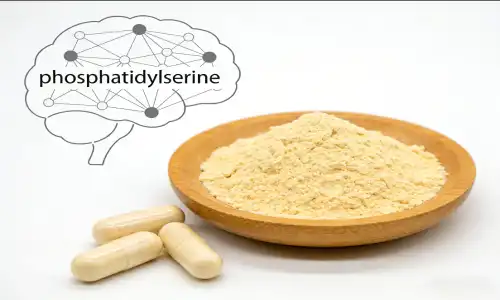
Some substances get their reputations noisily. Phosphatidylserine got hers quietly, with more than forty years of clinical testing, a rare qualified health claim from the U.S. FDA, and a slow absorption by firms that would rather sell evidence than enthusiasm. Today it's memory tablets for old-timers, focus candy for pupils and cortisol-control mixtures for sports. Demand for phosphatidylserine powder bulk has followed suit. This article is a journey: from the cell membrane where the molecule does its work, through the transition from bovine to plant sources, to the particular groups of people it has been shown to help, the product formats where it performs, and finally the practical realities of buying it by the drum. We use phosphatidylserine powder bulk from NT Biotech (Shaanxi New Things Biotech) as reference material. It is produced from non-GMO soy or sunflower lecithin by enzymatic conversion, standardised to 20%, 50% or 70% PS by HPLC on each batch, manufactured under ISO9001, KOSHER and HALAL certification and shipped with a certificate of analysis by a company which controls the whole chain of production, testing and logistics.

Where the Molecule Lives and What It Does
A phospholipid with an address
Phosphatidylserine, or PS, is a phospholipid with a glycerol backbone, two fatty-acid tails, and a head group containing the amino acid serine. The head group is negatively charged and the cell has expertly used this charge to concentrate PS on the inner face of the plasma membrane where it comprises 15% of the phospholipid in neuronal membranes. There is no place in the body where PS is more concentrated than the brain and no place where its functions are more obvious.
The switchboard of the synapse
PS, by virtue of its location and charge, is a docking station for proteins that run cell signalling. All three enzymes that regulate the survival , development and plasticity of neurones ( protein kinase C , Akt and Raf-1 ) attach to PS-rich membrane patches. PS also aids in the release and re-uptake of neurotransmitters, including acetylcholine and dopamine, and helps keep membranes fluid enough for receptors to move and respond. Simply explained, it keeps the communication connections between brain cells open and clear.
Why levels matter with age and stress
The brain generates PS from other phospholipids but its production reduces with age and prolonged stress increases cortisol which further disrupts membrane composition. Modern diets have declined, with dietary intake, largely of organ meats and fish, averaging only about 130 milligrammes per day. Products based on bulk phosphatidylserine powder supplementation replenish membrane PS directly. Radiolabel tests demonstrate that orally eaten PS passes the blood-brain barrier and is incorporated into neuronal membranes within a few hours .

From Cow Brain to Sunflower Seed: The Sourcing Story
The bovine era and its end
The landmark trials of the 1980s and early 1990s, including Crook's multicenter study showing improved memory in older adults, used PS extracted from bovine cortex. The BSE crisis of the 1990s ended that source overnight, and researchers had to ask whether plant-derived PS would perform the same way.
Enzymatic conversion from lecithin
The answer was phospholipase D, an enzyme that replaces the choline head group of phosphatidylcholine with serine. Manufacturers can make PS that is the same at the head group from soy or sunflower lecithin with the only difference being in the fatty-acid tails. Subsequent studies using soy PS (especially in Japanese seniors with memory complaints) replicated the cognitive advantages and in 2003, the FDA issued a qualified health claim associating PS with lowered risk of cognitive impairment. This enzymatic process is used to create the phosphatidylserine powder bulk of NT Biotech under controlled conditions, then it is purified and standardised to the declared PS content.
Soy versus sunflower
Both work; the choice is about positioning. Soy PS is the more studied and more economical grade. Sunflower PS is soy-free and allergen-free, which matters for clean-label brands in Europe and North America and for children's products. NT Biotech supplies both, so a brand can move between them without changing supplier or specification.
The table below summarizes NT Biotech's phosphatidylserine powder bulk specification as listed on its product page.
| Parameter | Specification | Test Method |
|---|---|---|
| Source | Non-GMO soy lecithin or sunflower lecithin | Origin certificate |
| Production | Phospholipase D enzymatic conversion, solvent purification | Process record |
| PS content grades | ≥20%, ≥50%, ≥70% | HPLC |
| Other phospholipids | Phosphatidylcholine, phosphatidylethanolamine, phosphatidic acid reported | HPLC |
| Appearance | White to light-yellow free-flowing powder | Visual |
| Particle size | ≥95% through 80 mesh | Sieve analysis |
| Loss on drying | ≤3.0% | Karl Fischer |
| Heavy metals | Pb ≤1.0, As ≤1.0, Cd ≤0.5, Hg ≤0.1 ppm | USP <232> |
| Microbiology | TPC ≤1,000 cfu/g; yeast/mold ≤100 cfu/g; pathogens negative | USP <2021>/<2022> |
| Packaging and shelf life | Nitrogen-flushed, light-proof; 24 months at ≤25 °C | Stability data |

Benefits, Sorted by Who Is Asking
Older adults: memory and everyday recall
The deepest evidence sits here. Controlled trials at 300 mg per day for twelve weeks have reported improvements in name and face recall, word recall, and other measures of everyday memory in adults over fifty with age-associated memory complaints. The effect is strongest in those with the lowest starting scores, which fits the picture of restoring depleted membrane PS.
Students and professionals: focus under pressure
PS alone or in combination with omega-3 fatty acids has demonstrated to be helpful for attention and processing speed in younger individuals at a dosage of 100 mg three times a day. A frequently referenced trial demonstrated that 400 mg of PS enhanced calculating speed and accuracy in stressed students and research on golfers showed increased consistency under competitive strain.
If you are designing a product for either of these audiences and want to compare grades, email info@newthingsbiotech.com with your target PS dose per serving and format; NT Biotech replies within two hours on working days and can send a sample of phosphatidylserine powder bulk with its current certificate of analysis and HPLC phospholipid profile for your bench work.
Athletes: blunting the cortisol spike
High intensity exercise increases cortisol and frequent spikes delay recovery. In a series of studies, 600 mg PS per day for 10 days lowered exercise-induced cortisol by around 30% and enhanced perceived well-being. PS is a standard in sports recovery and "stress-adapt" formulae.
Children: attention and behavior
A randomized trial in children with attention difficulties reported improvements in attention and impulsivity after two months at 200 mg per day, and PS-omega-3 combinations have shown similar results. Sunflower-derived PS is the usual choice in this category for allergen reasons.
Applications Across Formats and Industries
Capsules, tablets, and softgels
The 50% and 70% grades maintain fill weights reasonable. A 300 mg dose of PS fits in a single 00 capsule with the 70% grade. PS is lipophilic . PS is rather hygroscopic thus blend with a flow aid , maintain low humidity on the line and use moisture-barrier packaging . Fish or MCT oil naturally accompany omega-3s in softgels.
Gummies, powders, and functional foods
The 20% grade with greater phosphatidylcholine content is dispersible in gummy slurries, protein powders and nut-butter bars. Its mild, slightly nutty flavour is readily hidden by vanilla, chocolate or citrus. Add towards the conclusion of processing, below 60 °C, to protect unsaturated fatty acids.
Beverages and shots
Water-dispersible behavior for phosphatidylserine powder bulk improves at the 20% and 50% grades with a small amount of lecithin or gum acacia as a co-emulsifier. Ready-to-drink focus shots at 100 mg to 200 mg PS per bottle are a growing category in East Asia and North America.
Pet nutrition and cosmetics
Senior-dog cognitive supplements use PS at weight-based doses, often with omega-3s and medium-chain triglycerides. In skincare, PS is used at 0.1% to 1% as a membrane-mimetic lipid that supports barrier function and calms irritated skin, dissolved in the oil phase at cool-down.
The second table offers application guidance based on published dosing and NT Biotech's technical recommendations for phosphatidylserine powder bulk.
| Application | Recommended Grade | Typical PS Dose | Handling Note | Common Companions |
|---|---|---|---|---|
| Memory capsule (adults 50+) | 70% | 100 mg × 3 daily | Dry blend with flow aid; desiccant pack | Ginkgo, B-vitamins, DHA |
| Focus gummy (students) | 20% or 50% | 100–200 mg | Deposit below 60 °C | Omega-3, L-theanine |
| Sports recovery powder | 50% | 400–600 mg | Add post-heat; moisture-proof pouch | Ashwagandha, magnesium |
| Children's chewable | Sunflower 50% | 100–200 mg | Allergen-free line | Omega-3, zinc |
| Focus beverage shot | 20% or 50% | 100–200 mg | Co-emulsify with lecithin or acacia | Caffeine, rhodiola |
| Senior pet supplement | 20% | Weight-based | Blend into fat-containing base | Omega-3, MCT oil |
| Barrier skincare | 70% | 0.1–1.0% w/w | Oil phase, cool-down | Ceramides, squalane |

Buying in Bulk: What Actually Matters
The label claim and the number that supports it
The FDA qualified health claim is the single most valuable marketing asset PS offers, but using it responsibly requires knowing exactly how much PS is in your finished product. A drum labeled "phosphatidylserine 50%" may contain 45% PS and 5% phosphatidic acid if the assay method is loose. NT Biotech reports PS by HPLC on every batch along with the full phospholipid profile, so the number on your label is the number in the capsule.
Stability from drum to shelf
PS carries unsaturated fatty acids and a hygroscopic head group, which means oxygen, moisture, and heat all shorten its life. NT Biotech packs phosphatidylserine powder bulk under nitrogen in light-proof, heat-sealed liners, supporting a 24-month shelf life, and supplies stability data to underpin finished-product dating.
Documents, certification, and speed
Each shipment includes a certificate of analysis, technical and safety data sheets, allergen and non-GMO statements, and origin documentation. ISO9001, KOSHER, and HALAL certification cover the facility and product, allowing one ingredient to serve global lines. Popular grades ship from stock within 1 to 3 working days; custom grades or larger runs complete in 3 to 10 working days. Samples travel on NT Biotech's own FedEx and UPS accounts, pallets by air or sea, payment is accepted in the buyer's local currency, and OEM and ODM services extend to finished capsules, gummies, and shots adapted to the destination market. For any brand building on a clinically defined dose, a phosphatidylserine powder bulk supplier that can verify content, protect stability, and deliver on schedule is the difference between a claim and a promise.
Conclusion
Phosphatidylserine is the phospholipid that keeps neuronal membranes fluid and allows signalling proteins to attach. Supplementation works because phosphatidylserine goes down with age and stress. Plant-derived PS made enzymatically from soy or sunflower lecithin duplicated the effects seen with the bovine material and were given a valid health claim by the FDA. The strongest evidence is for memory in elderly persons, with good support for attention in youngsters, focus under pressure, and cortisol regulation in sports. The proper quality, protection of the molecule from moisture and heat and dosing from a confirmed assay are required for success in capsules, gummies, powders, beverages, pet goods and skincare. That basis is supplied to brands by NT Biotech’s HPLC-standardized phosphatidylserine powder bulk, nitrogen-packed and ISO9001, KOSHER and HALAL approved.
FAQ
1. Is plant-derived PS as effective as bovine PS?
Yes. Trials with soy PS reproduced the memory benefits, and the FDA qualified health claim applies to PS regardless of source.
2. Which grade should a memory capsule use?
The 70% grade delivers 100 mg PS per capsule in a manageable fill weight.
3. Soy or sunflower?
Soy is more studied and economical; sunflower is allergen-free and preferred for children's and clean-label products.
4. What daily dose do studies use?
Most of the trials utilised 300 mg a day for memory and 400 to 600 mg for stress and cortisol regulation.
5. How is stability protected in bulk?
Nitrogen flushed, light proof packaging, 24 months shelf life, batch stability data.
Build Smarter Brain-Health Products with NT Biotech
If your next memory, focus or stress-recovery product needs an ingredient with four decades of clinical support behind it, NT Biotech can deliver it ready to create. Phosphatidylserine powder bulk is derived from non-GMO soy or sunflower lecithin, standardised to 20%, 50%, or 70% PS by HPLC on each batch, packed under nitrogen, and certified under ISO9001, KOSHER, and HALAL. Stocked grades ship within 1-3 working days Custom specifications have a fast production cycle OEM services include finished capsules, gummies, powders and shots tailored to your market. Email info@newthingsbiotech.com today with your target dose, format, and volume; you will receive a reply within two hours, a current certificate of analysis, local-currency pricing, and a factory-direct sample. Give your brand a sharper edge with NT Biotech.
References
1. Crook, T. H., Tinklenberg, J., Yesavage, J., Petrie, W., Nunzi, M. G., & Massari, D. C. (1991). Effects of phosphatidylserine in age-associated memory impairment. Neurology, 41(5), 644–649.
2. Kato-Kataoka, A., Sakai, M., Ebina, R., Nonaka, C., Asano, T., & Miyamori, T. (2010). Soybean-derived phosphatidylserine improves memory function of the elderly Japanese subjects with memory complaints. Journal of Clinical Biochemistry and Nutrition, 47(3), 246–255.
3. Glade, M. J., & Smith, K. (2015). Phosphatidylserine and the human brain. Nutrition, 31(6), 781–786.
4. Starks, M. A., Starks, S. L., Kingsley, M., Purpura, M., & Jäger, R. (2008). The effects of phosphatidylserine on endocrine response to moderate intensity exercise. Journal of the International Society of Sports Nutrition, 5, 11.
5. Hirayama, S., Terasawa, K., Rabeler, R., Hirayama, T., Inoue, T., Tatsumi, Y., Purpura, M., & Jäger, R. (2014). The effect of phosphatidylserine administration on memory and symptoms of attention-deficit hyperactivity disorder: A randomised, double-blind, placebo-controlled clinical trial. Journal of Human Nutrition and Dietetics, 27(Suppl. 2), 284–291.
6. Kim, H.-Y., Huang, B. X., & Spector, A. A. (2014). Phosphatidylserine in the brain: Metabolism and function. Progress in Lipid Research, 56, 1–18.
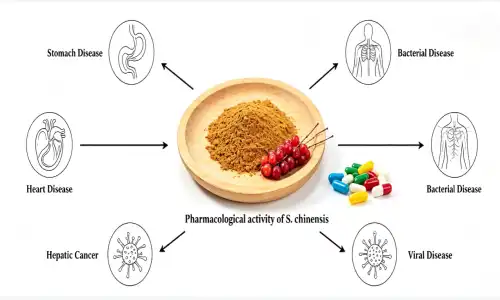
Most of schisandra's history, you drank it. Schisandra chinensis The red berries of Schisandra chinensis were brewed into tonics for stamina and clarity. Only recently had cosmetic chemists learned what herbalists have known for ages: those who consumed the fruit regularly tended to have skin that looked calmer and more resilient. Korean essences, French anti-pollution serums and clean-beauty balms are all made using schisandra extract powder nowadays, and formulators are asking how to use it well. This is for them. It translates the chemistry of the berries into specific skin needs, walks you through the bench problems that first-time users tend to trip over, and offers frameworks for typical product types. In all cases, the material is standardised schisandra extract powder from NT Biotech (Shaanxi New Things Biotech), standardised on total schisandrins by HPLC on each batch, extracted with water and food grade ethanol from cultivated S. chinensis fruit, produced under ISO9001, KOSHER and HALAL certification with cosmetic-grade documentation and OEM support.

What the Five-Flavor Berry Brings to Skin
Chemistry that reads like an anti-aging brief
The benefits of schisandra are derived from three different types of compounds that happen to align nicely with what the skin needs. Schisandrin A, schisandrin B and schisandrol A are dibenzocyclooctadiene lignans that are lipophilic antioxidants that boost cellular glutathione and protect mitochondria from oxidative stress. In addition, the fruit contains polysaccharides that act as humectants and film formers and organic acids (mostly citric and malic) which provide the berry its sourness and a slight keratolytic touch. A premium schisandra extract powder has all three, thus one substance may make an antioxidant, hydrating and textural claim at the same time.
From tonic to topical: what the research shows
Laboratory studies indicated that schisandrin B protected the skin tissue against oxidative damage induced by sun irradiation by maintaining glutathione levels and preventing lipid peroxidation . Fruit extracts have been shown to reduce inflammatory cytokines and to improve barrier related markers in models of inflammatory skin diseases and to preserve collagen formation in fibroblast cultures during UV exposure. Meanwhile, traditional Chinese medicine valued the fruit for its "astringent" and moisturising benefits, a terminology that closely mirrors today's pore-refining and barrier-support lexicon.
Why brands find it easy to tell
Consumers already link adaptogens with balance, and the five-flavor story of schisandra provides copywriters with a great framing technique. The K-beauty and J-beauty stories behind much of the premium market have a lineage rooted in the berry's Asian origins, while its cultivated, traceable sourcing fits a clean-beauty perspective. That marketing lift is real. But it only lasts if the recipe works, which gets us to the fundamental concerns that the ingredient solves.

Matching Schisandra Extract Powder to Skin Concerns
Environmental aging and dullness
UV , ozone and particulate pollution in urban air create free radicals and destroy collagen and elastin that are exposed on skin . The lignans are particularly powerful at assisting the skin to increase its own antioxidant defences, rather than only quenching radicals on contact, for a more sustained protective impact. Extract of Schisandra powder is used by formulators in day serums, anti-pollution mists and night creams to firm and brighten.
Compromised barrier and dehydration
The fruit polysaccharides bind water to create a light and breathable film, while the lignans serve to prevent the oxidation of barrier lipids. In testing on irritated skin models, extracts of schisandra enhanced hydration markers and reduced transepidermal water loss. This makes the extract a natural partner to ceramides, panthenol and glycerine in barrier repair creams and soothing essences.
Redness and reactive skin
Studies in inflammatory skin models found that schisandra extract powder reduced inflammatory signaling and visible irritation. The extract's gentle profile suits post-procedure care, after-sun products, and lines for sensitive or rosacea-prone skin, where strong actives are unwelcome.
Uneven tone and texture
The berry's organic acids provide moderate exfoliation, and lignans have been shown in vitro to control melanin-related enzyme activity. Schisandra extract powder, combined with niacinamide or licorice extract, boosts brightening and texture promises, without the sting of high-strength acids. Scalp products use same antioxidant and soothing features for a healthy scalp narrative.
The table below summarises the skin-relevant chemicals and the hypothesised roles with the type of evidence for each.
| Skin Concern | Key Schisandra Compounds | Proposed Mechanism | Evidence Type |
|---|---|---|---|
| Environmental / photo-aging | Schisandrin B, schisandrin A, schisandrol A | Raises glutathione, protects mitochondria, reduces lipid peroxidation under UV | Animal skin studies, cell culture |
| Barrier and hydration | Fruit polysaccharides, lignans | Humectant film, protection of barrier lipids, reduced water loss | Cell and animal models |
| Redness and sensitivity | Lignans, gomisins | Down-regulation of inflammatory cytokines | Animal models of dermatitis |
| Tone and texture | Organic acids, lignans | Gentle exfoliation, moderation of melanogenic enzyme activity | In vitro |
| Scalp comfort | Lignans, polysaccharides | Antioxidant and soothing action on scalp | Traditional use, cell culture |
| Overall resilience | Full-spectrum extract | Adaptogenic support of cellular stress response (Hsp70) | Cell studies |
Formulation Tips: Solving the Four Bench Challenges
Challenge one: getting lipophilic lignans into a water-based formula
Schisandra's most active ingredients are oil soluble while most serums and essences are water based. NT Biotech's schisandra extract powder is obtained utilising a water-ethanol technique that allows to collect both lignans and the water-soluble fraction. The resulting powder is dispersible in hydro-alcoholic and glycerine bases. For transparent aqueous products pre-dissolve powder in a little amount of propanediol, butylene glycol or a light solubilizer such as polysorbate 20 or PEG-40 hydrogenated castor oil prior to adding to the water phase. For emulsions, the extract was partitioned in the glycol pre-mix and a little oil phase fraction to increase the distribution of lignans.
Challenge two: pH and color
The extract contains natural fruit acids and a reddish brown hue. Target a pH of 4.5 to 6.0: low enough to keep the acids soft and the polysaccharides stable, high enough to avoid hurting on sensitive skin. The colour emerges as a soft amber in clear products and disappears in emulsions at normal use concentrations. A water-white product is critical, in which case the 2% grade at a lower input level or an opaque container should be chosen.
If you would like NT Biotech's cosmetic technical team to review your base and suggest the right grade, solubilization route, and use level, email info@newthingsbiotech.com with your product type, target pH, and packaging; you will receive a reply within two hours on working days along with a sample of the schisandra extract powder and its current certificate of analysis for bench trials.
Challenge three: oxidation and preservation
Lignans are quite stable however the polyphenolic fraction of the extract can darken over time and with oxygen. During cool-down below 40 °C add the extract, including tocopherol in the oil phase and keep the headspace low. Avoid metal-catalyzed browning with a chelator such as disodium EDTA or sodium phytate. Polysaccharides can stimulate microbial development in unpreserved environments. Choose a broad range preservative that will work at mildly acidic pH.
Challenge four: scent and sensory
The powder has a faintly sour, resinous odour when undiluted. At recommended usage levels the note is almost undetectable and goes well with citrus, tea and mild floral notes, or can be left as a natural unfragranced characteristic. The polysaccharides provide a small slip, which most panels describe as cushioning rather than sticky.
The second table sets out NT Biotech's schisandra extract powder specification, as listed on its product page, with cosmetic use guidance.
| Item | Detail |
|---|---|
| Botanical source | Schisandra chinensis (Turcz.) Baill. fruit, cultivated |
| Standardized grades | Total schisandrins ≥2%, ≥5%, ≥9% (HPLC); 10:1 and 20:1 ratio grades |
| Appearance | Reddish-brown to brown fine powder, ≥95% through 80 mesh |
| Extraction solvent | Water / food-grade ethanol, low-temperature concentration |
| Loss on drying / ash | ≤5.0% / ≤5.0% |
| Solubility | Disperses in water-glycol systems; lignans favor glycol or oil pre-mix |
| Recommended use level | 0.2–2.0% depending on grade and format |
| Recommended pH window | 4.5–6.0 |
| Addition temperature | Cool-down phase, below 40 °C |
| Shelf life | 24 months, sealed, protected from light and heat |
| Certifications and documents | ISO9001, KOSHER, HALAL; CoA, TDS, SDS, allergen and stability data |

Product Frameworks That Work
Antioxidant day serum
Build on a basis of hyaluronic acid and glycerine at pH 5.5. Pre-dissolve 0.3%-0.5% of the 9% grade in propanediol and combine with 3% niacinamide and 0.5%-tocopherol acetate. The outcome is a mild environmental-defense serum with a ‘adaptogenic’ story based on quantifiable lignan content.
Barrier-repair cream
In a ceramide emulsion, use 0.5% - 1.0% of schisandra extract powder in the glycol pre-mix and the cool-down phase, together with 1% panthenol and 2% squalane. Maintain pH around 5.0 to mimic acid mantle and to preserve the polysaccharide percentage.
Soothing sheet-mask essence
Water-rich formulations show the cushiony feel of the extract. Use 0.5%-1.5% of the 2% grade with betaine, allantoin and centella. Keep pH at 5.5. The soft amber tone looks natural and botanical on a white sheet.
Scalp tonic
At 20% to 30% ethanol, 0.5% of the 5% grade will dissolve cleanly in a hydro-alcoholic basis. Menthyl Lactate (L-menthyl lactate) Blend for cooling impact and subtle rosemary smell. Antioxidant and relaxing characteristics of schisandra extract powder support healthy-scalp claim without heavy oils.

Claims, Compliance, and Choosing a Schisandra Extract Powder Supplier
Writing claims that match the evidence
The strongest supportable positions are antioxidant protection against environmental stress, support for skin barrier and hydration, and a calming effect on visibly reactive skin. Brightening and texture claims are best framed as supportive and paired with established actives. Clinical or "proven" language should be reserved for products the brand has tested itself. NT Biotech supplies raw-material data that helps substantiate ingredient-level statements.
Documentation that clears regulatory review
Cosmetic registration in the EU, China, and Korea increasingly demands a complete ingredient file. NT Biotech provides a batch-specific certificate of analysis with HPLC schisandrin assay, heavy-metal, pesticide, and microbial results, plus a technical data sheet, safety data sheet, INCI designation, allergen and GMO statements, and raw-material stability data. ISO9001, KOSHER, and HALAL certification cover the product and facility, easing halal-beauty and clean-beauty positioning across markets.
Consistency, speed, and partnership
The company maintains batch-to-batch consistency in the amber tint, aroma and assay by growing their own S. chinensis, verifying species and lignan profile on every lot and drying without maltodextrin fillers, which is important when the extract is part of a brand's sensory signature. Popular grades are shipped from stock within 1 to 3 working days. Custom grades are shipped within 3 to 10 working days. Samples are shipped on NT Biotech's own FedEx and UPS accounts, bulk barrels by air or sea and payment is accepted in the buyer's native currency. OEM and ODM services include finished serums, creams and masks suited to the destination market. For any firm that wants a schisandra extract powder provider that can talk solubilization and pH windows and not just give a price, that technical depth is what makes a potential botanical into a reliable product.

Conclusion
Schisandra extract powder has the right chemistry for the job: lipophilic lignans that bolster the skin's own antioxidant defences, polysaccharides that hydrate and film, and mild fruit acids that improve texture. It is perfect for serums, creams, masks and scalp treatments in an environmental-defense, barrier-repair, soothing and brightening stance when used properly. Following few bench rules will help ensure success: Pre-dissolve lignans in glycol or oil, keep pH between 4.5-6.0, add after cool-down, protect against oxidation and metal ions, and choose the grade to match the format. NT Biotech gives formulators a reliable basis for delivering the five-flavor berry to skin with HPLC-standardized grades, cosmetic documentation, ISO9001, KOSHER and HALAL certification, rapid shipment and OEM assistance.
FAQ
1. Which grade suits a leave-on serum?
The 9% schisandrins grade at 0.3% to 0.5%, pre-dissolved in a glycol before adding to the water phase.
2. Will the powder color my formula?
At typical use levels it lends a soft amber in clear products and is invisible in emulsions.
3. What pH should I target?
Between 4.5 and 6.0 to keep the fruit acids gentle and the polysaccharides stable.
4. Can it be added during heating?
No. Add during cool-down below 40 °C to protect the polyphenolic fraction.
5. What documents does NT Biotech provide for cosmetic registration?
Batch CoA with HPLC assay, TDS, SDS, INCI name, allergen and GMO statements, stability data, and ISO9001, KOSHER, and HALAL certificates.
Formulate with Confidence: Partner with NT Biotech
If schisandra belongs in your next serum, cream, mask, or scalp tonic, NT Biotech can help you move from concept to a stable, documented formula. The company supplies schisandra extract powder standardized to 2%, 5%, and 9% total schisandrins, HPLC-verified on every batch from cultivated Schisandra chinensis, and backed by ISO9001, KOSHER, and HALAL certification. Its cosmetic technical team advises on solubilization, pH, and preservation, stocked grades ship within 1 to 3 working days, and OEM services cover finished skincare adapted to your market. Email info@newthingsbiotech.com today with your product type, target claims, and volume; you will receive a reply within two hours, a current certificate of analysis, local-currency pricing, and a factory-direct sample. Bring the five-flavor berry to your skincare line with NT Biotech.
References
1. Lam, P. Y., Yan, C. W., Chiu, P. Y., Leung, H. Y., & Ko, K. M. (2011). Schisandrin B protects against solar irradiation-induced oxidative stress in rat skin tissue. Fitoterapia, 82(3), 393–400.
2. Kang, Y. H., & Shin, H. M. (2012). Inhibitory effects of Schizandra chinensis extract on atopic dermatitis in NC/Nga mice. Immunopharmacology and Immunotoxicology, 34(2), 292–298.
3. Panossian, A., & Wikman, G. (2008). Pharmacology of Schisandra chinensis Bail.: An overview of Russian research and uses in medicine. Journal of Ethnopharmacology, 118(2), 183–212.
4. Szopa, A., Ekiert, R., & Ekiert, H. (2017). Current knowledge of Schisandra chinensis (Turcz.) Baill. (Chinese magnolia vine) as a medicinal plant species: A review on the bioactive components, pharmacological properties, analytical and biotechnological studies. Phytochemistry Reviews, 16(2), 195–218.
5. Ko, K. M., & Lam, B. Y. H. (2002). Schisandrin B protects against tert-butylhydroperoxide induced cerebral toxicity by enhancing glutathione antioxidant status in mouse brain. Molecular and Cellular Biochemistry, 238(1–2), 181–186.
6. Nowak, A., Zakłos-Szyda, M., Błasiak, J., Nowak, A., Zhang, Z., & Zhang, B. (2019). Potential of Schisandra chinensis (Turcz.) Baill. in human health and nutrition: A review of current knowledge and therapeutic perspectives. Nutrients, 11(2), 333.
Ask ten people to define "more energy" and you'll get ten different answers: legs that refuse to stop in the last kilometre, a mind that stays sharp through the fourth hour of spreadsheets, or just not feeling flat and over-stressed at the end of the week. Schisandra extract powder, from the red berries of Schisandra chinensis, has been credited with all three for ages and today it's one of the fastest growing adaptogens in nootropic and sports formulae. But is the proof good enough? This article examines the question honestly, separating the kinds of fatigue the berry actually addresses, weighing traditional claims against modern trials, explaining the lignan chemistry behind the effects, and showing how to turn that science into a product that works. Our reference material is the standardized schisandra extract powder from NT Biotech (Shaanxi New Things Biotech), verified by HPLC for total schisandrins on every batch, produced under ISO9001, KOSHER, and HALAL certification, and supplied with a certificate of analysis by a company that controls the berry from cultivation to shipment.

First, Define the Energy You Mean
Three kinds of tired
Physical exhaustion is muscular and metabolic. Glycogen depleted, oxidative by-products accumulating, sluggish recovery. Mental exhaustion refers to the depletion of attention and working memory following long periods of cognitive activity. The more subtle lethargy after weeks of high cortisol is the fatigue of stress, when you feel energised but depleted, unable to concentrate even when rested. Most energy products only hit the second with caffeine, which is why so many people feel simultaneously excited and unfocused. What makes schisandra extract powder so remarkable is that both traditional use and recent study indicate activity in not just one but all three categories.
Why it is called the five-flavor berry
Schisandra is known in Chinese as wu wei zi, or "five-flavor fruit," since a single berry tastes sweet, sour, salty, bitter, and pungent simultaneously. Classical writings prescribed it to hunters and travellers to sustain stamina and calm the mind, as wholeness was regarded as a sign that the fruit nourished the full system. The same thread was taken up by Russian researchers in the 1940s who tested the berries on pilots, sailors and telegraph operators for endurance and alertness during long missions.
What a fair answer looks like
A decision that is responsible must differentiate between the well-attested and credible assertions on one hand and the claims based on tradition on the other. The next sections achieve just that, so that a formulator may design a product on the strongest footing and a consumer can set reasonable expectations.

Weighing the Evidence for Energy and Focus
The Soviet military and occupational studies
Soviet scientists tested Schisandra chinensis dozens of times between 1940 and 1980 on rigorous jobs. Panossian and Wikman review research showing that schisandra boosted endurance in troops on lengthy marches, lowered error rates in telegraph operators on night shifts, and increased visual acuity and reaction time in pilots. Most of these trials did not incorporate modern blinding, but the uniformity across settings accounts for schisandra being formally registered as a stimulant-tonic in the Soviet pharmacopoeia.
Modern controlled trials
From 1940 to 1980, Soviet scientists tried schisandra extract powder many times on demanding jobs. Panossian and Wikman analyse evidence indicating schisandra increased endurance in troops on long marches, decreased error rates in telegraph operators on night shifts, and increased visual acuity and reaction time in pilots. Most of these trials lacked modern blinding, but the consistency across settings accounted for schisandra's formal registration as a stimulant-tonic in the Soviet pharmacopoeia.
The verdict by outcome
Attention and cognitive performance under stress: A selected assessment of the literature Previous human trials and credible animal studies supported physical endurance and recovery. Stress-induced fatigue: human evidence on cortisol response and quality of life ratings supported. Conventional and preclinical only: improvement of long term memory in healthy young individuals. "Brands should write claims to reflect that."
The table below summarizes the state of the evidence for the outcomes most relevant to energy and focus.
| Outcome | Human Evidence | Preclinical Support | Evidence Grade | Typical Study Dose |
|---|---|---|---|---|
| Attention and accuracy under stress | Randomized, double-blind (acute and multi-week) | Strong | Good | 270–540 mg standardized extract |
| Physical endurance and recovery | Occupational and athletic trials, mostly older | Strong | Moderate | 500–1,500 mg extract or 1–3 g dried fruit |
| Reduced perceived fatigue | Randomized trials (often in adaptogen blends) | Strong | Moderate to good | 300–600 mg extract |
| Cortisol and stress-marker regulation | Small controlled trials | Strong | Moderate | 300–600 mg extract |
| Mitochondrial and antioxidant support | Biomarker studies | Very strong | Mechanistic | Schisandrin B 10–50 mg/kg (animal) |
| Long-term memory in healthy adults | Traditional use only | Moderate | Preliminary | — |
Inside the Berry: How Schisandra Extract Powder Works
Lignans are the engine
The schisandra extract powder activity is based on a family of dibenzocyclooctadiene lignans: schisandrin A, schisandrin B (also termed gamma-schisandrin), schisandrol A and B and the gomisins. They are uncommon among plant chemicals in that they are lipophilic, readily cross membranes, and accumulate in liver, muscle and brain tissue. Quality extracts are standardised to total schisandrins, often 2%, 5% or 9% as determined by HPLC, because that number correlates with the effects shown in study far better than a basic plant-to-extract ratio.
The liver-mitochondria-energy link
The ability of schisandrin B to boost mitochondrial glutathione and the cell's endogenous antioxidant enzymes has been investigated. In practical terms, muscle and liver cells produce energy with less oxidative damage and rebound more quickly after exercise. This is how the endurance and recovery results work, and why the impact takes weeks to build: the berry doesn’t supply fuel, but makes cells burn the fuel more efficiently.
The stress-response and neurochemical side
Schisandra, like other adaptogens, helps regulate the hypothalamic-pituitary-adrenal axis, damping excessive cortisol and nitric oxide release during stress while boosting heat-shock protein Hsp70, which safeguards neurones under stress. Lignans also affect acetylcholine and dopamine turnover in the brain, which explains the immediate improvement in attention seen within hours. In this image, focus is a downstream consequence of a calmer stress axis and more protected brain cells, not of stimulus.
If you are developing an energy or focus product and want to see how lignan content translates in your own formulation, email info@newthingsbiotech.com with your target schisandrin level and format; NT Biotech replies within two hours on working days and can dispatch a sample of its schisandra extract powder with the current certificate of analysis and HPLC chromatogram for evaluation.

From Evidence to Formula: Dose, Timing, and Pairings
Dosing from the research, not the label trend
In human investigations, standardised extract was most typically utilised at a dosage of 300 mg to 600 mg per day for mental performance and up to 1,500 mg for endurance regimens. Work backwards from lignan content: 400 mg of NT Biotech's 9% grade offers around 36 mg of total schisandrins, right in the range of the acute attention trials. 5% grade at 500mg is a nice middle ground for daily wellness capsules. 2% grade is better for drinks and gummies when volume and taste are more important than potency per gramme.
Timing that matches the physiology
Schisandra extract powder promotes wakefulness by cell protection and cortisol stabilisation, not by blocking fatigue signals, hence dosing in the morning and early afternoon provides the benefit without impairing sleep. "Acute cognitive effects happen within one to two hours; the endurance and stress-resilience benefits take two to six weeks of consistent use to accrue, and product messaging should say so."
Pairings that make sense
Schisandra works well in combination with rhodiola and eleuthero, the traditional ADAPT trio, or with L-theanine and low-dose caffeine for a slower burn release of energy to help with focus. It partners with tart cherry and magnesium for athletic recovery. Ashwagandha and B-vitamins are included in the mix to address stress-related tiredness. Its acidic, slightly resinous taste is nicely hidden behind berry, citrus or ginger flavours in drinks.
The second table sets out the specification of NT Biotech's schisandra extract powder as listed on its product page, with application guidance.
| Grade | Total Schisandrins (HPLC) | Appearance | Suggested Daily Dose | Best-Fit Applications |
|---|---|---|---|---|
| Standardized 2% | ≥2.0% | Reddish-brown fine powder | 500–1,000 mg | Functional beverages, gummies |
| Standardized 5% | ≥5.0% | Reddish-brown fine powder | 400–600 mg | Daily adaptogen and focus capsules |
| Standardized 9% | ≥9.0% | Brown fine powder | 300–500 mg | High-potency nootropics, sports recovery |
| 10:1 ratio extract | Whole-fruit profile, reported | Reddish-brown powder | 500–1,000 mg | Teas, herbal blends |
| 20:1 ratio extract | Concentrated whole-fruit profile | Brown powder | 250–500 mg | Tinctures, beverage concentrates |
| All grades | Botanical source: Schisandra chinensis fruit, cultivated | ≥95% through 80 mesh; loss on drying ≤5% | Water / food-grade ethanol extraction | 24-month shelf life, sealed, cool and dry |

Why the Source Decides Whether the Answer Is Yes
Species, part, and lignan profile
There are two species sold as schisandra, the northern berry, S. chinensis, accounting for almost all of the study, and a southern species, S. sphenanthera, having a different lignan profile and less schisandrin B. Sometimes cheaper powders include them or mix in stems and seeds without saying so. NT Biotech uses grown S. chinensis fruit and validates authenticity by macroscopic examination and HPLC fingerprint and discloses the lignan profile on every certificate of analysis. So the extract in your capsule is the same extract used in studies.
Extraction that protects the lignans
Lignans are heat-stable but susceptible to oxidation and over-extraction with strong solvents which introduce bitterness and colours. NT Biotech uses water and food grade ethanol, concentrates at low temperature and dries without maltodextrin fillers. The resultant powder is standardised by number and is clean enough for beverage usage. Each lot is evaluated against USP and EU references for heavy metals, pesticide residues and microbiological.
Speed, documentation, and partnership
Popular grades are stocked and ship within 1 to 3 working days after confirmation; custom lignan levels or larger runs complete the sourcing-to-packaging cycle in 3 to 10 working days. Samples travel on NT Biotech's own FedEx and UPS accounts, bulk drums by air or sea through trusted forwarders, and payment is accepted in the buyer's local currency. ISO9001, KOSHER, and HALAL certification cover the product and facility, and OEM and ODM services extend to finished focus capsules, energy drinks, and adaptogen blends adapted to the destination market. When a brand's energy claim depends on lignan content, choosing a schisandra extract powder supplier that can show the chromatogram is what makes the science transferable to the shelf.

Conclusion
Can schisandra extract powder support energy and focus? The evidence says yes, with sensible boundaries. Controlled trials show improved attention and accuracy under stress within hours, older occupational studies and consistent animal work support endurance and recovery, and biomarker research explains both through lignans that protect mitochondria and steady the stress axis. Effects are mild, cumulative and without the jitters and crash of stimulants. To do so as a product means dosing by schisandrin content, scheduling for morning and midday, partnering wisely and securing proven Schisandra chinensis extract. The study provides the answer to the consumer. NT Biotech offers all of this: HPLC standardised grades, ISO9001, KOSHER and HALAL certification, batch documentation, fast despatch and OEM support.
FAQ
1. How quickly does schisandra extract powder affect focus?
Acute attention benefits appeared within one to two hours in controlled trials; endurance benefits build over several weeks.
2. Is it a stimulant?
No. It works through cellular protection and stress-axis regulation, giving steadier alertness without a crash.
3. Which grade should a focus capsule use?
The 5% or 9% schisandrins grade, dosed at roughly 300 to 600 mg per day.
4. Does the species matter?
Yes. Research is based on Schisandra chinensis; NT Biotech verifies species and lignan profile on every batch.
5. Can it be combined with caffeine?
Yes. Paired with low-dose caffeine and L-theanine it produces a smoother energy curve.
Power Your Next Energy and Focus Formula with NT Biotech
If the evidence has convinced you that schisandra belongs in your product, the next step is material you can measure and trust. NT Biotech supplies schisandra extract powder standardized to 2%, 5%, and 9% total schisandrins, HPLC-verified on every batch from cultivated Schisandra chinensis, and backed by ISO9001, KOSHER, and HALAL certification. Stocked grades ship within 1 to 3 working days, custom specifications follow a short production cycle, and OEM services cover finished capsules, drinks, and adaptogen blends tailored to your market. Email info@newthingsbiotech.com today with your target dose, format, and volume; you will receive a reply within two hours, a current certificate of analysis, local-currency pricing, and a factory-direct sample. Build energy and focus into your brand with NT Biotech.
References
1. Panossian, A., & Wikman, G. (2008). Pharmacology of Schisandra chinensis Bail.: An overview of Russian research and uses in medicine. Journal of Ethnopharmacology, 118(2), 183–212.
2. Hancke, J. L., Burgos, R. A., & Ahumada, F. (1999). Schisandra chinensis (Turcz.) Baill. Fitoterapia, 70(5), 451–471.
3. Aslanyan, G., Amroyan, E., Gabrielyan, E., Nylander, M., Wikman, G., & Panossian, A. (2010). Double-blind, placebo-controlled, randomised study of single dose effects of ADAPT-232 on cognitive functions. Phytomedicine, 17(7), 494–499.
4. Szopa, A., Ekiert, R., & Ekiert, H. (2017). Current knowledge of Schisandra chinensis (Turcz.) Baill. (Chinese magnolia vine) as a medicinal plant species: A review on the bioactive components, pharmacological properties, analytical and biotechnological studies. Phytochemistry Reviews, 16(2), 195–218.
5. Chiu, P. Y., & Ko, K. M. (2004). Schisandrin B protects myocardial ischemia-reperfusion injury partly by inducing Hsp25 and Hsp70 expression in rats. Molecular and Cellular Biochemistry, 266(1–2), 139–144.
6. Nowak, A., Zakłos-Szyda, M., Błasiak, J., Nowak, A., Zhang, Z., & Zhang, B. (2019). Potential of Schisandra chinensis (Turcz.) Baill. in human health and nutrition: A review of current knowledge and therapeutic perspectives. Nutrients, 11(2), 333.
At some point every buyer will face the question in its most basic form: is blueberry concentrate powder really worth the money or can fresh, frozen or plain juice concentrate do the same job for less? It's a good challenge. It is more expensive per kilogram than any of other options and there are many ambiguous internet promises that make it difficult to determine what you are paying for. This guide addresses the question as a buyer would: comparing what the powder gives against what it costs, when it obviously wins, when it doesn't, and when hidden costs turn a cheap drum into an expensive mistake. The reference product is blueberry concentrate powder from NT Biotech (Shaanxi New Things Biotech), offered as pure fruit powder and anthocyanin-standardized extract grades, fingerprinted by HPLC on each batch, manufactured under ISO9001, KOSHER, and HALAL certification, supported by a certificate of analysis from a company that controls cultivation, extraction, and shipping under one roof.


The Short Answer: Worth It for Most Businesses, With Two Exceptions
Where the powder clearly pays for itself
If your product calls for blueberry flavour, colour, or antioxidant content in a form that stores for two years, ships at ambient temperature, weighs a tenth of the equivalent frozen fruit, and combines into a dry mix or a capsule, the argument for blueberry concentrate powder is already established. NT Biotech's pure juice powder is equivalent to about eight or ten kilos of fresh berries in one kilogram of product, without the cold-chain cost, spoiling risk or seasonal price changes of fruit. For supplement brands, the calculation is even more straightforward: an anthocyanin-standardized extract is the sole format that allows you to put a defensible milligramme amount on a label and duplicate it lot after lot.
The two situations where it may not be
If your product is fresh market item and whole berries are the visual selling feature (think bakery muffin with visible fruit) then powder isn't the value. Or if you are a big juice bottler and are currently processing frozen concentrate through your own lines at scale, then powder is not the best value In all cases, the disadvantages of the powder (shelf life, mobility and dosing accuracy) exceed the advantages of the raw fruit.
How to make the decision quickly
Ask three questions. Does the product need to be shelf-stable and dry? Does the label need a measurable active or a consistent color? Is your volume below the threshold where handling frozen fruit is economical? Two yeses out of three, and blueberry concentrate powder is almost certainly the better buy.

Powder Versus the Alternatives: A Value Comparison
What you lose in fresh and frozen fruit
Fresh blueberries are about 84% water, bruise easily and lose anthocyanins steadily with storage. Studies show significant polyphenol reduction during days stored at refrigerated temperature. Frozen fruit retains nutrients well but requires freezer space and careful thawing and drip-loss management, and is subject to crop price fluctuations. Neither format can be transformed into gummy, pill or stick pack.
What juice concentrate does and does not solve
Liquid juice concentrate at 65 Brix is economical for large beverage plants, but it's heavy, has to be kept cool, ferments if mishandled, and has a minimum-order scale that eliminates smaller brands. Unlike blueberry concentrate powder, which may have a greater proportion of the whole-fruit components, it also contains only the juice fraction with skin polyphenols remaining.
Why powder wins on total cost of use
Any shelf-stable powder that metres by the gramme often costs less per completed unit than any wet format for small and mid-sized companies until you add in freight, cold storage, spoilage and labour. For smaller purchases, NT Biotech’s blueberry concentrate powder ships ambient temperature via the company’s own FedEx and UPS accounts, which alone eliminates a category of expense.
The table below compares the practical economics of the main blueberry formats.
| Factor | Fresh Berries | Frozen Berries (IQF) | Liquid Juice Concentrate (65 Brix) | Blueberry Concentrate Powder |
|---|---|---|---|---|
| Water content | ~84% | ~84% | ~35% | ≤5% |
| Storage | Refrigerated, days | Frozen, 12–24 months | Frozen or chilled, 12 months | Ambient, 24 months |
| Shipping weight per kg fruit equivalent | 1.0 kg | 1.0 kg | ~0.2 kg | ~0.1 kg |
| Usable in dry mixes / capsules | No | No | No | Yes |
| Dose reproducibility | Low | Low | Moderate | High (standardized grades) |
| Skin polyphenols retained | Yes | Yes | Partly lost | Yes (whole-fruit and extract grades) |
| Price volatility | High, seasonal | Moderate | Moderate | Low, contract pricing |
| Typical minimum order | Case | Pallet | Drum / tote | 1 kg sample to pallet |

What You Actually Get: Nutrition and Function Per Gram
The anthocyanins that justify the premium
Blueberries have a reputation due to anthocyanins, including malvidin, delphinidin, petunidin and cyanidin glycosides, chlorogenic acid and other polyphenols. Tests of cognition, vascular function and markers of oxidative stress have increased in human trials with about 100 mg to 300 mg of anthocyanins per day (the equivalent of one to two cups of berries). That consumption is made possible by a standardised extract: 400 mg of NT Biotech's 25% grade delivers about 100 mg of anthocyanins in a capsule, which a consumer could not reasonably consume every day in a smoothie.
Color and flavor that reduce other costs
The pigment also serves as a natural colourant, allowing businesses utilising blueberry concentrate powder to often forgo an additional colour ingredient. The natural fruit acids and sugars also allow formulators to eliminate extra flavour and citric acid. Those savings rarely show up in the ingredient quote, but they do show up in the finished-product cost sheet.
If you would like to run that calculation for your own product, email info@newthingsbiotech.com with your formulation and target claim; NT Biotech responds within two hours on working days and can send the matching grade of blueberry concentrate powder with its certificate of analysis and HPLC profile so you can compare cost per milligram of anthocyanin against your current source.
What survives processing
Spray drying and extraction are performed at low temperature and retain the vast majority of anthocyanins. The resulting powder is more stable than the fruit since water activity is so low. NT Biotech’s powder is stored sealed, dry and away from light, and will hold its assay for 24 months, so the nutrition you pay for is still there when the product reaches the consumer.
The Hidden Costs That Make Cheap Powder Expensive
The carrier trap
The most usual trick to make blueberry concentrate powder look cheap is to dry the juice on a hefty load of maltodextrin. A powder with 30% fruit solids for a third of the price of a pure powder is not cheaper per unit of fruit, it's more expensive. It can also sink a "100% fruit" or "no added sugar" claim. NT Biotech lists fruit-solids content on each grade and offers a carrier-free pure powder, so the comparison is fair from the outset.
Adulteration and misidentification
Because blueberry is expensive, some purple powders are extended with black rice, purple maize or grape skin extract. These materials have cyanidin-3-glucoside as the major component, whereas authentic Vaccinium fruit has a characteristic distribution of malvidin, delphinidin, and petunidin glycosides. The only method to know for sure that you purchased blueberry is the HPLC fingerprint that NT Biotech does on every batch of blueberry concentrate powder.
Contamination and compliance
Fruit powders concentrate whatever's on the fruit thus pesticide residues, heavy metals and patulin require real batch data. One failed retailer audit or border denial costs more than years of price savings. The second table shows the boundaries that NT Biotech uses for each lot.
| Test Item | NT Biotech Limit | Reference Standard |
|---|---|---|
| Anthocyanin assay | Meets declared grade (5%, 10%, 25%; fruit grades reported) | UV-Vis pH differential; HPLC |
| Identity | Vaccinium anthocyanin profile confirmed | HPLC fingerprint |
| Lead (Pb) | ≤1.0 ppm | USP <232>; EU 2023/915 |
| Arsenic (As) | ≤1.0 ppm | USP <232> |
| Cadmium (Cd) | ≤0.5 ppm | EU 2023/915 |
| Mercury (Hg) | ≤0.1 ppm | USP <232> |
| Total plate count | ≤1,000 cfu/g (fruit powder ≤10,000) | USP <2021> |
| Yeast and mold | ≤100 cfu/g (fruit powder ≤1,000) | USP <2021> |
| E. coli / Salmonella | Negative / Negative in 25 g | USP <2022> |
| Pesticide residues | Compliant | USP <561>; EU MRLs |
| Patulin (fruit grades) | ≤50 ppb | EU 2023/915 |
| Loss on drying | ≤5.0% | 105 °C, 2 h |

Protecting the Value: What a Good Supplier Adds
Documentation that turns a purchase into an asset
The powder drum is only worth anything when the paperwork allows you to sell the completed product anywhere. Every lot from NT Biotech is shipped with a certificate of analysis for assay, identification, metals, microbiological and pesticides, technical and safety data sheets and allergies, GMO and origin statements. The plant and the blueberry concentrate powder are ISO9001, KOSHER and HALAL certified so that one ingredient can cover North American, European, Middle Eastern and Asian lines without duplication qualifying work.
Speed and terms that protect cash flow
Having raw material sitting around slowly moving is also a cost. NT Biotech stocks popular grades for shipment 1 to 3 working days after confirmation. Custom runs can be completed in 3 to 10 working days from raw fruit to packed drum. Small orders can be shipped factory-direct and pallets can be shipped by air or sea through trusted forwarders. Payment can be made in the buyer's local currency. Flexible minimums allow a company to begin by offering a sample quantity instead of a complete pallet.
Technical partnership and OEM capability
A new drink's colour fades or a gummy weeps, a trader shrugs and a partner troubleshoots. The NT Biotech team guides on pH, antioxidant pairing, and processing temperature and provides OEM and ODM services with final capsules, gummies, and drink mixes designed to your target market. Answers come swiftly, because the corporation owns cultivation, research, production, and logistics. For any firm trying to decide whether the ingredient is worth buying, a good blueberry concentrate powder supplier is a large part of the solution, because the identical powder is a bargain from one source and a liability from another.

Conclusion
So is it worth buying blueberry concentrate powder? Yes, for the vast majority of supplement, beverage, food, pet nutrition and cosmetic companies. It has a long shelf life, is lightweight in transportation, is precise in dosage, and serves as both flavour and natural colour, which adds up to a reduced overall cost of use compared to fresh, frozen or liquid formats. Standardised grades make anthocyanin claims valid. It only goes away if the powder is diluted with a carrier, extended with cheaper pigments, or sold without any real safety data. Declared fruit solids, HPLC-fingerprinted identity, USP- and EU-aligned limits, ISO9001, KOSHER and HALAL certification, rapid in-stock shipment and OEM support remove those issues. The answer is worth its weight in gold. Buy from a source that can prove what's in the drum.
FAQ
1. Is powder nutritionally comparable to fresh blueberries?
Yes, low temperature drying preserves most of the anthocyanins and the powder is more stable in storage than the raw fruit.
2. How much powder equals a serving of berries?
About 10-15g of pure juice powder or ~400mg of the 25% extract for a comparable anthocyanin dose.
3. What is the biggest hidden cost to watch for?
High carrier content. Always get the fruit-solids proportion in writing.
4. How can I confirm the powder is genuine blueberry?
Ask for the HPLC anthocyanin profile; NT Biotech provides it with every batch.
5. What is the smallest quantity NT Biotech will supply?
Samples start at 1 kg, with stocked grades shipping within 1 to 3 working days.
Decide with Data: Request a Sample from NT Biotech
The best way to settle whether blueberry concentrate powder is worth buying for your business is to test a verified sample against your current ingredient and run the numbers yourself. NT Biotech makes that simple: send your product type, target claim, and estimated volume to info@newthingsbiotech.com and the technical team will reply within two hours with a current certificate of analysis, HPLC profile, local-currency pricing, and a factory-direct sample of the pure fruit powder or the 5%, 10%, or 25% anthocyanin grade that fits your formulation. Every lot is ISO9001, KOSHER, and HALAL certified, stocked grades ship within 1 to 3 working days, and OEM finishing is available when you are ready to scale. Make your next blueberry decision with confidence, backed by NT Biotech.
References
1. Kalt, W., Cassidy, A., Howard, L. R., Krikorian, R., Stull, A. J., Tremblay, F., & Zamora-Ros, R. (2020). Recent research on the health benefits of blueberries and their anthocyanins. Advances in Nutrition, 11(2), 224–236.
2. Krikorian, R., Shidler, M. D., Nash, T. A., Kalt, W., Vinqvist-Tymchuk, M. R., Shukitt-Hale, B., & Joseph, J. A. (2010). Blueberry supplementation improves memory in older adults. Journal of Agricultural and Food Chemistry, 58(7), 3996–4000.
3. Rodriguez-Mateos, A., Rendeiro, C., Bergillos-Meca, T., Tabatabaee, S., George, T. W., Heiss, C., & Spencer, J. P. E. (2013). Intake and time dependence of blueberry flavonoid-induced improvements in vascular function. American Journal of Clinical Nutrition, 98(5), 1179–1191.
4. Michalska, A., & Łysiak, G. (2015). Bioactive compounds of blueberries: Post-harvest factors influencing the nutritional value of products. International Journal of Molecular Sciences, 16(8), 18642–18663.
5. Lee, J., Durst, R. W., & Wrolstad, R. E. (2005). Determination of total monomeric anthocyanin pigment content of fruit juices, beverages, natural colorants, and wines by the pH differential method: Collaborative study. Journal of AOAC International, 88(5), 1269–1278.
6. Jiménez-Aguilar, D. M., Ortega-Regules, A. E., Lozada-Ramírez, J. D., Pérez-Pérez, M. C. I., Vernon-Carter, E. J., & Welti-Chanes, J. (2011). Color and chemical stability of spray-dried blueberry extract using mesquite gum as wall material. Journal of Food Composition and Analysis, 24(6), 889–894.
Blueberry is the unique item that sells itself; customers already believe in it, shops already stock it, and the colour and flavour require no explanation. That's why, due to its popularity, choosing blueberry concentrate powder is more difficult than it seems. You'll find anything from spray dried juice + 70% maltodextrin to rich anthocyanin extracts that cost 10x more per kilogram. The "right" decision is totally dependent on what your business creates and sells. That reality is the principle that organises this guide. It doesn't take you through a generic checklist. It starts with your product category, showing you what type of powder each actually requires and then explaining how to verify quality, calculate true cost and pick a partner. The reference material used throughout the study is the blueberry concentrate powder from NT Biotech (Shaanxi New Things Biotech) which is available as pure fruit powder and as anthocyanin standardised grades. The company verifies each batch by UV-Vis and HPLC and produces the powder under ISO9001, KOSHER and HALAL certification. The company manages its own cultivation, extraction and supply chain and delivers the powder with a certificate of analysis .

Start with Your Product, Not the Powder
If you make beverages, smoothies, or instant drinks
If you require blueberry concentrate powder for a ready-to-drink juice blend, smoothie foundation or stick-pack drink mix, you need the power of a blueberry concentrate powder that dissolves fast, tastes undeniably like the fruit and produces a natural purple-red colour without cloudiness. Here flavour and solubility are more important than pigment concentration and a high quality juice concentrate powder, preferably with a low carrier load, is usually the better buy. The fruit's own sugars and acids give body and tartness, so you may use less additional flavour and acidulant.
If you make supplements, gummies, or functional foods
If your label is making an antioxidant, eye-health or cognitive-support claim, the anthocyanin content is the narrative and a standardised extract grade blueberry concentrate powder is the right instrument. A 400 mg capsule of 25% anthocyanin extract provides ~100 mg anthocyanins, a level consistent with reported human trials; the equivalent capsule of plain fruit powder would provide a fraction of that. Standardisation also allows you to reproduce the dose batch after batch, something regulators and retailers are asking you to show more and more.
If you make bakery, dairy, or snacks
Yoghurt, ice cream, granola clusters and baked additions desire flavour, colour and a clean ‘made with real blueberries’ claim. Here, whole fruit or juice concentrate powder is again a natural fit, and heat stability is most important. Anthocyanins are most stable in acid systems, thus recipes around pH 3.5 to 4.5 retain the colour accurate during baking or pasteurisation .
If you make pet nutrition or cosmetics
Pet treats and supplements appreciate a fruit powder that is clean, additive-free with stringent limits on microbes. Cosmetics favour the standardised extract where the anthocyanin and polyphenol content support antioxidant and soothing claims and the water solubility fits toners, masks and serums.

Understand What You Are Actually Buying
Three products that share one name
Blueberry concentration powder is three very different things. The first is spray dried juice concentrate powder. This is manufactured by pressing the fruit, concentrating the juice and drying it, usually on a maltodextrin or gum arabic carrier as pure fruit sugars are too sticky to dry alone. The second is whole fruit powder, made from freeze- or drum-dried berries, with skin and seeds intact, so it offers fibre and a full polyphenol profile. The third is a solvent extract, where water and food grade ethanol are used to extract and concentrate the anthocyanins to a defined percentage. NT Biotech stocks all three formats so you may easily trial the proper format without changing providers.
The carrier question
Carrier content is where many buyers get surprised. A juice powder labeled "blueberry" may be 30% fruit solids and 70% maltodextrin; that is perfectly acceptable for some drink mixes but disastrous for a "100% fruit" claim. Always request the fruit-solids percentage in writing for blueberry concentrate powder. NT Biotech offers a pure grade with no added carrier and a standard grade with a declared carrier level, so you can choose openly rather than discover the difference in your own lab.
Anthocyanin numbers and how they are measured
Grades are declared on the basis of anthocyanin percentage, but the method of analysis is important. The UV-Vis pH-differential method is rapid and generally accepted; HPLC is more specific and can identify the individual glycosides, malvidin, delphinidin, cyanidin and petunidin, responsible for the characteristic profile of blueberries and can also be used to detect blending with cheaper sources of anthocyanins such as black rice or purple corn. A genuine certificate of analysis will specify the method employed.
The table below summarizes the grades of NT Biotech's blueberry concentrate powder as listed on its product page.
| Grade | Description | Key Specification | Test Method | Best-Fit Applications |
|---|---|---|---|---|
| Pure juice concentrate powder | Spray-dried juice, no added carrier | 100% fruit solids; anthocyanins reported | UV-Vis; Brix record | Premium beverages, clean-label foods |
| Standard juice concentrate powder | Spray-dried on declared carrier | Fruit solids ≥ declared %; free-flowing | UV-Vis | Drink mixes, bakery, dairy |
| Whole-fruit powder | Milled dried berries, skin and seed | Dietary fiber retained; anthocyanins reported | UV-Vis; sieve | Granola, pet nutrition, smoothies |
| Extract 5% | Water/ethanol extract | Anthocyanins ≥5% | UV-Vis; HPLC | Functional beverages, gummies |
| Extract 10% | Water/ethanol extract | Anthocyanins ≥10% | HPLC | Supplements, cosmetics |
| Extract 25% | Water/ethanol extract | Anthocyanins ≥25%; malvidin-dominant profile | HPLC | High-potency capsules, eye-health formulas |
| All grades | Fine purple powder, ≥95% through 80 mesh | Loss on drying ≤5%; 24-month shelf life | Sieve; 105 °C, 2 h | — |

Verify Quality Before You Commit
Authenticity: is it really blueberry?
Blueberry is pricey and adulteration with cheaper purple components is a known issue. Ask for an HPLC anthocyanin profile: true Vaccinium species have a characteristic distribution of malvidin, delphinidin, petunidin and cyanidin glycosides, whereas black rice or purple maize are dominated by cyanidin-3-glucoside alone. NT Biotech fingerprints each batch against a reference and works from farmed fruit so the profile on your certificate of analysis is the profile in the drum.
Cleanliness: what else is in the powder?
Fruit powders concentrate whatever was on the fruit, therefore pesticide and heavy-metal data are musts. Microbial limitations are more important for dairy, pet and newborn adjacent goods. Demand batch-specific results, not a typical-value sheet.
If you are shortlisting suppliers and want to compare real documents rather than sales claims, email info@newthingsbiotech.com with your product type and target grade; NT Biotech replies within two hours on working days and can send a current certificate of analysis, HPLC chromatogram, and a sample of the matching blueberry concentrate powder for your own bench and sensory testing.
Sensory and functional checks you can run yourself
Dissolve 1 g in 100 ml of water; it should clear rapidly without sediment, have a clean blueberry flavour, without caramel or cardboard, and be a vibrant purple-red at pH 3.5. Heat damage during drying shows dull brown hue. Touch a small pile and check flow. Too much clumping means difficulties on filling lines and high moisture or hygroscopic carriers.
Do the Business Math
Price per kilogram is the wrong number
Actual blueberry is $60 per kilogram. Pure powder at $45 per kilogram is the cheapest fruit. A powder with 30% fruit solids is $18 per kilogram. For extracts, divide price by % anthocyanin to find cost per gramme active. This one calculation will typically re-arrange the majority of supplier estimates and reveal that the "expensive" choice is actually the cheapest.
Consistency has a price too
A shade or flavor that drifts between lots of blueberry concentrate powder creates rework, customer complaints, and wasted packaging. Standardized grades with reported color values and anthocyanin content cost slightly more up front but eliminate the hidden costs of variability. For a brand where "blueberry purple" is part of the identity, that reliability is worth far more than the difference in unit price.
Lead time, minimums, and cash flow
Your production calendar has a role in the cost calculation. NT Biotech stocks popular grades for shipment within 1 to 3 working days of confirmation. Custom runs are completed from sourcing to extraction, testing and packaging in 3 to 10 working days. Flexible minimums, factory-direct shipment on the company's own FedEx and UPS accounts for smaller orders, sea or air freight through trusted forwarders for pallets and payment accepted in the buyer's local currency all lower the working capital locked up in inventory.
The second table sets out the safety limits NT Biotech applies to every batch of blueberry concentrate powder alongside the international references they follow.
| Test Item | NT Biotech Limit | Reference Standard |
|---|---|---|
| Lead (Pb) | ≤1.0 ppm | USP <232>; EU 2023/915 |
| Arsenic (As) | ≤1.0 ppm | USP <232> |
| Cadmium (Cd) | ≤0.5 ppm | EU 2023/915 |
| Mercury (Hg) | ≤0.1 ppm | USP <232> |
| Total plate count | ≤1,000 cfu/g (fruit powder ≤10,000) | USP <2021> |
| Yeast and mold | ≤100 cfu/g (fruit powder ≤1,000) | USP <2021> |
| E. coli | Negative | USP <2022> |
| Salmonella | Negative in 25 g | USP <2022> |
| Pesticide residues | Compliant | USP <561>; EU MRLs |
| Patulin (fruit grades) | ≤50 ppb | EU 2023/915 |

Choose a Partner, Not Just a Price List
Documentation that keeps you compliant across borders
A reputable blueberry concentrate powder supplier provides a certificate of analysis specific to each batch including identification, anthocyanin assay, heavy metals, microbiological and pesticides as well as a technical data sheet, safety data sheet and statements for allergens, GMO and provenance. NT Biotech's ISO9001, KOSHER and HALAL certification is for both the facility and the product, enabling a single ingredient to serve North American, European, Middle Eastern and Asian lines without reformulation or duplicate audits.
Technical support that shortens development
You see the difference between a vendor and a partner when something goes wrong: a new beverage's colour fades, a candy bleeds, or a tablet mottles. The technical experts at NT Biotech can help you with pH correction, antioxidant matching and process temperature guidance. Our services include OEM and ODM for finished capsules, gummies, drink mixes and blends to your target market. Answers to root causes are fast, not filtered via traders, because cultivation, research, production and logistics are all handled in-house.
Responsiveness as the tie-breaker
If the two quotes are like, judge the first email exchange. The two hour response promise, the willingness to share full paperwork before any deposit, and the clear, specific responses on fruit contents, carrier and anthocyanin process tell you what the partnership will feel like a year from now.

Conclusion
The first thing to consider before thinking of the pricing is the business that the blueberry concentrate powder will be serving. For beverages, bakery and dairy, delicious, soluble juice or whole-fruit powder with a recognised fruit-solids content is often required. For supplements and cosmetics, anthocyanin-standardized extract validated by HPLC is required. Authenticity, contaminant data, lot-to-lot consistency safeguard your brand in whatever format and cost should be measured per unit of fruit or active, not by kilogram. NT Biotech offers the entire spectrum of grades, fingerprints each batch, employs USP- and EU-aligned limits, is ISO9001, KOSHER and HALAL certified, supplies stocked material within days, and offers technical and OEM support for the product. Follow that foundation and your product's purple will be both true and trustworthy.
FAQ
1. Which grade is best for a supplement with antioxidant claims?
A standardized extract, typically 10% or 25% anthocyanins, dosed by active content.
2. How do I know the powder is not cut with maltodextrin?
Request the fruit-solids percentage in writing; NT Biotech offers a carrier-free pure grade.
3. Can I detect blending with other purple fruits?
Yes, an HPLC profile showing malvidin, delphinidin, petunidin, and cyanidin glycosides confirms genuine blueberry.
4. How fast can NT Biotech deliver?
Stocked grades ship within 1 to 3 working days; custom runs take 3 to 10 working days.
5. Does NT Biotech offer finished products?
Yes, OEM and ODM services cover capsules, gummies, drink mixes, and blends tailored to your market.
Find the Right Blueberry Concentrate Powder with NT Biotech
Whether your business needs a clean-label fruit powder for beverages, a high-anthocyanin extract for capsules, or a versatile grade for bakery and dairy, NT Biotech can match the material to your product and prove its quality on paper. Every batch of blueberry concentrate powder is HPLC-fingerprinted, screened to USP and EU limits, and backed by ISO9001, KOSHER, and HALAL certification. Stocked grades ship within 1 to 3 working days, custom specifications follow a short production cycle, and OEM finishing is available for finished formats. Email info@newthingsbiotech.com today with your application, target grade, and volume; you will receive a reply within two hours, a current certificate of analysis, local-currency pricing, and a factory-direct sample. Build your next blueberry product on a foundation you can trust with NT Biotech.
References
1. Kalt, W., Cassidy, A., Howard, L. R., Krikorian, R., Stull, A. J., Tremblay, F., & Zamora-Ros, R. (2020). Recent research on the health benefits of blueberries and their anthocyanins. Advances in Nutrition, 11(2), 224–236.
2. Michalska, A., & Łysiak, G. (2015). Bioactive compounds of blueberries: Post-harvest factors influencing the nutritional value of products. International Journal of Molecular Sciences, 16(8), 18642–18663.
3. Lee, J., Durst, R. W., & Wrolstad, R. E. (2005). Determination of total monomeric anthocyanin pigment content of fruit juices, beverages, natural colorants, and wines by the pH differential method: Collaborative study. Journal of AOAC International, 88(5), 1269–1278.
4. Gavrilova, V., Kajdžanoska, M., Gjamovski, V., & Stefova, M. (2011). Separation, characterization and quantification of phenolic compounds in blueberries and red and black currants by HPLC–DAD–ESI-MSn. Journal of Agricultural and Food Chemistry, 59(8), 4009–4018.
5. Fang, Z., & Bhandari, B. (2011). Effect of spray drying and storage on the stability of bayberry polyphenols. Food Chemistry, 129(3), 1139–1147.
6. Jiménez-Aguilar, D. M., Ortega-Regules, A. E., Lozada-Ramírez, J. D., Pérez-Pérez, M. C. I., Vernon-Carter, E. J., & Welti-Chanes, J. (2011). Color and chemical stability of spray-dried blueberry extract using mesquite gum as wall material. Journal of Food Composition and Analysis, 24(6), 889–894.
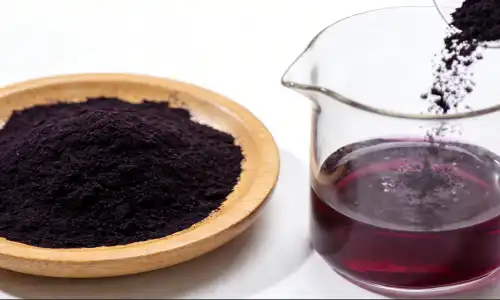
Take a walk in any supermarket aisle and count the products that guarantee 'no artificial colours'. Then count the number that are blue or purple. The answer is: not many, for those tints have always been the most difficult to attain without synthetic colouring. Indigo fruit extract powder, squeezed and dried from the berries of Lonicera caerulea (haskap, or blue honeysuckle), is modifying this arithmetic. This article argues reason by reason: the regulatory and consumer pressure driving reformulation, the pigment chemistry which allows one ingredient to deliver pink through violet blue, how it stacks up against spirulina, red cabbage and purple carrot, and where it performs best in real products. Our reference material is the standardised indigo fruit extract powder from NT Biotech (Shaanxi New Things Biotech) in 5%, 10% and 25% anthocyanins (verified by UV-Vis and HPLC on every batch), produced under ISO9001, KOSHER and HALAL certification, with a supplier that controls the berry from cultivation to certificate of analysis.

Reason One: The Market Has Turned Against Synthetic Dyes
Regulators are moving, not just talking
For years "clean label" was a marketing preference; it is now becoming a compliance issue. The U.S. FDA revoked authorization for FD&C Red No. 3 in food in early 2025 and has signaled a broader phase-out of petroleum-based dyes, while several states have passed their own restrictions on school foods. In the European Union, products containing the "Southampton six" azo dyes must carry a warning about effects on children's attention, which most brands treat as a de facto ban. Brilliant Blue (FD&C Blue 1) and Indigo Carmine (Blue 2) remain permitted for now, but every formulator knows which way the wind is blowing. Indigo fruit extract powder offers a path out of that exposure with a colorant that is, quite literally, a fruit.
Consumers read the back of the pack
Surveys of major ingredient companies always demonstrate that more than half of shoppers verify colourant declarations and that coloured with fruit and vegetable juice or haskap berry extract performs far better than any E number. That trust is worth shelf space. Retailers in North America, Europe and East Asia are increasingly demanding natural-color positioning for private-label brands. A true pigmented purple that looks good and tells the right label story for a brand.
Blue and purple are the bottleneck
You may get reds and yellows easily from beetroot, paprika and turmeric. Historically, blues and purples have depended on spirulina, which is heat- and acid-sensitive, or on synthetic dyes. There are berries high in anthocyanins to address this void and haskap is notable for density of pigment and a clear, cyanidin-dominant profile that performs predictably in formulation.

Reason Two: One Berry, a Whole Spectrum
The chemistry that makes color shift
Anthocyanins ( Natural pH indicators ) The main pigment in indigo fruit extract powder is cyanidin-3-glucoside. In acidic environments (about pH 3), cyanidin-3-glucoside is brilliant red-pink in colour, deepening to magenta and violet at pH 4-5 and turning to blue-purple at pH 5.5-6.5 . That one behaviour allows a product developer a palette of tints with a single ingredient by merely changing acidity—something no synthetic dye can do. Pink lemonade and violet berry soda can utilise the same colourant at varying levels of use and pH for beverages.
Exceptional pigment density
Haskap berries have two to four times the anthocyanin levels of highbush blueberries, with cyanidin-3-glucoside comprising about 80 to 90 percent of the total. The colour of indigo fruit extract powder is clearer and more batch-to-batch repeatable since the profile is dominated by one pigment rather than a blend of a dozen. NT Biotech further concentrates this into standardised grades, so a 25% powder provides strong colouring at input levels of tenths of a percent.
Water solubility that suits modern formats
The powder is readily soluble in water, glycerine and weak alcohol making it suitable for use in RTD beverages, gummies, yoghurts and powdered mixes. No emulsifiers or carriers are needed and the small 80-mesh particle size will spread without clumping, keeping production simple.
The table below summarizes the specification of NT Biotech's indigo fruit extract powder as listed on its product page.
| Parameter | Specification | Test Method |
|---|---|---|
| Botanical source | Lonicera caerulea L. fruit, cultivated | Botanical ID / HPLC fingerprint |
| Standardized grades | Anthocyanins 5%, 10%, 25% | UV-Vis pH differential; HPLC |
| Principal pigment | Cyanidin-3-glucoside (≈80–90% of anthocyanins) | HPLC |
| Ratio grade | 10:1 whole-fruit extract | Input/output ratio |
| Appearance | Dark violet to purple fine powder | Visual |
| Color value (E1%, 1 cm, 520 nm) | Reported per batch | Spectrophotometry |
| Solubility | Freely soluble in water and hydro-alcoholic systems | Bench test |
| Particle size | ≥95% through 80 mesh | Sieve analysis |
| Loss on drying | ≤5.0% | 105 °C, 2 h |
| Shelf life | 24 months, sealed, protected from light and heat | Stability data |

Reason Three: It Holds Its Own Against Other Natural Colorants
Versus spirulina phycocyanin
Spirulina produces a real sky blue, but its protein pigment denatures with heat and precipitates at pH below roughly 5, removing it from most acidic drinks and baked foods. Indigo fruit extract powder is considerably more acid stable and may survive short heat treatments such as hot-fill and pasteurisation provided the system is kept below pH 4. If your target is purple or violet this is the more forgiving option.
Versus red cabbage and purple carrot
Both are strong sources of anthocyanins with great heat stability due to acylated pigments, however red cabbage has a sulphurous off-note that needs to be covered while purple carrot can offer an earthy backdrop. Haskap is a nice, slightly fruity flavour that fits into berry, grape and citrus systems without any cover-up work. It also tells a greater consumer story than a vegetable most shoppers identify with coleslaw.
Versus grape skin and elderberry
Grape skin extract is a low-cost material but typically has residual tannin and allergy and sulphite declarations for some markets. Elderberry has a similar cyanidin profile, but lesser concentration. Haskap hits the sweet spot: strong pigment, clear taste, no common allergic issues and a "superfruit”"halo that adds value on the label.
If you are comparing natural purples for a specific product and want to see haskap side by side with your current colorant, email info@newthingsbiotech.com with your target shade, pH, and processing conditions; NT Biotech responds within two hours on working days and can send samples of the 10% and 25% grades with the current certificate of analysis and color-value data for bench trials.
Regulatory footing across markets
Anthocyanins from edible fruit are recognized in the European Union as E163 and in many Asian markets as fruit-derived natural pigments; in the United States, colors from fruit are generally used under the exemption from certification, with the declaration "fruit juice color" or the named fruit extract. NT Biotech provides the documentation needed to support the correct declaration for each destination.
Reason Four: It Performs Where Brands Need It Most
Beverages and ready-to-drink teas
Acidic beverages are the ingredient's natural home. At pH 2.8 to 3.5, indigo fruit extract powder gives a bright, stable pink-red to magenta; a splash of alkalinity toward pH 4 pushes it into violet. Use levels of 0.02% to 0.1% of the 25% grade are typical. Ascorbic acid at high levels can accelerate pigment fade, so balance vitamin C fortification against color targets and protect the finished product from light.
Confectionery, gummies, and frozen desserts
Gummies, hard candy, and sorbets benefit from the pigment's clean flavor and intense shade. Gelatin and pectin systems around pH 3.5 hold the color well, and because gummies are cooked briefly rather than for hours, pigment retention is high. In ice cream and frozen yogurt, low storage temperatures keep anthocyanins remarkably stable for months.
Dairy, plant-based, and powdered products
Yogurts and plant-based alternatives, typically pH 4.0 to 4.6, show a soft lavender to berry-purple hue that consumers associate with real fruit when indigo fruit extract powder is used. In dry mixes, protein powders, and instant drinks, the powder needs no processing at all until the consumer adds water, which makes it one of the easiest natural colorants to handle. Nutraceutical brands also use it in capsules and effervescent tablets where a purple tone signals antioxidant content.
Cosmetics and personal care
The same pigment colors bath products, toners, and clay masks, and pairs naturally with skincare claims around antioxidant defense, giving beauty brands a colorant and an active in one ingredient.
The second table compares indigo fruit extract powder with commonly used natural blue and purple colorants, drawing on published anthocyanin stability studies and NT Biotech's technical data.
| Colorant | Pigment Type | Hue Range | Acid Stability (pH 3–4) | Heat Tolerance | Flavor Impact | Typical Label Declaration |
|---|---|---|---|---|---|---|
| Indigo fruit (haskap) extract powder | Cyanidin-3-glucoside anthocyanins | Pink → magenta → violet-blue | Very good | Good for hot-fill/pasteurization | Mild, fruity | Haskap berry extract / fruit color / E163 |
| Spirulina extract | Phycocyanin (protein) | True blue | Poor (precipitates) | Poor above ~60 °C | Slight algal | Spirulina extract |
| Red cabbage extract | Acylated cyanidins | Pink → purple → blue | Very good | Excellent | Sulfurous, needs masking | Vegetable juice color / E163 |
| Purple carrot extract | Acylated cyanidins | Red → purple | Very good | Excellent | Slightly earthy | Vegetable juice color / E163 |
| Grape skin extract | Malvidin-based anthocyanins | Red → purple | Good | Good | Tannic | Grape skin extract / E163 |
| Butterfly pea flower | Delphinidin polyacylated | Blue → purple | Moderate | Moderate | Neutral to grassy | Butterfly pea flower extract |

Reason Five: The Right Supplier Turns a Pigment into a Reliable Color System
Consistency starts in the field
Color is unforgiving: a shade that drifts between production runs is noticed immediately by consumers and quality teams alike. Because haskap is a young commercial crop, wild-collected fruit varies widely in pigment content. NT Biotech works from controlled cultivation, harvests at consistent ripeness, and extracts with water and food-grade ethanol under low temperature to protect the pigments, then standardizes each batch to its declared anthocyanin level and reports a color value on the certificate of analysis. That discipline is what allows an indigo fruit extract powder to be dosed by number rather than by eye.
Documentation and certification for every market
Each shipment carries a batch-specific CoA covering anthocyanin assay, color value, heavy metals, pesticide residues, and microbiology, together with a technical data sheet, safety data sheet, allergen and GMO statements, and stability summary. ISO9001, KOSHER, and HALAL certification cover the facility and the product, which lets a single colorant serve global lines without reformulation.
Speed, flexibility, and partnership
Standard grades are held in inventory and ship within 1 to 3 working days after order confirmation; custom anthocyanin levels or larger runs complete the full sourcing-to-packaging cycle in 3 to 10 working days. Samples travel on NT Biotech's own FedEx and UPS accounts, bulk drums by air or sea through trusted forwarders, and payment is accepted in the buyer's local currency. OEM and ODM services extend to finished beverages, gummies, and supplement blends adapted to the destination market. For brands seeking an indigo fruit extract powder supplier who can talk pH curves and color values rather than simply quote a price per kilogram, that end-to-end technical support is the deciding factor.

Conclusion
The case for indigo fruit extract powder as a natural colorant rests on five points. Regulators and consumers are steadily closing the door on synthetic dyes, and blue-purple shades are where alternatives have been scarcest. Haskap's cyanidin-rich chemistry delivers a full range from pink to violet-blue through simple pH control, with pigment density that keeps use levels low. It outperforms spirulina in acidic and heated systems and beats vegetable sources on flavor and label appeal. It performs across beverages, confectionery, dairy, powders, and cosmetics. And with NT Biotech's cultivated sourcing, standardized grades, batch-specific color data, ISO9001, KOSHER, and HALAL certification, and fast, flexible supply, formulators gain a colorant that is as dependable as it is beautiful.
FAQ
1. What colors can indigo fruit extract powder produce?
Pink-red in acidic systems, magenta to violet around pH 4–5, and purple-blue toward pH 6, all from the same powder.
2. Does it survive pasteurization?
Yes, short heat treatments such as hot-fill and pasteurization are well tolerated, especially below pH 4.
3. How much is needed to color a beverage?
Typically 0.02% to 0.1% of the 25% anthocyanin grade, adjusted to the target shade.
4. How is it declared on labels?
Commonly as haskap berry extract, fruit color, or E163 in the EU; NT Biotech supplies documentation for each market.
5. How consistent is the color between batches?
Every batch is standardized to its anthocyanin level and reported with a measured color value on the CoA.
Bring True Natural Purple to Your Products with NT Biotech
If your reformulation roadmap includes replacing synthetic blues and purples, indigo fruit extract powder deserves a place on your bench, and NT Biotech makes evaluating it easy. The company supplies standardized 5%, 10%, and 25% anthocyanin grades with batch-specific color values, ships stocked material within 1 to 3 working days, and offers OEM services for finished beverages, gummies, and supplements tailored to your market. Its technical team will help you match grade, pH, and use level to the exact shade you want, all backed by ISO9001, KOSHER, and HALAL certification. Email info@newthingsbiotech.com today with your target color and application; you will receive a reply within two hours, a current certificate of analysis, local-currency pricing, and a factory-direct sample. Let NT Biotech color your next launch naturally.
References
1. Giusti, M. M., & Wrolstad, R. E. (2003). Acylated anthocyanins from edible sources and their applications in food systems. Biochemical Engineering Journal, 14(3), 217–225.
2. Cortez, R., Luna-Vital, D. A., Margulis, D., & Gonzalez de Mejia, E. (2017). Natural pigments: Stabilization methods of anthocyanins for food applications. Comprehensive Reviews in Food Science and Food Safety, 16(1), 180–198.
3. Sigurdson, G. T., Tang, P., & Giusti, M. M. (2017). Natural colorants: Food colorants from natural sources. Annual Review of Food Science and Technology, 8, 261–280.
4. Chaovanalikit, A., Thompson, M. M., & Wrolstad, R. E. (2004). Characterization and quantification of anthocyanins and polyphenolics in blue honeysuckle (Lonicera caerulea L.). Journal of Agricultural and Food Chemistry, 52(4), 848–852.
5. Celli, G. B., Ghanem, A., & Brooks, M. S.-L. (2014). Haskap berries (Lonicera caerulea L.): A critical review of antioxidant capacity and health-related studies for potential value-added products. Food and Bioprocess Technology, 7(6), 1541–1554.
6. Khoo, H. E., Azlan, A., Tang, S. T., & Lim, S. M. (2017). Anthocyanidins and anthocyanins: Colored pigments as food, pharmaceutical ingredients, and the potential health benefits. Food & Nutrition Research, 61(1), 1361779.