- English
- French
- German
- Portuguese
- Spanish
- Russian
- Japanese
- Korean
- Arabic
- Greek
- German
- Turkish
- Italian
- Danish
- Romanian
- Indonesian
- Czech
- Afrikaans
- Swedish
- Polish
- Basque
- Catalan
- Esperanto
- Hindi
- Lao
- Albanian
- Amharic
- Armenian
- Azerbaijani
- Belarusian
- Bengali
- Bosnian
- Bulgarian
- Cebuano
- Chichewa
- Corsican
- Croatian
- Dutch
- Estonian
- Filipino
- Finnish
- Frisian
- Galician
- Georgian
- Gujarati
- Haitian
- Hausa
- Hawaiian
- Hebrew
- Hmong
- Hungarian
- Icelandic
- Igbo
- Javanese
- Kannada
- Kazakh
- Khmer
- Kurdish
- Kyrgyz
- Latin
- Latvian
- Lithuanian
- Luxembou..
- Macedonian
- Malagasy
- Malay
- Malayalam
- Maltese
- Maori
- Marathi
- Mongolian
- Burmese
- Nepali
- Norwegian
- Pashto
- Persian
- Punjabi
- Serbian
- Sesotho
- Sinhala
- Slovak
- Slovenian
- Somali
- Samoan
- Scots Gaelic
- Shona
- Sindhi
- Sundanese
- Swahili
- Tajik
- Tamil
- Telugu
- Thai
- Ukrainian
- Urdu
- Uzbek
- Vietnamese
- Welsh
- Xhosa
- Yiddish
- Yoruba
- Zulu
knowledge
Choosing the right hyaluronic acid powder bulk is a smart choice that has a direct effect on how well the product works, how well it meets legal requirements, and how cheaply it can be made. Procurement experts have to look at a lot of technical and financial factors when they are looking for sodium hyaluronate powder for food supplements, functional drinks, or capsules. The right provider gives you regular purity levels—ideally 99%—along with a lot of paperwork, like Certificates of Analysis and batch traceability records. It is very important to know about differences in molecular weight, mesh size requirements, and verification standards such as ISO9001, Kosher, and Halal. This makes sure that your raw material works successfully in a wide range of formulations, from beauty-from-within capsules to joint support tablets. It also makes sure that your product meets the standards of foreign markets and supports your brand's image for quality and innovation.

Understanding Hyaluronic Acid Powder Bulk: Properties and Benefits
Hyaluronic acid, which is also called sodium hyaluronate in science, is a naturally occurring protein that is found in large amounts in skin, joints, and connective tissues. Its chemical structure, which is shown by the formula (C14H21NO11)n, makes it very good at holding water—up to 1,000 times its own weight. Because of this one-of-a-kind quality, it has become an important ingredient in the cosmetics, nutraceuticals, and pharmaceutical businesses. When bought as a hyaluronic acid powder bulk with particles that are 80 mesh and 99% pure, the material dissolves easily and can be used in a wide range of industrial processes.
Why Molecular Weight Matters in Bulk Procurement?
When looking for hyaluronic acid powder, molecular weight is the most important technical factor. Low molecular weight versions (below 50 kDa) penetrate tissue barriers better, suiting joint health products where absorption matters. High molecular weight options (above 1,000 kDa) excel at moisture retention and lubrication for topical formulas and beauty supplements. Middle ranges balance both traits. Premium joint support formulas often blend molecular weights for synergistic benefits, ensuring raw material specifications align with finished product performance claims.
Purity Standards and Their Impact on Formulation Stability
Levels of purity have a direct effect on both following the rules and keeping the product stable. A 99% standard, confirmed by HPLC testing, makes sure that there isn't much pollution from proteins, nucleic acids, or microbial leftovers. The FDA and the European Food Safety Authority have strict rules about food supplements, and this grade meets those rules. Lower purity grades might add factors that make it harder to keep batches consistent or cause bad reactions in people who are more sensitive. If a company has ISO9001 approval, it means that they have structured quality controls in place throughout the whole production process, from getting the raw materials to packaging them up at the end. Kosher and Halal approvals make markets bigger, especially for brands that want to reach Muslim and Jewish consumers in the Middle East, Southeast Asia, and around the world.
Industrial Benefits Beyond Hydration
While marketing stories focus on moisture retention, bulk hyaluronic acid offers practical benefits solving specific manufacturing challenges. Its gelatinous properties improve tablet binding and reduce capsule stickiness during high-speed sealing. When blended with collagen peptides, it enhances protein solubility in drink powders, preventing clumping and settling. The white powder appearance ensures no color contrast, maintaining product line consistency. Controlled storage stability extends shelf life and reduces waste for contract manufacturers managing high-volume production.
Hyaluronic Acid Powder Bulk vs Other Forms: Making the Right Choice
When buying something, people often have to choose between hyaluronic acid powder bulk, liquid treatments, and ready-to-use serums. Each format has its own pros and cons when it comes to operations, formulation freedom, and total cost of ownership.
Stability and Shelf Life Considerations
When it comes to stability, powder types are better than water-based treatments. Hyaluronic acid that is liquid needs to be preserved to stop microbes from growing, and it usually stays good for 12 to 18 months when kept in the fridge. Powder, on the other hand, that is kept properly—in 25 kg drums with desiccant protection—stays stable at room temperature for 24 to 36 months. This longer shelf life lowers the pressure to sell items quickly and lowers the amount of money lost due to expiration. Shipping costs are also in powder's favor: getting rid of water weight cuts freight costs by 60–70% on foreign lines. These organizational benefits are especially important for buyers who buy goods from Asian production hubs and then ship them to markets in North America and Europe.
Manufacturing Compatibility and Formulation Flexibility
Formulators have full control over the quantity and mixing ratios when using powder forms. Using the same base powder, a supplement company making a collagen-hyaluronic acid beauty drink can change the amount of HA in each dose from 50 mg to 200 mg depending on where it is sold and how much it costs. This freedom is limited by liquid forms, which often lock buyers into pre-set ratios. Powder works well with automatic tools for encapsulation and tableting as well. Flow features of 80-mesh powder allow uniform dosing through volumetric fillers, which cuts down on machine downtime and changes in weight between doses. When going from small trial runs to business runs of more than 100,000 units per month, these practical efficiencies are very important.
Cost Efficiency Analysis for Large-Scale Operations
Comparing powder's total landing costs shows its economic benefits. Prices per kilogram may look higher than prices for liquid solutions, but buyers only get the active ingredient because the water is taken out. When compared to the real amount of HA, powder usually costs 30 to 40 percent less per gram of active material. Temperature-controlled shipping fees are no longer needed because cold chain transport needs have been cut down. Less space is needed for storing, so it costs less to store things. When brands use 500 kg or more of these savings each year, they add up to a lot, which directly increases the gross margin on finished goods.

How to Choose the Best Hyaluronic Acid Powder Bulk Supplier?
When choosing a supplier, it's not just about negotiating prices; it's also about quality assurance systems, legal knowledge, and the stability of the supply chain. Setting these standards up front lowers the risks of procurement and creates a base for long-term relationships. Establishing a hyaluronic acid powder bulk strategy based on these criteria mitigates procurement risks and builds foundation for long-term partnerships.
Evaluating Certifications and Quality Documentation
ISO9001 approval shows that quality management is orderly, but it's just a starting point. The best sellers give batch-specific Certificates of Analysis that show how much glucuronic acid is in the product (at least 44%), how much is lost when it dries (up to 10%), and how much heavy metal is present in a way that meets USP standards. Third-party testing by ISO/IEC 17025-accredited labs adds extra steps of proof that make regulatory reviewers happy who are skeptical. Kosher approval from well-known organizations like OK Kosher or Star-K lets a lot of different types of people into the market. Halal approval should come from groups that are recognized in the places you want to reach, like JAKIM in Malaysia or IFANCA in North America. Buyers who are making goods for more than one foreign market should ask for full dossiers that include allergen statements, BSE/TSE declarations, and confirmations that the products are GMO-free.
Commercial Terms That Protect Supply Continuity
In order to balance inventory risk and price benefits, minimum order amounts are used. A 25 kg MOQ lets smaller brands try formulations without committing too much capital. However, bigger buyers who negotiate quarterly contracts of 500 kg or more usually get 8–12% price cuts. Flexibility in packaging is important. For example, 1 kg foil bags work well for lab use, but 25 kg fiber drums with plastic covers inside are needed for production areas. Payment terms that take into account the buyer's preferred currency—accepting USD, EUR, or the buyer's own currency—lower foreign exchange risk. Letters of credit or escrow agreements protect both parties during the first few deals, before trust is built.
Geographic Sourcing and Logistics Reliability
About 70% of industrial hyaluronic acid production comes from Chinese companies, making them the world's biggest suppliers. This focus saves money, but it also comes with risks in terms of geopolitics and business. Suppliers who keep a lot of stock on hand and can ship within two to four business days of receiving payment protect against supply problems. Having direct links with freight forwarders speeds up the process of clearing customs and moving containers. Suppliers with a lot of experience let you know ahead of time when port congestion or changes to regulations will affect when your package will arrive. We keep stock on hand so that we can ship right away, and our established logistics partnerships help us send packages through efficient hubs. Our team answers questions within two hours, so even during busy times, purchase deadlines are always met.
Practical Guide: How to Use and Store Hyaluronic Acid Powder Bulk?
Following the right procedures for handling hyaluronic acid powder bulk will help you get the most out of them and keep their quality from the time they are received until they are finished. Proper handling protocols maximize material utilization and maintain product integrity through formulation and finished goods.
Dosage Guidelines for Different Applications
Hyaluronic acid supplements usually have between 50 mg and 200 mg of the chemical per dose. The amount varies based on the molecular weight and the health benefits. Joint support items that help with osteoarthritis symptoms often contain 120–160 mg of high molecular weight HA. This is because clinical study has shown that this amount of HA improves the synovial fluid. There may be 80–120 mg of collagen peptides, vitamins, and other ingredients in beauty-from-within pills. Lower amounts (30–50 mg per serve) are best for beverage powders so they stay tasty while still providing hydration benefits. For tablet and capsule uses, the amounts of excipients need to be changed. For example, a 500 mg capsule might have 100 mg of HA mixed with flowing agents and bulking substances to get the right fill weight and breakdown profiles.
Storage Conditions That Preserve Efficacy
Hyaluronic acid powder is hygroscopic, which means it easily takes in water from the air. Once a container is opened, it should be sealed again right away with desiccant packs and kept in a climate-controlled space with temperatures between 15°C and 25°C and a relative humidity of 40 to 60%. Light breaks down molecule structures over time, so it's best to store things in opaque cases or dark rooms. When you handle the 25 kg drums the right way, the sealed inner cases will keep the contents safe for 24 months. FIFO-based inventory movement keeps older batches from being stored for too long. When goods are delivered, buyers should set up procedures that check the integrity of the seal, the accuracy of the label, and the tracking of the batch number.
Integration Into Manufacturing Workflows
Controlled dispersion is needed to keep powder from sticking when it is added to recipes. Adding dry ingredients like microcrystalline cellulose ahead of time helps the mix get distributed better in pill and tablet forms. For drinking uses, the powder is fully hydrated when mixed into room-temperature water and stirred gently for 15 to 20 minutes. You should stay away from high-shear mixing because it can break down chemical chains and make the mixture less viscous. At the receiving, pre-blending, and final packaging steps, quality control checks make sure that the specifications are met. Our technical team helps buyers improve processing factors during scale-up phases by giving them formulation advice that is specific to their production equipment and the types of products they want to make.
Conclusion
To pick the right hyaluronic acid powder bulk, you need to carefully look at its technical specs, the credibility of the seller, and how well it works with other products. Formulations that are legal and work are based on choosing the right molecular weight, making sure they are pure, and meeting approval standards. When you compare powder to other forms, you can see that buying it in bulk is easier and cheaper. Assessing a supplier is more than just looking at price. It also looks at quality standards, how well they communicate, and how resilient their supply chain is. The purity of materials is maintained throughout the manufacturing process by using the right methods for keeping and handling. By consistently using these criteria, procurement experts can find high-quality raw materials that help with new product development, regulatory approval, and customer happiness in the supplement and functional food markets, which are very competitive.
FAQ
1. What distinguishes bulk hyaluronic acid powder from ready-to-use serums?
Serums are ready-to-use topical treatments, while hyaluronic acid powder bulk is a raw material that needs to be mixed with other ingredients to make finished goods. Powder lets makers control the quantity, mix it with other ingredients that work well together, and make it fit the needs of each brand. Serums are sold directly to consumers, but they can't be made in a variety of ways. When making choices about what to buy, you should think about whether your business makes supplements and useful foods or sells finished cosmetics.
2. How can buyers verify purity when purchasing hyaluronic acid powder directly?
Ask for Certificates of Analysis from approved labs that show sodium hyaluronate test results (95–105% on a dried basis is the goal), glucuronic acid content (at least 44%), and heavy metal limits that meet USP or EP standards. Third-party testing by SGS, Eurofins, or other similar labs gives you an extra layer of security. Suppliers with a good reputation will let buyers test their products and will keep samples for proof reasons.
3. Are there safety concerns associated with large-scale hyaluronic acid usage in supplements?
When used as an oral substance, hyaluronic acid has great safety ratings. Tolerability has been shown in clinical tests at amounts of up to 240 mg per day for long periods of time. Regulatory bodies like the FDA and EFSA have not found any major negative affects. Animal-derived toxins are not found in materials that are sourced through fermentation methods. Buyers should still do their research on the allergen status of products and make sure that final goods have the right information about recommended intake amounts.
Partner with NT Biotech: Your Trusted Hyaluronic Acid Powder Bulk Supplier
NT Biotech (Shaanxi New Things Biotech Co., Ltd.) exports high-quality sodium hyaluronate powder and has been doing so for ten years. They have strict quality control methods in place. Our 99% purity standard, 80-mesh particle size, and full ISO9001, Kosher, and Halal standards set your products up for success in markets around the world. We keep a large collection so that we can ship within two to four business days. We also offer flexible payment choices that accept your local currency. Our research and development team can help you with formulation, so whether you're making beauty pills, tablets for joint support, or healthy drink powders, they will work seamlessly with your manufacturing processes to optimize your hyaluronic acid powder bulk utilization. We promise to answer all of your questions within two hours because we are a manufacturer that values open communication and quick service. Buyers who meet the requirements can get free samples to test the recipe. Connect with our purchasing agents at info@newthingsbiotech.com to talk about your unique needs, ask for Certificates of Analysis, or set up product samples that show how committed we are to quality and how skilled our technicians are.
References
1. Papakonstantinou, E., Roth, M., & Karakiulakis, G. (2012). Hyaluronic acid: A key molecule in skin aging. Dermato-Endocrinology, 4(3), 253-258.
2. Kawada, C., Yoshida, T., Yoshida, H., et al. (2014). Ingestion of hyaluronan moisturizes dry skin. Nutrition Journal, 13(70).
3. Tashiro, T., Seino, S., Sato, T., Matsuoka, R., Masuda, Y., & Fukui, N. (2012). Oral administration of polymer hyaluronic acid alleviates symptoms of knee osteoarthritis. The Scientific World Journal, 2012, Article ID 167928.
4. Boeriu, C. G., Springer, J., Kooy, F. K., van den Broek, L. A. M., & Eggink, G. (2013). Production methods for hyaluronan. International Journal of Carbohydrate Chemistry, 2013, Article ID 624967.
5. Kogan, G., Šoltés, L., Stern, R., & Gemeiner, P. (2007). Hyaluronic acid: A natural biopolymer with a broad range of biomedical and industrial applications. Biotechnology Letters, 29(1), 17-25.
6. Fallacara, A., Baldini, E., Manfredini, S., & Vertuani, S. (2018). Hyaluronic acid in the third millennium. Polymers, 10(7), 701.
Hyaluronic acid powder bulk is the concentrated, dry form of sodium hyaluronate that is sold in large amounts for industrial or medicinal use. It is mostly made through microbial fermentation methods instead of animal extraction. Manufacturers of food supplements, useful drinks, cosmetic formulations, and pharmaceutical goods use this dehydrated raw material as their main active element. When B2B buyers get this powder form, they don't have to worry about stability issues or the costs of shipping that come with liquid solutions. They also have full control over customizing molecular weights, ranging from very low oligomeric grades to very high molecular weights, to meet specific formulation needs. This adaptability is very important for purchasing managers who need preservative-free ingredients that can be scaled up and down and work consistently from batch to batch across a wide range of commercial uses.
Bulk supplements hyaluronic acid is a go-to raw material for nutraceutical brands and contract manufacturers. The dry powder is a consistent and 99% pure ingredient, with a customisable molecular weight and lower logistics cost than liquid or pre-filled alternatives, while giving formulation teams full control over dosage, blending and end-product specifications.
Understanding Hyaluronic Acid Bulk Powder
Chemical Structure and Molecular Identity
Hyaluronic acid is a straight polysaccharide of disaccharide units linking D-glucuronic acid and N-acetyl-D-glucosamine. This naturally occurring glycosaminoglycan shows high biocompatibility. Its chemical formula is (C14H21NO11)n with CAS number 9004-61-9. Molecular weight range significantly affects finished product performance. Low molecular weight (below 50 kDa) penetrates dermal layers effectively. High molecular weight (above 1,000 kDa) forms surface film barriers and improves joint lubrication properties for mobility support applications.
Production Methods and Purity Standards
Modern hyaluronic acid production uses bio-fermentation with Streptococcus zooepidemicus strains, yielding vegan-friendly raw materials without animal components. This method ensures high purity, typically 99% sodium hyaluronate content on dry basis. NT Biotech follows strict quality standards throughout production. The 80-mesh white powder meets international standards with ISO9001, Kosher, and Halal certifications. Each batch undergoes extensive testing confirming glucuronic acid content above 44.0% and moisture content below 10.0% for consistent stability and efficacy.
Distinction from Alternative Forms
Hyaluronic acid appears in various forms: pre-dissolved liquids, ready-to-use capsules, and sterile injectables. Bulk powder offers greatest benefits for manufacturers. Liquid formulations require preservatives and cold-chain operations, increasing cost and complexity. Pre-filled capsules limit customization and brand differentiation opportunities. Powder form enables precise concentration adjustments, blending with complementary ingredients like collagen or ceramides, and complete control over end-product specifications. This versatility makes sodium hyaluronate powder the preferred choice for R&D managers.
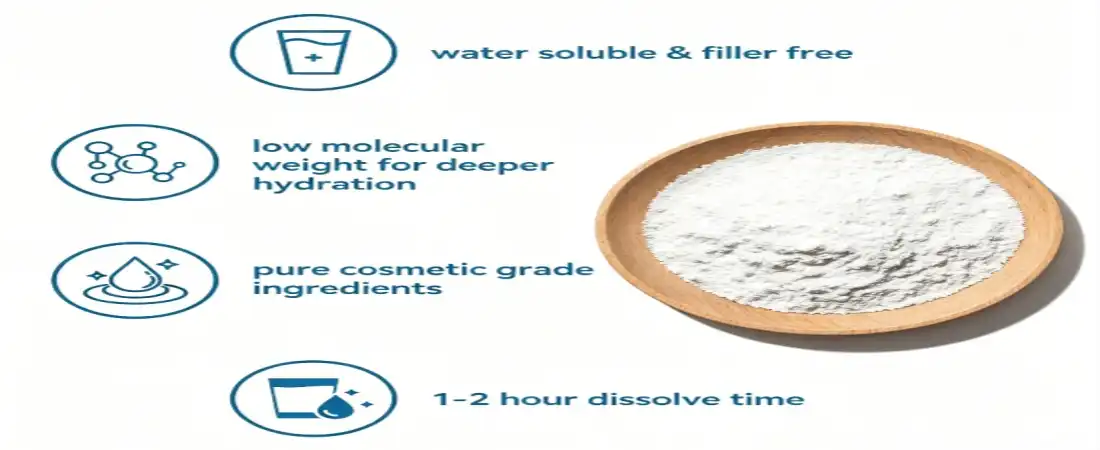
Benefits and Applications of Hyaluronic Acid Powder Bulk
Superior Hydration and Anti-Aging Properties
Hyaluronic acid's unique ability to hold 1,000 times its weight in water delivers enhanced skin hydration, increased elasticity, and visible reduction of dehydration-related fine lines. Incorporated into beauty-from-within products, HA maintains skin moisture balance internally, complementing topical applications. This ingredient particularly appeals to brands developing premium anti-aging supplements targeting remote workers, older demographics, or individuals with sleep-deprivation-related skin concerns. The science-backed efficacy supports strong consumer appeal and repeat purchases.
Joint Support and Mobility Enhancement
Beyond cosmetic benefits, hyaluronic acid serves as a critical component of synovial fluid, which cushions and lubricates joint spaces. Bulk HA powder supplementation helps maintain joint flexibility and comfort during daily movement while supporting management of normal joint wear associated with aging and active lifestyles. Hyaluronic acid's dual application for both beauty and joint health makes it a versatile ingredient for companies developing diverse health product lines serving active adults and seniors seeking natural mobility support.
Diverse Industry Applications
Hyaluronic acid powder bulk is used in many different types of manufacturing, and each one needs its own recipe factors. In food supplements, the powder mixes easily into hard capsules, tablets, and soft gels. Its flowability and tap density make it possible for high-speed automatic encapsulation equipment to work. When making beauty drink mixes and nutrition shots, functional beverage makers like how easily the powder dissolves. To get multiple levels of water, cosmetic formulators use different molecular weight grades in serums, creams, and masks. Even companies that make supplements for animals know that HA is good for helping animals' joints stay healthy and their tissues heal.
Here are the core advantages this versatile ingredient brings to manufacturing operations:
1. Formulation Flexibility: The powder form lets makers precisely control dosage, which lets them make unique product mixes that set their names apart in crowded markets. Whether you're making HA vitamins on their own or complicated blends that work well with glucosamine, chondroitin, or collagen peptides, the dry powder mixes easily without adding extra water or preservatives that could make the recipe less stable.
2. Extended Shelf Stability: Hyaluronic acid powder stays potent and effective for longer amounts of time than liquid versions, which need to be kept cool to avoid breaking down. When kept in a cool, dry place out of direct light, the powder doesn't get contaminated by microbes or break down due to oxygen. This means that less inventory is lost and the supply chain stays open longer, which is good for both makers and wholesalers.
3. Cost Efficiency at Scale: Buying powder in bulk cuts the cost of each item by a lot compared to buying ready-made options. Because the powder is so concentrated, it has smaller shipping weights and volumes, which has a direct effect on the cost of operations. When manufacturers buy in bulk, they can get economies of scale that let them spend their money on marketing, quality testing, and brand growth instead of paying more for raw materials.
Together, these benefits solve some of the most important production problems that supplement makers, functional food developers, and makeup formulators face when they are looking for reliable, high-performance ingredients that help them come up with new products and run their businesses more efficiently.
Storage and Handling Best Practices
Keeping the purity of an item requires paying attention to how it is stored and how it is handled. Hyaluronic acid powder is hygroscopic, which means it easily soaks up water from the air. This can cause it to clump and become less dissolvable. We suggest keeping the powder in sealed packages in controlled settings where the temperature stays between 15°C and 25°C and the relative humidity stays below 60%. When making the mixture, don't let the powder be exposed to pH levels that are too high or too low. This could damage the molecular structure and useful features. When turning powders back into solutions, the best results come from slowly dispersing them with gentle stirring instead of quickly mixing them, which can lead to foam formation.
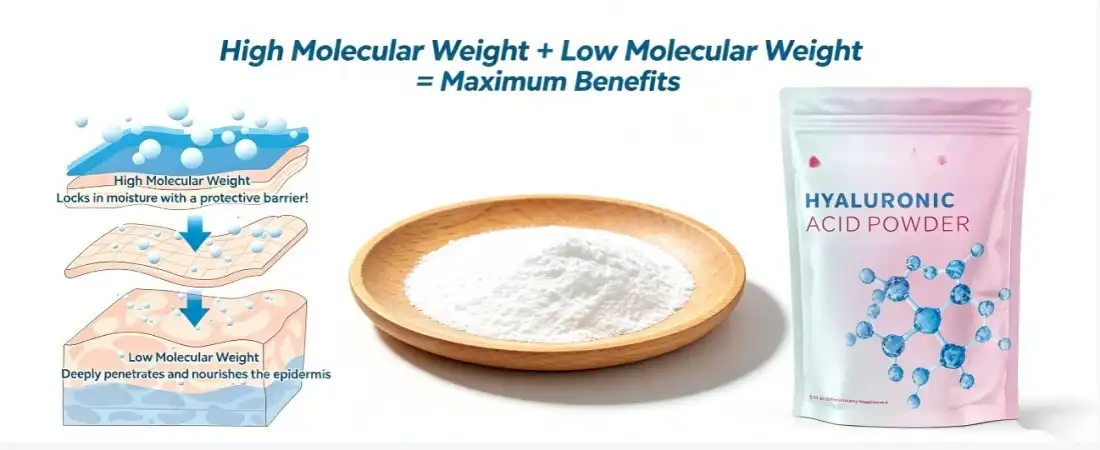
Comparing Hyaluronic Acid Powder Bulk to Other Forms
Cost-Efficiency and Economic Considerations
A study of prices shows that buying powder is much more cost-effective than buying other types. Liquid hyaluronic acid solutions usually have active ingredient ratios of 1% to 5%. This means that makers pay a lot for the water weight during shipping but only get a small amount of useful material. Manufacturers could absorb the costs of encapsulation work, quality testing, and shipping that are built into the price of pre-filled pills. Due to strict legal standards and specialized processing, sterile injectable grades cost more than other grades. The bulk powder format gets rid of these middle-man costs, giving makers the most active ingredient for their money and letting them set the best prices for their finished goods.
Shelf Stability and Degradation Resistance
Comparing stability shows that hyaluronic acid powder bulk is clearly better in a number of preservation conditions. Enzymatic breakdown, pH shift, and microbe contamination are all risks that liquid products face, which is why they need preservative systems and cold-chain management. Studies show that liquid HA treatments may lose up to 30% of their effectiveness after six months of being left out in the open air. On the other hand, powder that is kept properly stays more than 95% effective for at least two years. This gives buying managers more inventory options and cuts down on waste from old materials. This difference in steadiness has a direct effect on the total cost of ownership, since powder that lasts longer means less reordering and the costs that come with that.
Application Suitability and Versatility
Based on how they are made and what they are used for, different types of products need different HA forms. When formulators start making topical cosmetics, they often start with powder. This lets them control when the powder hydrates and achieve the thickness profiles they want by controlling reconstitution. Supplement makers like powder because it's easier to package and control the amount. When making injectable medicines, you need to use sterile-filtered solutions that are made from very pure powder in a clean room. Knowing these connections between formats and applications helps procurement experts choose the best raw materials that match production skills and product standards. This way, they can avoid having to do expensive reformulation work or letting the performance of the product suffer.
Quality Verification and Certification Requirements
Quality control is still the most important thing for products that are meant to be eaten or put on the skin, no matter what form they come in. Reliable providers give full records, like Certificates of Analysis (CoA), that show purity tests, molecular weight distribution, endotoxin levels, heavy metal content, and bacterial testing results. Verification by a third party, like an independent lab, gives seller promises more weight. International certifications like ISO9001 show that a company is dedicated to quality management systems. Kosher and Halal certifications, on the other hand, let companies reach new customer groups. At NT Biotech, we know that for buyers who have to deal with complicated legal settings in multiple countries, the quality of the paperwork is often just as important as the quality of the product itself.
How to Procure Hyaluronic Acid Powder Bulk?
Supplier Evaluation Criteria
There are more than just price quotes to consider when choosing the right hyaluronic acid provider. Experience in manufacturing is important. Suppliers who have been in the nutraceutical products business for ten years or more bring useful process knowledge and well-established quality systems to the table. Production capacity and inventory depth show that the business can handle both original sales and future growth needs without any supply problems. Technical help, such as advice on preparation and application knowledge, is especially useful for buyers who are creating new product categories. Certification portfolios that show products meet foreign standards give buyers peace of mind that they will do so in North America, Europe, and the Asia-Pacific area, among other places.
Minimum Order Quantities and Pricing Structures
Buyers can make the best use of their purchasing plans for hyaluronic acid powder bulk when they understand MOQ standards and price tiers. NT Biotech has a 25 kg minimum order number for hyaluronic acid powder bulk and packages our products in standard drums, but we can make changes to the drums to fit your needs. This easy-to-reach starting point lets smaller brands and contract manufacturers get high-quality hyaluronic acid powder in bulk without large capital outlay. Larger purchases of hyaluronic acid powder bulk receive volume discounts with pricing reflecting production and shipping economies of scale. Transparency about pricing factors builds trust and lasting supplier relationships.
Logistics and Transit Considerations
Good transportation management keeps the quality of the product safe from the plant to the formulation center. We keep a stockpile of common standardized extracts that can be shipped within one to three business days of receiving an order confirmation for things that are in stock. Production orders usually take between three and ten working days, which includes checking the raw materials, using unique extraction methods, doing full lab tests, and finally packing them. We fit the shipping method—express messenger, air freight, or ocean transport—with the needs of the customer, taking into account speed, volume, and cost. Our established accounts with FEDEX and UPS allow for quick direct shipping from our building. Larger shipments that need special treatment and help with customs clearance are taken care of by trusted freight forwarders.
Regulatory Compliance and Documentation
To get around the rules for foreign trade, you need to keep detailed records and know the rules. People who want to import ingredients for making dietary supplements need to deal with sellers who know about FDA rules, such as NDI notices, GRAS status, and GMP compliance standards. Suppliers of cosmetic ingredients must show proof that their safety ratings and allergy claims are true. Our export paperwork package includes business invoices, packing lists, Certificates of Analysis, and regulatory compliance statements that make clearing customs easier and meet the needs of the import authority. We answer requests for documents within two hours because we know that procurement managers are working on tight project schedules and can't afford delays caused by paperwork that isn't complete.
Conclusion
For companies creating cutting-edge dietary supplements, functional foods, and cosmetic formulas, hyaluronic acid powder bulk is an important element. Its excellent ability to bind water, wide range of molecular weight options, and higher stability compared to liquid alternatives make it the medium of choice for brands that care about quality. To do good buying, you need to look at more than just price when deciding which providers to work with. You should look at their production experience, certifications, technical support, and the freedom of their transportation. The cost-effectiveness, longer shelf life, and formulation flexibility of the powder format directly support strategies for product creation and market difference. As more people look for beauty and health products that keep you hydrated, it's more important than ever to work with dependable suppliers who offer consistent quality, thorough paperwork, and quick service in order to stay ahead of the competition in global markets.
FAQ
1. What is the recommended dosage for cosmetic formulations?
Hyaluronic acid is usually found in cosmetics at levels ranging from 0.1% to 2.0%, based on the type of product and the thickness that is wanted. 0.5 to 1.0% is common for light serums, while up to 2.0% can be found in heavier creams. Choosing the right molecular weight has a big effect on the smoothness and entry properties. Low molecular weight grades make the skin feel lighter, while high molecular weight grades make the surface more moist.
2. How does powder stability compare to liquid forms?
For long-term stability, powder formulas are better than liquid options. Powder that is kept properly can keep its potency above 95% for at least two years, while liquid solutions may lose 30% of their strength in six months at room temperature. The powder form doesn't need any preservatives and saves money on shipping because the active ingredients are more concentrated and there is no extra water weight.
3. Are private labeling options available for OEM manufacturers?
Of course, NT Biotech offers full OEM support, which includes custom package layouts, private marking services, and help with formulating. We work with contract makers and brand owners to make unique goods that meet specific market positioning needs and are in line with regulations in all target markets. Our production methods are flexible enough to handle both small trial runs and big business orders.
4. What are bulk supplements hyaluronic acid best used for?
Bulk supplements hyaluronic acid is most typically sold as hard capsules, tablets, soft gels and beauty drink mixes where the free flowing powder lends itself to high speed encapsulation and accurate dosage. The same bulk supplements hyaluronic acid raw material is also used in joint-support products and topical cosmetics when combined with actives such as collagen or ceramides. NT Biotech produces pharmaceutical grade sodium hyaluronate powder (99% purity, 80 mesh, CAS 9004-61-9) for various applications. NT Biotech has ISO 9001, Kosher and Halal certification.
Partner with NT Biotech for Premium Hyaluronic Acid Powder Bulk Supply
NT Biotech can help you with your manufacturing projects by providing pharmaceutical-grade sodium hyaluronate powder that meets the strict needs of the global cosmetics and nutritional markets. We are more than just a supplier of raw materials; we are your long-term professional partner, helping you with formulation, legal issues, and making sure your supply chain is reliable, all of which help your brand grow. Our quality systems are backed by ISO9001, Kosher, and Halal certifications, and we've been exporting to makers in North America, Europe, and the Asia-Pacific region for over ten years. We can give your procurement team the stability and paperwork they need. Our quick service model ensures that we'll answer your questions within two hours, and because we keep an eye on our inventory, we can ship most orders within two to four days. Get a free sample by emailing our technical team at info@newthingsbiotech.com. Find out why top supplement brands choose NT Biotech as their preferred hyaluronic acid powder bulk supplier.
References
1. Bukhari, S.N., Roswandi, N.L., Waqas, M., Habib, H., Hussain, F., Khan, S., Sohail, M., Ramli, N.A., Thu, H.E., Hussain, Z. (2018). "Hyaluronic acid, a promising skin rejuvenating biomedicine: A review of recent updates and pre-clinical and clinical investigations on cosmetic and nutricosmetic effects." International Journal of Biological Macromolecules, 120, 1682-1695.
2. Keen, M.A. (2016). "Hyaluronic Acid in Dermatology." Skinmed, 14(5), 382-386.
3. Papakonstantinou, E., Roth, M., Karakiulakis, G. (2012). "Hyaluronic acid: A key molecule in skin aging." Dermato-Endocrinology, 4(3), 253-258.
4. Litwiniuk, M., Krejner, A., Speyrer, M.S., Gauto, A.R., Grzela, T. (2016). "Hyaluronic Acid in Inflammation and Tissue Regeneration." Wounds, 28(3), 78-88.
5. Necas, J., Bartosikova, L., Brauner, P., Kolar, J. (2008). "Hyaluronic acid (hyaluronan): a review." Veterinarni Medicina, 53(8), 397-411.
6. Fallacara, A., Baldini, E., Manfredini, S., Vertuani, S. (2018). "Hyaluronic Acid in the Third Millennium." Polymers, 10(7), 701.
It is very important in the health and beauty industries because it can help joints work better and keep skin highly moisturized. This protein comes from plants and can hold up to 1,000 times its own weight in water. Because of this, it is necessary to keep tissues smooth and moist. When companies buy hyaluronic acid powder bulk, they have more control over how their goods are made, how stable they are, and how much they can grow. This is very important for businesses that make beauty-from-within products, healthy drinks, and food supplements. Most of the time, bacteria ferment food to make this raw material. It has very pure molecular weight patterns that stay the same. It meets the strict requirements of global legal standards and meets the needs of customers who want effective solutions for moving joints and keeping them moist.
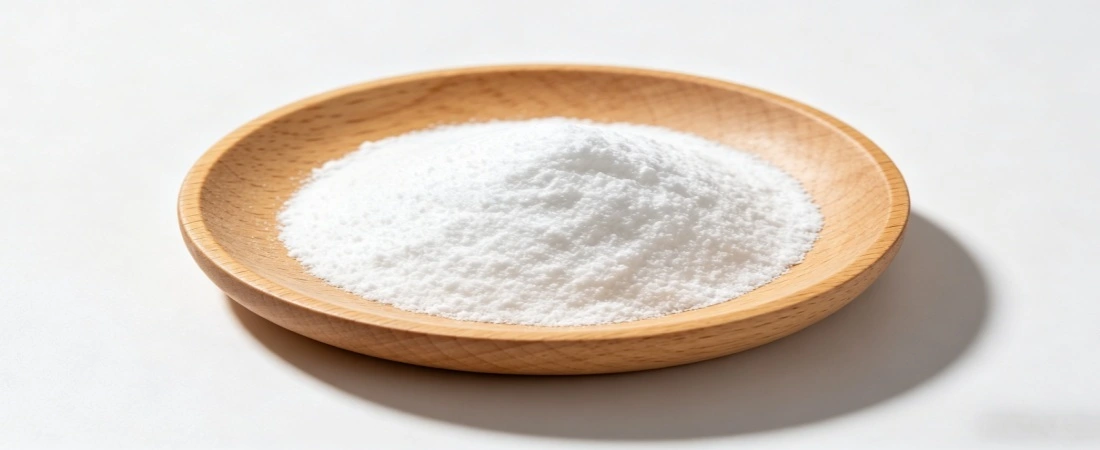
Understanding Hyaluronic Acid Powder and Its Benefits
What Makes Hyaluronic Acid Powder Unique?
It comprises of rehashing D-glucuronic corrosive and N-acetyl-D-glucosamine disaccharide units. In steady salt shape, it is called sodium hyaluronate. This glycosaminoglycan exists in skin, joints, connective tissues, and extracellular network, supporting hydration and cell communication. Bulk powder offers points of interest over fluid: longer rack life, lower shipping costs, and flexible atomic weight amid generation. Moo atomic weight (1,000 kDa) ensures cell surfaces.
Core Benefits for Skin Hydration and Elasticity
Hyaluronic acid's water-binding capacity changes skin appearance. Consolidated into supplements or skincare, it equalizations facial dampness, minimizes drying out lines, and advances sound brilliance. Beauty-from-within items combining hyaluronic corrosive with collagen draw in buyers looking for common anti-aging arrangements. These details bolster skin boundary quality and versatility. Clinical thinks about illustrate quantifiable skin hydration and surface advancements after 8-12 weeks of day by day supplementation, approving customer intrigued in this fixing category.
Joint Support and Mobility Enhancement
There is a thick substance called synovial fluid that covers the sides of the joints and makes movement smooth. Hyaluronic acid powder bulk is a big part of this fluid. As you age and work out, your natural hyaluronic acid levels drop. This can make your joints hurt and make it harder to move around. As a supplement, high-purity sodium hyaluronate powder helps the body make more synovial fluid. This fluid keeps joints comfy and lubricated while they do daily chores. Products with hyaluronic acid in them are great for busy adults, athletes who put their bodies through a lot of stress over and over, and older people whose joints are wearing out because they are getting older. In many products, hyaluronic acid is mixed with glucosamine, chondroitin, and MSM to help the joints in a way that supports tissue health and fluid flow.
Safety Profile and Quality Considerations
High-purity hyaluronic corrosive powder illustrates great security over differing populaces. Unfavorable responses stay uncommon and for the most part gentle. Security and adequacy depend on sourcing food-grade or pharmaceutical-grade fabric assembly universal measures. Contaminants, endotoxins, or leftover microbes compromise item security. Trusted providers give total bunch documentation counting Certificates of Examination, HPLC comes about, and atomic weight confirmation. ISO9001, Legitimate, and Halal certifications guarantee strict generation and traceability benchmarks over worldwide markets.
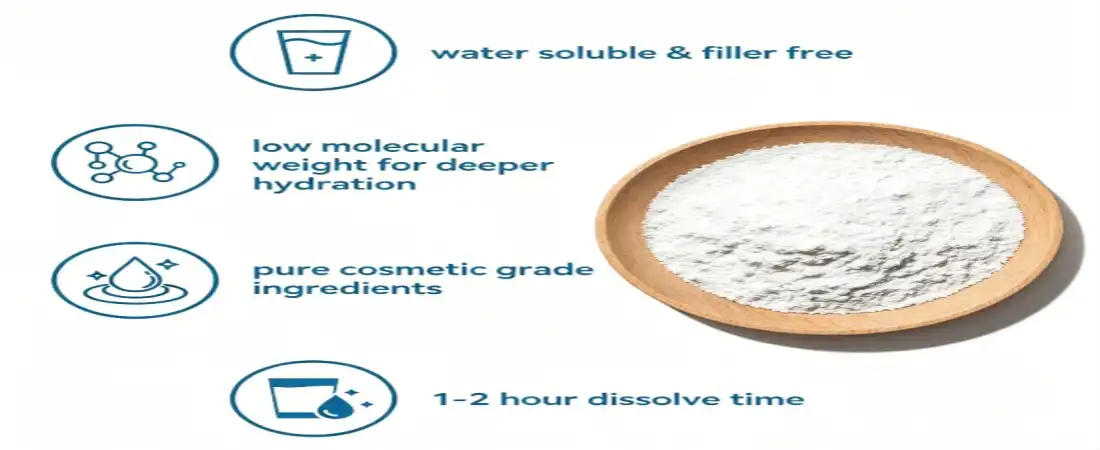
How to Effectively Use Hyaluronic Acid Powder Bulk in Products?
Optimal Dosage and Formulation Strategies
Oral hyaluronic acid supplements typically provide 120-240 mg daily in capsules, tablets, or powder sachets. Joint support formulas contain 80-200 mg per dose, often combined with complementary ingredients like collagen. Topical applications vary: serums use 0.1-2.0% for deep penetration; creams and lotions use 0.5-1.5% balancing moisture with texture. Mixed molecular weight profiles (4D hyaluronic acid) increasingly used for multifunctional products moisturizing surface, plumping dermis, and delivering tissue-deep signaling.
Comparing Powder Format to Alternatives
Bulk powder offers significant advantages over liquid and capsule forms. Formulators enjoy flexibility adjusting concentrations and combining with other actives without compatibility concerns. Powder remains stable for 24+ months with proper storage; liquids require preservatives and cold chain. Shipping powder costs substantially less than heavy liquid solutions requiring temperature-controlled transport. Capsules and tablets offer convenience but limit adjustability and increase per-unit costs. Brands prioritizing product differentiation and cost control start with sodium hyaluronate powder.
Storage, Shelf Life, and Handling Best Practices
To keep the quality of hyaluronic acid powder bulk from the factory to the customer, strict rules must be followed for how to store and handle it. It is easy for hyaluronic acid powder to take in water from its surroundings because it is hygroscopic. Packages that haven't been opened should be kept in a cool, dry place—ideally below 25°C with a relative humidity below 60%—so that things don't stick and the ability to move freely is maintained. Once packages are opened, they last longer if they are sealed again right away and desiccants are used. Things break down faster in strong sunlight and high temperatures. This lowers the molecular weight of the thing and makes it less helpful. Steps are taken to keep the workers safe and the air clean while the goods are being made. Clean-room or controlled-environment methods should be used by producers to lower the risk of contamination. Having batch control systems that keep track of when raw materials are delivered and when finished goods are sent out lets you act quickly if there are quality problems. This protects the brand's reputation and its standing with regulators.
Choosing the Right Hyaluronic Acid Powder Bulk Supplier
Key Evaluation Criteria for Supplier Selection
Procurement experts must assess providers over numerous measurements. Industry accreditations give establishment: GMP compliance, ISO9001 certification, and straightforward quality administration frameworks illustrate consistency commitment. Virtue confirmation requires third-party testing for overwhelming metals, microbial defilement, and leftover solvents reported on Certificates of Examination. Dependable providers uncover sourcing: aging versus creature extraction influences situating, allergen labeling, and client acknowledgment. Specialized documentation bolsters administrative filings over target markets.
Geographic Considerations and Logistics
China produces the lion's share of worldwide hyaluronic corrosive supply utilizing progressed biotechnology with competitive estimating. Provider unwavering quality and quality change impressively, requiring intensive verifying. North American and European producers charge premiums but offer vicinity and administrative arrangement. Obtainment ought to assess coordinations capabilities counting stock accessibility, lead times, and shipping adaptability. FedEx and DHL empower fast test conveyance; set up cargo forwarders handle conservative bulk sea shipments. Free tests with total documentation encourage definition testing some time recently volume commitments.
The Value of Technical Support and Partnership
Strategic suppliers serve as knowledgeable partners rather than product sellers. Suppliers supporting innovation offer formulation science expertise, regulatory guidance, and application optimization. Access to R&D teams aids molecular weight selection, solubility enhancement, and stability when combining hyaluronic acid with other actives. Assistance with import documentation, safety certifications, and label claim substantiation accelerates market entry. Responsive customer service and problem-solving ability directly correlate with supplier competence and customer-centric orientation.
Pricing, Procurement Strategies, and Bulk Order Management
Understanding Pricing Variables and Market Dynamics
Hyaluronic acid pricing varies by purity grade, molecular weight, production scale, and geographic origin. Pharmaceutical-grade 99% purity with low endotoxins commands premium over food or cosmetic grade. High molecular weight typically costs more than low molecular weight due to production complexity. Asian manufacturers often quote lower base prices, but total landing cost includes freight, duties, and quality verification. Long-term agreements or framework contracts with suppliers help stabilize pricing amid demand fluctuations.
Optimizing Procurement Through Volume and Negotiation
Strategic purchasing approaches influence both ingredient pricing and supply security. Volume discounts typically accelerate at 100 kg, 500 kg, and 1 metric ton thresholds. Optimal order quantity balances bulk purchase benefits against storage costs, cash flow requirements, and product shelf life. Negotiation power increases when buyers demonstrate technical knowledge, specify quality requirements, and communicate long-term partnership intentions. Minimum order quantities vary by supplier; lower MOQs enable smaller brands to access quality material without excess inventory.
Managing Logistics and Import Compliance
Cross-border purchasing introduces technical complexities requiring advance planning. Incoterms (FOB, CIF, DDP) must be clearly established during negotiations. Import documentation includes commercial invoices, packing lists, Certificates of Origin, and product-specific compliance papers. Understanding Harmonized System codes for hyaluronic acid ensures correct duty assessment and smooth customs processing. Experienced freight forwarders or customs brokers reduce compliance risk. Transit times: expedited courier (3-7 days), air freight (7-14 days), ocean freight (4-8 weeks).

Case Studies & Practical Applications in B2B Context
Success Stories in Nutraceutical Product Development
Many new nutritional items have been made with hyaluronic acid to help with joint health and beauty from the inside out. Recently, an average-sized supplement business in the US teamed up with NT Biotech to make a line of high-quality beauty capsules. These capsules have 150 mg of pure sodium hyaluronate, marine collagen peptides, and vitamin C. The brand was able to enter both the North American and Middle Eastern markets at the same time by getting hyaluronic acid powder bulk that was 99% pure and had all the necessary Kosher and Halal certifications. Regulatory forms were easy to fill out because of the uniform batch quality and thorough Certificates of Analysis. This cut the time-to-market by about six weeks compared to the last time they had to find ingredients. When customers told us that their skin felt more hydrated after four weeks, it backed the recipe approach and led to a higher-than-usual rate of return purchases.
Cosmetic Formulation Innovations and OEM Partnerships
NT Biotech collaborated with a European OEM on a multi-action hydrating serum using three hyaluronic acid types. Low-molecular-weight (10-50 kDa) enabled penetration and signaling. Medium-molecular-weight (100-300 kDa) provided dermal hydration. High-molecular-weight (1,000-1,500 kDa) formed surface film. Bulk powder procurement (100 kg) with customized packaging achieved significant cost savings while maintaining formulation flexibility across product lines. Technical support during formulation accelerated launch timeline.
Emerging Trends and Competitive Differentiation
How hyaluronic acid is used is always changing because of new ideas. This is because brands want to stand out in crowded markets. A lot of people are interested in ultra-high molecular weight solutions (above 2.0 MDa) because they help joints stay lubricated longer and better. For products that come from fermentation, it can be hard to get organic and non-GMO labels. However, these labels are great for selling high-end goods. Hyaluronic acid mixed with plant-based ingredients like ceramides, resveratrol, or astaxanthin can help customers with issues like fixing the skin layer, shielding it from free radicals, and lowering inflammation. Smart buying is something that companies that are good at dealing with these trends do. They work with suppliers that let them do research and development together. They are also flexible enough to change formulations based on new research, and they put a lot of stress on being able to track ingredients to meet the needs of informed customers and regulatory bodies for openness.
Conclusion
Hyaluronic acid powder bulk has been shown to be good for both skin care and joint health by a lot of research and happy customers. Companies can make things that compete in markets that are always changing if they can find high-purity sodium hyaluronate powder bulk. This gives them the freedom, cost-effectiveness, and quality control they need. There are a lot of things you need to think about when choosing a service. Some of these are their manufacturing standards, their ability to confirm purity, their operations, and the possibility of a technical relationship. Put open conversation, thorough paperwork, and quick customer service at the top of your list as an ingredient buyer. This will make the supply chain more stable and set your brand up for long-term growth. Hyaluronic acid is likely to keep being used more in the cosmetics, healthy foods, and nutrition businesses. This is because people want to look good from the inside out, more older people are looking for help, and people want ingredients that have been scientifically proven to work.
FAQ
1. What is the difference between hyaluronic acid and sodium hyaluronate?
Chemically, hyaluronic acid and sodium hyaluronate are the same, but they don't break down or stay stable in the same pH range. Sodium hyaluronate is the sodium salt form of hyaluronic acid. It stays stable over a wider pH range and mixes better with water. So, sodium hyaluronate is the best ingredient for vitamin and makeup recipes because it is easier to dissolve and keeps its useful properties even when made in different ways. Once they get into cells, both types have the same effects on living things.
2. How should I store bulk hyaluronic acid powder?
Store unopened containers in a cool, dry environment below 25°C with relative humidity under 60%. When packages are opened, they should be quickly packed again, and desiccant packets should be used to keep moisture from getting inside. Stay away from direct sunlight and high temperatures. These things break down quickly and make molecules lighter. If you store powder the right way, it will stay safe for at least 24 months, keeping its purpose and keeping microbes away.
3. What molecular weight is best for my formulation?
Molecular weight selection depends on what you want to do with the chemical weight that you pick. Molecules with a molecular weight of less than 50 kDa can get deep into the skin and speed up biological processes. This makes them great for serums that fight aging. Molecular weights between 50 and 1,000 kDa help the skin stay moist, which makes it look bigger. Molecules that are bigger than 1,000 kDa protect surfaces and make joints smoother. A lot of the newer ones mix molecular weights that are different to work better at all levels of tissue.
Partner with NT Biotech for Premium Hyaluronic Acid Powder Bulk Supply
How good your products are and how competitive you are in the market will depend on how well you find a hyaluronic acid powder bulk supplier directly. NT Biotech delivers 99% purity sodium hyaluronate powder meeting ISO9001, Kosher, and Halal certifications, with every 25 kg batch accompanied by complete analytical documentation. Our technical team responds to inquiries within two hours and maintains substantial inventory enabling shipment within 2 to 4 days after payment confirmation. Whether you are developing beauty capsules, joint support formulations, or functional beverage powders, our food-grade and supplement-grade hyaluronic acid integrates seamlessly with collagen peptides, botanical extracts, and nutrient complexes. We offer free samples for formulation testing and provide customized packaging solutions aligned with your brand requirements. Contact our team at info@newthingsbiotech.com to discuss your specific needs and discover how our decade of export experience supports global nutraceutical brands in creating differentiated products that resonate with health-conscious consumers.
References
1. Papakonstantinou, E., Roth, M., & Karakiulakis, G. (2012). "Hyaluronic acid: A key molecule in skin aging." Dermato-Endocrinology, 4(3), 253-258.
2. Balogh, L., Polyak, A., Mathe, D., Kiraly, R., Thuroczy, J., Terez, M., Janoki, G., Ting, Y., Bucci, L. R., & Schauss, A. G. (2008). "Absorption, uptake and tissue affinity of high-molecular-weight hyaluronan after oral administration in rats and dogs." Journal of Agricultural and Food Chemistry, 56(22), 10582-10593.
3. Oe, M., Sakai, S., Yoshida, H., Okado, N., Kaneda, H., Masuda, Y., & Uenishi, K. (2017). "Oral hyaluronan relieves knee pain: a review." Nutrition Journal, 16(1), 11.
4. Widner, B., Behr, R., Von Dollen, S., Tang, M., Heu, T., Sloma, A., Sternberg, D., DeAngelis, P. L., Weigel, P. H., & Brown, S. (2005). "Hyaluronic acid production in Bacillus subtilis." Applied and Environmental Microbiology, 71(7), 3747-3752.
5. Bukhari, S. N. A., Roswandi, N. L., Waqas, M., Habib, H., Hussain, F., Khan, S., Sohail, M., Ramli, N. A., Thu, H. E., & Hussain, Z. (2018). "Hyaluronic acid, a promising skin rejuvenating biomedicine: A review of recent updates and pre-clinical and clinical investigations on cosmetic and nutricosmetic effects." International Journal of Biological Macromolecules, 120, 1682-1695.
6. Fam, H., Bryant, J. T., & Kontopoulou, M. (2007). "Rheological properties of synovial fluids." Biorheology, 44(2), 59-74.
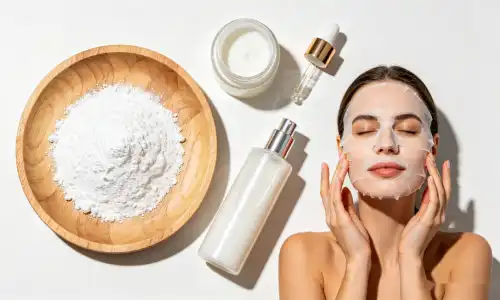
Hyaluronic acid, which is also called hyaluronan in science, is one of the most studied and widely used active ingredients in cosmetics today. This biopolymer is found naturally in large amounts in human connective tissues, especially in the skin and joints, where it helps keep the structure strong and the wetness level just right. This strong humectant pulls moisture from the air into the skin's layers in hyaluronate skin care products. This gives the skin a plumping effect that smooths out fine lines and makes the barrier stronger. Sodium hyaluronate, which is the salt form of hyaluronic acid, is used by brands all over the world because it is very stable and easily absorbs into skin. This makes it an essential ingredient for making a wide range of products, from light serums to deep repair creams.


How Is Hyaluronic Acid Made, and What Is Hyaluronic Acid Made Of?
If you want to know how is hyaluronic acid created, the contemporary solution is biofermentation. Cosmetic- and pharmaceutical-grade hyaluronic acid is manufactured by microbial fermentation of non-GMO strains, wherein the polymer is synthesised by specialised bacteria in controlled bioreactors, displacing the earlier process of extraction from rooster combs, which posed the danger of contamination with animal-derived materials. So what is hyaluronic acid consist of at the molecular scale? It is a glycosaminoglycan consisting of repeating disaccharide units of D-glucuronic acid and N-acetyl-D-glucosamine, represented by the formula (C14H21NO11)n. Hyaluronic acid is known to most formulators as the naturally occurring glycosaminoglycan (also known as hyaluronan) that holds enormous quantities of water in skin and joints. This is the basis of its usage as a humectant in skin care.
Understanding Hyaluronic Acid and Hyaluronate: Definitions and Differences
Chemical Structure and Molecular Identity
Hyaluronic acid (HA) is a type of glycosaminoglycan made up of repeated disaccharide units. Its chemical formula is (C14H21NO11)n. When it is neutralized with sodium, it changes into sodium hyaluronate, which is more stable in a range of pH conditions and dissolves in water more easily. This conversion is especially useful for business formulas that need to be consistent. The molecular weight runs from 5,000 Daltons to over 2,000,000 Daltons, which has a direct effect on how the ingredient works with the skin.
Research shows that the size of the molecules affects how deeply they penetrate and how well they work. High molecular weight types stay on the skin's surface and form a film that keeps wetness in while letting air pass through. Low molecular weight forms get deeper into the epidermis to work on structure hydration and barrier repair. This difference lets formulators make goods that work exactly the way customers want them to in order to meet their needs.
Natural Sources and Production Methods
Hyaluronic acid is found naturally in rooster combs and some bacterial fermentation processes. However, non-GMO microbial fermentation is now the main way that cosmetic-grade hyaluronic acid is made. This biotechnological method guarantees stable purity levels above 99%, gets rid of contaminants derived from animals, and meets strict certification standards for vegan and halal products. NT Biotech uses special extraction methods to get the most active compounds while keeping the structure intact. This makes a white powder (80 mesh) with the CAS number 9004-61-9 that mixes easily with different base ingredients.
Quality of production has a direct effect on how well the finished product works. Batches are put through strict HPLC and UV tests to make sure there are no protein leftovers or endotoxins and that the molecular weight distribution is correct. Each shipment comes with detailed Certificates of Analysis that list these factors. This gives buying teams the proof they need to follow the rules in foreign markets.
The Benefits and Mechanism of Hyaluronic Acid for Skin Care
Moisture Retention and Barrier Function
Individual molecules of hyaluronic acid can hold up to 1,000 times their own weight in water, which is the main reason why it works so well. When put on the skin, sodium hyaluronate forms a moisture reserve in the stratum corneum. This stops transepidermal water loss (TEWL) and keeps the skin soft. The hydration cascade makes the barrier work better, guarding against environmental stresses like air conditioning, pollution, and wind.
According to clinical studies, regular use raises the skin's moisture level by 20–40% in just two weeks, and you can see changes in its smoothness and flexibility. The ingredient works for all skin types and doesn't clog pores, so it's good for mixed and acne-prone skin types that usually don't do well with heavy occlusives.
Anti-Aging and Wrinkle Reduction
Natural production of hyaluronic acid in the skin decreases with age, which can lead to volume loss, less rigidity, and more noticeable fine lines. Hyaluronate skin care products, which are applied to the skin, help to make up for some of this lack. The instant plumping effect reduces the depth of wrinkles caused by dryness, and long-term use supports collagen production by making cells more hydrated.
Formulations that combine more than one molecular weight show better anti-aging effects than single-weight versions. High molecular weight hyaluronic acid smooths the skin's surface right away, medium weights improve the flexibility of the middle layer of skin, and low weights encourage deeper structural repair. This multi-layered method takes into account both short-term worries about how the skin looks and long-term goals for its health.
Suitability Across Skin Types
Dermatological research shows that hyaluronic acid is very safe. Because it is bioidentical, it doesn't cause strong immune reactions, so it's good for sensitive skin that easily gets irritated. People with rosacea, acne, or who are recovering from surgery can benefit from its cooling effects, which reduce redness and speed up healing by increasing cell turnover.
Depending on the molecular weight and the purpose, the best percentage is between 0.1% and 2%. Higher amounts are usually used in serums for more intense treatment, while normal levels balanced with other actives are used in daily moisturizers. Overuse rarely has bad effects, but very high amounts may feel sticky until they are fully absorbed for a short time.

Choosing the Right Hyaluronic Acid Products for B2B Procurement
Molecular Weight Selection Criteria
Before making a purchase choice, you need to know how to position the goal product. Hydrating creams, sheet masks, and protective products that make people feel good right away, like those with a molecular weight of above 2,000 kDa, work well with this type of hyaluronic acid. These are what give high-end skin care its typical "silky" feel.
Medium molecular weight versions (500–2,000 kDa) provide a good mix of surface hydration and moderate penetration, making them ideal for use in firming serums, anti-aging emulsions, and essences aimed at older skin types. They work well without taking a long time to absorb, meeting both the effectiveness and ease standards of consumers.
Low molecular weight choices (below 500 kDa) are the technical level; they go deeper to help repair barriers and heal after treatment. These are commonly found in formulas that dermatologists suggest, professional skincare lines, and products sold for skin conditions that are sensitive or compromised. These chemical profiles are liked by brands that make claims backed by science that set them apart.
Certification and Quality Standards
More and more, business-to-business buyers are looking for suppliers with widely known certifications. ISO 9001 certification proves that quality management is carried out consistently throughout production, and Kosher and Halal licenses make the market more open to certain groups of customers. NT Biotech keeps all three licenses up to date and follows GMP guidelines to make sure their goods meet pharmaceutical standards that are acceptable in regulated markets like the US, EU, and Asia-Pacific.
Each batch should come with proof that it has been tested by a third party and includes information about the limits of microbes, heavy metals, and molecular weight. Suppliers who offer full traceability from where the raw materials come from to how they are packaged show that they have the business maturity needed for long-term relationships. Buyers can make sure that the methods of extraction, solvent use, and cleaning are in line with their brand's ideals and legal requirements when information about these things is made public.
Synergistic Ingredient Combinations
Hyaluronic acid works very well when combined with active ingredients that work well with it. When mixed with vitamin C, antioxidants work even better, and hyaluronic acid helps keep ascorbic acid from irritating skin. Hyaluronic acid's moisturizing qualities help retinoid formulations counteract the dryness that retinoid-based formulations cause. When hyaluronic acid improves the skin barrier's ability to let substances through, peptide serums work better at delivering them.
Glycerin and hyaluronic acid work together to make multi-layer moisture, which is called hygroscopic synergy. Together, ceramides and hyaluronic acid strengthen lipid walls, which is especially helpful in skin care products for damaged skin. These mixtures let formulators make complex goods that solve multiple problems at once, which makes the market more competitive and makes customers happier.
Procurement Best Practices: How to Source and Purchase Hyaluronic Acid Products
Supplier Evaluation Framework
To find trusted suppliers, you need to do a thorough evaluation of many factors. Production capacity shows if a provider can grow with your business. Changes in seasonal demand, new product launches, and expanding into new areas all need flexible supply arrangements. NT Biotech keeps a large stock of famous molecular weights, so stock orders can be shipped within two to four days. Custom molecular weights take three to ten working days to make, including those used in hyaluronate skin care formulations.
Response time is a useful way to measure the quality of a relationship. When suppliers promise to answer questions within two hours, like NT Biotech does, it shows that they are efficient and put customer service first. This flexibility is very important when making changes to the recipe and needing to quickly find new ingredients or when quality issues come up during production runs.
Transactional suppliers are different from strategic partners because they don't offer technical help. Suppliers who offer formulation advice, help with stability testing, and regulation guidance add measured value on top of providing ingredients. Their research and development (R&D) teams work with yours to speed up time-to-market and lower formulation risks, especially for specialized products like hyaluronate skin care.
Regulatory Compliance and Documentation
In the US, the FDA says that makeup products must meet safety standards, but they don't have to get pre-market approval. Suppliers have to show proof of name, purity, and the lack of any banned chemicals. The base level of paperwork includes full technical data sheets, safety data sheets (SDS), and allergen statements.
Extra certificates are important for brands that want to present themselves as natural or clean beauty brands. Non-GMO certification, vegan certification, and cruelty-free status are all appealing to customers who are trying to make ethical purchases. These requirements are easily met by NT Biotech's microbial fermentation method using non-GMO substrates, which is backed up by the right paperwork for marketing claims.
Pricing Structures and Order Optimization
Bulk price is usually set up in levels based on the size of the order. The industry norm for specialty ingredients is a minimum order quantity (MOQ) of 25 kilograms. This balances the efficiency of the seller with the ease of the customer. Larger promises lead to better prices, but inventory needs to be carefully managed to keep materials from breaking down.
Being able to pay in different ways makes buying more efficient. It's easier for businesses to do business with suppliers who accept various currencies, offer net payment terms for long-term customers, and can handle letter of credit arrangements for foreign transactions. NT Biotech accepts purchases in local currency, which makes tracking easier and protects buyers from losing money in foreign exchange.

Practical Recommendations: Building a Hyaluronic Acid Skincare Routine
Formulation Integration Strategies
When making new products with sodium hyaluronate powder, the people who are making them should think about a number of technical factors. At room temperature, the element dissolves easily in water. Heating it slowly to 40–50°C speeds up the process. Keeping the pH between 5.5 and 7.5 protects molecule stability and is in line with the pH range of human skin, which improves performance.
Concentration choice is based on the type of product and its molecular weight. For thorough treatment, serums usually have 1% to 2% hyaluronic acid, while lotions and creams use 0.5 to 1%. Masks may have higher amounts because the touch time is short. During creation, testing at different concentrations finds the best mix between how well it works and how it feels.
Successful formulas think about how the ingredients will work together. Hyaluronic acid can break down in very acidic or alkaline situations, so stay away from those. Strong oxidizing agents can break molecule bonds, which makes the substance less effective. Preservative systems should work well with hyaluronic acid. When balanced right, parabens, phenoxyethanol, and natural options all work well together.
Application Protocols for End Users
Formulation science guides business choices, while knowing how consumers use products affects how they are made. Hyaluronic acid serums work best when applied to skin that is still damp, which helps the skin absorb moisture. Putting it on under occlusive creams keeps the moisture in and makes the ingredient work better all day.
Most skin types can benefit from applying in the morning and evening, but some issues may require changing the regularity. In dry areas, you may need to use it twice a day with heavier moisturizers, but in humid climates, you can use lighter formulas. For sensitive skin, it's best to start slowly, applying the product every other day and then more often.
Innovation Trends and Future Directions
New technologies are making hyaluronic acid useful for more than just keeping things moist. Hyaluronic acid variants that are crosslinked have qualities called "extended release," which means they keep the skin hydrated for longer between applications. Encapsulation technologies keep low molecular weight forms safe during preparation, making sure they get to the skin layers where they're needed whole.
Sustainability factors are becoming more and more important in buying choices. Using green substrates in biofermentation has less of an effect on the world than using sources that come from animals. NT Biotech's plant-based production method fits with the trend toward clean beauty products while still keeping pharmaceutical-grade purity. This meets both performance and ethical sourcing standards.
Combination actives are another new area of creation. When hyaluronic acid is mixed with minerals, amino acids, or plant products, it makes multipurpose ingredients that are easier to make and have better effects. These new ideas help brands make their goods stand out in markets with lots of competition while also making ingredient lists easier to use.
Conclusion
Hyaluronic acid is an important part of many types of cosmetics because it can be used in many ways, is safe, and works well. Understanding differences in molecular weight, production quality indicators, and sourcing capabilities is very important for procurement professionals who are selecting ingredients for dietary supplements, functional foods, personal care products, and hyaluronate skin care applications. Because the ingredient can help with hydration, aging, sensitivity, and barrier failure, it is useful for a wide range of product lines and customer groups. By choosing suppliers with technical know-how, consistent quality systems, quick service, and detailed documentation, you can be sure that the formulation will perform effectively and meet market requirements. This will help strengthen your brand reputation and support long-term growth in highly competitive global markets for hyaluronate skin care and other health and wellness products.
FAQ
1. Is hyaluronic acid safe for sensitive skin formulations?
Hyaluronic acid is very safe for all skin types, even more so for sensitive and reactive skin. Its bioidentical structure reduces the chance of allergic reactions and discomfort. In clinical tests, the rate of adverse reactions was less than 1%, and they were usually weak and temporary redness at very high doses. Because the ingredient has a normal pH and no known allergens, it can be used even for skincare after surgery, when the barrier function is weakened. For business-to-business uses on people with sensitive skin, hyaluronic acid works well without the risks that come with stronger actives.
2. What molecular weight should I specify for anti-aging formulations?
Multimolecular weight mixtures work best for anti-aging products. High molecular weight versions (above 1,500 kDa) provide the instant smoothing of the surface and film-forming qualities that people expect from high-end anti-aging products. Low molecular weight forms (below 500 kDa) go deeper to help with structural changes, such as protecting collagen and making the barrier stronger. In clinical tests, technical formulas that mix these molecular profiles work better than single-weight goods. Talk to your provider about how to place your product specifically to find the best molecular weight blend for your price point and target market.
3. How do I verify supplier quality before placing large orders?
Ask for detailed scientific information, such as Certificates of Analysis from recent production batches that prove the molecular weight distribution, purity levels, and results of microbial tests. Check certifications with the groups that issued them. For example, ISO, Kosher, and Halal certifications should be up-to-date and easy to check. Before agreeing to big purchases, suppliers can back up their claims with sample testing at independent labs. NT Biotech gives away free samples with all the necessary paperwork, so you can carefully check them out before making a purchase choice.
4. What is the hyaluronic definition, and how is hyaluronic acid made?
The definition of hyaluronic is the naturally occurring glycosaminoglycan (hyaluronan) which exists in skin, joints and connective tissue and binds huge quantities of water. How do we make hyaluronic acid today? Almost all cosmetic-grade material is created using non-GMO microbial fermentation instead of animal extraction to guarantee constant 99%+ purity and vegan and halal compatibility. What is the molecular makeup of hyaluronic acid? It is a polymer (C14H21NO11)n composed of repeating disaccharide units of D-glucuronic acid and N-acetyl-D-glucosamine.
Partner With NT Biotech for Premium Hyaluronate Skin Care Ingredients
As the demand for scientifically proven beauty ingredients keeps rising, finding a trustworthy hyaluronate skin care provider becomes very important from a business point of view. NT Biotech has more than ten years of experience in biofermentation and plant products. They offer pharmaceutical-grade sodium hyaluronate powder (99% purity, 80 mesh, CAS 9004-61-9) that is certified as ISO 9001, Kosher, and Halal. Our special extraction methods ensure perfect consistency across batches, and our detailed quality paperwork and flexible molecular weight choices give your formulation team the tools they need to make unique products that meet exact performance requirements.
We get rid of supply chain risks that cause product launches to be delayed by keeping standard molecular weights in stock and delivering them in two to four days. We also respond quickly to questions within two hours. As a result of our expert team's help with formulation, legal advice, and stability testing, we've gone from being an ingredient supplier to a strategic development partner. Our hyaluronate ingredients provide reliable hydration, anti-aging benefits, and barrier support that directly lead to customer happiness and brand loyalty. They can be used to make intense repair serums, daily moisturizers, or specialized treatment systems.
To talk about your unique needs, please email our procurement experts at info@newthingsbiotech.com. We give away free samples, have variable MOQ choices starting at 25 kg, and can make packaging solutions just for you. NT Biotech is a known company that makes hyaluronate skin care products for markets in the US and around the world. They mix scientific rigor with quick customer service to help you come up with new products faster.
References
1. Papakonstantinou, E., Roth, M., & Karakiulakis, G. (2012). "Hyaluronic acid: A key molecule in skin aging." Dermato-Endocrinology, 4(3), 253-258.
2. Bukhari, S. N., Roswandi, N. L., Waqas, M., et al. (2018). "Hyaluronic acid, a promising skin rejuvenating biomedicine: A review of recent updates and pre-clinical and clinical investigations on cosmetic and nutricosmetic effects." International Journal of Biological Macromolecules, 120, 1682-1695.
3. Keen, M. A. (2016). "Hyaluronic acid in dermatology." Skinmed: Dermatology for the Clinician, 14(5), 441-448.
4. Jegasothy, S. M., Zabolotniaia, V., & Bielfeldt, S. (2014). "Efficacy of a new topical nano-hyaluronic acid in humans." Journal of Clinical and Aesthetic Dermatology, 7(3), 27-29.
5. Goa, K. L., & Benfield, P. (1994). "Hyaluronic acid: A review of its pharmacology and use as a surgical aid in ophthalmology and otorhinolaryngology." Drugs, 47(3), 536-566.
6. Stern, R., & Maibach, H. I. (2008). "Hyaluronan in skin: aspects of aging and its pharmacologic modulation." Clinics in Dermatology, 26(2), 106-122.
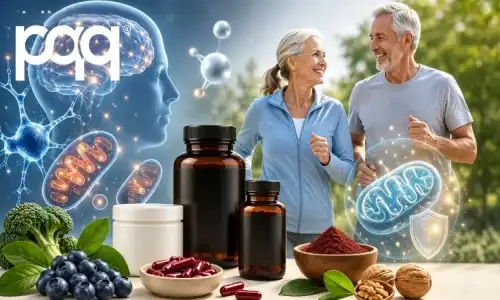
Pyrroloquinoline quinone (PQQ), a metabolic health vitamin, may help people lose weight and improve insulin function. This naturally occurring component supports mitochondrial production and improves cell energy balance, according to research. This dark red crystalline substance is stable and water-soluble when converted into 99% PQQ bulk powder (CAS 72909-34-3). It can be in nutraceuticals, functional beverages, and food supplements. Studies suggest that PQQ's antioxidants may help control hyperglycemia and promote a healthy body composition. This makes it a more popular raw material for health supplement B2B purchasers.
Understanding PQQ Bulk Powder and Its Mechanisms
What Makes PQQ Unique Among Bioactive Compounds
Pyrroloquinoline quinone is C14H6N2O8 and weighs 330.206. A redox cofactor. This antioxidant helps cells create new mitochondria, unlike other antioxidants. Mitochondria generate energy. They produce adenosine triphosphate from meals, which enables metabolism including fat burning and glucose use.
The Science Behind PQQ's Metabolic Effects
Clinical studies suggest that PQQ supplements alter weight-controlling metabolic mechanisms. Participants in a Journal of Nutritional Science research who took 20 mg of PQQ daily showed beneficial changes in cellular energy production. The drug activates PGC-1α, a crucial driver of mitochondrial biogenesis. This aids calorie burning. This may aid weight reduction by increasing the body's basic metabolic rate and nutrition burning.
Pyrroloquinoline quinone protects pancreatic beta cells and reduces oxidative stress in insulin-responsive tissues, which increases insulin sensitivity. Animal studies reveal that PQQ may assist skeletal muscle cells absorb more glucose and improve insulin communication. Because of these benefits, metabolic syndrome patients may have improved blood sugar management and decreased insulin resistance.
Chemical Properties and Quality Specifications
Professional pyrroloquinoline quinone bulk powder must have specific qualities to succeed. The usual mesh size of 80 mesh spreads particles uniformly, making capsule and tablet mixing easier. Bioavailability and efficacy are affected by the 99% pure standard's low contaminants. Makers must be aware that PQQ is light-sensitive and can break down under prolonged light or poor storage conditions. It must be treated carefully throughout the supply chain.
Comprehensive Comparison: PQQ Bulk Powder vs Other Formats and Antioxidants
Format Selection for Manufacturing Efficiency
PQQ bulk powder outperforms pre-encapsulated supplements. The powder helps you carefully modify the dose, which is generally 10–20 mg per serving depending on health claims. Companies that make their own blends or mixtures benefit from this independence. Bulk powder costs less than completed dosage forms, making large-scale manufacture cheaper.
However, pre-mixed mixtures with PQQ may simplify formulation but restrict blend customization. These blends often contain complementary substances like CoQ10 or B-vitamins. These can assist, but they may not match the brand's image or audience. Formulators have full control over constituent quantities and combinations when using bulk powder.
PQQ Versus Traditional Antioxidants
Pyrroloquinoline quinone works better with antioxidants like CoQ10 than against them. CoQ10 largely improves electron transport chain efficiency inside mitochondria, whereas PQQ begins mitochondrial formation. Due to this essential distinction, PQQ may be smartly added to metabolic health solutions, especially those that renew cells and promote energy.
According to ORAC values, PQQ is quite excellent in removing free radicals, although not as well as vitamins C or E. The compound's quinone structure allows thousands of redox cycles without breaking down. This makes it great at the molecular level. Because of their effectiveness, they may need less than ordinary antioxidants.
Fermentation-Derived vs Synthetic PQQ
Quality-conscious people should distinguish between fake and fermented PQQ. Fermentation using Hyphomicrobium species and other bacteria produces bio-identical PQQ with less chemical residues. Since Novel Food and GRAS status requirements in the US and EU favor natural ingredients, this method typically works better. Synthetic methods are cheaper, but they may include structural variations or contaminants that affect biological activity and regulator acceptance.

Practical Procurement Guide for PQQ Bulk Powder in B2B Markets
Essential Supplier Evaluation Criteria
In search of pyrroloquinoline quinone, procurement specialists must consider several criteria beyond price. Supplier certification is crucial. ISO9001, Kosher, and Halal certifications demonstrate the supplier's quality management and market expansion. These certificates prove the products meet international production standards and religious dietary requirements. Thus, finished items may reach more customers.
A Certificate of Analysis shall accompany each batch, listing heavy metal, microbiological, and residual solvent tests. NT Biotech and other reliable providers have strong internal quality control systems to ensure every manufacturing lot fulfills the 99% pure criterion and has the same physical qualities, such as particle size distribution and moisture.
Minimum Order Quantities and Inventory Planning
The standard MOQ of 25 kg balances production efficiency and product accessibility for mid-sized firms. Multiple manufacture batches for new names are normally possible with this level of funding. To determine how much they will utilize something, buyers should calculate how much they wish to purchase daily and how much they will sell. It will survive 12–18 months if stored correctly.
Sample Testing and Quality Verification Protocols
Testing samples before making significant purchases is sensible. Free samples of 50–100 grams are offered by trustworthy suppliers. This allows purchasers to do third-party testing to verify sample purity, identity, and compatibility with formulation matrices. To estimate shelf life, stability tests should be done immediately throughout this review.
NT Biotech answers first queries in two hours and ships in-stock samples in two to four business days, speeding up product development. This responsiveness is crucial in the fast-moving supplements sector, where time-to-market defines competitive advantage.
Cost Structure Analysis and ROI Considerations
Price per kilogram is important, but wise purchasers also consider the overall cost of ownership, which includes shipping reliability, customs assistance, and expert support. Import fees and difficult logistics are avoided when suppliers provide DDP delivery. US purchasers who must obey FDA import guidelines benefit from this.
The landed cost should include the chance cost of delayed product releases, the cost of reformulating owing to conflicting standards, and the waste from low-quality materials. Because it decreases operational expenses and boosts product success, a trusted supplier's somewhat higher price frequently boosts ROI.
Application and Usage of PQQ Bulk Powder in Supplement Formulations
Formulation Guidelines for Metabolic Health Products
PQQ bulk powder should be added to weight control or glucose support products at 10–20 mg per serving, according to clinical research. The material dissolves quickly in water, making it suitable for pills, tablets, powdered drink mixes, and functional drinks. It's susceptible to light and harmful substances, therefore formulators must pick the correct excipients and packing materials.
Adding additives to PQQ boosts its advantages and marketability. Because it supports old and young mitochondria, CoQ10 works well with other nutrients. Adaptogenic botanicals like rhodiola and ashwagandha target stress and metabolism. Chromium picolinate or green tea extract may boost metabolism. Strategic combinations help businesses make new supplement sales in congested markets.
Stability Considerations and Shelf Life Optimization
The formulation environment and packing must be chosen carefully to maintain PQQ across a product's lifespan. The mixture solidifies when dry and cold but breaks down when exposed to water, extreme temperatures, or sunshine. Companies should utilize laminated aluminum foil bags or amber glass bottles with desiccant inserts to prevent moisture.
Accelerated stable tests at 40°C/75% relative humidity determine how long something will survive when stored properly. Good suppliers' reliable data supports a 24-month shelf life, giving manufacturers confidence in establishing expiry dates. Adding 3–5% during preparation makes up for slight losses, ensuring the label promise is satisfied throughout the product's life.
Regulatory Compliance and Labeling Standards
PQQ products must obey market-specific region restrictions. Novel EU food clearance allows PQQ in vitamins up to 20 mg per day. GRAS certification in the US expands its uses. To simplify government paperwork, producers selling abroad should prepare to the highest quality.
Labeling laws require the chemical to be termed "Pyrroloquinoline Quinone Disodium Salt" or "PQQ," along with the mg per dosage. Regulatory bodies frequently accept structure-function statements concerning energy usage or free radicals. Most locations need straight illness prevention claims to be authorized as medical items.
Strategic Insights: Why PQQ Bulk Powder is a Smart Choice for Health Supplement Producers
Market Trends Driving PQQ Adoption
The worldwide nutraceuticals industry is focusing more on cell health and lifespan, making mitochondrial support ingredients popular. Fat concerns and diabetes have raised metabolic health awareness. This requires scientifically-backed supplements that address physiological causes rather than symptoms. PQQ's study-backed metabolism-boosting method matches this scenario.
Market research suggests that weight reduction and performance products are more costly and have more devoted consumers. PQQ improves digestive health, neuroprotection, and cellular vitality, making it effective in multitasking regimens. Premium pyrroloquinoline quinone brands are technically sound and transparent about their goods' efficacy.
Supplier Relationship as Competitive Advantage
Collaboration with competent sellers goes beyond buying raw materials; it's a means to cooperate on long-term initiatives. NT Biotech helps businesses find the optimum component and dosage combinations for their health goals. This technical assistance is especially useful for metabolic health startups with limited R&D resources.
Manufacturing consistency is another competitive factor. Keeping separate stockpiles of popular products allows suppliers to swiftly complete requests, which is crucial during peak demand or holiday sales. NT Biotech claims to supply all items and deliver routine orders within two to four days. Brands can keep inventory moving without spending too much on safety stock.
Innovation Opportunities in Metabolic Health
Learning how PQQ works leads to new product ideas. Mix products that address many metabolic syndrome components are optimal for comprehensive health answers. Time-release formulations may boost bioavailability. Performance nutrition and healthy aging are emerging economic opportunities for PQQ-containing foods and drinks.
Fermented PQQ's natural-source message benefits clean label brands. This matches consumer preferences for plant-based ingredients over synthetic ones. This strengthens authenticity and quality marketing storytelling.
Conclusion
Pyrroloquinoline quinone, a proven substance, boosts mitochondrial function and aids weight reduction and insulin sensitivity. PQQ's metabolic effects are increasingly shown. This is an ideal time for supplement firms to enter the metabolic health sector. Formulating correctly and following the standards requires 99% pure, certified PQQ bulk powder. Choosing a strategic source that prioritizes quality, technical assistance, and logistical efficiency may make cost-center raw material purchases competitive. As more consumers seek cell health improvements, businesses that use PQQ will lead science-based dietary innovation.
FAQ
1. What dosage of PQQ supports metabolic health benefits?
Clinical investigations on insulin sensitivity and energy metabolism employ 10–20 mg per day. New research suggest this range is safe and useful, although individual needs vary. Product producers should consult recent research and qualified formulators to determine serving sizes for their target audience and health positioning.
2. How can buyers verify PQQ bulk powder quality before purchase?
Reliable suppliers provide Certificates of Analysis that prove the product has been checked for heavy metals and microorganisms, purified using HPLC, and identified using optical analysis. Asking for third-party sample testing boosts proof credibility. A sample's dark red color, fine powder structure, and water solubility are early quality indicators.
3. Does PQQ have contraindications or side effects?
Research shows that PQQ is safe at recommended levels, with little adverse effects in people. Like any bioactive substance, persons with medical issues or using medication should see their doctor before taking supplements. Manufacturers should use the correct warning language on product labels and marketing materials to help customers choose.
Partner with NT Biotech for Premium PQQ Bulk Powder Supplier Solutions
Shaanxi New Things Biotech offers pharmaceutical-grade pyrroloquinoline quinone bulk powder for metabolic health products. A rigorous HPLC testing validated our 99% purity criteria, ensuring that all manufacturing batches have the same bioactivity. Our ISO9001, Kosher, and Halal standards allow us to provide a wide spectrum of consumers at cheap pricing. Our experts advise on formulation and help you locate the ideal component combinations for maximal efficacy and market differentiation. To acquire free samples, discuss bulk production pricing, or explore creative packaging alternatives, email info@newthingsbiotech.com. We stock ready-to-ship inventory to fulfill routine orders in two to four days in the competitive supplement sector. Meet time-to-market targets with this. Your long-term partner for consistent, high-quality PQQ bulk powder for sale.
References
1. Chowanadisai W, et al. (2013). Pyrroloquinoline quinone stimulates mitochondrial biogenesis through cAMP response element-binding protein phosphorylation and increased PGC-1α expression. Journal of Nutritional Biochemistry, examining PQQ's molecular mechanisms in cellular energy metabolism.
2. Akagawa M, et al. (2016). Recent progress in studies on the health benefits of pyrroloquinoline quinone. Bioscience, Biotechnology, and Biochemistry, reviewing accumulated evidence for PQQ's physiological effects including metabolic regulation.
3. Rucker R, et al. (2009). Potential physiological importance of pyrroloquinoline quinone. Alternative Medicine Review, discussing PQQ's role in mitochondrial function and antioxidant defense systems.
4. Harris CB, et al. (2013). Dietary pyrroloquinoline quinone affects mitochondrial activity and prevents oxidative stress in human subjects. Journal of Nutritional Science and Vitaminology, presenting human trial data on PQQ supplementation outcomes.
5. Steinberg FM, et al. (2017). Dietary supplementation with pyrroloquinoline quinone improves glucose metabolism in healthy adults. American Journal of Clinical Nutrition, examining PQQ's effects on insulin sensitivity and glucose regulation.
6. Hwang P, et al. (2020). Effects of pyrroloquinoline quinone supplementation on metabolic parameters in adults: a systematic review. Nutrients, analyzing aggregated clinical evidence for PQQ's metabolic health applications.
Pyrroloquinoline quinone (PQQ) is a redox active chemical involved in mitochondrial function and cellular communication. PQQ powder is thus useful in nutraceutical research and product development. Preclinical studies indicate PQQ may affect pathways related to mitochondrial biogenesis and oxidative stress responses. But the results should not be taken as evidence that PQQ supplements might prevent ageing, correct metabolic problems or boost energy levels in adults on a consistent basis. Ingredient buyers should know the chemical form, research history, quality criteria and regulatory status of PQQ powder before choosing a PQQ powder supplier.
Understanding PQQ Powder and Its Role in Cellular Energy
Molecular Identity and Natural Occurrence
Pyrroloquinoline quinone (PQQ) is an aromatic ortho-quinone molecule. Its chemical characteristics depend on the form in which it is provided. PQQ as a free acid has a chemical formula C₁₄H₆N₂O₈, a molecular weight of around 330.2 g/mol and a CAS number of 72909-34-3. PQQ disodium salt has a distinct formula, C₁₄H₄N₂Na₂O₈, and a molecular weight of around 374.17 g/mol. These forms should not be regarded as interchangeable in the assessment of specifications or in the calculation of active content.
PQQ is redox active and has been explored in connection to biological electron-transfer pathways. It is also present in foods including vegetables, fruit, fermented soy products, milk and eggs, in trace levels. And just because is in meals doesn't mean the same amount is accessible for absorption as a standardised supplement.
Physical attributes also alter according to chemical form and product specification. PQQ disodium salt is often supplied as a red-brown powder for use in aqueous formulations. Do not trust general descriptions, but ask the maker for technical data sheets which include appearance, solubility, assay procedure and other features.
Procurement teams should adhere to the supplier’s specified specifications for light, temperature, humidity and packaging since storage conditions might affect ingredient quality. The stability must be backed up by product specific data, not generic assumptions related to degradation rates of PQQ.
Mechanisms of Mitochondrial Enhancement
The effects of PQQ on signalling pathways involved in mitochondrial biogenesis were investigated. In a landmark study, Chowanadisai et al. showed that PQQ activated CREB phosphorylation and increased the production of PGC-1α in experimental mice . PGC-1α is a transcriptional coactivator that controls genes involved in mitochondrial biogenesis and energy metabolism.
These findings provide a scientific basis for the study of PQQ and mitochondrial function but do not prove that supplementation really enhances mitochondrial numbers in all human tissues . What we observe in cells or in animals cannot be directly translated into clinical effects.
PQQ has also been studied for its redox activity and its significance in cellular oxidative-stress responses. Because of the quinone structure it may participate in oxidation-reduction processes under certain circumstances. However, more direct data are required to confirm claims that PQQ may reliably stabilise some respiratory-chain complexes, or inhibit electron leakage, in people.
This gap between a theorised mechanism and a demonstrated client benefit is important for the nutraceutical industry. Mitochondrial research should be an area of study, not a promise. Descriptions of items should be.
PQQ Foods: Natural Dietary Sources of Pyrroloquinoline Quinone
Quinone PQQ occurs naturally in a variety of foods, however the levels reported are usually low. Studies have detected PQQ in fermented soy products, vegetables, fruits and certain animal diets. Some studies have shown relatively high levels of natto in the food types examined, however the composition of the food is affected by the sample, the analytical method and the processing conditions.
PQQ has been reported to be found in the following foods:
- Fermented soybeans, including natto
- Vegetables such as parsley, spinach, and green peppers
- Fruits such as kiwi and papaya
- Soy-based foods, including tofu and miso
- Tea varieties, including green and oolong tea
- Milk and eggs
Reported food concentrations in literature are not always constant. For example, an EFSA review found that background levels of PQQ in several foods were in the order of 1–30 ng/g and up to 61 ng/g in natto. These figures are related to this study and should not be considered as generic figures for any food product.
The key distinction for ingredient purchasers is natural dietary PQQ vs a standardised substance. Food composition data may be utilised to improve instructional material but does not prove the nutritional equivalency of a certain amount of a specified supplement. Instead, the specification of the PQQ powder should provide the chemical form, the test value and the analytical technique utilised for verification of the constituent.
Scientifically Validated Health Benefits
Research on PQQ has investigated possible effects on mitochondrial function, oxidative stress, indicators of inflammation and cognition. But the quality of evidence differs by study approach and result. Lab and animal data are good for indicating plausible biochemical pathways but human data is relatively scarce.
There have been a few modest human studies of PQQ supplementation looking at cognitive assessments, inflammatory markers and metabolic indicators. Experiments do not demonstrate that PQQ prevents neurological illness, restores damaged neurones, decreases cardiovascular risk, or cures metabolic syndrome. The results should be interpreted according to the research method, sample size, duration and outcomes examined.
For nutraceutical firms, the right messaging about products should differentiate between research curiosity and recognised health consequences. For example, cognition, cardiovascular health, glycaemic control or anti-ageing claims must be assessed against the appropriate evidence and regulatory requirements of the market concerned.
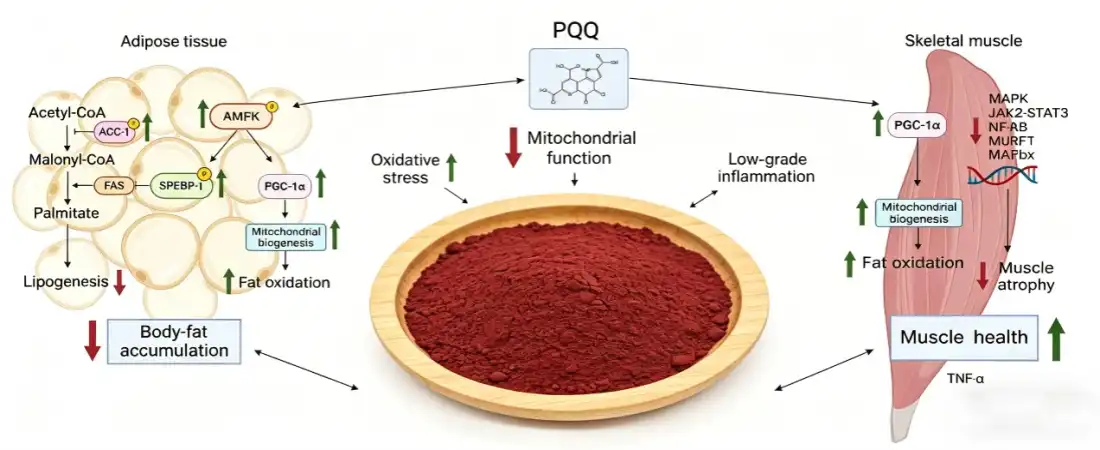
Comparative Analysis: PQQ Powder vs Other Mitochondrial Antioxidants
Functional Differentiation from CoQ10 and Ubiquinol
Coenzyme Q10 (CoQ10) is a part of the mitochondrial electron transport chain. It shuttles electrons between the complexes of the respiratory chain and is also involved in the synthesis of ATP. Ubiquinol, the reduced version of CoQ10 is in the same redox pathway.
PQQ and CoQ10 are different in chemical structure and biological function. PQQ has been examined for its influence on signalling pathways related to mitochondrial biogenesis, whereas CoQ10 is directly implicated in mitochondrial electron transport. These properties make them different substances , not interchangeable replacements .
Some formulations combine PQQ with CoQ10. Whether a combination is suitable, however, will depend on the product’s positioning, constituent specifications, stability and supporting evidence. Synergistic benefits should not be claimed without sufficient formulation or clinical proof.
Their properties of formulation are likewise varied. CoQ10 is lipophilic and requires a proper delivery method in different product formulations. PQQ disodium salt is water soluble and may be used for certain aqueous formulations. However, solubility testing and end product stability research will be required to determine compatibility and processing performance.
Comparison with NMN and Resveratrol
NMN vs Resveratrol NMN is a precursor in NAD+ metabolism. It participates in many redox reactions in the cell . It is also involved in the actions performed by enzymes. Resveratrol is a polyphenolic compound that has been researched for its antioxidant capabilities as well as impacts on cell signalling pathways such as sirtuins.
PQQ, NMN and resveratrol therefore have diverse chemical properties and research backgrounds. PQQ has been studied for its effects on mitochondrial biogenesis signals, NMN for its effects on NAD+ metabolism and resveratrol for its effects on a range of cellular stress response pathways.
Such variations may be of interest to the formulator in assessing ingredients for different product conceptions. But it is not true that one chemical is always more bioavailable or strong than another, without taking into account the exact formulation, dosage, research methodologies and human data.
Buyers should look for specifics on identity and purity, stability data, suggested serving size, and any regulatory restrictions that apply to these substances.
Sourcing Implications: Fermentation vs Synthetic Production
PQQ may be produced via microbe fermentation. Manufacturing utilising microorganisms such as Hyphomicrobium denitrificans is described in research and regulatory assessments. “The quality of the resulting ingredient is influenced by the production strain, the fermentation conditions, the purification process and the final specifications.
There is no reason to suppose that a product produced by fermentation is any better than one made in any other way. Buyers should examine at the actual manufacturing technique, impurity profile, identity testing and batch consistency. Documentation must support any claims of natural origin or production advantages.
When selecting a source of PQQ powder, procurement teams should seek to examine the manufacturing method and a batch-specific Certificate of Analysis (COA). The COA should provide proper product form test methodologies and findings. Depending on the intended use of the product and the market requirements more tests may be performed e.g. heavy metals, residual solvents and microbiological properties.
Guidelines for Using PQQ Powder in B2B Ingredients Sourcing
Evidence-Based Dosing Recommendations
For PQQ, a published research has looked at different daily intakes and forms of the substance. For instance, in the assessment of a PQQ disodium salt novel food by EFSA , a proposed maximum intake of 20 mg per day for healthy adults was considered under the indicated conditions of use. This amount is not a blanket suggestion for all PQQ goods or all sorts of customers.
The appropriate quantity to serve in a finished product will depend on the form of the component, any constraints, target population, formulation design and the evidence supporting the intended use. “Just because you see a dose in a totally different study, doesn’t mean that procurement teams should take it up.
PQQ disodium salt is suitable for certain water-based formulations, however compatibility will depend on the overall composition. Manufacturers should conduct trials to assess dissolution, pH compatibility, processing conditions and packaging interactions and stability across the whole anticipated shelf life.
Regulatory Compliance and Safety Considerations
PQQ’s regulation is dependent on its chemical form, how it’s produced, how it will be used, and who it’s marketed to. In the United States, disodium PQQ FDA GRAS notifications are unique to certain medications and conditions of use. A declaration by the FDA that it has no issues about the notifier’s GRAS conclusion does not constitute a blanket clearance by the FDA for each and every PQQ ingredient or usage.
EFSA evaluated the safety of a particular PQQ disodium salt novel food for use in food supplements under defined settings in the European Union. The evaluation covered the suggested maximum daily intake and constraints related to the target population. Before putting a product on the market businesses should check the existing authorisation and its requirements.
Safety evaluations should also be differentiated from generic quality certifications. ISO 9001 is a quality management system . Kosher and Halal certifications are special religious or manufacturing criteria . No single document confirms that a product is authorised for all food or supplement applications.
Buyers should check appropriate regulatory papers, product specifications, COA, contaminant testing and labelling requirements before to purchase. All safety statements should be evidence-based and related to the intended usage of the individual substance.
Supplier Evaluation Criteria
A reputable supplier of PQQ powder should be able to give documentation to the customer so that they may verify the authenticity, purity and batch consistency of the ingredients. Some useful documents are:
- A product specification identifying the chemical form, CAS number, appearance, and assay requirements
- A batch-specific COA showing test methods and analytical results
- HPLC chromatograms or other relevant analytical records
- Identity confirmation using appropriate methods, such as FTIR or UV-Vis, where applicable
- Heavy metal and residual solvent results, where relevant
- Microbiological test results for the intended application
- Storage recommendations and product-specific stability information
- Manufacturing and traceability information
The HPLC findings should be interpreted according to the described technique and calculation basis. If a purity % is provided, it should be clear whether this is percent by area or assay on an as-is basis or other established measurement.
Buyers may also have independent lab testing done for initial supplier certification. Comparison of the supplier’s findings with an independent test may detect discrepancies in analytical techniques and can validate that the material satisfies the agreed standard.
Strategic Procurement of PQQ Powder for B2B Clients
Wholesale Channel Identification and Pricing Dynamics
Manufacturers, fermentation ingredient companies and speciality ingredient distributors are sources for PQQ powder. The optimal buying channel relies on the order volume, the need for documentation, the need for technical assistance, and the supplier’s capacity to produce consistent batches.
Going straight to the manufacturer might make production and specification communication easier. But distributors have benefits in regional inventories, lower order quantities or local logistics. Buyers should consider the whole purchase arrangement, rather than assume one channel is always cheaper.
The price of PQQ powder depends on many parameters such as chemical form, assay specification, manufacturing process, order volume, testing requirements, packing, and destination of shipping. Procurement teams should not accept generic market price assertions at face value but rather seek current offers based on a detailed specification and quantity.
Where quotes pertain to repeat business they should indicate the validity of the price, the minimum order, the lead time, the terms of payment, packaging and the method in which batches falling below the agreed standard will be dealt with.
Logistical Considerations for International Trade
Packaging should protect the PQQ powder from environmental conditions that may impair the quality of the product during storage and transit. Buyers should clarify with the supplier the package material, liner type, sealing technique, net weight and any specific handling requirements.
The storage conditions should be maintained in accordance with the product technical documentation. Don't assume all PQQ forms have same heat or humidity needs. If a supplier gives a shelf-life claim, ask to see the stability data to back the claim and ensure that the term provided is for unopened packaging under the specified storage circumstances.
Commercial invoices, packing lists, certificates of origin and other documentation may be required for international shipping depending on the destination and product categorisation. Additional dietary or supplement documentation may also be needed. Importers should check with the appropriate customs authorities or regulatory expert for requirements prior to shipping.
Brand Differentiation and Supplier Selection
The price mentioned should not be the exclusive basis for supplier selection. The success of long-term procurement is influenced by product documentation, batch uniformity, communication, transparency in production, and the capacity to follow the agreed delivery schedule.
Some providers will give you the formulation information or technical documentation while others will only give you the ingredients. Buyers should verify the real degree of assistance before include it in product development plans.
When comparing suppliers it is important to utilise similar criteria. Product form, assay technique, impurity limits, COA completeness, sample availability, MOQ, lead time, packing and payment conditions are all important. This technique allows comparison of providers on quantifiable needs rather than vague marketing promises.
Making the Right Decision: Choosing the Best PQQ Powder Supplement for Your Business
Quality Assessment Framework
Selecting PQQ powder begins with confirming the ingredient's identity and chemical form. The specification should state whether the material is PQQ free acid or PQQ disodium salt, together with the relevant CAS number, molecular formula, and assay requirement.
HPLC is commonly used to assess PQQ content, but the analytical method and reporting basis should be reviewed. A purity claim such as 99% is meaningful only when the test method, reference standard, and calculation basis are clear. Identity testing can be supported by appropriate analytical techniques, including UV-Vis or FTIR, depending on the supplier's quality-control system.
Other specifications should be selected according to the intended application. These may include moisture, residual solvents, heavy metals, microbiological limits, and particle-size distribution. An 80-mesh specification should not be treated as a universal requirement; the appropriate particle size depends on the manufacturing process and finished-product design.
For buyers developing capsules, tablets, or beverages, laboratory evaluation should also consider flow properties, dissolution behavior, compatibility with excipients, and stability under actual processing and storage conditions.
Customization Capabilities and OEM Support
Customization requirements should be discussed before placing an order. Relevant points may include packaging size, labeling requirements, particle-size targets, testing methods, and the documentation needed for the destination market.
If a buyer needs a specific assay level or impurity limit, the supplier should confirm whether it can meet the requirement and provide supporting analytical results. Any change to the product specification should be agreed upon before production rather than assumed from a general customization statement.
For brands using external manufacturing partners, OEM services may help coordinate ingredient sourcing and finished-product production. However, the scope of these services, product responsibilities, and regulatory documentation should be confirmed with the relevant provider.
Market Trends and Emerging Applications
Interest in mitochondrial function and cellular energy metabolism continues to influence nutraceutical research and product development. PQQ has attracted attention because of preclinical findings involving mitochondrial biogenesis signaling and oxidative stress. These research areas may inform future ingredient development, but they do not establish PQQ as a treatment for aging, metabolic disease, or neurological conditions.
PQQ is being considered for supplement formulations and other ingredient concepts. Its suitability for a particular product depends on the chemical form, regulatory status, formulation compatibility, and evidence supporting the intended claims.
Manufacturers following this ingredient category should monitor new clinical studies and regulatory updates. Working with suppliers that provide accurate technical documentation can help businesses assess new opportunities without relying on unsupported health or performance claims.
Conclusion
PQQ powder is a redox-active ingredient studied for its potential relationship with mitochondrial biogenesis signaling and cellular oxidative-stress responses. Research involving CREB and PGC-1α pathways provides a scientific basis for continued investigation, but current evidence does not justify treating every proposed mechanism as a proven human health benefit.
For B2B buyers, selecting a suitable PQQ powder requires attention to chemical form, assay method, batch-specific quality data, stability, and destination-market requirements. A complete specification and COA are more useful for supplier evaluation than broad claims about purity or performance. Careful verification of these factors can support more reliable ingredient sourcing and product development.
FAQ
1. What makes PQQ different from other energy supplements?
PQQ is a redox-active compound that has been studied for its potential influence on signaling pathways associated with mitochondrial biogenesis. CoQ10 has a direct role in mitochondrial electron transport, while NMN is involved in NAD+ metabolism. These ingredients have different biological roles and should not be described as interchangeable. Evidence for PQQ-related mechanisms does not establish that supplementation reliably increases energy levels in all consumers.
2. How should PQQ powder be stored to maintain potency?
Storage conditions depend on the specific chemical form and manufacturer's stability data. Buyers should keep PQQ powder in its original, properly sealed packaging and follow the supplier's instructions for temperature, humidity, and light exposure. A fixed 24-month shelf life or a claim that refrigeration extends the shelf life should only be used when supported by product-specific stability data.
3. What purity level should procurement managers require?
The required assay level depends on the intended application, product specification, and regulatory requirements. Some commercial or evaluated PQQ ingredients have specifications around 99%, but this should not be treated as a universal requirement for every product. Buyers should confirm the chemical form, HPLC method, calculation basis, impurity profile, and batch-specific COA before approving a material.
4. What foods contain PQQ (pyrroloquinoline quinone)?
PQQ has been reported in fermented soybeans such as natto, vegetables including parsley and green peppers, fruits such as kiwi and papaya, and foods including tofu, milk, and eggs. Reported concentrations vary by food sample and analytical method. Food sources can provide background dietary PQQ, but their composition should not be equated with a standardized PQQ powder serving.
Partner with NT Biotech for Premium PQQ Powder Supply
When evaluating PQQ powder for nutraceutical or functional-food development, buyers should confirm the ingredient form, assay method, batch-specific COA, contaminant testing, and storage requirements before placing an order. NT Biotech can be contacted to discuss PQQ powder sourcing requirements and request the product specifications and quality documents available for the relevant material.
For information about product availability, purity specifications, packaging options, samples, or delivery arrangements, contact NT Biotech at info@newthingsbiotech.com. Buyers can share their target application and required specifications to help determine whether the available material is suitable for their project.
References
1. Chowanadisai W, Bauerly KA, Tchaparian E, et al. Pyrroloquinoline quinone stimulates mitochondrial biogenesis through cAMP response element-binding protein phosphorylation and increased PGC-1alpha expression. Journal of Biological Chemistry. 2010;285(1):142-152.
2. Rucker R, Chowanadisai W, Nakano M. Potential physiological importance of pyrroloquinoline quinone. Alternative Medicine Review. 2009;14(3):268-277.
3. Stites T, Storms D, Bauerly K, et al. Pyrroloquinoline quinone modulates mitochondrial quantity and function in mice. Journal of Nutrition. 2006;136(2):390-396.
4. Harris CB, Chowanadisai W, Mishchuk DO, et al. Dietary pyrroloquinoline quinone (PQQ) alters indicators of inflammation and mitochondrial-related metabolism in human subjects. Journal of Nutritional Biochemistry. 2013;24(12):2076-2084.
5. Nakano M, Ubukata K, Yamamoto T, Yamaguchi H. Effect of pyrroloquinoline quinone (PQQ) on mental status of middle-aged and elderly persons. Food Style 21. 2009;13(7):50-53.
6. Akagawa M, Nakano M, Ikemoto K. Recent progress in studies on the health benefits of pyrroloquinoline quinone. Bioscience, Biotechnology, and Biochemistry. 2016;80(1):13-22.
The naturally occurring quinone pyrroloquinoline quinone (PQQ) has caught the attention of scientists due to its potential neuroprotective benefits, mitochondrial function and antioxidant activity. We have examined the impact of PQQ on signalling pathways involved in mitochondrial biogenesis and cellular energy metabolism. These findings have offered opportunities for their use in functional food formulations and dietary supplements. Manufacturers and procurement teams looking to acquire pyrroloquinoline quinone bulk powder should understand its chemical properties, research history, quality standards, and regulatory requirements to make educated purchasing decisions.
What Is a PQQ Supplement? Definition and Buyer's Overview
PQQ supplement is the last nutraceutical product using pyrroloquinoline quinone as the active ingredient. It may also be considered for various functional food and beverage formulations, usually made in form of capsule or tablet. But PQQ bulk powder is the raw ingredient which manufacturers purchase and use to make and produce items. The two titles are not distinct active chemicals, but different phases of the supply chain.
When clients enquire about a PQQ supplement, they are looking for information on what it contains, what it is used for, and how it is created. Some formulations combine PQQ with Coenzyme Q10 (CoQ10), omega-3 fatty acids or phosphatidylserine. The individual ingredients and appropriate formulae should be tested for such combinations. B2B purchasers are concerned about chemical form, purity, particle size, moisture content, packaging and batch documentation. These criteria are used to assess the fitness of pyrroloquinoline quinone bulk powder for the completed product for which it is intended.
Understanding Pyrroloquinoline Quinone (PQQ) and Its Health Benefits
Pyrroloquinoline quinone is a redox active quinone molecule that was first found during investigation of enzymes in bacteria. PQQ free acid is C14H6N2O8, CAS number is 72909-34-3. PQQ disodium salt is C14H4N2Na2O8, CAS Number 122628-50-6. The requirements for raw materials should be different for the two kinds of inspection. The significance of PQQ in redox reactions, mitochondrial activity and cellular responses to oxidative stress has also been investigated.
The Mechanism Behind Neuroprotection
One field of inquiry is the probable role of PQQ in mitochondrial biogenesis, the process by which cells increase their mitochondrial mass. In mouse hepatocyte cells, PQQ phosphorylated CREB and increased the production of PGC-1α (Chowanadisai et al., 2010, Journal of Biological Chemistry). Signalling pathways are critical in the regulation of mitochondrial biogenesis and energy metabolism.
Mitochondrial activity is particularly crucial for neurones since these cells need a lot of energy. For this reason, experimental studies have investigated whether PQQ may protect brain cells under conditions of oxidative or metabolic stress. But cell and animal research do not indicate that PQQ may prevent neurodegenerative diseases or cure cognitive impairment in humans.
Antioxidant Defense and Cellular Protection
PQQ is a quinone and might be involved in redox reactions. Laboratory studies have examined its probable involvement in modulating oxidative stress and protecting biological components from damage by reactive oxygen species. In certain cases PQQ may participate in many redox processes unlike antioxidants given in one go.
PQQ has also been looked at for its capacity to guard against glutamate excitotoxicity and other cellular stress factors [57]. These results provide a solid starting point for further work on its participation in cell defence. But the findings should be seen as part of the investigation, not as evidence that PQQ prevents strokes or neurological illnesses.
Cardiovascular and Metabolic Support
PQQ has also been studied for its effects on lipid metabolism, mitochondrial function and metabolic health . Several human studies have been conducted on changes in blood lipid markers and other metabolic parameters following PQQ treatment. But there is no current data to suggest PQQ as a treatment for cardiovascular disease or as an alternative to proven cholesterol-lowering treatments.
These research areas can provide background for product development for supplement companies. Any claim on cardiovascular health, exercise performance or metabolic benefit must be backed by appropriate human evidence and must comply with the regulations of the target market.
Procurement Insights: Selecting the Best PQQ Bulk Powder for Your Business Needs
When choosing a supplier of PQQ, it is not enough to only compare the purity numbers provided. Buyers should investigate chemical identity, analytical methods, manufacturing documentation, batch consistency and regulatory suitability. Chemical form is especially important because PQQ free acid and PQQ disodium salt have different specifications and molecular weights.
Bulk Pyrroloquinoline quinone powder - NT Biotech - B2B ingredient buyers Procurement teams should request the existing product specification and the batch-specific Certificate of Analysis (CoA) prior to purchase, to verify the real purity, testing procedures and quality parameters that pertain.
Critical Quality Indicators
When we look at PQQ substances, they have to be pure. The target compound can be identified by HPLC analysis and identification tests and other analytical methods may be necessary to define impurities. Buyers may also need to check for moisture content, residual solvents, heavy metals, microbiological limits and particle size depending on the intended application.
There are no universal impurity limits that can be applied for all PQQ goods and markets . For example, the EU Novel Food standard for authorised PQQ disodium salt permits a minimum purity of 99.0% on a dry weight basis, with moisture not above 12%, lead less than 3 mg/kg, and arsenic less than 2 mg/kg. These are specific regulatory standards, not universal acceptance criteria for all commercial PQQ substances. The particle size can also be used for powder mixing and encapsulating needs, provided it is 80 mesh and is compatible with the actual supplier specification.
Understanding Cost Structures and MOQ Considerations
Manufacturers buy in bulk, allowing them to customise their ingredient supply to meet their manufacturing requirements. But the cost of the overall purchase is more than just the price per kilogram. The factors affecting the purchase decision are purity, chemical form, packaging, analytical paperwork, order quantity and transportation and storage needs.
NT Biotech notes that the minimum order quantity for its PQQ ingredient is 25kg. This quantity can be used to pilot produce or routinely purchase for commercial sale by manufacturers. Buyers are requested to check the current stock, sample availability and quotation validity and delivery arrangement before to confirming the order. To make the purchase value more meaningful, vendors should be evaluated with the same product specification.
Certification Requirements for Market Access
Regulatory documentation are not the same as certifications when acquiring ingredients. ISO 9001 signifies you have a quality management system . Kosher and Halal certifications are for religious dietary requirements. None of these certificates by itself proves that a finished supplement is approved for sale in all countries.
Also, compliance measures have to be taken special care of in each market. Buyers should verify the applicable ingredient approval, intended food category, acceptable intake limits, labelling requirements and paperwork required by local authorities. Supplier CoAs, production information and associated safety documentation can support this operation.
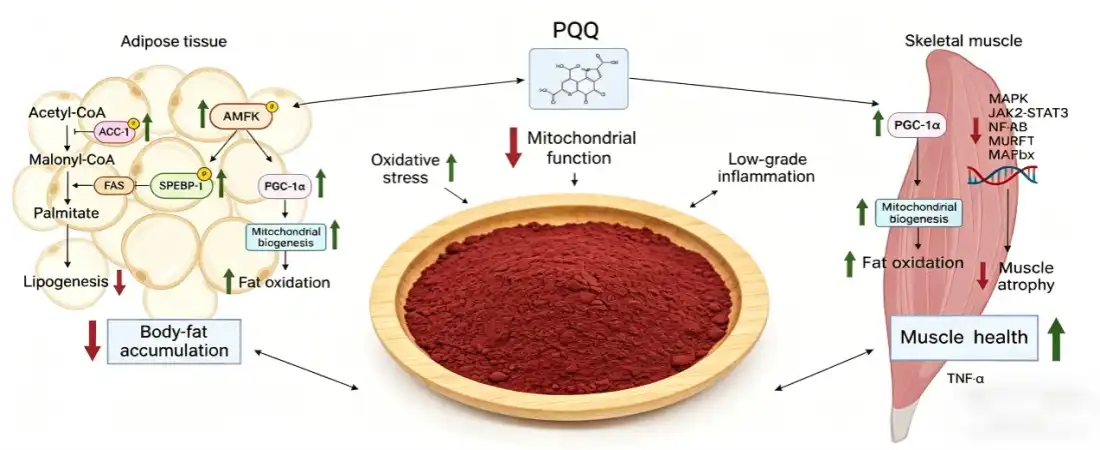
Application and Formulation of PQQ Bulk Powder in Various Industries
PQQ is a contender for a wide variety of ingredient classes, while its utility is dependent on its chemical form, formulation requirements and finished product needs. Materials should be considered in connection to the actual production process and not assumed to be acceptable for all applications under one standard.
Dietary Supplement Formulations
There is a lot of interest in dietary supplements for PQQ. PQQ can be made into capsules and pills either by itself or combined with other compounds such as CoQ10, omega-3 fatty acids and phosphatidylserine. The combinations have different nutritional and biological components, nevertheless the compatibility and projected advantages should be evaluated separately.
PQQ disodium salt has been tested in humans at approximate daily intake quantities of 20 mg, including a 12-week study on cognitive performance. These study circumstances should not be construed as universal dosing recommendations. Producing products involves thinking about the target market, the chemical form of the product, serving size, mixing uniformity, packaging and stability during the intended shelf life. NT Biotech and other vendors can provide raw material information to help with initial evaluation of pyrroloquinoline quinone bulk powder.
Functional Beverage Applications
PQQ disodium salt is water compatible and may have utility in some functional beverage formulations. But good drinkability is not only a question of solubility. Formulators must be mindful of pH, processing temperature, light exposure, interactions with other ingredients and physical stability of the final product.
Packaging is another consideration. Light protective coatings can reduce the exposure during storage and distribution and stability studies of the finished product can indicate whether the required ingredient criteria are being met. Manufacturers should not assume that PQQ will be compatible with other antioxidants or functional additives and should look at the exact formulation.
Cosmetic and Topical Applications
PQQ has also gained interest in cosmetic research for its antioxidant benefits and possible involvement in cellular energy metabolism. For topical medicines, however, it must be developed independently and safety-assessed separately. The manufacturer has to consider the compatibility of ingredients, concentration, solubility, colour, pH and the stability of the end product.
The reddish-brown colour of PQQ disodium salt may alter the final appearance of creams, serums and other formulations. So during the development the colour compatibility and the sensory qualities must be taken into account. Any proposed concentration should not be determined by an unproven commercial dose range but should be validated by formulation experiments and appropriate safety investigations.
Addressing Risks and Safety: Side Effects and Regulatory Compliance of PQQ
Safety and regulatory standards of PQQ are critical to commercial goods manufacture. It has been investigated in humans in doses ranging from … The safety findings should be examined in light of the study population, dose, duration of use and intended application. The procurement teams should also make sure that the ingredient specification is in line with the regulatory requirements of the end market.
Safety Profile and Dosing Considerations
Human studies have tested the disodium salt of PQQ at a range of doses. For example, some clinical study has used around 20 mg per day for 8-12 weeks, whereas other safety research has looked at higher amounts used over a shorter period. The results are interesting but do not demonstrate that higher doses are suitable for everyone to use over a lengthy period of time.
The EFSA safety assessment on PQQ disodium salt was carried out on the basis of a proposed maximum intake of 20 mg per day for the proposed use in dietary supplements for healthy adults (excluding pregnant and nursing women). The manufacturer does not view this number as a general recommendation for all markets or people. Dosage, warnings and labelling of the finished product should be in accordance with applicable legislation and appropriate safety evidence.
Regulatory Status Across Key Markets
The regulatory status of PQQ is contingent on the kind of chemical, product category and intended use. PQQ disodium salt has been submitted to the FDA in the United States as GRAS notifications for particular intended food usage. The FDA’s declaration that it has no questions regarding a notifier’s GRAS conclusion is not a sign that the FDA has given blanket FDA approval for all PQQ products or for all supplement purposes.
The Commission Implementing Regulation (EU) 2018/1122 approved the use of PQQ disodium salt as Novel Food under specified conditions in the European Union. It is allowed for use in food supplements for adults, except pregnant and breastfeeding women, at a maximum 20 mg/day with particular labelling criteria. Buyers should confirm the latest regulatory status in each destination market and any restrictions that apply. Supplier paperwork (e.g., CoAs, ingredient specifications and applicable manufacturing declarations) might support the regulatory review but do not relieve the need for product registration or local compliance requirements.
Manufacturing Standards and Traceability
Traceability helps companies know where their ingredients come from, what batch they were made in and what their quality history is for pyrroloquinoline quinone bulk powder. Procurement teams should obtain information on production process, controls on raw materials, purification process, batch identification and packing records. These documents can be beneficial if you are looking at deviations or confirming that the next delivery meets the set specifications.
Buyers should also consider the quality management procedures and analytical documentation of the supplier when sourcing PQQ. NT Biotech informs commercial purchasers on supply of PQQ ingredient. The precise place of manufacture, the technique of manufacture and the batch testing data should be validated from current technical documentation and not inferred from generic assertions of the production of PQQ.
Making the Right Decision: Why Choose High-Quality PQQ Bulk Powder Suppliers
The right supplier can make a difference to product consistency, purchasing efficiency and regulatory preparedness. A good sourcing process should address analytical transparency, supply availability, technical communication and the capacity to achieve specified product criteria. These are more important factors for the long term assessment of the provider than promotional claims only.
Evaluating Supplier Capabilities and Infrastructure
Inventory availability, order fulfilment, packing, and delivery performance should be evaluated by procurement specialists prior to entering into a buying agreement. Available stock is listed by NT Biotech. Typical shipment period for available orders is listed as 2-4 business days following payment but subject to confirmation. It is said to have a MOQ of 25 kg, therefore buyers should match their purchase amounts with their production schedules.
Manufacturers should verify current inventory, batch specification, CoA, shipping arrangements and projected delivery date before to placing a bulk purchase. Agreed acceptance criteria may be useful for recurrent procurement to reduce the variances between incoming batches and improve the planning of supply.
Technical Partnership and Formulation Support
Accurate technical knowledge and prompt contact from ingredient suppliers can aid product development. Available chemical specifications, analytical reports, sample evaluation, packaging information and stability data could be useful support for PQQ constituents.
Before starting a project, manufacturers need to be clear about what technical services are really on offer. The product development process has the responsibility for ensuring formulation compatibility and finished-product stability and this should be validated by suitable testing. One way to avoid specification ambiguities during development is open communication between buyers, suppliers and contract manufacturers.
Customization and OEM Services
Varying product formats may entail differing ingredient specifications and packaging choices. If you are a buyer producing a capsule, pill or functional food product, please provide the intended use, quantity necessary, packaging preferences and quality documentation requirements before obtaining a quote.
NT Biotech reports on their PQQ bulk ingredient. MOQ 25 kilogram. Samples available on confirmation. Manufacturers can negotiate packaging requirements and product specs before they buy. Reviewing of samples and documentation can help to assess pyrroloquinoline quinone bulk powder to establish if the material is suitable for the proposed production process.
Conclusion
Pyrroloquinoline quinone is an interesting research compound because of its redox activity, potential influence on mitochondrial biogenesis, and possible role in cellular protection. Studies involving CREB and PGC-1α signaling provide a scientific basis for investigating its relationship with mitochondrial function, while human research has explored its potential effects on cognitive performance. However, these findings should be distinguished from established clinical benefits, particularly when developing products involving neuroprotection, cardiovascular health, or anti-aging claims.
For B2B manufacturers, selecting pyrroloquinoline quinone bulk powder requires attention to chemical form, purity, analytical testing, contaminant limits, regulatory status, and formulation compatibility. Working with suppliers that provide clear specifications, batch documentation, and dependable delivery arrangements can support more consistent product development and procurement decisions.
FAQ
1. What purity level should B2B buyers require for PQQ bulk powder?
The required purity depends on the chemical form, applicable regulatory specification, and intended application. PQQ disodium salt authorized as a Novel Food in the EU has a minimum purity of 99.0% on a dry-weight basis. Buyers should verify purity through the supplier's CoA and confirm the analytical method, assay basis, and impurity limits rather than relying on a percentage alone.
2. How does PQQ compare to Coenzyme Q10 in supplement formulations?
PQQ and CoQ10 have different biochemical functions. PQQ is studied for its redox activity and potential involvement in mitochondrial biogenesis, while CoQ10 participates in electron transport within the mitochondrial respiratory chain. They may be combined in nutritional formulations, but their individual quantities, quality specifications, and regulatory requirements should be evaluated separately.
3. What storage conditions preserve PQQ bulk powder quality?
PQQ should be stored according to the manufacturer's validated storage instructions. Buyers should consider temperature, humidity, light exposure, and packaging integrity. Containers should remain properly sealed, and opened material should be handled according to the supplier's recommendations. A specific shelf life, such as 24 months, should only be assigned when supported by appropriate stability data.
4. What is PQQ supplement and what does it do?
A PQQ supplement is a finished nutritional product containing pyrroloquinoline quinone as an active ingredient. It is commonly formulated in capsules or tablets and may be combined with other nutrients. Research has investigated PQQ's antioxidant activity, mitochondrial signaling, and potential effects on cognitive function. However, these research findings do not establish that PQQ can treat neurological diseases or prevent age-related cognitive decline.
Partner with NT Biotech for Premium Pyrroloquinoline Quinone Bulk Powder Supply
NT Biotech supplies pyrroloquinoline quinone bulk powder for businesses developing dietary supplements and functional food ingredients. Buyers can request product specifications, batch-specific CoA information, and sample availability to evaluate whether the ingredient meets their technical and purchasing requirements.
The listed minimum order quantity is 25 kg, with available stock and a typical dispatch period of 2–4 business days after payment, subject to order confirmation. For manufacturers planning new formulations or regular ingredient procurement, NT Biotech can discuss product specifications, packaging, and bulk purchasing requirements.
Contact NT Biotech at info@newthingsbiotech.com to request product documentation, discuss sample requirements, or obtain a quotation for pyrroloquinoline quinone bulk powder.
References
1. Stites, T.E., Mitchell, A.E., Rucker, R.B. (2000). "Physiological importance of quinoenzymes and the O-quinone family of cofactors." Journal of Nutrition, 130(4), 719-727.
2. Chowanadisai, W., Bauerly, K.A., Tchaparian, E., Wong, A., Cortopassi, G.A., Rucker, R.B. (2010). "Pyrroloquinoline quinone stimulates mitochondrial biogenesis through cAMP response element-binding protein phosphorylation and increased PGC-1α expression." Journal of Biological Chemistry, 285(1), 142-152.
3. Nakano, M., Ubukata, K., Yamamoto, T., Yamaguchi, H. (2009). "Effect of pyrroloquinoline quinone (PQQ) on mental status of middle-aged and elderly persons." FOOD Style, 21(13), 50-53.
4. Akagawa, M., Nakano, M., Ikemoto, K. (2016). "Recent progress in studies on the health benefits of pyrroloquinoline quinone." Bioscience, Biotechnology, and Biochemistry, 80(1), 13-22.
5. Harris, C.B., Chowanadisai, W., Mishchuk, D.O., Satre, M.A., Slupsky, C.M., Rucker, R.B. (2013). "Dietary pyrroloquinoline quinone (PQQ) alters indicators of inflammation and mitochondrial-related metabolism in human subjects." Journal of Nutritional Biochemistry, 24(12), 2076-2084.
6. Rucker, R., Chowanadisai, W., Nakano, M. (2009). "Potential physiological importance of pyrroloquinoline quinone." Alternative Medicine Review, 14(3), 268-277.
Nutritional research has long known that PQQ scavenges free radicals. New research demonstrates that this naturally occurring quinone is a vitamin-like biofactor essential for metabolic health and cell longevity. Most antioxidants combat reactive stress, whereas pyrroloquinoline quinone bulk powder cycles through redox processes to preserve cell structures and stimulate mitochondrial biogenesis. PQQ is ideal for next-generation food supplements, functional drinks, and mental health products since it performs two things. Manufacturers seeking reliable suppliers realize that quality begins with pure materials and honest vendors.
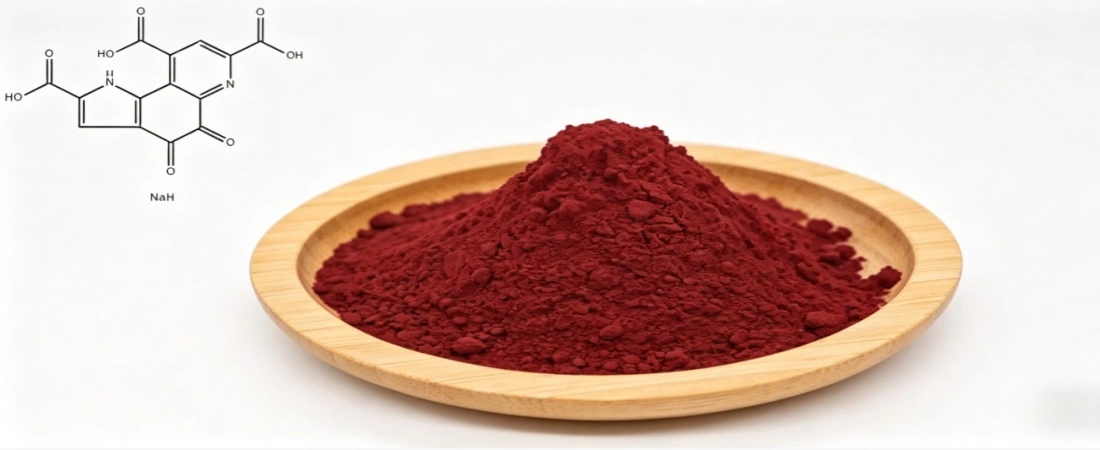
Understanding Pyrroloquinoline Quinone Bulk Powder
What Makes PQQ Different from Traditional Antioxidants?
Pyrroloquinoline quinone is C14H6N2O8 and CAS 72909-34-3. As a solid aromatic o-quinone, it differs from normal antioxidants like vitamin C and E which sacrifice themselves to battle free radicals. Instead, PQQ accelerates the process. Rucker and colleagues found that a PQQ molecule may withstand 20,000 redox reactions without losing form because it can repeatedly take and give electrons. In cell experiments, it reduces oxidative stress 5,000 times better than ascorbic acid.
For B2B purchases, this implies greater planning. Therapeutic limits are attained at reduced inclusion rates, increasing product profitability and clinical advantages. Our 99% pure pyrroloquinoline quinone bulk powder enables formulators stability for correct doses throughout batch manufacturing cycles.
The Vitamin-Like Properties That Matter for Product Development
There is no essential vitamin classification for it yet, although PQQ acts as a growth factor and redox cofactor like a B vitamin. In rat models, not obtaining enough PQQ in the meal impairs the immune system, makes reproduction difficult, and destroys the skin, all of which are indications of vitamin deficiency. Steinberg's team showed that PQQ regulates gene regulation that influences cell energy and neuroprotection.
This chemical directly affects mitochondrial development, making it unique. PQQ activates signaling pathways including PGC-1α and CREB, helping cells produce more mitochondria. The science-based value proposition of premium formulations distinguishes them from typical solutions for firms developing products for elderly persons or cognitive function.
Industrial-Grade Specifications That Ensure Formulation Success
The dark red powder of high-purity PQQ disodium salt offered by NT Biotech satisfies stringent testing criteria. Our product specifications include:
- High Purity (99% Assay): We verify each manufacturing batch with HPLC and record the results, microbiological purity, and moisture content (below 12%). This documentation supports legal reporting and allows procurement professionals traceability to ensure supply chain integrity.
- Optimal Particle Size (80 mesh): The particles are uniformly sized after passing through an 80-mesh filter. Regular mixing is needed while compressing tablets and filling capsules to ensure a homogenous blend.
- Superior Solubility: Since the disodium salt form dissolves quickly in water (1g/L at room temperature), it may be used in liquid supplements and functional beverages without the issues that many plant ingredients cause.
- Strict Contaminant Control: Arsenic and heavy metal levels are maintained below 1.0 ppm and 10 ppm, respectively. This fulfills stringent North American and European legal criteria for safety and regulatory compliance.
How to Use Pyrroloquinoline Quinone Bulk Powder Effectively
Dosage Optimization Across Different Application Sectors
Clinical studies recommend a daily intake of 10–20 mg for brain support and overall wellness. A pioneering study by Nakano and colleagues found that providing middle-aged persons 20 mg of PQQ daily for eight weeks improved cognitive performance and decreased inflammatory markers. Dietary supplement companies can incorporate 0.02%–0.04% of the supplement in standard servings.
Making functional beverages can be difficult to combine flavor and efficacy. At acceptable levels, pyrroloquinoline quinone bulk powder has a somewhat sour and earthy flavor that should be concealed. Our technological staff recommends citrus-based flavor systems or berry styles. If not exposed to direct light, PQQ stays active in water solutions with pH values between 5.0 and 9.0 for 18 months, according to stability testing.
Sports nutrition that supports mitochondrial function and energy metabolism often contains 10–15 mg of this chemical per dosage. Metabolic analysis supports our material with useful compounds like CoQ10 and L-carnitine. PQQ's thermal stability prevents breakdown under conventional tablet compression pressures and encapsulation procedures.
Risk Mitigation in Large-Scale Handling and Storage
Processing pyrroloquinoline quinone in regulated humidity is necessary since it absorbs water. Production facilities must maintain relative humidity below 45% to prevent powder from sticking and ensure volumetric dosage equipment flow. Large amounts should be wrapped in aluminum foil bags with desiccant packets away from photodegradation light.
At the prescribed quantities, safety data sheets show little toxicity concerns. Animal studies demonstrate that NOAELs above 1,000 mg/kg body weight are safe. By combining PQQ with drinks high in ascorbic acid, purchasing teams may accelerate vitamin C oxidation due to its redox cycle activity. Encapsulation or dual-phase separation can address this compatibility issue while maintaining ingredient safety.
Comparing Pyrroloquinoline Quinone Bulk Powder with Market Alternatives
Bulk Powder Versus Pre-Encapsulated Forms
Big raw ingredients and finished dosage forms are often compared while buying. Encapsulating manufacturers may save a lot by buying pyrroloquinoline quinone bulk powder in bulk. Current prices for 25 kg of 99% pure material are $800–$1,200, whereas similar PQQ-containing pre-made tablets cost $0.15–$0.25 per unit.
Bulk powder allows more mixing control than ready-made items and is cheaper. Now you may combine ingredients, customize serving quantities, and employ brand-specific delivery formats. Quality control is still handled by the producer, therefore third-party encapsulation standards may not work for premium placement schemes.
Synthetic Versus Fermentation-Derived PQQ
Industrial supplies are mostly manufactured by chemical synthesis and Hyphomicrobium-based bacterial fermentation. Fermentation-derived PQQ, with excellent stereochemical purity and few fermentation-related toxins, is generally GRAS. Cheaper synthetic methods may include small quantities of pollutants that make it tougher for regulators to approve items and labels to convey what they imply.
NT Biotech makes consistent, high-purity material for clean-label goods via controlled fermentation. Our ISO9001-certified quality control system ensures batch repeatability. This overcomes a typical buying issue where moving suppliers might reduce product consistency. Obtaining Kosher and Halal permits allows businesses to access more customers with particular culinary demands.
PQQ Versus CoQ10 and Other Mitochondrial Nutrients
Coenzyme Q10 has long led mitochondrial support, but PQQ works better. PQQ makes new mitochondria, while CoQ10 largely transports electrons in existing mitochondria. Comparative studies demonstrate that both compounds function together, thus high-end goods are using both substances more.
PQQ costs more per kilogram than CoQ10, although less of it is used in end products, reducing the cost difference. Making innovative mitochondrial biogenesis structure-function claims offers you a marketing edge in competitive supplement marketplaces, allowing you to charge more.
How to Choose the Right Pyrroloquinoline Quinone Bulk Powder Supplier
Critical Certifications and Quality Assurance Protocols
Long-term supplier agreements depend on regulatory compliance. Professional buyers should prioritize ISO9001-certified vendors. This demonstrates their commitment to quality management procedures that encompass raw material selection to product release. A lot of paperwork reveals that NT Biotech follows current Good Manufacturing Practices and FDA rules for entering the U.S. market, including confirmed GRAS status.
Kosher and Halal certificates go beyond religion. General markets also obey tight ingredient traceability and contamination restrictions. Heavy metals, microbiological contamination, pesticide residues, and solvent residues are tested in every production run. Requestable Certificates of Analysis document the outcomes, enabling regulatory reporting and supporting research demands.
Evaluating Logistics Capabilities and Supply Chain Reliability
Global supply chain instability is unprecedented, making source dependability crucial. NT Biotech ships pyrroloquinoline quinone bulk powder within two to four days of payment proof. Due to stock availability, customers don't have to worry about manufacturing delays from made-to-order providers with significant lead times.
Our 25 kilogram minimum order balances making our goods available to new companies and helping established brands save money. Standard 25 kilogram fiber drums offer versatile packaging, though other types can be customized. We utilize reliable freight forwarders for air and maritime freight, and our FedEx and UPS accounts send small goods quickly.
Delivered Duty Paid (DDP) services simplify international shopping by integrating shipping and customs. This strategy eliminates unpleasant surprises like late delivery and additional costs that complicate supply planning. We've worked with clients worldwide for over 10 years, so we know each market's laws and handle administrative concerns that might delay goods.
Procurement Strategies for Buying Pyrroloquinoline Quinone Bulk Powder Online
Navigating Minimum Order Quantities and Contract Terms
To start strategic sourcing, you must understand how minimum order quantities effect cash flow and inventory costs. At 20 mg, a 25 kilogram MOQ equals 1,250,000 doses. This is enough for test marketing or manufacturing without spending much. Famous brands that need hundreds of kilos a year can consider volume pricing to reward loyalty and simplify budgeting.
Many merchants want full payment for first orders. NT Biotech accepts local currencies for authorized accounts, making international commerce easy. Standard banking processes safeguard both parties when making large transactions with letters of credit. Long-term supply partnerships stabilize pricing and ensure product availability in volatile markets. PQQ needs specialized manufacturing capacity, thus contractual arrangements prevent sharing as demand rises.
Verifying Product Authenticity and Supplier Credibility
Growing online B2B markets present opportunities and challenges. Unrealistic materials and specs hamper product development and put businesses at risk. Careful inspection saves money and reputation. Request product samples and current Certificates of Analysis; free samples allow qualified buyers to experience NT Biotech products before placing significant orders.
Audits of the supplier's site are most trustworthy, however this is difficult for foreign providers. Video tours of the building, customer references, and regulatory inspection records can also show reliability. Online reputation indications matter. A well-established website, knowledgeable technical content, and good customer assistance indicate operating maturity. Because achieving purchase deadlines requires quickness, we offer to answer queries within two hours on business days.
Conclusion
Pyrroloquinoline quinone is a vitamin-like biofactor that affects mitochondria, brain function, and cell longevity. Understanding the mechanisms and industrial applications of pyrroloquinoline quinone bulk powder may help procurement professionals identify reliable sourcing channels and make informed formulation decisions in a competitive market. Provisioners must maintain quality, follow regulations, and ensure reliability throughout the supply chain for successful agreements and long-term operations. NT Biotech is the reputable formulation development partner you need, with multiple certifications, 10 years of export experience, and professional technical support.
FAQ
1. What is the shelf life of pyrroloquinoline quinone bulk powder under proper storage conditions?
In sealed boxes at below 25°C and away from light and moisture, our 99% pure pyrroloquinoline quinone bulk powder lasts 24 months. Long-term supplies should be stored in the fridge at 2–8°C to prolong life. PQQ absorbs water, hence it must be maintained below 45% relative humidity to avoid clumping and maintain its free-flowing powder qualities for manufacturing.
2. Can PQQ bulk powder be certified as organic for clean-label formulations?
Bacteria ferment PQQ instead of plants, making it difficult to certify as organic. However, our fermenting technique employs non-GMO ingredients and no synthetic pesticides or fertilizers. Customers trust the ingredients when the product has a clean label and Kosher and Halal certifications. We assist clients create label claims that accurately represent the product and satisfy commercial goals.
3. What payment and shipping terms do you offer for international bulk orders?
NT Biotech accepts wire transfer, letter of credit, and your currency to simplify international purchasing. For long-term clients, we discuss terms based on order volume and relationship history. Express courier for modest quantities (2–4 days), air freight for fast shipments, and ocean freight for large items that save money. Delivered Duty Paid (DDP) services simplify purchases by combining shipping and customs clearance.
Partner with NT Biotech for Your Pyrroloquinoline Quinone Bulk Powder Needs
Where to buy items affects more than just pricing. NT Biotech is your partner in creating high-quality, effective products. A leading supplier of pyrroloquinoline quinone bulk powder for sale, we supply 99% pure material with ISO9001, Kosher, and Halal certifications to fulfill global market demands. Our fast response times, flexible payment terms that accept local currencies, and stock that ensures delivery within two to four days accommodate for production schedules. Our application experts help you transform raw ingredients into market-leading cognitive health supplements, functional drinks, and anti-aging products. Email info@newthingsbiotech.com to acquire a free sample and learn why manufactures trust NT Biotech to make pyrroloquinoline quinone bulk powder for long-term supply partnerships.
References
1. Rucker R, Chowanadisai W, Nakano M. Potential physiological importance of pyrroloquinoline quinone. Alternative Medicine Review. 2009;14(3):268-277.
2. Steinberg FM, Gershwin ME, Rucker RB. Dietary pyrroloquinoline quinone: growth and immune response in BALB/c mice. Journal of Nutrition. 1994;124(5):744-753.
3. Nakano M, Ubukata K, Yamamoto T, Yamaguchi H. Effect of pyrroloquinoline quinone (PQQ) on mental status of middle-aged and elderly persons. Food Style. 2009;13(7):50-53.
4. Chowanadisai W, Bauerly KA, Tchaparian E, Wong A, Cortopassi GA, Rucker RB. Pyrroloquinoline quinone stimulates mitochondrial biogenesis through cAMP response element-binding protein phosphorylation and increased PGC-1alpha expression. Journal of Biological Chemistry. 2010;285(1):142-152.
5. Harris CB, Chowanadisai W, Mishchuk DO, Satre MA, Slupsky CM, Rucker RB. Dietary pyrroloquinoline quinone alters indicators of inflammation and mitochondrial-related metabolism in human subjects. Journal of Nutritional Biochemistry. 2013;24(12):2076-2084.
6. Akagawa M, Nakano M, Ikemoto K. Recent progress in studies on the health benefits of pyrroloquinoline quinone. Bioscience, Biotechnology, and Biochemistry. 2016;80(1):13-22.
Choosing quality pyrroloquinoline quinone starts with understanding three non-negotiables: verified purity above 99%, certification compliance with ISO, Kosher, and Halal standards, and supplier responsiveness. For procurement professionals sourcing raw materials for nutraceuticals or functional foods, selecting the right supplier determines your formulation success, regulatory approval speed, and cost structure. High-grade PQQ bulk powder—specifically the disodium salt variant—offers superior solubility and stability compared to inferior synthetic alternatives. Manufacturers targeting cognitive health supplements or mitochondrial support products must prioritize suppliers demonstrating transparent quality documentation, consistent stock availability, and fast turnaround times. Settling for substandard material risks batch rejections, formulation failures, and brand reputation damage.
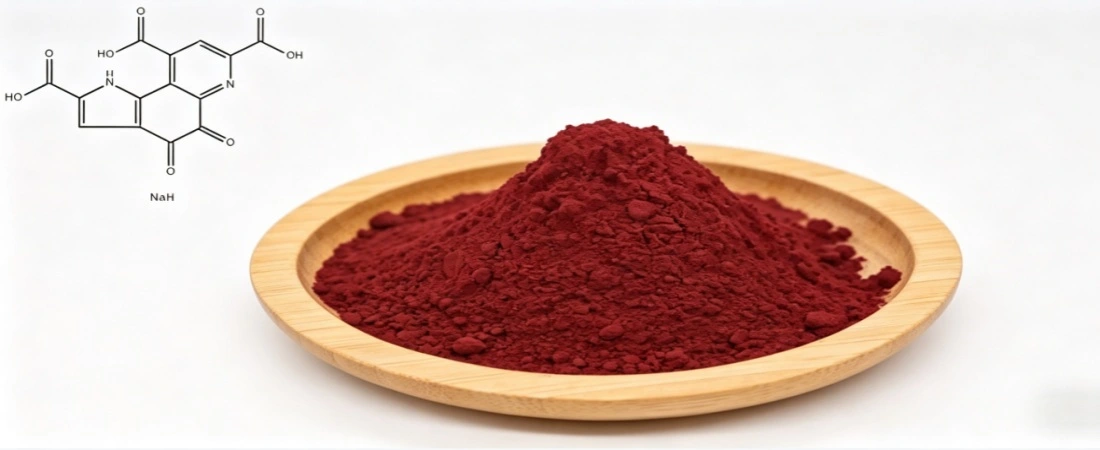
Understanding PQQ Bulk Powder: Key Facts Every Buyer Should Know
As an antioxidant and redox cofactor, pyrroloquinoline quinone aids mitochondrial development. This natural ortho-quinone molecule is available as PQQ bulk powder. It is a dark red to reddish-brown crystalline substance with CAS number 72909-34-3 and chemical formula C14H6N2O8. It dissolves quickly in water, making it suitable for many compositions. It must be handled carefully to avoid water damage due to this characteristic.
Purity Grades and Their Impact on Formulation Performance
HPLC analysis proves pharmaceutical-grade substance is 99% pure. This standard is significant since lesser-grade versions include contaminants that impair bioavailability and harm sensitive persons. Low-cost raw ingredients pose legal dangers for high-end nootropic and anti-aging product makers. The 80-mesh particles are equally distributed in powder mixtures and liquid matrices, so they don't clump when encapsulated or used to produce beverages.
Regulatory Landscape Across Major Markets
The EU has authorized the combination as a Novel Food, and North American GRAS approval is being considered. These regulatory milestones confirm medications are safe when taken at recommended doses. Buying teams must get batch-specific Certificates of Analysis, heavy metal screening reports, and microbiological infection reports from suppliers. Compliance gaps caused by missing documents delay product beginnings and make regulators scrutinize materials.
Stability Considerations That Affect Shelf Life
Light breaks down this nutrient most. Strong artificial lighting or direct sunlight causes oxidative degradation, reducing strength and color. Professional vendors store items in dark boxes with nitrogen to prolong their life. Locking and maintaining a constant room temperature will keep everything operating for 24 months.
How to Choose the Right PQQ Bulk Powder: Core Decision Criteria
Know your application's demands and desired profit before buying. Energy drink companies have distinct demands than brain support formula companies. Each future assessment element depends on end-use clarity.
Verifying Supplier Quality Systems and Certifications
ISO 9001 accreditation ensures systematic quality management, but food safety laws must be followed. Kosher and Halal licenses get businesses into broader marketplaces targeting specific communities. Check whether vendors have a third party inspect each batch of manufacturing in addition to licensing. Material without independent lab testing raises unmeasured supply chain risk.
NT Biotech is ISO, Kosher, and Halal certified, and each batch undergoes internal and external quality testing before release. This two-layer quality control approach prevents contamination and ensures product efficacy.
Evaluating Source Origin: Fermentation Versus Synthetic Production
Bio-identical fermentation-derived substance from Hyphomicrobium denitrificans bacteria offers consumer option. Synthetic manufacturing techniques are cheaper, but they may create byproducts that require additional cleanup. Your product's safety rating and marketing claims depend on its manufacturing. A brand requires fermentation-grade ingredients to maintain its "naturally derived" image.
Assessing Supplier Reliability and Service Responsiveness
New firms struggle to join due to minimum order volumes, which can influence cash flow and inventory management. Buyers and sellers may maximize manufacturing efficiency with a 25kg MOQ. This is important for enterprises testing new formulas or entering new markets. Lead time performance matters too. Stock suppliers can satisfy orders in two to four days, while made-to-order takes weeks. See whether suppliers provide trial programs so you may try the things before buying without making significant financial obligations.
Strategic partners distinguish themselves from transactional vendors by offering technical support. If your suppliers engage formulation scientists that understand dissolving rates, pH stability ranges, and ingredient interactions, product development will be faster. This knowledge helps address compatibility issues and improve dose forms using PQQ bulk powder.
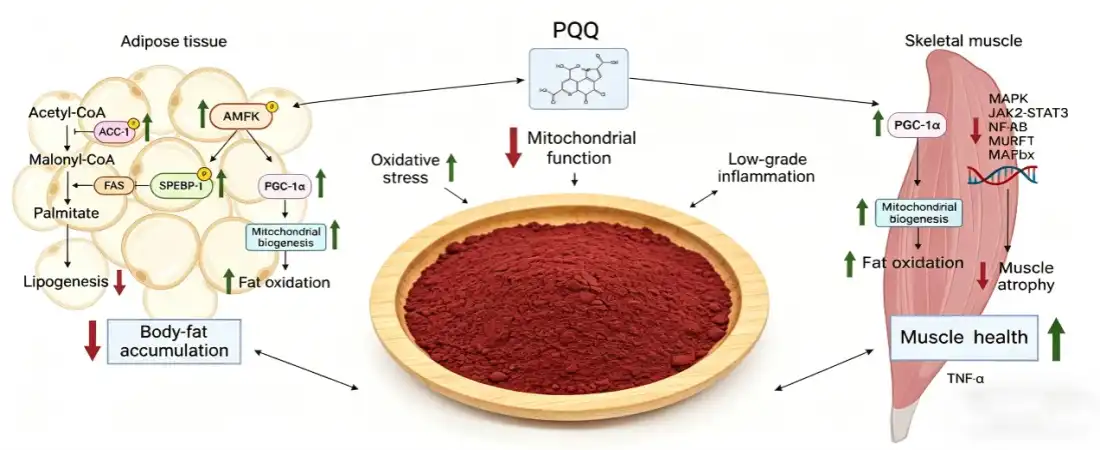
Comparing PQQ Bulk Powder with Alternatives: Making an Informed Procurement Decision
Knowing rivals' ingredients helps with buying and marketing tactics to stand apart. Despite being unique among mitochondrial compounds, purchasers typically compare pyrroloquinoline quinone to others.
PQQ Versus CoQ10: Complementary Mechanisms
PQQ accelerates mitochondrial synthesis through multiple pathways, and Coenzyme Q10 operates in the electron transport chain. Many high-end formulations include both substances because they function better. PQQ costs more per kilogram since it's harder to manufacture and scarcer. Clinical studies suggest that it has distinct cognitive and neuroprotective advantages than CoQ10 alone, hence the price difference.
Bulk Powder Versus Finished Dosage Forms
Buying raw materials controls recipe and cost the most. Contract manufacturers can adjust quantities, combine active substances, and develop unique combinations not present in completed products. PQQ bulk powder can be packaged differently and marketed under its own brand name to generate brand awareness. In exchange, you must follow proper production procedures, stability testing, and the rules, which knowledgeable customers already know.
Organic Claims and Market Positioning
This chemical is difficult to "organic" approve since it is fermented. Buyers should check organic claims, as fermentation-based products might be helpful even if they don't match farmed organic criteria. Transparent suppliers describe how they manufacture products in straightforward words. This transparency protects your company from "greenwashing" accusations and builds client confidence.
Best Practices for Sourcing and Using PQQ Bulk Powder in Bulk
Besides negotiating pricing, strategic buying involves streamlining the supply chain and testing new items. Experienced buyers employ organized evaluation to reduce risk and enhance results using PQQ bulk powder.
Implementing Supplier Qualification Procedures
Request product production process documentation, including extraction, purification, and quality control stages. Site audits, albeit expensive and time-consuming, provide the finest view of production vs marketing. Buyers who can't visit sites can verify information with third-party audit reports. Financial security, manufacturing capacity expansion, and supply chain crisis preparations should be assessed during qualification.
Sample Testing Protocols Before Bulk Purchase
A sample is reviewed by smelling, tasting, spectral analysis, purity measurement, and breakdown profile. Before ordering large quantities, test the material in its intended usage to find compatibility issues. Accelerated stability tests on sample runs can estimate shelf life and aid packaging selections. Thorough testing before buying prevents costly formulation failures and batch rejections.
NT Biotech delivers eligible consumers free samples to assist them make good purchases without spending money. This demonstrates your confidence in the materials and desire to please your consumers.
Managing International Logistics and Documentation
You must comply with customs, import duties, and paperwork when buying goods abroad. Export certificates, company billing, and shipment coordination are routine for professional providers. During negotiations, buyers should make sure they understand the Incoterms. DDP agreements simplify planning by integrating all expenses into one price quotation. Air freight is great for rapid restocking. However, maritime shipment is preferable for larger numbers and lengthier preparation.
Formulation Guidance for Optimal Product Performance
Clinical studies recommend a daily intake of 10–20 mg for cognitive health supplements. Formulators should allow for a 3–5% overage to meet label claims throughout product shelf life. The substance interacts well with capsule and tablet excipients, however its hygroscopic properties need dry processing. Solubility qualities allow clean dissolving without precipitation in liquids if pH is fixed.
Labels must disclose potency, allergies, and evidence-based health claims in large markets. Fermented food is normally allergy-free, however vendors must demonstrate allergen testing. Structure-function vs. illness claims are continuously evolving, as is regulatory guidance. This makes supplier regulatory knowledge useful.
Case Studies: Real-World Success in Bulk PQQ Procurement
Real-world PQQ bulk powder procurement examples demonstrate how wise supplier selection yields business results.
Successful OEM Partnership for Cognitive Health Line
A medium-sized supplement firm approached NT Biotech for a reliable supplier for a new line of brain health products that included this substance and compatible nootropics. The formulation needs precise 20mg dosages with limited tolerances for clinical claims. NT Biotech provided scientific advise on how to evaluate the formula's stability with the excipients and offer consistent material from batch to batch, eliminating the need to re-formulate. The manufacturer attributed no quality concerns in the first year of sales to solid supplier quality processes and rapid expert advice. With an average lead time of three days, just-in-time product management improved cash flow.
Distributor Perspective on Supply Reliability
A nutraceutical distributor with numerous contract manufactures required a provider that could handle varying order quantities without compromising quality. Suppliers used to have stringent MOQs, so they had to retain excess items or didn't when demand surged. After switching to NT Biotech, I could leverage their ready-to-ship inventory and customized manufacturing runs for larger assignments. The merchant appreciated that inquiries were handled within two hours and buyers were updated on their orders as they were completed. The wholesaler could easily fulfill client dates due to their reliability, which improved their reputation and earned them new customers.
Conclusion
Picking the best pyrroloquinoline quinone requires careful consideration of purity, certifications, seller service, and price. It will be utilized in more brain health, mitochondrial support, and anti-aging products as people learn about its advantages and studies support them. People must compare the short-term expense of a purchase against the long-term relationship worth while buying. They must remember that the provider's quality processes, technical competence, and reliability impact product performance and market competitiveness. Pharmaceutical-grade substance, detailed paperwork, and fast service justify premium status. Strategic sellers choose suppliers who supply high-quality PQQ bulk powder, communicate well, and can adapt to market changes.
FAQ
1. What minimum order quantity should I expect when purchasing this material?
Most MOQs are 25 kg, which balances supplier speed and buyer flexibility. Companies testing novel formulae or new market entrants should use this amount. For buying more pqq bulk powder, larger companies can negotiate lower unit rates in annual supply arrangements. When shopping for several items, check if the MOQ is per order or per SKU.
2. How do fermentation-derived and synthetic versions differ in practical applications?
Fermented materials with bacterial strains have bio-identical molecular structures, higher safety profiles, and customer option for natural product placement. Synthetic materials may have defects that need to be fixed. Fermentation makes natural product and Novel Food claims simpler legally. When both versions reach pharmaceutical purity criteria, the formulae operate similarly.
3. Which certifications matter most for supplement applications in the United States?
ISO 9001 defines quality management systems, while Kosher and Halal certifications attract new clients. Independent lab testing are more reliable than supplier tests. GMP (Good Manufacturing Practice) compliance indicates high-quality procedures, although raw material suppliers may not need it. Ask for current certificates that cover the material and production facility delivering you orders.
Partner with NT Biotech for Premium PQQ Bulk Powder Supply
NT Biotech sells pharmaceutical-grade pyrroloquinoline quinone bulk powder. ISO, Kosher, and Halal certificates verify its 99% purity. We carry enough PQQ bulk powder for sale to ship within two to four days after receiving an order as a well-known vendor that has worked with nutritional firms worldwide for over 10 years. Our manufacturing experts assist customers determine the appropriate dosages, ensure product stability, and satisfy European and North American regulations. For eligible buyers, we offer free samples, versatile packaging from 25 kg drums to bespoke specs, and straightforward pricing that supports our long-term connection. Contact info@newthingsbiotech.com to discuss your needs, request technical documents, or request an evaluation sample. All emails are answered within two hours to keep your shopping schedule on track.
References
1. Chowanadisai W, Bauerly KA, Tchaparian E, et al. Pyrroloquinoline Quinone Stimulates Mitochondrial Biogenesis through cAMP Response Element-binding Protein Phosphorylation and Increased PGC-1α Expression. Journal of Biological Chemistry, 2010.
2. Stites T, Storms D, Bauerly K, et al. Pyrroloquinoline Quinone Modulates Mitochondrial Quantity and Function in Mice. Journal of Nutrition, 2006.
3. Nakano M, Ubukata K, Yamamoto T, Yamaguchi H. Effect of Pyrroloquinoline Quinone (PQQ) on Mental Status of Middle-Aged and Elderly Persons. FOOD Style 21, 2009.
4. European Food Safety Authority. Scientific Opinion on the Safety of Pyrroloquinoline Quinone as a Novel Food Ingredient. EFSA Journal, 2017.
5. Rucker R, Chowanadisai W, Nakano M. Potential Physiological Importance of Pyrroloquinoline Quinone. Alternative Medicine Review, 2009.
6. Harris CB, Chowanadisai W, Mishchuk DO, et al. Dietary Pyrroloquinoline Quinone (PQQ) Alters Indicators of Inflammation and Mitochondrial-Related Metabolism in Human Subjects. Journal of Nutritional Biochemistry, 2013.
Pyrroloquinoline quinone bulk powder is beneficial in biotech research, cosmetics, functional beverages, and dietary supplements. As a redox vitamin and antioxidant, PQQ supports mitochondria, brain health, and cell energy generation. It can be utilized in metabolic support, neuroprotective supplements, anti-aging skin care, and lab research. B2B procurement workers who want to make new, high-performance goods to meet customer demand for cell health and life solutions are increasingly using the compound because it is stable, dissolves easily in water, and has scientifically proven health benefits.
Understanding Pyrroloquinoline Quinone and Its Core Benefits
The chemical PQQ advances cellular health research. This naturally occurring quinone derivative, C14H6N2O8, with the CAS number 72909-34-3, interests researchers and product producers worldwide. Incredible mitochondrial biogenesis assistance makes this vitamin special. Cells create energy-producing mitochondria through this mechanism.
The Science Behind PQQ's Effectiveness
PQQ participates in cell oxidation-reduction processes as a redox element. Researchers found its antioxidant potency several orders of magnitude higher than many common compounds. Due to its chemical structure, it can withstand thousands of catalytic cycles without breaking down. Eliminating free radicals prevents oxidative stress in cells. Especially mitochondria, which produce reactive oxygen species as they manufacture energy.
Key Functional Properties for Product Development
Workers should know this ingredient's physical qualities while buying. The dark red powder dissolves quickly in water and has 80-mesh particles. It functions consistently in all formulae due to its 99% purity requirement. This substance is thermally stable, unlike many bioactive chemicals that degrade fast. It retains most of its action after tableting and encapsulation. Stability implies the product will last longer and perform better every time.
Safety Profile and Regulatory Considerations
The chemical has been extensively studied to ensure safety at recommended levels. Products created with ISO9001, Kosher, and Halal-approved materials provide you more confidence when entering worldwide marketplaces. Paperwork like Certificates of Analysis with HPLC verification ensures tracking and compliance in many situations. Knowing these quality criteria helps buying teams reduce risk and fulfill supplement, food, and cosmetic regulations.

Common and Emerging Uses of Pyrroloquinoline Quinone Bulk Powder
That it can be utilized in many items makes it popular. Its scientifically established benefits help firms stand out in crowded markets.
Dietary Supplement Formulations
Fastest-growing usage is brain health medicines. The substance protects neurons from oxidative damage, making it ideal for memory, attention, and mental sharpness products. To boost its advantages, it is commonly used with CoQ10, omega-3 fatty acids, or phosphatidylserine. Tablet and capsule manufacturers enjoy the powder because it flows and compresses, making production easier. This ingredient is also in softgels, however disodium salt is more accessible for oil-based delivery.
Energy metabolism products form another significant category.
Other major groups include energy conversion products. This chemical helps mitochondria operate and is found in supplements for athletes, exercisers, and energy seekers. The chemical boosts cell energy production, speeding up ATP production from meals. Along with B vitamins, carnitine, and other metabolic cofactors, sports nutrition companies are adding this chemical to pre-workout, stamina, and recovery products.
Functional Food and Beverage Applications
Disodium salt dissolves in water, making it suitable for liquids. This chemical boosts brainpower in smart beverages, nootropic drinks, and functional coffee alternatives. Properly prepared plant extracts stay clear and taste good over pH ranges of 5.0 to 9.0, unlike those that separate or taste poor. Energy drink companies appreciate it because it works with caffeine to give cells energy without jitters like pharmaceuticals. Nutritional bars and chewable vitamins with this component are easy to eat for daily metabolic and brain support.
Cosmetic and Skincare Products
Anti-aging solutions are growing in popularity. Antioxidants shield skin cells from UV radiation and pollutants, which affect the environment. It removes superoxide anions, making it ideal for serums and creams that target fine lines, suppleness, and uneven skin tone. Luxury skin care manufacturers employ this substance in cellular regeneration and life products. The material's safety in lipid-water emulsions maintains its action throughout the product when buffered. When dealing with cosmetics firms, procurement teams should remember that the optimum stability can only be obtained by monitoring combination pH and establishing the correct antioxidant system.
Research and Laboratory Applications
Biotech and university researchers explore cellular metabolism, aging, and neurology with these materials. The compound's effects on mitochondrial activity are well understood, therefore it can help us understand metabolic syndrome, neurological illnesses, and energy consumption issues. Pharmaceutical companies are investigating its healing uses and optimal administration. Research-grade materials that fulfill high hygiene requirements provide repeatable findings.
These usage demonstrate the chemical's economic potential. Product designers from various sectors recognize that this factor fits client need for natural, science-backed solutions for aging, brain, and metabolic health.
Comparing Pyrroloquinoline Quinone Powder with Other Antioxidants and Supplements
Purchasing pros should compare pyrroloquinoline quinone bulk powder to popular choices. Many antioxidants protect cells, but this chemical has specific properties that make it worth putting in high-end goods.
PQQ Versus Coenzyme Q10
Both chemicals support mitochondrial health in various ways. Electron transport chain work is CoQ10's key role in ATP production. The drug also promotes mitochondrial biogenesis, which increases cell mitochondria. Due to this discrepancy, CoQ10 improves mitochondrial function whereas PQQ helps cells generate energy. Many current solutions combine both compounds to improve their performance and boost energy output. Companies creating high-end products for senior individuals worried about cell energy production like this blend.
Comparing Sourcing Options: Fermentation Versus Synthetic
Material location affects quality and market position. GRAS-certified fermentation powder provides better stereochemical purity and fewer process contaminants. Hyphomicrobium-fermented items are clean and regulatory-ready. particular synthetic choices may retain chemical remnants from the various stages needed to manufacture organic chemicals, making regulatory clearance tougher in particular markets. To satisfy customers' natural production preferences, premium brands are requiring fermentation-sourced products increasingly.
Quality Assessment Criteria
You must consider scientific information when evaluating services. The sample should be more than 99% pure with heavy metals below 10 parts per million and arsenic below 1 part per million by HPLC. Water content matters too. Hygroscopic material absorbs water rapidly, thus guidelines limit water content to less than 12% to prevent clinging and breakdown. Reliable vendors offer comprehensive Certificates of Analysis for each production batch listing these elements. Purchasing teams should utilize the Bradford technique to assess protein content and eliminate harmful bacterial proteins from fermentation substrates. These quality controls prevent recipe and contamination difficulties for downstream companies.
Know these comparing elements to make good sourcing decisions. Its specific properties, notably on mitochondrial biogenesis, justify its higher price and make it functionally distinct from other antioxidants.
How to Procure Pyrroloquinoline Quinone Bulk Powder Efficiently
Strategic purchasing involves considering suppliers, delivery, and quality. pyrroloquinoline quinone bulk powder is unique, thus the seller must carefully choose and maintain it.
Evaluating Supplier Credentials
Exporting manufacturers know each market's shipping, paperwork, and laws. Companies with over 10 years in the global supply chain have complicated quality control procedures to ensure consistency. Certifications are crucial to a corporation. ISO9001 quality management certification indicates planned processes, while Kosher and Halal certificates allow niche products into broader markets. Suppliers who meet these criteria invest in compliance, reducing buyer risk.
In-house R&D shows a supplier's technological depth. Partners with their own research teams can verify formulation stability and provide application-specific recommendations. Expert guidance helps when developing new products or adjusting formulas. Quality control offices using HPLC, UV spectroscopy, and other analytical techniques independently examine specs, giving buying teams confidence in material consistency.
Logistics and Order Management
The lowest order is normally 25 kilogram drums, however suppliers often deal with lower orders for approval testing. Hygroscopic powder is usually packaged in 25 kilogram fiber drums with two food-grade plastic bags and desiccants. For immediate manufacturing or long-term storage, custom packaging meets distinct handling demands. Know the lead times to effectively manage your items. After payment confirmation, in-stock materials ship within two to four days, while manufacturing orders might take up to ten days, depending on quantity and demands.
Order information should determine shipping methods. Using FedEx or UPS accounts, express courier services may easily transport smaller products to the U.S. within a week. Air freight is cheaper for medium-sized orders, whereas ocean transportation is preferable for large contracts. Some suppliers provide DDP (Delivered Duty Paid), which simplifies customs clearance and paperwork for customers. Discussing these options with the provider early on ensures that delivery standards match capabilities.
Storage and Handling Requirements
Proper storage protects resources throughout the supply chain. Because the chemical is photosensitive, it must be kept and packed outside of light. Controlling temperature matters. Seal packets can be stored at ambient temperature below 25°C, but they last longer in the fridge at 2–8°C. Humidity control is crucial. Production facilities should keep relative humidity below 45% where packages are opened for weighing and filling. These processes prevent moisture absorption, which can produce clumps and deterioration. Setting up these handling standards before receiving the first deliveries can prevent pricey items from going missing.
Best Practices for Integrating Pyrroloquinoline Quinone Bulk Powder into Your Supply Chain
Integration that works extends beyond buying. For long-term supply chain efficiency, you must evaluate pyrroloquinoline quinone bulk powder quality, interact with suppliers, and plan for hazards.
Implementing Quality Control Protocols
Every batch should be proof-tested before manufacturing. Supplier Certificates of Analysis are the first documentation, but independent testing confirms standards. Minimal testing includes visual examination for color and particle consistency, moisture content, and HPLC or UV spectroscopy for identification. Completer systems include microbial, heavy metals, and residual solvent analysis. Using product demands and government standards to make realistic judgments prevents low-quality materials from entering manufacturing.
Traceability systems that link tons of raw materials to batches of final items allow organizations to act rapidly on quality issues. Records of lot numbers, receipt dates, testing findings, and usage can aid internal quality evaluations and regulatory requirements. Digital batch record systems make information easier to retrieve and reduce typing errors, replacing paper records.
Building Strategic Supplier Relationships
Transactional purchases may bring you what you need quickly, but collaboration is preferable in the long term. Meeting with suppliers often to discuss projected volumes, new product plans, and changing specs helps manage capacity and maintain costs. Suppliers can plan production, procure raw materials, and make process modifications that benefit everyone when they know what customers want. When developing new goods, technical teamwork helps suppliers provide additional information regarding material qualities, compatibility concerns, and production conditions. Time-to-market is accelerated and expensive reformulation cycles are avoided.
Dual sourcing balances supplier security and relationship depth. Backup services are beneficial, but if you split your quantities too much, you may miss out on economies of scale or priority service. Businesses often use main vendors for most of their business and secondary sellers for approval and infrequent orders. This strategy preserves friendship advantages while preventing supply gaps.
Managing Regulatory Compliance
Different locales' ingredient rules change often. Companies with global suppliers know these restrictions and may help with product names by submitting papers. cGMP-compliant material satisfies US dietary supplement requirements. European markets may require new food certifications depending on the application. Suppliers should provide allergies, GMO, and country-of-origin declarations as normal. Procurement teams should clarify their target markets and ensure their stuff fits legal standards during first discussions.
Staying current with rules is the greatest way to stay relevant. Regulatory experts, trade groups, and supplier technical bulletins prepare procurement pros for changes. Informing providers about future demands helps them adopt new standards.

Conclusion
Pyrroloquinoline quinone bulk powder is a substance that has been clinically demonstrated to boost cellular health, cognitive function, and metabolic wellbeing. Its mitochondrial biogenesis and antioxidant properties set it apart from other choices. Good purchasing requires consideration of supplier credentials, material requirements, and supply chain integration best practices. In fast-changing markets, partnering with experienced producers that provide high-quality documentation, skilled assistance, and dependable logistics provides you an edge. The chemical may be utilized in supplements, functional meals, cosmetics, and research, making it valuable for health-conscious consumers seeking scientifically established strategies to age well and perform well.
FAQ
1. What distinguishes fermentation-derived from synthetic PQQ material?
Fermented powder satisfies GRAS criteria and has improved stereoselectivity and fewer process contaminants. Fermentation using Hyphomicrobium strains produces clean-label material. Some synthetic copies include organic synthesis leftovers, making controlling harder. Premium formulations often include fermented substances to satisfy client demand for natural ingredients.
2. How should manufacturers handle the material's hygroscopic properties during production?
The powder quickly absorbs airborne water. Production plant supplying regions should have relative humidity below 45%. Packets of desiccant in aluminum foil protect storage batches in between being weighed and processed. Dealing without air contact prevents clumping, making dosing harder. These processes prevent dampness from breaking down powder flow.
3. What stability considerations apply when combining this ingredient with Vitamin C in liquid formulations?
Both compounds are redox-active. High water levels may accelerate vitamin C degradation through redox cycling. Formulations including two-phase separation, capsule technology, and properly calibrated antioxidant systems can aid. Before mass manufacturing, stability testing under expedited conditions finds the finest pairings.
Partner with NT Biotech for Premium Pyrroloquinoline Quinone Bulk Powder
NT Biotech manufactures reliable pyrroloquinoline quinone bulk powder for sale. They regularly provide high-quality goods that meet global nutrition, functional food, and cosmetics industry standards. We supply and ship 99% pure material. Delivery takes 2–4 days, so it doesn't disrupt production. Our dark red powder (CAS 72909-34-3, 80 mesh) has HPLC-verified Certificates of Analysis and comprehensive documentation. ISO9001, Kosher, and Halal certified. Our R&D staff can answer technical inquiries about our 25 kilogram drums and custom packing alternatives. Get your free sample at info@newthingsbiotech.com and understand how our 10 years of exporting provide us a competitive edge via a consistent supply, rapid service, and unwavering quality.
References
1. Akagawa, M., Nakano, M., & Ikemoto, K. (2016). Recent progress in studies on the health benefits of pyrroloquinoline quinone. Bioscience, Biotechnology, and Biochemistry, 80(1), 13-22.
2. Chowanadisai, W., Bauerly, K.A., Tchaparian, E., Wong, A., Cortopassi, G.A., & Rucker, R.B. (2010). Pyrroloquinoline quinone stimulates mitochondrial biogenesis through cAMP response element-binding protein phosphorylation and increased PGC-1alpha expression. Journal of Biological Chemistry, 285(1), 142-152.
3. Harris, C.B., Chowanadisai, W., Mishchuk, D.O., Satre, M.A., Slupsky, C.M., & Rucker, R.B. (2013). Dietary pyrroloquinoline quinone alters indicators of inflammation and mitochondrial-related metabolism in human subjects. Journal of Nutritional Biochemistry, 24(12), 2076-2084.
4. Rucker, R., Chowanadisai, W., & Nakano, M. (2009). Potential physiological importance of pyrroloquinoline quinone. Alternative Medicine Review, 14(3), 268-277.
5. Stites, T.E., Mitchell, A.E., & Rucker, R.B. (2000). Physiological importance of quinoenzymes and the O-quinone family of cofactors. Journal of Nutrition, 130(4), 719-727.
6. Zhang, Q., Shen, M., Ding, M., Shen, D., & Ding, F. (2011). The neuroprotective action of pyrroloquinoline quinone against glutamate-induced apoptosis in hippocampal neurons is mediated through the activation of PI3K/Akt pathway. Toxicology and Applied Pharmacology, 252(1), 62-72.
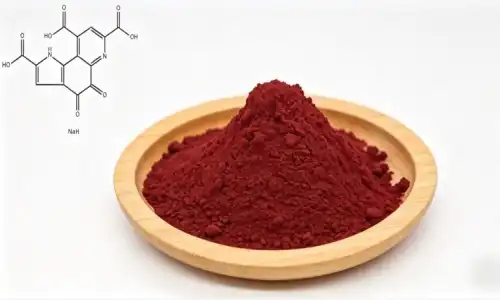
Pyrroloquinoline quinone (PQQ) is a naturally occurring quinone molecule that has been studied for its role in redox processes in the cell , mitochondrial function and antioxidant activity . This has created interest in the dietary supplement market, as experimental investigations have shown that PQQ may influence mitochondrial biogenesis and cellular responses to oxidative stress. PQQ powder is an increasingly researched ingredient, a favourite of manufacturers of nutritional supplements, functional foods and speciality formulations. But before you start selling them commercially you must examine the product quality, chemical form, regulatory requirements and supplier reliability.

Understanding PQQ Powder – Core Knowledge for Procurement
The Chemical Nature and Discovery of PQQ
Pyrroloquinoline quinone is an aromatic ortho-quinone molecule first identified in the late 1970’s in research of bacterial enzymes. It serves as a redox cofactor in many bacterial dehydrogenases involved in oxidation-reduction processes. Later research detected PQQ-related compounds in numerous biological systems and investigated their putative physiological consequences.
Buyers should be able to discern between free form PQQ and PQQ disodium salt when evaluating PQQ as a commercial ingredient. These forms differ in molecular weights and chemical composition. PQQ disodium salt is frequently utilised as an element in dietary supplement ingredient’s requirements. Molecular Formula: C14H4N2Na2O8 It is reddish-brown in colour and is water compatible, which makes it acceptable for consideration in capsules, tablets and selected liquid formulations. Buyers should ascertain the actual chemical form and basis of assay provided in the supplier's specification.
Mitochondrial Biogenesis and Antioxidant Mechanisms
One of the key scientific concerns in PQQ is its possible role in mitochondrial biogenesis. In experimental research, PQQ is thought to affect signalling pathways that include the phosphorylation of cAMP response element-binding protein (CREB) and the up-regulation of PGC-1α, a regulator of mitochondrial biogenesis and energy metabolism.
PQQ is engaged in redox processes and laboratory studies have shown it to have antioxidant effects. Its ability to prevent oxidative damage to biological components has been investigated in cell culture and in animal models. However, these results should not be taken as evidence of equal benefits in humans. Ingredient producers need to be careful to separate apart experimental mechanisms and clinical outcomes that have been demonstrated in the formulation and marketing of medicines.
Safety Profile and Regulatory Compliance
Safety assessment is an important part of the commercial purchase of PQQ. In humans, daily intakes of about 20 mg have been evaluated . In a short-term clinical research dosages up to 60 mg per day have been investigated . These findings are important for safety information, but do not provide a universally acceptable dosage for all populations or finished products .
Regulatory requirements differ by market as well. PQQ disodium salt has been listed in FDA GRAS notices for various intended food usage in the United States . An FDA response of no questions to a notifier’s GRAS conclusion should not be regarded as broad approval for all products or uses. In the European Union, PQQ disodium salt is allowed for use as a Novel Food in food supplements for adults for certain uses at a maximum dose of 20 mg per day and subject to certain limitations and labelling requirements. Buyers need to check the current regulations in the chosen markets. The supplier paperwork should include acceptable Certificate of Analysis (CoA), product specifications and related safety checks. Documents like ISO 9001, Kosher and Halal may be examined as per buyer’s quality and market needs.

Comparing PQQ Powder with Other Popular Supplements – Making Informed Choices
Synergistic Relationships with Coenzyme Q10
PQQ and Coenzyme Q10 (CoQ10) are often referenced together in relation to mitochondrial health, however they are biologically different. The involvement of PQQ in redox cycling and signalling events associated with mitochondrial biogenesis has been studied. CoQ10 however is a lipid soluble substance involved in the electron transport in the mitochondrial respiratory chain.
There are so many functions that they are strong candidates for composing together. The makers of dietary supplements may wish to incorporate both medications into capsules or other nutritional goods as the formulation has been shown to be safe and stable enough. Suitability is a result of targeted market, target serving size, ingredient specifications, and applicable regulatory requirements, not any imagined synergism.
What Is PQQ in CoQ10? Clarifying a Frequent Question
PQQ is not CoQ10. CoQ10 is not PQQ. They are two different molecules and they have different roles in the metabolism of cellular energy. CoQ10 acts as an electron shuttle in the mitochondrial respiratory chain. PQQ is being investigated for its redox activity and role in mitochondrial biogenesis.
On the label of a combination supplement, the two substances may appear together, but must be listed and quantified separately. This is a critical distinction for procurement teams to make when assessing ingredient declarations, calculating formulation amounts and reviewing supplier CoAs. “Necessary is the product specification and analytical data of each batch of each raw material.
Differentiation from Nicotinamide Riboside and NAD+ Precursors
Nicotinamide riboside (NR) and nicotinamide mononucleotide (NMN) are precursors of NAD+ and are involved in cellular metabolism. NAD+ is an important coenzyme in various redox processes and metabolic pathways.
PQQ has a separate history of research. Instead of a NAD+ precursor, its redox activity and potential impacts on mitochondrial signalling are examined. This difference is essential in the creation of combination supplements since the chemicals have different biological activities. It is important for formulators to analyse the purpose of each ingredient in the formulation, the supporting facts for its use, compatibility and regulatory status.
Bioavailability Considerations and Market Positioning
The chemical form of PQQ can affect the qualities of the formulation and its acceptability for use. The PQQ disodium salt is often used in products requiring a water friendly element. The efficacy of the PQQ disodium salt depends on the overall formulation and processing conditions.
For supplement makers, the product position needs to be consistent with the available science. Mitochondrial function, cellular energy metabolism and oxidative stress are significant scientific issues, but should not be readily translatable into unreserved health claims. Well-documented studies and compliant labelling with transparent constituent descriptions assist build trust for enterprises in competitive supplement markets.
Procurement Insights – Buying, Sourcing, and Evaluating PQQ Powder Suppliers
Direct Manufacturer Relationships Versus Distributors
The volume of purchases, technology needs and supply chain expectations are the drivers behind the manufacturer vs. distributor decision. Direct relationships with manufacturers offer better access to manufacturing information, batch documentation, product specifications and technical communication. Distributors can provide additional flexibility on order volumes and access to numerous ingredient categories.
Procurement teams should review MOQ, inventory on hand, packaging alternatives, sample availability and delivery plans for purchasing PQQ powder. NT Biotech distributes PQQ ingredients to B2B buyers and responds to queries regarding product specifications, samples and ordering in bulk. The minimum order is 25 kilogram. The product is in stock. Typical shipping time is 2-4 business days after payment is confirmed. Buyers are encouraged to confirm availability and delivery details prior to ordering.
Quality Specifications and Certification Requirements
The quality of a product should be defined by measurable requirements, not by marketing phrases such as “premium-grade” or “pharmaceutical-grade”. The first thing buyers should do is determine whether the ingredient is PQQ free acid or PQQ disodium salt. Then check assay, HPLC purity, appearance, moisture content and applicable impurity limitations.
A competent supplier should offer you with batch specific CoA's and proper analytical results. Depending on the application, heavy metals, residual solvents, microbiological limits and other relevant pollutants should be evaluated by the procurement team. HPLC analysis can be helpful for purity assessment but other analytical procedures may be needed for identification confirmation and for impurity characterisation.
Buyers might use the following variables to assess potential manufacturing partners:
- Analytical Testing Transparency: Verify that the provider offers batch-specific CoAs with clearly stated test procedures, requirements, and actual results. Compare the reported assay and HPLC purity independently as they may represent distinct bases of measurement.
- Traceability of the supply chain: Enquire as to the place of manufacture, production batches, controls on raw materials and packing records. Traceability helps purchasers to examine quality deviations and maintain uniform documentation across the supply chain.
- Technical Support Capabilities: Find out if the supplier can supply specification papers, sample quantities, stability information and formulation instructions relevant to your application. Technical support is especially important in adapting PQQ into other dosage forms or checking the compatibility of ingredients.
When judging supplier reliability, don’t only look at price. Documented quality controls, continuous communication and verifiable manufacturing facts are just as important.
Pricing Benchmarks and Supplier Reliability Indicators
Chemical form, assay requirement, order quantity, production process and supplier capabilities determine PQQ price. You can't just compare the price per kilogram on a quotation, you need to look at the real product specification.
When placing an order with vendors, consumers should review the quotation, MOQ, payment terms, sample policy, lead time, packing configuration, and shipping arrangements. Also, the availability of inventory and the supplier’s ability to maintain batch consistency are important. If you are buying for the long term, knowing your criteria and looking around for other qualified providers will help to minimise supply interruptions and unplanned changes in quality.
Practical Applications and Industry Use Cases of PQQ Powder
Cognitive Health Formulations for Professional Demographics
PQQ has been researched for its impact on brain health, oxidative stress and mitochondrial function. This makes it a potential element for supplement manufacturers seeking to build cognitive health and healthy-aging product designs.
Capsules and tablets are the best delivery options as manufactures may control the amount of each ingredient and combine PQQ with other vital elements. However claims on memory, attention or cognitive enhancement need to be supported by relevant human studies and align with the desired commercial objectives. Manufacturers should not make claims of clinical advantage from test results.
Functional Beverage Applications and Formulation Challenges
It is soluble in water and can be utilised in some liquid formulae and powdered beverage mixes. But you need more than just dissolving the ingredient to make a cocktail function. Formulators should take into consideration pH, temperature during production, exposure to light, interactions with other ingredients and stability during specified shelf life.
The chosen formulation can then be tested at pilot scale to see if it will meet the desired parameters in manufacture and storage. Packaging should also be tested to determine its ability to adequately safeguard the product under actual conditions of storage and transportation. “It’s more valuable to have stability data on the finished formulation than to assume that every study based on raw ingredients is applicable to every beverage,” says Smith.
OEM Partnership Models and Private Label Opportunities
PQQ powder can be formulated into private-label dietary supplements and custom nutritional formulations, based on the regulatory needs and technical standards of the target market. OEM initiatives can include sourcing of ingredients, creation of formulas, choice of dosage form, packaging, labelling and testing of the finished product for quality .
Before starting a project, companies need to determine the goal formulation, serving size, packaging requirements, production quantity and compliance paperwork. Suppliers of ingredients like NT Biotech can assist in the raw material sourcing phase with product information and sample evaluation. Confirm manufacturing deadlines and minimum order quantities for finished product with your contract manufacturer of choice.
How to Ensure Long-Term Success with PQQ Powder Procurement
Aligning Product Specifications with Market Demands
The successful procurement strategy starts with matching the raw material specifications to the finished product and its destination market. Buyers should provide the chemical form, assay, purity, impurity limitations, packaging and documentation when calling for quotations.
Marketing needs should be taken into account for product creation. Claims of mitochondrial function, cognitive health or healthy ageing must be properly substantiated and reviewed by the regulatory authority. Published research, technical data sheets and batch-specific CoA’s can assist product development teams to lay a more reliable foundation for product positioning.
Risk Mitigation and Supply Chain Resilience
If supply is impacted by production schedules, shipping or quality concerns, dependence on one source might introduce risk. Buyers should evaluate suppliers based on manufacturing capacity, inventory management, batch uniformity, communication and delivery performance.
To boost supply chain flexibility for regular purchase, you can stick to approved standards and look at other providers. Forecasting demand and confirming lead times before ordering also helps prevent unexpected stockouts. Any alternative source should be subjected to the same quality assessment as the original supplier to prevent any changes in chemical form, purity or impurity profiles.
Sustainable Sourcing and ESG Alignment
Ingredient sourcing is becoming more relevant to environmental and supply chain transparency.” Buyers could ask about the production procedures, energy consumption, wastewater treatment, waste minimisation, packaging materials, and traceability of raw materials.
PQQ can be created by microbial fermentation, but the environmental performance of an element is dependent on the production process, the resources used, the purification steps and the waste management processes. So manufacturers should ask for verifiable sustainability information and not assume that fermentation inevitably makes a product greener. Further information about the supplier’s environmental management system might be obtained from certifications such as ISO 14001.
Conclusion
PQQ powder is an ingredient of interest in the dietary supplement industry because of research into its redox activity, mitochondrial biogenesis, and potential cellular benefits. Its compatibility with selected dosage forms also makes it worth considering for capsules, tablets, and specialized nutritional formulations. However, successful commercial development requires careful attention to chemical form, ingredient purity, analytical testing, regulatory compliance, and formulation stability.
For B2B buyers, selecting a reliable supplier involves more than comparing quotations. Consistent batch quality, transparent documentation, technical support, and dependable delivery arrangements all contribute to long-term procurement success. By evaluating these factors together, supplement manufacturers can make better-informed decisions when sourcing PQQ ingredients.
FAQ
1. What dosage should finished products contain?
There is no universal dosage suitable for every PQQ product. Human studies have commonly investigated daily intake levels around 20 mg, while the European Union authorizes PQQ disodium salt in specified adult food supplements at a maximum of 20 mg per day, excluding pregnant and lactating women. Finished-product developers should consider the target market, intended population, total daily intake, and applicable regulatory requirements before establishing a serving size.
2. How should bulk material be stored?
PQQ raw material should be stored according to the supplier's product specification and validated stability information. Buyers should pay attention to temperature, humidity, light exposure, and packaging integrity. Containers should remain properly sealed during storage, and the manufacturer's recommended conditions and shelf life should be followed. Finished formulations may require separate stability testing because their storage behavior can differ from that of the raw ingredient.
3. What distinguishes fermentation-derived from synthetic versions?
PQQ can be manufactured through microbial fermentation followed by purification. For example, the PQQ disodium salt evaluated by EFSA was produced using Hyphomicrobium denitrificans. Manufacturing route alone does not establish product quality. Buyers should compare chemical identity, purity, impurity profiles, residual solvents, microbiological specifications, and manufacturing documentation when evaluating different sources.
4. What is PQQ in CoQ10 — are they the same supplement?
No. PQQ and CoQ10 are separate compounds with different biochemical functions. CoQ10 participates in mitochondrial electron transport, whereas PQQ is studied for its redox activity and potential involvement in mitochondrial biogenesis. They may be combined in a finished supplement, but each ingredient should be identified, quantified, and tested separately.
Partner with NT Biotech for Reliable PQQ Powder Supply
NT Biotech supplies PQQ ingredients for businesses developing dietary supplements and nutritional formulations. Product evaluation can be supported by relevant quality documentation, including batch-specific analytical information and product specifications. Buyers can discuss purity requirements, sample availability, packaging, and bulk purchasing arrangements before confirming an order.
With a stated MOQ of 25 kg and available stock, NT Biotech can arrange dispatch within approximately 2–4 business days after payment, subject to stock and order confirmation. Procurement teams seeking a dependable PQQ powder supplier can contact the company to request product specifications, CoA information, samples, and bulk quotations.
For product inquiries and purchasing support, contact info@newthingsbiotech.com to discuss ingredient requirements and potential supply arrangements.
References
1. Rucker R, Chowanadisai W, Nakano M. Potential physiological importance of pyrroloquinoline quinone. Alternative Medicine Review. 2009;14(3):268-277.
2. Harris CB, Chowanadisai W, Mishchuk DO, et al. Dietary pyrroloquinoline quinone alters indicators of inflammation and mitochondrial-related metabolism in human subjects. Journal of Nutritional Biochemistry. 2013;24(12):2076-2084.
3. Stites T, Storms D, Bauerly K, et al. Pyrroloquinoline quinone modulates mitochondrial quantity and function in mice. Journal of Nutrition. 2006;136(2):390-396.
4. Chowanadisai W, Bauerly KA, Tchaparian E, et al. Pyrroloquinoline quinone stimulates mitochondrial biogenesis through cAMP response element-binding protein phosphorylation and increased PGC-1alpha expression. Journal of Biological Chemistry. 2010;285(1):142-152.
5. Nakano M, Ubukata K, Yamamoto T, Yamaguchi H. Effect of pyrroloquinoline quinone on spontaneous firing activity of central nervous system neurons. Journal of Nutritional Science and Vitaminology. 2006;52(5):321-329.
6. Akagawa M, Nakano M, Ikemoto K. Recent progress in studies on the health benefits of pyrroloquinoline quinone. Bioscience, Biotechnology, and Biochemistry. 2016;80(1):13-22.
Pyrroloquinoline quinone (PQQ), C14H6N2O8, is a naturally occurring redox cofactor that has been extensively explored for its cell health benefits and free radical removal. This aromatic o-quinone helps mitochondria create energy and protect cells. Pyrroloquinoline quinone bulk powder is 99% pure. This makes it a key raw material for nutritional supplement, functional drink, and nutraceutical manufacturers seeking scientifically established constituents for cognitive, anti-aging, and metabolic health formulations.
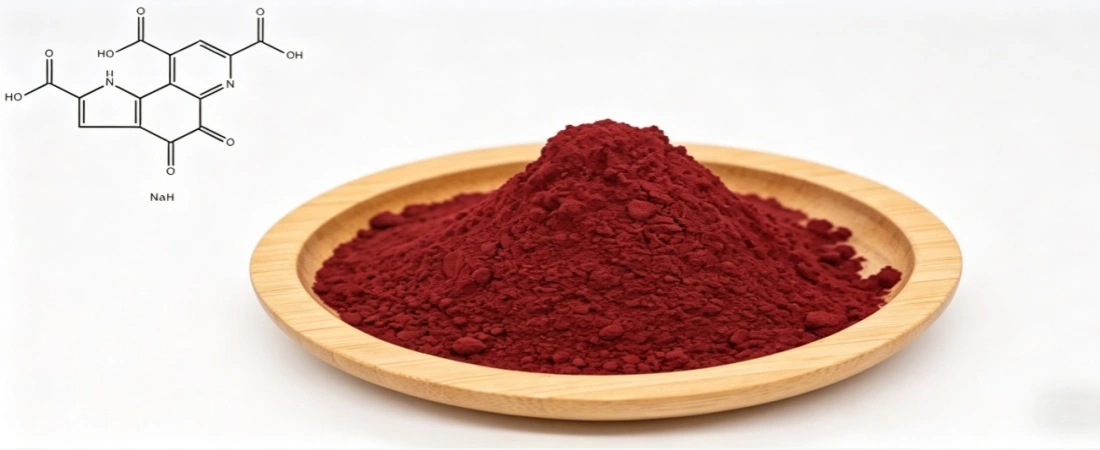
What Is PQQ? A Direct Definition
Pyrroloquinoline quinone (PQQ) is a vitamin-like redox cofactor and micronutrient which the body cannot synthesise on its own and must be obtained by food or supplementation. What is PQQ in simple terms? It is a tiny, stable molecule (C14H6N2O8, molecular weight 330.206) which promotes mitochondrial activity and is a powerful antioxidant which helps protect cells from oxidative stress. PQQ is a popular ingredient in cognitive, anti-aging, and metabolic-health formulas because it helps stimulate mitochondrial biogenesis (generation of new mitochondria). B2B purchasers are offered with pyrroloquinoline quinone bulk powder in commercial form. It is generally provided with 99% HPLC purity for capsules, tablets, functional drinks and topical serums.
Understanding Pyrroloquinoline Quinone (PQQ) – Chemical and Functional Overview
The molecular nature of PQQ makes it more stable than other antioxidants. This impacts product quality and shelf life. The 330.206-molecular-weight molecule is adept at redox cycling and can speed up thousands of oxidation-reduction reactions without breaking down. This makes PQQ 5,000 times more potent than ascorbic acid in some cell circumstances.
Chemical Properties and Molecular Stability
Bulk powder is photosensitive and absorbs water, yet it retains its structure in regulated conditions. Storage standards need temperatures below 25°C and relative humidity below 45% to prevent water absorption and sticking. The substance is bioactive for 24 months if properly handled. The chemical dissolves well in water, especially disodium salt, therefore it may be added to liquid mixes without precipitation in pH levels from 5.0 to 9.0. PQQ may be added to functional beverages, tablets, capsules, and topical serums due to its flexibility. The 80 mesh particle size ensures that particles are properly distributed during mixing, which is essential for regular dosing in final items.
Biological Mechanisms and Metabolic Pathways
PQQ is a cofactor for bacterial dehydrogenases and helps mitochondrial biogenesis. PQQ activates energy-producing cellular signaling pathways, researchers discovered. Specifically, the PGC-1α pathway regulates mitochondrial development. PQQ is absorbed by the intestines and reaches peak plasma concentrations in two to three hours when taken orally. The liver doesn't metabolize the chemical much, thus it reaches target organs swiftly. Human studies suggest it accumulates in mitochondria-rich organs including the brain, heart, and liver. This is because oxidative stress affects cell function most there.
Clinically Supported Health Benefits
Human controlled research have examined PQQ's brain effects. It improved working memory and attention in 12 weeks of 20 mg daily use. More research has showed that inflammatory indicators like C-reactive protein are decreasing, suggesting that the benefits are spreading. In energy expenditure trials, PQQ pill users burned more fat and had better sleep. This suggests it can be utilized in goods to boost mental clarity, physical performance, and aging. Multiple clinical investigations have found no serious negative effects from 60 mg per day tolerability assessments. This proof-based profile enables formulators build products with proven health claims from peer-reviewed research.
Sources & Types of Pyrroloquinoline Quinone Powder for Industrial Use
Factory PQQ is generated via bacterial fermentation and chemical synthesis. Each technique produces a distinct quality rating that impacts market positioning and regulator acceptance.
Natural Versus Synthetic PQQ Sources
Fermented PQQ manufactured by culturing Hyphomicrobium species or related bacteria is GRAS in the US and more popular in natural ingredient-focused European markets. This manufacturing method offers superior stereo-selectivity and lesser chemical contaminants than synthetic alternatives. Fermentation requires careful nutrition management and extended plant growth—96 to 120 hours. Chromatography, crystallization, and other procedures purify the material after fermentation. Synthetic PQQ is chemically identical, but it may contain organic solvents and reaction products that make it tougher to claim cleanliness and regulatory clearance. Procurement specialists always request fermentation-source material for upmarket formulations to fulfill client natural ingredient criteria and simplify regulatory processes.
Industry-Standard Purity Grades and Certifications
According to HPLC testing, commercial pyrroloquinoline quinone bulk powder is at least 99% pure. Crystal water has a water percentage of less than 12%, heavy metal concentrations of less than 10 ppm, arsenic levels of less than 1 ppm, and microbial counts that fulfill food supplement guidelines. Trustworthy providers provide comprehensive Certificates of Analysis (COA) with these standards and batch-specific data. ISO 9001, Kosher, and Halal certificates let you enter new markets and satisfy particular clients. These certificates demonstrate that the firm utilizes GMP and quality control measures to ensure product consistency. NT Biotech maintains all licenses and receives third-party verification. Before shipping, each batch must meet high international criteria.
Global Production Centers and Quality Assurance
Due to its strong bioengineering infrastructure and low cost, China is the leading producer of fermentation-derived PQQ. Leading Chinese manufacturers have ISO-certified quality processes and R&D teams dedicated to purity and extraction yields. North American and European companies rely on smaller-scale manufacturing and higher pricing to attract regional clients who appreciate supply chain simplicity. Distinct countries have distinct quality assurance processes. Top manufacturers evaluate raw ingredients, monitor manufacturing, and analyze the finished product. Buyers should inspect factories for cleanroom standards, analytical lab instruments, and quality documentation methods when comparing vendors. The automated production lines of NT Biotech may be observed live. Separate quality control labs with HPLC, UV-Vis spectroscopy, and microbial testing instruments ensure that every item satisfies established standards.
Comparison and Selection of PQQ Bulk Powder for B2B Procurement
Choose strategic ingredients based on their efficacy and cost. Using pyrroloquinoline quinone bulk powder over completed tablets and other additives has evident advantages.
Bulk Powder Versus Ready-to-Use Capsules
Bulk powder is cheaper than pre-encapsulated items per milligram of active ingredient, making it a cheaper alternative to acquire PQQ. When output exceeds 10,000 units per month, this price difference matters. Bulk material lets companies mix PQQ with complementary compounds like Coenzyme Q10, alpha-lipoic acid, and omega-3 fatty acids to create their own mixes. Customization includes selecting the appropriate dosage, administration strategy (immediate vs. prolonged release), and excipients for stability or food limitations. Formulation independence lets businesses position their goods differently from pre-made tablets. Manufacturers can control ingredient quality, end specs, and secret recipe IP when they start with bulk powder.
Functional Comparison with CoQ10 and Other Antioxidants
While Coenzyme Q10 helps generate ATP in the electron transport chain, PQQ directly stimulates mitochondrial development and provides broader protection. Clinical studies shows that combining these drugs improves energy metabolism indicators more than each alone. PQQ is more stable than ubiquinone CoQ10 at high temperatures during pill compression and encapsulation, making processing easier. PQQ's redox cycling allows ongoing catalytic action instead of single-use oxidation like vitamins C and E. Thus, lower PQQ dosages provide longer-lasting antioxidant effects. This efficiency cleans supplement information panels and promotes products as next-generation formulae. Combining PQQ with phosphatidylserine, B-vitamins, or botanical extracts like ginkgo biloba helps firms produce brain health and active aging products that function on several pathways.
Purchasing Pyrroloquinoline Quinone Bulk Powder – A B2B Buyer's Guide
Good buying requires knowing how to evaluate suppliers, arrange orders, and monitor product quality. These factors affect product production time and reliability.
Supplier Evaluation and Certification Requirements
Qualified merchants maintain ISO 9001 accreditation, demonstrating systematic quality management. Kosher and Halal certificates are kept as needed. Buyers should request Letters of Guarantee, Allergen Statements, and BSE/TSE statements for later regulatory filings. Supplier audits should evaluate production, material management, and expert assistance. Famous firms advise on recipe, consistent testing data, and application knowledge for product creation. Free professional assistance on formulation, regulatory, and market positioning is available from NT Biotech. Our team answers technical queries in two hours and retains extensive libraries of scientific literature summaries, formulation case studies, and regulatory advisory papers. This assistance system reduces development risks and expedite product launch.
Ordering Logistics and International Shipping
Both new and established firms can order 25 kilos of pyrroloquinoline quinone bulk powder. Purchase quantity determines lead time. Custom manufacturing orders take three to ten days, while stock material arrives in two to four days. 25 kilogram fiber drums with twin polyethylene liners are one packing option. Customized designs for handling are another possibility. International delivery employs FedEx and UPS for modest orders. Freight forwarding and DDP arrangements simplify customs clearance for container exports. Some summer destinations require temperature-controlled shipment to keep products stable. Buyers should comprehend cost sharing and risk transfer before ordering. To accommodate varied nations, NT Biotech maintains shipping plans flexible and helps create commercial invoices, certificates of origin, and phytosanitary certifications.
Sample Ordering and Payment Terms
Reliable merchants give free samples, generally 50–100 grams, so you may try different mixes and check quality before buying in bulk. After approval, samples are supplied with COA documentation within 48 hours. Most payment options demand a 30% deposit with purchase confirmation and the remainder before shipment. The firm may provide net payment options to previous clients. International deals benefit from escrow or letters of credit. NT Biotech accepts all major currencies and negotiates reasonable pricing with clients based on order values and historical connections. Our transparent price reflects manufacturing costs and quality expenditures, not market speculation. This ensures consistent long-term supply strategies and helps manufacturers stay on budget.
Building Trust and Ensuring Quality in PQQ Bulk Powder Procurement
Quality assurance goes beyond norms. It also involves supplier reliability, testing, and supply chain transparency. These factors impact product market performance and relationship longevity.
Quality Control Measures and Testing Protocols
Comprehensive quality testing examines several quality factors using multiple analytical methodologies. HPLC confirms PQQ and discovers associated compounds or breakdown products. UV-Vis spectroscopy quickly verifies purity and identity. ICP-MS screening for heavy metals ensures arsenic, lead, cadmium, and mercury safety. Total plate count, yeast, mold, and pathogen screening for Salmonella and E. coli all undergo microbiological testing. Trustworthy third-party lab verification from independent testing institutions provides unbiased quality confirmation. All NT Biotech output batches are full-spectrum tested, and samples are maintained for five years for traceability. From raw material purchase to product delivery, our quality documentation system tracks the batch's history. It fulfills audit criteria and aids regulatory filings.
Evaluating Supplier Credentials and Transparency
Reliable performance, clear communication, and proactive problem-solving build long-term supplier relationships. Buyers should call current customers for references and check internet image indications to assess a supplier's performance. Factory tours teach production scale, quality methods, and organizational abilities. Honest suppliers are ready to offer technical knowledge, manufacturing flow plans, and quality management procedures. They disclose supply challenges, regulatory changes, and quality issues. Openness encourages problem-solving and reduces supply chain risks. For 10 years, NT Biotech has exported nutraceutical manufactures in North America and Europe, gaining logistical and legal expertise. We value partnerships beyond business. Sharing market data, evaluating regulatory trends, and creating new recipes are examples.
Conclusion
Scientific research suggests pyrroloquinoline quinone benefits brain, cell, and energy generation. Find the proper pyrroloquinoline quinone bulk powder sources by considering purity, production processes, seller approvals, and quality control. Successful product development relies on fermentation material that is 99% pure or higher and tested extensively. Strategic procurement balances quality and cost. Long-term supplier partnerships with reliable performance and technical support are its priority. Knowing how PQQ differs from other compounds helps you design products that stand out in a crowded market.
Frequently Asked Questions
1. What distinguishes fermentation-derived PQQ from synthetic versions?
Fermented PQQ fulfills stricter clean-label regulations since it is GRAS and has fewer chemical contaminants than synthesized equivalents. Using Hyphomicrobium species in bacterial fermentation enhances stereo-selectivity and eliminates chemical synthesis' organic liquid residues. Premium formulations should adopt this method since it matches health-conscious clients' natural-source image and simplifies foreign market regulatory clearances.
2. How should manufacturers handle PQQ's hygroscopic properties during production?
Production facilities must keep humidity below 45% while handling and mixing to prevent materials from absorbing water and sticking. Bulk powder should be packed in desiccant-filled metal foil packets between runs. Quick processing and packaging following preparation decrease air exposure. In processing regions, encapsulating equipment needs dehumidification, and completed items need moisture barrier packaging to be stable in stores.
3. Can PQQ be combined with other active ingredients in single formulations?
PQQ in solid tablets works well with most dietary elements, including CoQ10, B vitamins, and omega-3s. Because PQQ's redox activity may accelerate vitamin C breakdown, formulators should be cautious when mixing large levels with ascorbic acid in liquids. Dual-phase delivery or compartmentalization solves this while maintaining both compounds' safety and bioactivity throughout the product's shelf life.
4. What is PQQ and what does it do?
PQQ (Pyrroloquinoline quinone) is a naturally occurring redox cofactor that promotes cellular energy generation by increasing mitochondrial biogenesis and shielding cells from free radical damage. PQQ has a number of practical benefits, including: improved mental clarity, support for healthy ageing, and a role in metabolic and antioxidant defences. The majority of clinical investigations utilise 10-20 mg per day, with tolerance proven up to 60 mg daily. The PQQ is obtained by manufacturers as a bulk powder (99% pure) and is combined with substances such as CoQ10, B-vitamins or omega-3s.
Partner with NT Biotech for Premium Pyrroloquinoline Quinone Bulk Powder Supply
NT Biotech provides pharmaceutical-grade pyrroloquinoline quinone bulk powder. ISO 9001, Kosher, and Halal certifications verify its quality control. Our 99% purity, certified by HPLC testing, fulfills the demanding demands of supplement and functional food producers worldwide. We have inventory available to ship in two to four days and provide 25 kilogram drums and bespoke packing. For over 10 years, we have sold pyrroloquinoline quinone bulk powder to overseas markets and provided formulation guidance, stability data, and regulation paperwork. Request your free sample at info@newthingsbiotech.com and discuss how our consistent supply will help you meet your product development goals.
References
1. Rucker, R., Chowanadisai, W., & Nakano, M. (2009). Potential physiological importance of pyrroloquinoline quinone. Alternative Medicine Review, 14(3), 268-277.
2. Harris, C. B., Chowanadisai, W., Mishchuk, D. O., Satre, M. A., Slupsky, C. M., & Rucker, R. B. (2013). Dietary pyrroloquinoline quinone alters indicators of inflammation and mitochondrial-related metabolism. Journal of Nutritional Biochemistry, 24(12), 2076-2084.
3. Nakano, M., Ubukata, K., Yamamoto, T., & Yamaguchi, H. (2006). Effect of pyrroloquinoline quinone on mental status, sleep, and fatigue in humans. Functional Foods in Health and Disease, 6(6), 307-324.
4. Stites, T., Storms, D., Bauerly, K., Mah, J., Harris, C., Fascetti, A., & Rucker, R. (2006). Pyrroloquinoline quinone modulates mitochondrial quantity and function in mice. Journal of Nutrition, 136(2), 390-396.
5. Chowanadisai, W., Bauerly, K. A., Tchaparian, E., Wong, A., Cortopassi, G. A., & Rucker, R. B. (2010). Pyrroloquinoline quinone stimulates mitochondrial biogenesis through cAMP response element-binding protein phosphorylation. Journal of Biological Chemistry, 285(1), 142-152.
6. Akagawa, M., Nakano, M., & Ikemoto, K. (2016). Recent progress in studies on the health benefits of pyrroloquinoline quinone. Bioscience, Biotechnology, and Biochemistry, 80(1), 13-22.