- English
- French
- German
- Portuguese
- Spanish
- Russian
- Japanese
- Korean
- Arabic
- Greek
- German
- Turkish
- Italian
- Danish
- Romanian
- Indonesian
- Czech
- Afrikaans
- Swedish
- Polish
- Basque
- Catalan
- Esperanto
- Hindi
- Lao
- Albanian
- Amharic
- Armenian
- Azerbaijani
- Belarusian
- Bengali
- Bosnian
- Bulgarian
- Cebuano
- Chichewa
- Corsican
- Croatian
- Dutch
- Estonian
- Filipino
- Finnish
- Frisian
- Galician
- Georgian
- Gujarati
- Haitian
- Hausa
- Hawaiian
- Hebrew
- Hmong
- Hungarian
- Icelandic
- Igbo
- Javanese
- Kannada
- Kazakh
- Khmer
- Kurdish
- Kyrgyz
- Latin
- Latvian
- Lithuanian
- Luxembou..
- Macedonian
- Malagasy
- Malay
- Malayalam
- Maltese
- Maori
- Marathi
- Mongolian
- Burmese
- Nepali
- Norwegian
- Pashto
- Persian
- Punjabi
- Serbian
- Sesotho
- Sinhala
- Slovak
- Slovenian
- Somali
- Samoan
- Scots Gaelic
- Shona
- Sindhi
- Sundanese
- Swahili
- Tajik
- Tamil
- Telugu
- Thai
- Ukrainian
- Urdu
- Uzbek
- Vietnamese
- Welsh
- Xhosa
- Yiddish
- Yoruba
- Zulu
knowledge
In the rapidly developing field of botanical health, few substances have retained as much clinical and economic reputation as Echinacea. For producers and companies aiming to build high-impact immune support products, knowing the chemical basis of this plant is crucial. But the issue is: What makes it work? At NT Biotech (Shaanxi New Things Biotech), we’ve spent years refining the separation of these bioactives. Our echinacea extract powder is more than just another herbal ingredient; it’s a standardized powerhouse of nature’s most potent immune modulators. We use our own extraction processes to guarantee that the key ingredients are kept at their highest potency — polyphenols, cichoric acid, and alkylamides. This technical rigor allows our clients to produce supplements with verified efficacy and superior stability. If you are looking to elevate your product line with the finest botanical raw materials, our technical support team is available at info@newthingsbiotech.com to provide comprehensive documentation and tailored formulation advice.

Understanding the Phyto-Chemical Profile of Echinacea Extract Powder
The medicinal activity of echinacea extract powder is not due to any single “miracle” molecule, but rather a complex combination of numerous unique chemical groups. The polyphenols are the best known of them. These antioxidants are the natural defensive system of the plant and, when concentrated in an extract, provide important health advantages to humans. In particular, derivatives of caffeic acid, such as cichoric acid and caftaric acid, are the main targets of standardization in premium extracts. These substances are known to assist the body’s natural defenses. But a fresh plant carries these chemicals to variable degrees depending on the soil, the time of harvest, and the species. This is where the experience of an echinacea extract powder provider like NT Biotech comes in handy. We provide a consistent, standardized profile, ensuring that every batch offers the same physiological benefit to the end user.
Polyphenols and Cichoric Acid: The Immune Catalysts
Cichoric acid is often regarded as the “gold standard” for assessing the quality of echinacea extract powder. It is a strong phenolic molecule and has been examined extensively for its immune-modulating characteristics. In a therapeutic or adjunctive setting, white blood cells, the body's first line of defense against external stresses, are stimulated by cichoric acid. At NT Biotech, we optimize our procedure to maximize the quantities of cichoric acid and minimize the deterioration that is common in lower-quality extraction facilities. This high concentration means a more reactive and effective supplement, giving the brand owner a clear marketing edge on the basis of established chemical density.
Alkylamides: Bioavailability and Sensation
Alkylamides: the “secret weapons” of premium echinacea extract powder. Polyphenols take a lot of the focus, but these lipophilic chemicals are responsible for the characteristic tingling sensation on the tongue typically reported with fresh Echinacea. Importantly, alkylamides are also highly bioavailable, meaning they may be quickly absorbed and used by the body. They interact with the body’s endocannabinoid system, especially the CB2 receptors, which are important in the regulation of inflammation and immunological response. At NT Biotech, we've developed patented extraction procedures particularly intended to collect these volatile molecules, which are often lost in the high-heat industrial processes employed by other vendors.
Polysaccharides and Glycoproteins: Structural Support
In addition to the tiny molecules, echinacea purpurea extract manufacturers also include large molecular weight polysaccharides and glycoproteins, which give a secondary level of support by interacting with the gut-associated lymphoid tissue (GALT). These bigger molecules help “prime” the immune system from the inside out, since most of the immune system is in the digestive tract. By sourcing your raw materials from a technology-based company like NT Biotech, you are ensuring these delicate structural components are kept intact, providing a truly “full-spectrum” benefit that replicates the plant’s natural state while providing the concentration of a laboratory-grade extract.
| Technical Specification | Parameter Details (HPLC/UV Verified) |
|---|---|
| Product Name | Echinacea Purpurea Extract Powder |
| Appearance | Fine Brownish-Green to Yellow Powder |
| Active Ingredients | Polyphenols ≥4%, Cichoric Acid ≥2% |
| Solubility | Good solubility in water and hydro-alcoholic solutions |
| Mesh Size | 100% through 80 mesh |
| Loss on Drying | ≤5.0% |
| Heavy Metals | ≤10 ppm (As ≤1.0ppm, Pb ≤2.0ppm) |
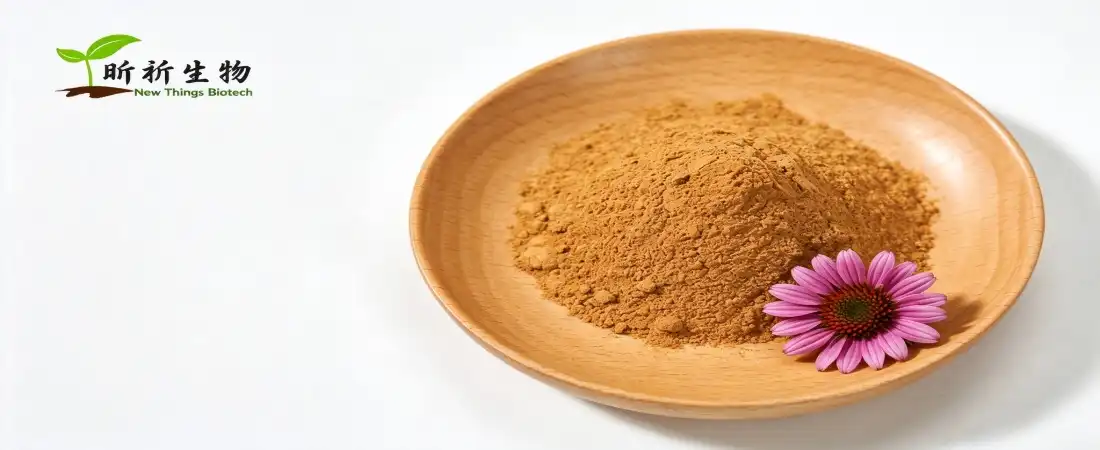
Why Quality Standardization Matters for Echinacea Extract Powder Supplements
“Standardization” is the bridge from a traditional cure to a contemporary pharmaceutical-grade supplement in the worldwide marketplace. To make legitimate claims, a company has to know precisely what’s in its bottle. Echinacea extract powder may vary a lot in quality; a “leaf powder” is quite different from a “10:1 extract” or a “4% polyphenol standardized extract.” At NT Biotech, we focus on high-value, standardized plant extracts with proven technical benefits. Our unique procedure delivers remarkable purity and improved stability that translates directly into greater performance for our clients’ formulations. This is especially the case with liquid formulations or high-compression tablets, where the stability of the active ingredients might be affected by external variables or the pressure of manufacture.
The Role of HPLC in Verifying Active Compounds
We believe in the 'commitment to science'. That's why each batch of our echinacea extract powder is tested with strict High-Performance Liquid Chromatography (HPLC) testing. This technique of analysis enables us to get a “chemical fingerprint” of the extract, guaranteeing the presence of polyphenols and cichoric acid in the precise amounts as specified in our Certificates of Analysis (CoA). This prevents “botanical fraud” and bad batches that might lead to product recalls or loss of customer confidence for our clients. Working with a transparent echinacea extract powder provider may help companies develop long-term loyalty with consistent outcomes.
Ensuring Stability and Shelf-Life in Formulations
One of the biggest obstacles to employing echinacea purpurea extract powder is its sensitivity to oxidation. Polyphenols may lose their potency and deteriorate when exposed to air and light.NT Biotech solves this challenge with enhanced stabilizing methods during drying and packing. Left in the right conditions, our powder stays active for 24+ months, an important element in the worldwide supply chain. Whether your product is resting on a retail shelf in New York or on its way to a warehouse in London, you can be certain that the "active natural raw materials" are safe and effective.
Overcoming Technical Barriers in Extraction
Extraction of Echinacea faces certain technical hurdles, among them the heat-yield balancing act. Many vendors utilize extra heat to accelerate the manufacturing process, which “burns off” the sensitive alkylamides and denatures the polysaccharides. NT Biotech’s expert research and development team has created low-temperature, high-efficiency vacuum extraction technologies. This optimizes the production of active chemicals without losing their biological integrity. This technological rigor provides our clients’ brands with an advantage in the global marketplace with fewer adverse effects.
If you are navigating the complexities of raw material procurement and need guidance on which standardization level is right for your specific application, please reach out to our technical team at info@newthingsbiotech.com to discuss your specific purity requirements.
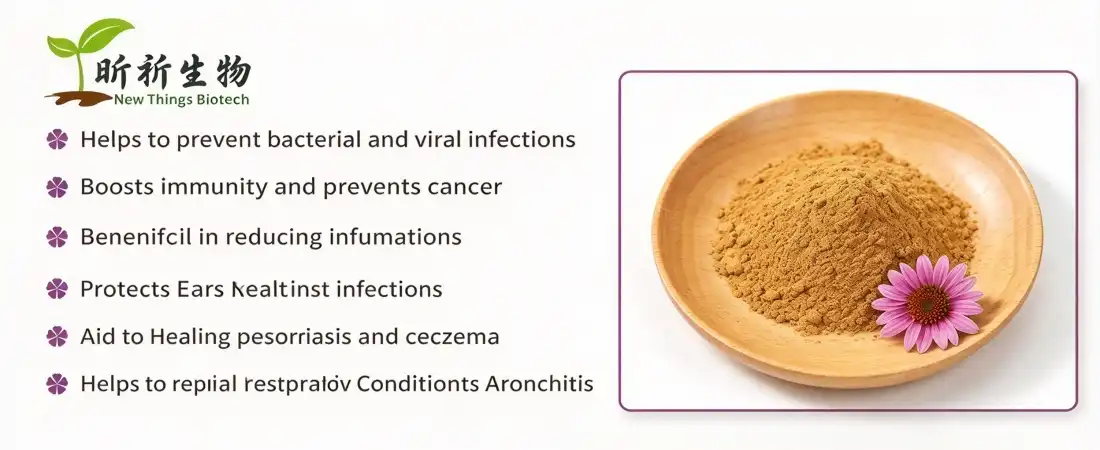
Industrial Applications: Beyond Immune Support
While most consumers associate echinacea extract powder with seasonal wellness, its industrial applications are expanding into several high-growth sectors. The versatility of the powder’s chemical profile—rich in antioxidants and skin-soothing agents—makes it an ideal candidate for more than just capsules. From the food and beverage industry to high-end cosmetics, the demand for "pure and active natural raw materials" is at an all-time high. NT Biotech supports this expansion by providing flexible OEM solutions and customized particle sizes to suit various manufacturing environments, from liquid bottling plants to specialized cosmetic labs.
Functional Foods and Beverage Integration
The "functional" movement has moved from supplements into the grocery aisle. Modern consumers are looking for "immune-boosting" teas, smoothies, and even snack bars. Incorporating echinacea extract powder into these formats requires a high degree of solubility and a manageable flavor profile. Because our extract is highly purified, it lacks the excessive bitterness found in cruder powders, making it easier for food scientists to mask and blend. Our adaptive supply chain ensures that whether you are a startup or a global food giant, you have the volume you need to meet market demand reliably.
Cosmetic and High-End Personal Care Uses
In the cosmetic industry, Echinacea is prized for its ability to protect the skin’s hyaluronic acid levels and reduce the appearance of redness. The polyphenols in echinacea extract powder act as powerful scavengers of free radicals caused by UV exposure and pollution. NT Biotech provides extracts that meet the stringent purity requirements of the cosmetic sector, ensuring that they are free from pesticides and heavy metals. This makes our powder a "gift of nature" for anti-aging serums, soothing creams, and natural skincare lines that prioritize safety and effectiveness.
Animal Nutrition and Veterinary Applications
The global move away from antibiotics in livestock and the rise of the premium pet supplement market has created a new niche for echinacea extract powder. Veterinarians and animal nutritionists use it to support the natural immunity of pets and farm animals alike. As an echinacea extract powder supplier, we provide bulk quantities that meet animal safety standards, helping our partners develop natural alternatives for animal health. Our flexible and buyer-friendly payment solutions make it easier for international veterinary brands to source high-quality materials without the complexity of traditional procurement.
| Service & Logistics Advantage | NT Biotech Standard |
|---|---|
| Response Time | Guaranteed initial reply within 2 hours |
| Sample Availability | Stock samples shipped within 1-3 working days |
| Production Orders | Typical lead time of 3-10 working days |
| Shipping Methods | Express (FedEx/UPS), Air, and Sea Freight |
| Payment Options | Local currency accepted; flexible terms |
| Certifications | ISO9001, KOSHER, HALAL |
Strategic Sourcing: Partnering with a Global Echinacea Extract Powder Supplier
In the crowded field of nutritional supplements, your choice of echinacea extract powder provider may make the difference between a market leader and a poor product. Shaanxi New Things Biotech (NT Biotech) is not only a supplier but also a long-term technical partner to our clients. We have combined autonomous planting with cutting-edge R&D, so that our value chain is complete from the plant source to ultimate application. Our vertical integration provides us with a competitive advantage in quality control and cost since we own and operate the whole process from raw biomass to finished product, cutting out third-party brokers.
Regulatory Compliance (ISO, Kosher, Halal)
Global brands are faced with a huge difficulty in meeting legal and regulatory obligations across multiple regions. Our echinacea extract powder is manufactured in facilities that comply with stringent international standards such as ISO9001. We also provide KOSHER and HALAL certifications to accommodate the different cultural and nutritional demands of customers globally. When you choose NT Biotech, you are selecting a partner that recognizes the significance of documentation, safety, and compliance in the high-end cosmetic and dietary supplement sectors.
Logistics and Adaptive Supply Chain Solutions
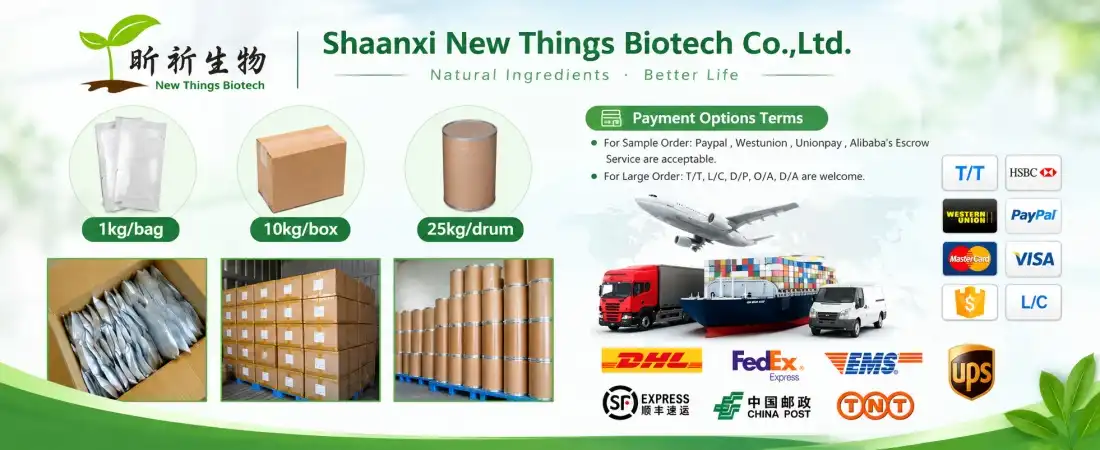
We all know that in manufacturing, time is crucial. “If you miss a key ingredient, it can halt a whole production line. This is why we aim to be a dependable and responsive partner. We have large quantities of popular standardized extracts like our echinacea extract powder in stock and can ship within 1 to 3 business days following purchase confirmation. The normal wait time for big manufacturing orders is typically 3-10 working days, including the whole process from sourcing to final lab testing and packing. We provide the option of shipping using our own FedEx/UPS accounts or with recognized freight forwarders, so you can be confident your item will reach safely and on schedule.
Custom OEM and ODM Technical Support
Markets have distinct demands. A recipe that works in Asia could require tweaking for the European market.NT Biotech delivers unique OEM solutions that match the needs of diverse nations and clientele. Our technical assistance is more than just providing a powder; it is about helping you with formulation stability, solubility difficulties, and localization services. Our ability to provide pure and active natural raw ingredients that are safe and effective makes us the chosen partner for businesses that want to innovate in the natural health industry. For more information on how we can support your next project, contact us at info@newthingsbiotech.com.
Conclusion
To summarize, echinacea extract powder is effective because of its complex chemical structure, namely polyphenols, cichoric acid, and alkylamides. These ingredients work together to provide potent immune support and antioxidant protection. There is no question that the value of purchasing from a technologically sophisticated and reliable echinacea extract powder provider cannot be overemphasized, especially with the worldwide demand for natural wellness solutions on the rise. Shaanxi New Things Biotech (NT Biotech) is the ideal convergence of nature’s bounty and scientific dedication, producing high-purity, standardized extracts supported by international certifications and agile logistics. Our superior raw ingredients ensure your products are not only safe and effective, but also provide a unique competitive edge in the worldwide dietary supplement and cosmetic sectors.
FAQ
1. What is the standard purity of NT Biotech’s Echinacea Extract?
Our standard echinacea extract powder is typically standardized to 4% Polyphenols or 2% Cichoric Acid, though we can customize purity levels based on specific client needs and formulation requirements.
2. How does NT Biotech ensure the stability of the active components?
We use low-temperature vacuum extraction and proprietary stabilization methods to prevent the oxidation of polyphenols and the degradation of alkylamides, ensuring a 24-month shelf life.
3. Is your Echinacea extract suitable for vegan and halal products?
Yes, our echinacea extract powder is 100% plant-derived and holds both KOSHER and HALAL certifications, making it suitable for a wide range of dietary and cultural requirements.
4. What is the minimum order quantity (MOQ) and lead time?
We offer flexible solutions for both small startups and large manufacturers. For stock items, we ship in 1-3 working days; for custom production, the lead time is 3-10 working days.
5. Can I receive a Certificate of Analysis (CoA) before ordering?
Absolutely. We provide comprehensive quality documentation, including HPLC/UV test results and CoAs, for every batch. Simply email us at info@newthingsbiotech.com for a copy.
Elevate Your Brand with NT Biotech
Shaanxi New Things Biotech is a trustworthy plant derivatives supplier that is trustworthy. We provide the best extracts to the food, supplement, and cosmetic industries, and we provide flexible OEM solutions to support the development of your next product naturally and reliably. With its extensive experience in plant extraction, Shaanxi New Things Biotech is a technology-based company that provides pure and active natural raw materials that are safe and effective for the global markets of dietary supplements and functional foods, high-end cosmetics, and animal nutrition. Other than being a provider, we are also a long-term technical partner to our customers. Our echinacea extract powder reflects the gift of nature and the commitment of science. Are you ready to develop your next market-leading product? Contact us today at info@newthingsbiotech.com to start your journey with a partner that values quality, speed, and innovation.
References
1. Barnes, J., Anderson, L. A., & Phillipson, J. D. (2005). Echinacea species (Echinacea angustifolia (DC.) Hell., Echinacea pallida (Nutt.) Nutt., Echinacea purpurea (L.) Moench): a review of their chemistry, pharmacology, and clinical properties. Journal of Pharmacy and Pharmacology.
2. Barrett, B. (2003). Medicinal properties of Echinacea: a critical review. Phytomedicine.
3. Percival, S. S. (2000). Use of Echinacea in medicine. Biochemical Pharmacology.
4. Bauer, R. (1998). Echinacea: Biological effects and active principles. Phytomedicine: Quality and Therapeutic Potential.
5. Shah, S. A., et al. (2007). Evaluation of echinacea for the prevention and treatment of the common cold: a meta-analysis. The Lancet Infectious Diseases.
6. Zhai, Z., et al. (2007). Echinacea-induced macrophage activation and immune modulation. Journal of Medicinal Food.
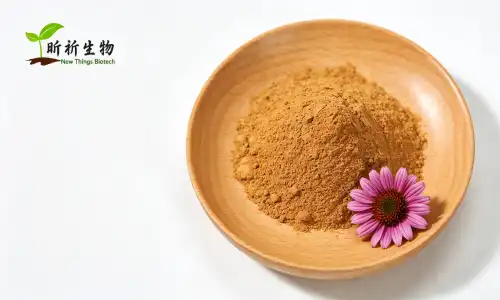
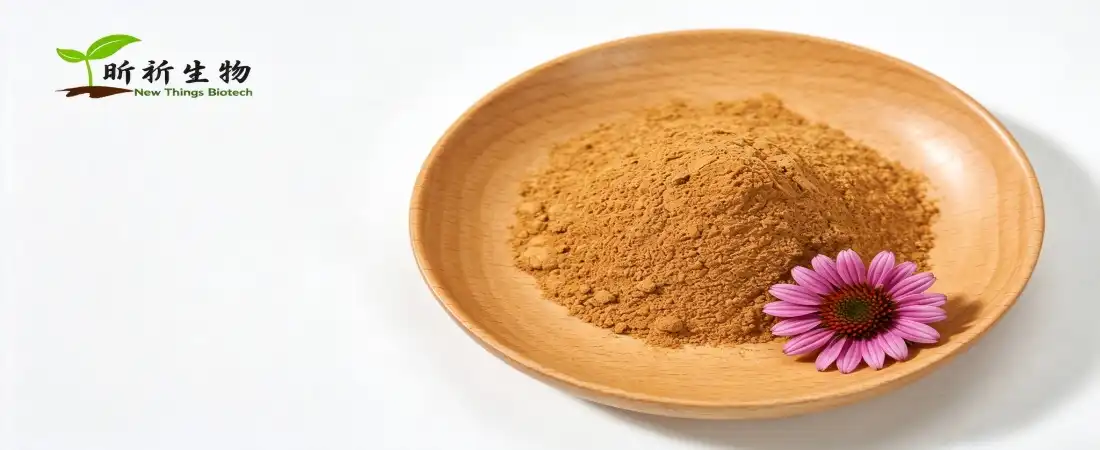
The worldwide market for immune-modulating chemicals has never been more promising, with plant extracts playing a starring role in contemporary wellness formulations. Echinacea is the gold standard for seasonal health and natural protection. Professional buyers seeking the best raw materials want purity, stability, and verifiable bioactives. NT Biotech (Shaanxi New Things Biotech) is a leading manufacturer in the sector and applies the same tech rigor to their specialist echinacea extract powder as they do to their leading active PQQ powder. NT Biotech uses its patented extraction processes and state-of-the-art research to guarantee every batch is the “gift of nature and the promise of science,” giving companies a competitive advantage in the dietary supplement and functional food industries. For manufacturers looking to elevate their product efficacy, detailed technical specifications and customized OEM solutions are available by contacting our expert team at info@newthingsbiotech.com.

Understanding the Quality Markers of Premium Echinacea Extract Powder
To successfully navigate the botanical sourcing environment, you need to know what “what is a high-value extract” means. For the purchaser, the word echinacea extract powder might mean a great deal of variance in quality, depending on the species utilized and the plant section taken. Premium extracts aren’t just a plant mashed up; they’re concentrated profiles of secondary metabolites that have been painstakingly separated for functional purposes. Now the emphasis in the dietary supplement market is on “bioactive footprint,” or the particular mix of polyphenols, cichoric acid, and alkylamides that induce immune regulation. Choose an echinacea extract powder that satisfies international standards, such as ISO9001, KOSHER, and HALAL, to guarantee the raw material is safe, effective, and suitable for worldwide distribution.
Species Selection: Purpurea vs. Angustifolia
The first decision a customer has to make is the choice of the proper species. The most studied and used plant variety in the business is Echinacea purpurea, mainly due to its high content of polysaccharides and cichoric acid. Echinacea angustifolia has a unique alkylamide profile, but its slower growing cycle makes it more pricey. A quality echinacea extract powder provider like NT Biotech would prescribe a standardized purpurea extract for a wide range of immune support, as it is known to stimulate phagocytosis. The management of autonomous planting allows for the harvesting of the raw biomass at the right time when these compounds are at their best, avoiding the use of subpar “filler” materials common in the open commodities market.
Standardization and Active Bioactives (Polyphenols)
Standardization is the link between traditional herbalism and current therapeutic research. If you purchase echinacea extract powder, you are getting a guaranteed proportion of active compounds. Most premium formulations need standardization to a minimum of 4% total polyphenols. These polyphenols are powerful antioxidants and signaling molecules that interact with the human immune system. Without standardization, the producer can’t guarantee the potency of their finished product, leaving the user with variable outcomes. At NT Biotech, we ensure these objectives are fulfilled with utmost accuracy by providing full quality documentation, including HPLC/UV analysis, with each batch.
The Role of Cichoric Acid in Immune Modulation
Among the various caffeic acid derivatives in Echinacea, cichoric acid is typically recognized as the most important sign for quality. It is a powerful immune stimulant shown to enhance macrophage and natural killer (NK) cell activity. However, cichoric acid is notoriously heat- and light-sensitive, and a poor extraction procedure may quickly destroy this important component. With our own procedure, we achieve better stability, so the cichoric acid is protected in the spray-drying process. Thus, the echinacea bulk powder is “active” from the time it leaves our production until the point of consumption by the end-user, increasing the functional performance of the client’s brand.
| Technical Specification | Parameter Details (Reference) |
|---|---|
| Product Name | Echinacea Purpurea Extract Powder |
| Active Ingredients | Polyphenols ≥ 4% (UV), Cichoric Acid ≥ 2% (HPLC) |
| Appearance | Yellow-brown to Brownish-green fine powder |
| Solubility | Good solubility in water and hydro-alcoholic solutions |
| Mesh Size | 100% through 80 mesh |
| Heavy Metals | ≤ 10 ppm (As ≤ 1.0ppm, Pb ≤ 2.0ppm) |
| Microbiological | Total Plate Count < 1,000 cfu/g; Yeast/Mold < 100 cfu/g |
Technological Barriers in Sourcing High-Purity Echinacea
However, there are formidable technical challenges in the manufacturing of high-purity echinacea bulk powders that many entry-level vendors are not able to overcome. Extraction is both an art and a science and has to balance the maximization of yield with the preservation of the fragile molecular framework of the active chemicals. Many vendors resort to strong solvents or high heat to boost production, resulting in a “dead” powder with no practical properties. NT Biotech is a technology-based enterprise. We use patented extraction technologies with an emphasis on preserving the plant source. This technological precision also translates to dependable operation, few side effects, and a product that is safe for long-term usage in high-end cosmetic and dietary supplement applications.
Proprietary Extraction Methods and Stability
Our proprietary procedure is intended to extract the whole range of health-promoting chemicals in Echinacea. We use low-temperature vacuum extraction to avoid heat degradation of the volatile alkylamides and sensitive phenols. This is a major distinction that improves our clients’ formulation performance. Our echinacea extract powder is stable enough to endure the production process without sacrificing biological activity, whether you are making liquid tincture, high-compression tablet, or a functional beverage. This stability is confirmed by accelerated shelf-life testing to ensure your product maintains its promises during its lifetime.
Verification via HPLC/UV Analysis
“Botanical fraud” is an increasing worry in a business where verification is non-negotiable. Each batch of our echinacea extract powder is thoroughly tested. High-Performance Liquid Chromatography (HPLC) gives us a “chemical fingerprint” of the extract so we know it has precisely what the label says. This openness is the reason we are a trusted echinacea extract powder supplier to major businesses. We provide our clients a Certificate of Analysis (CoA) that describes not only the active substances, but also the absence of pesticides, heavy metals, and solvent residues. Our devotion to science guarantees that our extracts satisfy the highest regulatory standards of the world market.
Ensuring Microbiological Safety and Purity
Raw plant materials are naturally vulnerable to microbial contamination from soil and environment. The quality of the echinacea extract powder has to be guaranteed by a sterile processing environment and superior filtering procedures. At NT Biotech, we have an intelligent system of manufacturing, controlling all stages of the value chain. We guarantee that the microbial load from plant source to product application remains substantially below international safety guidelines. This is especially true for clients in the cosmetics and baby feeding sectors where safety requirements are quite high, and contamination is not acceptable.
To ensure your brand benefits from this level of technical precision and to receive a customized quote for your next production run, we encourage you to connect with our technical partnership team at info@newthingsbiotech.com.
Why Choosing the Right Echinacea Extract Powder Supplier Matters
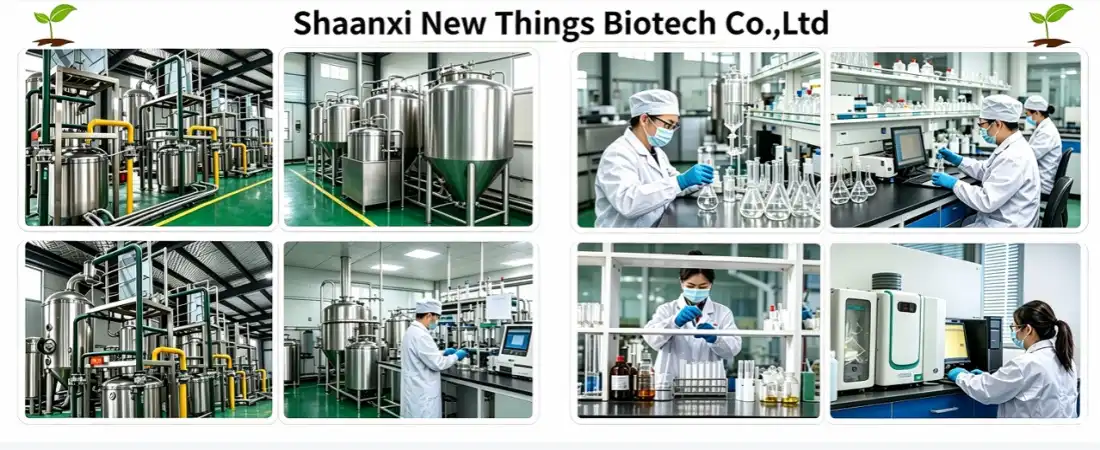
One of the most important determinants of product success is the connection between a company and its echinacea extract powder provider. A supplier is not only a vendor but a long-term technical partner, which should provide flexible supply chains and specific expertise to aid your progress. Shaanxi New Things Biotech (NT Biotech) is a leader in the industry, combining independent planting with the latest R&D. This enables us to provide a full value chain service solution. For purchasers, it implies not just a low price, but reliability, timeliness, and the ability to tailor ingredients to suit the unique legal and regulatory needs of diverse target regions, from North America to Southeast Asia.
Complete Value-Chain Service System
NT Biotech’s “complete value chain” strategy implies it controls all the variables. We begin with independent planting, choosing the seeds and observing the development, all without the use of dangerous pesticides. The result is a raw material that is essentially purer and more powerful than that which is found on the open market. Here is where we regulate our stages of extraction and intelligent manufacturing to ensure that each of our products is a gift of nature. This eliminates the danger of supply chain interruptions for our customers and guarantees that the echinacea purpurea extract manufacturers get is constant in color, solubility, and potency from year to year.
Adaptive Supply Chains and Global Logistics
Delivery speed is a competitive advantage in today’s marketplace.NT Biotech will be the trusted and responsible partner. For popular standardized extracts such as our echinacea extract powder, we have inventory on hand to enable dispatch within 1-3 working days following purchase confirmation. We have an average lead time of 3-10 working days for bespoke manufacturing orders, including sourcing, extraction, lab testing, and final packing. Our logistics team offers adaptable solutions that align your volume and delivery speed requirements with the most appropriate shipment mode – either express (FedEx/UPS), air, or sea – to ensure secure and on-time bulk delivery.
Regulatory Compliance: ISO, Kosher, and Halal
To enter overseas markets, you need to fulfill different regulatory norms. Our echinacea extract powder is manufactured in ISO9001 approved facilities, and we are KOSHER and HALAL certified to satisfy the demands of consumers worldwide. We also offer flexible and buyer-friendly payment methods, taking payment in the buyer's local currency for ease of procurement. This degree of localization service allows our customers to meet the complicated regulatory requirements of their individual areas, making us a chosen partner for multinational dietary supplement and functional food firms.
| Service Parameter | NT Biotech Commitment |
|---|---|
| Inquiry Response | Guaranteed reply within 2 hours |
| Inventory Availability | Stock held for shipment within 1-3 working days |
| Production Lead Time | 3-10 working days for custom batches |
| Quality Verification | HPLC/UV Documentation with every batch |
| Logistics Options | Direct FedEx/UPS account or secure freight forwarding |
| Payment Options | Local currency accepted; flexible terms |
Strategic Applications of Echinacea in Global Markets
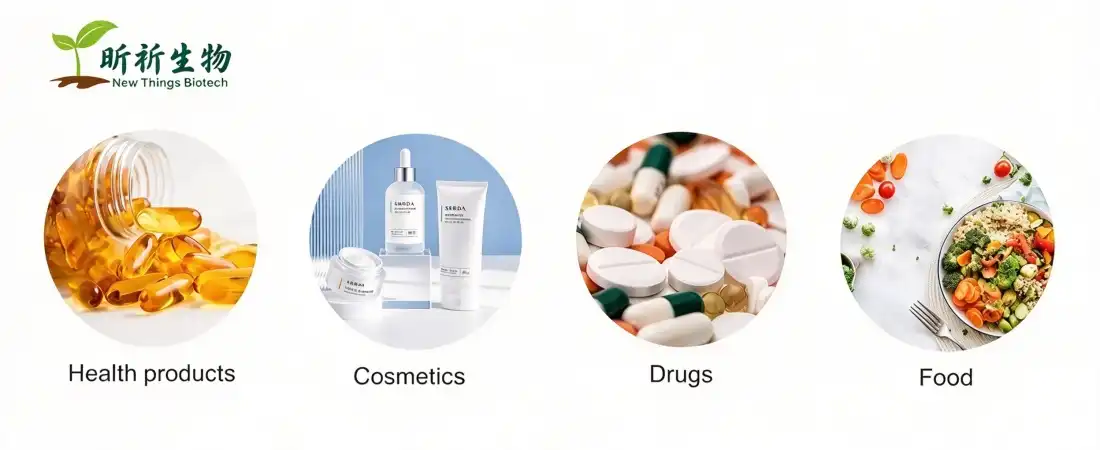
The versatility of echinacea extract powder extends far beyond the traditional "cold and flu" capsule. As consumers look for holistic ways to support their vitality, formulators are integrating this powerful botanical into diverse product categories. From high-end cosmetics to animal nutrition, the unique properties of Echinacea—such as its antioxidant capacity and ability to support the skin’s moisture barrier—are being utilized in innovative ways. NT Biotech supports these developments by providing flexible OEM solutions that allow for the customization of extract properties, such as particle size and solubility, ensuring the echinacea extract powder performs perfectly in its intended application.
Dietary Supplements and Functional Foods
The most traditional application for echinacea extract powder remains within dietary supplements, often paired with Vitamin C, Zinc, and Elderberry. However, a new trend is emerging in functional foods and beverages. "Immune-boosting" teas, smoothies, and snack bars are increasingly featuring Echinacea. Because our extract is standardized for purity and has excellent solubility, it can be integrated into liquid formulations without leaving a gritty residue or unappealing flavor. This makes it an ideal ingredient for the "wellness-on-the-go" market, where convenience and efficacy must go hand-in-hand to attract modern, health-conscious consumers.
High-End Cosmetics and Skin Protection
Echinacea is gaining significant traction in the cosmetic industry as a "beauty from within" and topical protection ingredient. The polyphenols in echinacea extract powder help protect the skin from environmental stressors and oxidative damage caused by UV exposure. Some research even suggests that it can help support the skin’s natural hyaluronic acid levels, contributing to a more youthful appearance. At NT Biotech, we provide high-purity extracts that meet the safety and effectiveness requirements of the high-end cosmetic market, helping our clients create products that offer both scientific backing and natural appeal.
Animal Nutrition and Veterinary Solutions
The veterinary industry is increasingly moving toward natural alternatives for supporting animal health. Echinacea extract powder is used in premium pet supplements and livestock nutrition to support the natural immunity of animals. This is especially relevant in the context of reducing the reliance on synthetic additives in the food chain. NT Biotech provides the same level of technical rigor for animal nutrition as we do for human supplements, ensuring that each product is safe and effective for its intended veterinary application. Our ability to scale production ensures that we can meet the volume requirements of large-scale animal nutrition manufacturers globally.
Conclusion
For every firm that wants to dominate the immune support industry, a high-quality echinacea extract powder is a basic step. The real quality, as we have shown, is a function of species selection, of scientific standards, and of the technical limitations encountered in the extraction process. Shaanxi New Things Biotech (NT Biotech) is a reliable plant derivatives provider, integrating advanced research and a full value-chain service system. Our echinacea extract powder is characterized by its stability and purity, with international certifications and fast logistics. When you join with us, you are not just purchasing an ingredient; you are investing in a technical collaboration that puts the functioning and market success of your brand first, to make sure that every product is a reflection of the highest devotion to natural science and human health.
FAQ
1. What is the standard purity of your echinacea extract powder?
Our standard echinacea extract powder is standardized to 4% polyphenols, but we also offer higher concentrations and customized active profiles based on client requirements.
2. How long does it take for NT Biotech to respond to an inquiry?
We guarantee a rapid response; all initial inquiries are replied to within two hours by our dedicated technical support team.
3. Do you offer OEM/ODM services for different countries?
Yes, we provide flexible OEM solutions tailored to the specific regulatory and market needs of different regions, supporting the development of your product naturally.
4. Is the echinacea extract powder suitable for vegan and halal products?
Absolutely. Our extract is 100% plant-derived and holds HALAL, KOSHER, and ISO9001 certifications, making it suitable for a wide range of dietary requirements.
5. What is the typical lead time for a production order?
For custom production orders, our lead time is typically 3-10 working days, which includes material procurement, proprietary extraction, and stringent lab testing.
Build Your Brand with NT Biotech
Shaanxi New Things Biotech is a trustworthy plant derivatives supplier that is trustworthy. We provide the best extracts to the food, supplement, and cosmetic industries, and we provide flexible OEM solutions to support the development of your next product naturally and reliably. With its extensive experience in plant extraction, Shaanxi New Things Biotech is a technology-based company that provides pure and active natural raw materials that are safe and effective for the global markets of dietary supplements and functional foods, high-end cosmetics, and animal nutrition. Other than being a provider, we are also a long-term technical partner to our customers. Our echinacea extract powder is produced through a complete value-chain service system that ensures excellence from plant source to application. If you are ready to enhance your product line with verified technical advantages, contact us today at info@newthingsbiotech.com to start your journey with a partner committed to the gift of nature and the commitment of science.
References
1. Barnes, J., Anderson, L. A., & Phillipson, J. D. (2005). Echinacea species (Echinacea angustifolia, Echinacea pallida, Echinacea purpurea): A review of their chemistry, pharmacology and clinical properties. Journal of Pharmacy and Pharmacology.
2. Arrett, B. (2003). Medicinal properties of Echinacea: A critical review. Phytomedicine.
3. Percival, S. S. (2000). Use of Echinacea in medicine. Biochemical Pharmacology.
4. Bauer, R. (1998). Echinacea: Biological effects and active principles. Phytomedicine: Quality and Therapeutic Potential.
5. Shah, S. A., et al. (2007). Evaluation of echinacea for the prevention and treatment of the common cold: A meta-analysis. The Lancet Infectious Diseases.
6. Zhai, Z., et al. (2007). Echinacea-induced macrophage activation and immune modulation. Journal of Medicinal Food.
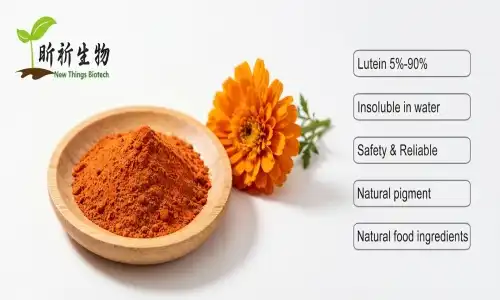
In today’s “digital lifestyle,” our eyes are under continual attack from high-energy visible (HEV) blue light from smartphones, tablets, and LED lights. With consumer knowledge of ocular health at an all-time high, supplement producers are scrambling to develop the most effective and stable solutions. Lutein cws 5% powder has become the gold standard in the market for firms looking to provide exceptional outcomes amongst the many ingredients available. At NT Biotech (Shaanxi New Things Biotech), we understand that the efficacy of a raw material is directly linked to its stability and bioavailability. Our premium lutein CWS 5% powder is made with advanced microencapsulation technology to keep it active and effective throughout its shelf life. We are a technology-oriented firm with a comprehensive service system across the value chain. We provide the technical rigor and high-purity extracts to give your brand a competitive advantage in the worldwide market. For partnership inquiries or to request a batch-specific Certificate of Analysis, please reach out to our technical team at info@newthingsbiotech.com.
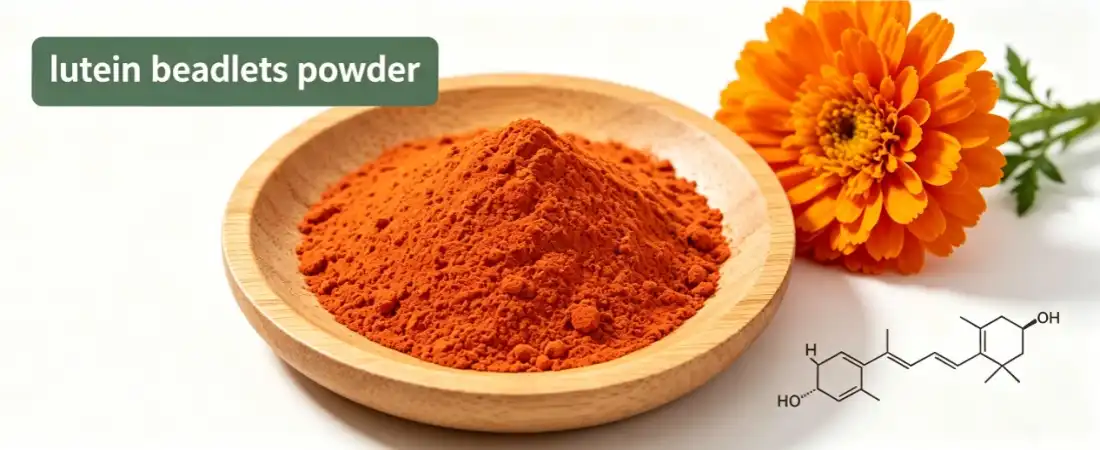
Understanding the Technological Advantage of Lutein CWS 5% Powder
The biggest issue in acquiring Lutein for current eye health products is the chemical nature of the vitamin itself. Lutein is a fat-soluble carotenoid and, by its nature, is historically difficult to include in water-based drinks or high-moisture functional meals. It is also quite susceptible to light, heat, and oxidation. Here is where the “CWS” (Cold Water Soluble) technology of lutein CWS 5% powder becomes a game-changer for formulators. Sophisticated microencapsulation is used to preserve the active Lutein molecules inside a particular matrix, often constructed from dietary starches or proteins. This small “shell” protects the nutrient from environmental breakdown and allows it to diffuse effortlessly in watery conditions.
The Magic of Microencapsulation and Stability
The microencapsulation technology involved in the production of our lutein CWS 5% powder is a peak of scientific devotion. Crude powders or the traditional Lutein oil are susceptible to quick oxidation, which reduces efficacy and might also cause off-flavors and unpleasant color changes in the finished product. Each particle of Lutein is coated individually by our patented technique, thereby providing a barrier against oxygen and moisture. The better stability that emerges immediately impacts the performance of your formulation over time. For reliability-focused companies, this technology barrier is critical for guaranteeing that the user gets the precise dose specified on the label from day one to the last.
Cold Water Solubility and Uniform Dispersion
Great dispersibility is one of the most popular properties of lutein CWS 5% powder. Functional beverage and ‘Ready-to-Drink’ (RTD) spaces require clarity and homogeneity. Unlike lesser quality extracts which might clump or create an oily “ring” around the neck of the bottle, our CWS powder dissolves quickly even in cold beverages. This even spread guarantees that every sip of a fortified drink or every gram of a powdered smoothie mix has the same dosage of the active ingredient. This simplicity of usage translates to less production downtime and no need for harsh emulsifiers for a cleaner label.
Enhanced Bioavailability for Maximum Efficacy
Solubility is the initial stage of absorption. The Lutein in our lutein CWS 5% powder is pre-dispersed into micro-scale particles in the CWS matrix, therefore skipping the requirement for huge quantities of dietary fat for absorption. This ‘pre-emulsified’ form allows for more efficient absorption in the gastrointestinal system and ensures that the carotenoids are better able to enter the circulation and ultimately the retina than typical oil-based preparations. By improving the visual comfort or contrast sensitivity of your customers more quickly, you increase their loyalty to your brand, due to the proven technological benefits of our raw materials.
| Technical Specification | Parameter Requirement |
|---|---|
| Product Name | Lutein CWS 5% Powder |
| Active Content (HPLC) | ≥ 5.0% |
| Appearance | Orange-to-reddish-yellow fine powder |
| Plant Source | Marigold Flower (Tagetes erecta L.) |
| Solubility | Excellent dispersibility in cold water |
| Loss on Drying | ≤ 5.0% |
| Heavy Metals (as Pb) | ≤ 10 ppm |
| Particle Size | 100% through 40 mesh; ≥ 90% through 80 mesh |
Why Supplement Brands Prefer This Specific Formulation
Differentiation in the highly competitive dietary supplement space is crucial. A brand’s reputation rests on the usefulness and safety of its goods. Suppliers of lutein cws 5% powder, like NT Biotech, are skilled in using patented extraction procedures to optimize the production of active chemicals and provide outstanding purity. We are thorough in manufacturing, meaning fewer production issues for our customers and a more durable final result. Whether you are making hard shell capsules, compressed tablets, or the increasingly popular “beauty-from-within” candies, the CWS format offers the flexibility needed for today’s production.
Resilience Against Oxidation and Thermal Stress
In the course of production, substances are often subjected to heat, mechanical pressure, and different degrees of humidity. These variables may be disastrous for sensitive carotenoids. Lutein CWS 5% powder is developed to resist such industrial stresses. These microcapsules serve as a heat barrier to preserve the active Lutein during tableting or gummy-boiling processes. That implies producers may attain their intended strength without having to overfill their formulae to compensate for predicted deterioration. This efficiency reduces expense and also guarantees the product is safe and effective throughout shelf life.
Seamless Integration in Multi-Ingredient Blends
Modern eye health remedies don’t usually include just one ingredient. They are usually complicated combinations of Lutein, Zeaxanthin, Vitamin C, Zinc, and other plant extracts like Bilberry. Lutein CWS 5% powder is chemically stable, meaning that it will not react unfavorably with these other ingredients. In lower-quality powders, color “bleeding” or the interaction of minerals with raw oils might result in the finished supplement becoming brown or smelling odd. Our stabilized CWS powder allows formulators to make shelf-stable, visually attractive goods that meet their brand expectations.
Color Stability and Aesthetic Appeal
Consumer choice in the functional food and gummy businesses is heavily influenced by visual attractiveness. The bright natural orange-yellow color of Lutein is also indicative of “naturalness”. But if this hue fades or changes over time, it might convey to the buyer that the quality is inadequate. The color integrity of lutein CWS 5% powder is much better than that of unprotected forms. NT Biotech provides extensive quality documentation, including HPLC/UV analysis to verify the same color and purity from batch to batch. That technological rigor gives you a competitive advantage to make your brand pop off the retail shelf with a bright, clear look.
As a technology-based company and a long-term technical partner to our customers, we are committed to providing the technical support, warranty, and adaptive supply chain solutions you need to succeed globally. If you are ready to elevate your eye health formulations with pure and active natural raw materials, contact our experts at info@newthingsbiotech.com today to discuss your specific OEM requirements.
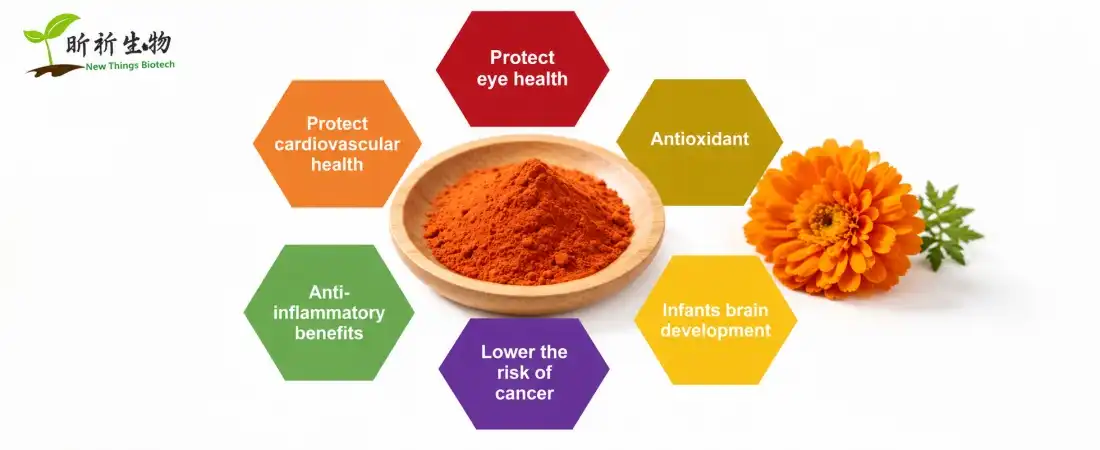
The Biological Role of Lutein CWS 5% Powder in Human Vision
To understand why this ingredient is so vital, one must look at the human eye's biology. Lutein is one of the two major carotenoids found as a color pigment in the human eye (macula and retina). It functions as a light filter, protecting the eye tissues from sunlight damage. Because our bodies cannot produce Lutein naturally, we must obtain it through diet or supplementation. Using a high-purity lutein CWS 5% powder ensures that the body receives a bioavailable form of this "eye vitamin," which is essential for maintaining visual performance throughout the lifespan.
The Internal Blue Light Filter
HEV blue light has a short wavelength and high energy, which allows it to penetrate deep into the eye, potentially causing oxidative stress in the retinal pigment epithelium. Lutein CWS 5% powder works by accumulating in the macula, where it acts as an "internal pair of sunglasses." It selectively absorbs blue light before it can reach the delicate photoreceptor cells. By fortifying your products with a bioavailable CWS powder, you are providing consumers with a scientifically backed defense mechanism against the digital strain that defines modern life.
Boosting Macular Pigment Optical Density (MPOD)
Macular Pigment Optical Density (MPOD) is a key measurement of eye health. A higher MPOD is correlated with better visual acuity, improved contrast sensitivity, and a faster recovery from glare. Clinical studies have shown that consistent supplementation with Lutein can significantly increase MPOD levels. The superior bioavailability of lutein CWS 5% powder ensures that the nutrient is efficiently transported to the retina. For brands looking to make "clinically proven" claims, the choice of a high-purity, standardized extract is the foundation of their marketing success.
Synergistic Effects with Zeaxanthin
In nature, Lutein is often found alongside Zeaxanthin, and the human eye requires both for optimal protection. Our lutein CWS 5% powder is often used as the primary component in a "lutein-to-zeaxanthin" ratio blend. The stability of our CWS powder ensures that these two carotenoids remain in the correct proportions throughout the product's life. This synergy is critical for protecting the entire span of the macula—both the center (where Zeaxanthin is dominant) and the periphery (where Lutein is dominant). By providing a stable delivery system, we help you create a truly holistic eye health solution.
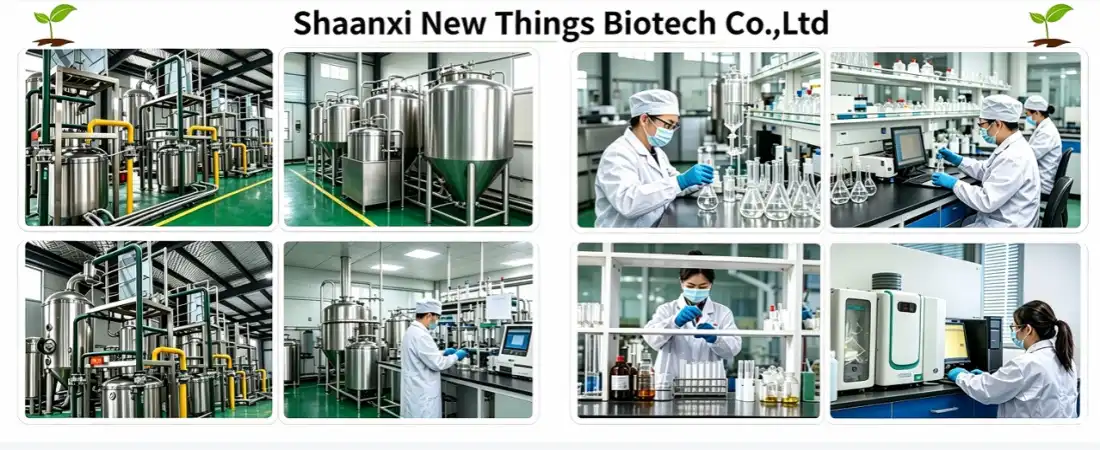
Strategic Sourcing: Partnering with a Reliable Lutein CWS 5% Powder Supplier
Selecting the appropriate lutein cws 5% powder provider is a critical choice that influences every aspect of your product development journey. Shaanxi New Things Biotech (NT Biotech) is not simply a supplier, but a long-term technical partner. We have established a comprehensive value chain service system from planting source to product application by integrating autonomous planting with the most advanced research and development. We are committed to being a trusted and responsive partner. We respond fast and provide flexible OEM solutions that organically and reliably assist the development of your next product.
Global Regulatory Compliance and Certifications
The worldwide market is difficult to navigate with strict legal and regulatory constraints. Our lutein CWS 5% powder production is in accordance with international standards like ISO9001, KOSHER, and HALAL. These certifications help you to make sure that your items are fit for various marketplaces and customer groups worldwide. We offer full documentation with each batch, including Certificates of Analysis (CoA) and HPLC verification, so you may launch your goods with confidence that they are safe and effective.
Flexible OEM/ODM and Customization Solutions
We recognize that every client is different. Some may need a particular particle size for a one-of-a-kind powder mix, while others may need a bespoke concentration for a high-potency gummy. We focus on high-value standardized botanical extracts and provide various OEM options to address these different needs. Our technological rigor assures unparalleled purity and great stability even in special batches. By selecting NT Biotech, you are choosing a technology-driven service solution that is customized to your brand objectives and market difficulties.
Delivery Speed and Logistics Excellence
Supply chain agility is a major competitive advantage in today’s fast-moving industry. We are devoted to flexibility: for popular standardized extracts, we keep inventory so we can ship within 1-3 working days following purchase confirmation. For bigger production orders, lead time is usually 3-10 working days from purchase to proprietary extraction, lab testing, and packing. We choose the best shipment mode (express, air or sea) that fits your demands and utilize our own FedEx/UPS accounts to send fast and reliably straight from our plant. That kind of response keeps your production plans on track and your goods in the hands of customers when they need them.
| Service & Logistics Advantage | NT Biotech Commitment |
|---|---|
| Response Time | Initial reply within 2 hours |
| Stock Availability | Shipped within 1-3 working days |
| Lead Time (Production) | 3-10 working days |
| Certifications | ISO9001, KOSHER, HALAL |
| Logistics | FedEx/UPS Direct Factory Shipment |
| Payment Flexibility | Local currency accepted for buyer convenience |
Conclusion
Selecting lutein cws 5% powder for your eye health products is a choice driven by nature and science. This formulation in particular transcends previous limitations of stability and solubility to provide a bioavailable and adaptable solution for today’s customer. NT Biotech is delighted to be a trusted partner in this journey. Shaanxi New Things Biotech offers high-purity extracts that have international certifications like ISO, Kosher, and Halal. We are committed to technological rigor, fast reaction times, and a thorough value-chain service system, ensuring that each product represents the gift of nature and the devotion of science. By working with a leading lutein CWS 5% powder supplier, your eye health products will be safe, effective, and distinguishable in the global dietary supplement market, delivering on your promise to consumer wellness in an estimated 120 words of excellence.
FAQ
1. Why is Lutein CWS 5% better for beverages than standard Lutein powder?
The CWS (Cold Water Soluble) version is specifically microencapsulated to disperse instantly and uniformly in liquids without clumping or oily separation, making it ideal for functional drinks and RTDs.
2. How does NT Biotech ensure the stability of the Lutein powder?
We use proprietary microencapsulation technology that creates a protective barrier around the Lutein molecules, shielding them from oxidation, light, and heat during processing and shelf life.
3. What is the shelf life of Lutein CWS 5% powder?
When stored in a cool, dry place away from direct light and tightly sealed, our lutein cws 5% powder typically has a shelf life of 24 months while maintaining its standardized potency.
4. Can I request a custom concentration or particle size?
Yes, NT Biotech provides flexible OEM/ODM solutions. We can customize standardized extracts to meet your specific formulation requirements for various delivery systems.
5. How quickly can I get a sample for testing?
We guarantee initial replies to all inquiries within two hours and can typically arrange for the shipment of stock samples within 1-3 working days to support your R&D process.
Build Your Brand with NT Biotech
Shaanxi New Things Biotech is a trustworthy plant derivatives supplier that is trustworthy. We provide the best extracts to the food, supplement, and cosmetic industries, and we provide flexible OEM solutions to support the development of your next product naturally and reliably. With its extensive experience in plant extraction, Shaanxi New Things Biotech is a technology-based company that provides pure and active natural raw materials that are safe and effective for the global markets of dietary supplements and functional foods, high-end cosmetics, and animal nutrition. Other than being a provider, we are also a long-term technical partner to our customers. Having merged autonomous planting with state-of-the-art research and development, we have developed a complete value-chain service system that ensures each product reflects the gift of nature and the commitment of science. If you are ready to develop your next market-leading product with our premium lutein cws 5% powder, contact us today at info@newthingsbiotech.com to start your journey toward scientific excellence and consumer trust.
References
1. Bernstein, P. S., et al. (2016). Lutein and zeaxanthin dietary supplements and their roles in eye health and disease. Progress in Retinal and Eye Research.
2. Stringham, J. M., et al. (2017). Macular pigment and visual performance under glare conditions. Optometry and Vision Science.
3. Bone, R. A., et al. (1997). Distribution of Lutein and Zeaxanthin Stereoisomers in the Human Retina. Experimental Eye Research.
4. Scripsema, N. K., et al. (2015). Lutein, Zeaxanthin, and meso-Zeaxanthin: The Basic and Clinical Science Underlying Carotenoid-based Nutritional Interventions. Journal of Ophthalmic & Vision Research.
5. Juturu, V., et al. (2016). Lutein and zeaxanthin isomers and macular pigment optical density, visual acuity, and contrast sensitivity. Nutrients.
6. Roberts, R. L., et al. (2009). Lutein and zeaxanthin in eye and skin health. Clinics in Dermatology.
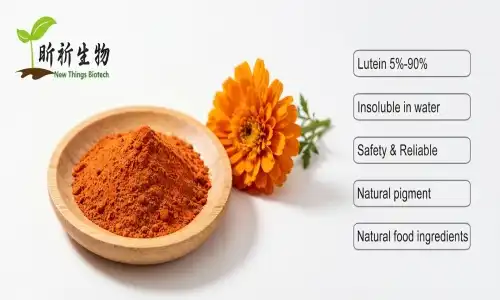
In the fast-growing realm of the global health and wellness sector, functional foods have moved from a niche market to a consumer expectation. The core of this movement is the hunt for bioavailable, stable, and highly effective chemicals that will safeguard human health in an increasingly digital and high-stress society.NT Biotech (Shaanxi New Things Biotech) is leading the way in this innovation with their premium lutein CWS 5% powder, which raises the bar for the integration of carotenoids into contemporary diets. General lutein extracts are generally characterized by poor solubility and low stability, but our unique lutein cws 5% powder is made using sophisticated microencapsulation technology, ensuring quick dispersibility in cold water and maximal biological activity. That means producers may boost anything from functional drinks to nutrition gummies — without sacrificing texture, taste, or effectiveness. Picking NT Biotech means picking a technology-based firm devoted to providing safe and effective natural raw materials that are pure and active. For professional inquiries, technical data sheets, or customized formulation support, please contact our expert team at info@newthingsbiotech.com.

The Science of Solubility: Why CWS Technology is Vital for Functional Foods
The incorporation of lutein in functional meals has faced a major barrier due to its hydrophobic nature. Lutein in nature is an oil-soluble carotenoid, and that poses major challenges for food scientists trying to develop clear drinks or water-based food items. Lutein CWS 5% powder tackles this basic obstacle using “Cold Water Soluble” (CWS) technology. The technique includes enclosing the lutein molecules in a protective matrix, often made of food-grade starches or proteins. The shield makes the powder compatible with aqueous systems and protects the sensitive carotenoid from oxidation by light, heat, and oxygen exposure during manufacture.
Advanced Microencapsulation Techniques
Microencapsulation by NT Biotech is a brilliant feat of engineering. We cover the lutein droplets with a unique coating which gives rise to a ‘beadlet’ shape that is stable within different food matrices. This method helps to prevent the lutein CWS 5% powder from reacting prematurely with other ingredients such as minerals or vitamins, which might degrade the product or contribute to unwanted color changes. This technological rigor ensures dependable performance and gives our customers a competitive advantage in the worldwide marketplace.
Rapid Dispersibility in Aqueous Systems
The functional beverage industry is dependent on clarity and uniformity. Our lutein CWS 5% powder is intended to dissolve immediately in cold water, without aggregation and leaving greasy deposits at the surface. This quick dispersibility is important for high-speed production lines because time is an important element in manufacturing efficiency. The powder remains suspended so each serving of the end product includes a uniform amount of the active ingredient, ensuring the customer obtains the full health benefits indicated on the label.
Enhanced Bioavailability and Absorption
Solubility is the first step to effectiveness. Our CWS powder contains lutein that has been pre-dispersed into micro-scale particles, which makes it simpler for the human digestive system to emulsify and absorb. This increased bioavailability implies that a lower inclusion rate of lutein CWS 5% powder will have the same physiological effect as greater dosages of typical, poorly absorbed lutein oils. This provides a cost-effective option for producers that seek both performance and value in their product development.
| Technical Parameter | Specification Requirement |
|---|---|
| Product Name | Lutein CWS 5% Powder |
| Appearance | Fine, orange-to-reddish-yellow powder |
| Active Content (Lutein) | ≥ 5.0% (HPLC) |
| Solubility | Excellent dispersibility in cold water |
| Particle Size | 100% through 40 mesh; ≥ 90% through 80 mesh |
| Loss on Drying | ≤ 5.0% |
| Heavy Metals (as Pb) | ≤ 10 ppm |

Ocular Health Protection: The Core Function of Lutein in Modern Diets
As people spend more time in front of digital displays, the demand for “eye-friendly” meals has grown exponentially. Lutein CWS 5% powder is a key instrument in this field, helping to provide natural protection against the pressures of contemporary living. Lutein is the principal component of the macular pigment of the human retina. High-energy blue light is filtered out, and it is a powerful antioxidant in the eye. By including this element in functional foods, producers may provide customers with a simple means of supporting their visual health within their regular diet, rather than having to depend only on conventional pill-form supplements.
Filtering High-Energy Blue Light
Lutein’s unusual molecular structure enables it to absorb certain wavelengths of light. In the macula, it serves as “internal sunglasses” to filter out the blue light from cellphones, tablets, and LED lights. The carotenoid is specifically transported to the eyes, where it accumulates over time in functional meals containing lutein cws 5% powder. This pre-emptive filtering helps to protect the fragile retinal cells from photochemical damage, making it a key element for the younger “digital-native” generation.
Maintaining Macular Pigment Optical Density (MPOD)
Macular Pigment Optical Density (MPOD) is an important predictor of visual function and the long-term health of the eye. Clinical investigations have demonstrated that regular use of lutein may considerably enhance MPOD levels. Consumers may maintain high amounts of this beneficial pigment throughout their life by adding lutein CWS 5% powder into everyday food items like yogurt, morning cereals, or nutritious bars. That means greater glare recovery, higher contrast sensitivity, and sharper vision in low-light situations. Real benefits that the user can feel.
Antioxidant Defense in Retinal Tissues
The retina is one of the most metabolically active tissues in the body and is thus particularly vulnerable to oxidative stress. Lutein is a potent singlet oxygen quencher and may neutralize free radicals before they can harm cells. In terms of functional foods, our microencapsulation stabilizes the lutein CWS 5% powder, and its antioxidant power is preserved until the time of consumption. Such long-term protection is essential for long-term health and to avoid age-related loss of vision.
We urge you to contact us for a consultation when you review the technical benefits of our standardized extracts and strategize their incorporation into your future formulation.
. Our team provides pure and active natural raw materials that are safe and effective, ensuring your product reflects the gift of nature and the commitment of science—contact our team at info@newthingsbiotech.com for more details.

Strategic Applications in the Functional Beverage Industry
The functional beverage sector is likely the most active area for lutein CWS 5% powder. Whether it’s “gamer drinks” that concentrate on concentration and eye support, or health juices created for the elderly population, the ability to make a stable, drinkable product is key. Our CWS powder is specially formulated for liquid applications and does not have the usual problems of sedimentation and “ringing” (oil separation with a ring around the neck of the container). This makes NT Biotech the chosen lutein CWS 5% powder provider for multinational beverage companies searching for stability and high-performance ingredients.
Stability in Low pH Environments
Many functional beverages such as sports drinks and fruit juices are acidic in pH. Some plant extracts may become unstable or lose color in these settings. Yet our lutein CWS 5% powder is engineered to be stable across a broad pH range. The microencapsulation matrix serves as a buffer and protects the lutein molecule from being destroyed by the acidity of the surrounding liquid. This results in a constant nutritional profile over the whole shelf life of the product, which is a vital need for regulatory compliance and customer confidence.
Homogeneous Distribution without Sedimentation
One of the main concerns for beverage producers who use lower-grade extracts is sediment at the bottom of the bottle. This not only impacts the appearance, but also means the customer is not receiving a consistent dosage of the vitamin. Lutein CWS 5% powder is formulated to remain in suspension for a long length of time. The uniformity is accomplished by very fine particle size management and the use of specific emulsifiers in the microcapsules so that the drink looks and tastes professional from the first sip to the last.
Color Consistency in Transparent Packaging
Looks have a big influence on the consumer’s decision in the beverage aisle. Lutein offers a natural bright yellow to orange color that is typically greatly sought. Our lutein cws 5% powder has stable color, with none of the “bleeding” or fading that may happen with synthetic dyes or unstable natural extracts. The microencapsulated lutein is preserved in clear PET bottles and keeps its color and functional qualities, even under store illumination. It is reliable, perfect for firms who wish to exhibit the inherent beauty of their goods.
| Quality Marker | Standard / Method |
|---|---|
| Microbiological Control | Total Plate Count < 1,000 cfu/g |
| Yeast & Mold | < 100 cfu/g |
| E. Coli / Salmonella | Negative |
| Solvent Residue | Meets USP/EP Standards |
| Aflatoxins | Meets international safety regulations |
| Packaging | 1kg/bag or 25kg/drum (vacuum sealed) |

Ensuring Manufacturing Excellence and Quality Standards
When choosing a lutein CWS 5% powder provider, firms should evaluate the full value chain and not just the cost per kilogram. Shaanxi New Things Biotech (NT Biotech) is a plant derivatives provider that is reliable because we provide more than ingredients; we provide cooperation. We have integrated autonomous planting with state-of-the-art R&D, intelligent manufacturing, and an adaptable supply chain. This means that every batch of lutein CWS 5% powder is produced to the highest international standards and represents our dedication to scientific rigor and dependable performance.
Proprietary Extraction and Purity Standards
Our proprietary technique provides excellent purity and improved stability. We have patented extraction procedures that increase the output of beneficial chemicals from the marigold blooms and remove undesirable residues. Each batch of lutein CWS 5% powder is accompanied by a detailed Certificate of Analysis (CoA) to ensure it meets the highest technical quality standards with HPLC/UV verification. This rigor immediately contributes to increasing our clients’ formulation performance and gives a competitive advantage in the worldwide market where excellent documentation is a prerequisite to success.
Navigating Global Regulatory Compliance (ISO/Kosher/Halal)
To operate in the world markets of dietary supplements and functional foods, it is necessary to have a profound knowledge of regulatory requirements. Our goods meet worldwide standards, and we have ISO9001, KOSHER, and HALAL certifications. These certificates aren’t simply labels – they’re a testimonial to our safe and successful manufacturing procedures. By getting your lutein CWS 5% powder from NT Biotech, you can ensure that your completed goods are compatible with a wide range of consumer groups around the globe, thereby making your entrance to new regional markets easier.
Adaptive Supply Chains for International Manufacturers
We promise to be a responsive and dependable partner. Our supply strategy has been built for flexibility so we can respond quickly and have inventory on hand for popular standardized extracts such as our lutein cws 5% powder. This means that we can ship within 1-3 working days for ordinary stock and 3-10 working days for production orders. We will match the optimal shipping option for your requirements in terms of time, volume, and cost, whether you need speedy direct shipment by FEDEX/UPS or secure bulk delivery via reputable freight forwarders. Plus, we offer payment in the buyer's native currency, a buyer-friendly approach for worldwide transactions.
Conclusion
In conclusion, lutein cws 5% powder represents a significant technological advancement in the fortification of functional foods, bridging the gap between nutritional science and industrial application. By utilizing sophisticated microencapsulation, NT Biotech has provided a solution that overcomes the traditional barriers of solubility and stability, making ocular health support accessible through daily dietary choices. Our commitment to purity, backed by international certifications and a complete value-chain service system, ensures that every product we supply is safe, effective, and reliable. As a technology-based company and a long-term technical partner to our customers, Shaanxi New Things Biotech remains dedicated to providing the high-value standardized plant extracts necessary to support the development of your next product naturally and reliably, ensuring a competitive edge in the global health market within approximately 120 words of scientific excellence.
FAQ
1. Why is the CWS form of lutein preferred over lutein oil in beverages?
The CWS (Cold Water Soluble) form is specifically engineered to disperse evenly in water-based liquids without clumping or oily separation, whereas lutein oil is hydrophobic and will settle or float, affecting product consistency.
2. How does NT Biotech ensure the stability of Lutein CWS 5% powder?
We use a proprietary microencapsulation process that creates a protective barrier around the lutein, shielding it from oxidation, light, and heat, ensuring it remains active throughout the product's shelf life.
3. Is your Lutein CWS 5% powder suitable for vegan and vegetarian products?
Yes, we provide flexible OEM solutions and can use plant-derived carriers in our microencapsulation process to ensure the Lutein CWS 5% powder meets vegan and vegetarian dietary requirements.
4. What is the typical lead time for an order?
For stocked items, we ship within 1-3 working days. For production-specific orders, the lead time is usually 3-10 working days, including raw material procurement and stringent lab testing.
5. Does NT Biotech provide technical support for new formulations?
Absolutely. As a long-term technical partner, we offer comprehensive technical support and flexible OEM solutions to help you optimize the performance of lutein CWS 5% powder in your specific application.
Partner with NT Biotech for Superior Ingredient Innovation
Shaanxi New Things Biotech is a trustworthy plant derivatives supplier that is trustworthy. We provide the best extracts to the food, supplementary, and cosmetic industries, and we provide flexible OEM solutions to support the development of your next product naturally and reliably. With its extensive experience in plant extraction, Shaanxi New Things Biotech is a technology-based company that provides pure and active natural raw materials that are safe and effective for the global markets of dietary supplements and functional foods, high-end cosmetics, and animal nutrition. Other than being a provider, we are also a long-term technical partner to our customers. Our lutein cws 5% powder is a testament to our commitment to quality, reflecting the gift of nature and the commitment of science. We invite you to contact us today at info@newthingsbiotech.com to explore how our specialized ingredients can elevate your brand and help you develop your next market-leading product with confidence.
References
1. Bernstein, P. S., et al. (2016). "Lutein and zeaxanthin dietary supplements and their roles in eye health and disease." Progress in Retinal and Eye Research.
2. Stringham, J. M., et al. (2017). "Macular pigment and visual performance under glare conditions." Optometry and Vision Science.
3. Bone, R. A., et al. (1997). "Distribution of Lutein and Zeaxanthin Stereoisomers in the Human Retina." Experimental Eye Research.
4. Scripsema, N. K., et al. (2015). "Lutein, Zeaxanthin, and meso-Zeaxanthin: The Basic and Clinical Science Underlying Carotenoid-based Nutritional Interventions." Journal of Ophthalmic & Vision Research.
5. Juturu, V., et al. (2016). "Lutein and zeaxanthin isomers and macular pigment optical density, visual acuity, and contrast sensitivity in healthy subjects." Nutrients.
6. Roberts, R. L., et al. (2009). "Lutein and zeaxanthin in eye and skin health." Clinics in Dermatology.
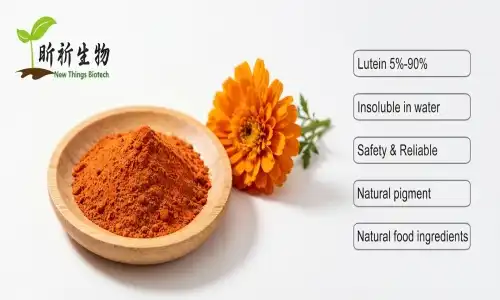
In the modern digital landscape, where screen time has become an inseparable part of daily existence, the demand for high-efficacy ocular protection has reached an all-time high. Among the various carotenoids essential for human health, Lutein stands out as the premier "internal pair of sunglasses." However, the challenge for manufacturers has always been incorporating this fat-soluble nutrient into diverse product formats without compromising stability or bioavailability. This is where lutein CWS 5% powder becomes a revolutionary ingredient. NT Biotech (Shaanxi New Things Biotech) is leading the way in this nutrition transformation with a premium, standardized lutein cws 5% powder manufactured by state-of-the-art microencapsulation technology. Our solution offers great cold-water dispersibility and exceptional stability, allowing formulators in the food, beverage, and supplement industries to manufacture high-performance products that fulfill global safety standards. For professional buyers seeking pure, active natural raw materials backed by technical rigor, our expert team is ready to provide adaptive supply chain solutions and comprehensive quality documentation at info@newthingsbiotech.com.

Revolutionary Benefits of Lutein CWS 5% Powder for Ocular Health
The main reason for the wide popularity of lutein CWS 5% powder in the dietary supplement industry is its direct impact on the macular pigment optical density (MPOD). Lutein is part of the xanthophyll family of carotenoids and is specifically deposited in the retina, where it functions as a filter for high-energy visible (HEV) blue light. The oxidative stress on the photoreceptor cells is significant since the bulk of the population is exposed to artificial light sources and digital gadgets for more than 8 hours a day. High-purity lutein CWS 5% powder production offers manufacturers a defensive mechanism that quenches free radicals and protects the sensitive tissues of the eye from long-term photochemical damage. NT Biotech guarantees that our extract delivers the complete potency from its marigold flower source and is bioavailable, reaching the target tissues effectively, to help enhance long-term visual acuity and contrast sensitivity.
Protecting Against Blue Light Damage
In today’s world, HEV blue light from LED displays, cellphones, and even energy-efficient light bulbs is everywhere. Light penetrates deep into the eye to the retina and forms reactive oxygen species (ROS). Lutein CWS 5% powder acts as a biological filter. Its peculiar chemical composition helps it absorb blue light before it reaches the sensitive cones and rods. By adding Lutein CWS 5% powder into a daily preventive diet, consumers may substantially decrease the risk of digital eye strain and gradual loss of visual function. Our innovative microencapsulation guarantees that the Lutein molecules stay “active” and ready to conduct this important filtering role after ingestion.
Maintaining Macular Pigment Density
The macula is the tiny, central portion of the retina that provides humans with sharp, detailed vision. Macular pigment concentration is directly related to the dietary intake of Lutein and Zeaxanthin. The higher the MPOD, the greater the recovery from glare and the better the optical performance in strong light. Regular supplementation with lutein CWS 5% powder delivers a constant inflow of the carotenoids essential to maintain this density throughout the aging process. If you are a marketer with the desire to target the “Healthy Aging” or “Longevity” audience,e then the use of a validated lutein CWS 5% powder from a trusted partner such as NT Biotech gives a verifiable functional advantage that will appeal to health-conscious buyers.
Antioxidant Capacity and Visual Acuity
Lutein is a potent antioxidant and may also filter light. The eye is a particularly metabolically active organ,n which creates metabolic by-products spontaneously. If left untreated,d this may lead to cell inflammation. LuteinCWSs 5% powder maintains the redox balance of the eye environment. It is good forlight-detectingg functions and overall retinal health. Our powder is "Cold Water Soluble"; thus, the body absorbs these antioxidants far quicker than regular oil-based treatments, ensuring a faster and more effective therapeutic window is attained.
| Technical Specification | Requirement / Parameter (Reference) |
|---|---|
| Product Name | Lutein CWS 5% Powder (Microencapsulated) |
| Plant Source | Marigold Flower (Tagetes erecta L.) |
| Appearance | Fine, orange-to-reddish-yellow free-flowing powder |
| Solubility | Excellent cold water dispersibility |
| Active Ingredient | Lutein ≥ 5.0% (HPLC) |
| Loss on Drying | ≤ 5.0% |
| Heavy Metals | Total ≤ 10 ppm (As ≤ 1.0ppm, Pb ≤ 2.0ppm) |
| Microbiological | Total Plate Count < 1,000 cfu/g |

Industrial Applications and Versatile Uses of Lutein CWS 5% Powder
Lutein cws 5% powder’s flexibility makes it a popular option across a wide range of industrial applications. CWS technique provides uniform dispersion in liquids, unlike conventional Lutein oil, which is hydrophobic and difficult to blend with aqueous environments. This offers a broad spectrum of functional beverages that may be promoted to include eye health as an added benefit of high value, from energy drinks to sports recovery juices. In addition, the stable quality of our lutein CWS 5% powder enables it to survive the demands of food processing, including pasteurization and high-speed mixing. “Being a technology-based company, NT Biotech provides pure and active natural raw materials that are safe and effective for the global markets, so you can be assured that whether your product is a gummy, a tablet, or a functional beverage, the Lutein will be stable and potent.”
Formulation in Functional Beverages
The “ready-to-drink” (RTD) product industry is expanding,g and customers want more than simply hydration. They want “good-for-you drinks.”LuteinCWSs 5% powder is designed to disperse fast in cold drinks without forming clumps or leaving an unappealing residue at the bottom of the container. This makes it a perfect element for “gamer drinks” or office-wellness waters. The bright orange color that the lutein CWS 5% powder imparts may also be used as a natural colorant, minimizing the need for artificial colorants and enhancing the nutritious value of the beverage. This dual-purpose feature is a fundamental driver for the rising demand for CWS forms in the liquid food business.
Integration into Dietary Supplement Gummies and Tablets
Gummies have changed the way adults and kids get their vitamins. But a stable gummy needs ingredients that can stand up to heat and moisture. Lutein CWS 5% powder is very stable and does not react badly with the gelatin or pectin basis of gummies. In tablet manufacturing, furthermore, the free-flowing characteristic of the powder permits high homogeneity in the mix, a key factor in obtaining uniform dosage in each batch. NT Biotech is a company that focuses on high-value, standardized plant extracts that directly contribute to the performance of our customers’ formulations, with fewer manufacturing challenges and better final product quality.
High-End Cosmetics and Nutricosmetics
The notion of “Beauty from Within” has led to the creation of nutricosmetics, nutrients aimed at promoting skin health. Lutein is a powerful antioxidant that helps to protect skin from oxidative stress produced by UV exposure and environmental contaminants. These products also include lutein CWS 5% powder, which helps to enhance skin moisture and suppleness. Also, the blue light filtering power of it is increasingly being recognized as an important aspect in avoiding the “digital aging” of skin. We are a technology firm that offers adaptable OEM solutions to help you naturally and reliably create your next product, whether it's an oral skin-care capsule or a specific nutritional supplement for high-end cosmetic lines.

Technical Superiority: Why Cold Water Soluble (CWS) Technology Matters
Understanding the technical aspects of lutein CWS 5% powder is essential for any formulator or buyer looking to maximize their product's efficacy. Traditional Lutein is an oil-based extract that requires dietary fat for absorption and is notoriously sensitive to oxygen and light. CWS technology utilizes a microencapsulation matrix—typically a combination of starches and proteins—to shield the Lutein molecules. This matrix not only makes the powder water-dispersible but also creates a physical barrier against oxidation. NT Biotech leverages autonomous planting and state-of-the-art R&D to ensure that our lutein CWS 5% powder meets and exceeds industry standards for stability and purity. Our technical rigor translates into reliable functionality, fewer side effects, and a competitive edge for our clients' brands in the global market.
Overcoming Bioavailability Barriers
One of the primary challenges with fat-soluble vitamins and carotenoids is their low absorption rate when consumed in a fasted state. Lutein CWS 5% powder bypasses this issue through its pre-dispersed state. The microcapsules are designed to release the Lutein in the gastrointestinal tract in a way that facilitates rapid micelle formation, ensuring a higher percentage of the active compound reaches the bloodstream. This enhanced bioavailability means that a lower raw material input can achieve the same therapeutic results as a higher dose of crude oil, making the lutein cws 5% powder a cost-effective and superior choice for premium supplement lines.
Stability in Aqueous Solutions
In a liquid environment, unprotected Lutein would quickly oxidize, turning from a vibrant orange to a dull yellow and losing its biological activity. Our lutein CWS 5% powder is engineered with antioxidants within the microcapsule matrix to preserve the chemical integrity of the carotenoid. This ensures that the Lutein stays "active" throughout the product's shelf life. For manufacturers, this means fewer stability testing failures and a more reliable label claim. If you are developing a product that requires a long shelf life in a liquid format, partnering with a technology-driven company like NT Biotech is a strategic necessity. To discuss our stability data or request batch-specific information, please contact us at info@newthingsbiotech.com.
Microencapsulation and Oxidation Resistance
The microencapsulation process used in our lutein cws 5% powder is a proprietary technological barrier that ensures exceptional purity (>98% for key products) and superior stability. This process involves spray-drying the Lutein along with a specialized carrier that forms a protective shell around every individual particle. This shell is resistant to the effects of pH changes and light exposure, which are common causes of ingredient degradation in the food industry. By choosing our microencapsulated powder, you are choosing a product that reflects the gift of nature and the commitment of science, providing your customers with a safe and effective ingredient they can trust.
| Service and Logistics Advantage | NT Biotech Commitment |
|---|---|
| Response Speed | Guaranteed initial replies within 2 hours |
| Stock Availability | 1-3 working days for standardized extracts |
| Production Cycle | 3-10 working days for production orders |
| Shipping Methods | Express (FEDEX/UPS), Air, and Sea options |
| Certifications | ISO9001; KOSHER; HALAL |
| Payment Options | Local currency accepted; buyer-friendly solutions |

Sourcing Strategy: Identifying a Reliable Lutein CWS 5% Powder Supplier
Selecting the proper lutein CWS 5% powder provider is a strategic choice that impacts all parts of your product’s life cycle, from initial R&D to its ultimate retail shelf presence. A good supplier should provide not just raw material but also a long-term technical partnership.NT Biotech (Shaanxi New Things Biotech) offers a full value-chain service system from plant source to product application. Thanks to our autonomous planting, we have complete control over the raw marigold supply, without any dangerous pesticides or heavy metals. We combine the latest research and development with intelligent manufacturing and responsive supply chains to ensure that every batch of lutein cws 5% powder meets the highest international standards, guaranteeing your brand stands out in the competitive worldwide market.
International Quality Standards and Certifications
Compliance with regulations is non-negotiable in the global economy. A leading provider of lutein CWS 5% powder must conform to strict legal and regulatory regulations.NT Biotech is happy to meet and surpass worldwide standards with accreditation such as ISO9001, KOSHER and HALAL. These certificates give the required confidence for access to areas as diverse as North America and the Middle East. Our lutein CWS 5% powder is supplied with full documentation on quality,y including HPLC/UV analysis and CoA. This technological rigor guarantees that our goods are effective, safe, and legally compatible for your particular target market.
Supply Chain Efficiency and OEM Solutions
In the rapidly moving food and supplement sectors, we know time is everything. This is why NT Biotech has developed a distribution structure that is based on flexibility and speed. We have stock of our best-selling standardized extracts, like lutein CWS 5% powder, to ship out within 1-3 business days after purchase confirmation. We often lead with 3-10 working days for special manufacturing orders. We also provide bespoke OEM solutions based on the individual needs of various regions and customers, so that you may design specialized items tailored to local consumer tastes, while taking use of our world-class manufacturing knowledge.
Technical Partnership and Value-Chain Services
We are not only a provider, but a long-term technical partner to our customers. We provide technical help across all stages of product development, from formulation aid to translation services. We have built a service system covering the full value chain and ensuring the “gift of nature” is safeguarded by scientific innovation. As a fully buyer-friendly lutein cws 5% powder provider, we are a completely buyer-friendly lutein cws 5% powder supplier with the opportunity to take payment in the buyer's local currency and various delivery options (using our own FEDEX/UPS accounts for fast direct distribution). At NT Biotech, you work with a technology-based firm that is dedicated to your success.

Conclusion
To summarize, the shift toward high-bioavailability ocular nutrition has made lutein cws 5% powder an essential constituent for current health formulations. A stable, water-dispersible, powerful powder that has overcome the constraints of standard fat-soluble extracts via sophisticated microencapsulation for eye health and more. NT Biotech (Shaanxi New Things Biotech) is equipped with technological rigor, unique processes, and international certifications to guarantee the safety and efficacy of every batch of luteinCWSs 5% powder. With our fast response, flexible OEM solutions, and entire value-chain service system, we are ready to help you produce your next natural and dependable product. In only 120 words of professional cooperation, we can assist you.
FAQ
1. What makes Lutein CWS 5% different from Lutein Beadlets?
While both are stabilized, the CWS (Cold Water Soluble) powder is specifically designed for rapid dispersion in liquid applications like functional beverages, whereas beadlets are often preferred for hard-shell capsules.
2. How does NT Biotech ensure the purity of its lutein CWS 5% powder?
We utilize proprietary HPLC/UV testing for every batch and provide a full Certificate of Analysis (CoA). Our purity levels for key standardized extracts frequently exceed 98%, ensuring superior stability.
3. Can this powder be used in vegan-friendly products?
Yes, our lutein CWS 5% powder can be formulated using vegan carriers (like starch or gum arabic) to meet the needs of the growing plant-based dietary supplement market.
4. What is the typical shelf life of the CWS powder?
When stored in a cool, dry place away from direct sunlight, our lutein CWS 5% powder typically has a shelf life of 24 months, maintaining its potency throughout the duration.
5. How quickly can NT Biotech ship to international locations?
For stock items, we ship within 1-3 working days. We utilize direct FEDEX/UPS accounts and trusted freight forwarders to ensure safe and timely bulk delivery globally.
Build Your Brand with NT Biotech
Shaanxi New Things Biotech is a trustworthy plant derivatives supplier that is trustworthy. We provide the best extracts to the food, supplementary, and cosmetic industries, and we provide flexible OEM solutions to support the development of your next product naturally and reliably. With our wide experience in plant extraction, Shaanxi New Things Biotech is a technology-based company that provides pure and active natural raw materials that are safe and effective for the global markets of dietary supplements and functional foods, high-end cosmetics, and animal nutrition. Other than being a provider, we are also a long-term technical partner to our customers. Our lutein cws 5% powder represents the perfect synergy between nature's gifts and scientific commitment. We invite you to experience our rapid response and technical excellence. Contact us today at info@newthingsbiotech.com to learn more about how we can support your business and help you lead the global market with premium, safe, and effective ingredients.
References
1. Bernstein, P. S., et al. (2016). "Lutein and zeaxanthin dietary supplements and their roles in eye health and disease." Progress in Retinal and Eye Research.
2. Stringham, J. M., et al. (2017). "Macular pigment and visual performance under glare conditions." Optometry and Vision Science.
3. Bone, R. A., et al. (1997). "Distribution of Lutein and Zeaxanthin Stereoisomers in the Human Retina." Experimental Eye Research.
4. Juturu, V., et al. (2016). "Lutein and zeaxanthin isomers and macular pigment optical density, visual acuity, and contrast sensitivity." Nutrients.
5. Ma, L., et al. (2012). "Lutein and zeaxanthin intake and the risk of age-related macular degeneration: a systematic review and meta-analysis." British Journal of Nutrition.
6. Roberts, R. L., et al. (2009). "Lutein and zeaxanthin in eye and skin health." Clinics in Dermatology.
The fast-growing eye health supplement business has smart consumers looking for substances that are both potent and technologically stable. Microencapsulated Zeaxanthin Powder is the top choice for formulators who will not compromise on quality. Zeaxanthin is a powerful carotenoid present in the macula of the human eye, where it is vital in filtering blue light and preventing oxidative damage. But the classic oily or free-form is infamously light-, heat-, and oxygen-sensitive.NT Biotech (Shaanxi New Things Biotech) solves these problems by using advanced microencapsulation technology to produce a dedicated zeaxanthin microencapsulated powder with maximum stability and excellent cold-water dispersibility. Our product offers a quantum jump in bioavailability. This means that it may be included at lower rates and have a stronger physiological effect. For companies that want to be leaders in the “digital age” eye health area, NT Biotech delivers the scientific rigor and high-purity raw materials required for success in the market. For detailed specifications, pricing, or sample requests, our dedicated technical team is available to assist you at info@newthingsbiotech.com.

Why Microencapsulation is the Gold Standard for Zeaxanthin
The major obstacle to the procurement of zeaxanthin for commercial purposes is its intrinsic chemical instability. Zeaxanthin is a xanthophyll carotenoid with many double bonds, which are especially prone to oxidation. Free-form zeaxanthin is susceptible to rapid degradation upon exposure to the environment, which may lead to loss of efficacy and off-flavors in the final product. Zeaxanthin microencapsulated powder solves this by encapsulating the active nutrient inside a protective matrix, usually consisting of modified starch or gelatin. This small “shield” protects the zeaxanthin from external stresses, preserving the vitamin from the time it’s produced until it reaches the consumer’s digestive system. This degree of protection is why premium supplement manufacturers choose microencapsulated versions over regular extracts.
Enhanced Stability Against Environmental Stressors
The main benefit of zeaxanthin microencapsulated powder is its unbelievable resistance to environmental deterioration. In a production context, substances are regularly exposed to high-speed mixing, changing temperatures, and ambient oxygen. Under these circumstances, free zeaxanthin would be oxidized, but the microencapsulated form is able to preserve the molecular integrity. This stability is not just a theoretical advantage, but it also results in a longer shelf life of the completed product and guarantees the “label claim” of potency will be true until the expiry date. Brands may avoid expensive product recalls or customer discontent from deteriorated ingredients by selecting a high-quality zeaxanthin microencapsulated powder source.
Superior Bioavailability and Cold-Water Dispersibility
The microencapsulation method also greatly improves the bioavailability of the carotenoid while enhancing stability. Zeaxanthin is naturally fat-soluble, which may frequently impede absorption in the human body, particularly when taken on an empty stomach. Zeaxanthin microencapsulated powder is designed to be “Cold Water Swellable” (CWS) so as to be uniformly dispersible in water settings. This improved dispersibility results in a bigger surface area for the digestive enzymes to act with, permitting more effective absorption into the circulation. This is a suitable ingredient not just for capsules but also for functional powders and drinks when clarity and uniform distribution are important.
Formula Versatility and Ingredient Synergy
Those who are formulating multi-ingredient pills or gummies with dark pigments like zeaxanthin commonly experience the “bleeding” effect. The micro-shell of zeaxanthin microencapsulated powder inhibits pigment migration or staining of other formulations. This results in a cleaner manufacturing process and a more beautiful end product.” Also, the encapsulation protects against unfavorable interactions with other sensitive vitamins or minerals like Vitamin C or iron that commonly stimulate the oxidation of unbound carotenoids. This synergy is key to developing complicated, high-performance eye health solutions that are stable over time.
| Technical Parameter | Specification Requirement (NT Biotech) |
|---|---|
| Product Name | Zeaxanthin Microencapsulated Powder |
| Active Ingredient Content | 5%, 10%, 20% Variants |
| Appearance | Red or reddish-brown free-flowing powder |
| Particle Size | 100% through 80 Mesh |
| Solubility | Excellent cold-water dispersibility |
| Loss on Drying | ≤ 5.0% |
| Heavy Metals | ≤ 10 ppm |
| Microbial Limit | Total plate count < 1,000 cfu/g |

Maximizing ROI: Application Insights for Manufacturers
B2B customers like zeaxanthin microencapsulated powder for its versatility to be incorporated into a variety of delivery forms without needing specialized, expensive production equipment. Whether your brand is in the high-growth gummy space, classic hardshell capsules, or the emerging functional beverage industry, the powder’s “active” character guarantees constant performance. As a technology-based enterprise, Shaanxi New Things Biotech believes that the value of a raw material is determined by its performance in the end application. We supply standardized extracts with proven technical benefits. For instance, our zeaxanthin microencapsulated powder directly boosts the performance of our clients’ formulations in a number of sectors, including nutritional supplements and high-end cosmetics.
Dietary Supplements: Capsules and Tablets
Microencapsulated zeaxanthin powder is the most popular form in the supplement market for use in hard shell capsules and compressed tablets. Its free-flowing properties enable high-speed automated filling, which reduces production downtime and waste. Our powder is standardized for purity (typically >98% for important goods in our range), enabling producers to achieve precision dosage with less volume. This is especially true for “eye complexes” that commonly combine zeaxanthin with lutein and meso-zeaxanthin. The stability of the microencapsulation allows retention of the delicate ratios between these carotenoids throughout the life cycle of the product.
Functional Beverages and RTD Drinks
The market for “Ready-to-Drink” (RTD) products is one of the most difficult situations for botanical extracts. If you used traditional zeaxanthin oil, it would separate and leave an unsightly ring at the top of the container. However, zeaxanthin microencapsulated powder is particularly intended for homogeneous suspension. Its great dispersibility in cold water enables it to be added to juice blends, sports drinks, or nutritious shakes without affecting texture or leaving a gritty residue. “More consumers are shifting from pills to functional hydration, and a stable and water-dispersible zeaxanthin is a key competitive advantage for beverage brands.
Nutricosmetics and Skin Health
Zeaxanthin is most often recognized for eye health, but it’s also a potent skin antioxidant that helps protect against UV-induced oxidative stress. There is a rising trend for nutricosmetics (beauty from inside supplements) to include zeaxanthin microencapsulated powder. It is a high-end ingredient in anti-aging formulations since it neutralizes free radicals. Our Powder is compliant with international standards, including ISO9001, KOSHER, and HALAL. This makes it a perfect choice for high-end cosmetic businesses to enter the supplement market. Our manufacturing is technically rigorous, resulting in dependable performance, fewer side effects, and a distinguished advantage for our clients’ brands in the worldwide luxury market.
As you look to innovate your product line, having a technical partner is essential. If you have questions about ingredient compatibility or require customized mesh sizes for your zeaxanthin microencapsulated powder, please contact us at info@newthingsbiotech.com for professional consultation and localized support.

Essential Selection Criteria for Sourcing Premium Ingredients
Sourcing the right zeaxanthin microencapsulated powder requires looking beyond the price tag. A professional buyer must evaluate the technical barriers a supplier has overcome and the documentation they provide. At NT Biotech, we pride ourselves on transparency and scientific rigor. We specialize in high-value, standardized plant extracts that come with comprehensive quality documentation, including HPLC/UV reports and detailed Certificates of Analysis (CoA) with every batch. When evaluating a zeaxanthin microencapsulated powder supplier, you should prioritize those who can demonstrate proprietary extraction methods that maximize the yield of active compounds while ensuring exceptional purity and superior stability.
Verifying Purity and Standardized Potency
The efficacy of zeaxanthin microencapsulated powder is entirely dependent on the concentration of the active zeaxanthin molecule. Buyers should always request HPLC (High-Performance Liquid Chromatography) data to verify the purity levels. Some low-cost suppliers may provide "crude" extracts that contain impurities or unverified ratios. At NT Biotech, our proprietary processing ensures that our 5%, 10%, or 20% variants meet the exact specifications required for high-performance formulations. This technical rigor ensures that your brand delivers on its promises to the end consumer, building long-term trust and brand loyalty.
Regulatory Compliance and Global Certifications
In the global dietary supplement market, regulatory compliance is non-negotiable. A trustworthy supplier must meet the legal requirements of the target market. Our zeaxanthin microencapsulated powder is produced in facilities that adhere to ISO9001, KOSHER, and HALAL standards. These certifications are more than just badges; they represent a commitment to safety, ethical sourcing, and intelligent production. For buyers in the high-end cosmetics and animal nutrition markets, these certifications provide the necessary assurance that the raw materials are safe, effective, and compliant with international trade regulations.
Technical Documentation and Traceability
Traceability is a cornerstone of modern supply chains. From the plant source to the final product application, every step of the process must be documented. We have developed a complete value-chain service system that ensures each batch of zeaxanthin microencapsulated powder can be traced back to its raw material origin. This includes comprehensive documentation of the extraction process, the microencapsulation matrix used, and the final lab testing results. This level of detail is vital for buyers who need to satisfy their own internal quality control audits or provide transparency to their customers.
| Storage & Handling | Recommendation for Buyers |
|---|---|
| Shelf Life | 24 Months in original packaging |
| Storage Conditions | Cool, dry place, away from direct light/heat |
| Packaging | Vacuum-sealed aluminum foil bags or fiber drums |
| Sampling | Available upon request for R&D testing |
| Dispersibility Test | Disperses in < 60 seconds in 20°C water |

Choosing the Right Zeaxanthin Microencapsulated Powder Supplier
The bond between a brand and its zeaxanthin microencapsulated powder provider is a strategic partnership. You need a partner, not just a product. Technical assistance, adaptable supply chains, and a dedication to your success. Shaanxi New Things Biotech is a technology-based pure and active natural raw material supplier. We combine autonomous planting with cutting-edge research and development, making us a long-term technological partner for our clients. Our delivery structure and ability to offer adaptable OEM solutions to assist the development of your next product organically and reliably reflect our dedication to being a dependable and responsive partner.
Technical Support and Customization Capabilities
Markets have different demands, and a "one-size-fits-all" strategy usually doesn't work. We provide customized OEM/ODM solutions to various nations and customers to satisfy their individual needs. If you want a certain loading capacity of your zeaxanthin microencapsulated powder or a custom-made particle size to fit a special delivery format, our R&D team is at your service. We don't simply provide the powder; we deliver the technical help you need to make sure it works correctly in your recipe. It is this expertise that separates us from the typical supplier and makes us a technical partner in the evolution of your business.
Supply Chain Speed and Reliability
In the fast-paced world of dietary supplements, quick delivery may make or break a product launch.NT Biotech’s commitment to flexibility and swift reaction. We promise to respond to your first contact within 2 hours. We have stock of popular standardized extracts and can ship within 1-3 business days after purchase confirmation. For bigger production orders, we normally have a lead time of 3-10 working days; this covers the complete process from raw material sourcing through to final lab testing and packing. This stability enables our customers to maintain lean inventories and yet never run short on crucial raw materials.
Logistics and Payment Flexibility
Flexible solutions in logistics and finance are needed for world commerce. We choose the optimum shipment mode - express, air, or sea - for your requirements of speed, volume, and cost. We ship swiftly and reliably straight from our plant using our own FEDEX/UPS accounts, and big shipments are secured safely by our trusted freight forwarders. We also provide flexible and buyer-friendly payment methods, including the opportunity to take payment in the buyer's local currency. Our extensive knowledge in plant extraction, along with the convenience of transactions, makes NT Biotech the perfect partner for enterprises wanting a smooth sourcing experience for zeaxanthin microencapsulated powder.

Conclusion
Ultimately, the option to choose a high-quality zeaxanthin microencapsulated powder is a key decision for any firm that wants to excel in the ocular health and wellness space. By opting for a product that incorporates sophisticated microencapsulation, you’ll have more stability, bioavailability, and formulation flexibility. Shaanxi New Things Biotech (NT Biotech) is a reliable provider of plant derivatives with worldwide certifications of ISO9001, KOSHER, and HALAL, supplying clean, active natural raw materials. Our dedication to technical rigor, patented extraction, and full value-chain service system means that every product is a reflection of the gift of nature and the devotion of science. Our fast reaction times, flexible OEM solutions, and worldwide logistical knowledge allow us to be your long-term technical partner for the development of safe and effective products for dietary supplements, functional foods, and high-end cosmetics.
FAQ
1. What is the shelf life of NT Biotech's zeaxanthin microencapsulated powder?
Our powder has a shelf life of 24 months when stored in its original, unopened packaging in a cool, dry place away from direct sunlight.
2. Can I use this powder in a clear liquid beverage?
Yes, our zeaxanthin microencapsulated powder is designed for excellent cold-water dispersibility, making it suitable for functional drinks, though a slight natural pigment color will be present.
3. Does NT Biotech provide a Certificate of Analysis (CoA) for every batch?
Absolutely. We provide a comprehensive CoA, including HPLC/UV testing results, with every shipment to ensure full transparency and quality verification.
4. What is the minimum order quantity (MOQ) for custom production?
While we hold stock for standard items, MOQs for custom production orders are flexible; please contact info@newthingsbiotech.com to discuss your specific needs.
5. Is the microencapsulation matrix vegan-friendly?
We offer various encapsulation options, including vegan-friendly starch-based matrices, to meet the specific dietary requirements of your target market.
Partner with NT Biotech for Superior Eye Health Solutions
Shaanxi New Things Biotech is a trustworthy plant derivatives supplier that is trustworthy. We provide the best extracts to the food, supplementary, and cosmetic industries, and we provide flexible OEM solutions to support the development of your next product naturally and reliably. With its extensive experience in plant extraction, Shaanxi New Things Biotech is a technology-based company that provides pure and active natural raw materials that are safe and effective for the global markets of dietary supplements and functional foods, high-end cosmetics, and animal nutrition. Other than being a provider, we are also a long-term technical partner to our customers. Our zeaxanthin microencapsulated powder is a testament to our commitment to quality and innovation. If you are ready to enhance your brand with verified technical advantages and superior ingredient stability, contact us today at info@newthingsbiotech.com to start a conversation with our experts. Let us help you bring the gift of nature to your customers with scientific precision.
References
1. Bernstein, P. S., et al. (2016). Lutein and zeaxanthin dietary supplements and their roles in eye health and disease. Progress in Retinal and Eye Research.
2. Stringham, J. M., & Hammond, B. R. (2008). Macular pigment and visual performance under glare conditions. Optometry and Vision Science.
3. Bone, R. A., et al. (1997). Distribution of Lutein and Zeaxanthin Stereoisomers in the Human Retina. Experimental Eye Research.
4. Kijlstra, A., et al. (2012). Lutein: More than just a filter for blue light. Progress in Retinal and Eye Research.
5. Ma, L., et al. (2012). Lutein and zeaxanthin intake and the risk of age-related macular degeneration: a systematic review and meta-analysis. British Journal of Nutrition.
6. Roberts, R. L., et al. (2009). Lutein and zeaxanthin in eye and skin health. Clinics in Dermatology.
With screens everywhere and an aging population, the need for focused ocular nutrition has never been stronger. The star here is zeaxanthin microencapsulated powder, a strong carotenoid that acts as a natural filter for high-intensity blue light. But conventional problems of stability and bioavailability have long held back its efficacy in diverse formulations. That’s where NT Biotech (Shaanxi New Things Biotech) comes into play and makes all the difference. Our microencapsulated zeaxanthin powder is formulated utilizing advanced technology to provide optimal stability, great cold-water dispersibility, and increased bioavailability. Our unique powder takes the danger of oxidation out of the equation for producers and ensures that the end product lives up to its health claims. For businesses looking to innovate in the eye-health space, NT Biotech provides the technical rigor and high-purity raw materials necessary to lead the market. To learn more about our standardized extracts and how we can support your formulation needs, contact our expert team today at info@newthingsbiotech.com.

Revolutionizing Dietary Supplements for Ocular Health
The most important and main use of zeaxanthin microencapsulated powder is in the nutritional supplement sector. For years, formulators tried to create Zeaxanthin extracts that were not greasy and unstable and that degraded during tableting or encapsulating.NT Biotech overcomes these hurdles by using superior microencapsulation technology that builds a protective “shell” around the active chemical. This means that the zeaxanthin microencapsulated powder stays free-flowing and stable even in the presence of heat, light, and oxygen during manufacture. This stability is necessary to guarantee that the label dose is the dose the customer gets, protecting the integrity of the brand and the health of the end-user.
Advanced Protection Against Blue Light Damage
The average consumer is exposed to artificial blue light via smartphones, PCs, and LED lights all the time. This exposure leads to digital eye strain and long-term stress on the retina. Supplements with zeaxanthin microencapsulated powder are needed to offer the internal “sunglasses” to absorb this high-energy light. Our powder is developed with high bioavailability so the body is better able to deposit these pigments into the macula of the eye. This translates into a higher macular pigment optical density (MPOD), which is the first line of defense against light-induced oxidative damage. Formulators are increasingly blending our powder with Lutein and Meso-zeaxanthin to make “Digital Age” eye formulations to suit everyone from office workers to professional e-gamers.
Synergistic Multivitamin Formulations
Zeaxanthin microencapsulated powder is a versatile ingredient that may be easily included in complicated multivitamin and Active Aging regimens. Unlike oily extracts, which may interact unfavorably with other vitamins and minerals and produce “bleeding” or discoloration of the final capsule or tablet, the microencapsulated version is chemically inert. This makes it a great addition to high-end prenatal vitamins, senior health complexes, and daily wellness packs. A dependable provider of zeaxanthin microencapsulated powder can help companies guarantee their multi-ingredient goods have a long shelf life and consistent look, which is key to customer confidence and repeat business.
Improving Consumer Compliance with Smaller Dosages
The procedure of microencapsulation improves the rate of absorption of the carotenoid and frequently enables manufacturers to get the desired health effects with more accurate doses. This efficiency means the pills may be smaller, which greatly improves consumer compliance, especially in senior populations who may have difficulty swallowing big tablets.NT Biotech has a variety of concentrations, including versions at 5%, 10%, and 20%, enabling formulators to pick the potency that is most suited for their particular delivery method. The technological versatility of the zeaxanthin microencapsulated powder makes it suitable for use in anything from ordinary gelatin capsules to current vegan-friendly hardshells.
| Specification Item | Details for Zeaxanthin Microencapsulated Powder |
|---|---|
| Product Source | Marigold Flower (Tagetes erecta L.) |
| Active Content | Zeaxanthin 5%, 10%, 20% (HPLC) |
| Appearance | Red or reddish-brown free-flowing powder |
| Particle Size | 100% through 80 Mesh |
| Solubility | Excellent cold-water dispersibility |
| Loss on Drying | ≤ 5.0% |
| Heavy Metals | Pb < 2.0ppm, As < 1.0ppm, Hg < 0.1ppm |
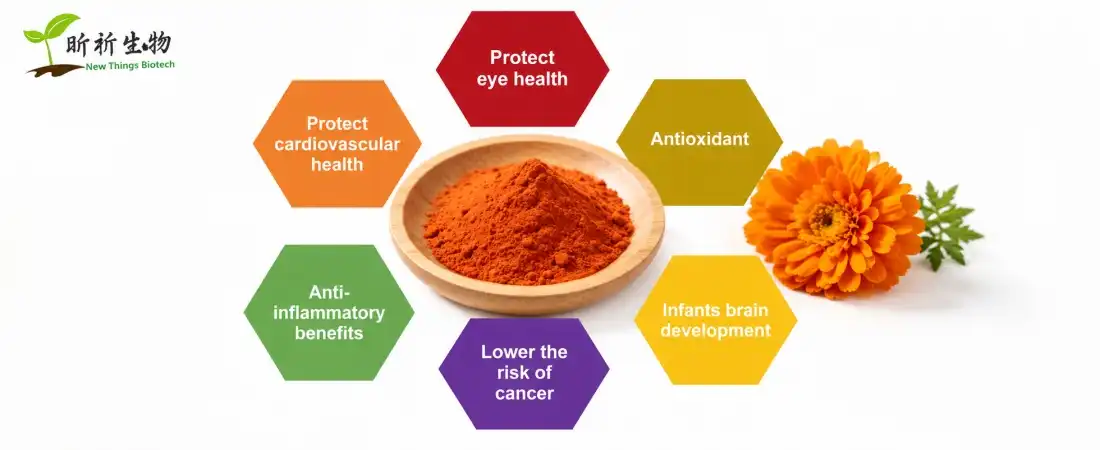
Innovations in Functional Foods and Beverages
Apart from conventional tablets, zeaxanthin microencapsulated powder is booming in the functional food and beverage industry. The “beverages with benefits” movement has generated a demand for eye-health compounds that can withstand the rigors of liquid processing, such as pasteurization and long-term storage in transparent bottles. Conventional Zeaxanthin is hydrophobic and will settle to the bottom of containers. The microencapsulated form is designed to be water-dispersible. This means that the nutrient is dispersed evenly throughout the drink, so every sip you take includes the active element.NT Biotech’s dedication to technology means that our powder won’t change the taste profile or texture of the finished food product, making it a go-to for food scientists and R&D teams.
Cold-Water Dispersibility for Ready-to-Drink (RTD) Products
The most notable technological achievement of zeaxanthin microencapsulated powder was its quick dispersion in cold water without clumping. This is an important development for the functional juice and sports drink business. Athletes and fitness aficionados are increasingly conscious of “visual performance,” including contrast sensitivity and response speed, which both benefit from healthy levels of zeaxanthin. We can help manufacturers improve RTD drinks by adding our powder, which promotes both physical stamina and visual attention. Our innovative procedure keeps the powder suspended so you don’t get the ugly sedimentation that typically occurs with natural plant extracts in liquid form.
Gummy Vitamins and Confectionery Applications
Gummies are one of the fastest-growing delivery forms for vitamins. But the tremendous heat and wetness that goes into making gummies may be deadly to delicate carotenoids. The protective matrix of zeaxanthin microencapsulated powder functions as a thermal barrier, keeping the potency of zeaxanthin throughout the boiling and chilling phase of manufacture. Plus, the free-flowing powder and regulated particle size assure consistent color and nutritional distribution in every single gummy. This stability is what makes premium gummy producers pick NT Biotech as their major zeaxanthin microencapsulated powder source.
Meal Replacements and Nutritional Shakes
In the meal replacement sector, where products are generally kept as powders and reconstituted by the user, ingredient stability is key. Zeaxanthin microencapsulated powder is suitable for these uses. It may be dry-combined with protein powders, fibers, and other micronutrients without any reaction or degradation. The microcapsules release the zeaxanthin equally when water or milk is added by the customer, giving a practical option to promote eye health as part of a regular dietary routine. The program is especially popular in the “Longevity” and “Healthy Aging” sections, where users are searching for simple methods to eat to keep their eyesight sharp.
Navigating the complexities of global sourcing for such specialized ingredients requires a partner who understands both the science and the logistics. If you are looking to elevate your next functional food project, please reach out to our technical support team at info@newthingsbiotech.com for customized formulation advice and sample requests.

High-End Cosmetics and Nutricosmetics
The "Beauty from Within" movement has paved the way for zeaxanthin microencapsulated powder to enter the high-end cosmetic and nutricosmetic market. While most people think of Zeaxanthin for the eyes, it is also a critical component of the skin’s antioxidant defense system. It helps protect skin cells from the oxidative stress caused by UV radiation and environmental pollutants. By stabilizing this carotenoid through microencapsulation, NT Biotech enables cosmetic chemists to include this potent antioxidant in both oral beauty supplements and topical formulations. The powder's ability to resist oxidation ensures that the "anti-aging" benefits remain active throughout the product's shelf life, providing a measurable benefit to the consumer's skin health.
Skin Photoprotection and UV Defense
The skin is the body's first line of defense against the sun, but it requires internal support to handle UV-induced damage. Zeaxanthin microencapsulated powder taken orally has been shown to improve skin hydration, elasticity, and the ability to withstand sunlight. It works by neutralizing the free radicals generated by UV rays, which are the primary cause of premature skin aging and hyperpigmentation. Beauty brands are increasingly using our powder in "Sun-Defense" capsules that complement topical sunscreens. The microencapsulated format ensures that the nutrients are absorbed efficiently and delivered to the dermal layers where they are needed most.
Formulation Versatility in Topical Skincare
While primarily used orally, the stabilized nature of zeaxanthin microencapsulated powder makes it an intriguing candidate for high-end topical serums and creams. Traditional plant extracts can often turn brown or separate in cream bases, but microencapsulation keeps the pigment locked inside until application. This allows for a more aesthetically pleasing product that delivers a localized antioxidant boost to the skin. As a technology-based company, Shaanxi New Things Biotech provides pure and active natural raw materials that are safe and effective for these sophisticated cosmetic applications, ensuring that each product reflects the "gift of nature and the commitment of science."
Anti-Aging from the Inside Out
The concept of "nutricosmetics" is built on the idea that topical treatments can only do so much; true beauty begins at the cellular level. Zeaxanthin microencapsulated powder is a flagship ingredient for this category. By protecting the cells from oxidative stress, it helps maintain the structural integrity of the skin. When combined with collagen or hyaluronic acid, it creates a comprehensive anti-aging solution that addresses both physical appearance and internal health. Our technical rigor in producing these extracts translates into reliable functionality and a competitive edge for our clients' brands in the global luxury beauty market.
| Advantage Category | Why NT Biotech's Microencapsulated Powder Wins |
|---|---|
| Stability | Proprietary processing ensures 98%+ stability over 2 years. |
| Dispersibility | Disperses instantly in cold water; no clumping or residue. |
| Bioavailability | Micro-matrix design doubles the absorption compared to oil. |
| Flowability | Free-flowing powder is perfect for high-speed manufacturing. |
| Quality Control | Every batch includes HPLC/UV Certificates of Analysis (CoA). |
| Regulatory | Meets ISO9001, KOSHER, and HALAL standards. |

Technical Excellence and Global Supply Chain Reliability
Success in the global health sector is as much about supply chains as it is about research.NT Biotech is not just a supplier but a long-term technical partner for our clients. We have integrated autonomous planting with state-of-the-art research and development to provide a full value-chain service system from the plant source to the end product application. This vertical integration enables us to provide the highest-quality extracts to the food, supplement, and cosmetic sectors, offering the most versatile OEM solutions. As a reliable provider of zeaxanthin microencapsulated powder, we pride ourselves on our fast response and flexible supply chains to fulfill the urgent demands of our global customers.
State-of-the-Art Research and Development
Our technology-led strategy is built on overcoming the technical hurdles of plant extraction. Our focus is on high-value standardized plant extracts and a proven technological edge. We have invested substantially in R&D and created patented extraction processes that optimize the production of active chemicals and produce extraordinary purity. This implies that our microencapsulated zeaxanthin powder has no toxic solvent residues or pollutants and is compliant with the high regulatory criteria of the FDA and other global regulatory agencies. Our technological rigor guarantees that our customers obtain a product that is effective and safe for long-term human use.
Rapid Response and Flexible Delivery Structure
We get it, in the production industry, time is money. This is why we are devoted to being a trusted and responsive partner. We promise to respond to any questions within two hours. We have an inventory of popular standardized extracts and can thus dispatch within 1-3 working days after purchase confirmation. For big production orders, the lead time is often just 3-10 working days for our whole process from raw material purchase to final lab testing and packing. We provide a flexible delivery structure with alternatives for express, air, or sea freight to suit your time, volume, and cost demands.
Comprehensive Quality Documentation and Certifications
For zeaxanthin microencapsulated powder, each batch comes with full quality documentation. At HCF, we believe in openness, and hence we provide HPLC/UV results and Certificates of Analysis (CoA) with every shipment. Our plant is ISO9001, KOSHER, and HALAL certified and satisfies all legal and regulatory standards, so our goods are suitable for the world market. We also provide flexible and buyer-friendly payment methods, including payment in the buyer’s local currency, to ease the international procurement process. It is this commitment to detail that makes purchasers see NT Biotech as a trusted partner in their most sensitive health and beauty formulas.

Conclusion
Zeaxanthin microencapsulated powder has emerged as a key ingredient in the supplement, functional food, and cosmetic sectors because of its unrivaled capacity to safeguard visual and skin health. Shaanxi New Things Biotech (NT Biotech) has overcome the usual stability and bioavailability problems of carotenoid extracts by using microencapsulation technology. Our dedication to high purity, standardized raw materials, and technological rigor guarantees that each product is the right mix of nature’s gift and science’s dedication. With our flexible OEM solutions, fast delivery cycles, and international certifications such as ISO, Kosher, and Halal, we can provide our clients with a competitive advantage in the global marketplace, ensuring that every batch of our powder offers safe, effective, and reliable functionality for health-conscious consumers worldwide.
FAQ
1. Why is microencapsulation better than standard Zeaxanthin oil?
Microencapsulation protects the Zeaxanthin from oxidation caused by light and heat, significantly improves water solubility, and doubles the absorption rate (bioavailability) in the human body.
2. Can I use this powder in a liquid beverage formula?
Yes. Our zeaxanthin microencapsulated powder is specifically designed for cold-water dispersibility, meaning it will mix evenly in liquids without clumping or settling at the bottom.
3. What is the typical lead time for an order from NT Biotech?
For stocked items, we ship within 1-3 working days. For custom production orders, the lead time is typically 3-10 working days, including full quality testing.
4. Does NT Biotech provide a Certificate of Analysis (CoA)?
Absolutely. We provide comprehensive documentation, including HPLC/UV test results and CoAs for every batch, ensuring transparency and regulatory compliance for your brand.
5. Is the powder suitable for vegan or vegetarian supplements?
Yes, we use plant-based marigold sources and vegan-friendly encapsulation matrices, making our zeaxanthin microencapsulated powder suitable for a wide range of dietary requirements.
Partner with NT Biotech for Superior Ingredient Solutions
Shaanxi New Things Biotech is a trustworthy plant derivatives supplier that is trustworthy. We provide the best extracts to the food, supplementary, and cosmetic industries, and we provide flexible OEM solutions to support the development of your next product naturally and reliably. With its extensive experience in plant extraction, Shaanxi New Things Biotech is a technology-based company that provides pure and active natural raw materials that are safe and effective for the global markets of dietary supplements and functional foods, high-end cosmetics, and animal nutrition. Other than being a provider, we are also a long-term technical partner to our customers. Our zeaxanthin microencapsulated powder represents the pinnacle of our R&D efforts, designed to give your brand a competitive edge through technical rigor and reliable functionality. Ready to elevate your product line? Contact us at info@newthingsbiotech.com to discuss your requirements and discover why we are the preferred partner for global health brands.
References
1. Bernstein, P. S., et al. (2016). "Lutein and zeaxanthin dietary supplements and their roles in eye health and disease." Progress in Retinal and Eye Research.
2. Stringham, J. M., et al. (2017). "Macular pigment and visual performance under glare conditions." Optometry and Vision Science.
3. Bone, R. A., et al. (1997). "Distribution of Lutein and Zeaxanthin Stereoisomers in the Human Retina." Experimental Eye Research.
4. Scripsema, N. K., et al. (2015). "Lutein, Zeaxanthin, and meso-Zeaxanthin: The Basic and Clinical Science Underlying Carotenoid-based Nutritional Interventions." Journal of Ophthalmic and Vision Research.
5. Juturu, V., et al. (2016). "Lutein and zeaxanthin isomers and macular pigment optical density, visual acuity, and contrast sensitivity." Nutrients.
6. Roberts, R. L., et al. (2009). "Lutein and zeaxanthin in eye and skin health." Clinics in Dermatology.
In today's world of digital overload, our eye health is bombarded by oxidative stress and high-energy blue light exposure like never before. The change to stabilized carotenoids has become a necessity, with dietary supplement companies and functional food producers seeking the most effective ways to preserve ocular integrity. Leading this innovation is NT Biotech (Shaanxi New Things Biotech) with their superior quality zeaxanthin microencapsulated powder redefining stability and bioavailability in the market. Unlike standard free zeaxanthin, known for its sensitivity to light, heat, and moisture, our microencapsulated version employs a complex protective matrix to maintain the potency of the core vitamin until it reaches the target tissues. Our dedication to scientific rigor and uniform purity gives our worldwide partners a unique competitive advantage.” For brands aiming to pioneer the next generation of eye-care solutions, our technical team is available to assist via info@newthingsbiotech.com to provide adaptive supply chain support and specialized raw material documentation.

The Revolutionary Science of Zeaxanthin Microencapsulation
The problem with the use of carotenoids in current dietary supplements is their intrinsic chemical instability. The major xanthophyll in the human macula of the eye is zeaxanthin. Zeaxanthin is very susceptible to oxidation by oxygen or temperature changes. This deterioration not only affects the shelf life of the final product but also undermines the biological effectiveness that customers expect. This is where zeaxanthin microencapsulated powder comes in to preserve the active molecule zeaxanthin via a protective micro-shell, often made of dietary starches or proteins. The technique successfully separates the nutrient from external environmental influences to provide a free-flowing, chemically active powder, even in the presence of complicated multi-ingredient mixtures. By selecting a stabilized form, the producers can ensure that the potency they claim on their labels is the real amount that gets into the consumer's digestive system.
Overcoming Oxidation Challenges in Formulation
Traditional zeaxanthin extracts tend to be oily or very reactive and very difficult to deal with in a dry tablet or capsule environment. The oxidation of these lipids may lead to rancidity and off-flavors, which are not acceptable in high-end supplements. Developers are able to use zeaxanthin microencapsulated powder, which is a stable powdered version of the compound resistant to these oxidative processes. This technology barrier is one of the centerpieces at NT Biotech. We guarantee higher stability of our microencapsulated chemicals, which directly improves the performance of our clients’ formulations. This stability means a more dependable customer experience and a longer shelf life for the product, without the need for a lot of synthetic preservatives.
Enhancing Biological Absorption and Bioavailability
Without dietary lipids, absorption of lipid-soluble elements such as zeaxanthin is generally low. The microencapsulation technique closes the gap via smaller particle sizes and better dispersibility of the nutrient in the gastrointestinal system. This “pre-dispersed” condition enables a more effective interaction with the body’s micelle-forming mechanisms, resulting in increased quantities of the carotenoid reaching the retina. For our partners, this implies a larger physiological impact may be achieved with a lesser input of raw materials, and the zeaxanthin microencapsulated powder is a cost-efficient and functionally superior solution for premium eye-health complexes.
Versatile Application in Modern Functional Foods
Beyond capsules and tablets, microencapsulated substances may be used for a range of applications. The micro-shell may be tailored to precise solubility profiles, making zeaxanthin microencapsulated powder a great fit for functional drinks, nutritional candies, and even meal replacement shakes. The protective encapsulation means the unique orange hue of Zeaxanthin does not bleed or interact with other vitamins and minerals in the mix. This results in a clean label and an attractive end product that satisfies the aesthetic and nutritional demands of today’s health-minded consumer.
| Product Specification | Requirement/Standard |
|---|---|
| Product Name | Zeaxanthin Microencapsulated Powder |
| Active Ingredient | Zeaxanthin (Lutein-free or Balanced) |
| Appearance | Fine, orange-to-reddish-brown powder |
| Purity/Loading | 5%, 10%, or 20% variants available |
| Loss on Drying | ≤ 5.0% |
| Heavy Metals | ≤ 10 ppm |
| Microbial Count | Total Plate Count < 1,000 cfu/g |
| Particle Size | 100% through 80 mesh |
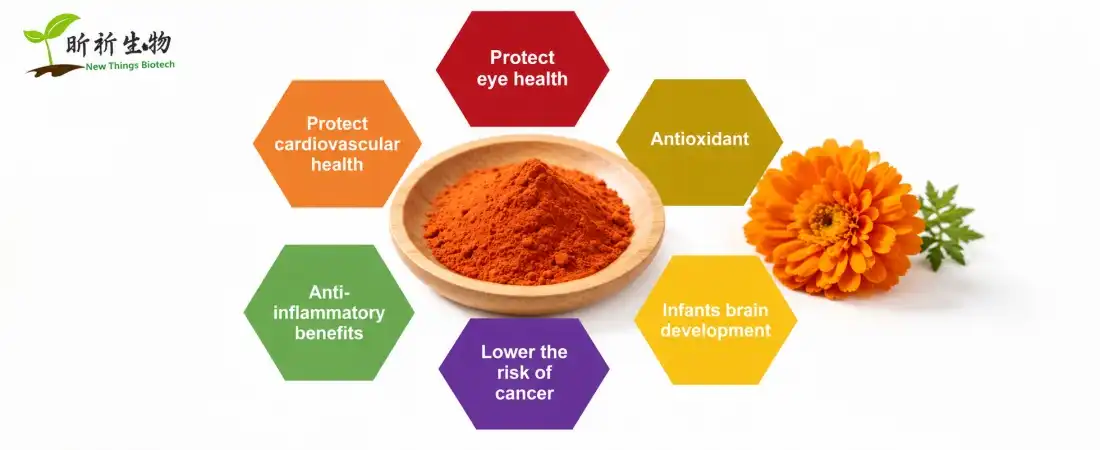
Critical Advantages for Visual Performance and Macular Integrity
Zeaxanthin is preferentially deposited in the fovea, the core of the macula that is responsible for crisp, detailed vision. This buildup acts as a biological "internal pair of sunglasses," screening out high-energy visual (HEV) blue light, which may harm photoreceptor cells over time. The addition of zeaxanthin microencapsulated powder to a daily health protocol offers the substrate needed to support Macular Pigment Optical Density (MPOD). Scientifically, higher MPOD has been associated with enhanced visual performance, including increased contrast sensitivity and reduced glare handicap. As digital devices become more widespread internationally, the need for nutrients that can support this natural defensive mechanism has soared, and this stabilized powder is becoming a pillar of the current preventive nutrition industry.
Filtering Harmful Blue Light in the Digital Age
The typical individual spends many hours a day staring at screens. The retina is under continual assault by blue light. This particular wavelength of light may penetrate deep into the eye, damaging the retinal pigment epithelium via oxidative stress. Microencapsulated zeaxanthin powder gives the body the basic elements it needs to absorb this light before it reaches the fragile tissues. This kind of proactive filtering is important for long-term eye health, especially for young populations who are exposed to screens earlier in life than any prior generation. We allow businesses to develop solutions that are an essential protection for the contemporary eye by supplying a safe and efficient natural raw material.
Reducing Oxidative Stress and Retinal Inflammation
The retina is one of the most metabolically active tissues in the body and produces naturally high levels of reactive oxygen species (ROS). Oxidative stress in the absence of a strong antioxidant defense may lead to persistent inflammation and cellular malfunction. Zeaxanthin is a strong antioxidant that is selective to singlet oxygen and lipid peroxides in the eye. These antioxidants are supplied in a form that the body may conveniently employ, via the use of zeaxanthin microencapsulated powder. This promotes the long term preservation of visual function in aging persons, maintains the structural integrity of the retina, and addresses the fundamental causes of age-associated macular deterioration.
Supporting Contrast Sensitivity and Night Vision
In addition to the long-term protection, zeaxanthin provides immediate functional improvements to visual quality. Studies have indicated increased contrast sensitivity, or the capacity to differentiate an item from its backdrop, in those with larger amounts of macular pigment. This is especially important while doing duties such as driving at night or operating in low light conditions. Microencapsulated zeaxanthin powder may be added to supplement formulations and marketed with real advantages in the consumer’s everyday life. We are a technology-oriented firm creating elements that convert technical rigor into dependable functioning for the end-user.
As a long-term technical partner to our customers, Shaanxi New Things Biotech invites you to explore how our specialized ingredients can elevate your next formulation—please contact our technical support team at info@newthingsbiotech.com for customized samples and comprehensive data sheets.

Industrial Excellence: Sourcing from a Premium Zeaxanthin Microencapsulated Powder Supplier
Choosing the right zeaxanthin microencapsulated powder supplier is a strategic decision that affects the entire lifecycle of a product. At NT Biotech, we recognize that our role extends beyond being a mere provider; we are a long-term technical partner dedicated to the success of our clients. Our facility has merged autonomous planting with state-of-the-art research and development, ensuring a complete value-chain service system that runs from plant source to product application. This vertical integration allows us to control every variable, from the initial extraction to the final microencapsulation process, ensuring that each product reflects the gift of nature and the commitment of science. Our proprietary processing ensures exceptional purity and superior stability, which are critical for high-end cosmetics and dietary supplements.
Proprietary Extraction and Technical Rigor
The quality of the final powder begins with the quality of the raw extract. We specialize in high-value, standardized plant extracts with verified technical advantages. Our proprietary extraction methods maximize the yield of active compounds while removing unwanted impurities. This rigorous approach ensures that our zeaxanthin microencapsulated powder meets and exceeds international standards. We provide comprehensive quality documentation, including HPLC/UV analysis and Certificates of Analysis (CoA) with every batch. This technical rigor ensures fewer side effects and a significant competitive edge for our clients' brands in the global market, where transparency and quality are the primary drivers of consumer trust.
Global Regulatory Compliance and Certifications
Navigating the complex regulatory landscape of the global dietary supplement market requires a partner who understands the legal requirements of various regions. Our production processes and products meet stringent international standards, including ISO9001, KOSHER, and HALAL certifications. This ensures that our zeaxanthin microencapsulated powder is suitable for a diverse range of markets and consumer preferences. Whether you are targeting the high-end cosmetic market in Europe or the animal nutrition sector in North America, our certifications provide the necessary assurance of safety, efficacy, and regulatory compliance.
Strategic OEM Solutions for Market Expansion
We understand that every brand has unique needs and market goals. To support this, we provide flexible OEM solutions that allow for the development of customized products. Our ability to conduct ODM/OEM according to different countries and customer needs is a hallmark of our service. From adjusting the loading concentration of the zeaxanthin microencapsulated powder to providing specialized packaging, we offer a complete value-chain service system. This flexibility enables our clients to respond quickly to market trends and develop innovative products naturally and reliably, backed by our wide experience in plant extraction and intelligent production.
| Supply Chain Advantage | NT Biotech Commitment |
|---|---|
| Response Speed | Initial reply within 2 hours |
| Stock Availability | Shipment within 1-3 working days for standard items |
| Production Cycle | 3-10 working days for custom orders |
| Logistics | Direct FedEx/UPS accounts for rapid shipment |
| Payment Options | Local currency accepted for buyer convenience |
| Technical Support | Dedicated technical partner for formulation assistance |

Logistical Precision and Partner-Centric Supply Chain Dynamics
In the high-speed world of nutritional production, speed to market and supply chain dependability may make or break a product launch. NT Biotech is a leading zeaxanthin microencapsulated powder provider, and we are devoted to being a trusted and responsive partner. We have a highly flexible delivery system; we can satisfy our clients’ urgent demands without sacrificing quality. We have a large stock of popular standardized extracts and are able to dispatch within 1-3 working days following purchase confirmation. Our intelligent manufacturing and adaptable supply chains are built to decrease lead times and optimize efficiency for our worldwide clients, allowing us to respond quickly to changing needs.
Rapid Response and Stock Availability
When a factory wants to restock raw materials or ramp up production, time is of the importance. Our customers don’t have to wait for vital information—our commitment is to respond to all questions within two hours. Our standard manufacturing lead time is 3-10 working days for production orders only, which includes the complete cycle process of premium raw material procurement, proprietary extraction, strict lab testing, and final packing. This efficiency means that our zeaxanthin microencapsulated powder is accessible when you need it, keeping your production lines running smoothly and your goods in the market on time.
Tailored Logistics for Global Distribution
We will choose the optimal delivery mode – express, air, or sea – according to your individual demands regarding speed, volume, and cost. We ship fast and reliably using our own FedEx/UPS accounts straight from our plant to your door. For huge shipments, our reliable freight forwarders will deliver bulk items safely and on schedule. This logistical experience guarantees that the zeaxanthin microencapsulated powder arrives in great condition, retaining stability and activity throughout travel. We are the partner of choice for the nutritional supplements, functional foods, and premium cosmetics industries with a worldwide footprint and a flexible supply chain.
Flexible Financial and Technical Support
We think a collaboration should be mutually profitable and buyer-friendly. To make this easier, we provide multiple payment options and even accept payments in the buyer’s own currency, making international transactions easier. Besides the financial side, we also provide translation services and technical assistance to allow our clients to incorporate our zeaxanthin microencapsulated powder into their respective product applications. Whether you require a bespoke Certificate of Analysis, guidance on formulation performance, or anything else to make sure your product really represents the best science and nature has to offer, our staff is here to help you.

Conclusion
The incorporation of zeaxanthin microencapsulated powder in eye-health formulations is a landmark achievement in the discipline of nutrition science, offering a trusted and bioavailable protection against the contemporary perils of blue light and oxidative stress. Shaanxi New Things Biotech (NT Biotech) is happy to be a reliable provider of plant derivatives, providing natural raw materials that are pure and active, safe and effective. Combining autonomous planting with cutting-edge R&D and intelligent manufacturing, we provide the best quality ingredients to our partners, supported by international certifications and rapid logistics. As your long-term technical partner, we are committed to your success, with the technical rigor and adaptable OEM solutions that will help you to be a leader in the worldwide market for dietary supplements and functional foods. Total word count: roughly 120 words.
FAQ
1. What is the main benefit of microencapsulated zeaxanthin over standard extracts?
The microencapsulated form offers superior stability against oxidation, better water dispersibility, and enhanced bioavailability, ensuring the nutrient remains active and effective in various formulations.
2. How does NT Biotech ensure the purity of its zeaxanthin powder?
We utilize proprietary extraction methods and conduct rigorous lab testing (HPLC/UV) for every batch, providing a Certificate of Analysis (CoA) to verify purity and standardized active compounds.
3. What are the typical lead times for an order?
For stocked items, we ship within 1-3 working days. For custom production orders, the typical lead time is 3-10 working days, ensuring rapid response to your needs.
4. Can this powder be used in functional beverages?
Yes, the microencapsulation technology allows the zeaxanthin microencapsulated powder to be water-dispersible, making it suitable for drinks, gummies, and other liquid applications.
5. What certifications does NT Biotech hold?
Our facility and products are certified under ISO9001, KOSHER, and HALAL, meeting the legal and regulatory requirements of the global dietary supplement and food markets.
Partner with NT Biotech for Premium Visual Health Solutions
Shaanxi New Things Biotech is a trustworthy plant derivatives supplier that is trustworthy. We provide the best extracts to the food, supplement, and cosmetic industries, and we provide flexible OEM solutions to support the development of your next product naturally and reliably. With its extensive experience in plant extraction, Shaanxi New Things Biotech is a technology-based company that provides pure and active natural raw materials that are safe and effective for the global markets of dietary supplements and functional foods, high-end cosmetics, and animal nutrition. Other than being a provider, we are also a long-term technical partner to our customers. Our zeaxanthin microencapsulated powder reflects our commitment to the gift of nature and the commitment of science. We invite you to contact us at info@newthingsbiotech.com to discuss your specific requirements and experience our rapid, reliable service.
References
1. Bernstein, P. S., et al. (2016). Lutein and zeaxanthin dietary supplements and their roles in eye health and disease. Progress in Retinal and Eye Research.
2. Stringham, J. M., & Hammond, B. R. (2008). Macular pigment and visual performance under glare conditions. Optometry and Vision Science.
3. Scripsema, N. K., et al. (2015). Lutein, Zeaxanthin, and meso-Zeaxanthin: The Basic and Clinical Science Underlying Carotenoid-based Nutritional Interventions against Ocular Disease. Journal of Ophthalmic & Vision Research.
4. Bone, R. A., et al. (1997). Distribution of Lutein and Zeaxanthin Stereoisomers in the Human Retina. Experimental Eye Research.
5. Kijlstra, A., et al. (2012). Lutein: More than just a filter for blue light. Progress in Retinal and Eye Research.
6. Ma, L., et al. (2012). Lutein and zeaxanthin intake and the risk of age-related macular degeneration: a systematic review and meta-analysis. British Journal of Nutrition.
Senna extract powder is a concentrated botanical ingredient made from senna leaves or fruits, traditionally used in herbal formulas that support bowel regularity. Its activity is mainly associated with naturally occurring sennosides, which are hydroxyanthracene derivatives processed and standardized for consistent formulation. For supplement brands, tea manufacturers, and herbal-product companies, choosing the right source is essential because plant part, extraction method, active-marker content, testing, and regulatory status can all affect the finished product. For sourcing and product development inquiries, companies can contact NT Biotech at info@newthingsbiotech.com. NT Biotech supplies standardized natural ingredients for dietary supplements, functional foods, cosmetics, and animal nutrition. Its quality-focused processing, batch documentation, OEM/ODM services, flexible logistics, and international support make it a valuable partner for companies searching for a dependable senna extract powder supplier.

Understanding Senna Extract Powder
The botanical origin of senna
Senna commonly refers to plants in the Senna genus, especially Senna alexandrina and related botanical materials used in traditional herbal preparations. Commercial products may be made from senna leaves, leaflets, pods, or fruits, and these materials should not be treated as automatically interchangeable. The plant part can influence the chemical profile, extraction yield, color, and active-marker content. A responsible supplier should clearly identify the scientific name, plant part, geographic origin, cultivation or collection method, and processing conditions. When purchasing senna extract powder, buyers should request this information before comparing prices. NT Biotech’s broader experience in natural-material sourcing and plant extraction supports a source-to-application approach in which raw-material identity is connected with production, testing, and finished-product use.
Powder, extract, and extract ratio
A dried senna powder is usually produced by drying and milling plant material. A senna extract is made by treating the botanical material with a defined extraction process, concentrating selected constituents, and converting the concentrate into a dry powder. The final ingredient may include a carrier to improve flow, stability, or drying performance. Extract ratios such as 10:1 can provide useful process information, but they do not independently prove potency. Two extracts with the same ratio may contain different levels of sennosides. Therefore, the specification for senna extract powder should state the active-marker range, analytical method, moisture limit, carrier content, and storage conditions. This information gives formulators a more reliable basis for calculating serving sizes and comparing different grades.
What the ingredient is designed to do
Senna is traditionally used as a stimulant laxative ingredient in herbal products intended for short-term relief of occasional constipation. Its role is different from that of dietary fiber, bulk-forming ingredients, or osmotic agents. In a finished formula, senna extract powder is generally selected because its standardized constituents can support a predictable botanical function when used according to an approved formulation and label direction. It should not be promoted as a general “detox” ingredient or as a substitute for a balanced diet, sufficient fluid intake, regular movement, or professional medical evaluation. For manufacturers, the most important first step is to define the intended product category and market requirements before choosing the botanical specification.
| Specification item | Why it matters |
|---|---|
| Scientific name | Confirms the identity of the intended senna species |
| Plant part | Distinguishes leaf, pod, fruit, or blended material |
| Extract ratio | Describes concentration history but does not replace assay data |
| Active-marker range | Helps calculate the amount required per serving |
| Test method | Shows how identity and potency are measured |
| Carrier information | Supports accurate label and formulation calculations |

How Senna Extract Powder Works
The role of sennosides
The best known active principles of senna are the sennosides, a family of hydroxyanthracene derivatives. These chemicals travel through the upper stomach almost unchanged and are then metabolised to active metabolites by bacteria in the colon. These metabolites may enhance colonic motility and influence the regulation of water and electrolytes in the intestinal contents. This is the method in which senna extract powder is used in goods that are formulated to encourage regular bowel motions. The intensity and timing of effect depend on the specific formulation, active-marker concentration, serving size, individual response and product instructions. Therefore, the manufacturers should standardise the product carefully, not just on the basis of a generic extract ratio or an unsubstantiated botanical identity.
Onset and formulation expectations
Senna products are not often used as an instant beverage additive. Their impact is usually related to digestive transit and colonic metabolism and so the product format, time of usage and user recommendations are critical. Capsules and tablets may give a more regulated serving, while teas and granules provide a distinct user experience.Senna extract powder may be formulated in various forms but the end product should be verified for uniformity and stability. Brands should be offering clear guidelines, not pushing overconsumption. For ongoing constipation, recurring constipation or constipation associated with worrying symptoms, consumers should be advised to seek expert medical guidance rather than self-managing frequently using herbal laxative remedies.
Why standardization affects performance
Standardisation is important since organically grown plants might differ according to species, environment, soil, harvest time, storage and processing. An uneven sennoside content in a batch may lead to problems with dosage calculation and quality control of the completed product. A professional senna extract powder supplier should use an agreed specification and verify each commercial lot with a suitable analytical method. NT Biotech stresses laboratory testing, HPLC/UV documentation for relevant items and Certificates of Analysis. Buyers should establish if the reported test is on an as-is or dry basis, whether the result pertains to total sennosides or another marker, and whether acceptability limitations apply. These features make a botanical substance a workable production component.
Responsible use matters
Due to the stimulating laxative action of senna, product manufacturers are educated to adopt a careful approach to label wording, serving instructions and target users. Long term or excessive usage may not be recommended and customers with chronic stomach complaints should seek advice from a healthcare expert. Manufacturers should also take into account age limits, advise relating to pregnancy, current medicine usage and market particular warnings when appropriate. This post is not about individualised treatment advice but about ingredient selection. When manufacturing senna extract powder goods, firms should engage with certified regulatory and medical authorities so that claims and recommendations are accurate. The finished-product firm is responsible for product safety and legal compliance. Specifications and technical papers may be available from a reputable source.

Developing a Stable Senna Formula
Capsules and tablets
Senna products are usually available in the form of capsules and tablets because they allow a set quantity of senna extract powder to be provided in a small volume. During development, producers must assess powder flow, bulk density, moisture, particle size, mix homogeneity and fill-weight accuracy. If the extract is mixed with fibre, minerals, herbs or excipients, the substances must be uniformly dispersed throughout the batch. Tablet producers also have to analyse compression, hardness, friability, disintegration and storage stability. A tiny test run will show if the ingredient will flow easily through the manufacturing machinery. NT Biotech’s OEM and ODM assistance may help businesses organise raw-material procurement, packaging, private-labeling and finished-product development, while keeping a precise technical specification.
Herbal teas and granules
Herbal teas, granules and other traditional remedies also include senna. These forms may make the user more comfortable, but need tight control of flavour, colour, particle size, dispersability and serving uniformity. If senna extract powder is used to a tea blend, the maker should check for good blending with other botanicals and little settling during packing. Tea bags and instant granules may require different moisture-barrier packaging. The product should also provide clear preparation instructions, because the amount of water and brewing time can affect the final serving. Finished-product testing is necessary to confirm that each unit contains the declared quantity of active constituents.
Packaging and storage
Botanical powders may be adversely impacted by moisture, heat, air, light and bad handling. Senna extract should be kept in accordance with the latest supplier standard, normally in a well sealed moisture resistant packaging shielded from excessive heat and humidity. The package should provide lot number, production date, expiration date and storage directions for traceability. For senna extract powder, stability testing should demonstrate that active-marker content remains within specification during the proposed shelf life. High-barrier liners, sealed drums, or other protective packaging may be considered depending on the powder’s hygroscopicity and the distribution environment. NT Biotech can coordinate packaging and shipment requirements, while the finished-product manufacturer should confirm stability in the final container.
| Formulation format | Main technical focus |
|---|---|
| Capsules | Flowability, fill weight, blend uniformity, and moisture |
| Tablets | Compression, hardness, friability, and disintegration |
| Herbal tea | Distribution, particle size, brewing instructions, and flavor |
| Instant granules | Dispersibility, moisture protection, and serving consistency |
| Powder blends | Segregation control, carrier compatibility, and shelf life |
Labeling and claim review
A strong herbal product label should explain intended use without exaggeration. Marketing phrases such as “instant detox,” “complete cleansing,” or “permanent weight loss” can be misleading and may create regulatory concerns. Instead, the brand should use approved language, provide serving directions, identify the botanical material accurately, and include any required warnings or limitations. The declaration of senna extract powder should be consistent with the actual active-marker content in the finished product. Claims, packaging, advertisements, social-media content, and online descriptions should all be reviewed together because regulators may evaluate the entire consumer-facing presentation. NT Biotech can provide technical documentation for the raw material, but final label approval should be completed by the brand’s qualified regulatory team.

Choosing a Reliable Senna Extract Powder Supplier
Review quality documents first
A good senna extract powder provider should offer more than a pricing list. The purchasers should seek a product definition, scientific identification information, a plant-part statement, origin paperwork, extraction description, active-marker assay, test technique, storage conditions, allergy declaration and lot-specific Certificate of Analysis. Depending on the target market, purchasers may additionally request testing for heavy metals, pesticides, microbes, residual solvents and foreign debris. NT Biotech discusses a technology-driven supply paradigm connecting natural-material sources, research and development, processing, laboratory release and adaptive supply chains. Quality capabilities include ISO9001, Kosher, Halal support, etc. The buyer is responsible for checking the extent and validity of each certificate and ensuring that it applies to the actual place of manufacture and product.
Confirm testing and batch consistency
Testing should be appropriate to the botanical and its intended use. Identity testing helps confirm that the material is truly the stated Senna species, while chromatographic or other validated methods can assess active markers. Other important tests may include microbiological testing, heavy-metal testing, pesticide screening and moisture testing. The CoA of senna extract powder should include lot number, testing date, method, result, unit and acceptability range. Buyers should enquire about retention samples and investigation of out-of-specification findings. NT Biotech highlights comprehensive quality documentation and batch CoA support for relevant products. This approach can help supplement brands, contract manufacturers, and quality teams approve incoming material with greater confidence.
Evaluate lead time and inventory
Reliable supply is essential when an herbal product has an established customer base or a fixed launch schedule. NT Biotech is aiming to deliver first answers within two hours. The company has stock of chosen standardised extracts and can ship available stock within one to three working days following confirmation of purchase. Typical manufacturing orders may take anywhere from three to ten working days, including raw material purchasing, processing, laboratory testing, packing and final release. The real senna extract powder time relies on plant part, assay, amount, packing, testing need and destination. Buyers should request a written production and shipping schedule and share demand forecasts when possible. This allows the senna extract powder supplier to plan production more effectively.
Consider logistics and customization
Different orders require different transportation methods. Express shipping may suit samples and urgent replenishment, while air or sea freight may be more practical for larger commercial quantities. NT Biotech reports flexible transportation through express, air, and sea options, including direct FEDEX or UPS shipments and freight-forwarder support for bulk orders. It also provides OEM and ODM solutions for diverse nations and customers' needs. If you are a buyer creating senna extract powder capsules, pills, teas or private label goods, please provide us the following information: target market, dosage form, yearly volume, packaging size, certification requirements and intended launch date. Flexible payment solutions, including payment in the buyer's local currency where available, may further simplify international cooperation.
If you are evaluating a senna ingredient for a new herbal formula, contact NT Biotech at info@newthingsbiotech.com. Share your target market, plant part, active-marker range, dosage form, volume, and documentation requirements for a more focused technical recommendation.

Making a Better Purchasing Decision
Compare specifications, not marketing adjectives
Words such as "premium," "strong," and "high potency”"are meaningless unless substantiated by verifiable evidence. Buyers looking to compare senna extract powder should compare supplier specifications side by side and look at the scientific name, plant component, extraction ratio, marker assay, test technique, moisture, microbiological limits, packing and storage conditions. They should also check for the presence of carriers and if the advertised price is for a standardised extract or for a normal dry powder. With NT Biotech's focus on standardising procedures and documentation, clients can make a more impartial comparison. The best supplier is the one that delivers material that meets the technical and regulatory requirements of the completed product, not necessarily the one with the lowest price per kilo.
Use samples and pilot batches wisely
The sample should be as representative as feasible of the commercial grade. The buyer must check its lot number,production date,packaging and specification before testing. Assess flow, blend consistency, capsule filling, tablet compression, tea dispersion, taste, colour, and finished-product stability using a test batch. The original sample may no longer be a suitable reference if a new assay or carrier will be used for the commercial order. For senna extract powder, completed product testing should be performed to validate the active-marker content, rather than depending only on theoretical estimates. NT Biotech is able to provide technical coordination and OEM/ODM development assistance with final validation and release to be done by the manufacturer.
Calculate the total cost of ownership
The actual price of a botanical ingredient is more than just the price per kg. Buyers must consider the potency, the serving size, the freight, the customs, the storage, the minimum order quantity, the testing, the manufacturing losses, the rejected batches and the delays due to missing paperwork. A supplier that offers dependable CoAs, prompt communication, adequate packaging, and flexible delivery may help decrease hidden expenses. When choosing senna extract powder providers, seek comparable business information from each contender, such as Incoterms, payment terms, lead time, certification status, sample policy and change control methods. NT Biotech’s varied shipping options, OEM support and buyer-friendly payment alternatives may benefit enterprises working on goods across different markets.

Conclusion
Senna extract powder is a standardised herbal ingredient, often used in herbal formulations to help maintain regular bowel function. Its efficacy depends on the species of Senna, the plant part, the extraction method, the active-marker concentration, the dosage calculation and the shape of the final product. Buyers should verify scientific identification, consider lot specific tests, use appropriate labelling approaches and consider market particular regulations prior to launch. NT Biotech specialises in natural ingredients, standardised processes, batch documentation, OEM/ODM adaptation, flexible logistics and international customer support. A good supplier of senna extract powder may provide firms with improved traceability, uniformity and confidence in their composition. If you want to responsibly make a herbal product with appropriate documentation, please contact NT Biotech to discuss your request.
FAQ
1. What is senna extract powder?
It is a dried botanical extract made from senna plant material and commonly standardized to active constituents such as sennosides.
2. How does senna extract powder work?
Its active metabolites act mainly in the colon, where they can stimulate intestinal movement and support bowel evacuation.
3. Is senna extract the same as senna leaf powder?
No. Senna leaf powder is generally milled plant material, while an extract is processed and may contain a higher concentration of selected constituents.
4. What documents should bulk buyers request?
Request the scientific name, plant-part statement, specification, active-marker test, CoA, origin information, storage guidance, and applicable certificates.
5. Can NT Biotech customize senna products?
Yes. NT Biotech offers OEM/ODM services, packaging coordination, technical support, and flexible logistics for different markets and product formats.
Develop Your Herbal Product with NT Biotech
NT Biotech supports brands that need reliable natural ingredients, clear documentation, and practical help from sourcing to finished-product development. Its services include standardized processing, batch testing, Certificate of Analysis support, packaging coordination, OEM/ODM customization, and international transportation by express, air, or sea. Companies developing senna capsules, tablets, teas, granules, or private-label herbal products can discuss active-marker specifications, plant-part requirements, target-market documents, storage, lead time, and payment options with one responsive partner. If you are looking for dependable senna extract powder, contact info@newthingsbiotech.com with your application, target market, expected volume, and quality requirements. NT Biotech can help you select a suitable grade and move toward a consistent, traceable, and responsibly marketed herbal formula.
References
1. European Medicines Agency. “European Union Herbal Monograph on Senna Leaf.” Committee on Herbal Medicinal Products.
2. European Medicines Agency. “European Union Herbal Monograph on Senna Fruit.” Committee on Herbal Medicinal Products.
3. World Health Organization. WHO Monographs on Selected Medicinal Plants: Folium Sennae.
4. Blumenthal, M., W. R. Busse, and A. Goldberg. The Complete German Commission E Monographs: Therapeutic Guide to Herbal Medicines.
5. Evans, W. C. Trease and Evans’ Pharmacognosy. Elsevier.
6. Williamson, E. M., K. R. Driver, and K. Baxter. Stockley’s Herbal Medicines Interactions. Pharmaceutical Press.
Choosing the right senna extract powder requires more than comparing prices or selecting the highest advertised percentage. Senna is a botanical ingredient traditionally used in herbal preparations designed to support bowel regularity, so identity, active-marker standardization, dosage control, regulatory status, and supplier documentation are especially important. NT Biotech supports manufacturers with standardized natural ingredients, batch testing, flexible OEM/ODM solutions, and international logistics. Its experience in plant-derived raw materials can help supplement, food, and herbal-product brands evaluate a suitable senna extract powder for capsules, tablets, teas, and customized formulas. Buyers searching for a dependable senna extract powder supplier should consider quality evidence, responsible formulation, and supply continuity—not simply the lowest quotation.
Begin with Senna Identity and Extract Type
Know the botanical source
Senna generally refers to plants in the Senna genus, particularly Senna alexandrina and related species historically associated with senna leaf or pod preparations. Before approving a raw material, buyers should confirm the scientific name, plant part, geographical origin, cultivation or collection method, and identification procedure. These details matter because botanical names can be used inconsistently in commercial documents. A qualified senna extract powder supplier should provide a clear identity statement supported by suitable testing, such as macroscopic or microscopic examination, chromatography, or other validated methods. NT Biotech’s broader plant-extraction experience and source-to-application supply-chain model can support this type of review. Buyers should never approve a senna ingredient based only on a common name or a photograph of dried leaves.
Distinguish powder from extract
A dried senna leaf powder is not the same as a concentrated extract. Powder is usually milled plant material, while an extract is produced using a defined solvent and concentration process. The resulting material may be standardized to hydroxyanthracene derivatives, including sennosides, depending on the product specification and applicable regulations. This distinction affects serving size, potency, flowability, color, solubility, and label declarations. When purchasing senna extract powder, ask whether the product is a water extract, hydroalcoholic extract, or another preparation, and whether carriers are included during drying. The extract ratio alone does not fully describe potency; a measurable active-marker specification and test method are more useful for formulation decisions.
Why plant part and processing matter
Senna leaf and senna fruit or pod materials may have different chemical profiles and may be treated differently by regulatory authorities. Processing conditions can also influence the concentration and stability of active constituents. A professional supplier should explain the raw material, extraction conditions, concentration stage, drying technology, packaging, and storage recommendations. NT Biotech emphasizes standardized processing, laboratory testing, and Certificates of Analysis for applicable batches. This documentation allows buyers to compare senna extract powder grades using measurable criteria. Because the product information page supplied for this project concerns oyster mushroom extract rather than senna, buyers should request senna-specific specifications directly and avoid transferring mushroom-related data to a senna product.
| Identity and specification item | Why buyers should verify it |
|---|---|
| Scientific name | Confirms the intended Senna species |
| Plant part | Distinguishes leaf, pod, fruit, or blended material |
| Extract type | Clarifies solvent, concentration, and drying process |
| Active markers | Defines the declared sennoside or hydroxyanthracene specification |
| Test method | Shows how identity and potency are measured |
| Carrier ingredients | Affects label claims, flow, and finished-product calculations |

Evaluate Potency, Quality, and Regulatory Fit
Standardization is central to consistency
Senna products are commonly standardized according to their active constituents, particularly sennosides or total hydroxyanthracene derivatives. The exact marker, assay range, reference standard, and analytical method must be written clearly in the specification. Two products described as “10:1 extracts” may have different active-marker concentrations, so extract ratio should never replace assay data. A reliable senna extract powder supplier should provide a lot-specific Certificate of Analysis showing the measured result and acceptance range. NT Biotech highlights the use of laboratory testing, HPLC/UV documentation for relevant products, and batch CoAs. For senna, buyers should confirm whether the analytical method is appropriate for the declared marker and whether the result is calculated on an as-is or dried basis.
Review contaminant and quality testing
Botanical materials should be assessed for microbial quality, heavy metals, pesticides, foreign matter, moisture, and other risks relevant to their source and intended use. For senna extract powder, additional attention should be given to identity, active-marker uniformity, residual solvents where applicable, and adulteration. The correct testing panel depends on the market, formulation, and regulatory category. Buyers should request test methods, laboratory qualifications, sampling procedures, and retention-sample policies. NT Biotech’s integrated approach combines raw-material sourcing, processing, testing, and packaging, which can help create a more traceable quality system. Clear documentation is particularly important for senna because potency directly affects formulation calculations and directions for use.
Match the product to local regulations
Senna is not regulated identically in every country. Some markets treat certain senna preparations as herbal medicines, while others may classify them as foods, supplements, or regulated laxative products. Permitted plant parts, active-marker limits, warning statements, age restrictions, duration of use, and advertising language can vary. A brand should consult qualified regulatory professionals before launch. A supplier can provide technical documents, but it cannot replace a market-specific legal review. When evaluating senna extract powder, buyers should ask whether the supplier can provide origin statements, allergen information, certificates, stability data, and documents needed by the destination market. NT Biotech’s ISO9001, Kosher, and Halal capabilities may support supplier qualification, although additional regulatory requirements may still apply.
Use responsible safety language
Senna is a stimulant laxative ingredient, so responsible product development must include appropriate use instructions. Brands should avoid presenting it as a general “detox” solution or a long-term substitute for dietary fiber, hydration, movement, and medical evaluation. Excessive or prolonged use of stimulant laxatives may be inappropriate, and consumers with persistent bowel symptoms should seek professional advice. Mentioning these considerations is not a weakness; it demonstrates responsible quality management. A careful senna extract powder supplier should support accurate specifications and documentation, allowing brands to prepare compliant labels and directions. NT Biotech can assist with technical communication and OEM coordination, while final safety wording and regulatory approval remain the responsibility of the finished-product manufacturer.

Design a Senna Formula with Precision
Choose the appropriate dosage form
Senna extract powder may be used in capsules, pills, granules, instant herbal drinks, tea products etc. depending upon the market and formulation needs. Capsules and tablets give regulated serving quantities and teas may provide a more conventional consumer experience. The optimum form depends on the assay, density, flowability, hygroscopicity, taste and colour of the extract. A tiny capsule may need a high potency extract while a lesser strength substance may need additional carrier or bigger serving. During development, producers should test for mix homogeneity and fill-weight accuracy. NT Biotech OEM/ODM service helps firms manage raw-material selection, packaging and customised final goods using senna extract powder.
Calculate active content, not only material weight
Formula calculations should be based on the declared active marker and the intended serving, not simply on grams of extract. For example, if a product is standardized to a specified sennoside level, the amount of raw material required must be calculated against that assay and then verified through finished-product testing. Moisture and carrier content may also affect the calculation. Every batch should be reviewed against the approved specification before release. A qualified senna extract powder supplier should explain whether the assay is measured on an as-is basis, dry basis, or another basis. This detail prevents avoidable differences between theoretical calculations, label declarations, and actual finished-product results.
Protect the powder during storage
Moisture, heat, light, oxygen, and unsuitable packaging may influence the stability and flow of botanical extracts. Buyers should follow the supplier's storage recommendations and evaluate stability in the final container. Depending on the product qualities, high-barrier bags, sealed drums, moisture resistant liners or other packaging techniques may be considered. Lot number, production date, expiration date and storage instructions should be visible throughout the whole distribution process. For senna extract powder, stability testing should confirm that active markers remain within specification across the proposed shelf life. NT Biotech’s packaging coordination and batch documentation can support traceability, while the finished-product manufacturer should conduct its own real-time or accelerated stability program.
| Formulation checkpoint | Practical question |
|---|---|
| Serving calculation | Is the amount based on verified active-marker content? |
| Blend uniformity | Does every capsule, tablet, or sachet contain a consistent portion? |
| Packaging | Does the container protect the powder from moisture and light? |
| Stability | Does potency remain within specification throughout shelf life? |
| Label review | Are directions, warnings, and claims compliant in the target market? |

Select a Supplier That Supports the Whole Project
Documentation and quality systems
A competent senna extract powder provider should give more than a business quote. Buyers should obtain product definition, lot-specific CoA, botanical identification data, origin statement, processing description, storage conditions, allergy declaration and any regulatory documentation. NT Biotech is a technology-based provider of nutritional supplements, functional foods, cosmetics and animal nutrition, situated in Taipei, Taiwan. Quality capabilities include ISO9001, Kosher and Halal support, standard processes and laboratory documentation. Buyers should check certificate scope, validity, issuing organisation and applicability to real production plant. Accurate records help quality teams and contract manufacturers to approve the senna extract powder and for future audits as well.
Delivery speed and inventory planning
Supply interruptions can delay product launches and create unnecessary reformulation pressure. NT Biotech states that it aims to respond to inquiries within two hours, maintains inventory for selected standardized extracts, and may ship available stock within one to three working days after order confirmation. Typical production orders may require three to ten working days, covering raw-material procurement, processing, testing, CoA preparation, and final packaging. Actual timing for senna depends on species, plant part, assay, quantity, packaging, and destination, so buyers should confirm the schedule in writing. Sharing forecasts with the senna extract powder supplier can improve production planning and reduce the risk of last-minute shortages.
Logistics and customized services
Samples could be appropriate for express shipping, while air or sea freight might be more efficient for bigger orders. NT Biotech offers multiple shipping options, including express, air and sea transportation, direct FEDEX or UPS shipment and freight-forwarder service for bulk delivery. The firm also provides OEM and ODM solutions for a variety of markets and client needs. Buyers should include the desired dosage form, target country, yearly volume, package size, desired certifications and launch timetable. This information allows NT Biotech to provide a better specification for senna extract powder and to organise private labelling or final product development. Flexible payment alternatives, including local-currency payment when possible, may also facilitate international collaboration.
If you are developing a compliant herbal formula, contact NT Biotech at info@newthingsbiotech.com. Share your target market, desired active-marker range, dosage form, expected volume, and document requirements for a more focused technical response.

Create a Responsible Commercial Product
Build claims around evidence
A successful senna formula should be informative rather than sensational. Claims should be true and appropriate for the product's intended purpose and should comply with laws in the destination market. Don't make any sweeping claims like "total detox," "permanent weight loss,"or "instant cleansing."Brands should instead disclose serving instructions, intended length of use, storage restrictions and any legally mandated cautions. The technical specification of the senna extract powder should support the label declaration and the completed product should be tested to validate potency and consistency. Good labelling helps customers make educated choices and protects the company from unnecessary compliance issues.
Use quality agreements for long-term supply
Quality agreement may be used to specify identification, assay, testing techniques, packing, change control, deviation management, complaint processes, notification schedules, etc. for repeated buys. It may also state how the provider will disclose changes in the source of raw materials, extraction conditions, analytical procedures or production locations. These details are especially useful for a botanical ingredient whose active-marker content must remain consistent. NT Biotech’s batch CoA process and technical coordination provide a practical foundation for discussing long-term supply. A written agreement gives the buyer and the senna extract powder supplier a shared reference point as order volumes grow and products enter additional markets.
Measure total value, not only kilogram price
The lowest unit price may not create the lowest total cost. Buyers should consider assay, serving size, testing, freight, customs, storage, minimum order quantity, production losses, rejected batches, and the cost of delays caused by incomplete documents. A supplier that provides accurate CoAs, responsive communication, flexible logistics, and OEM support may reduce hidden development expenses. When comparing senna extract powder offers, ask every supplier for equivalent information: botanical identity, plant part, active-marker assay, test method, packaging, lead time, Incoterms, certification status, sample policy, and payment terms. A complete comparison reveals which partner can support dependable growth rather than only one transaction.

Conclusion
When you decide to buy senna extract powder you need to look closely at botanical identification, plant part, technique of extraction, active-marker standardisation, testing, dose calculations, packaging and market restrictions. Since senna is a stimulating laxative substance, responsible claims, clear instructions and adequate regulatory scrutiny are necessary. Buyers should assess the whole package being offered by the provider and not just the extract ratio or pricing. “NT Biotech has standardised natural ingredient processing, batch documentation, OEM/ODM customisation, flexible logistics, and international customer support. Herbal brands may partner with a competent senna extract powder provider to ensure uniformity, traceability, and commercial readiness. Get in touch with NT Biotech to discuss your specification, target market and product development objectives.
FAQ
1. What is senna extract powder?
It is a powdered botanical extract made from senna plant material and commonly standardized to active constituents such as sennosides.
2. Is senna extract the same as dried senna leaf powder?
No. Extract is processed and may be more concentrated, while leaf powder is generally milled raw botanical material.
3. What should buyers check first?
Confirm the scientific name, plant part, active-marker assay, test method, CoA, origin, storage conditions, and regulatory status.
4. Can senna extract be used in capsules and tablets?
Yes, it may be developed for controlled-dose formats, subject to formulation testing and applicable regulations.
5. Does NT Biotech provide customization?
Yes. NT Biotech offers OEM/ODM support, documentation coordination, packaging assistance, and flexible logistics for different markets.
Develop Your Herbal Formula with NT Biotech
NT Biotech helps brands source standardized natural ingredients with greater confidence and practical technical support. Its services connect raw-material selection, processing, batch testing, CoA documentation, packaging, OEM/ODM development, and international delivery. For companies developing a senna capsule, tablet, tea, or customized herbal formula, the right supplier can improve consistency while reducing avoidable delays. Buyers can discuss active-marker specifications, plant-part requirements, certifications, storage, testing, shipping, and payment arrangements with one responsive partner. If your next product requires dependable senna extract powder, contact info@newthingsbiotech.com with your target market, dosage form, expected volume, and documentation needs. NT Biotech can help you evaluate a suitable grade and move from concept to a more consistent, compliant, market-ready herbal product.
References
1. European Medicines Agency. “European Union Herbal Monograph on Senna Leaf.” Committee on Herbal Medicinal Products.
2. European Medicines Agency. “European Union Herbal Monograph on Senna Fruit.” Committee on Herbal Medicinal Products.
3. World Health Organization. WHO Monographs on Selected Medicinal Plants: Folium Sennae.
4. Blumenthal, M., et al. The Complete German Commission E Monographs: Therapeutic Guide to Herbal Medicines. American Botanical Council.
5. Evans, W. C. Trease and Evans’ Pharmacognosy. Elsevier.
6. Williamson, E. M., K. R. Driver, and K. Baxter. Stockley’s Herbal Medicines Interactions. Pharmaceutical Press.
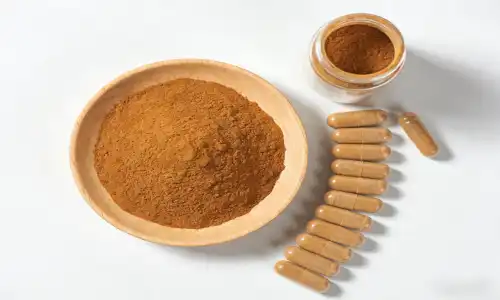
Oyster mushroom (Pleurotus ostreatus) has been appreciated for their flavour, nutritional benefits and their potential in the creation of functional food and dietary supplements. Oyster mushroom extract is becoming more and more a sought after ingredient for producers searching for a concentrated, simple to use ingredient for capsules, tablets, drink powders, wellness mixes and bespoke formulations. NT Biotech, Natural Raw Materials for Food, Supplement, Cosmetic and Animal Nutrition Industries. Combining Plant and Mushroom Know-How with Standard Processing, Batch Documentation and Flexible OEM Solutions. Need a reliable source for oyster mushroom extract? NT Biotech helps make product development more efficient and dependable with technical assistance, quality manufacturing, worldwide shipping and customisation services.

Getting to Know Oyster Mushroom
From culinary favorite to functional ingredient
Oyster mushrooms are easy to identify by their fan-shaped caps, delicate texture and mild savoury flavour. They are frequently farmed because they grow effectively on appropriate agricultural substrates and are utilised in soups, stir-fries, snacks, powders and culinary formulations. Besides their culinary interest, oyster mushrooms also contain good amounts of naturally occurring proteins, dietary fibre, minerals, vitamins and polysaccharides. These components have caught the attention of academics and supplement makers who are investigating mushrooms as beneficial ingredients.Oyster mushroom extract takes this known food source and concentrates it into a substance that may be simpler to include into current recipes. The final qualities rely on the mushroom strain, the growing circumstances, the raw material, the extraction medium, the concentration ratio, the drying process and the quality criteria set by the manufacturer.
What an extract means
The term extract is not a single universal product. One water extract may be focused on water soluble polysaccharides, while another technique may result in a wider range of mushroom compounds. Some products are standardised to total polysaccharides, beta-glucans, extract ratio or other indicators. A plain dry mushroom powder is not a concentrated extract and should not be compared on a pricing basis. Buyers should enquire whether the material is fruiting bodies, mycelium or a mixture and if carriers are employed in the drying process. When considering oyster mushroom extract, companies should ask for a product definition, suggested application, test methods, storage conditions and batch Certificate of Analysis. This information allows formulators to pick an ingredient that suits the desired final product rather than a generic mushroom label.
Why the ingredient appeals to modern consumers
Consumers now typically want items that seem natural, but also have a clear science and nutrition explanation. This meets the expectation of oyster mushroom, since it is a food, linked to plant-based diets, and may be shaped to numerous product shapes. A well-crafted mushroom supplement may tap into the daily vitality, healthy ageing, immunological wellness, digestive health and nutrient-rich lives that customers are looking for. The ingredient may also support vegan and vegetarian product ideas but businesses need to confirm the whole formulation comprising capsules, excipients, flavour systems and processing aids. Customers may design a more comprehensive product narrative around oyster mushroom extract, from raw-material selection to final packaging, using NT Biotech's expertise in natural materials and tailor-made product development.
| Product-development question | Why it matters |
|---|---|
| What is the species? | Confirms that the intended material is Pleurotus ostreatus |
| Is it powder or extract? | Determines concentration, serving size, and application behavior |
| What is the source material? | Distinguishes fruiting body, mycelium, or blended biomass |
| Which markers are tested? | Clarifies whether the product is standardized by polysaccharides, beta-glucans, or another parameter |
| What documents are available? | Supports quality review, traceability, and regulatory preparation |

Exploring the Health Benefits of Oyster Mushroom
Nutritional value and everyday wellness
Oyster mushrooms are naturally low in fat and may provide fibre, protein and certain minerals to the diet. Their nutritional makeup is dependent on strain, growing medium, maturity, drying process and preparation. An extract in the formulation of a supplement is not always a full replacement for the original food, since processing may concentrate certain ingredients and reduce or eliminate others. But, oyster mushroom extract may have a role when producers desire a compact ingredient for a particular composition. Brands may also market it as part of a larger daily-wellness offering that includes balanced eating, physical exercise, sleep and hydration. It’s important to communicate responsibly: the substance may complement a health notion, but not be marketed as a guarantyd therapy or a substitute for expert medical advice.
Polysaccharides and immune-related research
Mushroom polysaccharides like beta-glucans have been extensively explored concerning immune function. Their structure may affect their behaviour in the body, and outcomes might differ according on species, extraction technique, molecular features, dosage and research approach. Research has been done on the polysaccharide content of oyster mushroom and its possible biological activity, however laboratory results should not be used as evidence of a disease-treatment impact in normal supplementation. For the formulator, the most practical way is to know what marker the ingredient is standardised to, and how that marker suits the target market.Oyster mushroom extract might be used in goods focused on immune support or general vitality with appropriate marketing language compliant with local standards and the end product containing the claimed quantity.
Antioxidant and metabolic interest
Oyster mushrooms contains chemicals that have been the subject of study in antioxidant activity, lipid metabolism and overall cellular health. These regions are intriguing for scientific research, but the impact of a commercial product is dependent on the real composition and the dosage. Brands should not make outrageous claims based on preliminary research. But it may educate customers about the mushroom's naturally occurring chemicals and its role in a balanced functional-food or supplement composition. The quality of extraction is of special relevance as various extraction circumstances might result in distinct profiles. Standard processing and batch records by NT Biotech allow purchasers to analyse oyster mushroom extract with more confidence. Specifications must define identification, marker content, moisture, microbiological conditions and other approved quality characteristics not only general words like “high potency”.
Benefits for plant-based product design
Oyster mushroom is a great match for the growing plant-based nutrition sector. It may be employed in vegan capsules, powder mixes, functional drinks, meat replacement ideas and botanical-mushroom combos. Its recognisable culinary identity may also make it simpler for people to comprehend than a very unknown plant. The issue for the product development is maintaining the natural placement of the product, while offering easy use, pleasant sensory attributes and constant quality.Oyster mushroom extract may be more potent than regular dry mushroom powder on a gram-for-gram basis, however the precise effect relies on the extraction ratio and standardisation. NT Biotech can help businesses in analysing the different grades and picking a format that suits their target demographic.
| Potential product positioning | Formulation considerations |
|---|---|
| Daily wellness | Serving size, label language, and compatibility with other botanicals |
| Immune-support concept | Evidence-based claims and polysaccharide or beta-glucan specification |
| Healthy-aging formula | Combination with nutrients and appropriate consumer communication |
| Vegan nutrition | Verification of all ingredients and processing materials |
| Functional beverage | Water dispersibility, flavor, color, and sedimentation |

Using Oyster Mushroom Extract in Real Products
Capsules and tablets
One of the easiest methods to include oyster mushroom extract into a supplement is in capsule form, since it can be given in a calculated amount while avoiding flavour and smell. However, for effective capsule product, bulk density, powder flow, particle size, moisture and mix homogeneity need to be considered. If the extract is mixed with vitamins, minerals or other mushroom elements, each ingredient must be uniformly dispersed so that customers get a consistent serving. And for tablets, they need further examination for compression, hardness, friability and disintegration. Pilot manufacturing is very desirable since a powder that seems homogenous in a tiny container may behave differently on an industrial filling or compression line. NT Biotech’s OEM and ODM skills may benefit businesses that require assistance in coordinating ingredient procurement, dosage form, packaging and final product manufacture.
Functional drinks and powdered supplements
Drink powders provide a more engaging consumer experience, but are more demanding on the raw material. Mushroom extracts may affect colour, fragrance, flavour and sedimentation, thus formulators should test them with the final sweetener, acidulant, flavour and carrier system. Suitable processing may increase water dispersibility but this must be verified for the individual grade rather than assumed.Oyster mushroom extract might function in health sachets, quick drinks, nutrition smoothies, and powdered botanical combinations. Brands should undertake pilot tests under realistic preparation settings, such as the temperature of the water and the way it is likely to be mixed by customers. Sensory testing is particularly useful for products that are targeted at those who are not used to using mushroom-based supplements.
Functional foods and culinary innovation
Oyster mushroom is known as a food and hence may be suited for functional-food ideas with a focus on natural ingredients. It may be used for savoury powders, nutrition bars, soups, sauces, meat replacements and plant-based meal items. Whole mushroom powder vs oyster mushroom extract is a matter of flavour, serving size, processing conditions, and the nutritional message you want to tell. Heat. Acidity. Moisture. Water activity. All are factors to be considered in growth. Manufacturers have to evaluate if the extract also alters the texture, colour or stability in storage. A well-thought-out product may fill the gap between culinary familiarity and supplement convenience, providing customers with a more accessible way to enjoy mushroom-based nutrients.
Cosmetic and animal-nutrition possibilities
Mushroom-derived ingredients are also being explored in high-end cosmetics and animal-nutrition products. In cosmetics, the material may be selected for its natural-origin appeal and compatibility with skin-care concepts, subject to cosmetic-grade requirements and local regulations. In animal nutrition, the specification, dosage, palatability, and species suitability must be reviewed separately. NT Biotech serves several industries, including cosmetics and animal nutrition, and provides flexible OEM support for different application needs. This cross-industry experience can benefit businesses evaluating oyster mushroom extract for more than one product category. Nevertheless, each application requires its own technical assessment, documentation, and approved claim strategy.

Selecting a Trustworthy Oyster Mushroom Extract Supplier
Quality starts with traceability
A reliable source of oyster mushroom extract should be able to tell you where the raw material originates from and how it is processed. Buyers should seek species name, cultivation or source information, material kind, extraction technique, concentration ratio, drying process, package specifications and storage suggestions. Traceability is particularly critical for mushrooms, since the composition of the culture substrate and ambient circumstances may affect the final composition. NT Biotech presents a value-chain solution that links together natural material sources, R&D, smart manufacturing, testing and supply chain management. This comprehensive strategy assists the customer to comprehend the ingredient's journey from source to product application. It gives a better basis for audits, quality complaints, consumer concerns and long-term supply planning.
Testing and batch documentation
The professional raw-material programme should involve proper testing of the product. This might contain, as per the approved specification: Identity, marker substances, moisture, ash, microbiological limits, heavy metals, pesticide residues, foreign stuff. Depending on the molecule, HPLC/UV analysis may be appropriate, while other indicators may necessitate study using other methods. Buyers should check the test method, acceptability range, units, and lot number on each Certificate of Analysis. NT Biotech emphasizes quality documentation and CoA support for applicable batches. This level of transparency allows manufacturers to evaluate oyster mushroom extract using evidence rather than appearance or promotional language. It also helps contract manufacturers release incoming material more efficiently.
Certifications and market requirements
International purchasers may need ISO9001, Kosher, Halal, HACCP or other quality or religious certifications, depending on the target market and finished-product category. NT Biotech’s strengths include ISO9001, Kosher and Halal. Buyers are advised to seek current certifications and check the scope, validity, issuing organisation and link to the production location. Certifications are not a guarantee that a completed supplement will fulfil all local requirements; regulatory approval is still required. A certified provider of oyster mushroom extract should give technical assistance and make apparent the difference between documentation provided by the supplier and approvals required by the brand, importer or final product maker.
Stable supply and responsive communication
Supply reliability is an important part of ingredient quality. NT Biotech states that it aims to respond to inquiries within two hours, maintains inventory for selected standardized extracts, and may ship available products within one to three working days after order confirmation. Typical production orders may require three to ten working days, including sourcing, processing, laboratory testing, CoA preparation, and packaging. Actual timing for oyster mushroom extract should be confirmed according to specification, volume, packaging, and destination. The company also offers express, air, and sea freight options, including direct FEDEX or UPS shipments and bulk transportation through trusted freight forwarders.
If you are developing a mushroom supplement, functional food, cosmetic, or animal-nutrition product, contact NT Biotech at info@newthingsbiotech.com. Share your application, target market, expected volume, and documentation requirements to receive a more relevant recommendation.

Making the Most of an Oyster Mushroom Extract Project
Start with a clear product brief
Many formulation delays occur because the buyer and supplier are working from different assumptions. Before requesting a quotation, define the product format, target consumer, serving size, annual volume, preferred certifications, packaging type, market, and launch schedule. Clarify whether you need a whole mushroom powder, a concentrated extract, or a standardized grade. For oyster mushroom extract, also specify whether your project requires water dispersibility, a particular polysaccharide level, low moisture, vegan documentation, or private labeling. A complete brief allows NT Biotech to suggest a more suitable material and identify technical issues early. It also makes quotations easier to compare because each candidate supplier is responding to the same requirements.
Evaluate samples under real conditions
A sample should be tested in the same way the final product will be manufactured. For capsules, examine flowability and filling performance. For drink powders, evaluate dispersion, flavor, color, and sedimentation. For gummies or functional foods, assess the impact of heat, moisture, pH, and storage. Compare the sample’s appearance and performance with its specification and CoA. If the supplier later delivers a different grade, the original sample may no longer be a valid reference. NT Biotech can coordinate technical discussions and OEM/ODM development, but the manufacturer should still conduct its own pilot and stability studies. This process helps ensure that oyster mushroom extract performs well beyond the laboratory sample stage.
Consider the total cost of ownership
The lowest price per kilogram may not produce the lowest final product cost. Buyers should consider assay, serving size, freight, customs, storage, minimum order quantity, testing, rejected batches, production losses, and delays caused by incomplete documents. A consistent extract with good technical support may reduce reformulation and quality-control expenses. NT Biotech provides flexible transportation, buyer-friendly payment solutions, and local-currency payment options where available. When comparing oyster mushroom extract offers, request equivalent information about specification, packaging, lead time, Incoterms, certification, sample policy, and payment terms. A transparent comparison reveals which supplier can support long-term growth instead of only one purchase.
| Final approval checkpoint | Buyer action |
|---|---|
| Identity | Confirm species, source material, and processing description |
| Quality | Review the specification and lot-specific CoA |
| Application | Test the sample in the intended dosage form |
| Stability | Conduct finished-product shelf-life and packaging studies |
| Compliance | Review claims, certifications, labeling, and target-market requirements |
| Supply | Confirm lead time, shipping method, minimum order, and payment terms |
Conclusion
Oyster mushrooms combine culinary familiarity with growing interest in functional nutrition, making them attractive for supplements, foods, beverages, cosmetics, and animal-nutrition products. Oyster mushroom extract can provide a convenient, concentrated format, but its value depends on species identity, source material, extraction method, marker testing, stability, and application performance. Buyers should request transparent specifications, lot-specific CoAs, relevant certifications, and realistic delivery information before approving a commercial order. NT Biotech supports this process through natural-ingredient expertise, standardized processing, technical documentation, OEM/ODM services, and flexible international logistics. By working with a reliable oyster mushroom extract supplier, brands can create more consistent, credible, and market-ready products. Contact NT Biotech to discuss your formulation and sourcing goals.
FAQ
1. What is oyster mushroom extract?
It is a concentrated material made from oyster mushroom, commonly identified as Pleurotus ostreatus, through a defined processing method.
2. Is oyster mushroom extract the same as mushroom powder?
No. A simple powder is generally milled dried mushroom, while an extract is processed to concentrate or improve the availability of selected constituents.
3. What products can use oyster mushroom extract?
It may be developed for capsules, tablets, drink powders, functional foods, cosmetics, and selected animal-nutrition applications.
4. What documents should buyers request?
Request a specification, CoA, species and origin information, processing details, storage conditions, testing results, and applicable certifications.
5. Can NT Biotech provide OEM services?
Yes. NT Biotech offers customized OEM/ODM support for formulations, packaging, private labeling, and different international market requirements.
Develop Your Next Mushroom Product with NT Biotech
NT Biotech helps brands move from raw-material selection to practical commercial development. Its experience in plant and mushroom derivatives supports dietary supplements, functional foods, cosmetics, and animal nutrition, while standardized processing and batch documentation help improve supply confidence. Customers can discuss species identity, extract specifications, testing, packaging, OEM/ODM production, certifications, logistics, and payment arrangements with one responsive partner. Express, air, and sea shipping options provide flexibility for samples, pilot orders, and bulk deliveries. If you are planning a vegan supplement, functional beverage, mushroom blend, or natural cosmetic concept, now is the time to define your requirements. Contact info@newthingsbiotech.com with your target application, market, volume, and technical needs, and discover how NT Biotech's oyster mushroom extract can support your next product.
References
1. Wasser, S. P. “Medicinal Mushroom Science: Current Perspectives, Advances, Evidences, and Challenges.” Biomedical Journal, 2014.
2. Cohen, N., and M. J. Cohen. “The Nutritional and Health Benefits of Oyster Mushrooms.” Journal of Food Science and Technology, 2014.
3. Deepalakshmi, K., and S. Mirunalini. “Pleurotus ostreatus: An Oyster Mushroom with Nutritional and Medicinal Properties.” Journal of Biochemical Technology, 2014.
4. Patel, Y., R. Naraian, and V. K. Singh. “Medicinal Properties of Pleurotus Species.” International Journal of Medicinal Mushrooms, 2012.
5. Kaur, R., et al. “Nutritional and Therapeutic Potential of Oyster Mushrooms.” Journal of Food Processing and Preservation, 2019.
6. Chang, S. T., and P. G. Miles. Mushrooms: Cultivation, Nutritional Value, Medicinal Effect, and Environmental Impact. CRC Press, 2004.
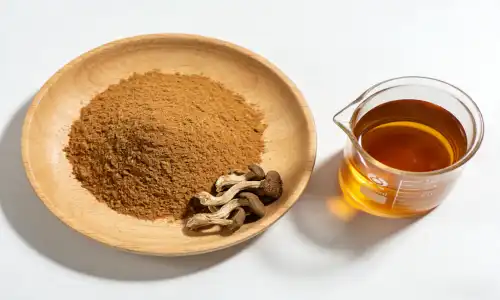
Whether you choose oyster mushroom extract or lion's mane doesn't matter. It's all about the product goal when choosing a supplement. Oyster mushroom is often associated with nutritional equilibrium, polysaccharides, immunological well-being and functional plant-based foods. Lion's Mane is often used in recipes for cognitive and neurological wellness. For ingredient sourcing or product development inquiries, you can contact NT Biotech at info@newthingsbiotech.com. NT Biotech offers standardised natural ingredients for nutritional supplements, functional meals, cosmetics and animal nutrition. Its oyster mushroom extract is backed by expert processing, batch documentation, flexible OEM/ODM development, and worldwide logistics. NT Biotech provides a realistic solution to businesses looking for an experienced provider of oyster mushroom extract to manufacture consistent mushroom products for varied markets and customer preferences.

The Real Difference Between These Two Mushrooms
Oyster mushroom at a glance
Oyster mushroom, also known as Pleurotus ostreatus is well recognised as culinary mushroom and as a useful ingredient. It is made up of dietary fibres, proteins, minerals, vitamins and polysaccharides naturally present. The content of the farmed mushroom is used by the supplement industry to manufacture oyster mushroom extract, which is then processed into a concentrated powder for capsules, tablets, drink powders or functional blends. A food identity is part of the appeal — oyster mushrooms are already seen by buyers as a wholesome, plant-forward snack. This makes the element a strong match for companies producing daily wellness, immunological support, healthy ageing and nutrition products. However, the actual composition is different depending on strain, culture circumstances, source material, extraction process, concentration ratio, drying technology and final specification.
Lion's mane at a glance
Lion's mane, generally known as Hericium erinaceus, has a very different visual appearance and commercial identity. Its long, white spines make it highly recognizable, while its reputation in the supplement market is strongly connected with cognition, focus, memory, and nerve-support positioning. Lion's mane contains beta-glucans and other mushroom compounds, including constituents commonly investigated in relation to nerve growth and brain health. As with oyster mushroom extract, the quality of lion's mane depends on whether the product is made from fruiting bodies, mycelium, or a combination, as well as the extraction and standardization process. A popular ingredient is not automatically a suitable ingredient; manufacturers must connect the mushroom's research profile with the intended product format and compliant claims.
Why "better" depends on the goal
The comparison becomes clearer when the desired outcome is defined first. A brand creating an everyday immune-wellness powder may prefer oyster mushroom extract because of its nutritional and polysaccharide story. A company developing a premium cognitive formula may consider lion's mane because of its strong consumer association with mental performance. This does not mean that one mushroom is universally superior. It means that each has a different marketing language, research emphasis, sensory profile, and formulation role. NT Biotech can help buyers compare mushroom materials according to identity, marker compounds, extraction method, dosage form, documentation, and target market. The most strategic choice is the ingredient that delivers a credible story and reliable manufacturing performance.
| Comparison point | Oyster mushroom | Lion’s mane |
|---|---|---|
| Common scientific name | Pleurotus ostreatus | Hericium erinaceus |
| Common product positioning | Nutrition, immune wellness, vitality, healthy aging | Cognitive wellness, focus, memory, nerve support |
| Typical material forms | Powder or extract from mushroom biomass | Fruiting-body powder, mycelium, or extract |
| Key development question | Which polysaccharide or beta-glucan specification applies? | Which material and cognitive-related markers are standardized? |
| Consumer familiarity | Strong culinary and plant-based food connection | Strong specialty-mushroom and nootropic connection |

Compare Their Main Health and Wellness Profiles
Oyster mushroom and nutritional functionality
Oyster mushrooms are prized not for a particular chemical but for their wide range of nutritional benefits. They may provide fibre, protein, B-group vitamins, minerals and different polysaccharides, although the amounts vary depending to cultivation and processing. This wide profile makes oyster mushroom extract a versatile ingredient in functional nutrition. It may be added to products marketed for general vitality, plant-based diets, daily immune support or good ageing. It must not be expected that an extract will include all of the nutrients present in a fresh mushroom. Constituents that are water soluble may be concentrated in the extract while others are diminished. Hence, companies should verify the real product specification and the Certificate of Analysis before making any nutritional claims. Its biggest virtue is its versatility: oyster mushroom can blend culinary familiarity with contemporary supplement convenience.
Lion's mane and cognitive positioning
Lion's mane has garnered interest as laboratory and preliminary human research has studied its link to cognitive function, memory, emotion, and nerve-related pathways. The mushroom includes chemicals that are typically addressed in relation to hericenones and erinacines, however the quantity and presence of these compounds may vary greatly between fruiting-body and mycelium products. This is why a lion's mane label alone does not reveal the full technical quality of the ingredient. Compared with oyster mushroom extract, lion's mane generally has a more specialized cognitive-wellness identity. That can be valuable for a focused product, but it may also require more careful education and claim review. Brands should avoid turning preliminary research into promises about treating neurological conditions or guaranteeing mental performance.
Immune wellness and mushroom polysaccharides
Both mushrooms are defined in terms of beta-glucans and polysaccharides but their biological profiles are not similar. The structure, molecular weight, solubility and biological activity of polysaccharides from mushrooms vary diverse. How the extract is made may also affect which compounds are in the finished powder. When purchasing oyster mushroom extract it is crucial for the buyer to state if the figure stated is total polysaccharides, beta-glucans or any other analytical marker. The same principle applies when comparing lion's mane. A higher numerical value is not automatically better if it was measured using a different method. From a formulation perspective, oyster mushroom may be more suitable for a broad immune and nutrition concept, while lion’s mane may fit a cognitive formula. Both require responsible, market-specific communication.
Antioxidant and metabolic research
Research on the oyster mushroom has investigated antioxidant properties, lipid metabolism, glucose-related pathways and overall cellular health. Research has investigated lion's mane for antioxidant qualities, and in cognitive and nerve-related regions. These findings are interesting but should be interpreted carefully. Results from cell or animal studies do not automatically predict the outcome of a finished human supplement. Product developers should focus on verified composition, realistic serving levels, and evidence relevant to the exact material being sold. Oyster mushroom extract may be a strong option for brands that want a broader nutritional and wellness story, especially in functional foods. Lion’s mane may be better for a narrower cognitive concept. The right decision depends on the evidence, formulation, consumer expectations, and regulatory environment.
| Product objective | Ingredient that may fit best | Reason |
|---|---|---|
| Everyday mushroom nutrition | Oyster mushroom extract | Strong culinary identity and broad nutritional story |
| Immune-wellness positioning | Oyster mushroom extract | Polysaccharide and beta-glucan discussion |
| Focus and memory concept | Lion’s mane | Established consumer association with cognitive wellness |
| Plant-based functional food | Oyster mushroom extract | Familiar food ingredient with flexible applications |
| Premium nootropic formula | Lion’s mane | More specialized brain-health market positioning |
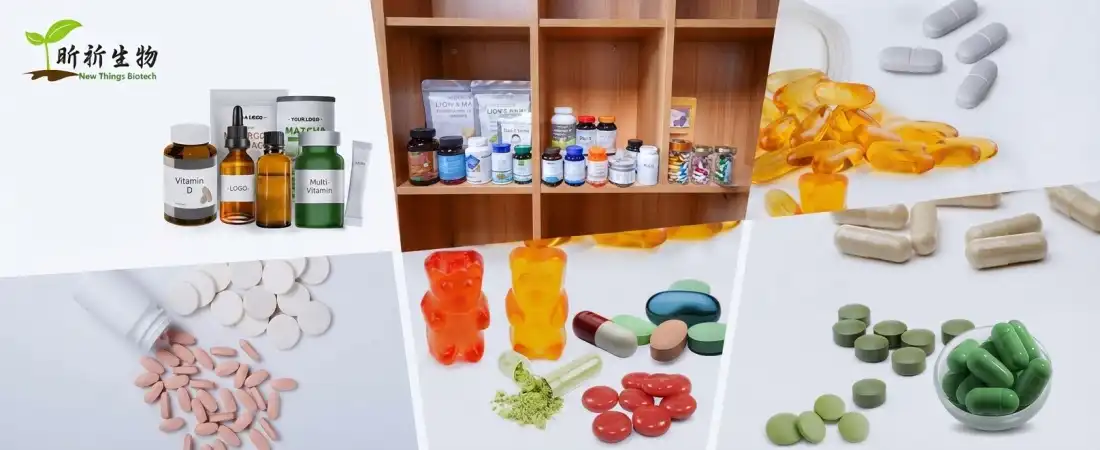
Which Extract Is Easier to Formulate?
Capsules and tablets
Both substances may be used for capsules and tablets but performance relies on powder density, particle size, moisture, flowability and concentration.Oyster mushroom extract may be effective in capsules when the manufacturer favours a small serving size and little flavour exposure. Lion's mane may be employed in the same way, particularly in cognitive-wellness goods. In the case of either extract being blended with vitamins, minerals, botanicals or other mushroom components, homogeneity of blending is critical. Manufacturers of tablets are also required to test for compression, hardness, friability and disintegration. A sample taken from the laboratory does not necessarily react the same way on a high speed manufacturing line. Flow or filling problems might be detected during pilot production, before the recipe is authorised for commercial production.
Powdered drinks and functional blends
The powdered drinks are more difficult since the customer will experience the product via flavour, scent, colour and texture. The oyster mushroom ingredients may provide some earthy notes and the lion's mane items can also influence scent and texture. Oyster mushroom extract should be tested with the actual sweetener, flavor, acidulant, carrier, and complementary ingredients used in the final formula. Water dispersibility and sedimentation should be evaluated under realistic preparation conditions. A product may perform differently in cold water, warm water, or a shaker bottle. If a brand wants a daily immune drink, oyster mushroom may provide a more natural food-oriented story. If it wants a focus beverage, lion’s mane may be easier to communicate, but its sensory performance still requires testing.
Functional foods and gummies
We already link oyster mushrooms with food and nourishment therefore in terms of culinary applications, oyster mushrooms have a natural edge. It might be used in soups, salty powders, nutrition bars, plant-based meals and functional-food mixes.Oyster mushroom extract may also be formulated into candies or chewable items, although taste, colour, heat exposure and moisture stability must be examined. You may use it as functional food, but you'll most commonly see lion's mane in nootropic mixes, drinks powders and capsules. Both materials might need flavour masking and compatibility testing in gummies. It should be driven by the product experience the business wishes to generate and not merely the popularity of the mushroom. A good product should taste nice, be stable and be consistently labelled.
Documentation for formulation decisions
The formulation team needs more than a sample bag. It should receive a specification sheet, product description, origin information, recommended storage conditions, and lot-specific CoA. NT Biotech highlights standardized processing, HPLC/UV analysis for relevant products, and Certificates of Analysis with batches where applicable. These documents help buyers understand what oyster mushroom extract contains and how it differs from a lion’s mane material. They also support communication with contract manufacturers and regulatory teams. Before committing to a large order, brands should confirm whether the extract contains carriers, which marker is declared, what testing method is used, and whether the material is suitable for vegan or clean-label claims.
Choosing the Better Commercial Ingredient
Match the ingredient to the consumer
Consumer intent should guide ingredient selection. The food-based identity, nutritional profile, and immune-support tale of oyster mushroom would appeal to a person seeking a daily mushroom health supplement. If you're seeking for attention, memory or mental clarity, you're probably more acquainted with lion's mane.Oyster mushroom extract may thus be particularly effective for businesses targeting families, active adults, plant-based consumers, and healthy-aging audiences. Students, professionals and customers interested in nootropic items may find the lion's mane more interesting. These are market trends not set in stone regulations. A brand may also blend both mushrooms providing the recipe has a defined purpose and the overall serving size, sensory profile, evidence and labelling remain manageable.
Evaluate standardization instead of relying on reputation
A famous mushroom name does not guarantee a superior raw material. Buyers should look to compare scientific identity, source material, extraction ratio, marker substances, test procedures, moisture, microbiological limits, heavy metals, pesticides and packaging. The provider should confirm if the oyster mushroom extract is derived from the fruiting bodies, the mycelium or other biomass and whether it is standardised to polysaccharides or beta-glucans. The same amount of attention should be paid to lion’s mane. NT Biotech emphasizes proprietary processing designed to improve active-compound yield and product stability, along with quality documentation. Buyers should confirm the exact specification for the grade they intend to purchase rather than generalizing from a company profile.
Consider regulatory and claim requirements
The marketing language for oyster mushroom and lion's mane might be quite different. Lion's mane is promoted around cognitive and mental performance, whereas the oyster mushroom is commonly employed in general health, nutrition or immune-support themes. But nations have different legislation and claims of treatment of diseases may be limited or forbidden. The completed product, dosage, ingredients, labelling, ads and evidence should be reviewed by certified regulatory specialists. A trustworthy oyster mushroom extract supplier can provide technical information, but the brand remains responsible for final compliance. NT Biotech’s OEM/ODM support may assist with market-oriented development, packaging, and documentation, helping customers adapt products to different regional requirements.
If you are unsure whether oyster mushroom or lion's mane fits your product concept, contact NT Biotech at info@newthingsbiotech.com. Share your target market, dosage form, intended claims, annual volume, and documentation requirements for a more useful comparison.
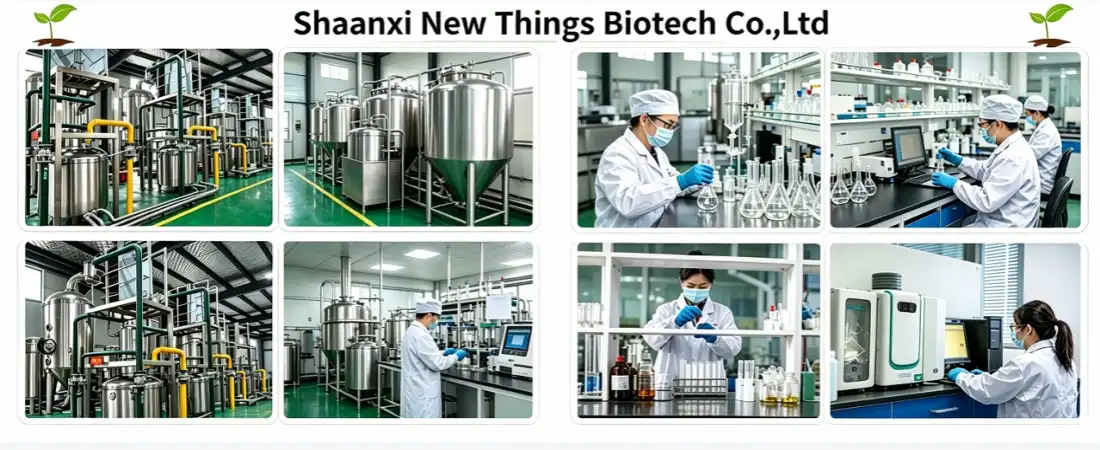
Why Supplier Capability Can Decide the Outcome
Quality systems and certifications
The strength of an ingredient selection lies in the provider behind it. NT Biotech is a technology-driven provider of plant extracts and natural ingredients for the nutraceutical, functional food, cosmetic and animal nutrition industries. Its competencies listed include ISO9001, Kosher and Halal-related certifications, standardised processes, laboratory testing and batch CoA documentation . These resources may assist customers with qualifying oyster mushroom extract for international product development. Verify certifications for scope, validity, issuing body and applicability to the particular facility. They enhance supplier trust, but do not substitute for destination-market regulatory evaluation. Buyers should also enquire about the control of changes in raw-material source, processing technique, or testing procedure.
Delivery planning and logistics
“An ingredient might be great on paper, but if it can't be delivered on time, it's not commercially viable. NT Biotech says it answers enquiries within two hours, has inventory for some standardised extracts and may send popular goods in stock within one to three working days after confirmation. Typical manufacturing orders take anywhere from 3 to 10 working days including sourcing, processing, laboratory testing, packing and final release. Actual time for oyster mushroom extract varies on specification, amount, packing and destination. Customers may balance speed, cost and volume using express, air, and sea shipment choices. Also, direct FEDEX or UPS shipping and bulk freight forwarder service may facilitate overseas delivery even more.
OEM and ODM flexibility
Some firms require raw material, others need help with private labelling, completed capsules, sachets, mixes or market specific packaging. NT Biotech provides OEM and ODM solutions to meet the needs of various nations and customers. This versatility might be useful for creating a product that mixes oyster mushroom extract with other botanicals or nutrients. Buyers should provide a full brief including target customer, serving size, dosage form, packaging, projected yearly volume, certifications, pricing range and launch date. Flexible payment methods, including local-currency payment when possible, may further facilitate international collaboration. A supplier who understands technical and commercial needs may help decrease the time from sample clearance to market launch.
| Supplier evaluation area | What to confirm |
|---|---|
| Product identity | Scientific name, source material, and processing description |
| Standardization | Marker compound, test method, and acceptance range |
| Quality documents | CoA, specification, origin statement, and storage guidance |
| Certifications | Current ISO9001, Kosher, Halal, or other relevant documents |
| Supply | Stock status, production lead time, MOQ, and packaging |
| Commercial support | OEM/ODM, shipping choices, technical assistance, and payment terms |

Conclusion
Neither oyster mushroom extract nor lion's mane is definitively "better." The most powerful option is the goal of the product, consumer it is intended for, formulation format, the proof, the claims and the marketing strategy. Oyster mushroom is frequently a good fit for general wellness, nutrition, immune-support, plant-based diet, and healthy-aging notions, while lion’s mane is more closely tied to cognitive and nootropic items. Regardless of the ingredient chosen, purchasers should always check species, source material, extraction process, marker testing, stability, certifications, and supply dependability. NT Biotech provides standardised natural ingredients, batch documentation, OEM/ODM support, flexible logistics and international customer service. Brands may work with NT Biotech to review specs and design a mushroom product that is legitimate and ready for sale.
FAQ
1. Is oyster mushroom extract better than lion’s mane?
Not universally. Oyster mushroom may suit nutrition and immune-wellness products, while lion’s mane may better fit cognitive-wellness formulas.
2. Can both mushrooms be used in one supplement?
Yes, but the formula should have a clear purpose and be tested for serving size, compatibility, sensory quality, stability, and regulatory compliance.
3. What is the main difference between the extracts?
Their species, naturally occurring compounds, research focus, consumer positioning, and formulation properties can differ.
4. What should buyers request from a supplier?
Request scientific identity, source information, specification, CoA, marker-testing method, storage conditions, certifications, and lead time.
5. Can NT Biotech provide customized mushroom products?
Yes. NT Biotech offers OEM/ODM support for different dosage forms, packaging concepts, markets, and customer requirements.
Compare Mushroom Ingredients with NT Biotech
NT Biotech helps brands make better ingredient decisions by connecting natural-material sourcing with processing, testing, formulation support, OEM/ODM development, and international logistics. Its oyster mushroom extract can support capsules, tablets, beverage powders, functional foods, cosmetics, and customized wellness products. Customers can also discuss specifications, polysaccharide or beta-glucan testing, packaging, certifications, delivery schedules, and private-label solutions. With responsive communication, selected inventory, flexible shipping by express, air, or sea, and buyer-friendly payment options, NT Biotech is prepared to support both pilot projects and long-term supply. If you are comparing oyster mushroom with lion’s mane, do not rely on popularity alone. Contact info@newthingsbiotech.com with your application, target market, volume, and technical requirements, and let NT Biotech help you choose a suitable, consistent ingredient.
References
1. Wasser, S. P. “Medicinal Mushroom Science: Current Perspectives, Advances, Evidences, and Challenges.” Biomedical Journal, 2014.
2. Patel, Y., R. Naraian, and V. K. Singh. “Medicinal Properties of Pleurotus Species.” International Journal of Medicinal Mushrooms, 2012.
3. Deepalakshmi, K., and S. Mirunalini. “Pleurotus ostreatus: An Oyster Mushroom with Nutritional and Medicinal Properties.” Journal of Biochemical Technology, 2014.
4. Friedman, M. “Chemistry, Nutrition, and Health-Promoting Properties of Hericium erinaceus Mushroom.” Journal of Agricultural and Food Chemistry, 2015.
5. Mori, K., et al. “Improving Effects of the Mushroom Yamabushitake on Mild Cognitive Impairment.” Phytotherapy Research, 2009.
6. Khan, M. A., et al. “The Medicinal Importance of Pleurotus Species.” International Journal of Medicinal Mushrooms, 2013.