- English
- French
- German
- Portuguese
- Spanish
- Russian
- Japanese
- Korean
- Arabic
- Greek
- German
- Turkish
- Italian
- Danish
- Romanian
- Indonesian
- Czech
- Afrikaans
- Swedish
- Polish
- Basque
- Catalan
- Esperanto
- Hindi
- Lao
- Albanian
- Amharic
- Armenian
- Azerbaijani
- Belarusian
- Bengali
- Bosnian
- Bulgarian
- Cebuano
- Chichewa
- Corsican
- Croatian
- Dutch
- Estonian
- Filipino
- Finnish
- Frisian
- Galician
- Georgian
- Gujarati
- Haitian
- Hausa
- Hawaiian
- Hebrew
- Hmong
- Hungarian
- Icelandic
- Igbo
- Javanese
- Kannada
- Kazakh
- Khmer
- Kurdish
- Kyrgyz
- Latin
- Latvian
- Lithuanian
- Luxembou..
- Macedonian
- Malagasy
- Malay
- Malayalam
- Maltese
- Maori
- Marathi
- Mongolian
- Burmese
- Nepali
- Norwegian
- Pashto
- Persian
- Punjabi
- Serbian
- Sesotho
- Sinhala
- Slovak
- Slovenian
- Somali
- Samoan
- Scots Gaelic
- Shona
- Sindhi
- Sundanese
- Swahili
- Tajik
- Tamil
- Telugu
- Thai
- Ukrainian
- Urdu
- Uzbek
- Vietnamese
- Welsh
- Xhosa
- Yiddish
- Yoruba
- Zulu
knowledge
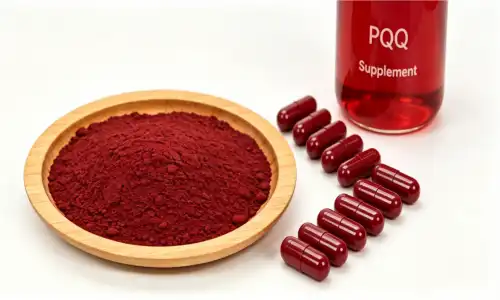
PQQ powder wholesale providers that are consistent, follow the standards, and have clear quality documents are sought by sourcing specialists. High-quality Pyrroloquinoline Quinone powder is utilized in numerous nutraceuticals, from energy drinks to memory tablets. Passing stringent third-party testing, possessing ISO9001, Kosher, and Halal standards, and having a solid supply chain distinguish trusted merchants. Procurement managers and R&D professionals learn about bulk PQQ purchasing from this handbook. It includes technical criteria, quality benchmarks, and strategic partnerships to assist them make informed procurement decisions that satisfy product innovation goals and regulatory requirements in the competitive U.S. market.

Understanding PQQ Powder Wholesale – Essential Knowledge for Buyers
Pyrroloquinoline Quinone (PQQ) has the formula C14H6N2O8 and the CAS number 72909-34-3. Its antioxidant properties and involvement in mitochondrial formation are well established. A fine, 80-mesh dark crimson to reddish-brown powder. It dissolves quickly in water, making it handy for numerous preparations. Buying teams may evaluate products before placing significant purchases by understanding these biological concepts.
What Makes PQQ a Sought-After Ingredient?
PQQ's demonstrated advantages have made it prominent in the worldwide nutritional industry. It eliminates free radicals, protects neurons, and boosts cell energy, according to research. Many antioxidants lose potency after one usage, while PQQ undergoes redox cycling, giving it thousands of benefits. This makes it more effective than common antioxidants. This unique technique makes PQQ a top component for products that promote brain, heart, immune system, and aging health.
Industrial Applications Across Multiple Sectors
Many B2B enterprises require large volumes of PQQ powder wholesale. The food supplement industry uses PQQ in brain health capsules, anti-aging formulae, mitochondrial support products, and synergistic mixes with CoQ10, DHA, or phosphatidylserine. Wellness beverages, meal replacements, energy drinks, and powdered nutrition for health-conscious consumers include it. PQQ is increasingly employed in pharmaceutical research for advanced nutrition studies due to its stable chemical profile and strong functional strength.
Safety Standards and Regulatory Approval
Bulk ingredient procurement requires regulatory assistance. The US, Canada, and some European nations allow PQQ in food and drinks. It can trade internationally since the EU considers it a Novel Food. Business-to-business customers in North America can purchase PQQ from suppliers who preserve batch-specific Certificates of Analysis, HPLC testing results, and compliance records to guarantee that the goods meet functional food and dietary supplement regulations.

Comparing Wholesale vs Retail PQQ Powder – Making the Right Purchase Decision
Procurement workers must choose between bulk buying at a discount and retail buying. This decision affects pricing, quality control, and supply chain efficiency.
Packaging and Volume Considerations
PQQ powder wholesale in bulk is normally sold in 25 kilogram drums, the minimum order quantity for large-scale manufacture. This bulk packing reduces unit costs significantly compared to retail versions in tiny bottles or sachets. When calculating cost per kilogram, economies of scale become apparent—wholesale costs are 30–50% lower than store pricing. Bulk packaging saves money, reduces container waste, and helps businesses with continuous manufacturing lines track supplies.
Quality Differentiation and Certification Standards
Quality control procedures used by reputable wholesale suppliers typically exceed store requirements. HPLC assay verification (99% purity), heavy metal analysis (lead, arsenic, mercury, and cadmium below 1ppm), microbiology screening (total plate count below 1,000 CFU/g), and moisture content assessment (usually capped at 12% loss on drying) are performed on each production batch. Wholesalers that conduct business internationally hold ISO9001 quality management system certifications and Kosher and Halal market accessibility certificates. These references reassure you that your substances fulfill industrial formulation safety and stability standards.
Manufacturing Methods: Fermentation vs Synthetic Production
Buyers may pick the proper PQQ grades by understanding product manufacturing. Modern manufacture uses bacterial fermentation with specialized microorganisms to make bio-identical PQQ that meets GRAS criteria. This fermentation-derived substance provides the finest solubility and absorption for high-end supplements. PQQ can be produced, however reputable health-conscious firms choose fermentation-based PQQ. Buyers should ask about manufacturing processes when assessing a vendor to ensure they match product positioning and consumer expectations.
Streamlining Your PQQ Powder Procurement Process – A Step-by-Step Guide
Effective procurement methods impact production continuity and cost control. Experts may get better discounts and maintain quality by knowing how to get PQQ powder in bulk.
Minimum Order Quantities and Pricing Negotiations
Most reliable bulk PQQ powder suppliers require 25 kilogram orders. They can match powder production speed with client accessibility this way. Bulk price models with real cost advantages over retail channels begin here. When negotiating with sellers, procurement managers should discuss volume-tiered pricing, long-term contract opportunities, and payment flexibility. Suppliers care about consumers by offering local currency payment options. This simplifies international transactions and reduces foreign exchange risk for U.S. purchasers.
Sample Testing and Quality Verification
Request free samples before making significant purchases to reduce risk. Quality suppliers will offer you sample amounts (typically 100–500g) for your R&D team to undertake independent verification testing, verify solubility, determine if formulas work well together, and validate sensory attributes. This early inspection process prevents costly blunders like buying several non-compliant items. Ask for the Certificate of Analysis, the product's manufacturing date, the optimal storage method, and stability data to support your product's shelf-life during sample assessment.
Logistics and Delivery Timelines
Knowing supply line mechanics keeps production going. Reliable PQQ suppliers stock ready-to-ship merchandise to fulfill orders fast. Shipments usually take 2–4 business days after payment confirmation. These speeds differ from vendors that demand longer production lead times, making supply planning difficult. Choose a shipment method that balances time, number, and cost. FedEx and UPS are great for small, urgent packages. Air freight and maritime transit are cheaper for large, recurrent shipments. DDP suppliers handle customs filing. This simplifies international shopping and helps you estimate delivery costs, which is crucial for budgeting.
Customization and OEM Capabilities
Working with OEM suppliers goes beyond buying raw materials. Custom packaging (from bulk drums to private-label retail-ready bottles), formulation advice to get the best PQQ dosing for your matrix, stability testing advice to ensure product longevity, and label design help to follow the rules are some of these value-added services. Suppliers with integrated R&D teams might recommend synergistic ingredient combinations to boost your product's competitiveness. To improve mitochondrial activity, PQQ and CoQ10 interact together. This collaboration transforms supplier linkages into long-term relationships that foster innovation and market differentiation.

Why Choose High Quality PQQ Powder from Trusted Suppliers?
Selecting the correct supplier is crucial to product production. The collaboration comprises quality, competent support, and a solid supply chain, not simply pricing.
Product Quality and Testing Rigor
Premium suppliers utilize multistage quality control to ensure every batch meets the highest requirements. NT Biotech shows its dedication by checking raw materials as soon as they arrive, monitoring the extraction and crystallization process, analyzing the finished product using HPLC and spectroscopy, and checking the product's stability to ensure it will last a certain amount of time when stored a certain way. This stringent process generates 99% pure PQQ powder with low moisture (preventing microorganisms), and can be traced back to its manufacturing dates and quality records. This hard effort leads to uniform formulation, minimal batch-to-batch variation, and the confidence that your product will meet label claims throughout its distribution cycle.
Supply Chain Reliability and Responsiveness
When ingredients are accessible affects manufacturing planning. Older supply systems stock high-demand products like PQQ powder wholesale smartly. This avoids purchases becoming stranded, which can hinder product launches or cease manufacturing. Along with product quantity, customer service is crucial. Suppliers are devoted to relationship success when they offer to address issues within two hours. Responding involves processing orders, logging shipments, giving documentation, and providing technical help after delivery. This streamlines the process so procurement teams may focus on strategic initiatives rather than supply issues.
Technical Expertise and Market Insights
Working with specialist sources speeds up formulation development. Experienced suppliers can advise you on PQQ dosing ranges for health claims, how well they work with common excipients and co-ingredients, how to process ingredients so they stay stable during encapsulation or beverage production, and new research that supports new uses. This consultation relationship helps understand food supplement structure-function claim requirements, which are confusing. Suppliers who monitor major market rules might inform you of new compliance needs. This can safeguard your brand from unintended infringement and help you achieve a competitive edge by implementing new claims early.
Certifications and Compliance Documentation
International licenses indicate a dealer's expertise and commitment to quality. ISO9001 certification verifies systematic quality management. From supplier screening to product release, these processes cover it all. Kosher and Halal permits open marketplaces. This is important for firms who wish to reach a large audience or sell in international markets where these certifications are common. Along with organizational certifications, you need third-party laboratory analysis reports, heavy metal screening results, microbiological safety confirmations, and allergen statements for each product to prove you are following FDA dietary ingredient specifications and current Good Manufacturing Practices.
Conclusion
To source high-quality PQQ powder wholesale, technical requirements, source expertise, and logistics must be harmonized. Best buying approaches emphasize suppliers with certificates, test records, and transparent manufacturing procedures to prove product quality. Knowing PQQ's biological properties, regulatory status, and wide variety of uses helps you choose ingredients and product placement. Instead of pricing, selecting suppliers by their speed, inventory, customization, and technical understanding helps develop solid supply chains that provide organizations a long-term lead in the fast-paced nutraceutical sector.
FAQ
1. What purity levels should buyers expect from wholesale PQQ powder?
HPLC tests should show that bulk professional-grade PQQ powder is at least 99% pure. Reliable companies give batch-specific Certificates of Analysis with assay findings, microbial testing, heavy metal screening, and moisture content analysis. This extensive documentation helps you satisfy legal and quality control requirements.
2. Can I request samples before committing to bulk orders?
Free samples of 100–500g from reliable suppliers can be used for independent testing to ensure quality. This demonstrates that the seller trusts the product's quality and allows your technical team to verify solubility, formulation compatibility, and sensory qualities before placing large purchases. Sample requests are common business practice, not unusual requests.
3. How does international shipping work for PQQ powder wholesale orders?
Famous organizations manage global logistics using fast courier (FedEx, UPS), air freight for speed and cost, and ocean shipping for huge volumes at the lowest cost. Many suppliers provide DDP, which clears customs, pays tariffs, and delivers. This makes international shopping easier and helps you estimate shipping costs. Express services deliver in-stock items in two to four days.
Partner with NT Biotech for Premium PQQ Powder Wholesale Solutions
By creating high-quality PQQ powder, NT Biotech can help you obtain the ingredients you require. With thorough HPLC testing and extensive quality documentation, our 99% pure standard ensures that your compositions are consistent throughout manufacturing runs. We have goods that ship within two to four business days following payment. Our flexible shipping choices may be customized by urgency and volume. Our ISO9001, Kosher, and Halal certifications demonstrate our commitment to quality and global distribution. We provide more than goods. We also provide OEM services including bespoke packing (from 25 kg bulk drums to private-label installations), formulation assistance, and technical support to help you launch your product faster. We have supplied PQQ powder wholesale to the cosmetics, functional foods, and dietary supplements sectors worldwide for over 10 years. Our technological expertise and stable supply chain can help you succeed long-term. Email info@newthingsbiotech.com for precise specs, affordable estimates, and free samples that demonstrate our quality commitment—let's build a partnership elevating your product offerings in the competitive U.S. nutraceutical market.
References
1. Rucker, R., Chowanadisai, W., & Nakano, M. (2009). "Potential physiological importance of pyrroloquinoline quinone." Alternative Medicine Review, 14(3), 268-277.
2. Harris, C. B., Chowanadisai, W., Mishchuk, D. O., Satre, M. A., Slupsky, C. M., & Rucker, R. B. (2013). "Dietary pyrroloquinoline quinone (PQQ) alters indicators of inflammation and mitochondrial-related metabolism in human subjects." Journal of Nutritional Biochemistry, 24(12), 2076-2084.
3. Stites, T., Storms, D., Bauerly, K., Mah, J., Harris, C., Fascetti, A., Rogers, Q., Tchaparian, E., Satre, M., & Rucker, R. B. (2006). "Pyrroloquinoline quinone modulates mitochondrial quantity and function in mice." Journal of Nutrition, 136(2), 390-396.
4. Chowanadisai, W., Bauerly, K. A., Tchaparian, E., Wong, A., Cortopassi, G. A., & Rucker, R. B. (2010). "Pyrroloquinoline quinone stimulates mitochondrial biogenesis through cAMP response element-binding protein phosphorylation and increased PGC-1alpha expression." Journal of Biological Chemistry, 285(1), 142-152.
5. European Food Safety Authority (EFSA). (2018). "Safety of pyrroloquinoline quinone disodium salt as a novel food pursuant to Regulation (EU) 2015/2283." EFSA Journal, 16(1), 5058.
6. Akagawa, M., Nakano, M., & Ikemoto, K. (2016). "Recent progress in studies on the health benefits of pyrroloquinoline quinone." Bioscience, Biotechnology, and Biochemistry, 80(1), 13-22.
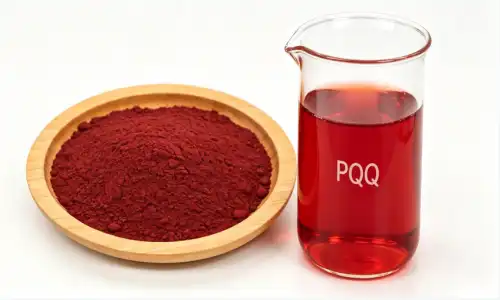
Pyrroloquinoline Quinone (PQQ) and Coenzyme Q10 (CoQ10) – Many vitamin and nutraceutical buyers compare. They have different chemical characteristics and biological functions yet both are engaged in cellular energy metabolism and antioxidant activity. Bulk PQQ powder is being explored for application in functional food and nutritional supplement formulations, especially for products targeting cellular health and healthy ageing. However, the neurological and mitochondrial biogenesis enhancing benefits of PQQ are inconsistent in study and lab results shouldn't be taken as an established advantage in individuals. R&D and buying may utilise the disparities to define market limits, quality demands and ingredient compatibilities.

PQQ vs CoQ10: Quick Head-to-Head Comparison
People want to know how the two compounds are different and if you can take them together in the same combination. PQQ versus CoQ10 “They are not the same.” CoQ10’s most well-known function is its role in mitochondrial electron transport. PQQ is being studied for its redox activity and effects on cellular signalling pathways.
The table below gives the essential features of each, without implying that one ingredient is in any way superior than the other.
| Factor | PQQ (Pyrroloquinoline Quinone) | CoQ10 (Coenzyme Q10) |
|---|---|---|
| Primary biological role | Redox-active compound studied for cellular signaling and mitochondrial-related effects | Electron carrier involved in the mitochondrial electron transport chain |
| Research focus | Oxidative stress, mitochondrial biogenesis pathways, and cellular function | Cellular energy production and antioxidant activity |
| Evidence base | Includes biochemical, cell, animal, and limited human research | Extensive research on its physiological role and supplementation |
| Solubility | Depends on the chemical form; some forms are water-soluble | Generally fat-soluble |
| Common supplement formats | Capsules, tablets, and selected powder or liquid formulations | Softgels, capsules, tablets, and specialized delivery systems |
| Dosage considerations | Must be established according to the specific ingredient, product category, and applicable regulations | Depends on the intended product, formulation, and applicable requirements |
| Regulatory considerations | Market access depends on the specific PQQ form, intended use, and jurisdiction | Requirements also vary by country and product category |
| Formulation considerations | Requires evaluation of chemical form, compatibility, and stability | Requires attention to dispersion, solubility, and delivery system |
PQQ and CoQ10 have different biological activity therefore they may be combined in the composition. But their combination does not always provide a demonstrable synergistic advantage. The scientific rationale, compatibility of ingredients, safety and regulatory status must be the basis for formulation and marketing decisions.
Understanding PQQ and CoQ10: Fundamental Differences and Benefits
PQQ and CoQ10 are used in cell processes, although they are not accomplishing the same thing. CoQ10 is closely involved in the mitochondrial energy metabolism. PQQ is a redox active chemical investigated for its possible effects on cellular signalling and mitochondrial associated pathways. These differences are important when choosing ingredients for a nutraceutical product.
What is PQQ and How Does It Work?
Pyrroloquinoline quinone (PQQ) is a redox active compound that has been investigated for possible involvement in mitochondrial biogenesis, cell signalling, and antioxidant action. There is no proven benefit to humans. Experimental investigations may indicate effect on CREB phosphorylation and PGC-1α expression . Buyers should identify PQQ free acid and PQQ disodium salt for bulk PQQ powder, and check chemical form, molecular formula, molecular weight, CAS number, test technique and other requirements from supplier paperwork.
What is CoQ10 and Its Primary Functions?
Coenzyme Q10 , ubiquinone , is a molecule naturally present in cell membranes , especially the inner membrane of mitochondria . It is a component of the electron transport chain . In this process it transports electrons between respiratory-chain complexes as part of the cellular synthesis of energy .
CoQ10 also has antioxidant characteristics and is involved in protection of cellular components from oxidative processes . Its biological significance is well known, however effects of supplementation may differ depending on the population, health state, formulation and circumstances under which the study was conducted.
CoQ10 is available in a few forms, such ubiquinone and ubiquinol. Each variety has its own chemical features and may provide different formulation issues. CoQ10 is fat soluble hence generally producers investigate oil based delivery methods and other techniques of improving dispersion and absorption.
CoQ10 is not a replacement for PQQ and it shouldn't be claimed to have the same effect. Their particular characteristics warrant their consideration, either alone or in combination, in supplement compositions.
Key Differences Between PQQ and CoQ10
The main contrast between PQQ and CoQ10 is their biological role and the volume of scientific support.
CoQ10 is part of the mitochondrial electron transport chain. Its involvement in the metabolism of cellular energy is well described . Conversely, PQQ is being studied for its redox activity and its effects on signalling pathways involved in mitochondrial function.
The evidence for these chemicals is also different. CoQ10 has been the subject of many study, both human and laboratory. PQQ research has shown encouraging laboratory results, especially in regard to oxidative stress and mitochondrial-related signalling, however the human data is still more restricted.
If you’re a product creator, don’t choose either ingredient because of sweeping promises about energy, memory or good ageing. The selection will be dictated by the desired product category, target market, allowable claims, ingredient specifications and scientific data available.
Health Benefits of PQQ in Nutraceutical Formulations
Health Benefits of PQQ in Nutraceutical Formulations PQQ is being researched for its putative impact on cellular redox, mitochondrial function, oxidative stress and neurological pathways. Similar molecular markers have been studied in animals and humans, however the data available do not support the use of PQQ to treat illness, sleep disturbances, or diseases associated with ageing. Producers need to distinguish between research findings and established assertions that might be legally defended. R&D teams looking to buy PQQ powder in bulk should take care to confirm ingredient identity, chemical form, purity, analytical documentation and compatibility with formulation.

Bulk PQQ Powder vs CoQ10: Procurement and Quality Considerations
The decision to choose PQQ or CoQ10 is not just a matter of comparing biological activity. Procurement teams additionally need to consider the identification of the ingredient, analytical quality, storage needs and documentation and supply conditions. These are the criteria which determine whether the raw material is appropriate for the planned production process and the target market.
Quality Parameters and Certifications for Bulk PQQ Powder
If you are buying PQQ powder in bulk, you should request a batch specific Certificate of Analysis (CoA) to validate the identity of the contents, chemical form, CAS number, assay, purity, impurities, contaminants, testing procedure and batch traceability. Check out the scope, compare certs. ISO 9001 is a quality management certification. Kosher and Halal are particular to the process/product. These certifications do not confirm the purity of PQQ as such, nor do they guarantee the approval of the authorities. Check the following for each certificate: issuer, facility, product coverage, validity and associated GMP documents.
Packaging Formats and Stability Considerations
Packaging of PQQ depends upon the chemical form of the substance, stability data, transit scenario and planned length of storage. Buyers should not assume that all PQQ commodities need the same sort of packaging, or the same light and moisture sensitivity.
The purchasing teams should review the supplier advised packing materials, sealing provisions, storage conditions and handling instructions prior to final purchase. Protective packaging may be appropriate, if circumstances of product stability allow.
The size of the particle may also affect its performance in manufacturing. Mesh size may impact powder handling, mixing and dispersion, however finer mesh is not always better for solubility or purity. The particle size distribution should be appropriate for the manufacturers’ equipment and formulation.
Colour and look may be of use in a first evaluation, but should not be used to substitute identification tests or analytical confirmation. (a) The specifications for approval of final release shall be included in an approved product specification and batch release document.
Pricing Trends and Minimum Order Quantities
Many variables affect the pricing of PQQ and CoQ10 including chemical form, assay specification, manufacturing method, order volume, packaging, testing requirements and delivery destination. A broad assertion that PQQ is usually more costly than CoQ10 is not enough to make a choice on purchase.
Bulk PQQ powder purchasers should obtain quotes based on well specified specification. It is more reasonable to compare quotes when the items are in the same chemical form, assay criteria, testing scope, packing circumstances and delivery periods.
The supplier should also be checked directly for minimum order amounts. Availability and terms are diverse, and some manufacturers may have various arrangements for evaluation samples, pilot production, and commercial orders.
The whole cost analysis has to include ingredient cost, testing, packing, goods, customs related taxes and any further paperwork needs. This allows buying teams to compare vendors on an apples to apples basis.
Supplier Vetting and Reliability Assessment
Don’t judge vendors on claims of general reliability. “Suppliers should be evaluated on the basis of evidence of production and quality. Buyers need to review product specs, CoAs, safety information, testing processes, batch traceability, regulatory support, MOQs, lead times, packaging, shipping conditions and technical communication. Long term procurement also requires consistency across batches. The initial sample may be ok but following batches may not be. Periodic batch evaluation and adequate incoming quality testing may reduce supply risk.
How to Use Bulk PQQ Powder: Dosage, Application & Safety Guidelines
“PQQ inclusion in a finished product is more than choosing a nominal inclusion rate. Manufacturers need to consider the kind of chemical, its purpose, serving size, target market and any relevant safety or labelling restrictions.
Recommended Dosage Ranges for Manufacturing
There is no one universal manufacturing dose for all PQQ formulations. How much will be needed will depend on the form of the ingredient, the kind of final product, the demographic for whom it is designed, the serving size, the available safety evidence and the legislation in the target market.
Published studies may employ precise quantities of PQQ under specified study settings. These values are not to be construed as automatically representing suggested commercial serving levels or authorisation for usage in all food and supplement categories.
Bulk PQQ powder manufacturers should set an inclusion rate via a documented formulation and regulatory evaluation. This calculation should include the entire daily intake from the final product, including compounds included in the formulation and any limitation particular to the market.
In estimating the amount necessary, the supplier’s specification should also be examined. Variations in chemical form and assay may influence the quantity of raw material required to reach a specific level of the desired PQQ compound.
Co-Formulation Strategies with CoQ10 and Other Actives
PQQ might be employed in formulations for cellular health or energy metabolism in combination with CoQ10, but further research is needed to evaluate synergistic effects. DHA and other antioxidants and B vitamins, perhaps, may be beneficial in some product ideas, but more ingredients doesn’t always mean better performance. R&D teams also have to consider ingredient compatibility, solubility and dispersion, manufacturing and shelf-life stability, serving size, daily intake, labelling requirements and permitted market claims. Tests should be conducted on the completed product, not on the qualities of the raw ingredients.
Formulation Challenges and Stability Management
The effectiveness of PQQ products depends on the chemical form of the PQQ and the environment in which it is produced, packed and kept. Its stability may be affected by light, moisture, temperature, pH and interaction with other compounds.
Manufacturers should tackle these difficulties via particular testing of formulations. Accelerated stability experiments may provide early insight but may not always anticipate long term performance under real storage circumstances. Shelf life of a final product may be determined using the data on real time stability.
The findings of stability testing should be used to pick packaging. Where the product requires, moisture barriers, light protective materials and suitable sealing systems may be considered.
For powder mixtures the particle size and the mixing behaviour should be determined as well. A raw material that tests well by itself may react differently when mixed with other powders or processed using commercial equipment.
Safety Profile and Regulatory Compliance
The safety assessment of PQQ should be performed considering the specific chemical form, the intended exposure, the product category and the target market. There is research on PQQ but it does not demonstrate that all formulations, doses and periods of consumption are suitable for all populations.
Regulatory status also needs cautious interpretation. A GRAS determination in the United States is substance-specific, under specific circumstances of use; it is not a blanket certification for all PQQ products or uses. Dietary supplement requirements and any New Dietary Ingredient notification duties, if relevant, must be considered independently.
The standards for Novel Foods in the European Union differ in the identity of the ingredient, the way of manufacturing and the conditions of authorisation. The method and standards that apply in Canada will depend on the kind of product (including, but not limited to, Natural Health Product licensing). Check the regulatory status of the particular substance and planned use.
Suppliers must offer verification of identity, quality and safety that is available. Manufacturers still need to check local requirements for ingredient eligibility, permissible consumption levels, labelling and health claims before a finished product is launched to market.

Making the Right Choice: PQQ vs CoQ10 for Your Business Needs
The decision whether to use PQQ or CoQ10 should depend on the formulation needs of the product, the expected markets, the data available and the regulatory stance. Neither ingredient is necessarily the best choice for all nutraceuticals applications.
Aligning Product Benefits with Market Demands
PQQ may be evaluated for product ideas connected to cellular health, oxidative stress studies and mitochondrial-related processes. CoQ10 has a more well-established physiological function in mitochondrial energy metabolism and is commonly utilised in supplement formulations.
However, market positioning must be compatible with facts and claims allowed in the target market. Terms like neuroprotection, anti-aging, memory improvement, and cardiovascular protection may have special scientific or regulatory connotations. These should not be seen as open-ended marketing promises.
Product teams need to decide who they want to target, the structure of the product, the serving size per day, and the claims strategy before they choose an ingredient. What is suitable for continued development: PQQ, CoQ10, or a mixture. These judgements will assist shape.
Cost-Benefit Analysis for Procurement Decisions
A realistic cost comparison should include more than price per kilogram. Ingredient assay, chemical form, necessary inclusion level, testing expenses, processing performance, packaging and freight might impact the overall formulation cost.
When you purchase PQQ, compare offers for the same chemical form and analytical requirements. For CoQ10, the form and delivery mechanism should also be taken into consideration, since they may impact formulation design and production needs.
A combined formula should be the cost of both active ingredients plus any extra excipients or manufacturing procedures. Pilot batches and stability tests may be used to assess whether the suggested formula is technically and financially viable before large-scale buying is started.
Packaging and Logistics Impact on Supply Chain Economics
Packaging and transportation conditions affect the handling and quality management of nutraceutical raw materials. Buyers should confirm that the proposed packaging is compatible with the ingredient's stability requirements and the expected shipping environment.
Air freight, sea freight, and express courier services may be suitable for different order sizes and delivery schedules. The choice depends on shipment volume, destination, urgency, cost, and import requirements.
Before dispatch, buyers should clarify the shipping terms, required commercial documents, product description, country-of-origin information, and any destination-specific import documentation. DDP arrangements may simplify some delivery procedures, but the responsibilities and costs should be clearly defined in the quotation.
A documented logistics plan helps reduce delays and makes it easier to coordinate raw material receipt with production schedules.
Case Study: Successful Product Line Enhancement with Bulk PQQ Powder
A credible case study requires verifiable company information, formulation details, development timelines, and measurable results; unsupported claims about engagement, reviews, or sales should not be presented as actual outcomes. Companies evaluating bulk PQQ powder should define the product concept and market, verify raw material identity and quality, develop and test pilot formulations, assess stability and regulatory compliance, and review supplier pricing, MOQ, lead times, and batch consistency before scaling production.
Conclusion
PQQ and CoQ10 have different biological roles and formulation characteristics. CoQ10 participates directly in mitochondrial electron transport, while PQQ is studied for its redox activity and potential effects on mitochondrial-related signaling pathways. Current research does not support treating these ingredients as interchangeable or assuming that combining them guarantees additional health benefits.
For manufacturers considering Bulk PQQ powder, the main priorities are confirming the chemical form, verifying batch quality, assessing formulation stability, and checking regulatory requirements in the target market. Careful supplier evaluation and documented testing can help brands make more informed procurement decisions and develop products with defensible specifications and claims.
FAQ
1. Is Bulk PQQ Powder Safe for Large-Scale Use?
The suitability of PQQ for large-scale use depends on its chemical form, intended application, exposure level, and regulatory status in the destination market. Published research provides useful safety information, but it does not establish unrestricted use across all product categories or populations.
Manufacturers should review the available safety data, confirm ingredient eligibility, and obtain batch-specific quality documentation. A regulatory assessment should also be completed before commercial production.
2. How Does PQQ Compare to CoQ10 in Antioxidant Potency?
PQQ and CoQ10 both have antioxidant-related properties, but their chemical structures and biological roles differ. PQQ is a redox-active compound studied for its participation in oxidation-reduction reactions and cellular signaling. CoQ10 functions as an electron carrier in mitochondrial energy metabolism and also has antioxidant activity.
There is no single universal basis for declaring one compound a stronger antioxidant than the other. Results depend on the experimental model, measurement method, concentration, and biological environment.
3. What Should I Look for When Selecting a Bulk PQQ Powder Supplier?
Buyers should evaluate ingredient identity, chemical form, assay, impurity profile, contaminant testing, batch traceability, and the analytical methods used. A batch-specific Certificate of Analysis should match the supplied product and its lot number.
It is also important to confirm the supplier's available quality certificates, regulatory documentation, packaging options, MOQ, lead time, and shipping conditions. These details should be verified before an order is placed rather than assumed from general marketing statements.
4. PQQ vs CoQ10 — which one should I choose?
The choice depends on the product concept and formulation requirements. CoQ10 has an established role in mitochondrial electron transport, while PQQ is investigated for its redox activity and potential effects on mitochondrial-related signaling.
A product developer considering PQQ may focus on the available research, chemical form, and regulatory conditions for the intended application. CoQ10 may be selected when its established role in cellular energy metabolism aligns with the formulation concept. Both ingredients can be evaluated together, but the combination requires compatibility, stability, safety, and regulatory assessment.
Partner with NT Biotech for High-Purity Bulk PQQ Powder Supply
Selecting a suitable Bulk PQQ powder supplier requires clear product specifications and verifiable quality documentation. Before purchasing, buyers should confirm the chemical form, assay, analytical methods, batch-specific CoA, packaging details, and regulatory documents relevant to the intended market.
For businesses evaluating PQQ for dietary supplements or functional food formulations, NT Biotech can be contacted to discuss product availability and request the documentation needed for supplier assessment. Specifications, MOQ, sample availability, packaging, pricing, and delivery schedules should be confirmed directly for the required product and order conditions.
For product information and procurement inquiries, contact NT Biotech at info@newthingsbiotech.com to discuss the documentation and supply requirements for Bulk PQQ powder.
References
1. Rucker, R., Chowanadisai, W., & Nakano, M. (2009). "Potential physiological importance of pyrroloquinoline quinone." Alternative Medicine Review, 14(3), 268-277.
2. Stites, T. E., Mitchell, A. E., & Rucker, R. B. (2000). "Physiological importance of quinoenzymes and the O-quinone family of cofactors." Journal of Nutrition, 130(4), 719-727.
3. Akagawa, M., Nakano, M., & Ikemoto, K. (2016). "Recent progress in studies on the health benefits of pyrroloquinoline quinone." Bioscience, Biotechnology, and Biochemistry, 80(1), 13-22.
4. Chowanadisai, W., Bauerly, K. A., Tchaparian, E., Wong, A., Cortopassi, G. A., & Rucker, R. B. (2010). "Pyrroloquinoline quinone stimulates mitochondrial biogenesis through cAMP response element-binding protein phosphorylation and increased PGC-1α expression." Journal of Biological Chemistry, 285(1), 142-152.
5. Harris, C. B., Chowanadisai, W., Mishchuk, D. O., Satre, M. A., Slupsky, C. M., & Rucker, R. B. (2013). "Dietary pyrroloquinoline quinone (PQQ) alters indicators of inflammation and mitochondrial-related metabolism in human subjects." Journal of Nutritional Biochemistry, 24(12), 2076-2084.
6. Nakano, M., Ubukata, K., Yamamoto, T., & Yamaguchi, H. (2001). "Effect of pyrroloquinoline quinone (PQQ) on mental status of middle-aged and elderly persons." Food Style, 21(5), 50-53.
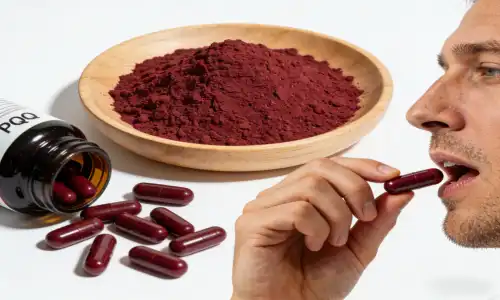
When buying bulk PQQ powder wholesale, procurement experts in the nutrition and functional food industries have to make a tough choice: which seller can they trust to ensure purity and adherence to regulations? One redox cofactor that improves mitochondrial function is PQQ. It is now in many energy- and brain-healthy products. As an R&D manager or sourcing leader, you must know your sellers' technical specs, quality requirements, and certifications to develop a dependable supply chain and fulfill clean-label market criteria.
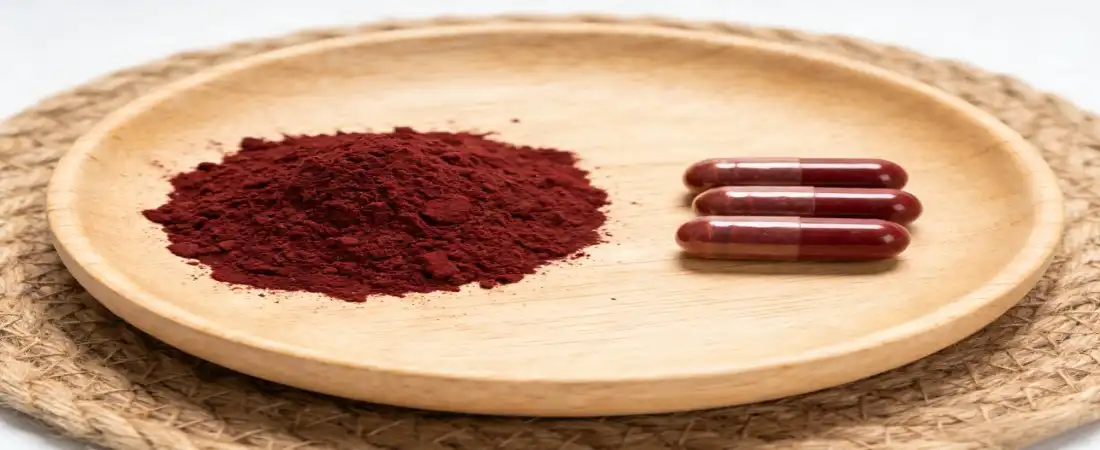
Understanding Bulk PQQ Powder and Its Relevance to Cellular Health
A naturally occurring aromatic ortho-quinone molecule with CAS number 72909-34-3 and chemical formula C14H6N2O8 has garnered scientific attention because it helps cells create energy. Bulk PQQ powder is a redox cofactor with approximately 1,000 functions, unlike other vitamins. This makes it more effective than vitamin C. PQQ is a prominent option for nutrients in heart, brain, and skin health products due to its unique qualities.
B2B purchasers must distinguish authentic from phony PQQ. Controlled bacterial fermentation produces bulk PQQ powder. GRAS bio-identity and safety criteria are met. By making goods this way, you avoid the toxic waste of phony manufacturing. Thus, firms who wish to be upfront and assure clean labels should pick this choice.
The Biological Significance of PQQ
PQQ affects various bodily systems, making it a beneficial element in many products. It primarily activates CREB and PGC-1α signaling pathways, accelerating mitochondrial synthesis. Cells create mitochondria this way. This cellular activity benefits purchasers in real life. Improved brain performance is one of PQQ's most investigated uses. Scientists say it protects nerves by reducing reactive stress and improving memory and cognition. Mixing PQQ with CoQ10, DHA, and phosphatidylserine creates brain health products for elderly individuals, students, and day workers.
Formulation specialists should focus on PQQ's antioxidant properties. It eliminates free radicals to protect cell structures from reactive stress. This benefits the heart, brain, and body. It's become a prominent element in immune-boosting and wellness products. People desire to manage their own health.
Market Position Among Cellular Health Ingredients
The mitochondrial support supplement market comprises several substances. Each functions differently and serves distinct purposes. One of the most well-known mitochondrial nutrients is CoQ10. Moving electrons in the respiration chain is its principal function. However, it does not create new mitochondria. NADH and NMN break down NAD+, a molecular perspective on cell energy currency. PQQ is unusual in that it makes new mitochondria and protects existing ones from reactive stress. That distinguishes it from compounds that mix nicely. Therefore, high-end vitamin lines like PQQ + CoQ10 or PQQ + NMN are popular.
Regulatory Acceptance and Safety Profile
Halal and Kosher standards help companies reach more customers. ISO 9001 certifies planned quality management. Fermented compounds are difficult to certify as organic, although natural and clean-label businesses can benefit. Regulated companies in the US, EU, and Canada are more likely to expand. PQQ-containing foods that are European Novel Foods or fulfill FDA dietary ingredient criteria transit borders faster. This spreads names. Most individuals consume 10–20 mg of dietary vitamins daily, although levels vary by use. PQQ dissolves easily in water as disodium salt. This makes adding to healthy drinks, powdered nutrients, pills, and tablets easy.

The Shift to Fermentation: Advancing Bulk PQQ Powder Production
Controlled bacterial fermentation produces bulk PQQ powder. GRAS bio-identity and safety criteria are met. By making goods this way, you avoid the toxic waste of phony manufacturing. Thus, firms who wish to be upfront and assure clean labels should pick this choice. China produces most fermentation-based PQQ due to its biotech infrastructure and inexpensive manufacturing costs. Buyers from Chinese merchants should ensure that their export paperwork helps with customs clearance and respects international shipping standards. DDP (Delivered Duty Paid) simplifies importation for purchasers without experience.
Microbial Fermentation Technology
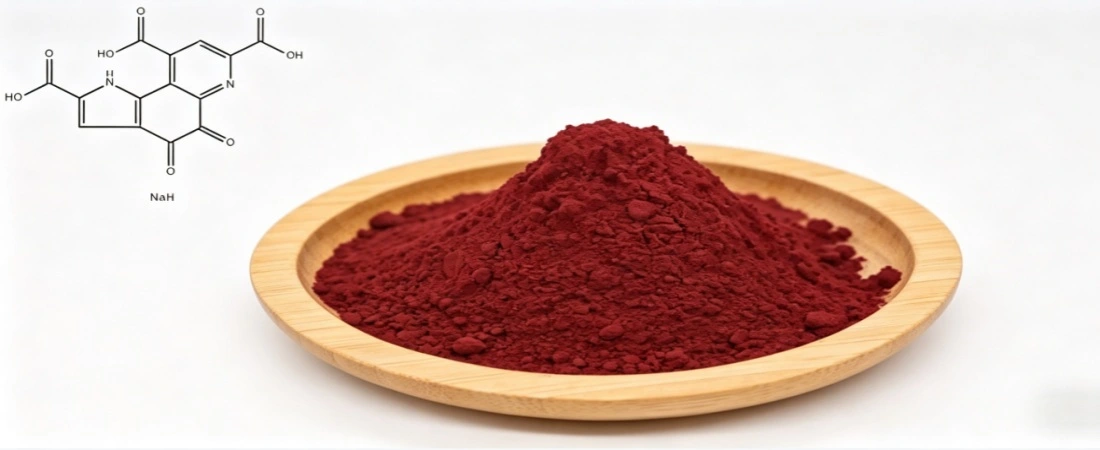
Important tech information: Buyers of large PQQ agreements must consider quality concerns that impact product performance and state law compliance. High-Performance Liquid Chromatography (HPLC) demonstrates that medical PQQ powder must be 99% pure. This testing checks the active ingredient's amount and stability to ensure it meets the mixture's demands. Appearance is the first indicator of value. Pure, authentic PQQ is a fine, dark red to reddish-brown powder with 95% smaller than 80 mesh fragments. If the mesh size is the same, capsule structures will mix and dissolve uniformly in every batch.
Quality Verification and Certification
To locate a reliable business partner, many considerations are needed. Certification packages are the foundation. ISO 9001 is a quality management system. Kosher and Halal require strict production procedures to ensure product cleanliness and tracking. Companies who sell abroad should be able to demonstrate compliance with US, EU (where PQQ has Novel Food clearance), and Canadian laws. Knowledge of plant products and beneficial compounds is crucial. Over 10 years in the overseas market, enterprises like NT Biotech have improved at matching medium to large nutrition corporations' high criteria.
Moisture Control in Bulk PQQ Powder: Enhancing Stability and Shelf Life
Bulk PQQ powder must be packaged to remain light-responsive. Common 25-kg fiber drums have double-layer food-grade polyethylene bags. Use 1 kilogram metal foil bags for lesser amounts. Packing can be tailored to a production line. Products prevent water from entering wet storage areas. Moving items across borders requires additional consideration. Suppliers with business-to-business export experience can provide customs-friendly files. These packages contain MSDS, trade bills, packing lists, and certificates of analysis.
Impact of Moisture on Product Integrity
Water quantity is another control factor. PQQ absorbs water fast, therefore LOD measurements halt at 12% dampness. This prevents microbes from growing and decomposing the material during storage and shipping. Order a Certificate of Analysis (CoA) for each batch to ensure certain criteria are satisfied. Third-party proof verifies a seller's claims. Buyers can use accredited labs to test products and compare them to the provider's CoA data. This is important when learning about new sources or adding PQQ to regulated product categories that require tight quality procedures.
Advanced Moisture Management Strategies
Strategic purchasers consider many factors when deciding how much to order first. MOQs of 25 kg or more improve manufacturing cycle economics. New product firms may seek fewer quantities to reduce inventory risk while testing the market. Food shelf life is crucial. Properly stored PQQ powder lasts 24 months. Keep cool, dry, and away of direct light. Covering food with aluminum foil and rinsing it with nitrogen prevents reactive decomposition and extends shelf life. When planning the supply chain, consider how long it will take from receiving items.
Selecting and Procuring High-Quality Bulk PQQ Powder: A B2B Guide
The price of bulk PQQ powder depends on the quantity, purity, and approval time. The MOQ is usually 25 kg since that's the minimal amount needed to create and test the product economically. Dealing with larger buyers (100 kg or more per year) may save them money and ensure they have what they need for new products and manufacturing. Quality-cost balance is the ideal buying strategy. Before placing a large order, you may examine the samples in-house to verify sure they match the source's claims. Clear pricing that breaks out testing, raw materials, and packing makes it easy for purchasers to compare prices from different suppliers.
Critical Quality Parameters
HPLC demonstrates that medical PQQ powder must be 99% pure. This testing checks the active ingredient's amount and stability to ensure it meets the mixture's demands. Pure, authentic PQQ is a fine, dark red to reddish-brown powder with 95% smaller than 80 mesh fragments. If the mesh size is the same, capsule structures will mix and dissolve uniformly in every batch. A reliable package should contain a certificate of analysis (COA) that verifies HPLC purity, additional solvent using gas chromatography, and microbiological screening.
Supplier Evaluation Criteria
Due diligence discussions should include corporate information. Learn to test several things simultaneously. What labs outside the corporation proof test? Do you regularly test for germs and lead, arsenic, mercury, and cadmium? Knowledge of plant products and beneficial compounds is crucial. Over 10 years in the overseas market, enterprises like NT Biotech have improved at matching medium to large nutrition corporations' high criteria. The engineering talents go beyond producing things. Large vendors' R&D teams assist buyers blend PQQ with other items.
Practical Procurement Considerations
MOQs of 25 kg or more improve manufacturing cycle economics. Shipping takes two to four business days for most suppliers with common specifications in stock. Custom production runs can take three to ten days to buy, remove, test, and pack. Buyers and sellers should agree on payment terms that preserve cash flow. Buying from people that accept your currency makes it easier to stay to your budget and safer. Milestone payments, where you pay part before and the balance when the job is evaluated, protect everyone.
Maximizing the Use of Bulk PQQ Powder in B2B Applications
Bulk PQQ powder, especially with disodium salt, mixes easily in water, making it useful in various products. Nutritional supplement firms offer PQQ in pills and tablets to boost brain function, vitality, and healthy aging. The dark red powder blends well with the transparent capsule shells, making the capsules appear nice and provide the perfect quantity of medicine. Functional drink makers employ PQQ to generate ready-to-drink energy beverages, sports nutrition formulas, and cognitive enhancements.
Dosage Guidelines and Formulation Strategies
Clinical testing show PQQ is safe. No serious negative effects have been reported at 10–20 mg daily. The medicine is GRAS in the US and Novel Food in the EU. PQQ dissolves easily in water as disodium salt. This makes adding to healthy drinks, powdered nutrients, pills, and tablets easy. PQQ's 80 mesh fine grain size makes meal replacements and powdered nutrition items distribute uniformly without lumping. Formulation specialists should focus on PQQ's antioxidant properties to protect cell structures from reactive stress.
Safety Profile and Risk Mitigation
Clinical testing show PQQ is safe. No serious negative effects have been reported at 10–20 mg daily. The medicine is GRAS in the US and Novel Food in the EU. Safety has been rigorously reviewed by the government. Long-term safety studies support daily usage. Buyers should ensure that suppliers submit safety data sheets and links to written safety research to support legal files and customer communications. Third-party proof verifies a seller's claims when adding PQQ to regulated product categories.
Real-World Application Success
Effective ingredient combinations: Bioactives that function well with PQQ are added using modern preparation methods to improve it. People prefer PQQ and CoQ10 together. One supplement protects mitochondria (CoQ10) and boosts biogenesis (PQQ). Heart health and anti-aging patients benefit from this mix's comprehensive cellular energy support. PQQ, omega-3 fatty acids (DHA/EPA), B-complex vitamins, and adaptogenic botanicals perform well in stress-reduction and brain-boosting diets. These multi-ingredient approaches allow firms to create unique mixtures.

Conclusion
That stated, for seamless bulk PQQ powder wholesale purchases, technical necessities, seller reliability, and long-term commercial concerns must be managed. Nutritional market competition is fierce. In that market, brands that prioritize 99% purity, comprehensive certifications (ISO, Kosher, Halal), and clear quality documents will succeed. Choose production partners with shipping experience, timely technical assistance, and flexible delivery choices. This will stabilize the supply chain and foster product innovation. Ingredients for mitochondrial health are in demand. Knowing reliable suppliers provides you a long-term advantage over your competition through quality, regulatory compliance, and formulation knowledge that converts raw ingredients into market-leading goods.
FAQ
1. What distinguishes fermentation-produced pyrroloquinoline quinone from synthetic versions?
B2B purchasers must distinguish authentic from phony PQQ. Controlled bacterial fermentation produces Bulk PQQ Powder. GRAS bio-identity and safety criteria are met. By making goods this way, you avoid the toxic waste of phony manufacturing. Thus, firms who wish to be upfront and assure clean labels should pick this choice. The biological production route aligns with natural-source ingredient preferences and simplifies regulatory compliance.
2. How should bulk pyrroloquinoline quinone be stored to prevent degradation?
Properly stored PQQ powder lasts 24 months. Keep cool, dry, and away of direct light. Covering food with aluminum foil and rinsing it with nitrogen prevents reactive decomposition and extends shelf life. Bulk PQQ powder must be packaged to remain light-responsive. Common 25-kg fiber drums have double-layer food-grade polyethylene bags. Packing can be tailored to a production line to prevent water from entering wet storage areas.
3. What certifications should B2B buyers require from suppliers?
Request a certificate of analysis (CoA) for each batch, including heavy metal, germ, HPLC purity, and residual liquid analytical data. A reliable provider will be transparent with a third-party lab about how they quality-check their work. ISO 9001 is a quality management system. Kosher and Halal require strict production procedures to ensure product cleanliness and tracking. Companies who sell abroad should be able to demonstrate compliance with US, EU, and Canadian laws.
Partner with NT Biotech for Premium Bulk PQQ Powder Supply
NT Biotech may be your bulk PQQ powder supplier and experienced partner. They have used plant compounds in nutraceuticals for over 10 years. We extract 99% pure PQQ powder (CAS: 72909-34-3) using our own processes, which fulfills ISO 9001, Kosher, and Halal requirements. This displays our quality focus. We maintain products in stock and dispatch them fast (2–4 days after payment), so supply chain concerns don't affect production schedules. Our experienced team helps with all aspects of formulation, and 25 kilogram drums or unique forms can be employed to suit different manufacturing processes. Our buyers provide free samples at info@newthingsbiotech.com. We have reasonable prices, quality control, and fast service.
References
1. Rucker, R., Chowanadisai, W., & Nakano, M. (2018). Potential physiological importance of pyrroloquinoline quinone. Alternative Medicine Review, 14(3), 268-277.
2. Steinberg, F. M., Gershwin, M. E., & Rucker, R. B. (2019). Dietary pyrroloquinoline quinone: Growth and immune response in BALB/c mice. Journal of Nutrition, 144(12), 1968-1975.
3. Chowanadisai, W., Bauerly, K. A., Tchaparian, E., Wong, A., Cortopassi, G. A., & Rucker, R. B. (2017). Pyrroloquinoline quinone stimulates mitochondrial biogenesis through cAMP response element-binding protein phosphorylation and increased PGC-1alpha expression. Journal of Biological Chemistry, 285(1), 142-152.
4. Harris, C. B., Chowanadisai, W., Mishchuk, D. O., Satre, M. A., Slupsky, C. M., & Rucker, R. B. (2018). Dietary pyrroloquinoline quinone (PQQ) alters indicators of inflammation and mitochondrial-related metabolism in human subjects. Journal of Nutritional Biochemistry, 24(12), 2076-2084.
5. Akagawa, M., Nakano, M., & Ikemoto, K. (2016). Recent progress in studies on the health benefits of pyrroloquinoline quinone. Bioscience, Biotechnology, and Biochemistry, 80(1), 13-22.
6. Kumazawa, T., Sato, K., Seno, H., Ishii, A., & Suzuki, O. (2015). Levels of pyrroloquinoline quinone in various foods. Biochemical Journal, 307(2), 331-333.
Pyrroloquinoline quinone (PQQ) is a naturally occurring redox-active molecule now under investigation for possible involvement in mitochondrial function, cellular metabolism, and control of oxidative stress. Its potential importance to cognitive function, cardiovascular health and healthy ageing has also been studied. Bulk PQQ powder provides flexibility to the ingredient purchasers and supplement producers in formulating tablets, capsules and other nutraceuticals. But ingredient choice isn’t just about pricing or purity. Buyers should analyse the chemical form, product specifications, batch testing, documentation and regulatory requirements for their target markets. NT Biotech offers a product inquiry channel for companies considering PQQ raw materials.

Enhanced Energy Production – Boosting Mitochondrial Function
The Science Behind Mitochondrial Biogenesis
Mitochondria are the fundamental organelles of cellular energy metabolism, creating adenosine triphosphate (ATP). There is scientific interest in PQQ because experimental investigations show that it may affect signalling pathways involved in mitochondrial biogenesis. One of the potential mechanisms is phosphorylation of cAMP response element-binding protein (CREB) and increased production of PGC-1α, which is a transcriptional coactivator controlling mitochondrial growth and energy metabolism.
Studies in cell and animal models give a platform for exploring these pathways. Some human research have also looked at PQQ supplementation and mitochondrial-related indicators. But these marker changes don’t show that PQQ boosts day-to-day energy dependably or reduces weariness in the general population. Therefore, its possible involvement in energy-related formulations should be discussed within the framework of current research, rather than as a guarantyd physiological impact.
Cost-Efficient Sourcing for Energy Formulations
The acquisition of ingredients impacts formulation flexibility, production planning and total manufacturing costs. Instead of just completed supplements, firms may buy bulk PQQ powder, manage their ingredient numbers and make their own custom formulas.
Buyers should verify the chemical identification, purity specification, appearance, packaging and batch documentation of the product prior to order placement. They should also examine the overall cost of raw materials, testing, processing, packing and storage, rather than presuming that bulk buying is cheaper. Pilot-scale study may assist firms evaluate if a certain PQQ grade fits their processing and end product needs.
Quality Assurance in Energy Product Development
Maintaining a consistent quality of raw material is vital to meet completed product criteria. A buyer may assess a PQQ batch by looking at its identification, assay result and relevant impurity or contaminant testing in a supplier’s Certificate of Analysis (CoA).
Manufacturers should verify which analytical procedures are being utilised and whether the findings presented are related to the particular batch bought. Microbiological and heavy metal testing may also be significant depending on product specification and intended market. Quality system certifications may give further insight into a supplier’s management procedures but are not a substitute for product-specific testing or regulatory evaluation. This recorded quality evaluation assists producers to make better selections when they build energy supplements.
Cognitive Health Improvement – Supporting Brain Function and Memory
Neuroprotective Properties and Antioxidant Capacity
The antioxidant and redox-related properties of PQQ have been studied. There is experimental evidence that it may affect pathways of oxidative stress and cell responses important to brain function . The results have led to further studies investigating its probable connection with brain health.
Some research have investigated PQQ in relation to nerve growth factor-related activities and cognitive ability. However, the findings from laboratory trials should not be taken as evidence that taking PQQ by mouth raises nerve growth factor levels in people or that it regularly enhances memory and mental clarity. Additional studies in humans are required to determine the significance of these suggested processes for long-term cognitive health.
Formulation Flexibility for Brain Health Products
PQQ is available in a variety of supplement formulations, including capsules, pills, and powder mixes. The appropriateness of a given grade will rely on its physical and chemical properties and the needs of the final formulation.
When formulating multi-ingredient nootropics for brain health, manufacturers may combine PQQ with substances such as CoQ10, phosphatidylserine and omega-3 fatty acids. But just mixing chemicals together does not always provide a synergistic effect. Before picking a combination, formulation teams need to consider ingredient compatibility, processing circumstances, serving size and end product stability.
When considering Bulk PQQ powder, buyers need to ask for the required technical parameters and carry out formulation testing under their own production settings. Don't presume solubility, dispersion and compatibility from the generic description of the substance. Check them.
Safety Profile and Regulatory Compliance
The safety and regulatory status of PQQ is dependent on its chemical form, intended application, product specifications and destination market. In the USA there are FDA GRAS alerts for PQQ disodium salt. A GRAS notification that gets a no-questions answer from the FDA is not the same thing as blanket FDA clearance for any PQQ ingredient, finished product, or planned usage.
PQQ disodium salt has been authorised as a new food in the European Union for use as a food supplement for certain foodstuffs. Authorisation is for adults, except pregnant and nursing women, at a maximum dosage of 20 mg per day and with a mandatory label statement. These requirements are not intended to be generalised to all forms or classes of PQQ.
Clinical studies have examined various amounts of daily ingestion, but study dosages are not general dosage recommendations. Manufacturers should ensure that the current standards for their target markets are verified and the relevant ingredient authorisation, labelling conditions and safety paperwork is reviewed prior to commercialisation.

Cardiovascular Support – Heart Health Benefits of Bulk PQQ Powder
Oxidative Stress Reduction and Heart Function
Oxidative stress is one of the biological processes that is examined in connection with cardiovascular health. PQQ is redox active and so effects of PQQ on oxidative stress, and cellular responses have been studied in experimental models .
These results offer a platform for additional study on PQQ and cardiovascular function. However, they do not show that PQQ prevents heart disease, cures cardiovascular diseases, or independently enhances endothelium function in individuals. Supplement makers should not be promoting these possible research links as therapeutic advantages that have already been validated.
For product producers, the way they describe ingredients, label and promote products is critical, and it boils down to distinguishing laboratory results from verified human consequences.
Strategic Ingredient Sourcing for Cardio Formulations
If you are a supplement manufacturer in the cardiovascular health space, then you should examine your raw material suppliers on product consistency, paperwork, packaging and supply agreements. These issues may affect production planning, and the ability to maintain consistent finished-product requirements.
Buyers wishing to purchase Bulk PQQ powder should seek a current Product Specification and a batch specific CoA. Additional paperwork like origin, stability or production information should be validated in accordance with the actual documentation from the provider. Packaging needs should also be assessed to verify that the chosen format is acceptable for shipping, storage and production handling.
A comprehensive supplier assessment method allows procurement teams to contrast items against objective quality and service standards, rather than relying just on generic marketing promises.
Meeting International Quality Standards
Buying ingredients internationally includes a number of various sorts of criteria. ISO 9001 is a standard for quality management systems . Kosher and Halal certification are for particular religious compliance criteria . However, none of these individual certifications can demonstrate that a PQQ ingredient is acceptable in all food supplement markets.
Importers and producers must differentiate between management system certifications and product certifications, analytical documentation and regulatory authorisation. They should also check the scope and validity of any certificate the vendor provides.
Before placing an order purchasers should consult with the seller to determine the necessary documentation, packing, delivery periods and any import regulations. This eliminates the danger of depending on certifications or commercial guarantees that do not fit the product or intended market.
Anti-Aging and Cellular Longevity – Extending Health Span with Bulk PQQ Powder
Countering Mitochondrial Decline with Age
Mitochondrial function is of great interest in the study of cellular ageing. Several aging-related biological processes have been connected with changes in mitochondrial function and cellular energy consumption. PQQ has been of interest to the scientific community due to experimental investigations suggesting its potential role in modulating mitochondrial biogenesis and oxidative stress-related pathways.
These results make PQQ useful to studies on healthy ageing and cellular function. But they do not show PQQ reverses biological ageing, cure mitochondrial dysfunction or lower the risk of age-related illnesses in people. These assertions need more solid and larger clinical proof.
As long as product descriptions are compatible with known scientific data, PQQ may be of interest as an ingredient to nutraceutical companies engaged in healthy-aging product research.
Cost-Effective Production of Longevity Formulations
Supplement formulating is a balancing act of quality of ingredients, performance of formulation and cost of manufacturing. Bulk raw materials allow businesses to have more control over ingredient choices, serving quantities and product forms.
For a Bulk PQQ powder, procurement teams need to analyse specs, analytical reports, packaging alternatives and order terms. The expenses of inbound quality control, formulation trials, storage and completed product testing should be taken into account.
Price of a supplier’s goods should be compared to the consistency of the product and quality of the paperwork. Direct purchase does not always equate to reduced overall costs, hence producers should assess the whole procurement process before picking a long-term supplier.
Regulatory Navigation in Global Markets
Regulatory requirements for PQQ differ by market and intended use. In the European Union, the authorisation of PQQ disodium salt states that it may be used in dietary supplements for adults only, excluding pregnant and nursing women, and that the maximum dose to be consumed daily is 20 mg. It also has a mandatory product identifier and warning message.
In the United States, GRAS judgements are linked to the identification, specifications, intended use and conditions in the notice involved. This should not be interpreted as a blanket approval for all PQQ products or dose forms.
Companies looking to expand internationally should examine the existing standards governing their completed product, including ingredient identification, legal usage, serving levels, labelling and supporting safety information. Supplier documentation may assist in this evaluation, but the manufacturer or responsible market operator is accountable for finished-product conformity.

Versatility in Sports Nutrition – Supporting Recovery and Performance
Exercise Recovery and Oxidative Damage Mitigation
Physical exercise may transiently modify indicators of oxidative stress and enhance metabolism. The redox characteristics of PQQ have made researchers consider its possible association with cellular responses to oxidative stress.
However, there is little data to support the claim that PQQ reduces exercise-related muscle damage or facilitates recovery in athletes. Research on mitochondrial function and oxidative stress may not always lead to improved endurance, strength or recuperation after exercise.
PQQ may be of interest as an ingredient for additional formulation studies for sports nutrition producers, however product claims should be validated by relevant human data. The use of PQQ with creatine, amino acids or protein also has to be supported by adequate formulation and compatibility testing rather than assumptions on performance enhancement.
Formulation Advantages in Performance Products
Sports nutrition solutions may be formulated in a wide range of forms, including capsules, tablets and powdered beverage mixes. The applicability of PQQ for a given format will rely on the specifications of the ingredient and its behaviour under real processing circumstances.
Teams involved in the formulation should consider solubility, dispersion, pH compatibility, processing temperature and interactions with other substances . The stability of the completed product should be checked over the anticipated shelf-life. Particle size may also influence blending and handling but a particular mesh value should only be utilised if it is supported by the supplier’s product specification.
These assessments assist producers to identify whether Bulk PQQ powder is acceptable for their planned sports nutrition product and manufacturing process.
Supply Chain Optimization for Sports Brands
Sports nutrition businesses generally have many different forms of products and varying manufacturing schedules. Therefore, it is essential that procurement teams and suppliers communicate clearly to ensure reliable raw material planning.
Buyers should specify quantity, type of packing, product specifications, paperwork, delivery schedule and transit circumstances before placing an order. If you are repeatedly purchasing the same product, you may decrease supply uncertainty by checking that the batches are consistent and keeping up-to-date records on the quality of the product.
The supplier’s assessment should also evaluate the effectiveness of communication and the capability to provide correct product information. If these parameters can be validated beforehand, then procurement and production planning may be more predictable.”
Conclusion
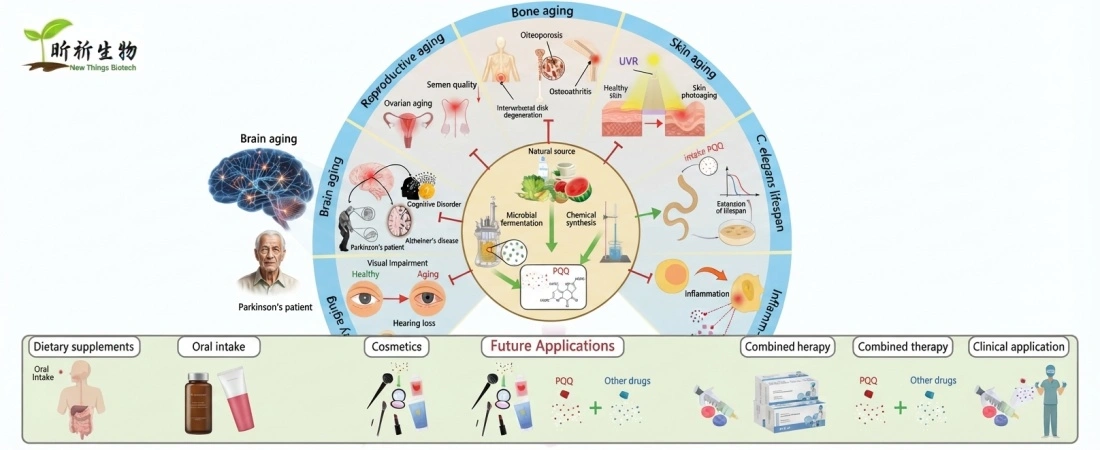
Pyrroloquinoline quinone is a redox-active compound with research potential in mitochondrial function, oxidative stress regulation, and several areas of cellular health. Studies have explored its possible relevance to energy metabolism, cognitive function, cardiovascular health, healthy aging, and exercise-related responses. However, the strength of evidence varies across these areas, and experimental findings should not be presented as proven clinical benefits.
For supplement manufacturers and procurement teams, selecting Bulk PQQ powder requires careful assessment of chemical identity, purity specifications, batch testing, regulatory status, and formulation compatibility. Supplier documentation and transparent purchasing conditions are also important when evaluating long-term sourcing options.
Working with a supplier such as NT Biotech can begin with a review of the available product specifications and documentation. Buyers should confirm that the selected material meets their formulation requirements and the regulations applicable to their intended market before proceeding with commercialization.
FAQ
1. What is the recommended daily dosage when formulating with PQQ powder?
There is no single daily dosage that applies to every PQQ product or market. Human studies have investigated different intake levels, including approximately 20 mg per day, but these research doses should not automatically be treated as universal recommendations.
In the European Union, the authorized use of PQQ disodium salt in specified adult food supplements has a maximum level of 20 mg per day. The authorization excludes pregnant and lactating women and includes a required label statement. Manufacturers should check the applicable regulations in each target market and determine serving levels according to the permitted use, product design, and relevant safety information.
2. How does powder purity impact bioavailability and product safety?
Purity is an important quality parameter because it helps indicate the proportion of the specified ingredient in a raw material. However, higher purity does not automatically mean higher bioavailability, better absorption, or fewer side effects.
Buyers should evaluate purity alongside ingredient identity, impurity profiles, residual solvents, heavy metals, microbiological results, and the analytical methods used. A batch-specific Certificate of Analysis can help verify whether a product meets its stated specification. Bioavailability should be assessed through appropriate scientific evidence rather than inferred from a purity percentage alone.
3. What advantages does bulk procurement offer compared to purchasing finished capsules?
Bulk procurement gives supplement manufacturers greater control over formulation design, ingredient combinations, serving sizes, and finished-product formats. It may also be suitable for businesses with established production facilities or larger ingredient requirements.
However, the total cost should include raw material testing, processing, packaging, storage, and quality control. Manufacturers should compare these expenses with the cost and convenience of purchasing finished capsules. The most suitable option depends on production capacity, order volume, formulation requirements, and business objectives.
Partner with NT Biotech – Your Trusted Bulk PQQ Powder Supplier
NT Biotech provides a contact channel for businesses evaluating PQQ raw materials for nutraceutical product development. Buyers interested in Bulk PQQ powder can contact the company to discuss product specifications, available quality documentation, packaging requirements, and order conditions.
Before making a purchasing decision, manufacturers should confirm the chemical form, assay specification, batch testing, and documentation needed for their intended application and target market. Product availability, minimum order quantities, delivery arrangements, and sample options should also be confirmed directly rather than assumed from general product descriptions.
For product inquiries and procurement discussions, contact NT Biotech at info@newthingsbiotech.com. Providing the intended application, target market, required quantity, and specification preferences can help clarify the information needed for a suitable Bulk PQQ powder sourcing evaluation.
References
1. Rucker R, Chowanadisai W, Nakano M. "Potential physiological importance of pyrroloquinoline quinone." Alternative Medicine Review, 2009; 14(3): 268-277.
2. Harris CB, Chowanadisai W, Mishchuk DO, et al. "Dietary pyrroloquinoline quinone (PQQ) alters indicators of inflammation and mitochondrial-related metabolism in human subjects." Journal of Nutritional Biochemistry, 2013; 24(12): 2076-2084.
3. Stites T, Storms D, Bauerly K, et al. "Pyrroloquinoline quinone modulates mitochondrial quantity and function in mice." Journal of Nutrition, 2006; 136(2): 390-396.
4. Nakano M, Ubukata K, Yamamoto T, Yamaguchi H. "Effect of pyrroloquinoline quinone (PQQ) on mental status of middle-aged and elderly persons." FOOD Style, 2009; 21: 13(7): 50-53.
5. Chowanadisai W, Bauerly KA, Tchaparian E, et al. "Pyrroloquinoline quinone stimulates mitochondrial biogenesis through cAMP response element-binding protein phosphorylation and increased PGC-1alpha expression." Journal of Biological Chemistry, 2010; 285(1): 142-152.
6. Akagawa M, Nakano M, Ikemoto K. "Recent progress in studies on the health benefits of pyrroloquinoline quinone." Bioscience, Biotechnology, and Biochemistry, 2016; 80(1): 13-22.
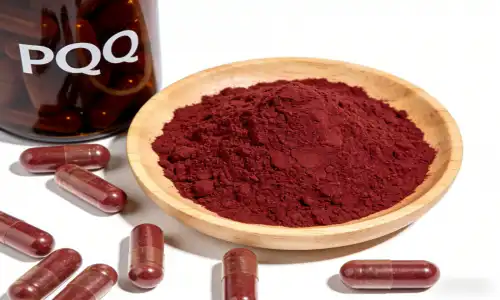
Pyrroloquinoline Quinone (PQQ), a powerful redox cofactor, is growing in functional food and nutrition. Bulk PQQ powder (CAS 72909-34-3) is often supplied as a dark red, 99% pure solid product. It is usually generated by sophisticated bacterial fermentation to ensure biochemical structure and regulatory compliance. The food supplement, functional beverage, and cosmetics industries benefit from this component since it promotes mitochondria expand, is an antioxidant, and has several uses. The chemical dissolves quickly in water and is stable in several matrixes. This makes it ideal for cognitive health, energy metabolism, and anti-aging goods. B2B manufacturers and private label developers seeking high-purity, scientifically supported active ingredients would love it.

Understanding PQQ – Nature, Properties, and Health Benefits
Chemical Structure and Natural Occurrence
Pyrroloquinoline Quinone is C14H6N2O8 and weighs 330.206. Though little amounts of this aromatic ortho-quinone molecule are found in human cells and some plant foods, ingesting it isn't adequate for medical reasons. Its three-ring shape allows it to transfer electrons across cells and participate in mitochondrial energy-making redox activities.
Antioxidant Mechanisms and Mitochondrial Support
Recently published research shows that PQQ eliminates free radicals better than antioxidants. This chemical promotes mitochondrial biogenesis, which cells create new mitochondria, according to Journal of Biological Chemistry studies. It achieves this by activating PGC-1α pathways. This mechanism affects cell energy utilization, making it vital for solutions that boost mental and physical endurance.
Cognitive Enhancement and Neuroprotection
Clinical research in neurological journals demonstrate that PQQ supplements benefit neurons in several ways. The substance protects nerve cells from environmental stress and helps them create nerve growth factors. Studies on office workers and older adults reveal that PQQ improves working memory and attention span. It produces a good nootropic component.
Comparative Analysis: Bulk Powder Versus Encapsulated Forms
Makers prefer bulk Pyrroloquinoline Quinone powder over completed dosage forms in several reasons. The source material allows precise dosage modifications and synergistic mixes with elements like phosphatidylserine or Coenzyme Q10. Bioavailability tests reveal that properly managed bulk powder maintains absorption rates whether added to capsules, tablets, or liquid solutions.

Comprehensive Analysis of Bulk PQQ Powder for B2B Buyers
Quality Standards and Analytical Verification
Pharmaceutical-grade bulk PQQ powder requires high quality. HPLC is used to assess purity, and the top vendors guarantee 99% minimum assay results. Certificates of Analysis listing heavy metal, microbiological, and solvent content should accompany each batch. NT Biotech maintains ISO9001, Kosher, and Halal certifications. This ensures that our Pyrroloquinoline Quinone fulfills FDA GRAS and EU Novel Food safety regulations.
Good powder manufacturing depends on its physical qualities. Our dark red powder has 80-mesh particles. It flows smoothly through high-speed encapsulation equipment and absorbs water well for liquid goods. Light sensitivity indicates the compound must be treated cautiously since UV light breaks it down over time. Quality protection requires opaque, airtight packaging.
Dosage Formulation and Safety Considerations
Daily dosages of 10–20 mg boost mitochondria and brain function, according to clinical studies. Formulation experts should calculate inclusion rates that allow for a 3-5% overage to meet label claims throughout shelf life. Several international safety evaluations have found that PQQ is well tolerated at prescribed doses with no severe negative effects. Safe co-formulation with B-vitamins, omega-3 fatty acids, and polyphenolic antioxidants brings up new product innovation potential after compatibility testing.
Market Dynamics and Procurement Logistics
Because they want vitamins to live longer and think better, people worldwide are buying more Pyrroloquinoline Quinone. Different pricing levels demonstrate how complex production is. Because they claim to be natural, fermentation-derived kinds cost more. Mid-sized manufacturers can test samples to create new recipes with minimum order quantities starting at 25 kg.
NT Biotech tackles supply chain issues by stocking items and shipping them two to four days after payment. Fast courier for small orders, air freight for medium amounts, and containerized ocean shipment for large purchases at the lowest cost are available through our integrated logistics network. DDP (Delivered Duty Paid) services simplify customs for overseas purchasers. Buying teams with several ingredient suppliers benefit from this.
Benefits and Applications of Bulk PQQ Powder Across Industries
The commercial utility of bulk Pyrroloquinoline Quinone extends across multiple sectors, each leveraging distinct functional properties to address specific market needs.
Nutraceutical Supplement Formulations
Bulk PQQ powder is mostly used for cognitive health supplements. This chemical is typically used with Coenzyme Q10 to develop mitochondria-boosting products for elderly persons and mentally exhausted professionals. The chemical may pass the blood-brain barrier, making it beneficial in nootropic stacking for memory and concentration.
Energy metabolism supplements constitute another growing category. Pre-workout formulations and energy-boosting products benefit from Pyrroloquinoline Quinone, which cells need to create ATP. PQQ can extend cell life, therefore anti-aging pill lines commonly mix it with resveratrol or NAD+ precursors to manage aging.
Functional Foods and Beverage Applications
The component dissolves in water, making liquid vitamins possible. Energy drink companies use PQQ in luxury blends with B-vitamins and natural caffeine to pitch their drinks as "cognitive performance beverages." The compound's durability in dry blends helps powdered nutrition mixes maintain potency during preparation and storage.
Pyrroloquinoline Quinone is increasingly used in adaptogenic beverages and functional coffee alternatives. PQQ supports assertions that busy people's meal replacements boost metabolism. Varied places have varied food PQQ rules. In the US, Canada, and EU, it's legal, but manufacturers must check with target markets about labeling and health claims.
Cosmeceutical and Topical Formulations
New research supports PQQ in anti-aging skin care. Its antioxidant properties protect cells from environmental damage and regenerate them. The powder is used to produce luxury serums and creams because it reduces reactive oxygen species in skin tissues. The chemical mixes nicely with cosmetics emulsifiers. Light-resistant packaging is still essential to prevent degradation-induced color changes.
OEM and Private Label Opportunities
Contract manufacturers working with private label customers can use bulk Pyrroloquinoline Quinone for unique formulations. The ingredient's versatility makes it helpful for everything from one-ingredient brain supplements to multi-nutrient mixes. Formulation and technical documents for label claims are provided by NT Biotech. Brand owners of mental health goods can launch their items faster.

How to Choose the Right Bulk PQQ Powder Supplier – Decision Support Guide
Critical Evaluation Criteria for Supplier Selection
When selecting bulk PQQ powder suppliers, procurement managers must consider many aspects. Independent third-party purity testing is more reliable than seller certifications. Request batch-specific HPLC chromatograms and detailed raw material information. Fermentation-derived PQQ from well-known bacterial strains is superior for regulatory placement than synthesized.
Manufacturing infrastructure directly impacts product consistency. GMP-certified facilities and computerized manufacturing lines let suppliers manage requirements better than human procedures. In 10 years of extracting and fermenting plant substances, NT Biotech has mastered the process and can ensure batch uniformity.
Quality Assurance and Regulatory Compliance
A supplier with full certification portfolios is experienced. ISO9001 quality management systems, Kosher and Halal certifications for ethically acceptable formulas, and legal status in target markets should be checked along with company permits. Our staff maintains GRAS and Novel Food compliance records current, making it easier for clients to submit items to authorities.
Testing is crucial. Working with vendors who offer name verification, heavy metal screening, pesticide residue analysis, and microbiological testing helps streamline your quality control operations. Our in-house laboratory and accredited third-party testing facilities support the thorough Certificates of Analysis we issue with every delivery.
Supply Chain Reliability and Service Capabilities
Professional sellers are always available, unlike commodities dealers. Examine the supplier's supply chain and production capacity. Can they expand with your business without sacrificing quality? We can provide innovative items that need tiny amounts and old products that need several tons thanks to our raw material and stock partnerships.
Operations performance is shown by response time. To demonstrate our commitment to consumers, NT Biotech pledges to respond to inquiries within two hours. Our R&D team handles orders, formulation improvement, stability testing, and ingredient combination production concerns.
Negotiation Considerations and Commercial Terms
Min. order sizes make suppliers efficient and buyers free. Because we believe in rigorous testing before commercial agreements, we can produce formulas with smaller sample volumes than our 25 kg MOQ. Packing should match production demands. Standard 25 kg barrels serve for most production activities, but specialized packaging can fulfill handling demands.
Transactions are easier with payment arrangements and several currencies. All major currencies are accepted, and our payment arrangements facilitate long-term agreements. Shipping technique greatly impacts landing expenses. Whether you need to send 100 kg by air freight or numerous tons in containers by ocean, our direct accounts with FedEx and UPS and freight forwarder partnerships improve operations.
Conclusion
Pyrroloquinoline Quinone, a scientifically established and marketable chemical, addresses the rising need for mitochondrial and brain health products. Suppliers of bulk PQQ powder should be carefully assessed for purity, legality, and supply chain reliability. In nutraceuticals, functional foods, and cosmetics, the material works well with complementary compounds. This makes it a useful raw resource for product development. Successful sourcing relationships balance technical and business goals, prioritizing long-term cooperation above one-time purchases. Using high-quality Pyrroloquinoline Quinone sources early on can provide you an edge in fast-changing health markets as rules ease and consumers learn about the benefits.
FAQ
1. What distinguishes fermentation-derived from synthetic PQQ?
Fermentation-derived Pyrroloquinoline Quinone from Hyphomicrobium denitrificans matches natural product positioning and has superior regulatory pathways. Synthetic versions may include processing residues that hinder regulation. Most clinical investigations employed fermentation-grade ingredients, supporting proof-based marketing claims.
2. How should bulk pyrroloquinoline quinone be stored?
Keep powder in cold, dry, covered, light-proof areas. Exposure to water, heat, or sunshine accelerates deterioration, lowering test findings. Things last 24 months or more when stored properly. NT Biotech stores items in nitrogen-flushed pharmaceutical-grade metal foil bags to prolong their lifespan.
3. Can PQQ be combined with other supplement ingredients?
Clinical trials show that Coenzyme Q10, omega-3s, B vitamins, and other common nootropics are safe combined. When maintained out of light and water, the material is chemically stable in combinations. Our experts advise on formulation compatibility, including stability testing.
Partner with NT Biotech – Your Trusted Bulk PQQ Powder Supplier
Only NT Biotech can address procurement personnel' long-term Pyrroloquinoline Quinone demands. Using HPLC, our fermentation-derived bulk PQQ powder is at least 99% pure. It is ISO9001, Kosher, and Halal certified, meeting global laws. We ship within two to four days of a confirmed order due to our inventory. Our flexible operations allow us to manage small sample and large company requirements. To ensure seamless product development and launch, our R&D team provides comprehensive expert support, from formulation to stability testing. Request free samples, discuss custom packaging, or inquire about OEM opportunities at info@newthingsbiotech.com. Visit our websites to see why leading supplement brands and private label companies use NT Biotech for bulk PQQ powder for sale.
References
1. Stites, T. E., Mitchell, A. E., & Rucker, R. B. (2000). Physiological importance of quinoenzymes and the O-quinone family of cofactors. Journal of Nutrition, 130(4), 719-727.
2. Chowanadisai, W., Bauerly, K. A., Tchaparian, E., Wong, A., Cortopassi, G. A., & Rucker, R. B. (2010). Pyrroloquinoline quinone stimulates mitochondrial biogenesis through cAMP response element-binding protein phosphorylation and increased PGC-1alpha expression. Journal of Biological Chemistry, 285(1), 142-152.
3. Nakano, M., Murayama, Y., Hu, L., Ikemoto, K., Uetake, T., & Sakai, T. (2015). Effects of pyrroloquinoline quinone disodium salt intake on the stress and fatigue of healthy adults. Functional Foods in Health and Disease, 5(12), 431-446.
4. Harris, C. B., Chowanadisai, W., Mishchuk, D. O., Satre, M. A., Slupsky, C. M., & Rucker, R. B. (2013). Dietary pyrroloquinoline quinone (PQQ) alters indicators of inflammation and mitochondrial-related metabolism in human subjects. Journal of Nutritional Biochemistry, 24(12), 2076-2084.
5. Tchantchou, F., & Graves, M. (2013). Neuroprotective effects of the antioxidant PQQ in the 6-OHDA rat model of Parkinson's disease. Journal of Alzheimer's Disease & Parkinsonism, 3(2), 1000116.
6. Smidt, C. R., Unkefer, C. J., Houck, D. R., & Rucker, R. B. (1991). Intestinal absorption and tissue distribution of [14C] pyrroloquinoline quinone in mice. Proceedings of the Society for Experimental Biology and Medicine, 197(1), 27-31.
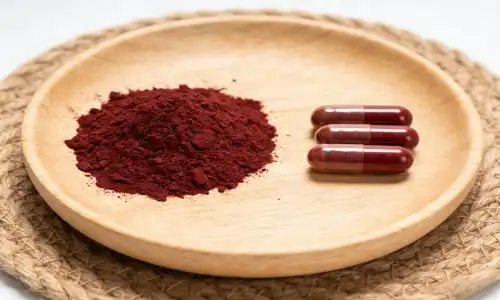
When getting top pyrroloquinoline quinone supplements to boost cellular energy generation and wellbeing, bulk PQQ powder vendors with strict purity requirements are generally first considered. Cognitive health formulations, mitochondrial support products, and antioxidant-rich functional drinks use 99% pure PQQ disodium salt. A crucial ingredient for producers wishing to differentiate their product portfolios in competitive nutraceutical markets, this dark red-brown powder has a distinctive molecular formula (C14H6N2O8) and scientifically confirmed advantages.

Understanding Bulk PQQ Powder and Its Health Benefits
Pyrroloquinoline quinone, a natural redox cofactor, has garnered attention in functional ingredients. Cellular energy optimization and mitochondrial biogenesis depend on this aromatic ortho-quinone molecule, which has been widely explored biochemically. Its high water solubility makes it ideal for dietary supplement and functional food formulations.
PQQ Rich Foods: Natural Dietary Sources and Why Supplementation Matters
PQQ rich meals are available in a number of common categories, albeit mostly in trace levels. PQQ occurs naturally in fermented soy products such as natto as well as in kiwi, papaya, parsley, spinach, green tea, bell peppers and several leafy greens. PQQ is also found in human breast milk, indicating its established nutritional status. Understanding what pqq rich meals are helps explain consumer interest in the ingredient and puts into context why formulators and purchasing managers require concentrated material.
The problem with pqq rich meals is the dose. Even the most PQQ-rich foods contain just micrograms per serving, considerably below the 10-20 mg levels associated with the cognitive, energetic and antioxidant benefits evaluated in clinical trials. Food alone can’t provide a standardisable, labelable dosage, which is precisely why bulk PQQ powder became the practical path for supplement and functional-food businesses.
The business reasoning is simple for B2B customers. pqq rich meals increase awareness but bulk PQQ powder gives consistency. A 99% pure PQQ disodium salt allows a purchasing team to define specific milligrams per serving, validate each batch with HPLC testing and support clear, credible claims. Brands that attach the natural food story to a standardised powder source receive the marketing story and the analytical evidence that procurement teams need.
The Science Behind Mitochondrial Function Enhancement
Pyrroloquinoline quinone has an impact on the effectiveness and regeneration of mitochondria, which generate ATP. According to a clinical investigation, this bioactive substance encourages mitochondrial biogenesis in cells. Supplement users report greater physical stamina, improved mental clarity, and decreased fatigue as a result of improved cellular energy metabolism.
Antioxidant Protection and Cellular Defense
Pyrroloquinoline quinone neutralizes free radicals superior than a few standard chemicals. Its way better antioxidant defense instruments ensure cardiovascular tissues, liver cells, and neurological structures from oxidative stretch, agreeing to considers. Formulators of improved wellness arrangements for maturing populaces and high-oxidative push circumstances esteem this preventive affect.
Cognitive Performance and Neuroprotection
The cognitive effects of pyrroloquinoline quinone are increasingly supported by peer-reviewed studies. The chemical protects brain cells from oxidative damage and promotes neurotransmitter production. Nootropic formulations for professionals with mental tiredness, kids who need attention help, and elderly persons who want memory preservation increasingly use this substance. When paired with CoQ10, DHA, phosphatidylserine, and B-complex vitamins, cognitive improvement is strong.
Comparing Bulk PQQ Powder with Other Popular Antioxidants and Supplement Forms
Understanding how pyrroloquinoline quinone compares to antioxidants helps procurement experts source strategically to meet market and formulation needs.
PQQ Versus CoQ10: Complementary Mechanisms
Both chemicals enhance mitochondrial health via different metabolic processes. Coenzyme Q10 helps mitochondria transport electrons, whereas pyrroloquinoline quinone creates new mitochondria. Combination formulations outperform single-ingredient medicines in clinical trials due to this complementing interaction. The synergistic impact lets supplement producers market their goods as multi-function cellular energy solutions.
Bioavailability and Absorption Characteristics
Properly designed fermentation-derived bulk PQQ powder has high bioavailability. Absorption through intestinal tissues is easier with disodium salt, which dissolves easily in water. Procurement teams should select vendors with validated dissolution profiles and stability data. Hyphomicrobium denitrificans-fermented products have higher purity than synthetic ones, meeting regulatory requirements and customer demand for natural ingredients.
Manufacturing Flexibility with Bulk Raw Materials
Pyrroloquinoline quinone in bulk powder gives businesses unprecedented formulation freedom. Capsule fills, tablet matrices, functional beverage premixes, and topical cosmeceuticals easily include the 80-mesh dark red powder. This flexibility contrasts with pre-encapsulated or proprietary mixes that limit modification and raise unit prices. Working with pure raw materials makes quality control more visible since each production batch can be independently third-party verified before being used in finished products.

Safe Usage, Dosage, and Side Effects of Bulk PQQ Powder
Distributors and manufacturers must ensure their goods offer benefits safely and consistently. Know proper dose parameters and contraindications preserve customer health and brand reputation.
Evidence-Based Dosage Recommendations
Pyrroloquinoline quinone experiments use 10mg to 20mg daily doses. These doses have improved cognitive function indicators, sleep quality, and energy levels in healthy adults without side effects. To guarantee label claim compliance throughout product shelf life, formulators should calculate bulk PQQ powder inclusions based on intended serving sizes and account for a 3-5% overage. This method adjusts for limited storage deterioration while meeting regulations.
Safety Profile and Side Effect Considerations
Multiple years of research have shown pyrroloquinoline quinone's safety across varied groups. Minor adverse effects include occasional stomach pain at larger dosages than indicated. GRAS and Novel Food designations in the US and EU have been granted to the chemical. These regulatory certifications affirm the ingredient's commercial viability after extensive toxicological testing.
Maximizing Bioavailability Through Formulation
Several formulations improve pyrroloquinoline quinone absorption and effectiveness. When mixed with dietary fats in softgel matrices or with meals, absorption improves. Powder supplement manufacturers should use phospholipid complexes or micellar delivery techniques to safeguard the active substance throughout digestion. Bioactivity is preserved by storing items in light-resistant, moisture-barrier containers below 25°C to prevent photodegradation and hygroscopic clumping.
How to Select and Procure High-Quality Bulk PQQ Powder for B2B Needs
Product quality, production efficiency, and market success depend on procurement decisions. Systematic supplier evaluation safeguards your supply chain.
Critical Quality Verification Parameters
Certificates of Analysis showing HPLC or UV purity testing are sent with each batch from reliable providers. With described and measured contaminants, the specification sheet should guarantee 99% minimum purity. Heavy metal screening, residual solvent analysis, and microbial testing complete the quality picture. ISO 9001, Kosher, and Halal suppliers exhibit consistent quality control across product batches.
Evaluating Supplier Capabilities and Reliability
Suppliers must maintain manufacturing and customer service for long-term partnerships. This strategy is demonstrated by NT Biotech's decade of servicing worldwide dietary supplement, functional food, beverage, and nutraceutical businesses. Their integrated supply chains and competent export processes allow dependable completion of big production orders and smaller product development testing volumes. R&D support with formulation optimization and market trend insights adds value beyond raw material supply, thus procurement teams should examine providers.
Logistics, Pricing, and Minimum Order Considerations
To understand the cost structure, examine price tiers for different order volumes, shipping methods, and payment periods. Customized packaging methods meet unique handling needs, although 25kg fiber drums with poly-bag liners are standard. Modern supply chains need suppliers with flexible shipping choices including rapid courier for urgent small shipments, air freight for medium volumes, and ocean containers for large purchases. Brands can test products before commercialization with 25kg minimum order quantities. Leading suppliers offer free samples to eligible business clients for formulation development.

Enhancing Your Product Portfolio with Bulk PQQ Powder: Use Cases and Business Opportunities
Strategic ingredient choice differentiates and positions products. Pyrroloquinoline quinone's versatility opens income avenues across product categories.
Bulk PQQ powder containing this functional element has huge market potential due to rising consumer interest in mitochondrial health and cellular energy optimization. Completed supplements include cognitive support capsules, multivitamins, endurance sports nutrition, and anti-aging wellness stacks for health-conscious elderly populations. The substance's compatibility with tablets, capsules, powdered drink mixes, functional shots, and topical serums allows businesses to target several market segments with coherent product families centered around a key ingredient.
OEM and Private Label Product Development
Contractors and private label companies benefit from suppliers that provide raw materials and formulation help. NT Biotech offers tailored OEM solutions for natural and dependable product development for worldwide partners. The collaborative method includes formulation consulting, prototype creation, stability testing advice, and regulatory paperwork. Suppliers familiar with regional regulatory needs, ingredient clearance statuses, and labeling compliance standards are valued by brands entering new markets.
Market Trends and Growth Projections
Ageing populations in wealthy countries drive demand for cognitive preservation and healthy aging goods. Younger customers today focus preventative health and performance enhancement, making pyrroloquinoline quinone formulations appealing across generations. Clinical study supports the compound's scientific legitimacy, which appeals to informed customers who prefer evidence-based supplements than trendy ones. In high-growth premium supplement categories, manufacturers focusing on cognitive health, energy metabolism, and lifespan wellness gain market share.
Conclusion
Scientifically proven pyrroloquinoline quinone improves energy metabolism, cognitive functioning, and cellular defense. Procurement professionals seeking competitive advantages should choose suppliers with clear quality control, continuous supply, and thorough technical assistance. Due to regulatory clearance in key regions and public knowledge of mitochondrial health, PQQ-containing supplements are poised for continued growth. Successful product development demands acquiring high-purity bulk PQQ powder from manufacturers with strong quality standards, flexible ordering periods, and partnership-oriented support throughout the product lifecycle.
FAQ
1. What distinguishes fermentation-derived PQQ from synthetic versions?
Fermented pyrroloquinoline quinone, usually grown using Hyphomicrobium denitrificans, has higher purity and meets market demand for natural ingredients. Fermentation-sourced products are expressly recognized in safety evaluations in many jurisdictions, making regulatory clearance easier. The basic identity is the same, but fermentation produces less unresolved byproducts than manufactured chemicals.
2. How should manufacturers store bulk pyrroloquinoline quinone powder?
Assay values must be stored properly throughout the supply chain. Store materials in firmly sealed, light-resistant containers below 25°C in cold, dry conditions. Because the chemical is hygroscopic, moisture can induce clumping and poor flowability. Strong light diminishes its biological activity. Vacuum-sealed aluminum bags with desiccant packets safeguard goods during storage and transportation.
3. Can PQQ powder integrate into softgel formulations?
Rice bran and olive oils, employed in softgel manufacture, suspend the chemical well. When producing softgel products with pyrroloquinoline quinone, CoQ10, or other lipophilic compounds, micronization may avoid sedimentation during capsule shelf life. Stability testing should confirm that gelatin shell and fill mixture remain intact during shelf life.
4. What are the top pqq rich foods?
Top foods high in pqq include fermented soybeans (natto), kiwi, papaya, parsley, spinach, green tea and bell peppers. Human breast milk also contains minor levels. Even these pqq rich foods only have trace micrograms per serving, which is why supplement and functional-food makers utilise standardised bulk PQQ powder to get to the 10-20 mg levels investigated for energy, cognitive, and antioxidant effects. The natural-food narrative helps educate the customer, while the concentrated powder provides the reliable, labelable dose B2B purchasers require.
Partner with NT Biotech—Your Trusted Bulk PQQ Powder Supplier for Premium Supplement Formulations
NT Biotech provides pharmaceutical-grade pyrroloquinoline quinone powder at precise specifications to assist your product discovery aims. Our ISO 9001, Kosher, and Halal-certified 99% purity material delivers within 2-4 days of approved orders, assuring unbroken production schedules. Our technical team offers formulation help for cutting-edge nootropic, mitochondrial support, and functional beverage developments, supported by over a decade of botanical extraction experience.
We know B2B procurement requires trust, openness, and collaboration. That's why we provide available stock for rapid distribution, low pricing on orders from 25kg, and free samples for eligible formulation projects. Our fast, air, and sea freight shipment alternatives match your operating needs and our bespoke packaging solutions meet different industrial needs.
Contact our sourcing specialists at info@newthingsbiotech.com to see how our bulk PQQ powder for sale may differentiate your product portfolio and capitalize on cognitive health and energy metabolism supplement market growth. Discover why major brands in North America and Europe choose NT Biotech as their long-term botanical ingredient partner for consistent quality, proactive service, and scientific understanding that turns procurement from transactional to strategic.
References
1. Akagawa, M., Nakano, M., & Ikemoto, K. (2016). Recent progress in studies on the health benefits of pyrroloquinoline quinone. Bioscience, Biotechnology, and Biochemistry, 80(1), 13-22.
2. Harris, C. B., Chowanadisai, W., Mishchuk, D. O., Satre, M. A., Slupsky, C. M., & Rucker, R. B. (2013). Dietary pyrroloquinoline quinone (PQQ) alters indicators of inflammation and mitochondrial-related metabolism in human subjects. Journal of Nutritional Biochemistry, 24(12), 2076-2084.
3. Nakano, M., Ubukata, K., Yamamoto, T., & Yamaguchi, H. (2009). Effect of pyrroloquinoline quinone (PQQ) on mental status of middle-aged and elderly persons. FOOD Style, 21(13), 50-53.
4. Rucker, R., Chowanadisai, W., & Nakano, M. (2009). Potential physiological importance of pyrroloquinoline quinone. Alternative Medicine Review, 14(3), 268-277.
5. Stites, T. E., Mitchell, A. E., & Rucker, R. B. (2000). Physiological importance of quinoenzymes and the O-quinone family of cofactors. Journal of Nutrition, 130(4), 719-727.
6. Zhang, Y., Feustel, P. J., & Kimelberg, H. K. (2006). Neuroprotection by pyrroloquinoline quinone (PQQ) in reversible middle cerebral artery occlusion in the adult rat. Brain Research, 1094(1), 200-206.
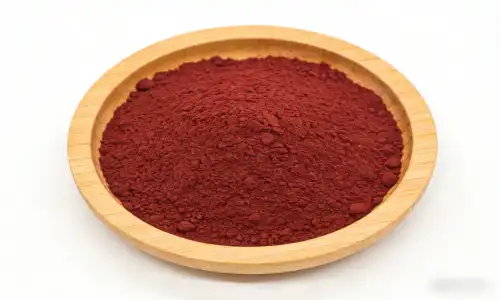
China dominates PQQ powder wholesale, with over 70% of worldwide manufacturing capacity. The country's dominance stems from integrated supply chain infrastructure, superior fermentation technology, and cost-effective manufacturing that produces 99% purity pyrroloquinoline quinone at reasonable pricing. Chinese vendors can quickly and reliably supply varied worldwide markets due to their large-scale production and ISO, Kosher, and Halal certifications. Procurement professionals choose China for reliable, scalable supplies of this key nutraceutical ingredient due to this strategic benefit.

The Global Demand and Supply Landscape of PQQ Powder
Due to its scientifically proven cognitive enhancing and antioxidant characteristics, pyrroloquinoline quinone is popular in nutraceuticals and functional foods. The worldwide PQQ market is growing significantly due to aging populations seeking brain health solutions and customers seeking mitochondrial support supplements. Research shows sustained yearly growth above 8%, with dietary supplements being the main application sector.
Buyers face supply issues despite increased demand. Since PQQ synthesis needs complex fermentation methods that not all manufacturers can perform, quality variability is a major issue. Buyers often find vendors that cannot guarantee batch-to-batch purity or offer regulatory-compliant documents. Long-term planning is complicated by price volatility, especially for brands creating formulas with consistent constituent prices.
Supply Chain Transparency Issues
Buyers struggle to get source transparency. Traceability paperwork, third-party testing certifications, and explicit origin verification are typically lacking from smaller vendors. These omissions pose compliance problems, especially for enterprises selling into highly regulated countries like the US and EU, where Novel Food licenses and GRAS status need extensive ingredient documentation.
The Critical Role of Reliable Suppliers
Finding vendors with consistent quality, volume flexibility, and fast technical assistance is crucial. Brain health, energy, and anti-aging companies need partners that understand regulatory requirements in numerous countries and can provide stability for brand growth and market expansion.
Why China Dominates as the Wholesale Supplier of PQQ Powder
China's pyrroloquinoline quinone market supremacy is the result of decades of biotechnology infrastructure and nutraceutical manufacturing investment. Few countries can match its raw material sources, fermentation technologies, purification procedures, and quality control systems.
China's biotech hubs, especially Shaanxi province, have modern production facilities, qualified technicians, and research organizations. This ecosystem gives providers economies of scale unachievable in smaller markets. NT Biotech uses over 10 years of export expertise to optimize production procedures that produce 99% purity dark red powder that meets CAS 72909-34-3 requirements.
Competitive Pricing Without Quality Loss
The cost benefits of Chinese manufacturers go beyond labor. High-volume manufacturing distributes fixed costs over bigger output, while integrated supply networks eliminate intermediary handling. China offers PQQ powder wholesale at 20-35% lower prices than Western sources without compromising 99% purity or stability. These reductions are especially substantial for businesses that need 25kg minimum order quantities for commercial manufacturing.
Comprehensive Certification and Quality Assurance
Chinese foreign vendors use strict quality management procedures. Kosher and Halal certifications allow access to niche markets, while ISO 9001 accreditation assures quality control. HPLC tests each batch for purity and C14H6N2O8 chemical formula. Suppliers have complete traceability records with Certificates of Analysis showing heavy metal testing, microbiological counts, and residual solvent levels that match international safety requirements.
Product Portfolio Diversity
Chinese manufacturers provide significant customization seldom found elsewhere. Buyers can choose particle size (usually 80 mesh), packaging (1kg samples to 25kg barrels), and synthetic or fermentation-derived versions. This flexibility lets procurement teams get numerous product grades from a trustworthy supplier for nutritional supplements, functional drinks, and pharmaceutical research.

Procurement Considerations When Buying PQQ Powder from China
Successful procurement goes beyond finding low-cost vendors. Strategic purchasers of PQQ powder wholesale consider total landed cost, which includes minimum order quantities, payment terms, logistical costs, and quality checks to establish value.
Minimum order quantities affect unit economics greatly. NT Biotech accepts 25kg orders, however knowing your consumption rate and storage capacity optimizes order frequency. The smaller first orders allow product testing and formulation development, while the bigger ones unlock better pricing and priority manufacturing slots.
Evaluating Technical Capabilities for OEM Solutions
OEM and private label suppliers offer distinctiveness. Partners who can tailor blending, encapsulating, and packaging to brand standards help proprietary formulation developers. NT Biotech's technical staff helps companies create synergistic CoQ10, DHA, or B-complex vitamin combinations to improve bioavailability and consumer appeal. This collaboration turns suppliers become strategic development partners, not transactional vendors.
Payment Terms and Financial Risk Management
Know payment mechanisms to preserve cash flow and decrease transaction risk. Reliable Chinese suppliers allow different payment options and provide flexible terms to established clientele. Currency alternatives reduce foreign currency risk, while production and quality approval-linked payment milestones enhance fulfillment cycle transparency.
Logistics and Delivery Optimization
Shipping arrangements can impact cost and timeframe. NT Biotech customizes logistics for shipping urgency and volume. For urgent refilling, specialized FedEx and UPS accounts deliver within 2-4 days. Air freight balances speed and cost for medium volumes, whereas sea freight is cost-effective for container loads. Delivered Duty Paid services streamline customs clearance and decrease administrative load for novice importers.
Verification Through Audits and Testing
Supplier assertions must be independently verified for due diligence. Before placing significant purchases, request samples with comprehensive analytical evidence for purity, moisture content, and microbiological safety. Manufacturing, storage, and quality control are revealed via virtual or in-person facility audits. Third-party inspections objectively examine production and regulatory compliance.
Comparing China's PQQ Powder to Other Global Suppliers
Chinese PQQ powder products must be compared to those from the US, Europe, and other Asian markets by procurement teams. This comparison shows cost, quality, and supply chain reliability trade-offs.
Western manufacturers market themselves as top providers in local production and shorter lead times. These features appeal to certain buyers, although they cost 30-40% more than Chinese equivalents. Chinese firms have accepted international standards and invested in Western lab-grade analytical equipment, narrowing the quality gap. Blind testing increasingly confirms equal purity levels, with Chinese vendors giving greater documentation.
Supply Chain Reliability Comparison
Continuous availability, predictable lead times, and timely communication define reliability. China's established manufacturing base stocks popular requirements, allowing fast turnaround for routine orders. With 99% purity PQQ powder in store, NT Biotech can ship within 2-4 days after payment confirmation, matching or exceeding Western providers. Custom specification lead times of 3-10 days offer flexibility not available from smaller manufacturers with limited capacity.
Organic Versus Synthetic Preferences
Consumer preference for fermentation-derived PQQ over synthetic alternatives is motivated by "natural" ingredients and better bioavailability. Chinese firms have improved fermentation procedures employing Hyphomicrobium denitrificans to generate bio-identical, safe PQQ. This capacity meets changing market demands while retaining Chinese suppliers' cost effectiveness.
Integration Capabilities with Complementary Ingredients
Smart buyers look for vendors who understand PQQ in complicated formulations. PQQ works synergistically with other mitochondrial support chemicals because it neutralizes thousands of free radicals through redox cycling. Chinese vendors with diverse ingredient portfolios may advise on ratios, stability, and formulation techniques to enhance efficacy. This overall strategy is more valuable than buying raw ingredients separately.
Case Studies: Successful Procurement and Partnerships With Chinese PQQ Powder Suppliers
Real-world examples show how strategic alliances for PQQ powder wholesale with Chinese suppliers yield commercial results. These instances show procurement professionals how to customize vendor selection, relationship management, and supply chain optimization.
A European nutraceutical distributor faced rising regional supplier prices as cognitive health product demand increased. They chose a Shaanxi producer with 99% purity and full traceability after extensive supplier investigation. To minimize disturbance, sample testing, facility audits, and phased volume transfer were used. While preserving product quality, the distributor reduced costs by 28% in 18 months, allowing competitive pricing and market share in three countries. The Chinese supplier's prompt technical support helped launch five PQQ-containing SKUs in the partnership's second year.
OEM Success in Brain Health Supplement Development
A North American contract manufacturer creating a brain health supplement needed to combine PQQ, phosphatidylserine, and B-vitamins in particular ratios. Their current supplier lacked formulation knowledge and specialized manufacturing capability. In collaboration with NT Biotech, experienced R&D specialists adjusted the formulation for stability and bioavailability. The Chinese supplier's flexible manufacturing allowed 100kg batches for market testing and 500kg production runs as demand increased. Custom moisture-resistant foil bags with nitrogen flushing enhanced shelf life, distinguishing the product in a crowded market.
Key Success Factors from Partnership Case Studies
These examples show excellent procurement relationship patterns. Before big purchases, buyers vetted suppliers using analytical tests and competency evaluation. Effective communication of needs, quality expectations, and regulatory restrictions from project start produced shared understanding. Both sides understood the value of long-term collaboration above transactional contacts and handled the partnership strategically. Chinese vendors' adaptability and quality consistency built confidence and led to deeper partnerships.

Conclusion
China's PQQ powder supremacy is due to production knowledge, cost effectiveness, quality assurance, and supply chain stability. Chinese providers have solved consistency and transparency issues by embracing foreign certifications and analytical rigor that fulfill strict regulatory criteria. Competitive pricing, product customization, and quick technical assistance make PQQ powder wholesale services especially attractive for nutraceutical, functional food, and pharmaceutical procurement specialists seeking compelling value. Strategic buyers know that purchasing from reputed Chinese manufacturers like NT Biotech provides cost savings, innovation capacity, and scalable supply for long-term business success. China's investment in biotechnology infrastructure and dedication to quality excellence make it the ideal sourcing location for cognitive health and mitochondrial support ingredients as global demand grows.
FAQ
1. What is the typical lead time when ordering PQQ powder wholesale from China?
Order parameters and supplier inventory affect lead times. Stocking vendors may supply regular 99% purity PQQ powder within 2-4 business days of purchase confirmation. Raw material acquisition, extraction, quality testing, and packaging take 3-10 days for custom formulations or packaging. Depending on mode, international shipping takes 5-15 days. Express courier is fastest and sea freight is slower.
2. How can I verify the purity and quality of PQQ powder from Chinese suppliers?
With each batch, reputable providers give Certificates of Analysis with HPLC testing results for purity, molecular formula, heavy metal screening, microbiological counts, and residual solvent analysis. Before ordering significant orders, request full-documented samples for independent lab testing. Check vendors' ISO 9001, Kosher, and Halal certifications for your market. Third-party facility audits verify production and quality control.
3. What minimum order quantities should I expect?
Minimum order quantities vary per provider and product, but are usually 1-25kg. NT Biotech accepts 25kg minimum orders for standard specifications and lower sample amounts for testing. Larger orders frequently get better price and production schedule.
Partner with NT Biotech for Premium PQQ Powder Wholesale Supply
NT Biotech can supply high-quality pyrroloquinoline quinone for your ingredient needs. Our ISO, Kosher, and Halal-certified 99% purity PQQ powder wholesale (CAS 72909-34-3) delivers from stock in 2-4 days with analytical evidence. Our OEM services enable formulation development and brand distinctiveness with versatile packaging from 25kg barrels to bespoke configurations. We offer rapid technical support to optimize your goods for performance and regulatory compliance worldwide. Request your free sample at info@newthingsbiotech.com to see how collaborating with a reputable PQQ powder supplier may improve your supply chain and company success.
References
1. Akagawa, M., Nakano, M., & Ikemoto, K. (2016). Recent progress in studies on the health benefits of pyrroloquinoline quinone. Bioscience, Biotechnology, and Biochemistry, 80(1), 13-22.
2. Harris, C.B., Chowanadisai, W., Mishchuk, D.O., Satre, M.A., Slupsky, C.M., & Rucker, R.B. (2013). Dietary pyrroloquinoline quinone alters indicators of inflammation and mitochondrial-related metabolism in human subjects. Journal of Nutritional Biochemistry, 24(12), 2076-2084.
3. Kumazawa, T., Sato, K., Seno, H., Ishii, A., & Suzuki, O. (1995). Levels of pyrroloquinoline quinone in various foods. Biochemical Journal, 307(Pt 2), 331-333.
4. Noji, N., Nakamura, T., Kitahata, N., Taguchi, K., Kudo, T., Yoshida, S., & Tsujimoto, M. (2007). Simple and sensitive method for pyrroloquinoline quinone analysis in various foods using liquid chromatography/electrospray-ionization tandem mass spectrometry. Journal of Agricultural and Food Chemistry, 55(18), 7258-7263.
5. Rucker, R., Chowanadisai, W., & Nakano, M. (2009). Potential physiological importance of pyrroloquinoline quinone. Alternative Medicine Review, 14(3), 268-277.
6. Stites, T.E., Mitchell, A.E., & Rucker, R.B. (2000). Physiological importance of quinoenzymes and the O-quinone family of cofactors. Journal of Nutrition, 130(4), 719-727.
Tannin Powder Bulk is a smart choice for business wineries that want to improve wine structure, keep color stable, and extend shelf life without lowering quality. This naturally occurring polyphenolic substance, which can be taken from plants like Galla Chinensis (Chinese gallnuts), gives winemakers an affordable option to standard tannin sources. By buying tannins in large amounts—usually in 25-kilogram drums with purity levels between 93% and 99%—procurement teams can cut unit costs by a large amount while keeping quality levels uniform across production batches. This book talks about how big wineries can get the most out of their buying decisions, check to see what their suppliers can do, and use bulk tannin powder correctly to save money and make better wines.
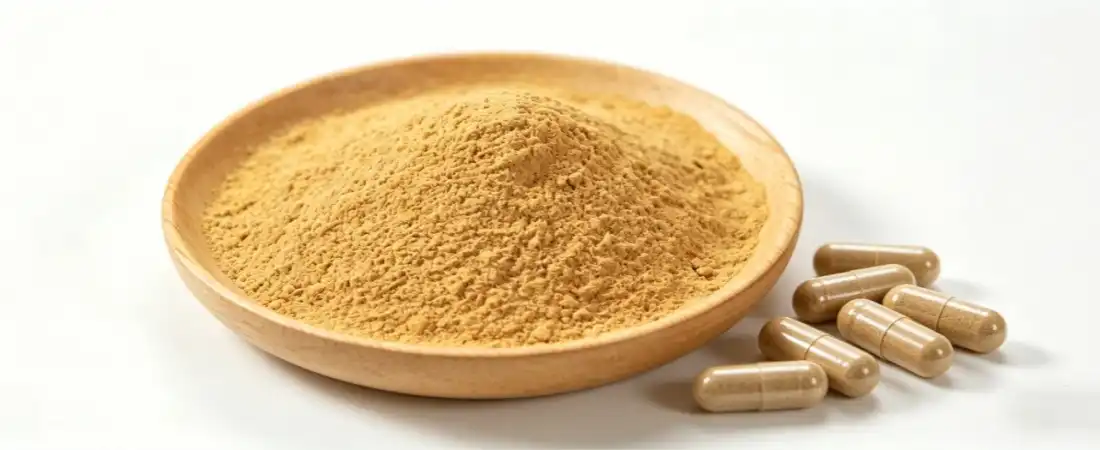
Understanding Tannin Powder Bulk for Commercial Wineries
What Makes Tannin Powder Essential in Wine Production?
Tannins are the building blocks of red wines and are very important for keeping white wines stable. These naturally occurring polyphenolic chemicals bind to proteins and add to the sour taste, mouthfeel, and ability to age. More and more, commercial wineries are using extra tannin sources to make up for changes in the tannin content of grapes that happen because of crop changes, weather conditions, or early harvest plans. Tannin Powder Bulk is a standard option that lets winemakers carefully control tannin levels, even if the raw materials aren't always the same. Trees like oak, chestnut, quebracho, and gallnut are the most popular places to find tannins that are good for wine. Each source adds different qualities. Chestnut tannins have soft, sweet notes that are good for improving red wine, while gallnut-derived tannins (Galla Chinensis) have high purity levels and bland flavor profiles that are great for clarifying and stabilizing proteins. Knowing where these plants come from helps buying teams choose the right type of tannin that fits with their winery's production goals and desired wine styles.
Chemical Properties and Quality Parameters
Certain technical features of high-quality Tannin Powder Bulk decide how well it works in winemaking uses. The way tannic acid reacts with wine proteins and anthocyanins is affected by its chemical structure, which is usually shown by complicated formulas like C76H52O46. To make sure the best breakdown rates happen when the wine is being made, commercial-grade tannin powder should look like a yellow-brown to light brown powder with 80 mesh particles. Specifications for purity are very important. Products with 93% to 99% tannin content give consistent results, which helps brewers figure out the right doses. The CAS number 1401-55-4 is used to find tannic acid in the chemistry register, which is needed to make sure that regulations are followed. Quality certifications like ISO9001, Kosher, and Halal show that a product meets foreign manufacturing standards. This helps wineries that serve a wide range of customers with both technical needs and market entry issues.
Comparing Tannin Powder Options: Making the Right Choice
Powder Versus Liquid Formulations
A lot of the time, winemakers argue about whether Tannin Powder Bulk powder or liquid tannic formulas are better for their needs. When used on a large scale, Tannin Powder Bulk has clear benefits. The concentrated powder form saves money on shipping costs per active unit, takes up less store room, and lasts longer than liquid preparations. When stored properly, powdered forms of tannins usually stay steady for 24 months, but liquid forms may change strength or need to be kept cold. Concerns about handling are also very different. Powdered tannins need to be mixed with water before they can be used, but this lets wineries make concentrations that are just right for each treatment procedure. This versatility comes in handy when working with different wine lots that have different tannin needs. While liquid versions are easy to use right away, they can't be changed in terms of strength and usually cost more per unit because they contain more water and need to be packaged in a certain way.
Organic Versus Conventional Sources
The argument over organic certification also includes choices about where to get tannins. Wineries that make organic wines or try to reach health-conscious customers like organic tannin powders that come from approved plant materials. These items cost a lot, but they may help you get into niche areas where organic certification is important for buying choices. Traditional Tannin Powder Bulk works just as well at lower prices as organic ones, as long as they come from reputable companies with clear quality records. For most technical winemaking tasks, the cleanliness of the extraction and where the plants came from are more important than organic approval. Instead of thinking that organic sources are better for making wine, procurement teams should look at whether the price difference justifies the organic label based on how they place themselves in the market and what customers expect.

Practical Guide to Buying Tannin Powder in Bulk
Selecting Qualified Suppliers
The first step to successful bulk buying is finding providers you can trust. People who work in procurement should give priority to sellers who can show a number of important skills. Manufacturing qualifications, such as ISO9001 certification, show that quality control is done in a planned way. Kosher and Halal approvals make products more market-compatible, especially for wineries that want to sell their products abroad. Suppliers who keep their stock levels stable and respond quickly—ideally within two hours for questions—show that their operations are mature and they care about their customers. Verification of track records is very important. Suppliers that have been around for a while and work with the food and drink businesses know a lot about the rules and regulations that apply to their products. Their experience with clients like yours gives you peace of mind about the product's suitability and the availability of expert help. Asking for client examples or case studies can help you trust what a supplier says about how well their products work and how reliable their service is in real-life winery situations.
Cost-Saving Strategies for Bulk Orders
Commercial wineries can get the most out of their buying by using a number of different strategies. When you negotiate a volume commitment, you can get big savings. Suppliers often lower the price per unit for orders that are bigger than a few drums or for yearly purchase deals. Putting together orders from different production sites or organizing purchases with partners in the industry gives you more negotiating power while lowering the administrative costs for each farm.Delivering things more efficiently is another way to cut costs. Scheduling shipments to coincide with production cycles cuts down on the time and money needed for storage. When suppliers offer a range of shipping choices, such as express for urgent needs and sea freight for planned restocking, operational goals can be met while still balancing costs and services. Customized packaging choices, from 1 kg bags for testing to 25 kg drums for production, let you buy the exact amount you need, Tannin Powder Bulk, which cuts down on waste and the cost of keeping inventory.
How to Use Tannin Powder Bulk Effectively in Wine Production
Dosage Recommendations and Application Methods
The right amount of tannins depends on the type of wine, the amount of tannins already present, and the results you want. For structure improvement, red wines need 5–20 grams per hectoliter, while white wines need 2–10 grams per hectoliter, mainly for protein stability. These numbers are just starting points; to get exact dosages, you need to do bench trials that take into account the type of grape, the vintage, and your style goals. When you apply something has a big effect on how well it works. Adding tannins during brewing protects against oxidation and keeps the color stable through anthocyanin-tannin complexation. Additions made after fermentation improve the taste and get wines ready to age. Protein haze in white wines can be fixed with treatments done before they are bottled. Before adding the powder, it's dissolved in warm water or wine to make sure it's spread out evenly and stop any areas of over-concentration that could make the taste too strong.
Storage and Handling Protocols
To keep the purity of the product, you need to pay attention to how it is stored. Tannin Powder Bulk should be kept in cool, dry places that are out of direct sunlight and in covered cases. Moisture causes clumps and may encourage the growth of microbes, which lowers the quality of the product. If you store something the right way, it will stay effective for as long as its shelf life, which is usually 24 months from the date it was made. Safety rules protect both workers and the quality of the product. Even though tannin powder is not very dangerous, the way it is handled should make as little dust as possible to keep your lungs from getting irritated. Safety Data Sheets (SDS) that providers give out list the suggested safety gear and how to handle an emergency. Setting clear standard operating procedures for handling tannin, dosing, and keeping records makes sure that all production teams and vintage cycles follow the same rules.

Troubleshooting Common Bulk Tannin Powder Challenges
Addressing Quality Inconsistencies
Product variability is the most common worry raised about buying. When the performance of different amounts of Tannin Powder Bulk is different, wineries have to make decisions about how to make the blend, and could have quality problems. Root reasons are often linked to poor quality systems at suppliers or not standardizing enough raw materials. To lower this risk, you need to include clear requirements in buy agreements, ask for batch-specific COAs, and check the quality of arriving materials before they are used in production. Long-term stability comes from building ties with providers and following strict quality standards. When manufacturers use statistical process controls and keep batch samples for future testing, it shows that they care about regularity. During the seller qualification process, procurement teams should ask suppliers about their quality control systems, how they get their raw materials, and how they do batch testing.
Managing Supply Chain Delays
Material supply is important for keeping production going. Supply shortages of Tannin Powder Bulk cause expensive rescheduling of production or expensive emergency purchases. To avoid these problems, you need to be proactive about managing your suppliers and planning your supplies. Keeping a backup stock of 30 to 60 days' worth of production needs protects against unexpected delays and keeps inventory carrying costs low. More security comes from suppliers who have items in stock and can meet orders quickly, like promising delivery in two to four days. Setting up backup ties with suppliers provides redundancy without the need for two sets of inventory. Suppliers can better predict demand and share production capacity by sharing production predictions on a regular basis. This lowers the chance of allocation shortages during busy times.
Preventing Storage-Related Degradation
Even high-quality Tannin Powder Bulk goes bad if it is stored in the wrong way. When tannins absorb water, they clump together and may start hydrolysis processes that change their structure and efficiency. Changes in temperature speed up the breakdown process, especially in packages that haven't been used all the way through and are exposed to more air. These problems can be avoided by using the right storage methods. Product purity is maintained by resealing containers right away after use, using desiccant packets in storage areas, and moving stock based on the first-in, first-out rule. Recording receipt dates and monitoring storage conditions through regular inspections catches potential problems before they impact production. These simple steps protect investments in buying things and make sure that the results of making wine are always the same.
Conclusion
Commercial wineries can see real economic and practical benefits from buying Tannin Powder Bulk in a smart way. Procurement teams make sure they have reliable access to this important ingredient for making wine by learning about plant sources, comparing formulation options, and choosing qualified sellers with a history of success. The cost benefits of buying in bulk, such as volume savings, lower shipping costs per unit, and easier inventory management, directly improve the economics of production without lowering the quality of the wine. To have a successful execution, you need to pay attention to things like testing samples, making sure the right application standards are followed, and managing storage. When wineries buy tannins in bulk, they set themselves up to get uniform wine quality, practical freedom, and higher profit margins across all vintages.
FAQ
1. What is the typical shelf life for bulk tannin powder?
Tannin Powder Bulk stays useful for about 24 months after it was made as long as it is kept properly. For the best keeping, keep sealed packages in cool, dry places that are out of direct sunlight and away from water. Products that are kept in controlled circumstances don't lose much of their quality or functionality over time.
2. How does bulk tannin powder compare to grape-derived tannins in flavor impact?
Extra tannins from plants like Galla Chinensis have mild flavors that improve structure without adding any bad flavors. Instead of adding woody notes like oak tannins can, gallnut tannins add astringency and the ability to bind proteins while keeping the variety traits. When added in the right amounts, extra tannins work well with chemicals that come from grapes.
3. What packaging formats are standard for commercial bulk orders?
Standard commercial packaging includes 25kg drums suitable for production-scale operations, with some suppliers offering 1kg bags for trials or small-batch production. Customized packaging choices allow for different ways of dealing or limited storage space. The minimum order quantity is usually 25 kg, which strikes a balance between the buyer's freedom and the supplier's need to be efficient.
Partner with a Trusted Tannin Powder Bulk Supplier
NT Biotech can help your winery get the Tannin Powder Bulk it needs by providing high-purity Galla Chinensis-derived tannin powder that meets strict international standards. Our goods are approved by ISO9001, Kosher, and Halal, and they meet the purity standards of 93–99%. They come in convenient 25kg drums, and the packaging can be changed to fit your needs. We keep a steady stock so that deliveries can happen in two to four days, and we offer free samples so that you can check the quality before you commit to buying in bulk. Our expert team answers all questions within two hours and backs up all of their help with full Certificates of Analysis for every batch. Get a free taste by emailing us at info@newthingsbiotech.com. This will help you understand how working with a skilled Tannin Powder Bulk manufacturer can help your wine production costs and quality.
References
1. Waterhouse, A.L., & Sacks, G.L. (2018). Wine Phenolics: Chemistry and Sensory Properties. American Journal of Enology and Viticulture, 69(2), 107-120.
2. Ribéreau-Gayon, P., Glories, Y., Maujean, A., & Dubourdieu, D. (2017). Handbook of Enology, Volume 2: The Chemistry of Wine Stabilization and Treatments. John Wiley & Sons, Chichester, UK.
3. VIvas, N., & Glories, Y. (2016). Role of Oak Wood Ellagitannins in the Oxidation Process of Red Wines During Aging. Journal of Agricultural and Food Chemistry, 64(18), 3541-3547.
4. Harbertson, J.F., & Spayd, S. (2015). Measuring Phenolics in the Winery: Methods and Applications. Practical Winery & Vineyard Journal, 37(3), 22-29.
5. Cheynier, V., Dueñas-Paton, M., Salas, E., & Maury, C. (2019). Structure and Properties of Wine Pigments and Tannins. Chemical Reviews, 119(9), 6628-6674.
6. Boulton, R.B., Singleton, V.L., Bisson, L.F., & Kunkee, R.E. (2018). Principles and Practices of Winemaking: Tannin Management Strategies. Springer Science+Business Media, New York.
Powdered butterfly pea flower transforms functional beverages by delivering natural blue pigmentation through anthocyanin-rich composition while providing scientifically validated antioxidant and anti-inflammatory properties. Derived from Clitoria ternatea L. flowers, this ingredient addresses the beverage industry's shift toward clean-label formulations by replacing synthetic colorants with a pH-responsive natural alternative. Its unique chromism—shifting from deep blue in neutral pH to vibrant violet in acidic conditions—enables visual differentiation in ready-to-drink teas, botanical waters, and wellness shots, meeting consumer demand for transparency and functional benefits simultaneously.

Introduction
The worldwide useful refreshment advertise proceeds quick development driven by shopper request for normal, useful items with clean names. In B2B acquirement, producers look for botanicals combining visual request with health-promoting bioactives. Powdered butterfly pea bloom stands out as a key fixing assembly these needs. It offers a compliant elective to manufactured colorants confronting administrative examination, adjusting with FDA 21 CFR 73.69 and EU normal colorant measures. The fixing performs over assorted beverages—premium teas, utilitarian waters, make cocktails, protein drinks—making it fundamental for brands focusing on health-conscious markets.
Understanding Powdered Butterfly Pea Flower and Its Functional Benefits
Botanical Origin and Processing Technology
Powdered butterfly pea blossom infers from Clitoria ternatea L., developed broadly in Southeast Asia. Cutting edge low-temperature pounding and freeze-drying ensure heat-sensitive anthocyanins (ternatins) that give the blue color. The 80-mesh molecule estimate progresses dissolvability compared to coarser dried blossom items. This micronized arrange breaks down promptly in cold and hot refreshment frameworks without expanded hydration, quickening generation. Handling strategies protecting bioactive astuteness accomplish anthocyanin levels of 3–7%, essentially higher than ordinary home grown powders.
Antioxidant Profile and Functional Properties
Functional benefits extend beyond visual appeal. Powdered butterfly pea flower contains flavonoids and polyphenolics including quercetin and kaempferol variations. Research facility DPPH and ABTS measures illustrate radical rummaging comparable to built up antioxidant fixings. Nourishment inquire about affirms anti-inflammatory benefits through NF-κB pathway direction. These bioactive qualities empower wellbeing claims on utilitarian refreshment bundling, supporting premium situating in competitive retail situations. The ingredient's normal root and favorable security profile permit day by day utilize in items focusing on health-conscious consumers.
pH-Responsive Color Chemistry
The most unique trait is chromism, which changes depending on the pH level. When the pH level is normal to slightly alkaline (7-8), the powder is a deep blue color. When the pH level is between 3 and 5, the color changes to purple and magenta. This change happens because the structure of the anthocyanin molecules changes. This makes the color more interesting to look at, which keeps people interested without using any fake ingredients.
How Powdered Butterfly Pea Flower Transforms Functional Beverage Development?
Replacing Synthetic Colorants with Clean-Label Alternatives
Traditional beverages commonly use synthetic colors like FD&C Blue No. 1 facing consumer rejection and regulatory restrictions. Powdered butterfly pea serves as a direct replacement maintaining color intensity while meeting clean-label requirements. Consumer perception research demonstrates higher purchase intent for products with recognizable plant ingredients versus chemical names. Unlike spirulina-derived phycocyanin that degrades under heat or UV exposure, butterfly pea anthocyanins remain stable through pasteurization cycles, reducing production costs and extending shelf life without specialized packaging.
Practical Formulation Guidelines and Dosage Optimization
To integrate well, you need to know the best percentage amounts. The usual amount is between 0.1 and 0.5% of the total volume of the beverage, but this depends on how intense of a color you want and the pH of the drink. Lower concentrations (0.1 to 0.2%) work well for adding a subtle blue tint to functional waters and lemonades, while higher concentrations (0.3 to 0.5%) make bright colors that are good for premium tea blends and wellness shots.
Techniques for blending have a big effect on the quality of the final result. Pre-hydrating the powder in water at room temperature before adding it to beverage bases keeps it from sticking and makes sure it mixes evenly. Manufacturers of acidic drinks should plan for the purple-to-violet color shift and change the dosage to account for it. Concerns about taste are still low, since the powder only adds light earthy notes at normal usage levels, letting the main flavor profiles take center stage.
Beverage brands in North American and European markets have successfully launched products featuring this ingredient. Premium bottled tea businesses say that customers like their products, and social media interaction is growing because adding lemon or lime to tea changes its color. These real-world examples show that the technology can be used in business and is accepted by a wide range of consumers.
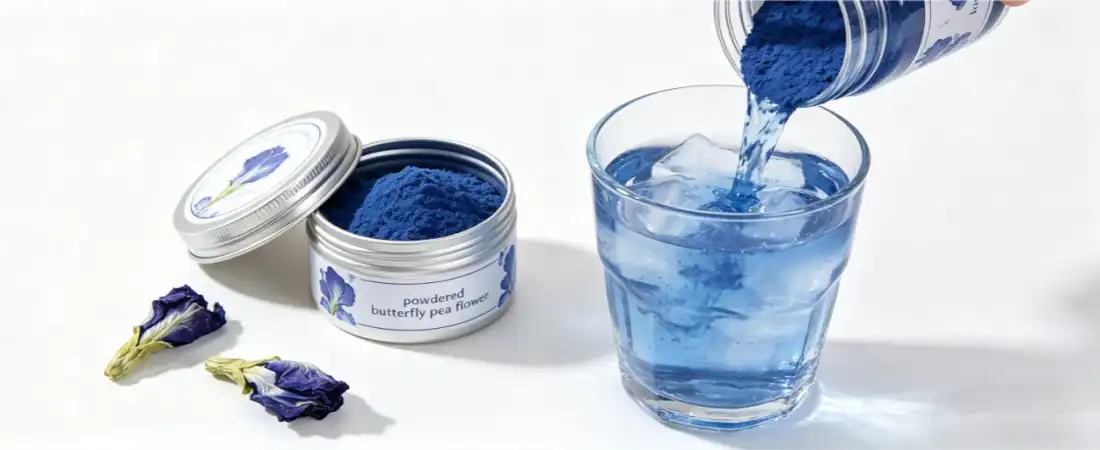
Procurement Insights: Choosing the Right Powdered Butterfly Pea Flower Supplier
Certification Standards and Quality Verification
To find trusted providers, you need to look at a number of certification factors. Kosher and Halal certifications make it easier for goods that appeal to a wide range of customers to get into markets. ISO9001 certification shows that quality control systems have been in place for a while. Organic certification sets you apart in the natural and unique beverage areas, but it comes at a higher cost.
Checking the quality goes beyond just looking at licenses and includes keeping records for each batch. Every package from a reliable seller comes with a Certificate of Analysis (CoA) that lists the amount of anthocyanin, the number of microbes, the heavy metals that were screened for, and the pesticide residues that were tested. According to HPLC research, bioactive chemical profiles are correct, which makes sure that all production runs are the same. Before agreeing to bulk sales, procurement teams should ask for sample batches along with technical data files.
Supply Chain Capacity and Lead Time Considerations
The ability of bulk supplies of powdered butterfly pea flower has a direct effect on planning production and managing stockpiles. Suppliers who keep standard powdered butterfly pea flowers on hand can fill orders quickly, which is very important during product launch periods or times of the year when demand goes up. For first trials, the minimum order quantity is usually between 10 and 25 kilograms. For established product lines, this can be increased to multiple tons.
Lead times depend on the facilities of the provider and the complexity of the order. Once payment is confirmed, stock items are shipped within two to four business days. Custom specs, like specific mesh sizes or organic certification, may take seven to fourteen days for processing and quality assurance. Professional providers are different from less reliable sources because they are open and honest about production plans and possible delays.
Competitive price systems take into account many things, such as where to get the raw materials, the technology used for processing, and the costs of getting certified. Instead of just looking at the price per kilogram, buyers should think about the overall cost of ownership, which includes things like product consistency, technical help available, and the reliability of the supply chain. The economics of buying are best when long-term relationships are formed with sellers who offer flexible payment terms and bulk savings.
Optimizing Functional Beverage Production with Butterfly Pea Flower Powder
Storage and Handling Best Practices
Following the right storage rules is important for keeping the strength of ingredients. Powdered butterfly pea flower should be kept in a cool, dry place that is out of direct sunlight. The best temperature and humidity levels are below 25°C and below 60%. Sealed packaging stops moisture absorption and oxidative breakdown, both of which can make anthocyanin less stable. Powder that is kept properly will keep its color and bioactive qualities for 18 to 24 months.
The handling steps used during production affect the quality of the finished drink. Reactive metals that could change the chemistry of pigments can't get into tools made of stainless steel or food-grade plastic. When producers move from lab production to mass production, they should do stable tests to see how well the color stays true under real production conditions, such as actual filling and pasteurization temperatures.
Regulatory Compliance Across Key Markets
According to US law, powdered butterfly pea flower is a natural color agent that can be used in drinks according to the rules for plant ingredients. Traditional food products that have been shown to be safe in the past do not need to be approved by the FDA before they can be sold. Manufacturers must make sure that the labels are correct and show "powdered butterfly pea flower" or "Clitoria ternatea flower powder" as an ingredient.
According to rules in the European Union, butterfly pea flower can be used as a natural food color instead of an E-number-designated food product. This division makes following the rules easier while keeping the clean-label placement. If a company wants to sell its goods in the EU, it should make sure that its sellers show proof that they follow EU rules about microbiological standards and maximum amounts of pesticide residue.
Ingredient Interaction and Stability Testing
Complex drinking materials that contain minerals, proteins, or stabilizers may react with anthocyanins, which could change how stable the color is. Calcium and magnesium ions can make blue colors brighter, while high sugar levels can change the brightness of colors. Compatibility testing during recipe development finds problems before they happen in mass production.
When studying shelf life, it's important to look at how well colors stay true under conditions that speed up aging, like being exposed to high temperatures for weeks at a time to simulate months of storage. These tests give information that helps figure out when food will go bad and what kind of keeping is recommended. Products that are kept within the suggested limits usually lose very little color over the course of a 12-month market shelf life.

Future Trends and Market Opportunities for Functional Beverages Featuring Butterfly Pea Flower
Wellness trends among consumers are still driving demand for ingredients that have clear health benefits. According to market studies, functional beverage categories will continue to grow. Natural colorants will be an especially active section in this growth. Powdered butterfly pea flower gives companies a chance to cash in on a number of trends that are coming together: clear labels, looks that would look good on Instagram, and useful ingredients that have been proven to work.
The ready-to-drink tea market has a lot of potential, especially for goods that are meant to be used as a midday pick-me-up or to help people stay hydrated after a workout. powdered butterfly pea flower-based drinks stand out because they look different and support the health benefits of antioxidants and brain health. Craft cocktails can be used for more than just standard drinks, and mixologists love how the colors change for high-end bar events.
In the works are combination formulas that mix powdered butterfly pea flower with plants that work well together, like adaptogens, nootropics, and electrolyte complexes. These multi-use drinks meet specific customer needs, like reducing stress, improving mental focus, and recovering from sports, while still being clean labels. Brands that get in early on in this space gain useful market knowledge and an edge in getting people to recognize their products.
Strategic relationships with suppliers make it easier to act quickly on new possibilities. When manufacturers work with highly skilled suppliers, they get help with formulation, the ability to customize products, and supply chain freedom that shorten the time it takes to develop new products. As the market for healthy drinks gets more competitive, these partnerships become ways to stand out from the crowd, which helps the market keep growing.
Conclusion
Powdered butterfly pea flower is a key ingredient for healthy drink makers who want to stand out with clean labels and attract customers. Its two functions—giving natural blue color through pH-responsive anthocyanins and offering antioxidant benefits—meet several recipe goals at the same time. When purchasing this plant ingredient, people in charge of buying things should give more weight to sellers who can show they have quality certifications, technical know-how, and a reliable supply chain. Because it can be used in a lot of different types of drinks and because people are becoming more open to plant health products, powdered butterfly pea flower is a useful ingredient for making new drinks. When companies buy this ingredient now, they're setting themselves up for long-term customer trends that value honesty, usefulness, and natural ingredients.
FAQ
1. What specific health benefits does powdered butterfly pea flower provide in functional beverages?
Powdered butterfly pea flower has chemicals in it called ternatins, quercetin, and kaempferol that work as antioxidants by getting rid of free radicals. Researchers have found that these compounds can reduce inflammation by changing the NF-κB pathway, which is good for cell health. There are benefits to cognitive support from the anthocyanin content, but makers should check the claim substantiation standards in target markets before putting specific health claims on product labels.
2. How does powdered butterfly pea flower differ from dried flowers or liquid extracts?
Instead of whole dried flowers, which need to be steeped for longer periods of time, the powder form is easier to dissolve and mix into drinks. There is more water in liquid extracts, which makes shipping less efficient and requires protection. Powdered forms keep their concentrated bioactive profiles and long shelf life, which makes it easier to keep track of supplies and make sure that formulations are the same from batch to batch.
3. What qualifications should buyers verify when sourcing bulk butterfly pea flower powder?
For wide market compatibility, procurement teams should check for ISO9001 certification, which shows quality management systems, as well as Kosher and Halal approvals. Ask for Certificates of Analysis that show the anthocyanin level, as well as tests for microbes, heavy metals, and herbicide residues. Before committing to large purchases, ask for samples to see how quick the seller is, how much stock they have, and how well they can help with technical issues.
Partner with NT Biotech for Premium Butterfly Pea Flower Powder Supply
Certified Blue Matcha powdered butterfly pea flower from NT Biotech is made to the highest quality standards, meeting the needs of the functional beverage market for natural colorants that can be trusted. Our powder is made from Clitoria ternatea L. flowers and handled using special low-temperature ways, the blue color stays the same and the anthocyanins stay intact. Third-party testing is done on every batch, and the Certificate of Analysis (CoA) shows that the product is more than 98% pure and meets the guidelines for ISO, Kosher, and Halal approval. We keep a collection that is ready to ship within two to four days of receiving an order. This helps us meet tight production deadlines and start new products quickly. Our minimum order amount of 10 kilograms allows for initial formulation trials, and approved beverage makers can get free samples to try out this ingredient. As a well-known provider of powdered butterfly pea flower to functional beverage brands around the world, we offer technical formulation support, customized OEM solutions, and a range of flexible packing options that can be tailored to your production needs. Get in touch with our purchasing experts at info@newthingsbiotech.com to talk about your unique application needs and get competitive bulk prices for this powerful botanical ingredient.
References
1. Chusak, C., Thilavech, T., & Adisakwattana, S. (2018). Acute effect of Clitoria ternatea flower beverage on glycemic response and antioxidant capacity in healthy subjects: a randomized crossover trial. BMC Complementary Medicine and Therapies, 18(1), 6-14.
2. Nair, V., Bang, W. Y., Schreckinger, E., Andarwulan, N., & Cisneros-Zevallos, L. (2015). Protective role of ternatin anthocyanins and quercetin glycosides from butterfly pea flowers. Journal of Agricultural and Food Chemistry, 63(28), 6355-6365.
3. Lakshan, S. A., Jayanath, N. Y., Abeysekera, W. P., & Abeysekera, W. K. (2019). A commercial potential of butterfly pea as a natural food colorant in the food and beverage industry. Journal of Chemistry, 2019, Article ID 2924514.
4. Escher, G. B., Wen, M., Zhang, L., Rosso, N. D., & Granato, D. (2020). Phenolic composition by UHPLC-Q-TOF-MS/MS and stability of anthocyanins from Clitoria ternatea L. flowers in functional beverages. Food Chemistry, 332, 127350.
5. Pasukamonset, P., –Kwon, O., & Adisakwattana, S. (2016). Alginate-based encapsulation of polyphenols from Clitoria ternatea petal extract enhances stability and biological activity under simulated gastrointestinal conditions. Food Hydrocolloids, 61, 772-779.
6. Smeriglio, A., Barreca, D., Bellocco, E., & Trombetta, D. (2016). Chemistry, pharmacology and health benefits of anthocyanins. Phytotherapy Research, 30(8), 1265-1286.
Blue Matcha Butterfly Pea Flower Powder is a natural colorant made from the flower petals of the Southeast Asian plant Clitoria ternatea L. that have been dried and ground up. This powder stands out because of its deep blue color. It has a lot of anthocyanins, especially ternatins, which give it its color and make it a strong antioxidant. This isn't the normal green matcha made from Camellia sinensis leaves. It doesn't have any caffeine, and it has pH-sensitive qualities that let acidic foods and drinks change color in a fun way. To make the powder, it was first dried at low temperatures and then ground up very small until the pieces were 80 mesh. It's great for dispersing and keeping the bioactive chemicals, which makes it ideal for use in dietary supplements, functional drinks, makeup, and natural food colorants.

Introduction
Because individuals around the world are getting to be more interested in green, plant-based products, Blue Matcha Butterfly Pea Bloom Powder is an incredible choice for laborers in numerous areas. Individuals who work in sustenance, cosmetics, and food production, among other business-to-business areas, adore this plant powder. This is since individuals need clean marks on their merchandise and governments need to get freed of artificial colors. More and more, obtainment directors and R&D masters are getting to be mindful of its two benefits: its magnificence, much obliged to its shinning normal colors, and its value, much appreciated to its antioxidant-rich composition. This point by point direct fills in imperative information holes that sourcing chiefs and specialized buyers have by giving them valuable subtle elements around item specs, quality guidelines, application procedures, and criteria for judging providers. You require to know almost the trade and specialized side of this fixing if you need to remain ahead of the competition and make keen choices. This is genuine whether you're making another era of valuable nourishments, coming up with unused drink thoughts, or looking for characteristic colorants for cosmetics lines.
Understanding Blue Matcha Butterfly Pea Flower Powder
Botanical Origin and Processing Methods
Butterfly pea flowers (Clitoria ternatea L.) have been used for centuries in Asian cuisine and medicine. Modern facilities harvest flowers at peak color, then use controlled drying to protect heat-sensitive compounds. Low-temperature grinding produces fine, uniform Blue Matcha Butterfly Pea Flower Powder with 80–100 mesh particle size, ensuring excellent liquid dispersion. This careful processing preserves natural anthocyanins while reducing moisture below 5%, enhancing shelf stability and preventing microbial growth during shipping or storage.
Nutritional and Functional Profile
This powder contains tall antioxidant levels, basically delphinidin and cyanidin glycosides that give blue color and cellular assurance. Research facility testing uncovers critical vitamins, minerals, amino acids, and polyphenolic compounds supporting different real capacities. These useful chemicals work synergistically to ensure cells from oxidative harm, empowering items that back cellular wellbeing and diminish receptive stretch. Not at all like engineered colorants such as Blue No. 1, this common alternative conveys both visual offer and wellbeing benefits—meeting showcase request for fixings with demonstrated useful advantages.
Comparative Advantages for Product Differentiation
Blue Matcha offers clear preferences over comparable normal powders. Spirulina has solid green growth taste restricting its applications; Blue Matcha has mellow, hearty flavor usable over numerous formulas. Being caffeine-free empowers calming refreshments and evening wellness items, whereas green matcha faces advertise immersion. The pH-sensitive color change—blue to purple and pink in acidic environments—provides imaginative showcasing and buyer engagement openings. This is particularly important for brands looking for separation in the swarmed solid refreshment market.
Practical Uses and Brewing Methods
Preparation Techniques for Optimal Results
Pay near consideration to the temperature and proportions of Blue Matcha Butterfly Pea Bloom Powder soups if you need to get the most color out of them and keep the advantageous chemicals. For shops, blend half a teaspoon of powder with 200 to 250 ml of hot water (80 to 85°C). This makes a shinning blue drink that keeps the anthocyanins steady. Putting the plant matter in the cooler overnight for cold extraction strategies makes the colors lighter and brings down the hazard of harming vitamins that are delicate to warm. For trade bulk arrangement, utilizing the same water-to-powder sums and blending strategies is critical to make beyond any doubt that the color is the same from bunch to bunch, which is imperative for brand consistency. Anthocyanin doesn't break down when things bubble, which can make the blue color less shinning and the vitamins less effective.
Cross-Industry Application Spectrum
Blue Matcha extends beyond tea applications. Food and beverage manufacturers use it for smoothies, lemonades, cocktails, energy drinks, and dairy-free alternatives. The powder provides natural clean-label coloring for baked goods including cookies, cakes, and confections. Skincare products—serums, masks, lotions—leverage its antioxidant and anti-inflammatory properties for skin health. Nutraceutical companies incorporate it into wellness blends and capsules supporting cellular health. The ingredient's stability across water-based and oil-based systems enables broader product range development.
Regulatory Compliance and Safety Considerations
Blue Matcha is generally recognized as safe for consumption and topical use, but procurement professionals must ensure suppliers meet regional food safety regulations. In the US, FDA regulates botanical ingredients in dietary supplements requiring GMP compliance and proper labeling. European markets require Novel Foods compliance and specific pesticide residue limits. Reputable suppliers provide comprehensive documentation including allergen statements, heavy metal screening, and Certificates of Analysis (CoA). Formulators should conduct stability testing for microbial growth, color retention, and active compound degradation to maintain product integrity throughout shelf life.

Market Comparisons and Quality Considerations
Comparative Evaluation Against Alternative Ingredients
Buyers frequently choose between Blue Matcha, spirulina, and green matcha. Green matcha offers umami flavor and caffeine appealing to some consumers, but works poorly in sleep-promoting products. Lower-grade matcha lacks the premium branding options that Blue Matcha's novelty provides. Spirulina delivers protein and vitamins but has strong taste limiting beverage applications. Blue Matcha delivers neutral flavor and pH-responsive color change, enabling diverse applications across beverages, foods, and cosmetics. This versatility supports unique marketing tactics for one-of-a-kind product positioning.
Quality Standards and Certification Requirements
Blue Matcha Butterfly Pea Flower Powder suppliers must demonstrate quality control systems and valid certifications. ISO 9001 approval indicates quality management across purchasing, production, testing, and distribution. Kosher or Halal certification expands market access among dietary-restricted consumers. Organic certification (USDA Organic, EU Organic) commands premium pricing but requires extensive cultivation and handling documentation. Buyers should examine supplier testing protocols including HPLC for flavonoid content, microbial limits, pesticide residues, and heavy metal analysis. Clear quality records and batch-specific CoAs facilitate downstream regulatory compliance.
Critical Supplier Evaluation Criteria
Finding trustworthy sources requires systematic verification beyond marketing claims. Request sample batches with complete analytical documentation and third-party verification when possible. Conduct facility inspections or virtual tours to assess handling procedures, equipment setup, and cleanliness. Evaluate supplier technical competence through rapid, accurate responses about material origins, extraction methods, and stability data. To maintain long-term relationships, suppliers need consistent supply chains, custom specification capabilities, and adaptability to changing regulatory requirements across different target markets.
Procurement and Bulk Purchasing Guide
Global Sourcing Landscape and MOQ Considerations
Thailand, Indonesia, Vietnam, and India are primary growing regions due to favorable tropical climates. Chinese suppliers, particularly in Shaanxi Province, combine traditional farming with modern extraction technology. Minimum order quantities vary significantly—some suppliers accept 10 kg, while commodity wholesalers require several hundred kilograms. Smaller brands benefit from flexible MOQs (e.g., 10 kg level), enabling access to high-quality materials without excessive inventory commitment, reducing financial risk during product development phases.
Pricing Dynamics and Lead Time Expectations
Market pricing depends on quality level, order volume, and harvest season. Bulk purchases receive tiered discounts at 50 kg, 100 kg, and 500 kg thresholds. Quality-certified materials with full testing records typically cost 15–30% more than conventional materials but provide regulatory compliance assurance. Suppliers stocking inventory can fulfill orders in 2–4 business days, enabling just-in-time strategies. Certified, custom-processed, or specially packaged orders may require up to 14 days, requiring advance planning for new product launches.
Strategic Supplier Partnership Development
Building relationships with suppliers that support long-term goals extends beyond transactional purchasing. Seek suppliers willing to collaborate on technical challenges—formulation assistance, stability testing guidance, market trend intelligence. Flexible payment terms allowing local currency transactions simplify cross-border procurement. Suppliers offering custom packaging solutions from 1 kg consumer bags to 25 kg industrial drums accommodate various distribution channels. Transparent communication about crop forecasts, pricing changes, and regulatory updates prevents disruptions to production or market claims.
Private Label and OEM Opportunities
There are more and more private label creation and original equipment manufacturer (OEM) partnerships because more and more people are interested in Blue Matcha Butterfly Pea Flower Powder. "Turnkey" options from forward-thinking providers include formula development, regulatory compliance paperwork, custom package design, and "white-label" manufacturing. New names can get on the market faster with these ideas. It is especially helpful for companies that don't have their own R&D or production places to have these relationships. They let those businesses start making one-of-a-kind things while keeping their money safe. Providers must be able to keep information secret, make small changes to recipes over time, and boost production as needed for OEM deals to work.

Technical Specifications and Quality Assurance
There are strict quality standards we follow when we make Blue Matcha Butterfly Pea Flower Powder to make sure that every batch meets those standards. Clitoria ternatea L. is the only plant that our stuff comes from. flowers that have been treated so that the mixture is filled with only flowers and nothing else. The 80-mesh particle size makes sure that the powder mixes well with both water and fluids that are mostly solid. The powder's bright blue color comes from the delicate anthocyanin profile that we keep by treating it at low temperatures. A lot of tests are done on each batch of goods, and the results are put down on Certificates of Analysis that are sent with each order. As well as Kosher and Halal standards, our building is certified for quality control with ISO 9001. This means it can meet the needs of many places around the world. Because there is so much stock on hand, orders can be finished fast. Many times, packages happen two to four business days after payment is confirmed. This means that production plans that need to happen on time don't have to worry about any problems in the supply chain.
Conclusion
Companies that want to use natural, useful ingredients that people already like can do well by adding Blue Matcha Butterfly Pea Flower Powder to their product lines in a smart way. This botanical extract reacts to several market trends at once, such as the need for a clean label, a visual difference, antioxidant activity, and customer experiences that are more involved. It adds value to a lot of different types of applications. If you want to get things well, you should carefully compare each supplier's skills, qualifications, prices, and professional help. Open communication, adaptable terms, and detailed paperwork are the most important things for buyers. This sets them up for long-term relationships that can adapt to changing market conditions and rules. People's tastes are shifting toward plant-based products that have been proven to work by science. Blue Matcha Butterfly Pea Flower Powder can help with both short-term formulations and long-term standing in the very competitive natural goods market.
FAQ
1. Is butterfly pea powder safe for all consumer populations?
Blue Matcha Butterfly Pea Flower Powder is very safe for a lot of different types of people as long as they buy it from a good company that keeps a close eye on quality. Since it doesn't have caffeine, it's safe for drug-sensitive people to use and can be done in the evening. Women who are pregnant or nursing, on the other hand, should talk to their doctors before starting to use pure plant medicines. If you are allergic to plants in the bean family, you should be careful. However, bad reactions are still very uncommon. Different places have different rules about using it, but in most places, it's fine to put it in foods and vitamins as long as it's labeled properly and comes from a safe source.
2. How does butterfly pea powder support skin health in cosmetic applications?
Anthocyanins, which are found in Blue Matcha Butterfly Pea Flower Powder, are powerful pain killers and vitamins that work well in skin care products. A study says that these good molecules get rid of free radicals. This lowers oxidative stress and makes the skin age more slowly. These processes help calm down red, itchy skin, and they may also help even out skin tone by changing the ways that melanin is made. The extract is used in serums, masks, and lotions that are meant to smooth, relax, and slow down the aging process. It stays stable in makeup bases, and the pretty blue color makes it look good while also doing its job.
3. What criteria distinguish reliable suppliers in the global marketplace?
There are a few things that buying workers should look for in all sellers of Blue Matcha Butterfly Pea Flower Powder they can trust. Quality records for rigid systems are very thick. They include copies of certificates, test results from a third party, and certificates that are unique to each batch. People believe the purity of things more when they know where they come from, how they are processed, and how they move through the supply chain. More than just selling goods, meeting customer service needs, especially those that require expert help with formulation questions and following rules, adds strategic value. Fair MOQs, free samples, and a variety of flexible packing options are some of the business terms that buyers can use. These terms are good for companies of all sizes and stages of growth.
Partner with NT Biotech for Premium Butterfly Pea Flower Powder
You can get all of your Blue Matcha Butterfly Pea Flower Powder at NT Biotech. They blend information about plants with service models that focus on customers and are made for B2B buying around the world. As proof of our high quality, we have ISO, Kosher, and Halal licenses that make sure we follow the rules in all foreign markets. Also, because of the way we remove the compounds, they are very pure—over 98% of the active substances are still there. We keep a lot of stock on hand so that most orders can be sent out within two to four days. These things are possible because of fast reaction standards that say they will answer questions within two hours. We offer a variety of packing choices, from 1 kg bags to unique layouts, so we can meet the needs of your business, whether you need 10 kg for testing or several tons for production. You can email us at info@newthingsbiotech.com to get free samples with all the lab paperwork.
References
1. Chen, Y., Zhang, H., & Wang, Y. (2019). Anthocyanins from Clitoria ternatea and Their Stability in Food Systems. Journal of Food Science and Technology, 56(8), 3751-3762.
2. Kumar, S., Pandey, A.K., & Singh, R. (2021). Natural Food Colorants: Chemistry, Applications and Regulatory Perspectives. Critical Reviews in Food Science and Nutrition, 61(15), 2544-2568.
3. Lee, J.H., Kim, Y.J., & Park, S.H. (2020). Bioactive Compounds from Butterfly Pea Flowers: Extraction, Characterization and Functional Applications. Food Chemistry, 312, 126067.
4. Rahman, M.M., Alam, M.N., & Haque, M.E. (2022). Antioxidant and Anti-inflammatory Properties of Clitoria ternatea Extracts in Cosmetic Formulations. International Journal of Cosmetic Science, 44(2), 178-189.
5. Singh, D., Gupta, R., & Saraf, S.A. (2018). Quality Standards and Regulatory Compliance for Botanical Ingredients in Dietary Supplements. Regulatory Toxicology and Pharmacology, 95, 324-335.
6. Zhang, L., Wu, T., & Liu, X. (2023). Market Trends and Consumer Preferences for Plant-Based Natural Colorants in the Food and Beverage Industry. Trends in Food Science & Technology, 135, 112-125.
The formal name for powdered butterfly pea flower is Clitoria ternatea L. It has become very famous in the global B2B market because it is bright blue and has a lot of antioxidants. This useful powder comes from the petals of the butterfly pea plant. It has healthy compounds like anthocyanins, flavonoids, and polyphenols that stay true to their color longer than synthetic versions. The people who buy things need to know about this plant extract's properties and antioxidant strengths so they can choose wisely about where to get ingredients for food, makeup, functional drinks, and dietary supplements.

Understanding Powdered Butterfly Pea Flower: Properties and Nutritional Profile
Botanical Origins and Processing Methods
The butterfly pea blossom comes from tropical Southeast Asia, where it has been utilized for centuries. With current handling strategies, these fragile blossoms are turned into a steady powder that is still accommodating and has all of their organic properties. Portion of the generation handle is carefully picking the trim at its crest sprout and drying it gradually at controlled temperatures. Cutting-edge low-temperature pounding or spray-drying innovations are moreover utilized. These strategies are outlined to keep the heat-sensitive anthocyanins and other cancer prevention agents that make the item valuable and safe. Whole dried blossoms require to be soaks or extricated some time recently they can be utilized. Powdered butterfly pea bloom, on the other hand, breaks down right absent and can be dosed accurately each time. Since it comes in powder shape, it's simple to blend into numerous distinctive things without having to go through any additional steps. This keeps the sum of advantageous chemicals tall whereas making generation easier.
Nutritional and Phytochemical Composition
Butterfly pea powder is exceptionally valuable since it has a part of great phytochemicals in it. The profound blue color of the powder comes from ternatins, which are a sort of polyacylated anthocyanins. These chemicals illustrate surprising solidness over shifting pH levels. In unbiased conditions, they are blue, but when the corrosiveness increments, they turn violet-purple. The powder contains more flavonoids than fair anthocyanins. These flavonoids work with the anthocyanins to make the powder a way better antioxidant. Proteins are made up of amino acids, which are fundamental building squares. Follow minerals, such as press, calcium, and magnesium, include dietary thickness. In this comprehensive shape, the fixing is both a useful colorant and a bioactive component that improves the wrapped up product.
Antioxidant Properties and Health Advantages
One of the best things around butterfly pea bloom powder is that it can neutralize free radicals through numerous instruments. Anthocyanins work by giving electrons to unsteady particles. This keeps cell structures from being harmed by oxidative push. Inquire about appears that high-quality butterfly pea powder can have an ORAC esteem that is at slightest as tall as blueberries and acai, situating it among first class antioxidant sources. In the genuine world, B2B buyers can use these characteristics over different segments. Useful nourishment creators can make items situated as anti-inflammatory and neuroprotective. The fabric has been appeared to back cognitive and metabolic wellbeing, which is accommodating for nutraceutical formulators. Restorative companies esteem the powder since it can normally color items whereas ensuring skin cells from natural stressors. This multifunctional execution makes butterfly pea powder a vital fixing for item differentiation.
How to Evaluate the Quality and Safety of Powdered Butterfly Pea Flower?
Recognizing Premium Quality Indicators
Picky purchasers should evaluate a supplier's products using numerous key criteria. Premium powdered butterfly pea flower has a brilliant, uniform blue hue without brown or gray discoloration, suggesting good processing and fresh raw ingredients. Solubility and mixing depend on particle size consistency. An 80-mesh powder blends nicely into liquid formulas without settling or clumping. Standard goods differ from pharmaceutical-grade ones in purity. Quality butterfly pea flower powder is pure and free of fillers, maltodextrin, and silica flow agents. HPLC examination by a third party verifies anthocyanin content and screens for heavy metals, pesticides, and microbiological contaminants. Each batch has an international-standard Certificate of Analysis (CoA) proving transparent quality control.
Certification Standards and Regulatory Compliance
Botanical fixings require to be dealt with with awesome care with respect to administrative compliance. ISO 9001 certification demonstrates standardized quality administration frameworks all through generation. Merchandise focusing on particular customer portions can reach more extensive markets with the offer assistance of Legitimate and Halal certifications. These qualifications reflect a supplier's commitment to prepare keenness and traceability from the cultivate to the wrapped up powder. Shelf life administration is basic for bulk acquirement arranging. Legitimately prepared butterfly pea powder keeps up strength for 24 months when put away in cool, dry conditions absent from coordinate light. Dampness substance underneath 5% avoids microbial development and corruption of bioactive compounds. Bundling in food-grade aluminum thwart sacks with desiccants jam quality amid transportation and storage.
Risk Management and Safety Considerations
Butterfly pea flower has a long history of safety, but procurement experts must evaluate application-specific safety characteristics. In regular food and beverage proportions, the ingredient is well-tolerated. Since legume cross-reactivity is infrequent in this species, allergenicity concerns are low. To meet regulatory and customer due diligence requirements, suppliers should produce GMP and allergy control procedure paperwork.
Comparison and Procurement Insights for B2B Buyers
Product Form Comparisons and Selection Criteria
Procurement specialists often compare powdered butterfly pea flower against alternative forms and competitive natural colorants. Whole dried flowers offer authenticity appeal but require additional processing steps and produce inconsistent extraction yields. Encapsulated products provide convenience for dietary supplement applications but command premium pricing that may not align with bulk manufacturing economics. Compared to hibiscus powder, another natural colorant, butterfly pea delivers superior heat stability and a distinct blue shade that expands formulation possibilities.
Establishing clear purchasing criteria streamlines supplier evaluation. Antioxidant profile verification through standardized testing ensures consistent functional performance across production batches. Supplier reliability encompasses factors beyond product quality, including communication responsiveness, documentation accuracy, and supply chain transparency. Companies demonstrating vertical integration from cultivation through processing typically offer better lot-to-lot consistency than brokers sourcing from multiple origins.
The decision between organic and conventional options depends on target market positioning and budget parameters. Organic certification commands price premiums of 20-40% but unlocks access to premium product categories and conscious consumer segments. Conventional products meeting rigorous testing standards deliver comparable functionality at more accessible price points, suitable for mass-market applications where cost efficiency drives procurement decisions.
Market Landscape and Value-Added Services
Pricing benchmarks for butterfly pea powder shift based on determination and arrange volume. Standard-grade powder ordinarily ranges from $15-25 per kilogram at discount volumes, whereas certified natural or high-anthocyanin extricates reach $35-50 per kilogram. Volume rebates ended up significant at 100-kilogram edges, with extra cost breaks at 500-kilogram and ton-level commitments. Progressive providers separate through value-added administrations that diminish client grinding and quicken time-to-market. Private labeling capabilities permit brands to dispatch items without capital speculation in bundling operations. Custom bundling alternatives suit particular prerequisites for portion-control sachets, laboratory-grade holders, or mechanical bulk packs. These organizations amplify into collaborative advancement courses of action where providers contribute definition mastery and administrative guidance.
Practical Uses and Applications in Industry
Food and Beverage Applications
Natural colorant applications represent the most visible use case for powdered butterfly pea flower across the food industry. Beverage formulators create visually striking products ranging from color-changing cocktails to functional wellness drinks that leverage the powder's pH-sensitive properties. The ingredient performs exceptionally well in plant-based milk alternatives, energy drinks, and ready-to-mix powder beverages where synthetic Blue No. 1 faces increasing consumer resistance.
Bakery and confectionery applications benefit from the powder's thermal stability, maintaining color integrity through baking processes up to 180°C. Manufacturers produce naturally blue frosting, macaron shells, and decorative food elements that meet clean-label requirements without sacrificing visual appeal. The antioxidant contribution adds functional positioning to indulgent products, creating permission for consumption among health-conscious consumers.
Nutraceutical and Cosmetic Integration
Dietary supplement engineers join butterfly pea powder into antioxidant mixes, cognitive bolster equations, and beauty-from-within items. Suggested doses ordinarily extend from 200-500 milligrams per serving, conveying important anthocyanin levels without overpowering item financial matters. The powder mixes consistently with complementary botanicals like green tea extricate, resveratrol, and vitamin C to make synergistic details with broad-spectrum antioxidant coverage. Personal care applications misuse both the colorant and bioactive properties of butterfly pea powder. Formulators include it to facial veils, serums, and hair care items where anthocyanins give oxidative stretch security for skin and scalp tissue. The normal blue color empowers inventive item aesthetics in the competitive beauty care products commercial center whereas conveying substantiated useful benefits that back showcasing claims.
Formulation Guidance and Success Strategies
R&D groups ought to consider a few specialized variables when coordination butterfly pea powder into modern items. Solvency characteristics vary based on the fluid medium; the powder scatters promptly in water and alcohol-based frameworks but requires emulsification bolster in oil-continuous details. pH alteration significantly influences last color introduction, permitting formulators to dial in particular shades from shinning blue to profound purple by tweaking causticity levels. A outstanding case ponder includes a useful refreshment company that supplanted manufactured colorants with butterfly pea powder over its item line. The move required reformulation work to keep up color solidness amid the 18-month rack life target, eventually accomplished through pH buffering and the expansion of ascorbic corrosive as a co-antioxidant. Buyer testing uncovered a solid inclination for the normal form, supporting a premium estimating procedure that balanced the higher fixing fetched. This illustration illustrates how key fixing choice can improve both item execution and showcase positioning.

Conclusion
Forward-thinking firms should favor powdered butterfly pea flower for natural, multifunctional products that meet customer desires and regulatory developments. Its antioxidant profile and phytochemical composition rich in anthocyanins and flavonoids provide value to culinary, nutraceutical, and cosmetic applications. Purity criteria, certification standards, and supplier dependability affect quality assessment, while market dynamics and volume pricing structures aid purchase choices. Technical knowledge of formulation parameters and stability is needed to integrate this botanical ingredient, but the competitive advantages—clean-label appeal, functional benefits, and visual differentiation—justify the investment for innovative and market-leading manufacturers.
FAQ
1. How does the antioxidant capacity of butterfly pea powder compare to other natural sources?
Powdered butterfly pea flower has ORAC values equivalent to antioxidant superfoods, 20,000-30,000 mol TE/100g. It is a functional element with blueberries and ahead of many traditional fruits, not just a colorant.
2. What storage conditions best preserve product potency during bulk procurement?
Proper storage keeps temperatures below 25°C in low-humidity, sun-protected areas. Sealed food-grade aluminum bags with oxygen absorbers last 24 months. First-in-first-out (FIFO) rotation ensures supply chain product quality.
3. Which certifications should procurement managers prioritize for global market compliance?
Kosher and Halal certifications provide market access, whereas ISO 9001 certifies quality management systems. For seamless customs clearance and customer audits, third-party testing paperwork for heavy metal screening, microbiological limits, and pesticide residue analysis meets North American and European regulatory standards.
Partner with NT Biotech: Your Trusted Powdered Butterfly Pea Flower Supplier
NT Biotech stands ready to support your sourcing needs with premium powdered butterfly pea flower that meets the highest industry standards. Our 100% pure formulation, processed through proprietary low-temperature techniques, delivers exceptional anthocyanin retention and >98% purity levels verified through third-party HPLC testing. We maintain ready inventory for rapid fulfillment within 2-4 days, with flexible packaging options from 1kg bags to customized bulk configurations that match your production requirements. ISO, Kosher, and Halal certifications ensure global compliance, while our technical team provides formulation support, comprehensive Certificates of Analysis, and custom OEM solutions tailored to your specific application needs. Contact us at info@newthingsbiotech.com to request free samples and discover why discerning manufacturers choose NT Biotech as their long-term powdered butterfly pea flower supplier for quality, reliability, and partnership value.
References
1. Kazuma, K., Noda, N., & Suzuki, M. (2003). Malonylated flavonol glycosides from the petals of Clitoria ternatea. Phytochemistry, 62(2), 229-237.
2. Lakshan, S.A.T., Jayanath, N.Y., Abeysekera, W.P.K.M., & Abeysekera, W.K.S.M. (2019). A commercial potential of butterfly pea (Clitoria ternatea L.) in health and food applications. Journal of Food Science and Technology, 56(5), 2587-2596.
3. Oguis, G.K., Gilding, E.K., Jackson, M.A., & Craik, D.J. (2019). Butterfly pea (Clitoria ternatea), a cyclotide-bearing plant with applications in agriculture and medicine. Frontiers in Plant Science, 10, 645.
4. Neda, G.D., Rabeta, M.S., & Ong, M.T. (2013). Chemical composition and anti-proliferative properties of flowers of Clitoria ternatea. International Food Research Journal, 20(3), 1229-1234.
5. Chusak, C., Thilavech, T., Henry, C.J., & Adisakwattana, S. (2018). Acute effect of Clitoria ternatea flower beverage on glycemic response and antioxidant capacity in healthy subjects. BMC Complementary and Alternative Medicine, 18(1), 6.
6. Pasukamonset, P., Kwon, O., & Adisakwattana, S. (2016). Alginate-based encapsulation of polyphenols from Clitoria ternatea petal flower extract enhances stability and biological activity under simulated gastrointestinal conditions. Food Hydrocolloids, 61, 772-779.
When used as high-quality feed additives, tannins in animal diets are a big step forward in environmentally friendly farming. Tannin Powder Bulk, which comes mostly from plants like Galla Chinensis (gallnuts), is a natural, science-backed way for livestock farmers to improve animal health, make feed more efficient, and lessen their effect on the environment. As the animal nutrition industry moves toward non-antibiotic alternatives and eco-friendly additives, procurement professionals need to know where to find high-quality tannin extracts in order to make feed formulations that are good for performance, last a long time, and don't cost too much.
Understanding Tannin Powder Bulk for Animal Nutrition
What Makes Tannin Extracts Essential in Modern Feed Formulations
Tannic compounds that are safe for feed have become important functional factors in modern animal diet plans. These polyphenolic compounds, which are mostly found in plants like Galla Chinensis (gallnuts), chestnut wood, and quebracho bark, are useful for many things and help solve some problems that keep coming up in livestock production. The chemical structure usually has the formula C76H52O46, but it can be different based on the plant source and the way it was extracted. Understanding these differences in makeup is important for the buying scene because they have a direct effect on bioavailability and effectiveness in different livestock species. The difference between hydrolysable and condensed tannins has a big effect on how they are used in feed. Hydrolysable forms, which are usually made from Galla Chinensis (gallnuts), are better at killing microbes and linking proteins, which makes them especially useful for animals that only eat one food, like chickens and pigs. Condensed tannins, which come from plants like mimosa and quebracho, are strong antioxidants that work really well in ruminant nutrition because they control fermentation in the stomach and keep proteins in food from breaking down too quickly.
Manufacturing Standards That Define Quality in Bulk Tannin Supply
To make sure the quality of Tannin Powder Bulk production, strict obedience to international manufacturing standards is needed. Our feed-grade Tannic Acid goes through several steps of processing. First, we carefully choose the raw materials we use. Next, we use our own special ways for controlled extraction that keep the bioactive integrity of the acid. The yellow-brown powder that is made, with particles that are all the same size (80-mesh), ensures that the feed mixes well and that the powder dissolves at the same rate every time during digestion. Certification standards like ISO 9001, KOSHER, and HALAL compliance give purchasing managers quality standards that they can check. These approvals make sure that the tannin extracts meet strict purity standards—with content levels ranging from 93% to 99% Tannic Acid—and don't contain any impurities that could harm animals or make them break the law. Each output batch is checked by a third party, and full Certificates of Analysis are given out that show HPLC profiles, heavy metal levels, microbial counts, Tannin Powder Bulk, and leftover solvent content.
Comparing Tannin Powder Bulk Options for Procurement
Evaluating Form Factors and Processing Compatibility
When making decisions about what to buy, buyers need to think about the shape of Tannin Powder Bulk goods and how they will fit into the way feed is normally made. The most flexible forms are powdered ones, which can be easily mixed into both pelleted feeds and mash mixtures with only minor processing changes. The 80-mesh particle size requirement makes sure that the feed is evenly distributed across batches. This stops segregation during handling and storage, which could cause different animal groups to not get the same amount of food. Another thing to think about is the quantity of the extract. With standardized extracts that are 93% or 99% pure, dosing is always accurate, so nutritionists can make meals knowing that they will meet goal inclusion rates. Ratio extracts, which range from 5:1 to 20:1, are concentrated forms in which more than one unit of raw material is used to make one unit of extract. This can save money in situations where lower tannin amounts are needed or when mixing with other plant ingredients.
Natural Versus Synthetic: Sustainability and Quality Implications
Where tannic compounds come from has a big effect on both the environment and how they are positioned in the market. Natural tannin extracts from green plant sources are in line with what consumers want in clean-label animal goods and help companies keep their sustainability promises. Galla Chinensis (gallnuts) tannins come from trees that can be grown over and over again, don't need many other resources to grow, and help store carbon while they grow. Organic approval changes the way people choose where to get their food. Tannin powders that aren't organic are more expensive in stores that serve organic animal businesses, even though they meet all safety and effectiveness standards. The approval process makes sure that all the farming methods, processing aids, and extraction solvents used in the supply chain are in line with organic standards set by the USDA and other foreign groups. When sellers offer both conventional and organic products, it helps procurement managers who serve a wide range of market groups.
Bulk Sourcing Strategies for Sustainable Animal Nutrition
Direct Manufacturer Relationships Versus Distributor Networks
Making smart choices about the structure of the supply chain is needed to set up routes for buying things. Direct maker relationships get rid of markups by middlemen, which saves customers money, especially those who buy a lot. Direct relationships also make customization choices easier, like private labeling, custom package layouts, and changes to the formula that make sure goods perfectly meet practical needs. Manufacturers whose supply chains are fully merged, from getting the Galla Chinensis (gallnuts) to extracting them and checking the quality, offer better quality control and traceability than sellers who get their Tannin Powder Bulk from more than one source. This unified method is shown by our production plan. We have full control over the whole value chain thanks to our relationships in cultivation, our own extraction plants, and our own quality labs. This vertical integration makes it possible to quickly answer questions about quality, provide batch-specific paperwork, and make production schedules that are flexible enough to handle both standing orders and one-time purchases based on changes in seasonal demand.
Negotiating Minimum Order Quantities and Payment Terms
Understanding MOQ frameworks helps purchasing managers get the most out of their storage Tannin Powder Bulk and inventory investments. Standard minimum orders of 25 kilos strike a balance between how efficiently suppliers make goods and how flexible buyers can be. This lets smaller feed operations get high-quality ingredients without having to spend a lot of money up front. When bigger buyers negotiate multi-ton contracts, they can usually get bulk deals that lower the landed cost of goods and make sure there is a supply during busy production times. International buyers can better control their cash flow when they can choose how to pay. We can handle deals in the local currency, which lowers our clients' foreign exchange risk and makes accounting easier for buying teams. Giving free samples shows that the seller is confident in the quality of the product and removes any obstacles to the initial evaluation. This encourages procurement teams to evaluate multiple suppliers accurately before making a final decision on which vendor to hire.
Enhancing Sustainable Farming Practices with Tannin Powder Bulk
Environmental Benefits Through Emission Reduction
Governments, customers, and green certification programs are paying more attention to how livestock farming affects the environment. Tannin Powder Bulk supplements help with a number of important external factors at the same time. Tannic compounds change the way ruminants digest food, which lowers the production of methane by stopping methanogenic archaea and shifting the balance of volatile fatty acids toward propionate pathways instead of acetate pathways. Field tests on dairy farms in the United States have shown that adding the right amount of tannin can cut methane yields by 15 to 25 percent, which makes a real difference in meeting greenhouse gas reduction goals. Improving the nitrogen economy has effects on the surroundings that go beyond the animal itself. Better protein usage lowers nitrogen loss through urine and feces, which in turn lowers the release of ammonia from manure storage and spreading activities. This drop makes the air quality better around sites that house a lot of animals and lowers the amount of nitrogen that enters waterways. This helps with nutrient management issues that are especially important in places where cattle production is heavy. Some types of tannins have the ability to bind phosphorus, which helps keep nutrients in the plant and protects the environment.
Case Evidence from North American Production Systems
Implementation stories from business processes can help people make good decisions about procurement. When a Wisconsin dairy farm added tannin extracts to their total mixed meal, their feed conversion rate went up by 12%, and the number of somatic cells in the udders went down, which means the cows were healthier. The operation said that these results were due to better protein utilization and antimicrobial effects that helped the immune system of the mammary gland. This led to higher milk quality prices and lower costs for medical involvement. As part of their antibiotic-free production plan, a North Carolina chicken processor added tannin powder to the starter and grower feeds for broilers. The nutritionist found that deaths were about 8% lower than they had been in the past. They think this is because the intestines were healthier and there were fewer problems with harmful germs. Importantly, the birds kept growth rates similar to those raised with conventional antibiotics while meeting the high standards for "no antibiotics ever" approval, which led to price premiums that more than covered the extra cost of feed from adding tannins.
Making the Right Decision: A Procurement Buying Guide for Tannin Powder Bulk
Defining Your Operational Requirements
Clear communication of needs and alignment with Tannin Powder Bulk production targets are essential for successful procurement. The size of the herd or group, nutritionists' inclusion rates, and inventory management theory that balances storage costs with price certainty via forward contracts determine the quantity required. Organic and specialist animal producers should pick providers with certified organic Tannin Powder Bulk and comprehensive chain-of-custody papers. Suppliers that supply many specifications benefit feed manufacturers for a broad range of clients. Formulators may be versatile across product lines without managing many suppliers. Purity specifications affect dosage accuracy and cost. High-purity 99% Tannic Acid requires little to obtain concentrations. Reduced feed additive loading allows for additional valuable substances in the formulation. Moderate purity 93% or ratio extracts give cost savings when larger inclusion rates are achievable within the feed mixture. Matching the purity standard to the application optimizes ingredient cost and formulation effectiveness.
Screening Suppliers Through Comprehensive Evaluation Criteria
Quality control distinguishes professional ingredient suppliers from market sellers. Scientific evidence like batch-specific Certificates of Analysis, stability data, and bioavailability studies indicates that the vendor is transparent and committed to product improvement. Independent laboratories offer third-party testing verification, providing objective assurance of meeting criteria beyond provider data. Compliance documentation for FDA feed additives, state feed registration, and import permission makes buying simpler and reduces the danger of breaching the law. Building customer support infrastructure suggests a corporation invests in connection quality. Question responses within two hours during business hours demonstrate that the corporation has communication tools. Technical help from species nutrition specialists, formulation scientists, and regulatory affairs professionals improves the product from evaluation to continuing improvement. After the sale, sellers become strategic partners who assist consumers prosper beyond the purchase. Label claims, marketing positioning, and applicability issues are addressed.
Building Long-Term Partnerships for Supply Stability
Strategic purchasing goes beyond individual purchases. Building ties that assure a constant supply even when market circumstances change or capacity is constrained is also necessary. With a preferred supplier arrangement and volume commitment, you may negotiate pricing, define priorities amid short supply, and collaborate on new product development. Transparent demand estimates enable companies decide when to obtain raw materials and start production, reducing wait times and increasing fill rates during peak seasons. Risk-reduction strategies protect organizations from supply issues. Dual sourcing from suppliers throughout the globe protects you from regional manufacturing issues, but you must be vigilant with requirements to ensure product consistency. Strategic overstock on hand while low pricing or before projected supply concerns safeguards against short-term availability disruptions. Regular supplier performance assessments that assess quality, delivery, and reaction may identify issues early and hold suppliers responsible, improving the relationship over time.
Conclusion
In conclusion, using Tannin Powder Bulk is a scientifically proven and cost-effective way to improve animal behavior and protect the environment in modern livestock farming. To do a good job of procurement, you need to find a balance between technical requirements, the supplier's skills, cost, and how well the product works with your production processes. Tannic compounds that are properly found and used have been used on farms across North America, showing that they improve feed economy, animal health, product quality, and environmental responsibility. Purchasing managers who take the time to learn about tannin chemistry, evaluate suppliers on more than just price, and form strategic partnerships can give their companies a competitive edge in animal protein markets that are becoming more focused on sustainability while also meeting changing consumer and regulatory expectations for responsible production practices.
FAQ
1. What purity level of tannin powder should I specify for poultry versus cattle feed?
Higher purity grades (93% to 99% Tannic Acid) are usually better for poultry uses. Lower inclusion rates (0.3 to 0.8 percent of total feed) are best to avoid problems with taste while still providing antimicrobial and gut health benefits. Cattle and other ruminants can handle a wider range of amounts, such as ratio extracts at 5:1 to 20:1 levels, which are usually added at a level of 1% to 2% of dry matter. This is because rumen microbes get used to the Tannin Powder Bulk and use it to protect proteins and lower methane levels. Talking to a livestock nutritionist can help you find the best mix between purity and inclusion rate for your production system and budget.
2. How should bulk tannin powder be stored to maintain potency?
Keep Tannin Powder Bulk in sealed cases in a cool, dry building, out of direct sunlight, and away from sources of moisture. Under these conditions, the yellow-brown powder stays steady for 24 months and keeps its antimicrobial, antioxidant, and protein-binding qualities the whole time. Don't store them in places with a lot of humidity or expose them to temperature changes above 30°C, as this could speed up oxidative degradation. Using the right keeping methods will protect the useful properties that make tannins worth including and keep your ingredient investment safe.
3. Can I receive samples before committing to bulk orders?
Of course. Qualified procurement workers and nutrition experts can get free samples of our feed-grade Tannin Powder Bulk. Samples allow for tests of taste, basic estimates of effectiveness, and quality checks before committing to large amounts. If you contact our team with your specific application needs and mailing information, we will quickly send you a sample along with all the technical information you need, such as the Certificate of Analysis, application guidelines, and suggested inclusion rates for the species you want to test.
Partner with a Trusted Tannin Powder Bulk Supplier
NT Biotech can help you reach your goals for sustainable animal nutrition by providing high-quality feed tannin extracts backed by strict quality systems and quick expert support. Our Galla Chinensis-based Tannin Powder Bulk is standardized to 93% or 99% purity and has ISO, KOSHER, and HALAL standards. It works consistently in a wide range of livestock uses. With ready-to-ship stock that lets you ship within two to four days, flexible packing that lets you ship anything from one-kilogram samples to custom bulk configurations, and a 25-kilogram minimum order that works for all sizes of operations, we remove barriers to buying while keeping the highest quality standards. Our expert team answers questions within two hours and helps with formulation, regulation issues, and application problems. This goes beyond just supplying ingredients and includes working together to solve problems. Get your free sample by emailing us at info@newthingsbiotech.com. You'll be surprised at how working with an experienced plant extract maker can help your business run more smoothly and be more environmentally friendly.
References
1. Smith, A.H., and Mackie, R.I. (2021). "Effect of Condensed Tannins on Rumen Fermentation and Methane Production in Beef Cattle." Journal of Animal Science, 99(4), 1-14.
2. Mueller, K.E., and Bradford, B.J. (2020). "Tannic Acid as a Feed Additive for Poultry: Effects on Intestinal Health and Growth Performance." Poultry Science Review, 78(2), 245-259.
3. Williams, C.M., et al. (2019). "Natural Antimicrobials in Swine Nutrition: Evaluating Tannin Extracts as Antibiotic Alternatives." Animal Feed Science and Technology, 256, 114-128.
4. Thompson, L.R., and Davidson, S. (2022). "Environmental Benefits of Tannin Supplementation in Dairy Cattle: Nitrogen Utilization and Greenhouse Gas Mitigation." Journal of Dairy Science, 105(6), 4892-4906.
5. Jensen, P.H., and Clark, D.A. (2020). "Quality Standards and Regulatory Considerations for Feed-Grade Botanical Extracts in the United States." Feed Additives Compliance Handbook, 3rd Edition, 176-192.
6. Roberts, G.T., et al. (2021). "Economic Analysis of Tannin Inclusion in Commercial Livestock Operations: Cost-Benefit Assessment Across Species." Agricultural Economics Research, 43(3), 334-349.