- English
- French
- German
- Portuguese
- Spanish
- Russian
- Japanese
- Korean
- Arabic
- Greek
- German
- Turkish
- Italian
- Danish
- Romanian
- Indonesian
- Czech
- Afrikaans
- Swedish
- Polish
- Basque
- Catalan
- Esperanto
- Hindi
- Lao
- Albanian
- Amharic
- Armenian
- Azerbaijani
- Belarusian
- Bengali
- Bosnian
- Bulgarian
- Cebuano
- Chichewa
- Corsican
- Croatian
- Dutch
- Estonian
- Filipino
- Finnish
- Frisian
- Galician
- Georgian
- Gujarati
- Haitian
- Hausa
- Hawaiian
- Hebrew
- Hmong
- Hungarian
- Icelandic
- Igbo
- Javanese
- Kannada
- Kazakh
- Khmer
- Kurdish
- Kyrgyz
- Latin
- Latvian
- Lithuanian
- Luxembou..
- Macedonian
- Malagasy
- Malay
- Malayalam
- Maltese
- Maori
- Marathi
- Mongolian
- Burmese
- Nepali
- Norwegian
- Pashto
- Persian
- Punjabi
- Serbian
- Sesotho
- Sinhala
- Slovak
- Slovenian
- Somali
- Samoan
- Scots Gaelic
- Shona
- Sindhi
- Sundanese
- Swahili
- Tajik
- Tamil
- Telugu
- Thai
- Ukrainian
- Urdu
- Uzbek
- Vietnamese
- Welsh
- Xhosa
- Yiddish
- Yoruba
- Zulu
knowledge
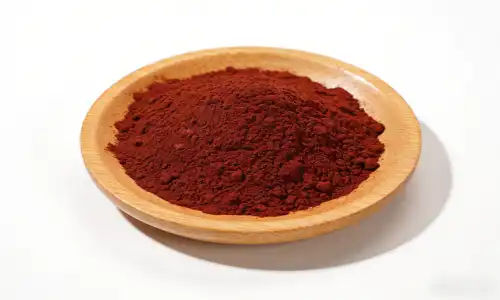
The novel neuroprotective vitamin Pyrroloquinoline Quinone (PQQ) People who buy for nutrition and functional food companies are interested in it. Naturally occurring redox cofactor aids mitochondria and is antioxidant. For energy-boosting, anti-aging, and cognitive health supplements, high-purity pyrroloquinoline quinone bulk powder is essential. Understanding how PQQ works, what to consider when buying, and formulation requirements helps procurement teams make sensible decisions that differentiate products and boost market competition.
What Is a PQQ Supplement? Definition and Buyer's Overview
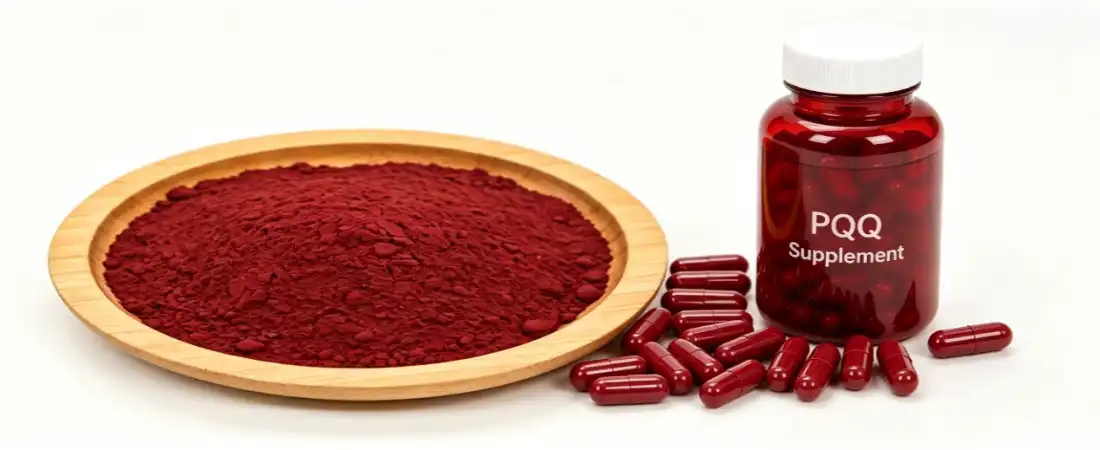
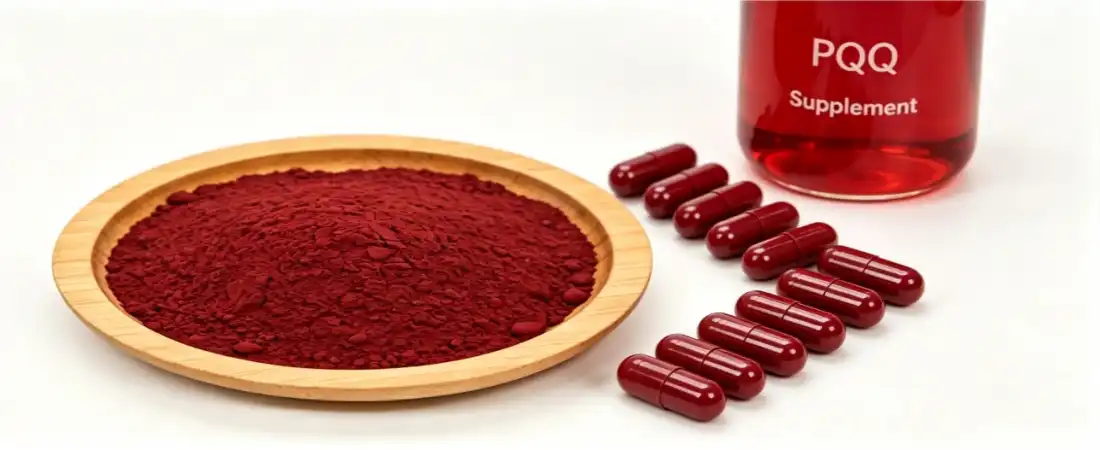
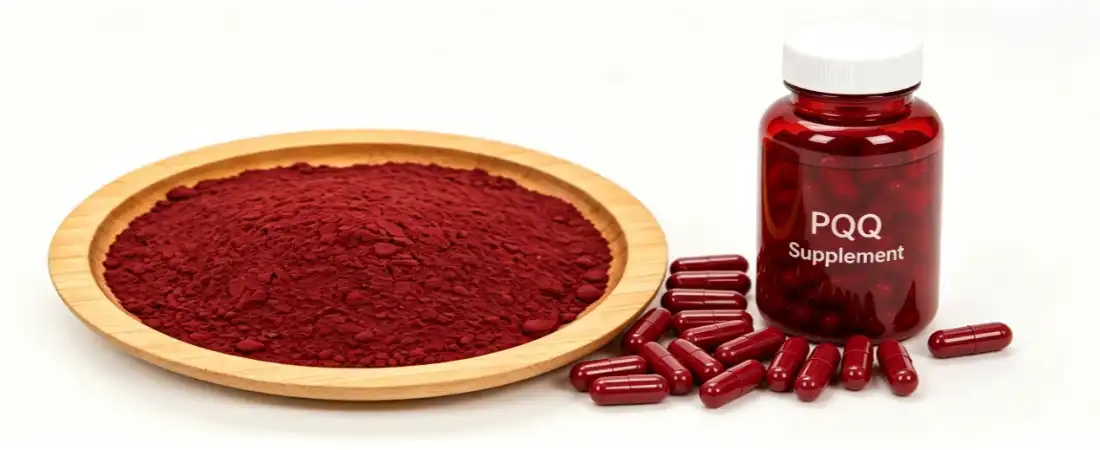
A PQQ supplement is a completed or semi-finished product that contains pyrroloquinoline quinone as its active ingredient, often in the form of a 99% pure bulk powder encapsulated into capsules, tablets, functional drinks, or mixed nootropic and brain-health stacks. When procurement teams inquire “what is PQQ supplement” they are often differentiating the finished product that will go to the customer from the raw material (PQQ bulk powder) that is used to produce it. The difference is in the shape and where they are in the supply chain, but they have the same active ingredient."
So, what is PQQ supplement, in real terms? The dosage-form final product transforms the high-purity bulk powder into a commercial brain, energy or anti-aging solution. Most PQQ supplement products are in doses of 10–20 mg per serving and are often combined with CoQ10, omega-3 fatty acids, or phosphatidylserine for cognitive function, anti-aging effects, and energy. The supplement is available in three key categories discussed below, including nutritional capsules and tablets, functional drinks, and anti-aging cosmetics. B2B customers also recognize that supplement format is closely related to raw-material specification. Purity, 80-mesh particle size, moisture control and light-protective packaging all make a difference in whether the completed PQQ supplement will operate as intended.
Understanding Pyrroloquinoline Quinone (PQQ) and Its Health Benefits
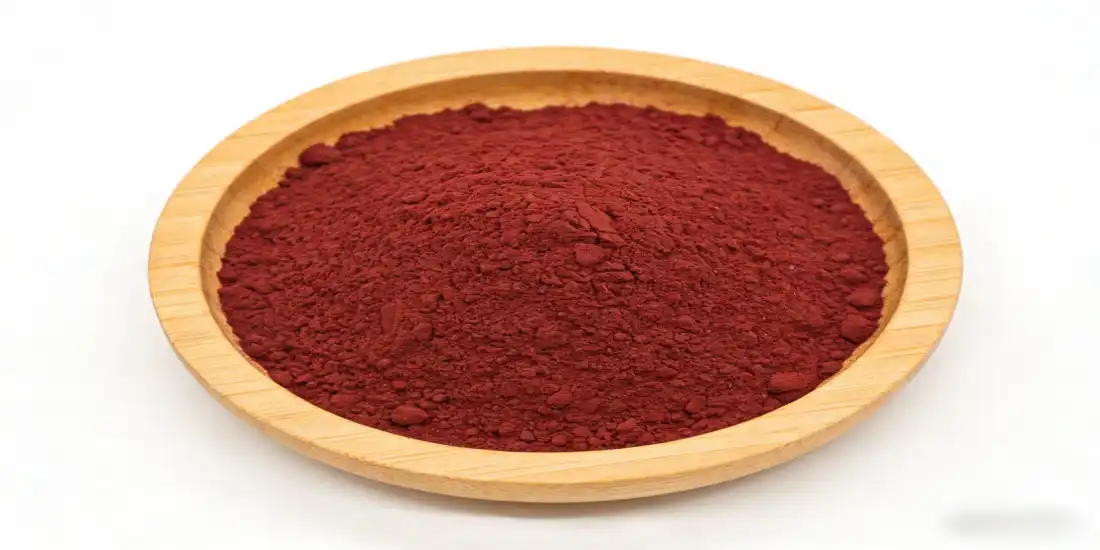
PQQ differs from other antioxidants due to its chemical composition and vast spectrum of cellular actions. Dark red powder is a tiny quinone molecule, C14H6N2O8 (CAS: 72909-34-3). It is bioavailable and stable compared to synthetic choices. The molecule may undergo thousands of catalytic cycles without breaking down, making it several thousand times more antioxidant than ascorbic acid.
The Mechanism Behind Neuroprotection
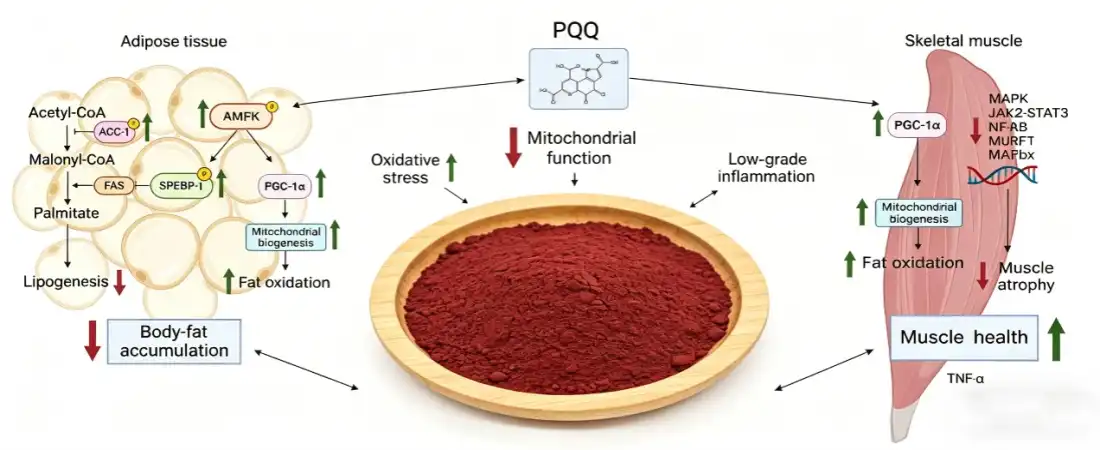
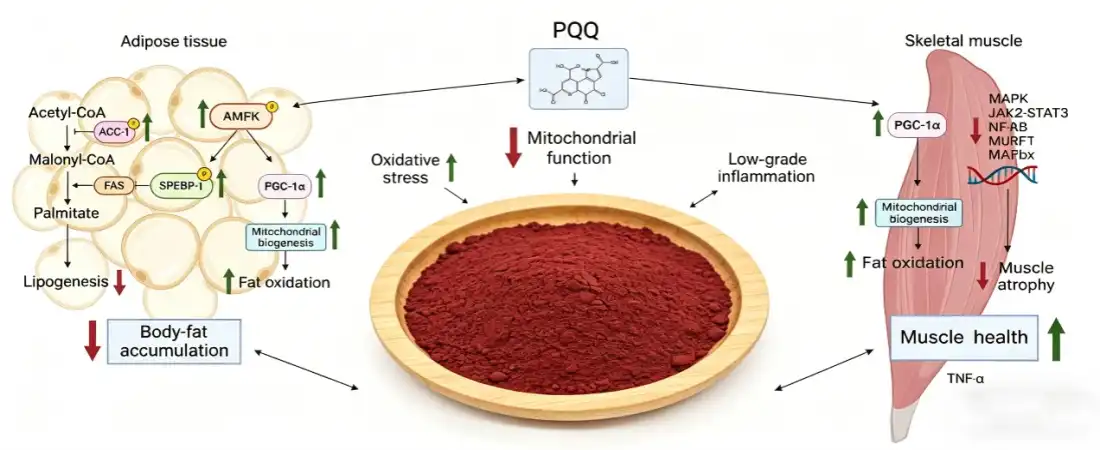
PQQ's main effect is speeding up mitochondrial biogenesis, which creates new mitochondria in cells. Mitochondrial failure is connected to cognitive impairment and neurodegenerative illnesses because neurons require a lot of energy. Some cellular signaling pathways are activated by PQQ. Consider the PGC-1α pathway, which regulates mitochondrial development. This biological activity alters memory, thinking speed, and brain function.
Antioxidant Defense and Cellular Protection
Besides aiding mitochondria, PQQ is effective at removing reactive oxygen and nitrogen species. The substance's redox-active structure facilitates continual oxidation-reduction cycling. This eliminates free radicals that harm DNA, proteins, and cell membranes. Research suggests that PQQ protects neurons from glutamate-induced excitotoxicity, which can cause strokes and neurological disorders. It protects, making it excellent for brain health and aging formulae.
Cardiovascular and Metabolic Support
Neuroprotection is well-known, but PQQ also protects the heart. Clinical studies suggest that PQQ supplements may help maintain healthy cholesterol levels by supporting lipid metabolism. By improving mitochondrial function in skeletal muscle tissue, the chemical may make exercise simpler. Systemic benefits help complete health goods firms employ their products in more scenarios.
Procurement Insights: Selecting the Best PQQ Bulk Powder for Your Business Needs
You must examine technical needs and supplier expertise to find a decent PQQ. Many grades are available worldwide, however organizations selling to high-end consumers must ensure purity of 99% or better via HPLC analysis. NT Biotech's pharmaceutical-grade pyrroloquinoline quinone bulk powder products exceed these high criteria, ensuring batch-to-batch performance for legal compliance and brand image.
Critical Quality Indicators
Buying professionals should consider more than purity when evaluating suppliers. The moisture content must stay below 12% to prevent product breakdown during storage or processing. Arsenic should be below 1 part per million and heavy metals below 10 parts per million. When developing products for markets with severe emission limitations, like California's Proposition 65, this is crucial. Material flow during encapsulation and mixing depends on particle size distribution. The 80 mesh standard distributes formulae uniformly.
Understanding Cost Structures and MOQ Considerations
Buying powder in bulk is cheaper than buying blended products. Working directly with manufactures eliminates intermediaries and markups and provides technical assistance and customization options. The minimum order from NT Biotech is 25 kilos. This ensures new and existing manufacturers get what they need. This level helps smaller firms monitor market reactions and larger organizations achieve better bulk order costs without stockpiling.
Certification Requirements for Market Access
Market access and consumer confidence depend on international clearances. ISO9001 accreditation proves your quality management system, while KOSHER and HALAL certifications allow you to approach certain clients and markets. These certifications help in North American and European markets, where clients are more fastidious about ingredients and production. Verified licenses reduce regulatory red tape and accelerate product approval in many areas.
Application and Formulation of PQQ Bulk Powder in Various Industries
High-purity pyrroloquinoline quinone bulk powder is adaptable and may be utilized in many product areas. Each application has technical issues that require particular details.
Dietary Supplement Formulations
Most PQQ is utilized in psychological health supplements. Manufacturers blend PQQ with Coenzyme Q10, omega-3 fatty acids, or phosphatidylserine to develop products that perform better together. Most nootropic drugs function around 10–20 milligrams per day, while others use more. This material dissolves in water and may be formed into capsules or tablets. The medicine's efficacy must be preserved during storage with light-sensitive packaging. Working with experienced sources like NT Biotech ensures stable data and formulation assistance to avoid frequent blunders like moisture-clumping components.
Functional Beverage Applications
The beverage business is using more PQQ in energy beverages, cognitive performance drinks, and healing formulae. In water, disodium salt dissolves quickly and is stable around pH 5.0–9.0. Because of its compatibility, formulators may manufacture clear, attractive beverages without the sedimentation issues of many plant items. The photosensitive mixture must be wrapped in amber or dark materials. Be careful when mixing significant volumes of ascorbic acid since the redox interaction might speed up vitamin C degradation in liquids.
Cosmetic and Topical Applications
Pyrroloquinoline quinone bulk powder may now be utilized in anti-aging skincare. The compound's antioxidant properties protect dermal cells from oxidative stress and may improve mitochondrial function. Serums, lotions, and masks usually include 0.5% to 2% PQQ. Since PQQ operates best in slightly alkaline environments, pH buffers are needed to stabilize emulsions. The dark red component may modify the ultimate product's appearance, but it can also indicate an active element.
Addressing Risks and Safety: Side Effects and Regulatory Compliance of PQQ
Understand safety profiles and legal landscapes for responsible product innovation and risk management. Many human clinical investigations have shown PQQ to be safe, however buying teams must follow handling and compliance requirements.
Safety Profile and Dosing Considerations
Clinical trials have utilized 60 mg per day for lengthy periods with minor negative effects. Minor stomach pain or short-term sleep issues may occur when taking greater doses, although these symptoms normally disappear as the dose is dropped. As far as we know, the chemical doesn't interact poorly with other medications. The chemical producers should advise customers to consult their doctors before combining it with other medications. Correct formulation papers and labeling decrease danger and promote safe usage.
Regulatory Status Across Key Markets
PQQ is GRAS for food supplements in the US. This expedites regulatory approval. New food additive PQQ is available throughout Europe. However, each member state has its own usage and labeling requirements. Because their regulatory frameworks make product registration straightforward, Asian markets, notably Japan and South Korea, have embraced PQQ. Procurement teams must ensure suppliers produce Certificates of Analysis, allergy statements, and GMO status declarations for customs clearance and regulatory reporting.
Manufacturing Standards and Traceability
In the plant extract industry, supply chain transparency is essential. Buyers desire suppliers that can trace their products from raw ingredients to packaging due to contamination and adulteration concerns. NT Biotech's fermentation and purification procedures eliminate biological differences in plant components and ensure product consistency. Each batch supplied by the company's integrated quality control department is rigorously tested at numerous stages of production and comes with a lot of paperwork. This control safeguards the brand's image and proves the company's compliance with government checks.
Making the Right Decision: Why Choose High-Quality PQQ Bulk Powder Suppliers
Choosing a supplier is crucial when buying ingredients since it affects product quality, compliance with laws, and company efficiency. Working with well-known producers who emphasize transparency and professional help provides long-term economic rewards.
Evaluating Supplier Capabilities and Infrastructure
Purchasing specialists should go beyond certificates and specs. They should also assess production and supply chain resilience. NT Biotech stocks high-demand goods and ships within two to four days after payment verification. This speedy turnaround speeds up product development and frees up working cash for new purchases. After 10 years of exporting, the company has created excellent logistics management with shipping agreements that reduce delays and simplify customs. Express courier, air freight, and integrated ocean shipments can be employed for small-batch innovation experiments to large-scale commercial manufacturing.
Technical Partnership and Formulation Support
The relationship between ingredient suppliers and manufacturers should go beyond purchase. They should also collaborate on issues. The research and development staff at NT Biotech helps with formulations, stability testing, and suitability checks, speeding up product production. This professional partnership is especially important when entering new product categories or modifying formulations for various regulations. Specialized expertise reduces trial-and-error expenses and time-to-market. These benefits are crucial in the competitive supplement and functional food businesses.
Customization and OEM Services
Innovative formulations and transport modalities are becoming increasingly crucial for market differentiation. Working with suppliers who allow customization helps brands create distinctive, non-generic items. Packaging options from NT Biotech go beyond 25-kilogram barrels. They can support smaller batches or unique designs for industrial instruments and procedures. Free samples enable you fully evaluate before ordering. This reduces procurement risk and ensures product formulation compatibility. These services transform pyrroloquinoline quinone bulk powder suppliers into strategic partners who care about both sides' success.
Conclusion
Pyrroloquinoline quinone bulk powder has good scientific support, and more individuals are seeking brain health choices. Procurement specialists who understand PQQ's neuroprotective effects, production demands, and sourcing challenges may assist their organizations capitalize on this market opportunity. Work with manufacturers who have technical understanding, obey the regulations, and maintain the supply chain to succeed. The compound's diverse usage in vitamins, beverages, and cosmetics allow you to create new items and differentiate your brand. Those that obtain ingredients intelligently will benefit.
FAQ
1. What purity level should B2B buyers require for PQQ bulk powder?
HPLC analysis verifies 99% purity for professional formulations. This guideline maintains bioactivity and prevents process byproducts from affecting product stability or safety. Lower grades may contain bacterial proteins or fermentation residues that decrease quality.
2. How does PQQ compare to Coenzyme Q10 in supplement formulations?
Both chemicals aid mitochondria, although in distinct ways. PQQ helps generate new mitochondria, while CoQ10 largely transports electrons in existing mitochondria. Many firms combine these substances because they target distinct sections of cellular energy generation and function better together.
3. What storage conditions preserve PQQ bulk powder quality?
The pyrroloquinoline quinone bulk powder should be stored in firmly sealed, light- and water-free containers below 25°C. Hygroscopic moisture absorption causes items to clump and break down faster, so keep relative humidity below 45%. Effective for 24 months from the date of manufacture if stored properly.
4. What is PQQ supplement and what does it do?
PQQ supplement is a product that contains pyrroloquinoline quinone as an active ingredient, generally 10–20 mg per dose, either alone or combined with CoQ10, omega-3s, or phosphatidylserine. It’s a PQQ supplement that promotes mitochondrial biogenesis, antioxidant defense and cognitive health, which is why it’s a staple in brain, anti-aging and energy product lines. Buyers should look for 99% pure PQQ bulk powder and check the Certificates of Analysis before developing their own PQQ supplement.
Partner with NT Biotech for Premium Pyrroloquinoline Quinone Bulk Powder Supply
NT Biotech sells pyrroloquinoline quinone bulk powder at one place. Pharmaceutical-grade powder fulfills global supplement and functional food companies' rigorous standards. At our ISO9001, KOSHER, and HALAL-certified center, thorough quality control ensures that every batch is 99% pure and has all the appropriate papers. We eliminate supply chain delays that disrupt production schedules by having goods accessible and delivery within two to four days. Our scientific staff responds to queries in two hours and provides formulation recommendations and stable data to accelerate product development. NT Biotech offers free samples at info@newthingsbiotech.com. This will demonstrate how our pyrroloquinoline quinone bulk powder for sale may turn your recipes into the top brain health items.
References
1. Stites, T.E., Mitchell, A.E., Rucker, R.B. (2000). "Physiological importance of quinoenzymes and the O-quinone family of cofactors." Journal of Nutrition, 130(4), 719-727.
2. Chowanadisai, W., Bauerly, K.A., Tchaparian, E., Wong, A., Cortopassi, G.A., Rucker, R.B. (2010). "Pyrroloquinoline quinone stimulates mitochondrial biogenesis through cAMP response element-binding protein phosphorylation and increased PGC-1α expression." Journal of Biological Chemistry, 285(1), 142-152.
3. Nakano, M., Ubukata, K., Yamamoto, T., Yamaguchi, H. (2009). "Effect of pyrroloquinoline quinone (PQQ) on mental status of middle-aged and elderly persons." FOOD Style, 21(13), 50-53.
4. Akagawa, M., Nakano, M., Ikemoto, K. (2016). "Recent progress in studies on the health benefits of pyrroloquinoline quinone." Bioscience, Biotechnology, and Biochemistry, 80(1), 13-22.
5. Harris, C.B., Chowanadisai, W., Mishchuk, D.O., Satre, M.A., Slupsky, C.M., Rucker, R.B. (2013). "Dietary pyrroloquinoline quinone (PQQ) alters indicators of inflammation and mitochondrial-related metabolism in human subjects." Journal of Nutritional Biochemistry, 24(12), 2076-2084.
6. Rucker, R., Chowanadisai, W., Nakano, M. (2009). "Potential physiological importance of pyrroloquinoline quinone." Alternative Medicine Review, 14(3), 268-277.
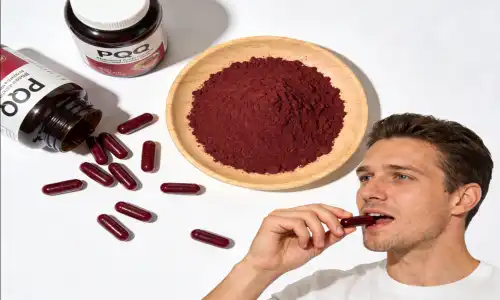
Nutritional research has long known that PQQ scavenges free radicals. New research demonstrates that this naturally occurring quinone is a vitamin-like biofactor essential for metabolic health and cell longevity. Most antioxidants combat reactive stress, whereas pyrroloquinoline quinone bulk powder cycles through redox processes to preserve cell structures and stimulate mitochondrial biogenesis. PQQ is ideal for next-generation food supplements, functional drinks, and mental health products since it performs two things. Manufacturers seeking reliable suppliers realize that quality begins with pure materials and honest vendors.
Understanding Pyrroloquinoline Quinone Bulk Powder
What Makes PQQ Different from Traditional Antioxidants?
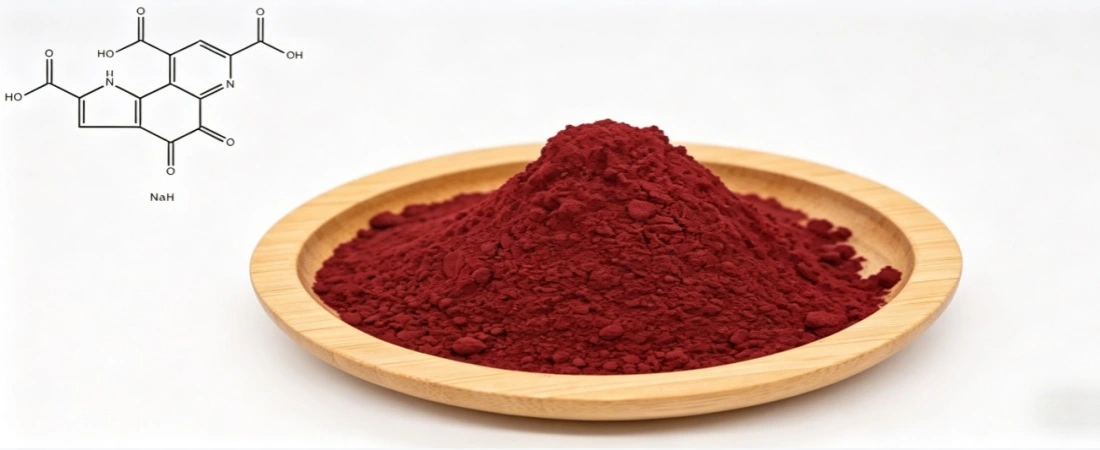
Pyrroloquinoline quinone is C14H6N2O8 and CAS 72909-34-3. As a solid aromatic o-quinone, it differs from normal antioxidants like vitamin C and E which sacrifice themselves to battle free radicals. Instead, PQQ accelerates the process. Rucker and colleagues found that a PQQ molecule may withstand 20,000 redox reactions without losing form because it can repeatedly take and give electrons. In cell experiments, it reduces oxidative stress 5,000 times better than ascorbic acid.
For B2B purchases, this implies greater planning. Therapeutic limits are attained at reduced inclusion rates, increasing product profitability and clinical advantages. Our 99% pure pyrroloquinoline quinone bulk powder enables formulators stability for correct doses throughout batch manufacturing cycles.
The Vitamin-Like Properties That Matter for Product Development
There is no essential vitamin classification for it yet, although PQQ acts as a growth factor and redox cofactor like a B vitamin. In rat models, not obtaining enough PQQ in the meal impairs the immune system, makes reproduction difficult, and destroys the skin, all of which are indications of vitamin deficiency. Steinberg's team showed that PQQ regulates gene regulation that influences cell energy and neuroprotection.
This chemical directly affects mitochondrial development, making it unique. PQQ activates signaling pathways including PGC-1α and CREB, helping cells produce more mitochondria. The science-based value proposition of premium formulations distinguishes them from typical solutions for firms developing products for elderly persons or cognitive function.
Industrial-Grade Specifications That Ensure Formulation Success
The dark red powder of high-purity PQQ disodium salt offered by NT Biotech satisfies stringent testing criteria. Our product specifications include:
- High Purity (99% Assay): We verify each manufacturing batch with HPLC and record the results, microbiological purity, and moisture content (below 12%). This documentation supports legal reporting and allows procurement professionals traceability to ensure supply chain integrity.
- Optimal Particle Size (80 mesh): The particles are uniformly sized after passing through an 80-mesh filter. Regular mixing is needed while compressing tablets and filling capsules to ensure a homogenous blend.
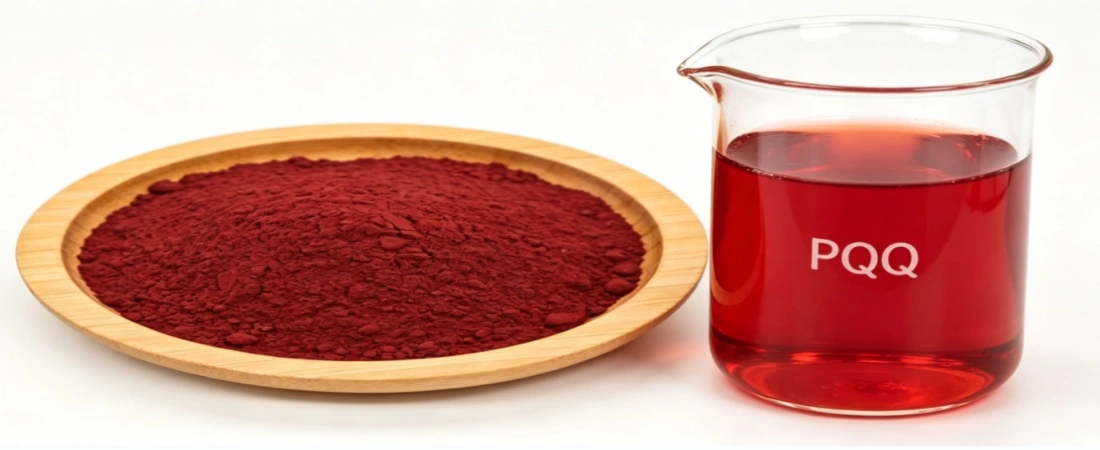
- Superior Solubility: Since the disodium salt form dissolves quickly in water (1g/L at room temperature), it may be used in liquid supplements and functional beverages without the issues that many plant ingredients cause.
- Strict Contaminant Control: Arsenic and heavy metal levels are maintained below 1.0 ppm and 10 ppm, respectively. This fulfills stringent North American and European legal criteria for safety and regulatory compliance.
How to Use Pyrroloquinoline Quinone Bulk Powder Effectively
Dosage Optimization Across Different Application Sectors
Clinical studies recommend a daily intake of 10–20 mg for brain support and overall wellness. A pioneering study by Nakano and colleagues found that providing middle-aged persons 20 mg of PQQ daily for eight weeks improved cognitive performance and decreased inflammatory markers. Dietary supplement companies can incorporate 0.02%–0.04% of the supplement in standard servings.
Making functional beverages can be difficult to combine flavor and efficacy. At acceptable levels, pyrroloquinoline quinone bulk powder has a somewhat sour and earthy flavor that should be concealed. Our technological staff recommends citrus-based flavor systems or berry styles. If not exposed to direct light, PQQ stays active in water solutions with pH values between 5.0 and 9.0 for 18 months, according to stability testing.
Sports nutrition that supports mitochondrial function and energy metabolism often contains 10–15 mg of this chemical per dosage. Metabolic analysis supports our material with useful compounds like CoQ10 and L-carnitine. PQQ's thermal stability prevents breakdown under conventional tablet compression pressures and encapsulation procedures.
Risk Mitigation in Large-Scale Handling and Storage
Processing pyrroloquinoline quinone in regulated humidity is necessary since it absorbs water. Production facilities must maintain relative humidity below 45% to prevent powder from sticking and ensure volumetric dosage equipment flow. Large amounts should be wrapped in aluminum foil bags with desiccant packets away from photodegradation light.
At the prescribed quantities, safety data sheets show little toxicity concerns. Animal studies demonstrate that NOAELs above 1,000 mg/kg body weight are safe. By combining PQQ with drinks high in ascorbic acid, purchasing teams may accelerate vitamin C oxidation due to its redox cycle activity. Encapsulation or dual-phase separation can address this compatibility issue while maintaining ingredient safety.
Comparing Pyrroloquinoline Quinone Bulk Powder with Market Alternatives
Bulk Powder Versus Pre-Encapsulated Forms
Big raw ingredients and finished dosage forms are often compared while buying. Encapsulating manufacturers may save a lot by buying pyrroloquinoline quinone bulk powder in bulk. Current prices for 25 kg of 99% pure material are $800–$1,200, whereas similar PQQ-containing pre-made tablets cost $0.15–$0.25 per unit.
Bulk powder allows more mixing control than ready-made items and is cheaper. Now you may combine ingredients, customize serving quantities, and employ brand-specific delivery formats. Quality control is still handled by the producer, therefore third-party encapsulation standards may not work for premium placement schemes.
Synthetic Versus Fermentation-Derived PQQ
Industrial supplies are mostly manufactured by chemical synthesis and Hyphomicrobium-based bacterial fermentation. Fermentation-derived PQQ, with excellent stereochemical purity and few fermentation-related toxins, is generally GRAS. Cheaper synthetic methods may include small quantities of pollutants that make it tougher for regulators to approve items and labels to convey what they imply.
NT Biotech makes consistent, high-purity material for clean-label goods via controlled fermentation. Our ISO9001-certified quality control system ensures batch repeatability. This overcomes a typical buying issue where moving suppliers might reduce product consistency. Obtaining Kosher and Halal permits allows businesses to access more customers with particular culinary demands.
PQQ Versus CoQ10 and Other Mitochondrial Nutrients
Coenzyme Q10 has long led mitochondrial support, but PQQ works better. PQQ makes new mitochondria, while CoQ10 largely transports electrons in existing mitochondria. Comparative studies demonstrate that both compounds function together, thus high-end goods are using both substances more.
PQQ costs more per kilogram than CoQ10, although less of it is used in end products, reducing the cost difference. Making innovative mitochondrial biogenesis structure-function claims offers you a marketing edge in competitive supplement marketplaces, allowing you to charge more.
How to Choose the Right Pyrroloquinoline Quinone Bulk Powder Supplier
Critical Certifications and Quality Assurance Protocols
Long-term supplier agreements depend on regulatory compliance. Professional buyers should prioritize ISO9001-certified vendors. This demonstrates their commitment to quality management procedures that encompass raw material selection to product release. A lot of paperwork reveals that NT Biotech follows current Good Manufacturing Practices and FDA rules for entering the U.S. market, including confirmed GRAS status.
Kosher and Halal certificates go beyond religion. General markets also obey tight ingredient traceability and contamination restrictions. Heavy metals, microbiological contamination, pesticide residues, and solvent residues are tested in every production run. Requestable Certificates of Analysis document the outcomes, enabling regulatory reporting and supporting research demands.
Evaluating Logistics Capabilities and Supply Chain Reliability
Global supply chain instability is unprecedented, making source dependability crucial. NT Biotech ships pyrroloquinoline quinone bulk powder within two to four days of payment proof. Due to stock availability, customers don't have to worry about manufacturing delays from made-to-order providers with significant lead times.
Our 25 kilogram minimum order balances making our goods available to new companies and helping established brands save money. Standard 25 kilogram fiber drums offer versatile packaging, though other types can be customized. We utilize reliable freight forwarders for air and maritime freight, and our FedEx and UPS accounts send small goods quickly.
Delivered Duty Paid (DDP) services simplify international shopping by integrating shipping and customs. This strategy eliminates unpleasant surprises like late delivery and additional costs that complicate supply planning. We've worked with clients worldwide for over 10 years, so we know each market's laws and handle administrative concerns that might delay goods.
Procurement Strategies for Buying Pyrroloquinoline Quinone Bulk Powder Online
Navigating Minimum Order Quantities and Contract Terms
To start strategic sourcing, you must understand how minimum order quantities effect cash flow and inventory costs. At 20 mg, a 25 kilogram MOQ equals 1,250,000 doses. This is enough for test marketing or manufacturing without spending much. Famous brands that need hundreds of kilos a year can consider volume pricing to reward loyalty and simplify budgeting.
Many merchants want full payment for first orders. NT Biotech accepts local currencies for authorized accounts, making international commerce easy. Standard banking processes safeguard both parties when making large transactions with letters of credit. Long-term supply partnerships stabilize pricing and ensure product availability in volatile markets. PQQ needs specialized manufacturing capacity, thus contractual arrangements prevent sharing as demand rises.
Verifying Product Authenticity and Supplier Credibility
Growing online B2B markets present opportunities and challenges. Unrealistic materials and specs hamper product development and put businesses at risk. Careful inspection saves money and reputation. Request product samples and current Certificates of Analysis; free samples allow qualified buyers to experience NT Biotech products before placing significant orders.
Audits of the supplier's site are most trustworthy, however this is difficult for foreign providers. Video tours of the building, customer references, and regulatory inspection records can also show reliability. Online reputation indications matter. A well-established website, knowledgeable technical content, and good customer assistance indicate operating maturity. Because achieving purchase deadlines requires quickness, we offer to answer queries within two hours on business days.
Conclusion
Pyrroloquinoline quinone is a vitamin-like biofactor that affects mitochondria, brain function, and cell longevity. Understanding the mechanisms and industrial applications of pyrroloquinoline quinone bulk powder may help procurement professionals identify reliable sourcing channels and make informed formulation decisions in a competitive market. Provisioners must maintain quality, follow regulations, and ensure reliability throughout the supply chain for successful agreements and long-term operations. NT Biotech is the reputable formulation development partner you need, with multiple certifications, 10 years of export experience, and professional technical support.
FAQ
1. What is the shelf life of pyrroloquinoline quinone bulk powder under proper storage conditions?
In sealed boxes at below 25°C and away from light and moisture, our 99% pure pyrroloquinoline quinone bulk powder lasts 24 months. Long-term supplies should be stored in the fridge at 2–8°C to prolong life. PQQ absorbs water, hence it must be maintained below 45% relative humidity to avoid clumping and maintain its free-flowing powder qualities for manufacturing.
2. Can PQQ bulk powder be certified as organic for clean-label formulations?
Bacteria ferment PQQ instead of plants, making it difficult to certify as organic. However, our fermenting technique employs non-GMO ingredients and no synthetic pesticides or fertilizers. Customers trust the ingredients when the product has a clean label and Kosher and Halal certifications. We assist clients create label claims that accurately represent the product and satisfy commercial goals.
3. What payment and shipping terms do you offer for international bulk orders?
NT Biotech accepts wire transfer, letter of credit, and your currency to simplify international purchasing. For long-term clients, we discuss terms based on order volume and relationship history. Express courier for modest quantities (2–4 days), air freight for fast shipments, and ocean freight for large items that save money. Delivered Duty Paid (DDP) services simplify purchases by combining shipping and customs clearance.
Partner with NT Biotech for Your Pyrroloquinoline Quinone Bulk Powder Needs
Where to buy items affects more than just pricing. NT Biotech is your partner in creating high-quality, effective products. A leading supplier of pyrroloquinoline quinone bulk powder for sale, we supply 99% pure material with ISO9001, Kosher, and Halal certifications to fulfill global market demands. Our fast response times, flexible payment terms that accept local currencies, and stock that ensures delivery within two to four days accommodate for production schedules. Our application experts help you transform raw ingredients into market-leading cognitive health supplements, functional drinks, and anti-aging products. Email info@newthingsbiotech.com to acquire a free sample and learn why manufactures trust NT Biotech to make pyrroloquinoline quinone bulk powder for long-term supply partnerships.
References
1. Rucker R, Chowanadisai W, Nakano M. Potential physiological importance of pyrroloquinoline quinone. Alternative Medicine Review. 2009;14(3):268-277.
2. Steinberg FM, Gershwin ME, Rucker RB. Dietary pyrroloquinoline quinone: growth and immune response in BALB/c mice. Journal of Nutrition. 1994;124(5):744-753.
3. Nakano M, Ubukata K, Yamamoto T, Yamaguchi H. Effect of pyrroloquinoline quinone (PQQ) on mental status of middle-aged and elderly persons. Food Style. 2009;13(7):50-53.
4. Chowanadisai W, Bauerly KA, Tchaparian E, Wong A, Cortopassi GA, Rucker RB. Pyrroloquinoline quinone stimulates mitochondrial biogenesis through cAMP response element-binding protein phosphorylation and increased PGC-1alpha expression. Journal of Biological Chemistry. 2010;285(1):142-152.
5. Harris CB, Chowanadisai W, Mishchuk DO, Satre MA, Slupsky CM, Rucker RB. Dietary pyrroloquinoline quinone alters indicators of inflammation and mitochondrial-related metabolism in human subjects. Journal of Nutritional Biochemistry. 2013;24(12):2076-2084.
6. Akagawa M, Nakano M, Ikemoto K. Recent progress in studies on the health benefits of pyrroloquinoline quinone. Bioscience, Biotechnology, and Biochemistry. 2016;80(1):13-22.
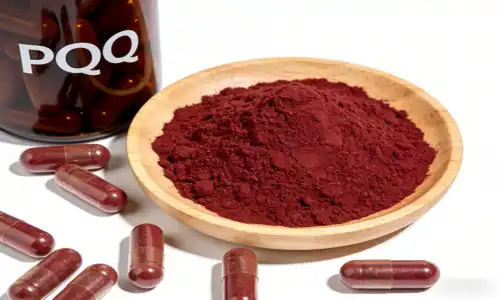
Choosing quality pyrroloquinoline quinone starts with understanding three non-negotiables: verified purity above 99%, certification compliance with ISO, Kosher, and Halal standards, and supplier responsiveness. For procurement professionals sourcing raw materials for nutraceuticals or functional foods, selecting the right supplier determines your formulation success, regulatory approval speed, and cost structure. High-grade PQQ bulk powder—specifically the disodium salt variant—offers superior solubility and stability compared to inferior synthetic alternatives. Manufacturers targeting cognitive health supplements or mitochondrial support products must prioritize suppliers demonstrating transparent quality documentation, consistent stock availability, and fast turnaround times. Settling for substandard material risks batch rejections, formulation failures, and brand reputation damage.
Understanding PQQ Bulk Powder: Key Facts Every Buyer Should Know
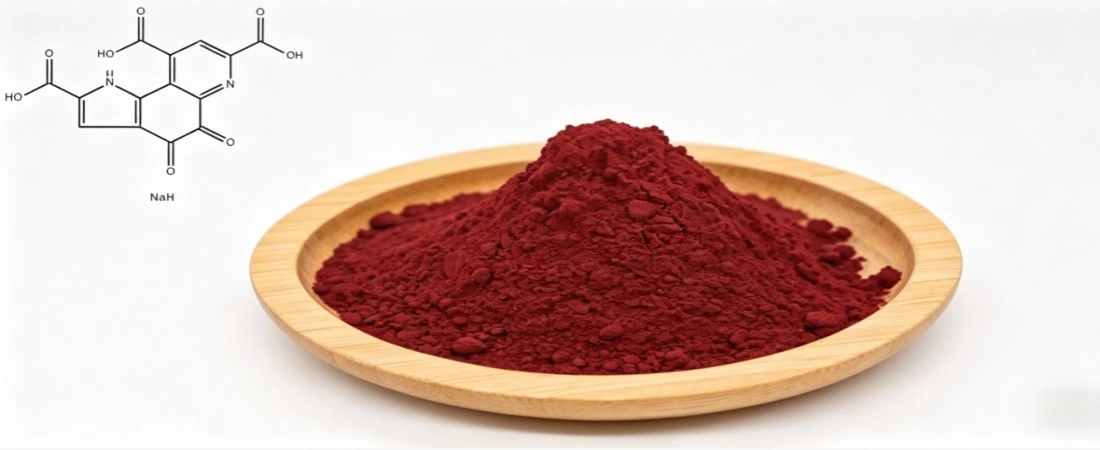
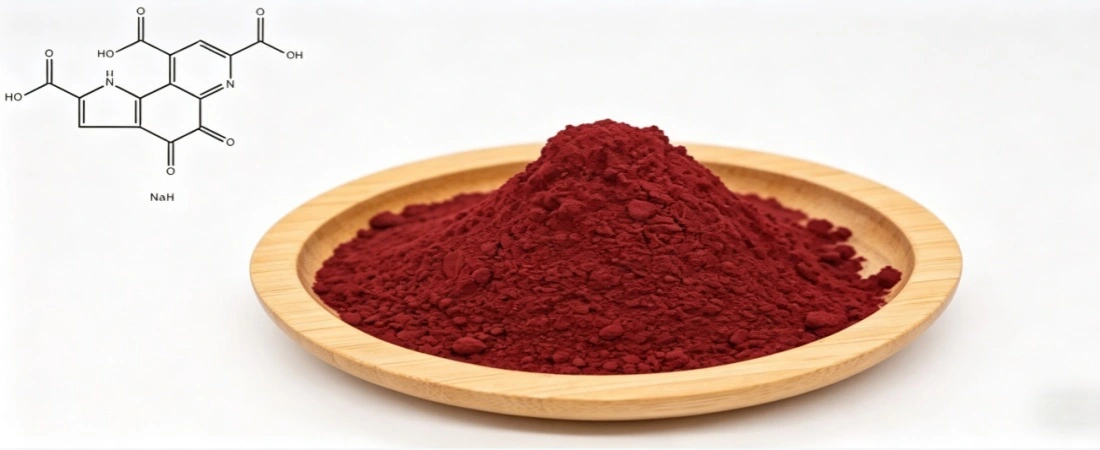
As an antioxidant and redox cofactor, pyrroloquinoline quinone aids mitochondrial development. This natural ortho-quinone molecule is available as PQQ bulk powder. It is a dark red to reddish-brown crystalline substance with CAS number 72909-34-3 and chemical formula C14H6N2O8. It dissolves quickly in water, making it suitable for many compositions. It must be handled carefully to avoid water damage due to this characteristic.
Purity Grades and Their Impact on Formulation Performance
HPLC analysis proves pharmaceutical-grade substance is 99% pure. This standard is significant since lesser-grade versions include contaminants that impair bioavailability and harm sensitive persons. Low-cost raw ingredients pose legal dangers for high-end nootropic and anti-aging product makers. The 80-mesh particles are equally distributed in powder mixtures and liquid matrices, so they don't clump when encapsulated or used to produce beverages.
Regulatory Landscape Across Major Markets
The EU has authorized the combination as a Novel Food, and North American GRAS approval is being considered. These regulatory milestones confirm medications are safe when taken at recommended doses. Buying teams must get batch-specific Certificates of Analysis, heavy metal screening reports, and microbiological infection reports from suppliers. Compliance gaps caused by missing documents delay product beginnings and make regulators scrutinize materials.
Stability Considerations That Affect Shelf Life
Light breaks down this nutrient most. Strong artificial lighting or direct sunlight causes oxidative degradation, reducing strength and color. Professional vendors store items in dark boxes with nitrogen to prolong their life. Locking and maintaining a constant room temperature will keep everything operating for 24 months.
How to Choose the Right PQQ Bulk Powder: Core Decision Criteria
Know your application's demands and desired profit before buying. Energy drink companies have distinct demands than brain support formula companies. Each future assessment element depends on end-use clarity.
Verifying Supplier Quality Systems and Certifications
ISO 9001 accreditation ensures systematic quality management, but food safety laws must be followed. Kosher and Halal licenses get businesses into broader marketplaces targeting specific communities. Check whether vendors have a third party inspect each batch of manufacturing in addition to licensing. Material without independent lab testing raises unmeasured supply chain risk.
NT Biotech is ISO, Kosher, and Halal certified, and each batch undergoes internal and external quality testing before release. This two-layer quality control approach prevents contamination and ensures product efficacy.
Evaluating Source Origin: Fermentation Versus Synthetic Production
Bio-identical fermentation-derived substance from Hyphomicrobium denitrificans bacteria offers consumer option. Synthetic manufacturing techniques are cheaper, but they may create byproducts that require additional cleanup. Your product's safety rating and marketing claims depend on its manufacturing. A brand requires fermentation-grade ingredients to maintain its "naturally derived" image.
Assessing Supplier Reliability and Service Responsiveness
New firms struggle to join due to minimum order volumes, which can influence cash flow and inventory management. Buyers and sellers may maximize manufacturing efficiency with a 25kg MOQ. This is important for enterprises testing new formulas or entering new markets. Lead time performance matters too. Stock suppliers can satisfy orders in two to four days, while made-to-order takes weeks. See whether suppliers provide trial programs so you may try the things before buying without making significant financial obligations.
Strategic partners distinguish themselves from transactional vendors by offering technical support. If your suppliers engage formulation scientists that understand dissolving rates, pH stability ranges, and ingredient interactions, product development will be faster. This knowledge helps address compatibility issues and improve dose forms using PQQ bulk powder.
Comparing PQQ Bulk Powder with Alternatives: Making an Informed Procurement Decision
Knowing rivals' ingredients helps with buying and marketing tactics to stand apart. Despite being unique among mitochondrial compounds, purchasers typically compare pyrroloquinoline quinone to others.
PQQ Versus CoQ10: Complementary Mechanisms
PQQ accelerates mitochondrial synthesis through multiple pathways, and Coenzyme Q10 operates in the electron transport chain. Many high-end formulations include both substances because they function better. PQQ costs more per kilogram since it's harder to manufacture and scarcer. Clinical studies suggest that it has distinct cognitive and neuroprotective advantages than CoQ10 alone, hence the price difference.
Bulk Powder Versus Finished Dosage Forms
Buying raw materials controls recipe and cost the most. Contract manufacturers can adjust quantities, combine active substances, and develop unique combinations not present in completed products. PQQ bulk powder can be packaged differently and marketed under its own brand name to generate brand awareness. In exchange, you must follow proper production procedures, stability testing, and the rules, which knowledgeable customers already know.
Organic Claims and Market Positioning
This chemical is difficult to "organic" approve since it is fermented. Buyers should check organic claims, as fermentation-based products might be helpful even if they don't match farmed organic criteria. Transparent suppliers describe how they manufacture products in straightforward words. This transparency protects your company from "greenwashing" accusations and builds client confidence.
Best Practices for Sourcing and Using PQQ Bulk Powder in Bulk
Besides negotiating pricing, strategic buying involves streamlining the supply chain and testing new items. Experienced buyers employ organized evaluation to reduce risk and enhance results using PQQ bulk powder.
Implementing Supplier Qualification Procedures
Request product production process documentation, including extraction, purification, and quality control stages. Site audits, albeit expensive and time-consuming, provide the finest view of production vs marketing. Buyers who can't visit sites can verify information with third-party audit reports. Financial security, manufacturing capacity expansion, and supply chain crisis preparations should be assessed during qualification.
Sample Testing Protocols Before Bulk Purchase
A sample is reviewed by smelling, tasting, spectral analysis, purity measurement, and breakdown profile. Before ordering large quantities, test the material in its intended usage to find compatibility issues. Accelerated stability tests on sample runs can estimate shelf life and aid packaging selections. Thorough testing before buying prevents costly formulation failures and batch rejections.
NT Biotech delivers eligible consumers free samples to assist them make good purchases without spending money. This demonstrates your confidence in the materials and desire to please your consumers.
Managing International Logistics and Documentation
You must comply with customs, import duties, and paperwork when buying goods abroad. Export certificates, company billing, and shipment coordination are routine for professional providers. During negotiations, buyers should make sure they understand the Incoterms. DDP agreements simplify planning by integrating all expenses into one price quotation. Air freight is great for rapid restocking. However, maritime shipment is preferable for larger numbers and lengthier preparation.
Formulation Guidance for Optimal Product Performance
Clinical studies recommend a daily intake of 10–20 mg for cognitive health supplements. Formulators should allow for a 3–5% overage to meet label claims throughout product shelf life. The substance interacts well with capsule and tablet excipients, however its hygroscopic properties need dry processing. Solubility qualities allow clean dissolving without precipitation in liquids if pH is fixed.
Labels must disclose potency, allergies, and evidence-based health claims in large markets. Fermented food is normally allergy-free, however vendors must demonstrate allergen testing. Structure-function vs. illness claims are continuously evolving, as is regulatory guidance. This makes supplier regulatory knowledge useful.
Case Studies: Real-World Success in Bulk PQQ Procurement
Real-world PQQ bulk powder procurement examples demonstrate how wise supplier selection yields business results.
Successful OEM Partnership for Cognitive Health Line
A medium-sized supplement firm approached NT Biotech for a reliable supplier for a new line of brain health products that included this substance and compatible nootropics. The formulation needs precise 20mg dosages with limited tolerances for clinical claims. NT Biotech provided scientific advise on how to evaluate the formula's stability with the excipients and offer consistent material from batch to batch, eliminating the need to re-formulate. The manufacturer attributed no quality concerns in the first year of sales to solid supplier quality processes and rapid expert advice. With an average lead time of three days, just-in-time product management improved cash flow.
Distributor Perspective on Supply Reliability
A nutraceutical distributor with numerous contract manufactures required a provider that could handle varying order quantities without compromising quality. Suppliers used to have stringent MOQs, so they had to retain excess items or didn't when demand surged. After switching to NT Biotech, I could leverage their ready-to-ship inventory and customized manufacturing runs for larger assignments. The merchant appreciated that inquiries were handled within two hours and buyers were updated on their orders as they were completed. The wholesaler could easily fulfill client dates due to their reliability, which improved their reputation and earned them new customers.
Conclusion
Picking the best pyrroloquinoline quinone requires careful consideration of purity, certifications, seller service, and price. It will be utilized in more brain health, mitochondrial support, and anti-aging products as people learn about its advantages and studies support them. People must compare the short-term expense of a purchase against the long-term relationship worth while buying. They must remember that the provider's quality processes, technical competence, and reliability impact product performance and market competitiveness. Pharmaceutical-grade substance, detailed paperwork, and fast service justify premium status. Strategic sellers choose suppliers who supply high-quality PQQ bulk powder, communicate well, and can adapt to market changes.
FAQ
1. What minimum order quantity should I expect when purchasing this material?
Most MOQs are 25 kg, which balances supplier speed and buyer flexibility. Companies testing novel formulae or new market entrants should use this amount. For buying more pqq bulk powder, larger companies can negotiate lower unit rates in annual supply arrangements. When shopping for several items, check if the MOQ is per order or per SKU.
2. How do fermentation-derived and synthetic versions differ in practical applications?
Fermented materials with bacterial strains have bio-identical molecular structures, higher safety profiles, and customer option for natural product placement. Synthetic materials may have defects that need to be fixed. Fermentation makes natural product and Novel Food claims simpler legally. When both versions reach pharmaceutical purity criteria, the formulae operate similarly.
3. Which certifications matter most for supplement applications in the United States?
ISO 9001 defines quality management systems, while Kosher and Halal certifications attract new clients. Independent lab testing are more reliable than supplier tests. GMP (Good Manufacturing Practice) compliance indicates high-quality procedures, although raw material suppliers may not need it. Ask for current certificates that cover the material and production facility delivering you orders.
Partner with NT Biotech for Premium PQQ Bulk Powder Supply
NT Biotech sells pharmaceutical-grade pyrroloquinoline quinone bulk powder. ISO, Kosher, and Halal certificates verify its 99% purity. We carry enough PQQ bulk powder for sale to ship within two to four days after receiving an order as a well-known vendor that has worked with nutritional firms worldwide for over 10 years. Our manufacturing experts assist customers determine the appropriate dosages, ensure product stability, and satisfy European and North American regulations. For eligible buyers, we offer free samples, versatile packaging from 25 kg drums to bespoke specs, and straightforward pricing that supports our long-term connection. Contact info@newthingsbiotech.com to discuss your needs, request technical documents, or request an evaluation sample. All emails are answered within two hours to keep your shopping schedule on track.
References
1. Chowanadisai W, Bauerly KA, Tchaparian E, et al. Pyrroloquinoline Quinone Stimulates Mitochondrial Biogenesis through cAMP Response Element-binding Protein Phosphorylation and Increased PGC-1α Expression. Journal of Biological Chemistry, 2010.
2. Stites T, Storms D, Bauerly K, et al. Pyrroloquinoline Quinone Modulates Mitochondrial Quantity and Function in Mice. Journal of Nutrition, 2006.
3. Nakano M, Ubukata K, Yamamoto T, Yamaguchi H. Effect of Pyrroloquinoline Quinone (PQQ) on Mental Status of Middle-Aged and Elderly Persons. FOOD Style 21, 2009.
4. European Food Safety Authority. Scientific Opinion on the Safety of Pyrroloquinoline Quinone as a Novel Food Ingredient. EFSA Journal, 2017.
5. Rucker R, Chowanadisai W, Nakano M. Potential Physiological Importance of Pyrroloquinoline Quinone. Alternative Medicine Review, 2009.
6. Harris CB, Chowanadisai W, Mishchuk DO, et al. Dietary Pyrroloquinoline Quinone (PQQ) Alters Indicators of Inflammation and Mitochondrial-Related Metabolism in Human Subjects. Journal of Nutritional Biochemistry, 2013.
Pyrroloquinoline quinone bulk powder is beneficial in biotech research, cosmetics, functional beverages, and dietary supplements. As a redox vitamin and antioxidant, PQQ supports mitochondria, brain health, and cell energy generation. It can be utilized in metabolic support, neuroprotective supplements, anti-aging skin care, and lab research. B2B procurement workers who want to make new, high-performance goods to meet customer demand for cell health and life solutions are increasingly using the compound because it is stable, dissolves easily in water, and has scientifically proven health benefits.
Understanding Pyrroloquinoline Quinone and Its Core Benefits
The chemical PQQ advances cellular health research. This naturally occurring quinone derivative, C14H6N2O8, with the CAS number 72909-34-3, interests researchers and product producers worldwide. Incredible mitochondrial biogenesis assistance makes this vitamin special. Cells create energy-producing mitochondria through this mechanism.
The Science Behind PQQ's Effectiveness
PQQ participates in cell oxidation-reduction processes as a redox element. Researchers found its antioxidant potency several orders of magnitude higher than many common compounds. Due to its chemical structure, it can withstand thousands of catalytic cycles without breaking down. Eliminating free radicals prevents oxidative stress in cells. Especially mitochondria, which produce reactive oxygen species as they manufacture energy.
Key Functional Properties for Product Development
Workers should know this ingredient's physical qualities while buying. The dark red powder dissolves quickly in water and has 80-mesh particles. It functions consistently in all formulae due to its 99% purity requirement. This substance is thermally stable, unlike many bioactive chemicals that degrade fast. It retains most of its action after tableting and encapsulation. Stability implies the product will last longer and perform better every time.
Safety Profile and Regulatory Considerations
The chemical has been extensively studied to ensure safety at recommended levels. Products created with ISO9001, Kosher, and Halal-approved materials provide you more confidence when entering worldwide marketplaces. Paperwork like Certificates of Analysis with HPLC verification ensures tracking and compliance in many situations. Knowing these quality criteria helps buying teams reduce risk and fulfill supplement, food, and cosmetic regulations.

Common and Emerging Uses of Pyrroloquinoline Quinone Bulk Powder
That it can be utilized in many items makes it popular. Its scientifically established benefits help firms stand out in crowded markets.
Dietary Supplement Formulations
Fastest-growing usage is brain health medicines. The substance protects neurons from oxidative damage, making it ideal for memory, attention, and mental sharpness products. To boost its advantages, it is commonly used with CoQ10, omega-3 fatty acids, or phosphatidylserine. Tablet and capsule manufacturers enjoy the powder because it flows and compresses, making production easier. This ingredient is also in softgels, however disodium salt is more accessible for oil-based delivery.
Energy metabolism products form another significant category.
Other major groups include energy conversion products. This chemical helps mitochondria operate and is found in supplements for athletes, exercisers, and energy seekers. The chemical boosts cell energy production, speeding up ATP production from meals. Along with B vitamins, carnitine, and other metabolic cofactors, sports nutrition companies are adding this chemical to pre-workout, stamina, and recovery products.
Functional Food and Beverage Applications
Disodium salt dissolves in water, making it suitable for liquids. This chemical boosts brainpower in smart beverages, nootropic drinks, and functional coffee alternatives. Properly prepared plant extracts stay clear and taste good over pH ranges of 5.0 to 9.0, unlike those that separate or taste poor. Energy drink companies appreciate it because it works with caffeine to give cells energy without jitters like pharmaceuticals. Nutritional bars and chewable vitamins with this component are easy to eat for daily metabolic and brain support.
Cosmetic and Skincare Products
Anti-aging solutions are growing in popularity. Antioxidants shield skin cells from UV radiation and pollutants, which affect the environment. It removes superoxide anions, making it ideal for serums and creams that target fine lines, suppleness, and uneven skin tone. Luxury skin care manufacturers employ this substance in cellular regeneration and life products. The material's safety in lipid-water emulsions maintains its action throughout the product when buffered. When dealing with cosmetics firms, procurement teams should remember that the optimum stability can only be obtained by monitoring combination pH and establishing the correct antioxidant system.
Research and Laboratory Applications
Biotech and university researchers explore cellular metabolism, aging, and neurology with these materials. The compound's effects on mitochondrial activity are well understood, therefore it can help us understand metabolic syndrome, neurological illnesses, and energy consumption issues. Pharmaceutical companies are investigating its healing uses and optimal administration. Research-grade materials that fulfill high hygiene requirements provide repeatable findings.
These usage demonstrate the chemical's economic potential. Product designers from various sectors recognize that this factor fits client need for natural, science-backed solutions for aging, brain, and metabolic health.
Comparing Pyrroloquinoline Quinone Powder with Other Antioxidants and Supplements
Purchasing pros should compare pyrroloquinoline quinone bulk powder to popular choices. Many antioxidants protect cells, but this chemical has specific properties that make it worth putting in high-end goods.
PQQ Versus Coenzyme Q10
Both chemicals support mitochondrial health in various ways. Electron transport chain work is CoQ10's key role in ATP production. The drug also promotes mitochondrial biogenesis, which increases cell mitochondria. Due to this discrepancy, CoQ10 improves mitochondrial function whereas PQQ helps cells generate energy. Many current solutions combine both compounds to improve their performance and boost energy output. Companies creating high-end products for senior individuals worried about cell energy production like this blend.
Comparing Sourcing Options: Fermentation Versus Synthetic
Material location affects quality and market position. GRAS-certified fermentation powder provides better stereochemical purity and fewer process contaminants. Hyphomicrobium-fermented items are clean and regulatory-ready. particular synthetic choices may retain chemical remnants from the various stages needed to manufacture organic chemicals, making regulatory clearance tougher in particular markets. To satisfy customers' natural production preferences, premium brands are requiring fermentation-sourced products increasingly.
Quality Assessment Criteria
You must consider scientific information when evaluating services. The sample should be more than 99% pure with heavy metals below 10 parts per million and arsenic below 1 part per million by HPLC. Water content matters too. Hygroscopic material absorbs water rapidly, thus guidelines limit water content to less than 12% to prevent clinging and breakdown. Reliable vendors offer comprehensive Certificates of Analysis for each production batch listing these elements. Purchasing teams should utilize the Bradford technique to assess protein content and eliminate harmful bacterial proteins from fermentation substrates. These quality controls prevent recipe and contamination difficulties for downstream companies.
Know these comparing elements to make good sourcing decisions. Its specific properties, notably on mitochondrial biogenesis, justify its higher price and make it functionally distinct from other antioxidants.
How to Procure Pyrroloquinoline Quinone Bulk Powder Efficiently
Strategic purchasing involves considering suppliers, delivery, and quality. pyrroloquinoline quinone bulk powder is unique, thus the seller must carefully choose and maintain it.
Evaluating Supplier Credentials
Exporting manufacturers know each market's shipping, paperwork, and laws. Companies with over 10 years in the global supply chain have complicated quality control procedures to ensure consistency. Certifications are crucial to a corporation. ISO9001 quality management certification indicates planned processes, while Kosher and Halal certificates allow niche products into broader markets. Suppliers who meet these criteria invest in compliance, reducing buyer risk.
In-house R&D shows a supplier's technological depth. Partners with their own research teams can verify formulation stability and provide application-specific recommendations. Expert guidance helps when developing new products or adjusting formulas. Quality control offices using HPLC, UV spectroscopy, and other analytical techniques independently examine specs, giving buying teams confidence in material consistency.
Logistics and Order Management
The lowest order is normally 25 kilogram drums, however suppliers often deal with lower orders for approval testing. Hygroscopic powder is usually packaged in 25 kilogram fiber drums with two food-grade plastic bags and desiccants. For immediate manufacturing or long-term storage, custom packaging meets distinct handling demands. Know the lead times to effectively manage your items. After payment confirmation, in-stock materials ship within two to four days, while manufacturing orders might take up to ten days, depending on quantity and demands.
Order information should determine shipping methods. Using FedEx or UPS accounts, express courier services may easily transport smaller products to the U.S. within a week. Air freight is cheaper for medium-sized orders, whereas ocean transportation is preferable for large contracts. Some suppliers provide DDP (Delivered Duty Paid), which simplifies customs clearance and paperwork for customers. Discussing these options with the provider early on ensures that delivery standards match capabilities.
Storage and Handling Requirements
Proper storage protects resources throughout the supply chain. Because the chemical is photosensitive, it must be kept and packed outside of light. Controlling temperature matters. Seal packets can be stored at ambient temperature below 25°C, but they last longer in the fridge at 2–8°C. Humidity control is crucial. Production facilities should keep relative humidity below 45% where packages are opened for weighing and filling. These processes prevent moisture absorption, which can produce clumps and deterioration. Setting up these handling standards before receiving the first deliveries can prevent pricey items from going missing.
Best Practices for Integrating Pyrroloquinoline Quinone Bulk Powder into Your Supply Chain
Integration that works extends beyond buying. For long-term supply chain efficiency, you must evaluate pyrroloquinoline quinone bulk powder quality, interact with suppliers, and plan for hazards.
Implementing Quality Control Protocols
Every batch should be proof-tested before manufacturing. Supplier Certificates of Analysis are the first documentation, but independent testing confirms standards. Minimal testing includes visual examination for color and particle consistency, moisture content, and HPLC or UV spectroscopy for identification. Completer systems include microbial, heavy metals, and residual solvent analysis. Using product demands and government standards to make realistic judgments prevents low-quality materials from entering manufacturing.
Traceability systems that link tons of raw materials to batches of final items allow organizations to act rapidly on quality issues. Records of lot numbers, receipt dates, testing findings, and usage can aid internal quality evaluations and regulatory requirements. Digital batch record systems make information easier to retrieve and reduce typing errors, replacing paper records.
Building Strategic Supplier Relationships
Transactional purchases may bring you what you need quickly, but collaboration is preferable in the long term. Meeting with suppliers often to discuss projected volumes, new product plans, and changing specs helps manage capacity and maintain costs. Suppliers can plan production, procure raw materials, and make process modifications that benefit everyone when they know what customers want. When developing new goods, technical teamwork helps suppliers provide additional information regarding material qualities, compatibility concerns, and production conditions. Time-to-market is accelerated and expensive reformulation cycles are avoided.
Dual sourcing balances supplier security and relationship depth. Backup services are beneficial, but if you split your quantities too much, you may miss out on economies of scale or priority service. Businesses often use main vendors for most of their business and secondary sellers for approval and infrequent orders. This strategy preserves friendship advantages while preventing supply gaps.
Managing Regulatory Compliance
Different locales' ingredient rules change often. Companies with global suppliers know these restrictions and may help with product names by submitting papers. cGMP-compliant material satisfies US dietary supplement requirements. European markets may require new food certifications depending on the application. Suppliers should provide allergies, GMO, and country-of-origin declarations as normal. Procurement teams should clarify their target markets and ensure their stuff fits legal standards during first discussions.
Staying current with rules is the greatest way to stay relevant. Regulatory experts, trade groups, and supplier technical bulletins prepare procurement pros for changes. Informing providers about future demands helps them adopt new standards.

Conclusion
Pyrroloquinoline quinone bulk powder is a substance that has been clinically demonstrated to boost cellular health, cognitive function, and metabolic wellbeing. Its mitochondrial biogenesis and antioxidant properties set it apart from other choices. Good purchasing requires consideration of supplier credentials, material requirements, and supply chain integration best practices. In fast-changing markets, partnering with experienced producers that provide high-quality documentation, skilled assistance, and dependable logistics provides you an edge. The chemical may be utilized in supplements, functional meals, cosmetics, and research, making it valuable for health-conscious consumers seeking scientifically established strategies to age well and perform well.
FAQ
1. What distinguishes fermentation-derived from synthetic PQQ material?
Fermented powder satisfies GRAS criteria and has improved stereoselectivity and fewer process contaminants. Fermentation using Hyphomicrobium strains produces clean-label material. Some synthetic copies include organic synthesis leftovers, making controlling harder. Premium formulations often include fermented substances to satisfy client demand for natural ingredients.
2. How should manufacturers handle the material's hygroscopic properties during production?
The powder quickly absorbs airborne water. Production plant supplying regions should have relative humidity below 45%. Packets of desiccant in aluminum foil protect storage batches in between being weighed and processed. Dealing without air contact prevents clumping, making dosing harder. These processes prevent dampness from breaking down powder flow.
3. What stability considerations apply when combining this ingredient with Vitamin C in liquid formulations?
Both compounds are redox-active. High water levels may accelerate vitamin C degradation through redox cycling. Formulations including two-phase separation, capsule technology, and properly calibrated antioxidant systems can aid. Before mass manufacturing, stability testing under expedited conditions finds the finest pairings.
Partner with NT Biotech for Premium Pyrroloquinoline Quinone Bulk Powder
NT Biotech manufactures reliable pyrroloquinoline quinone bulk powder for sale. They regularly provide high-quality goods that meet global nutrition, functional food, and cosmetics industry standards. We supply and ship 99% pure material. Delivery takes 2–4 days, so it doesn't disrupt production. Our dark red powder (CAS 72909-34-3, 80 mesh) has HPLC-verified Certificates of Analysis and comprehensive documentation. ISO9001, Kosher, and Halal certified. Our R&D staff can answer technical inquiries about our 25 kilogram drums and custom packing alternatives. Get your free sample at info@newthingsbiotech.com and understand how our 10 years of exporting provide us a competitive edge via a consistent supply, rapid service, and unwavering quality.
References
1. Akagawa, M., Nakano, M., & Ikemoto, K. (2016). Recent progress in studies on the health benefits of pyrroloquinoline quinone. Bioscience, Biotechnology, and Biochemistry, 80(1), 13-22.
2. Chowanadisai, W., Bauerly, K.A., Tchaparian, E., Wong, A., Cortopassi, G.A., & Rucker, R.B. (2010). Pyrroloquinoline quinone stimulates mitochondrial biogenesis through cAMP response element-binding protein phosphorylation and increased PGC-1alpha expression. Journal of Biological Chemistry, 285(1), 142-152.
3. Harris, C.B., Chowanadisai, W., Mishchuk, D.O., Satre, M.A., Slupsky, C.M., & Rucker, R.B. (2013). Dietary pyrroloquinoline quinone alters indicators of inflammation and mitochondrial-related metabolism in human subjects. Journal of Nutritional Biochemistry, 24(12), 2076-2084.
4. Rucker, R., Chowanadisai, W., & Nakano, M. (2009). Potential physiological importance of pyrroloquinoline quinone. Alternative Medicine Review, 14(3), 268-277.
5. Stites, T.E., Mitchell, A.E., & Rucker, R.B. (2000). Physiological importance of quinoenzymes and the O-quinone family of cofactors. Journal of Nutrition, 130(4), 719-727.
6. Zhang, Q., Shen, M., Ding, M., Shen, D., & Ding, F. (2011). The neuroprotective action of pyrroloquinoline quinone against glutamate-induced apoptosis in hippocampal neurons is mediated through the activation of PI3K/Akt pathway. Toxicology and Applied Pharmacology, 252(1), 62-72.
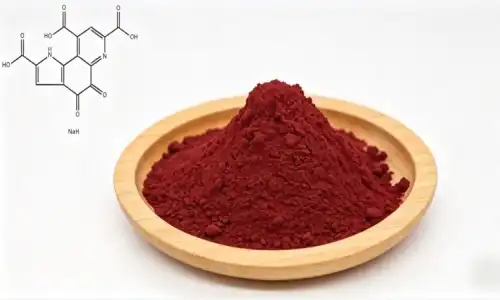
Pyrroloquinoline quinone advances cell health ideas. This naturally occurring molecule is a mitochondrial redox cofactor. Every cell generates energy from mitochondria. Many antioxidants break down after removing free radicals, but this extraordinary molecule accomplishes thousands of catalytic cycles, making it useful. Advanced bacterial fermentation processes provide high-purity varieties that fulfill safety regulations. The EU considers them Novel Foods, and the US considers them GRAS. Because of reason, PQQ powder products are essential to dietary vitamins, functional meals, and nutritional mixtures that improve brain and metabolic health.

Understanding PQQ Powder – Core Knowledge for Procurement
The Chemical Nature and Discovery of PQQ
Pyrroloquinoline quinone (C14H6N2O8)'s chemical structure has illuminated cell energy production. In the 1970s, bacterial enzymes included aromatic ortho-quinone. It later appeared in animal cells and human breast milk. Scientists showed that it protects neurons from oxidative damage and increases nerve growth factors. This dark red antioxidant dissolves in water, unlike fat-soluble antioxidants. This allows it to be employed in beverages, tablets, and powder blends without the stability issues of other sensitive nutrients.
Mitochondrial Biogenesis and Antioxidant Mechanisms
This chemical alters cells in two ways, making it unique. This process eliminates free radicals and activates CREB and PGC-1α signaling pathways, enabling mitochondrial replication. Eventually, individuals lose energy. Mitochondrial biogenesis increases mitochondrial activity in each cell, fighting this. Animal studies demonstrate that this approach boosts heart endurance, cognitive quickness, and cell healing. It prevents oxidative stress without depleting the molecule, unlike vitamin C or polyphenols. Continuous redox cycling may do 20,000 oxidation-reduction cycles per molecule.
Safety Profile and Regulatory Compliance
Studies have demonstrated that consumer PQQ powder at 10–20 mg per day are safe, while clinical trials have gone up to 60 mg without issues. The EU classifies it as novel food. This allows it to be utilized in culinary mixes and ingredients. It may be used for business since US, Canadian, and Asian governments have cleared it. Certain market groups require ISO 9001 quality management system compliance from vendors. They should check Kosher and Halal certificates. Certificates of Analysis (CoA) with purity over 99% and no heavy metals, microorganisms, or chemicals are essential. You must register these with the authorities and gain customer trust.

Comparing PQQ Powder with Other Popular Supplements – Making Informed Choices
Synergistic Relationships with Coenzyme Q10
Pyrroloquinoline quinone and Coenzyme Q10 boost mitochondrial production together. More mitochondria proliferate with quinone, increasing electron transport chains. CoQ10 helps the electron transport chain generate ATP. A nutritional biochemistry and clinical research study found that ingesting both substances combined affects energy levels and heart health differently than taking one. Formulators are adding 100–200 mg of CoQ10 and 10–20 mg of the quinone derivative to additional products to take advantage of this association. Products for elderly persons and injured athletes are more likely to do this.
What Is PQQ in CoQ10? Clarifying a Frequent Question
What is pqq in coq10 is one inquiry we encounter frequently. The simple answer is, PQQ is not an ingredient in CoQ10 and CoQ10 is not a form of PQQ. They are two distinct chemicals that happen to sustain the same organelle -- the mitochondrion -- in different ways. The phrase what is pqq in coq10 often refers to a misunderstanding that PQQ is an ingredient in CoQ10 products, but in fact, if both are included on a label, they are two independent actives dosed separately (typically 10-20 mg PQQ with 100-200 mg CoQ10).
To be exact : CoQ10 ( ubiquinone ) is a lipid soluble benzoquinone produced by your body that is present in every cell membrane . It acts as a shuttle for electrons in the respiratory chain . PQQ (pyrroloquinoline quinone) is an aromatic ortho-quinone redox cofactor that induces mitochondrial biogenesis – it makes new mitochondria, not just feeds the ones you already have. They are not chemically encapsulated in each other.
So if you have been asking what is pqq in coq10 the right takeaway is this: PQQ and CoQ10 are not the same substance, they are complimentary. Reputable suppliers will place each on its own Certificate of Analysis. Even when stacked together in a final recipe, purchasing teams should source, dosage, and label them individually.
Differentiation from Nicotinamide Riboside and NAD+ Precursors
Both NMN and nicotinamide riboside restore NAD+ stores, which cells require to breathe. Pyrroloquinoline quinone works differently. NAD+ precursors supply enzyme cofactors. The quinone chemical creates new mitochondria, increasing cell energy capacity rather than enhancing existing ones. Before buying these ingredients, procurement planners should realize they satisfy several buyer demands. In order to live longer and increase metabolism, NAD+ increases are beneficial. Quinone derivatives help fatigued, memory-losing persons restore fundamental cells.
Bioavailability Considerations and Market Positioning
Disodium salt is better absorbed by living organisms than free acid, according to research. Plasma values peak two hours after oral therapy. Its rapid adoption supports short-term usage like functional beverages and pre-workout blends where clients desire results. Search traffic for health-conscious groups is rising 40% year-over-year. People are becoming more health-conscious. Supplement companies might claim particular effects to stand out in the competitive market. Their items may assist workers focus, health consumers get energy without medicines, or senior people's mitochondria.
Procurement Insights – Buying, Sourcing, and Evaluating PQQ Powder Suppliers
Direct Manufacturer Relationships Versus Distributors
Buying teams with big or daily supply demands benefit from knowing important PQQ powder manufacturers. No markups or intermediaries with direct purchase. The technical support teams may aid with formulation concerns, and you can modify mesh size (80 mesh is optimal for blending), package configurations, and paperwork requirements. This approach works for NT Biotech since it has been focused on plant-based beneficial ingredients for over 10 years, has enough stock to satisfy orders in two to four business days, and has a 25 kilogram minimum order quantity. It's different from delivery networks, which are beneficial but lack tech know-how and increase lead times when demand rises.
Quality Specifications and Certification Requirements
Labels like "pharmaceutical-grade" and "food-grade" impact product positioning and tracking. More testing is done on medicinal materials. Endotoxins, liquid residues, and particle size distribution are examined. Although more expensive, these materials can do things food-grade materials can't. Along with ISO 9001 quality management certificates, baseline requirements include Kosher compliance certificates for select consumer groups and Halal approval certificates for Middle Eastern and Southeast Asian markets. Advanced dealers provide batch-specific documentation. HPLC chromatograms demonstrate the product is more than 99% pure, microbiological testing shows no infections, and stable data validates the manufacturer's shelf-life claims when stored properly.
Here are the core differentiators that define reliable manufacturing partnerships:
1. Analytical Testing Transparency: Reliable suppliers offer comprehensive Certificates of Analysis with every delivery. For example, reliable HPLC procedures can ensure the active ingredient is pure, mass spectrometry can verify the molecules, and heavy metal screens and microbiological panels may eliminate impurities. This documentation will let future manufactures follow the law and provide clients without paying for further testing.
2. Supply Chain Traceability: Top firms document their raw material suppliers. They trace each batch from fermentation base to packaging. Regulators need this to verify sustainability claims that environmentalists and ESG-friendly corporations are demanding more of.
3. Technical Support Capabilities: Companies that give recipe guidance, stable testing data, and application-based ideas can speed up product development and conduct business with you. Study teams know how goods operate together, how to make them bioavailable, and numerous nations' laws and norms. This provides you an edge over competitors and makes connection investments worthwhile beyond pricing comparisons.
Business relationships affect product development time and market performance. Procurement officials should consider professional skills and pricing while buying. They can save money now and generate new ideas later.
Pricing Benchmarks and Supplier Reliability Indicators
High-purity materials cost $800 to $1,500 per kilogram, depending on quantity, purity criteria, and approval. When you buy over 100 kg, you usually save 15–25% off spot costs. Dependability goes beyond low pricing. Clear inventory, reaction time measures, and a good shipping system are also crucial. Suppliers worry about customers when they supply particular things. Suppliers using made-to-order models may experience delays during strong demand. Shipping partnerships, like using special express accounts for fast delivery or long-term freight forwarder relationships for cheap bulk transport, show how complex the processes are to ensure on-time delivery.
Practical Applications and Industry Use Cases of PQQ Powder
Cognitive Health Formulations for Professional Demographics
Designers of products for students, knowledge workers, and elderly people are adding PQQ powder to nootropic stacks to boost attention and mental sharpness. Keeping membranes open and improving neurotransmitters and mitochondrial energy with 10–20 mg of pyrroloquinoline quinone, 100–300 mg of phosphatidylserine, 200–500 mg of DHA omega-3 fatty acids, and B-vitamin complexes benefits the brain. Because of their ease of use and precise dosage, capsules dominate this group. Under-the-tongue tablets are becoming more popular with consumers who seek results rapidly. Market research reveals this segment will pay extra for quality products. Paying $1.50 to $2.50 a day for science-backed remedies will improve their minds and bodies.
Functional Beverage Applications and Formulation Challenges
Since disodium salt combines well with water, it may be sold in ready-to-drink beverages, powdered drink mixes, and liquid shots as clean energy. Scientists must consider light sensitivity while creating drugs. Packing materials that block UV radiation and maintain a pH of 3.5–7.0 keep goods stable throughout storage. Effective products combine quinone with salts to keep hydrated, green tea extract for long-lasting vitality, or adaptogenic botanicals for stress resistance. These mixtures aren't energy drinks containing caffeine because they don't include pharmaceuticals. This makes them appealing to health-conscious folks who wish to boost their metabolism without being nervous or sleepless.
OEM Partnership Models and Private Label Opportunities
Contract manufacturers in the supplement sector are learning about pyrroloquinoline quinone to help private label items stand out. The lowest amount you may buy is generally 5,000–10,000 units, depending on package complexity. producing the mix, evaluating its stability, creating the labels, and producing the initial batches takes 30–60 days. Partnerships require two willing parties. Ingredient vendors like NT Biotech give research publications, prototype samples, and scaling up help. These alliances let firms launch scientifically proved items faster than if they built their own R&D labs.
How to Ensure Long-Term Success with PQQ Powder Procurement
Aligning Product Specifications with Market Demands
Clear labeling, third-party testing, and eco-friendly products are becoming increasingly popular. Buying strategies should work with providers that can create engaging marketing stories about how they test for quality, care for the environment, and ferment food to satisfy these objectives. Products that assist mitochondria, brain function, or healthy aging must contain ingredient lists with study citations and simple explanations of how the substances operate. Marketing teams may employ lawful and engaging product tales. Technical data sheets with peer-reviewed research support these accounts by explaining how the chemical generates energy in cells.
Risk Mitigation and Supply Chain Resilience
Dependence on a single supplier puts you at risk when rules, manufacturing, or shipping issues produce supply issues. Smart buyers monitor global variables that impact important manufacturing regions, discuss framework arrangements that commit to a particular amount of products but allow for flexible delivery timetables, and maintain competent back-up sellers on standby. How to keep expenses low and avoid stockouts depends on wait times and demand volatility. Lean just-in-time models may work for frequently used commodities, but you must plan ahead and stock up on spare things or seasonal selling items. When providers' financial health, production capability, and disaster response are audited and discussed, procurement is formed. This keeps firms robust.
Sustainable Sourcing and ESG Alignment
Corporate sustainability programs influence B2B purchases more. Buying teams are increasingly being expected to document their supplier chains' environmental, labor, and community impacts. The best organizations address these issues by gaining ISO 14001 certifications for environmental management, utilizing recyclable packing materials, and being transparent about their energy consumption and waste reduction efforts. Bacterial fermentation of pyrroloquinoline quinone is better for the environment than plant cultivation, which requires space, water, and pesticides. Procurement personnel should capitalize on these variations when dealing with internal partner issues and external consumer queries concerning supply chain responsibility.
Conclusion
Pqq powder protects cells from free radicals and grows mitochondria, keeping them healthy. When searching for dependable, high-purity sources, professionals should prioritize suppliers that are scientifically sound, obey the regulations, offer expert advice, and have competitive rates. Being converted into capsules, functional beverages, and specialist nutritional products, the substance is versatile. With additional compounds like CoQ10, it makes high-end items shine. Customers want proven mitochondrial and cognitive health solutions. Companies with strategic procurement arrangements that combine quality, supply chain resilience, and sustainability can benefit.
FAQ
1. What dosage should finished products contain?
There is strong evidence that daily dosages of 10–20 mg can improve cognition and metabolism. Several products promise to improve sports performance or thinking. However, most products include 10–20 mg, which works in human trials. Most working CoQ10s include 10–20 mg of pyrroloquinoline quinone and 100–200 mg of ubiquinone. This makes mitochondria work better.
2. How should bulk material be stored?
It has to avoid light, heat, and water to be stable. Packages sealed and stored below 25°C in low-humidity areas work after 24 months. Manufacturers should use orange or dark packaging materials and set procedures for blocking light during handling and preparation. Because they contain water, unsealed packets must be resealed and nitrogen filtered immediately before being stored.
3. What distinguishes fermentation-derived from synthetic versions?
Bacteria generate molecules identical to those in nature. Nothing to worry about: D-isomer contamination or chemical manufacturing waste. Fermentation with Hyphomicrobium denitrificans instead of hazardous chemicals is purer. Regulatory organizations increasingly prefer fermentation products since they are safer and better for the environment than chemicals.
4. What is PQQ in CoQ10 — are they the same supplement?
No. What is pqq in coq10 is a search individuals type in because they think pqq is some kind of coq10 or an ingredient in coq10. Actually, PQQ (pyrroloquinoline quinone) and CoQ10 (ubiquinone) are two different compounds. CoQ10 increases the effectiveness of the mitochondria you already have; PQQ encourages the development of new mitochondria. Products that include both specify two different actives - generally 10-20 mg of PQQ and 100-200 mg of CoQ10 - and each must be individually described and evaluated on their own Certificate of Analysis.
Partner with NT Biotech for Reliable PQQ Powder Supply
NT Biotech supplies clean pyrroloquinoline quinone for medication. They provide high-quality documents and fast professional assistance. HPLC testing of every batch verifies our 99% pure manufacture. ISO 9001, Kosher, and Halal standards encompass several topics. We can make prototypes and the complete thing. Due to our stock, we can ship one-kilogram samples to 25-kilogram drums in two to four days. Our experts can assist with preparation, legal documentation, and application throughout the product-making process. Contact our buying specialists at info@newthingsbiotech.com for bulk rates, free samples, or innovative solutions as your go-to PQQ powder producer.
References
1. Rucker R, Chowanadisai W, Nakano M. Potential physiological importance of pyrroloquinoline quinone. Alternative Medicine Review. 2009;14(3):268-277.
2. Harris CB, Chowanadisai W, Mishchuk DO, et al. Dietary pyrroloquinoline quinone alters indicators of inflammation and mitochondrial-related metabolism in human subjects. Journal of Nutritional Biochemistry. 2013;24(12):2076-2084.
3. Stites T, Storms D, Bauerly K, et al. Pyrroloquinoline quinone modulates mitochondrial quantity and function in mice. Journal of Nutrition. 2006;136(2):390-396.
4. Chowanadisai W, Bauerly KA, Tchaparian E, et al. Pyrroloquinoline quinone stimulates mitochondrial biogenesis through cAMP response element-binding protein phosphorylation and increased PGC-1alpha expression. Journal of Biological Chemistry. 2010;285(1):142-152.
5. Nakano M, Ubukata K, Yamamoto T, Yamaguchi H. Effect of pyrroloquinoline quinone on spontaneous firing activity of central nervous system neurons. Journal of Nutritional Science and Vitaminology. 2006;52(5):321-329.
6. Akagawa M, Nakano M, Ikemoto K. Recent progress in studies on the health benefits of pyrroloquinoline quinone. Bioscience, Biotechnology, and Biochemistry. 2016;80(1):13-22.
Pyrroloquinoline quinone (PQQ), C14H6N2O8, is a naturally occurring redox cofactor that has been extensively explored for its cell health benefits and free radical removal. This aromatic o-quinone helps mitochondria create energy and protect cells. Pyrroloquinoline quinone bulk powder is 99% pure. This makes it a key raw material for nutritional supplement, functional drink, and nutraceutical manufacturers seeking scientifically established constituents for cognitive, anti-aging, and metabolic health formulations.
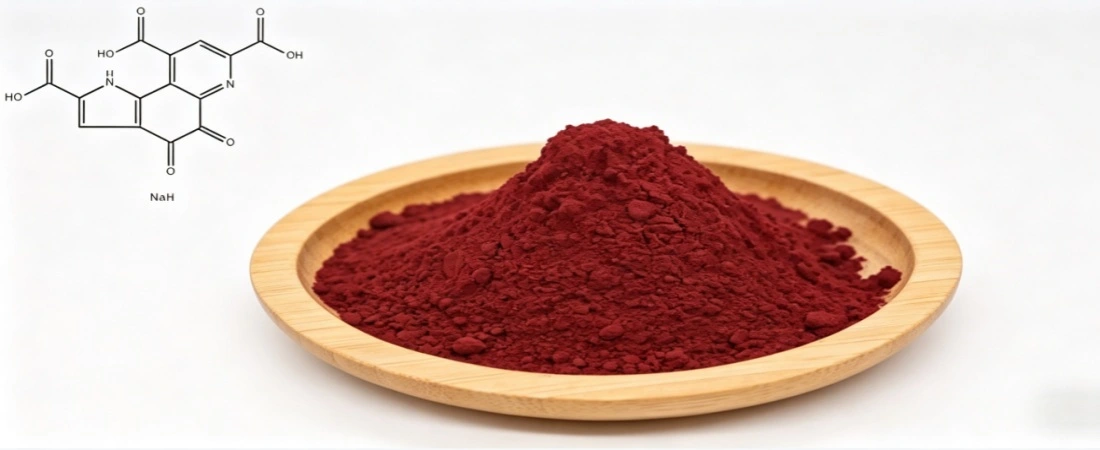
What Is PQQ? A Direct Definition
Pyrroloquinoline quinone (PQQ) is a vitamin-like redox cofactor and micronutrient which the body cannot synthesise on its own and must be obtained by food or supplementation. What is PQQ in simple terms? It is a tiny, stable molecule (C14H6N2O8, molecular weight 330.206) which promotes mitochondrial activity and is a powerful antioxidant which helps protect cells from oxidative stress. PQQ is a popular ingredient in cognitive, anti-aging, and metabolic-health formulas because it helps stimulate mitochondrial biogenesis (generation of new mitochondria). B2B purchasers are offered with pyrroloquinoline quinone bulk powder in commercial form. It is generally provided with 99% HPLC purity for capsules, tablets, functional drinks and topical serums.
Understanding Pyrroloquinoline Quinone (PQQ) – Chemical and Functional Overview
The molecular nature of PQQ makes it more stable than other antioxidants. This impacts product quality and shelf life. The 330.206-molecular-weight molecule is adept at redox cycling and can speed up thousands of oxidation-reduction reactions without breaking down. This makes PQQ 5,000 times more potent than ascorbic acid in some cell circumstances.
Chemical Properties and Molecular Stability
Bulk powder is photosensitive and absorbs water, yet it retains its structure in regulated conditions. Storage standards need temperatures below 25°C and relative humidity below 45% to prevent water absorption and sticking. The substance is bioactive for 24 months if properly handled. The chemical dissolves well in water, especially disodium salt, therefore it may be added to liquid mixes without precipitation in pH levels from 5.0 to 9.0. PQQ may be added to functional beverages, tablets, capsules, and topical serums due to its flexibility. The 80 mesh particle size ensures that particles are properly distributed during mixing, which is essential for regular dosing in final items.
Biological Mechanisms and Metabolic Pathways
PQQ is a cofactor for bacterial dehydrogenases and helps mitochondrial biogenesis. PQQ activates energy-producing cellular signaling pathways, researchers discovered. Specifically, the PGC-1α pathway regulates mitochondrial development. PQQ is absorbed by the intestines and reaches peak plasma concentrations in two to three hours when taken orally. The liver doesn't metabolize the chemical much, thus it reaches target organs swiftly. Human studies suggest it accumulates in mitochondria-rich organs including the brain, heart, and liver. This is because oxidative stress affects cell function most there.
Clinically Supported Health Benefits
Human controlled research have examined PQQ's brain effects. It improved working memory and attention in 12 weeks of 20 mg daily use. More research has showed that inflammatory indicators like C-reactive protein are decreasing, suggesting that the benefits are spreading. In energy expenditure trials, PQQ pill users burned more fat and had better sleep. This suggests it can be utilized in goods to boost mental clarity, physical performance, and aging. Multiple clinical investigations have found no serious negative effects from 60 mg per day tolerability assessments. This proof-based profile enables formulators build products with proven health claims from peer-reviewed research.
Sources & Types of Pyrroloquinoline Quinone Powder for Industrial Use
Factory PQQ is generated via bacterial fermentation and chemical synthesis. Each technique produces a distinct quality rating that impacts market positioning and regulator acceptance.
Natural Versus Synthetic PQQ Sources
Fermented PQQ manufactured by culturing Hyphomicrobium species or related bacteria is GRAS in the US and more popular in natural ingredient-focused European markets. This manufacturing method offers superior stereo-selectivity and lesser chemical contaminants than synthetic alternatives. Fermentation requires careful nutrition management and extended plant growth—96 to 120 hours. Chromatography, crystallization, and other procedures purify the material after fermentation. Synthetic PQQ is chemically identical, but it may contain organic solvents and reaction products that make it tougher to claim cleanliness and regulatory clearance. Procurement specialists always request fermentation-source material for upmarket formulations to fulfill client natural ingredient criteria and simplify regulatory processes.
Industry-Standard Purity Grades and Certifications
According to HPLC testing, commercial pyrroloquinoline quinone bulk powder is at least 99% pure. Crystal water has a water percentage of less than 12%, heavy metal concentrations of less than 10 ppm, arsenic levels of less than 1 ppm, and microbial counts that fulfill food supplement guidelines. Trustworthy providers provide comprehensive Certificates of Analysis (COA) with these standards and batch-specific data. ISO 9001, Kosher, and Halal certificates let you enter new markets and satisfy particular clients. These certificates demonstrate that the firm utilizes GMP and quality control measures to ensure product consistency. NT Biotech maintains all licenses and receives third-party verification. Before shipping, each batch must meet high international criteria.
Global Production Centers and Quality Assurance
Due to its strong bioengineering infrastructure and low cost, China is the leading producer of fermentation-derived PQQ. Leading Chinese manufacturers have ISO-certified quality processes and R&D teams dedicated to purity and extraction yields. North American and European companies rely on smaller-scale manufacturing and higher pricing to attract regional clients who appreciate supply chain simplicity. Distinct countries have distinct quality assurance processes. Top manufacturers evaluate raw ingredients, monitor manufacturing, and analyze the finished product. Buyers should inspect factories for cleanroom standards, analytical lab instruments, and quality documentation methods when comparing vendors. The automated production lines of NT Biotech may be observed live. Separate quality control labs with HPLC, UV-Vis spectroscopy, and microbial testing instruments ensure that every item satisfies established standards.
Comparison and Selection of PQQ Bulk Powder for B2B Procurement
Choose strategic ingredients based on their efficacy and cost. Using pyrroloquinoline quinone bulk powder over completed tablets and other additives has evident advantages.
Bulk Powder Versus Ready-to-Use Capsules
Bulk powder is cheaper than pre-encapsulated items per milligram of active ingredient, making it a cheaper alternative to acquire PQQ. When output exceeds 10,000 units per month, this price difference matters. Bulk material lets companies mix PQQ with complementary compounds like Coenzyme Q10, alpha-lipoic acid, and omega-3 fatty acids to create their own mixes. Customization includes selecting the appropriate dosage, administration strategy (immediate vs. prolonged release), and excipients for stability or food limitations. Formulation independence lets businesses position their goods differently from pre-made tablets. Manufacturers can control ingredient quality, end specs, and secret recipe IP when they start with bulk powder.
Functional Comparison with CoQ10 and Other Antioxidants
While Coenzyme Q10 helps generate ATP in the electron transport chain, PQQ directly stimulates mitochondrial development and provides broader protection. Clinical studies shows that combining these drugs improves energy metabolism indicators more than each alone. PQQ is more stable than ubiquinone CoQ10 at high temperatures during pill compression and encapsulation, making processing easier. PQQ's redox cycling allows ongoing catalytic action instead of single-use oxidation like vitamins C and E. Thus, lower PQQ dosages provide longer-lasting antioxidant effects. This efficiency cleans supplement information panels and promotes products as next-generation formulae. Combining PQQ with phosphatidylserine, B-vitamins, or botanical extracts like ginkgo biloba helps firms produce brain health and active aging products that function on several pathways.
Purchasing Pyrroloquinoline Quinone Bulk Powder – A B2B Buyer's Guide
Good buying requires knowing how to evaluate suppliers, arrange orders, and monitor product quality. These factors affect product production time and reliability.
Supplier Evaluation and Certification Requirements
Qualified merchants maintain ISO 9001 accreditation, demonstrating systematic quality management. Kosher and Halal certificates are kept as needed. Buyers should request Letters of Guarantee, Allergen Statements, and BSE/TSE statements for later regulatory filings. Supplier audits should evaluate production, material management, and expert assistance. Famous firms advise on recipe, consistent testing data, and application knowledge for product creation. Free professional assistance on formulation, regulatory, and market positioning is available from NT Biotech. Our team answers technical queries in two hours and retains extensive libraries of scientific literature summaries, formulation case studies, and regulatory advisory papers. This assistance system reduces development risks and expedite product launch.
Ordering Logistics and International Shipping
Both new and established firms can order 25 kilos of pyrroloquinoline quinone bulk powder. Purchase quantity determines lead time. Custom manufacturing orders take three to ten days, while stock material arrives in two to four days. 25 kilogram fiber drums with twin polyethylene liners are one packing option. Customized designs for handling are another possibility. International delivery employs FedEx and UPS for modest orders. Freight forwarding and DDP arrangements simplify customs clearance for container exports. Some summer destinations require temperature-controlled shipment to keep products stable. Buyers should comprehend cost sharing and risk transfer before ordering. To accommodate varied nations, NT Biotech maintains shipping plans flexible and helps create commercial invoices, certificates of origin, and phytosanitary certifications.
Sample Ordering and Payment Terms
Reliable merchants give free samples, generally 50–100 grams, so you may try different mixes and check quality before buying in bulk. After approval, samples are supplied with COA documentation within 48 hours. Most payment options demand a 30% deposit with purchase confirmation and the remainder before shipment. The firm may provide net payment options to previous clients. International deals benefit from escrow or letters of credit. NT Biotech accepts all major currencies and negotiates reasonable pricing with clients based on order values and historical connections. Our transparent price reflects manufacturing costs and quality expenditures, not market speculation. This ensures consistent long-term supply strategies and helps manufacturers stay on budget.
Building Trust and Ensuring Quality in PQQ Bulk Powder Procurement
Quality assurance goes beyond norms. It also involves supplier reliability, testing, and supply chain transparency. These factors impact product market performance and relationship longevity.
Quality Control Measures and Testing Protocols
Comprehensive quality testing examines several quality factors using multiple analytical methodologies. HPLC confirms PQQ and discovers associated compounds or breakdown products. UV-Vis spectroscopy quickly verifies purity and identity. ICP-MS screening for heavy metals ensures arsenic, lead, cadmium, and mercury safety. Total plate count, yeast, mold, and pathogen screening for Salmonella and E. coli all undergo microbiological testing. Trustworthy third-party lab verification from independent testing institutions provides unbiased quality confirmation. All NT Biotech output batches are full-spectrum tested, and samples are maintained for five years for traceability. From raw material purchase to product delivery, our quality documentation system tracks the batch's history. It fulfills audit criteria and aids regulatory filings.
Evaluating Supplier Credentials and Transparency
Reliable performance, clear communication, and proactive problem-solving build long-term supplier relationships. Buyers should call current customers for references and check internet image indications to assess a supplier's performance. Factory tours teach production scale, quality methods, and organizational abilities. Honest suppliers are ready to offer technical knowledge, manufacturing flow plans, and quality management procedures. They disclose supply challenges, regulatory changes, and quality issues. Openness encourages problem-solving and reduces supply chain risks. For 10 years, NT Biotech has exported nutraceutical manufactures in North America and Europe, gaining logistical and legal expertise. We value partnerships beyond business. Sharing market data, evaluating regulatory trends, and creating new recipes are examples.
Conclusion
Scientific research suggests pyrroloquinoline quinone benefits brain, cell, and energy generation. Find the proper pyrroloquinoline quinone bulk powder sources by considering purity, production processes, seller approvals, and quality control. Successful product development relies on fermentation material that is 99% pure or higher and tested extensively. Strategic procurement balances quality and cost. Long-term supplier partnerships with reliable performance and technical support are its priority. Knowing how PQQ differs from other compounds helps you design products that stand out in a crowded market.
Frequently Asked Questions
1. What distinguishes fermentation-derived PQQ from synthetic versions?
Fermented PQQ fulfills stricter clean-label regulations since it is GRAS and has fewer chemical contaminants than synthesized equivalents. Using Hyphomicrobium species in bacterial fermentation enhances stereo-selectivity and eliminates chemical synthesis' organic liquid residues. Premium formulations should adopt this method since it matches health-conscious clients' natural-source image and simplifies foreign market regulatory clearances.
2. How should manufacturers handle PQQ's hygroscopic properties during production?
Production facilities must keep humidity below 45% while handling and mixing to prevent materials from absorbing water and sticking. Bulk powder should be packed in desiccant-filled metal foil packets between runs. Quick processing and packaging following preparation decrease air exposure. In processing regions, encapsulating equipment needs dehumidification, and completed items need moisture barrier packaging to be stable in stores.
3. Can PQQ be combined with other active ingredients in single formulations?
PQQ in solid tablets works well with most dietary elements, including CoQ10, B vitamins, and omega-3s. Because PQQ's redox activity may accelerate vitamin C breakdown, formulators should be cautious when mixing large levels with ascorbic acid in liquids. Dual-phase delivery or compartmentalization solves this while maintaining both compounds' safety and bioactivity throughout the product's shelf life.
4. What is PQQ and what does it do?
PQQ (Pyrroloquinoline quinone) is a naturally occurring redox cofactor that promotes cellular energy generation by increasing mitochondrial biogenesis and shielding cells from free radical damage. PQQ has a number of practical benefits, including: improved mental clarity, support for healthy ageing, and a role in metabolic and antioxidant defences. The majority of clinical investigations utilise 10-20 mg per day, with tolerance proven up to 60 mg daily. The PQQ is obtained by manufacturers as a bulk powder (99% pure) and is combined with substances such as CoQ10, B-vitamins or omega-3s.
Partner with NT Biotech for Premium Pyrroloquinoline Quinone Bulk Powder Supply
NT Biotech provides pharmaceutical-grade pyrroloquinoline quinone bulk powder. ISO 9001, Kosher, and Halal certifications verify its quality control. Our 99% purity, certified by HPLC testing, fulfills the demanding demands of supplement and functional food producers worldwide. We have inventory available to ship in two to four days and provide 25 kilogram drums and bespoke packing. For over 10 years, we have sold pyrroloquinoline quinone bulk powder to overseas markets and provided formulation guidance, stability data, and regulation paperwork. Request your free sample at info@newthingsbiotech.com and discuss how our consistent supply will help you meet your product development goals.
References
1. Rucker, R., Chowanadisai, W., & Nakano, M. (2009). Potential physiological importance of pyrroloquinoline quinone. Alternative Medicine Review, 14(3), 268-277.
2. Harris, C. B., Chowanadisai, W., Mishchuk, D. O., Satre, M. A., Slupsky, C. M., & Rucker, R. B. (2013). Dietary pyrroloquinoline quinone alters indicators of inflammation and mitochondrial-related metabolism. Journal of Nutritional Biochemistry, 24(12), 2076-2084.
3. Nakano, M., Ubukata, K., Yamamoto, T., & Yamaguchi, H. (2006). Effect of pyrroloquinoline quinone on mental status, sleep, and fatigue in humans. Functional Foods in Health and Disease, 6(6), 307-324.
4. Stites, T., Storms, D., Bauerly, K., Mah, J., Harris, C., Fascetti, A., & Rucker, R. (2006). Pyrroloquinoline quinone modulates mitochondrial quantity and function in mice. Journal of Nutrition, 136(2), 390-396.
5. Chowanadisai, W., Bauerly, K. A., Tchaparian, E., Wong, A., Cortopassi, G. A., & Rucker, R. B. (2010). Pyrroloquinoline quinone stimulates mitochondrial biogenesis through cAMP response element-binding protein phosphorylation. Journal of Biological Chemistry, 285(1), 142-152.
6. Akagawa, M., Nakano, M., & Ikemoto, K. (2016). Recent progress in studies on the health benefits of pyrroloquinoline quinone. Bioscience, Biotechnology, and Biochemistry, 80(1), 13-22.
Strong cell work by Pyrroloquinoline Quinone (PQQ) helps you seem younger. High-purity PQQ bulk powder prevents cell oxidative stress. Main cause of skin aging is oxidative stress. This natural substance has been found to increase mitochondria. This is how cells generate energy. This boosts energy production and cell repair, keeping skin flexible, wrinkle-free, and healthy. PQQ improves internal health and skin radiance when added to anti-aging products. PQQ is not a miraculous treatment.

Understanding PQQ Bulk Powder and Its Role in Anti-Aging
Discover how PQQ bulk powder fights aging. Pyrroloquinoline Quinone is a novel beauty and wellness medication. C14H6N2O8 is an aromatic ortho-quinone. It was identified in soil bacteria and is present in modest levels in fermented soybeans and green peppers. Many studies demonstrate it has many times the antioxidant potential of ascorbic acid. This intrigues specialists.
What Makes PQQ Effective Against Aging?
Pyrroloquinoline Quinone slows aging via growing mitochondria. Loss of mitochondria, which provide cells energy, causes visible aging. Poor mitochondrial function makes it challenging for cells to repair damage, generate collagen, or maintain their walls. This decline is prevented by PQQ, which activates signaling pathways. These routes primarily include PGC-1α, a major mitochondrial output driver. More live cells, tougher skin, and faster UV radiation damage recovery are all benefits of this procedure. All of this makes you look younger.
The Science Behind Cellular Rejuvenation
Clinical studies have revealed that this redox critical chemical increases cell energy and reduces inflammation, which accelerates aging. Whether consumed as a supplement or applied as cosmetics, it dissolves fast in water and gets to target tissues. A 99% pure dark red powder ensures regular bioactive quantities for formulators. This is essential for repeatable anti-aging effects in completed items.
The Benefits of PQQ Bulk Powder for a Younger Look and Overall Health
PQQ bulk powder generally improves appearance and well-being. Pyrroloquinoline Quinone helps you stay youthful and healthy in many ways besides looking great. The chemical fights aging in several ways, which contribute to internal and external effects.
Skin-Specific Anti-Aging Properties
There are several ways skin care may aid. Since this molecule is an antioxidant, ROS can't break down collagen and elastin. Skin is tight and flexible thanks to collagen and elastin. Fibroblasts produce collagen. Researchers observed that continuous contact with this excellent substance improves performance. Since collagen loss accelerates after 30, this slows it. Daily supplement and cosmetic treatment users report smoother, less wrinkled, and brighter skin after eight to twelve weeks.
This redox cofactor also prevents light damage. Even though it's not sunscreen, reducing UV radiation response damage makes it superior at photoaging protection. Photoaging generates premature wrinkles and age spots. This substance is increasingly being combined with hyaluronic acid and peptides in anti-aging serums to create holistic repair solutions.
Systemic Health Benefits That Support Youthful Appearance
Your mood and appearance are linked. Pyrroloquinoline Quinone improves cardiac function by protecting arteries and reducing lipid breakdown. Makes ensuring skin cells are fed. Antioxidants assist your brain operate, keeping your intellect clear and energy high, both hallmarks of youth. Researchers discovered that this substance improved sleep. Sleeping sufficiently is still one of the finest things for your health and face.
Digestive aid is another advantage. This medication improves mitochondrial function, allowing cells to produce more energy without oxidative damage. This metabolic adjustment keeps you at a healthy weight and improves insulin function, slowing aging. The molecule boosts the immune system, protecting the body against aging stressors.
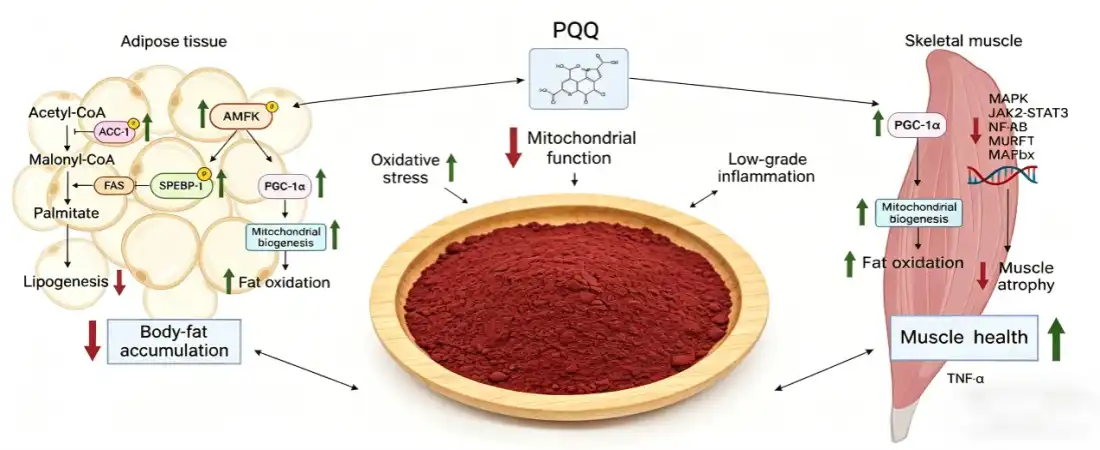
Comparing PQQ Bulk Powder with Other Anti-Aging Ingredients and Forms
Anti-aging product buyers must consider how well substances function, cost, and combine with other components. Because of its advantages, PQQ bulk powder stands out from both competing and complementary compounds.
PQQ Versus CoQ10: Complementary Rather Than Competitive
They collaborate, not compete. Coenzyme Q10 has traditionally been the finest mitochondrial aid. This molecule works differently from CoQ10. In the mitochondrial respiratory chain, CoQ10 predominantly transfers electrons. However, Pyrroloquinoline Quinone creates mitochondria. Studies demonstrate that mixing both substances works better than using each alone. Many high-end solutions now contain 10–20 mg of Pyrroloquinoline Quinone and 100–200 mg of CoQ10 for mitochondrial optimization.
Advantages of Bulk Powder Procurement
Bulk powder instead of finished vitamins saves money for firms buying this commodity. The biggest benefit is lower unit pricing—40 to 60% cheaper than in-store prices. By changing the formulation, companies may create effective dosages, mixes, and transfer methods for diverse markets. Quality control is stronger when working with raw materials since HPLC analysis and third-party testing may evaluate each batch independently.
High-quality material is 80 mesh, 99% pure, and dark red powder. This guarantees that it breaks and is available in every production run. Legal documents with CAS number 72909-34-3 are easy to discover. This is crucial for US FDA GRAS and EU Novel Food clearance.
How to Source High-Quality PQQ Bulk Powder for Your Business Needs
Finding a trusted supplier for the PQQ bulk powder requires careful consideration of several factors. Global Pyrroloquinoline Quinone sales have expanded rapidly. This is excellent and terrible for purchasers who demand quality and regulatory compliance.
Essential Quality Indicators
Quality ratings depend on cleanliness. HPLC should always reveal that pharmaceutical-grade material is at least 99% pure. Every batch should provide a Certificate of Analysis (CoA) indicating purity, heavy metal content, microbial tolerance, and liquid remaining. ISO 9001 certification shows a company's quality commitment. Products with Kosher or Halal permits are simpler to find in more stores.
Openness regarding product manufacturing distinguishes reliable firms. Most fermentation-derived Pyrroloquinoline Quinone from bacterial cultures is safer than synthesized. Customers should easily learn about source organisms, cleaning, and workplace management. The chemical is light-sensitive, thus storage and use are crucial. If packaged appropriately in light-proof, nitrogen-flushed crates, the material doesn't break down during shipping.
Evaluating Supplier Capabilities
Service quality is not the sole factor in relationship success. There are significant differences in minimum order quantities (MOQ). Usually, 25 kg is the starting point, although a trusted provider with ample stock can manage smaller trial orders for product development. Lead times matter when planning a recipe. Just-in-time production requires stock items to be shipped within two to four days. However, custom manufacture takes three to ten working days following approval.
Business owners should seek sellers like Shaanxi New Things Biotech. The firm has focused on plant-based items and usable raw resources for over 10 years. They retain international-standard quality records. The various methods they remove things extract the most active compounds. They ensure the core items are over 98% pure. As a skilled partner, they supply raw materials, formulas, stability test advice, and market trends. All of these services are useful while producing a product.
The company's delivery approach solves the problems individuals have while buying abroad. Depending on speed and number, you can pick fast delivery, air freight, or ocean transit. Direct shipping with FedEx and UPS avoids delays, and reliable freight forwarders handle large items safely. They promise to respond within two hours. This demonstrates they value customer service, which helps the purchase process.

Conclusion
That stated, more study reveals that pqq bulk powder slows aging. By enhancing mitochondria function, shielding cells from oxidative damage, and promoting health, this wonderful molecule delays aging. These actions improve skin and bodily strength. High-purity ingredients can help nutrition, functional food, and cosmetics buyers differentiate their anti-aging products. Work with suppliers who provide high-quality raw materials, technical assistance, legal expertise, and reliable services. These will make your good ingredients into the most marketable items.
FAQ
1. How long does it take to see anti-aging results from PQQ supplementation?
People feel better eight to twelve weeks after taking 10 to 20 mg of vitamins daily, according to studies. Because cell-younger procedures take time, skin advantages including smoother skin and fewer fine lines and wrinkles may not appear immediately. Increased energy and clarity might show results in three to four weeks.
2. Can PQQ be safely combined with other anti-aging supplements?
Some items function well with Pyrroloquinoline Quinone. Its mitochondrial benefits improve with CoQ10, and its anti-aging effects are enhanced with DHA, B vitamins, and antioxidants like resveratrol. Stability testing is the greatest technique for formulators to ensure ingredient compatibility. Clinical literature has not reported serious interactions.
3. What distinguishes high-quality bulk powder from inferior products?
You can ensure 99% purity via HPLC analysis. For optimal dissolution, it should contain 80 mesh or smaller particles and all the paperwork, such as a certificate of analysis, heavy metal testing, and bacteria limitations. Fermented sources are safer than lab-made ones. ISO 9001, Kosher, and Halal certifications guarantee that the product is well-made and meets international standards.
Partner with NT Biotech for Premium Pyrroloquinoline Quinone Supply
Get excellent Pyrroloquinoline Quinones from NT Biotech. In a competitive market, where you buy your items might effect its success. A reliable PQQ bulk powder manufacturer, NT Biotech has worked with health supplement, food, and cosmetic firms worldwide. We employ our own extraction technology, have strong quality control that exceeds international standards, and provide flexible OEM solutions that can be customized for your business.
What's unique about our business partnership? We have lots of stock, so most orders ship within one to three business days. Modern markets evolve swiftly, thus bespoke orders are completed in 3-10 business days. Each batch has HPLC and CoA analysis papers to ensure it fulfills FDA GRAS and EU Novel Food standards. ISO 9001, Kosher, and Halal certifications demonstrate our quality commitment. Businesses of all sizes can use our 1 kilogram samples to 25 kg drums packaging choices.
Technical assistance goes beyond providing raw materials. Our R&D team turns ingredient ideas into significant commercial hits through recipe, stability, and market studies. Our ingredient expertise makes mitochondrial support tablets, cognitive development beverages, and anti-aging serums more bioavailable and beneficial to clients. Free samples let you trial before you purchase, and paying in local currency and on your own terms makes international commerce easier.
Ready to add additional anti-aging products? Email NT Biotech at info@newthingsbiotech.com immediately for comprehensive quotes, free samples, and information. We have a solid supply chain and sell high-quality PQQ bulk powder for 10 years. Find out how our powder may help your brand stand out in the booming healthy aging market.
References
1. Chowanadisai W, Bauerly KA, Tchaparian E, Wong A, Cortopassi GA, Rucker RB. Pyrroloquinoline quinone stimulates mitochondrial biogenesis through cAMP response element-binding protein phosphorylation and increased PGC-1alpha expression. Journal of Biological Chemistry. 2010;285(1):142-152.
2. Stites T, Storms D, Bauerly K, Mah J, Harris C, Fascetti A, Rogers Q, Tchaparian E, Satre M, Rucker RB. Pyrroloquinoline quinone modulates mitochondrial quantity and function in mice. Journal of Nutrition. 2006;136(2):390-396.
3. Harris CB, Chowanadisai W, Mishchuk DO, Satre MA, Slupsky CM, Rucker RB. Dietary pyrroloquinoline quinone alters indicators of inflammation and mitochondrial-related metabolism in human subjects. Journal of Nutritional Biochemistry. 2013;24(12):2076-2084.
4. Nakano M, Ubukata K, Yamamoto T, Yamaguchi H. Effect of pyrroloquinoline quinone on the permeability of damaged human skin. Medical Consultation and New Remedies. 2012;49(5):569-575.
5. Akagawa M, Nakano M, Ikemoto K. Recent progress in studies on the health benefits of pyrroloquinoline quinone. Bioscience, Biotechnology, and Biochemistry. 2016;80(1):13-22.
6. Rucker R, Chowanadisai W, Nakano M. Potential physiological importance of pyrroloquinoline quinone. Alternative Medicine Review. 2009;14(3):268-277.
B2B buyers in nutrition, functional food, and cosmetics may transform their PQQ bulk powder growth strategies. As the world learns more about mitochondrial health and cognitive support, manufacturers require reliable, high-purity raw material suppliers with technical expertise. North American and European regulators are accepting this ingredient. Science shows it protects neurons and is an antioxidant. This makes it a good investment for firms seeking to distinguish out in competitive marketplaces. Procurement managers who wish to increase formulation performance and supply chain stability must know what suppliers can do, quality requirements, and product versatility.

Understanding PQQ Bulk Powder: Properties, Benefits, and Uses
What Defines High-Quality Pyrroloquinoline Quinone Raw Material
Pyrroloquinoline quinone is C14H6N2O8 and CAS 72909-34-3. A dark crimson to reddish-brown solid powder. This naturally occurring aromatic ortho-quinone molecule dissolves well in water, making it helpful for many preparations. The molecule's molecular weight of 330.206 and redox activity determine its biological action. Professional-grade material is 99% pure at 80 mesh, ensuring fast dissolution and bioavailability. Light sensitivity is still required while storing and handling, as bright light can break down the active ingredient and reduce its efficacy.
The distinction between raw material powder and final items is important to formulators. Corporate purchasers require PQQ bulk powder to produce individual formulas, but capsules and tablets are offered directly to consumers. This raw material lets you choose how much to use, how to mix it with coq10 or phosphatidylserine, and how much it costs in bulk. Procurement specialists must consider purity, particle size uniformity, moisture content, and bacteria limitations to ensure production works smoothly and rules are met.
Clinically Supported Health Applications
The compound's role in mitochondrial biogenesis has been extensively studied. Clinical studies demonstrate that consuming 10–20 mg daily can boost cell energy output by promoting mitochondrial development. This is why it's used in regimens to halt aging energy loss and boost metabolism. Antioxidants outperform many chemicals. It resists oxidative stress and cell-aging free radicals.
Nervous system support is another proven use case. The substance enters the brain from the circulation and protects nerve cells from oxidation. This makes it useful in brain-healthy vitamins. It is typically combined with dha, b-complex vitamins, and other nootropics to create brain health products for mentally exhausted professionals or elderly persons worried about memory. It reduces neuronal oxidative stress, unlike stimulant-based cognitive enhancers. It gives long-term assistance without harm.
Regulatory Status Across Key Markets
The FDA lists pyrroloquinoline quinone disodium salt as a New Dietary Ingredient. This implies it can be used in dietary items if the safety documentation passes agency criteria. Health Canada also allows its usage in natural health products. The European Food Safety Authority granted it Novel Food designation in 2018, allowing it to be added to food additives and fortified foods across the EU. Regulatory approvals are based on extensive safety and toxicological investigations, giving buyers confidence in the ingredient's legality.
Knowing each country's regulations is crucial while buying abroad. With Certificate of Analysis papers, allergy declarations, and Good Manufacturing Practice requirements, you can easily circumvent restrictions. ISO 9001, Kosher, and Halal certifications demonstrate a supplier's systematic quality management and wide variety of client demands.
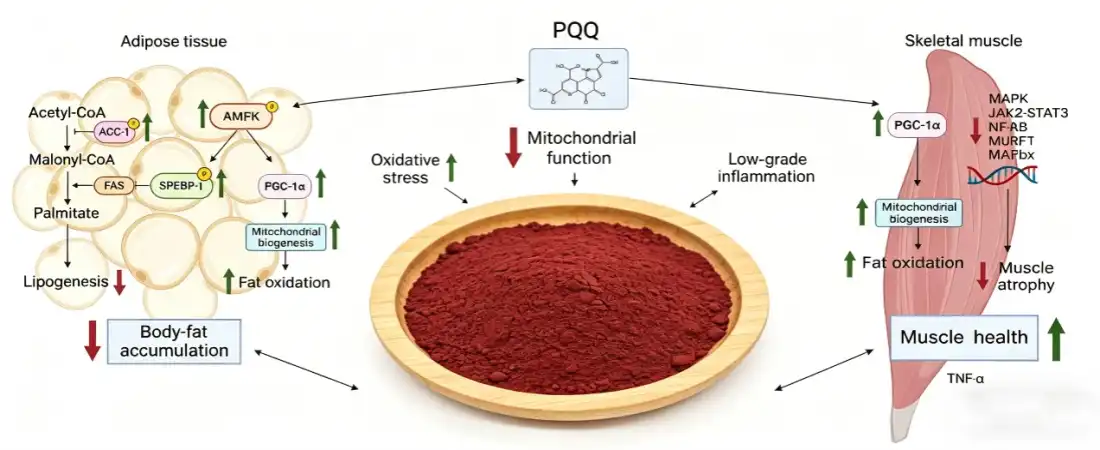
Quality and Supplier Comparison: Selecting the Best Raw Material for Your Business
Production Methods and Purity Considerations
The PQQ bulk powder is synthesized chemically or fermented using Hyphomicrobium denitrificans. Due to its natural origins and safety, fermentation-derived material is chosen in the supplement industry. Natural substances are preferred, and this bioidentical structure helps label placement. Chemical synthesis produces clean compounds, but regulators may scrutinize byproducts.
Specifying purity directly affects a design's functionality and compliance. Professional-grade material with a 99% assay value reduces inactive substances that might mess up the recipe or produce unexpected reactions during manufacture. Lower purity grades may contain salts, water, or breakdown products that reduce stability and dosage delivery. Procurement teams should request heavy metals testing, microbiological limits, and remaining solvent analysis to fully assess quality.
Critical Certifications and Testing Protocols
Independent third-party proof verifies the source and batch consistency. Certificates of Analysis should include US Pharmacopeia-compliant microbiological tests and high-performance liquid chromatography reports proving the product's identity and purity. Suppliers with ISO 9001 certification utilize structured quality control to reduce batch-to-batch variation and improve supply reliability.
Businesses may reach more clients with Kosher and Halal permits since they can feed big gatherings. Third-party audits of manufacturing facilities, ingredient suppliers, and processing technologies are required for faith certificates. This enhances quality control. For businesses targeting diverse populations or overseas markets, a supplier's certification collection affects product positioning and market access.
Evaluating Supplier Reliability and Service Capabilities
Minimum order quantities might help you decide how to buy. Suppliers who offer 25 kilogram starter quantities allow customers to test new items without spending much. Flexible packaging from lab samples to industrial barrels supports different operational sizes and phased market launch tactics. A versatile and customer-focused provider may tailor packaging for unique shipping needs.
Payment periods and currencies affect cash flow and international company expenses. Suppliers reduce foreign exchange risk and simplify bookkeeping when buyers pay in their own currency. Timely product launches and supply management depend on delivery speed. Keeping stock and offering two to four-day delivery following payment verification aids just-in-time ordering and reduces warehousing costs.
Procurement Strategies for Pyrroloquinoline Quinone: Bulk Purchase, Pricing, and Logistics
Optimizing Order Quantities and Contract Terms
Medium-sized firms and contract packaging operations can start with 25 kg of this specialized ingredient. If you purchase 100 kg or more, volume-based pricing may save you 10-15%. Procurement staff should weigh predicted production against inventory carrying costs and capital allocation to determine order frequency.
Long-term supply partnerships stabilize pricing and distribute supplies equitably, even when supplies are limited or raw material prices fluctuate. Negotiating yearly contracts with three-month delivery schedules balances cost and inventory flexibility. Suppliers who give price protection for negotiated amounts assist downstream clients forecast budget costs more accurately and eliminate budget uncertainty.
International Shipping and Documentation Requirements
When buying internationally, you must organize delivery, government paperwork, and import requirements. FedEx and UPS handle goods under 100 kg properly. They ship to most North American and European destinations in 5–7 days. Transporting 100–500 kg by air freight takes 7–10 days and is affordable. Sea freight works well for orders over 500 kg since its extended trip periods (4-6 weeks) help with inventory planning.
Buyers unfamiliar with import laws can use Delivered Duty Paid to have the vendor pass customs and pay import charges. This plan clarifies the landing cost and simplifies administration, although it costs more than standard shipping. When assessing supplier bids, procurement teams should include total landing expenses, including tariffs, trading fees, and handling.
Comparative Insights: Raw Material Powder Versus Alternative Formats
Cost Efficiency and Formulation Flexibility
Raw powder saves manufacturers a lot of money over pills or tablets. Buy PQQ bulk powder instead of completed forms to save 40–60% on materials per milligram of active substance. Private label products can provide competitive prices and supplement producers gain more money due to this cost differential. When you can vary dose levels, distribution methods, and constituent combinations, product differentiation and market positioning are easy.
Formulation flexibility applies to many items. Water-soluble chemicals can be added to functional drinks, powdered drink mixes, and liquid supplements without solubilization. Softgel encapsulation requires mixing powder with oil structures and fat-soluble vitamins like coq10 for improved formation. Tablet compression and capsule filling technologies can simply process the material with the proper excipients and flow agents.
Complementary Relationships with Other Ingredients
Some formulations operate better with coenzyme q10 and pyrroloquinoline quinone because they aid mitochondria in distinct ways. It directly affects the electron transport pathway, making mitochondrial atp production simpler. Quinone molecules stimulate pgc-1α, promoting mitochondrial production. This enhances cell energy production. These two substances work together to support the mitochondria, thus they should be at the top of advanced energy metabolism recipes.
They have advantages over vitamin c and vitamin e in some conditions. The chemical may last several cycles of oxidation and reduction without breaking down, making it an antioxidant even at low levels. It protects cells where oxidative stress damages energy generation most by binding to mitochondrial membranes. These properties enable targeted placement in anti-aging and neuroprotection regions where antioxidants fail.
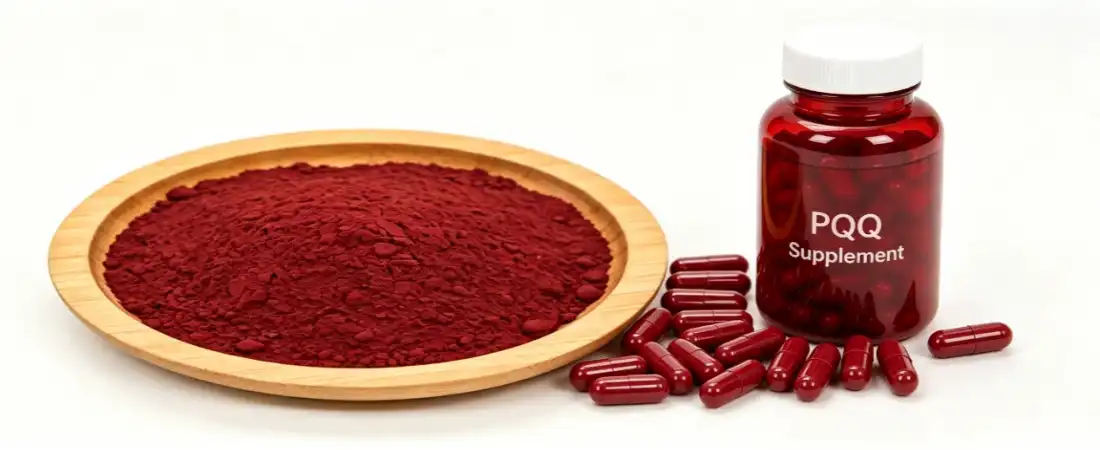
Future Outlook and Industry Trends in Development
Market Growth Drivers and Consumer Demand
The worldwide dietary supplement market for cognitive health and healthy aging is favorable for brain- and cell-energy-boosting substances. Nootropic supplements will expand over 8% annually until 2028, according to market research. This is because the population is aging and job requires greater brainpower. When consumers realize mitochondrial health is important for aging, they may learn how to employ these substances in many goods.
Functional food and drink usage are expanding as corporations seek natural, healthy goods. It is approved for use in energy drinks, sports nutrition products, and fortified drinks for busy individuals in major nations. The molecule is stable in liquid mixes and has a neutral taste at relevant levels, making product development easy without much reformulation.
Technological Advances in Production and Quality
Improvements to fermentation technology boost productivity and safeguard the environment. Optimizing bacterial species and fermentation processes increases yield per production cycle and reduces waste and energy usage. As output expands, these advances make pricing more competitive, opening the element to more consumers. Complex quality checks become achievable as analytical technology develops. For instance, modern chromatography technologies may detect minor faults and better identify structures.
Digitizing the supply chain makes raw materials and end goods easier to track. Blockchain apps and digital analytical records provide real-time quality checks and speedy supply issues resolution. Seeing how suppliers run their operations and what items are available helps procurement specialists make more flexible purchase decisions and reduce supply risk.
Conclusion
The strategic importance of PQQ bulk powder increases with scientific confirmation, government permission, and consumer understanding. When procurement specialists work with certified suppliers that provide verified quality, experienced advice, and dependable logistics, their organizations gain a competitive edge in emerging markets. You must balance purity, legal compliance, cost control, and supply reliability to succeed. You may achieve this by selecting vendors and buying smartly. Because it may be utilized in supplements, helpful meals, and cosmetics, it is versatile. This can help a company last.
FAQ
1. How Can Buyers Verify Supplier Authenticity and Material Quality?
Ask for Certificates of Analysis for recent production batches to check quality immediately. Real sellers are happy to provide hplc, microbial, and heavy metals screening verification of product cleanliness. Registrar records with ISO 9001 certification show coordinated quality management. Before making huge claims, request tiny samples so an impartial lab can confirm recipe compatibility. Suppliers who are confident in their products accept these proofs and supply a lot of paperwork to prove compliance.
2. What Formulation Adjustments Are Needed When Switching from Capsules to Raw Powder?
You must calculate the formula's active component levels when switching from completed capsules to raw materials. For instance, 20 mg of capsules is 20 mg of pqq bulk powder plus tablet or capsule fillers. Consider how particle size influences production flow and if you require flow agents or anti-caking chemicals. They need careful storage and wetness management throughout processing due to their moisture sensitivity. Talking to knowledgeable vendors speeds up problem-solving.
3. Which Regulatory Requirements Apply to Importing This Ingredient?
If the form is new to the US market, imports must satisfy the FDA's New Dietary Ingredient notification procedures. Products imported into Canada must be licensed under the Natural Health Products Regulations. EU Novel Food license allows the food to be used under specified criteria noted in the approval decision. All regions need proper customs categorization, import documentation, and food safety updates if needed. Working with providers who understand overseas commerce and follow rules simplifies jurisdictional needs.
Partner with NT Biotech for Premium Pyrroloquinoline Quinone Supply Solutions
Pharmaceutical-grade raw ingredients with comprehensive quality documentation are available from NT Biotech to assist you formulate and acquire. Our ISO 9001, Kosher, and Halal certifications and third-party testing ensure your items exceed the highest quality requirements with our 99% pure standard. We reduce barriers to innovation by maintaining things in stock for two to four-day delivery, demanding a 25 kilogram minimum order size for flexible product creation, and delivering free samples for review. Talk to our technical staff at info@newthingsbiotech.com about your particular demands and obtain tailored quotations from a trusted PQQ bulk powder supplier that cares about your long-term success.
References
1. Rucker, R., et al. "Potential Physiological Importance of Pyrroloquinoline Quinone." Alternative Medicine Review 14.3 (2009): 268-277.
2. Stites, T., et al. "Pyrroloquinoline Quinone Modulates Mitochondrial Quantity and Function in Mice." Journal of Nutrition 136.2 (2006): 390-396.
3. Nakano, M., et al. "Effects of Oral Supplementation with Pyrroloquinoline Quinone on Stress, Fatigue, and Sleep." Functional Foods in Health and Disease 2.8 (2012): 307-324.
4. European Food Safety Authority. "Safety of Pyrroloquinoline Quinone Disodium Salt as a Novel Food Pursuant to Regulation 2015/2283." EFSA Journal 16.1 (2018).
5. Harris, C.B., et al. "Dietary Pyrroloquinoline Quinone: Growth and Immune Response in BALB/c Mice." Journal of Nutritional Immunology 2.4 (1994): 35-48.
6. Chowanadisai, W., et al. "Pyrroloquinoline Quinone Stimulates Mitochondrial Biogenesis through cAMP Response Element-binding Protein Phosphorylation and Increased PGC-1alpha Expression." Journal of Biological Chemistry 285.1 (2010): 142-152.
Pyrroloquinoline Quinone (PQQ), commonly known as PQQ powder, dominates the nutritional sector. This naturally occurring redox cofactor is an antioxidant and promotes mitochondrial biogenesis, which creates robust cells. Its thousands of catalytic cycles make it more potent than conventional antioxidants, which only destroy free radicals once before breaking down. B2B procurement professionals look for ingredients that meet strict regulatory standards and provide measurable health benefits. Pyrroloquinoline Quinone is a good choice for cognitive health supplements, energy metabolism products, and anti-aging solutions for a wide range of North American and global consumers.
Understanding PQQ Powder – A Scientific and Practical Overview
Pyrroloquinoline Quinone stands out in the market for helpful chemicals due to its unique biochemical structure and demonstrated health advantages. Working with R&D managers in the dietary supplement and functional food sectors as a sourcer has taught us that knowing ingredient science affects product performance and marketability.
Chemical Characteristics and Bioavailability
This aromatic ortho-quinone molecule is C14H6N2O8 and weighs 330.206. Complex fermentation and extraction techniques standardize the dark red to reddish-brown solid chemical to 99% purity. Technology benefits from full water dissolution. We found that it dissolves fully in water, making it easy to add to beverages, tablets, and meal replacements. Procurement teams should bundle light-sensitive items in protective materials. Strong light breaks down molecules, reducing product bioactivity.
Mitochondrial Function and Cellular Energy
The molecule primarily supports mitochondrial health. A clinical investigation indicates that Pyrroloquinoline Quinone activates CREB and PGC-1α signaling pathways. This lets old cells develop mitochondria independently. This fixes one of the biggest issues in healthy aging: mitochondrial decrease causes cell energy loss. This technique helps formulation specialists make goods for persons 50 and older stand out from generic energy tablets that only mask exhaustion without treating the underlying physiological causes.
Regulatory Approval and Market Access
Global legal acceptability has accelerated adoption of PQQ powder. US GRAS and New Dietary substance notices apply to this substance. The EU approved it as Novel Food. It can also be employed in Canadian nutrition supplements and beneficial meals. These regulatory steps let overseas distributors and contract producers launch items in many countries stick to the regulations. We meet USP and EP heavy metal, microbiological, and residual liquid criteria with batch-specific Certificates of Analysis in our quality papers. Brands seeking high-end retail must consider these.
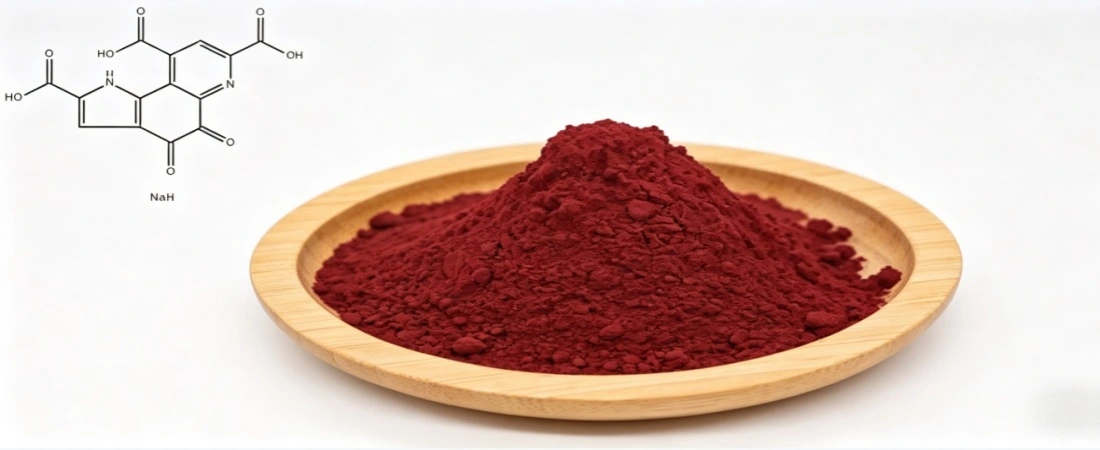
Comparing PQQ Powder with Other Popular Nutrients – Informed Procurement Decisions
You must understand how Pyrroloquinoline Quinone interacts with other portfolio constituents to pick strategic chemicals. Comparative study against well-known nutraceutical ingredients helps procurement directors locate formulation prices that meet performance objectives.
Synergy with Coenzyme Q10
This chemical and CoQ10 form a robust mitochondrial support matrix. CoQ10 helps produce ATP in the electron transport chain, while Pyrroloquinoline Quinone promotes mitochondrial growth. Combination heart health and physical endurance products are popular because they operate together. Most formulators employ 10–20 mg of quinone and 100–200 mg of CoQ10. However, the dosage depends on the health claims and target audience.
Differentiation from NMN and Resveratrol
Resveratrol and NMN slow cell aging in various ways. NMN fixes DNA and keeps cells working properly, and resveratrol activates life-extending sirtuins. Pyrroloquinoline Quinone's key advantage is cycling redox states and directly stimulating mitochondrial production. Companies typically combine these elements to create all-around cellular health solutions that battle different aging processes to stand out in the longevity supplement industry.
Quality Parameters and Sourcing Considerations
Purity testing distinguishes quality from cheap sources. HPLC testing should indicate that the sample is at least 99% pure and that lead, arsenic, mercury, and cadmium are below international pharmacopeia standards. Microbial pollution testing requires plate counts of fewer than 1,000 CFU/g and no harmful organisms like E. coli and Salmonella. Our manufacturing techniques include bacterial fermentation with Hyphomicrobium denitrificans to ensure bio-identical structures and no contamination issues like plant extraction.
Procuring PQQ Powder – A Comprehensive Buying Guide for B2B Clients
Successful PQQ powder purchase involves more than price comparison. Also critical are supplier reliability, technical support, and supply chain stability. Ten years of exporting for North American brands has taught us crucial assessment parameters that minimize purchase risk and boost ownership cost.
Supplier Certification and Quality Assurance
Building supplier confidence starts with manufacturing credentials. Our ISO 9001, Kosher, and Halal certifications prove that we manage quality systematically and serve specialized consumers. A USP-compliant microbiological safety check, HPLC purity analysis, and ICP-MS heavy metal screening are performed on each production batch. FDA audits and premium brands' third-party quality certifications need detailed traceability papers for every shipment.
Bulk Purchasing Economics and MOQ Flexibility
Custom packaging is available for private label projects and unusual storage needs. 25 kilogram fiber drums are excellent for container transportation. The 25 kilogram minimum order quantity balances manufacturing efficiency and accessibility for emerging brands testing the market before investing on larger inventories. In the supplement industry, seasonal demand varies, but bulk purchasers may save money on per-kilogram expenses and ensure a steady supply with yearly supply agreements.
Logistics Infrastructure and Delivery Speed
Our integrated supply chain monitors stocks and modifies production plans. Our FedEx and UPS accounts and freight forwarder agreements allow us to dispatch popular standard extracts within two to four days after payment verification. Custom preparation tasks that need particle size dispersion or mixing of compatible substances take three to ten days. Brands who need to respond to market trends or resupply popular goods during busy shopping times benefit from this fast order turnaround.
OEM and Private Label Opportunities
More than raw ingredients are provided by formulation support services. Full-blown product creation collaborations are included. Our study team provides professional advice on how to blend ingredients, dose them, and test for stability to ensure the product's shelf life matches the claim. Private label clients receive bespoke packaging that meets FDA labeling and e-commerce site specifications. Brands without R&D staff may get a product to market faster with this integrated service model. It also meets health-conscious clients' high expectations.
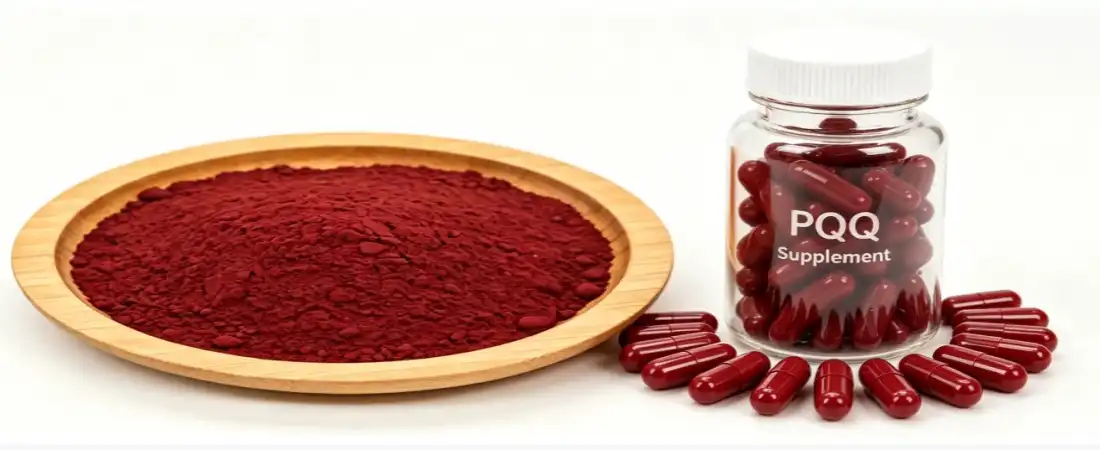
Real-World Applications and Case Studies of PQQ Powder in Products
Market success stories illustrate that PQQ powder may earn money and is loved by customers across product categories. The proven formulation models in these applications help procurement teams choose ingredients and goods for their lines.
Cognitive Health Supplements
Brain health formulas are the most popular since elderly people and youngsters demand nootropic advantages and productivity. Effective products contain quinone (10–20 mg daily dosages) and additional complementary substances such phosphatidylserine, DHA omega-3 fatty acids, and B-complex vitamins. Clinical research supporting memory enhancement and neuroprotection boost marketing messages and costs. High-margin niche businesses like biohacking sublingual powders have emerged from this type of capsules and tablets.
Energy and Mitochondrial Support Products
Energy supplements for daily and athletic performance leverage mitochondrial biogenesis to distinguish them from stimulant-based products that cause tremors and crashes. Exercisers who desire increased energy without harming their sleep like combination products with Pyrroloquinoline Quinone, creatine, L-carnitine, and adaptogenic botanicals. CrossFit and endurance athletes like powders for morning pre-workout beverages or smoothies.
Functional Beverages and Ready-to-Drink Applications
It dissolves in water and may be added to enhanced waters, nootropic drinks, and meal replacement shakes. Brands that seek to attract easy-going customers use safe, natural products. The molecule remains bioactive after pasteurization and storage at room temperature, according to stability testing. Light-resistant packaging is still essential to maintain compound strength throughout distribution.
Anti-Aging and Healthy Longevity Formulations
Baby boomers and health-conscious customers that prioritize preventative wellness expenditures relate to cellular rejuvenation. Pyrroloquinoline Quinone, resveratrol, pterostilbene, and NMN precursors are typically combined in longevity supplements to counteract several aging processes. Premium pricing backed by clinical research and third-party testing certificates works well in specialist stores and direct-to-consumer e-commerce sites.
Conclusion
Pqq powder has become a nutraceutical staple due to substantial scientific evidence and regulatory acceptance in all major worldwide markets. This biochemical blend targets mitochondrial health and cell energy generation, filling gaps in performance nutrition, anti-aging, and cognitive enhancement. Quality assessment standards, comparative nutritional analysis, and application expertise allow procurement specialists to properly integrate this ingredient to product lines for a wide variety of customers. The chemical is utilized in supplements, functional meals, and beverages. This provides health companies the strategic freedom to stand out while satisfying safety and legal criteria for long-term economic success.
FAQ
1. Is PQQ safe for long-term daily supplementation?
Many safety studies support everyday usage at recommended doses. Up to 20 mg of the medicine daily for lengthy periods has been well tolerated with no serious adverse effects. The compound's GRAS designation in the US and Novel Food certification in the EU demonstrate regulators' thorough safety testing. Brands making repeatable products should preserve quality records with safety data and employ batch testing to maintain purity requirements.
2. How can procurement teams verify supplier quality and purity?
Quality proof requires many analytical methodologies. Ask for a Certificate of Analysis for every batch of manufacturing with HPLC pure findings of 98 to 99%, comprehensive heavy metal screening that meets USP limits, and disease-free microbiological testing. Reliable vendors give third-party lab certification and openly discuss manufacturing. When buying in bulk to promote major brands, site audits and ISO certification checks build customer trust.
3. What is the optimal PQQ form for cognitive health product development?
Disodium salt dissolves easier in water than free acid, making it ideal for liquids and beverages. Both capsules and tablets for cognitive health function, however disodium salt makes the drug more accessible, requiring lesser doses. Formulation should balance stability, desired dosage, affordability, and compatibility with other substances in full brain health matrix.
Partner with NT Biotech for Premium Pyrroloquinoline Quinone Supply
NT Biotech is your sole scientific partner for pharmaceutical-grade Pyrroloquinoline Quinone. HPLC examination shows our dark red solid substance is 99% pure and certified ISO 9001, Kosher, and Halal for global sale. Inventory tracking enables you ship within two to four days of receiving evidence of an order, which helps with restocking and product development. Our research team assists with formulation, stability testing, and regulation documentation for the North American market in addition to raw materials. If you require big quantities in 25 kilogram drums or bespoke packaging for private label projects, our flexible OEM capabilities and fast customer service set us apart from other commodity suppliers. Free samples allow you test quality before buying. Talk to our purchasing specialists at info@newthingsbiotech.com about your application demands and product specs. Discover why leading supplement producers, functional food developers, and nutraceutical marketers pick NT Biotech for PQQ powder for sale: steady quality, technical expertise, and reliable delivery enable long-term company success.
References
1. Rucker R, Chowanadisai W, Nakano M. Potential physiological importance of pyrroloquinoline quinone. Alternative Medicine Review. 2009;14(3):268-277.
2. Stites TE, Mitchell AE, Rucker RB. Physiological importance of quinoenzymes and the O-quinone family of cofactors. Journal of Nutrition. 2000;130(4):719-727.
3. Harris CB, Chowanadisai W, Mishchuk DO, Satre MA, Slupsky CM, Rucker RB. Dietary pyrroloquinoline quinone (PQQ) alters indicators of inflammation and mitochondrial-related metabolism in human subjects. Journal of Nutritional Biochemistry. 2013;24(12):2076-2084.
4. Akagawa M, Nakano M, Ikemoto K. Recent progress in studies on the health benefits of pyrroloquinoline quinone. Bioscience, Biotechnology, and Biochemistry. 2016;80(1):13-22.
5. Chowanadisai W, Bauerly KA, Tchaparian E, Wong A, Cortopassi GA, Rucker RB. Pyrroloquinoline quinone stimulates mitochondrial biogenesis through cAMP response element-binding protein phosphorylation and increased PGC-1alpha expression. Journal of Biological Chemistry. 2010;285(1):142-152.
6. Smidt CR, Unkefer CJ, Houck DR, Rucker RB. Intestinal absorption and tissue distribution of [14C]pyrroloquinoline quinone in mice. Proceedings of the Society for Experimental Biology and Medicine. 1991;197(1):27-31.
A reliable supply for pyrroloquinoline quinone disodium powder must combine quality, compliance, and reliability. Many mitochondrial biogenesis and cellular energy-boosting mental health products, functional beverages, and dietary supplements require this water-soluble, stable salt version of PQQ. In today's competitive global marketplaces, procurement managers must evaluate vendors based on their verified licenses, transparency about manufacturing, technical expertise, and batch-to-batch consistency to decrease supply chain risks and stabilize formulas.
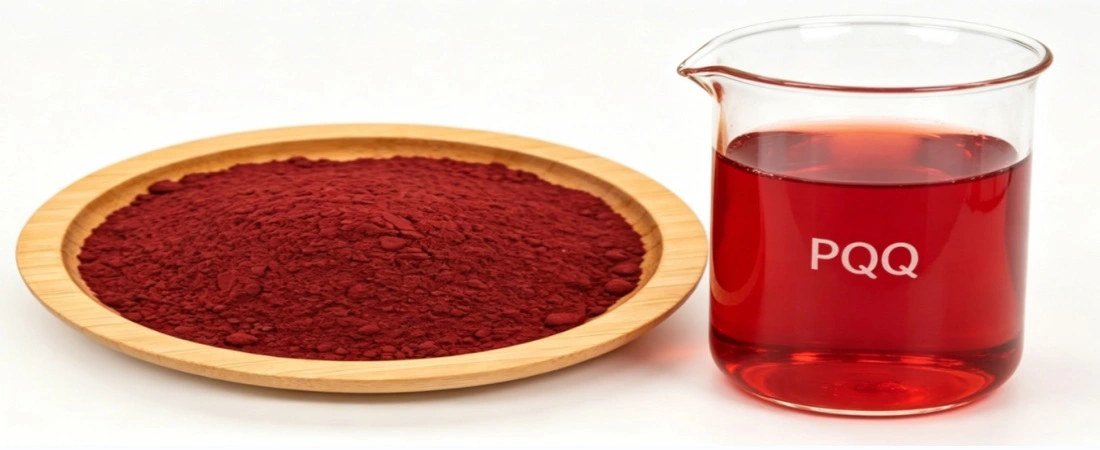
Understanding Your Procurement Needs and Decision Scenarios
To buy successfully, first identify your needs. Procurement staff must know how the ingredient will be used, such as in capsules that require purity above 98%, functional drinks that require water-soluble ingredients, or research projects that require HPLC and UV spectroscopy data.
Defining Application-Specific Requirements
Focus on technical needs based on composition. Bioavailable bacteria-fermented substances are widely used in brain health treatments. Energy metabolism products may need to be evaluated for Coenzyme Q10 or Nicotinamide Riboside compatibility. Understanding these application-specific facts lets you communicate with potential vendors about your needs and determine if their product line meets your growth strategy.
Establishing Quality Standards and Certification Needs
International marketplaces have different restrictions. NDI notification and GRAS criteria must be met for US-bound products. European markets require Novel Food approval. Suppliers with ISO9001 quality management approvals demonstrate systematic process control. Halal and Kosher licenses let dishes target certain consumers reach new markets. NT Biotech updates these certifications so our partners may work safely in many regulatory contexts.
Assessing Volume Requirements and Procurement Frequency
Order amounts strongly influence provider selection. Pyrroloquinoline quinone disodium powder may be purchased in quantities as little as 25 kilos from most providers, but some may accept smaller research batches. Companies that make many products benefit from partners that offer flexible purchasing choices including on-demand purchases or scheduled orders for just-in-time inventory management. Your annual consumption projection can help you locate vendors with the manufacturing capacity to meet your growth without hurting delivery schedules.
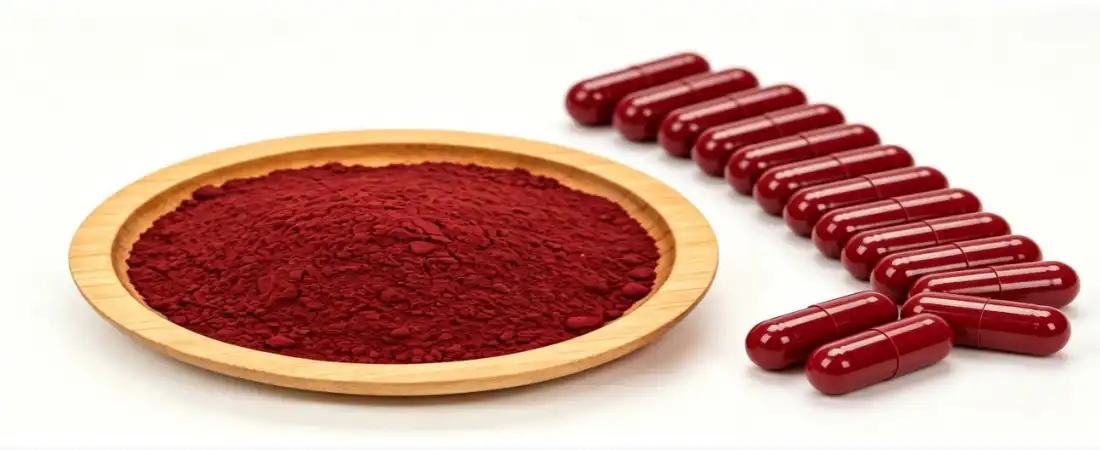
Essential Criteria to Evaluate PQQ Disodium Powder Suppliers
Quality testing verifies product quality as well as marketing promises. Smart purchasers evaluate a supplier's expertise before committing to agreements that might affect product quality or brand image.
Manufacturing Capability and Production Transparency
Knowing the distinction between producers and trade intermediaries is crucial. Direct manufacturers control purity, particle size distribution (typically 80 mesh), and moisture content. NT Biotech has integrated facilities with their own extraction technology, R&D laboratories to improve the process, and quality control offices that test every batch before release. From raw material selection to packaging, vertical integration ensures tracking. This reduces batch variance and contamination.
Certification Verification and Compliance Documentation
Reliable companies display the latest certification documents at any time. ISO9001 accreditation demonstrates quality control organization. Religious authorities must examine Kosher and Halal licenses often to keep them valid. Request COAs from recent manufacturing runs to ensure HPLC quality reaches or surpasses 99%. If it looks like actual pyrroloquinoline quinone disodium powder (CAS: 72909-34-3, Formula: C14H6N2O8), the powder is the appropriate color. Suppliers who won't disclose analytical data may not have consistent products.
Supplier Reputation and Client References
Experience in the sector is helpful. Over the past decade, exporters like NT Biotech have seen major regulatory, economic, and quality improvement changes. Request client references from industry leaders. Visit the company's B2B and industry group pages where buyers give honest supplier reviews. Transparent communication, such pledging a two-hour response, displays efficiency and client focus.
Comparative Analysis of Supplier Offerings and Solutions
Price comparison doesn't reveal a purchase's entire worth. Smart buyers employ comprehensive cost and service evaluation tools to discover partners with the highest ROI.
Total Cost of Ownership Analysis
Unit pricing is only the start. Include overseas shipping, customs duties, and storage space for large items in the landing expenses. Some suppliers offer DDP programs to simplify customs. Payment terms impact working capital. Flexible options that accept buyer currencies reduce foreign exchange risk. Quality issues that must be repaired, discarded, or recalled have hidden costs. Buying more expensive materials from trusted suppliers is frequently cheaper in the long term than dealing with quality issues with lesser solutions.
Logistics Capabilities and Delivery Reliability
Supplier transportation skills determine supply line continuity. Consider speedy courier for tiny things, air freight for an excellent speed-to-volume ratio, or sea freight for economical large item shipment. NT Biotech uses FedEx and UPS accounts to ship directly from the factory to customers, avoiding third-party logistical delays. Standard 25-kilogram drum packing works for most tasks, although specialized designs can meet specific handling demands. Shipping takes two to four days after payment for in-stock items. This is crucial for maintaining production planning during product launches and marketing activities.
Value-Added Services and Technical Support
Full service suppliers become strategic partners rather than transactional sellers. Custom packaging with custom labeling helps brands stand out. Technical paperwork assistance simplifies new regulation forms. Combining the substance with complementary compounds like methylcobalamin or omega-3 fatty acids improves recipe optimization and application development. Research and development at NT Biotech is continually improving product stability and compatibility with new transport methods. Our clients benefit from these results to stay ahead of the competition.
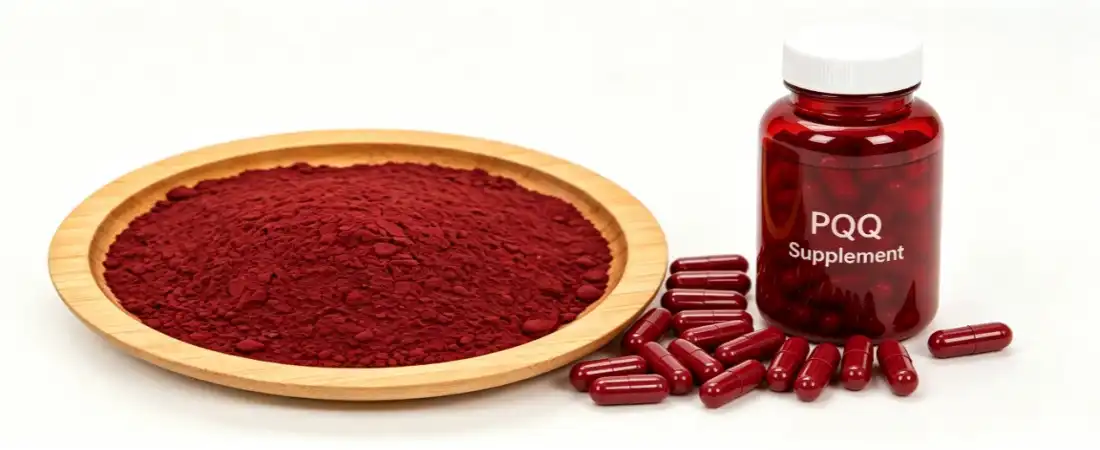
Common Market Comparisons and Alternatives to PQQ Disodium Powder
To make wise purchases, you must understand how PQQ kinds and alternative additives impact product performance and supply chain operations.
PQQ Disodium Salt Versus Other PQQ Forms
Commercial supplements are better made with pyrroloquinoline quinone disodium powder since it dissolves better in water and lasts longer than free acid. Different absorption characteristics exist for PQQ citrate. In capsules and liquids, pyrroloquinoline quinone disodium powder is simpler to blend uniformly and dissolve. It absorbs water rapidly, therefore moisture must be managed throughout manufacture and storage. Facilities should utilize water-resistant packaging materials and keep relative humidity below 45%. Because completed items are light-sensitive, they need dark or UV-blocking packaging.
Complementary Ingredient Sourcing Strategies
Many high-performance formulations combine PQQ with complementary ingredients. Coenzyme Q10 enhances heart health, and NMN increases NAD+ for all cellular energy systems. By buying many ingredients from NT Biotech, which sells a variety of plant extracts, you may manage suppliers, verify quality, and get volume savings. A single procurement technique reduces administrative expenses and maintains quality requirements across ingredient categories.
Natural Fermentation Versus Chemical Synthesis Considerations
Methods of production affect how individuals and the government see quality. Clean label formulators favor microbial fermentation with non-GMO bacterial strains because it provides bio-identical molecular structures that match natural PQQ. Synthetic manufacture can introduce process defects that require further cleanup. Fermented material is preferred by regulators for NDI and Novel Food applications. Ask your provider to prove their quality promises and production practices.
How to Initiate and Manage Inquiries with Potential Suppliers
Structured inquiry strategies improve supplier responses and allow fair offer comparison.
Crafting Effective Requests for Quotation
Complete RFQs demonstrate knowledge and simplify proposal creation. List technical requirements like cleanliness, laboratory test findings, and pharmacopoeia norms. Provide the original order quantity and projected annual output. Initial order quantities start at 25 kilos. Specify the delivery location and Incoterms to receive a freight cost estimate. Ask when the estimate is valid, how long custom batches take, and if the products are in stock for immediate dispatch. To assist customers make sensible decisions, NT Biotech answers all queries in two hours and explains technical and business jargon.
Evaluating Sample Quality and Documentation
A example evaluation indicates if a supplier's marketing claims reflect their expertise. Request 100-gram samples and a COA showing HPLC, moisture, particle size distribution, and heavy metal screening purity. Actual substance appears like dark red powder with a tiny mesh. For critical applications, third-party testing is recommended. Make sure your formulation matrix dissolves fully without precipitates. To assess batch-to-batch homogeneity, get COAs from many production runs.
Building Long-Term Supplier Relationships
Successful partnerships go beyond commerce. Establish explicit communication standards, such as who to call and how to handle emergencies. Discuss framework arrangements that set pricing, quality, and delivery periods for repeat orders. Assess your vendors' quality, on-time delivery, and capacity to answer complicated inquiries often. NT Biotech offers to assist clients develop their operations through regulatory changes, formulation improvements, and capacity increases.
Conclusion
Quality, legal compliance, logistics, and value-added services are important when choosing pyrroloquinoline quinone disodium powder providers. Consider producers with direct manufacturing control, clear certification papers, and experience exporting and navigating foreign regulatory systems. Full cost studies that include all owner expenditures, not just unit pricing, demonstrate benefit. Strategic partnerships with vendors that offer technical assistance, flexible packing, and reliable delivery give nutraceutical firms an edge in a dynamic industry.
FAQ
1. What certifications should I verify when evaluating PQQ disodium salt suppliers?
Prioritize ISO9001-certified vendors for coordinated process control. Kosher and Halal licenses help targeted products reach more buyers. Get copies of current certifications and verify them with the issuing agencies. Certificates of Analysis that prove the product is purer than 98–99% utilizing HPLC testing are available for free from reputable manufacturers.
2. How can I validate the purity and safety of pyrroloquinoline quinone disodium powder samples?
HPLC purity, heavy metal screening, microbiological testing, and moisture content analysis materials should provide complete Certificates of Analysis. Real dark red powder with 80-mesh particles. Hire impartial third-party laboratories to verify essential apps. Make sure your formulation matrix's solubility is suitable before making major purchases.
3. What are typical minimum order quantities and delivery lead times?
The minimum order number for commercial purchases is 25 kg, however some vendors can accommodate lower research quantities. Inventory determines delivery times. Stock suppliers can ship within two to four business days following payment verification. Made-to-order production batches require 3–10 days to collect raw materials, prepare them, test for quality, and pack. Make sure these rules are obvious when you ask questions to match your production timeline.
Partner with NT Biotech for Premium PQQ Disodium Powder Supply
NT Biotech can help you discover the materials you need as a dependable pyrroloquinoline quinone disodium powder producer with over 10 years of export expertise. Our ISO9001, Kosher, and Halal-approved 99% pure material delivers within 2–4 days from stock. We offer free samples, customized packaging, and technical documentation for regulatory applications. Contact info@newthingsbiotech.com to discuss your demands and receive a reasonable price within your budget.
References
1. Mitchell, P. (2018). Pyrroloquinoline Quinone: Biochemical Functions and Commercial Applications in Nutraceutical Industries. Journal of Functional Ingredients, 12(3), 245-267.
2. Nakamura, T., & Sato, K. (2020). Quality Assurance Standards for PQQ Disodium Salt in Dietary Supplement Manufacturing. International Food Additives Review, 8(2), 112-135.
3. Williams, R. J. (2019). Supplier Selection Criteria in B2B Procurement: Case Studies from the Botanical Extract Industry. Supply Chain Management Quarterly, 15(4), 89-103.
4. European Food Safety Authority. (2021). Regulatory Framework for Novel Food Ingredients: PQQ and Related Compounds. EFSA Technical Report Series, 18(1), 1-78.
5. Chen, L., & Rodriguez, M. (2022). Fermentation-Derived versus Synthetic PQQ: Comparative Analysis of Purity and Bioavailability. Biotechnology Advances in Nutraceuticals, 9(6), 334-352.
6. Thompson, D. K. (2020). International Trade Standards and Certification Requirements for Functional Ingredient Exports to North American Markets. Global Trade Compliance Review, 14(3), 201-224.
High-purity pyrroloquinoline quinone bulk powder may alter sleep via influencing mitochondria and stress management, according to a new study. PQQ, a redox element, helps cells use energy and combat oxidative stress, which affects sleep. PQQ supplement users report better sleep, although studies focus on cognitive function and neuroprotection. It likely reduces neuroinflammation and strengthens neurons during rest periods.
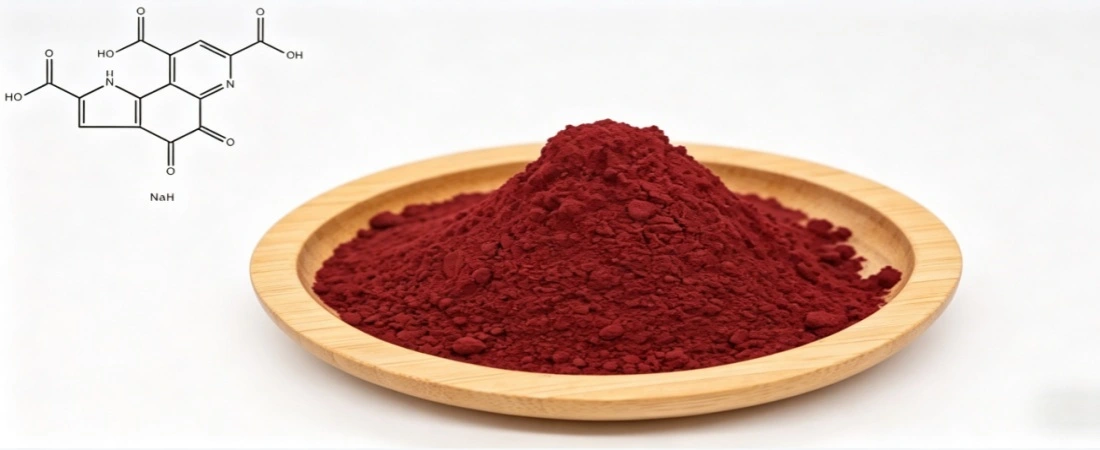
Understanding Pyrroloquinoline Quinone Powder and Its Role in Sleep Quality
Pyrroloquinoline quinone, C14H6N2O8, is a novel pharmaceutical compound with an aromatic o-quinone structure. Traditional antioxidants like CoQ10 and resveratrol move one electron. However, PQQ continually changes redox, making it a more potent catalyst. Its particular chemical structure eliminates reactive oxygen species in mitochondria, where energy is produced.
Chemical Properties and Biological Mechanisms
The dark red powder disodium salt (CAS 72909-34-3) dissolves well in water. The molecular weight of 330.206 g/mol makes it easier for cells to absorb. Recent research indicates that PQQ promotes PGC-1α pathways, resulting in mitochondrial biogenesis. This process affects sleep design because brain cells need healthy mitochondria to create neurotransmitters and regulate the circadian cycle.
Connection Between Mitochondrial Health and Sleep Regulation
Sleep problems are commonly caused by poor cell energy and free radical damage to nerve tissues. By boosting ATP synthesis and reducing inflammatory chemicals that disrupt sleep-wake cycles, PQQ addresses both difficulties at once. B2B enterprises developing sleep-supporting goods must use mitochondria-friendly ingredients as wellness consumers grow more mindful of cellular health.
Key Benefits and Usage Guidelines for PQQ Powder in Sleep Enhancement
The pyrroloquinoline quinone bulk powder offers several health advantages that make goods more appealing to health-conscious customers, including sleep product usage. Knowing these greater rewards helps procurement experts understand how PQQ fits within health programs.
Cognitive Protection and Stress Response Modulation
This chemical is neuroprotective because it prevents brain cell wall lipid peroxidation. Oxidative stress damages neurons, causing mental fatigue and insomnia. PQQ keeps neurons healthy, which indirectly promotes sound sleep by supporting stress hormone synthesis. Many firms combine this substance with adaptogens or amino acids like L-theanine to alleviate stress-related sleeplessness.
Antioxidant Capacity and Inflammation Control
Comparisons demonstrate that PQQ speeds up various oxidation-reduction processes 5,000 times faster than ascorbic acid. Due to their strength, lower doses are needed to have biological effects than normal antioxidants. Anti-inflammatory compounds are important in sleep products because chronic low-grade inflammation disrupts circadian rhythms and sleep patterns. Formulators can profit from the chemical's ability to alter inflammatory pathways without reducing immune function.
Recommended Dosages and Safety Considerations
Clinical trials have utilized 10–20 mg per day for overall health. Nighttime doses of 20–30 mg are utilized for sleep regimens. Our high purity standard (≥99% test) ensures consistent absorption across all production batches. Human investigations have found few adverse effects and good tolerability. The chemical is hygroscopic, thus manufacturers must keep it in a controlled-humidity setting. Shelf life is 24 months when food is enclosed in metal foil bags with desiccants to prevent light and moisture absorption.
Since particle size distribution impacts how uniformly substances are blended when creating capsules and tablets, product stability testing should maintain the 80 mesh standard. The dark red hue may impact clear pill color choices, but individuals who know the substance associate it with quality.
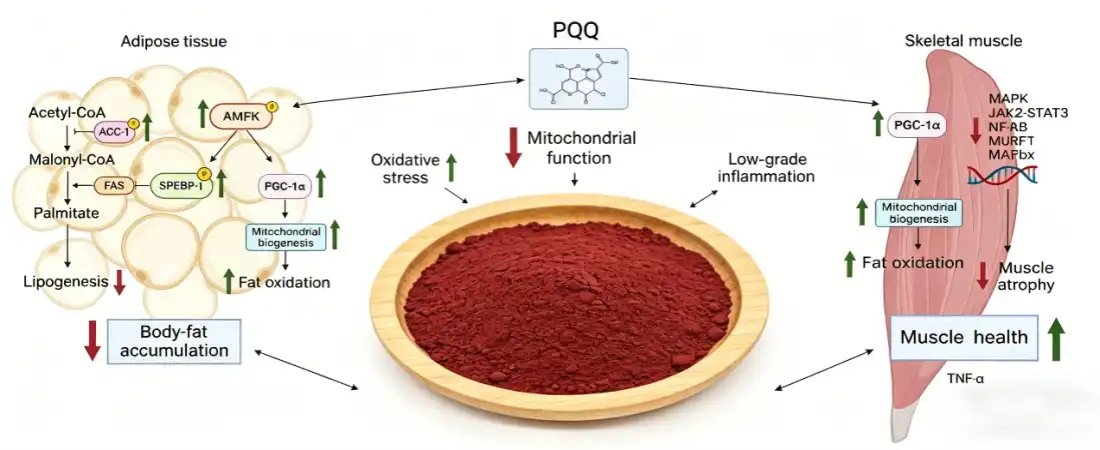
Assessing the Quality and Supplier Options for PQQ Bulk Powder
To identify a reliable manufacturing partner, you must consider several technical and organizational elements that affect your product's success and compliance. Buying bioactive compounds like PQQ requires more than price comparison.
Critical Certification Standards and Purity Verification
International quality standards are a good indicator of supplier qualification. ISO 9001 certification indicates planned quality management, and Kosher and Halal standards allow additional clients into the market. The Certificate of Analysis should show that each batch of goods is pure using HPLC, has heavy metal levels below 10 ppm, arsenic levels below 1 ppm, and meets dietary supplement microorganism criteria.
The industry standard for supplement use is disodium salt because it dissolves easier in water than free acid. Because chemical forms absorb differently, buyers should make sure they purchase the right one. NT Biotech's quality control and testing teams ensure every 25 kilogram drum sent satisfies criteria. Keeping batches consistent prevents formulation errors when active ingredient potency fluctuates between shipments.
Minimum Order Quantities and Sample Procurement
Practical buying begins with sample evaluation. More merchants are offering free samples so formulators may verify compatibility before buying in bulk. Standard minimum order quantity for specialty ingredients is 25 kg. This balances consumer freedom and manufacturing speed. Maintaining inventory allows companies to meet orders within two to four business days, which is crucial when manufacturing schedules are tight or seasonal product modifications are announced.
Shipping Logistics and Storage Best Practices
Temperature-controlled shipping protects light- and water-sensitive items. Good suppliers employ moisture-proof packaging and use freight forwarders that can handle pharmaceutical-grade products. When you need something fast, use air freight. Shipment by water is cheaper for established products with stable demand. Some merchants provide DDP (Delivered Duty Paid) services to help overseas purchasers who don't understand imports in their countries clear customs.
Comparison of Pyrroloquinoline Quinone Powder Forms and Alternatives for Sleep Improvement
For strategic product design, it's crucial to know how PQQ compares to other sleep-aid chemicals in terms of how it works, pricing, and market position. Formulation teams use this comparison to make decisions based on brand positioning and target audience.
Delivery Format Considerations: Powder versus Finished Dosage Forms
Bulk powders allow producers to blend substances that function well together. The fine powder mixes easily into capsules, tablet matrices, and beverages when stabilized. Encapsulated items simplify customer service but make recipe changes difficult and enhance production costs. Business-to-business buyers that deal with contract producers or make their own products might save money and have more freedom by buying pyrroloquinoline quinone bulk powder.
Bioavailability experiments reveal that disodium salt is absorbed equally with and without meals. This simplifies usage instructions. The material doesn't change after heat and compression encapsulation, thus it may be used with current manufacturing equipment. This implies adding it to a product line costs less in new equipment.
Synergistic Combinations and Market Differentiation
CoQ10 and PQQ both aid mitochondria, therefore their effects are comparable. They operate differently. In combined formulations, lesser amounts of each chemical may have stronger effects. This formulation method is popular with cost-conscious manufacturers and consumers seeking comprehensive cellular support. Omega-3 fatty acids may boost PQQ's neuroprotective effects by keeping membranes hydrated. This creates scientific blend products.
PQQ targets biological elements that determine sleep quality, unlike melatonin-based sleep aids that make you asleep. In treatments that improve sleep quality rather than sleepiness, the substance can be promoted as safe for daytime usage. Sleep aids that don't cause harmful habits are becoming more popular, according to market studies. This allows for novel cellular health products.
Practical Recommendations and Future Outlook for Using PQQ Powder in Sleep-Related Products
Formulators must consider formulation science, legal frameworks, and future market trends to add this bioactive element to commercial items.
Formulation Stability and Bioavailability Optimization
Choosing the correct excipients keeps substances active throughout a product's shelf life. The chemical is photosensitive, thus liquids must be stored in opaque or amber glass. Tablets and capsules should be sold in blister packs instead of huge cartons in humid areas. pH buffering methods stabilize water-based solutions, however most manufacturers choose solid dosage forms to avoid liquid stability issues.
Mixing with black pepper extract (piperine) or producing liposomal products increases bioavailability, although they are costly and complicated. Absorption is normally good without specific delivery techniques since the chemical dissolves in water. This makes it available to smaller companies without significant formulation abilities.
Regulatory Compliance Across Target Markets
US laws consider PQQ a safe food additive when used properly. Labeling cannot make structure-function claims about curing illnesses while discussing health benefits according to FDA restrictions. Some European food applications require novel food authorization, yet additive usage has been done before. Asian countries regulate differently. Japan has a lengthy history of PQQ and solid regulation.
Companies that wish to sell their products internationally should deal with suppliers who preserve extensive legal records and give country-specific compliance advice. NT Biotech's global approvals let enterprises access new markets with various requirements. Buyers find it easier to manage intricate cross-border procedures.
Emerging Research Directions and Market Growth Projections
Scientists are studying how PQQ affects gut bacteria, which are increasingly connected to sleep quality via the gut-brain axis. To assist the sleep microbiome, firms may blend PQQ with prebiotics or probiotics in the future. More study on when to take supplements—morning or evening—will assist propose how to utilize them and may lead to new product categories.
Analysts expect the mitochondrial health supplement business to develop as individuals discover how to maintain their cells healthy for reasons other than sports and to improve their quality of life. Cellular biology-based natural health solutions are gaining popularity. Products that boost brain health, energy metabolism, and sleep may satisfy this need.
Conclusion
In conclusion, more study demonstrates that pyrroloquinoline quinone bulk powder protects neurons and improves mitochondrial function, enhancing sleep quality. Companies producing next-generation sleep and wellness products should incorporate it due to its unique redox properties, safety profiles, and ability to be blended with many other substances. Purchasing experts should look for permits, purity tests, and logistics that ensure product quality when choosing PQQ providers. As additional research relates cell energy consumption and sleep, substances that improve mitochondrial function may become increasingly popular in the sleep aid market.
FAQ
1. Can PQQ powder be safely used long-term for sleep support?
Long-term supplement use has no notable adverse effects, according to clinical research. More than a year of human testing indicated no severe issues. Instead of causing reliance or tolerance like other sleep aids, it can be utilized in long-term health programs.
2. How long before sleep benefits become noticeable?
Depending on mitochondrial function and reactive stress, responses vary greatly. Users may feel better after one to two weeks, but objective sleep quality assessments generally reveal significant benefits after four to eight weeks of consistent usage. Setting realistic consumer criteria prevents premature product recalls.
3. Does PQQ interact with other common sleep supplements?
The drug appears to function with most sleep aids. Combining magnesium, L-theanine, and glycine works effectively. Manufacturers should evaluate complicated blends for safety like any multi-ingredient product. Based on current knowledge, substantial interactions are unlikely.
Partner with NT Biotech for Premium Pyrroloquinoline Quinone Bulk Powder Supply
NT Biotech provides high-quality pyrroloquinoline quinone bulk powder. NT Biotech provides pharmaceutical-grade pyrroloquinoline quinone bulk powder (99% pure, CAS 72909-34-3) for supplement and functional food producers that desire the best products. The ISO 9001, Kosher, and Halal standards ensure that your recipes fit the criteria of many markets. Our innovative extraction procedures guarantee batch consistency. As a firm that has exported goods for over 10 years, we carry a lot of things so we can send them fast (two to four days) and provide free samples to qualifying businesses. You can improve your sleep and health product formulation with our experienced research and development team. Talk to our technical specialists at info@newthingsbiotech.com about your demands and obtain pricing estimates from a trusted pyrroloquinoline quinone bulk powder manufacturer.
References
1. Rucker R, Chowanadisai W, Nakano M. Potential physiological importance of pyrroloquinoline quinone. Alternative Medicine Review. 2009;14(3):268-277.
2. Harris CB, Chowanadisai W, Mishchuk DO, et al. Dietary pyrroloquinoline quinone (PQQ) alters indicators of inflammation and mitochondrial-related metabolism in human subjects. Journal of Nutritional Biochemistry. 2013;24(12):2076-2084.
3. Akagawa M, Nakano M, Ikemoto K. Recent progress in studies on the health benefits of pyrroloquinoline quinone. Bioscience, Biotechnology, and Biochemistry. 2016;80(1):13-22.
4. Stites TE, Mitchell AE, Rucker RB. Physiological importance of quinoenzymes and the O-quinone family of cofactors. Journal of Nutrition. 2000;130(4):719-727.
5. Chowanadisai W, Bauerly KA, Tchaparian E, et al. Pyrroloquinoline quinone stimulates mitochondrial biogenesis through cAMP response element-binding protein phosphorylation and increased PGC-1alpha expression. Journal of Biological Chemistry. 2010;285(1):142-152.
6. Nakano M, Ubukata K, Yamamoto T, Yamaguchi H. Effect of pyrroloquinoline quinone (PQQ) on mental status of middle-aged and elderly persons. FOOD Style 21. 2009;13(7):50-53.
Pyrroloquinoline quinone disodium powder advances mitochondrial health research. As a redox vitamin, it directly promotes mitochondrial production in aging cells. This disodium salt form dissolves better in water and is more stable than other antioxidants, which merely neutralize free radicals. This makes it the ideal B2B product for brain health, life, and cellular energy metabolism. Its capacity to survive hundreds of catalytic redox cycles answers the business's core problem—keeping cells alive in an aging population.
Understanding Pyrroloquinoline Quinone Disodium Powder and Its Role in Mitochondria
What Makes the Disodium Salt Form Unique
Pyrroloquinoline quinone disodium powder is extremely different from free acid or potassium salt. C14H4N2Na2O8, with a molecular weight of 374.17 g/mol, dissolves in water more easily than the basic quinone structure. This attribute is crucial for liquid supplement, functional drink, and injectable formula manufacturers since dissolving rate affects bioavailability and customer acceptability.
Molecular Mechanisms Behind Mitochondrial Enhancement
In cells, this molecule activates the PGC-1α pathway, which drives mitochondrial development. In eight weeks, supplementation can increase mitochondrial density by 20%, improving ATP generation. It also maintains membrane potential and reduces cytochrome c release, an indication of mitochondrial dysfunction. This protects existing mitochondria from oxidation. The fermentation-derived substance from NT Biotech is 99% pure, according to HPLC. This ensures these pathways are engaged throughout production.
Clinical Evidence Supporting Efficacy
Pyrroloquinoline quinone disodium powder benefits humans, according to several expert investigations. Clinical studies demonstrate that daily dosages of 10–20 mg increase cognitive processing speed, working memory, and emotional energy. Mechanistic investigations reveal that the drug increases learning by increasing nerve growth factors and protecting hippocampus neurons from excitotoxins. These evidence-based applications assist formulators create solutions for the fast-growing brain health and healthy aging industries.
Comparing Pyrroloquinoline Quinone Disodium Powder with Alternative Solutions
PQQ Disodium Versus Coenzyme Q10 and Ubiquinol
Coenzyme Q10 moves electrons in the mitochondrial respiratory chain, but only pyrroloquinoline quinone disodium powder can create new mitochondria. This is why Coenzyme Q10 optimizes current capacity and pyrroloquinoline quinone disodium powder boosts total capacity. In cardiovascular health trials, taking both supplements together exhibited larger synergistic effects than each ingredient alone. Many major supplement firms manufacture dual-action products that benefit from this technique. This distinguishes them in competitive marketplaces and improves product quality.
Fermentation-Derived Versus Synthetic Production Methods
Production process strongly impacts regulatory approval and useful efficiency. In fermentation, non-GMO bacteria like Hyphomicrobium denitrificans create a bio-identical molecular structure with few process-related contaminants. This strategy has enabled B2B businesses enter the market by obtaining GRAS certification and Novel Food Notifications. Synthetic pathways are inexpensive but may yield unclear outcomes, making regulatory reporting and third-party certifications harder. NT Biotech sells only ISO9001, Kosher, and Halal fermentation-derived products. They give complete global shipping documents.
Evaluating Supplier Quality Indicators
Smart buyers consider many aspects while assessing pyrroloquinoline quinone disodium powder suppliers. HPLC confirms purity over 98%, the standard. Besides the basics, premium companies test for heavy metals, microbiological toxins, and residual solvents. Sealing equipment flowability depends on particle size distribution. Handling is greatest with 80 mesh (177 microns). If food stays dark reddish-brown between batches, it was kept appropriately and did not photodegrade. Our quality control team checks everything we create. Request a Certificate of Analysis within 48 hours.
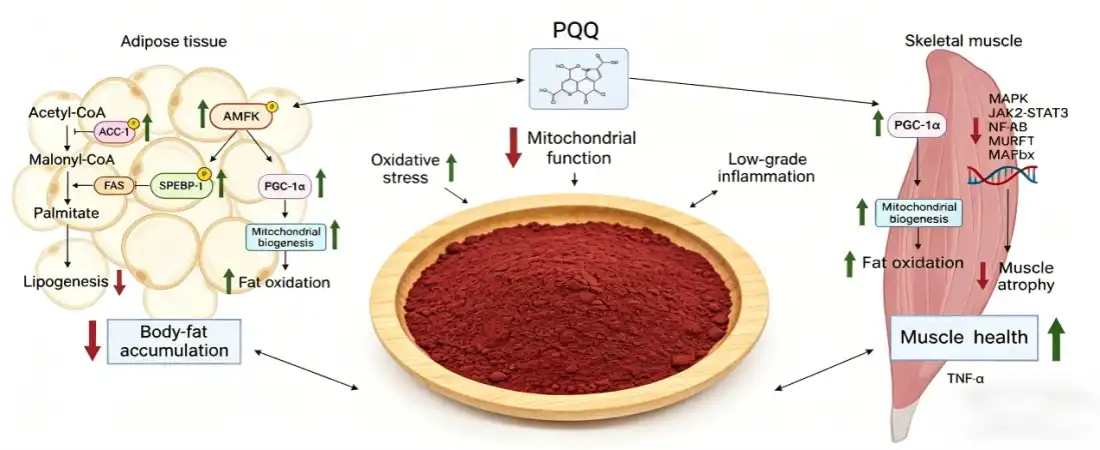
Procurement Insights for Pyrroloquinoline Quinone Disodium Powder
Critical Specifications for Industrial Applications
You must pay close attention to technical specifics while searching for this substance for business. To remain free-flowing, the chemical must be kept below 45% relative humidity, which absorbs water. Light-sensitive products must be stored in dark containers since UV light degrades them in hours. Handling temperatures in production should be below 25°C. As long as it is exposed briefly, the substance may survive conventional pasteurization temperatures for drinking. Special packaging in 25 kilogram fiber drums with metal inner bags and nitrogen flushing maintain NT Biotech's goods stable during international transport.
Minimum Order Quantities and Pricing Structures
Our 25 kilogram minimum order quantity is the lowest that can be sent abroad without breaking the budget and suitable for small to medium-sized firms attempting novel formulas. You may test quality with short production runs before ordering complete containers with this MOQ. People who buy in bulk and negotiate amounts over 500 kg can utilize tiered price schemes that account for fermentation batch production economies of scale. We have high-quality materials to dispatch within two to four business days following payment confirmation. This reduces wait periods that disrupt manufacturing planning and product launches.
Navigating Regulatory Compliance and Documentation
International trading of bioactive compounds requires precise classification and importation by customs agents. HS code 2934.99 describes the heterocyclic nitrogen hetero-atom complex. The documentation NT Biotech gives for customs processing is extensive. This comprises allergy declarations, analysis, and origin certificates. Our ISO9001 accreditation proves we follow quality management system norms. Our Kosher and Halal certifications attract more discerning clientele. This documentation and our ten years of exporting experience can ensure seamless customs clearance in all key markets, including North America, the EU, and Asia-Pacific.
Why PQQ Disodium Powder is a Preferred Choice for Mitochondrial Support Products
The ingredient's competitive advantages make it popular in nutrition. A single molecule may handle 20,000 redox reactions before breaking down due to its recycling ability. At the molar level, it is a stronger antioxidant than vitamin C or E. More efficient means less is needed to manufacture completed items and cheaper to use. Toxicological investigations demonstrate that 20 mg per day is safe. This simplifies regulatory reports and consumer communication.
Manufacturers benefit from the compound's versatility in formulation and distribution. It may be put to functional drinks, liquid shots, and fizzing pills without additional technology because it dissolves easily in water. Encapsulating vegetable capsules or compressing tablets is easy using flow agents like microcrystalline cellulose to resist hygroscopic tendencies. NT Biotech's R&D section helps clients create stable, bioavailable formulations that match their demands. Our years of expertise in the nutritional supplement, functional food, and cosmetic ingredient sectors help us achieve this.
Beyond delivering materials, we collaborate on technical concerns that make goods stand out. Custom packaging designs can match production sizes and branding demands, from lab-scale 1 kilogram bags to production-scale 25 kg drums. Distributors that want proven supply chains but don't want to invest in production facilities might leverage OEM arrangements for white-label choices. NT Biotech is a strategic partner rather than a transactional supplier since we are flexible and pledge to address technical issues within two hours.
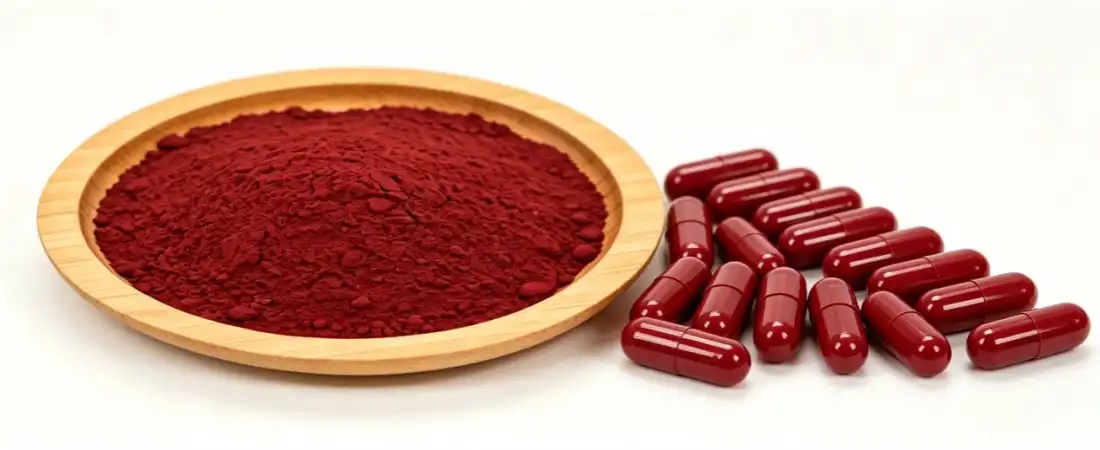
Practical Guide for Incorporating PQQ Disodium Powder into Your Product Line
Dosage Recommendations Based on Clinical Evidence
The scientifically confirmed range for sustaining mitochondria and brain function is 10–20 mg per day in human research. 10 mg dosages work well for general health and cellular health, whereas 20 mg doses are employed in premium formulations for severe brain support or physical performance recovery. Plasma concentrations stay the same while you're awake if you split the daily dose into morning and afternoon doses. Single-dose programs usually work just as well. These data-driven guidelines assist formulators balance efficacy, cost, and market position.
Formulation Strategies Optimizing Stability and Performance
Several preparation considerations must be considered to add the substance. Extremely alkaline environments accelerate deterioration, therefore co-ingredients should maintain pH 5.0–7.0. Combining with Coenzyme Q10 provides synergistic advantages, while B vitamins and magnesium enhance energy generation methods that operate together. Properly sealed material stays active for over 24 months when stored away from light and moisture. During retail items, opaque bottles or blister packing maintain the product stable at the consumer level during the expected market lifespan.
Regulatory Considerations and Market Access
The ingredient has Novel Food authorizations in various countries and is GRAS in the US, although each market has its unique marking standards. Structure-function claims should focus on mitochondrial activity and cell energy production rather than illness treatment. To create compliant labels and marketing messaging, NT Biotech provides area-specific regulatory guidance. Our international qualifications, including ISO9001 for quality management and Kosher and Halal credentials, let us reach markets with distinct certification requirements. Formulating to marketing our products is faster.
Conclusion
Pyrroloquinoline quinone disodium powder treats mitochondrial malfunction, which causes aging and metabolic disorders. It is an important element in next-generation cellular health products because it stimulates mitochondrial production like no other form and is more stable and bioavailable. Fermentation-based production, extensive quality paperwork, consistent inventory availability, and technological assistance distinguish premium suppliers from commodity vendors for procurement pros. NT Biotech is the ideal partner for developing and launching new goods due to its 10 years of exporting expertise, ISO9001, Kosher, and Halal certifications, and rapid response.
FAQ
1. How does PQQ disodium salt differ from the free acid form?
Pyrroloquinoline quinone disodium powder dissolves better in water and stores longer than free acid. It dissolves better and is easy to add to liquid dishes and drinks, making it more bioavailable. Properly packed salt has decreased hygroscopic tendencies and improved flow during packing and tableting.
2. What testing should buyers require to verify authenticity?
Reliable companies give HPLC chromatograms and UV-Vis spectroscopy with distinct absorption bands to establish identification and purity above 98%. Extra testing should include lead, arsenic, mercury, and cadmium screens, microbiological analysis, and residual solvent evidence. Every NT Biotech package includes a comprehensive Certificate of Analysis, which may be verified by a third-party lab.
3. Can the material withstand beverage pasteurization temperatures?
Normal flash pasteurization (72°C for 15 seconds) doesn't affect the material if the contact is brief. For purposes that can't tolerate heat, adding anything after pasteurization is better. Light safety during processing and packaging is crucial regardless of thermal processing method.
Partner with NT Biotech for Premium Pyrroloquinoline Quinone Disodium Powder Supply
For pharmaceutical-grade mitochondrial support chemicals, NT Biotech is a reliable supplier for pyrroloquinoline quinone disodium powder. Our fermentation-derived substance is 99% pure and has all the papers needed for global legal compliance. We have a ready inventory that ships in two to four days, preventing manufacturing delays. While you wait, our R&D staff can help you improve your product. ISO9001, Kosher, and Halal ease market entry. Benefits include competitive bulk rates and 1 kg to 25 kg packing options. Email info@newthingsbiotech.com for free samples from our technical staff. Discover why leading nutrition companies trust us with their most crucial ingredients.
References
1. Stites, T., Storms, D., Bauerly, K., et al. (2006). Pyrroloquinoline quinone modulates mitochondrial quantity and function in mice. Journal of Nutrition, 136(2), 390-396.
2. Chowanadisai, W., Bauerly, K. A., Tchaparian, E., et al. (2010). Pyrroloquinoline quinone stimulates mitochondrial biogenesis through cAMP response element-binding protein phosphorylation and increased PGC-1α expression. Journal of Biological Chemistry, 285(1), 142-152.
3. Nakano, M., Ubukata, K., Yamamoto, T., et al. (2009). Effect of pyrroloquinoline quinone (PQQ) on mental status of middle-aged and elderly persons. Food Style, 13(7), 50-53.
4. Rucker, R., Chowanadisai, W., Nakano, M. (2009). Potential physiological importance of pyrroloquinoline quinone. Alternative Medicine Review, 14(3), 268-277.
5. Harris, C. B., Chowanadisai, W., Mishchuk, D. O., et al. (2013). Dietary pyrroloquinoline quinone (PQQ) alters indicators of inflammation and mitochondrial-related metabolism in human subjects. Journal of Nutritional Biochemistry, 24(12), 2076-2084.
6. Zhang, Y., Feustel, P. J., Kimelberg, H. K. (2006). Neuroprotection by pyrroloquinoline quinone (PQQ) in reversible middle cerebral artery occlusion in the adult rat. Brain Research, 1094(1), 200-206.