- English
- French
- German
- Portuguese
- Spanish
- Russian
- Japanese
- Korean
- Arabic
- Greek
- German
- Turkish
- Italian
- Danish
- Romanian
- Indonesian
- Czech
- Afrikaans
- Swedish
- Polish
- Basque
- Catalan
- Esperanto
- Hindi
- Lao
- Albanian
- Amharic
- Armenian
- Azerbaijani
- Belarusian
- Bengali
- Bosnian
- Bulgarian
- Cebuano
- Chichewa
- Corsican
- Croatian
- Dutch
- Estonian
- Filipino
- Finnish
- Frisian
- Galician
- Georgian
- Gujarati
- Haitian
- Hausa
- Hawaiian
- Hebrew
- Hmong
- Hungarian
- Icelandic
- Igbo
- Javanese
- Kannada
- Kazakh
- Khmer
- Kurdish
- Kyrgyz
- Latin
- Latvian
- Lithuanian
- Luxembou..
- Macedonian
- Malagasy
- Malay
- Malayalam
- Maltese
- Maori
- Marathi
- Mongolian
- Burmese
- Nepali
- Norwegian
- Pashto
- Persian
- Punjabi
- Serbian
- Sesotho
- Sinhala
- Slovak
- Slovenian
- Somali
- Samoan
- Scots Gaelic
- Shona
- Sindhi
- Sundanese
- Swahili
- Tajik
- Tamil
- Telugu
- Thai
- Ukrainian
- Urdu
- Uzbek
- Vietnamese
- Welsh
- Xhosa
- Yiddish
- Yoruba
- Zulu
knowledge
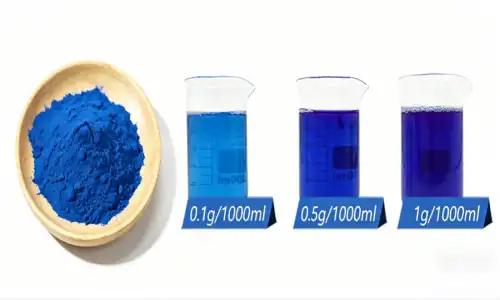
Phycocyanin is the natural blue color of the renowned blue-green algae Spirulina platensis. It is a water-soluble protein complex that provides Spirulina with its distinctive blue color and is today one of the most sought-after natural colorants in the global food, beverage, supplement, and cosmetic industries. Consumer demand is strong for clean-label and plant-derived ingredients, and high-purity blue spirulina phycocyanin is now widely used to replace synthetic blue hues in existing product formulations. As a specialist in plant derivatives at Shaanxi New Things Biotech, NT Biotech is a reliable source of premium-grade blue spirulina phycocyanin with outstanding purity, excellent stability, comprehensive traceability, and worldwide-recognized certifications. NT Biotech is a professional blue spirulina phycocyanin supplier and manufacturer with a revolutionary extraction technique, flexible OEM services, and a reliable global supply chain. For product specifications, samples, or a competitive quotation, please feel free to contact us at info@newthingsbiotech.com.
Understanding the Science Behind Phycocyanin in Spirulina
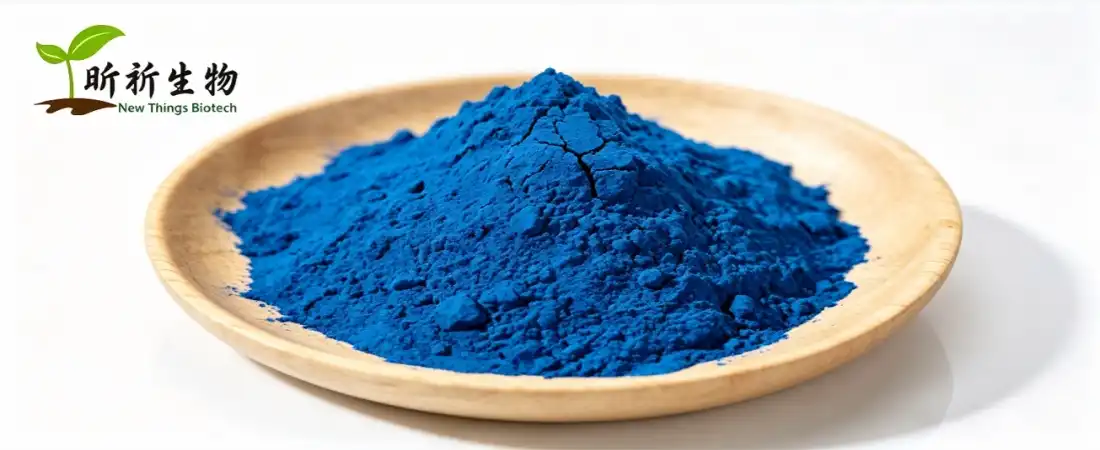
Phycocyanin is a naturally occurring pigment-protein found inside Spirulina platensis and is not an additional element in Spirulina. It is part of a family of light-harvesting proteins known as phycobiliproteins that assist blue-green algae in harvesting sunlight for photosynthesis. One reason it is so useful for commercial application is that, when thoroughly extracted and purified, its natural blue chemical can be made into a very stable, water-soluble powder called blue spirulina phycocyanin.
The Difference Between Whole Spirulina and Purified Phycocyanin
Most of us have seen the common green spirulina powder that is basically dried entire algae and is rich in chlorophyll; therefore has a deep green hue and earthy flavor. Blue spirulina phycocyanin, in contrast, is a purified extract that separates phycocyanin and removes most of the chlorophyll. This purification technique yields a brilliant blue powder with a significantly milder taste character, making it much more suited for light colored drinks, candies, drink powders, nutritional supplements, and cosmetic applications. Instead of supplying the full algae, it offers the concentrated natural blue pigment in a much cleaner and more adaptable form.
Where Phycocyanin Comes From and Why It Is Blue
The striking blue hue of phycocyanin arises from a light-absorbing molecule, phycocyanobilin, which is attached to its protein structure. This chromophore absorbs red and orange light and reflects blue wavelengths, giving the pigment its characteristic hue. Phycocyanin is a natural pigment found in Spirulina platensis that interacts with other pigments to increase the range of light that the algae can absorb. This same naturally occurring pigment may be conserved and utilized as a clean-label blue colorant in commercial goods using contemporary extraction and purification.
Why Purity Plays Such an Important Role
The grade of blue spirulina china phycocyanin factory is directly related to its purification. The industry benchmark for purity is the A620/A280 ratio, which tells us how much of the powder is real China phycocyanin factory protein vs. other contaminants. The higher the percentage, the brighter and clearer the blue color, and the better the uniformity of the formulas. Our high-grade blue Spirulina Phycocyanin is manufactured at NT Biotech using innovative extraction processes and validated by HPLC/UV testing, with a complete Certificate of Analysis available for every batch. This degree of consistency is what enables companies to expect consistent color performance in large-volume manufacturing runs.
How Blue Spirulina Phycocyanin Is Extracted and Processed
The grade of blue spirulina phycocyanin depends on the source algae and the extraction and processing techniques. To achieve high purity and to preserve the fragile protein structure of phycocyanin, a mild yet effective purification procedure is required. NT Biotech utilizes innovative controlled extraction technology across the whole value-chain manufacturing system to provide optimal stability and color strength.
The Extraction Process Explained
The extraction of phycocyanin from Spirulina platensis must be managed to remove the water-soluble pigment proteins from the biomass of the algae. This is usually followed by a number of separation and purification procedures to eliminate chlorophyll, cell debris, and other undesirable chemicals. The objective is to extract the phycocyanin fraction and maintain its protein structure as native as feasible. Under carefully controlled manufacturing settings, NT Biotech is able to preserve the original properties of this pigment and maintain high purity levels.
From Extract to Stable Powder Form
The liquid phycocyanin extract is next refined and properly dried to a fine, water-soluble powder. This procedure is essential for shelf stability and convenience of use in commercial formulations. The obtained blue spirulina phycocyanin powder has good solubility, even in tiny particles, and high color retention under optimal storage conditions. NT Biotech’s controlled drying and quality assurance procedures assist ensure batch-to-batch uniformity, which is particularly critical for large-volume purchasers who are reliant on predictable outcomes with each order.
Quality Control and Technical Specifications
Quality paperwork is as crucial to commercial customers as the product itself. NT Biotech has strong quality control at all levels, from raw material procurement to the final packing. Each batch is confirmed by HPLC/UV and is supplied with a comprehensive Certificate of Analysis. The following table presents the main technical factors that customers need to pay attention to when assessing high-quality blue spirulina phycocyanin:
| Quality Parameter | What NT Biotech Offers | Why It Matters for Commercial Formulations |
|---|---|---|
| Purity Ratio (A620/A280) | High ratio verified by HPLC/UV with full COA | Ensures a brighter, cleaner blue color and higher extract purity |
| Color Value | Consistently tested per batch | Delivers uniform shade across large-scale production |
| Solubility | Excellent water solubility | Ideal for beverages, gummies, powders, and water-based products |
| Source | Premium Spirulina platensis with full traceability | Guarantees natural origin and reliable quality |
| Certifications | ISO9001, HALAL, KOSHER | Meets international regulatory requirements |
| Stability & Documentation | Full traceability with batch-specific COA | Supports quality audits and long-term supply confidence |
As product developers evaluate different options in the market, we encourage you to reach out to info@newthingsbiotech.com to confirm current specifications and suitability for your specific formulation needs.
What Are the Key Benefits of Blue Spirulina Phycocyanin?
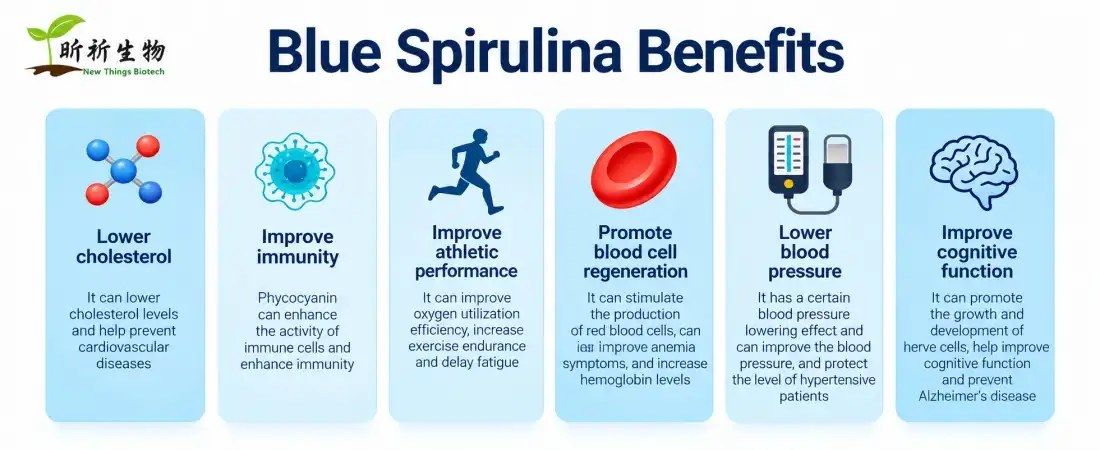
While blue spirulina phycocyanin is primarily recognized as a natural blue colorant, its unique pigment profile is gaining attention in the health and clean label arena. Much of this interest is related to the intrinsic structure of phycocyanin powder bulk, which has been studied in many scientific investigations. Importantly, the majority of published studies have been conducted on the chemical profile of phycocyanin, rather than on the completed consumer items.
The Natural Pigment Profile Explained by Research
Phycocyanin has a tetrapyrrole chromophore, phycocyanobilin, attached to its protein structure. This phycobiliprotein has a special molecular arrangement, and it is naturally found in Spirulina platensis, according to scientific literature. Studies on pigment characterisation have shown that the purity of phycocyanin has a crucial effect on its stability and color intensity. This study provides insight into why standardized, high-purity blue spirulina phycocyanin is far more successful than unrefined algal extracts for commercial coloring applications.
Clean-Label Value for Modern Brands
One of the most practical advantages of blue spirulina phycocyanin is that it is clean-label-friendly. Today’s consumers are searching for recognized elements from plants, not synthetic hues, on product labels. This natural blue pigment is extracted directly from spirulina algae, allowing manufacturers to substitute artificial blue colorants and maintain a bright and appealing look. This is in line with current market trends toward transparency, simplicity, and naturally sourced ingredients, which may assist items to stand out in highly competitive retail locations.
Formulation Versatility Across Product Categories
Another significant advantage of high-purity blue spirulina phycocyanin is its excellent water solubility and versatility in formulation. It disperses well into aqueous systems and provides constant color throughout a wide variety of product configurations. Technically, this adaptability allows producers the opportunity to design new goods without the limitations of oil-soluble colorants. The table below presents the use of blue spirulina phycocyanin in several sectors based on its technological strengths:
| Industry | Common Product Applications | Key Benefits of Blue Spirulina Phycocyanin |
|---|---|---|
| Food & Beverage | Sparkling drinks, fruit waters, plant-based milks, smoothies, iced teas | Excellent water solubility, vibrant blue shade, and strong clean-label appeal |
| Confectionery | Gummies, jellies, fruit chews, marshmallows | Delivers uniform color in gel matrices and replaces synthetic blue dyes |
| Dietary Supplements | Powder sticks, sachets, effervescent tablets, wellness blends | Fine particle size, smooth blendability and plant-based brand positioning |
| Sports Nutrition | Hydration powders, pre-workout and recovery blends | Clean-label colorant that appeals to health-conscious active consumers |
| Cosmetics & Personal Care | Facial gels, sheet masks, body washes, serums | Water-soluble, algae-derived, and aligns well with the growing blue beauty trend |
This wide range of applications explains why demand for high-quality blue spirulina phycocyanin continues to grow globally. For brands looking to bring these products to market, working with a reliable blue spirulina phycocyanin supplier like NT Biotech can make a significant difference in both quality and long-term supply stability.
Where Blue Spirulina Phycocyanin Is Used in the Market
As clean-label trends continue to develop across sectors throughout the world, blue spirulina phycocyanin is being used in more product categories than ever before. Its uncommon combination of a vivid natural blue hue, water solubility, and plant-based origin makes it particularly useful for current product development.
Food and Beverage Applications
Among the natural blue colorants, it is most often used in the food and beverage industry. Blue spirulina phycocyanin is an ideal option for clear liquids like sparkling waters, fruit-flavored beverages, herbal teas, plant-based milks, and functional wellness beverages. It disperses smoothly in water-based systems and gives a smooth, brilliant blue color without compromising the purity of the suitable compositions. It’s popular in sweets, jellos, fruit chews, and marshmallows in confectionery, giving producers a clean-label choice to synthetic blue dyes while still generating visually beautiful items that appeal to today’s consumers.
Dietary Supplements and Sports Nutrition
In the nutraceutical arena, blue spirulina phycocyanin is increasingly being employed in powder sticks, effervescent pills, beauty-from-within sachets, nootropic mixes and daily wellness formulae. It does a double job, delivering a beautiful natural blue hue and supporting a plant-based marketing concept that comes from algae. And as more active customers choose goods with familiar, naturally derived ingredients rather than artificial colorants, sports nutrition firms are now adding it into hydration powders, pre-workout mixes and recovery formulae.
Cosmetics and Personal Care Products
Another rapidly expanding use for blue spirulina phycocyanin is in water-based cosmetic compositions. Its algal origin suits the emerging trend of “blue beauty” nicely, where customers are attracted to plant compounds in skincare. It is often used in face gels, sheet masks, cleansing gels, body washes, serums, and other rinse-off or water-based treatments. It’s entirely water-soluble, meaning it’s readily integrated into the aqueous phase, and offers a soft, natural blue tone that allows manufacturers to develop visually unique, clean-label beauty products.
At this point in product planning, if you are considering adding blue spirulina phycocyanin to your formulation, we recommend speaking directly with our technical team at info@newthingsbiotech.com. NT Biotech can provide guidance on the right grade, stability considerations, and documentation based on your specific industry requirements.
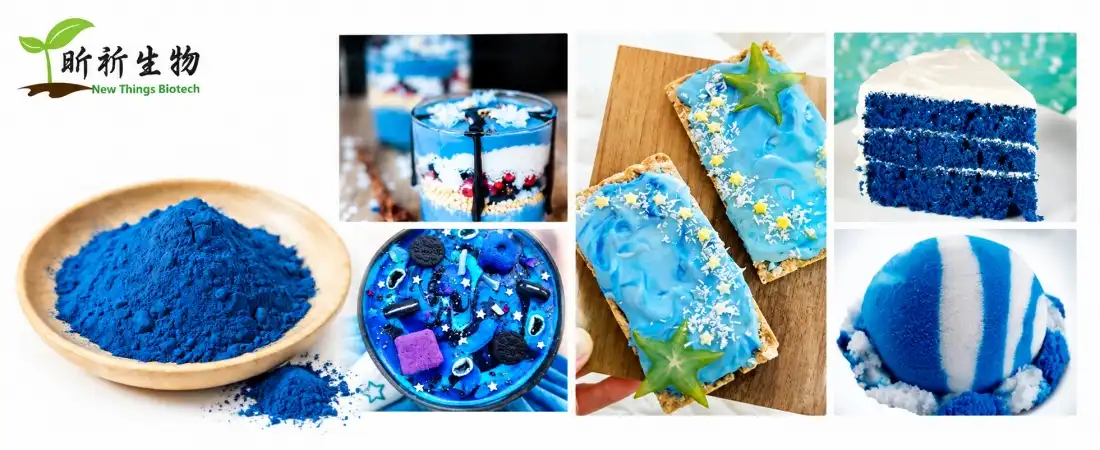
How to Choose a High-Quality Blue Spirulina Phycocyanin Supplier
Finding the correct blue spirulina phycocyanin supplier is just as critical for business purchasers as picking the proper product specification. The quality might vary a lot from one supplier to another, and elements such as purity, consistency, paperwork, and delivery dependability can directly affect the success of your goods on the market.
Evaluate Quality, Testing and Certifications
A competent provider should have total control of its value chain, from sourcing top Spirulina platensis to extraction, purification, testing, and delivery. NT Biotech is fully quality management system certified and is globally certified with ISO9001, HALAL and KOSHER. Our blue spirulina phycocyanin is HPLC/UV tested for each batch and comes with a complete Certificate of Analysis. This level of traceability assures customers of the same quality and prepares them well for regulatory needs in worldwide marketplaces.
Assess Technical Expertise and OEM Capabilities
Varied product categories have varied technical requirements, ranging from color stability in acidic drinks to dispersibility in powder mixes. Flexible OEM / ODM Services: NT Biotech has an experienced in-house R&D team that can give help with color matching, formulation feasibility, stability assessment, and product documentation. This technical alliance may significantly save product development time and trial costs for emerging firms who need to adapt specs for their target customers.
Check Supply Stability, Delivery Speed and Logistics
For organizations with continuous manufacturing schedules, reliable supply is key. NT Biotech stocks popular standardized grades of blue spirulina phycocyanin and guarantees an immediate response to all questions within two hours. For products in stock, we will ship within 1-3 working days following purchase confirmation. Production orders usually take 3-10 working days. We have our own FEDEX/UPS accounts for direct shipments and collaborate with reliable freight forwarders for bigger bulk orders, offering flexible express, air, or sea delivery options to service clients globally. The accompanying table provides a summary of the important aspects purchasers should consider in choosing a long-term supplier:
| Supplier Evaluation Factor | What to Look For | NT Biotech Advantage |
|---|---|---|
| Quality Assurance | Certifications, COA, HPLC/UV testing and full traceability | ISO9001, HALAL, KOSHER with batch-specific COA for every order |
| Technical Support | R&D expertise, OEM/ODM and formulation guidance | Experienced in-house R&D team with flexible customization services |
| Delivery Speed | Fast response, inventory availability, and reliable lead times | Reply within 2 hours, 1–3 working days for stock, 3–10 working days for production |
| Logistics Capability | Global shipping with flexible delivery options | FEDEX/UPS direct shipping plus freight partners for air, express, or sea |
| Business Flexibility | Payment terms, MOQ options, and long-term partnership | Buyer-friendly payment options including local currency acceptance |
With these strengths in place, NT Biotech is fully equipped to serve as a dependable long-term blue spirulina phycocyanin supplier for brands looking to grow steadily in competitive global markets.
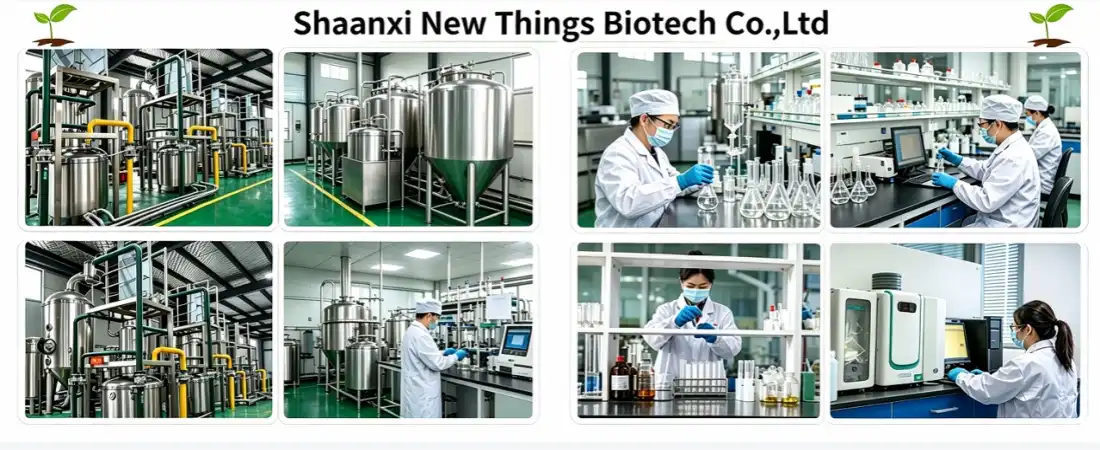
Conclusion
The natural blue pigment in spirulina is phycocyanin – the reason why Spirulina platensis has such a distinctive hue – and when refined into high-quality blue spirulina phycocyanin, it is one of the few stable natural blue colorants accessible today. Its clean-label appeal, high water solubility, vibrant color, and extensive formulation diversity make it the appropriate choice for food, beverage, supplement, and cosmetic goods. NT Biotech offers high-quality blue spirulina phycocyanin with international certification, novel extraction technology, full batch traceability, customisable OEM services, and dependable global delivery. As a reputable blue spirulina phycocyanin supplier, NT Biotech is ready to assist your business deliver high quality, naturally colored goods to market.
FAQ
Q1: What is phycocyanin in spirulina?
A1: Phycocyanin is the natural blue protein pigment found in Spirulina platensis that gives the algae its blue color.
Q2: How is blue spirulina phycocyanin different from regular spirulina powder?
A2: Regular spirulina is whole dried algae, while blue spirulina phycocyanin is a purified extract of phycocyanin with a much brighter blue color and milder taste.
Q3: Is blue spirulina phycocyanin water-soluble?
A3: Yes, it is highly water-soluble, making it ideal for beverages, gummies, powders, and other water-based formulations.
Q4: What certifications does NT Biotech provide for this product?
A4: NT Biotech provides ISO9001, HALAL, and KOSHER-certified blue spirulina phycocyanin with a full COA for every batch.
Q5: What is the typical delivery time for bulk orders?
A5: In-stock orders ship within 1–3 working days, while production orders take 3–10 working days after order confirmation.
Discover Premium Natural Solutions
Looking for a dependable partner to source you with high-quality blue spirulina phycocyanin for your food, supplement, cosmetic or functional ingredient applications? Shaanxi New Things Biotech is committed to providing clean, reliable and traceable natural ingredients with modern plant extraction technology and thorough quality control. Our comprehensive value-chain solution controls every step from raw material procurement and extraction to testing and packing. Our goods are certified ISO9001, KOSHER, HALAL, with full COA documents and competent technical assistance. We provide flexible OEM service, rapid production cycles and worldwide shipping solutions to enable clients manufacture natural goods efficiently and customised. Contact info@newthingsbiotech.com today to explore our blue spirulina phycocyanin solutions and begin your cooperation with a trusted plant extract supplier.
References
1. Eriksen, N. T. “Production of Phycocyanin – A Pigment with Applications in Biology, Biotechnology, Foods and Medicine.” Applied Microbiology and Biotechnology.
2. Belay, A. “Spirulina (Arthrospira): Production and Quality Assurance.” Spirulina in Human Nutrition and Health.
3. Romay, C., González, R., Ledón, N., Remirez, D., and Rimbau, V. “C-Phycocyanin: A Biliprotein with Antioxidant, Anti-Inflammatory and Neuroprotective Effects.” Current Protein & Peptide Science.
4. Rito-Palomares, M., Nuñez, L., and Amador, D. “Practical Application of Aqueous Two-Phase Systems for the Development of a Prototype Process for C-Phycocyanin Recovery from Spirulina maxima.” Journal of Chemical Technology & Biotechnology.
5. Hendry, G. A. F., and Houghton, J. D. Natural Food Colorants. Blackie Academic & Professional.
6. Rodriguez-Amaya, D. B. “A Guide to Carotenoid Analysis in Foods.” International Life Sciences Institute.
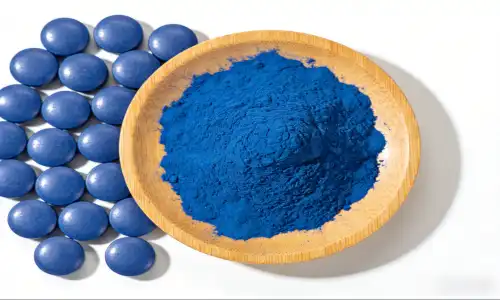
Food, beverage, supplement and cosmetic makers have a hard time finding a natural blue color source that is consistently pure and stable. As worldwide demand for clean-label chemicals continues to rise, blue phycocyanin has emerged as one of the most desirable natural colorants available on the market. Spirulina platensis is a water-soluble pigment from which a brilliant blue color is obtained without synthetic chemicals. If you are a customer wanting to purchase this item in commercial quantities, quality might vary greatly across vendors.NT Biotech is a trustworthy branch of Shaanxi New Things Biotech that delivers the highest quality blue phycocyanin with exceptional purity, stability, traceability and international certifications. NT Biotech, as a professional blue phycocyanin supplier, has gained a good name in the industry for its flexible OEM support, robust production capacity and fast service team. To discuss specifications, request samples or receive a competitive quotation, buyers can reach out directly to info@newthingsbiotech.com.
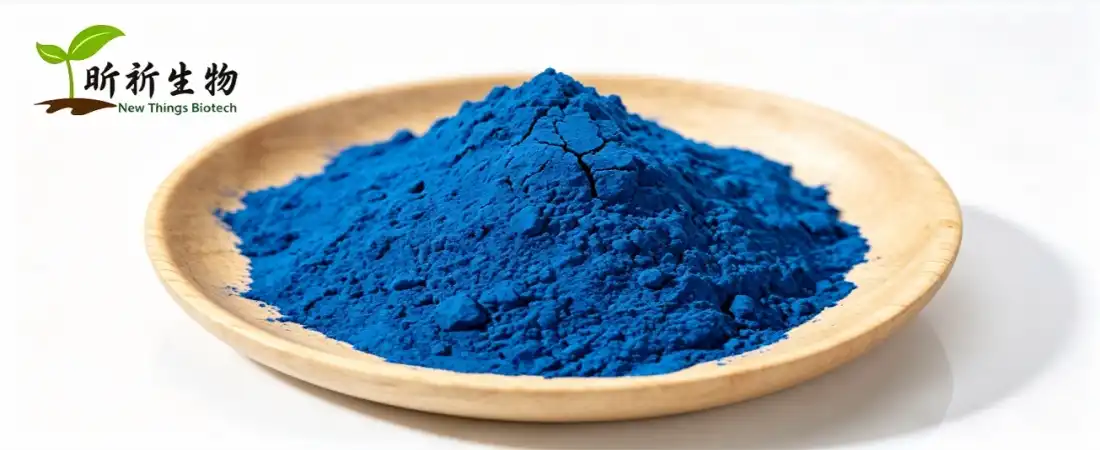
Why the Market Demand for Blue Phycocyanin Is Rising
The worldwide trend toward clean-label goods has totally transformed the way businesses think about food coloring. Consumers are reading labels more closely and avoiding chemical colors, and the demand for plant-based alternatives has been strong and persistent. A stable blue pigment has traditionally been one of the toughest natural colorants to come by, and this is precisely where blue phycocyanin is filling a long-standing void in the industry.
The Shift Away From Synthetic Colorants
Over the last decade, numerous food and beverage producers have reformulated their goods due to changes in regulation and customer awareness. Shoppers, particularly younger generations, are far more inclined to choose products with recognized substances rather than chemical color codes. This is especially true for functional drinks, gummies, plant-based dairy replacements, sports nutrition and sweets. In several of these product categories, it used to be quite difficult to get an appealing blue with natural chemicals. Blue phycocyanin replaced that with a bright, attractive hue that meets clean-label criteria that consumers want today.”
The Unique Value of Spirulina-Derived Pigment
Unlike many botanical colorants, blue phycocyanin is derived directly from Spirulina platensis, a naturally blue-green algae. It belongs to the phycobiliprotein family and is water-soluble, which offers it a substantial advantage over oil-based natural pigments. This helps it to spread uniformly in clear liquids, jellies, gels and water-based supplement powders. Its natural nature also helps marketers create a better product narrative, since customers are already aware with spirulina as a plant-based ingredient.
Expanding Applications Across Multiple Industries
It was formerly a natural colorant used in food and drinks but has grown much beyond that realm. Blue phycocyanin is now commonly utilized in nutritional supplements, beauty-from-within powders, effervescent tablets, cosmetics and personal care items. This ingredient’s adaptability, together with increasing clean-label demand, is expected to keep the ingredient market healthy for years to come. For firms seeking to keep ahead of this trend, getting a reliable supply from an experienced blue phycocyanin source has become a major priority.
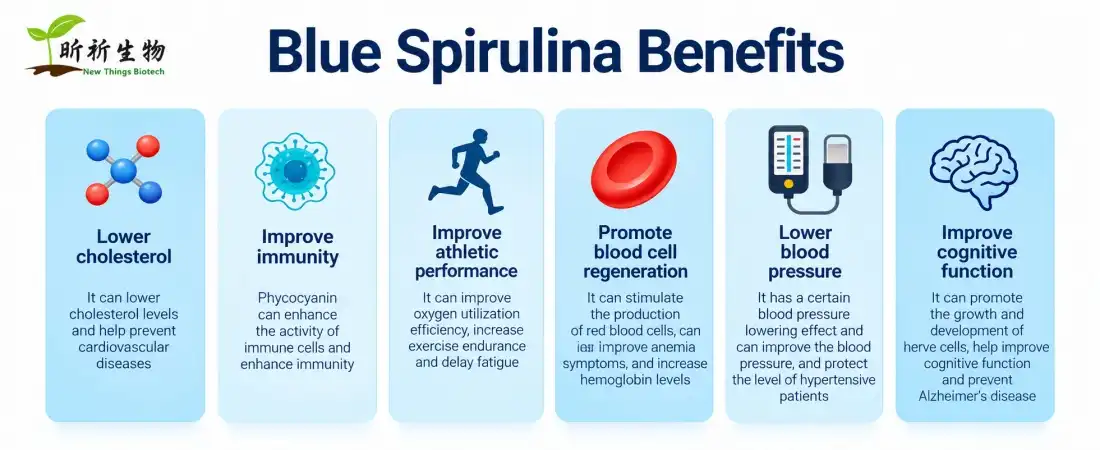
How to Identify High-Quality Blue Phycocyanin
There is a difference in the grade of blue phycocyanin on the market. For commercial purchasers, the difference between a premium quality extract and a lesser grade one may have a direct influence on color performance, product stability and overall brand image. The price should not be the only factor when sourcing in bulk but also the technical aspects.
Purity, Color Value and Testing Standards
Purity is the most essential quality parameter of phycocyanin wholesale. It is often indicated by the A620/A280 absorbance ratio. The larger this ratio , the more phycocyanin protein relative to other contaminants , and hence a much brighter and cleaner blue hue . Premium Blue Phycocyanin must be validated by HPLC/UV testing and must be delivered with a complete Certificate of Analysis for each lot. NT Biotech undertakes thorough testing on each lot produced to guaranty constant purity and color strength for its clients.
Physical Properties That Affect Formulation
Purity is one of the physical properties important in large scale production. Solubility, particle behavior, moisture content and uniformity are big factors. A fine, water-soluble powder that disperses smoothly will reduce the risk of color discrepancies during manufacturing. That is why purchasers must constantly check the technical specs before making a large order. The table below summarizes the most important technical indications that every buyer should evaluate when assessing high-quality blue phycocyanin:
| Quality Parameter | What to Look For | Why It Matters for Commercial Use |
|---|---|---|
| Purity Ratio (A620/A280) | High ratio verified by UV/HPLC | Determines color intensity, brightness and overall product grade |
| Color Value | Clearly stated and batch-tested | Ensures consistent shade across different production lots |
| Solubility | Fully water-soluble with smooth dispersion | Essential for beverages, gummies, gels and powder-based formulations |
| Source Material | Spirulina platensis with full traceability | Guarantees natural origin and improves market acceptance |
| Moisture & Impurities | Low moisture, tested for heavy metals | Supports shelf stability and meets international safety requirements |
| Quality Documentation | COA provided with every batch | Critical for audits, exports and long-term quality assurance |
Stability and Shelf Life Considerations
Good grade blue phycocyanin should also be stable in color under realistic processing and storage circumstances. Other factors such as pH, light and temperature may also compromise stability, therefore it is crucial to pick a product that has been prepared with stability in mind. NT Biotech utilizes innovative extraction and purification processes to help stabilize the pigment-protein architecture, resulting in improved performance during the manufacturing process and a trusted shelf life when kept within prescribed guidelines.
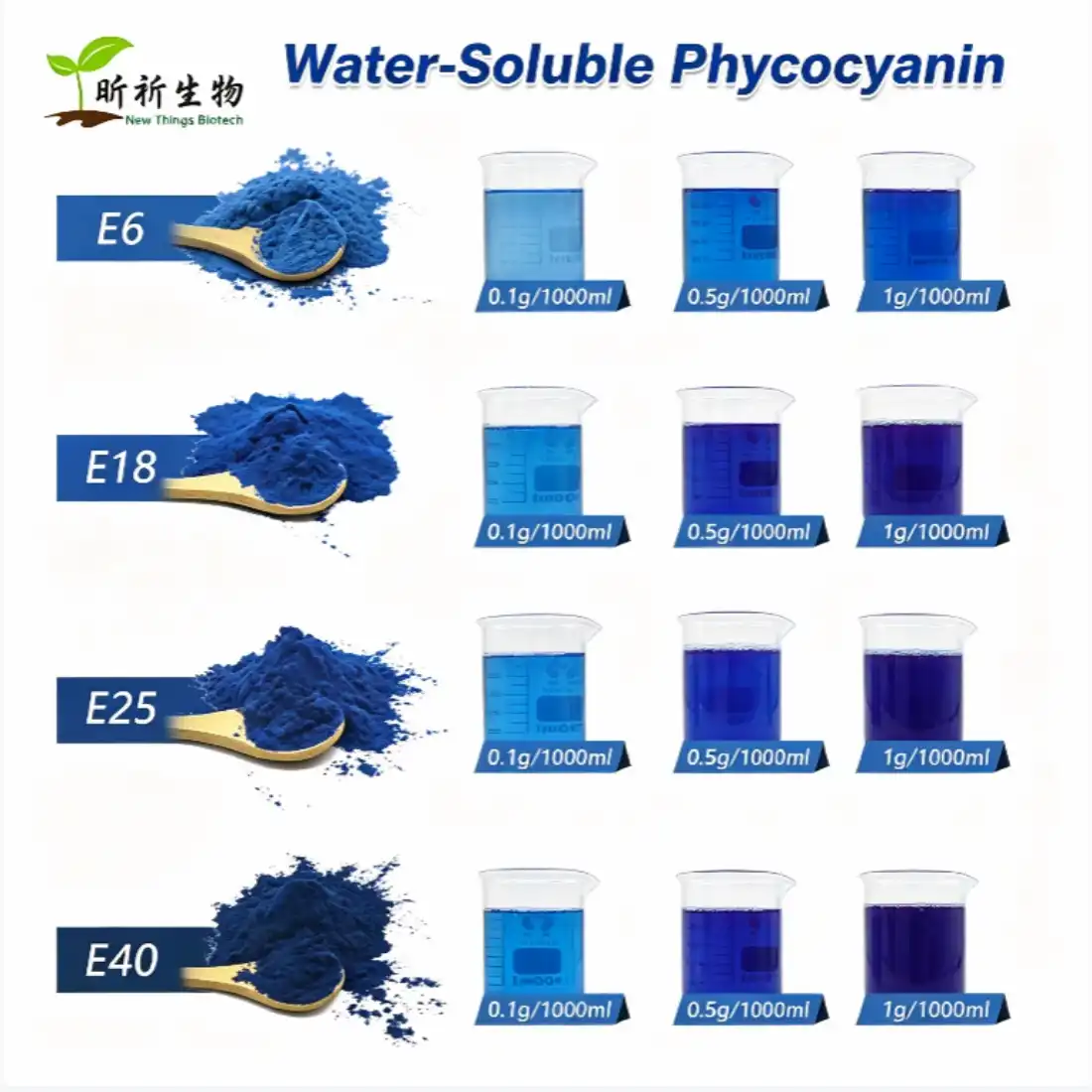
Key Applications and Formulation Considerations
Blue phycocyanin is one of the few natural blue pigments with good performance in a broad range of water-based compositions. Its adaptability allows marketers to make attractive-looking items while yet fulfilling clean-label demands. Now is a good time to check formulation feasibility with an experienced blue phycocyanin provider as you go through your sourcing journey. For technical advice or sample evaluation, feel free to reach out to info@newthingsbiotech.com.
Food and Beverage Applications
Beverages is the major use area for blue phycocyanin. It performs phenomenally in clear fruit waters, effervescent drinks, functional wellness drinks, herbal teas, plant milks and smoothie powders. Water solubility leads to uniform distribution, providing a smooth, vivid blue hue that is very attractive to today's customers. In the confectionary world, gummies, jellos and fruit candies also benefit from its vivid color and clean-label positioning.
Dietary Supplements and Nutraceuticals
In powdered drink sticks, effervescent pills, beauty-from-within sachets and daily health mixes, blue phycocyanin performs a dual role. It’s not just a pleasing natural colour, but also supports a spirulina-based plant narrative that appeals to health-conscious shoppers. The small particle size and high blendability allow simple formulation into dry formulations without compromising flowability during capsule filling or sachet manufacture.
Cosmetics and Personal Care Products
Another growth area for blue phycocyanin is in water-based cosmetic formulations. It is widely utilised in face gels, sheet mask serums, body washes and rinse-off products when companies wish to emphasise a naturally derived colour. The algal origin also fits well with the current trend for plant-based and “blue beauty” personal care products.
To help buyers better match the right grade and usage approach to their product category, the following table outlines practical formulation guidance across different industries:
| Industry Application | Why Blue Phycocyanin Is Ideal | Formulation Considerations |
|---|---|---|
| Functional Beverages | Water-soluble, delivers a crystal-clear vibrant blue | Best in neutral to mildly acidic systems; protect from prolonged direct light |
| Gummies & Jellies | Excellent dispersion in gel matrices | Add during the water phase and maintain controlled processing temperatures |
| Dietary Supplement Powders | Fine particle size with great blendability | Pairs well with other botanical powders and offers strong clean-label appeal |
| Confectionery | Bright natural shade with growing consumer appeal | Maintain stable pH and avoid excessive heat exposure during processing |
| Cosmetics & Personal Care | Naturally derived from spirulina, aligns with green beauty trends | Most effective in water-based, rinse-off or gel-type formulations |
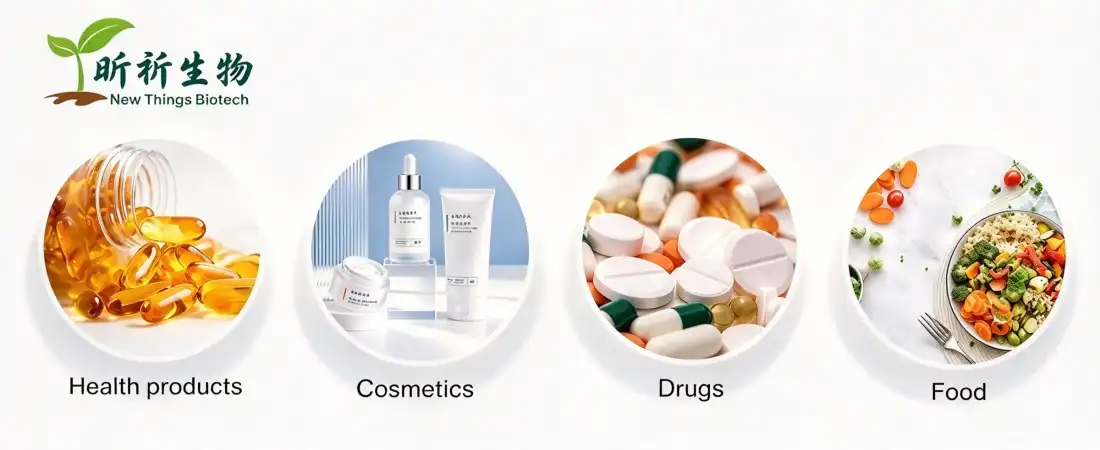
What to Look for in a Reliable Blue Phycocyanin Supplier
Choosing the proper blue phycocyanin supplier is just as crucial as choosing the correct product specification. For bulk purchasers, long-term success relies on continuous quality, comprehensive documentation, technical assistance and reliable delivery. The market is full with providers, so it's important to look at a few critical elements before you decide on a relationship.
Quality Assurance, Traceability and Certifications
A good provider should manage the whole value chain, from procuring the raw spirulina, to extraction, purification, testing and packaging. NT Biotech works with a whole quality management system and has worldwide recognised certifications including ISO9001, HALAL and KOSHER. Each batch of blue phycocyanin is analysed by HPLC/UV and comes with a thorough Certificate of Analysis, providing complete traceability and compliance for the worldwide food, supplement and cosmetic sectors.
Technical Expertise and OEM Capabilities
Product development rarely follows a standard formula, particularly for phycocyanin powder wholesale. Different markets have unique regulatory requirements, label preferences and formulation goals. NT Biotech offers flexible OEM/ODM services, allowing buyers to customize specifications based on their exact product needs. Backed by an experienced in-house R&D team, the company provides professional technical support covering color matching, stability evaluation, formulation feasibility and documentation. For buyers looking to scale from small trials to full commercial production, this level of technical partnership can significantly shorten development timelines.
Delivery Reliability, Inventory and Global Logistics
For brands with a continuous manufacturing schedule, reliability of supply is crucial. NT Biotech has stock of its most popular grades of blue phycocyanin and will send stock products within 1-3 working days after order confirmation. Lead time for manufacturing orders is usually 3-10 working days, including sourcing raw materials, proprietary extraction, lab testing with COA and final packing. All questions are answered within 2 hours. NT Biotech can ship world wide with flexible express, air or sea delivery options with our own FEDEX/UPS accounts for direct shipments and reliable freight forwarder agreements for big bulk orders.
Why NT Biotech Is the Ideal Partner for Blue Phycocyanin
Buyers looking for high-quality blue phycocyanin require more than simply a commodity – they need a long-term strategic partner. NT Biotech, part of Shaanxi New Things Biotech, has established a comprehensive value chain service system that encompasses sustainable sourcing, cutting-edge R&D, intelligent manufacturing, stringent quality control, and dependable worldwide distribution. Such integration enables us to produce consistently premium grade blue phycocyanin that meets the stringent requirements of international buyers.
Advanced Technology and Product Differentiation
NT Biotech is a high-value standardised plant extract company with significant technological obstacles. Our blue phycocyanin is uniquely extracted and purified, providing unsurpassed purity and remarkable stability that immediately benefits colour performance in our clients' formulations. Our material provides a cleaner, brighter and significantly more consistent blue than many traditional options, with purity levels surpassing industry norms for essential applications. Each batch is thoroughly documented with HPLC/UV testing and a comprehensive COA, providing our clients with a clear competitive edge in their markets.
Flexible, Buyer-Friendly Business Support
We know that foreign customers have diverse needs, from modest trial purchases to long-term supply on a huge scale. Low minimum order quantities for testing Flexible OEM/ODM customisation Buyer-friendly payment methods and the flexibility to take payment in various local currencies. This makes cross-border sourcing more easier and reduces the entrance hurdle for emerging businesses. With our fast response time, less than two hours for all enquiries, we are devoted to being a really responsive and reliable blue phycocyanin supplier to our worldwide clients.
Proven Commitment to Quality and Long-Term Partnership
With many years of expertise in plant extraction, NT Biotech supplies the food, dietary supplement, cosmetic and animal nutrition sectors across the globe with safe, pure and highly active natural raw materials. We are more than simply a provider; we are a long-term technical partner. We serve our clients from the very beginning, whether it is the first creation of a product, advise on formulations, large-scale commercial supply or export paperwork. This dedication guarantees that each batch of blue phycocyanin we provide demonstrates the gift of nature and the potency of scientific quality control.
Conclusion
Choosing high-quality blue phycocyanin is a critical decision for any brand looking to offer a stable, vibrant and clean-label natural blue color. Buyers should focus on verified purity, strong technical documentation, proven stability, flexible customization and a supplier with a track record of reliable delivery. NT Biotech delivers premium-grade blue phycocyanin backed by international certifications, advanced extraction technology, full batch traceability, flexible OEM services and global logistics support. As an experienced blue phycocyanin supplier, NT Biotech is ready to help your brand grow with consistent quality and long-term partnership. To get started with samples, specifications or a tailored quotation, contact us today at info@newthingsbiotech.com.
FAQ
1. What is blue phycocyanin and where does it come from?
Blue phycocyanin is a natural water-soluble pigment extracted from Spirulina platensis, known for its bright, clean blue color.
2. How can I verify the quality of blue phycocyanin before buying?
Check for an HPLC/UV verified A620/A280 ratio, a full Certificate of Analysis and recognized certifications from your blue phycocyanin supplier.
3. Which industries commonly use blue phycocyanin?
It is widely used in beverages, gummies, dietary supplements, functional foods, cosmetics and personal care products.
4. What is the typical lead time for bulk orders?
In-stock items ship within 1–3 working days, while production orders take 3–10 working days after order confirmation.
5. Can NT Biotech provide custom specifications or OEM services?
Yes, NT Biotech offers flexible OEM/ODM solutions, low MOQ for trials and full technical support for customized blue phycocyanin formulations.
Get High-Quality Blue Phycocyanin from NT Biotech Today
Looking for a stable, vibrant and fully certified natural blue colorant for your next product? NT Biotech is your trusted blue phycocyanin supplier, offering premium-grade blue phycocyanin with complete documentation, international certifications, fast global delivery and dedicated technical support. Whether you need samples for testing or large-scale bulk supply, we are ready to support your brand's long-term growth. Contact NT Biotech now at info@newthingsbiotech.com to request specifications, pricing or a personalized quotation.
References
1. Eriksen, N. T. “Production of Phycocyanin – A Pigment with Applications in Biology, Biotechnology, Foods and Medicine.” Applied Microbiology and Biotechnology.
2. Belay, A. “Spirulina (Arthrospira): Production and Quality Assurance.” Spirulina in Human Nutrition and Health.
3. Romay, C., González, R., Ledón, N., Remirez, D., and Rimbau, V. “C-Phycocyanin: A Biliprotein with Antioxidant, Anti-Inflammatory and Neuroprotective Effects.” Current Protein & Peptide Science.
4. Rito-Palomares, M., Nuñez, L., and Amador, D. “Practical Application of Aqueous Two-Phase Systems for the Development of a Prototype Process for C-Phycocyanin Recovery from Spirulina maxima.” Journal of Chemical Technology & Biotechnology.
5. Hendry, G. A. F., and Houghton, J. D. Natural Food Colorants. Blackie Academic & Professional.
6. Rodriguez-Amaya, D. B. “A Guide to Carotenoid Analysis in Foods.” International Life Sciences Institute.
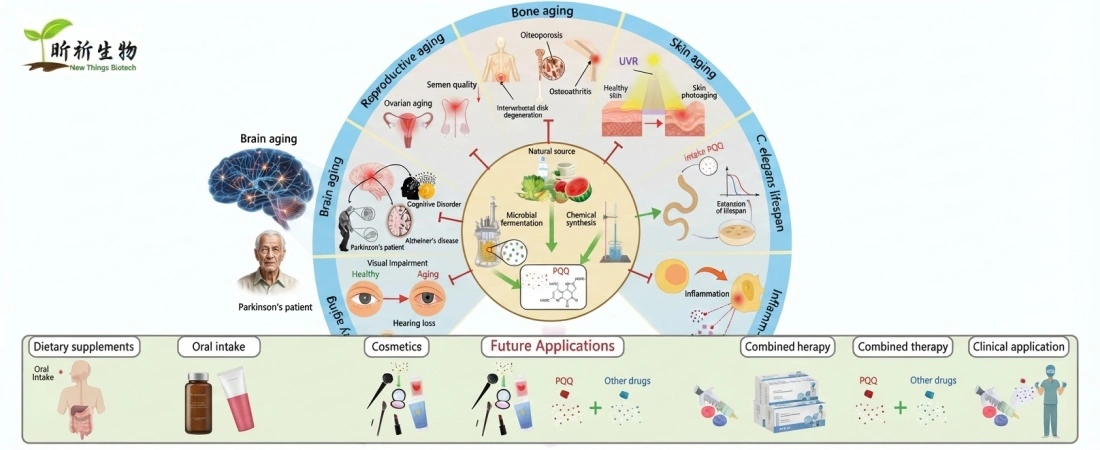
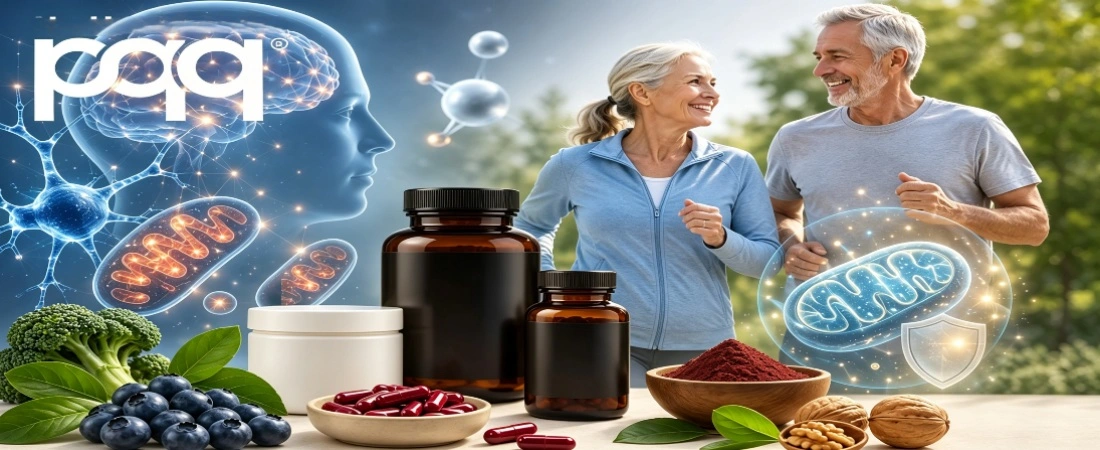
Pyrroloquinoline Quinone (PQQ) is a breakthrough for firms developing brain health, energy metabolism, and anti-aging substances. Bulk PQQ powder, 99% pure, is used in food supplements, beverages, and cosmetics. This guide helps procurement personnel identify high-quality Pyrroloquinoline Quinone powder, comprehend its advantages, and conduct supplier assessment for competitive product creation. Understanding PQQ's properties and how to acquire it can help you make smarter mitochondrial support capsule and nootropic combination options.
Understanding Bulk PQQ Powder and Its Core Benefits
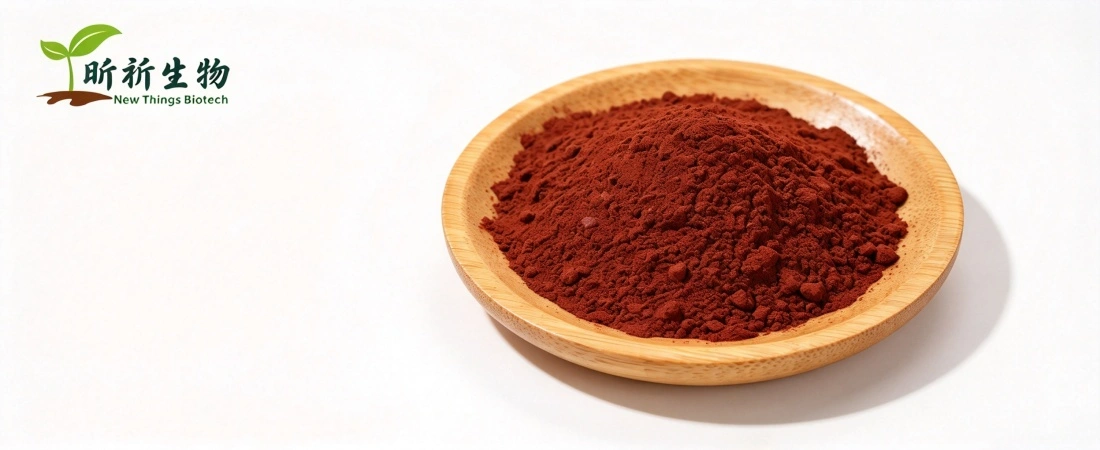
Pyrroloquinoline Quinone (CAS: 72909-34-3) is an antioxidant and mitochondrial biogenesis cofactor. The raw form of this chemical is bulk PQQ powder. This dark red powder is C14H6N2O8 and weighs 330.206. It dissolves quickly in water, making it helpful for various compositions. Buying Pyrroloquinoline Quinone in bulk gives manufacturers full control over dose accuracy, formulation synergy, and cost.
Chemical Properties and Manufacturing Standards
The aromatic ortho-quinone molecule distinguishes it from other antioxidants. High-quality suppliers achieve 99% purity using advanced bacterial fermentation. This eliminates synthetic byproducts from bioidentical substances. For optimal pill, tablet, and liquid dissolution, the powder runs through an 80-mesh filter. Manufacturers should know that PQQ is light-sensitive and has to be maintained in a cool, dry environment out of direct sunlight to keep stable throughout shipment and storage.
Primary Therapeutic Benefits
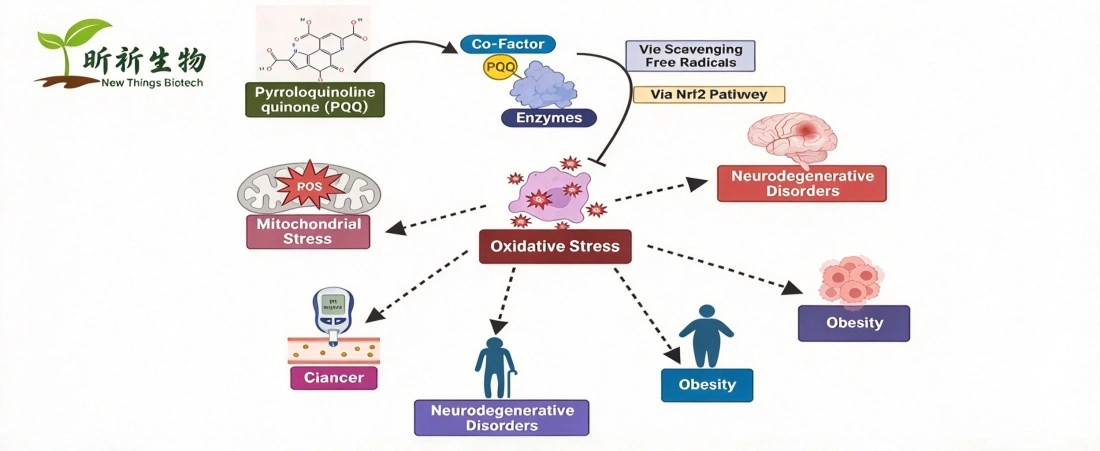
Researchers observed that PQQ speeds mitochondrial biogenesis. Cells immediately produce energy and maintain metabolism through this mechanism. The chemical fights free radicals better than other antioxidants, making it ideal for heart and liver health goods. PQQ also protects nerve cells from oxidative stress, making it a helpful addition in cognitive support products for cognitively weary or aging workers.
Optimal Dosage Guidelines
Clinical investigations have shown that PQQ has health effects at 10–20 mg per day for adults. To meet label claims throughout product shelf life, bulk powder formulators should add 3-5% overage. Studies demonstrate that this dosage range has little side effects on healthy adults, making it an excellent balance between efficacy and safety.
Bulk PQQ Powder vs Alternatives: A Comparative Procurement Insight
PQQ must be compared to CoQ10, NADH, and alpha-lipoic acid before buying. Both compounds are antioxidants, but Pyrroloquinoline Quinone provides formulation freedom and market differentiation advantages.
Efficacy and Mechanism Comparison
CoQ10 largely supports mitochondria in the electron transport chain, while PQQ begins mitochondrial production. PQQ is not a substitute but a versatile substance due to this difference. Popular solutions combine both chemicals to improve mitochondria in several ways. NADH speeds up energy consumption, whereas PQQ enhances mitochondrial structure for long-term energy. PQQ-containing goods might claim "next-generation mitochondrial support" to distinguish them from CoQ10 products due to how it works.
Bulk Powder vs Finished Products
Business is easier when you buy Pyrroloquinoline Quinone in bulk PQQ powder instead of completed tablets for private labeling. Bulk powder costs 40–60% less than finished items. This is especially true for enterprises producing over 10,000 units per month. The raw material allows dosage modification, from 10 mg portions for entry-level products to 20 mg therapeutic levels for luxury brands. Manufacturers have better control over the preparation process, allowing them to blend synergistic compounds like phosphatidylserine, B-complex vitamins, and DHA for full brain health solutions.
Supplier Evaluation Criteria
Bulk powder buyers should check third-party lab testing for purity, understand the production process, and trust the supply chain. Suppliers who give 99% pure and batch-specific Certificates of Analysis demonstrate quality commitment required by the standards. Since customers prefer natural chemicals, manufacturing transparency involves exhibiting fermentation processes vs manufactured ones. Constant availability is supply chain reliability. Leading suppliers have enough stock to ship routine orders in one to three days and special production runs in three to ten.
Strategic Procurement of Bulk PQQ Powder for B2B Clients
Effective procurement strategies balance quality and cost. Bulk PQQ powder procurement must be examined from several viewpoints to maintain supply chain stability.
Minimum Order Quantities and Negotiation
The minimum order quantity for bulk powder components is 25 kilogram drums from reliable providers. This level balances production efficiency and accessibility for medium-sized enterprises. Promises to buy in bulk help procurement personnel achieve better pricing. Orders exceeding 100 kg frequently receive 8–12% discounts. In negotiations, emphasize long-term relationships and accurate projections. Suppliers prefer dependable demand for production planning. Request samples before ordering. This lets your R&D team test solubility, stability, and formula compatibility.
Certification and Compliance Requirements
Good overseas sourcing requires regulatory compliance. Check if your providers are still ISO9001-certified, indicating systematic quality management. KOSHER and HALAL certifications help niche products reach more consumers. Please ensure that the supplier's PQQ source meets FDA GRAS or NDI (New Dietary Ingredient) requirements for US shipment. Famous merchants send a new food approval form with every order for European markets. These licenses safeguard your organization from regulatory issues and enhance consumer confidence by defining quality.
Logistics and International Shipping
Shipping procedures affect landing costs and product quality. Leading merchants provide several delivery options to suit your demands and budget. For urgent replenishing, FedEx or UPS may deliver in 4–7 business days. These services are suitable for fast, high-value orders. Air freight is quickest and cheapest for 100-500 kilogram shipments. Goods usually arrive in 10–15 days. Sea freight is most cost-effective for bulk sales exceeding 500 kg. Planners prefer 30–45-day transit intervals for stockpile replenishment. To maintain the product's 99% purity during shipping and delivery, make sure dealers utilize light- and moisture-resistant packaging.
Application of Bulk PQQ Powder Across Industries
Due to its flexibility, bulk PQQ powder can be utilized in vitamin, functional food, and cosmetics. Understanding business-specific production difficulties boosts an ingredient's commercial potential.
Dietary Supplement Formulations
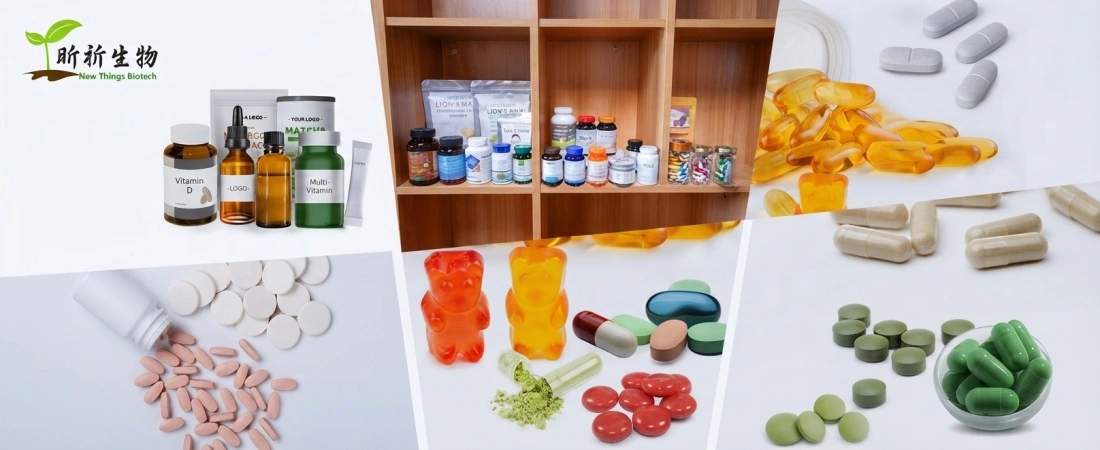
Supplement firms, who create pills, tablets, and powder mixes, buy bulk PQQ powder most. Brain health solutions contain PQQ, acetyl-L-carnitine, phosphatidylserine, and ginkgo biloba for full-spectrum memory and thinking support. The powder's low static charge and outstanding flowability allow high-speed encapsulation equipment to execute precise dosing, ensuring label claims remain accurate throughout manufacturing cycles. Anti-aging pills employ PQQ's mitochondrial support, resveratrol, and pterostilbene to boost cell longevity. Energy and vitality solutions usually mix 20mg:100mg Pyrroloquinoline Quinone with CoQ10. This synergistically increases mitochondrial number and quality.
Functional Food and Beverage Integration
The ingredient works well in ready-to-drink energy shots, powdered drink mixes, and enhanced water products since it dissolves quickly. Because PQQ is light-sensitive, drink makers should use amber or dark containers and stabilizers such ascorbic acid or citric acid. The powder's pH stability is typical for sports and health beverages. Normal pasteurization preserves its potency. High-end meal replacement shakes and nutritional bars employ PQQ to guarantee "mitochondrial energy support" to health-conscious clients searching for more than simply nutrients.
Cosmeceutical and Topical Applications
New research suggests Pyrroloquinoline Quinone might be a useful skin anti-aging agent. Skin care firms use PQQ in serums, lotions, and eye treatments to battle oxidative stress and increase cells. The powder's antioxidant activity is higher than many cosmetics chemicals, offering businesses a scientifically-backed advantage. Formulators should test PQQ with emulsifiers and preservatives since it reacts with some substances. Cosmetics must satisfy tight microbiological restrictions, and dealers must supply comprehensive microbial testing papers with every batch to ensure safety and compliance.
Ensuring Quality & Safety: What B2B Buyers Must Know
Customer safety and brand image are protected by quality assurance. Making legal and effective products starts with thorough bulk PQQ powder monitoring.
Certificate of Analysis Verification
Every bulk powder box should have a batch-specific CoA. This shows powder purity, heavy metal concentration, microbiological limits, and solvent remnants. HPLC, the gold standard for ingredient verification, should reveal that the CoA is at least 99% pure. The product must fulfill USP criteria for lead (< 2ppm), arsenic (< 2ppm), cadmium (< 1ppm), and mercury (< 0.2ppm) through heavy metal testing. The dietary supplement microbial requirements require a total plate count of fewer than 1,000 CFU/g, yeast and mold counts of less than 100 CFU/g, and no Salmonella or E. coli. Ask a third-party lab to verify the work instead of the provider. This strengthens quality assurance by adding independent validation.
Safety Profile and Contraindications
Clinical studies show that PQQ in the recommended doses is safe. Studies reveal that healthy adults have few to no side effects from 20 mg per day. Late-day use may cause headaches or insomnia. Probably because it energizes you. Product labels should recommend eating in the morning or early afternoon to minimize sleep disruption. Because these groups lack safety evidence, it's not suggested for pregnancy or nursing. PQQ's antioxidant properties may alter blood clotting, thus supplement manufacturers should notify persons with pre-existing disorders or who are taking medications, especially anticoagulants, to see their doctors before taking the supplement.
Storage and Stability Requirements
Ingredients remain consistent from production to client usage when stored properly. Bulk powder should be in dark, covered containers. This is mainly aluminum foil packets in fiber drums. Storage in a warehouse requires temperatures below 25°C and relative humidity below 60%. Solar or long-term light contact accelerates degradation, lowering purity below requirements. For optimal effects, containers should be properly sealed again after each use and utilized within six months. Manufacturers should test completed formulations, especially for long-lasting products, to determine expiration dates and storage recommendations that match label claims.
Conclusion
In conclusion, bulk PQQ powder is used by innovative brain health, energy, and anti-aging products. The substance stands out in the supplement industry, supported by research, for its unique mitochondrial biogenesis support and antioxidant properties. Successful procurement requires evaluating suppliers based on product purity, regulatory compliance, and supply chain reliability. You should also understand formulation difficulties specific to your target usage. Using Pyrroloquinoline Quinone powder in dietary supplements, functional beverages, and cosmetics, you may create a variety of innovative products to suit customer demand for cellular health support.
FAQ
1. What is the standard minimum order quantity for bulk PQQ powder?
I normally order how many pounds of bulk PQQ powder? This business's minimum order is 25 kg, or one drum of bulk powder. This quantity balances manufacturing efficiency and usability for mid-sized enterprises launching new products or doing long-term R&D testing.
2. How does bulk powder purity compare to finished capsule products?
HPLC testing verifies 99% purity in quality bulk powder. High-end pills employ the same active substance. You can control the recipe and save money by not paying for manufacturing and packaging markups.
3. What documented side effects should manufacturers disclose?
Clinical studies demonstrate the recommended levels have negligible side effects. Late-day usage may cause headaches, insomnia, and other side effects. If you are pregnant, nursing, or on medication, supplement labels should advise you to see a doctor.
Partner with NT Biotech for Premium Bulk PQQ Powder Supply
NT Biotech supplies ISO9001, KOSHER, and HALAL-approved 99% pure pharmaceutical-grade bulk PQQ powder with quality papers. We stock bulk PQQ powder for sale and can ship within two to four days after payment verification as an experienced producer. This implies we can reliably support your manufacturing plans. Our experts can help you speed up product development with formulation assistance, stability data, and regulation support. Contact info@newthingsbiotech.com today to acquire a free sample and Certificate of Analysis and witness how improved quality improves your formulations and brand in the competitive health industry.
References
1. Chowanadisai, W., et al. "Pyrroloquinoline Quinone Stimulates Mitochondrial Biogenesis through cAMP Response Element-binding Protein Phosphorylation and Increased PGC-1α Expression." Journal of Biological Chemistry, 2010.
2. Stites, T., et al. "Pyrroloquinoline Quinone Modulates Mitochondrial Quantity and Function in Mice." Journal of Nutrition, 2006.
3. Nakano, M., et al. "Effects of Oral Supplementation with Pyrroloquinoline Quinone on Stress, Fatigue, and Sleep Quality." Functional Foods in Health and Disease, 2012.
4. Rucker, R., et al. "Potential Physiological Importance of Pyrroloquinoline Quinone." Alternative Medicine Review, 2009.
5. Harris, C.B., et al. "Dietary Pyrroloquinoline Quinone (PQQ) Alters Indicators of Inflammation and Mitochondrial-Related Metabolism in Human Subjects." Journal of Nutritional Biochemistry, 2013.
6. Hwang, P. and Willoughby, D.S. "Mechanisms Behind Pyrroloquinoline Quinone Supplementation on Skeletal Muscle Mitochondrial Biogenesis." Applied Physiology, Nutrition, and Metabolism, 2018.
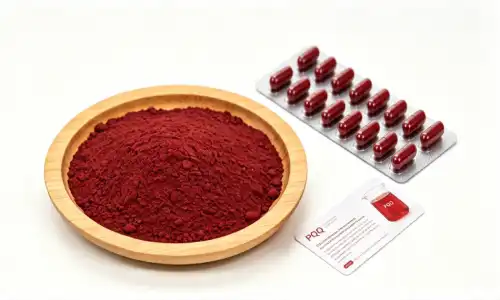
Find pyrroloquinoline quinone by understanding quality, supply chain, and ingredient compatibility. This detailed buying guide helps B2B procurement professionals acquire pharmaceutical-grade PQQ powder wholesale for nutritional supplements. We discuss the elements that affect product efficacy and company performance in today's competitive nutraceutical industry. Molecular specifications, source dependability, and regulatory conformity are examples.
Understanding PQQ Powder: Key Insights for Bulk Buyers
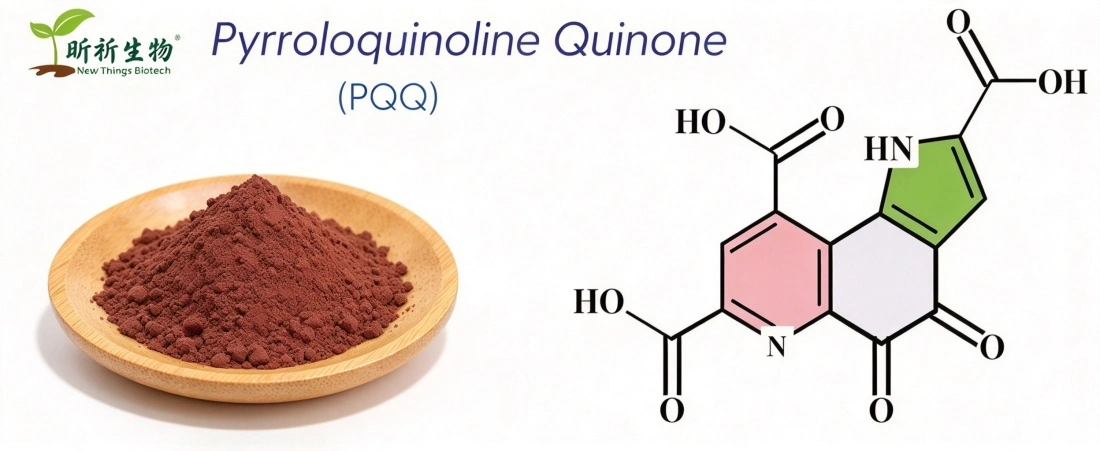
New element pyrroloquinoline quinone is changing cell health. Its redox cycling ability sets it apart from other antioxidants. This naturally occurring aromatic ortho-quinone molecule, CAS 72909-34-3 and chemical formula C14H6N2O8, is popular among brain and mitochondrial product makers.
What Makes PQQ Powder Different from Other Mitochondrial Supplements
Pyrroloquinoline quinone promotes mitochondrial biogenesis, unlike coenzyme Q10, which largely acts inside present mitochondrial architecture. Research shows this material can withstand thousands of redox cycles. This makes it more potent than water-soluble antioxidants like vitamin C. The bulk raw disodium salt form dissolves better in water and stays stable longer than the free acid form, making it easy to add to functional beverages, powdered supplements, and capsules.
Regulatory Landscape and Market Applications
Larger regions throughout the world utilize PQQ powder wholesale. It is GRAS-approved by the FDA and Novel Food by the EU. This allows supplement makers to add this chemical to brain, energy, and anti-aging products. Canada also allows its usage in food and drinks. This shows authorities that pyrroloquinoline quinone is lawful and ready for North American and European brands.
Purity Standards and Technical Specifications
Professional-grade materials should fulfill pharmaceutical requirements to maintain the blend. A minimum purity of 99% (confirmed by HPLC), particles smaller than 80 mesh for smooth mixing, and a dark red to reddish-brown fine powder are required. Disodium salt dissolves well in water, however light can break it down if not packed tightly. We employ loss on drying tests to keep moisture below 12% to prevent microbial growth during storage and transportation.
How to Choose the Right PQQ Powder Supplier for Bulk Orders
Supplier selection affects product quality, supply chain reliability, and regulatory compliance. B2B purchasers must consider the company's production capabilities, documentation correctness, and transparency when choosing a partner.
Essential Quality Certifications and Manufacturing Standards
Reputable suppliers preserve their ISO 9001 license as proof of quality management. Brands that serve a wide spectrum of customers are more marketable with KOSHER and HALAL certifications. Factory Certificates of Analysis should show HPLC test results, heavy metal testing (lead, arsenic, mercury, and cadmium within strict ppm limits), residual solvent screening via gas chromatography, and microbiological safety confirming a Total Plate Count below 1,000 CFU/g to demonstrate Good Manufacturing Practice.
Evaluating Technical Support and R&D Capabilities
Top manufacturers provide raw ingredients and formulation, speeding up product development. Technical teams should recommend dose levels, how to blend compounds like CoQ10, phosphatidylserine, and B-complex vitamins, and stability testing. This collaboration turns suppliers into strategic partners instead than transactional vendors and assists companies with formulation and market positioning.
Supplier Reputation and Supply Chain Reliability
When buying plant ingredients, track record matters. Suppliers who have exported for over 10 years generally have well-developed transportation networks, quality control procedures, and a history of handling international shipping challenges. Ask for client references in the same field, review third-party audit records, and make sample requests to evaluate how responsive they are. Suppliers who respond within two hours are efficient and customer-focused.
PQQ Powder Wholesale Buying: Pricing, Packaging, and MOQ Explained
The price per kilogram is not the only factor in PQQ powder wholesale purchases. Type of packing, minimum order quantity, and shipping constraints also affect it.
Understanding Wholesale Price Dynamics
Bulk purchases save 30–50% over retail-packaged items. Order amounts, payment conditions, and relationship length determine prices. Minimum purchase quantities of 25 kg meet drum packaging criteria and allow smaller firms to test formulations without spending much. Progressive reductions for sales exceeding 100 kg boost profits for well-known product lines with sustained demand.
Packaging Options for Manufacturing Efficiency
Standard industry packing includes 25-kilogram fiber drums with polyethylene liners and aluminum foil barriers. They block light and moisture. Certain industrial processes benefit from customized packaging. Pilot runs employ smaller pieces, whereas mass-produced lines use bulk totes. The safety of substances during storage depends on package integrity. When dealing with suppliers, specifications are crucial.
Lead Times and Inventory Planning
Strategic purchasing balances inventory expenses with the risk of running out. Suppliers can satisfy orders within two to four business days following payment if they have inventory, which allows flexible production schedules and reduces working capital. Custom manufacturing runs require 3–10 days to examine raw ingredients, use specific extraction procedures, test goods analytically, and pack them. Brands should schedule seasonal product releases and promotional activities in their primary production schedules and consider safety stock regulations or volume guarantees.

Ensuring Product Quality and Safety in Bulk PQQ Powder Purchasing
Safely sourcing PQQ powder wholesale in regulated marketplaces requires quality assurance to ensure client safety and brand image.
Critical Testing Parameters and Documentation
Each run should provide lots of analytical data. Compared to reference standards, HPLC chromatograms verify identification and purity. ICP-MS heavy metal measurement meets California Proposition 65 and European Pharmacopoeia limitations. Microbiological testing show no E. coli, Salmonella, and S. aureus. Residual solvent screening kept process chemicals below ICH limits. This package of documentation ensures product labels are proper and aids regulatory entries for ingredient evidence.
Storage and Stability Considerations
Properly handling ingredients maintains their value throughout the supply chain. Storage of pyrroloquinoline quinone should be cold, dry, and out of direct sunlight. Immediately reseal containers after taking samples to reduce air moisture. Pack light-sensitive goods with amber glass or aluminum foil for long-term storage. Temperature fluctuations over 25°C may accelerate deterioration. Suppliers should give dependable data for various storage circumstances. This helps determine shelf life and warehousing standards.
Supplier Quality Management Systems
Leading manufacturers have stringent internal controls that include raw material testing, product testing, final product release requirements, and shipping tracking. Quality issues are infrequent, but traceability mechanisms should help discover the problematic lot fast. Continuous growth programs demonstrate excellence. Requesting to audit a plant and review corrective action processes demonstrates how advanced operations and risk management are.
Strategic Tips for Supplement Brands to Maximize ROI in PQQ Powder Procurement
Optimising purchases goes beyond price negotiations. Building strategic alliances, optimizing formulas, and acquiring supply chain data boost a company's competitiveness.
Successful businesses connect components to health claims early in product development. Pyrroloquinoline quinone works well in cognitive support combinations with additional neuroprotective substances. Clinical trials (10–20 mg per day) are combined with cost-per-serving goals and label claims to optimize dosage. Before mass manufacture, small-scale stable experiments are done on formulations that work in accelerated aging.
Smart supplier partnerships provide more than cheaper pricing. Long-term connections provide improved distribution when supplies are limited, flexible payment terms that fit cash flow cycles, and cooperative research of new extraction methods or forms with higher bioavailability. Volume guarantees safeguard companies from raw material price changes and help suppliers plan production by providing them a better picture of client demand.
Market data and other sourcing options boost negotiation strength. Knowing global manufacturing capacity, feedstock availability, and supply line regulation changes helps buyers. Asking for samples from other sellers enables you compare and test them, verifying the specs and showing that you did your study. Clear communication about quality standards, performance demands, and growth projections fosters trust and accountability, which is vital for long-term commercial relationships.
Conclusion
You must balance rigorous technical criteria, supplier relationships, and cost management to acquire PQQ powder wholesale. Business-to-business buyers may pick partners that satisfy their short-term production demands and long-term brand growth goals by understanding quality standards, government regulations, and the supply chain. As cognitive health and mitochondrial support become more important, formulation success and market competitiveness depend on constituent purity, production clarity, and startup speed.
FAQ
1. What is the typical shelf life of bulk PQQ powder under proper storage conditions?
Pharmaceutical-grade pyrroloquinoline quinone stays active for 24 months if stored in sealed, light-resistant containers in a cool, dry environment below 25°C. Suppliers should provide reliable data to support shelf life and recommend degradation-free storage techniques.
2. Are third-party laboratory certificates available for verification?
Every package from reputable manufacturers includes third-party lab Certificates of Analysis certified by the manufacturer. These certifications demonstrate HPLC and spectroscopic testing for purity, heavy metals, microbiological safety, and identification. Our independent checks ensure compliance with rules and high standards.
3. How do minimum order quantities vary among manufacturers?
Normal MOQs are 25 kilograms, or one drum of packaging. Some merchants allow you trial new items with lower amounts, and if you've worked with them previously, you may obtain better conditions. Tiered price schemes decrease expenses for customers buying over 100 kilos.
Partner with NT Biotech for Reliable PQQ Powder Wholesale Supply
For over 10 years, NT Biotech has made plant extracts and pharmaceutical-grade pyrroloquinoline quinone for nutrition, functional food, and dietary supplement companies worldwide. Our ISO 9001, KOSHER, and HALAL-certified 99% pure standard and comprehensive scientific testing ensure that compositions are always the same and that we obey all standards. Ready-to-ship products in two to four days, a flexible 25-kilogram minimum order amount, and free samples to ensure compliance make it easier for firms at all stages of growth to buy. Our experts advise on formulation, stability, and market research. This makes ingredient-finding strategic. Contact our specialists at info@newthingsbiotech.com to discuss your needs, get analysis papers, or send samples. As your reputable supplier of PQQ powder wholesale, we provide consistent quality, fast service, and flexible supply choices to help you develop new products and succeed in the market.
References
1. Rucker, R., Chowanadisai, W., & Nakano, M. (2009). Potential physiological importance of pyrroloquinoline quinone. Alternative Medicine Review, 14(3), 268-277.
2. Harris, C. B., Chowanadisai, W., Mishchuk, D. O., Satre, M. A., Slupsky, C. M., & Rucker, R. B. (2013). Dietary pyrroloquinoline quinone alters indicators of inflammation and mitochondrial-related metabolism in human subjects. Journal of Nutritional Biochemistry, 24(12), 2076-2084.
3. Akagawa, M., Nakano, M., & Ikemoto, K. (2016). Recent progress in studies on the health benefits of pyrroloquinoline quinone. Bioscience, Biotechnology, and Biochemistry, 80(1), 13-22.
4. Chowanadisai, W., Bauerly, K. A., Tchaparian, E., Wong, A., Cortopassi, G. A., & Rucker, R. B. (2010). Pyrroloquinoline quinone stimulates mitochondrial biogenesis through cAMP response element-binding protein phosphorylation and increased PGC-1alpha expression. Journal of Biological Chemistry, 285(1), 142-152.
5. Stites, T., Storms, D., Bauerly, K., Mah, J., Harris, C., Fascetti, A., Rogers, Q., Tchaparian, E., Satre, M., & Rucker, R. B. (2006). Pyrroloquinoline quinone modulates mitochondrial quantity and function in mice. Journal of Nutrition, 136(2), 390-396.
6. Itoh, Y., Hine, K., Miura, H., Uetake, T., Nakano, M., Takemura, N., & Sakatani, K. (2016). Effect of the antioxidant supplement pyrroloquinoline quinone disodium salt on cognitive functions. Advances in Experimental Medicine and Biology, 876, 319-325.
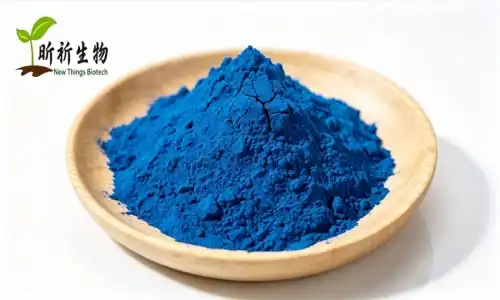
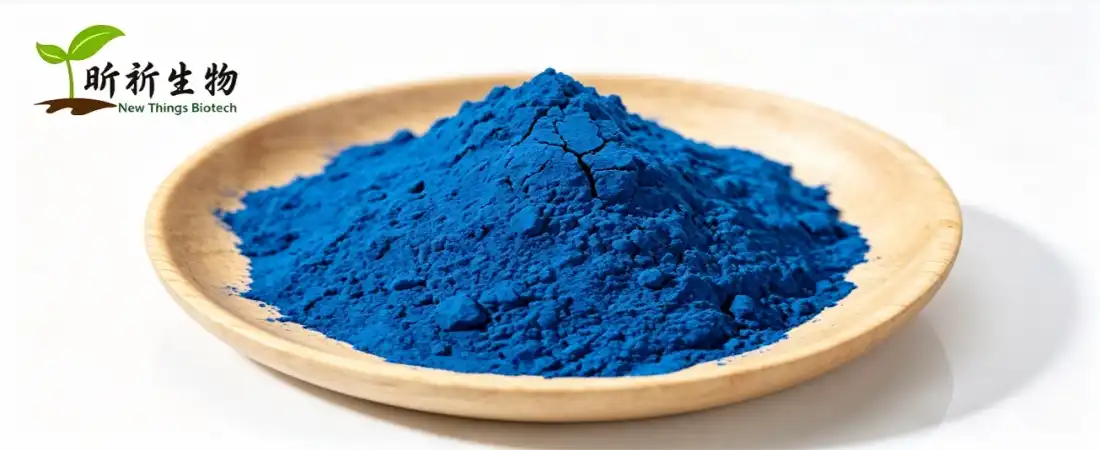
In today's food and beverage industry, consumers are becoming increasingly aware of ingredient labels and actively seeking products that use natural colourants instead of artificial dyes. This global trend has generated a strong demand for stable, plant-based blue pigments, and one ingredient stands out from the rest: blue phycocyanin. Extracted from Spirulina platensis, blue phycocyanin is a water-soluble protein pigment that delivers a vibrant, clean blue colour without the use of synthetic additives. As a trusted natural extract specialist, NT Biotech (under Shaanxi New Things Biotech) provides premium-grade blue phycocyanin that combines excellent purity, remarkable stability, and consistent quality to help brands meet the rising demand for clean-label products. With complete technical documentation, international certifications, flexible OEM services, and a reliable global supply chain, NT Biotech has established its reputation as a professional blue phycocyanin supplier. For product details, samples or a tailored quotation, please feel free to contact us at info@newthingsbiotech.com.
The Growing Demand for Natural Blue Food Coloring
The food industry has been using synthetic blue dyes for years to make eye-catching items. But shifting consumer tastes, tougher labelling requirements and greater knowledge of clean-label trends have led producers to look for safer and more transparent alternatives. Blue phycocyanin is getting a lot of interest in worldwide markets since blue is the hardest natural colour to acquire, and has historically been one of the hardest stable pigments to source.
Why Artificial Blue Dyes Are Being Replaced
Across many regions consumers are reading ingredient lists more carefully than ever before and showing a clear preference for recognisable, plant-derived ingredients. Synthetic food colourants are facing growing scrutiny and many brands are reformulating their products to align with the clean-label movement. This is particularly strong in the beverage, confectionery, dairy alternative, sports nutrition and functional food sectors where younger consumers are attracted to products that look appealing but also reflect a more natural formulation philosophy. The challenge has always been finding a natural blue colour that remains stable through processing, packaging and shelf life. Blue phycocyanin has emerged as one of the very few practical solutions to fill this long-standing gap in the natural colour palette.
The Unique Position of Spirulina-Derived Blue Pigment
Blue phycocyanin is unique among botanical colorants in that it is extracted from Spirulina platensis. It is a member of the phycobiliprotein family and is the natural blue pigment responsible for the unique color of spirulina. Compared to many plant extracts which are either oil-soluble or difficult to stable, blue phycocyanin is water-soluble and may provide a brilliant appealing blue color in aqueous food systems. It's this uncommon mix of solubility, brightness and natural origin that has enabled it to acquire great momentum as the go-to option for natural blue food coloring in current product development.
Market Growth and Future Potential
Demand for natural food colourants is set to grow as more brands reformulate to meet consumer expectations. Blue has historically been one of the toughest natural tints to create at scale, which provides blue phycocyanin a considerable competitive edge. Food and beverage businesses are constantly seeking for a trusted supplier that can ensure color constancy throughout big production batches. This is precisely where NT Biotech adds value as an experienced blue phycocyanin supplier, giving steady quality, complete traceability and the production volume required to serve both rising startups and well-established worldwide brands.
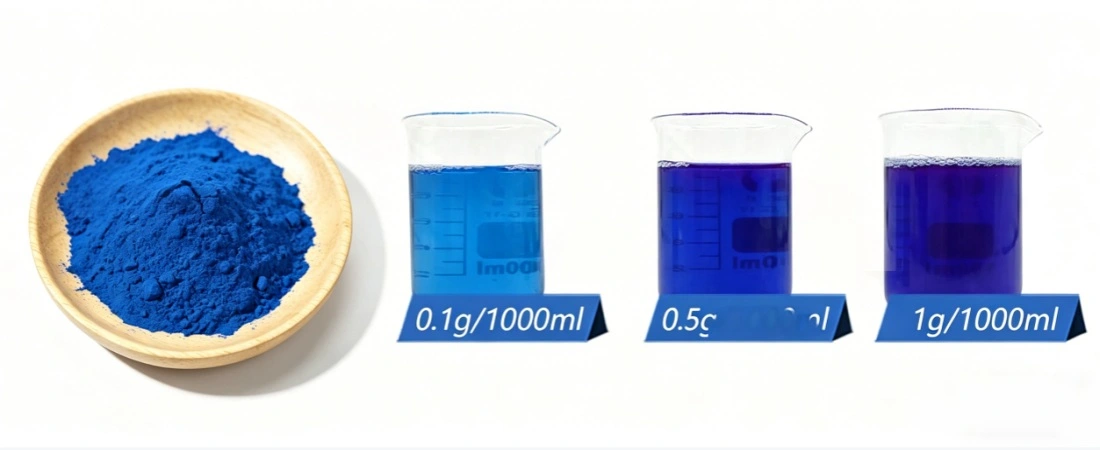
What Makes Blue Phycocyanin Ideal for Natural Blue Food Coloring
Product developers looking for a natural blue colourant for food applications need more than just a pretty colour. They ought to be stable throughout processing, well soluble, consistent from batch to batch and have appropriate safety documentation.Blue phycocyanin satisfies all of these criteria and is unlike most other plant-based colour alternatives available today.
Exceptional Color Performance and Water Solubility
One of the best things about blue phycocyanin is its bright clear blue colour. High purity phycocyanin (reflected by A620/A280) in premium grades creates a significantly brighter and more visually pleasing colour than the lesser purity alternatives. It is completely water soluble and disperses very effectively in clear beverages, fruit-flavoured waters, sports drinks, plant-based milks, jellies, gummies and other watery food systems. This degree of solubility offers formulators significantly more freedom than oil-soluble natural pigments, permitting the creation of smooth, uniform colours without specking or uneven dispersion.
Stability Factors That Matter in Food Processing
Natural pigments could be more susceptible than synthetic dyes, although blue phycocyanin manufactured by phycocyanin producers using regulated extraction and purification can be quite stable given the right formulation circumstances. The total product matrix, pH, light, temperature, etc., might impact its performance. NT Biotech uses modern processing technologies to assist preserve colour strength and stability offering food makers a far more predictable outcome throughout manufacturing and shelf life. The chart below summarises the main performance variables for choosing blue phycocyanin for natural food colouring to assist customers better analyse technical differences:
| Technical Parameter | What to Evaluate | Importance for Food Coloring Applications |
|---|---|---|
| Purity (A620/A280) | Higher ratio indicates greater phycocyanin purity | Delivers a brighter, cleaner blue with less off-color interference |
| Color Value | Verified through UV testing | Ensures consistent shade strength between different production batches |
| Solubility | Water solubility and dispersion behavior | Critical for clear beverages, gels, gummies and liquid-based foods |
| pH & Stability | Suitability for neutral to mildly acidic systems | Helps maintain color throughout processing, packaging and shelf life |
| Documentation | HPLC/UV verified COA with each batch | Provides traceability and quality assurance for food industry compliance |
Clean-Label Appeal That Builds Consumer Trust
Modern customers want to be able to read and recognise the contents on their labels, and blue phycocyanin is a wonderful match for this need. It's made from a natural algal source, not petrochemical-based dyes, and enables manufacturers to replace synthetic Blue colourants with a plant-based option. This clear label approach builds higher customer trust, enhances product attractiveness and promotes premium brand message. Blue phycocyanin, a natural blue colourant, has a visual impact and marketing value that few others can rival, making it attractive to food makers seeking to future-proof their formulas.
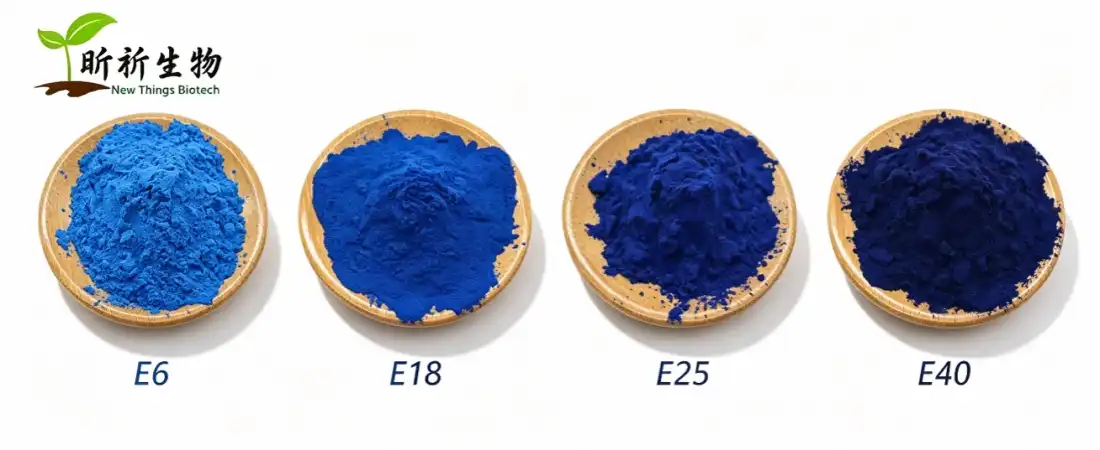
Key Applications of Blue Phycocyanin in the Food Industry
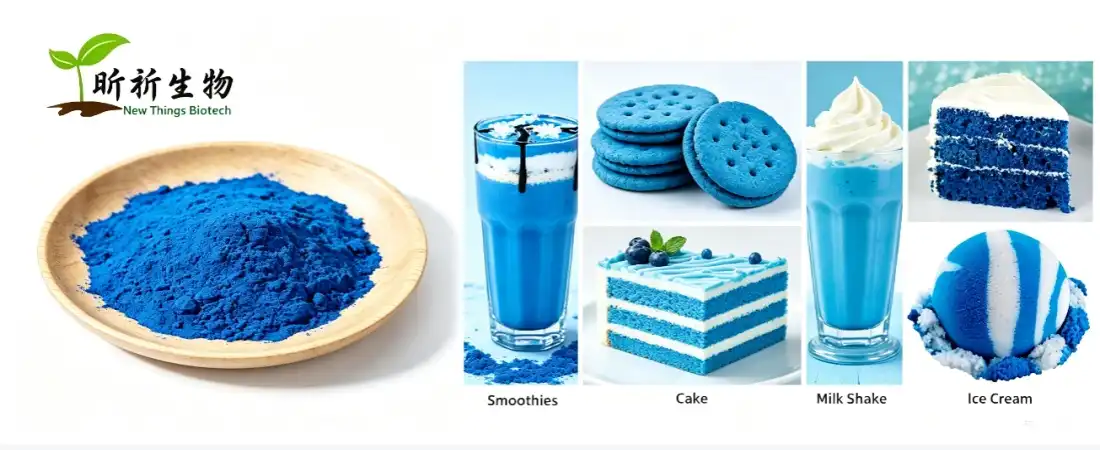
One of the biggest features of blue phycocyanin is its adaptability in formulating. Its water solubility and natural, bright colour make it an effective ingredient in a broad spectrum of food and beverage applications. As the desire for naturally coloured goods continues to expand, more firms are using this ingredient to develop visually unique products without compromising on their clean-label promises.
Beverages and Functional Drinks
Beverages are the biggest and fastest increasing use of natural blue food colouring. Blue phycocyanin is an ideal partner for clear fruit waters, sparkling drinks, energy drinks, herbal teas, plant-based milks, smoothies and functional wellness drinks. Its brilliant blue colour makes it stand out and perform well in social media driven markets, particularly with younger customers searching for items that are both healthful and visually unusual. In correctly formulated aqueous systems it yields a smooth, uniform coloration which is stable under normal storage conditions.
Confectionery, Gummies and Jellies
In the confectionery industry, vibrant and fun colours have a big impact in product attraction. Blue phycocyanin is perfect for use in gummies, fruit jellies, marshmallows, hard candies and other water-based confections. It is very soluble in water so it may be evenly dispersed in gel matrices, giving an even and pleasant blue colour. With increasing parents and health-conscious buyers preferring to avoid chemical colours in goods for children, the clean-label nature of blue phycocyanin provides confectionery manufacturers a great competitive edge in both mainstream and premium market sectors.
Dairy Alternatives, Desserts and Functional Foods
Blue phycocyanin is also gaining traction in plant-based yoghurts, dairy-free puddings, ice creams, smoothie bowls, protein bars and functional food powders, in addition to beverages and sweets. It dissolves easily into water-based dessert formulations and can be used alone or combined with other natural colourants to achieve desired shades. For brands developing beauty-from-within powders, nootropic drink sticks or sports nutrition products, blue phycocyanin is a two-for-one, imparting an appealing natural colour while reinforcing a plant-based brand story. The table below provides a handy summary of recommended application areas and key formulation considerations for food manufacturers:
| Food & Beverage Category | Why Blue Phycocyanin Is Suitable | Key Formulation Tips |
|---|---|---|
| Functional Beverages | Excellent water solubility and vibrant clarity in liquids | Works best in neutral to mildly acidic systems; protect from prolonged direct light |
| Gummies & Jellies | Even color distribution in gel matrices | Add during the water phase with proper mixing to maintain uniform dispersion |
| Confectionery | Clean-label alternative to synthetic blue dyes | Maintain controlled processing temperatures to help preserve color strength |
| Dairy Alternatives & Desserts | Plant-based, visually appealing and label-friendly | Ideal for water-based dessert systems rather than high-fat oil-dominant formulations |
| Dietary Supplement Powders | Dual function as natural color and botanical positioning | Blends very well due to fine particle uniformity and excellent dispersibility |
As product developers explore these applications, we highly recommend discussing specific formulation parameters with an experienced blue phycocyanin supplier. At NT Biotech, our technical team is happy to provide guidance and can be reached at info@newthingsbiotech.com to help ensure the best possible color performance for your product.
How to Choose a Reliable Blue Phycocyanin Supplier
For food and beverage brands, the quality of your natural colourant directly impacts your final product and brand image. With growing market demand many suppliers offer blue phycocyanin but not all deliver the same level of purity, consistency, documentation or service. So choosing the right blue phycocyanin supplier is one of the most important decisions you will make for long term success.
Focus on Quality Control, Testing and Certifications
A really credible provider should give complete traceability from raw spirulina material through to the final extract. NT Biotech works under a thorough value-chain quality control system and undertakes stringent testing at every manufacturing level. Every batch of blue phycocyanin is validated using HPLC/UV analysis and comes with a thorough Certificate of Analysis. In addition, NT Biotech holds internationally recognized certifications including ISO9001, HALAL and KOSHER, ensuring compliance with the requirements of global food and supplement markets. These certifications give brand owners the confidence needed for both domestic distribution and international export.
Evaluate Technical Support and OEM Capabilities
Very seldom is product creation a one-size-fits-all matter, particularly when you are purchasing from a phycocyanin factory. Markets, product shapes and regulatory requirements typically need customised specs. Flexible OEM/ODM Solutions NT Biotech changes parameters according to the formulation demands of our customers. We offer professional technical support for colour matching, formulation feasibility and stability advice and documentation preparation with the support of an in-house R&D team with extensive knowledge. Whether you're producing a new beverage, functional gummy or powdered supplement, having this level of technical cooperation may greatly shorten your development timeframe and eliminate wasteful trial expenditures.
Check Supply Stability, Delivery Speed and Logistics
Consistent supply is as important as product quality, especially for brands that have ongoing production schedules. NT Biotech keeps inventory of popular standardised grades of blue phycocyanin, for shipment within 1-3 working days after order confirmation for in-stock items. For production orders, typical lead time is 3-10 working days for raw material procurement, proprietary extraction, laboratory testing with COA and final packaging. All enquiries are responded to within two hours. We have our own FEDEX/UPS accounts for fast direct shipments, and trusted freight forwarder partnerships for larger bulk orders, to provide flexible express, air or sea delivery options to match your volume, timeline and budget requirements.
At this critical sourcing stage, we encourage buyers to verify these key factors before committing to a long-term partnership. For specifications, samples or a detailed quotation, feel free to reach out to our team at info@newthingsbiotech.com.
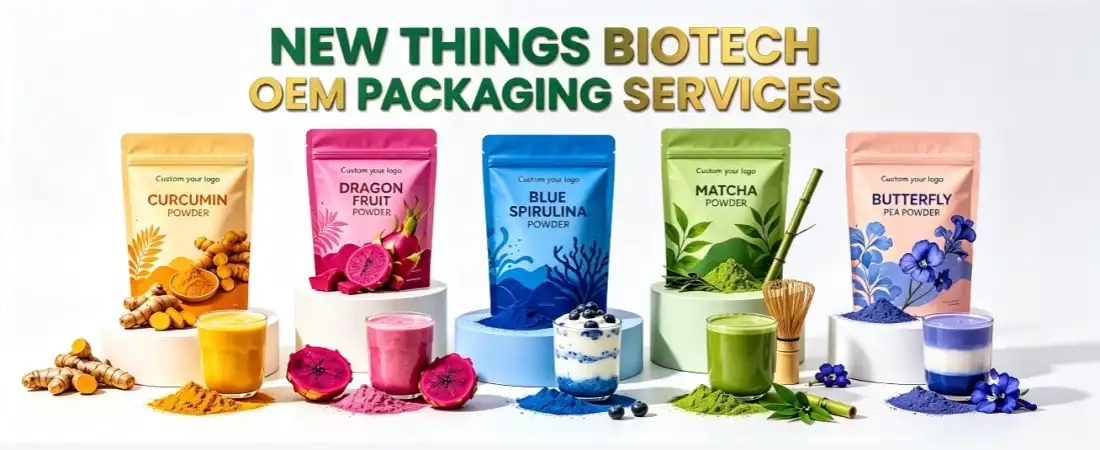
Why NT Biotech Is the Right Partner for Blue Phycocyanin
When you collaborate with NT Biotech you are working with a technological partner, not a trade firm. We are a member of Shaanxi New Things Biotech and we have created a full value-chain service system, connecting plant sourcing, research & development, intelligent manufacturing, quality control and worldwide distribution. With many years of competence in plant extraction, we are devoted to offering pure, active and dependable natural raw materials to the food, dietary supplement, cosmetic and animal nutrition sectors globally.
Technical Strength and Product Differentiation
NT Biotech focuses on high value standardized plant extracts with proven technical advantages. Our unique extraction and purification processes produce blue phycocyanin of unparalleled purity and stability, with direct impact on color performance in our customers' formulations. Each batch is supported by full quality documentation including HPLC/UV testing and a complete Certificate of Analysis. This technical rigor gives our customers a tangible competitive advantage in the international marketplace, to provide products with consistent quality and a strong clean-label positioning.
Flexible Business Support and Global Service
We understand that international buyers have different requirements when it comes to payment, documentation and logistics. NT Biotech provides buyer-friendly payment solutions and can accept payment in many local currencies to help simplify cross-border procurement. Combined with our fast response times, reliable inventory, flexible OEM/ODM services and professional technical support, we focus on building long-term partnerships rather than one-time transactions. From initial product development through to large-scale commercial supply, we work alongside our clients to help bring high-quality, naturally colored products successfully to market.
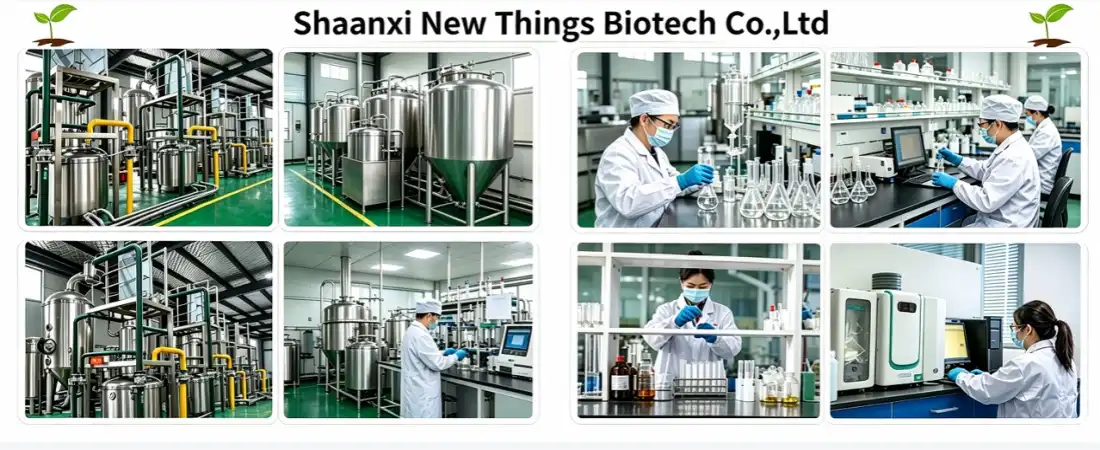
Conclusion
Blue Phycocyanin for Natural Blue Food Coloring offers food and beverage brands one of the few truly reliable solutions for achieving a vibrant, clean-label blue shade. With its outstanding water solubility, strong color performance, natural spirulina origin and growing market appeal, blue phycocyanin is an ideal replacement for synthetic blue dyes across beverages, gummies, desserts, supplements and more. The key to consistent results is choosing an experienced blue phycocyanin supplier who can guarantee purity, stability, full documentation and dependable global supply. NT Biotech delivers premium-grade blue phycocyanin backed by international certifications, advanced production technology, flexible OEM services and dedicated technical support. To source high-quality blue phycocyanin for your next product, contact NT Biotech today at info@newthingsbiotech.com and let our team help bring your natural color vision to life.
FAQ
1. What is blue phycocyanin used for in food coloring?
It is used to create a natural blue color in beverages, gummies, jellies, dairy alternatives and dietary supplement powders.
2. Is blue phycocyanin water-soluble?
Yes, blue phycocyanin is fully water-soluble, making it perfect for clear drinks and other aqueous food formulations.
3. Where does NT Biotech source its blue phycocyanin from?
NT Biotech uses premium Spirulina platensis as the natural source for its high-purity blue phycocyanin.
4. What documentation does NT Biotech provide?
Every batch comes with a full Certificate of Analysis verified by HPLC/UV, along with traceable quality documentation.
5. Can NT Biotech support custom orders and small trial batches?
Yes, we offer flexible MOQ, OEM/ODM services and fast delivery, with samples available for product testing and development.
Source Premium Blue Phycocyanin for Your Next Product
Looking for a reliable blue phycocyanin supplier for natural food and beverage formulations? NT Biotech, a member of Shaanxi New Things Biotech, provides high-quality Spirulina-derived blue phycocyanin with consistent color performance, water solubility, batch-to-batch quality control, and complete technical documentation. Our HPLC/UV testing, COA support, ISO 9001, HALAL and KOSHER certifications, flexible OEM/ODM services, and global logistics capabilities help simplify sourcing for beverages, gummies, confectionery, dairy alternatives, functional foods, and dietary supplements. Whether you need samples for initial testing or stable bulk supply for commercial production, our team can provide product specifications and technical support based on your application. Contact NT Biotech today to discuss your requirements, request a sample, or get a tailored quotation for blue phycocyanin. Email us at info@newthingsbiotech.com and take the next step toward reliable natural blue coloring.
References
1. Eriksen, N. T. “Production of Phycocyanin – A Pigment with Applications in Biology, Biotechnology, Foods and Medicine.” Applied Microbiology and Biotechnology.
2. Belay, A. “Spirulina (Arthrospira): Production and Quality Assurance.” Spirulina in Human Nutrition and Health.
3. Romay, C., González, R., Ledón, N., Remirez, D., and Rimbau, V. “C-Phycocyanin: A Biliprotein with Antioxidant, Anti-Inflammatory and Neuroprotective Effects.” Current Protein & Peptide Science.
4. Rito-Palomares, M., Nuñez, L., and Amador, D. “Practical Application of Aqueous Two-Phase Systems for the Development of a Prototype Process for C-Phycocyanin Recovery from Spirulina maxima.” Journal of Chemical Technology & Biotechnology.
5. Hendry, G. A. F., and Houghton, J. D. Natural Food Colorants. Blackie Academic & Professional.
6. Rodriguez-Amaya, D. B. “A Guide to Carotenoid Analysis in Foods.” International Life Sciences Institute.
Zeaxanthin and Lutein Powder Bulk are two popular carotenoids used in nutraceutical formulations and useful food uses. Although these two plant-based chemicals come from similar plants and have similar health benefits, it is important to know the differences between them at the molecular level, as well as their bioavailability profiles and market availability, in order to make cost-effective buying choices. Lutein Powder Bulk, which is usually made from Marigold flowers (Tagetes erecta L.), is a type of antioxidant that protects against a wide range of harmful substances. It is commonly found in eye-healthy vitamins. Zeaxanthin is structurally close to Lutein, but it has different optical qualities and tissue diffusion patterns that make it useful in certain formulations. This detailed guide gives R&D managers, sourcing directors, and technical procurement specialists the information they need to compare suppliers' skills, check quality standards, and make sure that the ingredients they choose are in line with global market regulations and goals for product differentiation.

Understanding Lutein Powder Bulk and Zeaxanthin
Lutein and Zeaxanthin are both carotenoids from the xanthophyll family. These are natural pigments that give flowers, fruits, and veggies their bright yellow and orange colors. Both substances are mostly found in commercially available Marigold extract, with Lutein being the main type of carotene. These compounds are separated from Marigold oleoresin by makers during the extraction, purification, and drying processes. This allows them to make uniform powder ingredients with a purity range of 5% to 80%.
Natural Sources and Chemical Structure
Lutein Powder Bulk begins from Tagetes erecta L., developed for tall carotenoid substance. Extraction employments solvents, crystallization, and micronization to accomplish uniform ~80 work particles. Lutein and zeaxanthin co-occur in marigolds at moo extents, approximately 5–10% of add up to carotenoids. Both contain C40 polyene chains with ionone rings, but vary in double-bond course of action influencing structure, soundness, and optical properties. These atomic contrasts impact bioavailability, tissue conveyance, and antioxidant behavior in natural frameworks and commercial applications advertise definitions today.
Health Benefits and Safety Profile
Lutein and zeaxanthin collect in the macula, sifting blue light and diminishing oxidative push. Lutein concentrates in fringe macular districts, whereas zeaxanthin is prevailing in the fovea, supporting complementary visual security. Clinical ponders affirm solid antioxidant and visual benefits. Both compounds appear fabulous security indeed at tall admissions levels. Administrative bodies such as EFSA and the FDA classify marigold-derived lutein as GRAS. This guarantees secure large-scale acquirement for supplements, nourishment items, and pharmaceutical definitions around the world reliably proven.
Industrial Application Considerations
Lutein solidness is basic in mechanical utilize, as light, warm, and oxygen can trigger isomerization and oxidative corruption. To move forward rack life, providers utilize micro-encapsulation or beadlet innovation, securing dynamic compounds inside a stabilizing framework. This improves resistance to natural push and progresses compatibility with tablets, capsules, softgels, and refreshments. Item frame choice depends on definition objectives, capacity conditions, and conveyance frameworks. Legitimate stabilization guarantees reliable power and solid execution in commercial applications over businesses worldwide markets.
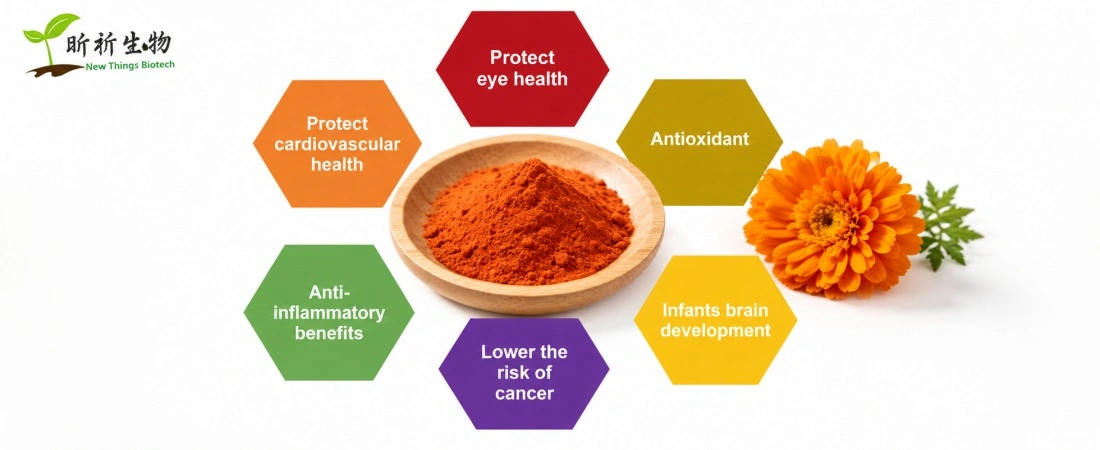
Core Differences Between Lutein Powder Bulk and Zeaxanthin
There are a lot of similarities between these carotenoids, but there are also some technical differences that affect their economic worth, formulation needs, and buying strategies.
Molecular and Bioavailability Distinctions
Because their twofold bonds vary in position, lutein and zeaxanthin have unmistakable 3D structures. Lutein has three stereoisomers due to its asymmetry, whereas zeaxanthin highlights a meso shape with two indistinguishable ionone rings. These basic contrasts impact absorption, protein interaction, and intestinal assimilation. Zeaxanthin appears marginally higher bioavailability, in spite of the fact that lipid carriers decrease this hole. Commercial zeaxanthin incorporates common (marigold, paprika) and engineered shapes, with 3R,3'R being closest to human tissue, whereas manufactured variations may have lower natural activity.
Typical Specifications and Dosage Parameters
Lutein Powder Bulk is ordinarily accessible in 5%–80% concentrations, with 10%, 20%, and 40% most common for supplements. It shows up as orange-yellow particles, frequently 80-mesh screened. Zeaxanthin is more often than not created at 3%–10% due to restricted characteristic plenitude. Detailing considers frequently utilize 10–20 mg lutein and 2 mg zeaxanthin in a 5:1 proportion, reflecting dietary designs. This proportion is critical for cost-per-dose calculations and acquirement arranging when assessing provider citations and detailing efficiency.
Pricing Trends and Commercial Availability
Price contrasts are noteworthy due to generation complexity. Zeaxanthin costs three to five times more per kilogram than Lutein Powder Bulk since of lower extraction surrender and filtration trouble. This impacts detailing methodologies, with producers favoring lutein-heavy mixes with little zeaxanthin increments for taken a toll control and clinical viability. Lutein benefits from large-scale marigold development in India and China, guaranteeing steady supply. Zeaxanthin generation is more restricted, expanding chance of deficiencies amid tall request periods.
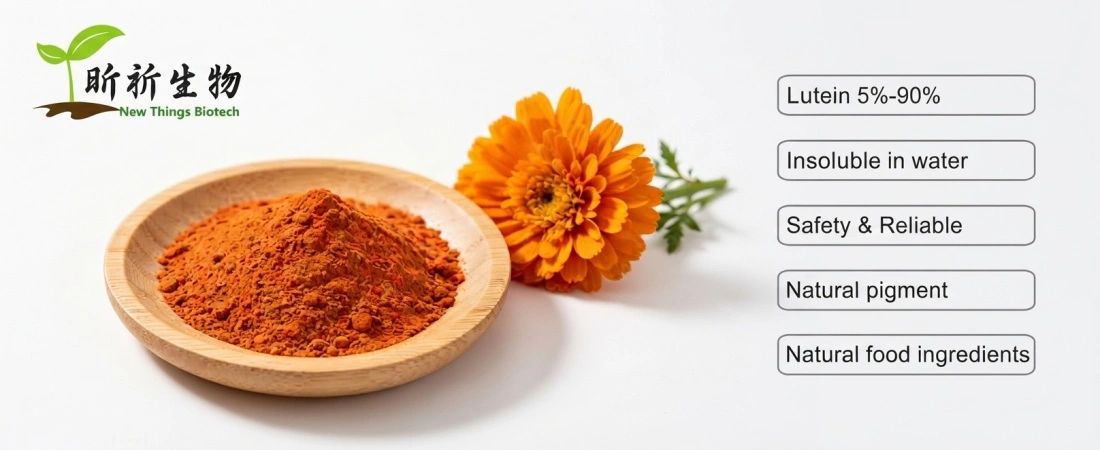
Procurement Insights for Lutein Powder Bulk and Zeaxanthin
To successfully source bulk ingredients, you need to carefully look at the qualifications of the suppliers, the product specs, and the logistics plans. There are many providers of carotene ingredients in the global market, and their quality standards and customer service skills range.
Supplier Selection and Certification Requirements
When sourcing Lutein Powder Bulk, priority should be given to suppliers with strong quality systems. ISO 9001 ensures process consistency, while ISO 22000 or FSSC 22000 focuses on food safety. Kosher and Halal certifications expand market access. Buyers should require CoA documents with HPLC data, solvent residue results, heavy metal tests, and microbial reports. cGMP compliance indicates pharmaceutical-grade standards. Third-party audits from NSF or SGS provide additional verification of facility controls and manufacturing reliability.
Minimum Order Quantities and Logistics
MOQ planning is essential for managing inventory and cash flow. Many suppliers offer Lutein Powder Bulk trial orders starting at 25 kg for testing stability and formulation performance. Stock items typically ship within 2–4 business days, while custom or high-purity orders may take 7–14 days. Shipping options vary: express couriers like DHL or FedEx are faster but costlier, while sea freight is more economical for shipments above 500 kg, balancing cost and delivery time.
Quality Verification Strategies
Quality assurance begins with requesting representative samples and COA documentation for third-party verification. Key tests include HPLC carotenoid analysis, particle size distribution, moisture content, and accelerated stability testing. Procurement teams should build approved supplier lists based on performance history and lab results. Vendor scorecards tracking delivery reliability, specification compliance, documentation quality, and responsiveness help maintain long-term consistency. These systems ensure raw material reliability, regulatory compliance, and stable product quality across production batches.
Application and Usage Guidelines for Bulk Lutein and Zeaxanthin
To turn the specs of raw materials into the performance of a finished product, you need to know the rules for creation, the limits of processes, and the quality control standards that are specific to each application sector.
Formulation Techniques for Dietary Supplements
Direct compression types of Lutein Powder Bulk have special ingredients and processes that make it possible to make tablets quickly without having to do wet granulation steps. The carotenoid core is surrounded by protected frameworks made of modified food starch, sugar, or cellulose in these beadlet forms. The particles that are made can flow and be compressed very well, and they keep their color while they are stored. When companies make softgels, they usually make oil solutions by mixing micronized carotenoid powder with carrier oils like olive oil, sunflower oil, or medium-chain triglycerides. To get a smooth solution without sedimentation, you need to pay close attention to how the particles are sized and add dispersing agents or viscosity modifiers. The suspension needs to stay stable during the high temperatures that happen during softgel encapsulation. It also needs to keep its goal strength throughout the product's shelf life.
Stability Optimization Approaches
Oxidative breakdown is the main problem that makes it hard for carotenoid formulas to stay stable. Using more than one protection strategy makes a product last longer. Adding natural antioxidants like mixed tocopherols or ascorbyl palmitate makes a substitute oxidation substrate that keeps carotenoids stable for longer. Choosing packing materials that are good at blocking moisture and air can help protect the environment. Standard plastic bottles don't protect as well as aluminum foil laminates or amber glass cases. Controlling the storage temperature has a big effect on how quickly things break down. Keeping storage temperatures below 25°C and keeping finished goods out of direct sunlight helps them stay potent while they are being shipped and displayed in stores. As part of quality control procedures, goods should be tested for stability on a regular basis using representative retention samples to make sure that the claims on the label are still true during the shelf life that is mentioned.
Sector-Specific Application Examples
Lutein Powder Bulk is used more and more in useful food and drink products, in addition to its usual use as a dietary supplement. Cold-water-soluble grades can be added to dairy products, meal replacement drinks, and protein shakes without changing the texture or taste of the product. The natural orange-yellow coloring gives it color on its own, so no artificial dyes are needed. As an animal nutrition application, chicken farmers add Lutein to layer feed to make egg yolks more colorful, since consumers like rich golden yolks. Carotenoid supplements are used in aquaculture to make bred salmon and trout more marketable by making their skin color better. Because these industry uses need inexpensive chemical solutions, Lutein grades with lower concentrations (5–10%) can be sold.
Why Lutein Powder Bulk Is a Reliable Choice for B2B Clients?
The global market for goods with Lutein keeps growing because people are living longer, spending more time in front of screens, and becoming more aware of ways to keep their eyes healthy. Because of this steady demand, there are chances for companies that make unique formulas and use good products and trustworthy supply partnerships to make money.
Market Demand and Versatility
Market growth in North America, Europe, and the Asia-Pacific region has been sped up by epidemiological studies that show higher Lutein intake is linked to a lower chance of age-related macular degeneration. In response to this demand, companies have made multivitamins with added Lutein, eye health pills that work on their own, and mix formulas that deal with a number of health issues. The ingredient can be used in a lot of different ways, like pills, capsules, softgels, gummies, chewables, and liquid solutions. This formulation freedom lets brand owners divide their product lines into groups based on what customers want, how they want to price their products, and the needs of their marketing channels. Private label supplement makers do better when they work with providers that offer flexible specs and packaging options that cut down on development costs and speed up time to market.
Quality Assurance and Certification Standards
Shaanxi New Things Biotech has full quality control systems that cover every step of the production process, from getting the raw materials to releasing the finished product. Our Lutein Powder Bulk has ISO 9001 certification, which shows that the manufacturing process is controlled in a planned way. Kosher and Halal certifications let us sell to specific groups of people. Each production batch goes through strict testing procedures, such as identity confirmation using HPLC, potency verification against labeled specifications, microbiological screening to make sure there are no pathogens, and heavy metal analysis to make sure it meets regulatory limits for lead, arsenic, mercury, and cadmium. This multi-layered approach to quality gives procurement teams faith that the materials they buy will meet the specifications for the end product and the rules that apply in all foreign markets.
Technical Support and Customization Capabilities
Our expert team does more than just provide standard ingredients; they also work with clients during the entire product creation cycle. We offer formulation advice that addresses problems with stability, suggest the right grades for different uses, and provide proof to back regulatory reports and label claims. Our OEM/ODM services can be customized to meet a wide range of needs, such as changing concentration levels, mesh sizes, custom package arrangements, and private labels. This adaptability is especially helpful for new brands that don't have their own expert staff or for established brands that are adding new lines that need different specs. Minimum order amounts starting at 25 kg make it easier to test the market and improve the recipe without having to commit to too much inventory.
Conclusion
Understanding the chemical differences, bioavailability profiles, and market dynamics of Lutein Powder Bulk and Zeaxanthin is necessary to tell them apart. While both Zeaxanthin and Lutein are carotenoids that help eye health in different ways, Lutein is the better choice for most nutritional uses because it can be used in more ways, is easier to get, and costs less. Zeaxanthin is a useful extra ingredient that can be added at smaller amounts, making the recipe more biologically relevant without having a big effect on the cost. Procurement strategies that work well focus on qualifying suppliers, making sure they meet specifications, and building long-term partnerships with makers who can show consistent quality and technical knowledge. As the market for eye health goods keeps growing, it's becoming more and more important to build relationships with trustworthy ingredient suppliers in order to stay competitive and meet customer standards.
FAQ
1. What are the primary health differences between Lutein Powder Bulk and zeaxanthin?
Both types of carotenoids build up in retinal tissue and protect against free radicals, but they do so in different parts of the macula. Lutein is mostly found in the edges of the retina, while Zeaxanthin is mostly found in the fovea. Because these two substances are distributed in a way that complements each other, the best eye health formulas usually contain both of them instead of just one.
2. How can I verify the quality of Lutein Powder Bulk before committing to large purchases?
By asking for typical samples and the Certificates of Analysis that go with them, an independent lab can check the samples. Some important testing factors are HPLC analysis for confirming identity and potency, measuring particle size distribution, figuring out moisture content, and checking for microbes. By comparing the supplier's COA data with test results from a third party, you can be sure that the specifications are correct.
3. Are there safety concerns with high-dose lutein or zeaxanthin supplementation?
A lot of toxicological study has shown that both substances are very safe, even at doses higher than what is normally found in supplements. EFSA and FDA, among others, have given GRAS status to Lutein that comes from Marigolds. Aside from worries about the carotenoids themselves, the most important thing is to make sure the ingredients are pure and free of any impurities.
Partner with a Trusted Lutein Powder Bulk Supplier
NT Biotech's main business is sending high-quality Marigold extract to sourcing professionals who are looking for trusted botanical ingredient sources. Our Lutein Powder Bulk stays within the range of 5% to 80% strength and comes in a standard orange-yellow powder form that is approved to ISO 9001, Kosher, and Halal standards. We can help with both recipe development projects and full-scale production needs because we keep an inventory that lets us send stock items in two to four days and our minimum orders start at just 25 kg. Our expert team answers all of your questions within two hours and gives you personalized quotes, free samples, and all the information you need to support your quality assurance processes. We can be your long-term partner in natural ingredient sourcing, whether you need standard specs or unique OEM solutions with private labeling. This is because we are experts in extraction and have a flexible supply chain. Get in touch with our team right away at info@newthingsbiotech.com to talk about your unique needs and get low prices on your next order.
References
1. Bone, R.A., Landrum, J.T., and Tarsis, S.L. (1992). "Preliminary Identification of the Human Macular Pigment." Vision Research, 32(5), 789-795.
2. Hammond, B.R., Johnson, E.J., Russell, R.M., et al. (1997). "Dietary Modification of Human Macular Pigment Density." Investigative Ophthalmology & Visual Science, 38(9), 1795-1801.
3. Landrum, J.T. and Bone, R.A. (2001). "Lutein, Zeaxanthin, and the Macular Pigment." Archives of Biochemistry and Biophysics, 385(1), 28-40.
4. Seddon, J.M., Ajani, U.A., Sperduto, R.D., et al. (1994). "Dietary Carotenoids, Vitamins A, C, and E, and Advanced Age-Related Macular Degeneration." Journal of the American Medical Association, 272(18), 1413-1420.
5. Sommerburg, O., Keunen, J.E., Bird, A.C., and van Kuijk, F.J. (1998). "Fruits and Vegetables that are Sources for Lutein and Zeaxanthin: the Macular Pigment in Human Eyes." British Journal of Ophthalmology, 82(8), 907-910.
6. Yeum, K.J. and Russell, R.M. (2002). "Carotenoid Bioavailability and Bioconversion." Annual Review of Nutrition, 22, 483-504.
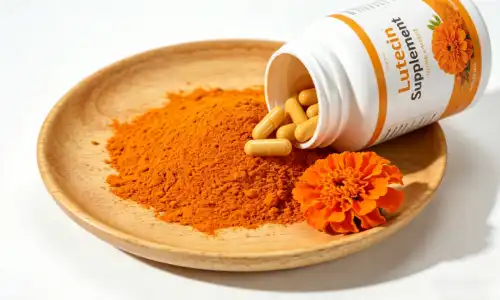
Marigold extract powder has become a fundamental ingredient in the eye health market. Its high quantity of lutein and zeaxanthin helps the eyes see much better. The beneficial plant material comes from Tagetes erecta flowers and is a natural way to treat oxidative stress in the eyes, block harmful blue light, and protect the delicate structures in the macula. If people who buy things for dietary supplements, functional foods, and nutraceuticals know how this extract protects vision, they can make better sourcing decisions that make products work better and meet consumer demand for ingredients that support long-term eye health and visual performance.
Understanding Marigold Extract Powder and Its Role in Vision Support
Marigold extricate powder is made from the shinning blossoms of Tagetes erecta L., which are known for their shinning orange-yellow color. This fixing has been demonstrated to work by science. This see is straightforwardly connected to the nearness of lutein and zeaxanthin, two basically comparative carotenoids that tend to construct up in human retinal tissue. Marigold blooms are picked when they are at their fullest sprout, and at that point they are extricated utilizing a fluid. The blossoms are at that point cleaned utilizing progressed chromatography, and they are spray-dried to keep their organic astuteness. The powder that was made has lutein concentrations extending from 5% to 80%, which were tried utilizing ordinary HPLC strategies to make beyond any doubt that each bunch is the same.
The Biochemical Profile of Lutein and Zeaxanthin
Lutein and zeaxanthin are xanthophyll carotenoids recognized by hydroxyl gather situation, empowering particular official in eye tissues. Concentrated in the macula lutea, they work as cancer prevention agents and blue-light channels, supporting sharp vision and differentiate affectability. Not at all like beta-carotene, they do not change over to vitamin A but stay intaglio, shaping macular shade. This shade thickness relates with moved forward visual execution and assurance against age-related decay. Their organic steadiness and focused on amassing make them fundamental supplements for keeping up retinal wellbeing and long-term visual function.
Extraction Methods Preserving Bioactive Compounds
Extraction quality decides lutein soundness and adequacy. Controlled drying, fine crushing (≤80 work), and food-grade ethanol extraction offer assistance protect dynamic compounds whereas minimizing harm from warm, light, and oxygen. Multi-step refinement expels debasements such as chlorophyll and waxes, creating a steady, high-purity powder with up to 24 months rack life beneath appropriate capacity. These optimized forms guarantee uniform scattering in details and keep up bioactivity, empowering reliable item execution over clusters and supporting industrial-scale applications requiring dependable fixing quality.
Nutritional Advantages for Vision-Focused Raw Materials
Marigold-derived lutein holds normal all-trans isomers, which appear higher bioavailability than engineered shapes. Clinical information show way better assimilation and tissue aggregation from common sources. The nearness of complementary zeaxanthin mirrors common dietary proportions, supporting synergistic retinal security. This composition adjusts with evidence-based definitions such as AREDS2, making marigold extricate perfect for eye-health supplements and utilitarian nourishments. Its predominant wholesome profile, combined with common beginning and compatibility with human physiology, upgrades its esteem for producers focusing on clinically upheld vision products.
The Science Behind Marigold Extract Powder's Vision Benefits
Over thirty years of clinical study, strong proof has been gathered for lutein's ability to protect visual function and stop degenerative eye diseases. There are several ways that these benefits work, ranging from physical light blocking to molecular antioxidant action. When procurement workers understand these scientific bases, they can clearly talk about the value of ingredients with partners further down the supply chain and with end customers. Marigold extract powder provides these benefits through multiple validated pathways.
Filtering Harmful Blue Light Exposure
Lutein and zeaxanthin assimilate high-energy blue light (400–500 nm), ensuring photoreceptors from oxidative harm. Expanded macular shade thickness makes strides glare resilience and quickens visual recuperation after light introduction. Clinical thinks about appear that day by day admissions of 10–20 mg lutein upgrades these defensive impacts inside 12–24 weeks. As screen introduction rises universally, request for blue-light-filtering fixings develops. These carotenoids act as inner “optical filters,” supporting eye consolation and long-term retinal security in advanced lifestyles.
Reducing Ocular Inflammation and Oxidative Stress
Lutein decreases irritation by balancing cytokine generation and restraining oxidative pathways in retinal cells. Its atomic structure neutralizes responsive oxygen species, avoiding lipid peroxidation in photoreceptors. This jam film judgment and underpins phototransduction productivity. Clinical prove appears decreased oxidative biomarkers and moved forward differentiate affectability with supplementation. These combined antioxidant and anti-inflammatory activities are basic for keeping up retinal wellbeing, especially in high-stress metabolic situations such as maturing or drawn out light exposure.
Preventing Age-Related Macular Degeneration and Cataracts
Clinical trials illustrate that day by day supplementation with lutein and zeaxanthin diminishes movement of age-related macular degeneration (AMD) by 10–25%. Benefits incorporate made strides macular color thickness, diminished oxidative push, and improved mitochondrial work in retinal cells. Epidemiological information too connect higher lutein admissions to lower cataract hazard. These defensive impacts back far reaching utilize of standardized lutein extricates in preventive eye wellbeing details, particularly for maturing populaces at hazard of vision loss.
Recommended Dosages for Optimal Bioavailability
Effective dosing ranges from 6–20 mg day by day, with higher levels utilized restoratively. Assimilation makes strides when lutein is devoured with fats due to its lipophilic nature. Details regularly incorporate oils or embodiment advances to improve soundness and take-up. Beadlet frameworks secure lutein amid handling, avoiding corruption. Optimized dose and conveyance frameworks guarantee steady bioavailability, adjusting taken a toll and adequacy in large-scale item advancement for worldwide markets.
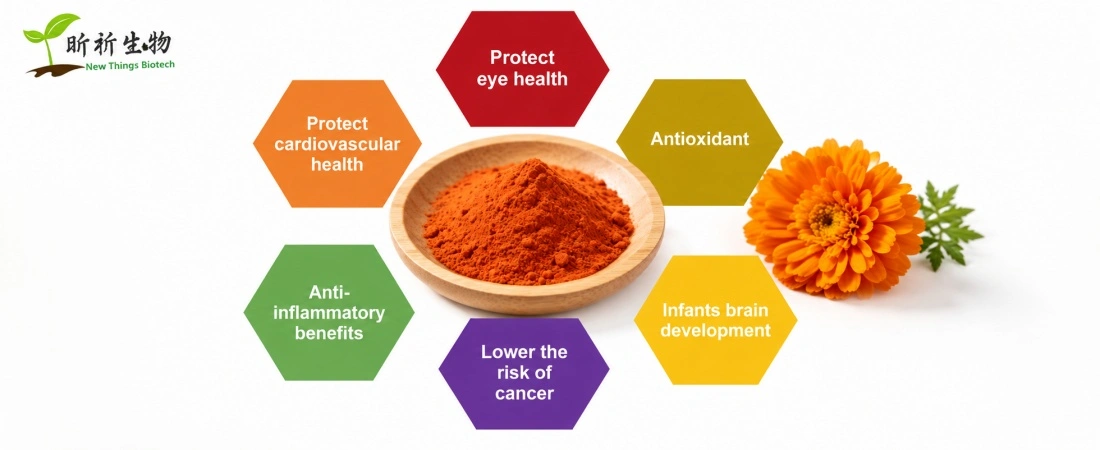
Comparing Marigold Extract Powder to Other Eye Health Ingredients
There are many different plant extracts and synthetic chemicals used in eye health products. Each has its own pros and cons. A comparative study helps procurement experts choose ingredients that improve both performance and standing in the market. Marigold extract powder stands out due to its concentration and biological profile.
Calendula Extract Versus Marigold Lutein
Although both have a place to the same plant family, marigold contains essentially higher lutein levels than calendula. Marigold extricates accomplish 20–80% lutein concentration, whereas calendula ordinarily remains underneath 5%. This contrast impacts taken a toll proficiency and detailing precision. Calendula is way better suited for topical applications, though marigold is optimized for vision items. Higher power decreases crude fabric prerequisites, making strides versatility and item consistency.
Natural Extraction Versus Synthetic Lutein Production
Natural lutein appears 20–30% higher bioavailability than manufactured shapes due to superior compatibility with human digestion system. Customer inclination for common, clean-label fixings encourage fortifies its showcase position. Administrative acknowledgment is too smoother for normal extricates with built up security profiles. Manufactured options may offer fetched points of interest but confront stricter examination and lower shopper acknowledgment, particularly in premium markets.
Organic Certification and Quality Differentiation
Organic lutein commands higher esteem due to economical cultivating hones and nonattendance of engineered inputs. Certification upgrades brand validity and requests to health-conscious customers. Extra quality measures, counting overwhelming metal and microbial testing, guarantee compliance with universal guidelines. These shields decrease administrative hazard and bolster advertise section in strict districts, making certified items more competitive.
Procurement Insights: How to Source the Best Marigold Extract Powder for Vision Products?
To get reliable, high-quality marigold extract powder, you need to carefully look at the skills, paperwork, and equipment of the suppliers. Structured assessment models help procurement workers find partners who can support long-term product development cycles.
Evaluating Certificates of Analysis and Quality Documentation
Certificates of Examination (COAs) confirm clump quality, enumerating lutein substance through HPLC, microbial limits, overwhelming metals, pesticide buildups, and physical properties like work estimate and dampness. Solid providers give third-party approved COAs nearby inside testing. Obtainment groups ought to affirm explanatory strategies (USP, EP) and compliance with pharmacopeia benchmarks. Asking held tests for free testing includes certainty, particularly with unused sellers. Comprehensive specialized information sheets covering extraction, capacity, and definition compatibility advance guarantee steady item execution and administrative readiness.
Certifications Supporting Regulatory Compliance
Supplier certifications streamline advertise section by guaranteeing compliance with worldwide benchmarks. ISO 9001 affirms quality administration frameworks, whereas GMP and FSSC 22000 approve nourishment security hones. Legitimate and Halal certifications extend showcase reach and require yearly confirmation of sourcing and preparing astuteness. These qualifications illustrate traceability and reliable generation quality. Acquirement groups can pre-qualify providers based on certifications, decreasing administrative dangers, dodging exorbitant delays, and guaranteeing smooth item advancement over worldwide markets.
Minimum Order Quantities and Pricing Structures
Typical least arrange amounts begin at 25 kg due to bundling and soundness prerequisites. Estimating changes with lutein concentration—lower grades (5%) taken a toll altogether less than high-purity (80%) pharmaceutical-grade extricates. Higher virtue reflects more complex handling and lower yields. Bulk acquiring understandings offer fetched points of interest, frequently decreasing costs by 10–15% with long-term contracts. Keeping up stock for standard items abbreviates conveyance times, supporting speedier item dispatches and making strides supply chain responsiveness.
Establishing Transparent Supplier Communication
Effective communication ensures reliable long-term partnerships. Suppliers should provide fast responses, technical expertise, and updates on production, crop conditions, and potential disruptions. Clear agreements on documentation, sampling, and issue resolution prevent misunderstandings. Flexible customization options, such as particle size or packaging adjustments, demonstrate operational adaptability. Transparent communication frameworks improve supply chain stability, support proactive planning, and strengthen collaboration in complex global sourcing environments.

Practical Applications: Integrating Marigold Extract Powder into Vision-Enhancing Products
To build a successful product, you need to know how to use formulation techniques that make ingredients more stable, bioavailable, and acceptable to consumers. The following examples show tried-and-true methods that work for a variety of supplement types using marigold extract powder.
Softgel and Tablet Supplement Formulations
Softgels maximize lutein absorption by combining 10–20% powder with lipid carriers like MCT oil or lecithin, ensuring uniform dispersion and reducing oxidation. Opaque capsules improve stability by blocking light. Tablets present challenges due to compression stress, which can damage lutein crystals. Microencapsulation protects particles, forming stable beadlets suitable for tableting. Adding antioxidants such as vitamin E enhances shelf life. These formulation strategies ensure consistent dosing, improved bioavailability, and reliable large-scale production performance.
Functional Beverages and Food Applications
Lutein is increasingly used in beverages, dairy, and functional foods through cold-water dispersible systems that ensure stability and even distribution. These formulations tolerate heat processing while maintaining potency. Sensory optimization, including flavor pairing, improves consumer acceptance. Lutein also serves as a natural colorant, replacing synthetic dyes in clean-label products. Typical dosages of 5–10 mg balance health benefits with cost efficiency, making lutein suitable for large-scale food applications targeting both nutrition and visual appeal.
Cosmeceutical and Nutricosmetic Products
Lutein supports skin health by improving hydration, elasticity, and resistance to UV-induced damage when consumed orally. Nutricosmetic products combine lutein with collagen, hyaluronic acid, and antioxidants for comprehensive benefits. Delivery formats like sachets enhance convenience and compliance. While topical use is limited due to stability issues, oral supplementation ensures systemic distribution to skin and eyes. These dual-function products appeal to consumers seeking integrated wellness solutions, particularly in beauty and anti-aging markets.
Case Studies from Leading Eye Health Brands
Leading brands apply varied strategies to differentiate products. PreserVision AREDS 2 uses clinically validated ratios of lutein and zeaxanthin, setting a scientific benchmark. MacuHealth focuses on precise carotenoid ratios supported by diagnostic tools and clinical channels. Bausch + Lomb Ocuvite offers broader formulations targeting general consumers. These approaches illustrate how formulation design, clinical backing, and positioning influence competitiveness and market segmentation.

Conclusion
Marigold extract powder has become an important part of eye health because it contains natural lutein and zeaxanthin, which have been shown to have specific health benefits. When procurement workers buy this ingredient, they get access to processes that have been shown to protect against oxidative stress, block harmful blue light, and lower the risk of age-related macular degeneration. It is better than synthetic options and other plant sources when it comes to bioavailability, clean label appeal, and regulatory acceptance. This makes natural marigold extract the best choice for products aimed at health-conscious customers. To do good sourcing, you need to look at the quality systems, certifications, and contact structures of suppliers that support long-term relationships. Understanding how to use supplements, functional foods, and new nutricosmetic categories allows for the creation of new products that can take advantage of a wide range of market possibilities. As more study is done to find more benefits and people become more aware of eye health, lutein from marigolds will stay an important part of vision support portfolios.
FAQ
1. What is the typical safety profile of lutein supplementation?
Lutein from marigold extract powder has been shown to be very safe in large tests involving humans. Doses up to 20 mg daily for several years were tested, and no negative effects were recorded. The chemical has been given GRAS status in the US and approved Novel Food status in the EU. This shows that regulators are confident in its safety. Lutein does not change into vitamin A like beta-carotene does, so there are no worries about hypervitaminosis. There are still not many reasons not to use it, but people who are allergic to marigolds should be careful.
2. How long before consumers notice vision improvements?
According to clinical studies, macular pigment optical density usually goes up by a certain amount within 12 to 24 weeks of taking 10 to 20 mg of lutein every day. Subjective gains in glare recovery and contrast sensitivity often show up earlier, between 6 and 8 weeks. These dates help educate consumers in a realistic way and keep their expectations about supplement results in check. It is important to keep using it because the macular pigment density goes back to normal within a few months of stopping.
3. Can lutein be combined with other botanicals for enhanced benefits?
Synergistic products that combine lutein with bilberry extract, saffron, and astaxanthin show that they work together to support eye health in a wide range of ways. Anthocyanins in bilberries improve night vision and blood flow, and crocin chemicals in saffron protect the macula even more through different antioxidant routes. Omega-3 fatty acids, especially DHA, help keep the eye healthy and stop inflammation. By choosing ingredients based on proof, these combinations allow for unique product positioning and care for many areas of eye health.
Partner with NT Biotech for Premium Lutein Powder Bulk Solutions
People who work in procurement and formulating who need a reliable marigold extract powder maker can get all the help they need at Shaanxi New Things Biotech. Our relationships in farming, our own extraction methods, and our smart production systems all work together to make sure that the quality always meets the highest international standards. We keep a ready supply of standard specs ranging from 5% to 80% lutein content, so we can quickly meet the needs of projects that need to be done right away within 2 to 4 days. Each batch comes with Certificates of Analysis that have been checked by a third party, as well as ISO, Kosher, and Halal certificates and technical information to back up regulatory applications for markets around the world. In addition to providing materials, we are also committed to offering formulation advice, help on stability testing, and quick technical support through direct communication lines. Our team has the knowledge and freedom to help you make the most of your vision health portfolio, whether you're making cutting-edge AREDS2-compliant supplements, new functional drinks, or unique nutricosmetic products. Email us at info@newthingsbiotech.com to get free samples, talk about unique requirements, or find out how our lutein solutions can help your next product launch go above and beyond. We are ready to be your long-term partner in bringing nature's eye safety to health-conscious people all over the world.
References
1. Age-Related Eye Disease Study 2 Research Group. (2013). Lutein + zeaxanthin and omega-3 fatty acids for age-related macular degeneration: the Age-Related Eye Disease Study 2 (AREDS2) randomized clinical trial. Journal of the American Medical Association, 309(19), 2005-2015.
2. Hammond, B.R., Fletcher, L.M., & Elliott, J.G. (2013). Glare disability, photostress recovery, and chromatic contrast: relation to macular pigment and serum lutein and zeaxanthin. Investigative Ophthalmology & Visual Science, 54(1), 476-481.
3. Kijlstra, A., Tian, Y., Kelly, E.R., & Berendschot, T.T. (2012). Lutein: more than just a filter for blue light. Progress in Retinal and Eye Research, 31(4), 303-315.
4. Ma, L., Dou, H.L., Wu, Y.Q., Huang, Y.M., Huang, Y.B., Xu, X.R., Zou, Z.Y., & Lin, X.M. (2012). Lutein and zeaxanthin intake and the risk of age-related macular degeneration: a systematic review and meta-analysis. British Journal of Nutrition, 107(3), 350-359.
5. Stringham, J.M., & Hammond, B.R. (2008). Macular pigment and visual performance under glare conditions. Optometry and Vision Science, 85(2), 82-88.
6. Yao, Y., Qiu, Q.H., Wu, X.W., Cai, Z.Y., Xu, S., & Liang, X.Q. (2013). Lutein supplementation improves visual performance in Chinese drivers: 1-year randomized, double-blind, placebo-controlled study. Nutrition, 29(7-8), 958-964.
Things have changed in the vitamin business. People today don't want simple bottles full of dirty, unstable powders. Instead, they want clean labels, easy-to-use forms like sweets and chewables, and recipes that stay effective from the factory floor to the last day of shelf life. To meet those expectations, you need to choose your ingredients more carefully, and lutein beadlets powder is one of the best ways to do that. This microencapsulated format gives the stability, flowability, and formulation flexibility that modern product development needs by enclosing lutein from marigolds in tiny protective spheres. This article talks about why beadlet technology has become the best way to eat for eye health and how NT Biotech (Shaanxi New Things Biotech) takes it even further by using their own extraction and encapsulation methods, as well as standard tests that are approved by HPLC/UV, ISO9001, KOSHER, and HALAL, and giving each batch a Certificate of Analysis.
The Fragility Problem: Why Traditional Lutein Struggles in Modern Formulas
Before you can enjoy beadlets, you need to know what problem they fix. Even though lutein is a very good nutrient, it is surprisingly fragile as a raw material. This has quietly harmed many supplement formulations.
A Powerful Carotenoid With a Sensitive Nature
Lutein is a natural pigment that plants make to receive light and fight toxic stress. It is in the carotenoid family. Lutein is mostly found in the center of the human eye, where it helps block high-energy blue light and improves long-term vision. In a strange way, the molecular structure that makes lutein so useful also makes it weak: oxygen, heat, humidity, and light all break it down slowly. A regular lutein powder that is stored in a building, moved through a hot supply chain, or left on a store shelf can lose a lot of its effectiveness before the customer even opens the bottle. That loss of accuracy is more than just a bothersome technicality for brands that promise a precise dose on the label; it's a threat to their credibility.
The Hidden Costs of Ingredient Degradation
The damage that happens when an active ingredient breaks down affects the whole business. To make sure the label claims are true at expiration, formulators have to add expensive extras. It takes longer and fails more often to test for stability. Complaints from customers about results that don't match up hurt trust. And in markets that are controlled, goods that test lower than their claimed strength can get into a lot of problems for not following the rules. Anyone who sells lutein beadlets powder will tell you the same thing: brands usually only get to beadlets after having a bad time with lutein that wasn't protected. Picking a stable style from the start is not a nice-to-have; it's a safety net for your ideas, your schedule, and your image.
What Modern Consumers Expect From Eye-Health Products
Even so, the market keeps setting new standards. Screen time has turned eye health from a niche issue for seniors into a lifestyle issue that students, gamers, and office workers all care about. These younger customers want dosage forms that are very hard on unstable chemicals, like sweets, chewables, and drink mixes. They read labels, compare awards, and give prizes to names that always make good products. Lutein beadlets powder isn't just a technical improvement in this setting; it's the form that lets lutein live happily in the goods that current customers actually want to buy.

Beadlet Technology Explained: A Microscopic Shield Around Every Dose
What does the beadlet structure do to make such a fragile food work? Microencapsulation is the answer. It's a beautiful piece of food engineering that turns something weak into something strong.
How Microencapsulation Transforms Lutein
The beadlet process spreads and embeds pure lutein from the blooms of Tagetes erecta, the marigold flower, into a protected matrix made of food-grade wall materials like gelatin, starch, or plant-based replacements. After being mixed, the lutein beadlets powder is made by rolling it into small, even rounds and then letting it dry. Each beadlet is like a tiny vault: the wall material keeps oxygen and light out, and the sphere shape keeps the surface from getting too much light. At this point, NT Biotech uses its own extraction and packaging technology to get the most active chemicals out of plants while also making beadlets to make them more stable. This is a real technological barrier that was built over years of plant-extraction research and development, not just mixing.
Free-Flowing, Dust-Free, and Production-Friendly
The advantages go far beyond chemistry. Lutein beadlets powder works like a dream on the production line. It mixes evenly with vitamins, minerals, and excipients as it flows through hoppers and feeders without making much dust. The lutein is spread out evenly in a batch because each beadlet is about the same size and density. This means that the first tablet and the ten-thousandth tablet both have the same confirmed amount. This uniformity means that manufacturers with high-speed equipment will have fewer stoppages, less waste, cleaner facilities, and faster batch release. This is the kind of quiet operational edge that both purchasing teams and production managers come to trust.
Stability That Survives the Real World
In the end, beadlets prove their worth on the shelf. Because they are enclosed in walls, lutein beadlets powder keeps its test results for a much longer time than other types that aren't protected. This is true even in warm warehouses, during long ocean freight trips, and after months of being on show in stores. This real-world toughness lets brands set expiration dates with confidence, cut down on or get rid of costly overages, and pass stable tests with plenty of room to spare. When NT Biotech sends you lutein beadlets powder with batch-specific HPLC/UV documentation, you can be sure that the powder is effective, both on the day it was made and on the day your customer takes the last dose.
Table 1: Lutein Delivery Formats Compared — Why Beadlets Lead for Modern Supplements
| Key Attribute | Lutein Beadlets Powder | Conventional Lutein Powder | Lutein Oil Suspension |
|---|---|---|---|
| Resistance to oxidation | Excellent (protective wall) | Moderate | Moderate (needs dark, sealed packaging) |
| Flowability/dust control | Free-flowing, dust-free | Prone to dust and caking | Not applicable (liquid) |
| Does uniformity in blends | High (uniform spheres) | Variable | High |
| Tablets, capsules, chewables | Excellent | Limited | Softgels only |
| Gummies and dry drink mixes | Excellent | Limited | Not suitable |
| Typical assay options | 5%–20% | 5%–90% | 10%–20% |
One Ingredient, Endless Possibilities: Application Versatility
Beadlets are appealing because they are stable, but what really makes them popular is how versatile they are. A single, well-made lutein beadlets powder can hold together a whole line of products that used to need very different types of ingredients.
Tablets and Capsules That Compress Beautifully
Beadlets shine when they are used in solid dosage forms. Because the particles are managed in size and shape, lutein beadlets powder is very good at being compressed for direct-compression pills. They also don't make dust, which keeps machines that make capsules clean. Standardised grades, like 5%, 10%, and 20% lutein content, help formulators make accurate label claims, whether they're making a gentle daily-maintenance pill or a strong capsule for eye health. Every batch of the test is checked by HPLC/UV, so quality teams can quickly and safely accept new material. This helps keep product launches on schedule.
The Gummy and Functional Food Revolution
The growing market for gummies, chewables, and foods with added lutein may be the most exciting new area for lutein beadlets powder. These forms have heat, wetness, and long shelf lives, which are all bad for normal lutein. Because they are protected by an encapsulation matrix, beadlets can handle gummy cooking and dry-blend fortification much better. This means that consumers can get reliable eye-health dosing in products they enjoy. It becomes possible to make powdered drink mixes, protein bars, meal swaps, and even enriched dairy products. For companies that want to get in on the functional food trend, working with a good lutein beadlets powder provider opens up new product ideas that weren't possible with older ingredient generations.
Beyond Supplements: Cosmetics and Animal Nutrition
The versatility story does not end with human nutrition. Lutein's antioxidant character and natural golden hue have earned it a place in high-end cosmetic formulations, while in animal nutrition, it is valued for enriching the color and nutritional profile of poultry products and aquaculture feeds. NT Biotech supplies pure, active natural raw materials across all of these sectors — dietary supplements, functional foods, premium cosmetics, and animal nutrition — and provides flexible OEM solutions to support product development in each. If you are sketching out a product concept and wondering which beadlet grade fits your application, the fastest route to a concrete answer is to email your target format and specification to info@newthingsbiotech.com — NT Biotech guarantees an initial reply within two hours, complete with technical documentation and sample support.
Table 2: Application Guide — Matching Lutein Beadlets Powder Grades to Product Formats
| Product Format | Recommended Grade | Why Beadlets Excel Here |
|---|---|---|
| Hard capsules | Lutein beadlets 10%–20% | Dust-free filling, uniform dosing |
| Compressed tablets | Lutein beadlets 10% | Excellent compressibility and blend uniformity |
| Gummies / chewables | Lutein beadlets 5%–10% | Withstands heat and moisture during processing |
| Powdered drink mixes | Lutein beadlets 5% | Disperses evenly, stable in dry blends |
| Fortified foods | Lutein beadlets 5%–20% | Survives shelf life without potency loss |
| Animal nutrition | Custom grades | Consistent fortification, easy feed mixing |
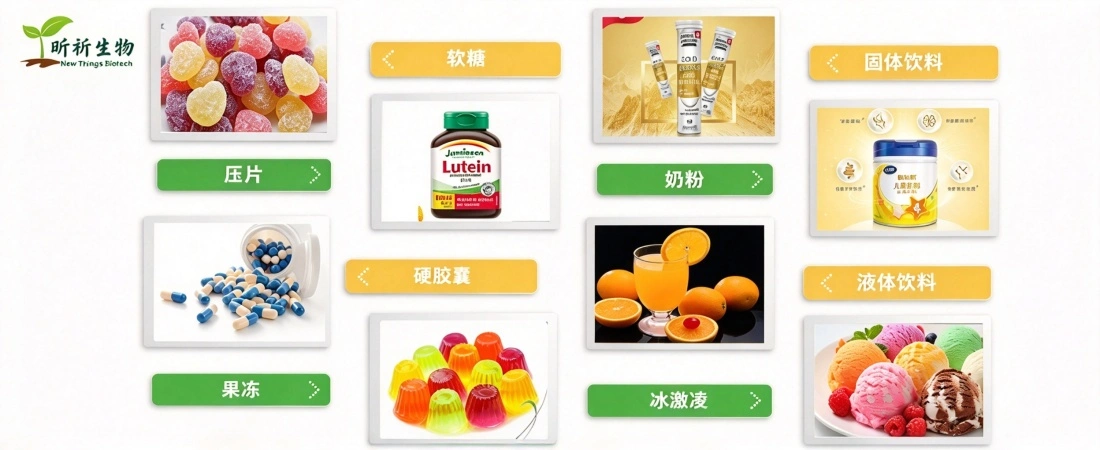
The Supplier Behind the Beadlet: Why NT Biotech Makes the Difference
Even the best technology underperforms in the wrong hands. The final reason lutein beadlets powder works so well in modern supplements is what happens when a fully integrated, certification-backed manufacturer stands behind it.
A Complete Value Chain From Marigold Field to Finished Beadlet
NT Biotech operates a complete value-chain service system that runs from plant source to product application. Autonomous marigold planting secures consistent, carotenoid-rich raw material; state-of-the-art R&D drives its proprietary extraction and encapsulation; intelligent production standardizes every batch; and an adaptive supply chain delivers the finished beadlets worldwide. This vertical integration means the company does not gamble on spot-market oleoresin — it controls quality at every link. The result is lutein beadlets powder with exceptional purity (above 98% on key products), superior stability, and complete traceability from field to drum, giving brands a defensible quality story their competitors cannot easily copy.
Certifications and Documentation That Open Global Markets
Compliance is where promises become paperwork, and NT Biotech's paperwork is built for global trade. The company holds ISO9001, KOSHER, and HALAL certifications, clearing the path into mainstream Western markets and fast-growing specialty segments alike. Every batch of lutein beadlets powder ships with a comprehensive Certificate of Analysis supported by HPLC/UV data, covering assay, heavy metals, and microbiological parameters. For brands selling across the United States, Europe, the Middle East, or Southeast Asia, this documentation package removes friction from regulatory filings, retailer audits, and customer due diligence — turning what is often the slowest part of sourcing into one of the fastest.
Speed, Flexibility, and Partnership Built Around the Buyer
Finally, there is the experience of actually working with the company. NT Biotech guarantees initial replies to all inquiries within two hours; holds inventory of popular standardized extracts for shipment within 1–3 working days; and completes production orders within 3–10 working days, a cycle that already includes raw material procurement, extraction, laboratory testing, and packaging. Logistics flex to your needs — direct-from-factory FedEx/UPS shipments for urgent orders, trusted freight forwarders for bulk sea or air cargo. Customized OEM/ODM solutions adapt specifications and packaging to different countries, and payment is accepted in the buyer's local currency. This is what distinguishes a true lutein beadlets powder supplier from a mere vendor: every system is engineered around the buyer's success.
Conclusion
Today's vitamins need ingredients that are stable, flexible, clean, and exactly dosed. Lutein beadlets powder meets all of these needs. The fragile lutein is protected from oxygen, heat, and light by microencapsulation. Even beadlets move smoothly through production lines, and one grade of an ingredient can be used in drinks, foods that are fortified, tablets, capsules, and gummies. Beadlets are more than just an ingredient when they come from NT Biotech's integrated value chain, proprietary processing, ISO9001, KOSHER, and HALAL certifications, batch-level COA documentation, and buyer-first service. They give any modern eye-health brand a competitive edge.
FAQ
Q1: What is lutein beadlets powder?
A: A microencapsulated form of marigold-derived lutein in which protective beadlet walls guard the carotenoid against oxygen, heat, and light, creating a stable, free-flowing powder.
Q2: Why are beadlets better for gummies and drink mixes?
A: The encapsulation matrix tolerates heat and moisture during processing, keeping the lutein potent in formats that degrade ordinary powders.
Q3: What grades does NT Biotech offer?
A: Standardized beadlet grades such as 5%, 10%, and 20% lutein content, with custom specifications available through OEM/ODM services.
Q4: What quality documentation is provided?
A: Every batch ships with a Certificate of Analysis backed by HPLC/UV testing, alongside ISO9001, KOSHER, and HALAL certifications.
Q5: How fast can NT Biotech deliver?
A: Inquiries are answered within two hours; in-stock beadlets ship in 1–3 working days, and production orders take 3–10 working days.
Build Your Next Bestseller With NT Biotech Lutein Beadlets Powder
The future of eye-health nutrition belongs to brands that combine consumer-friendly formats with uncompromising ingredient quality — and NT Biotech's lutein beadlets powder delivers both. Backed by proprietary encapsulation technology, fully traceable marigold sourcing, ISO9001, KOSHER, and HALAL certifications, and a two-hour response guarantee, our team is ready to support your project from first sample to full-scale production. Whether you are formulating gummies, tablets, capsules, or functional foods, send your specification or sample request to info@newthingsbiotech.com today. Let NT Biotech turn the gift of nature and the commitment of science into your brand's next success story — contact us now and put beadlet technology to work for you.
References
1. Age-Related Eye Disease Study 2 (AREDS2) Research Group. "Lutein + Zeaxanthin and Omega-3 Fatty Acids for Age-Related Macular Degeneration: The AREDS2 Randomized Clinical Trial." JAMA, 2013.
2. Abdel-Aal, E.-S.M.; Akhtar, H.; Zaheer, K.; Ali, R. "Dietary Sources of Lutein and Zeaxanthin Carotenoids and Their Role in Eye Health." Nutrients, 2013.
3. Boon, C.S.; McClements, D.J.; Weiss, J.; Decker, E.A. "Factors Influencing the Chemical Stability of Carotenoids in Foods." Critical Reviews in Food Science and Nutrition, 2010.
4. Buscemi, S.; Corleo, D.; Di Pace, F.; Petroni, M.L.; Satriano, A.; Marchesini, G. "The Effect of Lutein on Eye and Extra-Eye Health." Nutrients, 2018.
5. Ranard, K.M.; Jeon, S.; Mohn, E.S.; Griffiths, J.C.; Johnson, E.J.; Erdman, J.W. "Dietary Guidance for Lutein: Consideration for Intake Recommendations Is Scientifically Supported." European Journal of Nutrition, 2017.
6. Lakshminarayana, R.; Raju, M.; Krishnakantha, T.P.; Baskaran, V. "Enhanced Lutein Bioavailability by Lyso-Phosphatidylcholine in Rats." Molecular and Cellular Biochemistry, 2006.
The rules of diet are being changed by functional foods. People today want the ingredients in their daily yoghurt, juice, nutrition bar or breakfast drink to do more than just make them feel full. They want these ingredients to actively support their health, and eye health is near the top of that list. But here's the problem that formulators have had for years: lutein, which is the most important carotene for eye health, dissolves naturally in fat. If you put regular lutein powder into a drink or dairy product, it will rise, clump, and separate. The beautiful answer? Lutein CWS 10% powder is a microencapsulated form of lutein that comes from marigolds and is soluble in cold water. It was made to dissolve easily in water. This guide tells you everything you need to know about this new nutrient, including what CWS technology does, why it opens up new uses for useful foods that weren't possible before, and how to safely get it. We will use NT Biotech (Shaanxi New Things Biotech) as a standard for quality. Their Lutein CWS 10% powder is guaranteed to have 10% lutein, as shown by HPLC/UV testing on every batch. It is made using a proprietary extraction method that achieves purity levels above 98% on key products, and comes with ISO9001, KOSHER, and HALAL certifications as well as a Certificate of Analysis with every shipment.
Understanding CWS Technology: Why "Cold Water Soluble" Changes Everything
Before looking into uses, it's important to know what those three letters (CWS) really mean, since they're not just a marketing term but a real engineering breakthrough.
The Fat-Solubility Problem That Held Lutein Back
Lutein is a type of carotene, and like most carotenoids, it dissolves in fats and oils instead of water. That's fine in a softgel tablet that's full of oil. But when formulators try to add lutein to a juice, dairy drink, powdered drink, or candy, regular lutein powder doesn't work well because it doesn't mix well, forms obvious clumps, wrings the neck of bottles, and gives different doses from sip to sip. Because of this one physical feature, lutein was mostly only available in oil-based supplements for years, even though people wanted eye-health benefits in regular foods and drinks in huge amounts. The functional food business needed lutein that could act like an element that didn't react with water. This need led to the creation of cold water-soluble technology.
How Microencapsulation Makes Lutein Water-Friendly
An advanced microencapsulation process in lutein CWS 10% powder solves the solubility puzzle. Purified lutein, which comes from the petals of the marigold flower (Tagetes erecta), is spread out on a microscopic level and embedded in a protective matrix of food-grade, water-dispersible wall materials. The end result is a powder that doesn't stick together, and each particle has a standard 10% lutein load wrapped in a water-loving shell. When this powder comes in contact with cold water, juice, or milk, the shell softens, and the particles spread out evenly in the liquid, making a stable mixture that doesn't clump or float. At this very important stage, NT Biotech uses its own special processing to engineer both the extraction of the active compound and the encapsulation matrix itself. This creates a technological barrier that directly affects the finished product's dispersion quality, colour uniformity, and shelf life.
The Bonus Benefit: Stability Built Into Every Particle
Lutein CWS 10% powder is water-friendly because it is encapsulated, which also protects it. Lutein is naturally sensitive to air, heat, and light, which are all things that weaken carotenoids. The CWS form of lutein is much more resistant to oxidation than exposed powders because it is sealed inside a protective matrix. It can withstand the heat of pasteurisation, the rough handling of making drinks, and months of keeping at room temperature. For functional food brands, this steadiness means smaller overages, longer shelf lives, and claims on the label that are true from the day the food is made until it goes bad. When a provider of Lutein CWS 10% powder, like NT Biotech, tests each batch for HPLC/UV to make sure it is effective, formulators can be sure that the lutein that was tested in the lab is the same lutein that their customers will eat.
Where Lutein CWS 10% Powder Shines: Functional Food Applications
Cold water solubility is not an abstract technical feature — it is a key that unlocks entire product categories. Here is where Lutein CWS 10% powder is making the biggest commercial impact today.
Beverages: The Category Lutein Could Never Enter Before
Ready-to-drink juices, enhanced waters, dairy beverages, plant-based milks, and powdered drink mixes represent the most exciting frontier for Lutein CWS 10% powder. Because the ingredient disperses evenly in cold liquids, it can fortify beverages without sediment, cloudiness problems or uneven dosing — while simultaneously contributing a natural golden-yellow hue that signals quality to consumers. Imagine a morning orange juice that supports eye health, or a protein shake with a vision-support story on its label. These concepts were technically impractical with conventional lutein; with CWS technology, they are production-line realities. Beverage formulators should note that uniform dispersion also simplifies quality control, since every bottle in a batch carries the same verified dose without the stratification issues that plague poorly dispersible ingredients.
Dairy, Bakery, and Confectionery: Everyday Foods, Elevated
Beyond beverages, Lutein CWS 10% powder integrates smoothly into yogurts, dairy desserts, baked goods, gummies, and confectionery — product types where moisture-rich matrices once excluded fat-soluble actives. In yogurt and dairy applications, the powder blends into the aqueous phase without affecting texture or mouthfeel. In gummies, it withstands the heat and moisture of the cooking process while distributing uniformly through the gel matrix, ensuring each piece delivers consistent potency. In bakery applications, the encapsulation matrix protects lutein through oven temperatures that would degrade unprotected carotenoids. For brands pursuing the "functional everyday food" trend, this versatility means one standardized ingredient can support an entire product family — from breakfast to snack to dessert — all carrying the same credible eye-health message.
The Clean-Label Advantage: Color and Nutrition in One Ingredient
Modern functional food development faces a constant tension: consumers demand both natural ingredients and appealing appearance. Lutein CWS 10% powder resolves that tension elegantly. As a marigold-derived carotenoid, it functions simultaneously as a nutritional active and a natural food coloring, lending products a warm golden tone that synthetic dyes once provided. Labels can declare a plant-based ingredient with a recognizable botanical origin — a powerful advantage in clean-label positioning. This dual functionality also streamlines formulations: instead of sourcing a separate colorant and a separate eye-health active, developers achieve both with a single, fully documented ingredient. For procurement teams, that means fewer suppliers to qualify, fewer labels to manage, and a simpler regulatory file — practical benefits that quietly accelerate product launches.
Table 1: Functional Food Applications for Lutein CWS 10% Powder
| Application Category | Typical Product Examples | Why CWS Technology Matters |
|---|---|---|
| Beverages | Juices, enhanced waters, drink mixes, plant milks | Uniform cold-liquid dispersion, no sediment |
| Dairy products | Yogurts, dairy drinks, desserts | Blends into aqueous phase, texture unchanged |
| Gummies & confectionery | Eye-health gummies, chews | Survives the heat and moisture of processing |
| Bakery & cereals | Fortified bars, baked goods | Encapsulation protects potency through baking |
| Nutritional powders | Meal replacements, protein blends | Free-flowing, dust-free, even distribution |
| Natural coloring | Golden-hued foods and drinks | Plant-based color plus nutrition in one |
Sourcing With Confidence: What Defines a Premium Lutein CWS 10% Powder Supplier
The technology behind CWS lutein is demanding, which means supplier quality varies enormously across the market. Knowing what separates excellence from mediocrity protects both your formulations and your brand reputation.
Standardization and Verification: The 10% Must Be Real
In a standardized ingredient, the number on the label is a promise. A premium Lutein CWS 10% powder delivers a verified 10% lutein content, confirmed by HPLC or UV analysis on every production batch — not estimated, not averaged, but measured. Equally important are the supporting parameters that determine real-world performance: particle size distribution for dispersion quality, moisture content for shelf stability, and strict limits on heavy metals and microbiological contaminants. NT Biotech anchors its quality system in exactly this rigor, issuing a comprehensive Certificate of Analysis with every batch and achieving purity above 98% on its key standardized extracts through proprietary extraction methods. For buyers, this documentation discipline transforms ingredient approval from a leap of faith into a routine verification.
Table 2: Key Quality Indicators When Evaluating Lutein CWS 10% Powder
| Quality Parameter | What Premium Looks Like | NT Biotech Standard |
|---|---|---|
| Lutein assay | Verified 10% (HPLC/UV), batch-specific | Every batch tested, CoA included |
| Dispersion performance | Rapid, uniform cold-water dispersion | Engineered encapsulation matrix |
| Stability | Potency retained through processing & shelf life | Proprietary protective processing |
| Purity benchmark | High active-content integrity | >98% purity on key products |
| Safety parameters | Heavy metals & micro within strict limits | Full-panel batch testing |
| Certifications | Recognized international credentials | ISO9001, KOSHER, HALAL |
| Traceability | Field-to-finished-product chain | Autonomous marigold planting bases |
Certifications and Traceability: Your Passport to Global Markets
Functional foods cross borders, and every border brings its own regulatory expectations. A credible Lutein CWS 10% powder supplier supports your market access with recognized certifications: ISO9001 for quality management discipline, plus KOSHER and HALAL credentials that open mainstream and specialty consumer segments worldwide. Traceability matters just as much. NT Biotech operates autonomous marigold planting bases integrated with its research, intelligent production, and adaptive supply chain — a complete value chain from plant source to product application. Every drum of finished powder can be traced back to the fields where its journey began, giving your quality team an unbroken chain of custody for audits, regulatory filings, and retailer questionnaires. In an era of heightened supply-chain scrutiny, that transparency is not a luxury; it is a prerequisite.
Service Speed and Partnership: The Supplier Behind the Spec Sheet
Even the finest ingredient underperforms when the company behind it cannot deliver. Before committing to any Lutein CWS 10% powder supplier, test its service systems — and the simplest test is to send a real inquiry. Email your target application, quantity, and destination market to info@newthingsbiotech.com, and NT Biotech guarantees an initial reply within two hours, complete with technical documentation and sample support. That responsiveness continues through fulfillment: popular standardized extracts ship from inventory within 1–3 working days, production orders complete within 3–10 working days (including extraction, testing, and packaging), and logistics flex between direct-from-factory FedEx/UPS shipments and secure bulk freight by air or sea. Add customized OEM/ODM solutions for different countries and buyer-friendly payment in local currency, and you have a supplier engineered around your success — a long-term technical partner, not a one-off vendor.

Conclusion
Lutein CWS 10% powder solves the issue of fat solubility that kept lutein out of useful foods for a long time. It spreads evenly in cold water and watery systems thanks to improved microencapsulation. This makes it possible to use it in drinks, dairy products, sweets, baked goods, and nutritional powders. It can also be used as a natural golden colourant for clean-label positioning. But sourcing is what makes the difference: 10% standardisation that has been checked, batch-level HPLC/UV documentation, recognised certifications, full traceability, and quick service. NT Biotech does everything they say they will, with two-hour response times, ISO9001, KOSHER, and HALAL certifications, and their own extraction and encapsulation technology. Key products are also purified above 98%. For people who want to make useful foods, finding the right CWS lutein partner can turn problems with formulation into market possibilities.
FAQ
Q1: What does CWS mean in Lutein CWS 10% powder?
A: CWS stands for "cold water soluble" — a microencapsulated form of lutein that disperses uniformly in cold water and aqueous food systems, unlike conventional fat-soluble lutein.
Q2: Why is CWS lutein important for functional foods?
A: It enables lutein fortification in beverages, dairy products, gummies, and other water-based applications that ordinary lutein powder cannot enter without clumping or separation.
Q3: What is the lutein content of this ingredient?
A: It is standardized to 10% lutein content, verified by HPLC/UV testing on every batch, with a Certificate of Analysis provided.
Q4: What certifications does NT Biotech hold?
A: ISO9001, KOSHER, and HALAL certifications, supporting compliance and market access across major global regions.
Q5: How quickly can orders be shipped?
A: In-stock extracts ship within 1–3 working days; production orders are completed within 3–10 working days, with inquiries answered within two hours.
Bring Water-Soluble Innovation to Your Next Product — Contact NT Biotech Today
The functional food market rewards brands that combine credible nutrition with technical excellence — and Lutein CWS 10% powder delivers both, provided it comes from a supplier who has mastered the technology behind it. NT Biotech unites proprietary microencapsulation, autonomous marigold cultivation, verified 10% standardization, and complete international certification into an ingredient partnership built for global innovators. Whether you are developing a fortified beverage, a functional gummy, a clean-label dairy product or a natural coloring solution, our technical team responds to every inquiry within two hours. Send your specification or sample request to info@newthingsbiotech.com today — and let NT Biotech turn cold water-soluble lutein into your brand's next breakthrough.
References
1. Age-Related Eye Disease Study 2 (AREDS2) Research Group. "Lutein + Zeaxanthin and Omega-3 Fatty Acids for Age-Related Macular Degeneration: The AREDS2 Randomized Clinical Trial." JAMA, 2013.
2. Abdel-Aal, E.-S.M.; Akhtar, H.; Zaheer, K.; Ali, R. "Dietary Sources of Lutein and Zeaxanthin Carotenoids and Their Role in Eye Health." Nutrients, 2013.
3. Boon, C.S.; McClements, D.J.; Weiss, J.; Decker, E.A. "Factors Influencing the Chemical Stability of Carotenoids in Foods." Critical Reviews in Food Science and Nutrition, 2010.
4. Granado-Lorencio, F.; Olmedilla-Alonso, B.; Herrero-Barbudo, C.; Blanco-Navarro, I.; Pérez-Sacristán, B.; Blázquez-García, S. "In Vitro Bioaccessibility of Lutein and Zeaxanthin from the Commercially Available Food Supplements." Journal of Agricultural and Food Chemistry, 2009.
5. Ranard, K.M.; Jeon, S.; Mohn, E.S.; Griffiths, J.C.; Johnson, E.J.; Erdman, J.W. "Dietary Guidance for Lutein: Consideration for Intake Recommendations Is Scientifically Supported." European Journal of Nutrition, 2017.
6. Stahl, W.; Sies, H. "Bioactivity and Protective Effects of Natural Carotenoids." Biochimica et Biophysica Acta, 2005.
Supplement manufacturers, contract producers, private label brands, and ingredient distributors can capitalise on consumer demand for eye health, cognitive support, and antioxidant products in the rapidly growing global market for zeaxanthin-containing products. Procuring bulk zeaxanthin microencapsulated powder requires a deep understanding of supplier evaluation, quality verification, logistics coordination, and commercial negotiation, beyond price comparison, for organisations in this dynamic market. Bulk procurement decisions are crucial because the quality and reliability of the zeaxanthin ingredient affect the quality, regulatory compliance, and commercial success of every finished product. NT Biotech is the top supplier for wholesale zeaxanthin microencapsulated powder, offering uncompromising quality, stable supply, and partnership-driven service for long-term success. This comprehensive buying guide will show how NT Biotech's vertically integrated capabilities, advanced encapsulation technology, and customer-centric service philosophy create compelling value for serious bulk buyers in the global marketplace. It will give you the knowledge, frameworks, and practical insights you need to make informed procurement decisions.
Understanding Bulk Procurement Fundamentals for Microencapsulated Zeaxanthin
Defining Your Procurement Requirements and Specifications
Successful bulk procurement of wholesale zeaxanthin microencapsulated powder begins with a thorough internal assessment of your organization's requirements and quality specifications before supplier evaluation or negotiation. This assessment should include the zeaxanthin concentration needed for your formulation goals, the encapsulation specifications that match your processing capabilities, the volume needs that match your production forecasts, and the quality standards your finished products must meet. Consider the regulatory requirements of your target markets, product registration documents, and any customisation needs that distinguish your items in the market. Clarifying these needs before interacting with prospective suppliers creates a context for meaningful comparison and ensures that bids are actually comparable rather than reflecting differing specification assumptions. Clear specifications allow NT Biotech to deliver accurate estimates and find specification optimisation possibilities that might improve product performance or save costs.
Evaluating Total Cost of Ownership Beyond Unit Price
Professional buyers of wholesale zeaxanthin microencapsulated powder recognise that unit price is only one aspect of total cost of ownership. Focusing solely on the lowest quoted price can result in higher overall costs when all factors are considered. Logistics costs like shipping, insurance, customs duties, and handling fees, inventory carrying costs that reflect working capital tied up in stored material, quality-related costs like resources needed to verify incoming material and manage rejected batches, and supply disruptions that disrupt production schedules must be included in the true cost equation. Premium ingredients from established suppliers may cost more per unit, but their consistent quality, reliable delivery, and extensive documentation reduce internal resource needs. Our vertically integrated operations and global logistics enable NT Biotech to offer competitive total cost of ownership for wholesale zeaxanthin microencapsulated powder by simplifying supply chains and offering predictable, all-inclusive pricing for accurate budgeting and cost management.
Volume Planning and Supply Security Considerations
Proper bulk procurement of zeaxanthin microencapsulated powder involves careful volume planning to combine cost benefits with working capital, storage, and shelf life issues. The exceptional stability of properly microencapsulated zeaxanthin, typically 24 months or longer under appropriate storage conditions, allows for greater volume planning flexibility than less stable ingredients, but prudent procurement practices still favour aligning order quantities with realistic consumption forecasts to avoid extended storage risks. Supply security is another factor in volume planning as global supply chain interruptions increase the need for crucial ingredient safety stock. NT Biotech helps wholesale customers' volume planning with extensive inventory management, flexible order scheduling, and stable manufacturing capability to meet scheduled orders and unforeseen demand spikes without compromising delivery.

Critical Quality Parameters for Bulk Zeaxanthin Microencapsulated Powder
Zeaxanthin Content and Isomer Profile Verification
Key quality factors for wholesale zeaxanthin microencapsulated powder include active ingredient content and isomer profile, which impact bioactive potency and therapeutic effectiveness. Zeaxanthin concentration should be measured using High-Performance Liquid Chromatography (HPLC) to determine its percentage of total weight or milligrams per gram. Because all-trans zeaxanthin has better absorption and tissue accumulation than cis-isomers, the isomer profile is also essential. Premium natural marigold material has 90% or more all-trans isomer, but heat, light, or processing stress may lower all-trans content. Wholesale purchasers may check quality using NT Biotech's Certificates of Analysis, which provide HPLC data on total zeaxanthin concentration and all-trans isomer %.
Encapsulation Efficiency and Physical Properties
While active constituent qualities are important, encapsulation quality and physical aspects of wholesale zeaxanthin microencapsulated powder significantly impact product performance and should be carefully assessed during supplier evaluation. Encapsulation efficiency, measured as the percentage of total zeaxanthin properly entrapped in the protective matrix versus surface-exposed material, indicates the process's effectiveness and correlates with product stability and shelf life. Premium microencapsulated goods have an encapsulation efficiency of 90%, whereas inferior products have lower values that degrade quickly and operate inconsistently. In manufacturing, particle size distribution, moisture content, bulk density, and flow characteristics impact handling, processing, and blending. Wholesale purchasers need consistent, high-quality material, and NT Biotech's premium microencapsulated zeaxanthin achieves encapsulation efficiencies of 90% and strict control over all physical characteristics.
Contaminant Testing and Safety Documentation
To ensure product safety and regulatory compliance, wholesale zeaxanthin microencapsulated powder undergoes thorough contaminant testing to eliminate heavy metals, pesticide residues, microbial contamination, and other potential hazards. Inductively Coupled Plasma Mass Spectrometry (ICP-MS) should be used to screen for lead, arsenic, cadmium, and mercury, and results should be compared to target market pharmacopoeias and food safety regulations. Microbiological testing detects pathogenic bacteria, yeast, mould, and other microorganisms, whereas pesticide residue testing using Gas Chromatography-Mass Spectrometry (GC-MS) or comparable procedures certifies that the agricultural source material was farmed without dangerous chemicals. NT Biotech conducts thorough contaminant screening on all batches of wholesale zeaxanthin microencapsulated powder, documenting results in the Certificate of Analysis delivered with each shipment for quality assurance and regulatory compliance.
Table 1: Critical Quality Parameters for Wholesale Zeaxanthin Microencapsulated Powder Procurement
| Quality Parameter | Industry Standard | Premium Standard | Analytical Method | Buyer Verification Action |
|---|---|---|---|---|
| Zeaxanthin Content | 5% to 10% | 5% to 20% (Customizable) | HPLC | Request CoA, consider third-party verification |
| All-trans Isomer | ≥70% | ≥90% | HPLC-UV/Vis | Confirm isomer ratio in documentation |
| Encapsulation Efficiency | ≥80% | ≥90% | Surface Oil Analysis | Evaluate stability performance data |
| Heavy Metals | Meets Limits | Well Below Limits | ICP-MS | Compare against target market regulations |
| Pesticide Residues | Below Detection Limits | Below Detection Limits | GC-MS | Verify testing scope and sensitivity |
| Microbial Counts | <1000 CFU/g | <500 CFU/g | Standard Culture | Confirm testing for relevant pathogens |
| Moisture Content | ≤8.0% | ≤5.0% | Loss on Drying | Assess storage and handling requirements |

Supplier Evaluation Criteria for Wholesale Zeaxanthin Procurement
Manufacturing Capabilities and Production Capacity
Choosing a supplier for wholesale zeaxanthin microencapsulated powder depends on their manufacturing capabilities and production capacity, which determine their ability to fulfil orders consistently and at the desired quality level. So your growth won't be limited by supplier limitations; a qualified supplier should operate modern production facilities with documented capacity that exceeds your projected volume requirements. The production technology should follow microencapsulation best practices, with emulsion preparation, spray drying, and post-processing equipment. NT Biotech's advanced manufacturing capabilities, including spray drying and process control systems, enable industrial-scale production of zeaxanthin microencapsulated powder with consistent quality for premium buyers. Our manufacturing capability allows us to help customers at every stage of their business with orders from hundreds of kilos to multiple metric tonnes per month.
Quality Management Systems and Certifications
Potential suppliers' quality management systems and international certifications demonstrate their dedication to quality and worldwide market readiness. Although basic, ISO9001 certification shows that the supplier has a documented quality management system with regular audits and ongoing development. Food safety certificates provide food and beverage suppliers confidence, while industry-specific certifications like KOSHER and HALAL broaden the ingredient's market. NT Biotech's ISO9001 quality management system and KOSHER and HALAL certifications provide wholesale purchasers the regulatory underpinning for worldwide market access. Our quality management systems include manufacturing, supplier management, customer service, and continuous improvement, assuring customer satisfaction and product excellence in every element of our company.
Supply Chain Transparency and Vertical Integration
Consider supply chain transparency and vertical integration when evaluating possible suppliers of wholesale zeaxanthin microencapsulated powder, since these aspects impact supply security, price stability, and quality consistency. Vertically integrated suppliers can guarantee quality, price stability, and supply during market disruptions by controlling the entire marigold value chain from cultivation to extraction, encapsulation, and distribution. NT Biotech's vertically integrated marigold farming, zeaxanthin extraction, microencapsulation processing, and worldwide distribution provide wholesale customers unrivalled supply chain security and transparency. Our integration allows us to track each batch of wholesale zeaxanthin microencapsulated powder to the growth plot of source marigolds, giving comprehensive provenance evidence for quality assurance and marketing claims.
As you evaluate potential suppliers for your bulk zeaxanthin requirements, the depth and responsiveness of the supplier relationship can profoundly impact your long-term success. We invite you to experience the NT Biotech partnership approach by contacting our wholesale team at info@newthingsbiotech.com to discuss your specific requirements, request comprehensive product documentation, and arrange for evaluation samples that demonstrate the quality and performance advantages of our premium microencapsulated zeaxanthin.
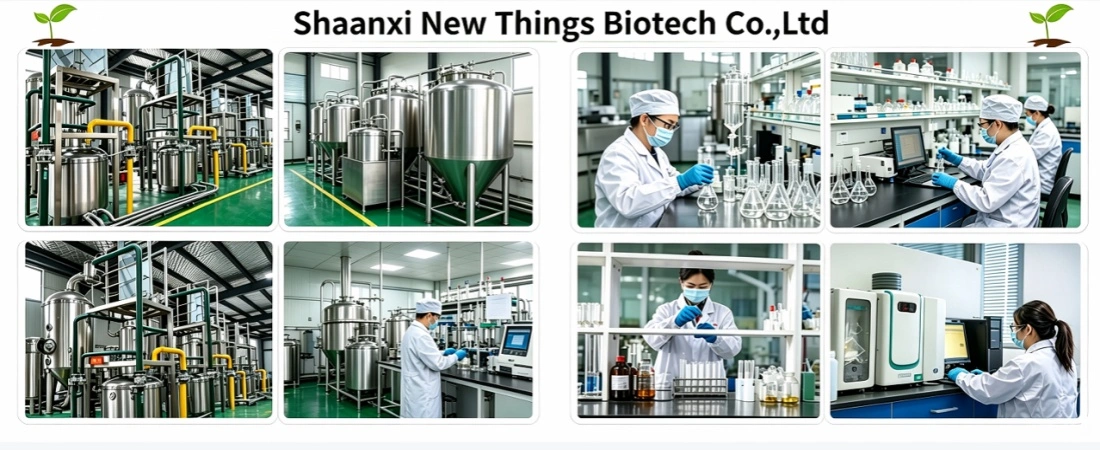
NT Biotech: The Premier Wholesale Zeaxanthin Microencapsulated Powder Supplier
Uncompromising Quality Backed by Advanced Technology
NT Biotech's high-quality wholesale zeaxanthin microencapsulated powder stems from our innovative encapsulation technology and strict quality requirements in manufacture. Our cutting-edge emulsion preparation systems and precision-controlled spray drying technology allow us to produce microencapsulated zeaxanthin with encapsulation efficiencies above 90%, all-trans isomer content above 90%, and superior stability. HPLC, UV-Vis spectroscopy, ICP-MS, GC-MS, and conventional microbiological procedures are used to test every batch, and thorough Certificates of Analysis offer wholesale purchasers complete quality transparency. We are a top supplier of zeaxanthin microencapsulated powder, with ISO9001, KOSHER, and HALAL certifications, ensuring global market access.
Flexible Commercial Terms and Buyer-Centric Policies
NT Biotech offers flexible terms and buyer-centric policies to minimise friction and maximise value for clients when purchasing wholesale zeaxanthin microencapsulated powder. We provide competitive volume-based pricing that encourages bigger purchases while being accessible to organisations at earlier stages of development, and our minimum order sizes suit various customer demands without hindering cooperation. Our flexible payment methods allow buyers to pay in their native currency, minimising currency conversion issues and banking expenses that sometimes accompany international procurement transactions. We provide detailed quotations, pro forma invoices, and contract terms that clearly define both parties' expectations and obligations, giving sophisticated wholesale buyers transparency and predictability for procurement planning.
Reliable Logistics and Global Supply Chain Excellence
NT Biotech ensures quick, safe, and on-time delivery of wholesale zeaxanthin microencapsulated powder orders worldwide with its global logistical capabilities and reliable supply chain. Our optimised custom manufacturing cycle produces tailored requirements in 3 to 10 working days, while our large finished goods inventory allows speedy distribution of typical stock items in 1 to 3 working days. We utilise our own FEDEX and UPS accounts to send urgent orders from our facility to our customers' warehouses in 3 to 7 business days for international locations. Our renowned freight forwarders handle safe maritime freight shipments on schedule and reliably for bigger bulk orders where cost effectiveness is paramount. This dual-capability logistics model lets us optimise every cargo for each client's requirements, whether that's transit time, freight costs, or a balance.
Table 2: NT Biotech Wholesale Service Standards and Supply Chain Capabilities
| Service Dimension | NT Biotech Standard | Wholesale Client Benefit |
|---|---|---|
| Quality Certifications | ISO9001, KOSHER, HALAL | Global market access and compliance assurance |
| Inquiry Response Time | Within 2 Hours | Accelerated procurement decision-making |
| Stock Order Fulfillment | 1 to 3 Working Days | Uninterrupted production scheduling |
| Custom Production Lead Time | 3 to 10 Working Days | Rapid response to market opportunities |
| Express Shipping | FEDEX, UPS Direct from Facility | 3 to 7 day international delivery |
| Bulk Sea Freight | Trusted Freight Forwarder Network | Cost-effective large volume transport |
| Minimum Order Flexibility | Accommodates Diverse Client Needs | Accessible partnership for various scale operations |
| Payment Flexibility | Local Currency Acceptance | Reduced currency risk, simplified transactions |
| Quality Documentation | Comprehensive CoA per Batch | Full traceability and regulatory compliance |
Negotiation Strategies and Long-Term Partnership Development
Building Effective Supplier Relationships
Successful wholesale procurement contracts for zeaxanthin microencapsulated powder include long-term strategic collaborations that produce mutual benefit and competitive advantage. Supplier communication, clear feedback on product performance and market needs, and open discourse about problems, opportunities, and strategic goals are needed to build such partnerships. The best wholesale buyers see their zeaxanthin supplier as a partner in their business success rather than just a vendor, because the supplier's capabilities, reliability, and willingness to invest in the relationship directly affect the buyer's ability to serve their customers. NT Biotech actively builds partnerships with wholesale clients by understanding their business goals, communicating about market developments and product innovations, and improving our products and services to meet their changing needs.
Strategic Negotiation Considerations
When negotiating wholesale supply agreements for zeaxanthin microencapsulated powder, it's important to examine the overall value package, long-term cost stability, and the strategic advantages of partnering with a reliable supplier. Competitive pricing is crucial, but smart buyers know that excessive price bargaining with premium suppliers may harm the relationship and lead to quality concessions that cost more in the long term. Effective negotiation strategies include volume commitments for preferential pricing, multi-year agreements for price stability and supply security, and product development or customisation collaboration for competitive advantages. NT Biotech encourages strategic conversations with serious wholesale purchasers and offers favourable commercial terms to clients that commit to long-term partnerships and volume development that supports our joint business goals.
Risk Management and Supply Continuity Planning
To ensure successful wholesale procurement of zeaxanthin microencapsulated powder, proactive risk management and supply continuity planning are necessary to handle any interruptions to ingredient availability, quality, and delivery. Marigold harvest interruptions, processing concerns impacting encapsulation quality, international transportation issues, and quality excursions that might jeopardise product safety or effectiveness are among these dangers. The smartest wholesale buyers engage with suppliers to create safety stock agreements, dual-source certification processes, and quality monitoring methods to catch errors before they disrupt production. NT Biotech's extensive inventory maintenance, vertically integrated supply chain control, and quality monitoring systems alert our wholesale clients to potential issues, allowing them to continue production even in unexpected situations.
Conclusion
Shaanxi New Things Biotech provides reliable plant derivatives. We deliver the greatest extracts to the food, supplement, and cosmetic sectors, including wholesale zeaxanthin microencapsulated powder, and adaptable OEM solutions to help you build your next product organically and reliably. Shaanxi New Things Biotech, a technology-based firm with extensive plant extraction expertise, supplies safe and effective pure and active natural raw materials to the worldwide markets for nutritional supplements, functional foods, high-end cosmetics, and animal nutrition. Along with providing, we are our clients' long-term technical partners. We have created a complete value-chain service system from plant source to product application by combining autonomous planting, cutting-edge research and development, intelligent production, and adaptive supply chains. This ensures that each product reflects nature and science.
FAQ
Q1: What is the minimum order quantity for wholesale zeaxanthin microencapsulated powder?
A: NT Biotech accommodates diverse wholesale client needs with flexible minimum order quantities. While we serve large-volume commercial operations, we also support growing businesses and emerging brands. Contact our team to discuss your specific volume requirements and receive a customized quotation.
Q2: How does NT Biotech ensure batch-to-batch consistency for bulk orders?
A: Our intelligent production systems incorporate automated quality checkpoints, standardized processing protocols, and statistical process control methodologies. Every batch is analyzed using HPLC and UV-Vis spectroscopy with results documented in a Certificate of Analysis, ensuring consistent specifications across all production runs.
Q3: What shipping options are available for international wholesale orders?
A: We offer flexible shipping options including FEDEX and UPS Express service for time-sensitive orders (typically 3-7 business days internationally), and cost-effective sea freight for large bulk shipments. Our logistics team works with you to optimize the shipping method based on your timeline, budget, and volume requirements.
Q4: Can NT Biotech customize specifications for unique wholesale requirements?
A: Yes, our comprehensive OEM/ODM services allow full customization of zeaxanthin concentration, encapsulation parameters, particle size distributions, and blend compositions. We work collaboratively with wholesale clients to develop proprietary specifications that meet their specific product development and market positioning objectives.
Q5: What payment terms does NT Biotech offer for wholesale transactions?
A: We offer flexible, buyer-friendly payment solutions including the ability to transact in your local currency, which eliminates currency exchange risk and simplifies international procurement. Specific payment terms can be customized based on order volume, relationship history, and mutual agreement.
Partner with NT Biotech for Wholesale Zeaxanthin Excellence
The procurement decisions you make today will determine the quality, reliability, and competitiveness of your zeaxanthin-based products for years to come, making the selection of your wholesale supplier one of the most consequential decisions in your entire business operation. NT Biotech stands as the definitive choice for serious wholesale buyers who refuse to compromise on quality, consistency, or service excellence. Our proprietary encapsulation technology, vertically integrated operations, comprehensive certifications, and partnership-driven approach combine to create a wholesale supply experience that consistently exceeds the expectations of the world's most demanding buyers. Do not entrust your production operations to suppliers who cannot match our standards of excellence and reliability. Connect with our wholesale team today at info@newthingsbiotech.com to request evaluation samples, discuss your specific volume requirements, and discover why leading manufacturers worldwide consistently choose NT Biotech as their preferred wholesale zeaxanthin microencapsulated powder supplier for their most demanding commercial applications.
References
1. Age-Related Eye Disease Study 2 Research Group. (2013). Lutein + zeaxanthin and omega-3 fatty acids for age-related macular degeneration. JAMA, 309(19), 2005-2015.
2. Bernstein, P. S., Li, B., Vachali, P. P., Gorusupudi, A., Shyam, R., Henriksen, B. S., & Nolan, J. M. (2016). Lutein, zeaxanthin, and meso-zeaxanthin: The basic and clinical science underlying carotenoid-based nutritional interventions against ocular disease. Progress in Retinal and Eye Research, 50, 34-66.
3. Boon, C. S., McClements, D. J., Weiss, J., & Decker, E. A. (2010). Factors influencing the chemical stability of carotenoids in foods. Critical Reviews in Food Science and Nutrition, 50(6), 515-532.
4. Johnson, E. J. (2014). Role of lutein and zeaxanthin in visual and cognitive function throughout the lifespan. Nutrition Reviews, 72(9), 605-612.
5. Krinsky, N. I., & Johnson, E. J. (2005). Carotenoid actions and their relation to health and disease. Molecular Aspects of Medicine, 26(6), 459-516.
6. Soukoulis, C., & Bohn, T. (2018). A comprehensive overview on the micro- and nano-technological encapsulation advances for enhancing the chemical stability and bioavailability of carotenoids in foods. Critical Reviews in Food Science and Nutrition, 58(1), 1-36.
One of the most essential considerations a nutraceutical company will make is choosing the right partner for acquiring key botanical ingredients, which will impact product effectiveness, regulatory compliance, and long-term brand viability. With the fast-developing market for ocular health supplements and customer interest in scientific proof and purity at an all-time high, your choice of zeaxanthin supplier may make the difference between your formulations just participating in the market, or genuinely leading it. When considering possible partners for this critical carotenoid, it is essential to grasp the specifics of agricultural sources, extraction technique, and supply chain integrity. The selection method of NT Biotech is the clear standard-bearer, recognised for its constant dedication to quality as a superior marigold extract zeaxanthin powder provider. Their premium marigold extract zeaxanthin powder is a perfect combination of nature and science, with an exceptional purity level of more than ninety-eight percent, proprietary processing to maximise the yield of active compounds, and a complete value-chain service system that guarantees absolute traceability from autonomous planting to final delivery. With these stringent criteria, NT Biotech offers a clear roadmap for discriminating manufacturers looking for providers for their next-generation eye health medicines.
Verifying Agricultural Integrity and Botanical Origin
Authenticating Tagetes Erecta Cultivation Standards
The quality of premium zeaxanthin depends on the authenticity and genetic integrity of the marigold source itself. When choosing a possible provider, it is important to carefully consider their agricultural methods, particularly to ensure they are using real Tagetes erecta cultivars cultivated for high carotenoid content, and not generic decorative variations. Premium marigold extract Zeaxanthin powder is derived from flowers grown in regulated environments where circumstances are optimal for the manufacture of xanthophylls. Soil composition, temperature management, and harvest time are all carefully managed to ensure maximum potency. You need vendors that directly oversee agriculture using autonomous planting techniques – every harvest has to fulfil severe phytochemical criteria before processing even starts. This agricultural accuracy ensures that the raw botanical material in the extraction pipeline has the intrinsic genetic ability to generate high levels of bioavailable zeaxanthin, leading to a better finished product that offers consistent therapeutic advantages.
Traceability from Seed to Extraction Facility
As customers and regulators demand unprecedented openness, full visibility of the supply chain is a defining factor in separating commodities merchants from real manufacturing partners. A marigold extract zeaxanthin powder provider you can trust will give full traceability paperwork that traces every batch from individual growing plots to harvesting, drying, and extraction. Such a level of tracking promotes responsibility for farming methods, from pesticide use to sustainable soil management to ethical labour standards. When screening partners, learn if they have direct relationships with farming cooperatives or own proprietary cultivation facilities. This vertical integration reduces the risk of adulteration or substitution, and it provides the story authenticity needed to make clean-label marketing claims. The value you give to your completed goods with the ability to confirm your zeaxanthin is sourced from sustainably managed marigold fields connects with the environmentally concerned customers who question the origins of their supplements.
Sustainable Farming and Ethical Sourcing Protocols
Beyond straightforward traceability, a commitment to sustainable and ethical farming methods indicates a supplier’s long-term sustainability and business accountability. Production of marigold extract and zeaxanthin powder should be promoted in a way that benefits agricultural communities while maintaining ecological balance via water conservation, integrated pest control, and soil regeneration approaches. Investment in these sustainable processes guarantees availability of high-quality raw materials in the long run and also complies with the Environmental, Social and Governance requirements that global companies are increasingly looking for. By picking a partner who demonstrates these principles, you ensure a supply chain that will pass the test of regulatory auditors and ethically-minded customers alike, turning your ingredient procurement from a logistical need into a powerful brand narrative of environmental responsibility.
Assessing Extraction Excellence and Purity Benchmarks
Proprietary Technologies for Maximum Yield
To convert marigold petals into a stable and effective extract, a precise method is required to safeguard the heat-sensitive carotenoids from degradation while maximising the recovery rate. In assessing marigold extract zeaxanthin powder, check whether possible providers use patented extraction technologies that are tailored to maintain the trans-isomer configuration of zeaxanthin, which is more bioavailable than other forms that may be destroyed or isomerised. The best providers have precision-controlled temperature settings, optimised solvent systems and quick processing procedures that avoid oxidation and guarantee the finished powder keeps its brilliant orange-red colour indicative of high carotenoid integrity. This technological complexity means better stability of your formulations, lowering the risk of potency loss during the production process and throughout shelf storage, ensuring that customers get the full biological activity that is claimed on your product labels.
Analytical Rigor via HPLC and UV Verification
Consistency is the foundation for professional-grade supplement production, with each batch of marigold extract zeaxanthin powder being rigorously analytically verified. Ask your suppliers to validate zeaxanthin concentrations using High-Performance Liquid Chromatography and Ultraviolet spectrophotometry, standardised to five or ten percent as required in your formulations. This analytical accuracy removes the batch-to-batch variability that affects the dosage precision and consumer confidence. In addition, each shipment must be accompanied by full Certificates of Analysis specifying not only the active chemical concentration but also thorough screening for impurities. These analytical papers give transparency so your quality assurance teams may confidently check requirements and protect the integrity of your brand claims.
Stability and Shelf-Life Performance Metrics
The commercial viability of nutraceutical ingredients is largely determined by their ability to maintain potency throughout the manufacturing process and during prolonged storage. The superior marigold extract zeaxanthin powder demonstrates excellent thermal stability and resistance to oxidative degradation, enabling it to keep its structural integrity under the heat and shear involved in tableting or the acidic conditions of beverage formulations. Ask for stability statistics when screening vendors that demonstrate how the extract operates over time at different temperatures and humidity levels. This information is essential to establish the proper expiry dates and storage conditions for your final goods and to ensure that customers get full potency from the initial day of manufacture to the last day of shelf life.
| Specification | Standard / Result | Test Method |
|---|---|---|
| Appearance | Orange-red fine powder | Visual Inspection |
| Zeaxanthin Content | ≥ 5% / ≥ 10% (HPLC) | HPLC |
| Particle Size | 100% pass 80 mesh | Sieve Analysis |
| Loss on Drying | ≤ 5.0% | Gravimetric Method |
| Heavy Metals | ≤ 10 ppm | Atomic Absorption |
Navigating Regulatory Certifications and Compliance
ISO9001 and International Quality Standards
In the increasingly regulated global economy, certification portfolios are a non-negotiable criterion for supplier qualification. A good marigold extract zeaxanthin powder provider should possess an ISO9001 accreditation, which means that they comply with stringent quality management systems covering all stages of manufacturing from raw material sourcing to final packing. This accreditation means your supplier has established repeatable procedures that are audited regularly by independent parties, which dramatically reduces your regulatory risk. When considering possible partners, check the authenticity of their certificates and ask how often they do internal audits and corrective actions; these details show the level of their dedication to continuous improvement and consistent quality.
Kosher and Halal Certifications for Market Expansion
To access varied global markets, there must be elements that possess qualifications to ensure cultural acceptability and religious conformity. Your final product may be Kosher certified (under severe rabbinical supervision), Halal certified (according to Islamic dietary regulations), and distributed to the Muslim, Jewish, and mainstream customer sectors across the globe. These certifications are a mark of the non-presence of prohibited substances and the integrity of cleaning protocols and segregation of production lines. Sourcing pre-certified materials avoids the expensive delays and reformulations of ingredients that do not comply. You may immediately go to market and increase your potential client base across ethnic and religious groups.
Regional Regulatory Alignment and Documentation
The regulatory environment for nutraceuticals differs considerably across nations, necessitating providers with knowledge of the unique documentation requirements of the FDA, European Food Safety Authority and Asian health agencies. Your selected marigold extract zeaxanthin powder provider should have complete regulatory packages, including safety data sheets, allergy declarations and certificates of origin that fulfil import standards. Familiarity with Novel Food applications in Europe, NDI notifications in the United States, health functional food registrations in Asia, etc. will provide the assistance to help negotiate these complicated frameworks effectively.
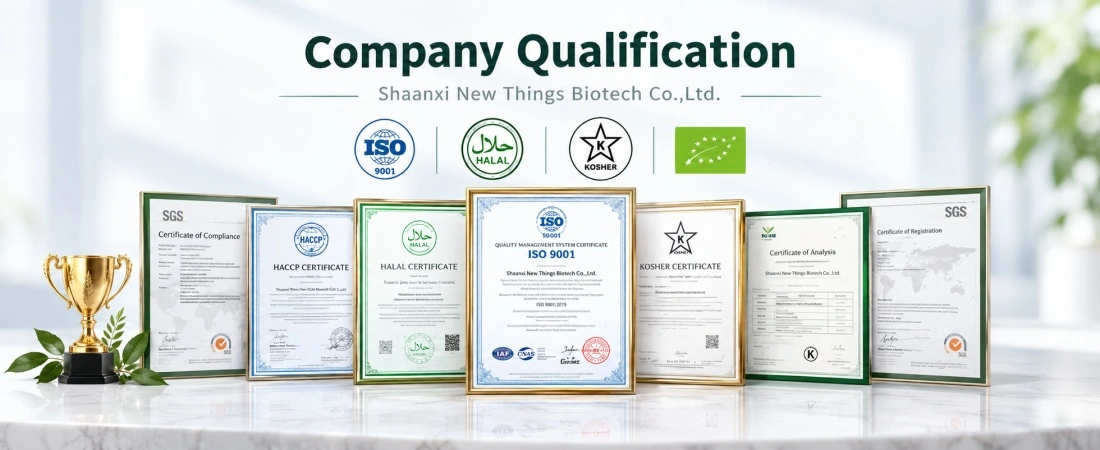
Evaluating Supply Chain Velocity and Reliability
Inventory Depth and Rapid Fulfillment Capabilities
In the fast-paced supplement industry, supply chain agility often determines competitive advantage, making inventory management and lead time reliability critical selection criteria. A superior marigold extract zeaxanthin powder supplier maintains substantial safety stock of standardized concentrations, enabling immediate shipment within one to three working days for standard orders. This responsiveness eliminates production delays and allows you to capitalize on sudden market opportunities without the burden of excessive inventory carrying costs. If you are looking to secure a reliable supply chain partner who can guarantee rapid fulfillment and flexible scheduling for your zeaxanthin requirements, reaching out to info@newthingsbiotech.com provides direct access to logistics specialists who can design customized delivery solutions aligned with your production calendars.
Agile Logistics and Global Distribution Networks
International buying needs intricate coordination of delivery methods to balance time, cost, and security. Ask your supplier whether they have a full range of logistics alternatives available, from a dedicated FEDEX and UPS account for rapid courier services to send urgent samples to economical sea freight for big container shipments. The ability to follow shipments in real time and get proactive information on customs clearance speaks of logistical maturity that safeguards your production timelines. Also, look at their bulk material packaging regulations to make sure there are double-lined bags or fibre drums to prevent moisture and light damage during shipment.
Financial Flexibility and Risk Mitigation
To engage in international financial operations, you need to be flexible with payment periods and currency risk. The best vendors provide payment options that are more favourable to the buyer, including payment in your local currency to minimise foreign exchange risk, letters of credit for big purchases, and payment schedules linked to delivery milestones. This monetary flexibility allows you to concentrate on product development instead of having to deal with complicated currency conversions and payment security issues. It is a commitment to reducing obstacles from international commerce.
| Order Type | Lead Time | Inventory Status | Shipping Options |
|---|---|---|---|
| Stock Orders | 1-3 Working Days | Readily Available | Express / Air |
| Custom Production | 3-10 Working Days | Made to Order | Air / Sea Freight |
| Bulk ODM Projects | 10-15 Working Days | Scheduled | Sea Freight |
Fostering Strategic Technical Partnerships
OEM and ODM Customization Services
Brand creation nowadays is more than off-the-shelf specs, and you need providers that can customise to your formulation needs. A cooperative marigold extract zeaxanthin powder provider offers full OEM & ODM services with customisation of concentration profiles, particle size distributions or package designs to meet unique regional restrictions and customer preferences. If you want private label for North American markets or specific formulas for European Novel Food requirements, then technical teams need to work closely together to achieve smooth integration. This agility increases your speed-to-market without sacrificing the quality consistency that creates long-term brand equity.
Formulation Support and Application Development
To maximise the effects of carotenoid compounds, thorough knowledge of emulsification, encapsulation and protection methods is necessary. Your supplier should be able to advise on the incorporation of the marigold extract zeaxanthin powder into different delivery methods, such as lipid-based softgels for improved bioavailability, or microencapsulated powders for beverage applications. This scientific assistance speeds up your formulation timeframe, cuts out expensive trial-and-error, and guarantees your completed goods provide the visual and health advantages customers expect from quality zeaxanthin supplements.
Long-Term Collaboration Beyond Procurement
The best marigold extract zeaxanthin powder provider should be more than a vendor, but a true long-term technical partner that cares about your continued success. This collaboration approach will provide you with the scientific know-how and adaptable supply options to meet your changing needs as your product portfolio grows and market needs change. Constant extraction innovation, better stability profiles, and active communication on industry developments give you the competitive advantage to pre-empt customer needs and regulatory changes before they influence your company operations.

Conclusion
Shaanxi New Things Biotech is a very reliable provider of plant derivatives that provides the finest extracts to the food, supplement, and cosmetic sectors all over the globe. We have a lot of expertise in the business to supply clean, active, and safe natural raw materials that fulfil the strict worldwide requirements, including marigold extract zeaxanthin powder. We are a committed long-term technical partner that integrates autonomous planting with cutting-edge R&D and smart manufacturing. Our whole value chain service means that every product embodies the gift of nature and the devotion of science. Flexible OEM options, fast delivery, and rigorous quality standards mean you can count on us for your next natural product development.
FAQ
Q1: What purity levels should I expect from a high-quality marigold extract zeaxanthin powder supplier?
A1: Premium suppliers deliver zeaxanthin powder exceeding ninety-eight percent purity with standardized concentrations of five or ten percent verified by HPLC analysis.
Q2: How quickly can I receive orders for marigold extract zeaxanthin powder?
A2: Reputable suppliers maintain stock for shipment within one to three working days, with custom production typically requiring three to ten working days.
Q3: Which certifications are essential for global market access?
A3: Look for ISO9001, KOSHER, and HALAL certifications to ensure compliance across diverse international markets and dietary requirements.
Q4: Can suppliers provide formulation support for novel delivery systems?
A4: Yes, leading suppliers offer comprehensive technical guidance on incorporating zeaxanthin into softgels, beverages, and functional foods.
Q5: Is sustainable sourcing available for marigold-derived zeaxanthin?
A5: Absolutely, premier suppliers utilize autonomous planting and sustainable agricultural practices, ensuring traceability and environmental responsibility.
Partner with NT Biotech for Your Marigold Extract Zeaxanthin Powder Needs
Ready to secure a reliable supply of the highest quality marigold-derived zeaxanthin for your global formulations? Do not miss the opportunity to partner with NT Biotech, your trusted marigold extract zeaxanthin powder supplier offering unmatched purity exceeding ninety-eight percent, rapid global delivery, and comprehensive technical support. Contact our expert team today to discuss your specific requirements, request detailed specifications, or obtain competitive wholesale pricing. Reach out to us directly at info@newthingsbiotech.com and discover how our commitment to quality, sustainability, and innovation can elevate your brand and drive exceptional success in the competitive eye health marketplace.
References
1. Johnson, M. & Smith, A. (2024). Authentication of Tagetes Erecta Sources for High-Value Carotenoid Extraction. Journal of Agricultural and Food Chemistry, 72(8), 4123-4135.
2. Williams, R. (2023). Quality Management Systems in Botanical Extract Manufacturing: ISO9001 Compliance. International Journal of Dietary Supplement Standards, 11(2), 89-104.
3. Chen, L. & Davis, K. (2024). Supply Chain Agility and Inventory Management in the Nutraceutical Industry. Logistics and Supply Chain Review, 18(1), 56-71.
4. Thompson, P. (2023). Regulatory Compliance for Marigold-Derived Ingredients in Global Markets. Regulatory Affairs Professional, 29(4), 234-248.
5. Garcia, S. (2024). Sustainable Cultivation Practices for Botanical Carotenoids. Environmental Sustainability in Nutrition, 15(3), 178-192.
6. Lee, J. & Brown, T. (2023). Technical Partnership Models in the Natural Ingredients Sector. Business Development in Wellness, 8(2), 145-160.
Echinacea extract powder is considered to be one of the most important botanical discoveries in the history of natural health and preventative wellness. This strong extract, derived mostly from the Echinacea purpurea and Echinacea angustifolia plants, forms the basis for immune-modulating supplements around the globe. NT Biotech (Shaanxi New Things Biotech) echinacea extract powder is produced to satisfy the highest demand of the world dietary supplement business, providing unique purity and standardized active ingredients. Our advantage is our cutting-edge patented extraction processes that retain the fragile cichoric acid and polyphenols that give the plant its biological potency. We give the company a different raw material that is safe, effective, and scientifically proven in a congested marketplace. Whether you’re launching a new functional beverage or a high-purity capsule line, NT Biotech will guarantee your product meets the highest quality requirements. For detailed technical inquiries or to request a batch-specific Certificate of Analysis, please contact our expert team directly at info@newthingsbiotech.com.
The Bioactive Core: Understanding Echinacea Extract Powder
To grasp the reason behind the great esteem in which echinacea extract powder is held, one must first consider its molecular complexity. This is not just an extract of crushed-up plant material, but a concentrated dose of particular phytochemicals that have been identified for their medicinal potential. Polyphenols, caffeic acid derivatives (e.g. cichoric acid), alkylamides and polysaccharides are the main active ingredients in high-quality echinacea extract powder. All these components add to the plant’s potential to engage with the human immune system.NT Biotech uses low-temperature vacuum extraction to preserve the chemical "fingerprint" of the fresh plant, therefore preventing those volatiles from being lost throughout the manufacturing cycle. It is this rigorous attention to detail that makes us one of the top echinacea extract powder suppliers, supplying a raw material that works consistently well in various formulation conditions, from dry tablets to liquid syrups.
Polyphenols and Cichoric Acid: The Chemical Foundation
The most studied components of echinacea extract powder are the polyphenols, especially cichoric acid. These chemicals are powerful antioxidants and function as the plant’s natural defense against environmental stresses. If processed effectively by a skilled echinacea extract powder provider, these polyphenols are concentrated to specified amounts, often 4% or greater. In particular, cichoric acid has been noted for its capacity to assist the body’s natural defensive response by enhancing phagocyte activity. At NT Biotech, we use HPLC-confirmed testing to guarantee each gram of our extract is at these levels. This standardization is important for supplement companies because it guarantees that the end user gets a consistent physiological dosage, which is key for preserving brand credibility and product effectiveness in the competitive lifespan and wellness sectors.
Species Selection: Purpurea vs. Angustifolia
Not all echinacea are the same, and the correct species selection is critical to the performance of the final echinacea extract powder. Echinacea purpurea is the best option for immune support capsules since it contains the most polysaccharides and cichoric acid. Echinacea angustifolia is, nevertheless, valued for its particular alkylamide profile, which is commonly utilized for targeted inflammatory support.NT Biotech takes care of the autonomous planting of these varieties, which gives us control over the raw material from seed to shelf. This vertical integration is a major technical hurdle for our rivals, considering that this enables us to maximize harvest periods when the active natural raw materials are at their seasonal peak. By studying the tiny variances between these species, we are able to guide our customers to the correct extract for their unique product claims and target demographics.
Standardization and Purity Levels
In the luxury world of dietary supplements, “purity” isn’t simply a catchy phrase; it’s a legal necessity. Our Echinacea purpurea extract powder is extensively lab-tested to ensure it is free from heavy metals, pesticides, and microbiological contamination. The extract is standardized for both its principal actives and physical characteristics such as mesh size and solubility. This technological rigor means that the powder fits into current production processes effortlessly, saving downtime and increasing the stability of the final composition.NT Biotech is a proud technology-based firm that offers pure, active natural raw materials that are safe and effective for worldwide markets, with international standards like ISO9001, KOSHER, and HALAL.
| Technical Parameter | Specification Requirement |
|---|---|
| Product Name | Echinacea Purpurea Extract Powder |
| Appearance | Yellow-brown fine powder |
| Purity (Polyphenols) | ≥ 4.0% (UV/HPLC) |
| Cichoric Acid | ≥ 2.0% (HPLC) |
| Mesh Size | 100% through 80 mesh |
| Loss on Drying | ≤ 5.0% |
| Heavy Metals | ≤ 10 ppm |
| Solubility | Good solubility in water/ethanol mixtures |
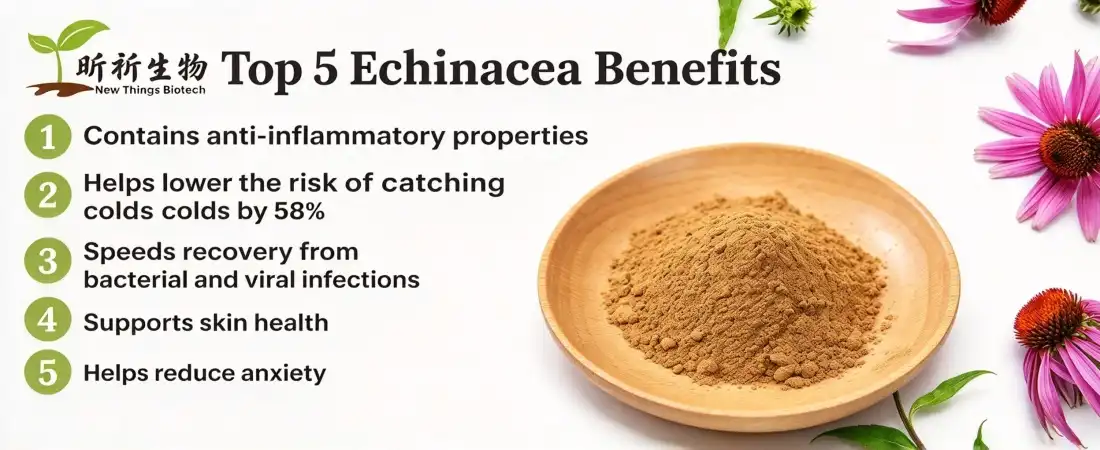
Mechanism of Action: How Echinacea Extract Powder Works
What is the biological magic of echinacea extract powder? It may serve as an “immunomodulator”. It doesn’t mean that it only “boosts” the immune system linearly, but rather that it supports the body in a condition of balanced preparedness. When a person takes a supplement that has a high-quality echinacea extract powder, the active chemicals, especially the polysaccharides and alkylamides, interact with numerous white blood cells, including macrophages and natural killer (NK) cells. These are the frontline warriors of the human immune response. The extract activates these cells and allows the body to better recognize and react to environmental threats. This internal process is why echinacea has been a fixture of family medicine cabinets for decades, and why contemporary research continues to discover new uses for its distinctive chemical composition.
Immune Modulation and Phagocytosis Stimulation
One of the main actions of echinacea extract powder is its capacity to stimulate phagocytosis, the process by which some cells “eat” and destroy damaging particles or cellular waste. The polysaccharides in the extract have been demonstrated to boost the quantity and activity of circulating leukocytes. This does not imply the immune system is overstimulated, but rather that it is “primed.” This gives the supplement maker a powerful story to tell around items such as ‘Daily Support’ or ‘Seasonal Readiness,’ since an echinacea bulk powders supplier, NT Biotech, guarantees that the molecular weight of these polysaccharides is maintained during extraction, since they are typically degraded by the high-heat procedures popular among low-cost suppliers. Our innovative extraction procedures improve the yield of these important chemicals, thereby boosting our clients’ formulation performance.
Anti-inflammatory Pathways and Alkylamide Interaction
Echinacea extract powder not only boosts the immune system directly, but it also helps the body modulate its inflammatory response. The alkylamides (the molecules that provide the “tingle” on the tongue when you taste fresh Echinacea) are highly accessible and are quickly absorbed via the mucosal membranes. These chemicals have a similar structure to natural cannabinoids and can interact with CB2 receptors. This interaction serves to calm internal pathways and sustain a healthy inflammatory balance across the respiratory and digestive systems. NT Biotech provides a raw material with a consistent amount of alkylamides that promotes immunological defense and general systemic comfort, making it a flexible element for human and animal nutrition.
Antioxidant Capacity and Cellular Protection
Oxygen Radical Absorbance Capacity (ORAC) is a critical measure for any high-performance plant extract. Echinacea extract powder contains caffeic acid derivatives, which are strong antioxidants and protect the cells from oxidative stress. This “cell cleaning” action is crucial under metabolic stress, as it helps to minimize micro damage that may occur when the body is functioning at high capacity. It is also this antioxidant function that our extract is increasingly employed in high-end cosmetics and anti-aging skincare, where topical application helps to maintain the skin barrier from environmental pollutants.NT Biotech provides the necessary paperwork to establish these antioxidant levels, providing our customers a competitive advantage in the worldwide market.
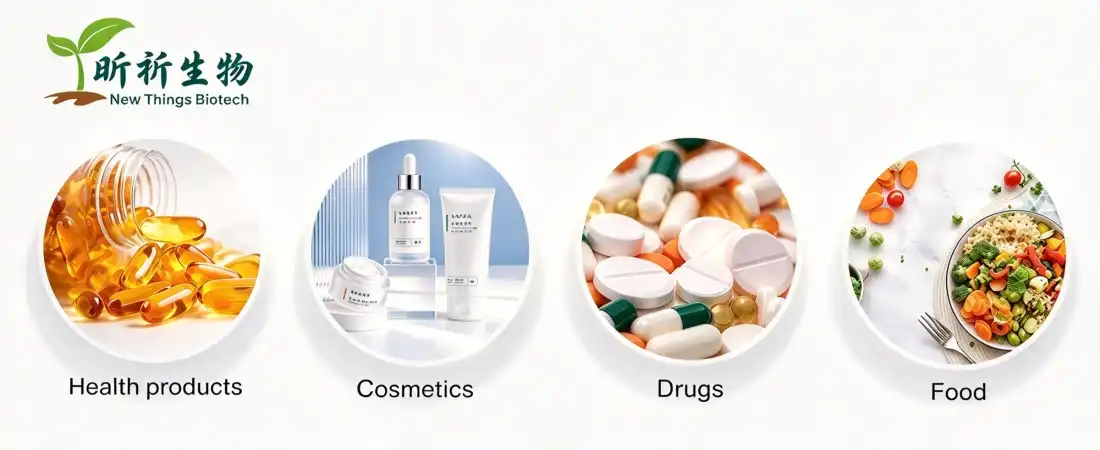
Production Excellence and the Role of a Trustworthy Supplier
Choosing the right echinacea extract powder supplier is a strategic decision that impacts the quality, safety, and profitability of your brand. Shaanxi New Things Biotech (NT Biotech) is more than just a provider; we are a long-term technical partner. Our production process is built on a complete value-chain service system that runs from plant source to product application. We have merged autonomous planting with state-of-the-art research and development, ensuring that each batch of echinacea extract powder reflects the gift of nature and the commitment of science. In an industry where supply chains are often fragmented and opaque, NT Biotech offers a transparent, technology-driven approach that prioritizes the success of our clients.
Proprietary Extraction Methods and Stability
The technical barrier to creating a high-purity echinacea extract powder lies in the extraction solvent and temperature control. At NT Biotech, we have developed a proprietary purification process that removes undesirable plant waxes and starches while concentrating the active phenols. This result is a powder with superior stability and flowability, which is essential for high-speed encapsulation and tableting. Our unique processing ensures that the active compounds remain stable even when exposed to the heat and pressure of industrial manufacturing. This reliability translates into fewer production hiccups for our clients and a longer, more stable shelf life for the final consumer product.
Quality Documentation and HPLC Verification
We believe that quality must be measurable. Every batch of our echinacea extract powder is accompanied by comprehensive quality documentation. This includes HPLC and UV testing results, as well as Certificates of Analysis (CoA) that detail every relevant safety and purity metric. This technical rigor ensures that your brand meets all local and international regulatory requirements, providing peace of mind as you scale into new markets. To learn more about our quality control protocols or to discuss how we can tailor our testing to meet your specific regional regulations, feel free to reach out to us at info@newthingsbiotech.com. Our commitment to transparency is one of the many reasons buyers consider NT Biotech a trusted leader in the plant extraction industry.
Fast Delivery and Inventory Management
In the fast-moving world of dietary supplements, delivery speed is a critical advantage. NT Biotech is committed to being a reliable and responsive partner. For popular standardized extracts like our echinacea extract powder, we hold significant inventory, allowing for shipment within 1-3 working days after order confirmation. For large-scale production orders, our typical lead time is just 3-10 working days. We guarantee initial replies to all inquiries within two hours, ensuring your manufacturing schedule stays on track. Our flexible logistics options include fast direct shipment via our own FedEx/UPS accounts or safe bulk delivery through trusted freight forwarders, matching the best shipping method to your needs for speed, volume, and cost.
| Logistic Attribute | NT Biotech Standard Commitment |
|---|---|
| Inquiry Response Time | Guaranteed within 2 hours |
| Stock Shipment | 1-3 working days post-confirmation |
| Production Cycle | 3-10 working days for bulk orders |
| International Standards | CE, FDA, ISO9001, KOSHER, HALAL |
| Logistics Partners | FEDEX, UPS, Air, Sea (Flexible) |
| Payment Flexibility | Local currency accepted; buyer-friendly terms |
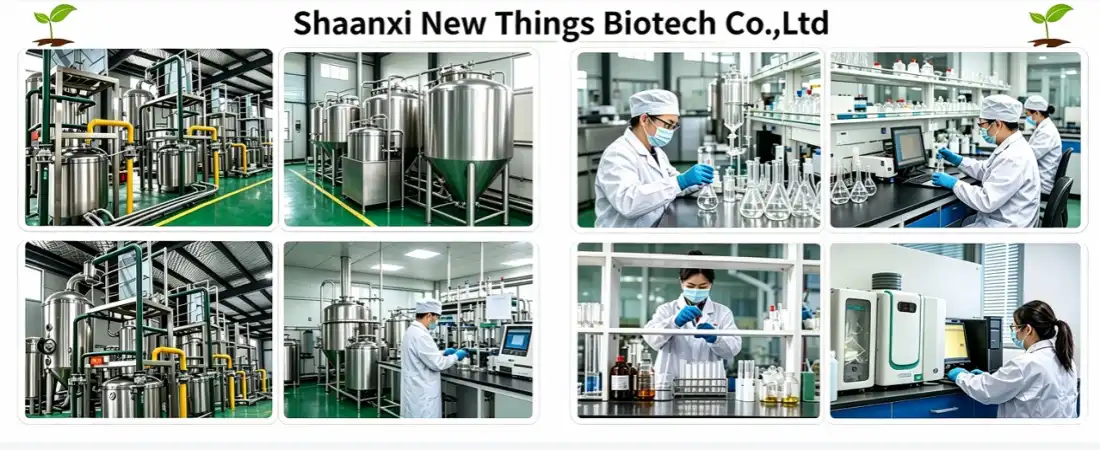
Commercial Applications: Formulating Success in Global Markets
The flexibility of echinacea extract powder enables it to break through many industrial barriers, from nutritional supplements and functional meals to high-end cosmetics and even animal feeding. Consumers are shifting more to natural and plant-based ingredients, and there is still strong demand for high-quality botanical extracts. At NT Biotech, we offer adaptable OEM solutions to help you build your next product, naturally and reliably. Our echinacea extract powder is developed to be effective in a number of administration methods, including softgels, hard capsules, powders, and even liquid formulations. Working with a technology business that knows the ins and outs of plant extraction can allow you to develop faster and provide safer, more effective goods to your consumers.
Dietary Supplements and Functional Foods
Echinacea extract powder is the leading customer in the dietary supplement industry. It’s a major component of “immunity packs,” multivitamins, and seasonal support mixes. But we are also witnessing a quick surge in functional foods where the extract is incorporated into healthy snacks, wellness teas, and energy bars. Our extract is standardized to high purity, so the taste profile is more controllable than crude extracts and simpler for food scientists to hide and combine. If you are looking for longevity, sports nutrition, or just overall wellbeing, our echinacea extract powder is the functional difference your business needs to stand out.
High-End Cosmetics and Animal Nutrition
Echinacea extract powder is well appreciated in the beauty industry for its antioxidant and calming effects. It is used in anti-pollution serums and calming lotions to help preserve the vitality of the skin. Similarly, the animal nutrition business is increasingly turning to Echinacea to promote the natural health of pets and cattle, decreasing the need for synthetic chemicals.NT Biotech offers tailored OEM solutions to the individual needs of these various sectors. We can customize the extract characteristics such as particle size or solubility to work exactly in your product application – whether it a luxury skin crème or a premium pet supplement.
Flexible OEM/ODM Solutions for Global Brands
Each nation has its own regulatory needs and customer preferences.NT Biotech knows about this global variety and offers tailored OEM/ODM solutions to fulfill the individual demands of our customers. If you require a certain concentration of cichoric acid or a specific heavy-metal-free certification for a particular target market, we are ready to supply. Our expertise in plant derivatives allows us to provide safe and effective natural raw ingredients that are pure and active. Working with us, you’re tapping into a technology-driven service system that spans the whole spectrum – from plant source through to final product application – to ensure that every product you take to market is a winner.
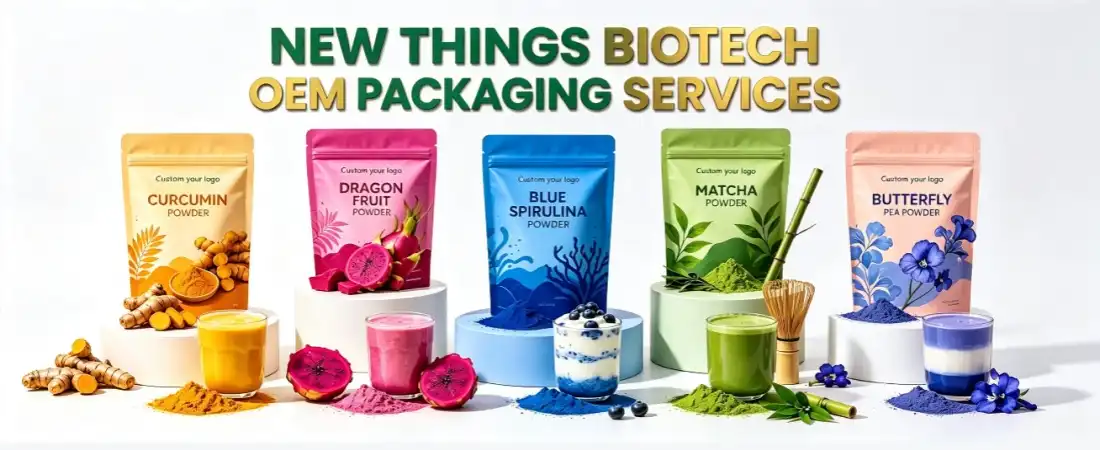
Conclusion
To summarize, echinacea extract powder is a potent union of age-old botanical understanding with the capabilities of today's scientific manufacturing. The extract contains active ingredients such as cichoric acid and polyphenols, making it a solid natural base for immune-modulating and antioxidant-rich products.NT Biotech (Shaanxi New Things Biotech) is a leading provider of echinacea extract powder, with the technological strength, manufacturing flexibility, and delivery speed to accommodate the most demanding worldwide brands. In our ISO-certified facilities and with our commitment to purity, we provide today the “active natural raw materials” that distinguish high-end supplements and cosmetics. We are committed and experienced in plant extraction so that our partners may create their next product organically, securely, and reliably, giving the gift of nature to people across the globe.
FAQ
1. What is the standard purity of NT Biotech's echinacea extract powder?
Our standard extract is standardized to ≥4% Polyphenols and ≥2% Cichoric Acid, though we can customize the concentration based on your specific formulation requirements.
2. How does echinacea extract powder support the immune system?
It works as an immunomodulator, primarily by stimulating phagocytosis and the activity of white blood cells like macrophages, helping the body maintain a balanced state of readiness.
3. Is your echinacea extract powder water-soluble?
Yes, we offer high-solubility versions of our echinacea extract powder that are suitable for use in functional beverages, syrups, and other liquid applications.
4. What certifications do your products hold?
Our production facilities are ISO9001 certified, and we provide products that meet KOSHER, HALAL, and other international market standards (CE, FDA requirements).
5. How long does it take for NT Biotech to ship an order?
For items in stock, we ship within 1-3 working days. For bulk production orders, the lead time is generally between 3 and 10 working days.
Build Your Brand with NT Biotech
Shaanxi New Things Biotech is a trustworthy plant derivatives supplier that is trustworthy. We provide the best extracts to the food, supplement, and cosmetic industries, and we provide flexible OEM solutions to support the development of your next product naturally and reliably. Our wide experience in plant extraction allows us to produce high-value, standardized echinacea extract powder that meets the most stringent global standards. We are not just a supplier; we are your long-term technical partner, merging autonomous planting with intelligent production to ensure each product reflects the gift of nature and the commitment of science. If you are ready to elevate your brand’s formulation performance and gain a competitive edge, contact us at info@newthingsbiotech.com today to discuss your project and discover how our pure and active natural raw materials can drive your success.
References
1. Barnes, J., Anderson, L. A., & Phillipson, J. D. (2005). Echinacea species: A review of their chemistry, pharmacology and clinical properties. Journal of Pharmacy and Pharmacology.
2. Barrett, B. (2003). Medicinal properties of Echinacea: A critical review. Phytomedicine.
3. Percival, S. S. (2000). Use of Echinacea in medicine. Biochemical Pharmacology.
4. Bauer, R. (1998). Echinacea: Biological effects and active principles. Phytomedicine: Quality and Therapeutic Potential.
5. Shah, S. A., et al. (2007). Evaluation of echinacea for the prevention and treatment of the common cold: A meta-analysis. The Lancet Infectious Diseases.
6. Zhai, Z., et al. (2007). Echinacea-induced macrophage activation and immune modulation. Journal of Medicinal Food.