- English
- French
- German
- Portuguese
- Spanish
- Russian
- Japanese
- Korean
- Arabic
- Greek
- German
- Turkish
- Italian
- Danish
- Romanian
- Indonesian
- Czech
- Afrikaans
- Swedish
- Polish
- Basque
- Catalan
- Esperanto
- Hindi
- Lao
- Albanian
- Amharic
- Armenian
- Azerbaijani
- Belarusian
- Bengali
- Bosnian
- Bulgarian
- Cebuano
- Chichewa
- Corsican
- Croatian
- Dutch
- Estonian
- Filipino
- Finnish
- Frisian
- Galician
- Georgian
- Gujarati
- Haitian
- Hausa
- Hawaiian
- Hebrew
- Hmong
- Hungarian
- Icelandic
- Igbo
- Javanese
- Kannada
- Kazakh
- Khmer
- Kurdish
- Kyrgyz
- Latin
- Latvian
- Lithuanian
- Luxembou..
- Macedonian
- Malagasy
- Malay
- Malayalam
- Maltese
- Maori
- Marathi
- Mongolian
- Burmese
- Nepali
- Norwegian
- Pashto
- Persian
- Punjabi
- Serbian
- Sesotho
- Sinhala
- Slovak
- Slovenian
- Somali
- Samoan
- Scots Gaelic
- Shona
- Sindhi
- Sundanese
- Swahili
- Tajik
- Tamil
- Telugu
- Thai
- Ukrainian
- Urdu
- Uzbek
- Vietnamese
- Welsh
- Xhosa
- Yiddish
- Yoruba
- Zulu
knowledge

Powdered butterfly pea flower is a vibrant blue botanical ingredient powdered butterfly pea flower derived from the dried petals of Clitoria ternatea L., processed through low-temperature grinding and micronization to retain its anthocyanin-rich profile and bioactive compounds. This natural food colorant offers concentrated nutritional value and stability advantages over synthetic dyes, addressing clean-label demands in the food, beverage, cosmetics, and nutraceutical industries. Rich in ternatins—polyacylated anthocyanins—alongside flavonols such as quercetin, this powder serves as both a pH-responsive pigment and a functional antioxidant source. Its unique chromism property enables color transitions from deep blue to violet depending on acidity, making it an innovative solution for manufacturers seeking regulatory-compliant, thermally stable natural colorants.
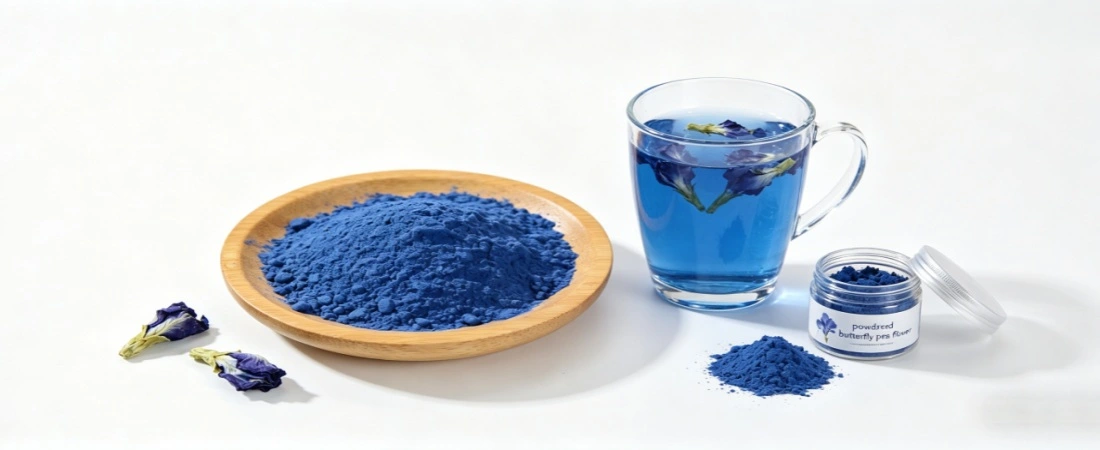
Understanding Powdered Butterfly Pea Flower: Composition and Nutritional Profile
Find out what powdered butterfly pea flower is made of and how healthy it is. The main thing that makes powdered butterfly pea flower extract special is that it has a lot of anthocyanin, which is only found in certain plants. Oxygen Radical Absorbance Capacity (ORAC) tests show that these pigments that dissolve in water, not only give the color its blue shade, but they can also fight free radicals very well. On top of that, the powder has important amino acids and B-complex vitamins that help the body do many things. It also has rare minerals like calcium, magnesium, and iron.
Anthocyanin Content and Bioactive Compounds
Ternatins are the main ingredients that are good for you. They are a type of anthocyanins that have polyacylated structures that make them more stable when they are exposed to heat and light than other anthocyanins found in berries. Phytochemical analysis journals have published research that says these chemicals stay together better when heated, which is a very important benefit for making food for sale. Flavonoids, such as kaempferol and myricetin derivatives, are also in the powder. They work with the anthocyanins to make the health effects greater.
Nutritional Benefits for Formulation Development
It's important to know how healthily packed this item is before you decide to buy it. Researchers in the past have found that the polyphenolic chemicals in the powder can lower inflammation. This means it can be used in recipes for useful foods that are meant to appeal to people who care about their health. It only has a small amount of vitamin C, but it adds to the network of antioxidants, and the minerals in it support the label's claim that they add micronutrients. The particles must be at least 80 mesh in order to dissolve fully in water. This makes it easier for them to spread out evenly in makeup emulsions, powdered butterfly pea flower, and drinking mixes.
Common and Innovative Uses of Butterfly Pea Flower Powder in B2B Applications
Many different fields can use blue matcha powdered butterfly pea flower because it is a natural way to color things and has health benefits. People who work in buying know how important it is to keep the products' looks and health claims while also meeting customer requests for clean-label goods.
Food and Beverage Industry Applications
In the drink business, this natural colorant has changed how new goods can be made. Because it combines with different pH levels, it is used to make craft cocktail mixes, ready-to-drink teas, and useful water enhancers. This makes the goods more fun for customers to buy. The powder won't lose much of its flavor when it comes into contact with heat, so it can be used in baked goods, sweets, and dairy products. A substance called phycocyanin in spirulina breaks down quickly when cooked. But anthocyanins in powdered butterfly pea flower keep their color even after being heated and then baked at low temperatures. Big drink companies have successfully put out high-end tea lines with this ingredient, betting on the story that it looks different and has antioxidant qualities. The powder melts quickly, so it can be used in clear drinks, which is a big plus compared to tiny colorants that make it hard for the drink to settle. R&D teams like that it has a neutral taste that doesn't get in the way of their work to make sports nutrition products or protein shakes taste better.
Cosmetics and Personal Care Formulations
Because it can reduce inflammation and protect cells from damage, powdered butterfly pea flower extract is becoming more famous in the skin care industry. The powder is added to face masks, serums, and creams that fight wrinkles. Flavonoids in the powder fight free radicals, which age the skin faster than it should. Researchers have found that putting something on the skin may help keep collagen in the skin and make it more stretchy, but they need to do more research to find out how strong these effects are. The natural blue pigment can also be used in color cosmetics instead of man-made dyes. It is included in eyeshadows, lipsticks, and nail paints for people who like natural beauty. What's great about it is that it can be used with a lot of different makeup bases, such as water-based creams and oil-in-water emulsions. Brands that want to get organic certification like the Kosher and Halal certifications, come with good powdered butterfly pea flower because they cover a lot of different markets.
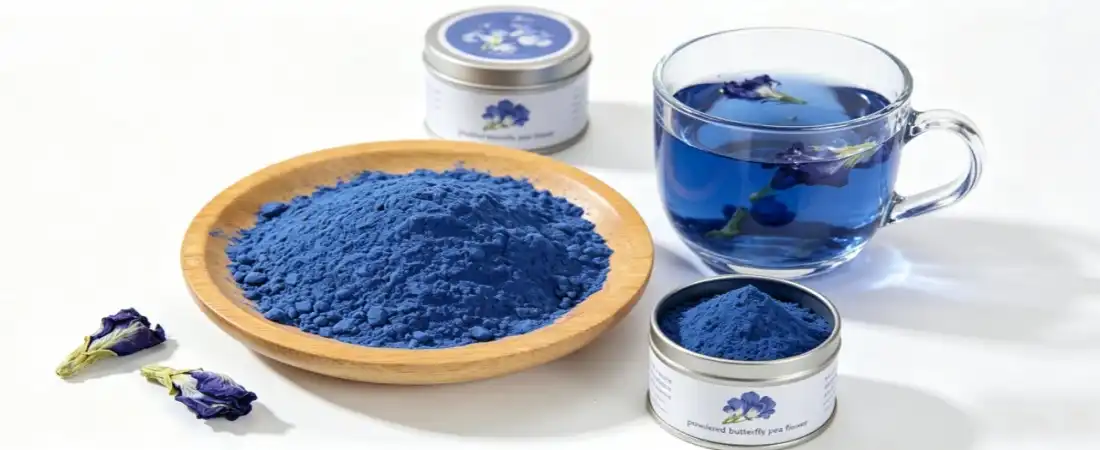
Comparing Butterfly Pea Flower Powder: Quality, Types, and Market Options
Before you choose what to buy, you need to know how quality changes between brands and types of products. When it comes to how well something works and where it stands in the market, organic and regular farms, processing methods, and licensing rules are very different.
Organic Versus Conventional Production Standards
Organic powdered butterfly pea flower costs more because it has to be grown without using chemicals and fertilizers made by people. If a brand wants to meet European or USDA Organic standards, it needs to use organic powder that has been approved. People who care about the earth will also be interested in the organic label, which also helps tell stories about preservation. Conventional production still gives you the main useful benefits while saving you money. A good service will use Good Agricultural Practices (GAP) to make sure that the amount of chemical residue stays well below the government-set limits. There is a third party that checks both organic and normal types at NT Biotech for heavy metals, microbial loads, and herbicide residues. It comes with a Certificate of Analysis for each batch.
Powder Forms Versus Alternative Formats
Powdered butterfly pea flower, whole dried flowers, powdered butterfly pea flower, and strong liquid solutions are all different in a number of ways that are useful. For standardizing amounts, the powder form gives you the most choices. It's also easy to mix into dry blends, tablet formulas, and instant liquid mixes. Particle size consistency, like our 80-mesh rule, makes sure that the finished goods are spread out properly and don't have any rough spots. For some drinks, liquid extracts are easier to use, but they can be hard to store, ship, and keep the anthocyanin level fixed over time. Some tea shops sell whole dried flowers, but it's not possible to make a lot of them because they aren't concentrated enough or easy to process on a large scale. It is best to use powder because it has the most active chemicals per unit weight for the least amount of money.
Procurement Guide: How to Source Quality Powdered Butterfly Pea Flower for Your Business
To set up a reliable supply chain for plant ingredients, you need to carefully look over your sellers and get to know them. Here are some things that buying teams can look for in partners who can help them build products in the long run.
Supplier Evaluation Criteria
You should not only look at basic quality standards, but also at a possible supplier's professional skills and service facilities. To make sure your growth plans can be met, you should make sure that your providers can boost production without dropping quality standards. Ask for more information about the extraction processes, quality control labs, and people who know how to follow the rules. Communication and how people respond show how good a connection is. Sellers you can trust will quickly answer expert questions, give you full product information, and help you with application problems. We promise to answer all buying questions at NT Biotech within two hours because we know that developing new products quickly needs suppliers who can be flexible. Our expert team helps with problems with recipes, suggests tests to make sure the recipe is stable, and fills out regulatory paperwork.
Sample Testing and Quality Verification
Before you place a big order, you should always ask for examples and think carefully about a lot of things, like how strong the color is, how well it dissolves, and how it feels. To show that the new ingredients or products work better, compare them to existing ingredients or goods that are already on the market. The tests should show the correct amount of anthocyanin, the microbe needs, and the absence of any additives. Quality suppliers provide free samples and Certificates of Analysis that show how each batch did on the tests. This paperwork should have the results of tests for microbes, heavy metals, and toxic chemicals using HPLC chromatography. Start small-scale production trials once the samples meet the standards. Only then should you move on to full-scale production. This will make sure that the process of making the product works well and that the product itself is good.
Addressing Concerns: Safety, Side Effects, and User Guidance
Safety scores and following the rules are still the most important things to think about when adding plant-based ingredients to well-known recipes. When making a product, it's important to know how it can be used and how it might work with other things.
Safety Profile and Contraindications
Asia has used the butterfly pea flower for a long time in food and as a medicine. Studies have shown that it doesn't have any big side effects. Research on toxicology has shown that the amounts used in foods and drinks are not safe at all. Regulatory bodies like the Food and Drug Administration (FDA) recognize it under the Generally Recognized As Safe (GRAS) framework as a natural food colorant. Certain groups of people should be careful or not drink at all. You should talk to your doctor before using products with strong powdered butterfly pea flower extracts if you are pregnant or nursing, because not much is known about how safe they are. Because it might affect blood clots, people who are going to have surgery should stop using it two weeks before the surgery. However, there isn't a lot of clinical evidence for this yet.
Dosage Recommendations Across Applications
The amount of time you should spend using different types of powdered butterfly pea flower apps is different. The amounts for coloring drinks range from 0.01% to 0.1%, depending on how strong of a color you want and the pH level of the drink. More concentrated amounts, up to 0.5% in finished goods, can be used in useful foods that need antioxidants. Most cosmetic products have watery phase components that range from 0.1% to 2%. Early research found that dietary supplement doses ranged from 200 mg to 1000 mg per day. However, more clinical testing is needed to find the best medicinal doses. OEM clients who are making supplement products should talk to regulatory experts to make sure they follow the rules for labeling and the limits on claims about structure and function. Giving clear instructions on how to use a finished product keeps it from being abused and helps people get the benefits they want.
Storage Recommendations for End Users
Educational materials accompanying B2B shipments should include guidance for downstream customers. Food manufacturers should be told to keep packages that haven't been opened in their original packaging in a controlled space and only open as much as they need for quick production runs. Once opened, transfer powder to airtight containers and use within three months for optimal performance. For consumer product labeling, suggest storing finished products away from heat and light to maximize shelf life. Color stability testing during product development should simulate anticipated storage conditions, including temperature fluctuations and light exposure patterns. This proactive approach prevents quality complaints and supports brand reputation management.
Conclusion
Powdered butterfly pea flower is a strategic ingredient choice for manufacturers navigating the intersection of clean-label demands and functional innovation. Its dual value proposition—delivering natural blue coloration alongside antioxidant benefits—positions it advantageously across food, beverage, cosmetic, and nutraceutical applications. Procurement professionals benefit from understanding the compositional characteristics, quality distinctions, and application parameters that optimize product performance. Successful ingredient integration requires partnership with suppliers demonstrating technical expertise, quality consistency, and responsive service. The regulatory landscape favoring natural ingredients over synthetic alternatives strengthens the commercial case for powdered butterfly pea flower adoption, particularly as consumer preferences continue shifting toward transparency and botanical authenticity. By establishing reliable supply chains now, forward-thinking brands position themselves to capitalize on expanding market opportunities in the natural products sector.
FAQ
1. What certifications should I look for when sourcing butterfly pea flower powder for commercial use?
Prioritize suppliers holding ISO 9001 quality management certification, which ensures consistent manufacturing processes. Depending on your target markets, Kosher and Halal certifications enable broader distribution reach. Organic certification (USDA Organic or EU Organic) becomes essential if marketing organic finished products. Request Certificates of Analysis documenting batch-specific test results for heavy metals, microbial contamination, and pesticide residues. Reputable suppliers provide comprehensive documentation supporting regulatory compliance in your jurisdiction.
2. How does the powdered form compare to dried flowers in terms of potency and application versatility?
The preparation of powdered butterfly pea flower concentrates bioactive compounds through processing, delivering higher anthocyanin content per unit weight compared to whole dried flowers. This concentration allows precise dosing in formulations and improved solubility in liquid applications. Powders integrate seamlessly into tablet compression, capsule filling, and instant beverage mixes where whole flowers prove impractical. The consistent particle size achieved through controlled milling—such as 80-mesh specifications—ensures uniform color distribution and eliminates texture issues in finished products.
3. Can butterfly pea powder maintain color stability during high-temperature processing?
Powdered butterfly pea flower anthocyanins demonstrate superior thermal stability compared to many natural colorants, withstanding pasteurization temperatures and moderate baking conditions. Processing at temperatures below 90°C for extended periods preserves color intensity effectively. High-temperature applications exceeding 120°C may cause some color degradation, though butterfly pea still outperforms less stable alternatives like beet extract. Conducting thermal stability trials during product development helps optimize processing parameters. The pH of your formulation also influences stability—acidic conditions shift color toward purple-pink hues while maintaining anthocyanin integrity.
Partner with NT Biotech for Premium Butterfly Pea Flower Powder Supply
NT Biotech stands ready to support your product innovation journey with certified, high-purity blue matcha powdered butterfly pea flower backed by rigorous quality assurance. As an established plant derivatives supplier serving the global food ingredients, nutraceutical, and cosmetics industries, we deliver the consistency and technical partnership your formulation teams demand. Our 100% pure powdered butterfly pea flower, sourced from premium Clitoria ternatea L. flowers, undergoes comprehensive third-party testing, with ISO, Kosher, and Halal certifications meeting diverse market requirements. We maintain a ready inventory enabling shipment within 2-4 days after payment confirmation, with flexible packaging options from 1kg bags to customized bulk configurations supporting your production scale. Our 10kg minimum order quantity accommodates both pilot projects and established production lines, while free samples allow thorough evaluation before commitment. Whether you need a responsive powdered butterfly pea flower manufacturer or seek a long-term technical partner for custom extraction specifications, our team provides application support and regulatory documentation tailored to your specific market needs. Contact us at info@newthingsbiotech.com to discuss how our botanical expertise and adaptive supply capabilities can enhance your next product launch.
References
1. Chusak, C., et al. (2021). "Anthocyanin Content and Antioxidant Activity of Butterfly Pea Flower (Clitoria ternatea L.) Extracts: Effects of Drying Methods." Journal of Food Science and Technology, 58(6), 2234-2242.
2. Nair, V., et al. (2020). "Thermal Stability and Bioavailability of Natural Anthocyanins from Clitoria ternatea as Food Colorants." Food Chemistry, 312, 126034.
3. Lakshan, S.A.T., et al. (2019). "Phytochemical Screening and In Vitro Antioxidant Activity of Clitoria ternatea Flower Extracts." BMC Complementary and Alternative Medicine, 19(1), 1-9.
4. Mukherjee, P.K., et al. (2018). "Therapeutic Potential of Clitoria ternatea: A Review of Traditional Uses and Pharmacological Properties." Journal of Ethnopharmacology, 224, 202-228.
5. Ponnusamy, S., et al. (2020). "Applications of Natural Food Colorants in the Beverage Industry: Focus on Butterfly Pea Flower Anthocyanins." International Journal of Food Science & Technology, 55(8), 2965-2974.
6. Wrolstad, R.E., and Culver, C.A. (2012). "Alternatives to Synthetic Food Colorants: Natural Anthocyanins as Functional Ingredients." Annual Review of Food Science and Technology, 3, 59-87.

When looking for the best marigold extract powder for nutritional uses, buyers should focus on providers that offer high-concentration lutein (between 5% and 80%), strict third-party testing, and certifications like ISO, Kosher, and Halal. Tagetes erecta L. flowers are where the best powder comes from using tested methods for extraction that keep the beneficial carotenoids and make sure that each batch is the same, that regulations are followed, and that deliveries happen quickly. Good providers offer clear paperwork, flexible MOQs starting at 25kg, and expert help to solve formulation problems in natural colorants, functional foods, and dietary supplements.
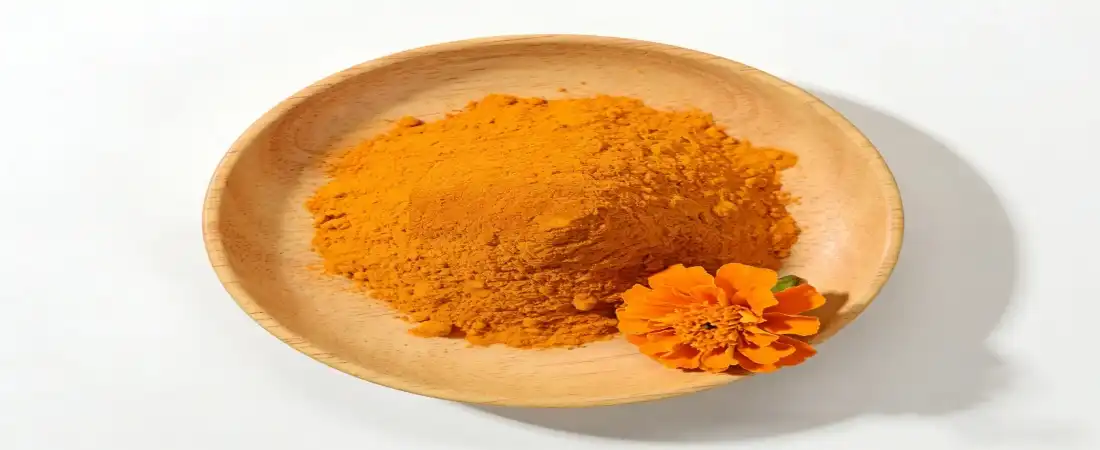
Introduction
Marigold extract powder has become an important ingredient in the nutrition industry around the world because it contains a lot of lutein, zeaxanthin, and other carotenoids that are scientifically proven to be good for your eyes and skin. Product formulators and sourcing specialists are under more and more pressure to find raw materials that are both clinically effective and compliant with regulations and reliable in the supply chain. This is because consumers are becoming more aware of preventive healthcare. There is a lot more to choosing the right extract than just looking at prices. To make the right choice, you need to know a lot about where the plants come from, how they are extracted, how they are standardized, and what the provider can do. As a B2B procurement worker, R&D manager, or technical expert, this guide gives you an organized way to look at extracts based on important factors like quality certifications, production openness, and the ability to quickly move products. Our goal is to give you useful information that helps you make buying choices that are in line with your goals for new products and strategies for standing out in the nutritional market.
Understanding Marigold Extract Powder for Nutraceutical Applications
Botanical Origins and Active Compounds
The main source of marigold extract powder is Tagetes erecta L., which is also known as African marigold. It is a flowering plant that is grown a lot in mild areas. There are a lot of xanthophyll carotenoids in the flower petals, mostly lutein and zeaxanthin. These are lipid-soluble pigments that give the petals their orange-yellow color. These bioactive chemicals naturally build up in the macula of the eye. There, they block dangerous blue light and fight oxidative stress, which improves vision and lowers the chance of age-related macular degeneration.
Extraction Techniques and Product Forms
Lutein extraction commonly uses ethanol or hexane solvents due to cost efficiency and scalability, yielding 5–20% concentrations. Supercritical CO₂ extraction offers higher purity (up to 80%) and removes solvent residues, making it suitable for clean-label products. This method also preserves heat-sensitive compounds. Premium brands prefer it for safety and quality. The choice of extraction directly affects lutein stability, bioavailability, and suitability for different applications such as supplements, beverages, or cosmetic formulations targeting health-conscious consumers.
Nutritional Profile and Health Benefits
Derived from Marigold, marigold extract powder is naturally rich in carotenoids such as Lutein and zeaxanthin. These compounds are widely valued for supporting eye health, especially in maintaining visual clarity and filtering blue light exposure. In nutraceutical applications, it also contributes to antioxidant defense, helping protect cells from oxidative stress. Additionally, its role in skin health and overall wellness makes it a versatile and popular ingredient in dietary supplement formulations.
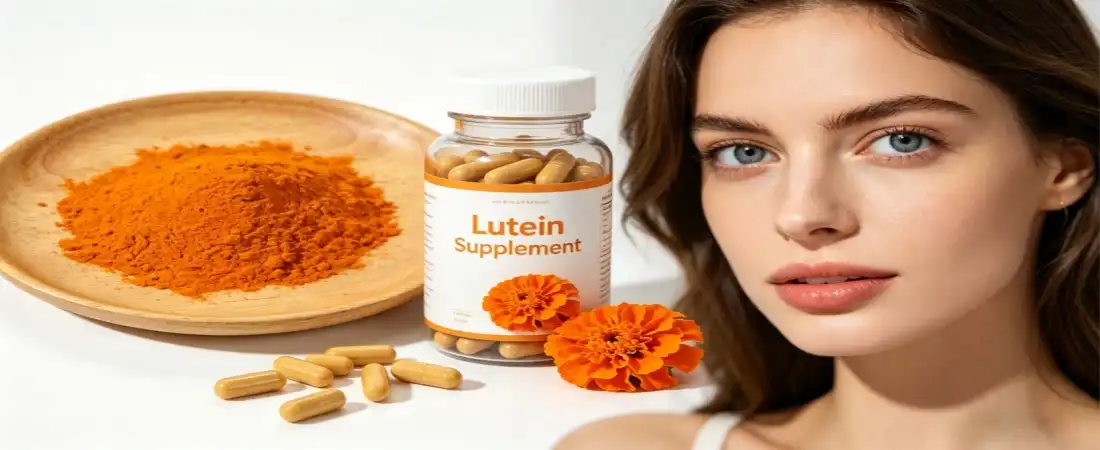
How to Choose the Best Marigold Extract Powder for Nutraceutical Use?
Establishing Procurement Criteria Aligned with Product Goals
Defining end-product type and regulatory requirements is the first step in procurement. U.S. products must comply with FDA 21 CFR Part 111 and cGMP standards, with CoAs confirming heavy metal, microbial, and pesticide limits. EU markets require EFSA compliance, MRL adherence, and often organic certification, adding sourcing and solvent restrictions. These frameworks ensure safety, traceability, and legal compliance across markets while shaping supplier selection and qualification standards.
Evaluating Key Quality Metrics
The main way to tell if marigold extract powder is good is by how much lutein it has, but purity is more than just percentages. A High-Performance Liquid Chromatography (HPLC) test should be used to prove the ratio of all-trans-lutein to cis-isomers, since the trans form is more bioactive. Zeaxanthin makes up about 3–5% of all the carotenoids found in natural marigold products. It needs to be measured separately to back up label claims and dosing estimates. Karl Fischer titration can be used to find moisture levels below 5%. This stops microbes from growing and keeps chemicals stable while they are being stored. The particle size distribution affects both how well the mixture works and how quickly it dissolves. Powders that are meant to be directly compressed need stricter requirements (D90 ≤ 150 microns) than powders that have already been mixed with excipients.
Comparing Supplier Offerings and Cost Considerations
Market prices vary from low-grade 5–10% lutein ($180–$250/kg) to high-purity 80% extracts (> $800/kg). Mid-range 20–40% solvent-extracted powders dominate nutraceutical use due to cost and flexibility balance. Procurement teams should request production-equivalent samples and conduct stability testing under stress conditions. Suppliers providing dissolution and degradation data demonstrate higher reliability and technical capability, supporting long-term partnerships and consistent product quality assurance.
Production Process and Quality Assurance of Marigold Extract Powder
Raw Material Sourcing and Sustainable Farming
The field is where quality starts. Premium suppliers work directly with marigold farmers to control watering, fertilization, and pest control without leaving behind too many agrochemical residues. These suppliers use Good Agricultural Practices (GAP). When the petals are picked has a big effect on the amount of carotenoids they contain; petals picked at peak bloom have 30–40% more lutein than petals picked later. Handling after harvesting includes quick drying to stop enzymes from breaking down the food and keeping the temperature below 60°C to protect thermolabile chemicals.
Advanced Extraction and Purification Technologies
After solvent extraction, oleoresins undergo saponification to remove waxes and chlorophyll. Further purification via crystallization or chromatography isolates lutein esters or free lutein, achieving purities above 98%. In-process testing ensures compliance at every stage. These advanced methods maximize active compound yield while minimizing oxidation, producing high-quality extracts suitable for premium nutraceutical and pharmaceutical applications requiring high purity standards.
Rigorous Quality Control Systems
Quality control includes multi-layer testing to ensure safety and consistency. UV-Vis spectroscopy confirms lutein identity via 445–450 nm absorption, while HPLC with PDA detection quantifies content accurately. Safety testing screens for aflatoxins, heavy metals (lead, cadmium, mercury), and microbial contamination. ISO 9001 ensures standardized workflows from raw material quarantine to final release, supported by batch traceability. Third-party lab verification strengthens credibility for exports. Kosher and Halal certifications further expand market access and regulatory compliance readiness.
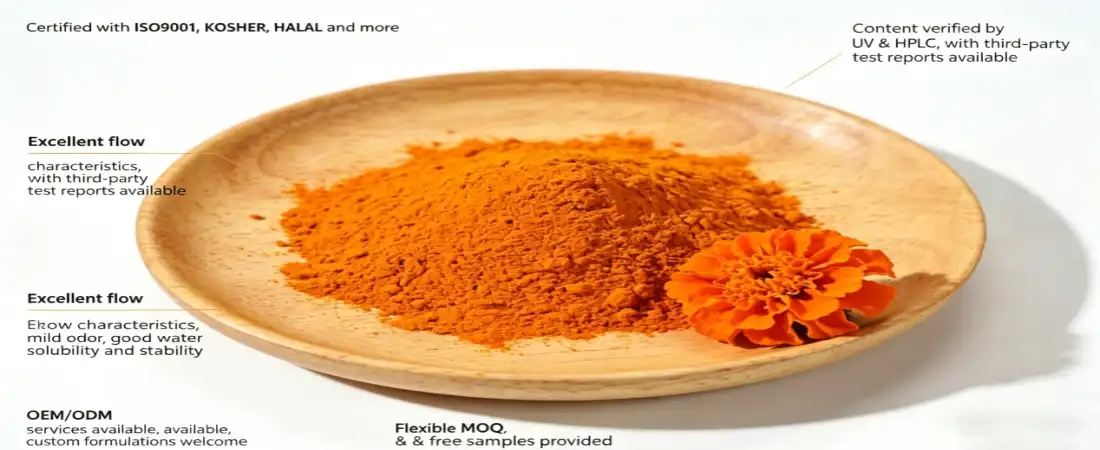
Market Insights: Leading Brands and Reliable Suppliers for Marigold Extract Powder
Identifying Quality-Driven Suppliers in a Competitive Landscape
There are both vertically integrated botanical extract specialists and contract producers that get their raw materials from outside sources in the global market. Leading providers set themselves apart with their own extraction methods, advanced analysis tools, and quick-response technical support teams. This method is used by Shaanxi New Things Biotech, which has self-sufficient farming networks, cutting-edge research and development centers, and flexible supply lines that can meet customer needs within two hours of being asked. When buying teams look at possible partners, they should check to see if they are financially stable by looking at business credit records and see if they have enough production capacity to meet their needs as they grow. Site checks, whether they are real or virtual, show how to keep operations clean, maintain equipment, and train staff. Suppliers who are honest and willing to handle formulation-specific issues should be open about where their raw materials come from, the solvents they use for extraction, and the results of any residual analyses of the marigold extract powder.
Practical Considerations for Global Procurement
Ordering samples is the first and most important step in qualifying a seller. Reliable suppliers offer free samples (usually 50–100g) with Certificates of Analysis (CoA) that show the scientific results for each batch. Not only should the amount of lutein in samples be checked, but also their color uniformity, lack of off-odors, and how well they work in trial formulas. Logistics skills have a big effect on the total cost of ownership. When suppliers keep stock on hand, they can quickly restock, which keeps production running as smoothly as possible when demand goes up. Shaanxi New Things Biotech uses specialized FedEx and UPS accounts for fast shipments (2-4 days around the world), while trusted freight forwarders handle big sea freight and help with all the paperwork needed to clear customs. Shipping choices that are flexible can handle both new brands buying 25kg drums and established brands needing deliveries in multi-ton containers. Payment terms show how confident the seller is in the customer and how old the relationship is. For new partnerships, you usually need to pay ahead of time or set up a letter of credit. For existing partnerships, you may be able to get net-30 or net-60 terms. International buyers will find it easier to settle their bills if you accept payments in USD, EUR, or the local currency.
Application Case Studies and Best Practices in Nutraceutical Formulation
Eye Health Supplements: Optimizing Bioavailability
A well-known U.S. supplement company changed the recipe of its eye health product by switching from a 10% lutein powder to a 20% micronized grade from NT Biotech. The higher concentration allowed for a smaller pill size while keeping the clinically effective amount of 20mg of lutein, which made it easier for people to take their medicine as prescribed. Stability tests showed that microencapsulation with antioxidant co-ingredients stopped degradation over a 24-month shelf life, keeping the drug's effectiveness above 95% of what it said on the label even when stored in a building with temperatures above 25°C. Formulation tips for softgel uses include pre-dispersion of marigold extract powder in medium-chain triglycerides or sunflower oil ahead of time can help the lipid matrix integrate better. When mixing at high temperatures, don't use mineral materials like zinc oxide or calcium carbonate because they can speed up the breakdown of carotenoids. During encapsulation, nitrogen washing saves oxygen-sensitive actives even more.
Functional Beverages: Addressing Solubility and Stability Challenges
A European beverage designer made ready-to-drink orange juice with 5mg of lutein added to each 250ml serve to appeal to millennials who spend a lot of time in front of screens. The cold-water-soluble extract encased in gum acacia kept its visual appeal and active ingredients during 12 months of keeping at room temperature. The natural yellow-orange color meant that no artificial colorants were needed, which backs up marketing promises of "clean labels." Important things to think about when making a juice include making sure the pH is just right (3.5 to 4.5 for juice matrices) to keep the carotenoids from breaking down and using light-blocking packing (amber glass or dark PET) to keep photodegradation to a minimum. To keep thermolabile chemicals safe, homogenization forces should not go above 200 bar and pasteurization should not go above 72°C for more than 15 seconds.
Emerging Trends and Future Directions
Since 2020, the market for eye health goods has grown by 18% every year. This is because more people are using digital devices and the population is getting older. Improvements in extraction technology, like using enzymes to help the process and green solvent alternatives, offer higher outputs and better environmental effects. People who are interested in personalized nutrition are looking at solutions that combine lutein with omega-3 fatty acids, resveratrol, or astaxanthin to protect neurons in a way that works better than either one alone. To stay ahead of these trends, formulators can form relationships with suppliers that give them information about the market, lists of ingredients that work well together, and help with co-developing new delivery methods like nano-emulsions or sublingual films. When sellers work together in these ways, they become strategic enablers of product diversity and competitive edge.
Conclusion
To find the best marigold extract powder for nutritional uses, you need a thorough evaluation system that looks at more than just unit price. It should also consider the supplier's technical skills, response to logistics, and quality assurance standards. When evaluating a supplier's financial stability and production scalability, procurement professionals must put the accuracy of the lutein concentration, the openness of the extraction method, and the trustworthiness of the certification at the top of their list of priorities. Partners who understand each other's legal environments, formulation problems, and market factors are more likely to work together. By using the structured decision criteria in this guide, R&D managers and sourcing directors can make sure they have steady supplies of high-quality powder that meet strict standards, help innovation pipelines, and give consumers better health outcomes in global markets that are very competitive.
FAQ
1. What are the typical lutein content ranges in marigold extract powder, and how do they impact product efficacy?
The amount of lutein in marigold extract powder can be anywhere from 5% to 80%. For low-cost uses like coloring animal feed, lutein products with 5–10% concentrations work well. On the other hand, 20–40% concentrations are common for eye health vitamins. When capsule size limits or high dose needs (20mg or more per serve) call for highest concentration, premium formulas use 60–80% lutein extracts. Bioavailable lutein delivery is more important than raw number when it comes to effectiveness. This means that both the formulation matrix and the delivery method are important things to think about.
2. How can I verify supplier quality certifications and authenticate product claims?
Get copies of the ISO 9001, Kosher, and Halal certificates directly from the sellers. Then, use the certificate numbers to call the organizations that issued the certificates to make sure the copies are real. Ask for Certificates of Analysis that are special to each batch and include HPLC chromatograms, heavy metal screening results, and microbial tests. Unbiased validation comes from testing by a third party, such as by approved labs like Eurofins or SGS. Site audits, which are being done digitally more and more, check that operations are in line with cGMP standards and tracking systems. Suppliers with a good reputation accept openness and quickly answer technical questions.
3. Is marigold extract powder safe for long-term nutraceutical use?
In the US, lutein from marigold extract is Generally Recognized as Safe (GRAS). It has been studied in great detail in clinical studies at doses of up to 20mg daily for more than five years without any negative affects. EFSA safety reviews show that it is safe for a wide range of people. Responsible formulation practices include following the dose rules and making sure that final goods are stability tested to stop oxidative breakdown that could produce dangerous results.
Partner with NT Biotech for Premium Marigold Extract Powder Supply
When purchasing managers need a dependable marigold extract powder provider, they can rely on Shaanxi New Things Biotech to provide standardized lutein powder (5% to 80% specs) that is backed by ISO, Kosher, and Halal certifications. Because we grow marigolds in a way that doesn't harm the environment and use our own special extraction methods, we can be sure that every batch is pure and consistent. We keep ready stock so that we can ship anywhere in the world within two to four days. Our minimum order quantity (MOQ) is 25kg, and we offer free samples. We also provide full technical paperwork, including HPLC analysis and regulatory support that is suited to your formulation needs. You can reach our helpful team at info@newthingsbiotech.com, and we promise to answer your questions within two hours. We also offer unique OEM solutions for natural colorants, useful foods, and dietary supplements. Experience the difference when you work with a company that is focused on technology and is dedicated to open quality control and long-term partnerships.
References
1. Abdel-Aal, E.M., Akhtar, H., Zaheer, K., & Ali, R. (2013). Dietary sources of lutein and zeaxanthin carotenoids and their role in eye health. Nutrients, 5(4), 1169-1185.
2. Buscemi, S., Corleo, D., Di Pace, F., Petroni, M.L., Satriano, A., & Marchesini, G. (2018). The effect of lutein on eye and extra-eye health. Nutrients, 10(9), 1321.
3. Landrum, J.T., & Bone, R.A. (2001). Lutein, zeaxanthin, and the macular pigment. Archives of Biochemistry and Biophysics, 385(1), 28-40.
4. Ma, L., & Lin, X.M. (2010). Effects of lutein and zeaxanthin on aspects of eye health. Journal of the Science of Food and Agriculture, 90(1), 2-12.
5. Nolan, J.M., Loughman, J., Akkali, M.C., Stack, J., Scanlon, G., Davison, P., & Beatty, S. (2011). The impact of macular pigment augmentation on visual performance in normal subjects. Vision Research, 51(5), 459-469.
6. Perry, A., Rasmussen, H., & Johnson, E.J. (2009). Xanthophyll (lutein, zeaxanthin) content in fruits, vegetables and corn and egg products. Journal of Food Composition and Analysis, 22(1), 9-15.

Lutein Powder Bulk, derived from marigold (Tagetes erecta L.), is essential in modern eye health supplements, helping meet rising demand driven by screen use and aging populations. For B2B buyers, sourcing premium-grade lutein is a strategic priority affecting product performance, regulatory compliance, and market positioning. This guide supports wholesalers and R&D teams with insights into biological function, quality standards, and sourcing strategies, enabling consistent supply, innovation, and informed supplier selection aligned with both scientific and commercial goals.
Understanding Lutein Powder Bulk and Its Benefits for Eye Health
Lutein Powder Bulk is a unique form of xanthophyll carotenoid that only builds up in the macula of the human eye. There, it serves as both an antioxidant protector and a high-energy visible light blocker. Natural lutein from marigold oleoresin is different from manufactured versions because it goes through separation, purification, and drying steps that keep its biological activity. The powder usually has a small amount of zeaxanthin in it, which is another vitamin that works with the others to improve vision.
How Lutein Protects Against Blue Light Damage?
Lutein secures the eyes by retaining high-energy blue light in the 400–500 nm run some time recently it comes to retinal photoreceptors. This decreases oxidative stretch and limits receptive oxygen species arrangement caused by light presentation. By expanding macular shade thickness, lutein capacities as an inside optical channel. This is especially critical for people uncovered to screens, Driven lighting, and daylight. In general, it makes a difference keep up retinal keenness and diminishes the long-term hazard of phototoxic harm related with present day advanced and natural light exposure.
Clinical Evidence Supporting Retinal Health
Several thinks about that were checked on by specialists affirm that lutein makes a difference keep your visual perception clear and delicate to differentiate. The Age-Related Eye Illness Think about 2 (AREDS2) found that giving high-risk individuals 10 mg of lutein and zeaxanthin each day moderated the improvement to progressed age-related macular degeneration by 25%. Modern ponder proposes that lutein supplements may lower the chance of creating cataracts by keeping the focal point clear and bringing down the sum of oxidative protein that builds up.
Bioavailability Considerations in Product Development
Lutein’s adequacy depends on assimilation effectiveness, which is made strides through detailing methodologies like beadlets and microencapsulation. These strategies decrease molecule estimate and secure lutein from debasement. Since lutein is fat-soluble, dietary fats altogether improve take-up in the digestive system. As a result, conveyance frameworks such as softgels or oil-based definitions are favored. Item plan must consider these variables to guarantee steady bioavailability and unsurprising wellbeing results over distinctive supplement formats.
Quality and Composition: What to Look for When Procuring Lutein Powder in Bulk?
When purchasing managers look at Lutein Powder Bulk suppliers, they have to deal with a complicated world. Differences in source material, extraction method, and quality control have a direct effect on how well the end product works. To tell the difference between good and great raw materials, you need to know the basic requirements for pharmaceutical-grade ingredients.
Natural Versus Synthetic Sources
Most commercial lutein is determined from marigold blossoms due to shopper inclination for normal fixings. This frame holds a carotenoid profile comparable to verdant vegetables and may incorporate strong co-nutrients. Engineered lutein exists but is less favored in clean-label markets. Supercritical CO₂ extraction is favored for solvent-free generation. Source straightforwardness and extraction strategy approval are vital for administrative compliance and shopper believe in health-focused products.
Critical Quality Indicators
High-quality lutein powder requires strict testing benchmarks, counting immaculateness examination through HPLC and auxiliary affirmation utilizing UV spectroscopy. Dampness levels ought to stay underneath 5% to guarantee soundness and anticipate microbial development. An 80-mesh molecule measure is commonly utilized to keep up uniform blending and anticipate clumping. Certificates of Investigation confirm composition, whereas controlled bundling ensures lutein from oxidation and light presentation amid capacity and transportation.
Comparing Powder Forms and Related Ingredients
Lutein is available in multiple formats, including standard powders, beadlets, and water-dispersible emulsions. Beadlets provide protection against heat, light, and oxidation, while emulsions improve solubility in beverages. Ratios of lutein to zeaxanthin vary depending on formulation goals, commonly ranging from 5:1 to 1:1. These variations allow manufacturers to tailor products for specific applications such as capsules, drinks, or fortified foods with targeted bioavailability.
Procurement Insights: How to Buy Lutein Powder Bulk Effectively for Business Needs?
To strategically source Lutein Powder Bulk, you need to find a balance between quality control, a reliable supply chain, and business terms that allow for large-scale production. There are choices on the global market from different manufacturing areas, and each has its own benefits when it comes to certification standards, output capacity, and price competitiveness.
Identifying Reputable Manufacturers
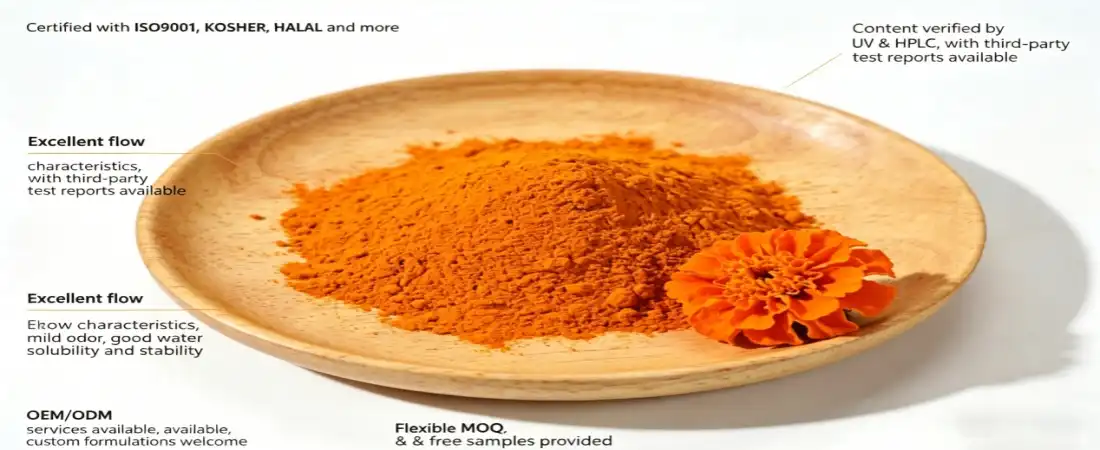
Qualified lutein powder suppliers need ISO9001, Kosher, and Halal certifications. Third-party lab tests confirm quality control. Transparent raw material tracking, from marigold farms to processing, prevents contamination and costly recalls. Manufacturers with grower partnerships outperform spot-market buyers. Vertical integration improves pesticide timing and post-harvest processing, enhancing final extract quality.
Pricing Structures and Order Flexibility
Lutein prices fluctuate with marigold harvests and seasons. Volume commitments unlock tiered pricing, but consider total landed cost (freight, taxes, terms). Minimum orders of 25 kg suit new brands, while 500+ kg orders allow container-rate savings. Payment flexibility—local currencies, letters of credit for first orders, net terms later—supports both startups and multinationals.
Custom Packaging and Private Label Opportunities
Top suppliers offer custom packaging (1 kg foil bags to 25 kg fiber drums) and private label programs with unique blends (lutein plus vitamin A, bilberry, or omega-3). Technical help includes formulation advice, stability testing, and regulatory support. This consultative approach turns transactions into strategic partnerships, especially when entering new markets with different legal requirements.
Dosage, Safety, and Regulatory Considerations for Bulk Lutein Powder Use
Making sure that eye health goods follow the rules and are safe are the basics of making Lutein Powder Bulk work. When making choices about what to buy, it's important to take into account how dosages, labeling rules, and production standards for Lutein Powder Bulk vary from region to region.
Recommended Dosage Ranges
Clinical evidence supports 6–20 mg daily lutein for eye health; 20–40 mg for existing macular degeneration. AREDS2-aligned formulas target 10–20 mg per dose. Manufacturers must account for concentration: 10 mg lutein requires 200 mg of 5% powder or 50 mg of 20% concentrate, affecting tablet size, capsule count, and cost per serving.
Safety Profile and Side Effects
Lutein has an excellent safety record, with no upper limit set by major regulators. Human studies of 40 mg daily for extended periods found only mild stomach discomfort in sensitive individuals. EFSA and FDA recognize lutein as safe, easing approval. Storage stability prevents harmful breakdown; properly kept powder lasts 24–36 months. Procurement must require moisture-barrier packaging and nitrogen flushing to protect carotenoid purity.
Navigating Global Regulatory Frameworks
Regional governmental structures must be taken into account in market entry tactics. The Dietary Supplement Health and Education Act lets the FDA set rules for dietary supplements in the United States. These rules allow structure-function claims about supporting vision without getting pre-market approval. EFSA rules for the European Union say that health claims must be linked to particular nutrient amounts. Asian markets have different rules. For example, Japan's Foods with Function Claims system is very different from China's filing steps for health foods that are brought in from other countries. Proactive suppliers keep paperwork packages that meet common regulatory requirements, such as GMO releases, allergen statements, heavy metal tests, and microbial limits. Customers' time-to-market is sped up by this planning, which gets rid of the delays caused by information requests during regulatory reviews. We keep our licenses and test reports up to date because we know that procurement professionals have to work with short development timelines and that missing paperwork can cause expensive delays.
Maximizing Value: Applications and Future Trends for Lutein Powder Bulk in the Eye Health Market
The Lutein Powder Bulk market keeps growing beyond standard supplement categories. This is because more people are learning about ways to stay healthy and because new ingredients are making products work better. Strategic buying of Lutein Powder Bulk looks at both present application needs and new possibilities that will help a company stand out from its competitors.
Core Application Categories
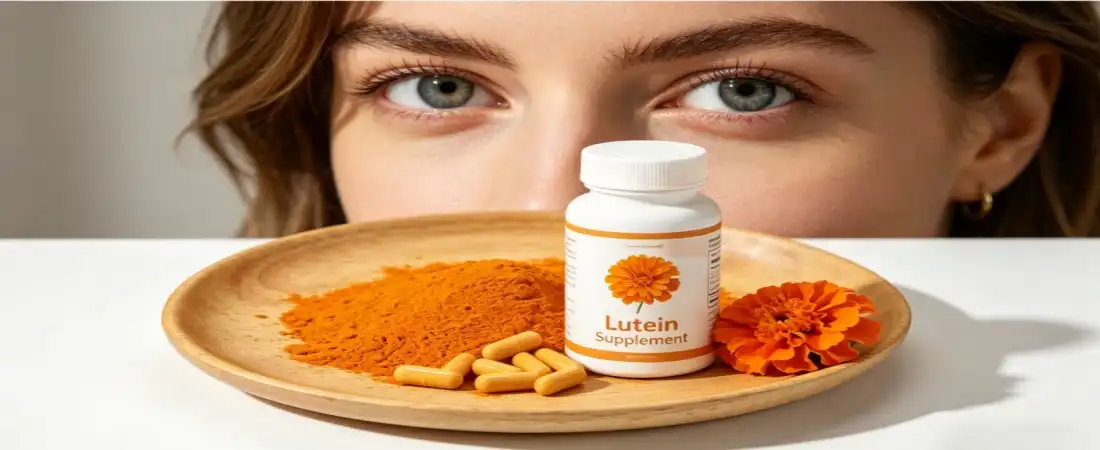
Tablets and capsules are still the most common way to give medicines because they are easy for people to understand and use. Hard capsules can hold both powder mixes and beadlet forms, and tablets made with direct compression grades are more efficient when making a lot of them. Because lutein dissolves easily in fat, softgels use this property to their advantage by mixing the carotene with carrier oils that make absorption better and allow for tightly sealed packing that keeps the product fresh for longer. Functional food uses represent the fastest-growing section. People who want to get nutrition in a fun way instead of taking pills like beverages, nutrition bars, and even baked goods that contain lutein. Some types of lutein can dissolve in cold water, which makes it possible to make clear drinks. Other types can survive high temperatures, like those used in baking, without breaking down much. The natural orange-yellow color makes the product look good, so formulators can use fewer or no manufactured colorants.
Emerging topical applications explore lutein's antioxidant properties in eye drops and skin care items for the sensitive skin around the eyes. Early studies show that lutein applied to the skin may lower inflammation and guard against environmental stressors, which opens up new areas of use beyond oral supplementation.
Market Growth Drivers and Trends
People all over the world are becoming more aware of digital eye strain, which has increased the demand for blue light protection goods. This is especially true among people of working age who are having problems like tired eyes and trouble sleeping. This change in the population means that the market is bigger than just the elderly people who are usually thought of as having age-related macular degeneration. This opens the door for lifestyle-focused branding and specific marketing efforts. Organic certification is becoming a premium positioning strategy as customers who care about the environment look more closely at the farming methods used to make supplements. Synthetic pesticides and fertilizers are not used in organic marigold farming, but returns are usually 15-20% lower than in conventional farming. This means that the cost of raw materials is higher, but some market groups are willing to pay it. Enhanced bioavailability technologies represent a competitive frontier. Liposomal coating, nano-emulsion systems, and phospholipid complexation are all said to be better at absorption than regular Lutein Powder Bulk. Different technologies have different levels of clinical proof, but the fact that they are used in high-end goods shows that customer standards are changing, which procurement teams should keep an eye on.
Building Brand Credibility Through Quality Sourcing
In the health supplement industry, where long-term success depends on customer trust, product recalls and quality problems hurt brand reputations more than they hurt other industries. A way to protect your brand is to choose providers who show they care about quality by trying products openly, communicating quickly, and sticking to regular delivery schedules. As part of our process, we offer free samples before customers commit to buying Lutein Powder Bulk. This way, customers can make sure the requirements are met through independent testing before placing large orders. With the shift toward value-chain openness, brands can tell sourcing stories that intelligent customers can relate to. By keeping track of the steps that go from marigold fields to processing plants and finally to finished products, marketing stories can be used to set basic vitamins apart from premium ones. For this level of openness to work, providers must be ready to share facility certifications, cultivation practices, and even standards for worker safety. This level of honesty sets industry leaders apart from commodity makers who only care about making money.
Conclusion
To find high-quality Lutein Powder Bulk, you need to find a balance between science knowledge, the ability to evaluate quality, and long-term source relationships that support business goals. More and more proof supports lutein's role in protecting eye health. This makes this carotenoid an important factor for brands that want to reach both older people and people who are always connected online. When purchasing professionals learn the technical details that set pharmaceutical-grade materials apart from regular powders, they gain a competitive edge through better product performance and regulatory compliance. For the global eye health market to continue to grow, it's important to work with providers who offer technical know-how, flexible minimums, and clear quality systems. This is because market demand is growing and uses are expanding beyond traditional supplements.
FAQ
1. What distinguishes natural lutein powder from synthetic alternatives?
Natural lutein taken from marigold flowers has the same carotenoid makeup as food sources. It also has small amounts of zeaxanthin and other co-nutrients that may help the body absorb it better. Even though synthetic lutein has the same molecular structure as natural lutein, it usually only appears as one pure molecule. When it comes to clean labels, consumers strongly prefer natural sources, even though both types have the same biological activity when properly made. Regulatory support varies around the world. For example, in some areas, synthetic carotenoids can't be used in food.
2. How can buyers verify lutein powder purity before purchase?
Ask for a Certificate of Analysis for each batch of production that shows the HPLC test results that show how much lutein is present. Reliable providers offer both internal testing and proof by a third-party laboratory. Customers can test free samples in their own quality control labs before placing large orders, which is something we normally recommend. Check the package for moisture barriers and see how long it says to be stored. If you store it correctly, lutein will keep its orange-yellow color without turning brown, which is a sign of oxidation.
3. What storage conditions maximize lutein powder shelf life?
Keep large containers in cool places (below 25°C) that are out of direct sunlight and away from wetness. Packaging that is filled with nitrogen keeps things stable for longer by reducing air contact. Once it's opened, put any leftovers in sealed containers and eat them within six months. Refrigeration adds extra safety for long-term keeping that lasts longer than a year, but handling things carefully when the temperature changes is important to avoid condensation.
Partner with NT Biotech for Premium Lutein Powder Bulk Supply
NT Biotech can help you create an eye health product by giving you pharmaceutical-grade Lutein Powder Bulk, along with full quality paperwork and quick service. As a reliable bulk lutein powder maker, we keep enough in stock to ship quickly, within two to four days of receiving payment proof. This way, there are no supply problems that delay product launches. Our marigold extract specifications cover 5-80% lutein concentrations in 80-mesh powder form. It is certified by ISO9001, Kosher, and Halal standards, which makes it easier for customers around the world to buy it. Beyond ingredient supply, we function as your technical partner throughout the whole creation process. You can try formulations with free samples before making a commercial commitment, and our team can help you figure out the best specifications for your purpose. Custom package options, such as 25-kilogram drums and private-label forms, help brands stand out. We provide the dependability that B2B clients need with our own extraction methods that produce products of the highest purity and reasonable prices that represent our efficient supply chain. Email our team at info@newthingsbiotech.com to get technical data sheets, discuss your specific requirements, or arrange sample shipments that demonstrate our commitment to excellence.
References
1. Age-Related Eye Disease Study 2 Research Group. (2013). Lutein + zeaxanthin and omega-3 fatty acids for age-related macular degeneration: the Age-Related Eye Disease Study 2 randomized clinical trial. JAMA, 309(19), 2005-2015.
2. Stringham, J.M., & Hammond, B.R. (2008). Macular pigment and visual performance under glare conditions. Optometry and Vision Science, 85(2), 82-88.
3. Loughman, J., Akkali, M.C., Beatty, S., et al. (2010). The relationship between macular pigment and visual performance. Vision Research, 50(13), 1249-1256.
4. Kijlstra, A., Tian, Y., Kelly, E.R., & Berendschot, T.T. (2012). Lutein: more than just a filter for blue light. Progress in Retinal and Eye Research, 31(4), 303-315.
5. Buscemi, S., Corleo, D., Di Pace, F., et al. (2018). The effect of lutein on eye and extra-eye health. Nutrients, 10(9), 1321.
6. Ranard, K.M., Jeon, S., Mohn, E.S., et al. (2017). Dietary guidance for lutein: consideration for intake recommendations is scientifically supported. European Journal of Nutrition, 56(Suppl 3), 37-42.

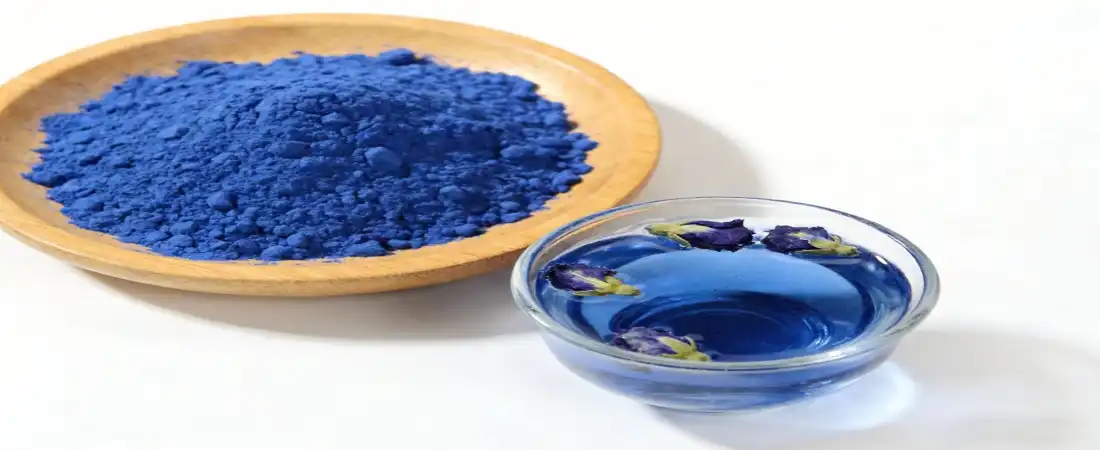
Butterfly pea powder is mostly used to naturally add color to foods, help with antioxidants, and add a caffeine-free plant choice to drinks and vitamins. Blue Matcha Butterfly Pea Flower Powder comes from Clitoria ternatea flowers. It is bright blue and good for you because it helps your brain, reduces inflammation, and makes your skin healthier. Many businesses that want to use clean labels and plant-based solutions for today's health-conscious customers like to use this ingredient. It can be found in drinks, makeup, functional foods, and dietary supplements.
Introduction
Butterfly pea powder is now a natural ingredient that is changing the way business-to-business markets around the world do business. People in charge of buying things in the diet, animal feed, makeup, and food businesses are interested. There is one type of Blue Matcha Butterfly Pea Flower Powder that stands out because it looks great and has many useful properties that go beyond looks. And more and more, producers, wholesalers, and original equipment makers (OEMs) see this plant extract as an important part that meets customer needs for being open, long-lasting, and effective. Buyers and people who make products can use our guide to learn about butterfly pea powder's plant roots, nutritional makeup, useful uses, and where to get it. Knowing about these things helps people choose what to buy and speeds up the creation of new goods in markets with a lot of competition. This full guide tells you everything you need to know about butterfly pea powder so you can use it in your goods in the best way possible, whether you're making natural makeup, useful drinks, or food supplements.
Understanding Butterfly Pea Powder and Blue Matcha Butterfly Pea Flower Powder
Botanical Origins and Processing Distinctions
The flowering plant Clitoria ternatea L., which is native to Southeast Asia, is used to make butterfly pea powder. The flower petals are carefully picked, dried, and then ground at low temperatures to keep the good chemicals inside. Blue Matcha Butterfly Pea Flower Powder is made with a more advanced process that makes ultra-fine particles (80 mesh) that mix better and look and feel like regular green tea matcha, but don't have any caffeine. There are a lot of differences between how the product works and how it is made. The peas are left to dry in the air and then milled in the usual way to make standard butterfly pea powder. One way to make Blue Matcha Butterfly Pea Flower Powder is to freeze-dry or hydro-distill the peas and then grind them up very small. With this more advanced processing, more of the anthocyanins, especially ternatins, that give fruit its blue color are kept. These make the fruit more antioxidant-rich. At different pH levels, these small technical differences make a big difference in how stable the mix is and how bright the colors are.
Nutritional Profile and Health-Centric Composition
Because it is high in nutrients, butterfly pea powder is useful for more than just how it looks. You can find powerful antioxidants in this plant product. It has flavonoids, anthocyanins, and polyphenolic substances. At the level of cells, these help fight reactive stress. The mineral content has small elements that help the body do many things, and the amino acid profile has building blocks that are needed for digestion to work. Like green matcha, butterfly pea powder comes from the Camellia sinensis plant, but it doesn't have any caffeine in it. Being useful without being stimulating, it's a great ingredient for drinks in the evening, products for kids, and mixtures for people who want useful ingredients. Tannins and other flavonoids in it make it very stable at different temperatures. In other words, you can use it for hot or cold drinks. For health or personal reasons, some people don't want to use drugs. This plant profile without caffeine opens up Blue Matcha Butterfly Pea Flower Powder the market to those people.
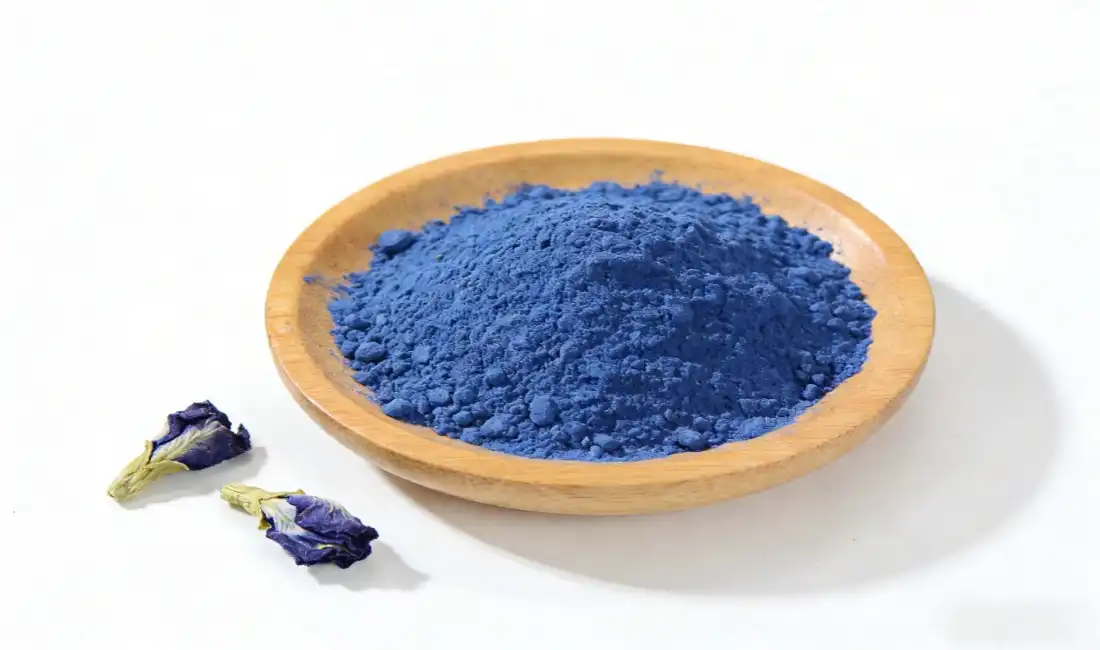
What Is Butterfly Pea Powder Good For? – Health and Industrial Applications
Cognitive Support and Neuroprotective Properties
Butterfly pea powder has good things in it that are good for your brain in many ways. Neurons are protected by the anthocyanin content because it lowers oxidative stress in brain cells. Oxidative stress is a major cause of memory loss. Researchers say that these chemicals may make acetylcholine work better. Acetylcholine is a neurotransmitter that helps us learn and remember things. People who make nootropic pills or functional drinks that are meant to make people smarter can use these traits to make scientifically sound products that older people and workers who want to get smarter will like. There are chemicals in butterfly pea powder called flavonoids that can get into the brain through the blood-brain barrier and protect nerve cells directly. Because of this, it is often found in vitamins meant to keep brain health in good shape over time. When companies use this ingredient in their products, they can sell them as natural options to nootropics made in a lab. People who care about their health and want plant-based brain support without the bad effects of drugs will like this.
Anti-Aging and Skin Health Applications
Butterfly pea powder is good for anti-aging items that you eat or put on your face because it has polyphenols and anthocyanins in it. These things stop collagen from breaking down by getting rid of free radicals, which make skin age faster. The anti-inflammatory properties lower cellular stress factors that are linked to getting old quickly. This means it can be used in beauty-from-within vitamin lines and functional drinks that are sold to improve skin health. Beauty companies put butterfly pea extract in their products because it naturally colors things and gives them vitamins. There are many carrier bases that the powder melts easily in, which gives formulators a lot of choices when they are making new goods. Some hair care items, face masks, and serums don't need to use dyes because the plant itself is blue. There is a clean-beauty style going on in both the US and Europe that this fits with. Because it reduces inflammation, it can also help with solutions for sensitive skin, lowering swelling, and getting skin back to normal after surgery.
How to Use Blue Matcha Butterfly Pea Flower Powder Effectively
Preparation Methods for Large-Scale Production
In manufacturing, there needs to be standardization in the way things are prepared so that each batch of products has the same quality. Blue Matcha Butterfly Pea Flower Powder dissolves best in waters that are between 60°C and 80°C (140°F to 176°F). But cold dispersion is still possible if you stir it enough. Pressure rates on industrial mixing equipment should be kept at a healthy level to keep anthocyanin from breaking down and to make sure that all the particles are fully mixed and moist. Fine 80-mesh particles make the powder good for dry mixing because they make sure that powder recipes are spread out evenly and don't separate while they're being kept. No changes need to be made to the tools used to make pills or tablets when the material is added. Depending on the benefits that are wanted, between 200 and 500 mg are usually added per serve. To make sure that colors are the same from batch to batch, which is important for brand recall, spectrophotometers should be used in quality control.
Optimal Dosage and Formulation Strategies
What the person wants to achieve with the drug affects the dosage that is recommended. People who work in buying and making things can set basic standards with the help of the average range across different uses:
- Beverage Applications: Adding 0.5 to 2% of the liquid gives it enough color, Blue Matcha Butterfly Pea Flower Powder, and health benefits without making the flavors taste bad or making you feel worse.
- Dietary Supplements: 200–600 mg per serving is the suggested amount for cognitive and anti-aging benefits, and it gives a lot of antioxidant support.
- Cosmetic Formulations: A range of 0.1 to 1% in facial products is a good amount to get color while keeping ingredient costs low and skin safety in mind.
- Food Products: Adding between 0.3% and 1.5% by dry weight can make baked goods, sweets, and hot foods look and work better.
People use these standards as a place to start when they are making new formulas. Even though the product will be stored in a certain way, it is still important to test its safety there. This is because changes in pH, temperature, and light exposure can affect the structure and color of bioactive chemicals over time.
Synergistic Blending with Complementary Botanicals
Mixing butterfly pea powder with plant-based ingredients that work well with it and help with more than one health goal at the same time can make goods work better. It's better for your brain in more than one way when you add adaptogenic plants like rhodiola or ashwagandha to drinks. The antioxidant profiles come together when you mix with green tea extract. The caffeine amount is also kept in check so that people who want good energy can get it. They make the antioxidants work better and keep the color longer when mixed with vitamin C products in makeup. When beauty products mix them with hyaluronic acid, they make treatments that keep skin moist from the inside out. Butterfly pea powder has a neutral flavor that works well with a lot of different plants. There is a lot of room for creativity at this point. It's still very important to test for stability when making mixes with more than one ingredient, because changes in pH from some plants can cause color changes that change how the product looks and how people feel about it.
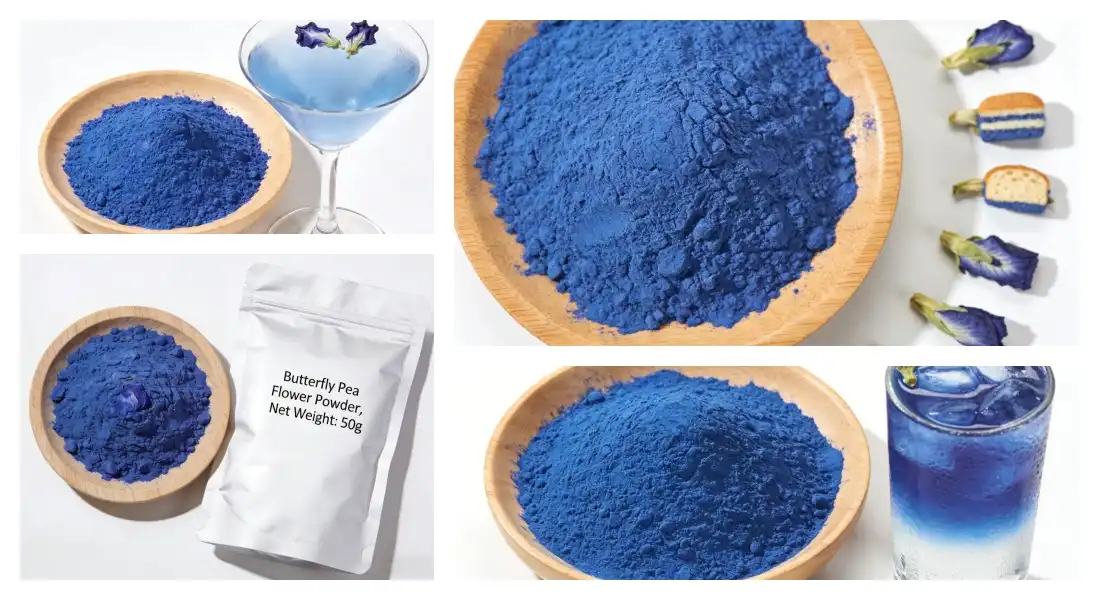
Choosing the Right Blue Matcha Butterfly Pea Flower Powder Supplier
Quality Certifications and Organic Sourcing Verification
Procurement workers have to test sellers against strict quality standards to make sure rules are followed and reduce risks in the supply chain. One important certification is ISO9001 for quality control systems. This shows that the way things are made is standard and the results are always the same. Religious food items can get into more stores with ease thanks to the KOSHER and HALAL approvals. This is very helpful in North America and Europe, where economies are very different. Testing by a third party is a safe way to check for heavy metal levels, bacterial loads, and pesticide residues. A Certificate of Analysis (CoA) is sent with every batch by sellers you can trust. This proves that the item has the right amount of anthocyanin and doesn't contain any other potentially dangerous chemicals. If organic approval is available, it might help your application rank higher, but not all apps need it. It's important for suppliers to be clear about where their goods come from and how they are grown so that buyers can make choices based on social and environmental factors that are becoming more important to them.
Pricing Frameworks and Quality Parameters
A lot of different quality factors affect how much something costs per kilogram. These quality factors have a direct link to how well the plan works and how the finished product turns out. When purchasing managers get quotes from different providers, they shouldn't just pick the one with the cheapest unit cost. They should also compare prices based on important quality factors. It is clear that color brightness, anthocyanin concentration, and the way things look in the end are all connected by standardized color space values. Better quality grades cost more, but they work better and need lower inclusion rates, which could make up for the difference in cost. Most price schemes for bulk items let you save money by getting a certain amount at once. As a general rule, the minimum order size is between 10 kg and 25 kg, and prices go down at 50 kg, 100 kg, and 500 kg or more. People who do business with you often can get better prices, consistent quality, and a steady supply when they sign a long-term supply deal. Buyers should ask for samples before they place a large order. This lets tests of formulations see if they work well and are compatible with certain uses.
Why Blue Matcha Butterfly Pea Flower Powder Is the Preferred Choice for B2B Buyers
Market Trends Driving Natural Ingredient Adoption
Around the world, more and more people who care about their health, Blue Matcha Butterfly Pea Flower Powder, and don't trust man-made additives are buying "clean label" products. Butterfly pea powder goes well with this style. It looks good and is good for you without adding any color or stimulation. A study of the market shows that health-conscious people are picking caffeine-free choices more and more, especially for drinks in the evening and products for kids and pregnant women who are more likely to be sensitive. As time goes on, regulations are shifting in favor of natural chemicals over man-made ones. Some blue dyes that are made in the European Union are limited or require warning signs. Companies that use natural dyes find it hard to follow the rules because of this. Blue Matcha Butterfly Pea Flower Powder is a sensible choice that will meet the needs of large markets now and in the future when rules change. The plant is GRAS (Generally Recognized as Safe) in the US, which makes it easier to make new goods and faster to get them on the market than new man-made choices that need a lot of safety paperwork.
Competitive Advantages Over Alternative Botanicals
Butterfly pea powder is different from other natural colorants and useful plants in ways that make it a good choice for high-end recipes. Spirulina and blue-green algae are both blue, but they have strong tastes that make them less useful and may cause allergies in people who are sensitive. It takes a lot more of the anthocyanins found in purple sweet potatoes or red cabbage to get the same amount of color strength. It costs more and might change the taste and structure of the recipe. Other natural colorants don't have the pH-reactive color change, which makes this one very useful. It helps you make your goods stand out so people will buy them. Limited-edition releases, seasonal changes, and interesting marketing that make people love the brand and share it on social media are all possible because of this trait. The antioxidant makeup, especially the ternatin compounds, backs up health statements that have been proven by study. This helps get higher prices and better locations in places with a lot of competition.
Innovation Opportunities Through Supplier Collaboration
Purchasing managers who are ahead of the curve know that working together with suppliers to make new goods and quickly adapt to changes in the market is a valuable tool. It is possible to get custom formulas, standardized extract versions, and one-of-a-kind ingredient solutions that give you an edge over your competitors if you work with plant extract sources that can do research and development. Before going ahead with a full launch, suppliers with adjustable minimum order amounts and custom packing can help test a product's success in the market. New ingredients are always being made because the world of useful foods and drinks is always changing. Because butterfly pea powder is so versatile, it can be used to make a lot of different things. Nootropic pills can help your brain, and beauty drinks can keep your skin healthy and make you look good on Instagram. The cost of research and development goes down, and the time it takes to make new goods goes down when suppliers offer science papers, formulation ideas, and legal help. This way of working together is very helpful when you're going into new markets or making things for groups of people who have specific wants and needs.
Conclusion
Butterfly pea powder, especially the refined Blue Matcha Butterfly Pea Flower Powder type, is a strategic ingredient that meets many buying goals at once, such as offering a clean label, working well, and following the rules. Because it can be used in food, health products, cosmetics, and functional drinks, it is useful enough to put money into sources and build relationships with vendors. When procurement experts know where the plants come from, how they are handled, what quality standards are used, and how they are used, they can make smart decisions that improve product lines and help the company stand out in the market. More and more people want natural products that can be used for more than one thing. To take advantage of new opportunities in the food, beauty, and health industries, producers can set up reliable supply lines for premium butterfly pea powder.
FAQ
1. Does Blue Matcha Butterfly Pea Flower Powder contain caffeine?
Although it has the word "matcha" in its name, Blue Matcha Butterfly Pea Flower Powder does not have any caffeine in it. Tea leaves called Camellia sinensis are used to make traditional green matcha. On the other hand, this powder is made from butterfly pea flowers and doesn't contain any chemicals. This means it can be used all day, at night, and in things for people who don't want coffee.
2. What is the recommended storage method to preserve color and potency?
Do not put butterfly pea powder near heat or light sources. Store it in containers that do not let air in. It is best to store things at temperatures between 15°C and 25°C (59°F and 77°F) and with less than 60% humidity. For 18 to 24 months, the amount of anthocyanin and the brightness of the color stay the same. People who buy in bulk should use containers that keep water out and follow rules about how to switch out their goods.
3. Which certifications verify quality for bulk purchasing?
Some important licenses for business-to-business purchases are ISO9001 for quality control, KOSHER and HALAL for religious food needs, and proof that the product has been tested by a third party. Each batch should have a Certificate of Analysis that says how pure it is, how much anthocyanin it contains, and that it doesn't have any toxins like heavy metals, pesticides, or microbial loads that are higher than what is safe.
Partner with NT Biotech for Premium Blue Matcha Butterfly Pea Flower Powder Supply
You can depend on NT Biotech to give you Blue Matcha Butterfly Pea Flower Powder. They sell plant products that are 100% pure and are verified by ISO, KOSHER, and HALAL. The most anthocyanin is kept in our special low-temperature handling, and we can ship within 2 to 4 days of getting your order approval. We give away free samples so that you can try the formula before you decide to buy a lot of it. When you buy at least 10 kg from us, our prices are low, and we give you full expert help and CoA paperwork with every batch. If you have any questions, our friendly staff will get back to you within two hours, and they can also help you stick to your product development plan by giving you advice. Email us at info@newthingsbiotech.com to get samples, talk about different ways to package our Blue Matcha Butterfly Pea Flower Powder for sale, or learn how it can help your business meet the best quality standards.
References
1. Jeyaraj, E.J., Lim, Y.Y., & Choo, W.S. (2021). Extraction methods of butterfly pea (Clitoria ternatea): A review. Journal of Food Science and Technology, 58(6), 2054-2067.
2. Neda, G.D., Rabeta, M.S., & Ong, M.T. (2013). Chemical composition and anti-proliferative properties of flowers of Clitoria ternatea. International Food Research Journal, 20(3), 1229-1234.
3. Chusak, C., Thilavech, T., Henry, C.J., & Adisakwattana, S. (2018). Acute effect of Clitoria ternatea flower beverage on glycemic response and antioxidant capacity in healthy subjects. BMC Complementary and Alternative Medicine, 18(1), 6-14.
4. Lakshan, S.A.T., Jayanath, N.Y., Abeysekera, W.P.K.M., & Abeysekera, W.K.S.M. (2019). A commercial potential of butterfly pea (Clitoria ternatea L.) in health and food applications. Journal of Pharmacognosy and Phytochemistry, 8(1), 1284-1287.
5. Escher, G.B., Marques, M.B., do Carmo, M.A.V., Azevedo, L., & Granato, D. (2020). Clitoria ternatea L. petal bioactive compounds display antioxidant, antihemolytic and antihypertensive effects. Food Research International, 128, 108763.
6. Srichaikul, B., & Bunsang, R. (2016). Evaluation of color stability and antioxidant activity of butterfly pea (Clitoria ternatea Linn.) petal extracts. Thai Journal of Agricultural Science, 49(2), 83-94.

Choose a Lutein Powder Bulk source that regularly offers high-purity carotenoids made from marigolds. This is one of the most important things that OEM makers in the nutraceutical, cosmetic, and functional food businesses should do. Lutein Powder Bulk from Tagetes erecta L. Flowers are now a big part of recipes that help with eyes, make vitamin mixes, and add natural color. Procurement teams can make their goods stand out on the global market and gain governmental trust by working with dependable suppliers who can offer tested specs with concentrations between 5% and 80%, consistent batches, and full certifications. People in charge of sourcing and R&D who want to add high-quality plant extracts to OEM goods care most about the technical, organizational, and legal problems in this guide.

Introduction
Demand for plant-based actives in functional foods is growing, with lutein powder bulk widely used for its antioxidant and eye health benefits. Procurement requires evaluating extraction methods, carrier compatibility, and supply chain transparency to ensure performance across applications. Selecting a supplier is strategic, impacting product efficacy, regulatory approval, and brand reputation. Reliable partners must meet standards set by FDA and EFSA, while offering traceability, consistent quality, and technical expertise for global market compliance.
Understanding Lutein Powder Bulk and Its Benefits
Defining Lutein Powder Bulk and Its Source
Lutein powder bulk is a commercial xanthophyll derived mainly from marigold (Tagetes erecta) oleoresin. It undergoes purification, drying, or microencapsulation to form stable 80-mesh powder. Unlike synthetic variants, natural lutein retains small amounts of zeaxanthin, enhancing macular pigment density. Its composition closely matches human eye chemistry, making plant-derived lutein highly suitable for nutritional and functional applications focused on vision support and antioxidant protection.
Key Nutritional and Functional Attributes
Lutein acts as a powerful antioxidant, neutralizing free radicals generated by blue light and oxidative stress. Clinical evidence shows improved contrast sensitivity, reduced glare discomfort, and better macular health with supplementation. Beyond eye health, lutein supports skin, brain, and cardiovascular function. Its formulation flexibility allows use in tablets, capsules, beverages, and cosmetics. Available in oil- and water-dispersible forms, lutein powder bulk enables diverse delivery systems, making it valuable for OEM product development across nutraceutical and functional industries.
Applications Across Industry Segments
Bulk lutein serves multiple industries beyond nutrition. In food production, it functions as a natural yellow-orange colorant in dairy, baked goods, and confectionery. Cosmetic manufacturers use lutein for UV protection in skincare products. In animal nutrition, it enhances egg yolk and poultry coloration to meet market preferences. Due to its broad applications, sourcing from suppliers familiar with food, pharmaceutical, and feed regulations is essential to ensure compliance, performance, and consistent quality across diverse commercial uses.

How to Choose the Best Lutein Powder Bulk Supplier?
Assessing Product Purity and Analytical Documentation
Supplier reliability depends on verifiable product quality. Analytical methods like HPLC and UV spectroscopy confirm lutein content and purity. A valid Certificate of Analysis should detail active concentration, heavy metals, residual solvents, and microbial limits. Compliance with FDA GMP standards, ISO 9001 systems, and certifications like Kosher or Halal reflects strong quality control. Procurement teams should request third-party validation and full traceability from raw marigold sourcing through final packaging to ensure product integrity.
Comparing Natural Extraction vs. Synthetic Production
Natural lutein extracted from marigolds costs more due to agricultural variability and complex processing but offers consumer-preferred “clean label” appeal. It typically contains both lutein and zeaxanthin in balanced ratios. Synthetic lutein provides higher purity but lacks complementary carotenoids. For premium markets, natural lutein powder bulk supports branding and differentiation, while synthetic options suit cost-sensitive applications. Suppliers offering flexible specifications and transparent comparisons help buyers align raw material choices with product positioning and target consumer expectations.
Evaluating Supplier Credentials and Service Capabilities
Supplier evaluation extends beyond product specifications to operational strength and service quality. Key factors include inventory availability, production flexibility, response time, and customization options. Reliable suppliers maintain stock for quick delivery and provide technical support on formulation challenges like stability and compatibility. Verified customer feedback, case studies, and transparent communication about supply conditions build trust. Strong supplier relationships ensure consistent quality, faster problem resolution, and long-term partnership value for evolving production requirements.
The Procurement Process: What B2B Buyers Need to Know?
Understanding Minimum Order Quantities and Packaging Formats
Minimum order quantities (MOQs) are set by most companies that sell Lutein Powder Bulk to make sure that customers can get what they need while also keeping costs low. Most MOQs are between 25 and 100 kilograms, but sellers who are flexible might be able to take on smaller test orders to help them improve their products. As standard, things are packed in 25-kilogram fiber drums with two layers of plastic bags to protect them from damage from light and water. Customized packing options can be used for different production sizes. For example, smaller sections can be used for runs with multiple SKUs, and nitrogen-flushed containers can be used to make the products last longer on the shelf. When buying teams know these things, they can make better budgets and avoid having too much or too little inventory, which can mess up production plans.
Navigating Payment Terms and Shipping Logistics
International procurement involves payment planning, customs compliance, and logistics coordination. Common payment methods include T/T transfers, letters of credit, and local currency settlements to reduce exchange risks. Transparent pricing terms like FOB clarify total costs, including freight and duties. Air shipping delivers within days for urgent orders, while sea freight offers cost savings over longer timelines. Suppliers providing shipment tracking and logistics support improve supply chain visibility and reduce procurement complexity for global buyers.
Initiating Bulk Orders and Building Supplier Relationships
Procurement typically begins with sample testing to evaluate compatibility, solubility, and performance. Suppliers often provide small samples with technical documentation. Buyers should conduct audits, either onsite or virtual, to assess production quality, hygiene, and sourcing practices. Establishing clear specifications, communication protocols, and contingency plans strengthens supplier relationships. These steps transform transactions into strategic partnerships, supporting long-term product development, consistent supply, and scalable business growth.

Lutein Powder Bulk vs. Alternative Products: Making an Informed Choice
Comparing Bulk Powder to Capsules and Liquid Extracts
Lutein Powder Bulk is clearly better than finished dosage forms like liquid solutions or softgels that have already been enclosed. If a company gets bulk powder, they have complete control over the manufacturing process. For example, they can choose the excipients, dose strength, and design of the delivery system. You can make different goods and save money because bulk powder costs 20% to 40% less per milligram of active ingredient than finished pills. When it comes to bulk powder, though, you either need to package it yourself or hire a third party to do it for you, which makes things more difficult. It is easy to add liquid lutein extracts to softgels or drinks because they are mixed with vegetable oils. However, they are less steady and cost more per dose. The best choice depends on how much it costs, how easy it is to make, and what kind of product you want to make.
Evaluating Lutein Alongside Zeaxanthin and Other Carotenoids
But zeaxanthin and meso-zeaxanthin work together to help protect the center macula. Lutein is the most important vitamin for eye health. Researchers are adding lutein and zeaxanthin in 5:1 or 10:1 ratios more and more to make supplements that work like they do in the eye. Claims of better clinical success are stronger because of this. Astaxanthin is another powerful pigment that helps with eye fatigue and inflammation in various chemical ways. People who want to buy a lot of lutein powder should ask sellers if they have standard lutein-zeaxanthin blends or if they can change the amounts of carotenoids to fit certain health claims. When making eye health products that stand out in a crowded market, having sources with strong analysis skills and a lot of different carotenoids is a big plus.
Ensuring Safety and Quality: Side Effects, Dosage, and Regulatory Compliance
Recommended Dosage and Safety Profiles
It has been shown in research that taking 6 to 20 milligrams of lutein every day can improve your eyesight. Eye problems caused by getting older are treated with higher doses (20 to 40 milligrams). When taken in normal amounts, Lutein Powder Bulk is very safe, with no major side effects being reported. In rare cases, too much carotene can cause the skin to turn yellow, which is not dangerous. When the amount is dropped, it goes away. For each area, responsible providers give advice on the highest amounts of intake that are safe. They also help OEM makers make products that work well and are safe for consumers.
Quality Control Measures and Third-Party Testing
The people who sell marigolds make sure that they are grown without using poisons that aren't allowed and are picked at the right time to get the most lutein. This is the first step in making sure the grade is high. Extraction processes use chemicals that are safe for food and tried-and-true ways to get rid of waste. There are several steps of testing that each batch of drugs goes through. These include identity checks using HPLC, strength tests, heavy metal checks for arsenic, lead, cadmium, and mercury, and microbial checks for yeast, mold, pathogens, and total plate count. Third-party labs that meet ISO 17025 standards can check that sellers' claims are true without any bias. Buyers trust a supplier more when they share test results and keep quality paperwork open and simple to read. This also makes regulatory reports go more quickly.
Certifications and Regulatory Compliance
Suppliers need a lot of different licenses for each place they want to serve in order to get around the rules. Businesses that meet Kosher and Halal standards can reach customers who are more religious. ISO 9001 approval shows that quality management is done in a planned way. People who want to sell goods in the U.S. must follow 21 CFR Part 111, which has rules from the FDA about dietary supplements, and make sure they use good business methods. When it comes to food, the European market needs people to follow the new rules and EFSA guidelines. OEM makers can safely sell their products in many places as long as their sources keep their certifications up to date and watch out for changes to the rules. This speeds up the time it takes to market and lowers the risk of not following the rules.
Conclusion
How well goods work, how well they follow rules, and how well they do in the nutrition and functional food industries depend on the quality of the Lutein Powder Bulk that is bought in bulk. Those who work in procurement give importance to sellers who are analytically rigorous, keep quality paperwork clear, and offer flexible logistics. This way, they can get raw materials that meet strict safety and effectiveness standards. If OEM makers know the difference between natural and synthetic lutein, check the track records of sellers, and trust the buying process, they can use this flexible carotene in a lot of different goods. Every day, more and more people want products that are clean on the label and backed by science. You can keep getting high-quality Lutein Powder Bulk if you work with reliable companies like NT Biotech. This is good for new ideas, legal success, and long-term business growth.
FAQ
1. What Are Typical Lead Times for Bulk Lutein Orders?
How long it takes to get things depends on whether the source keeps them in stock or makes them when someone orders them. When you pay for standard specs like 5%, 10%, or 20% Lutein Powder Bulk, sellers who have stock can ship it within 2 to 4 working days. It could take 7 to 10 business days to extract, test, and pack high-concentration grades with more than 40% or special recipes. If you want your package to arrive in the U.S. faster, rapid shipping with FedEx or UPS adds 3 to 7 days, and sea freight takes 4 to 6 weeks. People who want to buy something should tell sellers how much demand they expect and make sure they have extra stock on hand in case there are delays.
2. How Can I Verify Lutein Purity and Authenticity?
Ask for a Certificate of Analysis (CoA) for the batch being bought. This is the first thing that should be done to make sure the product is clean. It should say in the COA that the HPLC or UV test results show that the amount of lutein is within ±5% of what was said. It's even more certain when you compare CoA results with tests done by a third party in a different lab. The first quality checks are to see what the powder looks like, how it smells, and how well it dissolves. Reliable providers let you look at their facilities in person or online. This lets buyers see the extraction tools, testing labs, and storage conditions, which makes them more likely to believe that the product is real.
3. Can Suppliers Accommodate Private Label or Custom Packaging?
OEM clients who are building their own names can benefit from private label production and flexible packaging. A good company can mark bins with branding, product names, and batch information that are unique to each customer. Cases that have been nitrogen-flushed to make them last longer and eco-friendly materials that are in line with sustainability goals are some of the different types of packing. Some sellers help with formulation by offering the best amounts of lutein, other ingredients that work well with lutein, and ways to get the medicine to the people they want to reach. Making these skills a part of the source review process from the start makes sure that the goals for getting raw products and building the brand are the same.
Partner with NT Biotech for Premium Lutein Powder Bulk
NT Biotech is a trustworthy company that sells Lutein Powder Bulk. They specialize in making high-purity marigold extracts for very strict OEM uses. This plant gives us the Lutein Powder Bulk we use. flowers, is ISO 9001, Kosher, and Halal approved, which means it meets high standards around the world. We keep specs with concentrations between 5% and 80% in stock, so we can ship within 2 to 4 days of getting proof of payment. The special ways we use to extract the oil get the most output and security out of it. The result is an orange-yellow powder with a uniform mesh size that is more bioavailable. We answer questions in two hours or less and give you free samples to help you think of new recipes. Send us an email at info@newthingsbiotech.com to talk about your project and get a full price. You can get naturally-derived, scientifically proven Lutein Powder Bulk from NT Biotech. This will help you make new products and do well in the market.
References
1. Bone, R.A., Landrum, J.T., and Tarsis, S.L. (2003). "Preliminary Identification of the Human Macular Pigment," Vision Research, 43(15), 1665-1672.
2. Hammond, B.R., Fletcher, L.M., and Elliott, J.G. (2013). "Glare Disability, Photostress Recovery, and Chromatic Contrast: Relation to Macular Pigment and Serum Lutein and Zeaxanthin," Investigative Ophthalmology & Visual Science, 54(1), 476-481.
3. Kijlstra, A., Tian, Y., Kelly, E.R., and Berendschot, T.T. (2012). "Lutein: More than Just a Filter for Blue Light," Progress in Retinal and Eye Research, 31(4), 303-315.
4. Yao, Y., Qiu, Q.H., Wu, X.W., Cai, Z.Y., and Xu, S. (2018). "Lutein Supplementation Improves Visual Performance in Chinese Drivers: One-Year Randomized, Double-Blind, Placebo-Controlled Study," Nutrition, 29(7-8), 958-964.
5. Roberts, R.L., Green, J., and Lewis, B. (2009). "Lutein and Zeaxanthin in Eye and Skin Health," Clinics in Dermatology, 27(2), 195-201.
6. Granado, F., Olmedilla, B., and Blanco, I. (2003). "Nutritional and Clinical Relevance of Lutein in Human Health," British Journal of Nutrition, 90(3), 487-502.

To raise animals today, you need to find new ways to take care of the surroundings, make the animals comfortable, and get good work. When you eat tannin powder, it can help with all of these problems that are related. Tannin Powder Bulk is a natural feed addition that comes from plants like Galla Chinensis. It improves nutrient retention in a wide range of livestock species, helps keep the gut healthy, and reduces the need for synthetic medicines. This polyphenolic compound is becoming more popular among buying professionals who want standard plant-based ingredients that are good for you, and follow government rules and customer demands for growing methods that are good for the environment.
Understanding Dietary Tannin Powder Bulk and Its Benefits for Livestock
What Are Dietary Tannins and Their Chemical Properties?
Tannins that you eat are naturally occurring polyphenolic chemicals that come from plants. This is the recipe for tannic acid that is used in animal feed: C76H52O46. This recipe may be different depending on the plant that was used and the way it was extracted. Tannin Powder Bulk sourced from Galla Chinensis is a yellow-brown substance that has been milled very finely to 80 mesh so that it can be mixed with feed, the best. On the purity scale, it ranges from 93% to 99%, and the standard extract ratios run from 5:1 to 20:1. Bioactive properties of these chemicals are very important and have a direct effect on animal health. Tannins work in a number of different biological ways when it comes to feeding animals. Their numbing properties combine with digestive system proteins to create complexes that change how nutrients are taken and stop food proteins from breaking down too quickly in sheep and cattle's rumens. Scientists call this system's ability to cause the "bypass protein effect," which makes it easier for nitrogen to stay in the animal and improves the overall feed efficiency.
Hydrolyzable Versus Condensed Tannins in Animal Nutrition
When you plan what to feed animals, you should know the difference between the different kinds of tannin. Hydrolyzable tannins, which come from chestnut and gallnut nuts, are easily broken down by enzymes in the digestive system. This makes gallic acid and ellagic acid derivatives available. Some of these chemicals are very good at killing dangerous germs like E. coli and Salmonella; chicken and pig farms are often at risk of getting these infections. There are more stable condensed tannins that don't break down easily in the rumen when bacteria attack them. These tannins can be found in quebracho, mimosa, and some legumes. Because of this, they are very helpful in bovine nutrition because they connect to proteins in food and stop the production of too much ammonia. This lowers nitrogen loss and pollution. Which of these types of tannin is used depends on the type of species being grown, the goals of the production,Tannin Powder Bulk and any health concerns that are unique to that business.
How Dietary Tannin Powder Is Extracted and Bulk Handling Best Practices
Industrial Extraction Methods and Quality Assurance
The first step in making Tannin Powder Bulk for sale is carefully choosing the plants that will be used. Galla Chinensis is one of the native sources with the purest oil. In the industrial process, aqueous-ethanol liquid extraction is most often used. To get polyphenolic chemicals into solution, crushed plant matter is heated and mixed in a controlled way. After that, the extract is screened to get rid of any impurities and fibers that don't break down. Lastly, it is squished together under low pressure to keep biological parts safe that are sensitive to heat. A lot of advanced sellers, like those who work with B2B markets, use spray-drying to turn liquid extracts into fine powder with a precise amount of wetness, usually less than 5%. This keeps the powder stable over time. At this point, HPLC analysis is used as part of quality control to check the total tannin amount and make sure there are no heavy metals, bacteria, or pesticides left over. The feed is checked by a third party and comes with a Certificate of Analysis that says it meets the safety standards for feed around the world. Some of these are ISO, Kosher, and Halal licenses, which help with trade between countries.
Storage and Handling Protocols for Bulk Quantities
Certain environmental controls must be followed throughout the supply chain to make sure that the tannin powder stays functionally pure. Keeping the temperature steady is the most important thing. The temperature in storage areas should stay between 15°C and 25°C so that polyphenolic structures don't break down. Burning things faster with too much heat makes it harder to kill germs and keep cells from getting hurt. To keep things dry, you need to be aware that hygroscopic tannin powders can easily soak up water from the air, which can cause them to clump together and allow germs to grow. In storage, the relative humidity must stay below 60%. For smaller packing sizes, big bins should have lids that are sealed lids and desiccant packets put inside them. As standard, packing comes in either 1 kg bags or 25 kg drums, which can be used for a range of tasks. If you need to work with a lot of animals, drums are best. For study facilities or trial stages, smaller bags are better. Things also break down when they come into contact with light, so it's important to use packing materials that are dark. If you buy tannin powder in bulk, you should use first-in, first-out inventory movement to keep it from being kept for too long. However, if you handle it properly, it will work for 24 months from the date it was made. Routines for preventing contamination include cleaning plans, special tools for handling feed additives, and teaching staff how to move things correctly so that goods stay pure as they move through the distribution network.
Comparison and Selection: Choosing the Right Tannin Powder Bulk for Livestock Health
Evaluating Product Specifications and Formulation Options
It depends on how well the product specs fit the needs of the business to buy Tannin Powder Bulk. Since there are grades of 93% and 99% pure, experts can change how much food is included based on finances and health goals. There are more bioactive chemicals per unit weight in high-purity concentrates, but they cost more. This is because they save money on shipping and Tannin Powder Bulk storage space for big plans. There are different ways to make formulas where the effects of the whole plant may work well with the effects of different tannins. Standardized extract ratios range from 5:1 to 20:1. If the extract percentage is 10:1, it means that 10 kg of raw plant material makes 1 kg of powder. There are still ingredients in the powder that work with the extract to make it more soluble and useful for medicine. There are clear advantages to both powder and liquid tanning. Powders are better for dry feed mills and premixes, and they stay stable for longer on the shelf. Liquids, on the other hand, work best in water-based delivery systems and for top-dressing when production is high.
Supplier Selection Criteria for B2B Procurement
A lot of things need to be carefully thought through in order to find tannin sellers you can trust. Standards for certification are the foundation. There are systems like ISO 9001 that make sure production methods are always the same, and Kosher and Halal licenses that help buyers serve more types of customers. The minimum order amount is usually 25 kg so that both the buyer and the seller are happy. But buyers and sellers who have done business together before might be able to work out smaller trial amounts or bigger contracts with price breaks. Custom packing shows that a company cares about how things work in real life. If your business needs to ship a lot of smaller items, look for sellers who offer split packing when you buy in bulk. Companies that want to sell, on the other hand, should look for partners who know how to deal with paperwork, customs, and sending goods to other countries. Another important thing to think about is lead times. As long as an item is in stock, it can be shipped within two to four days for urgent needs. This helps just-in-time stocking strategies that lower the need for working capital. How close a seller is to a production center affects how much it costs to ship goods and how reliably they are delivered. This means that area seller networks can help companies that care about the safety of their supply chains.
Practical Applications of Dietary Tannin Powder Bulk in Livestock Management
Species-Specific Dosing and Integration Strategies
To use Tannin Powder Bulk vitamins, you need to follow rules that Tannin Powder Bulk are unique to each species and think about how the bodies of different types of animals are different. Food for cows, sheep, and goats is called ruminant nutrition, and it generally has tannins that make up 0.5% to 2% of the dry matter in the food. Because it doesn't require too many proteins to join, which could make nutrients less available, this range is good for gut health. When beef cattle are finished, they are usually finished near the bottom of this range so that the protein is easy to digest. On the other hand, dairy farms may increase participation during times of change when cows are more likely to get sick or have metabolic stress. Tannin powder is added to the food that broilers and layers eat at rates that range from 0.1% to 0.5%. During production, the powder is mixed with the basic feed ingredients to make sure it is spread out properly. This much kills dangerous bacteria without hurting the good Lactobacillus populations that your intestines need to stay healthy. Farms that feed both starter and growing feeds to pigs are more likely to have young pigs get intestinal diseases after being stressed out from being weaned.
Case Examples and Implementation Support Systems
Global companies that deal with Tannin Powder Bulk and animals do business with providers, but they also work with them in other ways that go beyond that. They say that the use of antibiotics went down by 15% after they started using tannins in a planned way. That was possible because the providers trained farm managers and nutritionists in how to do this. People can go to the farms, get help making feed, and look at study files that have details on the best ways to use these crops as part of these programs. North American beef feedlots can set up open supply times that work with the seasons and the crops when they work with providers who are quick. Giving away free samples makes it possible to do controlled studies that compare groups that are fed with tannins to groups that are fed normally. This makes operation-specific info that can be used in more situations. Asian companies that raise fish and shrimp are adding more tannins to the food they feed the animals. When sources offer smaller packaging sizes and technical paperwork in the local language, it's easier for small makers who work together through groups to pick up new goods.
Procurement Strategies for Dietary Tannin Powder Bulk: Ensuring Value and Reliability
Navigating the Global Supplier Landscape
The main places that make Tannin Powder Bulk send a lot of it to the international market. A lot of gallnuts are grown by Chinese companies, and they have high-tech tools for getting them out. They can offer low prices and production levels that can be changed to meet the needs of big buyers. Companies that are vertically merged, like Shaanxi New Things Biotech, bring in the raw materials, make the product, and ship it to the customer. This makes sure that the quality stays the same and can be watched, which is important for buyers who are worried about rules. Indian sellers use their traditional understanding of plants that are high in tannins to make mixtures that are cheap enough for local markets. But people from other countries who want to buy should check that the recipes are approved and follow the rules for analytical tests. European manufacturers try to reach the high-end market by focusing on environmental checks, non-GMO certifications, and organic certifications. These things cost more but meet strict buyer needs in controlled markets. If you want to know how solid a seller is, look at how quickly they answer technical questions and how much work they've done in the past. Well-known companies keep their phone lines open and answer quickly to questions about specs and requests for special formulas. To keep animals working well and meet legal paperwork standards during checks, it's important to be able to ship the same high-quality goods more than once.
Budgeting and Negotiation Tactics for Bulk Buyers
There are a lot of things that affect the price of tannin powder, like the cost of a license, the availability of raw materials, and investments in extraction technology. People who buy a lot of something should get detailed quotes that show the prices per kilogram as well as any extra costs for packing or shipping. For buyers, this makes it easy to compare prices from different sellers. Orders usually start at 25 kg, but if you commit to buying a certain amount every year, you can save between 5 and 15 percent on the total price. How much it costs to ship a package abroad depends on how it's going and what kind of box it is. It takes 5–7 business days for express courier services to send small, urgent goods, but they charge more for freight. Combined sea freight, on the other hand, costs less per unit for container loads, but it takes 30 to 45 days to get there. People who have sold things before and know how to keep in touch with a lot of freight forwarders make sure that the best routes and papers are used to avoid customs delays, and that temperature-controlled handling is done when it's needed. To get a better deal, smart buyers can ask for longer payment terms, rental inventory plans for heavy users, and performance guarantees that link price to proven improvements in animal health. Before you place a large order, ask for free samples so that the details can be checked in a lab. Small-scale animal tests can also be used to back up claims of success. If this is talked about during the contracting process, custom packing that fits the way things are done can add value without making the prices much higher. For example, water-soluble sachets for liquid feeding systems or big supersacks for automatic mill systems can do this.
Conclusion
Animal farmers need to deal with a lot of different needs, and Tannin Powder Bulk has become an important tool for them. There are many benefits, such as better gut health, antibiotic action, antioxidant defense, and better feed economy, which make a real difference in how comfortable animals are and how much it costs to raise them. People who buy things need to be well-informed and think about things like product specs, seller standards, and their own practical needs. Tannins from plants can be used instead of standard feed ingredients in the future because they are safe and come from plants. This will work with changing rules and customer tastes. Buyers can get better results from their investments and better animal health when they work with skilled sellers who offer solutions that can be tailored to their needs and quick assistance.
FAQ
1. How does dietary tannin powder compare to conventional livestock supplements?
Tannin powder is clearly better than fake choices because it can do more than one thing. Tannins, on the other hand, change proteins, kill germs, and keep cells from getting hurt all at the same time, without making bacteria immune. Tannins from plants don't leave any chemicals in meat or milk, so they meet the standards for clean labels and organic approval that people want. This is something that man-made additives can't do.
2. What storage conditions preserve bulk tannin powder quality?
The best temperatures for keeping are between 15°C and 25°C, and the humidity should be less than 60%. Breakdown by oxygen and taking in water are stopped by containers that are sealed and kept out of the light. Tannin powder will stay fully bioactive for 24 months if you store it the right way. You should do quality checks on it often if you keep it for more than 12 months to make sure it is still useful.
3. Can tannin powder be safely used across different livestock species?
It is safe and useful for ruminants, chickens, pigs, and fish to take tannin supplements as long as they are given the right amount for each species. Cattle and sheep can handle higher inclusion rates because their rumens have changed. When giving medicine to animals with only one stomach, you need to be more careful. Nutritionists are asked to help choose the best plan for each method of output.
Partner with NT Biotech for Premium Tannin Powder Bulk Solutions
You can get pharmaceutical-grade Tannin Powder Bulk from high-quality Galla Chinensis from NT Biotech to help you with your animal food plan. Our ISO, Kosher, and Halal certificates, along with our requirements for 93% and 99% purity, make sure that the quality is always the same and meets the toughest government standards. We have been selling bulk tannin powder for a long time, so we always have a lot on hand so that we can send it within two to four days of getting payment. We can also package your goods in a variety of ways, from 1 kg trial bags to 25 kg production drums, so we can meet your needs. Our team of experts responds to questions within two hours and gives you free samples and cooking ideas so you can try them out without any risk. Email us at info@newthingsbiotech.com to talk about custom solutions, large savings, and how our fully integrated supply chain can help your buying strategy by giving you the peace of mind that comes from knowing that your products can be tracked.
References
1. Mueller-Harvey, I. (2006). Unravelling the conundrum of tannins in animal nutrition and health. Journal of the Science of Food and Agriculture, 86(13), 2010-2037.
2. Patra, A.K. & Saxena, J. (2011). Exploitation of dietary tannins to improve rumen metabolism and ruminant nutrition. Journal of the Science of Food and Agriculture, 91(1), 24-37.
3. Huang, Q., Dung, X., Zhao, G., Hu, T., & Wang, Y. (2018). Potential and challenges of tannins as an alternative to in-feed antibiotics for farm animal production. Animal Nutrition, 4(2), 137-150.
4. Makkar, H.P.S. (2003). Effects and fate of tannins in ruminant animals, adaptation to tannins, and strategies to overcome the detrimental effects of feeding tannin-rich feeds. Small Ruminant Research, 49(3), 241-256.
5. Redondo, L.M., Chacana, P.A., Dominguez, J.E., & Fernandez Miyakawa, M.E. (2014). Perspectives on the use of tannins as an alternative to antimicrobial growth promoter factors in poultry. Frontiers in Microbiology, 5, Article 118.
6. Waghorn, G. (2008). Beneficial and detrimental effects of dietary condensed tannins for sustainable sheep and goat production—Progress and challenges. Animal Feed Science and Technology, 147(1-3), 116-139.

Tannin Powder Bulk is changing the glue business by providing a high-performance, eco-friendly option to resins made from petroleum. These polyphenolic chemicals come from natural plants like Galla Chinensis and have great crosslinking, water resistance, and binding qualities that are needed for industrial glue formulations. Bulk tannin extracts meet the growing need for environmentally friendly raw materials that are 93% to 99% pure and come in a range of extraction ratios (5:1-20:1). They work well in woodworking, packaging, and composite manufacturing without affecting performance.
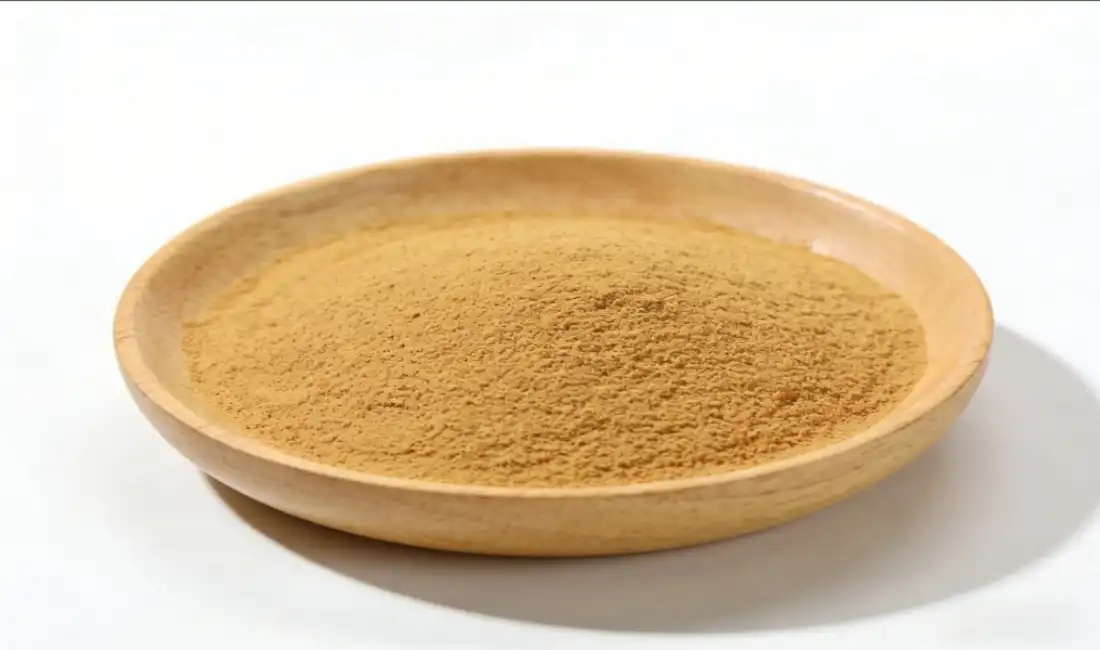
Understanding Bulk Tannin Extracts and Their Properties
Defining Natural Tannin Sources and Chemical Composition
Natural tannin products are a complex group of polyphenolic chemicals that come from a wide range of plants. Galla Chinensis is where most of our Tannin Powder Bulk (CAS: 1401-55-4) comes from. It has hydrolyzable tannins that look yellow-brown and have an 80-mesh particle size that makes them easy to spread out in sticky matrices. The chemical formula is roughly given by C76H52O46. It has several phenolic hydroxyl groups that make hydrogen bonds and covalent crosslinking with formaldehyde or other fixing agents easier. Natural tannins are different from manufactured phenolic resins because their chemical structure makes them naturally biodegradable and less toxic. Quebracho and mimosa are two other market sources of condensed tannins that have slightly different reaction profiles. Tones that come from chestnuts have qualities that are between those of hydrolyzable and condensed types. Which of these sources to use depends on the needs of the adhesive. Galla Chinensis extracts are highly respected for their constant quality and high tannin content, which hits 93% to 99% purity levels in standard formulations.
Functional Benefits for Adhesive Performance
Tannin extracts are used in glue technology because they can react with a wide range of chemicals. Under controlled pH conditions, phenolic hydroxyl groups bond easily with formaldehyde. This creates three-dimensional polymer networks that are just as strong as regular urea-formaldehyde glue. The hydrophobic aromatic rings in the tannin structure make the glue much better at resisting water, which is an important quality for exterior-grade adhesives. Thermal stability makes tannin-based adhesives workable at a wider range of temperatures, so they can be used for hot-press lamination methods that are popular in making plywood and particleboard. Because they are better for the environment, tannin products are better than manufactured resins. The carbon footprint of tannin extraction is still much smaller than that of the petrochemical route synthesis. Formaldehyde emissions can be cut by up to 60% when tannins are used instead of some urea-formaldehyde resins. This helps with both safety worries at work and strict air quality rules in factories. Biodegradability at the end of its life improves the circular economy potential of adhesive goods, which is in line with business environmental goals that are being pushed harder by buying departments.
Comparing Bulk Tannin Powder with Alternative Tannin Forms
Powder Versus Liquid Extract Considerations
Differences in concentration between powdered and liquid tannin products have a big effect on the cost of preparation. Our Tannin Powder Bulk has up to 99% active ingredient concentration, while liquid extracts usually Tannin Powder Bulk have 30–50% solids content. This concentration advantage means that shipping costs are lower, storage space needs are smaller, and inventory management is easier for large buying teams. Concerns about changes in liquid viscosity that make metering systems in automatic glue production lines hard to use are no longer a problem with the powder form. Powder forms are easier to work with in most industry settings. Controlling dust when working with powder is easier than controlling rust and spills when working with acidic liquid extracts. When powder is mixed with working solutions, the final adhesive viscosity and solids content can be precisely controlled. This gives formulators more freedom to change the rheology for different application methods, like spray coating, roller spreading, or curtain coating systems that are common in the manufacturing of wood panels.
Organic Certification and Synthetic Alternatives
For brands that want to appeal to environmentally conscious customers, the difference between organically approved and standard tannin sources is becoming more important. Synthetic tannins made from phenol-formaldehyde condensation are cheaper, but they don't have the sustainability story that makes green building standards like LEED and BREEAM important. Natural tannin extracts from Galla Chinensis stay organic as long as they come from controlled cultivation. This means that they meet the paperwork needs of environmental product statements that more and more B2B clients want. The main differences in performance between natural and manufactured types are the reactivity patterns and curing rates. Natural tannins have more even molecular weight distributions, which can make finished adhesive films more flexible but may make hot-press applications take longer to finish. Synthetic options cure more reliably, but they don't have the protective qualities that natural polyphenols do, which help them last longer when exposed to the elements outside. When making procurement choices, these technical details should be weighed against performance requirements for the end use and plans for positioning the company in the market.
Procurement Insights: How to Source Bulk Tannin Extracts for Industrial Adhesives
Order Quantities and Pricing Structures
To buy tannin products strategically, you must first understand how quantities and prices relate to each other. Our 25 kg minimum order number allows for test production runs without requiring too much capital, and bulk discounts start at cutoff amounts that match the quarterly usage patterns that mid-scale adhesive makers usually have. Pricing systems take into account both the cost of the raw materials and how hard they are to remove. Higher-purity grades command higher prices, which are supported by the fact that they are easier to make and work better in the end. Customized delivery logistics for the adhesives business include shipping choices that can be changed based on urgency and order size. Our direct FEDEX and UPS accounts allow us to quickly complete orders within two to four days when we have enough stock. This is especially important when production plans are impacted by a lack of raw materials. When you use trusted forwarders to plan consolidated sea freight for larger packages, you can get the best price for your established supply relationships. Our promise to answer all inquiries within two hours ensures that procurement teams get expert advice quickly during sourcing evaluations.
Evaluating Supplier Reliability and Credentials
Comparing prices is only one part of evaluating a supplier. Quality assurance infrastructure and technical help skills are also important. Our vertical integration, which includes both self-sufficient farming and smart production sites, protects the supply chain against changes in the agriculture market. Modern extraction technology makes sure that each batch has the same amount of tannin and molecular weight distribution. These are the two things that directly affect how long a glue stays in the pot and how it cures. Comprehensive testing methods check that standards are met before a shipment goes out. This keeps quality shocks from throwing off production plans. Customization is what sets true expert partners apart from transactional providers. We offer OEM solutions that are flexible, such as private marking and formulation support that is made to fit the needs of each glue application. Our R&D team works together with clients to speed up the product development process, whether they are making low-emission indoor adhesives for European markets or high-moisture-resistance formulas for tropical regions. This partnership method is especially helpful when dealing with different markets' rules and regulations. Our Kosher, Halal, Tannin Powder Bulk and ISO standards make it easier to enter these markets.
Application Guide: Using Bulk Tannin Powder in Eco-Friendly Adhesive Formulations
Formulation Parameters and Mixing Protocols
To use Tannin Powder Bulk successfully, you need to pay attention to certain preparation steps that increase responsiveness. Usually, the first step in the dispersion process is to mix dry tannin powder with alkaline catalysts like sodium hydroxide or sodium carbonate. Next, water is added slowly while the mixture is constantly stirred to reach the desired viscosity range of 200 to 800 cps. Keeping an eye on the temperature while mixing stops crosslinking from happening too soon. The best temperatures for preparation are between 20°C and 30°C. The 80-mesh particle size makes sure that the mixture spreads evenly and quickly, even without using special grinding tools.The right mixing amount depends on the type of glue and the needs of the substrate. A lot of wood glues use tannin-to-formaldehyde molar ratios that are between 1:1.5 and 1:2.0. These are matched with paraformaldehyde or formalin addition rates that get the desired free formaldehyde amounts below legal limits. Adding 10–20% of extenders like wood flour or wheat flour improves the ability to fill gaps and lowers the cost of materials without lowering the strength of the bond. Using caustic soda to raise the pH to 10–11 turns on phenolic sites so that crosslinking can happen most efficiently during hot-press cure.
Industry-Specific Case Studies
Applications in woodworking show how tannin-based glue can be used on a wide range of products. A European company that makes particleboard cuts formaldehyde emissions by 55% while keeping the strength of the bonds above 0.50 MPa. They did this by replacing some of the urea-formaldehyde glue with our 93% pure Tannin Powder Bulk. The press times went from 6 to 7 seconds per millimeter, which is a small price to pay for the environmental benefits and good market response to low-emission approved panels. Adoption in the packaging field meets the sustainability requirements set by big market brands. A company in North America that makes cardboard boxes came up with fully bio-based laminating glue by mixing 99% pure tannin extracts with starch and protein co-binders. The final adhesive had better wet-strength retention than petroleum-based options, and it also allowed uncontaminated packaging trash to be composted. Customers who wanted proven green packaging options backed by lifecycle assessment data could pay more for this new idea. Using tannin science in new ways, like in leather processing, builds on what has been done in the past. These days, eco-tanneries use condensed tanning methods instead of chrome salts, but hydrolyzable tannins from Galla Chinensis are also used in combination tanning processes. The natural affinity of tannin for collagen proteins makes it useful for adhesive uses in the leather goods industry. This creates strong bonds in footwear, upholstery, and car seats without the plasticizer migration problems that happen with synthetic adhesives.

Future Perspectives and Trends in Bulk Tannin Extracts for Green Adhesives
Innovation in Tannin-Based Polymer Chemistry
Researchers are looking into how to make tannins work differently so that they can be used for more things than just sticking wood together. Changing chemicals by etherification or esterification adds reactive groups that allow fixing at room temperature. This makes room-temperature curing possible in pressure-sensitive adhesives and building mastics where hot-press processing isn't possible. By mixing bio-based epoxies or isocyanates with other chemicals, high-performance structural adhesives can be made that can be used on composite materials in aircraft and automobile uses, which have traditionally relied on bonding systems made from petroleum. Adding nanotechnology is another way that things are getting better. Adding cellulose nanofibrils or nanosilica to tannin structures improves their mechanical qualities while keeping their ability to break down naturally. These nanocomposite adhesives are better at resisting wetness and staying stable at high temperatures than tannin formulas that haven't been changed. This fills in performance gaps that had been holding the market back before. Intellectual property changes in this area show that global glue companies looking for long-lasting product lines are becoming more interested in it.
Market Growth Drivers and Regional Demand Patterns
Environmental qualities of Tannin Powder Bulk are becoming more important in global adhesive markets, along with technical success. European rules like REACH and the Ecodesign Directive help low-emission, bio-based glue compete in the furniture and building industries. North American markets react to the need for green building approval and the unstable price of petrochemicals, which makes bio-based adhesives more cost-effective. Asian markets are seeing a lot of fast growth in manufactured wood goods. This is increasing the need for low-cost tannin-formaldehyde adhesives that meet performance standards and cut down on the need to import synthetic resins. Analysis of procurement trends shows that corporate buyers' objectives are changing. Along with price and quality factors, sustainability metrics are now part of official supplier scorecards. When companies promise to be carbon neutral, they buy green raw materials and keep clear records of the supply chain. This change is good for suppliers like NT Biotech that offer full traceability from plant source to extraction and quality control, which helps customers meet their sustainability reporting requirements.
Strategic Sourcing Recommendations for Procurement Teams
To stay competitive in the long run, companies that make adhesives need to take the initiative to grow their supply chains. For important materials like Tannin Powder Bulk, procurement managers should set up dual-source plans, combining supply security with relationship depth. It's better to have technical partnerships with suppliers who can help with formulas and make changes than to just do business with them and negotiate prices on the spot. Regular checks of suppliers make sure that the quality system is strong and that it can be expanded as demand rises. Optimizing your inventory means balancing the costs of keeping it with the risks of supply disruptions. Because our products can be stored for 24 months and are delivered reliably in 2 to 4 days, lean stocking strategies work for customers who buy a lot and know exactly when they will need something. When releasing new goods that need specific tannin grades and where formulation changes may happen, it's important to place your stock strategically. This risk is reduced by our free sample program, which lets us make sure everything is working well before we commit to buying in bulk.
Conclusion
As market demands and government forces come together around sustainability, the move toward eco-friendly glue formulations speeds up. Tannin Powder Bulk from natural sources like Galla Chinensis has been shown to work well in wood, packing, and specialty adhesive uses. It also does good things for the earth. Procurement workers and R&D teams need to carefully look at technical factors like purity grades, formulation processes, and suppliers' abilities. The adhesive industry is at a turning point where bio-based materials are going from being niche options to common ones. This is happening because polymer science is changing, and people are becoming more open to buying green products.
FAQ
1. What makes tannin-based adhesives more environmentally friendly than synthetic alternatives?
Instead of coming from petroleum, tannin extracts come from green plant sources. This makes the adhesive's carbon footprint much smaller over its entire lifetime. Bio-based tannins naturally break down when a product's time is up, which supports the ideas of the cycle economy. When Tannin Powder Bulk is added to formulas, formaldehyde emissions are cut by up to 60% compared to regular urea-formaldehyde systems. This makes the air quality in the workplace better and the safety of the end product better. The extraction process uses less energy than petrochemical processing and produces waste that breaks down naturally instead of toxins that stay in the environment for a long time.
2. How do I determine the appropriate purity grade for my adhesive application?
The choice of purity between 93% and 99% is based on the needs of the application. High-purity versions are best for uses that need little color change, like light-colored wood veneers or food-contact packing adhesives, where impurities could discolor the product or raise safety concerns. For making particleboard and fiberboard where small color differences are still okay, standard 93% grades are a cost-effective option. Talking to our expert team can help you match the grade specs to your substrate's properties, curing tools, and performance goals, all while lowering costs as much as possible.
3. Can tannin adhesives match the water resistance of conventional synthetic adhesives?
When tannin-based sealants are made correctly, they can withstand water and can be used inside or outside with protection. The phenolic structure of tannin molecules allows them to crosslink, which makes hydrophobic polymer networks that water can't get into. How well a recipe works in harsh outdoor conditions depends on things like the type of crosslinker used, the amount of catalyst added, and the drying conditions. Tannin adhesives work well in many situations where it is wet, but for extreme marine exposure, specialty synthetic systems may still be better. Performance evaluation is done in a lab under settings that are similar to your actual exposure conditions.
Partner with NT Biotech for Premium Tannin Powder Bulk Supply
With high-purity Tannin Powder Bulk and a lot of technical know-how, NT Biotech is ready to help you switch to environmentally friendly adhesives. Our fully integrated supply chain makes sure that the quality of the Galla Chinensis we grow is always high. We do this by using our own special extraction Tannin Powder Bulk methods to get grades of 93 to 99% pure that are fully certified as ISO, Kosher, and Halal. As a reliable bulk provider of tannin powder, we keep enough in stock to send within two to four days, and our R&D team can help you come up with the best adhesive for your needs. Email our technical experts at info@newthingsbiotech.com to get free samples and talk about unique solutions that help you reach your sustainability goals without sacrificing efficiency.
References
1. Pizzi, A. (2019). Tannins: Prospects and Actual Industrial Applications. Biomolecules, 9(8), 344-362.
2. Huang, C., Ma, J., Zhang, W., Huang, G., & Yong, Q. (2018). Preparation of lignosulfonate-based phenolic resin adhesive based on methylolation-free technology. International Journal of Adhesion and Adhesives, 82, 82-89.
3. Franca-Silva, J. M., dos Santos Oliveira, D. A., & de Paula Protásio, T. (2021). Natural plant tannins for wood adhesives: A review. Wood Material Science & Engineering, 16(6), 389-401.
4. Lacoste, C., Čop, M., Kemppainen, K., Giovando, S., Pizzi, A., Laborie, M. P., Sernek, M., & Celzard, A. (2015). Biobased foams from condensed tannin extracts from Norway spruce bark. Industrial Crops and Products, 73, 144-153.
5. Santiago-Medina, F. J., Foyer, G., Pizzi, A., Pereira, J., & Charrier, B. (2016). Tannin-based adhesives for particleboard production from fast-growing pine species. Maderas: Ciencia y Tecnología, 18(4), 577-586.
6. Garcia, D. E., & Glasser, W. G. (2017). Engineering aspects of wood adhesive design with tannin bio-polymers. Journal of Adhesion Science and Technology, 31(5), 533-548.

Lutein and zeaxanthin powder is a concentrated botanical extract derived from marigold flowers (Tagetes erecta L.), delivering two critical xanthophyll carotenoids that serve as the foundation of macular pigment in human eyes. These lipophilic, di-hydroxy compounds—sharing the molecular formula C₄₀H₆₆O₂ with CAS number 144-68-3—function as potent antioxidants that filter harmful blue light and neutralize oxidative stress within retinal tissues. Unlike whole-food sources, powder formulations offer standardized potency levels ranging from 5% to 98%, enabling precise dosing and superior stability for dietary supplements, functional foods, cosmetics, and animal nutrition applications across global markets.
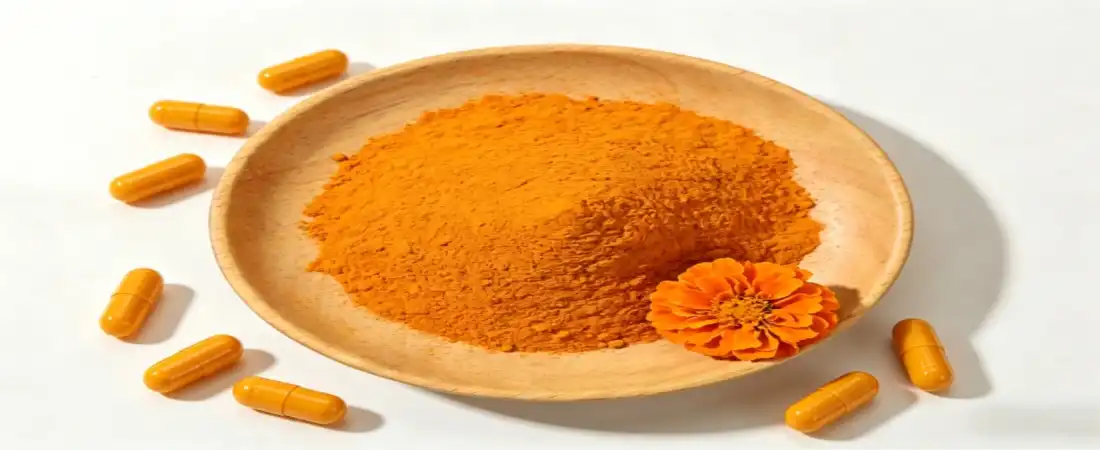
Understanding Lutein and Zeaxanthin Powder
The Chemistry Behind Eye-Protective Carotenoids
Lutein and zeaxanthin are xanthophyll carotenoids recognized by hydroxyl gather situation on their atomic structures. Lutein is conveyed over fringe retinal locales, whereas zeaxanthin concentrates in the fovea, supporting high-acuity vision. People must get both through eat less or supplementation. These compounds gather in the macula, shaping a defensive shade that assimilates destructive blue light (400–500 nm). Investigate appears higher dietary admissions increments macular shade thickness, making a difference decrease photochemical harm chance, particularly in cutting edge screen-heavy lifestyles.
Why Powder Formulations Outperform Natural Food Sources?
Dietary sources like spinach provide lutein and zeaxanthin powder, but achieving therapeutic intake levels through food alone is impractical. Powder extracts derived from marigolds concentrate these carotenoids efficiently through controlled processing. High-quality powders preserve bioactive trans-isomers, maintain stability during storage, and disperse well in formulations. Fine particle sizes improve mixing, while microencapsulation protects against degradation. These properties enable consistent dosing, reliable bioavailability, and scalable production, making powder formats ideal for manufacturers seeking uniformity and performance in nutraceutical and functional product development.
Addressing Industry Pain Points Through Quality Standards
A major challenge in carotenoid generation is anticipating cis-isomerization, which decreases natural adequacy. Premium producers utilize delicate extraction and decontamination strategies to keep up dynamic trans shapes. Third-party testing, counting HPLC examination, confirms virtue and composition whereas identifying corruption dangers. Comprehensive documentation such as Certificates of Examination guarantees compliance with security and administrative benchmarks. These quality measures specifically affect detailing unwavering quality, item consistency, and worldwide advertise acknowledgment, making provider straightforwardness and approved testing basic for producers working in controlled wellbeing and nourishment industries.
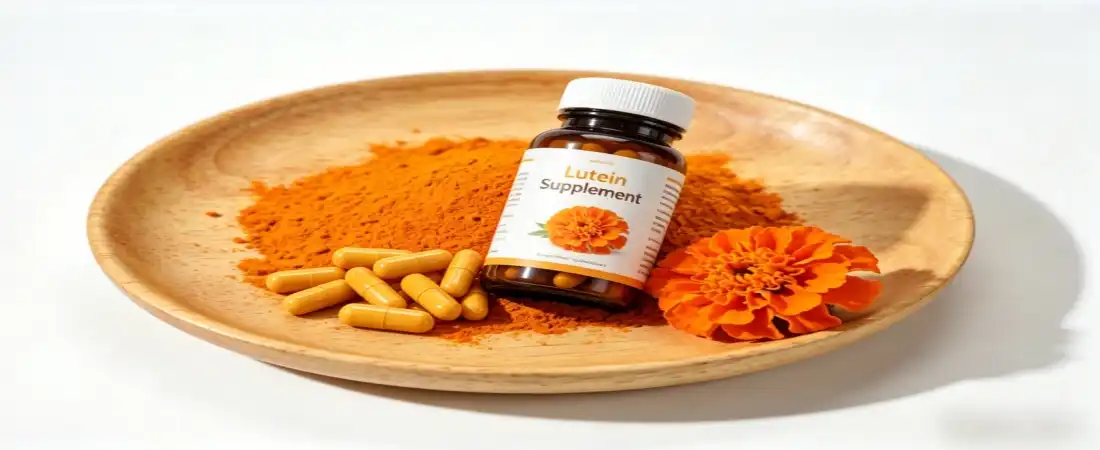
Key Benefits of Lutein and Zeaxanthin Powder for Eye Health
Antioxidant Defense Against Oxidative Stress
The retina is highly susceptible to oxidative damage due to constant light exposure and metabolic activity. Lutein and zeaxanthin neutralize reactive oxygen species, preventing lipid peroxidation and protecting photoreceptor membranes. They also enhance endogenous antioxidant enzyme activity, including superoxide dismutase and glutathione peroxidase. Beyond direct antioxidant effects, they modulate inflammatory pathways by inhibiting NF-κB activation, reducing cytokine production. This combined protective mechanism supports long-term retinal health, particularly for aging populations and individuals exposed to prolonged digital screen usage.
Prevention of Age-Related Macular Degeneration
Clinical considers, counting AREDS2, appear that every day supplementation with lutein and zeaxanthin decreases movement hazard of age-related macular degeneration by up to 25%. These carotenoids increment macular shade thickness, sifting blue light and bringing down oxidative stretch. They too bolster mitochondrial work in retinal cells, keeping up cellular vitality adjust. This multi-pathway security moderates degenerative changes related with AMD, particularly in people with moo dietary admissions. Their part in preventive eye wellbeing makes them key components in evidence-based dietary interventions.
Visual Performance Enhancement
Supplementation makes strides quantifiable perspectives of visual execution past malady avoidance. Thinks about appear improved differentiate affectability, decreased glare inconvenience, and speedier visual recuperation beneath shinning light conditions. These benefits are especially pertinent for experts uncovered to requesting visual situations. Expanded macular color thickness contributes to progressed optical sifting and visual clarity. Clinical trials illustrate critical changes after steady admissions, connecting carotenoid supplementation to way better useful vision results and generally quality of life, particularly in maturing populaces encountering progressive visual decline.
Dosage, Safety, and Side Effects: What B2B Buyers Must Know?
Industry-Standard Dosage Recommendations
Clinical rules prescribe every day admissions of 6–20 mg lutein and 2–4 mg zeaxanthin, regularly in a 5:1 proportion reflecting common retinal dispersion. Standard details regularly take after AREDS2 proposals of 10 mg lutein and 2 mg zeaxanthin. Bioavailability depends on definition plan, as carotenoids require lipids for ideal retention. Micronized powders improve disintegration and take-up. Producers must consider conveyance strategies, such as softgels or lipid-based frameworks, to maximize adequacy in last items aiming for customer wellbeing applications.
Safety Profile and Contraindications
Extensive research confirms that lutein and zeaxanthin powder are safe when consumed within recommended limits. No significant adverse effects have been reported in large clinical studies. Excessive intake may cause mild, reversible skin yellowing (carotenodermia). Contraindications are minimal, though individuals with rare metabolic disorders should exercise caution. Potential interactions with lipid-lowering medications remain inconclusive. Safety data for pregnancy and breastfeeding show no major risks, but conservative dosing is advised. Overall, these carotenoids demonstrate strong safety profiles for long-term supplementation.
Quality Control Requirements for Regulatory Compliance
Manufacturers must guarantee strict adherence to quality benchmarks, counting GMP compliance and certifications like ISO, Legitimate, and Halal. Expository testing strategies such as HPLC and GC-MS confirm composition and distinguish contaminants. Overwhelming metal screening and microbial testing guarantee item security. Administrative compliance is fundamental for showcase passage in districts like the US, EU, and Japan. Solid providers give batch-specific documentation, empowering traceability and lessening lawful dangers. These controls are basic for keeping up item astuteness and customer trust.
Comparing Lutein and Zeaxanthin Powder to Other Supplement Forms
Manufacturing Flexibility and Formulation Advantages
Powder shapes give unmatched adaptability in item improvement. They permit exact dosing, simple mixing with other supplements, and compatibility with different conveyance designs counting capsules, tablets, and refreshments. This flexibility underpins definition of synergistic combinations with vitamins, minerals, and omega-3 greasy acids. Bulk obtaining diminishes costs through economies of scale, making powders alluring for large-scale generation. Their flexibility empowers producers to tailor items to particular advertise requests whereas keeping up effectiveness and reliable quality.
Natural Versus Synthetic Sourcing Considerations
Natural lutein and zeaxanthin determined from marigolds are favored due to buyer request for plant-based fixings. These extricates experience saponification to progress bioavailability, closely mirroring common dietary shapes. Manufactured options, whereas chemically comparable, may be less engaging in clean-label markets. Certifications such as non-GMO and natural upgrade item esteem and separation. Straightforward sourcing and traceability impact obtaining choices, making normal extricates a premium choice for brands focusing on health-conscious buyers and competitive positioning.
Synergistic Formulation Strategies
Combining lutein and zeaxanthin powder with complementary nutrients enhances effectiveness. Meso-zeaxanthin supports macular pigment distribution, while omega-3 fatty acids improve retinal structure and carotenoid absorption. Vitamins C and E provide additional antioxidant protection, and zinc supports enzymatic functions in retinal cells. Evidence-based formulations leveraging these synergies deliver comprehensive eye health benefits. Manufacturers must balance ingredient costs with clinical efficacy to create competitive products that meet consumer expectations and scientific validation.
Procuring Lutein and Zeaxanthin Powder: A Guide for Global B2B Buyers
Evaluating Supplier Credibility and Technical Skills
Reliable providers illustrate solid specialized capabilities, counting vertically coordinates supply chains and progressed testing research facilities. Gear such as HPLC and spectrophotometry guarantees steady quality control. Point by point documentation covering extraction strategies, soundness information, and definition compatibility reflects specialized ability. Providers advertising detailing back and administrative direction include key esteem. Demonstrated generation capacity and confirmed quality certifications offer assistance guarantee steady supply, making provider assessment a basic figure in fruitful long-term obtainment partnerships.
Understanding Pricing Structures and Negotiation Dynamics
Pricing depends on immaculateness levels, arrange volume, and conveyance terms. High-purity extricates command premium estimating due to complex preparing necessities. Lower-concentration items serve cost-sensitive applications. Volume commitments empower way better estimating through economies of scale. Adaptable installment alternatives and localized exchanges diminish monetary dangers for universal buyers. Understanding these flow permits acquirement groups to adjust fetched and execution, guaranteeing effective sourcing procedures adjusted with generation necessities and advertise positioning.
Procedures for Verification for Quality Assurance
Effective supplier verification requires independent testing and documentation review. Third-party reports confirm carotenoid content, purity, and safety parameters. Certification validity should be cross-checked through official databases. Pilot orders enable real-world testing of product performance, including stability and compatibility. While references and case studies provide insights, direct evaluation through sampling remains essential. Structured verification processes reduce procurement risks and ensure consistent product quality before committing to long-term supply agreements.
Conclusion
Lutein and zeaxanthin powder are important ingredients for B2B formulators who are making eye health goods that are backed by strong scientific evidence. The concentrated extracts from marigolds meet important consumer needs, like protecting against age-related macular degeneration, improving visual performance, and protecting against free radicals. They also help manufacturers by providing consistent potency, formulation flexibility, and supply chain reliability. Professionals in procurement can benefit from learning about the quality standards, legal requirements, and supplier evaluation factors that set premium natural extracts apart from cheaper options. As global awareness of preventive eye care intensifies, brands can take advantage of growing market possibilities by strategically finding high-quality carotenoid powders.
FAQ
1. What makes lutein from marigolds better than lutein made in a lab?
Marigold extracts (Tagetes erecta L.) have naturally occurring carotenoid profiles that are similar to what people eat, which makes clean-label labeling more acceptable to consumers. Natural sources are gently saponified, which keeps the beneficial trans-isomer configurations. Synthetic production, on the other hand, involves chemical synthesis, which some regulatory frameworks look at more closely. Botanical origin, non-GMO approvals, and organic labels are becoming more and more important for brands to stand out. This is why natural extracts can be used to explain higher prices.
2. How can B2B buyers be sure that the amount of carotenoids is correct?
Ask for Certificates of Analysis that are special to each batch and show that the amounts of lutein and zeaxanthin were checked using HPLC. Reliable providers offer heavy metal screening, microbial testing, and pesticide residue analysis, as well as trans-isomer ratios that prove structural integrity. Third-party laboratory validation through independent testing facilities adds trustworthiness beyond self-certification by the seller. This is especially important when vetting new supply sources or doing regular quality checks on partners that are already working with you.
3. What preparation factors improve bioavailability?
To absorb carotenoids, you need to take them with a lipid. Adding good fats or making softgel delivery methods can help the body absorb them better. Powders that are less than 100 mesh are micronized and dissolve better than materials that are bigger. Think about combining fat-soluble vitamins with omega-3 fatty acids to make them work better together and help the body's natural processes. Stability testing under working settings that are specific to your uses makes sure that the product's effectiveness stays the same over time.
Partner with a Trusted Lutein and Zeaxanthin Powder Supplier
NT Biotech is an expert in providing high-quality marigold extracts with standardized carotene levels ranging from 5% to 98%. These extracts are approved through ISO9001, Kosher, and Halal programs and meet global legal standards. Our special extraction methods keep the bioactive trans-isomer configurations while keeping the highest level of purity, which has been confirmed by thorough testing by a third party. Our prompt service model gives procurement specialists a competitive edge by guaranteeing two-hour answers to inquiries, keeping a large inventory that lets shipments happen within one to three days, and offering flexible OEM solutions that support custom formulation development. Our technical team gives recipe advice based on a lot of experience extracting plants. Email us at info@newthingsbiotech.com to get free samples and learn how working with a reputable lutein and zeaxanthin powder maker can help you come up with new products.
References
1. Age-Related Eye Disease Study 2 Research Group. "Lutein + Zeaxanthin and Omega-3 Fatty Acids for Age-Related Macular Degeneration: The Age-Related Eye Disease Study 2 (AREDS2) Randomized Clinical Trial." Journal of the American Medical Association, 2013.
2. Bernstein, Paul S., et al. "Identification and Quantitation of Carotenoids and Their Metabolites in the Tissues of the Human Eye." Experimental Eye Research, 2001.
3. Hammond, Billy R., and Lisa M. Renzi. "Carotenoids." Advances in Nutrition, 2013.
4. Krinsky, Norman I., et al. "Biologic Mechanisms of the Protective Role of Lutein and Zeaxanthin in the Eye." Annual Review of Nutrition, 2003.
5. Obana, Akira, et al. "Macular Carotenoid Levels of Normal Subjects and Age-Related Maculopathy Patients in a Japanese Population." Ophthalmology, 2008.
6. Stringham, James M., et al. "Macular Pigment and Visual Performance Under Glare Conditions." Optometry and Vision Science, 2008.

Rose Tagetes erecta L. is what is used to make pure plant-based marigold extract powder. Flowers are famous all over the world for having a lot of lutein and zeaxanthin in them naturally. These are two pigments that are good for your eyes and help protect them from damage. You can use this guide if you work for a company in the nutrition, skin care, or functional food industries and need a clear quality promise for high-quality, standardized plant extracts. We look at how the oil is extracted, how it can be used for health reasons, how to choose a seller, and shipping problems to help you make smart buying decisions that follow the rules and help your product grow.
Understanding Marigold Extract Powder
Botanical Origins and Extraction Process
Marigold lutein powder is basically determined from Tagetes erecta L. (African/Aztec marigold), whereas Calendula officinalis is utilized more in topical beauty care products. Tagetes erecta contains essentially higher lutein levels, impacted by developing conditions in districts like China, India, and Latin America. Blooms are collected at crest development, dried, and extricated utilizing ethanol or supercritical CO₂. After refinement and shower drying into 80-mesh powder, GMP guarantees consistency. HPLC testing affirms lutein substance. Zeaxanthin and minor cancer prevention agents are moreover display, but lutein remains the essential utilitarian compound for commercial applications and detailing standardization.
Key Bioactive Components
Lutein is the prevailing bioactive compound in marigold extricate, bolstered by zeaxanthin at 5–10% of carotenoids. These xanthophylls collect in the retinal macula and assimilate high-energy blue light. Their hydroxyl structure permits specific statement in eye tissues. Extra flavonoids and triterpenoid saponins exist but are auxiliary in standardized extricates. Together, lutein and zeaxanthin neutralize receptive oxygen species and decrease oxidative push. This collaboration makes strides eye and skin assurance benefits, recognizing normal marigold-derived lutein from engineered adaptations and supporting its clean-label situating and broader acknowledgment in wellbeing and corrective applications.
Industrial Applications Across Sectors
Marigold extract powder is widely used across nutraceuticals, functional foods, animal feed, and skincare. It supports eye health formulations for digital eye strain and age-related macular degeneration, delivered in capsules and tablets. Microencapsulation prevents interaction with minerals in multivitamins. In food applications, cold-water-soluble grades act as natural colorants (E161b) in beverages and baked goods. Stability under heat and acidity allows industrial versatility. In cosmetics, lutein provides antioxidant, anti-inflammatory, and photoprotective benefits, improving skin barrier health while also enhancing natural coloration without synthetic pigments in premium formulations.
Benefits and Usage of Marigold Extract Powder
Vision Protection and Retinal Health
Lutein and zeaxanthin concentrate in the macula, sifting blue light between 460–480 nm and lessening oxidative harm. Day by day admissions of 10–20 mg increments macular shade thickness and brings down AMD chance. Clinical thinks about bolster dosages of 6–10 mg for eye weariness and up to 30 mg for degenerative conditions. Combined with omega-3s, vitamin E, and zinc, lutein appears upgraded defensive impacts. These definitions move forward visual execution, diminish eye strain, and bolster long-term retinal wellbeing, making marigold extricate a center fixing in eye-care nutraceutical items globally.
Antioxidant and Anti-Inflammatory Properties
Marigold extract provides strong antioxidant activity against singlet oxygen, superoxide, and lipid radicals, supported by ORAC testing. It is comparable to astaxanthin and resveratrol in free radical scavenging. It also suppresses NF-κB pathways, reducing IL-6 and TNF-α inflammatory markers. In skincare, 0.5–2% lutein improves hydration, elasticity, and UV-induced redness. These effects extend benefits beyond eye health to cardiovascular, neurological, and immune support. Its dual antioxidant and anti-inflammatory action makes it valuable in both dietary supplements and dermatological formulations targeting environmental stress and aging.
Safety Profile and Regulatory Compliance
Lutein demonstrates strong safety with high NOAEL levels exceeding 200 mg/kg in animal studies. Human trials report minimal side effects, typically mild gastrointestinal discomfort at high doses above 100 mg daily. Regulatory bodies like the FDA and EFSA classify lutein as GRAS, allowing its use in food without pre-approval. Pharmacopeias set strict limits on heavy metals and contaminants. Compliance requires ISO 17025-certified testing and verified COAs. These standards ensure safety, consistency, and regulatory acceptance, making marigold extract suitable for global markets in food, supplement, and cosmetic industries.
Comparing Marigold Extract Powder with Alternatives
Natural vs. Synthetic Lutein
Synthetic lutein offers high purity and lower cost but lacks clean-label appeal compared with marigold extract powder (natural lutein source), which is preferred for its plant-based origin and consumer-friendly positioning. Natural marigold-derived lutein is preferred due to consumer trust and co-existing carotenoids like zeaxanthin that enhance bioactivity. Absorption rates are comparable between both sources. However, natural extracts provide synergistic antioxidant benefits. Synthetic production depends on petrochemical processes, while natural sourcing relies on agricultural cycles. Market preference increasingly favors plant-based lutein for branding, sustainability, and regulatory positioning, despite higher variability and cost considerations in raw material supply chains.
Marigold Extract vs. Related Botanical Derivatives
Marigold extricate varies from calendula, which contains flavonoids and saponins but negligible lutein. Calendula is basically utilized for wound mending, not nourishment. Marigold oil requires emulsification due to lipid solvency, restricting detailing adaptability compared to spray-dried powders. Elective lutein sources incorporate green growth and paprika, but generation costs and versatility constrain selection. Marigold remains prevailing due to steady supply chains and taken a toll effectiveness. It gives the most commonsense adjust of bioavailability, adaptability, and administrative acknowledgment for commercial nutraceutical, nourishment, and restorative applications.
Natural Food Coloring: Market Demand Dynamics
Demand for normal colorants is rising due to administrative weight against engineered colors. Marigold lutein gives steady yellow-orange coloration over pH and preparing conditions, making it perfect for nourishment, refreshment, and confectionery applications. It replaces fake added substances like tartrazine whereas keeping up clean-label compliance. Advertise development surpasses 10% every year, driven by shopper inclination for characteristic fixings. Providers advertising traceability, certification, and specialized back are progressively esteemed. High-quality botanical extricates guarantee consistency, versatility, and compliance with worldwide nourishment security and labeling regulations.
How to Choose the Right Marigold Extract Powder Supplier?
Essential Quality Certifications and Documentation
Reliable suppliers maintain comprehensive certifications proving compliance with manufacturing and safety standards. ISO 9001 ensures a stable quality management system, while ISO 22000 or FSSC 22000 covers food safety risks throughout production. Kosher and Halal certifications expand market accessibility for regulated consumer groups. Each batch should include a COA verifying heavy metals, microbial limits, moisture (<5% via Karl Fischer), lutein content (HPLC), and pesticide residues. Third-party testing by labs such as SGS, Eurofins, or Intertek strengthens credibility. Regulatory export compliance (FDA, EU Novel Food) ensures smooth international customs clearance and legal market entry.
Evaluating Batch Consistency and Lutein Content
Buyers should request standardized lutein specifications (e.g., 20% ±2%) to ensure consistency. Continuous extraction and real-time analytical monitoring provide better uniformity than post-blending methods. Reviewing historical COA reports helps evaluate production stability and supplier reliability. Analytical differences also matter: some labs measure total lutein (free + esterified), while others only measure free lutein after processing steps like saponification. Clearly defining testing methods ensures accurate quality comparison. This is especially important for applications requiring specific carotenoid forms, where inconsistent analysis could affect formulation performance and regulatory compliance.
Bulk Procurement Considerations and MOQ Flexibility
Typical MOQs start around 25 kg for standard lutein products, balancing production efficiency and accessibility. Larger volume orders benefit from tiered pricing, flexible payment terms (LC or open account), and inventory strategies such as VMI or JIT delivery. OEM and private-label services enable customized formulations, packaging formats, and particle sizes tailored to production needs. Supplier R&D support can include stability testing, regulatory documentation, and compatibility studies. Logistics capabilities—stock availability, express shipping, and freight partnerships—directly influence supply chain efficiency and production planning reliability.
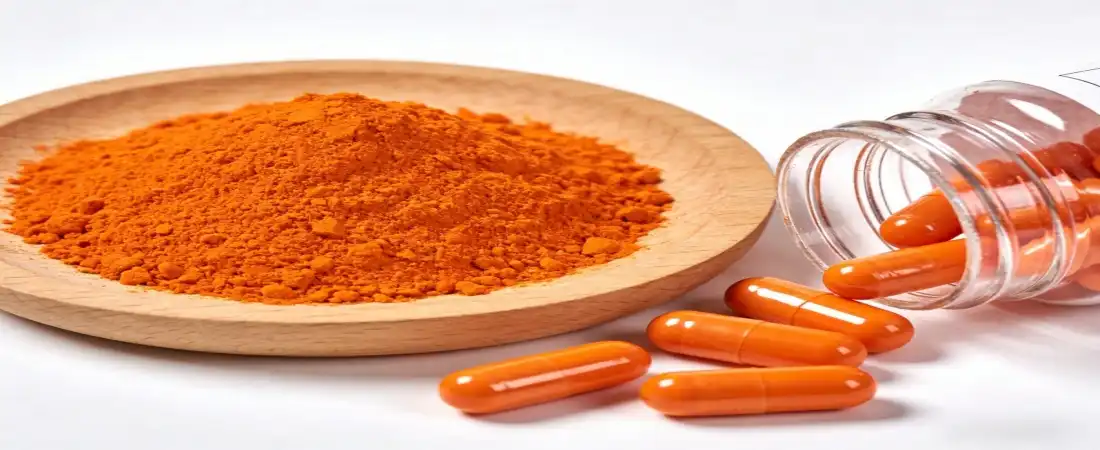
Ordering and Logistics: B2B Procurement Guide
Step-by-Step Procurement Process
Sending a question via email or online is usually the first step in the buying process. Be sure to include information about the amount of lutein that is needed, any licensing requirements, and the expected yearly volume. It only takes hours for respondent providers to give rough quotes that include technical information, wait times, and sample availability. You can check the physical properties, like color uniformity, solubility, and organoleptic properties, before agreeing to big orders if you ask for free samples. When the customer is satisfied with the sample, they write formal purchase orders that spell out how much they want, how it should be packed, when they need to pay, and the terms of delivery (FOB, CIF, DDP). The price of the item, packing, internal shipping, export paperwork, and freight charges are some of the costs that are broken down in proforma bills. This makes sure there are no secret costs and prices are clear. Buyers should make sure they know how the inspection works. Some contracts call for a third-party pre-shipment review (SGS, Intertek, etc.) to make sure of the quantity and quality of the goods before they are sent.
Price Determinants and Market Factors
The cost of marigold extract powder (lutein) changes based on the availability of raw materials, how efficiently they are extracted, their purity level, and regulatory or approval-related fees. Since organic production limits the use of certain chemicals and requires more controlled sourcing and supply chain management, organic powders typically cost 20–30% more. High-purity grades (≥80% lutein in marigold extract powder) require additional purification steps, so they can cost up to twice as much per kilogram compared with lower-grade materials containing around 20% lutein. Marigold flower blooms change with the seasons. In the fall, when there are the most flowers, prices drop all of a sudden. Price changes every three months as part of long-term supply deals make budgeting easier. This is good for makers whose prices are set in the market or who are fighting for contracts. Changes in exchange rates affect trade between countries. If sellers let buyers choose more than one currency, buyers should think about ways to protect themselves or talk about prices in their own currency. You can change how much it costs in the end by how you pay. You might get a deal if you pay ahead of time, but letter-of-credit terms come with bank fees.
Shipping, Storage, and Handling Best Practices
Keep the marigold extract powder away from light, heat, and water to keep the carotenoids stable. Many times, suppliers put goods in nitrogen-flushed metal foil bags and then stack them inside fiber drums to protect them physically while they're being shipped. Food doesn't have to be shipped in a fridge, but sealed packages kept at temperatures below 25°C and relative humidity below 60% will last longer than two years. For sales that don't need to be sent right away, it can save you money to ship in bulk by sea freight. Ships bring goods from China to the United States every three to four weeks. Air freight speeds up arrival to five to seven days, but costs three to five times as much. This works well for quickly restocking or putting out new items. Express shipping services like FedEx and UPS can get small packages (less than 100 kg) from one door to another in two to four days. This is great for trying samples or making small batches to see how they work. For exports, you need business records, packing lists, a certificate of origin (COA), phytosanitary certificates (for ingredients made from plants), and proof from the FDA that you were given notice before the imports came into the U.S. Suppliers who know a lot about international trade take care of these needs ahead of time, making sure that clearing customs goes quickly and that storage fees at target ports are kept as low as possible.
Conclusion
If you want to find the best marigold extract powder for your needs, you need to think about the science, the rules, and how reliable the supply chain is. Natural sources of lutein are still ahead of synthetic ones. This is because people want clean labels on their food and the government supports ingredients that come from plants. To have a successful long-term relationship with a seller, you need to check their qualifications, make sure that each batch is the same, get expert help, and be able to change to changing logistics. People all over the world are learning more about antioxidants and eye health. If you can find a reliable supplier, your products will stand out from the rest and the markets for supplements, useful foods, and makeup will grow.
FAQ
1. What is the typical lutein content in marigold extract powder?
The amount of lutein in marigold extract powder that you can buy ranges from 5 to 80%. Most people buy 20% and 40% grades as food supplements. High-purity 80% extracts are used in medicines that don't need many other ingredients. On the other hand, 5–10% grades are used to color foods and make animal feed because the big volume helps the ingredients mix properly.
2. Is long-term consumption of marigold extract powder safe?
A lot of study from a long time ago has shown that it is safe to take lutein pills in the amounts that are suggested (6–30 mg per day). Safety groups like the FDA and EFSA say that lutein is safe, and lab tests have shown that it doesn't hurt people when they eat a lot more of it than they should. As long as you only buy from approved sellers, you can be sure that the goods you receive are clean and meet pharmacopeial standards for heavy metals, pesticides, and bacteria limits.
3. How can I verify supplier authenticity and product quality?
Many pieces of paper should be asked for, such as business licenses, GMP badges, third-party audit reports, and COAs that are unique to each batch. Independent lab tests done at ISO 17025-approved sites give proof that isn't influenced by anything else. If you want even more peace of mind, you can visit the factories or hire outside testing services. Traders who are only out to make money are different from established suppliers because they don't have clear quality control systems and are open to feedback.
Source Premium Marigold Extract Powder from NT Biotech
NT Biotech sends very pure lutein powder to sourcing workers who need a dependable source for marigold extract powder. We got our Tagetes erecta L. flower extracts through a unique process used to make extracts very pure—more than 98% for key standardized goods. This means the mixtures work better as supplements, useful foods, and skin care products. There are full Certificates of Analysis and an in-depth HPLC/UV study for each batch. This is backed by certificates that say it is ISO 9001, Kosher, or Halal, which are very strict international rules. We keep enough in stock so that once we get an order, we can ship it within two to four days. We can also make products with different amounts of lutein (from 5% to 80%) and pack them in 25 kg drums or other ways that you specify. You can check the quality before you buy with free samples. Our expert team gets back to you within two hours with answers to your questions and helps you with everything from ideation to product development. You can get samples, receive competitive pricing, or talk to us about OEM solutions that meet your market's needs by emailing us at info@newthingsbiotech.com.
References
1. Abdel-Aal, E. M., Akhtar, H., Zaheer, K., & Ali, R. (2013). Dietary sources of lutein and zeaxanthin carotenoids and their role in eye health. Nutrients, 5(4), 1169-1185.
2. Bone, R. A., Landrum, J. T., & Tarsis, S. L. (1985). Preliminary identification of the human macular pigment. Vision Research, 25(11), 1531-1535.
3. Chew, E. Year, Clemons, T. E., SanGiovanni, J. P., Danis, R., Ferris, F. L., Elman, M., ... & AREDS2 Research Group. (2014). Secondary analyses of the effects of lutein/zeaxanthin on age-related macular degeneration progression. JAMA Ophthalmology, 132(2), 142-149.
4. Khoo, H. E., Prasad, K. N., Kong, K. W., Jiang, Y., & Ismail, A. (2011). Carotenoids and their isomers: color pigments in fruits and vegetables. Molecules, 16(2), 1710-1738.
5. Ranard, K. M., Jeon, S., Mohn, E. S., Griffiths, J. C., Johnson, E. J., & Erdman, J. W. (2017). Dietary guidance for lutein: consideration for intake recommendations is scientifically supported. European Journal of Nutrition, 56(Suppl 3), 37-42.
6. Stringham, J. M., & Hammond, B. R. (2007). The glare hypothesis of macular pigment function. Optometry and Vision Science, 84(9), 859-864.

For sensitive skin formulas, gotu kola extract for skin is often regarded as a helpful botanical ingredient since Centella asiatica has a number of triterpenoid chemicals that are related to skin healing and soothing uses. The main compounds are asiaticoside, madecassoside, asiatic acid and madecassic acid. Researchers have studied how Centella affects collagen activity, inflammation, skin moisture and wound healing. But the proof relies on the kind of extract, its concentration and how it is administered. For cosmetic manufactures the goal is to pick a standardised extract with set specifications. Not all Centella items are interchangeable.

Understanding Gotu Kola Extract and Its Benefits for Sensitive Skin
Gotu kola extract is extracted from the plant, Centella asiatica, which has been long used for skin and wound treatment. The plant includes pentacyclic triterpenes, mainly asiaticoside and madecassoside, with asiatic acid and madecassic acid. These chemicals have been explored for their function in collagen formation, inflammation associated pathways and tissue healing.
This makes Centella a handy herb for formulators who are creating products for sensitive or quickly stressed skin. However, its efficacy relies upon the kind of extract, profile of active-compounds, formulation and testing of completed product.
Gotu kola is appreciated by skin care formulators for its skin sensitising qualities. Centella asiatica for its triterpenoid profile that promotes a recovery-oriented posture without harsh actives. The standardised extract with its garanty concentration of asiaticoside assures continuous performance from batch to batch and from product line to product line.
Bioactive Compounds and Their Mechanisms
One of the most investigated chemicals in Centella asiatica is Asiaticoside and madecassoside. These triterpenes have been connected to fibroblast activity, collagen-related activities and wound-healing responses. A comprehensive evaluation of Centella wound healing studies found effects on collagen, fibroblast activity, angiogenesis and re-epithelialization but called for greater clinical data.
That’s a difference that counts for cosmetic claims. A formulation may be placed around soothing, barrier care, hydration and skin-recovery support without assigning Centella as a medicine or therapy for a specified skin problem.
Centella has also been demonstrated to have antioxidant effects in experimental testing. However, the impact of a final cosmetic relies on the extraction process, the concentration, the stability and the remainder of the formulation . Therefore buyers should check the specificity of the genuine extract, not only the moniker ‘Centella asiatica’.
Skin Barrier Repair and Hydration
Centella is one of the most relevant applications for the development of cosmetics in the area of skin barrier support . The research on cosmetic formulations including Centella asiatica extract showed that the usage of formulations containing 2.5% and 5% extract improves the hydration of the stratum corneum, with the 5% formulation having the highest hydration effect of all the items evaluated.
This doesn't mean there's one universal suggested concentration for all skincare products. But it highlights why extract concentration and formulation design have to be studied simultaneously.
A good specification for procurement teams should specify botanical source, portion of extraction, marker chemicals, particle size (if appropriate), microbiological limitations, heavy-metal testing, and a current certificate of analysis. NT Biotech now offers Gotu Kola extract from Centella asiatica , whole herb source, 80 mesh spec and Asiaticoside from 10% to 90%.
Addressing Common Skin Issues with Gotu Kola Extract
Research on Centella asiatica has been done for several skin care applications including wound healing, redness, hydration and scar treatments. Cosmetic companies are better at tying these areas of study to concrete formulation targets rather than making illness cure claims.
Therefore, the use of gotu kola extract for skin may be considered in the formulation of products aimed at supporting a pleasant skin feel, barrier care and recovery-focused skincare positioning.
Managing Acne Scars and Eczema
Centella is a subject of many years of studies in wound healing and scar therapies. Research on asiaticoside and madecassoside has investigated fibroblast activity, collagen synthesis, epithelialisation and other tissue healing processes.
Some Centella formulations also have human investigations. One example is a randomised split-face study with a standardised Centella preparation following laser resurfacing showing improvement in numerous indices of erythema and wound appearance.
These findings are useful in the development of recovery focused cosmetics but should not be used as a blanket statement that Centella treats eczema or acne scars. Final products should be tested in their intended usage and supported by necessary safety and efficacy tests.
Hydration and Moisture Retention
Centella may also be used in moisturising compositions. Studies on cosmetic formulations including Centella extract showed increases in skin hydration and skin barrier parameters.
It may be used in combination with the usual moisturising agents like as hyaluronic acid, glycerin and ceramides. The combination is not meant to suggest that the chemicals are more potent, but to provide the formulation varied functional roles: humectants attract and hold onto water, while barrier-supporting compounds aid prevent water loss.
That makes Centella especially useful for those producing serums, lotions, masks and other treatments for dry or sensitive-feeling skin.
For sensitive skin, a gotu kola skin care program can include the extract together with humectants such as glycerin or hyaluronic acid, where each component is chosen for a particular function, not for a single therapeutic effect. This tiered strategy is ideal for businesses wanting a low-key, barrier friendly product narrative.
Optimal Formulation and Dosage
There is no unique Centella concentration that fits all cosmetic products. The right amount relies on the extract spec, active ingredient level, product format, target claim and overall formula.”
Cosmetic formulations with 2.5% and 5% Centella asiatica extract were tested in published studies. NT Biotech offers standardised extracts with various Asiaticoside specifications. These are separate criteria and should not be considered interchangeable.
For procurement, the more helpful issue is not just “How much Centella should we add?” but rather “What standardised extract will fit our formulation and target specification?” Buyers should ask for a COA, active-marker data, microbiological findings, heavy-metal information, and other necessary quality documentation before approving the raw material.

Comparing Gotu Kola Extract with Other Popular Skincare Ingredients
Plant extracts and traditional cosmetic actives may meet varied formulation demands. Product manufacturers compare Centella to aloe vera, niacinamide and hyaluronic acid to see where it fits within a whole mix.
Centella Asiatica vs. Aloe Vera
Centella asiatica and aloe vera are both popular ingredients in soothing skincare, however their chemical profiles vary.
Centella is well known for its triterpenoid chemicals, which include asiaticoside and madecassoside. These chemicals have been studied in terms of collagen production, wound healing, inflammatory pathways and skin recovery.
Aloe vera is well recognised for its gel and polysaccharides that are water rich. The choice of the formulation relies on the texture and sensory profile intended, as well as the claim strategy and supporting evidence for the completed formula.
Integration with Vitamin C and Hyaluronic Acid
If the whole recipe is chemically and physically compatible, Centella may be prepared with vitamin C or hyaluronic acid.
Vitamin C is the most widely used ingredient for antioxidant and brightening formulas, whereas hyaluronic acid is utilised mostly for hydration. Centella has a distinct plant profile and may help assist a recovery posture.
The combination should still be investigated rather than being called synergistic. The end product might be affected by the pH, preservative systems, packaging, stability and the shape of each activity.
Differentiating Efficacy for Sensitive Applications
Niacinamide is not the same as Centella. Niacinamide is a well-known cosmetic active used in barrier support, tone-related products and sebum-management products. Centella offers a more suitable botanical triterpene profile for skin-recovery and soothing research.
For companies targeting sensitive skin clientele, the whole recipe may be the most powerful positioning, not a star ingredient. Concentration, fragrance level, preservation procedure, pH, packaging and compatibility with other actives may affect end user experience.
Procurement Considerations: Sourcing Gotu Kola Extract for Skincare Product Development
To get gotu kola extract for skin takes more than just knowing the name of the plant. Buyers should compare botanical source, marker compound specification, extraction process, testing paperwork, packaging, MOQ, supply status and supplier quality system.
Extraction Methods and Purity Standards
Chemical composition of plant extract may be influenced by the extraction procedure. This is why procurement teams should ask suppliers how the extract is standardised and what analytical method they are using to verify the marker compounds.
HPLC data may be especially relevant when the product is standardised to chemicals such as Asiaticoside. The COA should also be examined for microbiological purity, heavy metals, moisture or loss on drying and other important characteristics for the intended use.
NT Biotech reports Gotu Kola extract with 10%–90% Asiaticoside specification. Its product description also states 80 mesh powder specification, 25kg packing, 25kg MOQ, free samples and stock available.
Buyers may use this information to better compare suppliers and to pick a grade for use in formulation studies.
Certification Standards and Compliance
The certification should be considered in relation to the target market and the needs of the completed product. Buyers may want paperwork for quality management, religious restrictions, pollutants, allergies, provenance or other customer-specific standards, depending on the project.
NT Biotech’s quality management system is based on worldwide standards and client needs and is registered to ISO 9001, Halal and Kosher standards.
Procurement teams should not assume that a generic corporate certification meets all requirements in all markets and should nonetheless obtain updated certifications and product-specific paperwork during supplier qualification.
Product Formats and Pricing Considerations
Since the forms and specifications of Centella extracts are diverse, customers should pick the form according to the manufacturing process. Powdered extracts are easy to use for many dry-blend and cosmetic production applications, whereas liquid solutions may be better suitable for other formulation procedures.
Pricing is based on active-compound specification, order volume, packaging, testing requirements and customisation. Procurement teams should examine the whole specification and documentation bundle, rather than only comparing providers on price per kilogram.
Gotu Kola, NT Biotech, has a current listing of 25 kilogram MOQ, 25 kg drum packing, free samples, stock, and delivery between 2-4 days after payment on its Gotu Kola product site.
Integrating Gotu Kola Extract into Your Skincare Line for Sensitive Skin
To use gotu kola extract for skin effectively, formulators need to consider the extract specification together with the complete formula. Centella should be seen as a part of the system, not a single remedy for sensitive skin.
Formulation Best Practices
The Centella asiatica extract is suitable for use in a wide range of cosmetic forms like as creams, serums, masks and other leave-on products. The correct processing conditions will depend on the extract and the final formulation.
Formulators should refer to the technical specification of the supplier and stability testing following inclusion, rather than a single processing temperature or pH range. This is especially crucial when the mix includes sensitive actives, such as retinoids or vitamin C compounds.
Compatibility tests should include appearance, odour, pH, viscosity, stability of active marker, microbiological quality, and packaging compatibility, when suitable.
Marketing and Positioning Strategies
For B2B brands, Centella is easier to position when the marketing message connects the botanical origin with measurable raw-material specifications.
Useful points include:
- standardized Asiaticoside content;
- clearly identified botanical source;
- batch-specific quality documentation;
- relevant certifications;
- flexible packaging or specification options;
- sample availability for formulation testing.
This approach is more credible than describing Centella as a universal treatment for sensitive skin. It also gives buyers information they can use when comparing raw-material suppliers.
Buyers looking for pieces for gotu kola skincare products or a more comprehensive gotu kola skin care line should see supplier paperwork as equally important as pricing, since it is a standardised Centella asiatica extract with certified Asiaticoside specifications that finally safeguards recipe consistency.

Conclusion
Gotu kola extract for skin is a diverse botanical ingredient with studies showing its applicability to skin hydration, recovery, collagen-related activities and wound healing applications. However, the evidence varies with extract and application and cosmetic makers should not treat all Centella products the same or make therapy claims outside of the evidence.
For procurement teams, the most pragmatic elements to evaluate are: active-marker standardisation, analytical documentation, product consistency, certifications, MOQ, packaging, and supply dependability. NT Biotech provides Centella asiatica Gotu Kola extract with Asiaticoside specs from 10% to 90%, with 25 kilogram packing, 25 kg MOQ, free samples, and stock availability.
FAQ
1. What are the potential side effects of gotu kola extract in skincare formulations?
Centella asiatica is a common component in cosmetic and topical preparations, although it should not be assumed that any botanical element would not irritate every consumer. Individual responses may occur. The performance of the completed product may vary with concentration and additional constituents. Manufacturers should carry out proper safety and stability testing before commercialisation.
2. How does gotu kola extract support collagen production?
The chemicals asiaticoside and madecassoside from Centella have been examined for their effect on fibroblast activity and collagen associated processes . The enhanced collagen related activity has been shown in wound healing models in experimental investigations however the efficacy of a cosmetic product is dependent on the particular extract and formulation.
3. Can centella extract be combined with retinol and vitamin C?
You may formulate Centella with retinol or vitamin C, provided that the whole composition is suitable and stable. But the mixture has to be tested in formulation and stability test. Centella should not be used as an excuse to say an otherwise unpleasant solution is automatically acceptable for sensitive skin.
Partner with NT Biotech for Premium Gotu Kola Extract Supply
If you are looking for gotu kola extract for skin for a cosmetic formulation then NT Biotech can supply you a standardised Centella asiatica extract with Asiaticoside requirements from 10% to 90%. Hot Products Product Specification: 80 mesh powder ISO/Kosher/Halal certification 25 kg package MOQ: 25 kg Free sample Stock: available 2-4 working days for delivery after payment
Buyers may request product specifications, quality data and samples for supplier qualification or formulation talks before they purchase in bulk.
Contact NT Biotech at info@newthingsbiotech.com to discuss your raw-material requirements and find a Gotu Kola extract specification suitable for your skincare development project.
References
1. Bylka, W., Znajdek-Awiżeń, P., Studzińska-Sroka, E., & Brzezińska, M. (2013). Centella asiatica in cosmetology. Postępy Dermatologii i Alergologii, 30(1), 46-49.
2. Gohil, K. J., Patel, J. A., & Gajjar, A. K. (2010). Pharmacological Review on Centella asiatica: A Potential Herbal Cure-all. Indian Journal of Pharmaceutical Sciences, 72(5), 546-556.
3. Hashim, P., Sidek, H., Helan, M. H., Sabery, A., Palanisamy, U. D., & Ilham, M. (2011). Triterpene composition and bioactivities of Centella asiatica. Molecules, 16(2), 1310-1322.
4. Ratz-Łyko, A., Arct, J., & Pytkowska, K. (2016). Moisturizing and antiinflammatory properties of cosmetic formulations containing Centella asiatica extract. Indian Journal of Pharmaceutical Sciences, 78(1), 27-33.
5. Somboonwong, J., Jariyapongskul, A., Thanamittramanee, S., & Patumraj, S. (2012). Therapeutic effects of Centella asiatica extract on wound healing. Journal of the Medical Association of Thailand, 95(Suppl 2), S18-S25.
6. Williamson, E. M. (2003). Centella asiatica (L.) Urban: Potential role in anti-aging therapy. Journal of Ethnopharmacology, 88(2-3), 117-119.

Today, gotu kola extract for skin is one of the most important ingredients in many skin care products because it helps heal wounds and slows down the aging process. Through its beneficial triterpenoids, mainly asiaticoside, madecassoside, asiatic acid, and madecassic acid, Centella asiatica extract works at the cellular level to speed up skin healing, reduce inflammation, and boost collagen production. Studies in humans have shown that it can help treat acne, rashes, scars, and hyperpigmentation while also making the skin's protection stronger. This plant extract has many uses and can help with many skin problems. It is a great raw material for sourcing professionals who need flexible, science-backed ingredients that meet regulatory standards and meet customer desire for natural solutions.
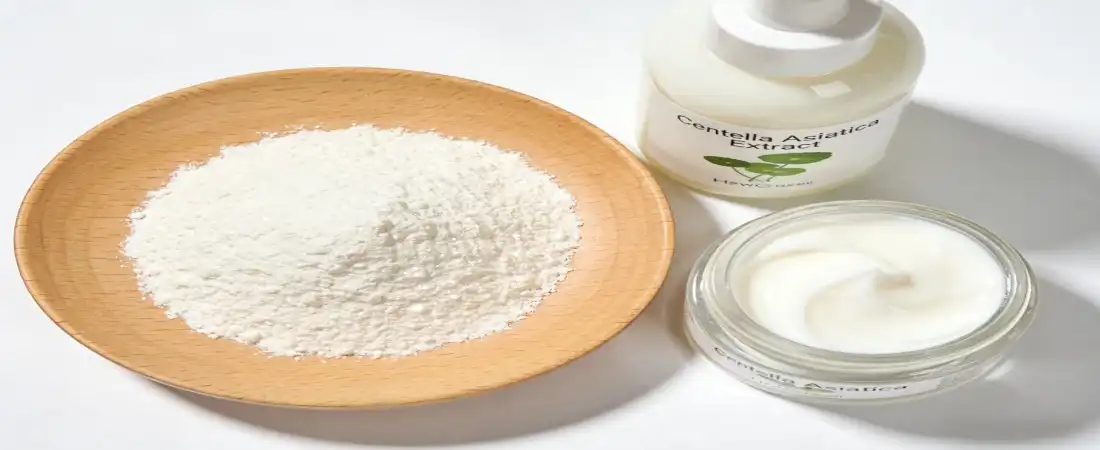
Introduction
Centella asiatica, too known as Gotu Kola, has been utilized for centuries in Ayurvedic and Conventional Chinese Pharmaceutical but is presently broadly esteemed in present day wellbeing and corrective items due to solid logical back. Industry experts progressively see it as a multifunctional definition resource or maybe than a slant fixing. At the same time, the worldwide request for plant extricates is rising as customers favor clean, characteristic, and compelling items. Its capacity to combine conventional benefits with pharmaceutical-grade measures makes it appealing for companies looking for separation and compliance in competitive worldwide markets.
Understanding Centella Asiatica Extract and Its Role in Skin Health
Botanical Origin and Extraction Technology
Centella asiatica, a part of the Apiaceae family, develops in warm, swampy districts over Asia and contains bioactive compounds in its stems, takes off, and roots. Progressed extraction strategies such as supercritical CO₂ and hydroalcoholic forms protect heat-sensitive triterpenoids. Standardization guarantees asiaticoside concentrations from 10% to 90% with controlled 80 work molecule estimate for group consistency. High-purity extricates show up as brown-yellow to off-white powders. ISO, Legitimate, and Halal certifications guarantee soundness, quality, and appropriateness for worldwide dispersion and large-scale definition applications.
Cellular Mechanisms and Active Compounds
Centella asiatica contains pentacyclic triterpenoids such as asiaticoside, madecassoside, and asiatic corrosive in Centella asiatica, which is widely used as a gotu kola extract for skin, acting on numerous organic pathways. These compounds invigorate fibroblast expansion, expanding Sort I and III collagen for moved forward skin quality and versatility. They too control Changing Development Calculate Beta, supporting wound recuperating and scar control. Asiatic corrosive gives anti-inflammatory impacts by hindering NF-κB pathways and diminishing cytokine generation. Solid antioxidant movement neutralizes free radicals, securing cells from maturing and natural damage.
Targeted Skin Conditions and Applications
Clinical thinks about appear Centella asiatica successfully treats different skin concerns. Standardized extricates move forward atrophic skin break out scars inside 8–12 weeks, diminishing profundity and discoloration. Its capacity to direct keratinization makes a difference redress hyperpigmentation and uneven skin tone. Not at all like unforgiving actives, it fortifies the skin boundary by advancing ceramide blend whereas repairing harm. This double activity makes it perfect for delicate or compromised skin. Its tender however successful nature underpins far reaching utilize in details centered on repair, alleviating, and long-term skin wellbeing improvement.
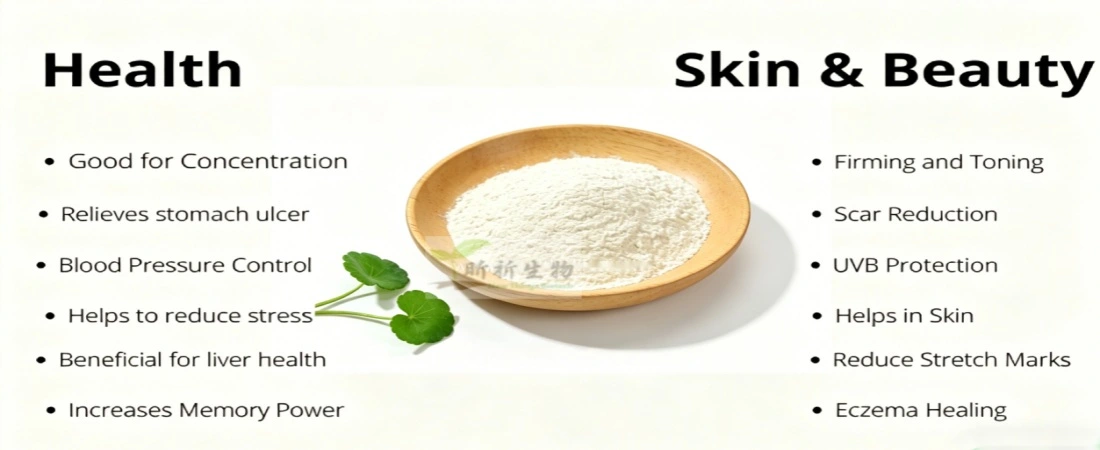
Key Benefits of Gotu Kola Extract for Skin: A Dimensional Analysis
Anti-Aging and Collagen Enhancement
Centella asiatica extract supports anti-aging by stimulating collagen production without irritation. Fibroblast activation increases skin density and elasticity, reducing wrinkles over time. Triterpenoids also enhance glycosaminoglycan synthesis, improving hydration and skin volume. Clinical studies show improved firmness after about 60 days of consistent use with standardized concentrations. Compared to Retinoids, it offers similar structural benefits with better tolerability. This makes it highly suitable for sensitive skin and valuable in age-management skincare formulations.
Advanced Moisturization and Barrier Support
Centella asiatica improves hydration by strengthening the skin barrier rather than only providing surface moisture. It increases ceramide production in the stratum corneum, enhancing moisture retention and long-term hydration. Unlike Hyaluronic acid, which attracts water, this extract reinforces the barrier that prevents moisture loss. Studies show formulations with 2–5% extract reduce transepidermal water loss by up to 22% within four weeks. This dual function supports both immediate hydration and lasting barrier repair in skincare products.
Wound Healing and Scar Management
Centella asiatica is widely recognized for accelerating wound healing and reducing scarring. It promotes re-epithelialization, increases angiogenesis, and regulates collagen formation to prevent hypertrophic scars. Clinical research shows faster healing across various wound types compared to control groups. Its ability to limit keloid formation makes it valuable in post-surgical and therapeutic skincare. Long used in pharmaceutical applications, it now supports dermocosmetic positioning. Strong clinical evidence enables brands to confidently market products for repair, recovery, and scar management.
Anti-Inflammatory and Soothing Properties
Centella asiatica reduces inflammation, a key factor in chronic skin conditions. It inhibits pro-inflammatory pathways, helping manage eczema, psoriasis, and environmental irritation without harsh side effects. Its gentle profile makes it suitable for sensitive users. Visible soothing effects often occur within hours, reducing redness and discomfort. This immediate benefit improves customer satisfaction and repeat purchase behavior. Combined with long-term repair properties, it offers strong value for skincare brands seeking both comfort and effectiveness.
Comparing Centella Asiatica Extract with Other Popular Skincare Ingredients
Performance Analysis Against Established Actives
Centella asiatica, also known as gotu kola extract for skin, provides stronger structural repair compared to Aloe vera, which mainly soothes and hydrates. It stimulates collagen more effectively, making it suitable for anti-aging and therapeutic use. Combined with Vitamin C, it reduces inflammation while vitamin C targets pigmentation, creating a complementary brightening effect. When paired with Hyaluronic acid, it enhances barrier repair while HA improves hydration, supporting multifunctional skincare formulations.
Format Considerations for Product Development
The performance of Centella asiatica extract depends on concentration and formulation type. Serums typically use 3–8% extract for high absorption and potency, while creams use 1–5% to balance efficacy with texture and extended contact. Mass-market products often use 10–20% standardized extracts to control costs, while premium products use 70–90% for stronger differentiation. Understanding these variations helps procurement teams select appropriate grades, ensuring alignment between formulation goals, cost efficiency, and market positioning across different product categories.
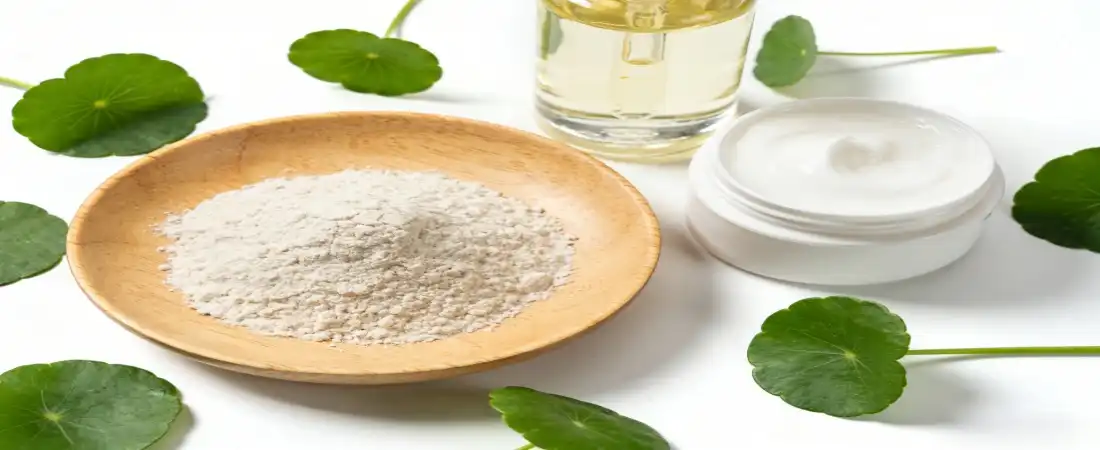
Procuring High-Quality Centella Asiatica Extract for Skincare Manufacturing
Critical Quality Parameters and Certifications
Checking the purity of the extraction and the standardization of the active ingredient is the first step in quality assurance. A high-performance liquid chromatography (HPLC) test should show that the amount of asiaticoside meets the requirements, which are usually between 10% and 90%, based on the use. There should be a Certificate of Analysis (CoA) for each batch that lists the triterpenoid profile, heavy metal tests, microbial limits, and pesticide residue screens.
Certifications show that a seller is reliable and follows the rules for making things. ISO 9001 certification shows that a company has quality management systems in place, and Kosher and Halal certifications make the market more accessible to a wider range of customers. Our gotu kola extract for skin at NT Biotech meets these worldwide standards, and third-party testing shows that it is more than 98% pure for top grades. This paperwork is very important when making goods for controlled markets like the US, EU, and Asia-Pacific.
Supplier Evaluation and Partnership Criteria
Reliable providers do more than just show that they have the right certifications; they also offer expert partnerships that help with formulation development. We suggest that you judge sellers by how quickly they answer technical questions, how many samples they have available, and how willing they are to help you with your application. At NT Biotech, we promise to respond to your questions within two hours, and we keep popular extracts in stock so that you can get them shipped within one to three business days of proof of your order. When going from research to commercial production, production ability is important. Suppliers should be clear about the minimum order numbers, standard wait times, and the amount of inventory they have. Our 25kg MOQ is enough for both trial production and ongoing production. Production orders are filled within 3–10 working days, which includes getting the raw materials, extracting them, checking them, and packing them. This openness gives procurement managers the confidence to successfully plan supplies and production schedules.
Packaging and Logistics for Bulk Ingredients
Using the right packaging keeps the safety of the extract while it is being stored and shipped. Standard 25 kg fiber drums protect against moisture and make handling easier for factories, but we can also make packaging that fits the needs of our clients. Temperature-controlled storage before shipping keeps heat-sensitive triterpenoids from breaking down, so their effectiveness is kept up throughout the supply chain. When organizing foreign procurement, logistics flexibility is very important. We offer different shipping choices, such as fast, air freight, and ocean freight, so that clients can choose the one that best fits their needs in terms of speed and cost. Our established FEDEX and UPS accounts allow direct shipping from the plant with reliable tracking. For big manufacturers, trusted freight forwarders handle containerized bulk orders. This full transportation support makes buying easier for foreign buyers who have to find ingredients across borders.
How to Use Centella Asiatica Extract in Skincare Formulations?
Recommended Concentration Ranges and Applications
Formulation rules say that creams and lotions should have a content of 1% to 5% Centella asiatica extract, known as gotu kola extract for skin. This gives healing effects without making the texture difficult. Higher amounts (3–10%) can be used in serum formulas, which take advantage of the extract's ability to dissolve in water to create beautiful, light textures. Leave-on solutions for specific problems like acne or scars can use up to 15% in spot-treatment forms. Common ingredients in cosmetics, such as glycerin, niacinamide, and peptides, work very well with the extract. The pH stability runs from 4.5 to 7.0, which is a good range for most skincare recipe pH goals. To keep the triterpenoid activity, heat sensitivity needs to be handled with cold processing or additions made during the cooling steps of emulsion production. Because of these practical factors, formulators can effectively add the extract without having to make major changes to the process.
Synergistic Ingredient Combinations
Strategically mixing ingredients boosts the benefits of Centella asiatica while creating new product ideas. When combined with niacinamide, the brightness and barrier repair benefits are stronger because both ingredients help make ceramides in different ways. Using Centella with hyaluronic acid helps the skin stay hydrated in two different but complementary ways: Centella improves the skin's ability to hold on to water, and hyaluronic acid acts right away as a humectant. Combining Centella asiatica with peptides and antioxidants like vitamin E is good for anti-aging products. The plant supports collagen structure, and peptides tell specific healing processes to start. Together, these benefits help the body age more gracefully. These connections help research and development teams make goods that really work, because the extra benefits of using the right mix of active ingredients back up those claims.
Safety Profile and Regulatory Compliance
Centella asiatica extract has a great safety record, with few reports of side effects in clinical research. Patch testing methods have a low potential to make skin more sensitive, which means they can be used for hypoallergenic and sensitive skin formulations. This good safety rating makes regulatory submissions easier and backs up claims of wide customer use. Regulatory compliance is different in each market, so buying teams need to check the approval status of ingredients in target areas. For example, in the United States (FDA beauty ingredient database), the European Union (CosIng database), and China (IECIC), the extract is listed as Centella Asiatica Extract on lists of allowed ingredients. We give you paperwork to back up your regulatory entries, like safety ratings and usage level guidelines that are in line with international cosmetic regulations.
Conclusion
Gotu kola extract for skin is a flexible plant that has been proven to help with several skin problems through scientifically proven processes. The multifaceted benefits of this extract, which have been backed by clinical research and traditional use, make it a great choice for procurement workers looking for ingredients for therapeutic, anti-aging, or sensitive skin products. The ingredient works well with many different types of products, works well with other active ingredients, and is safe. These factors make it a smart choice for companies that want to use natural ingredients that give customers real benefits. Standardization, uniformity, certification compliance, and technical support skills should be given top priority when choosing a supplier. This will ensure successful formulation development and market success. We've laid out important quality criteria, practical formulation advice, and comparison positioning to help you make smart purchasing choices that improve product lines and make you more competitive in the market.
FAQ
1. What side effects should we anticipate when formulating with centella asiatica extract for sensitive skin applications?
According to clinical studies, Centella asiatica extract doesn't have many bad effects. In patch tests, the rate of sensitivity was less than 1%. People who are allergic to plants may sometimes have mild responses like swelling or itching. Formulation pH, dosage, and choice of co-ingredients have a bigger effect on comfort than the extract itself. We suggest starting with concentrations between 1% and 2% in products for sensitive skin and trying the full formulas for stability and compatibility.
2. How does gotu kola extract compare to established anti-aging ingredients like retinol in clinical effectiveness?
While retinol is still very good at stimulating collagen, Gotu kola extract does the same thing without the redness or photosensitivity that comes with it. Studies show that asiaticoside boosts collagen production by changing TGF-β, working with retinoids instead of replacing them. The extract is good for sensitive people who can't handle retinol, which means that more people can be reached. The anti-aging effects are greatest when both ingredients are used together at different times.
3. What certifications should we require when purchasing bulk centella asiatica extract for international distribution?
Some important certificates are ISO 9001 for quality control systems and Kosher and Halal for accessing a wider range of markets. Ask for certificates that show the asiaticoside content was checked using HPLC, as well as tests for microbes, heavy metals, and chemical residues. Documentation that shows GMP compliance backs up regulatory entries in markets that are controlled. At NT Biotech, our full certification package meets all of these needs, making it easier to buy things for plans that cover more than one market.
Partner with NT Biotech for Premium Gotu Kola Extract
Shaanxi New Things Biotech is ready to be your reliable gotu kola extract for skin provider. They offer pharmaceutical-grade plant ingredients that will help you make better products. Our standardized Centella Asiatica Extract has asiaticoside amounts ranging from 10% to 90%. It comes with ISO, Kosher, and Halal certificates that make sure it meets all global market regulations. We keep ready-to-ship items in stock so that orders can be filled quickly (within 2–4 days), and our free sample program lets you try it out before you decide to buy. As experienced makers of Gotu kola extract, we offer full expert support to help you choose the right concentration, make sure it works with your formulation, and get the most out of its use, all while keeping your product development goals in mind. Our 25 kg minimum order size is big enough for both test projects and mass production, and we can adjust our packaging options to fit your needs. You can email our team at info@newthingsbiotech.com to talk about your purchasing needs, get technical specs, or set up free samples that show why NT Biotech is the chosen partner for top cosmetics companies around the world.
References
1. Bylka, W., Znajdek-Awiżeń, P., Studzińska-Sroka, E., & Brzezińska, M. (2013). Centella asiatica in cosmetology. Advances in Dermatology and Allergology, 30(1), 46-49.
2. Gohil, K. J., Patel, J. A., & Gajjar, A. K. (2010). Pharmacological review on Centella asiatica: A potential herbal cure-all. Indian Journal of Pharmaceutical Sciences, 72(5), 546-556.
3. James, J. T., & Dubery, I. A. (2009). Pentacyclic triterpenoids from the medicinal herb, Centella asiatica. Molecules, 14(10), 3922-3941.
4. Ratz-Łyko, A., Arct, J., & Pytkowska, K. (2016). Moisturizing and antiinflammatory properties of cosmetic formulations containing Centella asiatica extract. Indian Journal of Pharmaceutical Sciences, 78(1), 27-33.
5. Somboonwong, J., Thanamittramanee, S., Jariyapongskul, A., & Patumraj, S. (2012). Therapeutic effects of Centella asiatica extract on wound healing in diabetic rats. Journal of the Medical Association of Thailand, 95(1), 166-170.
6. Wollina, U., Abdel-Naser, M. B., & Mani, R. (2017). A review of the microcirculation in skin in patients with chronic venous insufficiency: The problem and the evidence available for therapeutic options. International Journal of Lower Extremity Wounds, 5(3), 169-180.

When looking at different types of carotenoids for eye health products, lutein and zeaxanthin powder are different from beta-carotene in how it works and what it can be used for. Beta-carotene's main job is to make vitamin A, which helps the immune system and vision. Lutein and zeaxanthin, on the other hand, are concentrated in the macula lutea of the retina and protect against age-related macular degeneration by blocking harmful blue light. Because of this, xanthophyll powders from marigolds are becoming more popular in modern eye health supplements. They meet the B2B market's need for scientifically proven, condition-specific ingredients that deliver measurable benefits without the dosage concerns that come with high-level beta-carotene intake, especially among smokers and certain demographic groups. Eye wellbeing supplements are a quickly growing fragment of the nutraceutical industry, driven by maturing populaces and expanded screen presentation. Acquirement groups presently assess carotenoids not as it were for adequacy but too for administrative compliance, security, and detailing adaptability. Lutein, zeaxanthin, and beta-carotene vary essentially in structure, work, and clinical approval, impacting item situating. Among them, lutein and zeaxanthin are progressively favored for macular back. Selecting the right carotenoid fixings is fundamental for building competitive, science-backed items that meet worldwide administrative and customer expectations.
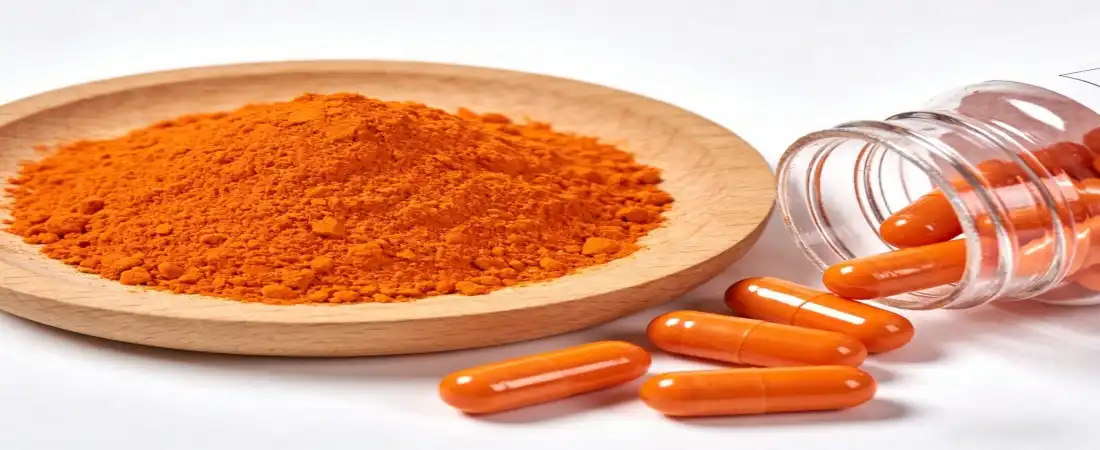
Understanding Lutein and Zeaxanthin Powder vs Beta-Carotene
Chemical Structure and Biological Classification
Lutein and zeaxanthin are carotenoids in the xanthophyll family. They have hydroxyl groups that make them more hydrophilic and more connected to tissues than carotenes. Generally from Tagetes erecta L. was extricated. These chemicals are found in marigold blossoms as 3,3'-dihydroxy-β-carotene atoms, and their CAS number is 144-68-3. Beta-carotene, on the other hand, is a hydrocarbon shade that doesn't have any oxygen capacities. It can be found in carrots, green growth like Dunaliella salina, or it can be made chemically. The assimilation courses and tissue spread are set by these morphological contrasts. Xanthophylls tend to assemble in the macula and other eye tissues. There, they make macular color, a defensive layer that pieces blue light with wavelengths between 400 and 500nm. Beta-carotene is broken down by proteins into retinol, which is vitamin A. Retinol makes a difference bar cells make rhodopsin but doesn't have the protective forms that lutein and zeaxanthin do.
Extraction Methods and Sourcing Considerations
High-quality lutein and zeaxanthin powders are ordinarily extricated from Tagetes erecta utilizing dissolvable extraction taken after by saponification to expel undesirable lipids and chlorophyll. Progressed handling jam the trans-isomer frame basic for bioactivity. Immaculateness levels can run broadly depending on refinement steps. Beta-carotene sourcing changes between green growth extraction and engineered chemical union, each with particular fetched and administrative suggestions. These contrasts impact acquirement methodologies, item labeling, and showcase situating, particularly in clean-label or common supplement categories.
Clinical Evidence and Protective Mechanisms
Clinical investigate appears that higher macular color optical thickness, driven by lutein and zeaxanthin admissions, is related with diminished hazard of age-related macular degeneration. These compounds neutralize responsive oxygen species produced by blue light presentation. Beta-carotene bolsters vitamin A pathways but needs coordinate macular collection. Major considers, counting AREDS2, supplanted beta-carotene with lutein and zeaxanthin due to security concerns in smokers. This move reinforced the clinical and administrative inclination for xanthophyll-based definitions in eye wellbeing products.
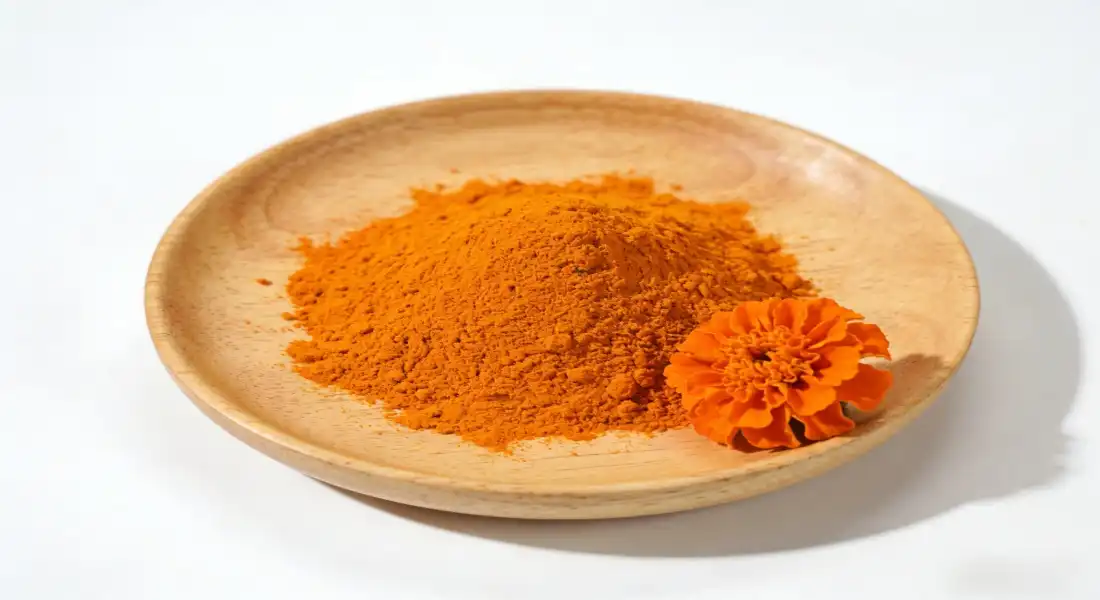
Comparative Benefits and Limitations for B2B Clients
Efficacy Advantages of Xanthophyll Powders
Xanthophyll powders offer targeted blue-light filtration, addressing modern digital eye strain concerns. Their antioxidant properties extend potential applications beyond eye health to skin and neurological support. Beta-carotene provides general antioxidant benefits but lacks tissue-specific ocular protection. From a formulation standpoint, lutein and zeaxanthin enable stronger science-based marketing claims. This makes them attractive for premium supplement lines where efficacy, safety, and regulatory acceptance are key purchasing criteria for manufacturers and brand owners.
Safety Profile and Regulatory Considerations
Lutein and zeaxanthin demonstrate strong safety profiles with minimal adverse effects across clinical studies and regulatory assessments. They are generally recognized as safe (GRAS) by major authorities. In contrast, high-dose beta-carotene supplementation has been linked to increased health risks in specific populations, leading to stricter usage limits. These differences significantly impact labeling requirements and regulatory approvals. As a result, xanthophyll-based formulations are easier to register and market globally, reducing compliance complexity for manufacturers.
Formulation and Cost Dynamics
Production costs vary depending on purity, extraction complexity, and sourcing stability. Marigold-derived lutein and zeaxanthin benefit from established agricultural supply chains but are subject to seasonal variability. Higher-purity grades require additional purification steps, increasing cost significantly. Beta-carotene may be cheaper synthetically, but natural positioning affects market preference. Procurement decisions must balance cost efficiency, consumer demand for natural ingredients, and regulatory positioning when selecting carotenoid inputs for supplement or functional food applications.
Procurement Insights: Selecting the Ideal Ingredient for Your Supply Chain
Regulatory Framework Alignment
Successful ingredient procurement requires understanding target market regulations. Our lutein and zeaxanthin powder holds ISO9001, Kosher, and Halal certifications, ensuring compliance across global markets. Each batch includes HPLC/UV analysis, heavy metal screening, microbial testing, and pesticide residue reports. GMP-compliant production ensures full traceability from cultivation to packaging. This documentation supports customs clearance and regulatory submissions, while also simplifying audits for downstream manufacturers and accelerating product launch timelines in highly regulated supplement markets.
Supplier Evaluation Criteria
Quality consistency recognizes driving providers from product sources. We apply factual prepare controls to screen carotenoid substance, molecule estimate (80 work), dampness levels, and microbial limits over each bunch. This guarantees detailing solidness and solid item execution. Supply chain flexibility is reinforced through coordinates cultivating organizations and progressed extraction frameworks. This diminishes crude fabric dangers and stabilizes estimating. Quick reaction times and productive examining advance quicken R&D workflows, supporting quicker item advancement cycles and making strides acquirement efficiency.
Volume Requirements and Pricing Strategies
Bulk obtaining empowers economies of scale for both providers and buyers. Adaptable bundling alternatives incorporate 25 kg fiber drums and customized designs. Bigger arrange commitments permit for arranged estimating focal points, whereas multi-currency installment choices rearrange universal exchanges. The 25 kg MOQ equalizations fabricating proficiency with availability for unused item improvement. Free tests back definition testing some time recently large-scale generation. This approach builds believe between buyers and providers whereas guaranteeing unsurprising supply chain execution and fetched control.
Case Studies and Real-World Applications
OEM Success Stories in Supplement Manufacturing
Many supplement brands have replaced beta-carotene with lutein-zeaxanthin blends, achieving improved customer feedback and higher repurchase rates. One North American brand reported a 23% sales increase after repositioning its eye health product around blue-light protection claims. Regulatory approval processes were also streamlined due to strong documentation and third-party testing. This demonstrates how ingredient selection and supplier quality directly influence market performance, regulatory efficiency, and overall product success beyond simple cost considerations.
Food and Beverage Applications
Xanthophyll powders extend beyond supplements into food and beverage applications. Their stable yellow-orange color supports clean-label formulations in drinks, dairy alternatives, and nutrition bars. In animal nutrition, marigold extracts enhance egg yolk pigmentation and improve poultry product quality, while aquaculture uses natural coloring for salmon. These multifunctional properties increase demand across B2B industries. Combined functional and visual benefits make lutein and zeaxanthin valuable ingredients for diversified applications in modern food systems.
Cosmetic Formulation Integration
Lutein and zeaxanthin are increasingly used in cosmetic photoprotection products. Their antioxidant properties help protect skin from UV and blue light damage, supporting anti-aging claims in premium skincare. Micronized 80-mesh powders ensure smooth integration into emulsions, serums, and color cosmetics. Compliance with global cosmetic safety standards ensures purity and absence of contaminants. This expands their application in dermatological formulations, making them valuable ingredients for brands targeting skin protection and environmentally stressed skin conditions.
Maximizing the Value of Lutein and Zeaxanthin Powder in Your Product Line
Bioavailability Enhancement Strategies
How bioavailable carotenoids are depends a lot on how they are made. Lipid-based delivery methods, like softgels with oils, emulsions, or liposomal preparations, are much better at absorption than dry powder pills. Combining xanthophylls with healthy fats in functional foods also increases uptake, which is something to think about when placing a product and writing directions for how to use it. Synergistic mixtures of ingredients make the benefits even greater. Vitamin E and omega-3 fatty acids work with lutein and zeaxanthin to protect cells from damage and keep lipid rafts stable. Zinc helps the health of the macula in different ways, which makes it possible to make eye health products that are complete and deserve to be priced higher. These smart pairings show a deep knowledge of ocular biochemistry, which sets science-based brands apart from generic ones.
Stability Considerations and Packaging Protection
To keep carotenoids stable, they need to be kept away from light, air, and high temperatures while they are being stored and for as long as possible. In our process, we use natural antioxidants that keep the trans-isomer structure, which is the bioactive form that is best taken and used by human cells. Packaging in light-resistant, nitrogen-flushed cases keeps the medicine's effectiveness for longer amounts of time. During stability testing of a finished product, the preservation of carotenoids under rapid aging conditions should be evaluated. This will help with expiration dates and storage suggestions. We provide stable data that supports a two-year shelf life when stored properly. This information is useful for setting standards for finished products and quality control rules. This expert help shows that we are long-term partners instead of just transactional providers.
Market Positioning and Consumer Communication
Scientific proof builds trust in a brand and makes people more likely to buy lutein and zeaxanthin powder products. Consumers who are informed and looking for answers based on evidence respond well to marketing materials that use peer-reviewed research, clinical study results, and mechanistic descriptions of blue light filters. Making information about where the marigolds come from, how they are extracted, and the purity levels known builds trust in markets that are becoming less trusting of vague "proprietary blend" claims. Sustainability stories are in line with what people want, especially younger people who are driving market growth. Marigold farming has benefits for agricultural sustainability, such as the ability to fix nitrogen and the benefits of planting with other plants. By talking about these qualities, brands can be seen as caring about the environment and set themselves apart from fake options that leave bigger marks on the environment.
Future Trends and Innovation Opportunities
Personalized diet is a new field where genetic differences that affect how carotenoid are metabolized and transported could help make dose suggestions for each person. Brands that spend in research relationships that look into genetic polymorphisms and biomarker-driven supplementation put themselves at the forefront of innovation, even though the rules for making these kinds of claims are still being worked out. Demand for organic certification keeps going up in developed countries. Certified organic marigold farming is part of our buying network, which means that finished goods that are organic can command higher prices. Supply chain transparency technologies, like blockchain tracking and QR code batch verification, appeal to consumers who care about openness and help with authentication in markets where fake goods are a problem.
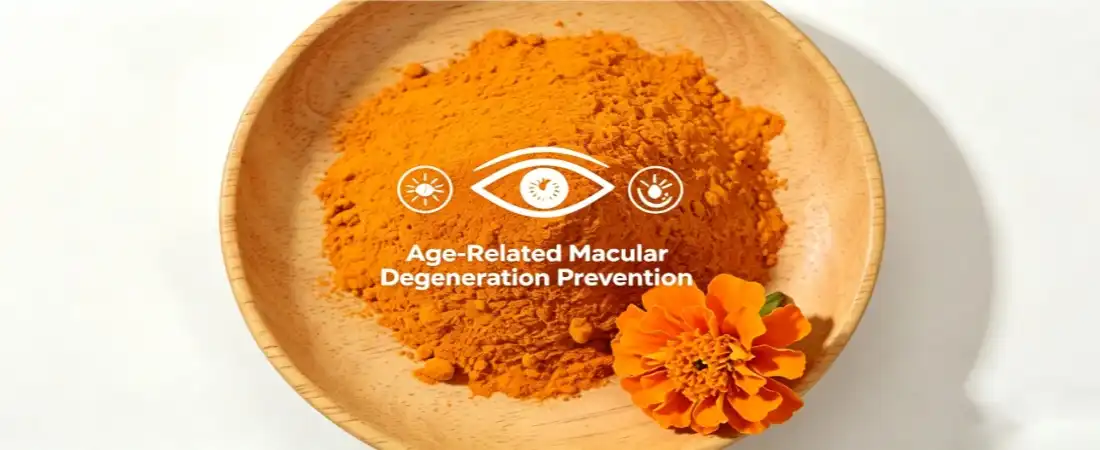
Conclusion
Using lutein and zeaxanthin powder instead of beta-carotene in a comparison study shows that xanthophyll-based formulas are better for eye health today. These ingredients from marigolds are the best choices for B2B buying workers making competitive, science-based goods because they are safe, target ocular tissue accumulation, filter blue light well, and have strong clinical proof. Beta-carotene is still useful as an antioxidant and vitamin A supplement, but it doesn't have the specific properties that are driving the growth of the eye health market today. Strategically choosing ingredients from qualified providers who offer consistent quality, thorough paperwork, and quick technical support has a direct effect on the success of formulations and where they are positioned in the market. By knowing these differences, you can make smart purchasing choices that combine effectiveness, safety, legal compliance, and business goals in a wide range of application areas and global markets.
FAQ
1. Which carotenoid provides superior eye health benefits?
Lutein and zeaxanthin defend the macular by blocking blue light and acting as antioxidants in specific areas. This directly lowers the chance of age-related macular degeneration. Beta-carotene helps with normal vision by turning into vitamin A, but it doesn't do as well at collecting in the macula or blocking blue light. There is clinical proof, like the AREDS2 study, that lutein and zeaxanthin are the best ingredients for eye health products.
2. What sourcing differences exist between organic and synthetic options?
Organic lutein and zeaxanthin powder comes from growing certified organic marigolds. It meets both USDA and EU organic standards for sellers who want to sell high-end natural products. Xanthophylls can't be made synthetically, but beta-carotene can be made in synthetic forms that are exactly the same as those found in nature. Organic approval comes with higher prices, but it also helps with marketing and aligns customer tastes with those who care about their health.
3. What safety concerns affect the choice of ingredients?
High amounts of beta-carotene supplements have been linked to lung cancer in smokers, which is why they need warning signs and are limited in some places. Lutein and zeaxanthin have clean safety profiles across all studied groups and dosages, which gets rid of these problems with regulation and labeling. This safety benefit makes it easier to reach more of the target market and makes compliance paperwork for foreign marketing easier.
Partner with NT Biotech: Your Trusted Lutein and Zeaxanthin Powder Supplier
NT Biotech specializes in sending high-quality marigold extract powders that meet the strict requirements of supplement makers, food ingredient buyers, and makeup formulators around the world. We have been making lutein and zeaxanthin powders for a long time and use our own special extraction technology along with strict quality control systems to make uniform powders that meet 5% to 98% of the standards. Our products are certified ISO9001, Kosher, and Halal. Our helpful staff promises to answer any questions you have within two hours, to have items in stock so that you can get them in two to four days, and to provide all the technical information you need to make regulatory reports easily. We allow OEM customizations that are flexible, accept payments in your local currency, and offer free samples to make sure that the ingredients work before you commit to buying a lot of them. Get in touch with our team at info@newthingsbiotech.com to talk about your specific buying needs, look into bulk price options, or ask for technical specs. You'll be working with a seller who cares about the success of your recipe and the long-term growth of the market.
References
1. Age-Related Eye Disease Study 2 Research Group. (2013). Lutein + zeaxanthin and omega-3 fatty acids for age-related macular degeneration: the Age-Related Eye Disease Study 2 (AREDS2) randomized clinical trial. Journal of the American Medical Association, 309(19), 2005-2015.
2. Bernstein, P. S., Li, B., Vachali, P. P., et al. (2016). Lutein, zeaxanthin, and meso-zeaxanthin: The basic and clinical science underlying carotenoid-based nutritional interventions against ocular disease. Progress in Retinal and Eye Research, 50, 34-66.
3. Hammond, B. R., Fletcher, L. M., & Elliott, J. G. (2013). Glare disability, photostress recovery, and chromatic contrast: relation to macular pigment and serum lutein and zeaxanthin. Investigative Ophthalmology & Visual Science, 54(1), 476-481.
4. Khachik, F., Beecher, G. R., & Smith, J. C. (1995). Lutein, lycopene, and their oxidative metabolites in chemoprevention of cancer. The Journal of Cellular Biochemistry, Supplement 22, 236-246.
5. Tan, J. S., Wang, J. J., Flood, V., et al. (2008). Dietary antioxidants and the long-term incidence of age-related macular degeneration: the Blue Mountains Eye Study. Ophthalmology, 115(2), 334-341.
6. Yeum, K. J., & Russell, R. M. (2002). Carotenoid bioavailability and bioconversion. Annual Review of Nutrition, 22, 483-504.